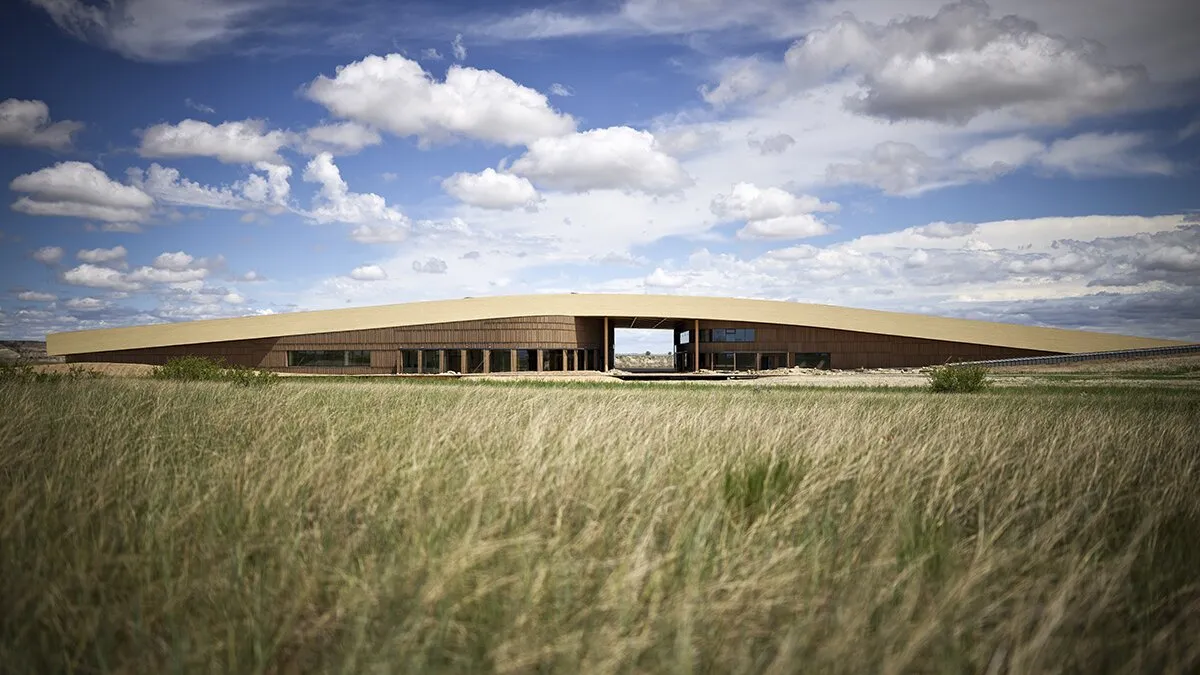
Where saltmarsh once vanished, fences now nurture a vibrant return.
Saltmarsh is vanishing globally, with 46% already lost. Brushwood fencing can restore it, but a new study finds it only works if fences are meticulously maintained.
Every day, people protect what matters. These are their stories.
1390 stories

Saltmarsh is vanishing globally, with 46% already lost. Brushwood fencing can restore it, but a new study finds it only works if fences are meticulously maintained.

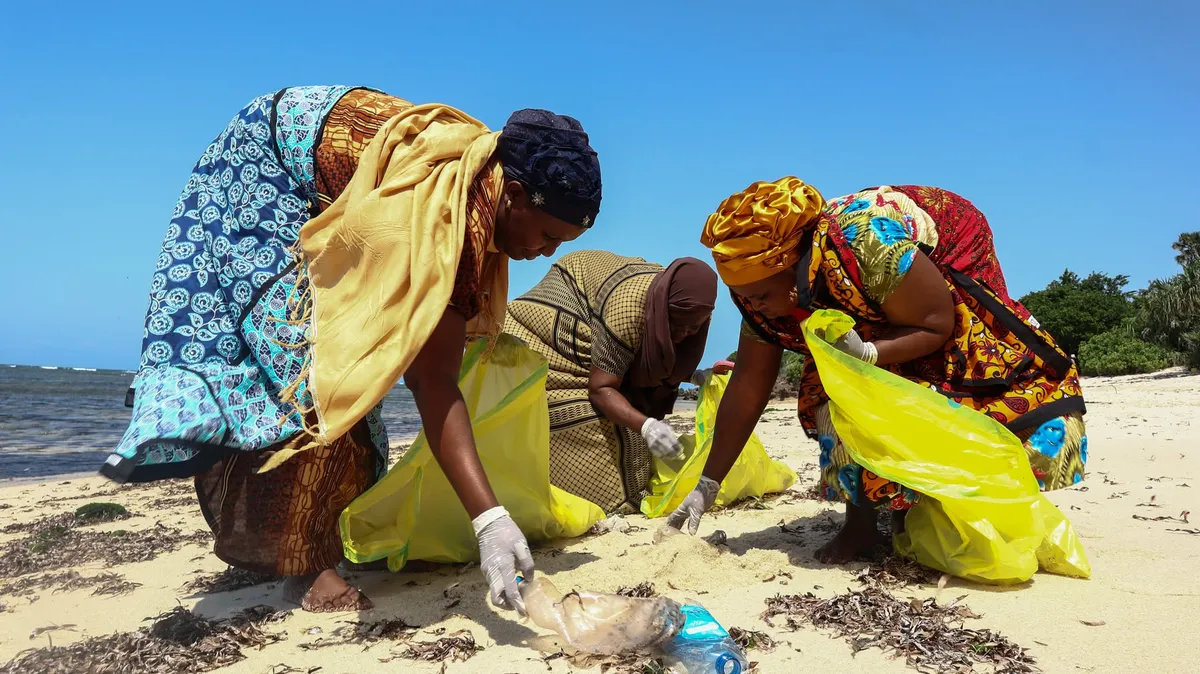
Nigerian women struggle for sanitary pads. Even with access, single-use products pose a new threat: plastic, chemicals, and waste. One teen found a solution.

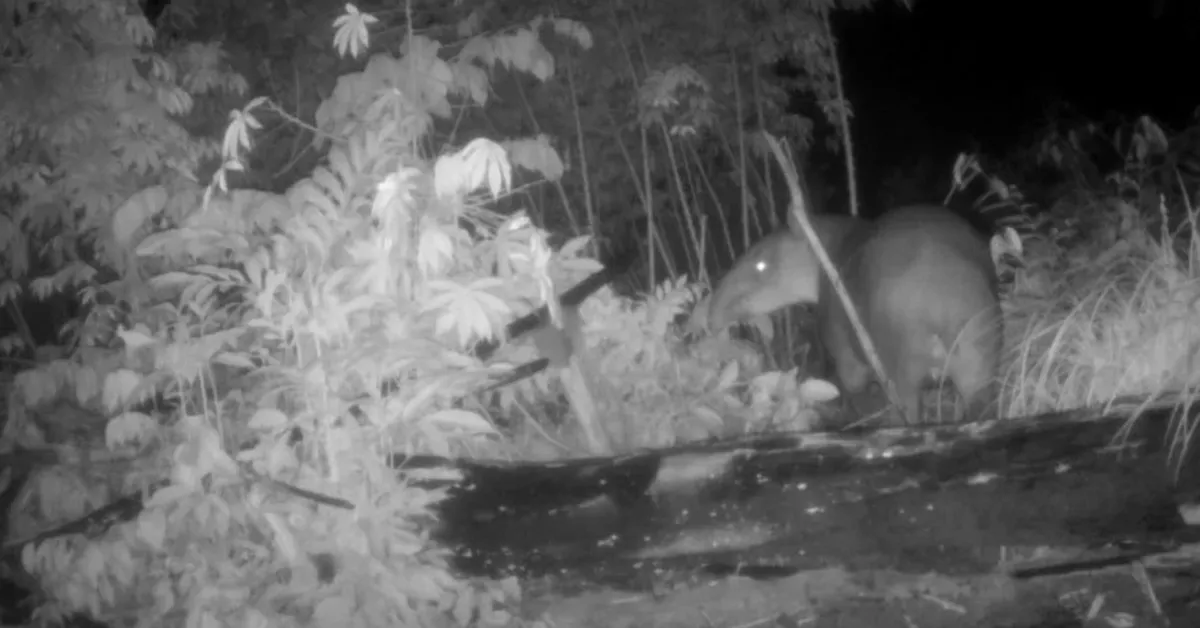
AI decodes ground animal camera traps, but arboreal species remain a mystery. A new model, TropiCam-AI, finally identifies elusive tree-dwellers in tropical American forests.

A rare Przewalski's horse, an endangered species, was born at the Bronx Zoo on April 21. This unique foal's arrival marks a significant step in bringing the species back from extinction.

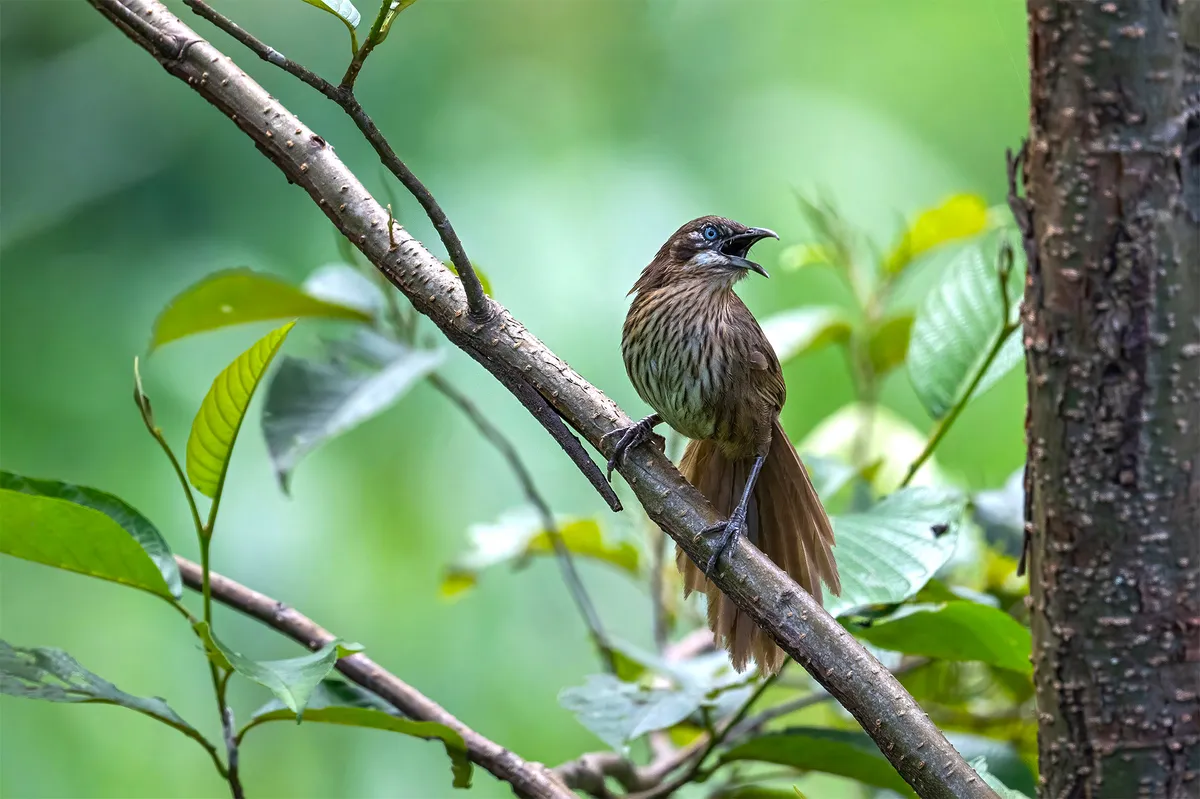
Gola Rainforest National Park exploded with sound for H.S. Sathya Chandra Sagar: countless birds, primate hoots, and distant chimpanzee drumming. A chorus of good news amid the tallest trees.
Join 50,000+ readers who receive our daily digest of the most uplifting stories from around the world.

A new foal at the Bronx Zoo is a huge win for conservation! Fewer than 2,000 of these endangered Przewalski's horses exist globally, making each birth vital for the species.

Meet the "frostie": the frosted flatwoods salamander. These beloved amphibians are among the most imperiled in the U.S., facing an uncertain future.

Platypuses are breeding again in Australia's oldest national park! After 50 years, 20 individuals now thrive, signaling a successful reintroduction for the unique egg-laying mammal.

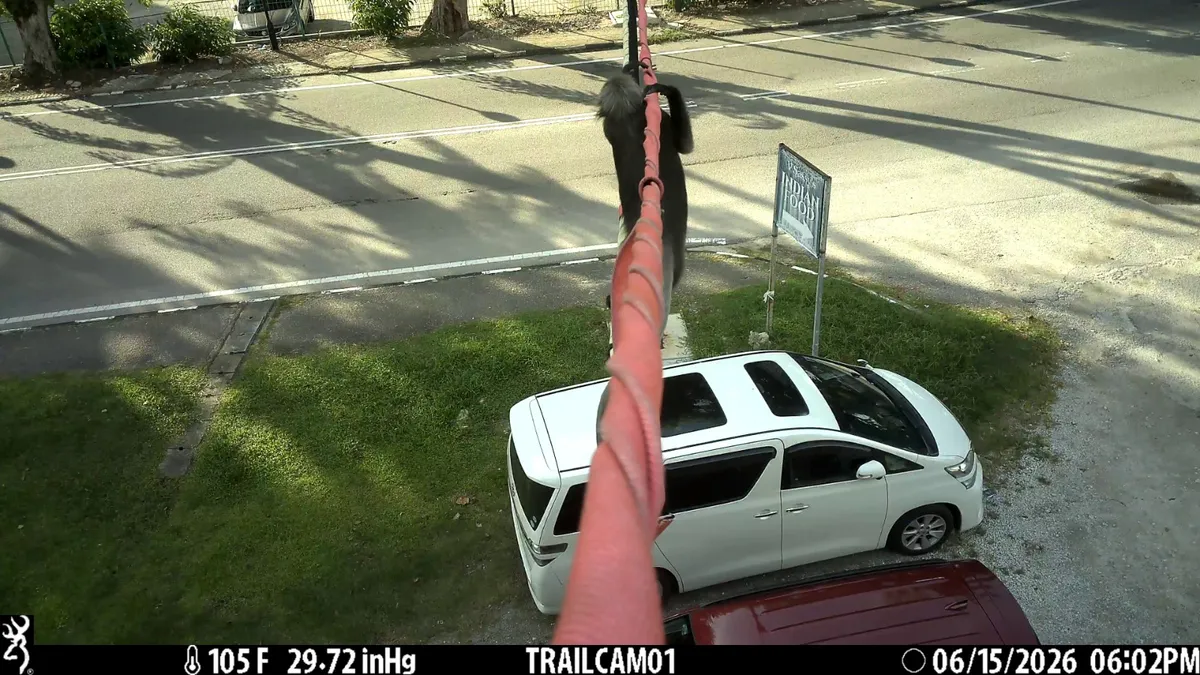
A langur named Towkay Soh, or "lady boss," was hit by a car crossing a busy road in Penang. Witnessing the accident, researcher Yap Jo Leen saw the injured langur's group display remarkable empathy.

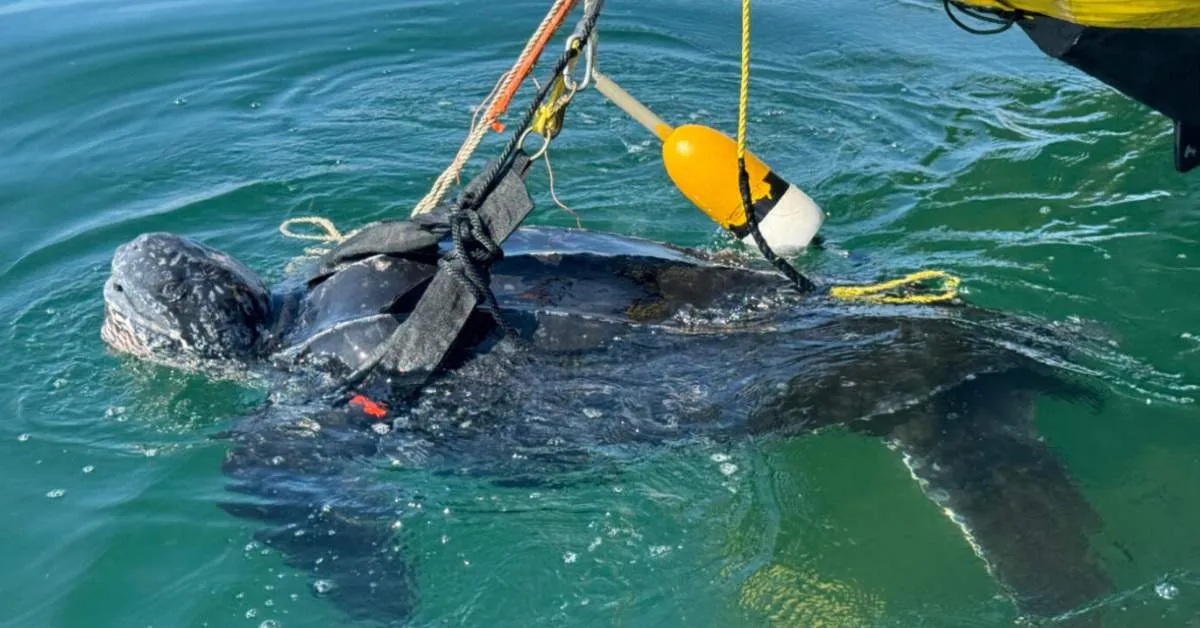
Fewer than 1,000 Eastern Pacific leatherback sea turtles remain. Scientists just tagged the first nesting leatherback in Ecuador, the species' southern limit, naming her Lucero.
Brightcast is dedicated to restoring faith in humanity by highlighting the progress, solutions, and kindness that often go unnoticed. We believe in a balanced worldview.
Read our full mission →
Scientists found a way to transform common plastics, like food packaging and 3D printing materials, into new, rapidly degrading substances. This breakthrough could help solve global plastic pollution.

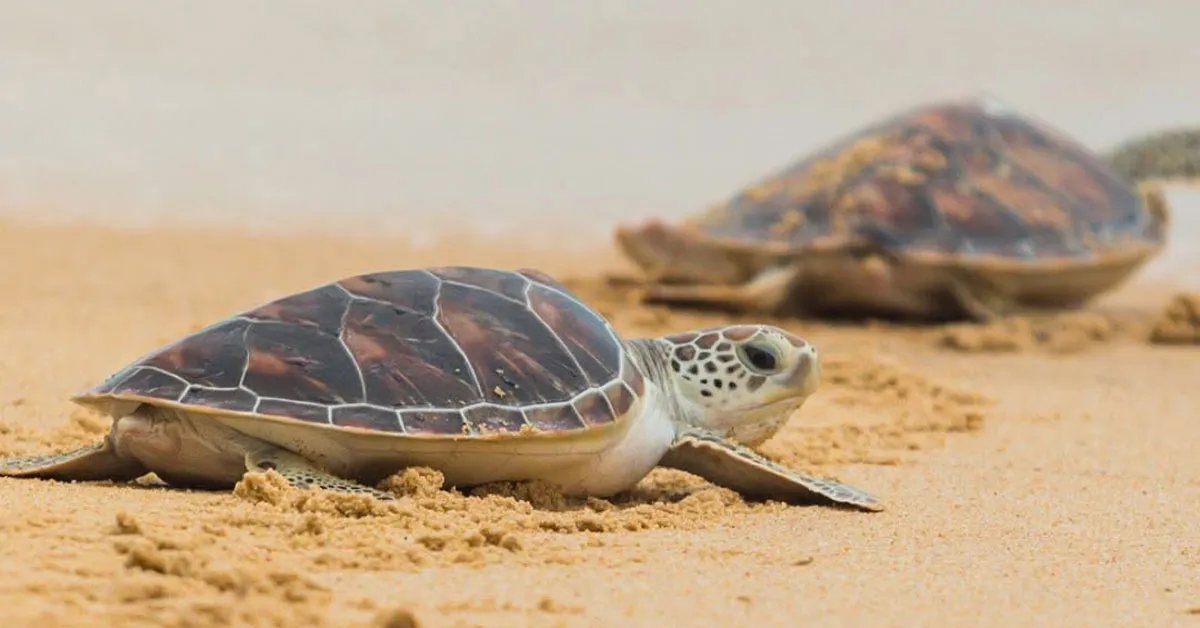
Only 1-2 of 1,000 sea turtle hatchlings survive to adulthood. In 2020, Kai, a loggerhead found unable to swim in South Africa, faced even steeper odds.

A cardiologist was baffled by an ultrasound of his sister's "patient"—a massive, muscular heart unlike any human's. His confusion was warranted: it belonged to a gorilla.

Indonesian authorities seized hundreds of kilograms of toxic mercury at Jakarta's port in late April. This bust reveals the vast illegal mining operations fueled by record gold prices across Southeast Asia.

100-million-year-old Myanmar amber reveals a bizarre insect with crab-like pincers for front legs. This unique find suggests an independent evolution of "chelae" unlike any modern insect.
Know someone who needs a boost? Share Brightcast with your friends and family.

China shattered solar export records in March 2026, shipping 68 GW of PV panels, cells, and wafers—a 49% jump from its prior high. This surge is linked to rising fossil fuel costs.

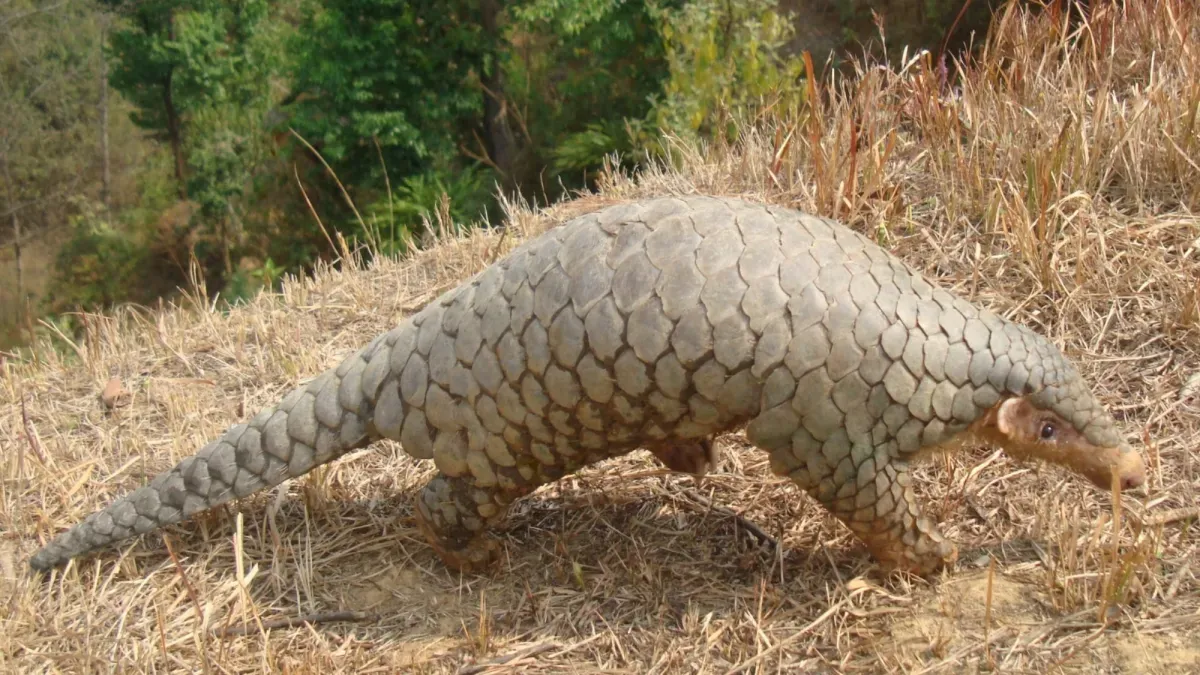
Nagaland's pangolins face extinction. Now, 42 villages are fighting back with ancient customary laws, banning hunting and enforcing protection through tribal councils and courts.

A golf-ball-sized blue octopus, discovered 6,000 feet deep in the Galápagos, is officially a new species! Its sudden appearance on camera stunned researchers.

Koalas face extinction. Australia's new Great Koala National Park aims to link fragmented eucalyptus forests, providing the connected habitat these iconic marsupials desperately need to survive.

Meet the vibrant blue octopus, Microeledone galapagensis—if you can. This palm-sized marvel, just described in Zootaxa, lives deep in the Galápagos, requiring a submersible to see.
Download the Brightcast app for a better reading experience, daily notifications, and offline access.
Download App
North America's first grid-scale advanced nuclear reactor just took a huge step forward! The NRC completed its environmental assessment for Texas's Long Mott Generating Station, planned for Dow's Seadrift complex.

Geopolitical unrest in West Asia unexpectedly boosted Sri Lanka's marine research. A UN-flagged Norwegian vessel, redirected from Oman, offered a rare chance to study Sri Lanka's marine ecosystems.

Sargassum seaweed chokes Caribbean, Gulf, and West African coasts annually. These massive mats devastate tourism, fisheries, and air quality, costing hundreds of millions in cleanup.

Angola's high-elevation elephants are a unique genetic lineage, DNA from dung reveals. They're linked to Namibian elephants, a surprising discovery.

Texas solar power is set to outproduce coal for the first time ever in the ERCOT market. No new coal plants are being built, while Texas leads the nation in new solar development.
Join 50,000+ readers who receive our daily digest of the most uplifting stories from around the world.

California scientists found hybrid honeybees that might naturally repel a deadly parasite. This discovery could protect pollinators.

Parks are vital green infrastructure, helping cities combat climate change. Tim Beatley, Biophilic Cities Network founder, emphasized their importance in a webinar on innovative parks.

Hawaii researchers are testing if plastic waste and abandoned fishing nets can be safely reused in asphalt roads.

Australia's 2019-20 bushfires had a furry hero: Bear, a dog who saved countless koalas. After a decade of vital conservation work, the 11-year-old pup has retired, and the search for his successor is on.

Forget AC. Before humming appliances and soaring bills, generations lived *with* the climate. Now, Jodhpur revives ancient wisdom to combat extreme heat.
Brightcast is dedicated to restoring faith in humanity by highlighting the progress, solutions, and kindness that often go unnoticed. We believe in a balanced worldview.
Read our full mission →
15 stories that made today brighter

May 23 is World Turtle Day, but there's little to celebrate. Over half of the 359 turtle and tortoise species, survivors since the Triassic period, now face extinction.
Meet Alessia Lavigne, a "Turtle Eggsplorer" and Ph.D. student at the University of Sheffield. Her May 3 video of hundreds of endangered hawksbill hatchlings racing to the sea went viral.

Bolivia's 2024 wildfire crisis met its match: Indigenous resilience and ancestral knowledge are guiding recovery efforts, proving vital in the face of devastation.

Snow leopards haunt the rocky ridgelines of Central Asia, vanishing into terrain so rugged that researchers rarely catch more than a brief glimpse on camera traps. Locals call them “ghosts of the mountains.” Their elusive nature, paired with the remote landscapes the cats inhabit, make them notoriou...
Know someone who needs a boost? Share Brightcast with your friends and family.

Your pet's happy dance? That's pure emotion. Animals, wild or domestic, express joy, fear, and love through nonverbal cues. Yellowstone wolf researcher Taylor Rabe captures these powerful moments.

Amsterdam just banned meat and fossil fuel ads! The city is the first to take this step, aiming for carbon neutrality by 2050 and halving meat consumption.

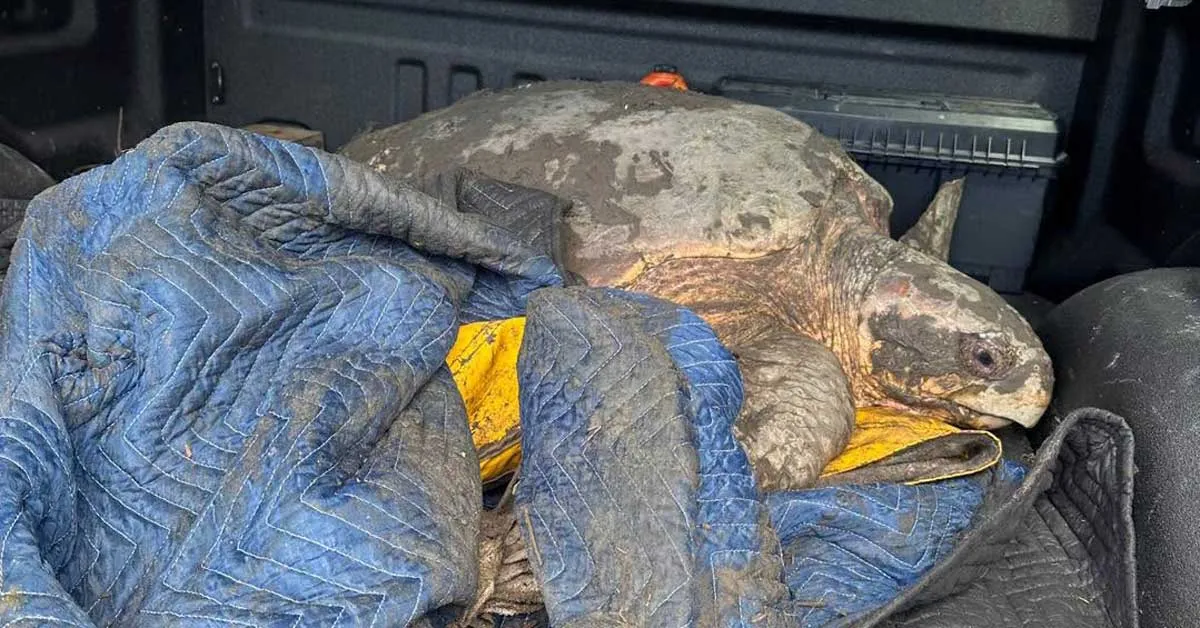
A North Carolina fisherman accidentally hooked a sea turtle from a pier. Realizing his catch, he immediately called the Emerald Isle Sea Turtle Patrol for help.

1,000 uncharted coral reefs discovered in northern Australia! Scientists layered satellite images to reveal a reef system comparable in number to the Great Barrier Reef, hidden in turbid waters.

Global coal use fell in 2025, yet the capacity to burn it surged. A Global Energy Monitor report reveals coal power generation dropped 0.6%, but on-call capacity rose 3.5%, mainly in China.