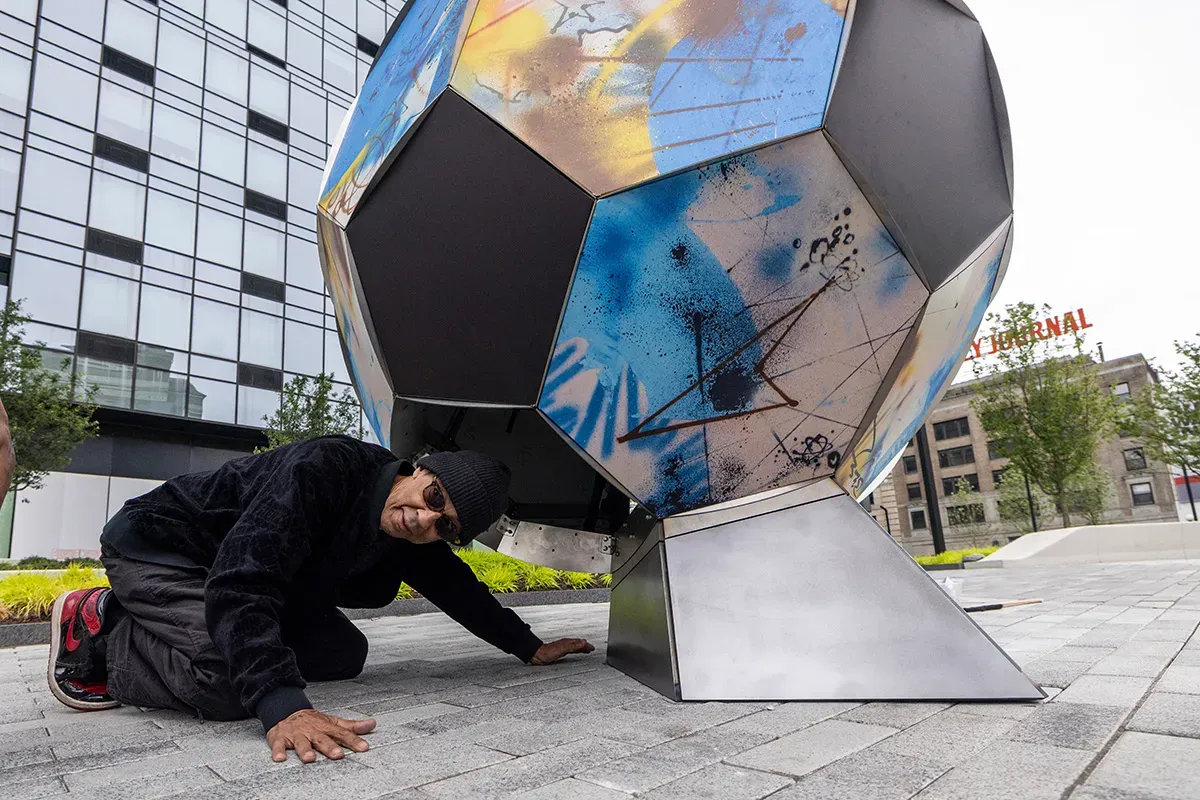
Find Futura 2000's art on a soccer ball near you.
Agnes Gund's final project? Not a gallery, but the 2026 FIFA World Cup. She commissioned 23 artists to create large-scale soccer ball sculptures for New York and New Jersey.
Good news from around the world.
9667 stories

Agnes Gund's final project? Not a gallery, but the 2026 FIFA World Cup. She commissioned 23 artists to create large-scale soccer ball sculptures for New York and New Jersey.

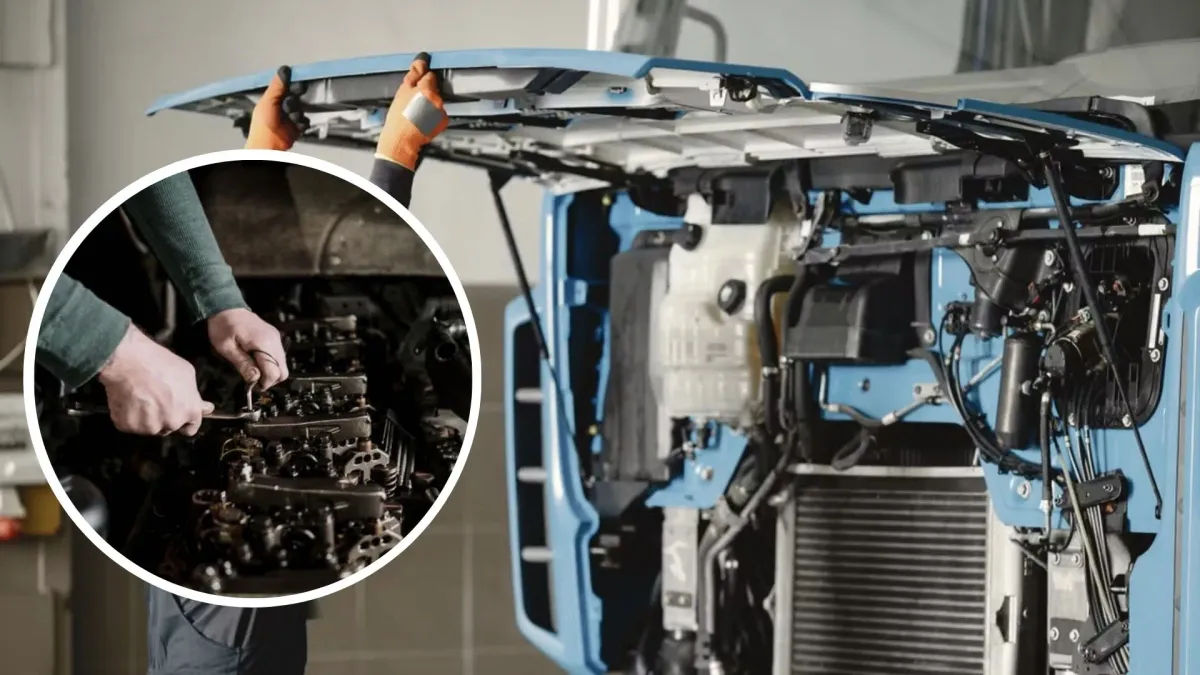
Lighter, hotter, stronger: ORNL researchers developed advanced aluminum alloys for truck engines. These alloys meet GM's tough standards, promising over 10% better fuel efficiency.

Sleep loss during pregnancy and postpartum could be an early driver of anxiety. A new study reveals the link.

Disaster declarations just got faster. The Appropriations Committee approved a spending bill streamlining the process and preserving vital state and local preparedness grants.

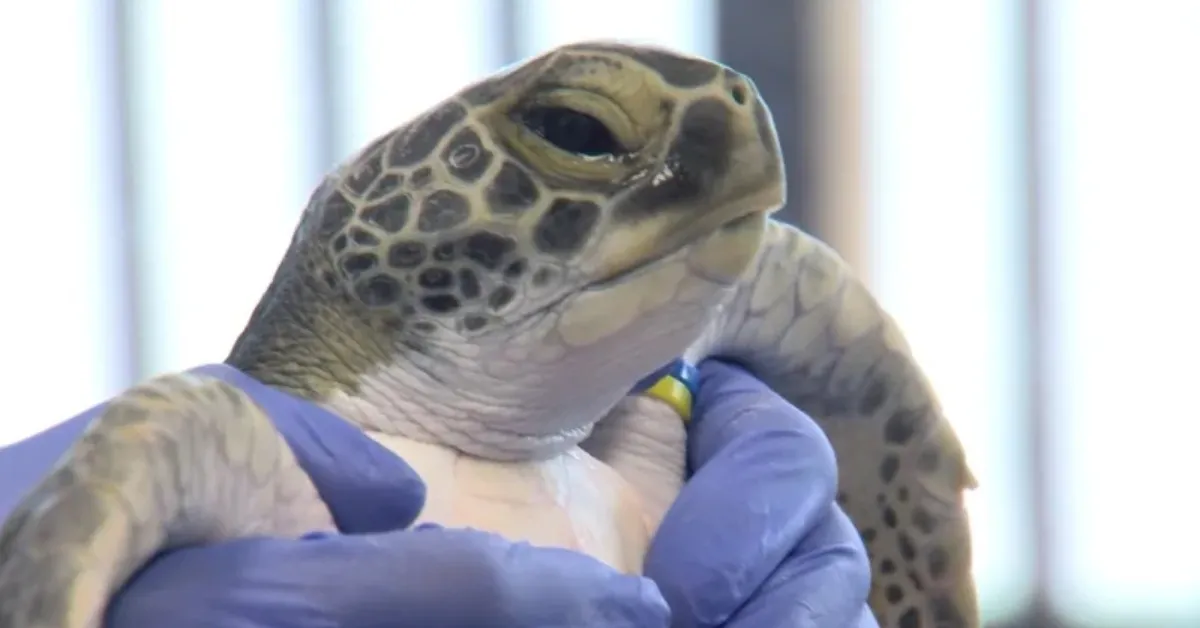
A sea turtle patient tried to kill its vet. For Dr. Lindsey Waxman, that's a sign of success. It means the turtle has the energy to fight, survive, and return to the wild.
Join 50,000+ readers who receive our daily digest of the most uplifting stories from around the world.

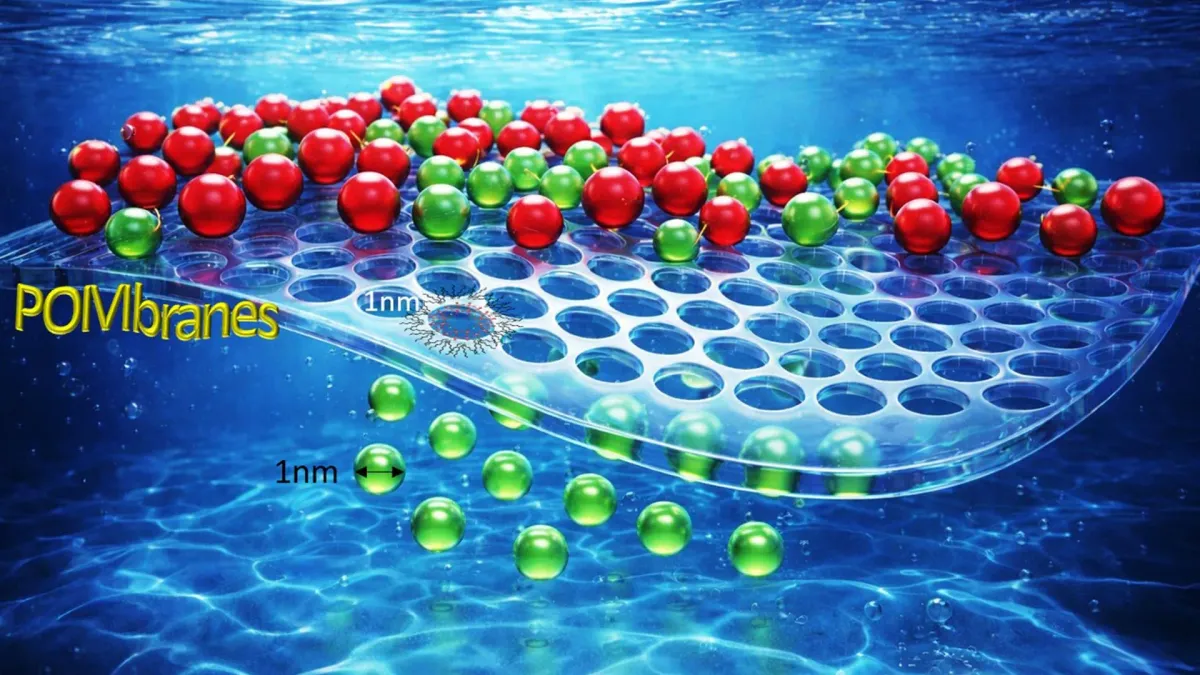
This new nature-inspired membrane uses perfectly uniform one-nanometer pores to filter molecules with remarkable precision. It could transform industries like pharma and textiles, cutting energy and boosting water reuse.

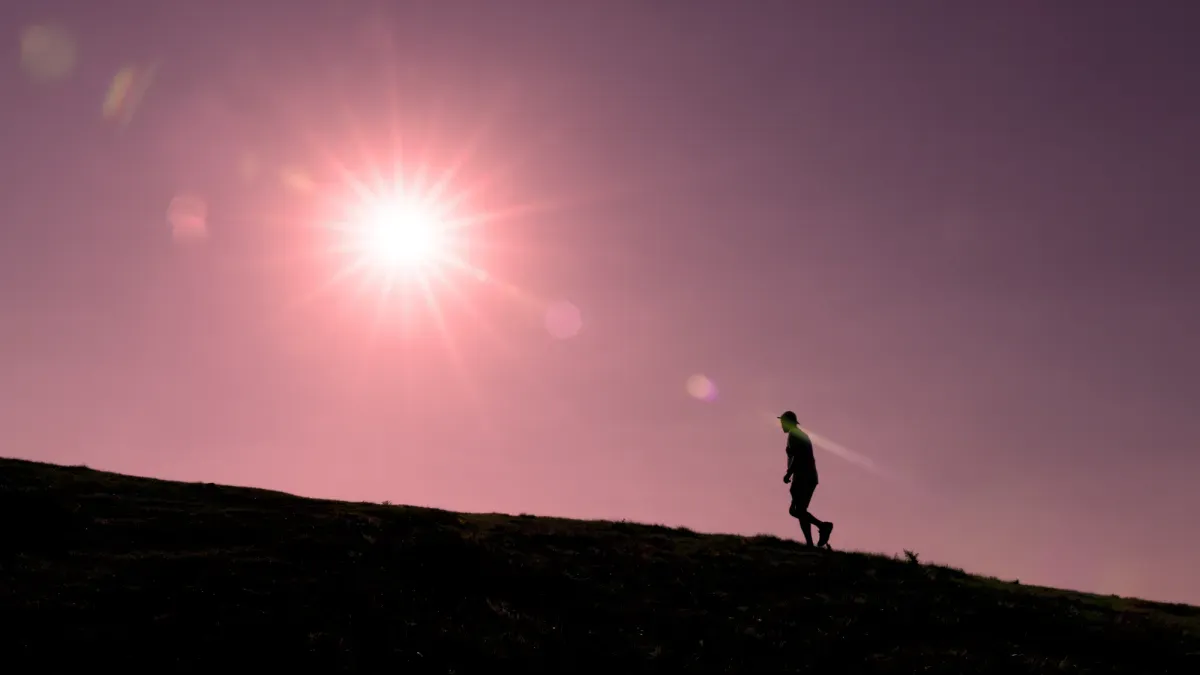
Ever been routed under a bridge or across a highway by your navigation app? Standard maps ignore safety and comfort. ASU is developing "Cool Routes" to map pedestrian journeys based on sun exposure and temperature.

Isolated research reveals how teams adapt to long confinement. New clues emerge from Earth's most remote station.

Mangroves reach a global turning point, a France-sized marine reserve is established, and EVs are saving lives. Discover this and more good news!

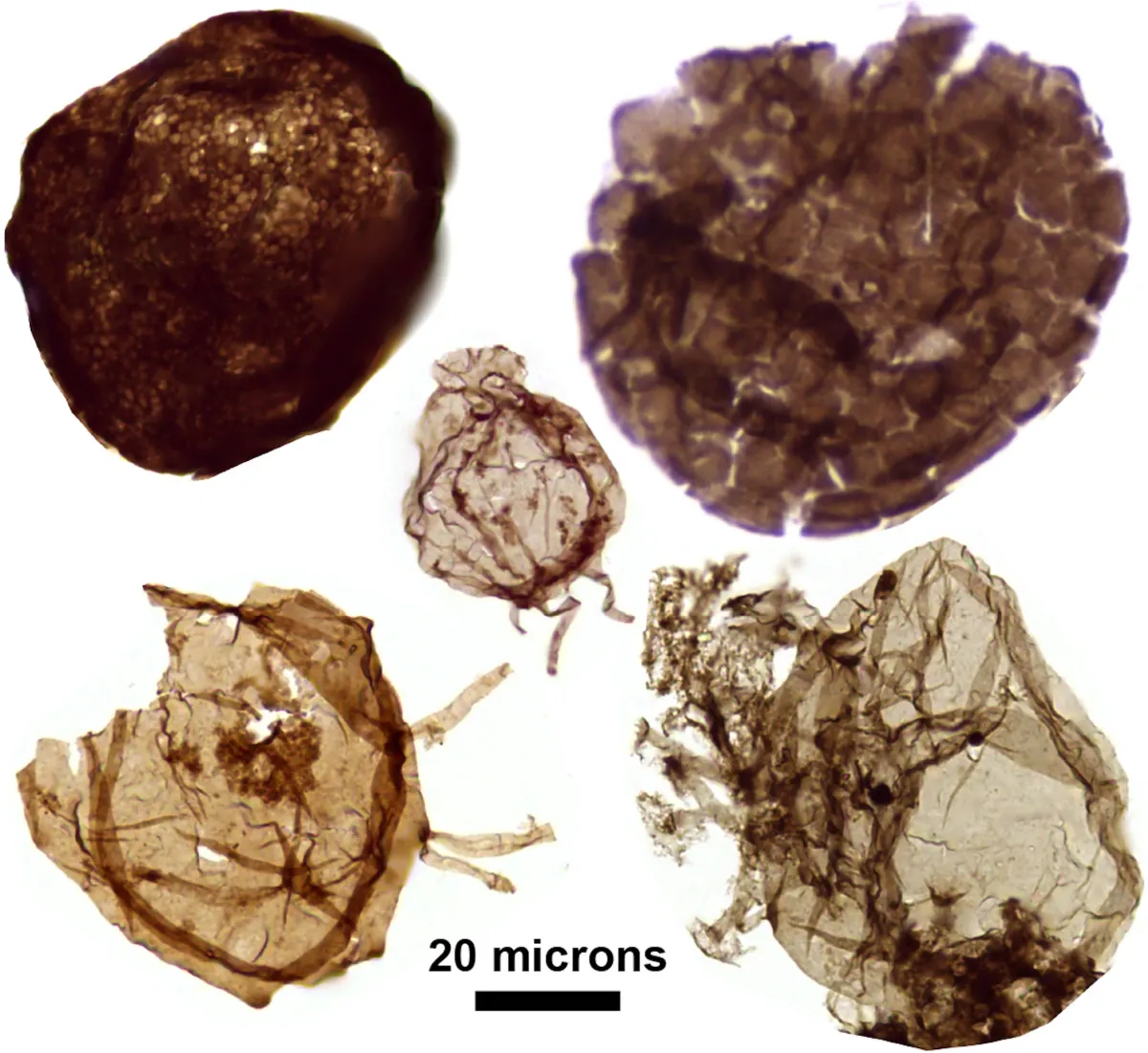
Ancient Australian fossils reveal Earth's earliest eukaryotes needed oxygen. This new evidence suggests oxygen was crucial for the evolution of complex life.
Brightcast is dedicated to restoring faith in humanity by highlighting the progress, solutions, and kindness that often go unnoticed. We believe in a balanced worldview.
Read our full mission →
Applause erupted in Gage County as the board approved strict new wind energy regulations. Residents, including Larry Allder, celebrated a victory for their community.

Art in decline? A new triennial in rural Medina, NY, asks what it means to create when material comfort wanes for all but the richest, challenging the art world's perennial question.

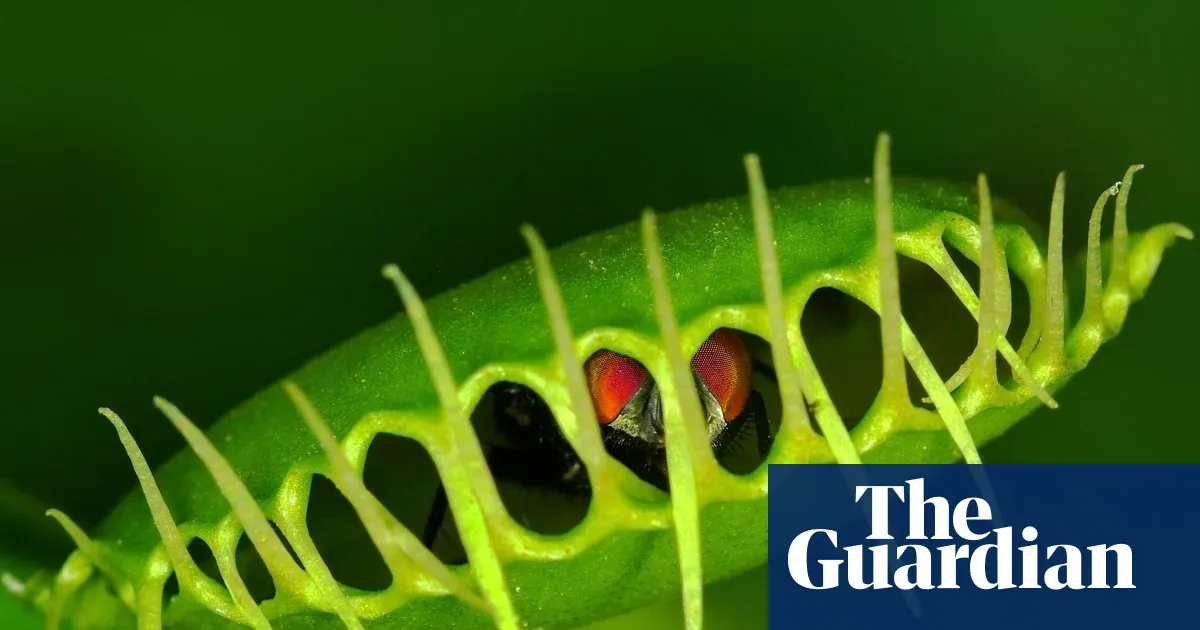
Venus flytraps lure insects with nectar, then snap shut. Scientists just uncovered the lightning-fast mechanism behind this carnivorous plant's predatory moves.

Want to live longer? Just 90-120 minutes of strength training weekly could be your answer. A 30-year study of 147,000 people links it to lower risks of death, especially from heart and brain diseases.

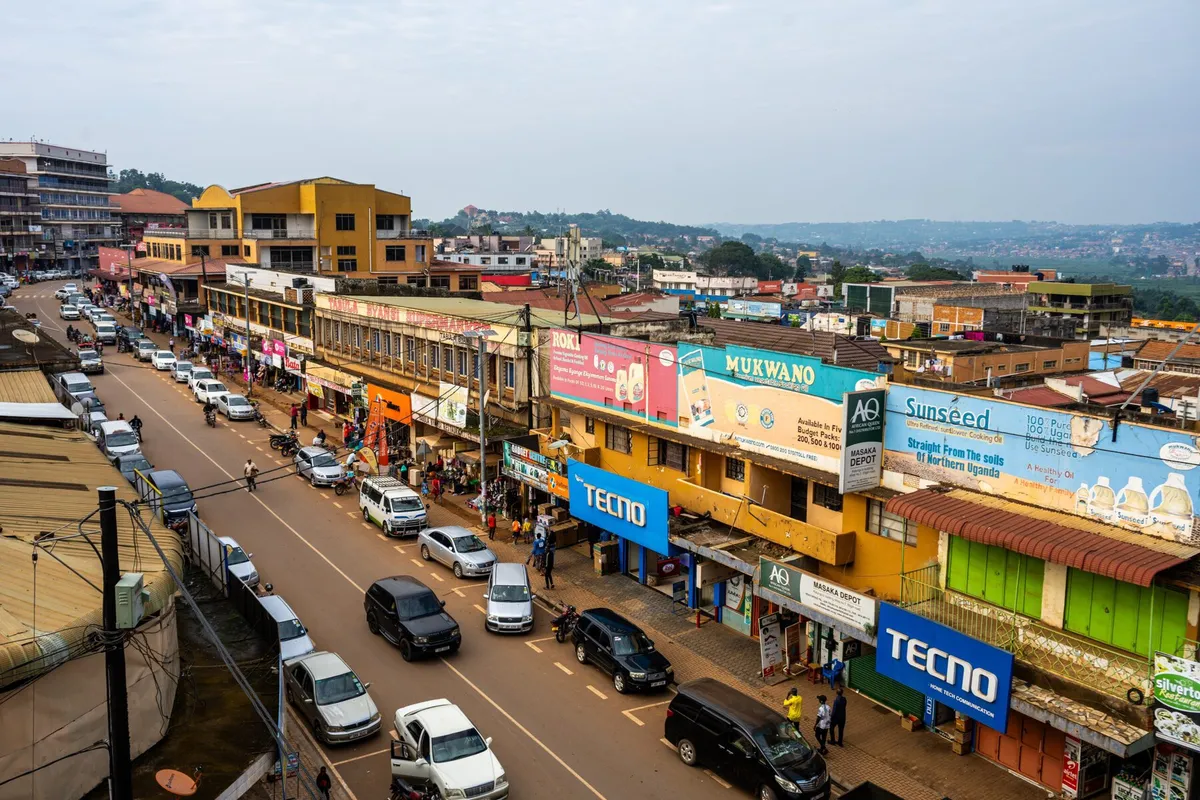
Masaka City Hall's morning line tells a story: young Ugandans, 43% jobless or out of school, demand action on jobs, businesses, and neglected neighborhoods. They want their voices heard.
Know someone who needs a boost? Share Brightcast with your friends and family.

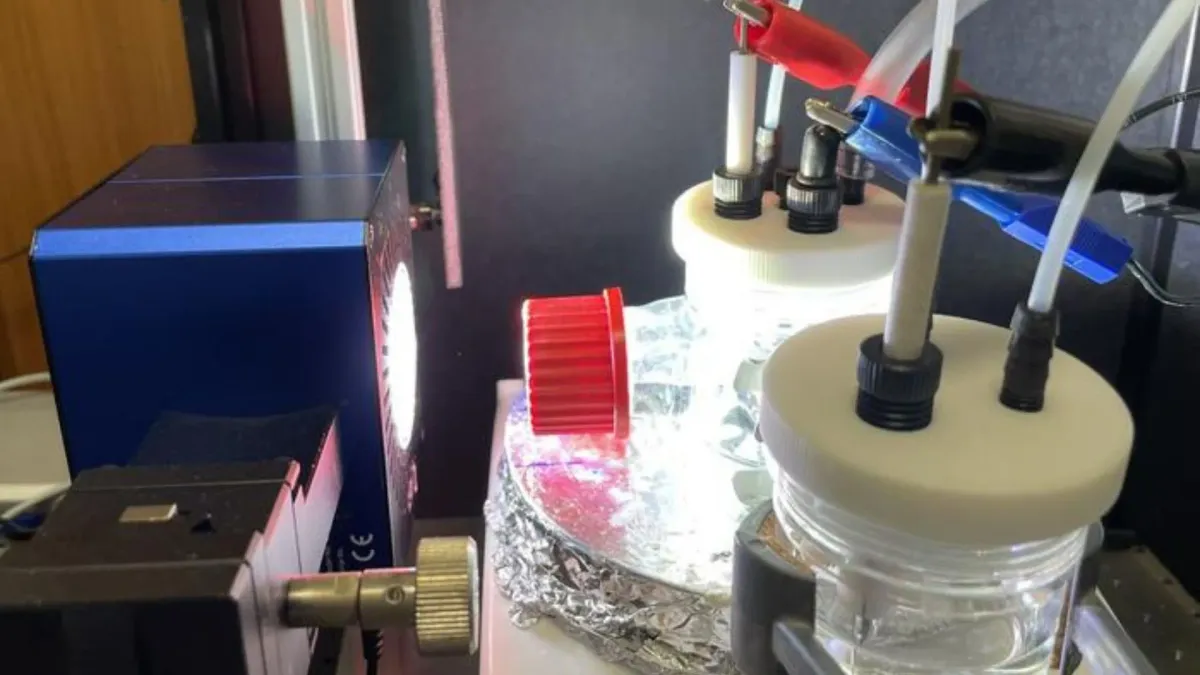
Turning greenhouse gases into valuable assets was a dream. Now, Nottingham scientists use a solar-powered reactor and novel catalysts to transform CO2 and water into useful products simultaneously.

Oyster shells from Orange County restaurants are becoming new ocean habitats. The Shells for Shorelines program recycles dinner scraps into foundations for new oyster growth, restoring marine ecosystems.

Astronomers using NASA's Chandra X-ray Observatory may have found a supernova remnant in our galaxy's center—the expanding remains of an exploded star critical for planet formation and life.

Strategy's fine, team's capable, but results stall. Why? Chief People Officer Julie Turpin says it's habits. Consistent, daily actions, not just talent, drive lasting success.

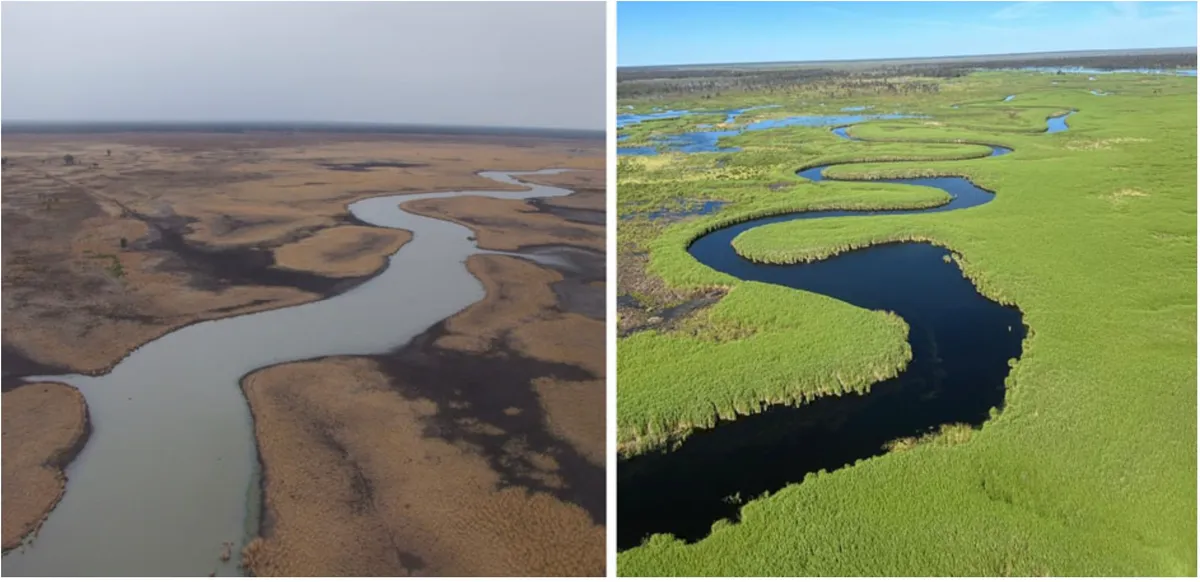
Australia's Great Cumbung Swamp, a vital 33,000-hectare wetland in the Murray-Darling Basin, was transferred to Indigenous ownership in 2026 for conservation, protecting its unique ecosystem and diverse wildlife.
Download the Brightcast app for a better reading experience, daily notifications, and offline access.
Download App
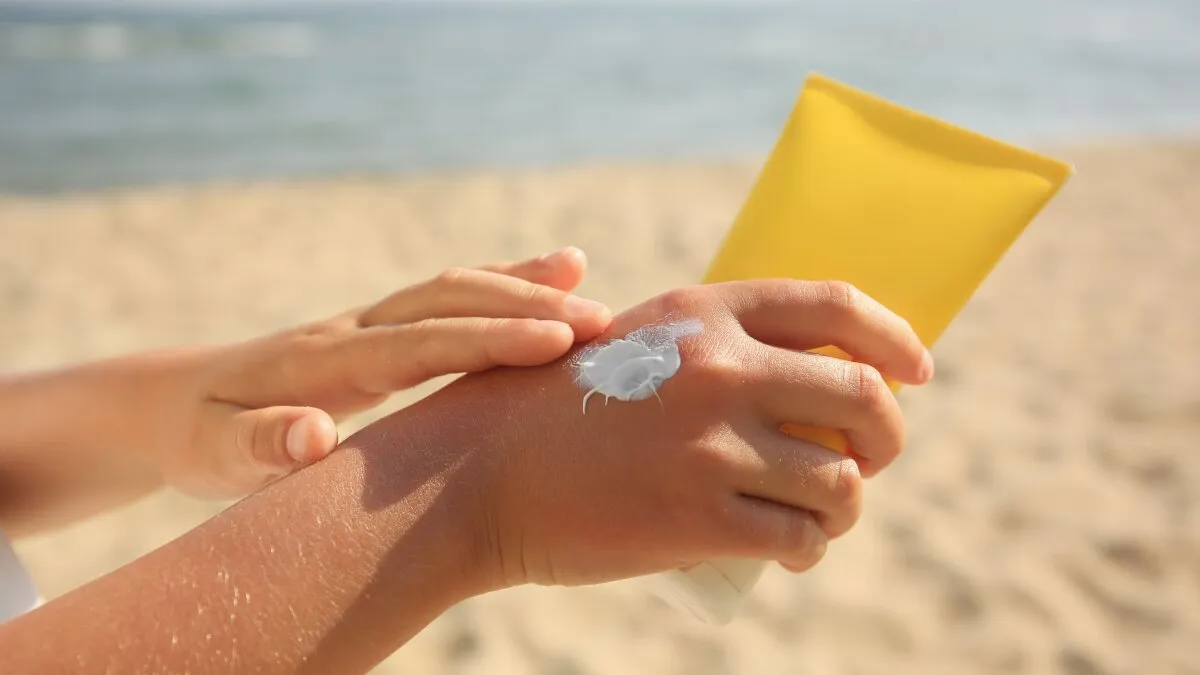
After 20 years, the FDA finally approved a new sunscreen ingredient: bemotrizinol. This breakthrough promises more effective UV protection, ending a two-decade drought for US sun care.

Want greener batteries, safer hydrogen, and more efficient wind power? BAM researchers reveal how to design high-performance materials for a sustainable future.

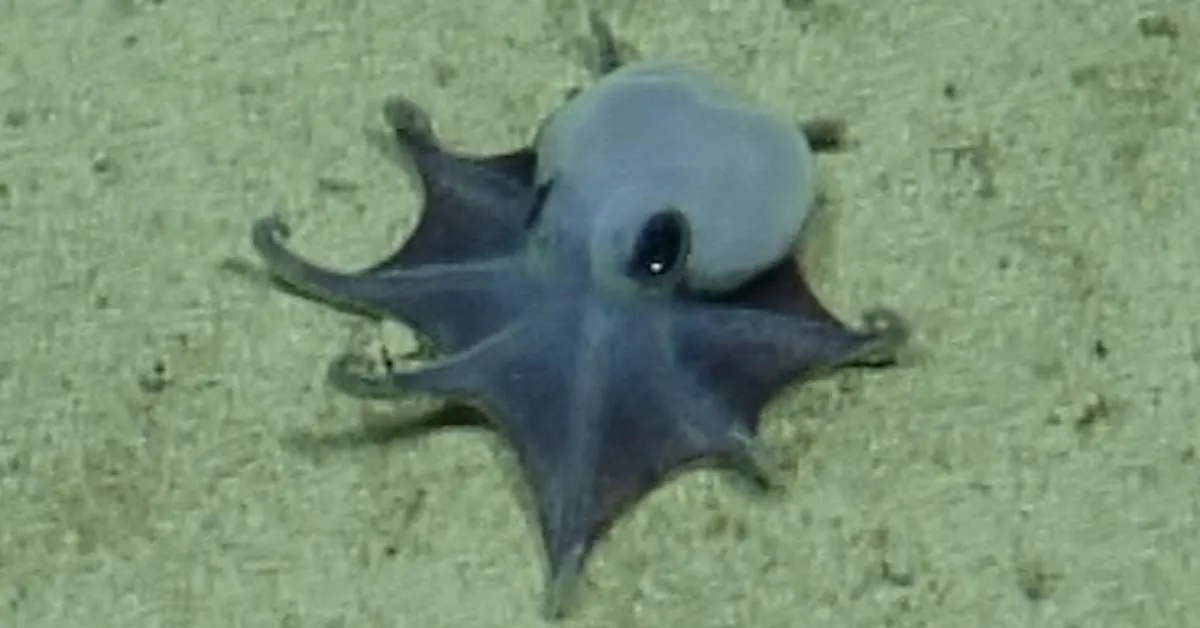
Scientists discovered a golf-ball-sized, short-armed blue octopus in the Galapagos deep sea in 2015. A new study confirms this unique creature, Microeledone galapagensis, is new to science.

After a forced 3-week quarantine in Europe, the DRC squad finally landed in the US for the World Cup. US authorities insisted on the isolation period before their arrival from Paris.

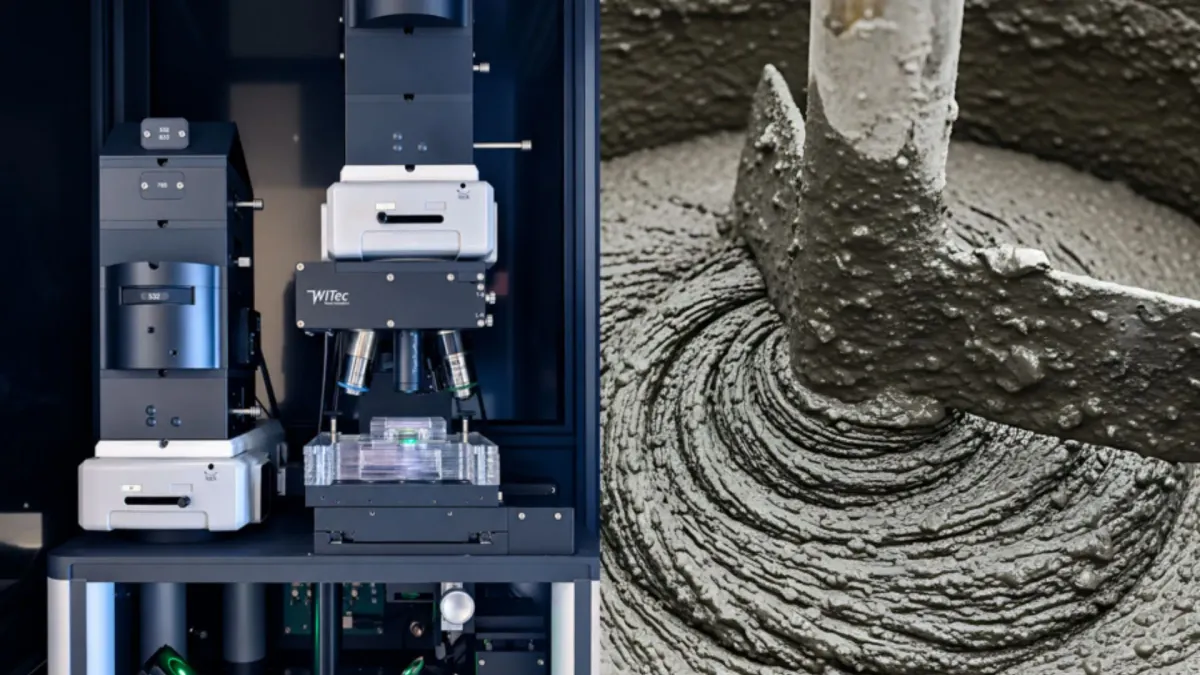
Concrete's carbon-trapping secret is out! For years, CO2 injections improved concrete, but *how* was a mystery. Now, MIT scientists have finally watched the chemistry unfold in real time.
Join 50,000+ readers who receive our daily digest of the most uplifting stories from around the world.

Molly Selin expected a quiet subway ride home. Instead, a stranger's question on May 1st in NYC changed her life forever, just after returning from Spain.

Mexico erupted! Julian Quinones scored just nine minutes into the 2026 World Cup opener, sending the host nation to a thrilling victory and their two goal scorers into an emotional frenzy.

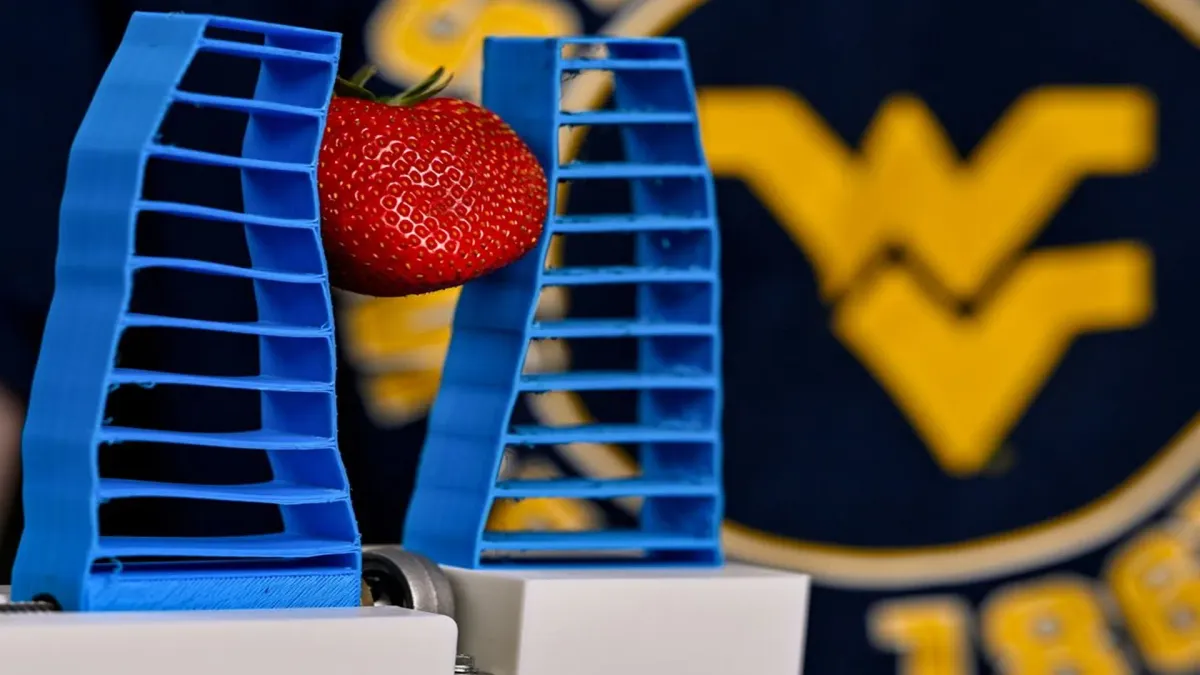
This soft robotic gripper inspects and harvests fruit without damage, reducing food waste and boosting efficiency. Its silicone fingers use sensors to assess ripeness, then gently twist stems to pick.

Richard Pryor was a comedy legend. Now, his daughter Elizabeth Stordeur Pryor reveals what it was like growing up with him in her new memoir, "Something We Said: Richard Pryor, a Notorious Word, and Me.

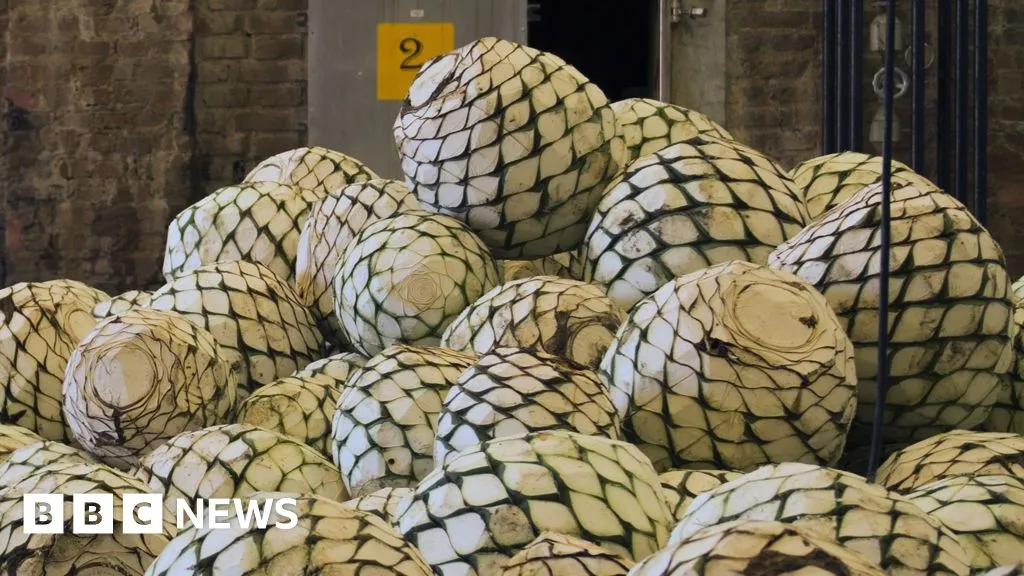
India's "blue gold" is sparking a spirits revolution. Wild agave, long overlooked, is now being distilled into unique spirits, creating a vibrant new industry.
Brightcast is dedicated to restoring faith in humanity by highlighting the progress, solutions, and kindness that often go unnoticed. We believe in a balanced worldview.
Read our full mission →
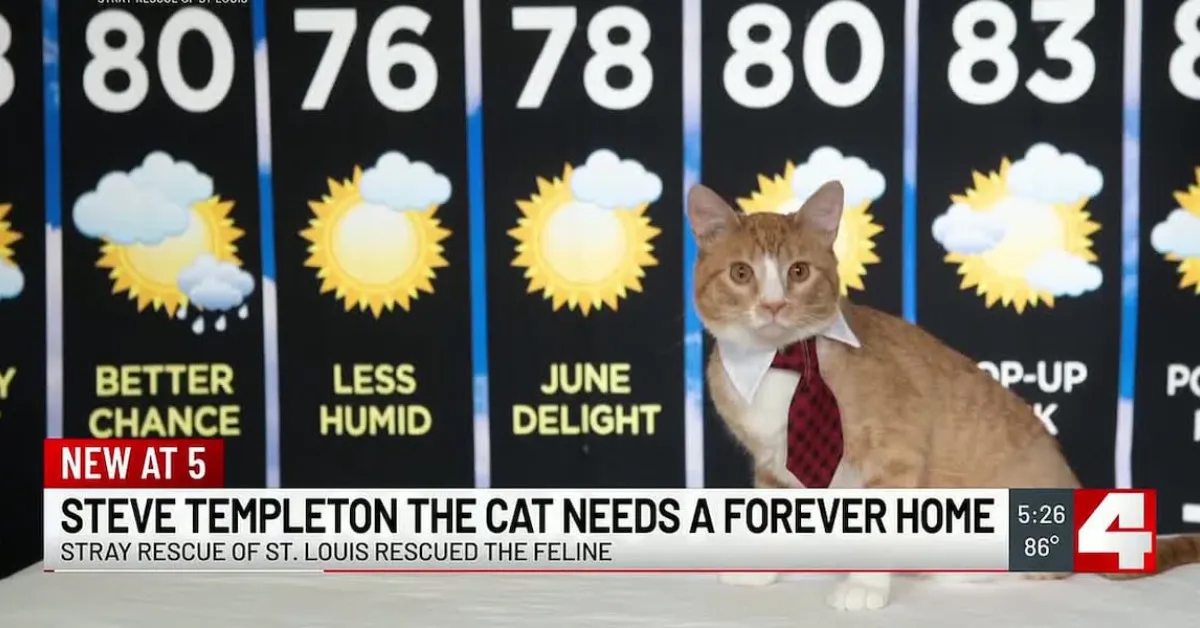
April 27 brought golf-ball-sized hail and tornadoes to St. Louis. As severe storms raged, locals hunkered down, but one meteorologist was busy making headlines for an unexpected reason.

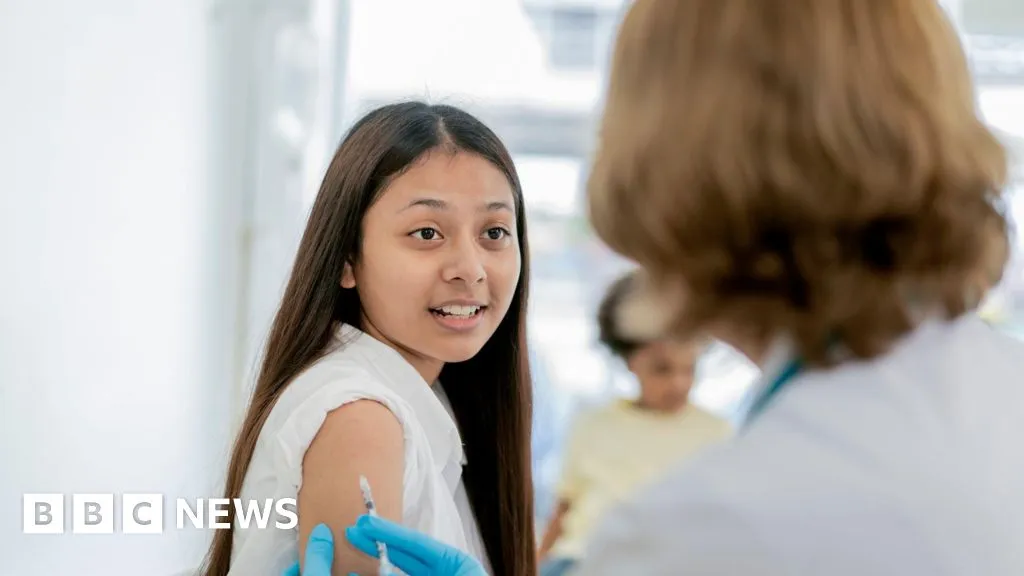
A million young people will receive the Meningitis B vaccine. This follows an unprecedented outbreak in Kent this year.

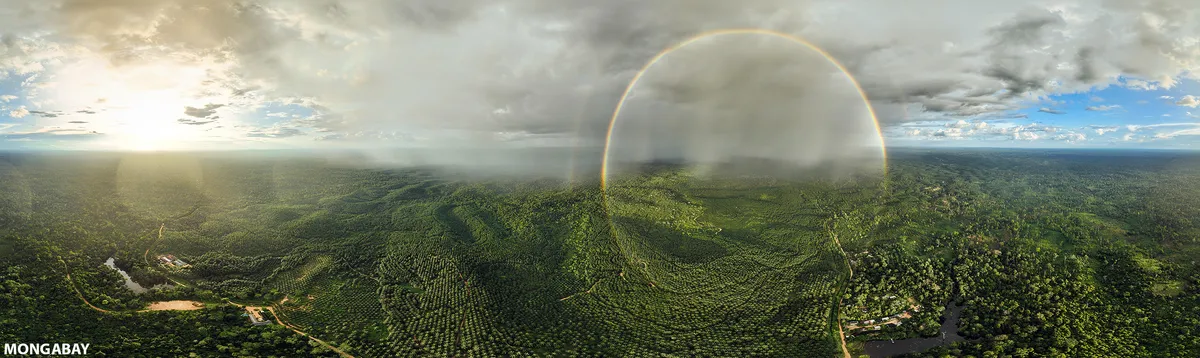
ASEAN nations committed to environmental justice for 680 million people last October. Now, the real challenge begins: implementing their Declaration on a Safe, Clean, Healthy, and Sustainable Environment.

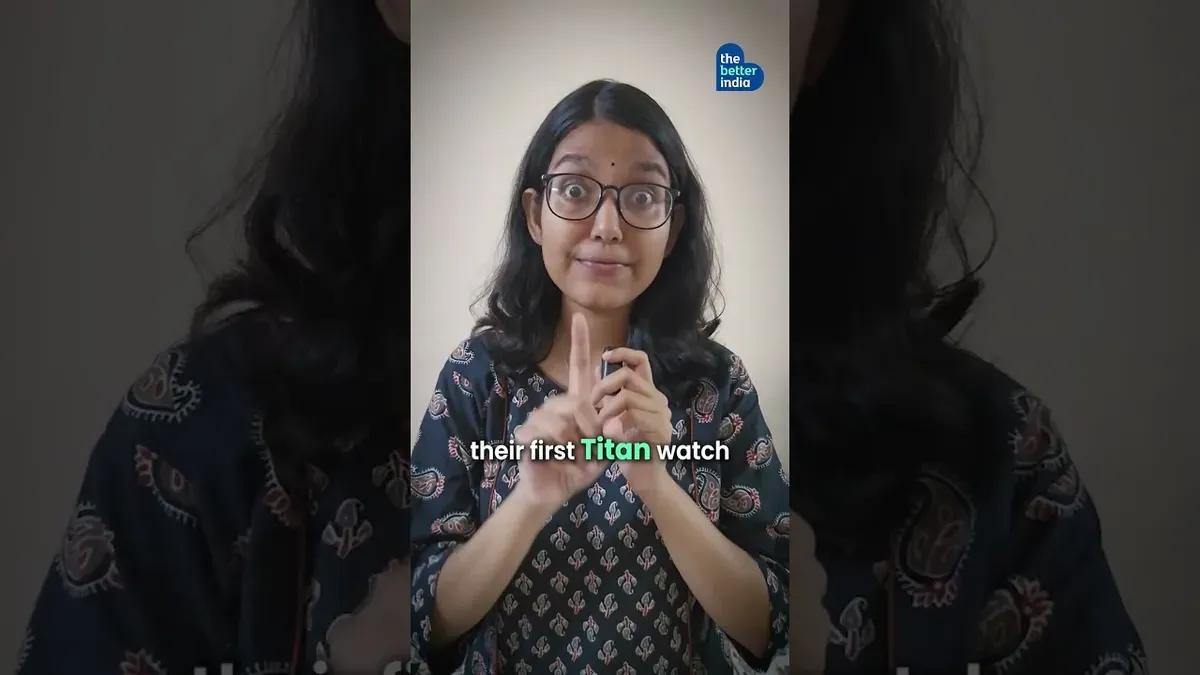
Every Indian family knows Titan watches, but few know Hosur. This small Tamil Nadu town became India's watchmaking heart, democratizing quality timepieces when global brands were expensive.

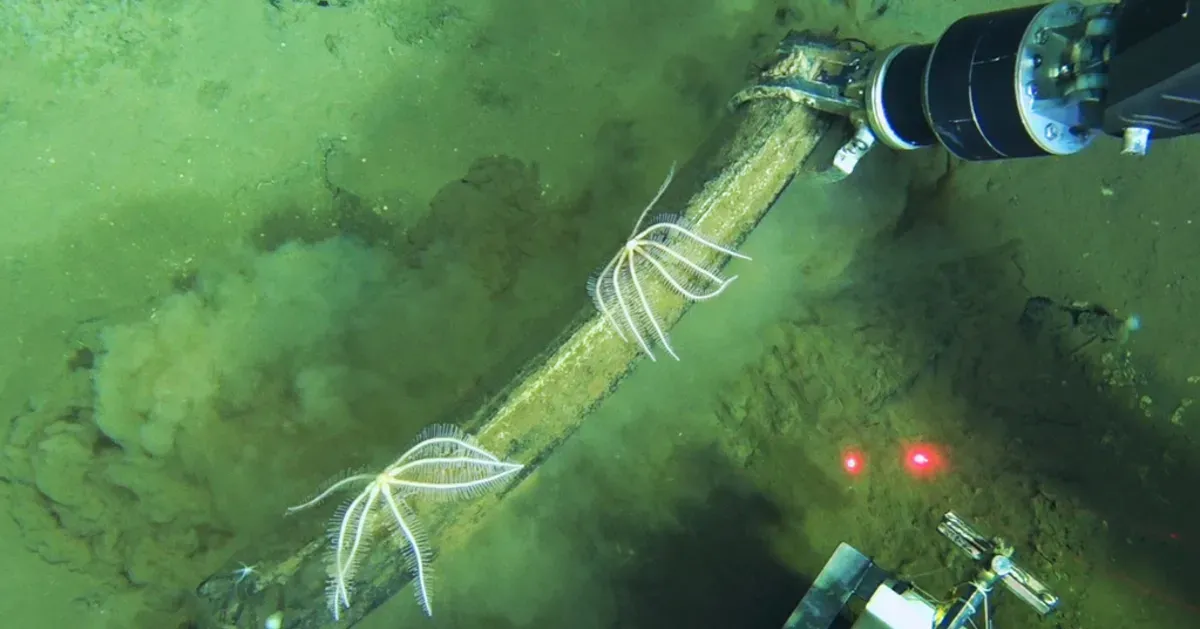
A millions-year-old whale graveyard teems with life! Scientists found jellyfish, tubeworms, and brittle stars thriving on ancient whale carcasses, a sustaining snack for deep-sea critters.
Know someone who needs a boost? Share Brightcast with your friends and family.

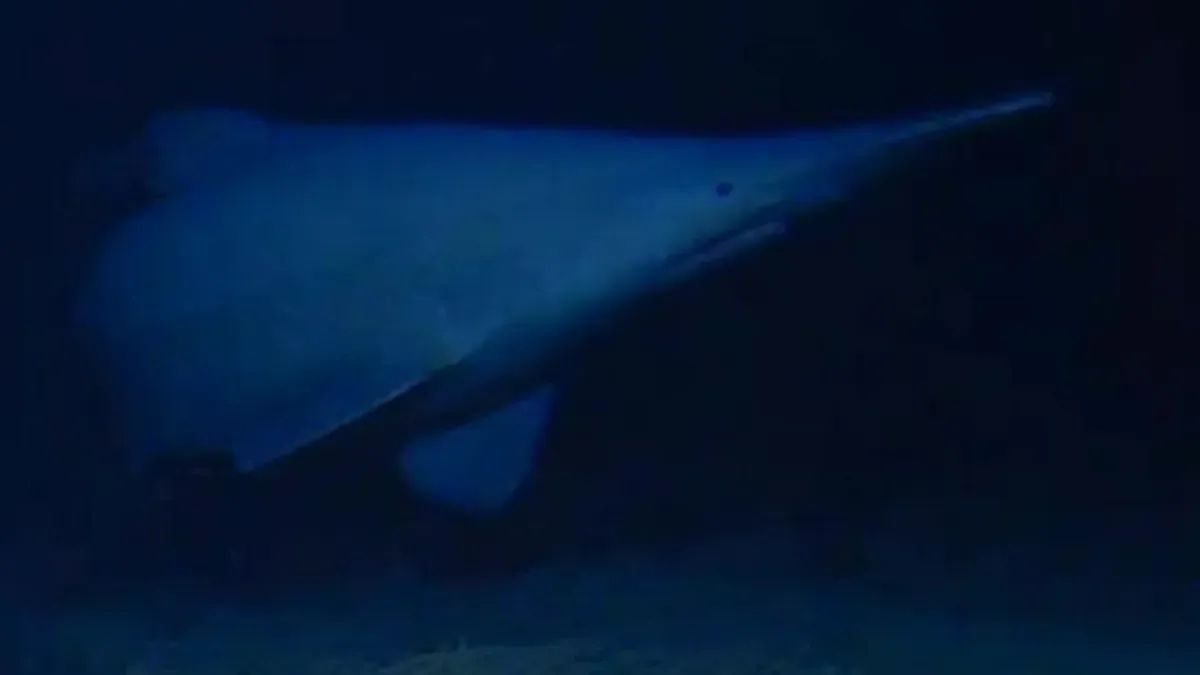
Meet the goblin shark: Earth's rarest, weirdest shark. This pink-skinned living fossil, with its horn-like snout and protrudable jaws, is the sole survivor of a 125-million-year-old lineage.

French scientists just unveiled a new method to unmask art forgeries. Published in Surface Topography: Metrology and Properties, their technique promises to authenticate artworks with unprecedented accuracy.

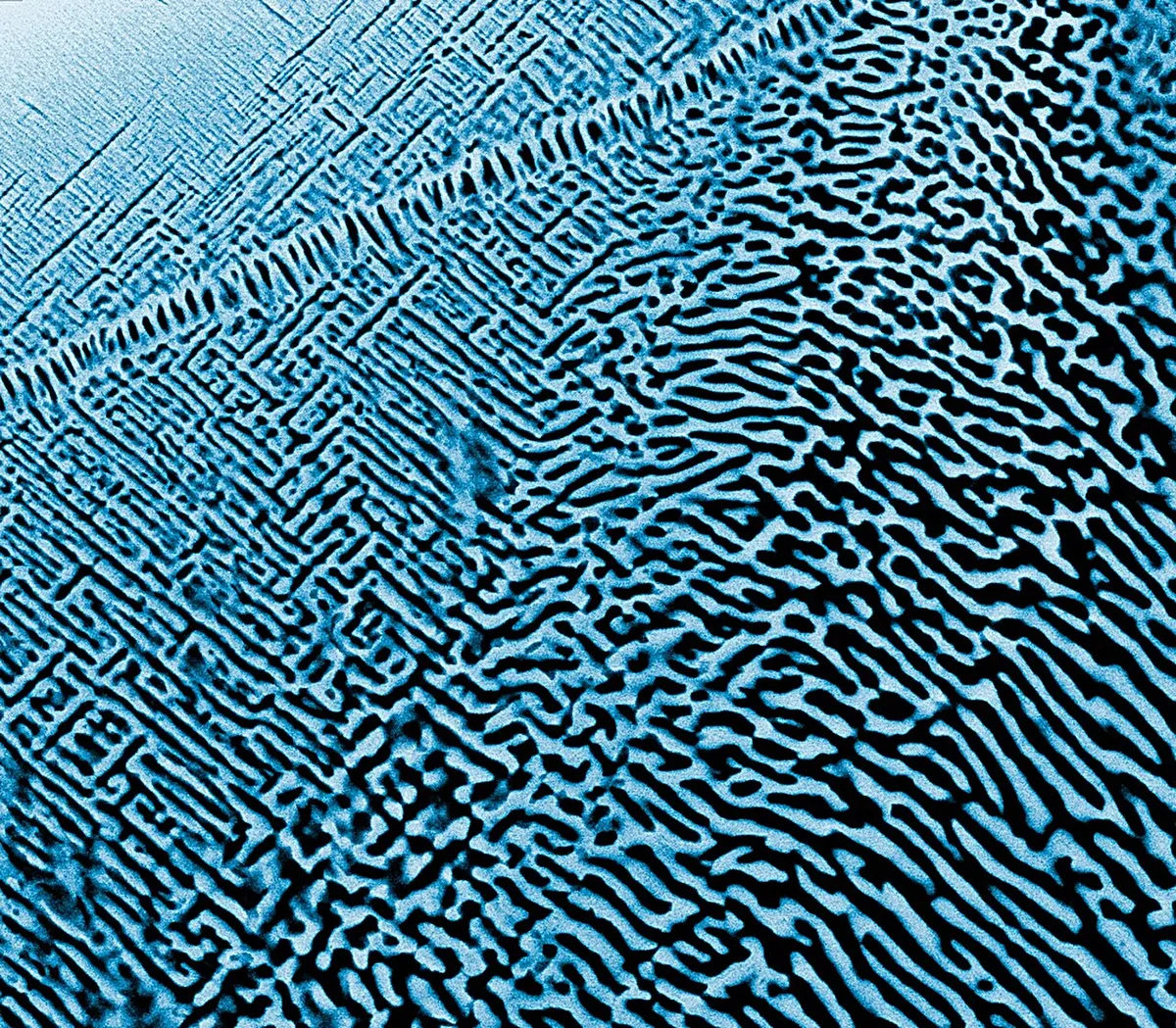
Scientists just unveiled a hidden state of matter! This long-predicted quantum phase could revolutionize technology.

The Met repatriated two ancient Cambodian sculptures: a 10th-century guardian deity and a 7th-century dragon lintel. This follows an investigation into a notorious art trafficker.

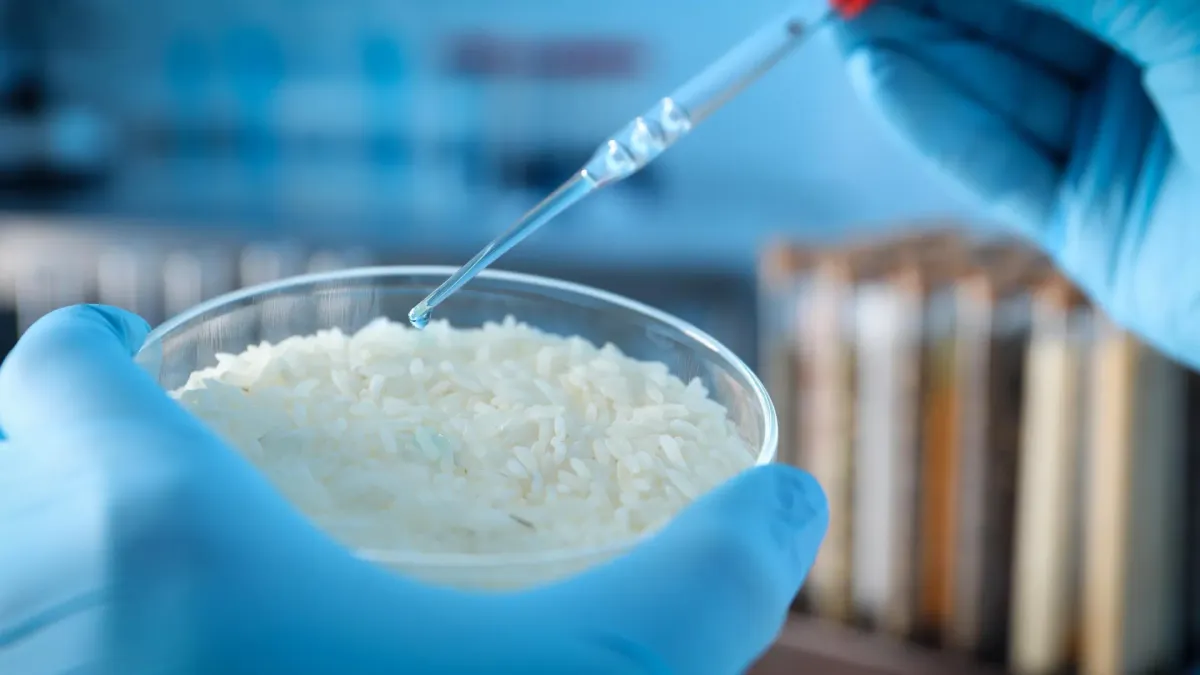
Rice defies physics: it weakens under rapid compression but strengthens with slow pressure. Scientists harnessed this unusual behavior to engineer a new material that adapts its stiffness to impact speed.