Solar farms beneath crops: the harvest boost nobody expected
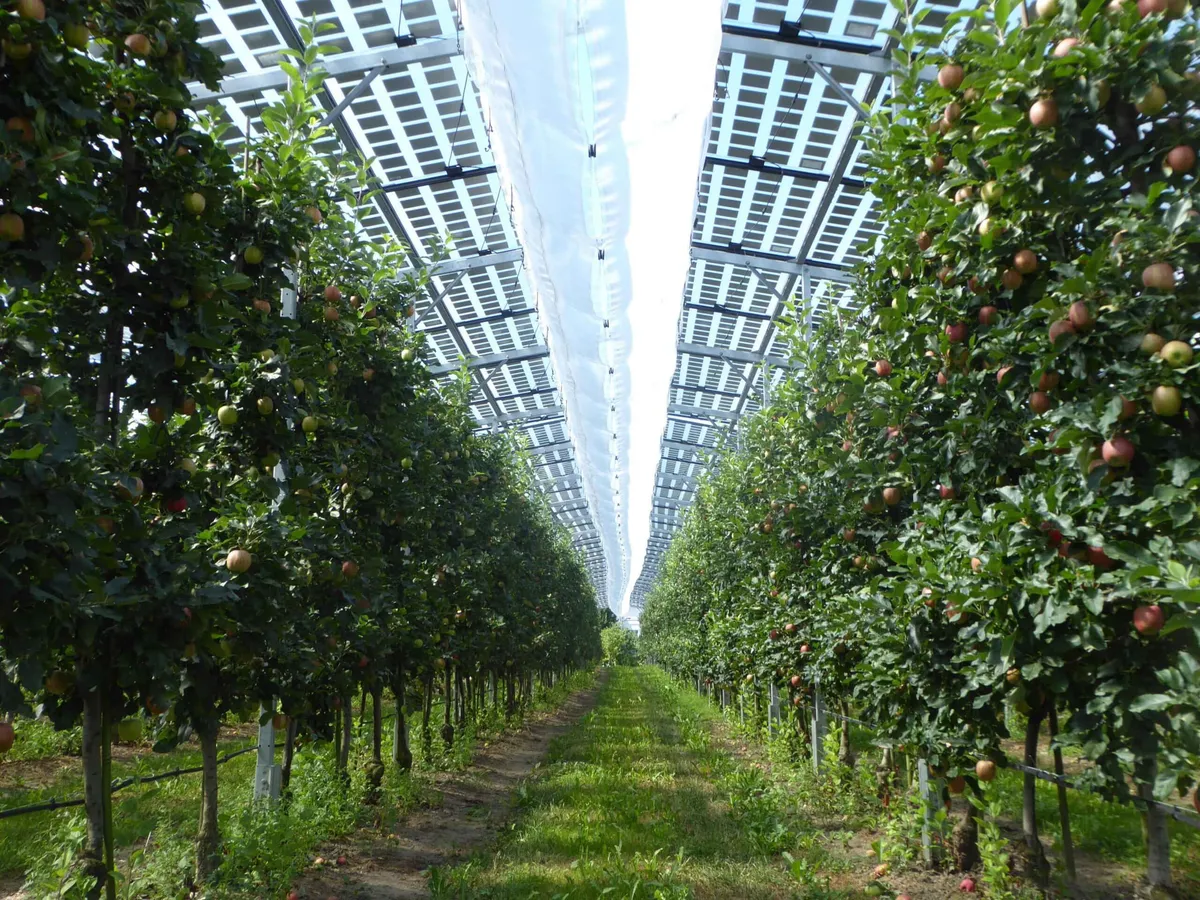
Solar farms could boost global crop yields by hundreds of billions of pounds, a Canadian study reveals—by creating a protective microclimate beneath their panels.
Good news from around the world.
9667 stories

Solar farms could boost global crop yields by hundreds of billions of pounds, a Canadian study reveals—by creating a protective microclimate beneath their panels.

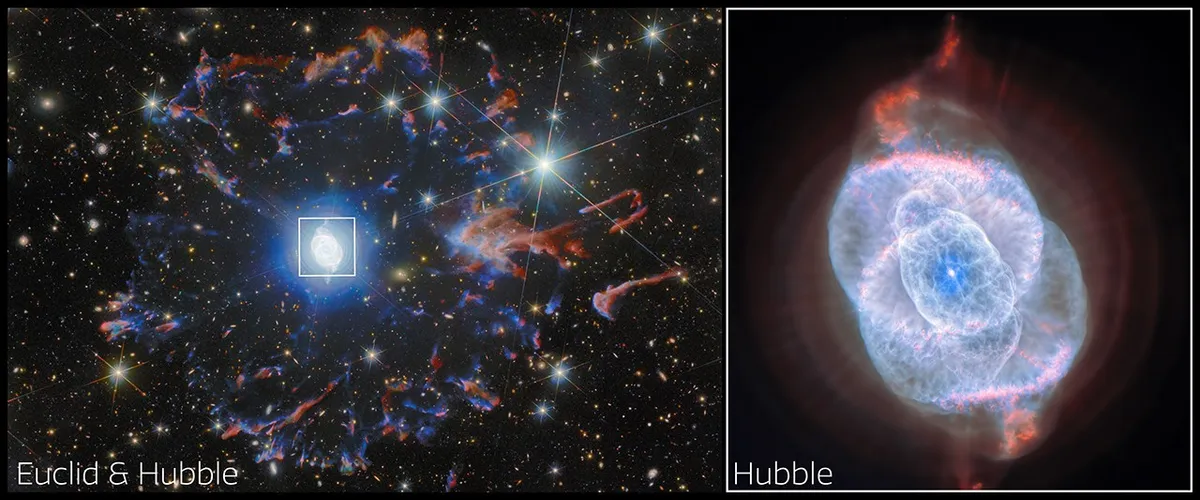
Hubble and Euclid captured the Cat's Eye Nebula in unprecedented detail, revealing cosmic structures invisible to either telescope alone.

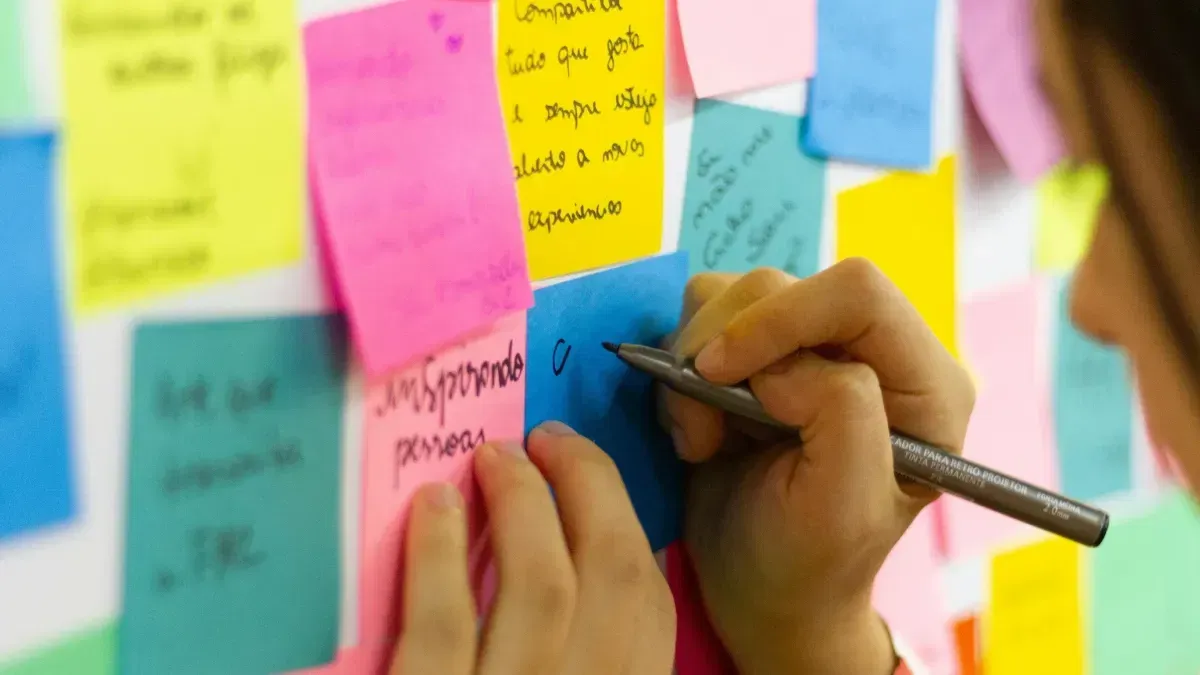
A husband's sticky note during his Alzheimer's journey reveals the heartbreaking reality of watching someone you love transform into a stranger—and their enduring bond.

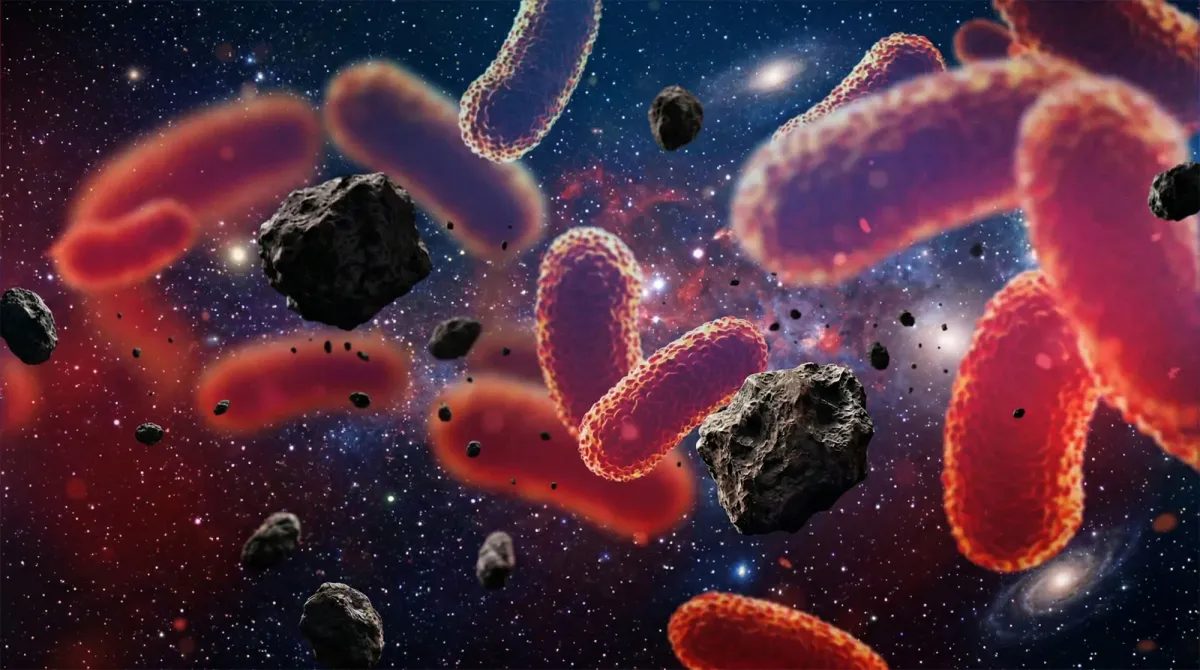
Fungi can extract valuable metals from meteorites in microgravity—opening a new frontier for asteroid mining powered by microbes, not machines.

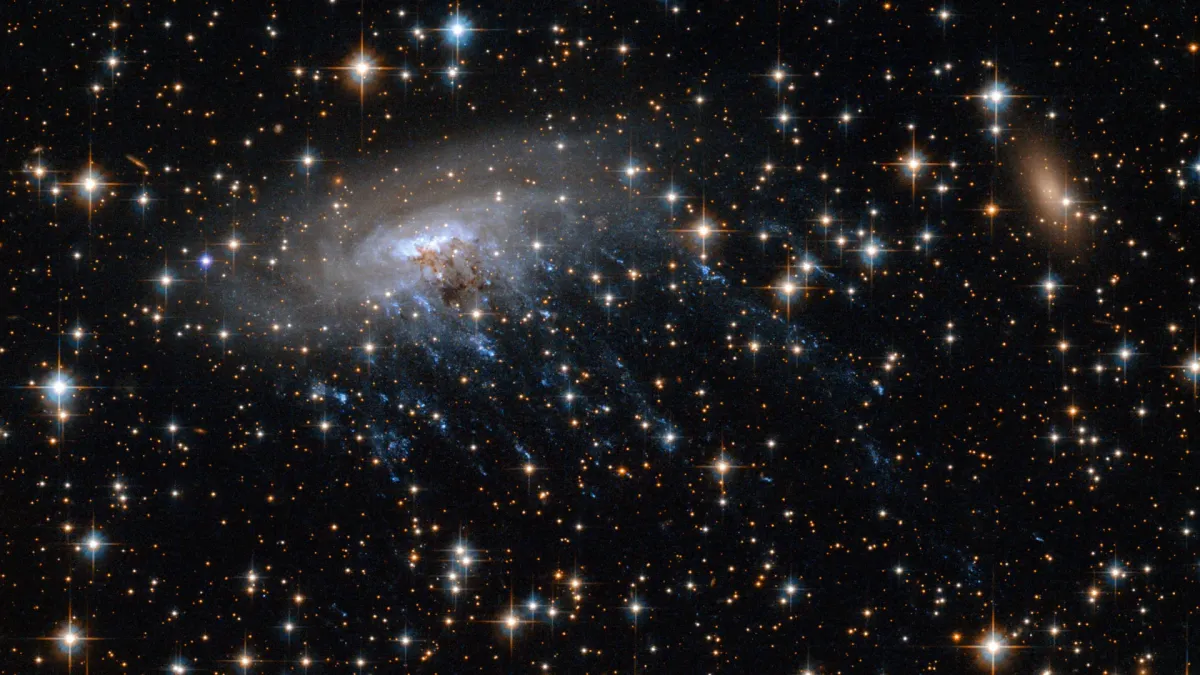
Astronomers using the James Webb Space Telescope have spotted the most distant “jellyfish galaxy” ever seen — a cosmic oddity streaming long, tentacle-like trails of gas and newborn stars as it speeds through a dense galaxy cluster. The galaxy appears as it was 8.5 billion years ago, revealing that ...
Join 50,000+ readers who receive our daily digest of the most uplifting stories from around the world.

Scientists blasted the toughest bacterium on Earth with asteroid-impact pressures—and it survived. Deinococcus radiodurans could be Mars's first stowaway.

MIT engineers just created injectable "mini livers" that could save thousands waiting for transplants—a breakthrough for patients too sick for surgery.

Ecosystems shifted centuries before we started measuring them. Now scientists are mining memory, language, and daily practice—not databases—to understand what we missed.

Europe's art academies just pledged nearly $2 million to defend artistic freedom as pressure mounts. Meanwhile, Iranian diaspora artists grapple with hope and fear.

Stanford researchers have achieved a breakthrough: curing type-1 diabetes in mice without insulin or immune suppression—a discovery that could transform treatment for millions.
Brightcast is dedicated to restoring faith in humanity by highlighting the progress, solutions, and kindness that often go unnoticed. We believe in a balanced worldview.
Read our full mission →
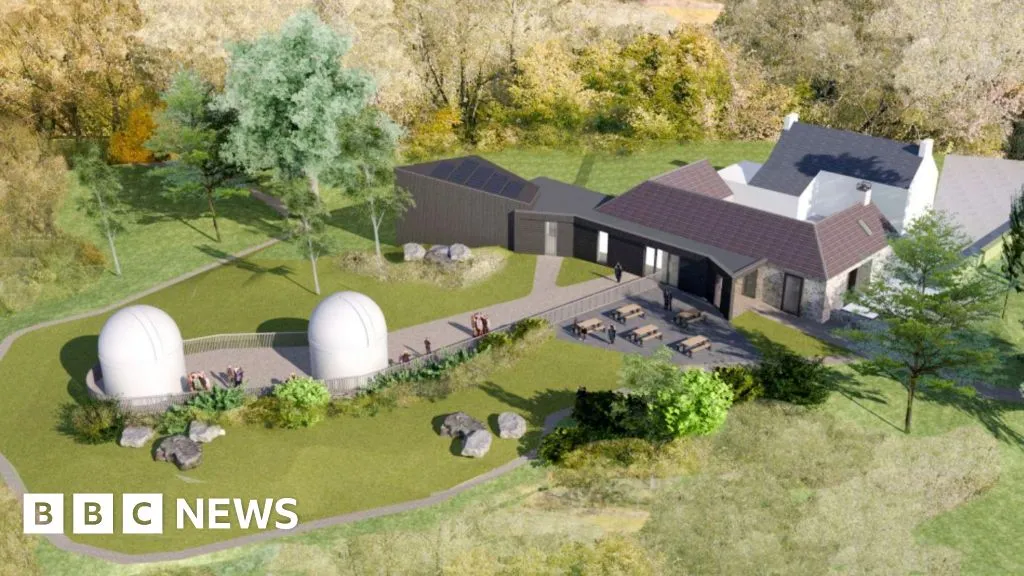
A new dark sky observatory will finally rise in Galloway, replacing the facility destroyed by fire over four years ago.

Two silent children. Same withdrawn behavior. Completely different stories—a discovery that changed how one teacher understands silence in the classroom.

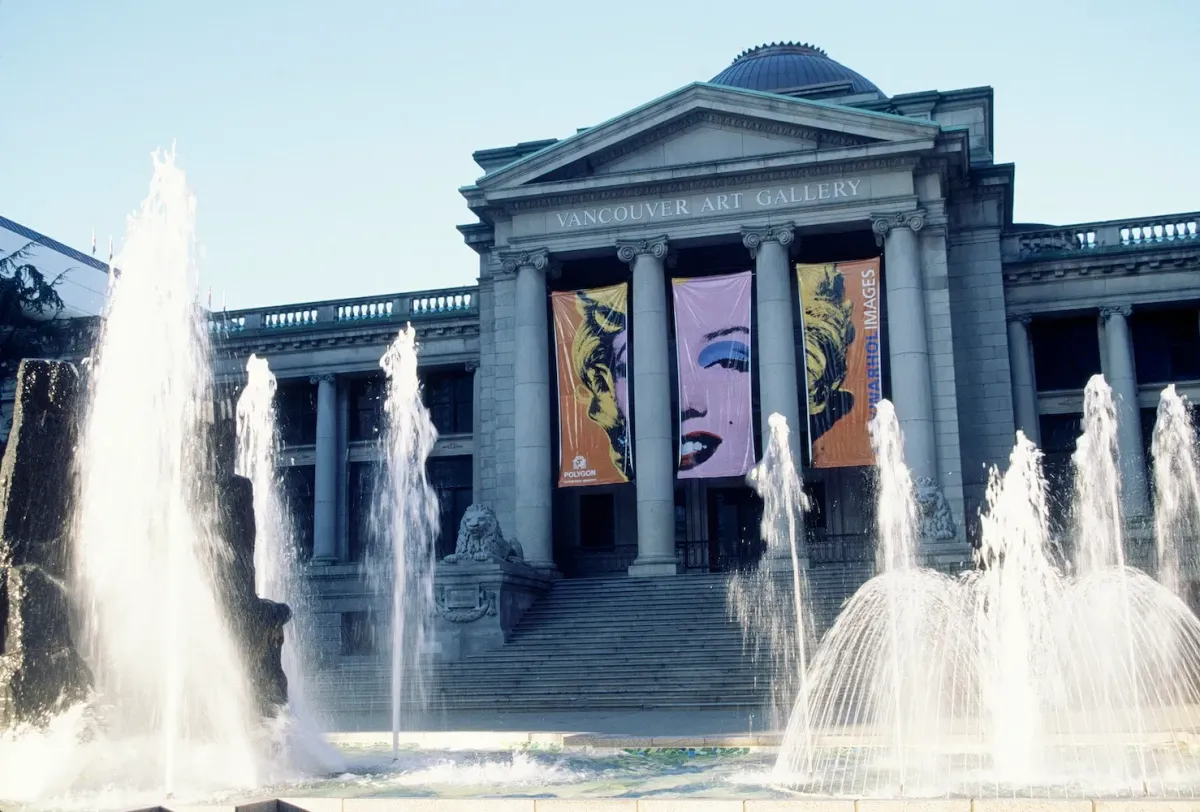
The Vancouver Art Gallery just acquired 800+ photographs from Stephen Shore's iconic "Uncommon Places" series—a landmark collection documenting North America's overlooked landscapes from 1973-1981.

Kazakhstan is planting 37,000 seedlings to restore tiger habitat before the big cats return to the region.

Fusion's future hinges on one critical challenge: seeing inside a plasma inferno. Scientists need advanced diagnostic tools to measure the extreme conditions that make or break fusion reactions.
Know someone who needs a boost? Share Brightcast with your friends and family.

Methotrexate, a decades-old rheumatoid arthritis drug, may protect hearts too. Researchers discovered the immune-calming treatment offers unexpected cardiovascular benefits beyond easing joint pain.

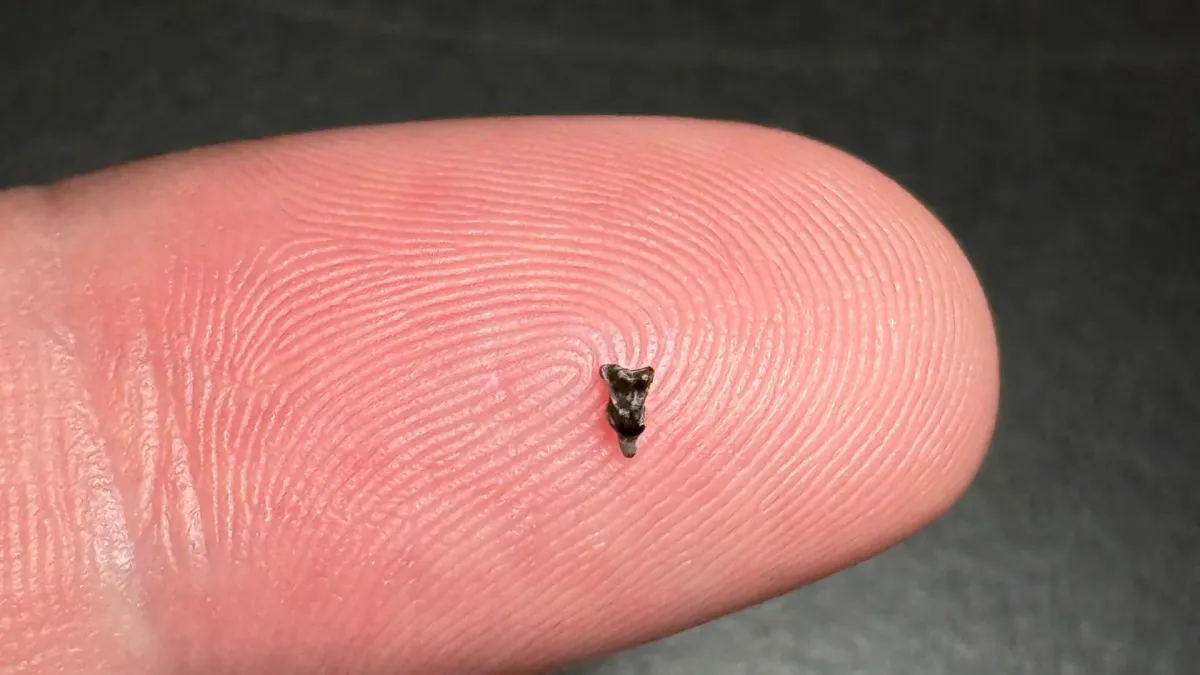
Tooth-sized fossils just rewrote primate history. Scientists discovered the earliest known primate ancestor farther south than ever before—in Colorado, not Montana.

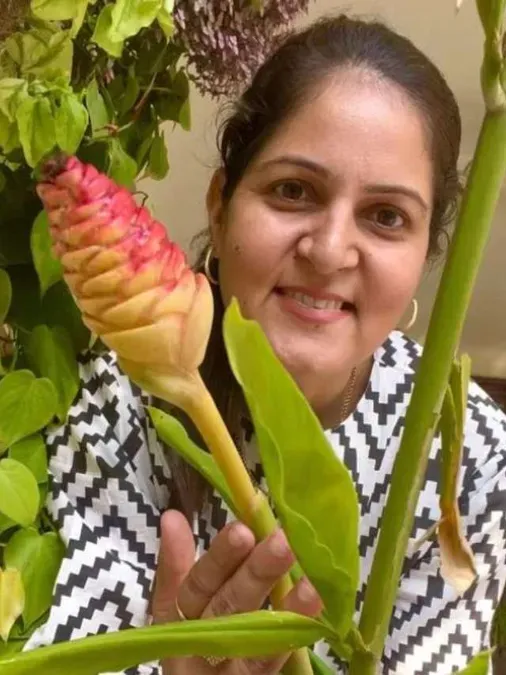
Dr Anshu Rathi's Roorkee kitchen overflows with turmeric, saffron, and cardamom—all grown in her own 1,500 sq ft garden of 400 plants.

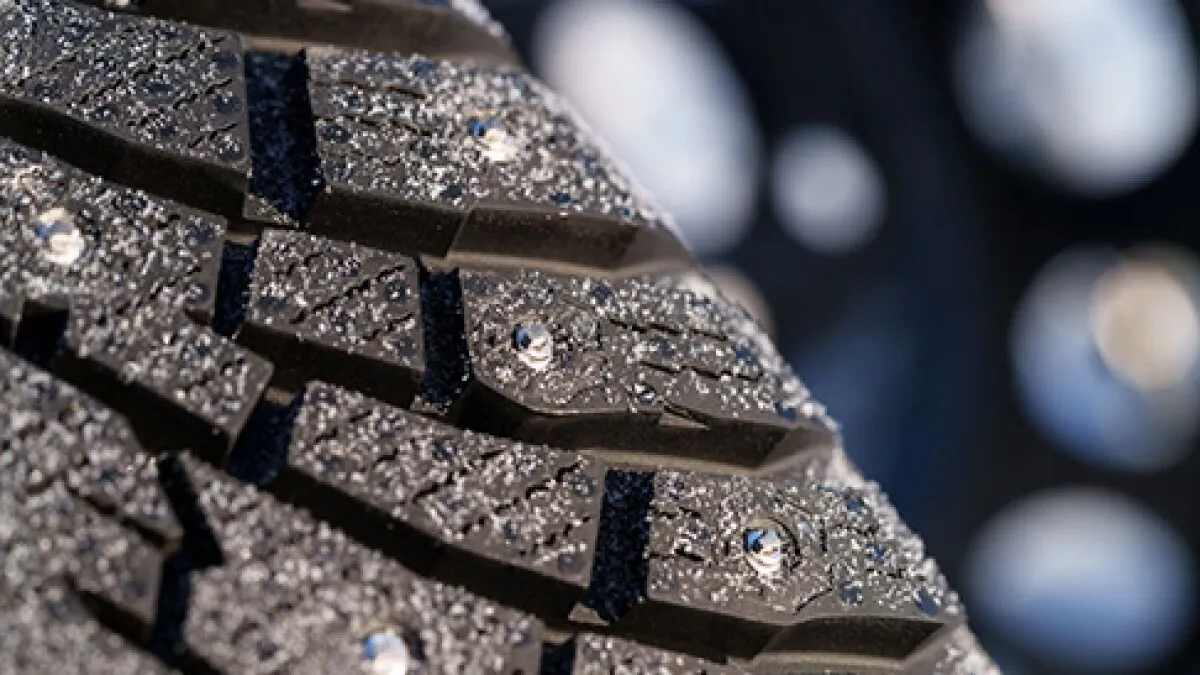
Nokian's decade-old dream is finally real: a winter tire that deploys studs on demand. The Finnish brand's radical concept is now becoming an actual product.

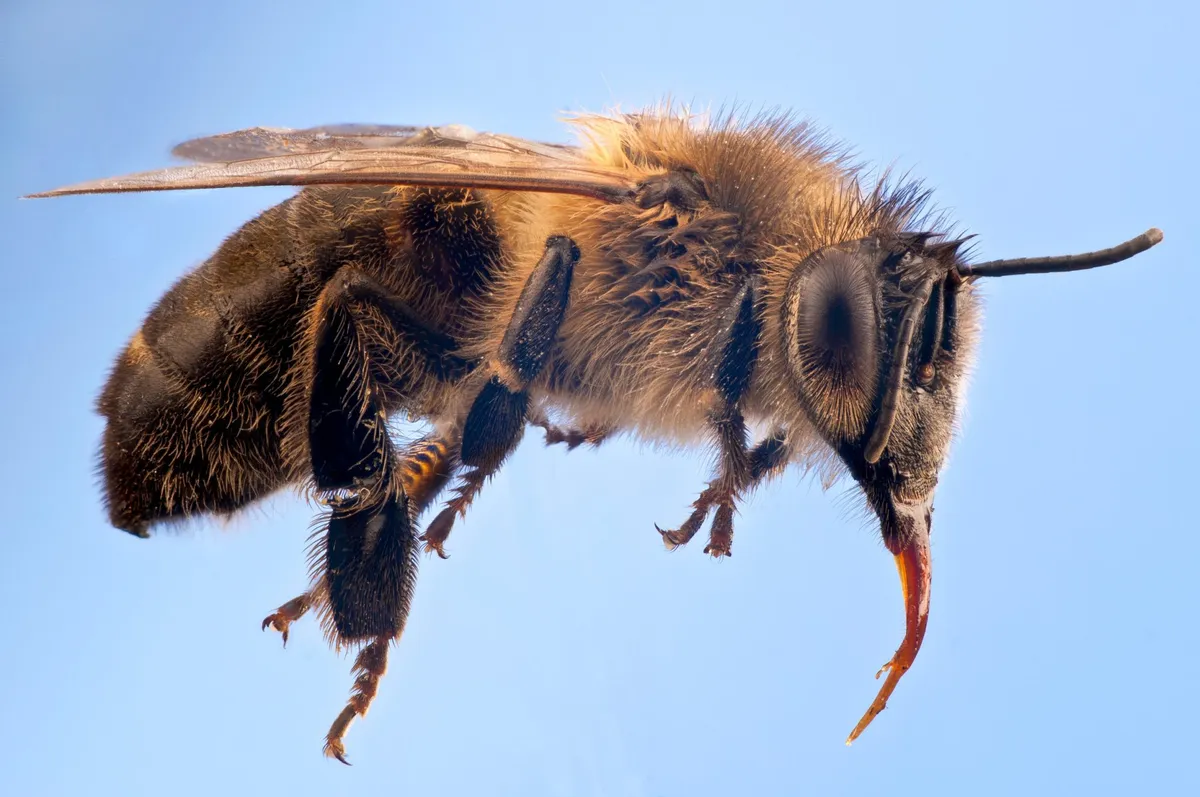
Every summer in a Belgian town, 1,000 virgin queen bees take flight for their "wedding"—a deadly ritual where males die after mating mid-air.
Download the Brightcast app for a better reading experience, daily notifications, and offline access.
Download App
A chance conversation with a waste picker named Dharma transformed how 20-year-old Karan sees Delhi's recycling crisis—and the invisible workers behind it.

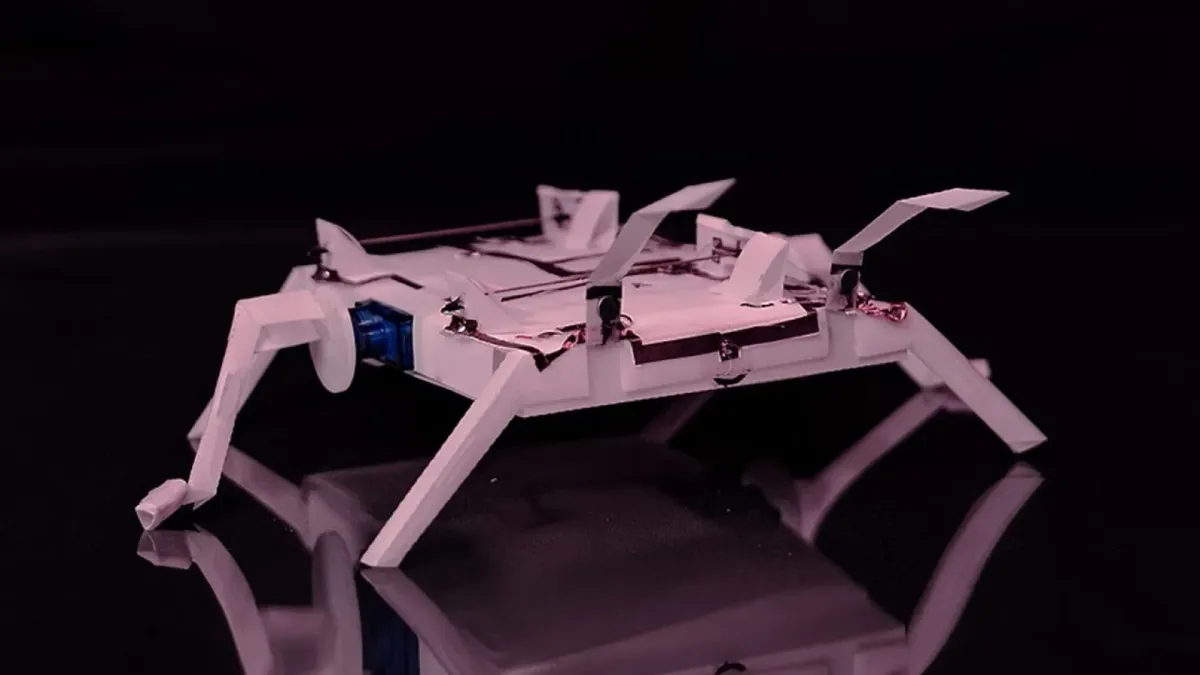
A robot smaller than an insect just jumped 188 times—powered by nothing but light and physics, no electronics required.

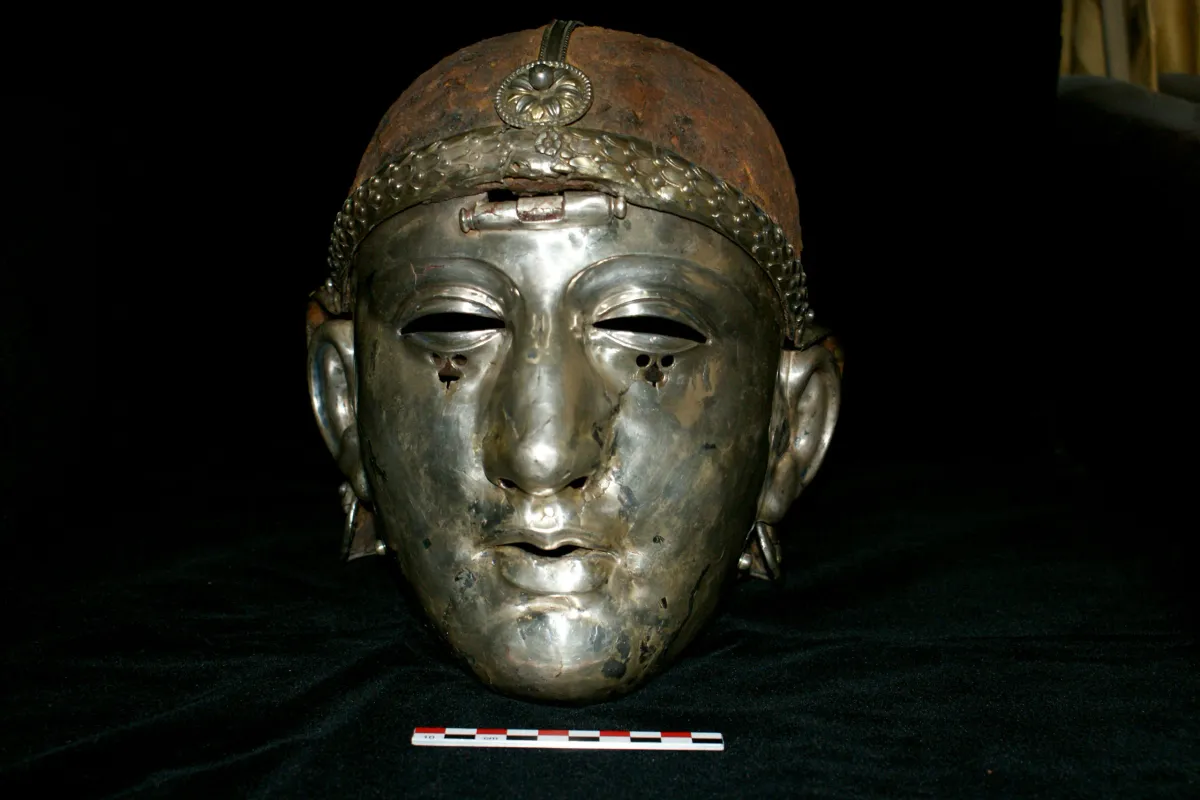
A Greek inscription reveals the Great Mosque of Homs sits atop a Roman Temple of the Sun, exposing centuries of overlapping pagan, Christian, and Islamic worship in ancient Emesa.

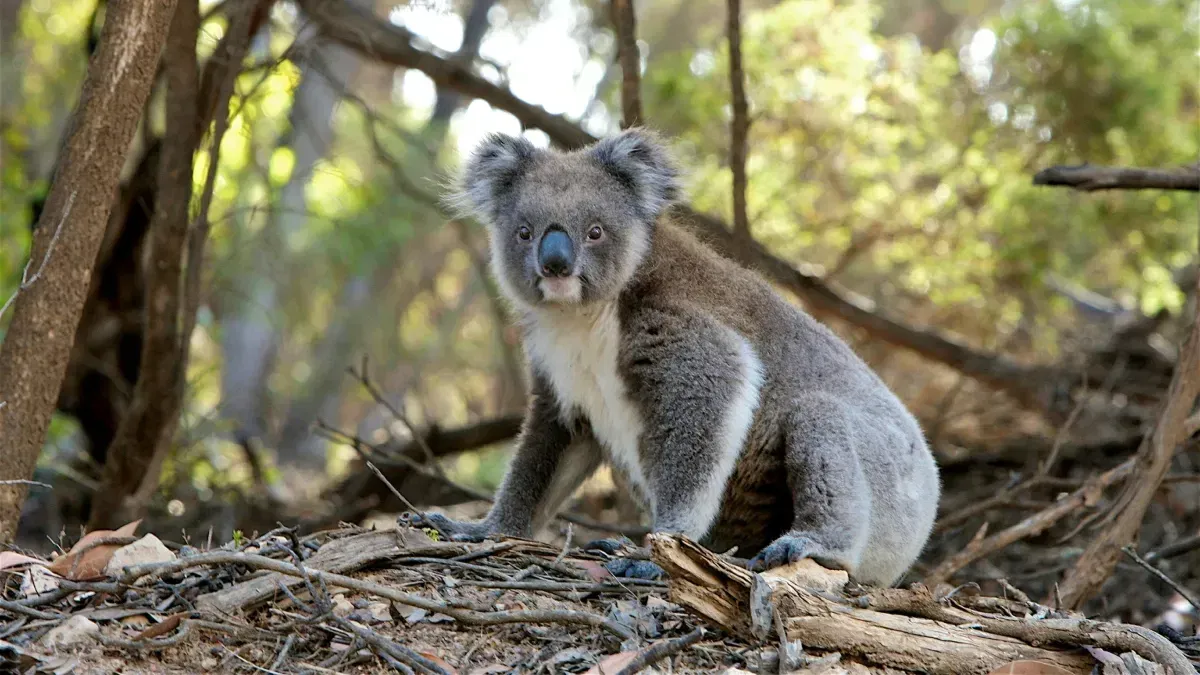
A Brisbane bus driver became an unlikely hero when he spotted a koala dodging traffic—and stopped his bus to rescue it.

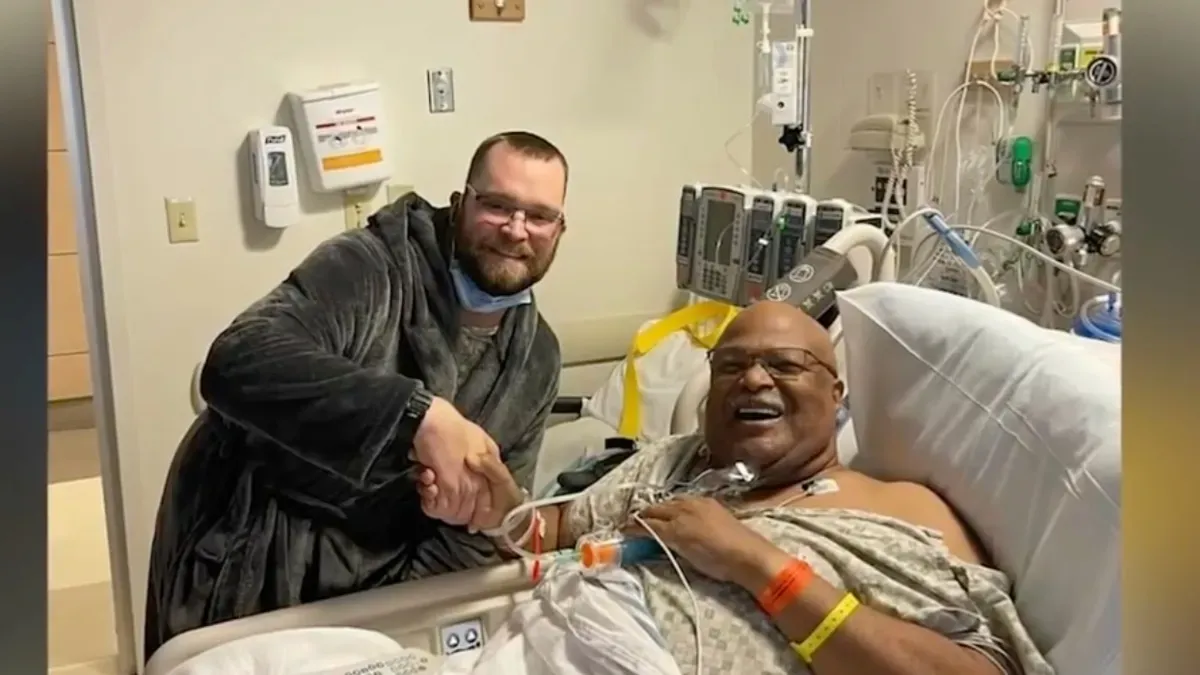
An Uber driver became a stranger's lifesaving answer: Tim Letts donated his kidney to passenger Bill Sumiel Jr., who'd waited years on the transplant list.
Join 50,000+ readers who receive our daily digest of the most uplifting stories from around the world.

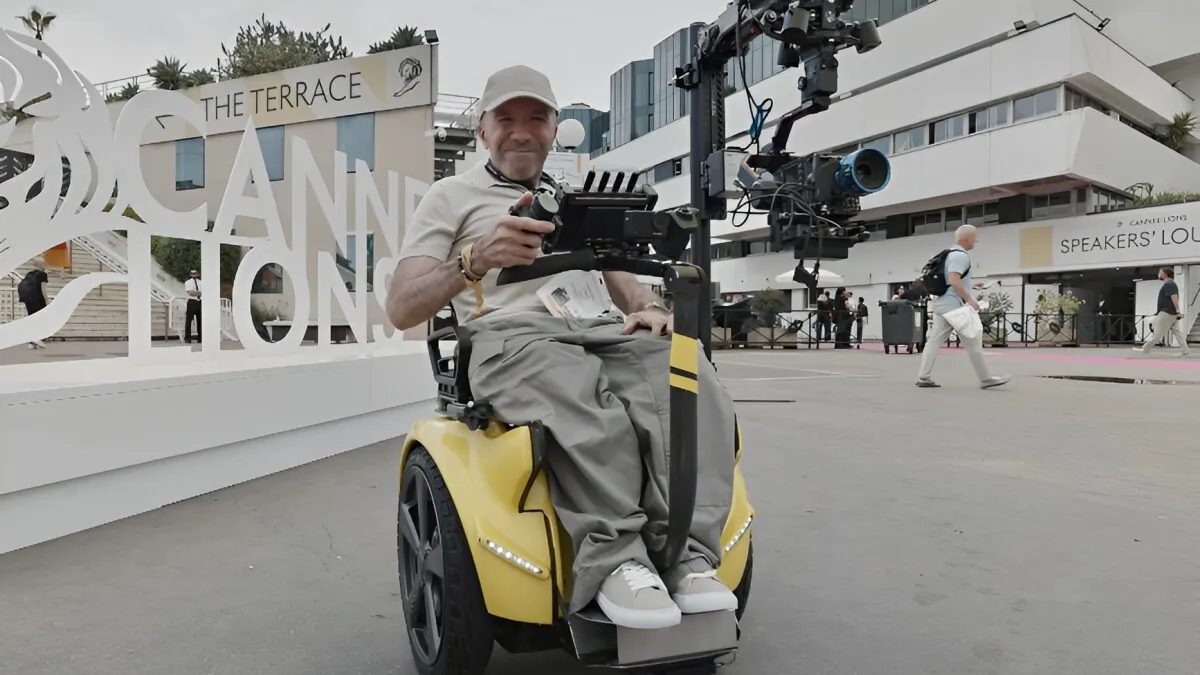
Christopher Lynch seized his moment: the award-winning Irish filmmaker invented the world's first wheelchair-mounted Steadicam—turning his disability into cinematic innovation.

Artemis 4 will attempt humanity's first lunar landing in years. NASA has four missions planned within the next three years.

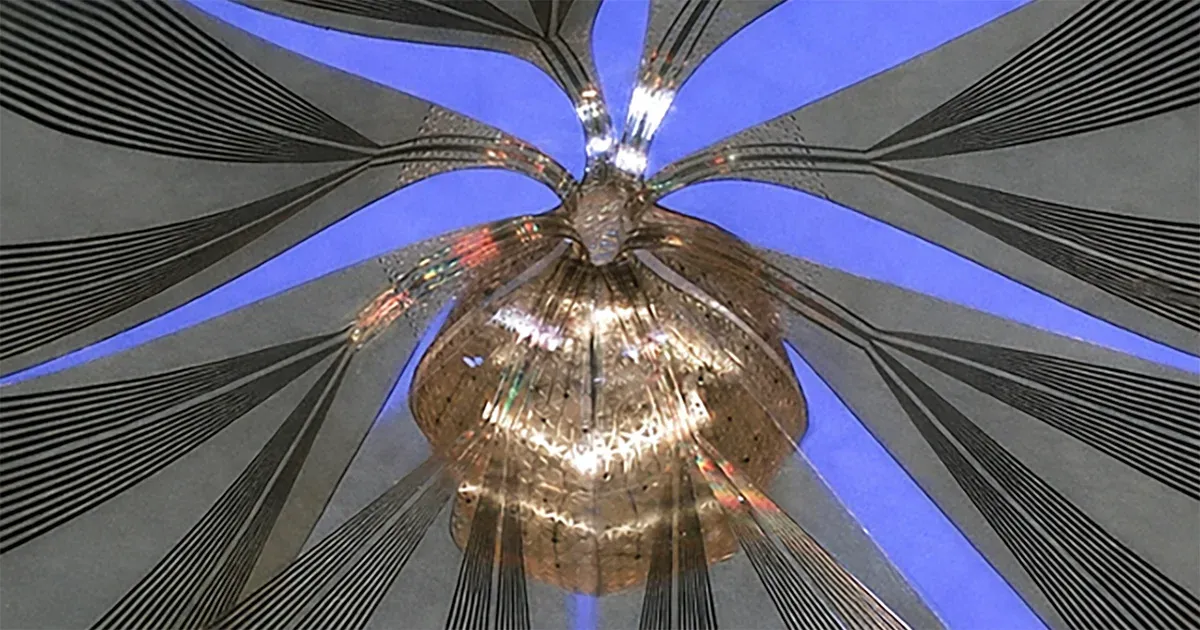
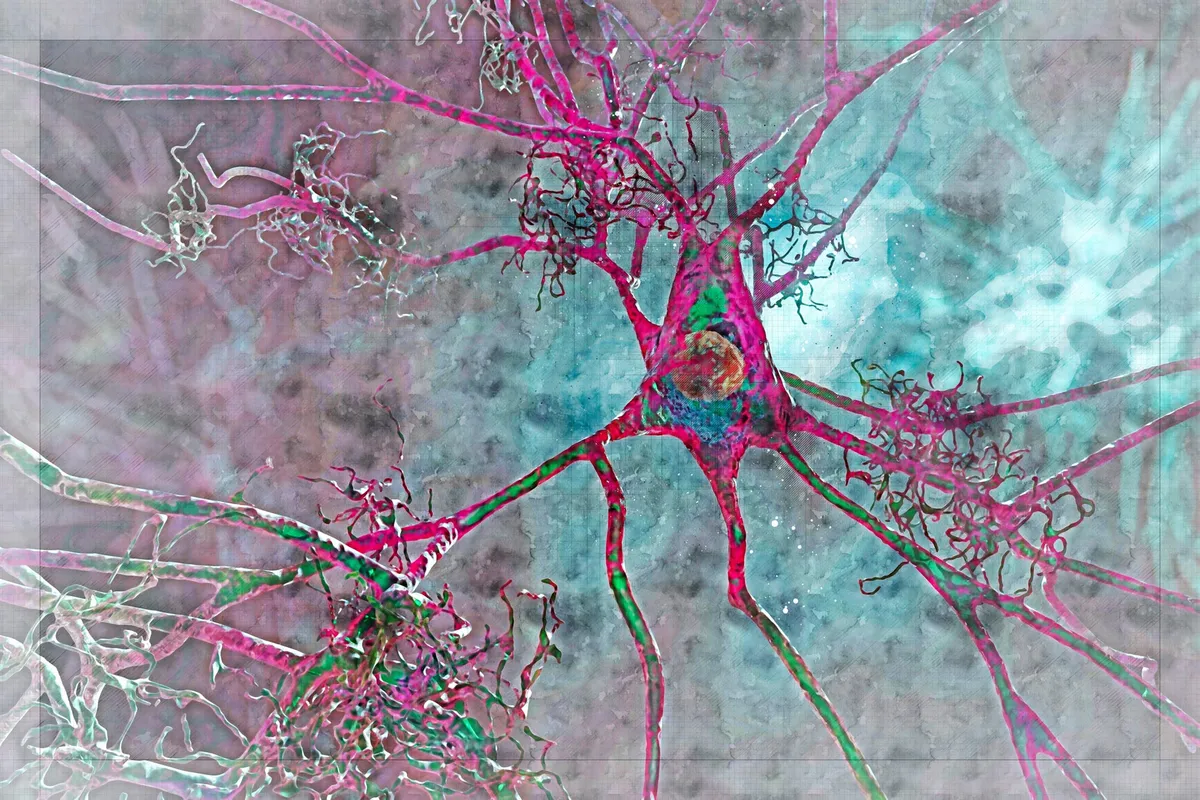
Scientists wrapped a flower-shaped device around pea-sized brain organoids to capture nearly all their electrical chatter—revealing how mini brains could unlock autism and schizophrenia secrets.

African conservation leaders converge in Nairobi to answer a critical question: why does record funding fail to stop biodiversity collapse and climate change?

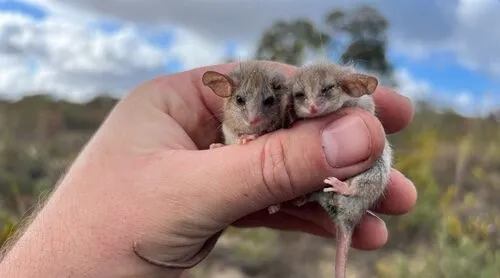
A tiny marsupial thought lost to its range has surfaced hundreds of kilometers away, offering hope for this critically threatened species.
Brightcast is dedicated to restoring faith in humanity by highlighting the progress, solutions, and kindness that often go unnoticed. We believe in a balanced worldview.
Read our full mission →
Human brain cells in a lab just played Doom—and won. Researchers at Cortical Labs have created a biocomputer that's learning faster than expected, hinting at a revolution in hybrid organic technology.

A Dutch-French painter's former home became a museum on the most romantic day of the year—Valentine's Day.

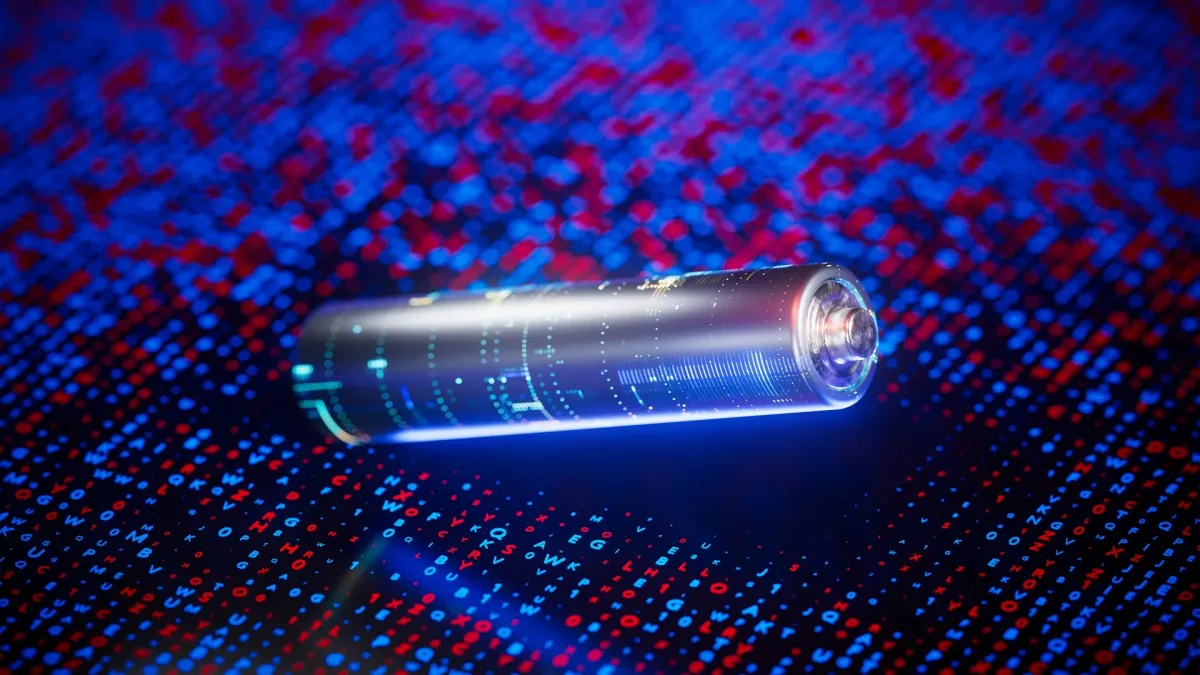
Chinese researchers created a flexible solid electrolyte that mimics liquid performance without external pressure—potentially solving the speed-versus-stability crisis in next-generation batteries.

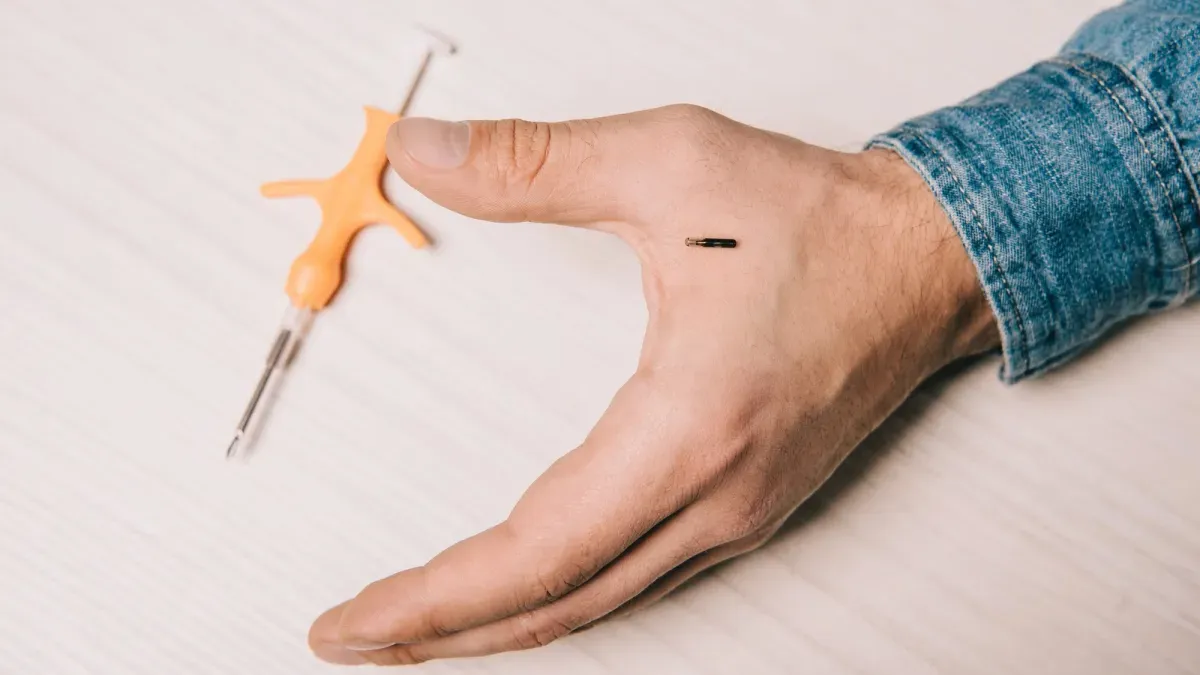
Washington lawmakers are racing to ban workplace microchip implants before dystopian fiction becomes reality. Two Democrats introduced legislation to criminalize the practice.

Brain blood flow patterns may reveal Alzheimer's risk before symptoms appear. New noninvasive imaging tools detect subtle oxygen shifts that mirror early disease markers.
Know someone who needs a boost? Share Brightcast with your friends and family.

The NFL just pulled off a net-zero Super Bowl, diverting massive amounts of waste from landfills through aggressive recycling efforts.

TED's Audacious Project just made history—funding an abortion access organization for the first time.

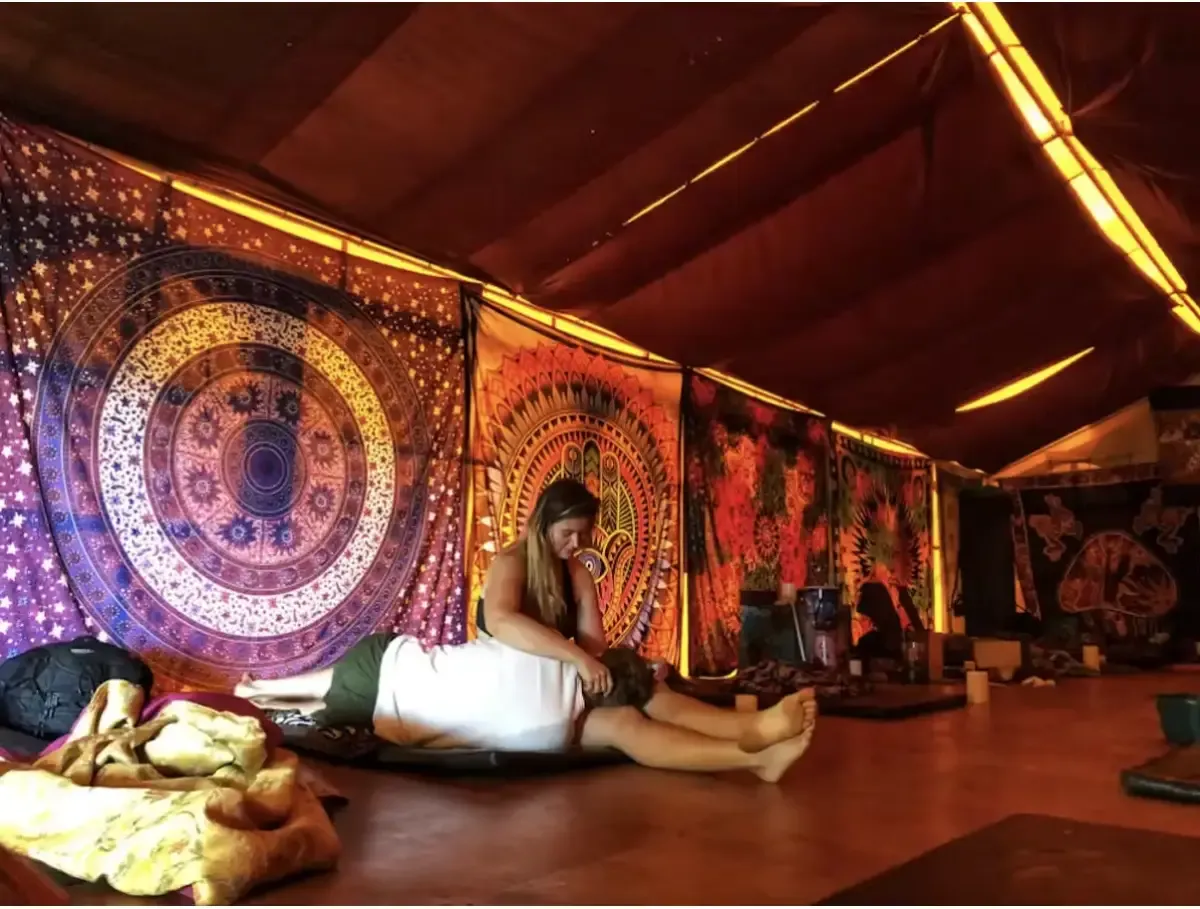
What took mystics years of cave meditation now takes an afternoon—and a psychedelic drug. Clinical trials suggest psilocybin and LSD can trigger profound spiritual experiences in hours.

Indigenous peoples protect Earth's biodiversity better than anyone—yet mainstream media barely covers their voices or knowledge.

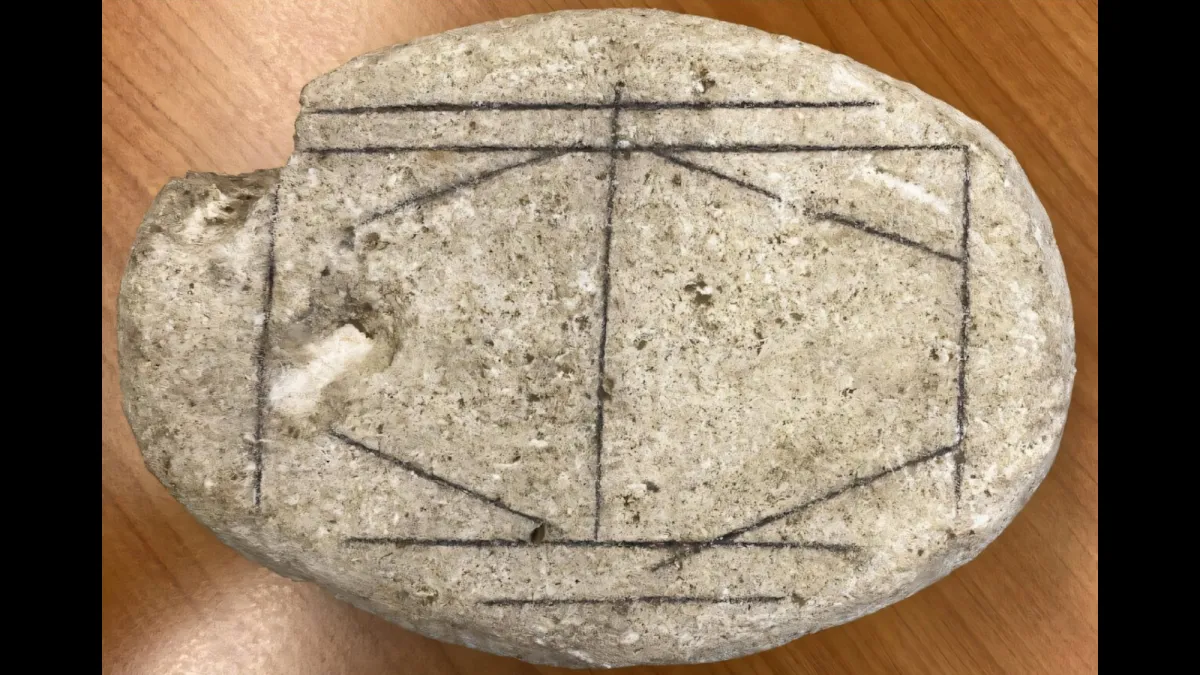
Ancient Romans played strategy games like chess and backgammon—and historians are still uncovering their complete catalog of tabletop pastimes.