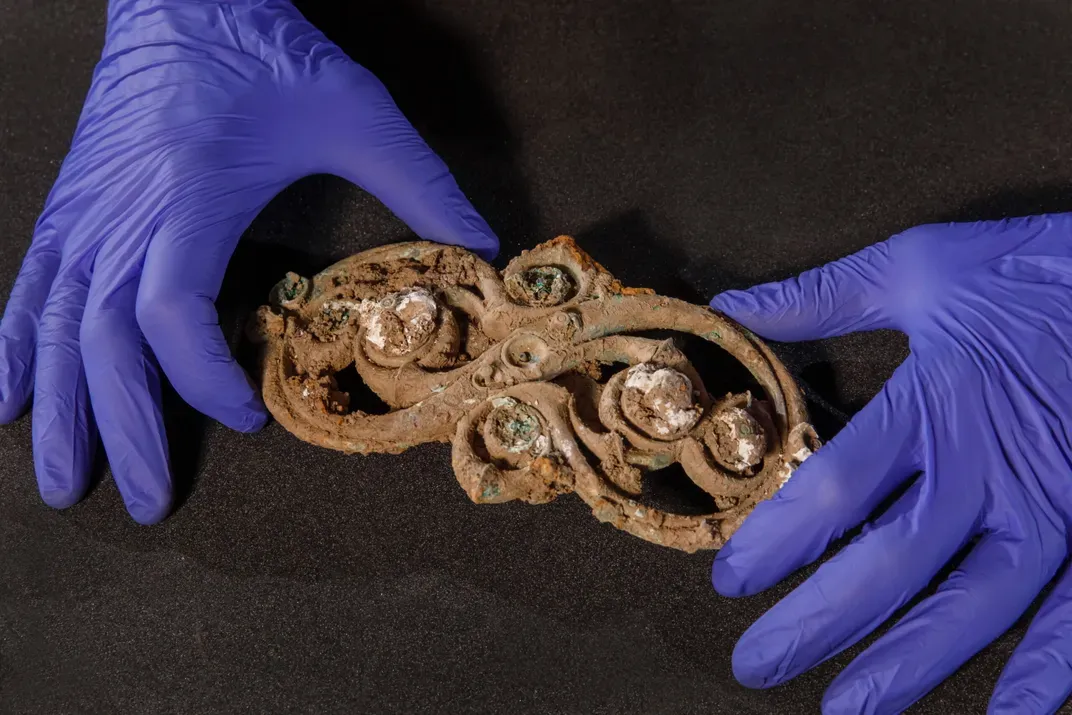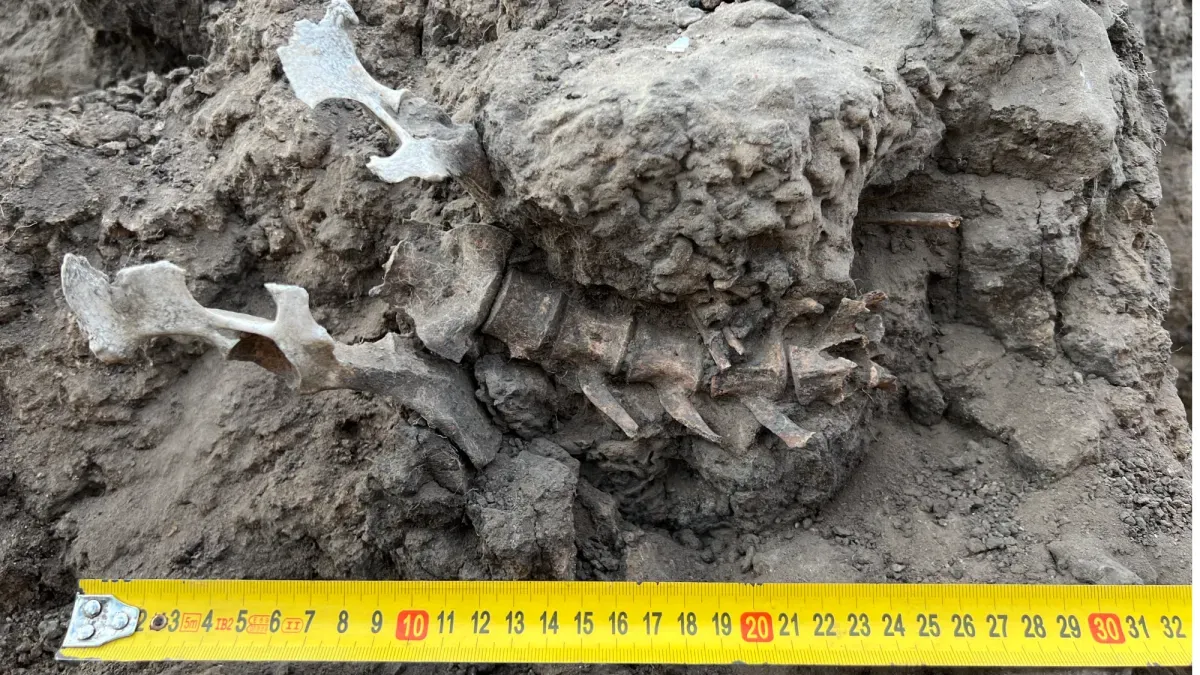
Moss reveals what grave robbers tried to hide
Ötzi the Iceman wore moss in his boots. So did countless indigenous cultures. Now scientists are rediscovering what humans have always known: moss changes everything.
Good news from around the world.
6957 stories

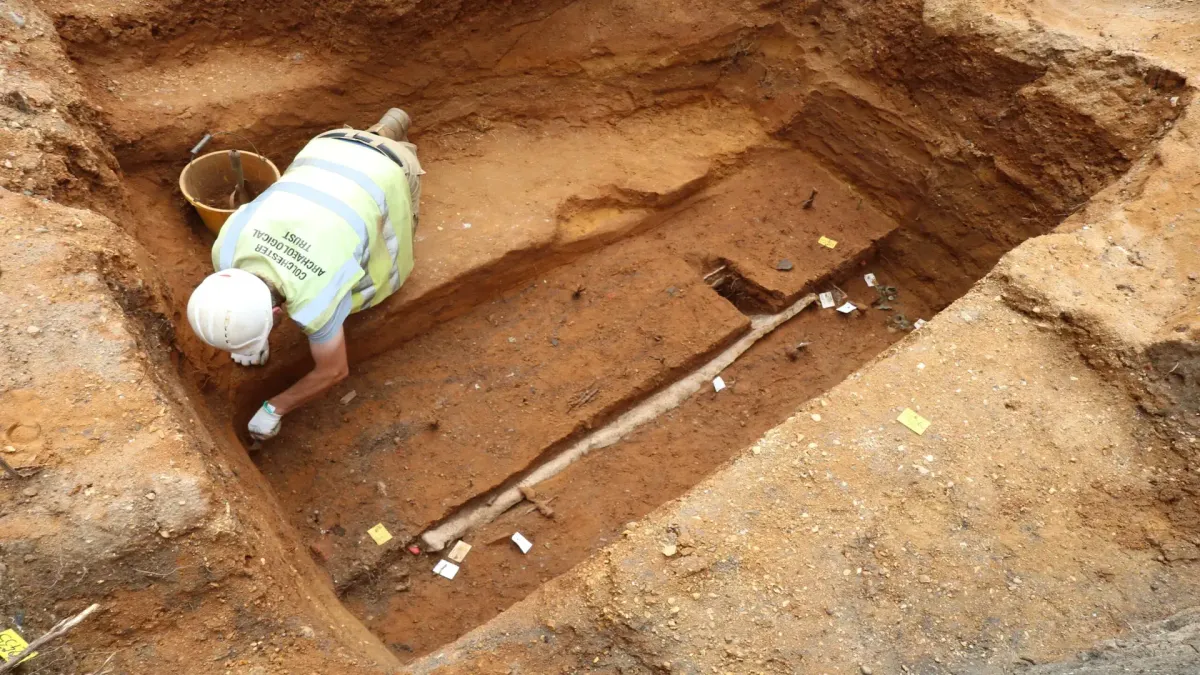
Ötzi the Iceman wore moss in his boots. So did countless indigenous cultures. Now scientists are rediscovering what humans have always known: moss changes everything.

The U.S. just approved the first commercial advanced reactor ever. TerraPower's 345-megawatt Natrium plant in Wyoming marks a watershed moment for next-generation nuclear power.

NASA's twin ESCAPADE probes are exploring uncharted territory in Earth's magnetic field—a crucial test before their Mars mission later this year.

America's 806 wilderness areas—110 million acres larger than California—face a climate crisis. Now Indigenous stewardship could reshape how we protect them.

When Zhang Ze was diagnosed with myasthenia gravis at four, his best friend Xu Bingyang didn't hesitate—he carried him to school on his back for six years.
Join 50,000+ readers who receive our daily digest of the most uplifting stories from around the world.

Divers off Japan discovered an oddly marked sea squirt in 2017—a creature so unusual it had never been formally documented by science.

After 18 years transforming faculty development, education scholar Judith Singer steps down as senior vice provost.

A painting erased from art history for 60 years just got its artist back. Scholars at the Rijksmuseum reopened the case when owners brought in "Vision of Zacharias in the Temple.

A groundbreaking medicine is transforming lives for children with Dravet syndrome, a severe form of epilepsy that families say offers new hope.

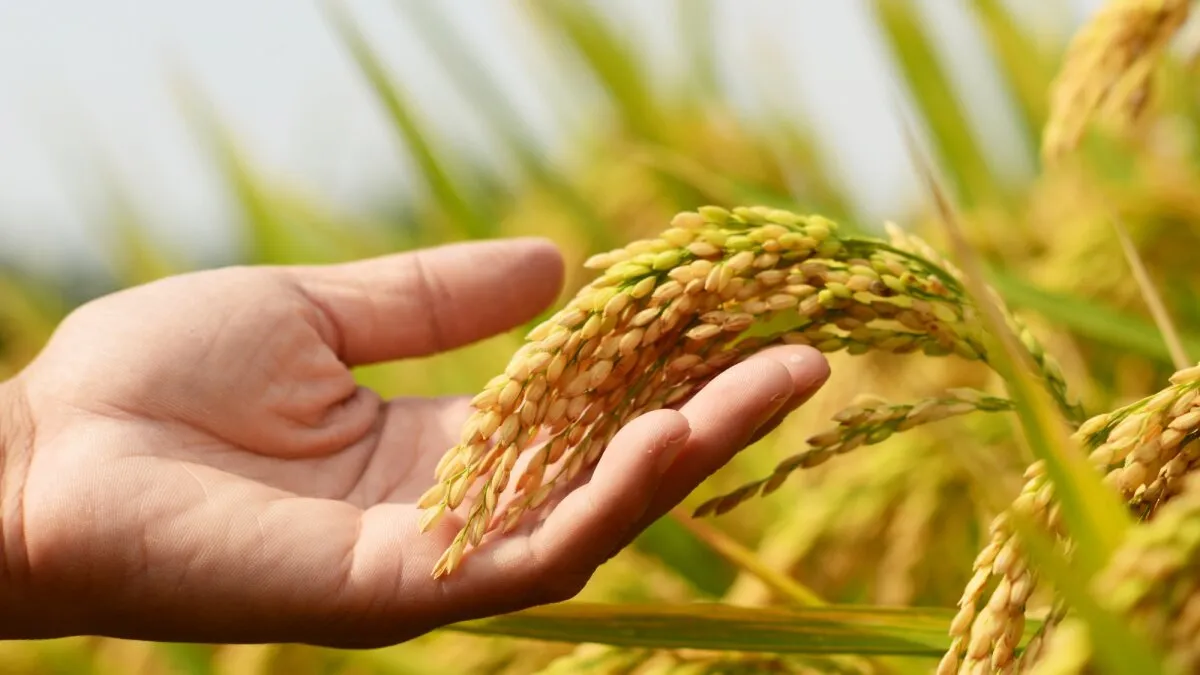
Vegan cheese tastes great but lacks protein—until now. University of Arkansas researchers discovered rice could be the missing ingredient for truly nutritious plant-based cheese.
Brightcast is dedicated to restoring faith in humanity by highlighting the progress, solutions, and kindness that often go unnoticed. We believe in a balanced worldview.
Read our full mission →
Scientists just cracked how to spot the perfect battery materials in seconds. An AI technique detects liquid-like ion motion, accelerating the hunt for next-generation solid-state batteries.

A PE teacher turned viral fitness coach created something unexpected: a "Bike Bus" that transformed how kids commute to school in Northeast Portland.

A $65 million expansion will transform St. Petersburg's Dalí Museum starting in 2026, adding 35,000 square feet of galleries, a learning center, and immersive digital experiences by 2028.

Meet the kākāpō: flightless, heaviest, and clumsiest parrot on Earth. This New Zealand oddity has forgotten how to fly—and nearly everything else.

The American Public Transportation Association is pushing Congress to boost transit funding in the next surface transportation bill.
Know someone who needs a boost? Share Brightcast with your friends and family.

A single floating cookie crumb could sabotage an entire space mission. NASA's astronauts face a puzzle: craft meals that maximize nutrition while minimizing the chaos of weightless crumbs.

A retired couple in Tamil Nadu is cultivating a thriving mini forest with over 50 trees on just half an acre—proving that small spaces can yield big environmental impact.

Trump's closest allies are quietly embracing solar power—a stunning reversal that contradicts the president's public stance against renewable energy.

Europe's space race just got a breakthrough: a self-healing material that could finally make reusable rockets viable. Swiss startup CompPair is partnering with the ESA to transform spacecraft design.

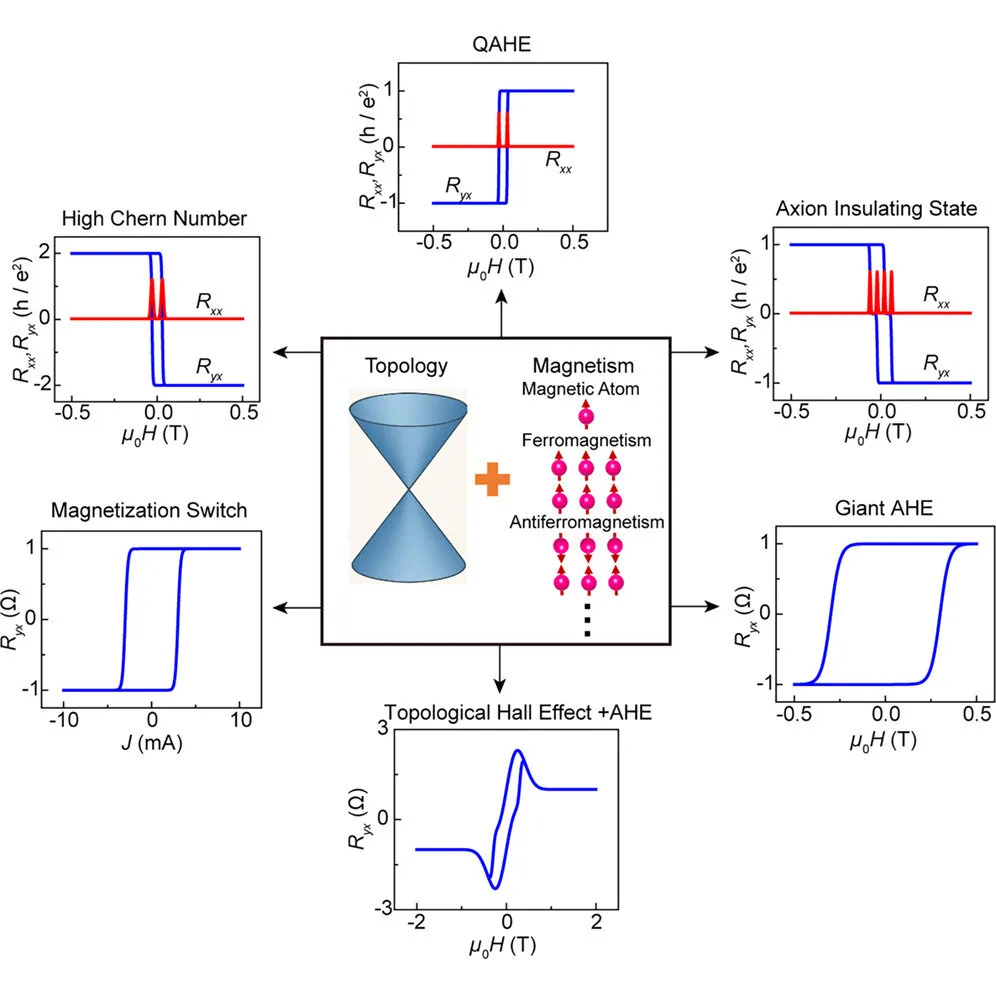
Scientists may have discovered a triplet superconductor in NbRe—a material that could enable zero-resistance spin transport and revolutionize quantum computing.
Download the Brightcast app for a better reading experience, daily notifications, and offline access.
Download App
Maia Chao turns everyday mysteries into art: Where does doctors' office art come from? How do artists survive? Her anthropological eye finds the absurd, beautiful, and troubling in mimicry and replication.

AI now screens care workers. But can algorithms judge compassion, patience, and the human touch that defines great caregiving?

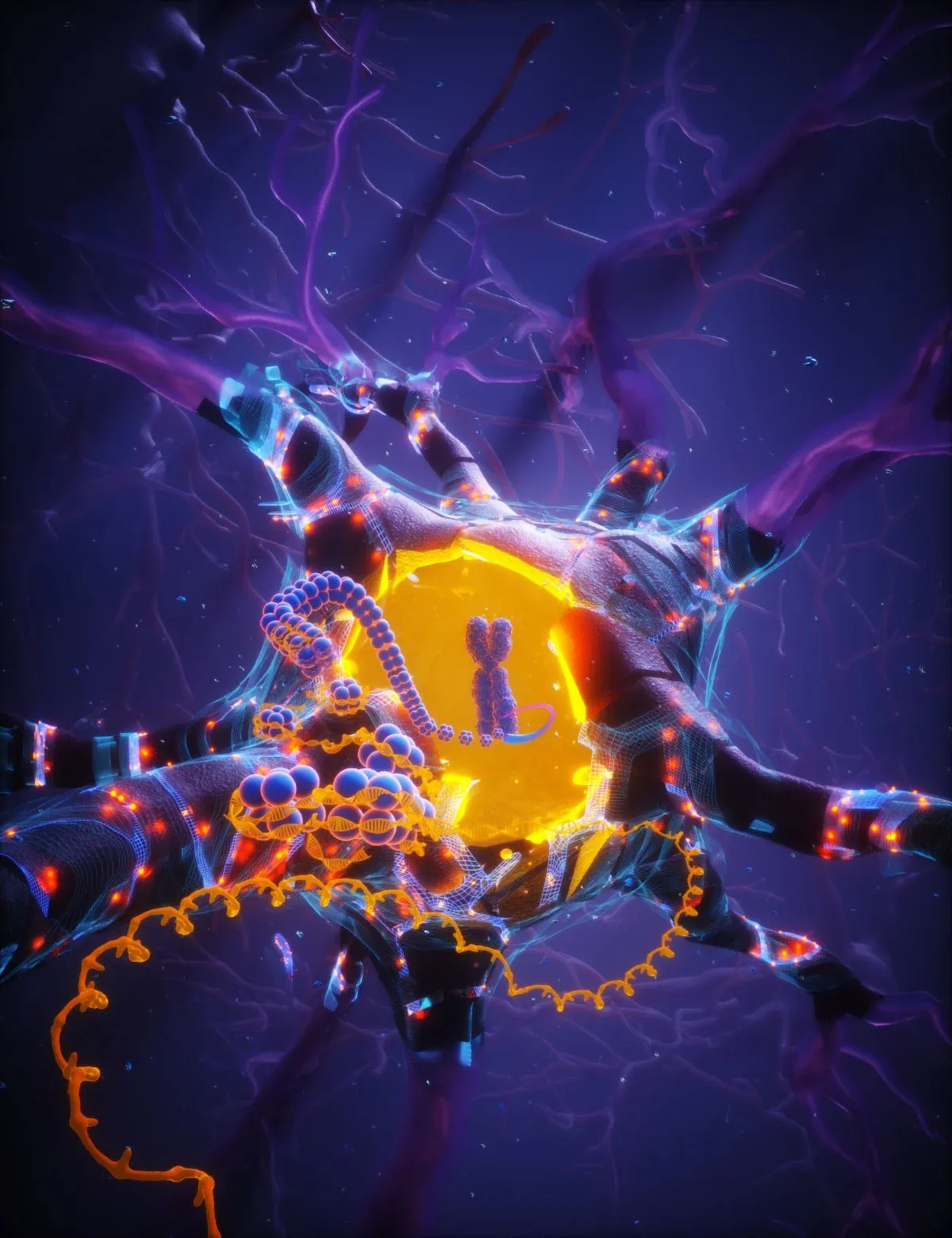
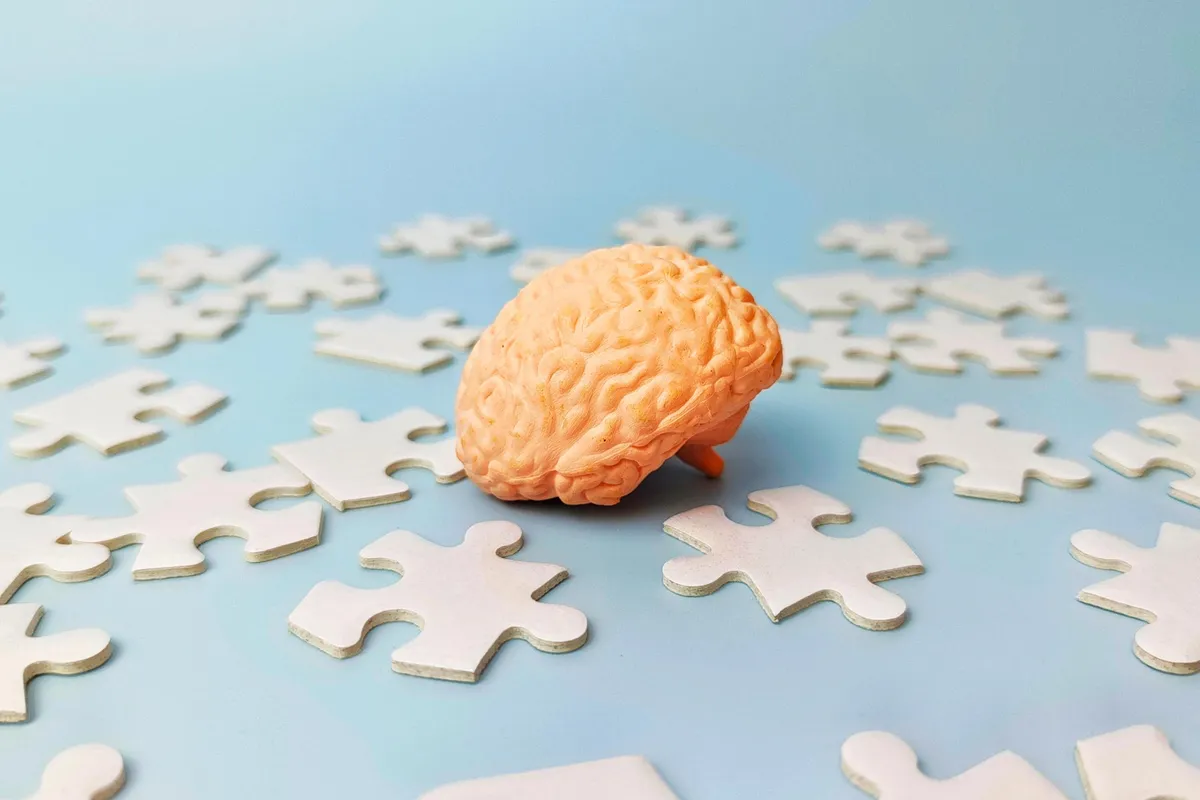
Some brain cells have a built-in defense against Alzheimer's. Researchers discovered a natural cleanup system that removes toxic tau protein before it clumps and destroys neurons.

Exiled Belarus Free Theatre brings underground resistance to Venice Biennale's official stage, transforming a 1,000-year-old church into a political exhibition space.

Read this story in English here. A fin de lograr el objetivo nacional de llevar astronautas estadounidenses a la superficie de la Luna y mantener la superioridad de Estados Unidos en exploración y descubrimientos, la NASA anunció el 27 de febrero que aumentará la frecuencia de sus misiones con el......
Join 50,000+ readers who receive our daily digest of the most uplifting stories from around the world.

Japanese snow monkeys' hot spring baths do more than warm them—they're reshaping their microbiomes. Regular soaking alters lice patterns and gut bacteria in surprising ways.

A supercomputer that performs a quintillion calculations per second is now tackling fusion energy—cracking one of science's hardest problems by simulating plasma hotter than the sun.

Iron-breathing microbes were life's secret weapon in Earth's poisonous, oxygen-free past. These ancient organisms may have been the key to survival itself.

Stepparents are ditching the rulebook for "nacho parenting"—a strategy that's transforming blended families by encouraging them to step back, not in.

Pregnant women's brains physically shrink—and that's actually a sign they're becoming better mothers, new research reveals.
Brightcast is dedicated to restoring faith in humanity by highlighting the progress, solutions, and kindness that often go unnoticed. We believe in a balanced worldview.
Read our full mission →
Smithsonian researchers are bringing Panama's iconic golden frogs back from the brink of extinction—releasing them into specially designed wild enclosures for the first time.

An academic administrator's body teaches in Srinagar—but her soul dwells 130km away, beyond the Razdan Pass, in the silent Tulail valley.

Scientists engineered a herpes virus that infiltrated glioblastoma tumors, triggering immune T cells to attack cancer cells and extending patient survival.

Paul Brainerd democratized publishing, then spent his fortune saving the landscapes his success threatened. He died February 15th, 2026, aged 78.

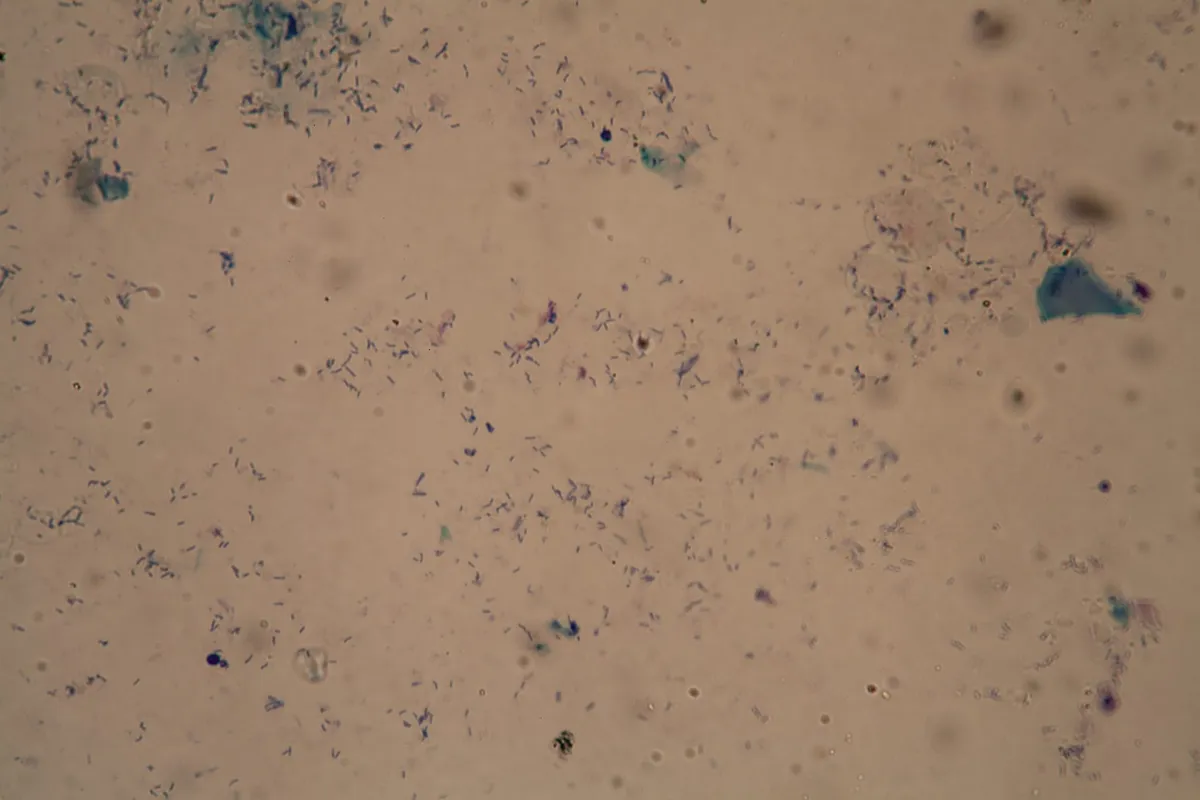
Scientists have engineered bacteria to infiltrate and destroy tumors from within—a breakthrough approach that could transform cancer treatment.
Know someone who needs a boost? Share Brightcast with your friends and family.

Swivel Gallery founder Graham Wilson joins Marc Straus Gallery as partner, bringing his roster of artists and a curated exhibition opening March 19.

Scientists unearthed a 90-million-year-old fossil that bridges the evolutionary gap between dinosaurs and birds. This tiny, bird-like creature rewrites our understanding of prehistoric life.

Life bounced back faster than anyone thought. New plankton species emerged just 2,000 years after the dinosaur-killing asteroid—not thousands of years later.

Geometric patterns etched onto ancient ostrich eggshells in southern Africa suggest our ancestors possessed sophisticated mathematical thinking thousands of years ago.

After 11 years in prison, Kerwin Pittman is converting an abandoned North Carolina jail into housing for formerly incarcerated people—transforming the place that once held him.