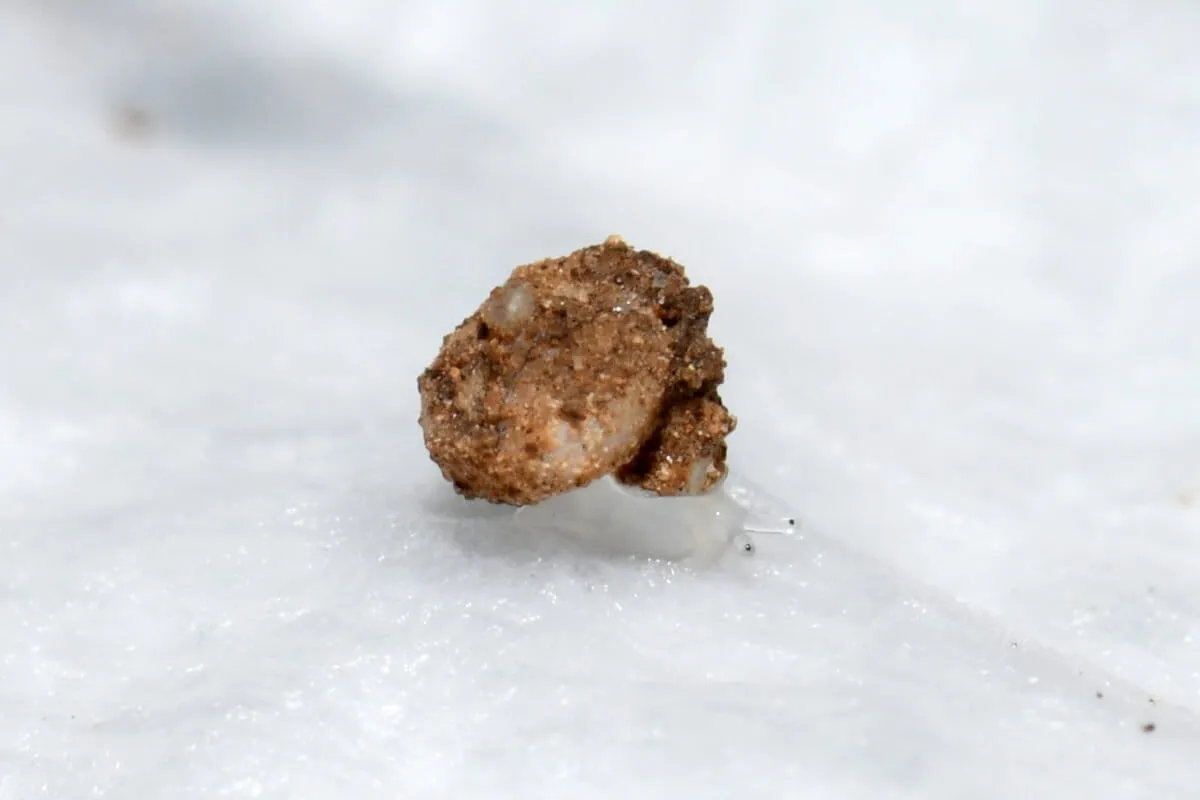
Meet the tiny new snail decorating its shell in Cambodian caves.
A translucent microsnail, smaller than a pinhead, was discovered in a Cambodian cave. Named Clostophis udayaditinus, it honors an 11th-century Angkor king.
Good news from around the world.
9667 stories

A translucent microsnail, smaller than a pinhead, was discovered in a Cambodian cave. Named Clostophis udayaditinus, it honors an 11th-century Angkor king.

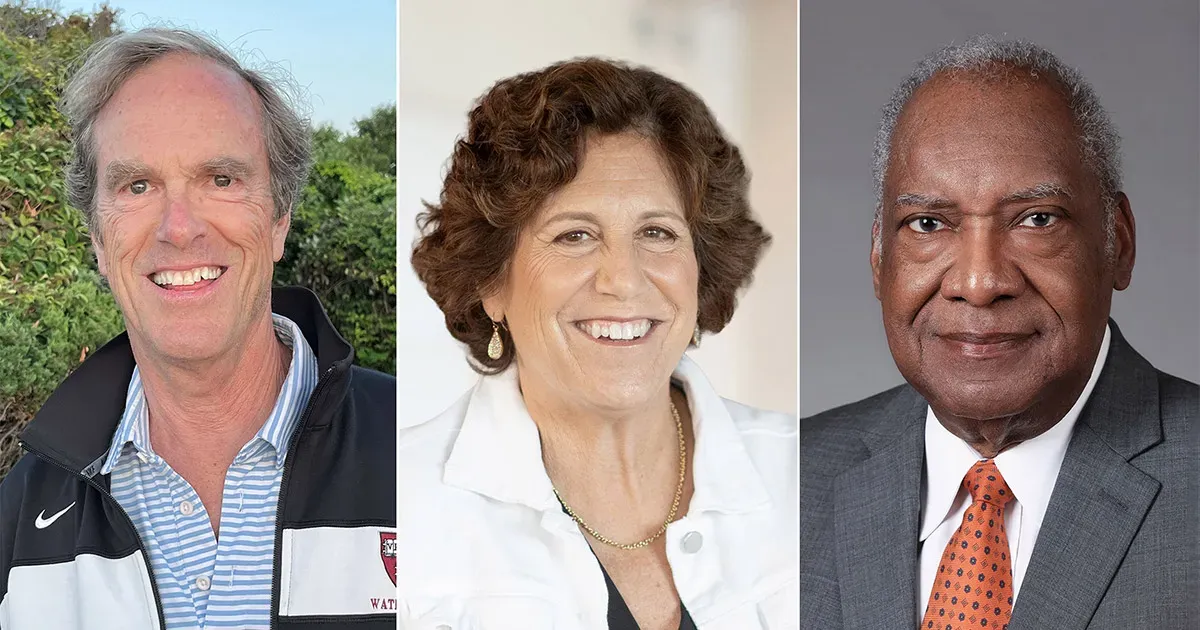
Harvard will award its prestigious Medal to alumni leaders Thomas A. Dingman, Deborah Kaufman Goldfine, and Walter H. Morris Jr. on April 20, 2026, recognizing their exceptional service.

Ultrafast lasers precisely tracked copper plasma formation and ionization. Picosecond data reveals rapid ion growth and decay, crucial for advancing fusion research.

KTM pioneered electric off-road! 12 years ago, they launched the Freeride E, cementing their place as a leader in the electric revolution.

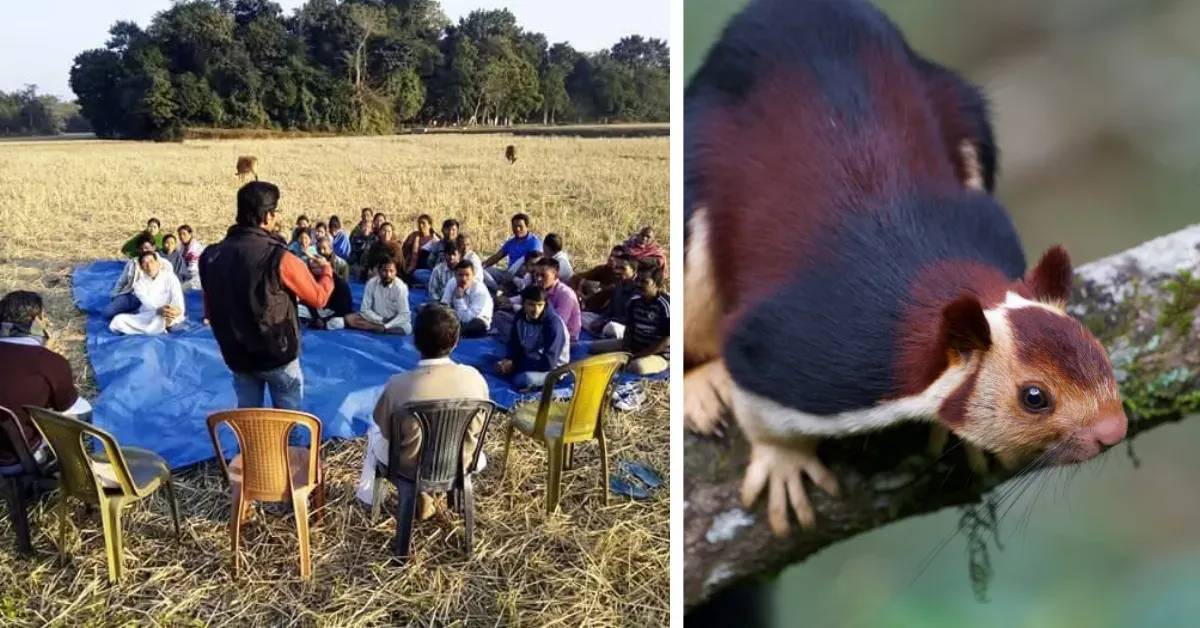
Sunrise paints Udanti-Sitanadi Tiger Reserve's sal forests. Birds call, leaves crunch, fresh pugmarks hint at unseen life. This jungle, once just wildlife stories, now tells a new tale.
Join 50,000+ readers who receive our daily digest of the most uplifting stories from around the world.

Cuba confirmed recent talks with U.S. officials on the island, even as tensions remain high over the U.S. energy blockade.

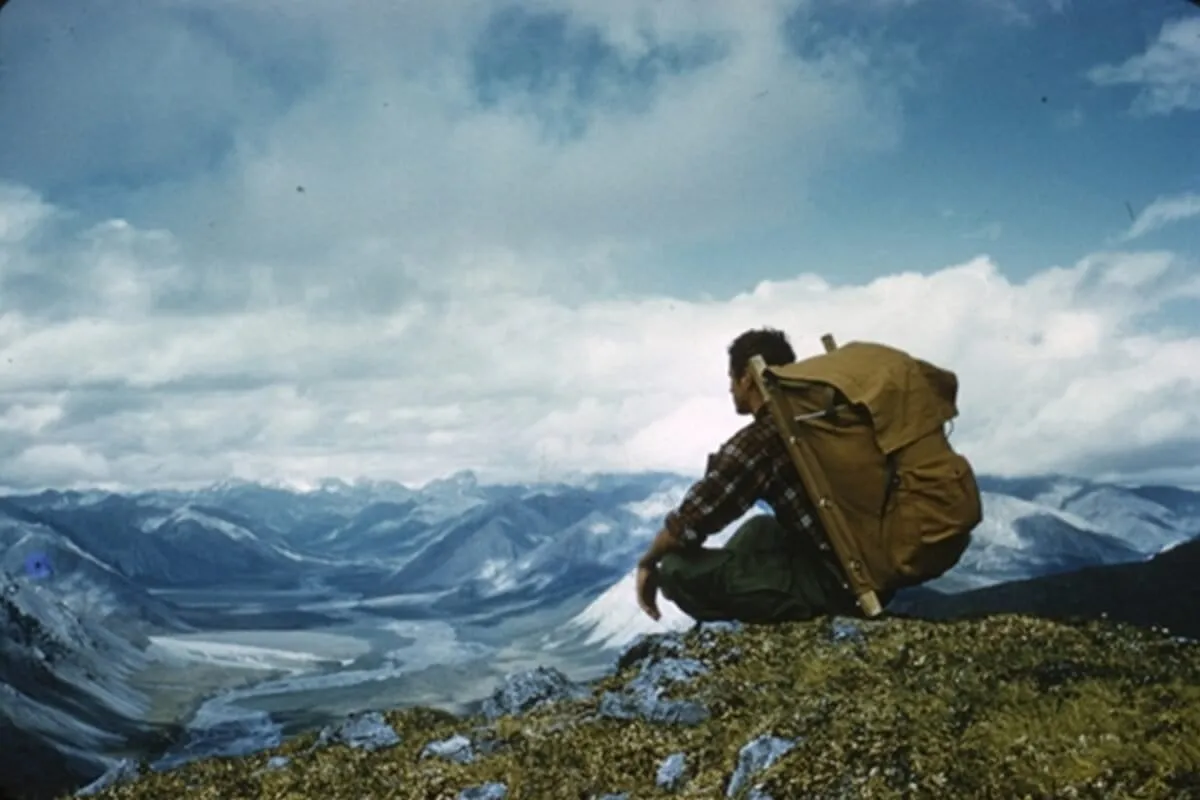
Miriam Horn's "Homesick for a World Unknown" unveils George B. Schaller, a pivotal 20th-century field biologist who shunned the spotlight. This biography pieces together a life from fragments, not revelations.

Hidden DNA regions are unlocking surprising secrets about diabetes' origins.

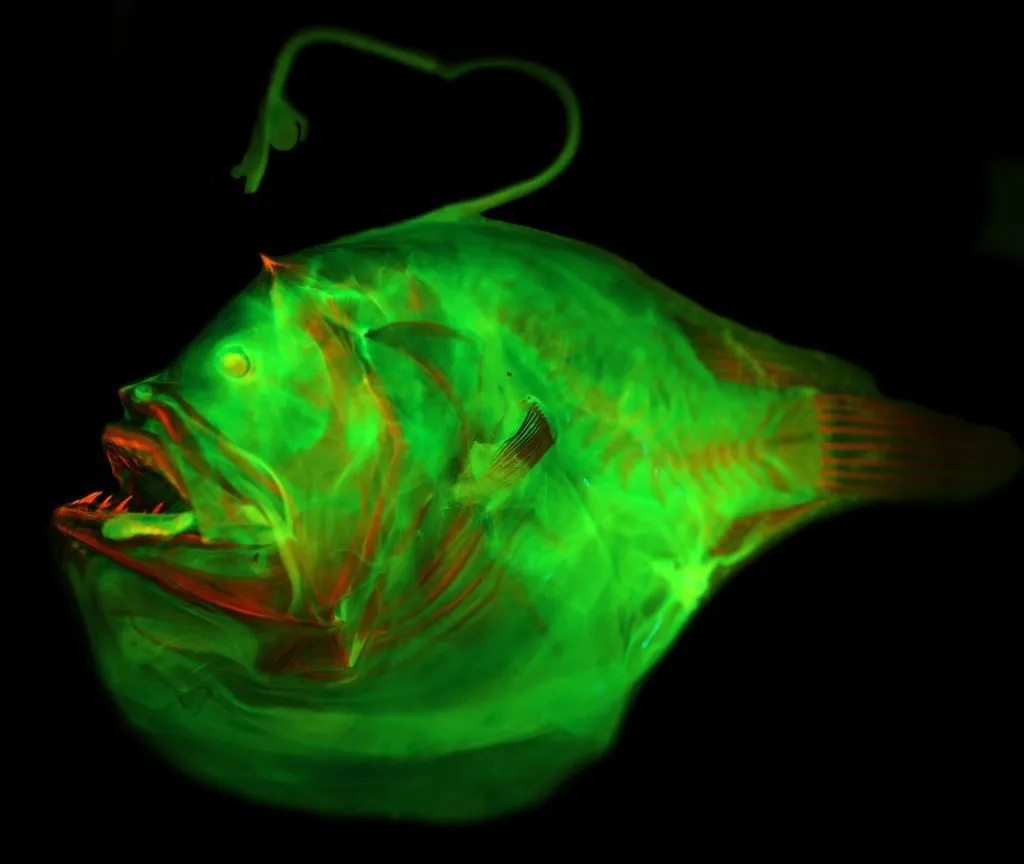
Anglerfish lures, appearing 72M years ago, do more than hunt. Females now use these glowing appendages to attract prey and signal potential mates.

Five "lost" bird species, unseen for over a decade, were rediscovered in 2025! This incredible find shrinks the global "Lost Birds List" from 163 to 120, offering hope for conservation.
Brightcast is dedicated to restoring faith in humanity by highlighting the progress, solutions, and kindness that often go unnoticed. We believe in a balanced worldview.
Read our full mission →
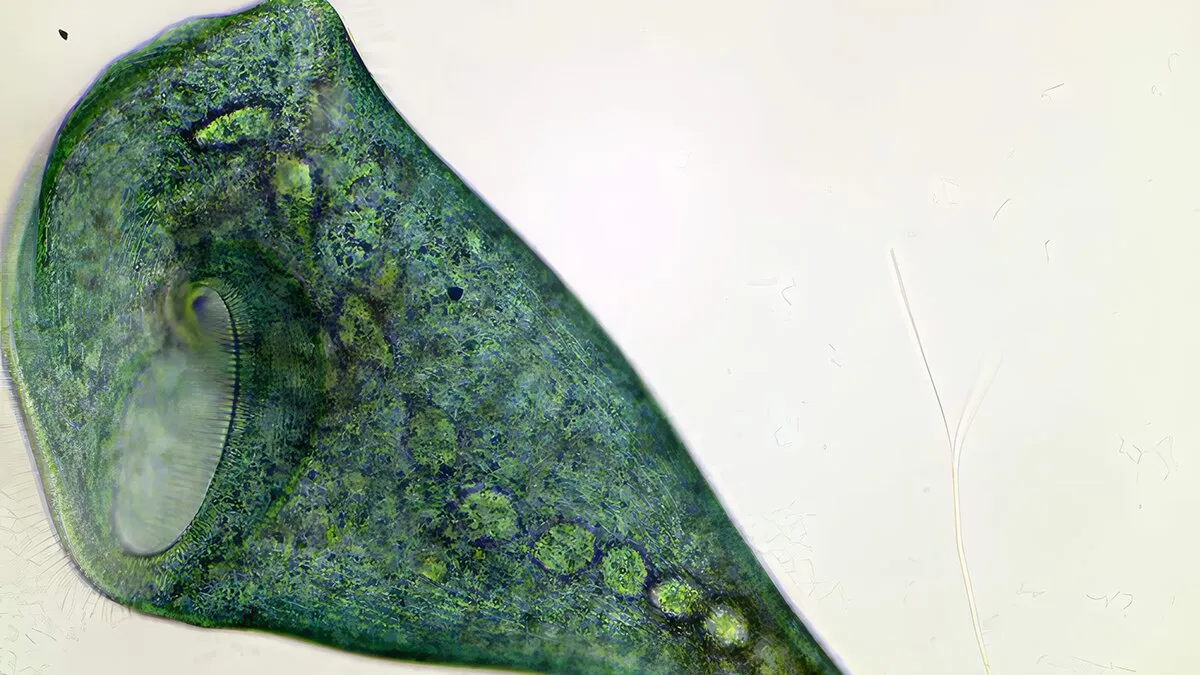
Scientists thought learning links between events needed brains. Now, a brainless pond creature challenges that, proving complex learning isn't just for neural networks.

Climate change sparks doubt: do individual actions matter? Environmentalist Heather White says yes. "Individual action drives culture change," she asserts, vital for global policies to succeed.

Cuba confirms "respectful and professional" talks with the U.S. in Havana, despite high tensions. A Cuban official noted the exchange was "devoid of threats.

Ancient Pelusium reveals a stunning discovery: a unique structure blending Egyptian, Greek, and Roman architectural styles, unearthed at the Nile Delta's edge.

Cambodia just unveiled a bronze statue honoring Magawa, the HeroRAT. This African giant pouched rat detected 100 landmines and cleared 35 acres, becoming the program's most successful hero.
Know someone who needs a boost? Share Brightcast with your friends and family.

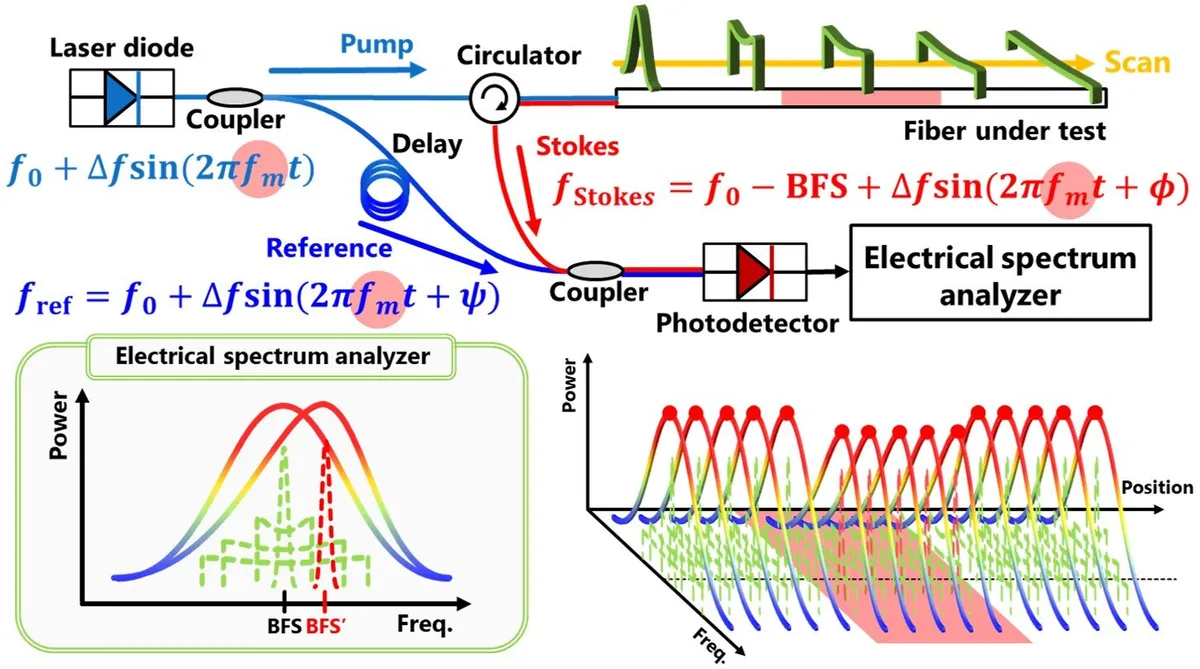
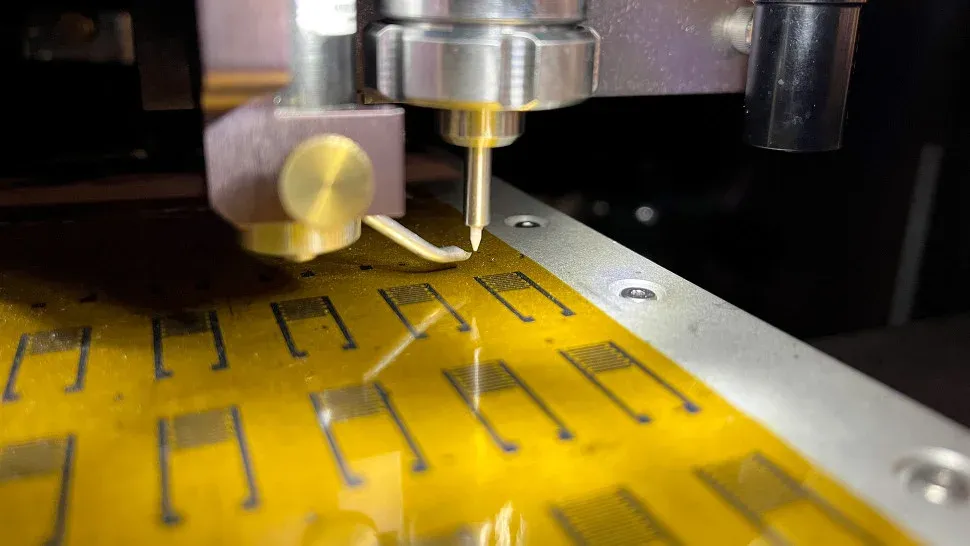
Fiber-optic sensors monitor infrastructure, but their resolution was limited. Now, Japanese researchers achieved a world-record 6mm spatial resolution, revolutionizing temperature and strain monitoring.

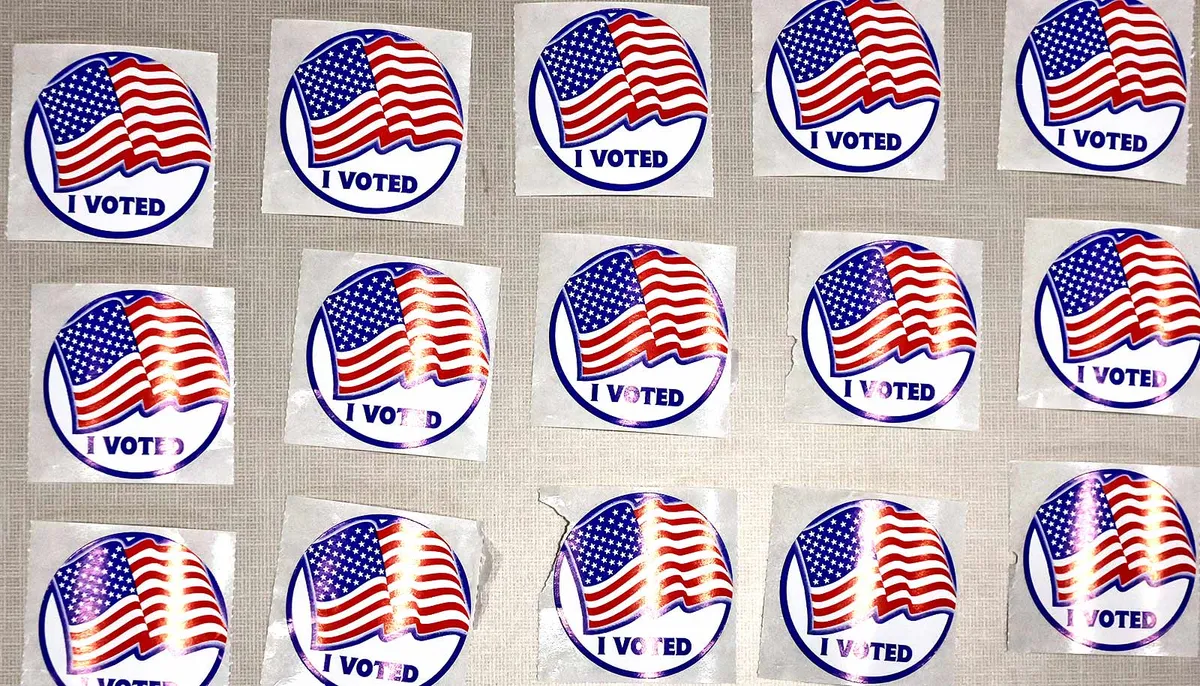
Winning an election feels good, but new research suggests emotions alone don't explain why winners are more satisfied with democracy than losers. What truly drives this "winner-loser gap"?

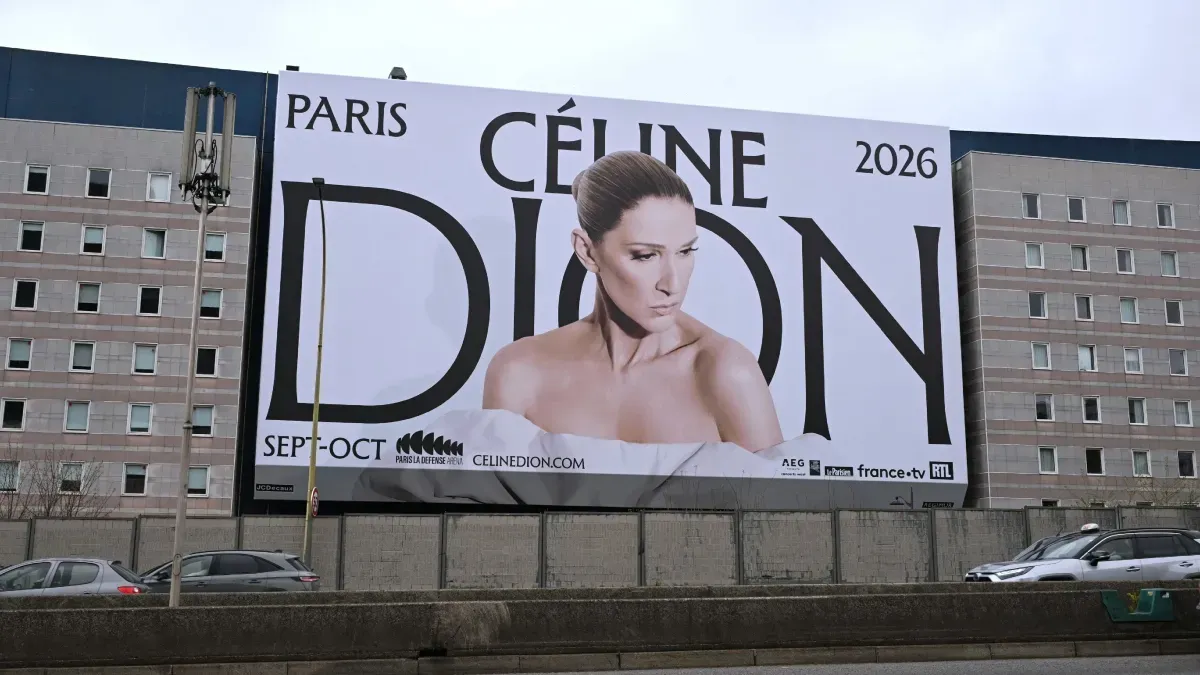
Céline Dion is back! After years away due to health struggles, the diva announced a 2026 return to the stage, including a Paris residency. She just dropped her first new song in years—and it's a hit.

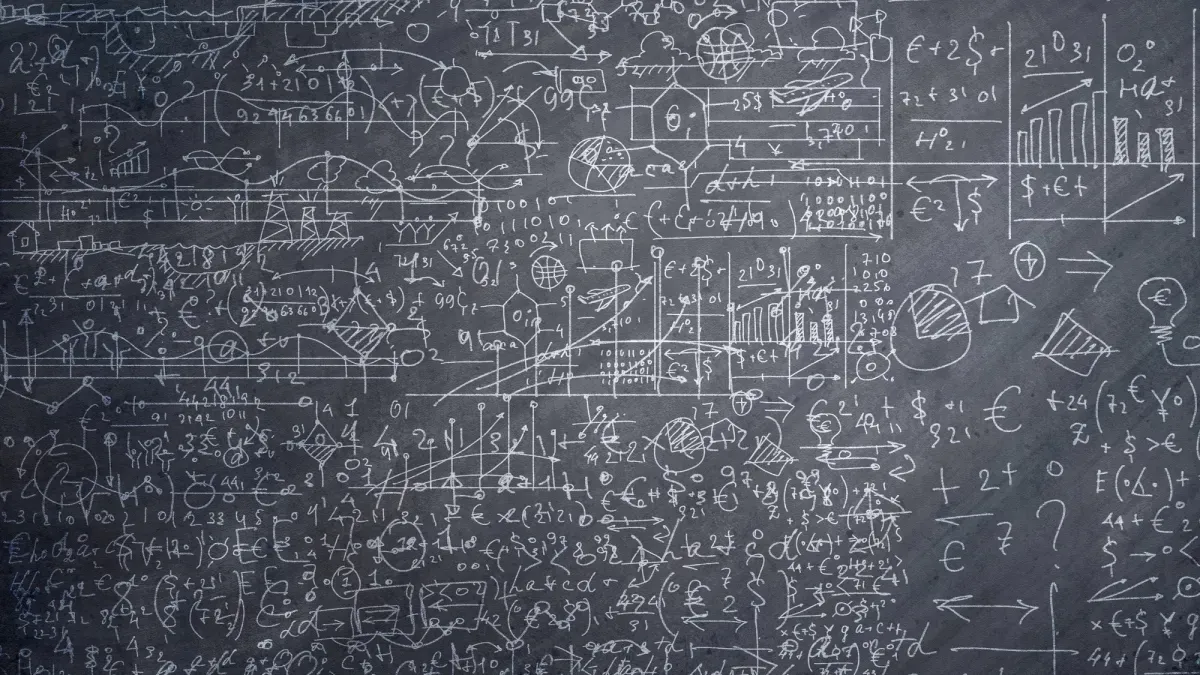
In 1959, countries around the world sent their most talented students to Romania to compete in the first-ever International Mathematical Olympiad (IMO). Ever since, the rules have remained simple, even if the problems are not: over two days, each team works to solve a total of six math problems. Aft...

Tired of ghosting after interviews? A new law demands employers respond to applicants, potentially transforming hiring. Laura Gemma Bond knows the frustration: 3 interviews, no reply.
Download the Brightcast app for a better reading experience, daily notifications, and offline access.
Download App
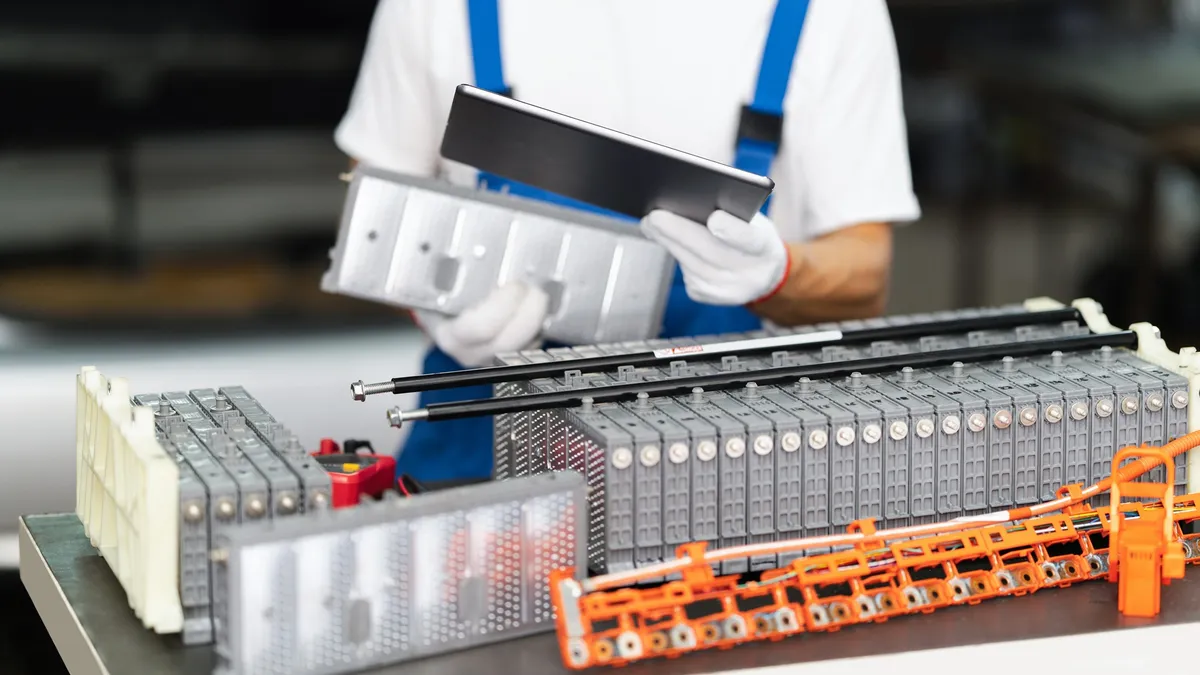
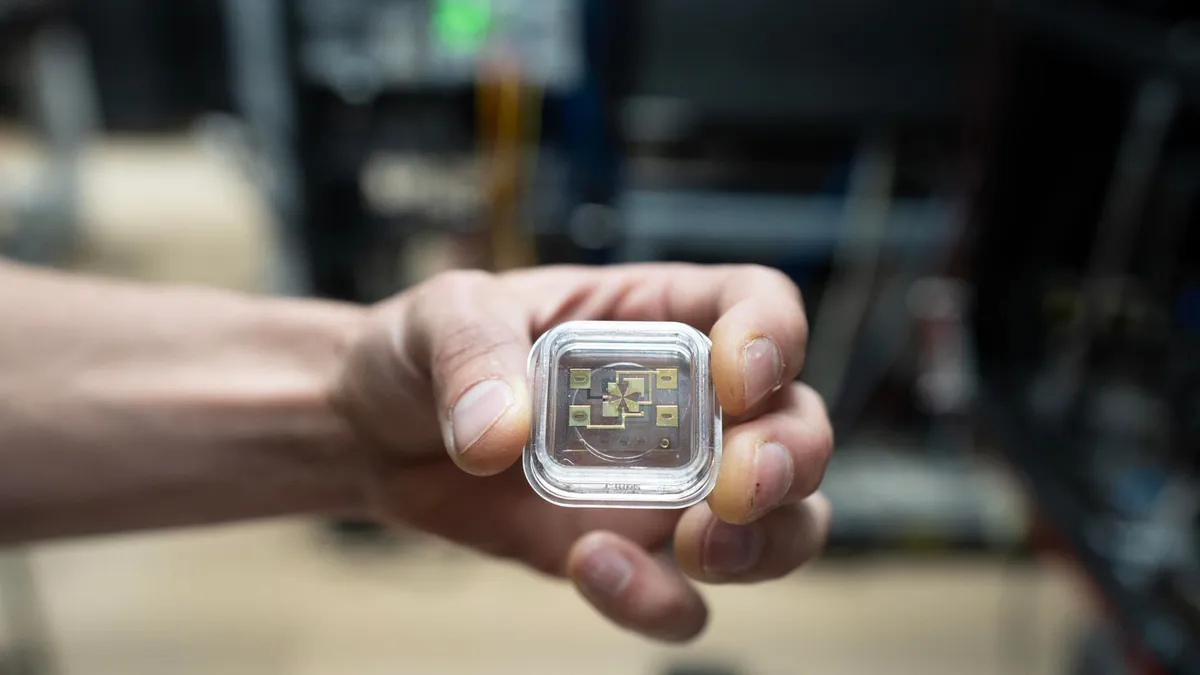
Artificial neurons now fire so realistically they activate living brain cells in mouse tissue. This breakthrough uses soft, flexible electronics, mimicking biological signaling for efficient AI.

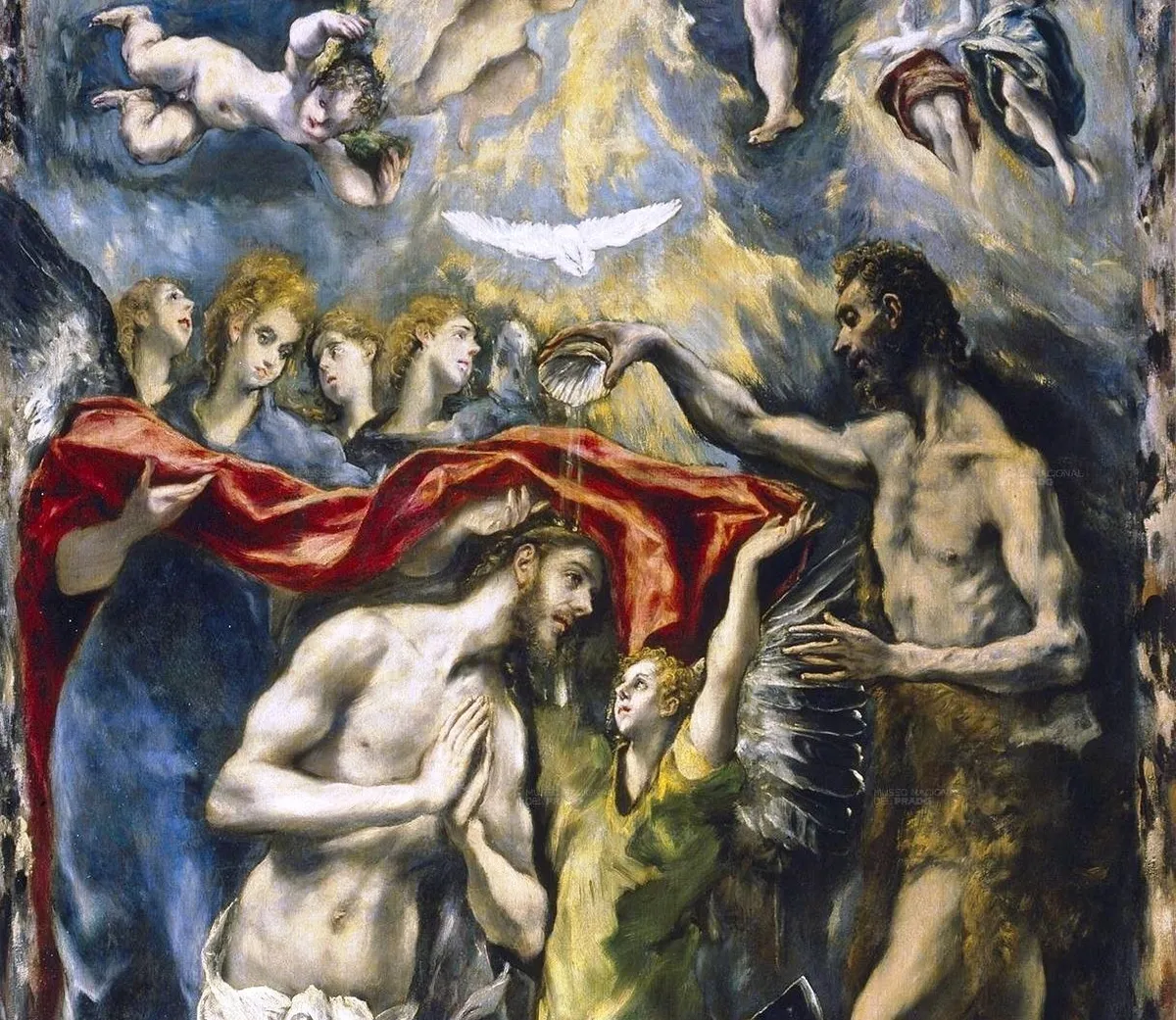
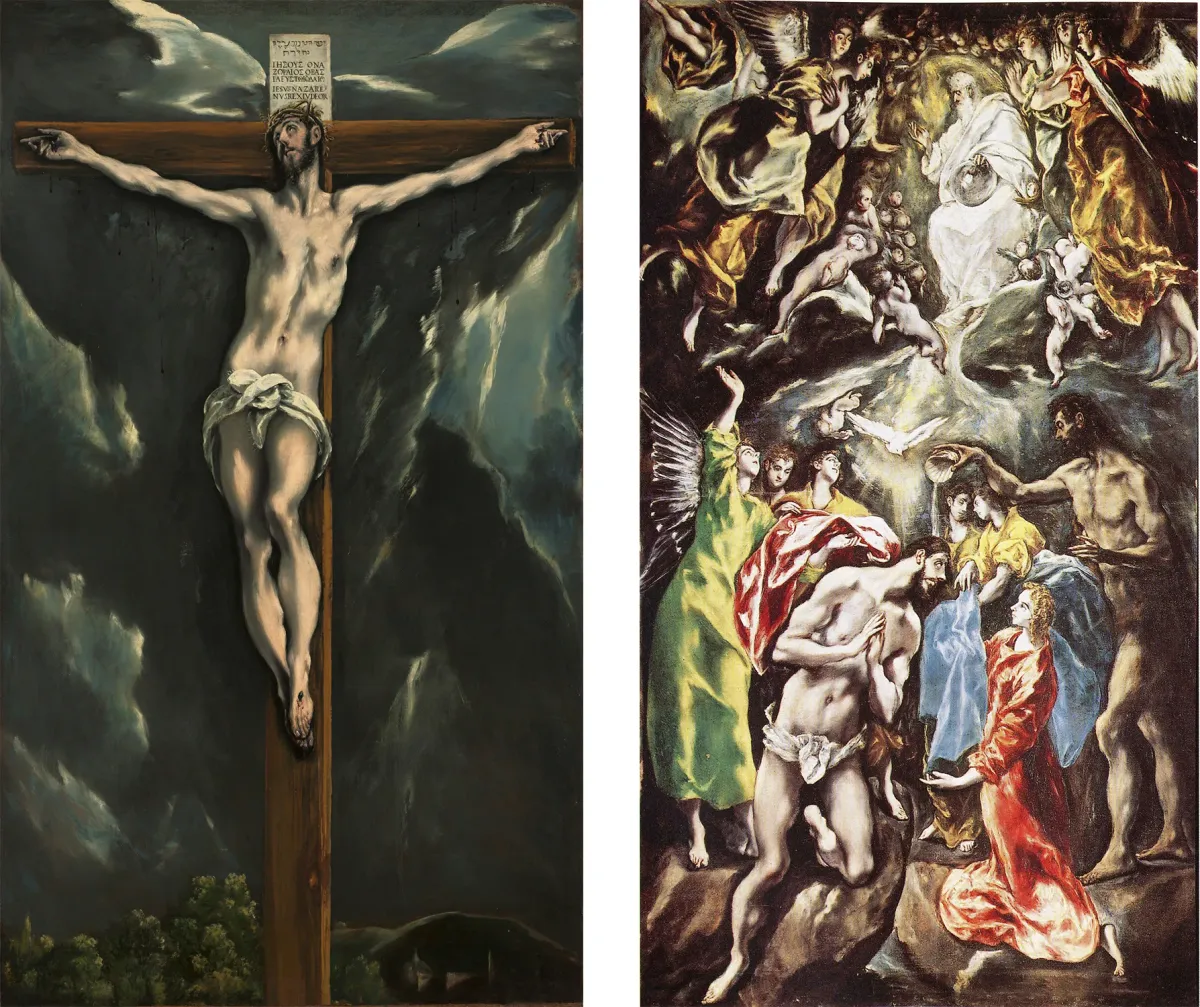
El Greco's "The Baptism of Christ" authorship was debated for years, with experts analyzing brushstrokes. Now, AI microscopically examines the paint, offering a new perspective.

Forget what you thought about US life expectancy. A new analysis uncovers a more complex reality, challenging long-held assumptions about American longevity.

Pauls Valley High School Principal Kirk Moore became prom king, cheered on by students in a viral video. This Oklahoma educator, who molds young minds daily, embodies the unsung hero spirit.

Uncover art's hidden creators! Case Western Reserve scientists developed a new AI program to help art historians identify how many artists contributed to centuries-old masterpieces.
Join 50,000+ readers who receive our daily digest of the most uplifting stories from around the world.

From curing blindness to turning pollution into power, science had a banner week. Meanwhile, activists proved that persistence pays off, leading to major policy changes.

As the US economy tanks, many Americans face job losses and rising costs. But in Manhattan, Ali Riza Dogan, owner of Ali Baba Mediterranean Cuisine, dedicates Wednesday nights to feeding Chinatown's hungry.

Sylvia Earle revealed "Hope Spots" at TED: 169 critical ocean sites globally. These marine havens, like Tetiaroa in French Polynesia, are vital for ocean health and pioneering conservation.
Matthew Brown is more than doubling his LA footprint, moving his gallery to a former warehouse at 1145 Seward Street. Just a mile from his 2019 spaces, the new design is "night and day.

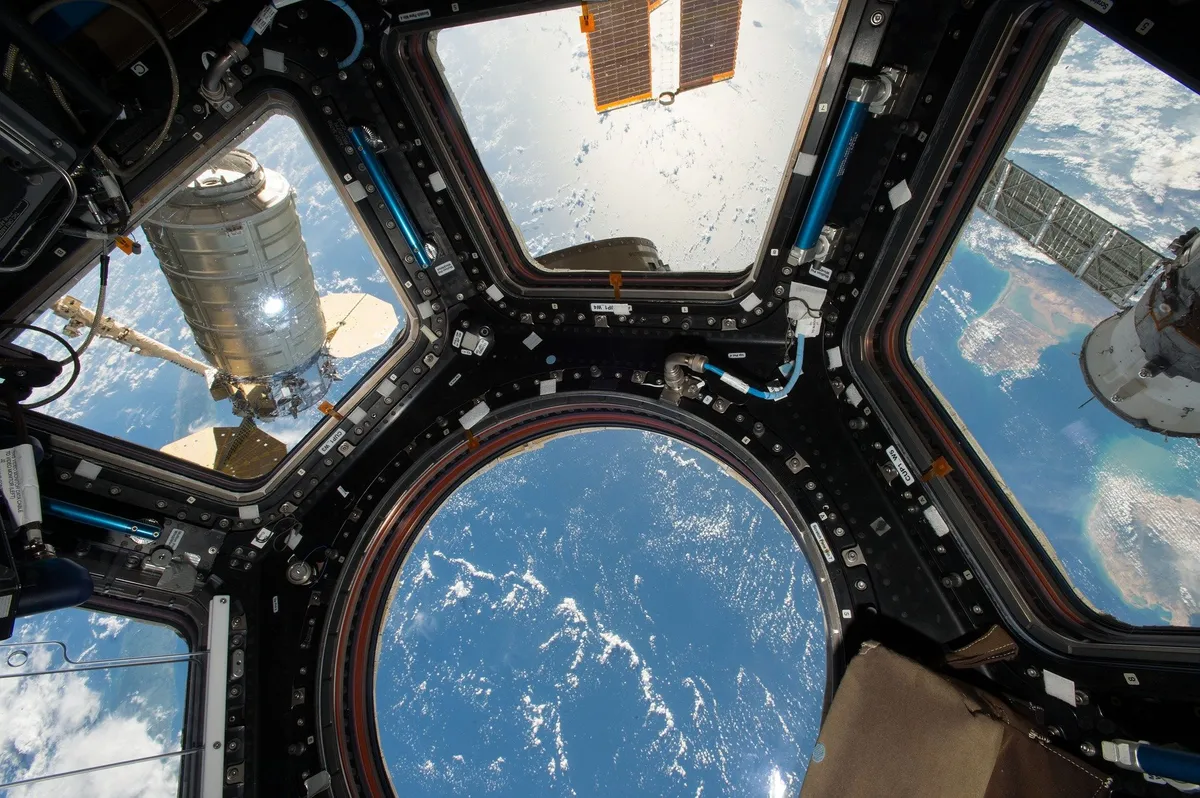
On Earth, gripping keeps objects from falling. In space, there's no gravity. But move an object, and inertia sends it flying—up, down, left, right.
Brightcast is dedicated to restoring faith in humanity by highlighting the progress, solutions, and kindness that often go unnoticed. We believe in a balanced worldview.
Read our full mission →
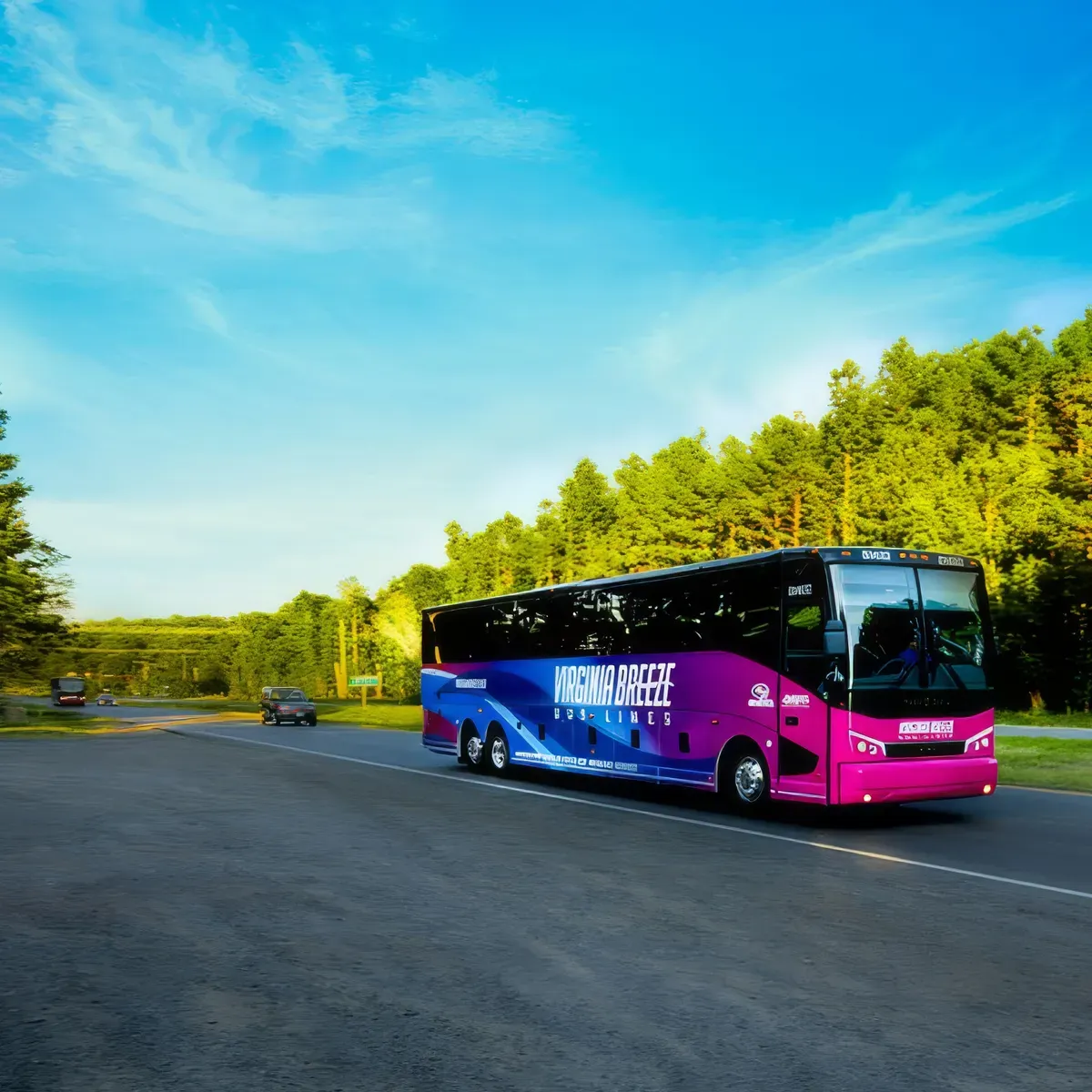
Virginia's Tidewater Current route now connects 10 cities from Virginia Beach to Harrisonburg, including Richmond International Airport.

South Korean scientists unveiled a gas battery that turns greenhouse gases into electricity. Their "Gas Capture and Electricity Generator" (GCEG) transforms pollution into power.

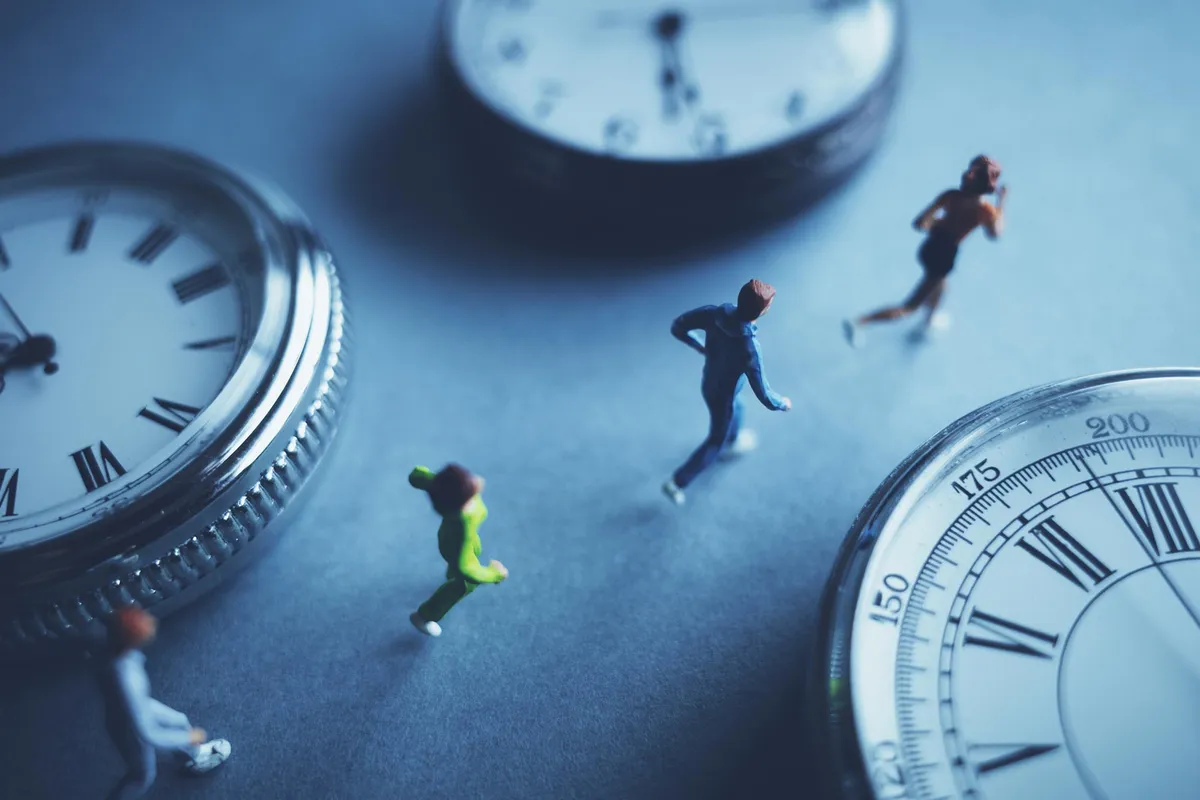
Time can tick both fast and slow simultaneously. Researchers at Stevens, CSU, and NIST propose a new theory: time exists in quantum superposition, unlocking fundamental physics mysteries with new quantum tech.

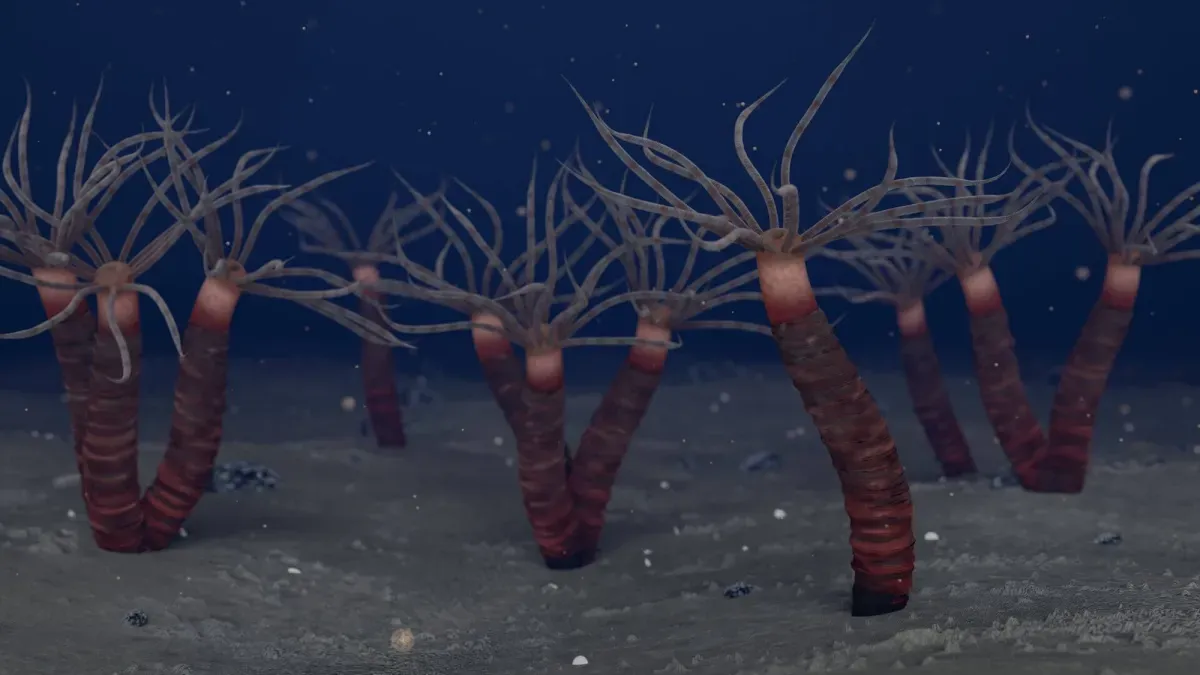
Ghostly jellyfish can tell ancient tales! Near Quebec City, marine paleontologists discovered Paleocanna tentaculum, a new species of invertebrate that swayed in Paleozoic oceans 450 million years ago.

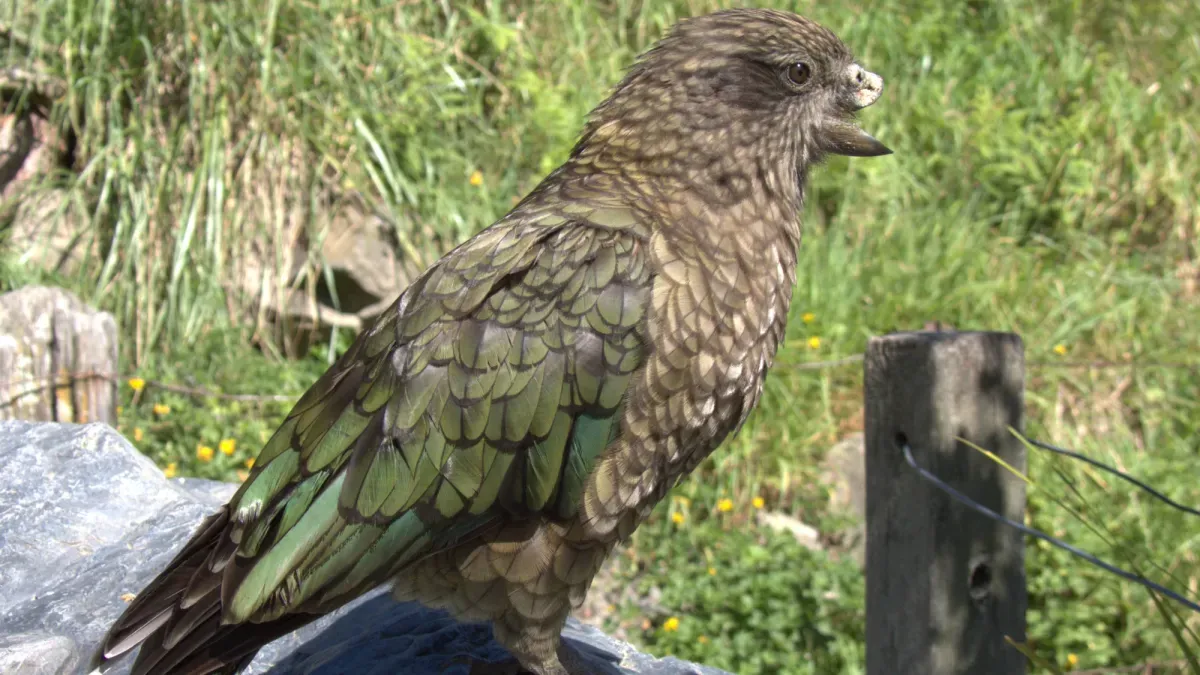
Missing an upper beak, Bruce the kea parrot dominates his flock at Willowbank Wildlife Reserve. Scientists say his unique "beak jousting" technique made him alpha.
Know someone who needs a boost? Share Brightcast with your friends and family.

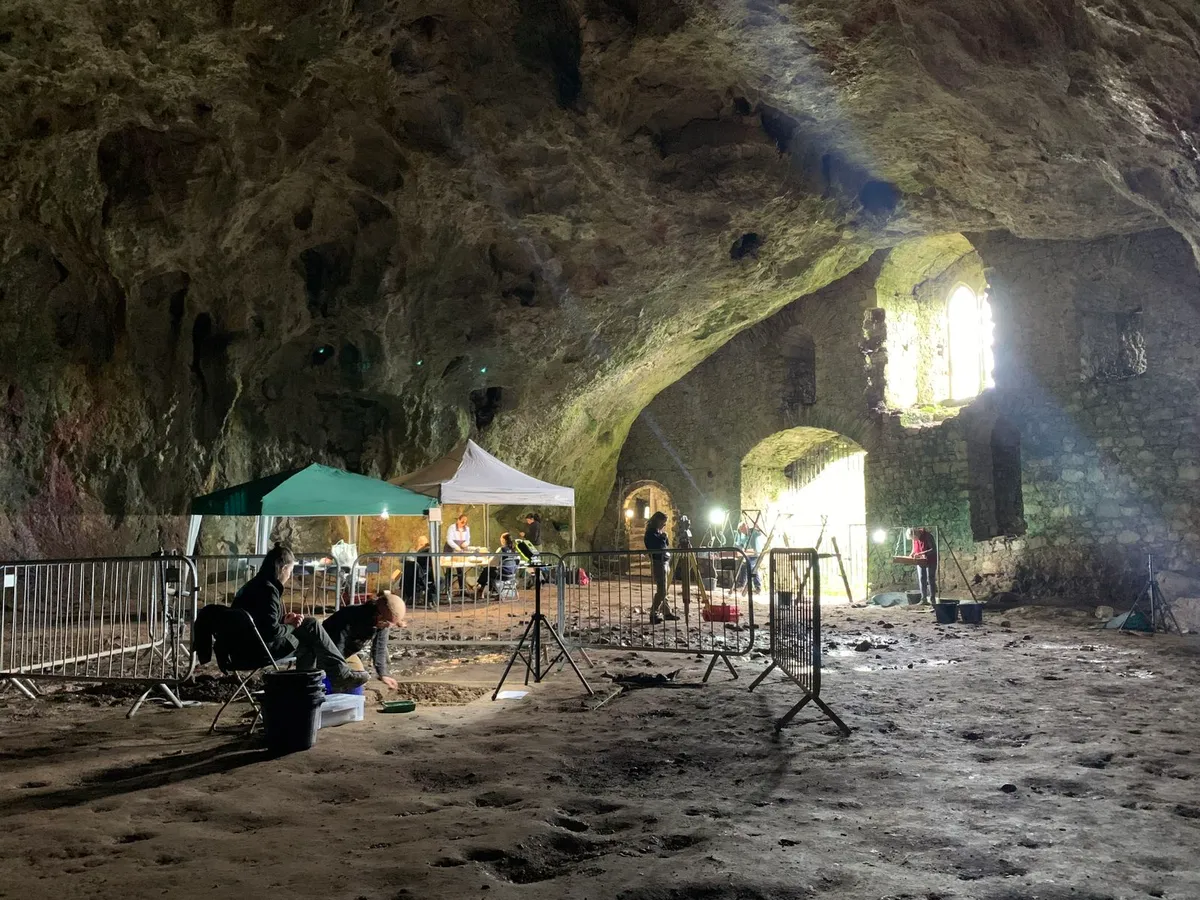
Beneath a Welsh landmark, a cave reveals 120,000 years of human and animal visits. Archaeologists are now launching a five-year excavation project to uncover its secrets.

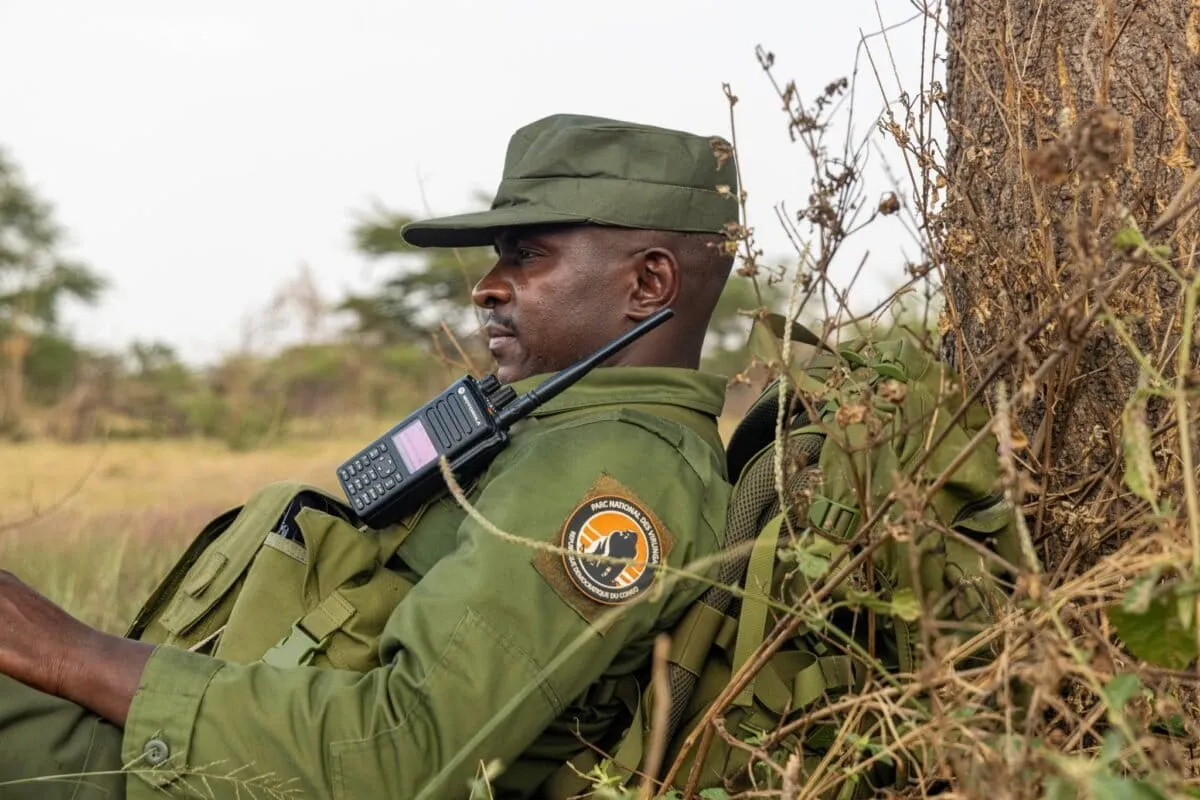
Emmanuel de Merode has spent two decades in eastern DRC, navigating conservation, conflict, and development. As Virunga National Park's director, he links biodiversity protection to improving local lives.

Imagine regrowing a limb. A new cross-species study pinpoints key genes governing regeneration, potentially unlocking human limb regrowth.

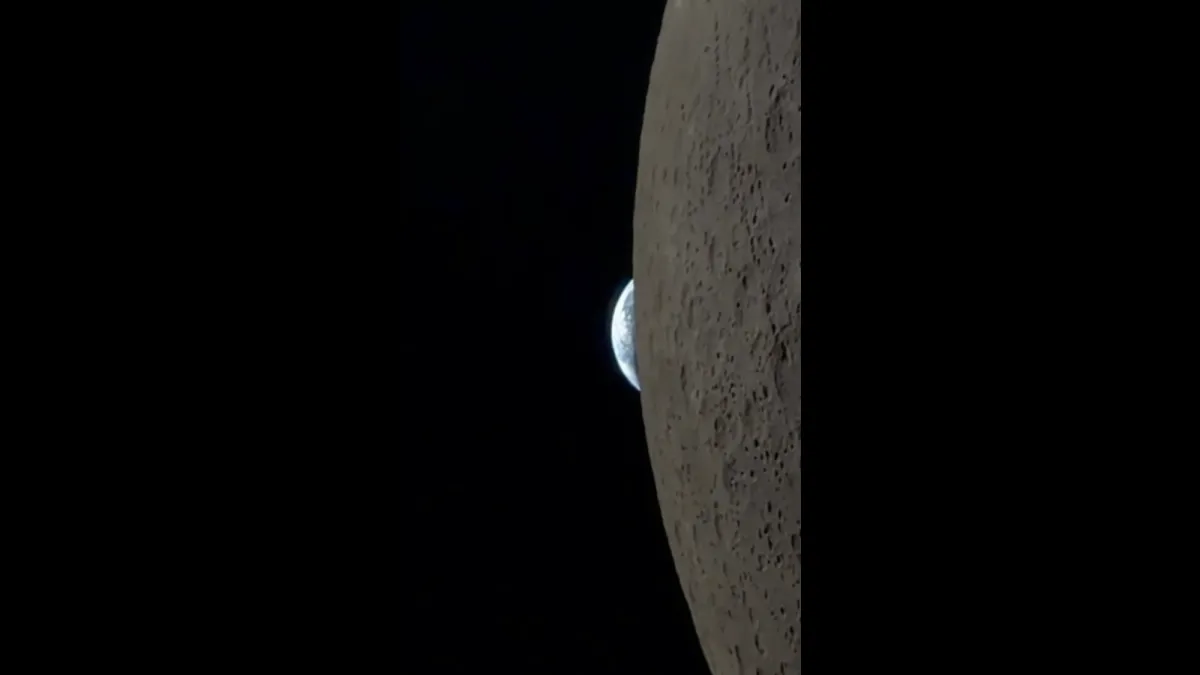
Witness an "Earthset" from space! Artemis II Commander Reid Wiseman filmed Earth disappearing behind the moon with his iPhone, sharing the stunning, uncut video on Instagram.

They can see!" A lab tech's call launched a medical revolution. Blind dogs, once stumbling, now twirled with restored sight—the first sign two physician-scientists' bold idea could work.