Imagine a Queen's mirror, now unearthed and on display.
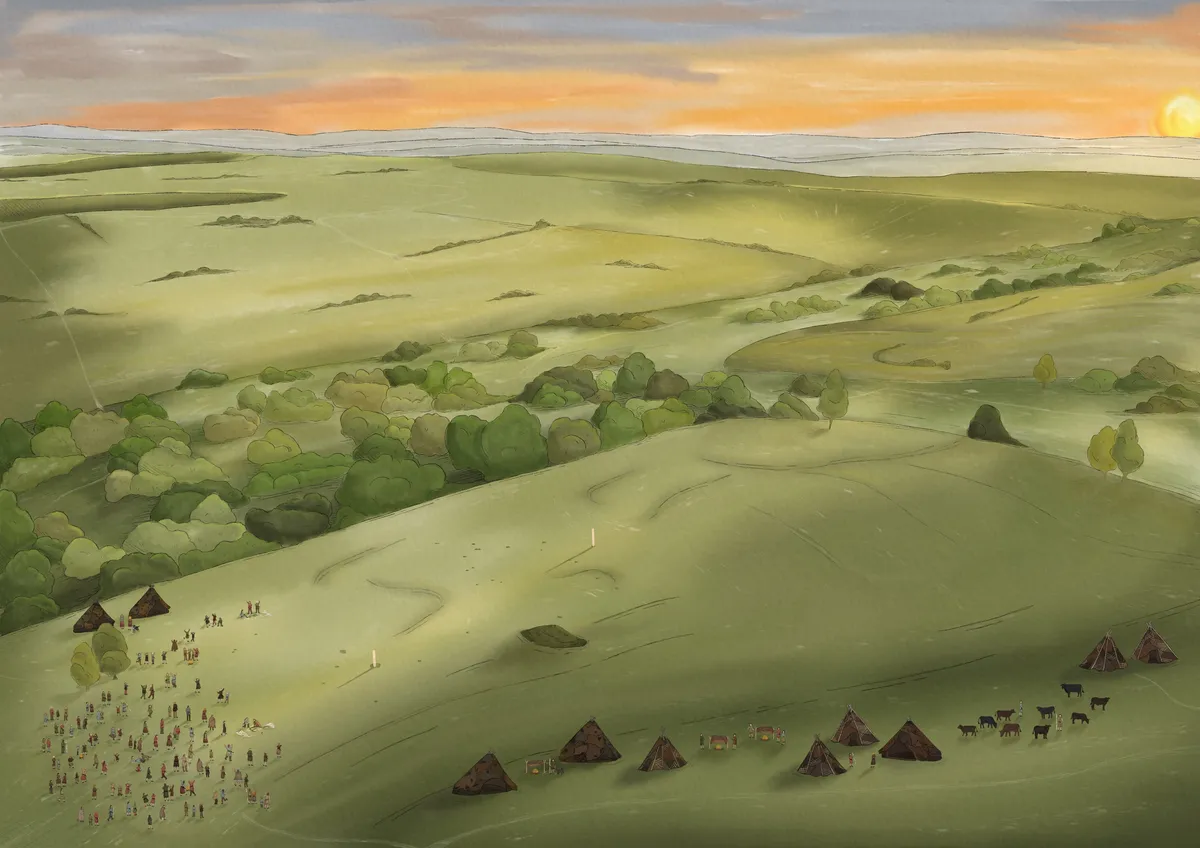
Yorkshire Museum visitors can now see the Melsonby Hoard, 1st-century C.E. artifacts that are rewriting the story of wealth and power in Britain during the Roman invasion.
Breakthroughs happen quietly. We make sure you hear about them.
2406 stories

Yorkshire Museum visitors can now see the Melsonby Hoard, 1st-century C.E. artifacts that are rewriting the story of wealth and power in Britain during the Roman invasion.

This week, humanity mapped the universe's skeleton, while on Earth, renewables became cheaper than fossil fuels. Plus, 'living plastic' and a volcano that cleans itself. Big shifts, small scales.

90% of humans are right-handed, a unique imbalance among primates. This mystery has baffled scientists for decades, but a new Oxford study suggests the answer lies in two evolutionary forces.

Before digital downloads, hundreds of millions relied on physical tape. Cassettes, 8-tracks, and VHS stored music and movies, a stark contrast to today's instant, high-fidelity files.

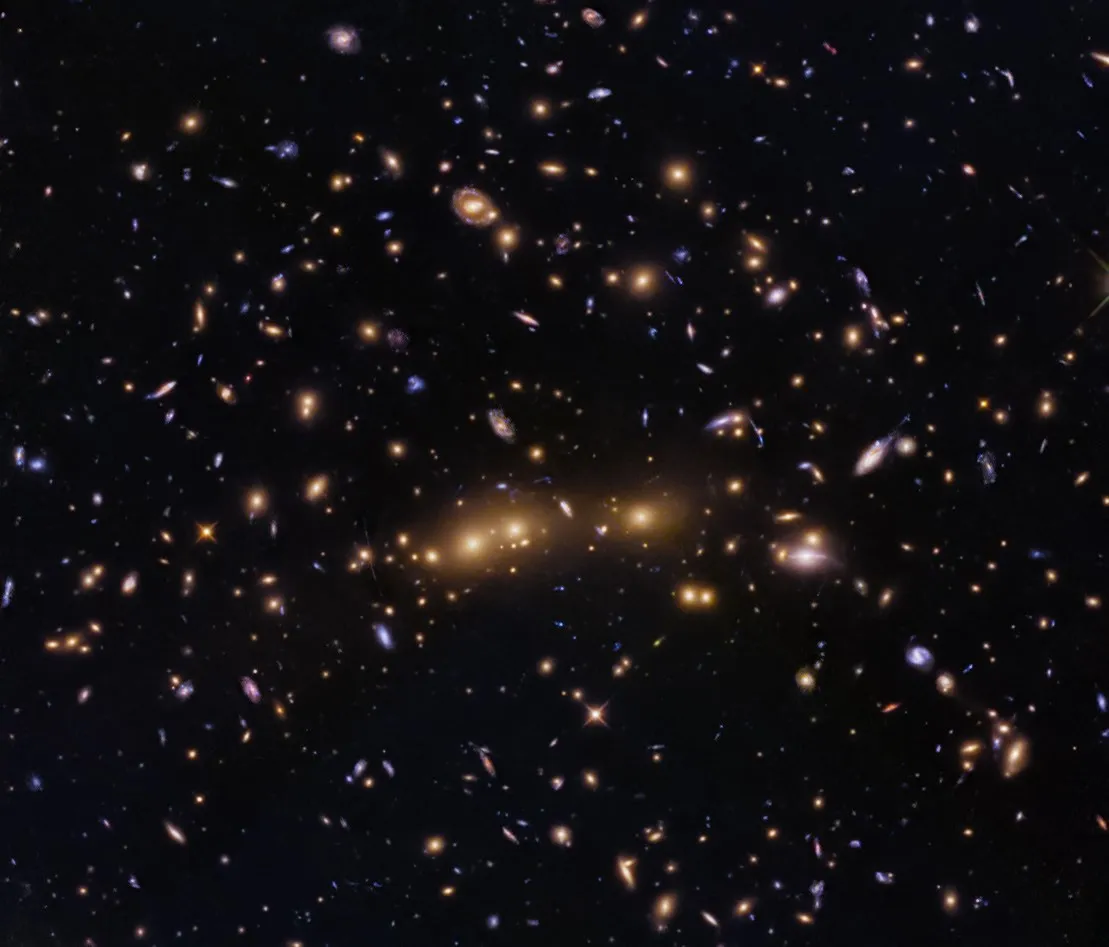
Astronomers just unveiled the sharpest image ever of a cosmic web filament! This glowing strand, 3 million light-years long, links two galaxies from nearly 12 billion years ago.
Join 50,000+ readers who receive our daily digest of the most uplifting stories from around the world.

Alien life just got closer. Scientists may have found a hidden chemical signature, a new beacon in the search for extraterrestrial existence.

For 80 years, electrons rushing through circuits powered everything from ENIAC to your smartphone. But AI is exposing a critical flaw: electrons generate heat, lose energy, and are hard to manage.

Earth is flying through the radioactive ashes of an ancient exploded star. Antarctic ice preserved the evidence.

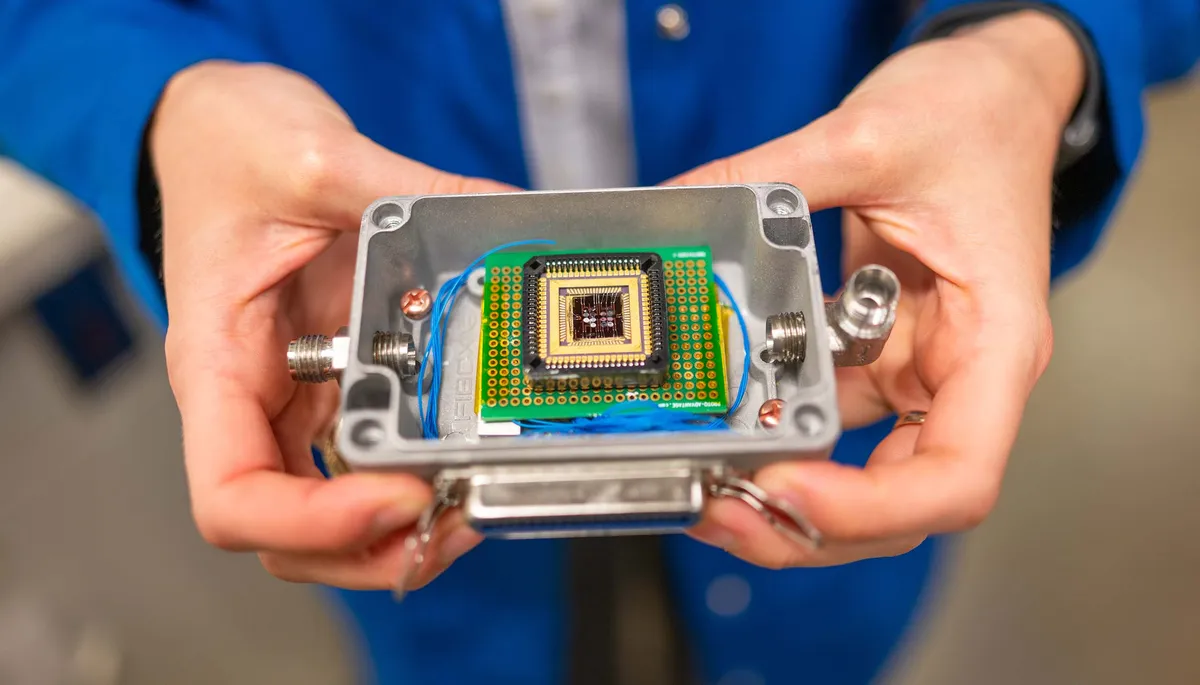
NASA's new AI-ready space chip could give future spacecraft a brain of their own, enabling autonomous decision-making far from Earth.

Feeling overwhelmed? You instinctively seek nature. Parks, oceans, sunsets—more than pleasant, studies link time outdoors to improved mental health, lifting depression, and influencing brain activity.
Brightcast is dedicated to restoring faith in humanity by highlighting the progress, solutions, and kindness that often go unnoticed. We believe in a balanced worldview.
Read our full mission →
Predictable earthquakes? Scientists solved a decades-old mystery in the Pacific, finding natural "brake zones" on the Gofar transform fault that stop ruptures from growing larger.

Artificial light at night is changing. A new analysis reveals where it's intensifying and diminishing, impacting our view of the cosmos and potentially wildlife.

Everyday products like plastics and pharmaceuticals rely on expensive, rare metal catalysts. KIT researchers just unveiled the first air-stable alternative.

Fur seals look chill on land, but their hearts tell a different story. After deep dives, their bodies are still battling the aftermath.

Gene control across vast distances? It's 650-700 million years old, far earlier than scientists ever imagined.
Know someone who needs a boost? Share Brightcast with your friends and family.

Maryland's first permanent outpost, St. Mary's City, was founded in 1634. Now, geneticists are unearthing the secrets of 49 early colonists buried there, tracing their lives from founding to 1734.

Uncover Hubble's universe-changing legacy. Explore its history, groundbreaking science, cultural impact, and technological benefits—from human spaceflight to AI partnerships.

A decades-old assumption about how the body handles fat may have been incomplete, with new research revealing a surprising twist in our understanding of metabolism.

A giant volcano accidentally revealed a powerful new way to destroy atmospheric methane. Could this natural phenomenon be a climate game-changer?

A new dinosaur species, Nagatitan chaiyaphumensis, weighed nine elephants! Scientists in Thailand identified this massive creature from its unique remains.
Download the Brightcast app for a better reading experience, daily notifications, and offline access.
Download App
A common gut bacterium secretly damages your colon. A new study finally uncovers its hidden mechanism, solving a long-standing scientific mystery.

Aggressive fish became calmer on low-dose psilocybin, reducing conflict without impacting social interaction.

Berkeley secures $1.4M from the W. M. Keck Foundation! Seven faculty-Ph.D. student pairs will receive grants, offsetting recent funding shifts and boosting high-impact research.

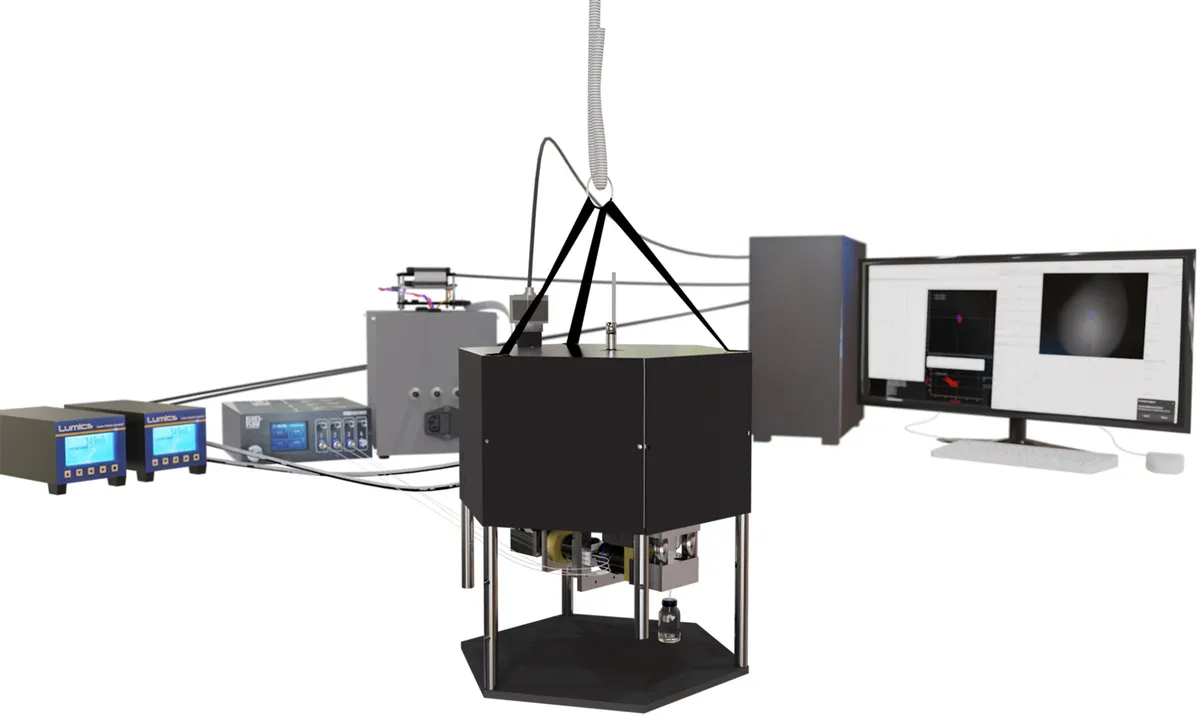
Rotate microscopic samples in 3D without touching them? Researchers developed a new laser method, offering unprecedented control for biological and material science.

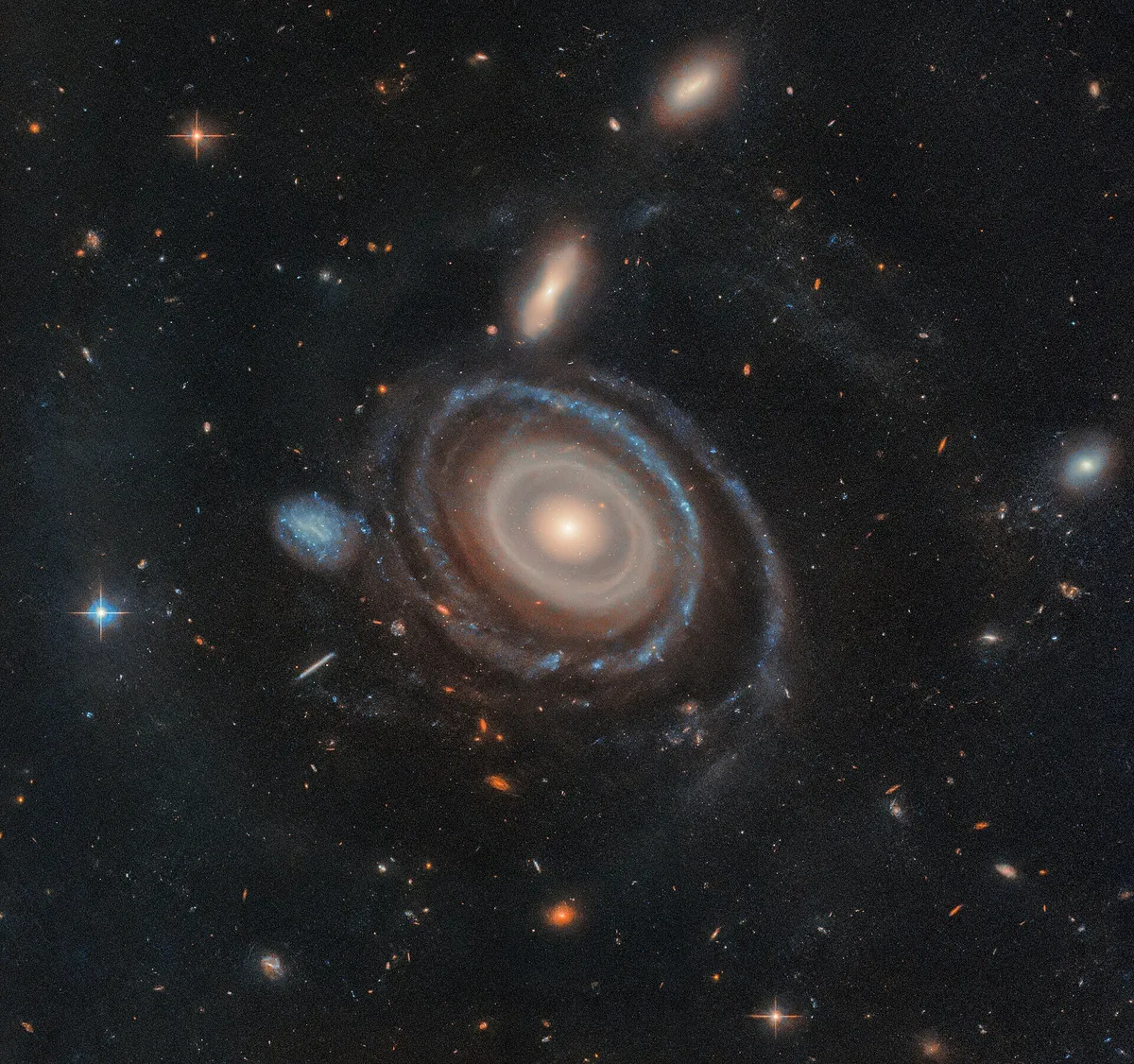
Scientists mapped the universe's skeleton, found organic molecules in 66-million-year-old dinosaur bones, and discovered a volcano that cleans its own mess. It was a week of surprising cosmic and historical revelations.
Join 50,000+ readers who receive our daily digest of the most uplifting stories from around the world.

NASA's Webb Telescope just unveiled the most detailed map of the cosmic web ever. This galactic skeleton, traced back to when the universe was 1 billion years old, reveals the cosmos's underlying architecture.

Dinosaur fossils still hold original proteins! Scientists found traces in an Edmontosaurus from South Dakota, shattering the belief that fossilization destroys all organic material.

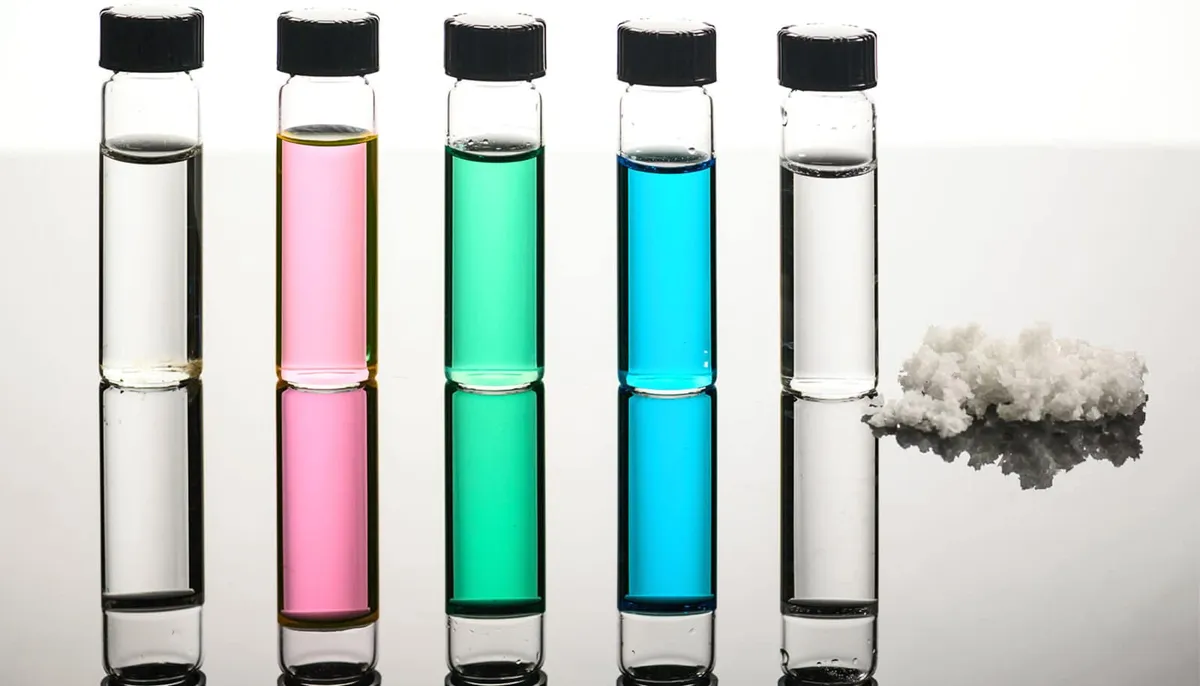
Uncovering a hidden side of material formation, researchers tracked specially designed molecules as they were heated, revealing new insights into their behavior.

Meet Thailand's "last titan": a newly discovered, long-necked sauropod. This massive herbivore roamed 100-120 million years ago during the late Early Cretaceous period.

Flower's Cove, Newfoundland: one of two places globally with Earth's oldest fossils. 650-million-year-old thrombolites, the planet's first oxygen-releasing life, line its shores.
Brightcast is dedicated to restoring faith in humanity by highlighting the progress, solutions, and kindness that often go unnoticed. We believe in a balanced worldview.
Read our full mission →
A new quantum sensor just shattered records, measuring unimaginably small energy amounts with unprecedented precision.

Earth's earliest animal fossils? Think again. Scientists just revealed these ancient giants were actually massive microbes, not animals.

Active matter, materials using internal energy to respond to forces, reveals surprising behaviors. Physicists are challenging conventional mechanics with these discoveries.

Just before dinosaurs vanished, a colossal long-necked herbivore, the Nagatitan, grazed peacefully. Now, its bones, unearthed in Thailand, reveal Southeast Asia's largest dinosaur.

Ancient trees and sky-gazing monks just revealed a medieval solar storm! Japanese researchers linked eerie red auroras to carbon-14 spikes in wood, uncovering a powerful solar event around 1200 CE.
Know someone who needs a boost? Share Brightcast with your friends and family.

A violent South Pacific volcanic eruption revealed a surprising natural mechanism that could slow global warming. This finding offers new insights into atmospheric chemistry and may inspire new ways to remove methane.

A legend unearthed! Weathered bones from a Thai pond are now Nagatitan chaiyaphumensis, Southeast Asia's largest dinosaur. This massive plant-eater was identified by international researchers.

Neanderthals and early modern humans: were their minds more alike than we thought? A new study by U.S. and Chinese researchers suggests their cognitive abilities were surprisingly similar.

60,000 years ago, Neanderthals drilled cavities! A Siberian cave yielded the earliest dental treatment: a molar with a deep hole, likely made by a sharp stone tool.

Supercharge laser simulations! Researchers developed a deep-learning model that dramatically speeds up nonlinear optical process simulations for advanced laser systems.