S
Science
2 wks ago
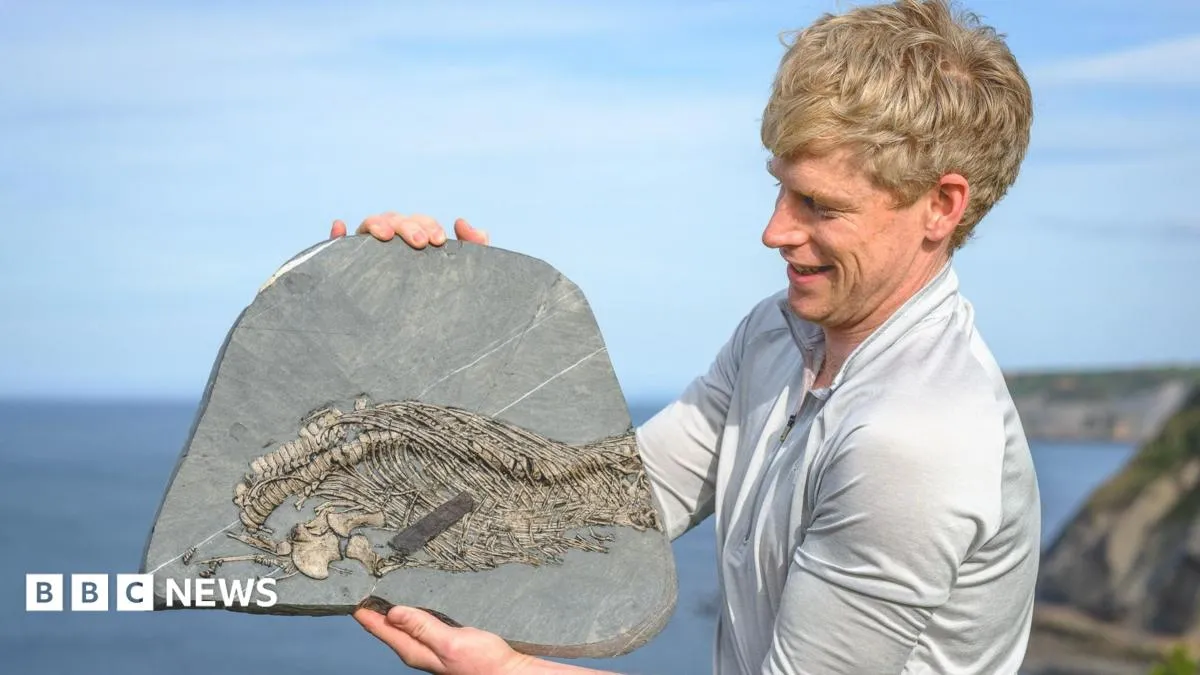
From avalanche's shadow, a sea dragon emerges for one fossil hunter.
Trapped in snow on Yr Wyddfa, Matthew Myerscough swapped mountains for fossil-laden beaches. Now, he's unearthed a rare "sea dragon.
41
0
38

Breakthroughs happen quietly. We make sure you hear about them.
2782 stories
Trapped in snow on Yr Wyddfa, Matthew Myerscough swapped mountains for fossil-laden beaches. Now, he's unearthed a rare "sea dragon.
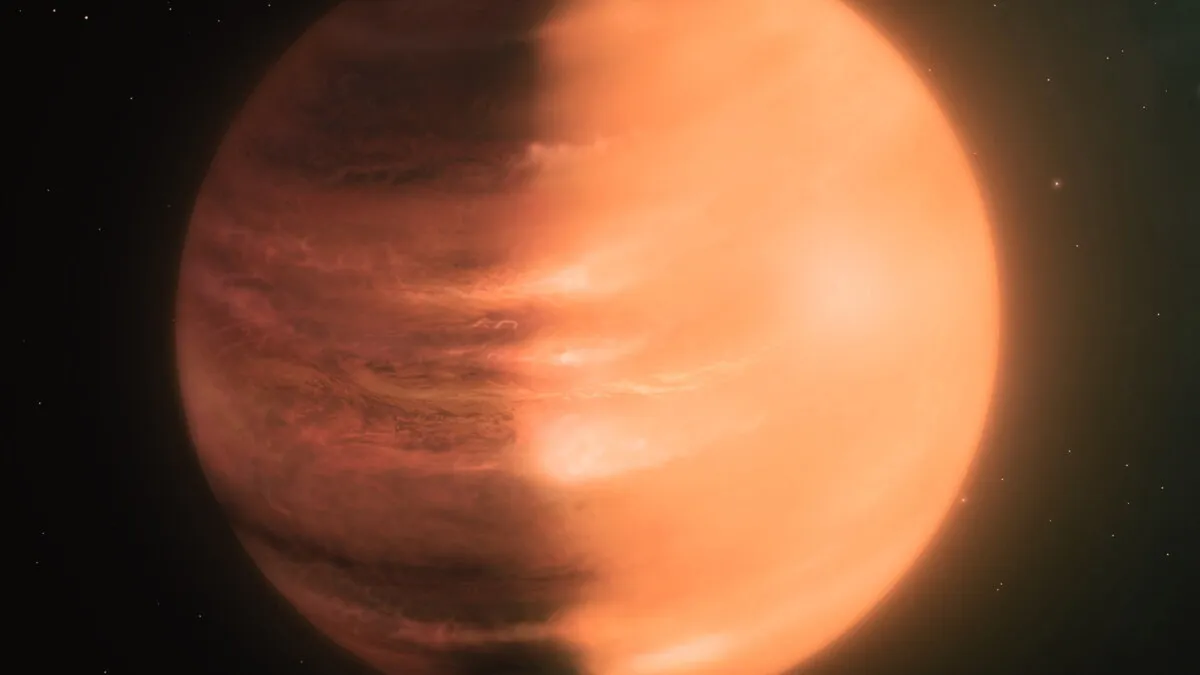
Oxford researchers just found two "super-puff" planets, the lowest-density giants ever recorded. Their density is even lower than...
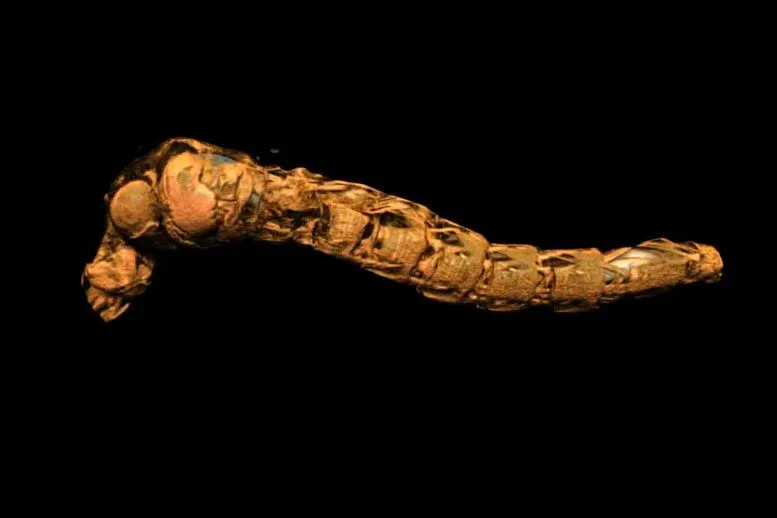
Lake fly larvae dive hundreds of meters using pressure-resistant air sacs. This discovery challenges a long-standing theory about ocean insects.
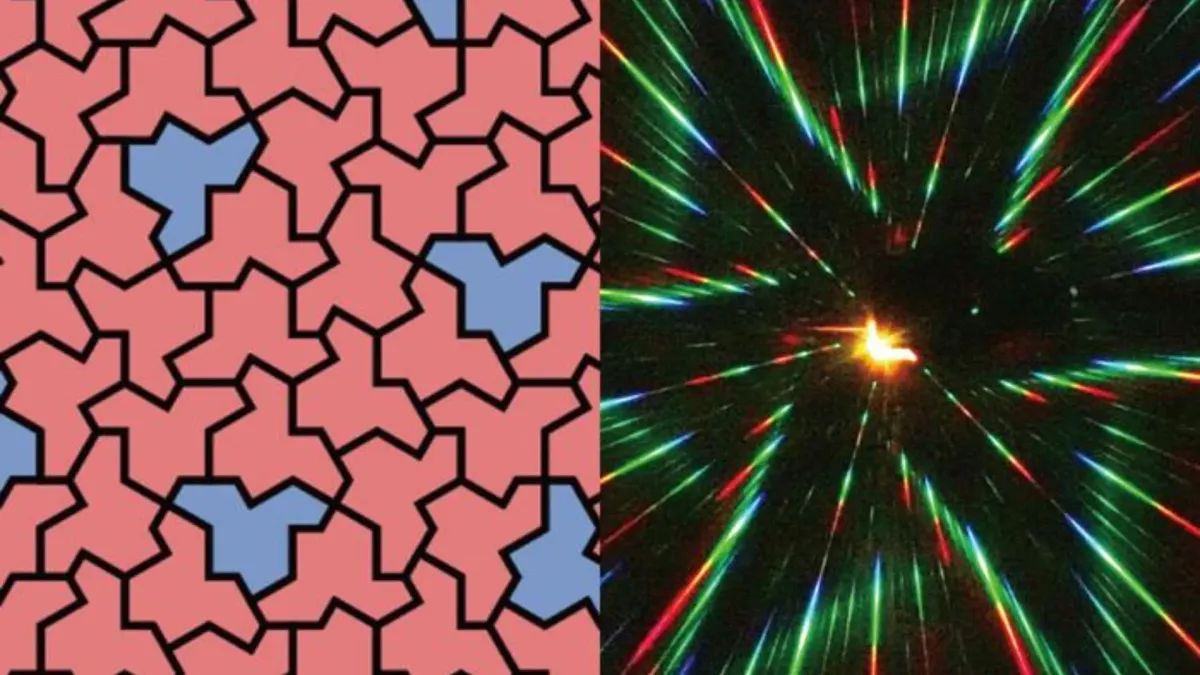
Tokyo scientists just cracked a new angle on the Einstein problem! An optical "Smith hat" structure revealed diffraction behaviors unlike any seen before in quasicrystals.

China just made history! They successfully tested the world's first 400-volt spacecraft power system aboard Tianzhou-10, a global first that met all validation requirements.
Join 50,000+ readers who receive our daily digest of the most uplifting stories from around the world.
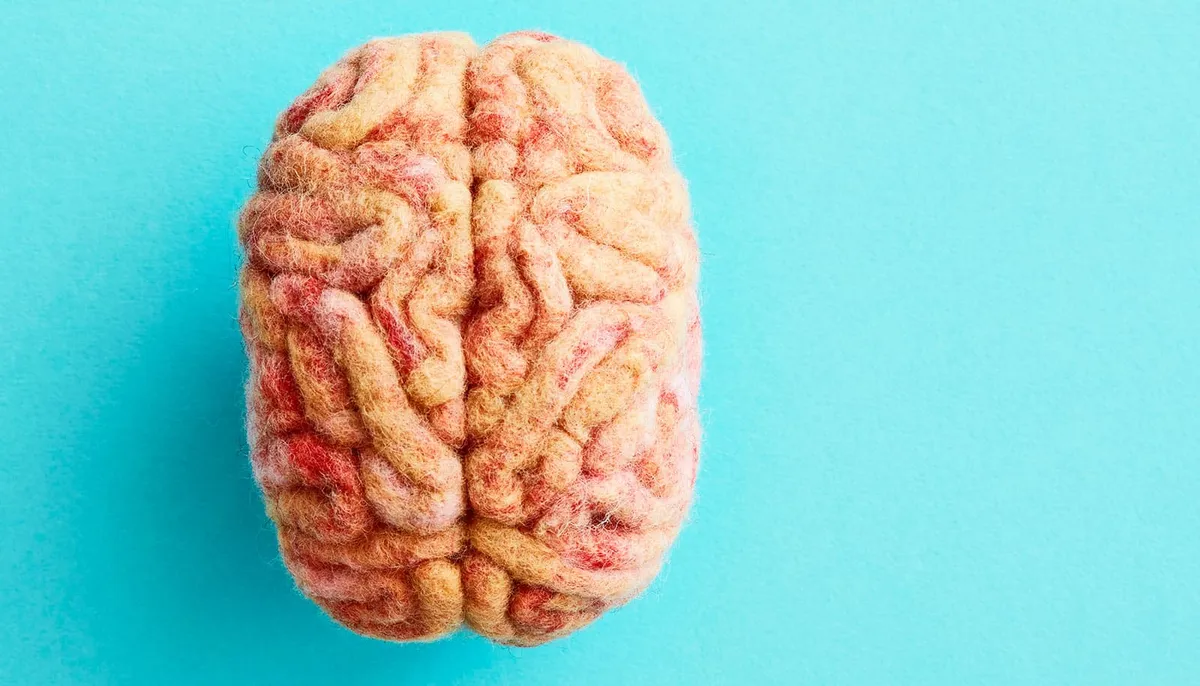
Ever moved something with no memory of doing it? Yale's Hal Blumenfeld did, sparking a new study into what your brain does when you're unaware of your own actions.
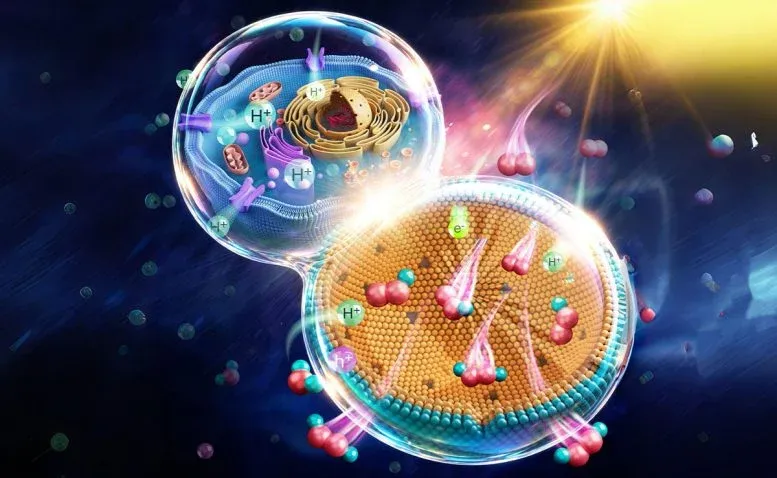
Mimicking cells, a new nanoreactor efficiently produces hydrogen peroxide using visible light.
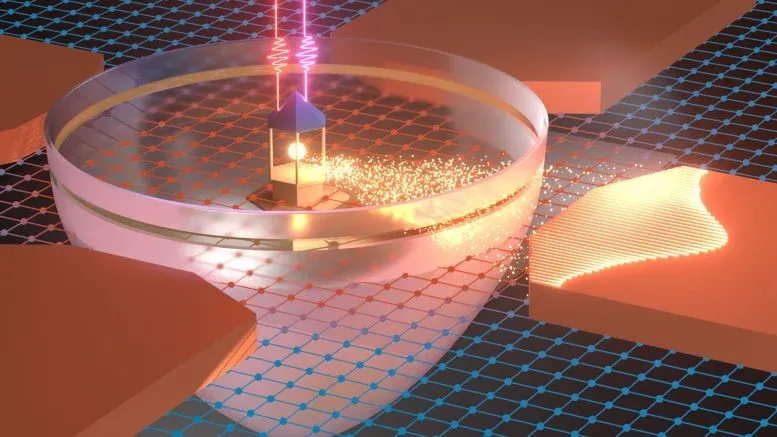
Light-controlled electron currents unlock new paths for advanced sensing, telecommunications, and other cutting-edge technologies.
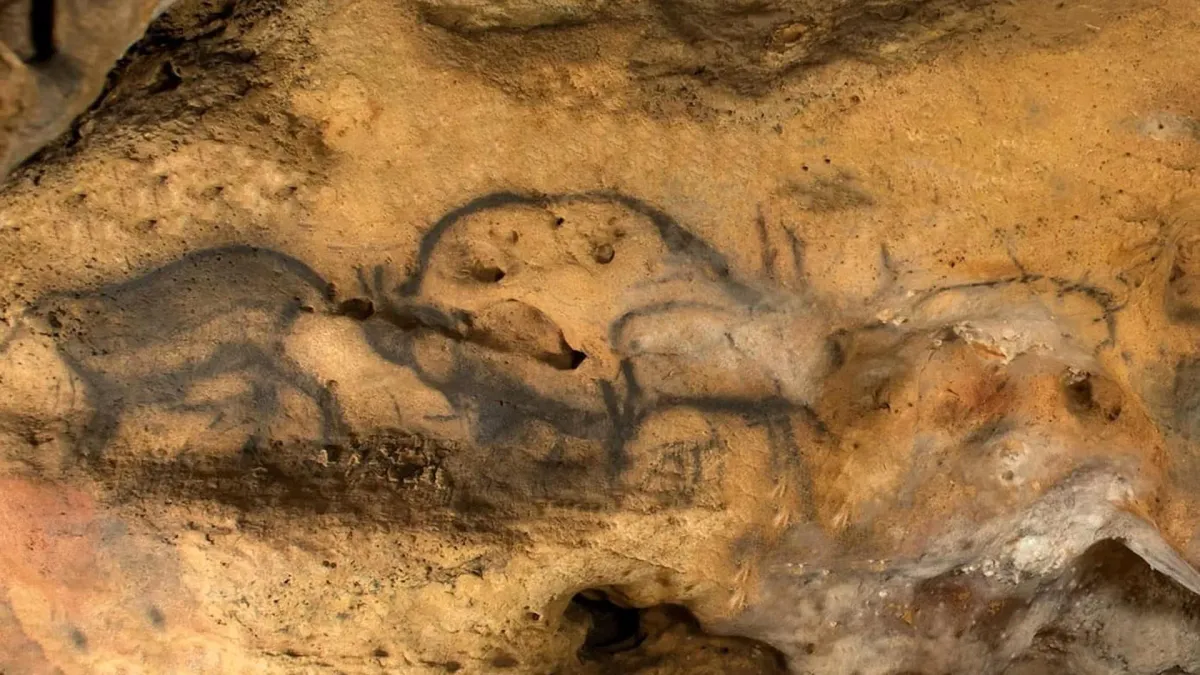
Charcoal found in Font-de-Gaume cave paintings allowed scientists to precisely date them for the first time. A bison was painted 13,000 years ago, revealing new insights.
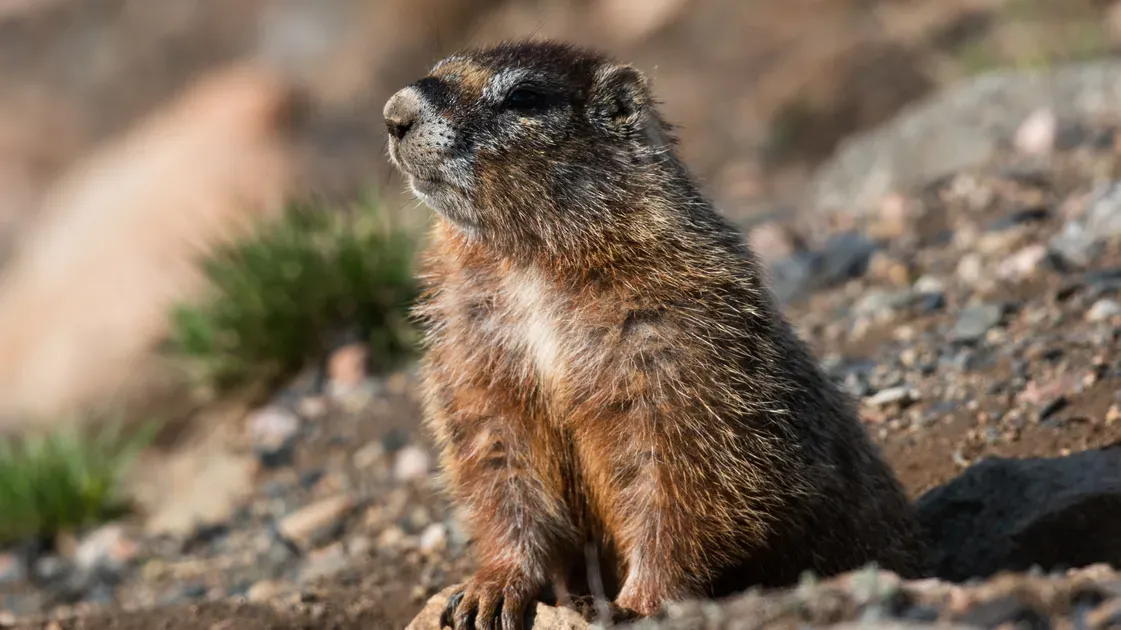
Marmot researchers at Rocky Mountain Biological Laboratory are turning heads with a new, attention-grabbing funding strategy for their yellow-bellied marmot studies.
Brightcast is dedicated to restoring faith in humanity by highlighting the progress, solutions, and kindness that often go unnoticed. We believe in a balanced worldview.
Read our full mission →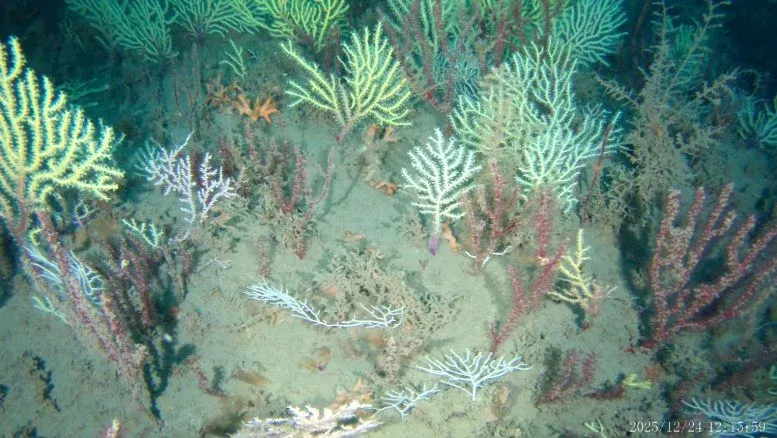
Thought dead since the 60s, a vibrant mesophotic coral garden was just rediscovered using sonar and underwater imaging.
Earth's oldest eukaryotic fossils could unlock secrets to complex life's origins and guide the search for extraterrestrial life.

Dark matter's extra attractive force doesn't guarantee clumpier matter. New research challenges assumptions about dark matter distribution.
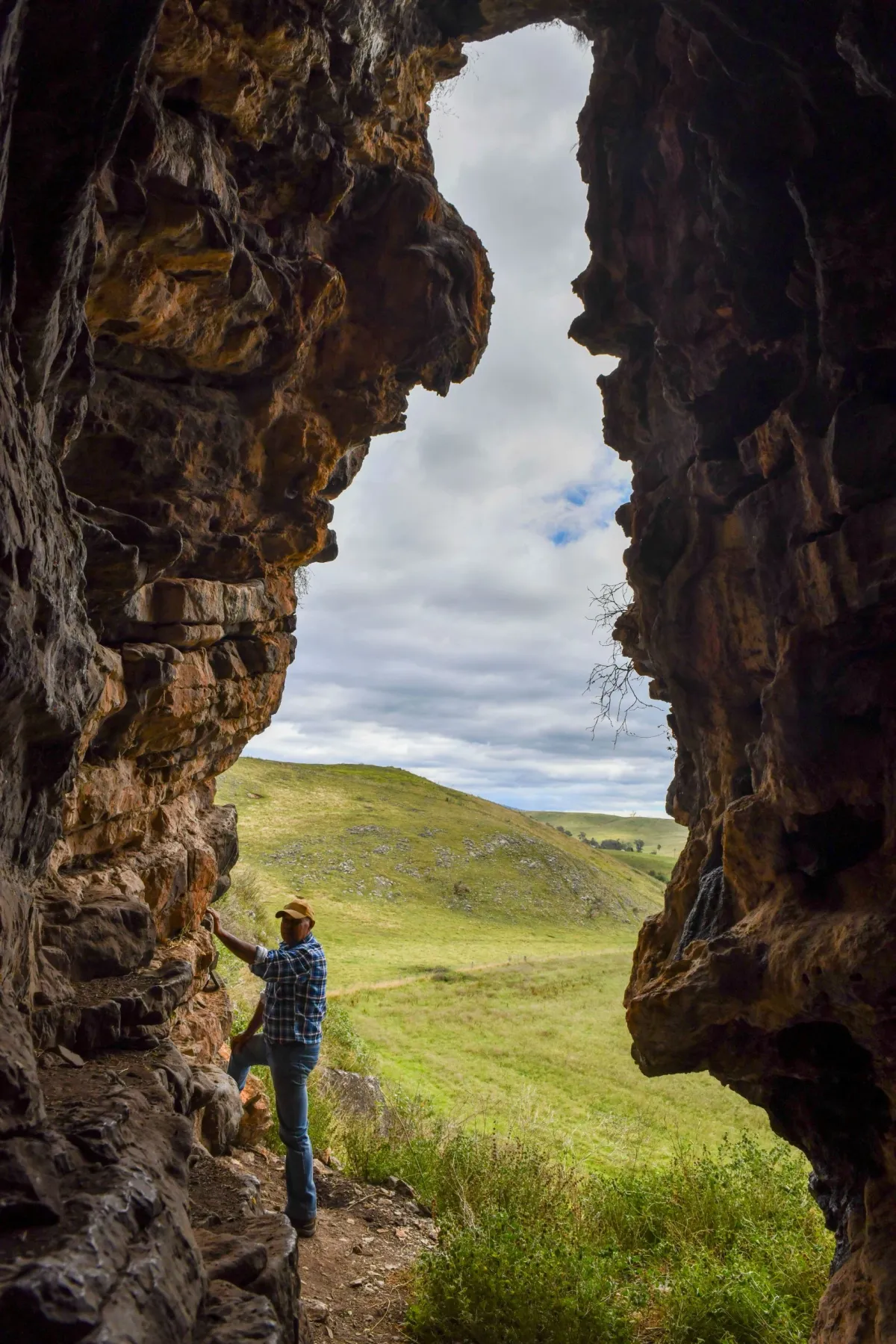
Indigenous Australians brought grasses into a cave for ritual burning during the last Ice Age. Perfectly preserved plant crystals reveal this ancient practice.
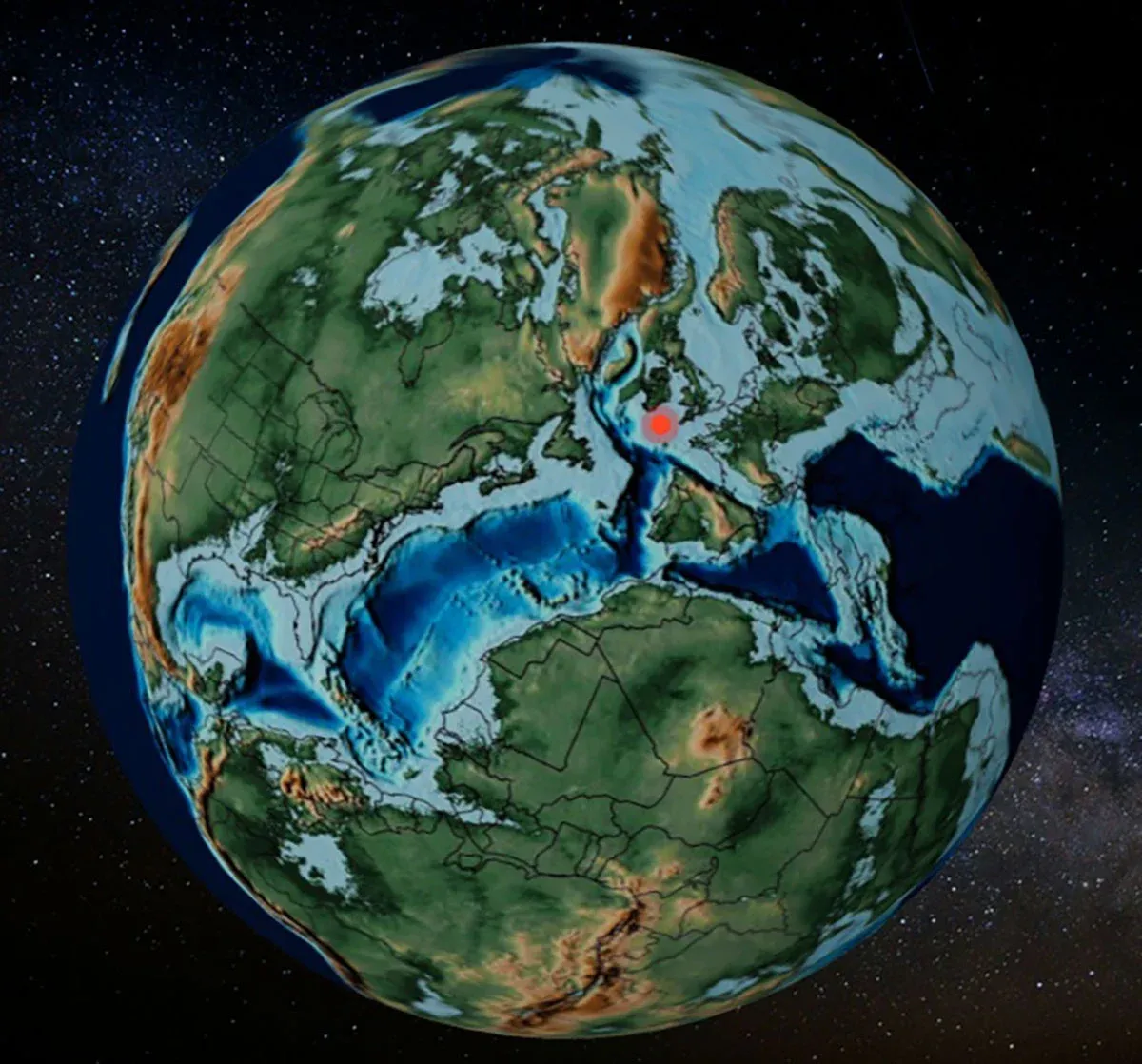
Ever wonder where you'd be in ancient times? New open-access tech converts modern locations to ancient coordinates with near-desktop accuracy.
Know someone who needs a boost? Share Brightcast with your friends and family.
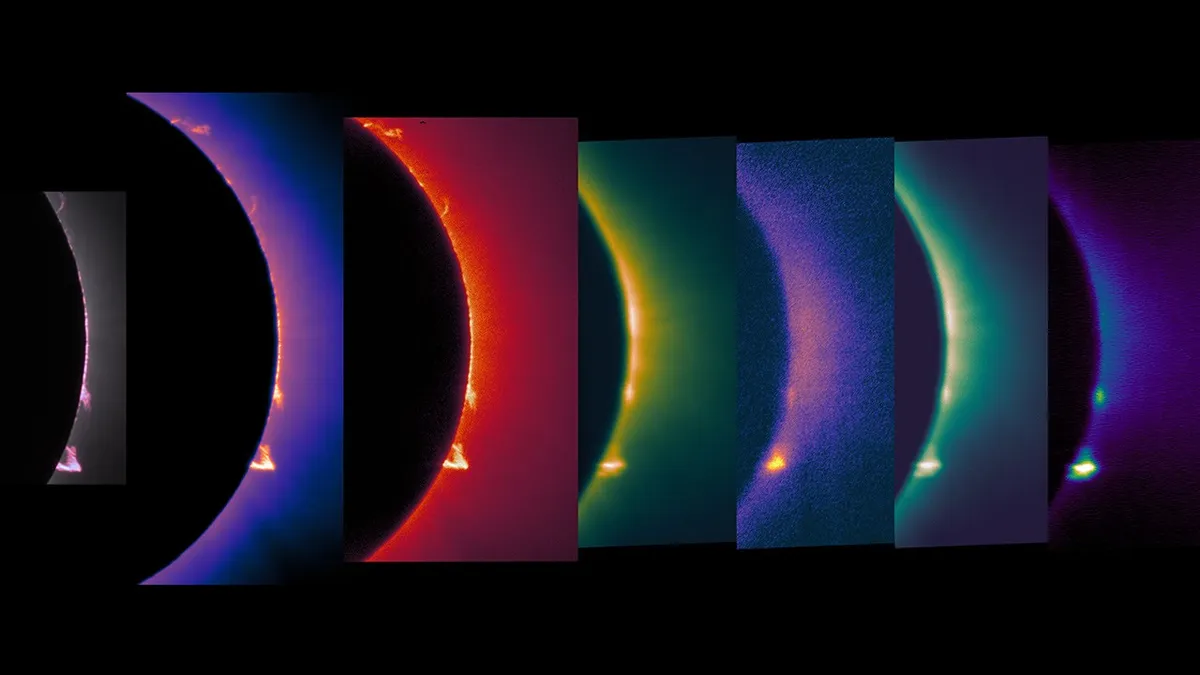
A total solar eclipse offers rare chances to study our star. On Aug 12, as the Moon darkens skies over Greenland, Iceland, and Spain, NASA will chase its shadow to unlock solar secrets.
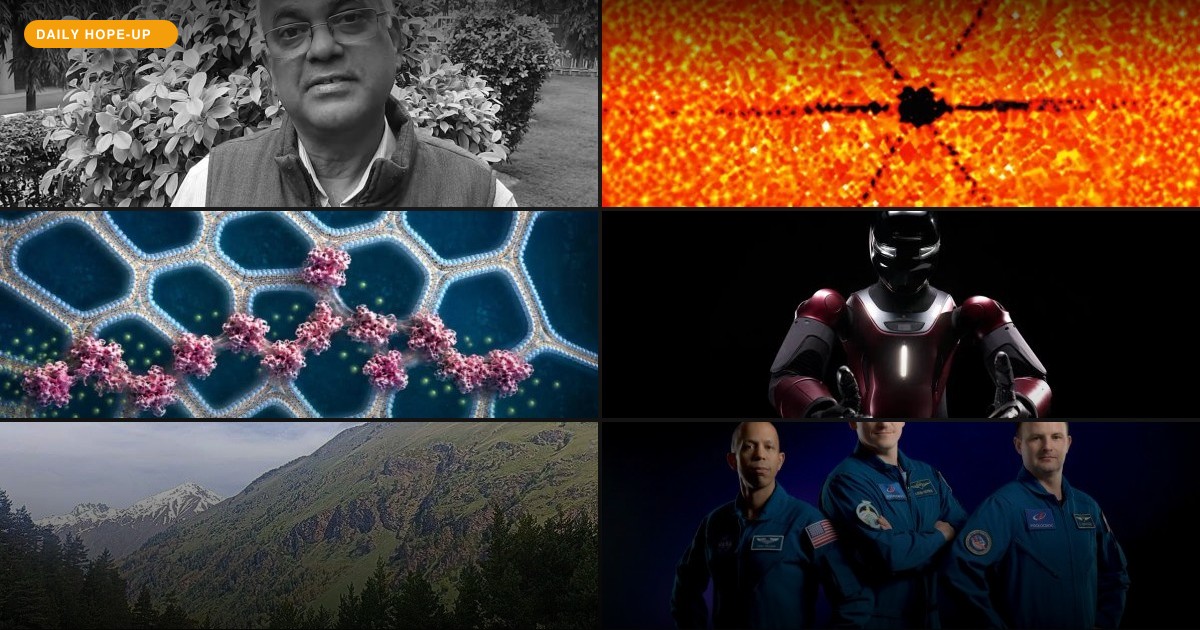
From schoolchildren sparking a green movement to cheetahs returning home, this week's news shows big impacts often start small. Plus, smart tech and silent safety upgrades.
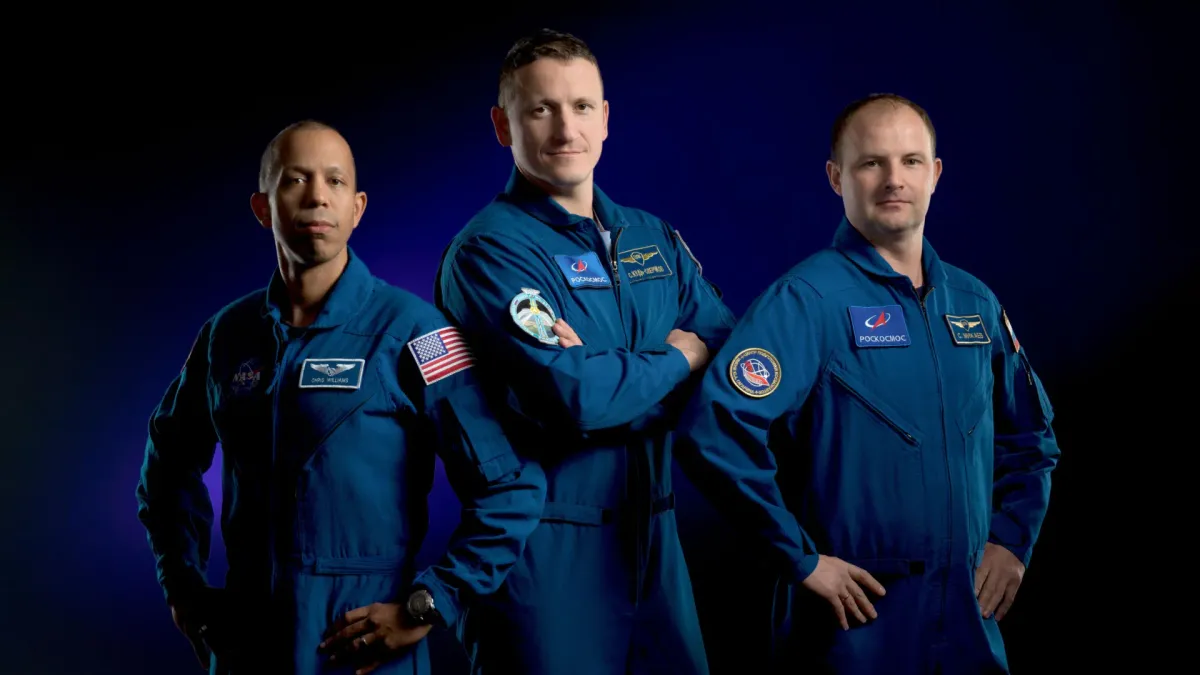
After 241 days and 102 million miles, NASA astronaut Chris Williams and two Roscosmos cosmonauts are back! They orbited Earth 3,856 times aboard the ISS.
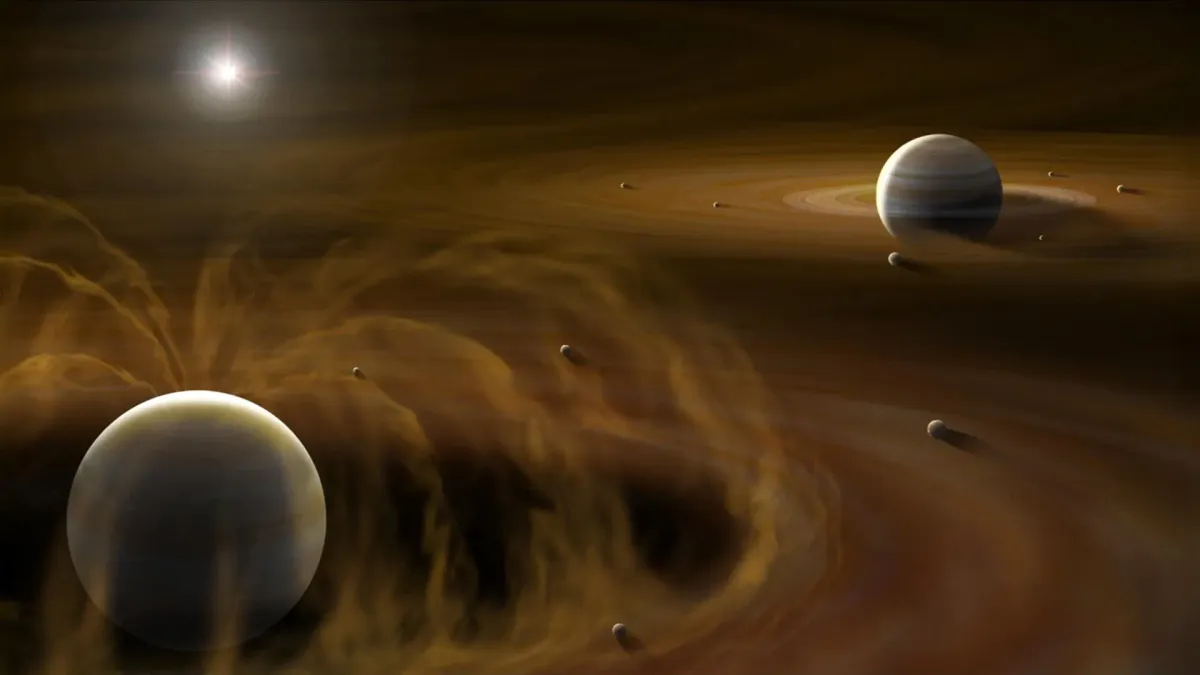
Jupiter's magnetic field likely shielded its moons, fostering their survival. Saturn lacked this protection, possibly explaining why Titan is its only large moon.
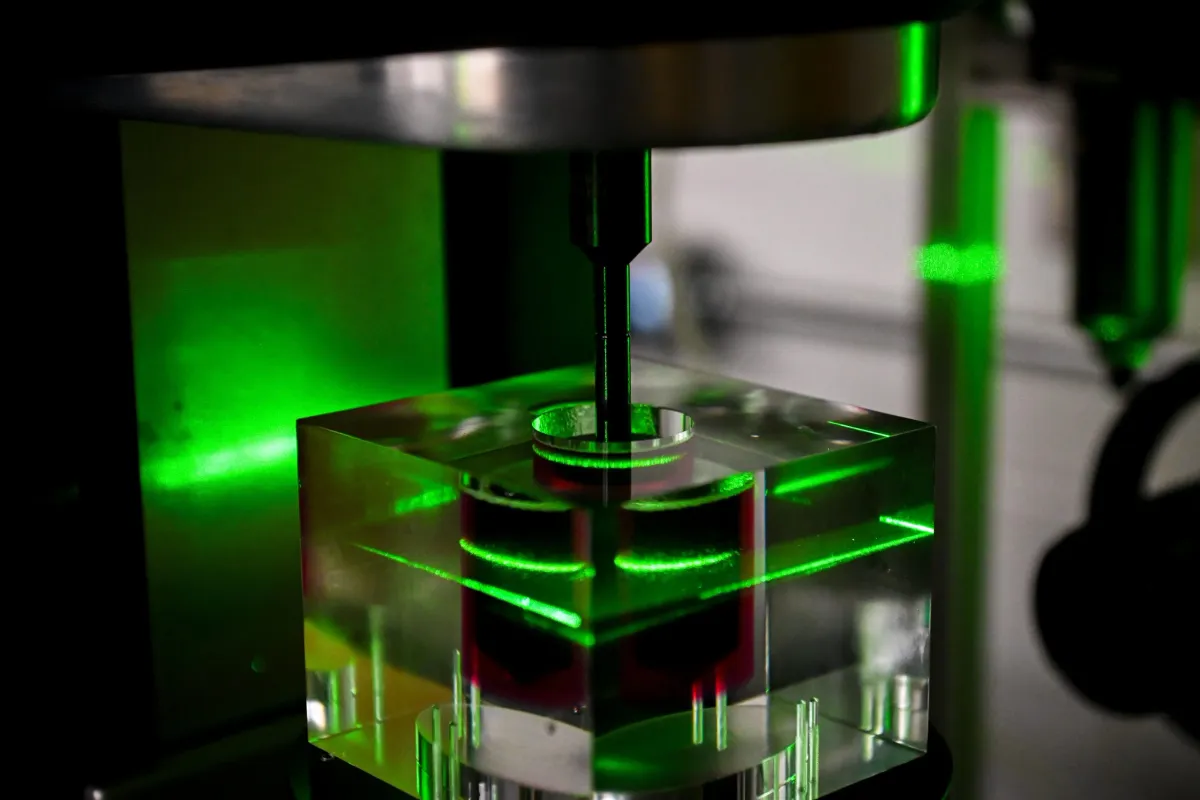
Stirring a thick liquid? Tiny particles within it remember both the direction and strength of your stir, but one memory can overwrite the other.
Download the Brightcast app for a better reading experience, daily notifications, and offline access.
Download App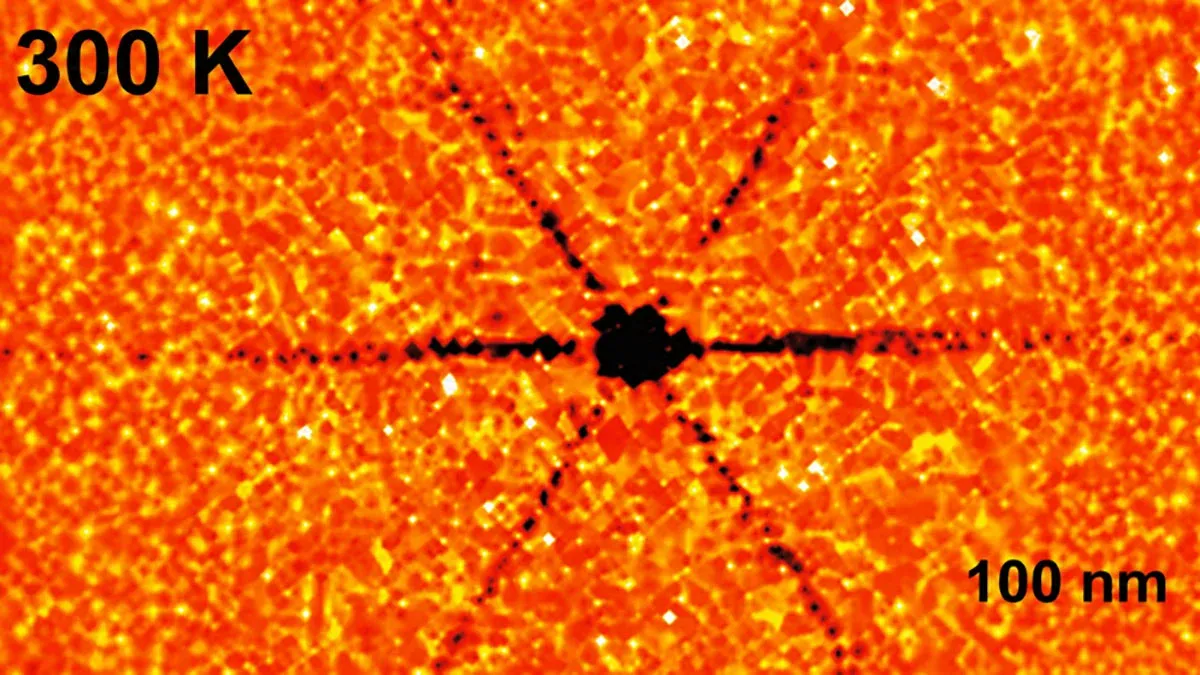
Cooler electronics, faster quantum computing. This discovery could revolutionize thermal management and next-gen tech.
Quantum systems just broke a fundamental law of physics! Researchers observed an anomalous thermal effect, allowing them to absorb heat from cold reservoirs and build a quantum engine that both cools and works.
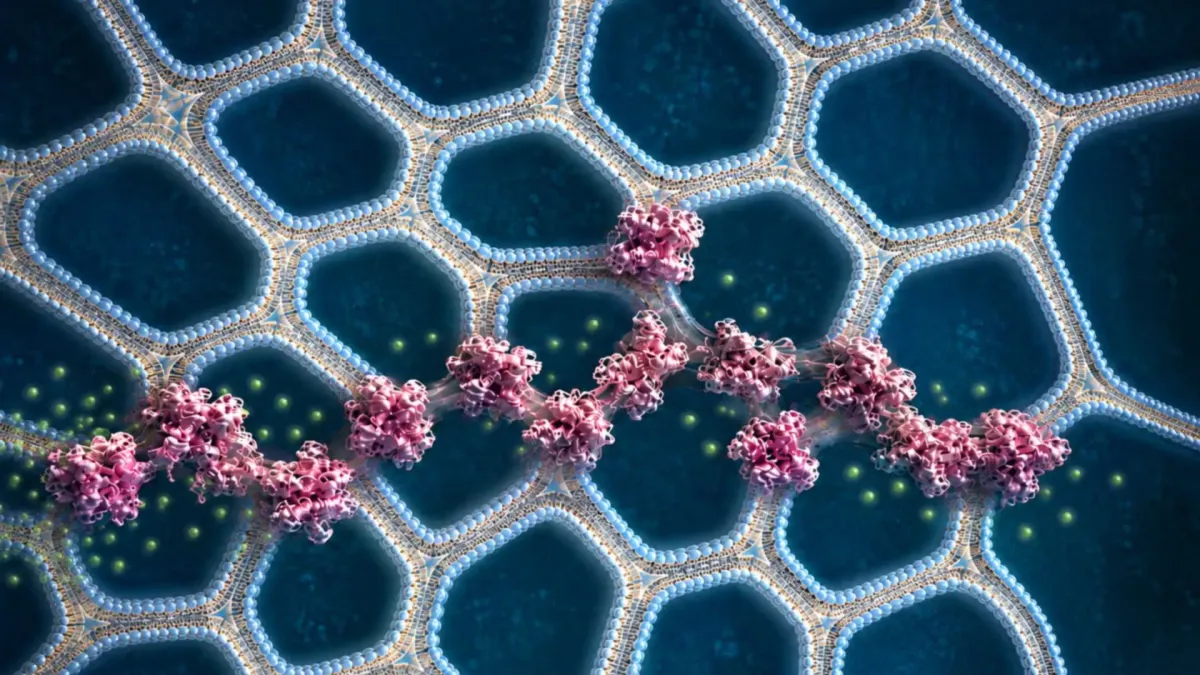
Grow organs, recover metals, build AI with water, oil, and a centrifuge? UT Austin engineers created a 3D-printable material that filters like biological tissue.
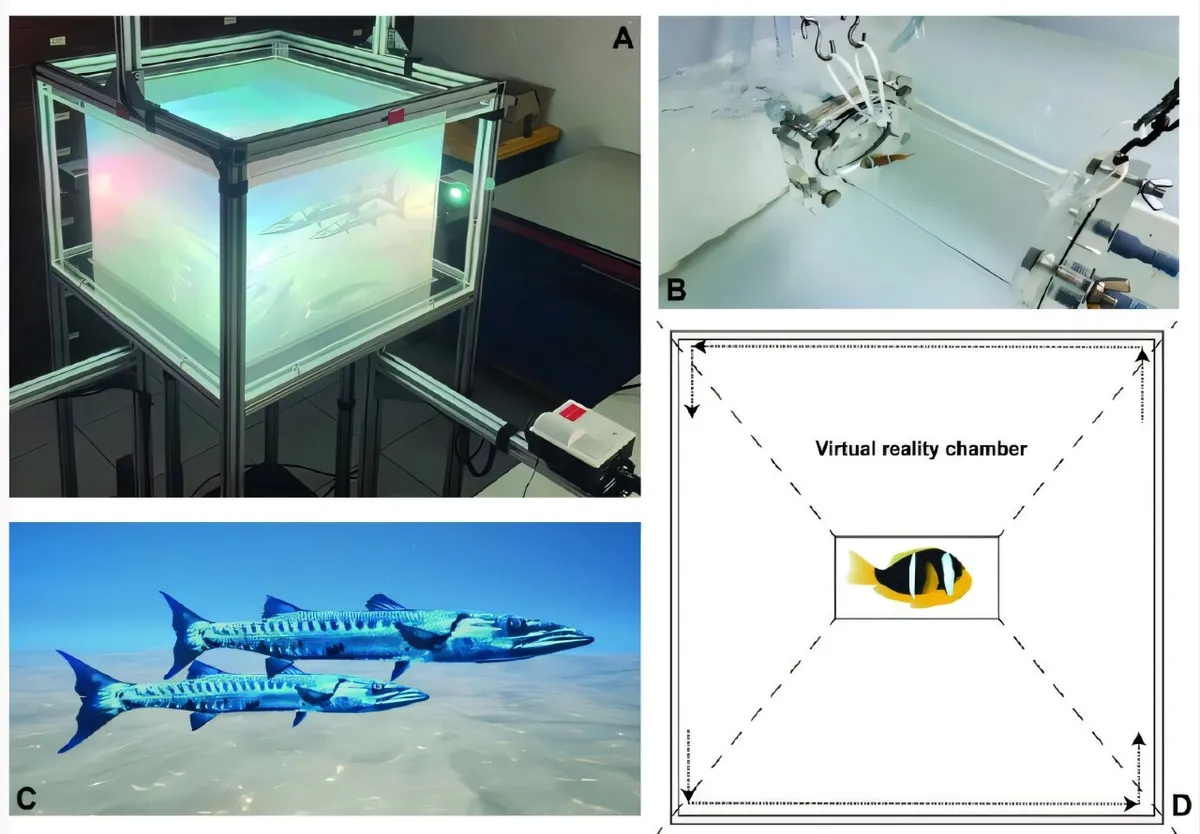
VR now reveals how artificial light at night makes coral reef fish vulnerable to predators. This groundbreaking study combines metabolic research with immersive virtual reality.
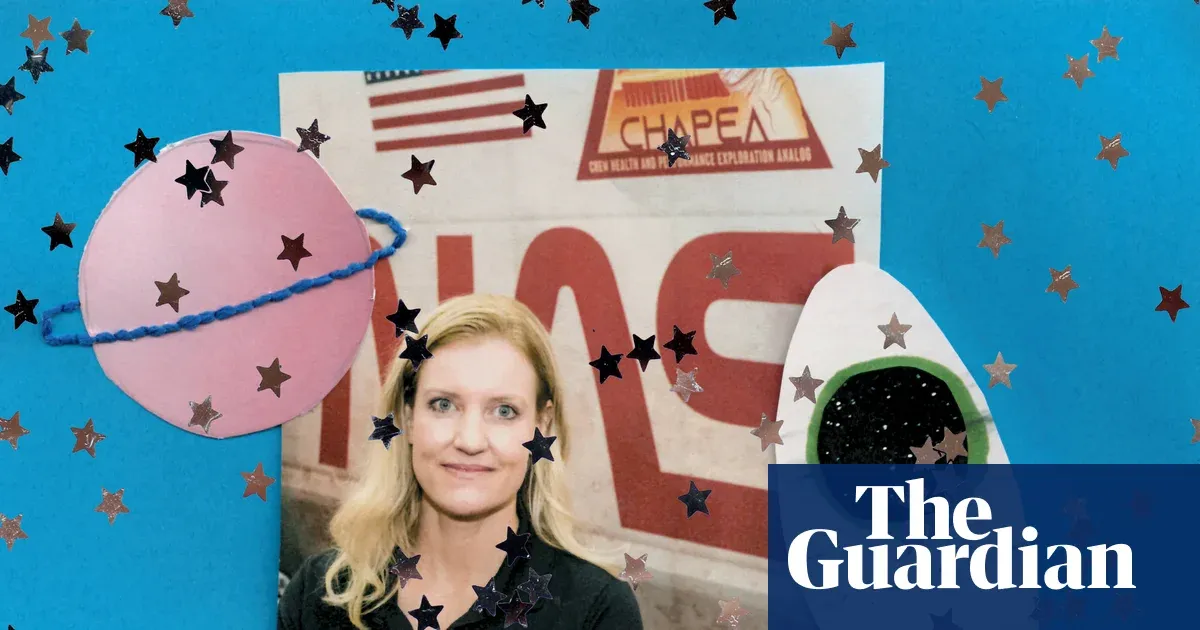
At NASA's Johnson Space Center, Dr. Suzanne Bell, an organizational psychologist, leads the Behavioral Health and Performance Laboratory. Her secret to success? A strict 5 AM start.
Join 50,000+ readers who receive our daily digest of the most uplifting stories from around the world.
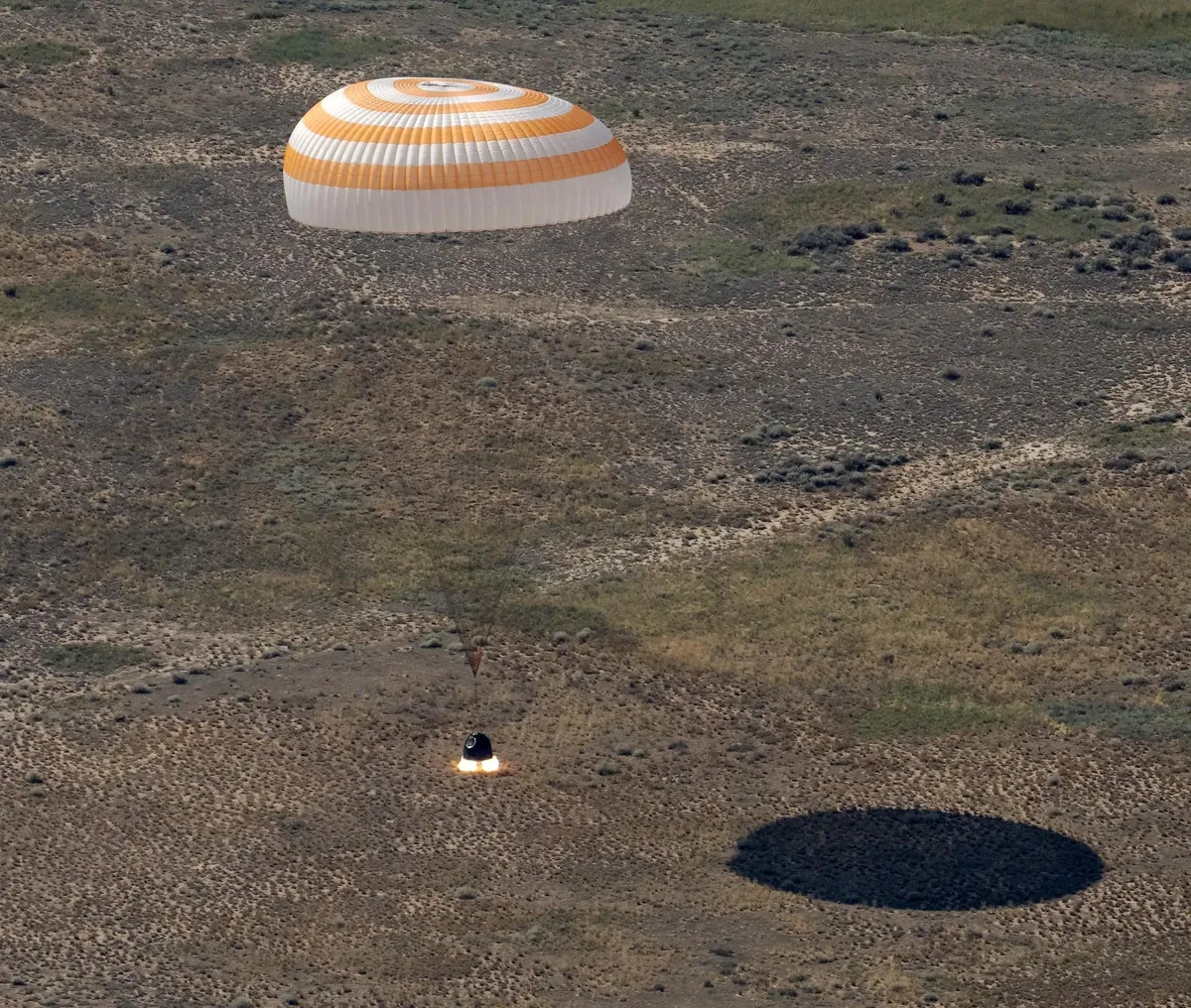
After 3,856 orbits and 102 million miles, Chris Williams is back! His mission advanced science and prepared humanity for the Moon and Mars.
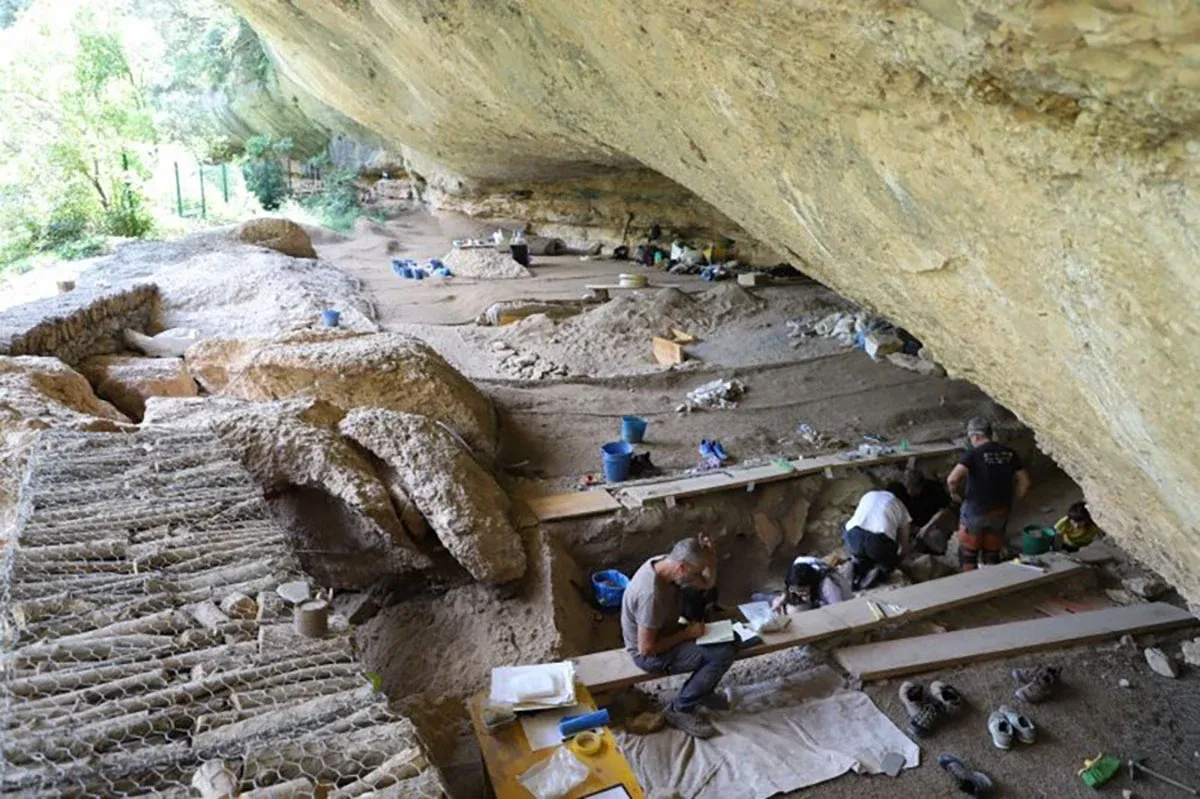
Catalan rock shelter reveals a rare record: the dramatic shift from hunter-gathering to farming, etched in stone.
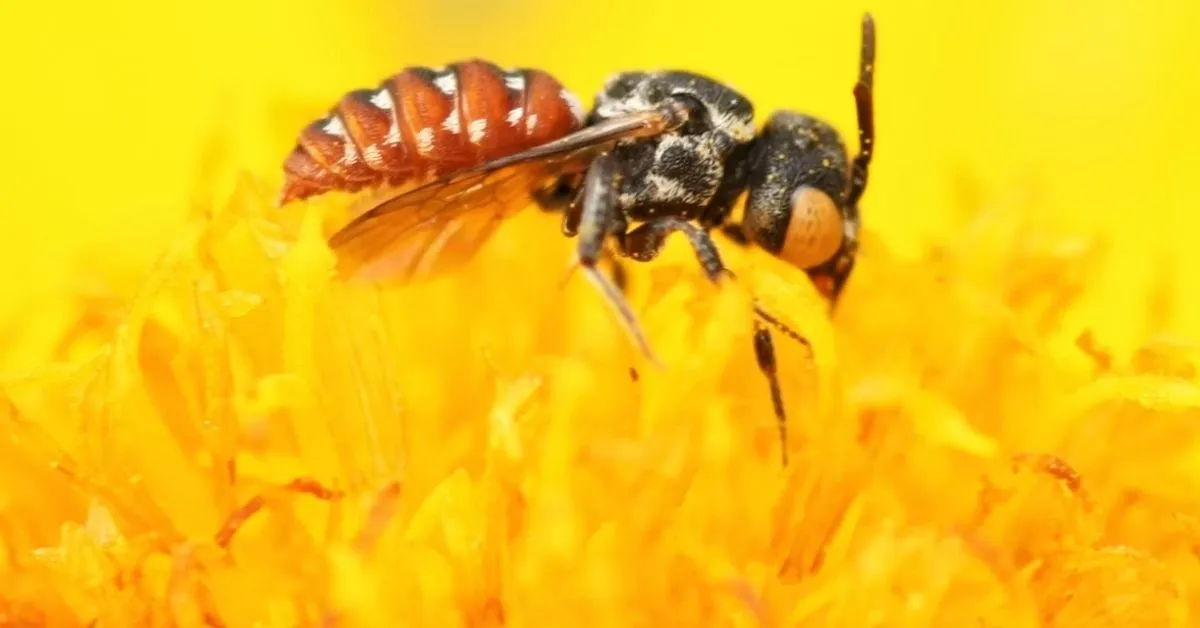
Bees have a secret! 74 of 96 species tested possess magnetic properties, suggesting they might navigate using Earth's magnetic field. This groundbreaking research was published in Science Advances.
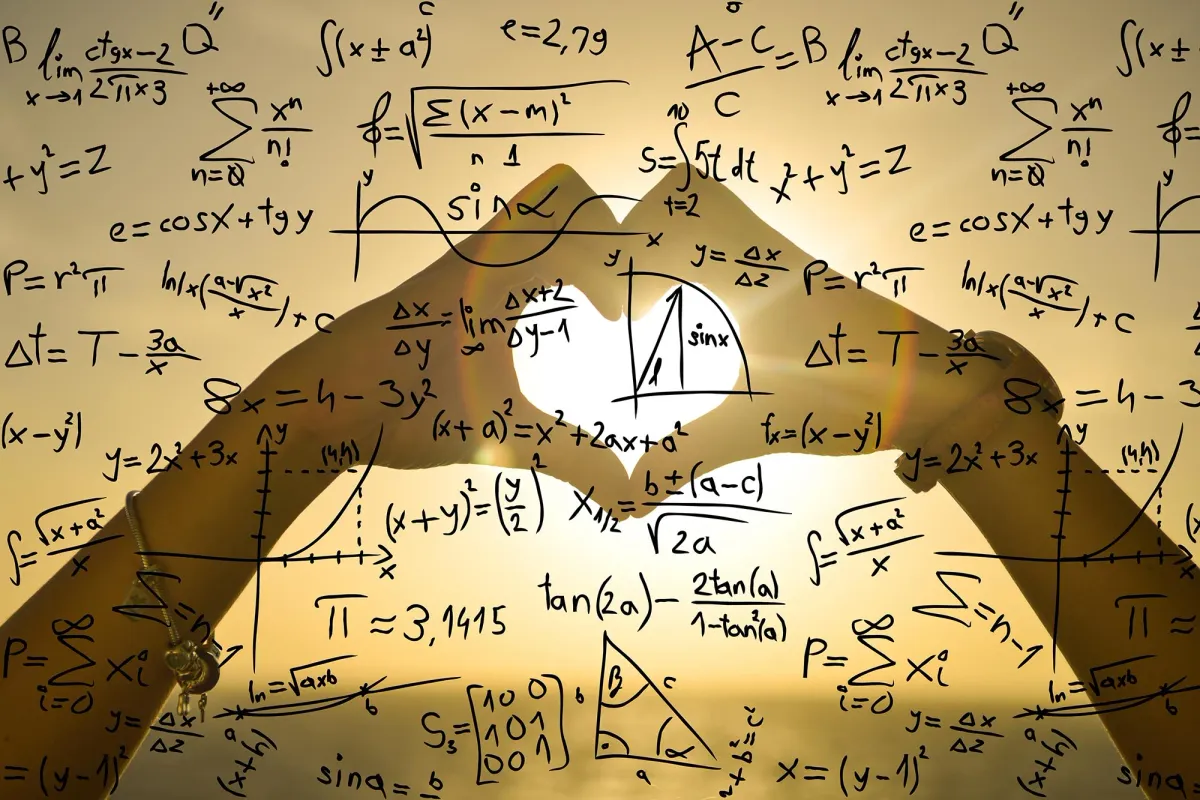
Scientists say love isn't just an emotion—it follows mathematical patterns. Could algorithms predict your next romance?
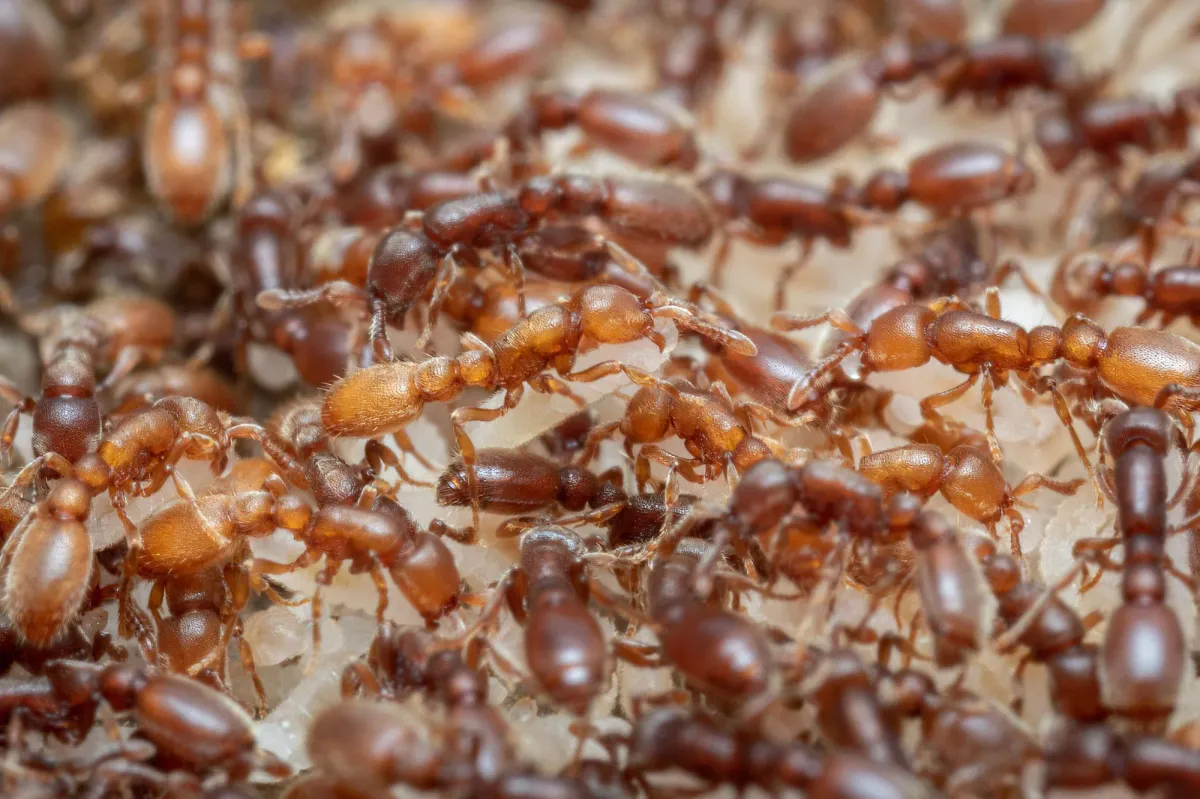
Parenting may have evolved by repurposing the brain’s ancient hunger circuits.
Brightcast is dedicated to restoring faith in humanity by highlighting the progress, solutions, and kindness that often go unnoticed. We believe in a balanced worldview.
Read our full mission →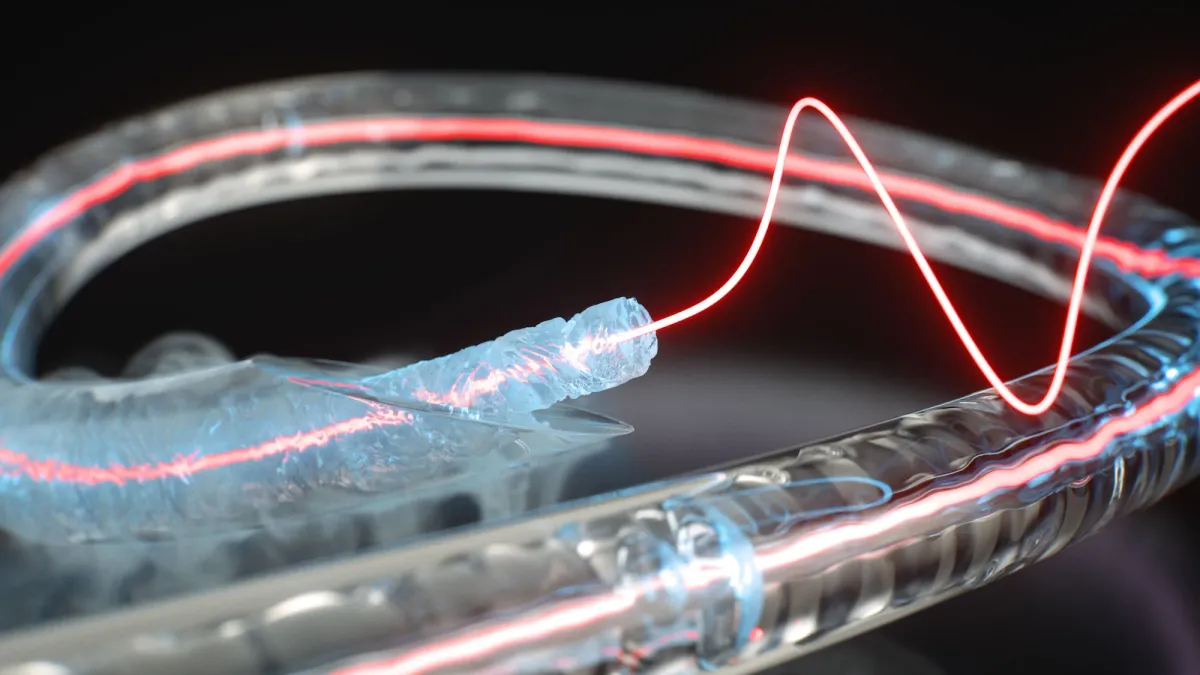
Frozen-core optical fiber just unlocked a powerful new way to control light and sound interactions. This breakthrough could revolutionize photonics.
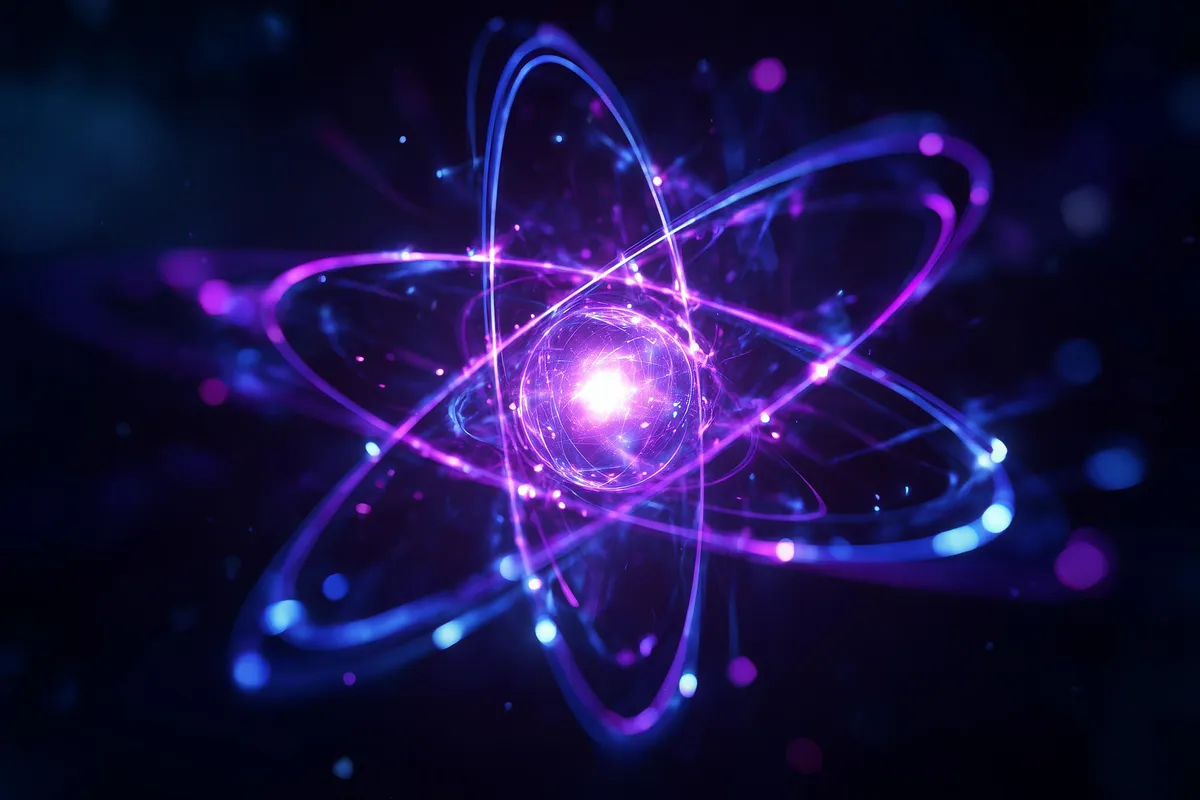
Unlocking cosmic secrets: FRIB experiment reveals atomic nuclei structure, explaining how elements formed in space.
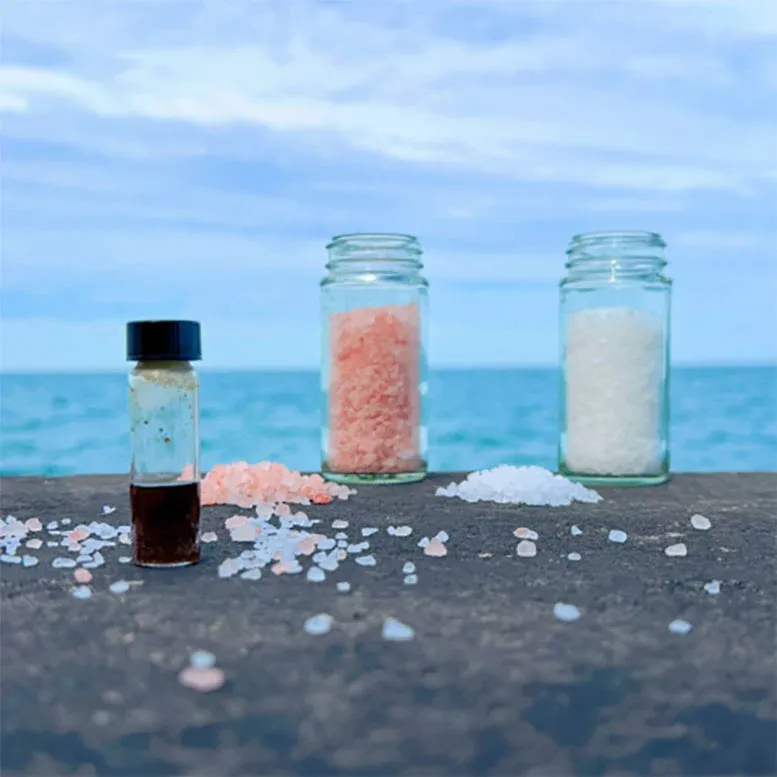
UChicago & Argonne researchers developed a molten salt method. It could create more durable materials for printed electronics and flexible devices.
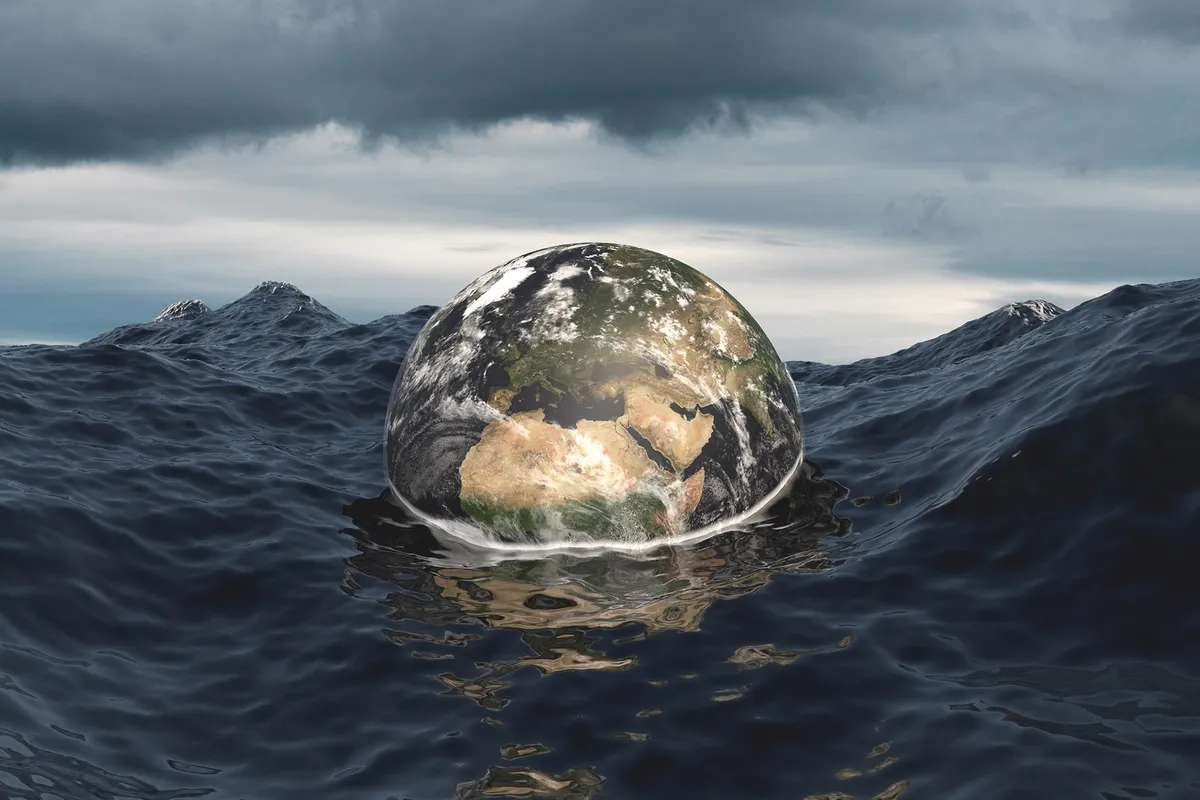
Ocean conditions maximized carbon burial for millions of years. Researchers found a narrow range of factors drove this ancient carbon sequestration.
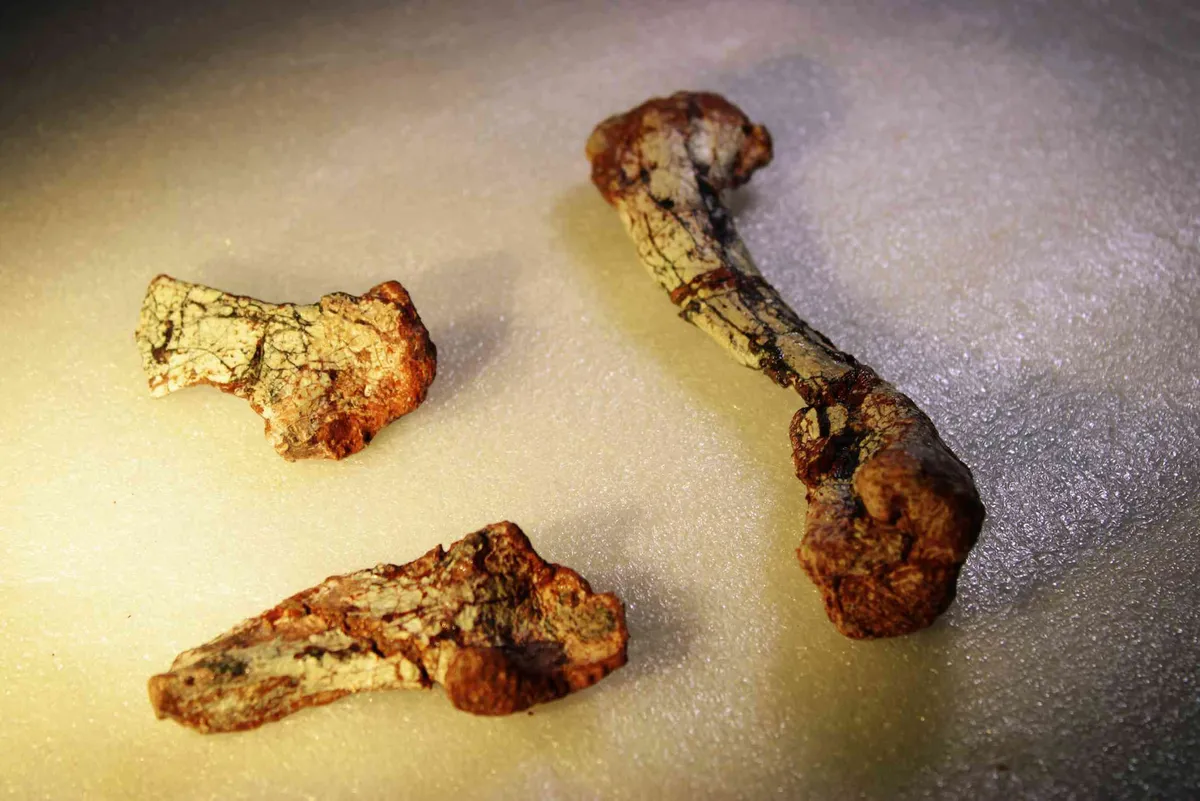
Brazilian bones reveal a new Triassic reptile, a close relative to the lineage that gave rise to both dinosaurs and crocodiles.
Know someone who needs a boost? Share Brightcast with your friends and family.
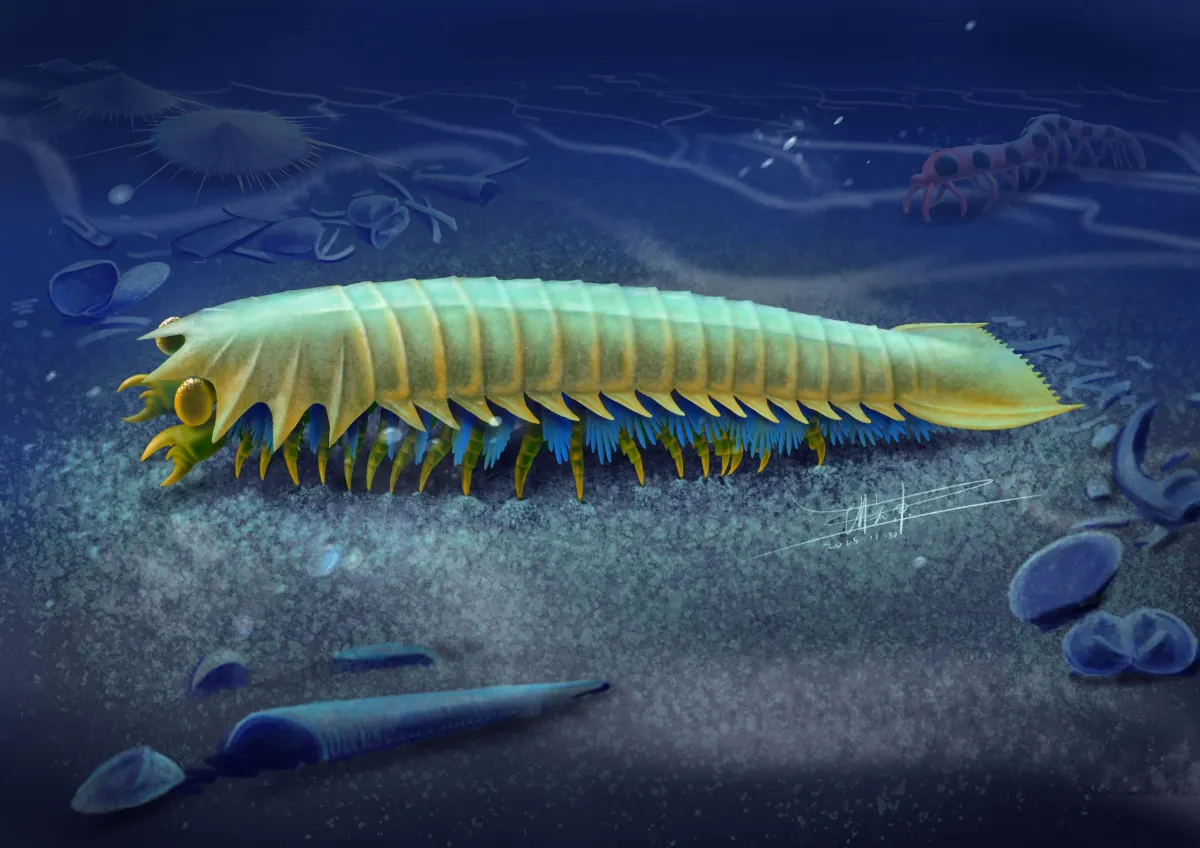
Ancient chelicerates, a group including spiders and scorpions, just got a new, ancient relative. Scientists from Leicester and Yunnan universities identified a new species.
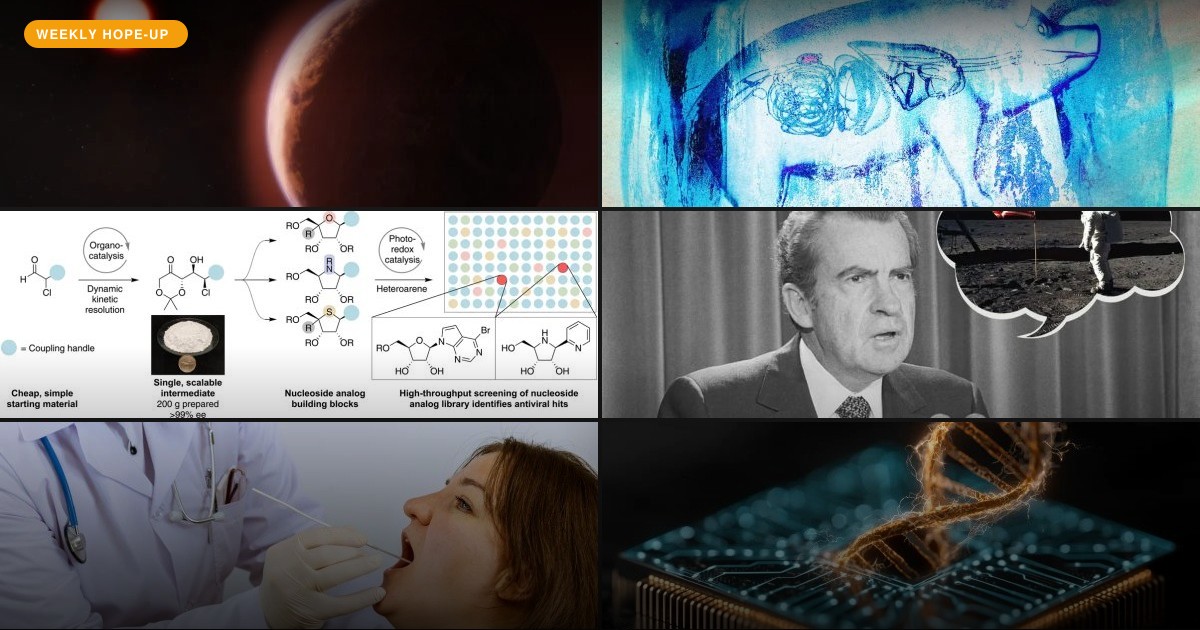
From light-speed chemistry to distant exoplanet atmospheres, this week's science breakthroughs prove precision is power. We zoom in on the specific details changing our world.
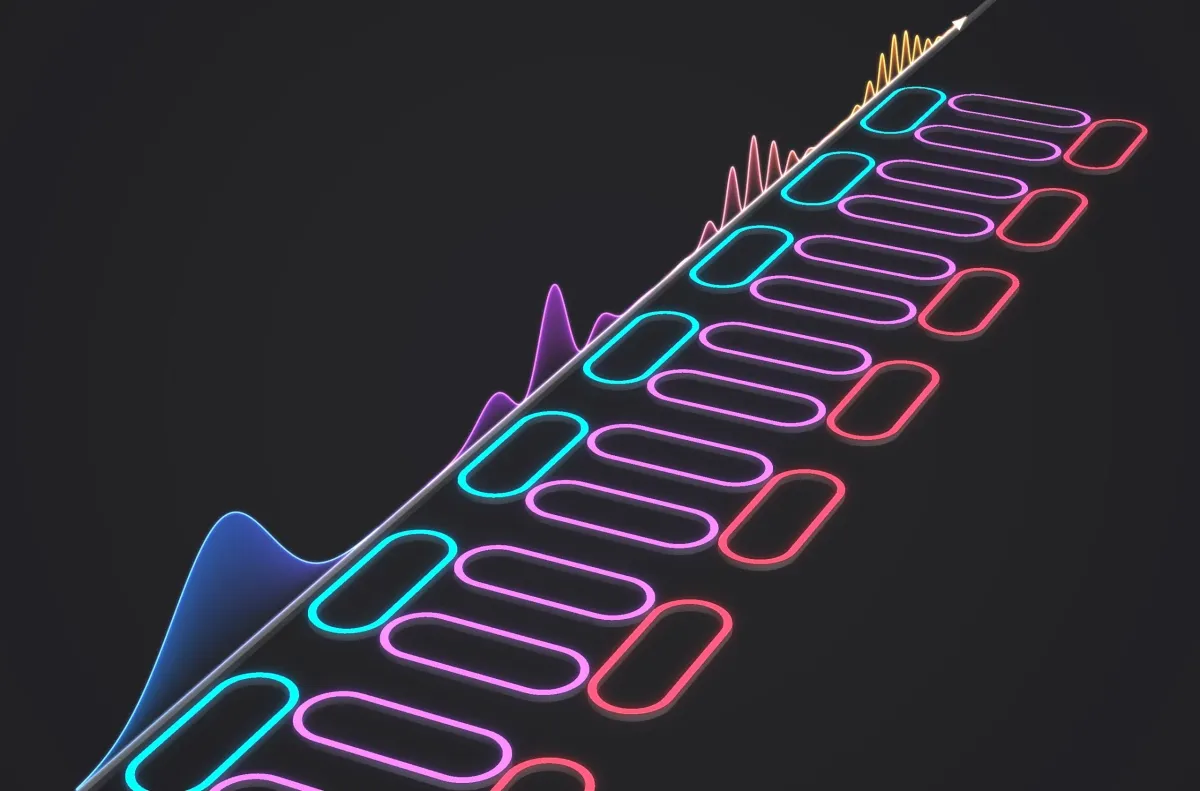
Store light on a chip? New tech lets you control, delay, and store light in a single photonic chip, unlocking low-power AI computing and next-gen optical comms.
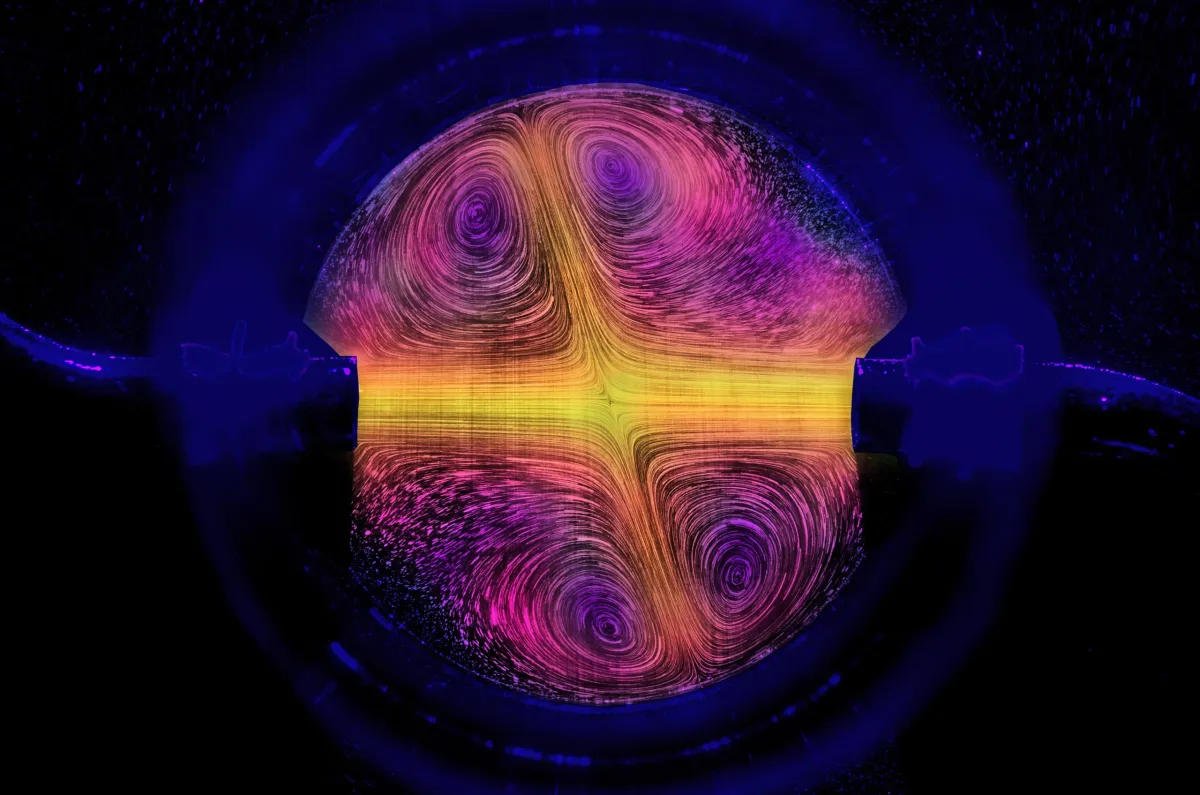
Backyard sprinklers just cracked a decades-old mystery: how flowing water makes objects spin.
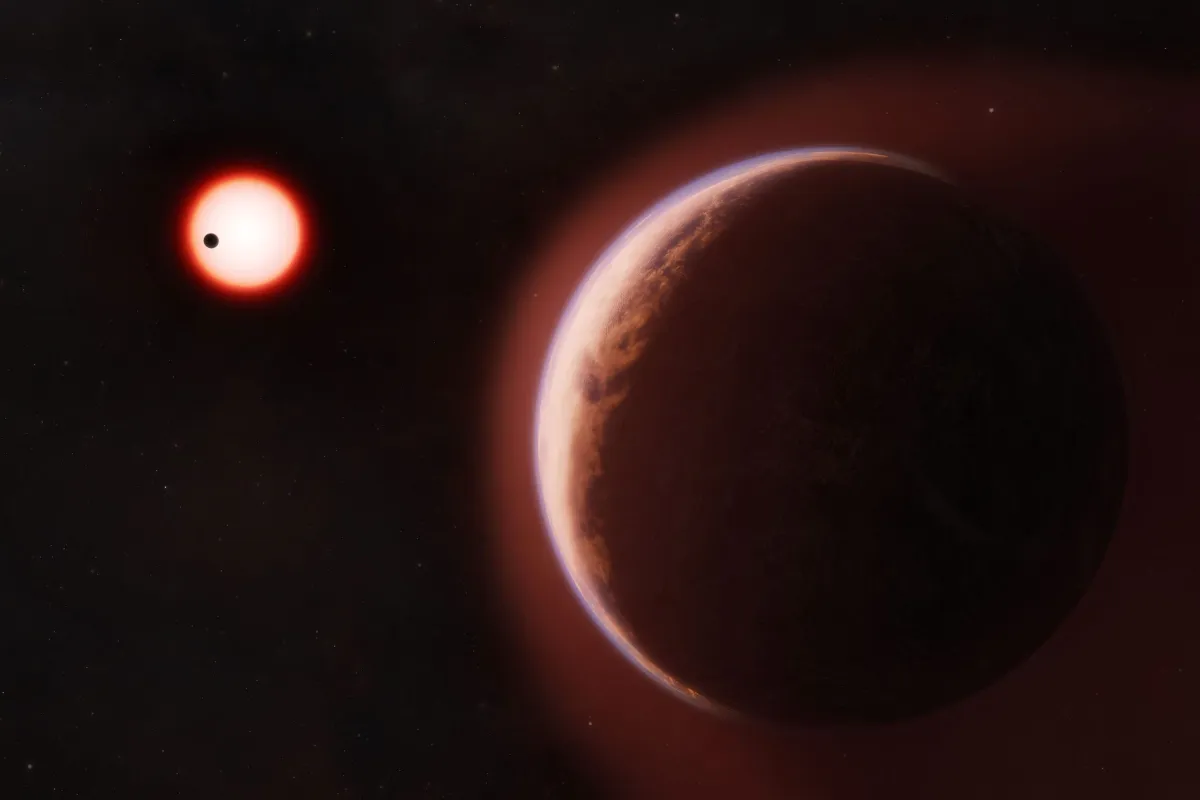
A faint helium stream reveals an atmosphere on a distant rocky world. This marks a major milestone in the search for life beyond our solar system.