E
Environment
2 months ago
Rising Impact
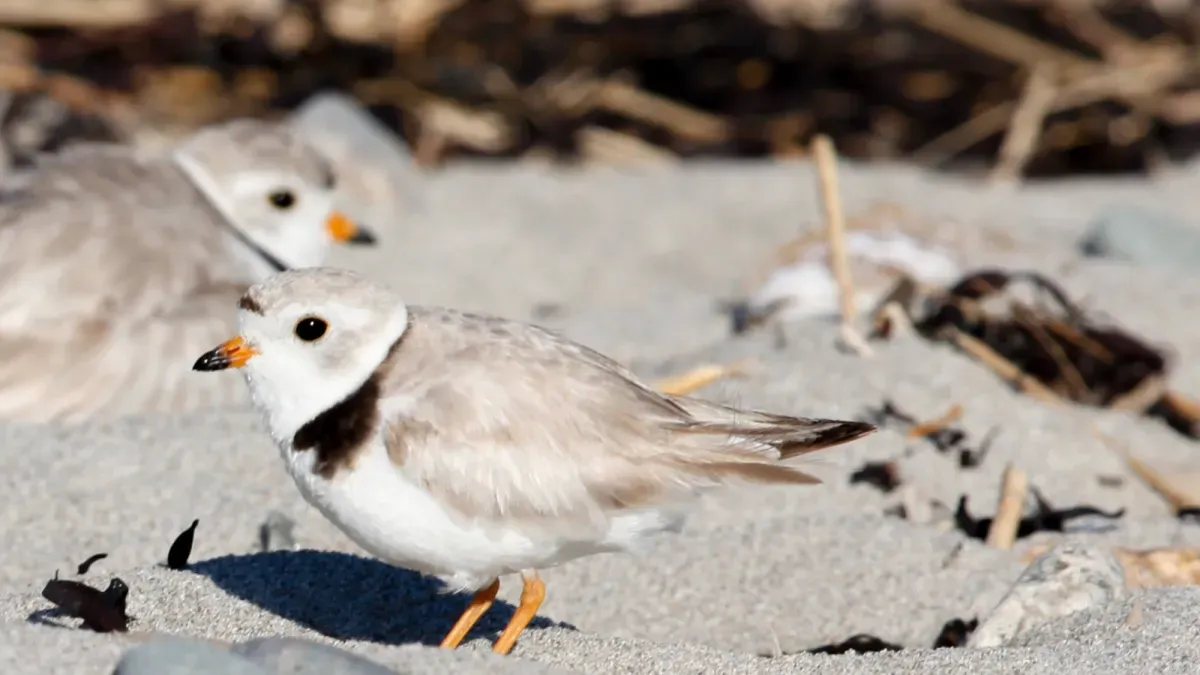
Great Lakes beaches welcome 12 new piping plover chicks.
Great news for Great Lakes piping plovers! After a record 2025, 12 chicks have already hatched in WI and MI this May, with more expected.
71
0
105

Every day, people protect what matters. These are their stories.
1607 stories
Great news for Great Lakes piping plovers! After a record 2025, 12 chicks have already hatched in WI and MI this May, with more expected.
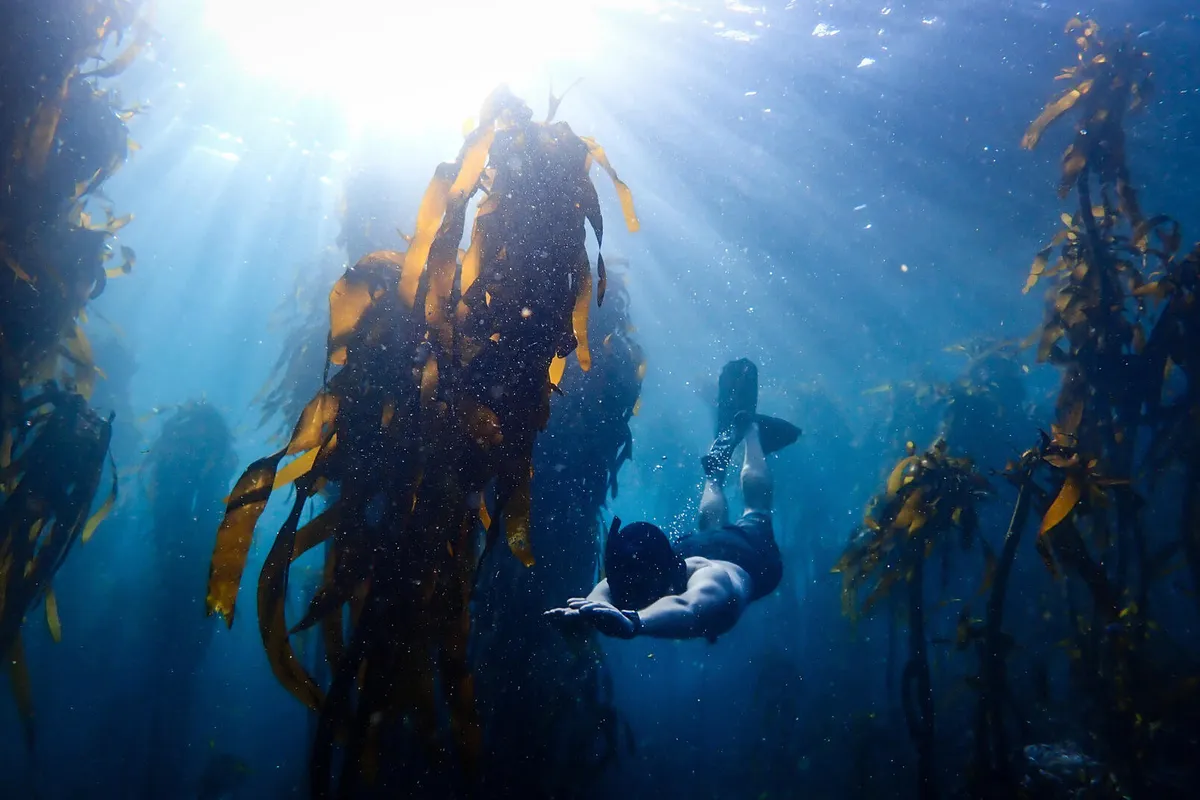
World Oceans Day 2026 spotlights a critical UN goal: protecting 30% of oceans by 2030. With 10% now covered by MPAs, 20% more must be safeguarded in just four years.
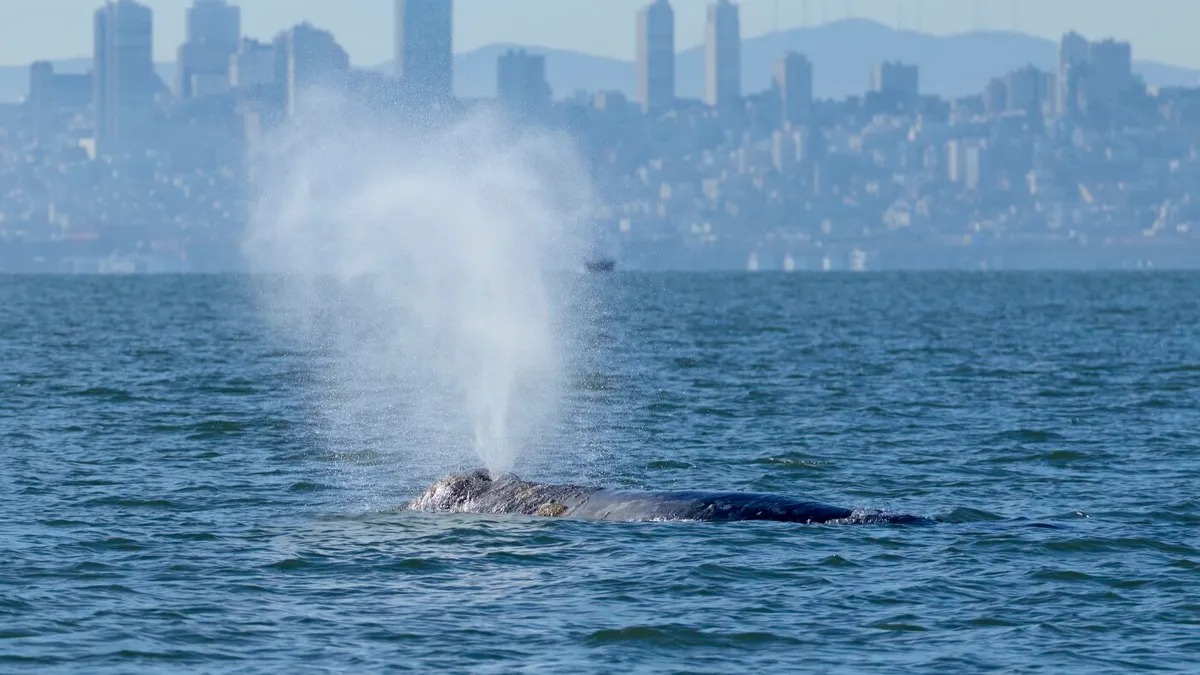
Whales are entering San Francisco Bay due to climate change, facing deadly ship strikes. A new camera system could help ships and ferries avoid collisions.
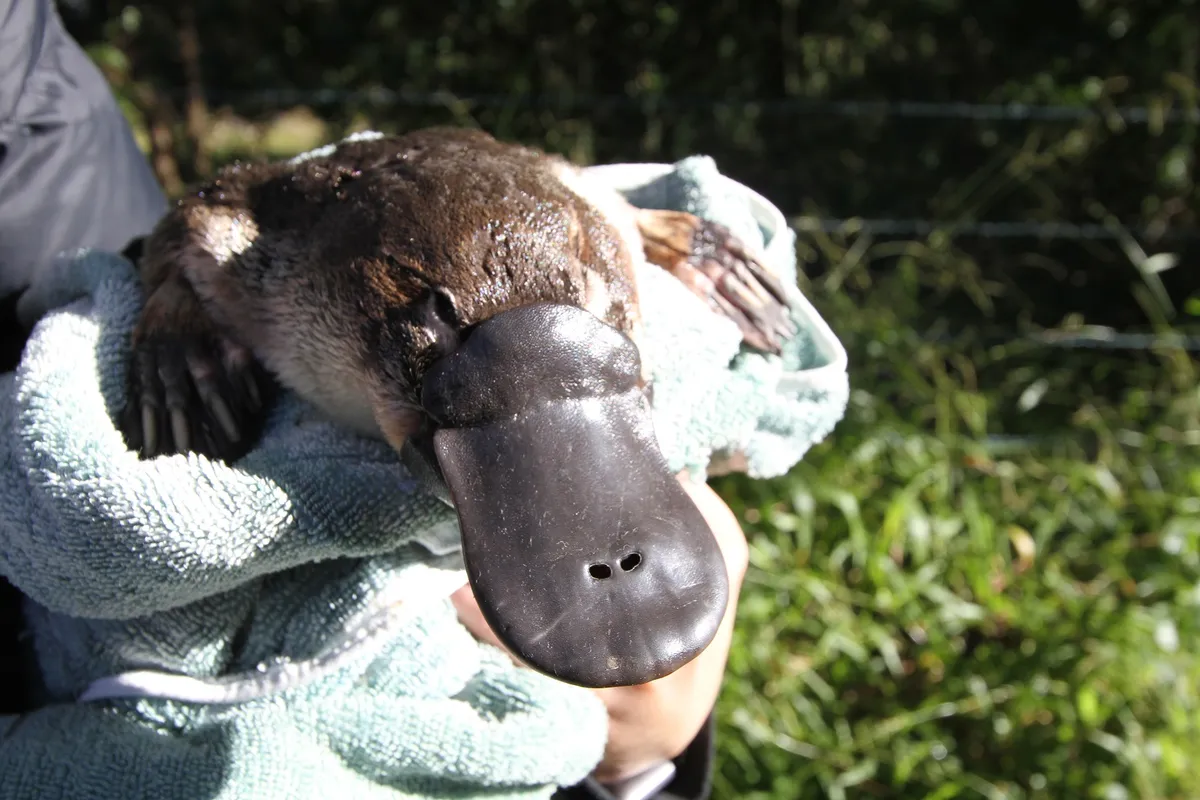
Want to save the platypus? First, know where they live and what threatens them. Australia's elusive icon is hard to count, making conservation a challenge.
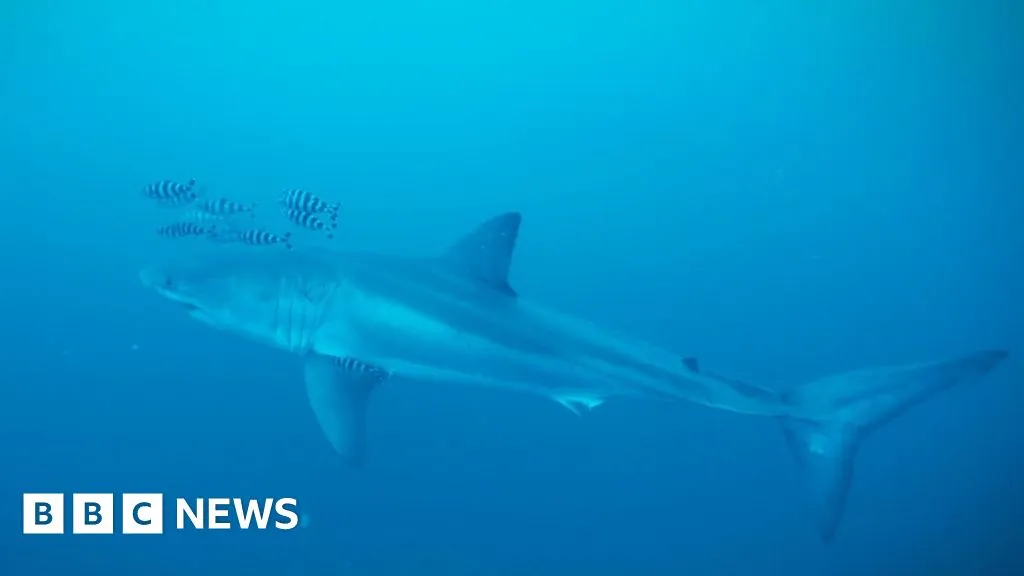
Shaking, a volunteer diver filmed his encounter with an endangered Great White shark between Tunisia and Sicily. This rare footage marks a significant sighting in the Mediterranean.
Join 50,000+ readers who receive our daily digest of the most uplifting stories from around the world.
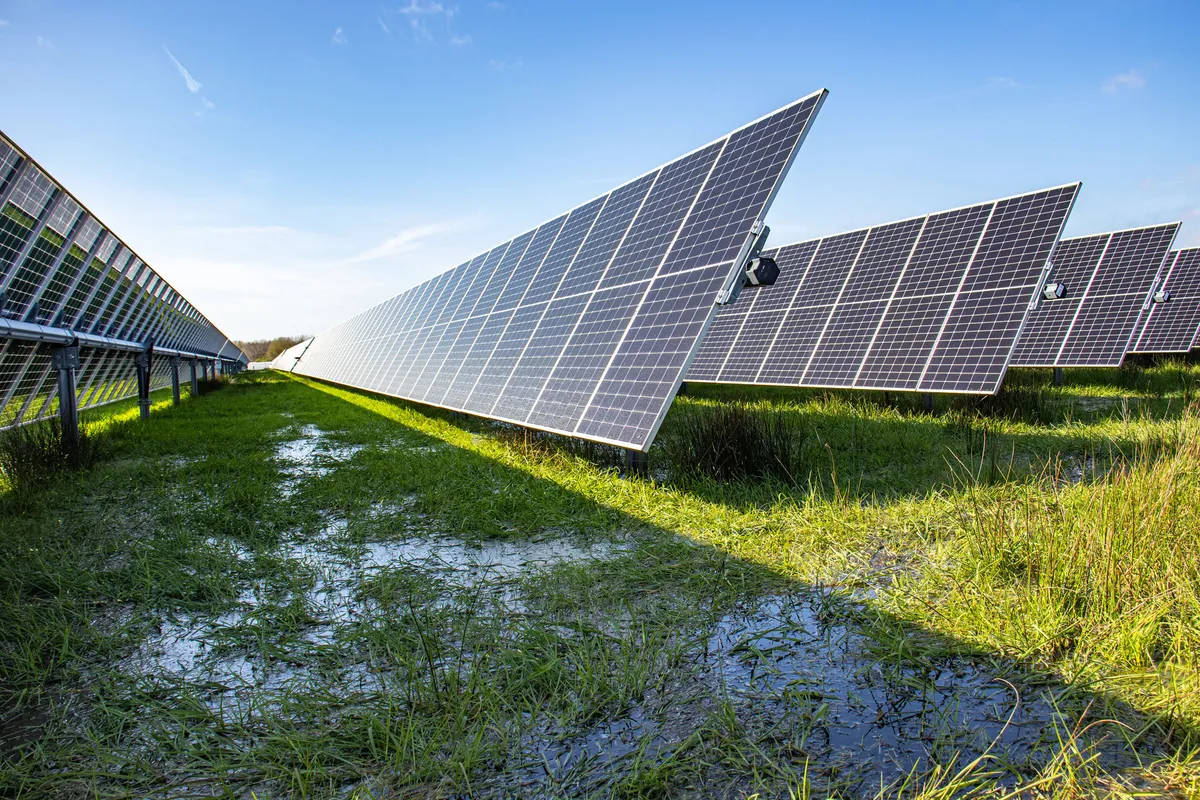
German researchers found solar panels on rewetted peatland create unique bird habitats, generate green energy, and potentially lock up carbon—a new land use with multiple benefits.
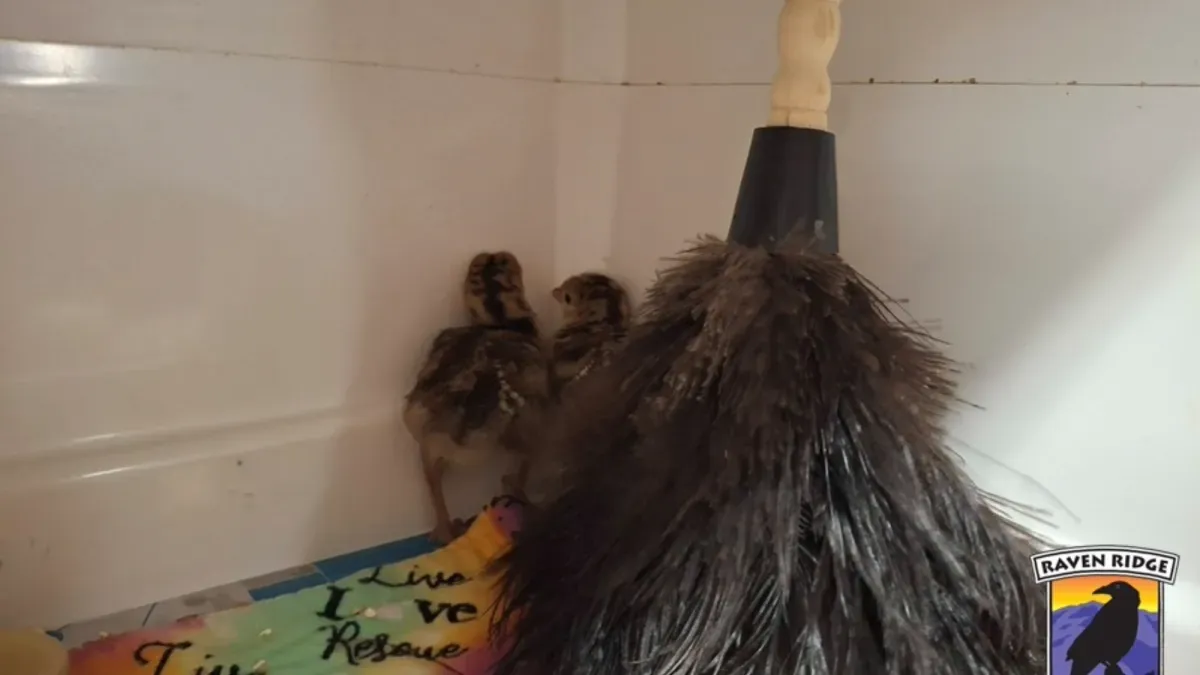
Orphaned turkey chicks needed a mom. Pennsylvania's Raven Ridge Wildlife Center found a surprising, Disney-esque solution: a feather duster. It calmed the stressed babies, crucial for their healing.
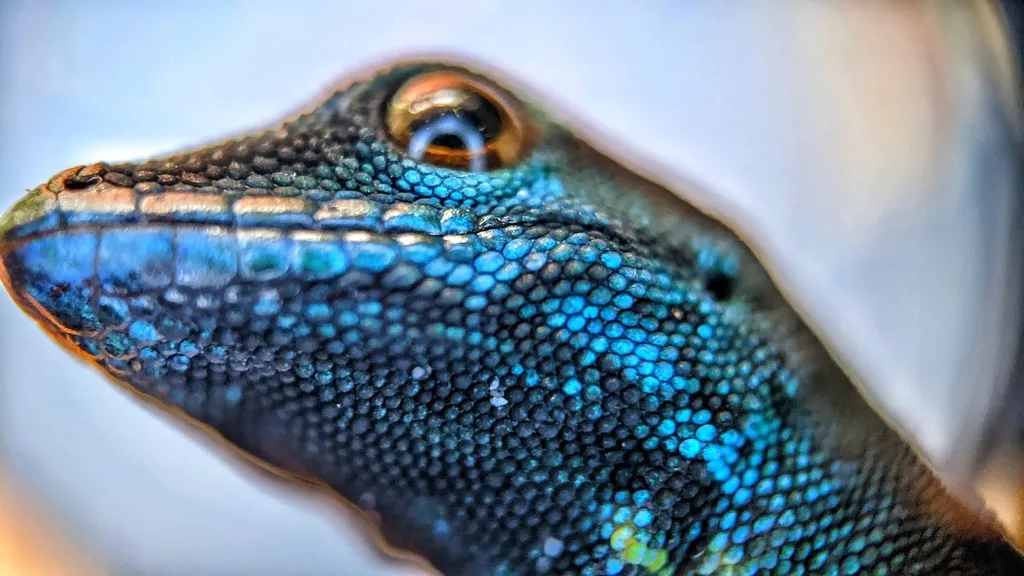
Beauty is a curse for Tanzania's turquoise dwarf gecko. From 2004-2009, European collectors' demand led to 40,000 geckos being captured and exported, fetching up to €600 each.
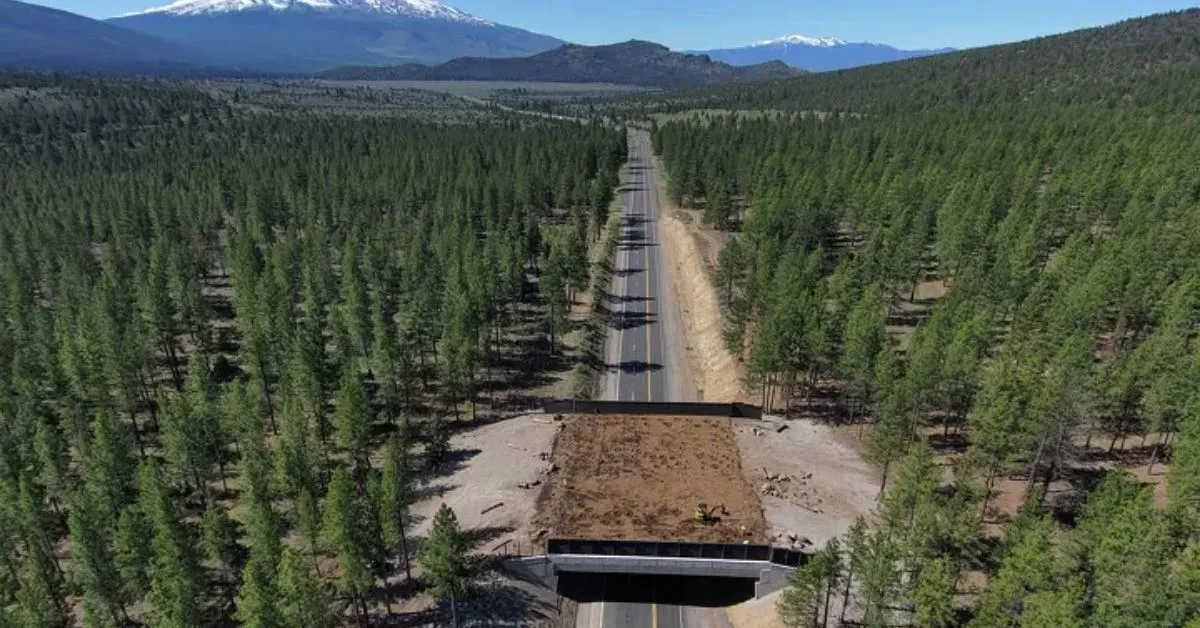
A massive traffic jam in Prince George, BC, on May 28, wasn't due to an accident. Drivers craned their necks to see a mother moose and her two calves attempting to cross a four-lane highway.
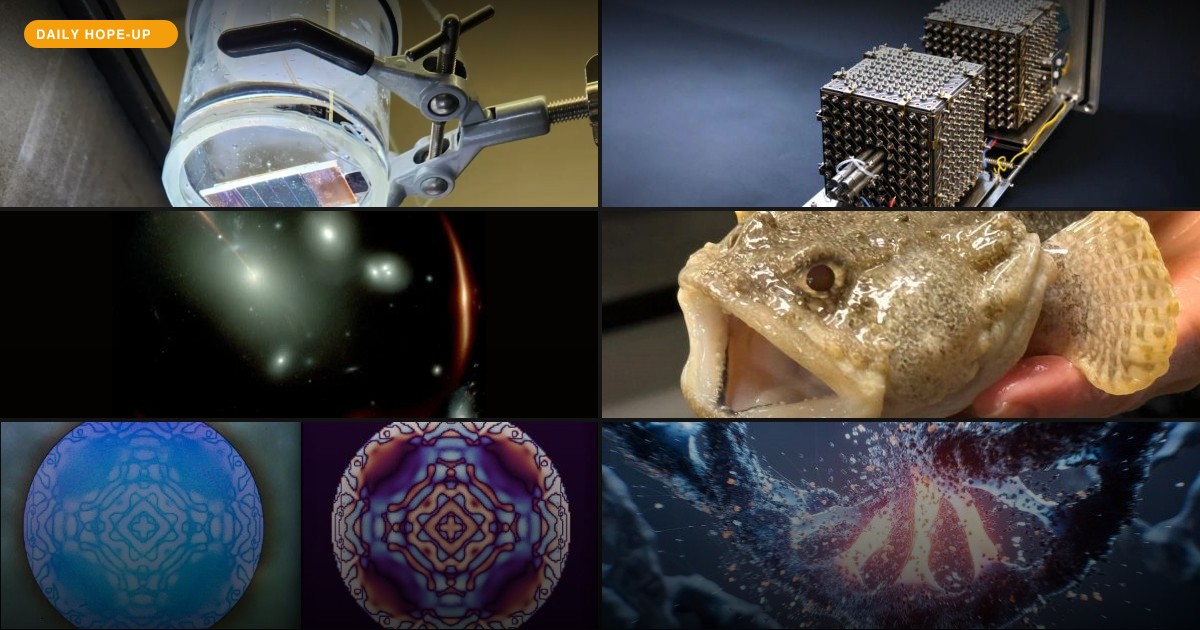
15 stories that made today brighter
Brightcast is dedicated to restoring faith in humanity by highlighting the progress, solutions, and kindness that often go unnoticed. We believe in a balanced worldview.
Read our full mission →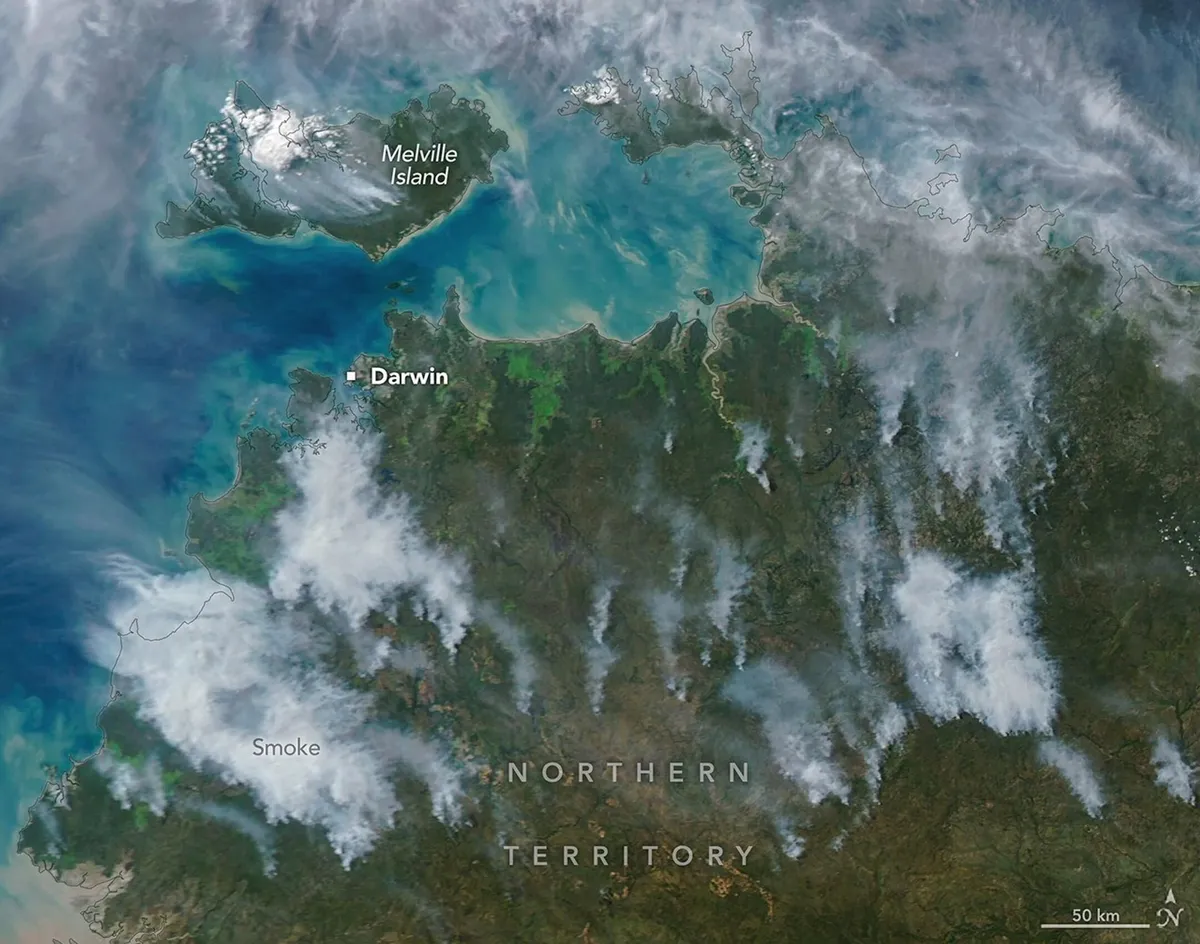
Every May and June, NASA satellites spot massive wildfires across Australia's Top End and Arnhem Land. These afternoon blazes often look like huge infernos from space.
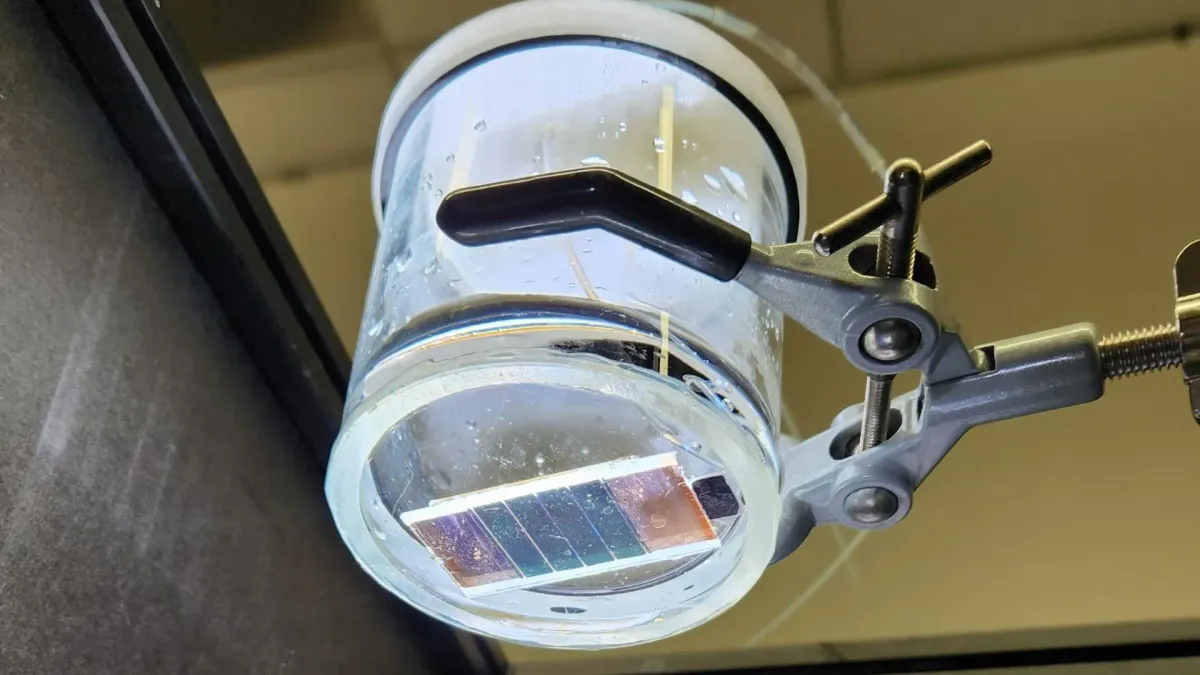
Researchers at Yale University have built a solar-powered device that turns carbon dioxide and water into methanol, marking a major step forward in artificial photosynthesis technology. The system works without external electricity. Instead, it relies entirely on sunlight to drive the chemical react...
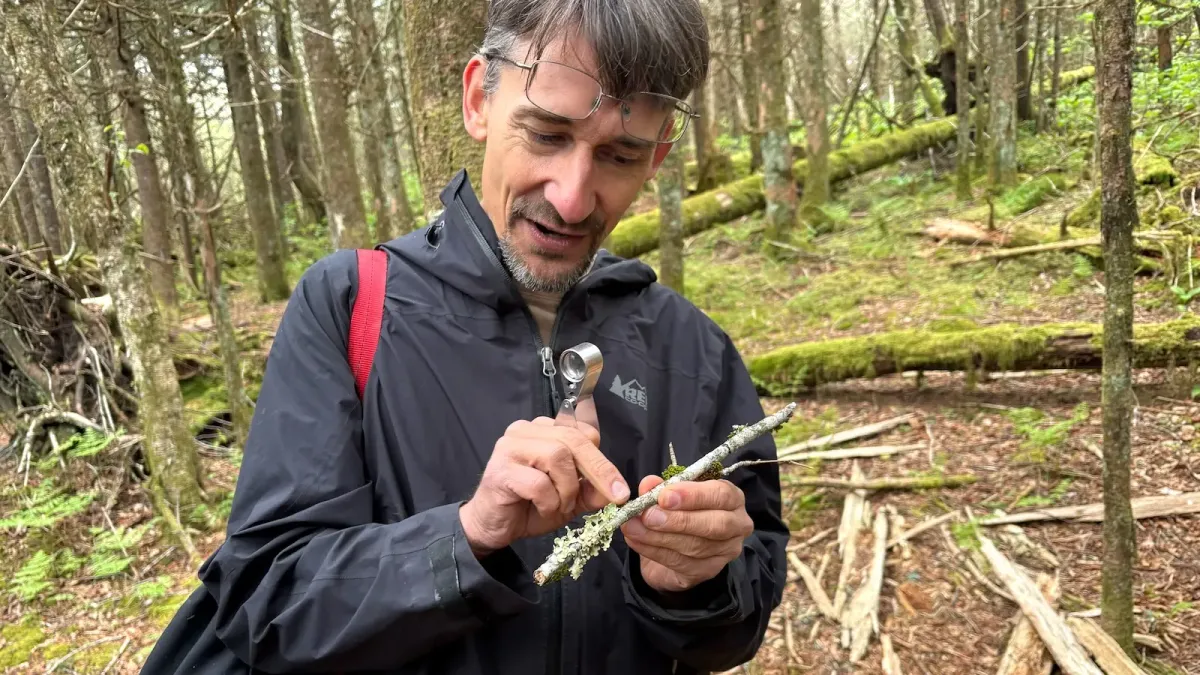
Deep in the Smokies, four hikers braved a gentle shower. Ducking under bright green underbrush, they found an aging yellow birch. But it wasn't just moss—a rare, spongy lichen clung to its bark.
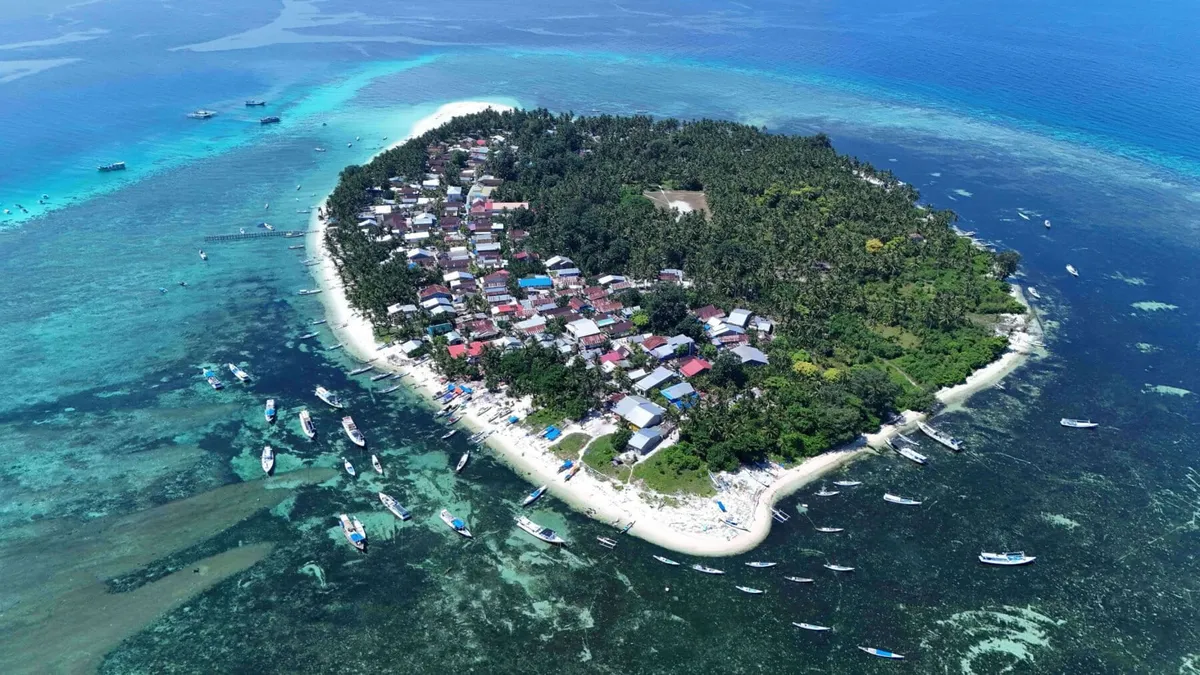
Ancient customs are saving Indonesia's marine life. Coastal communities in the Wallacea region are reviving old systems to fight destructive fishing and habitat loss, proving local empowerment works.
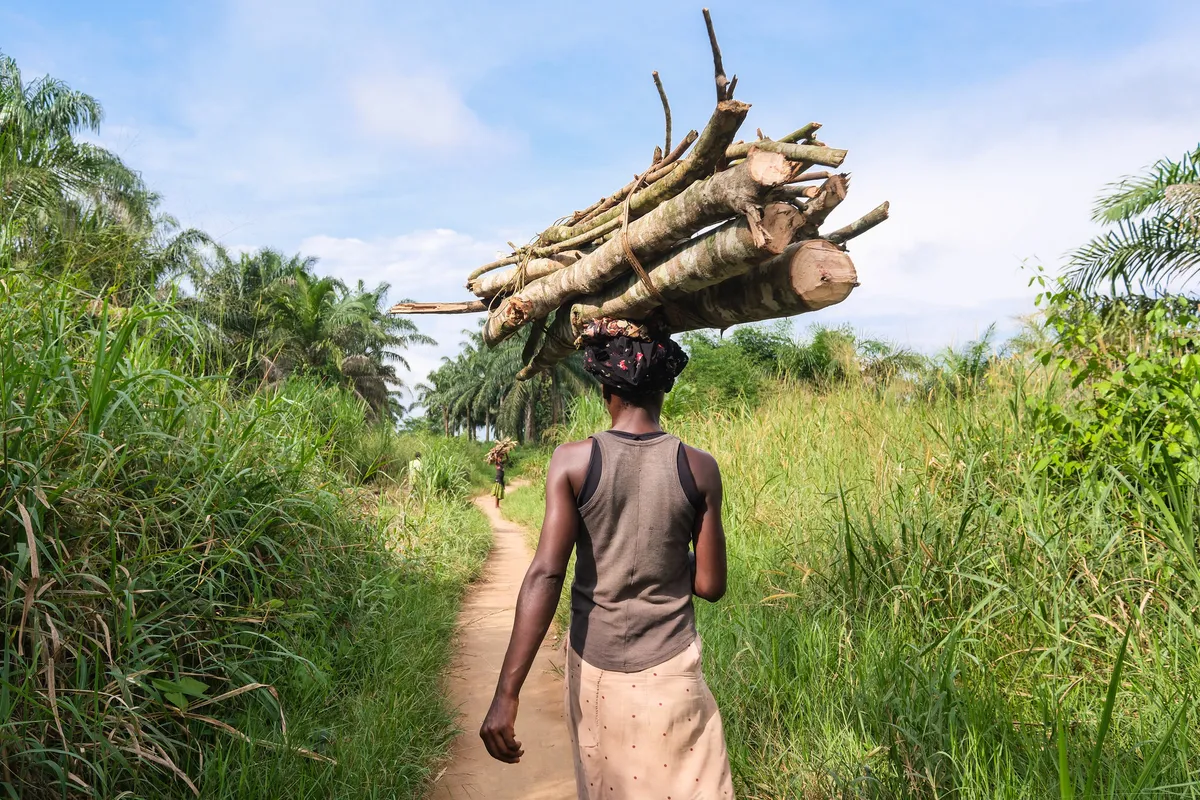
Tshopo province just empowered local farmers, granting 31 community forest titles in May. Over a million hectares are now legally stewarded by Indigenous peoples, securing their ancestral lands from exploitation.
Know someone who needs a boost? Share Brightcast with your friends and family.
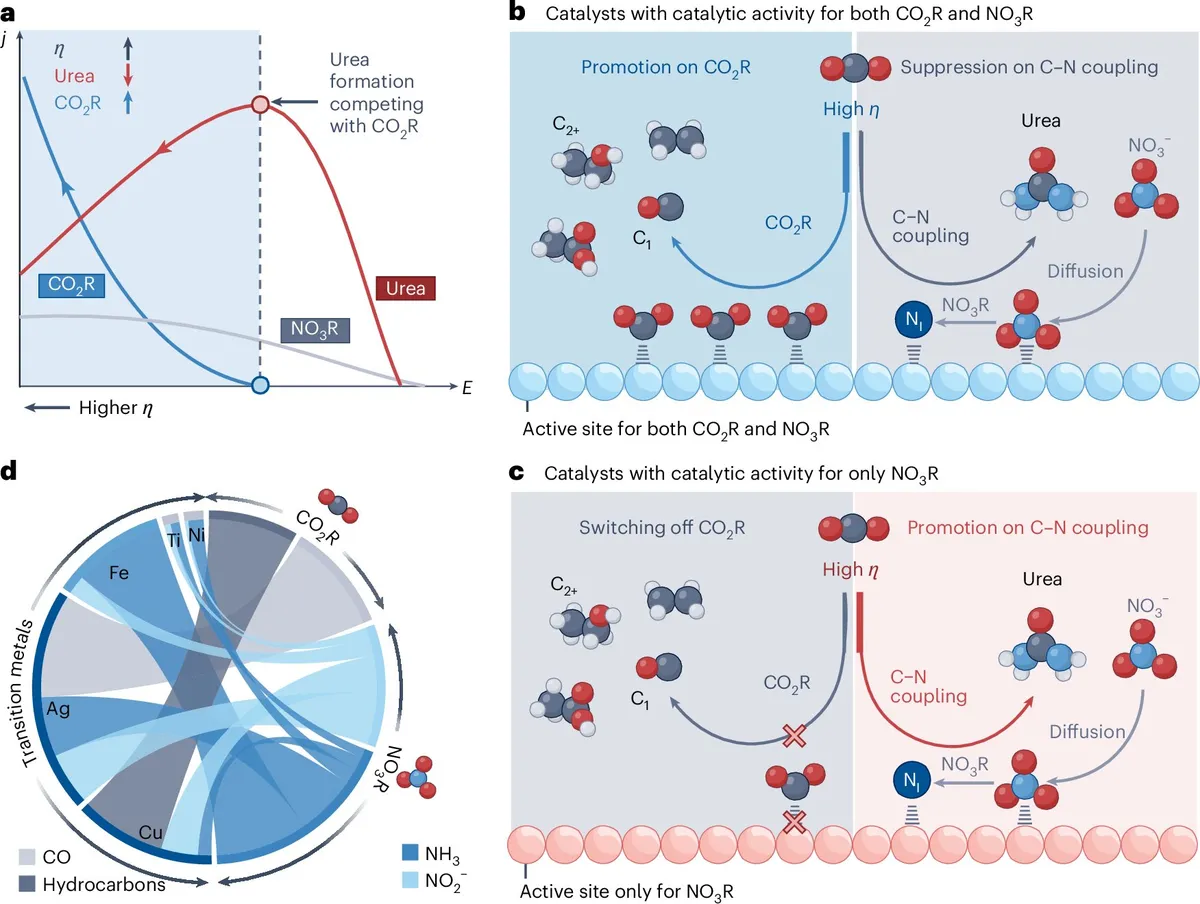
NUS researchers developed a computation-guided strategy to efficiently produce urea from CO2 and nitrate. They combined AI, quantum mechanics, and experiments to identify a cadmium-mod…
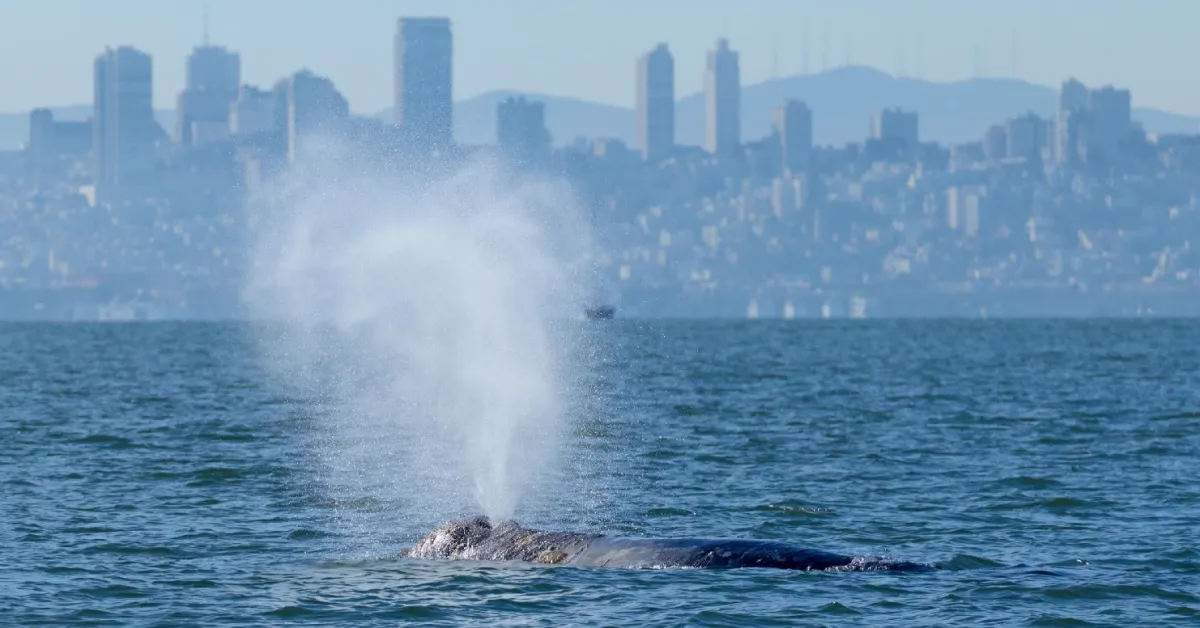
Gray whales now frequent San Francisco Bay, a busy port where they face deadly ship strikes. Researchers deployed thermal cameras and AI to alert ships, preventing collisions with these migrating giants.
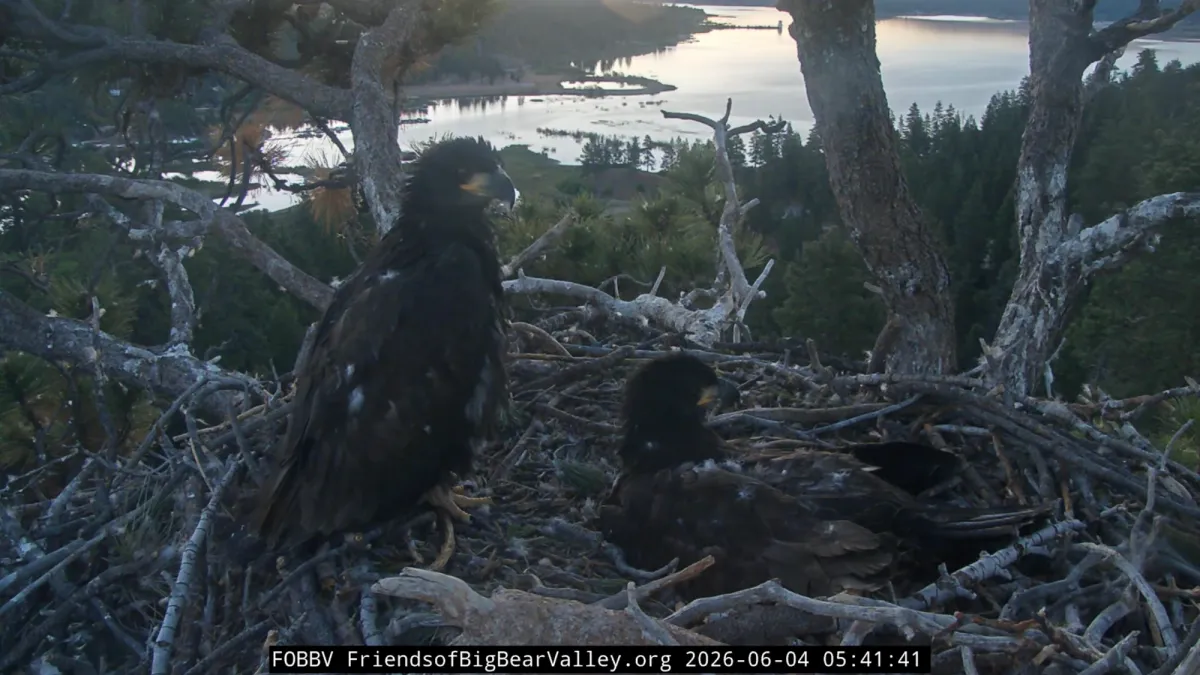
Eaglets Sandy and Luna spent their first night alone in the nest, a major step towards independence! Parents Jackie and Shadow watched from a nearby roost tree.
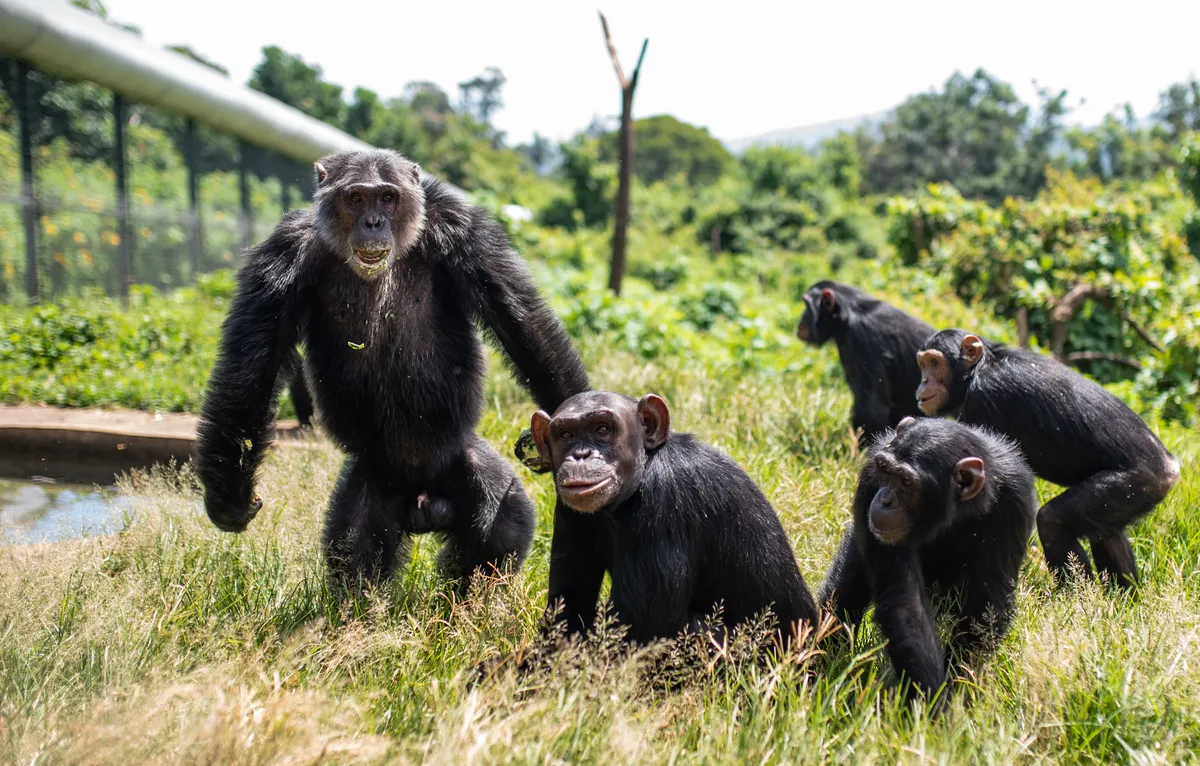
Ebola outbreak forces confinement for over 200 primates at Lwiro Primates Rehabilitation Center in DRC. This follows a man's death, testing positive for the virus just 2 km from the center.
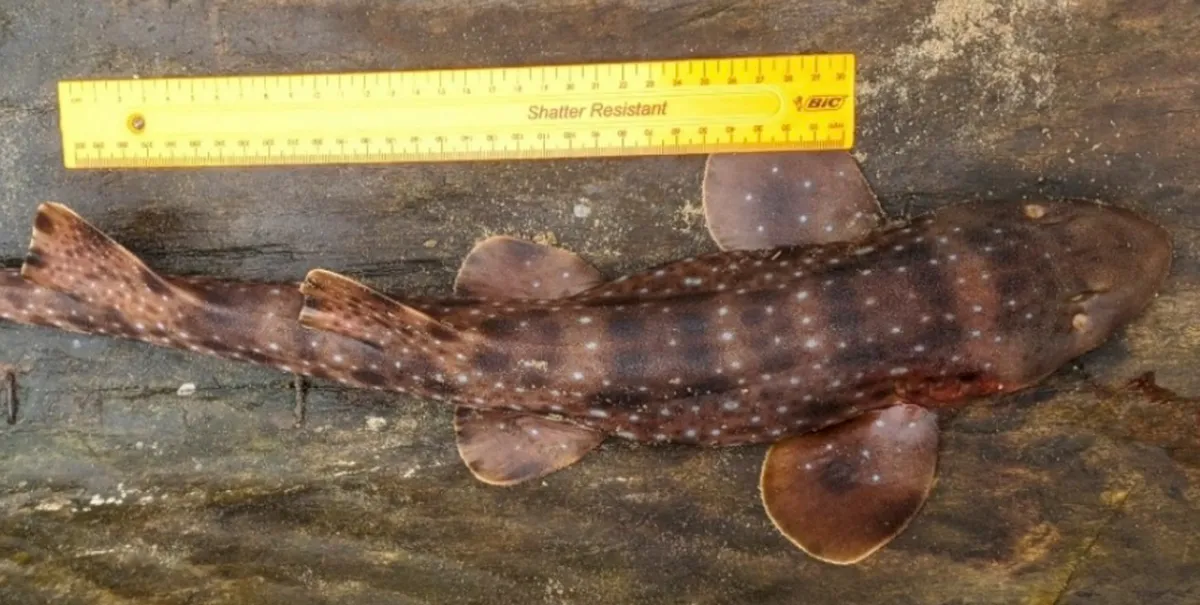
Lost for 20 years, the blue-spotted bamboo shark, unique to Madagascar, has been rediscovered! Researchers found four new records, suggesting this "lost" species may be more common than thought.
Download the Brightcast app for a better reading experience, daily notifications, and offline access.
Download App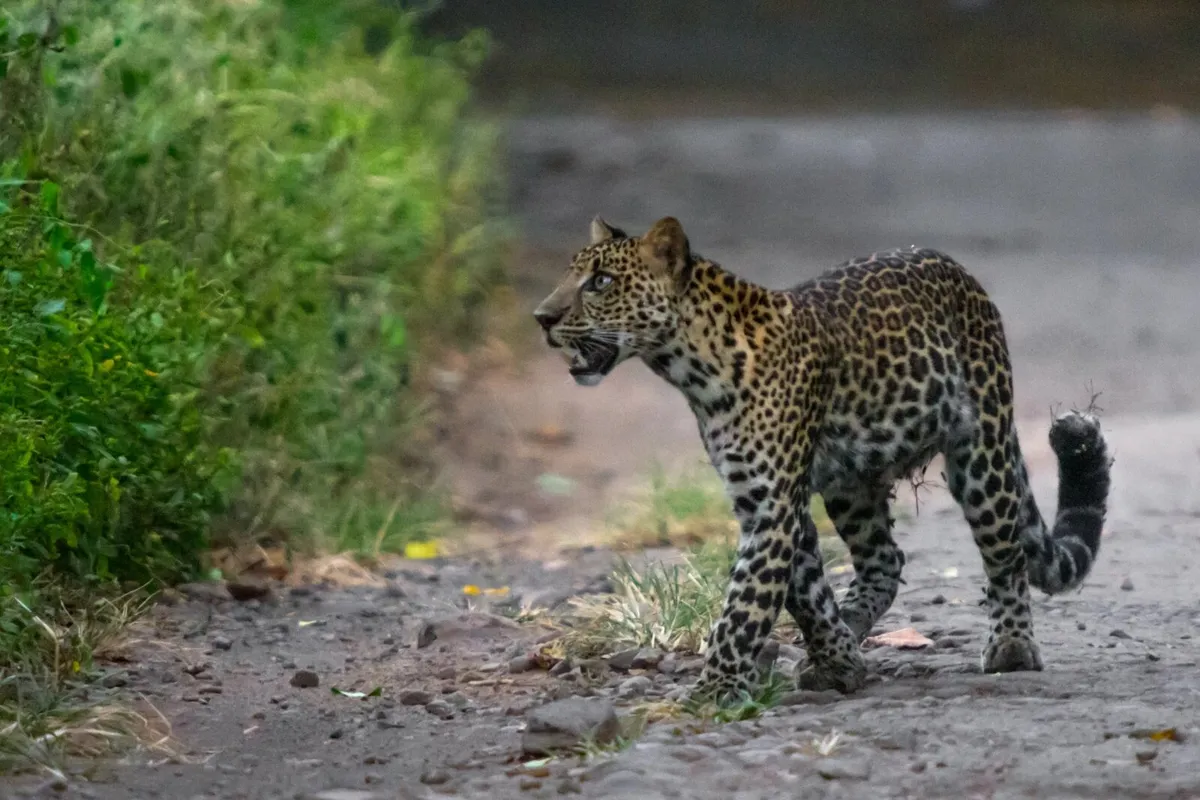
How does the Javan leopard, Earth's rarest big cat, survive on one of its most crowded islands? University of Twente research reveals its secret using camera traps and spatial models.
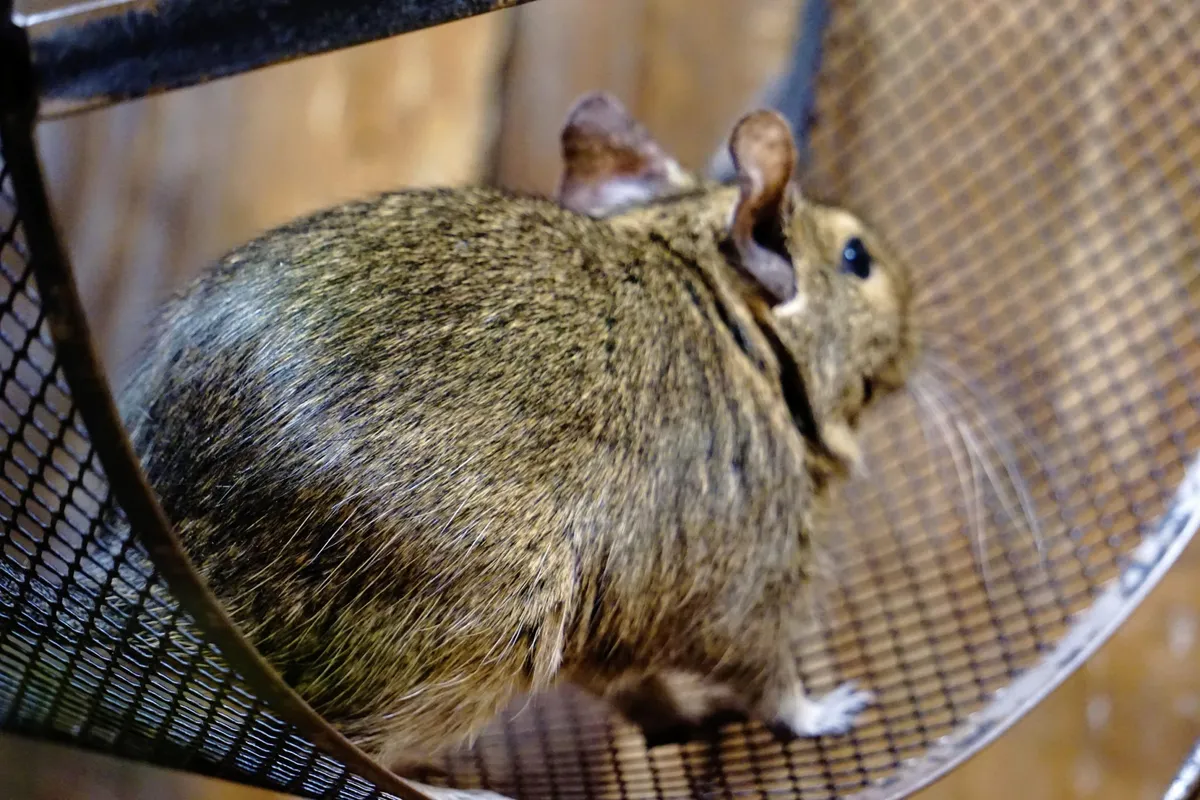
Wild rodents love exercise wheels, even in nature, running up to 18 minutes with no reward. This challenges the old idea it's a captive neurosis, suggesting their physiology and dopamine drive the behavior.
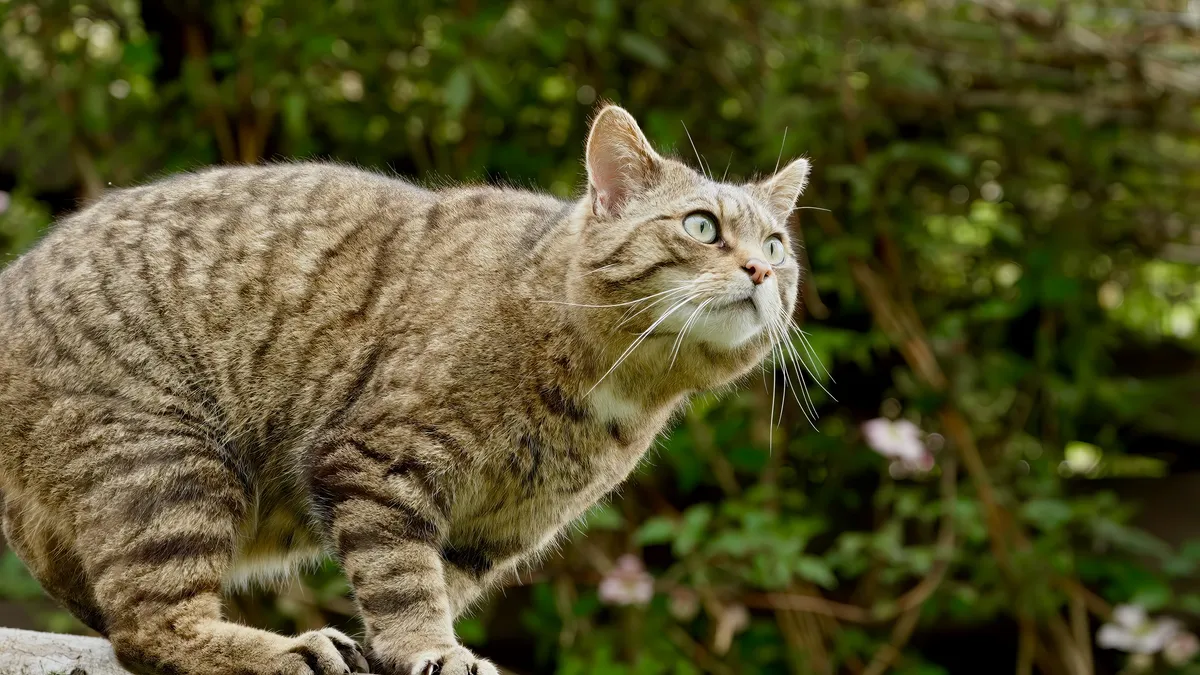
European wildcats are back! In the Czech Republic's Lusatian Mountains, conservationists found Jonáš and Tonka—the first in nearly a century—and Tonka's already had three kittens.
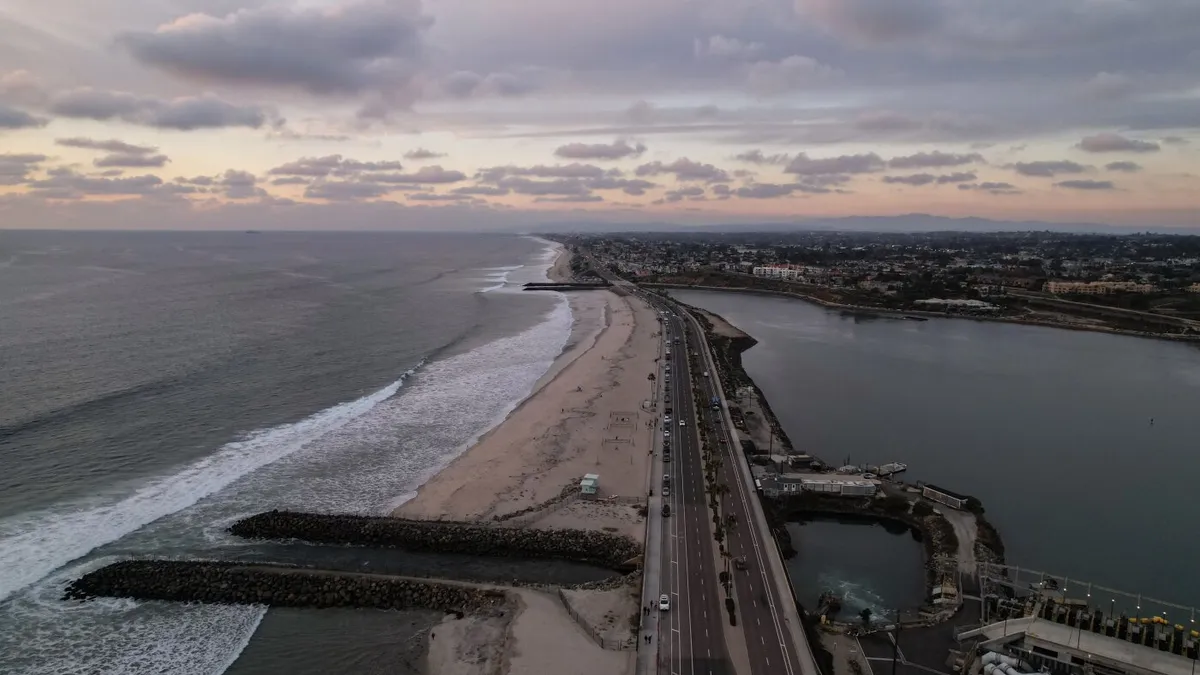
San Diego, once heavily reliant on the Colorado River, now has surplus water. They may even sell it to states facing severe cuts from the shrinking river.
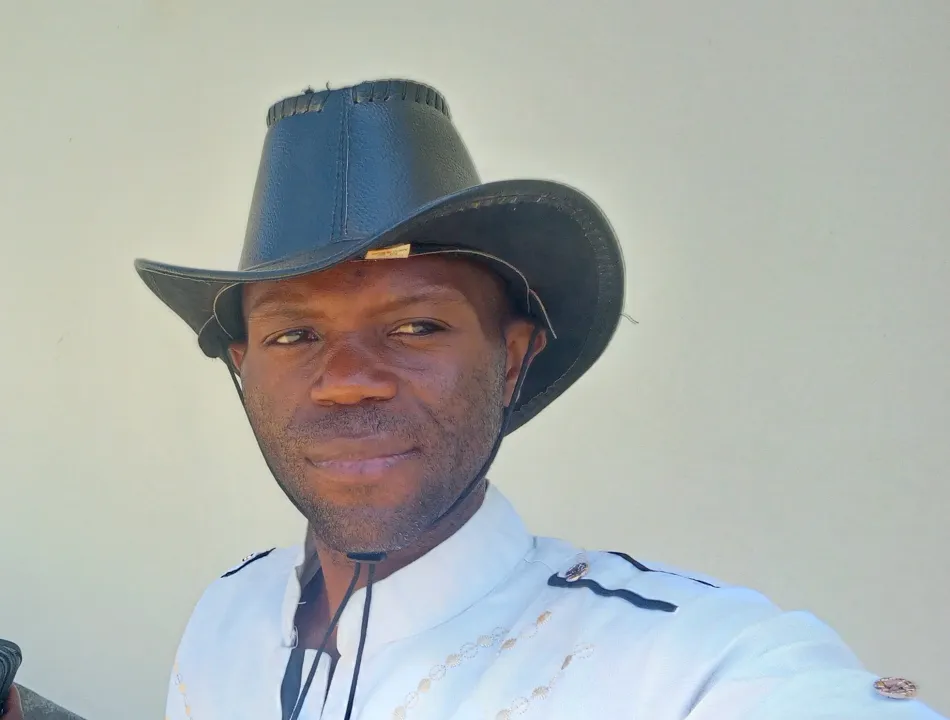
In North Kivu's lush forests, Gangala Yafali Mangusa Jr. and his community patrol to stop illegal logging, mining, and hunting. They're the frontline defense for biodiversity.
Join 50,000+ readers who receive our daily digest of the most uplifting stories from around the world.
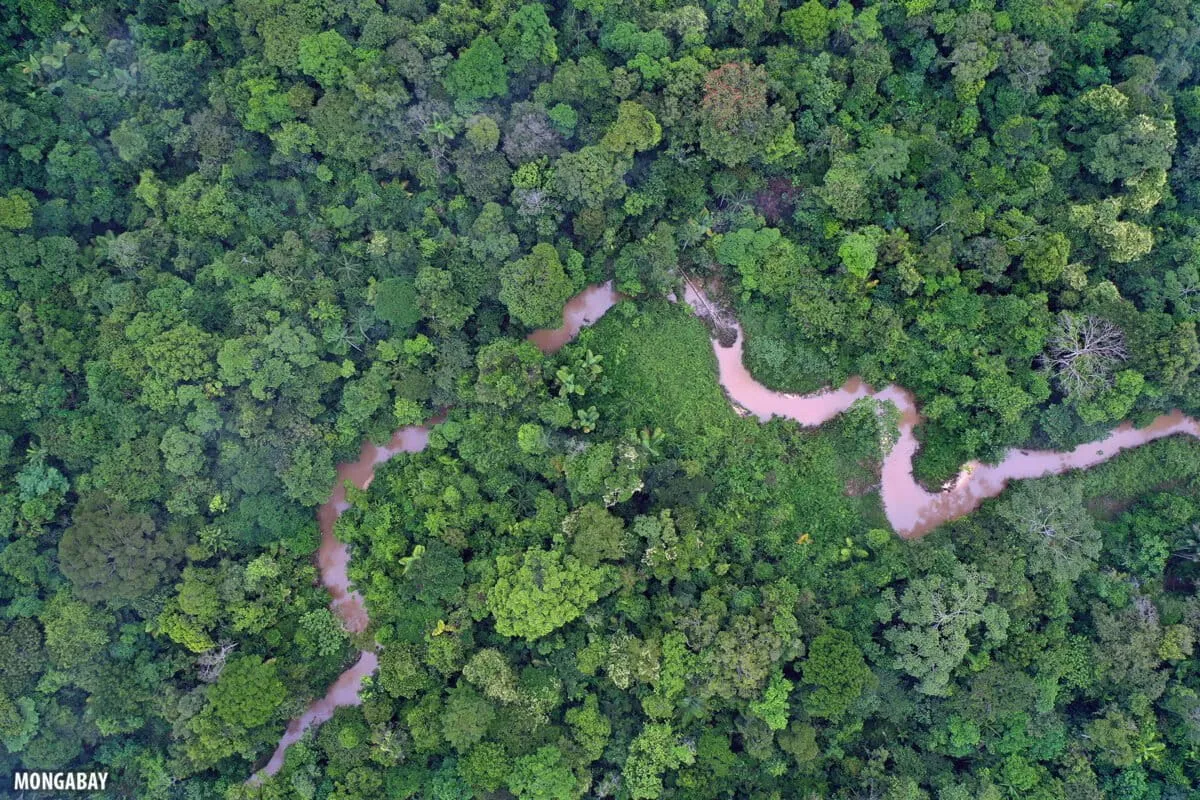
57 Global South nations, a "coalition of the willing," met in Santa Marta, Colombia (April 24-29, 2026) for the inaugural TAFF summit, aiming to transition away from fossil fuels.
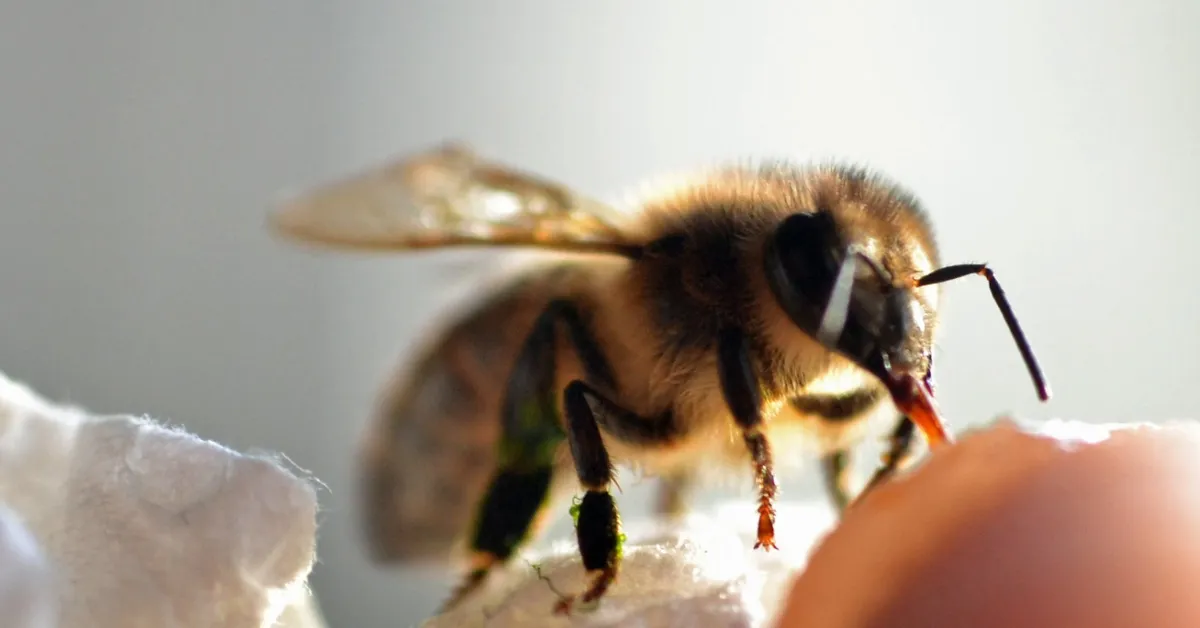
For Oxfordshire farmer Chris Park, bees are a "blessing," sacred creatures that have thrived for 40 million years. His viral Instagram videos share this ancient wisdom with thousands.
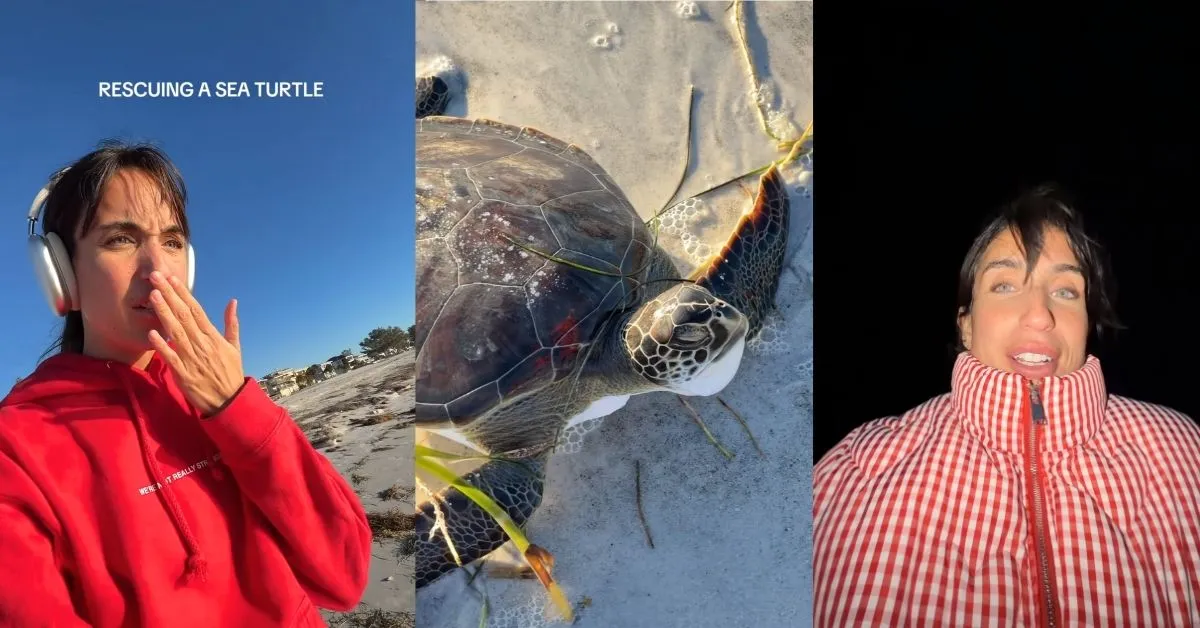
Clara Macciocchi's beach run turned wild on Feb 6 when she found a stranded green sea turtle. "That is not normal," she thought, kicking off her "craziest night ever" to save it.
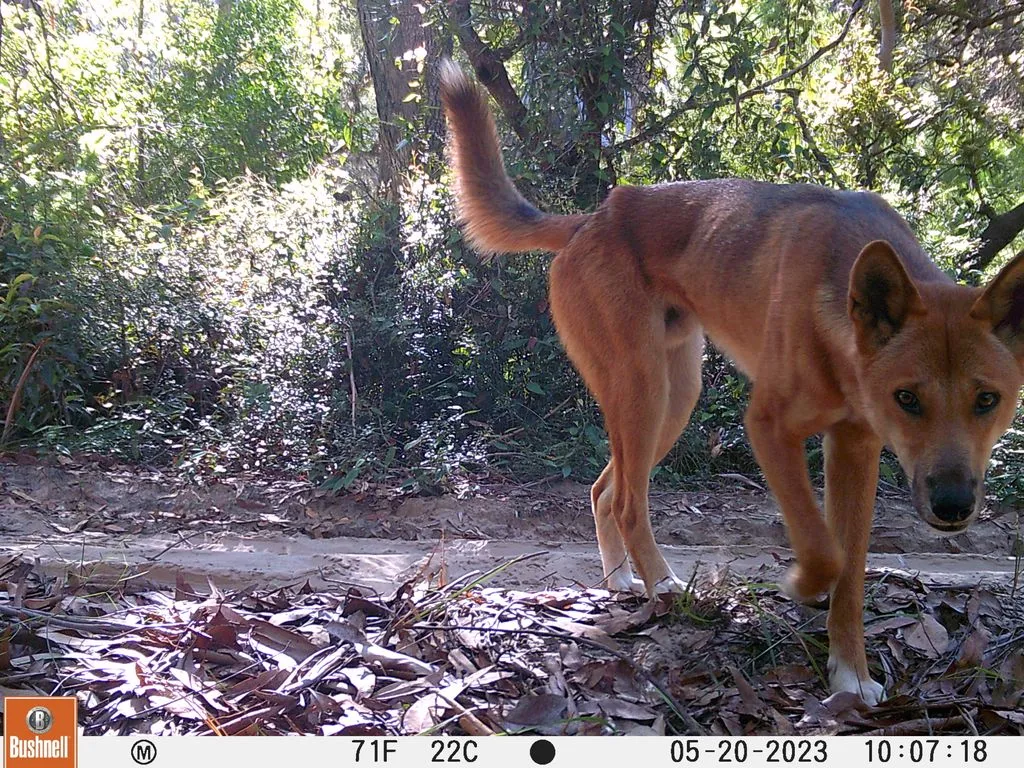
AI and computer vision are revolutionizing Australian wildlife monitoring. A new platform, WildObs, will process millions of camera trap images, boosting conservation efforts nationwide.
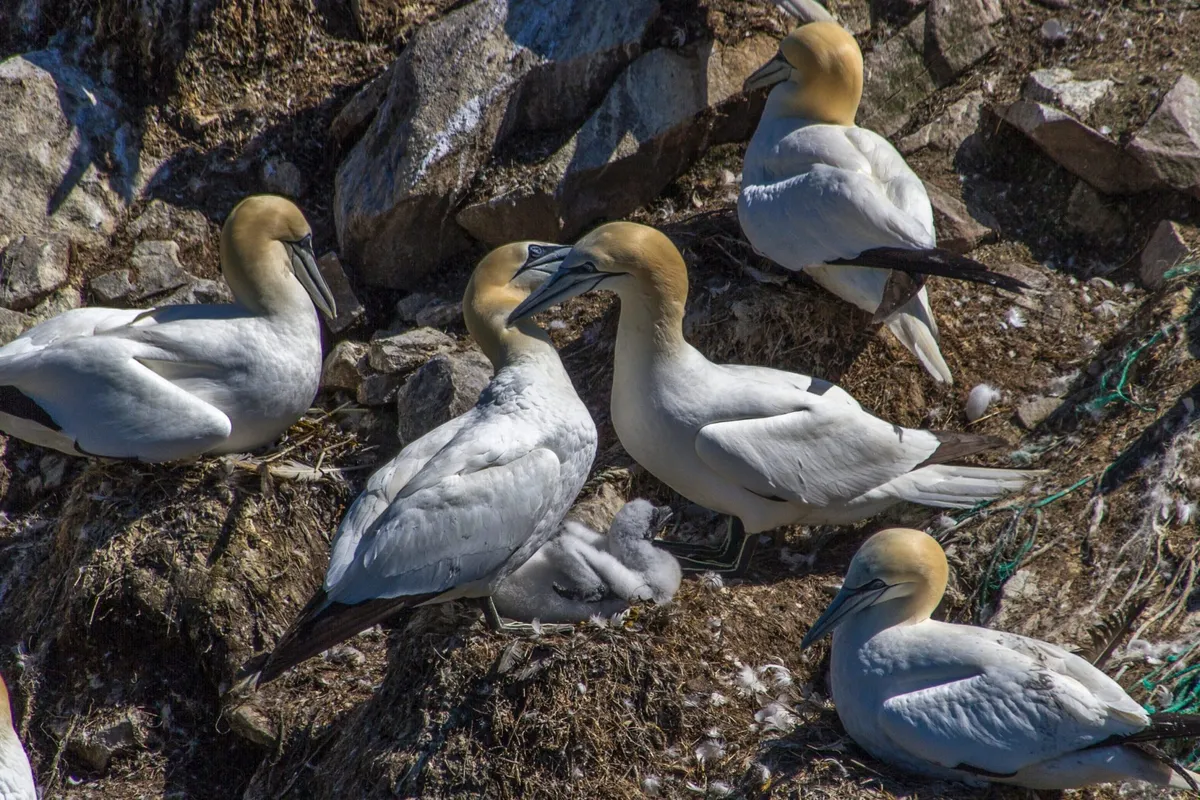
Toxic PFAS levels in Canadian seabird eggs plummeted thanks to early 2000s regulations. This 74% drop proves environmental policies effectively clean up our world.
Brightcast is dedicated to restoring faith in humanity by highlighting the progress, solutions, and kindness that often go unnoticed. We believe in a balanced worldview.
Read our full mission →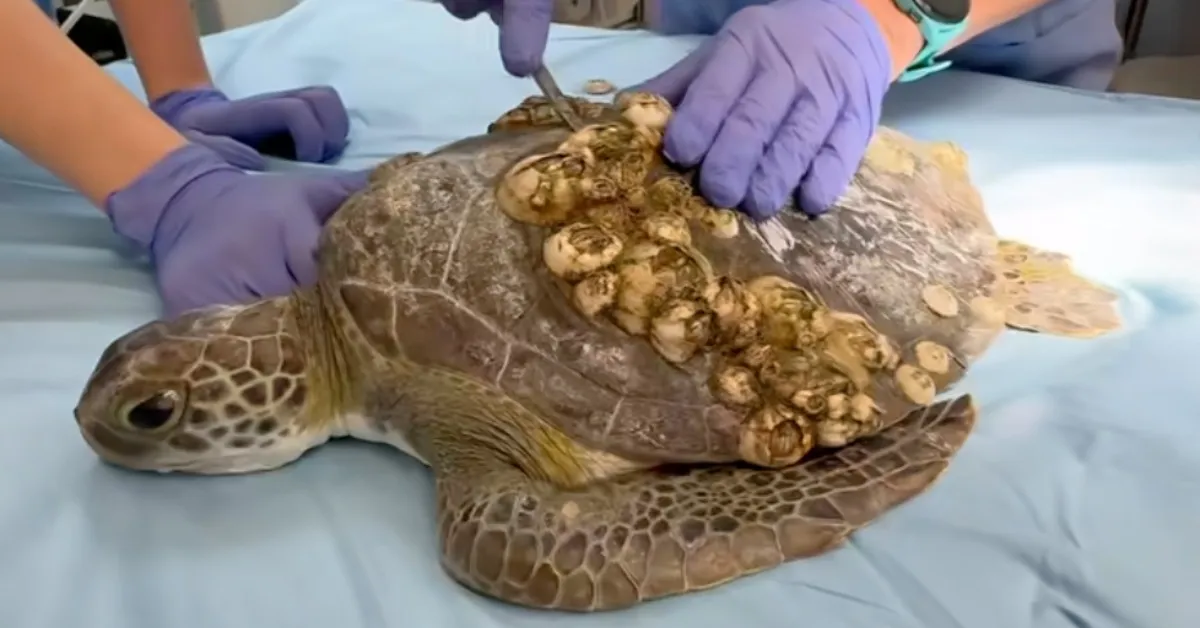
A green sea turtle named Sir Barksalot arrived at The Turtle Hospital in Marathon, Florida, covered in barnacles, hypothermic, and battling a severe disease. His recovery is a testament to resilience.

Ugandan grassroots groups declare women are climate change's most powerful weapon. They're not just victims; they're vital leaders in the fight for local solutions.
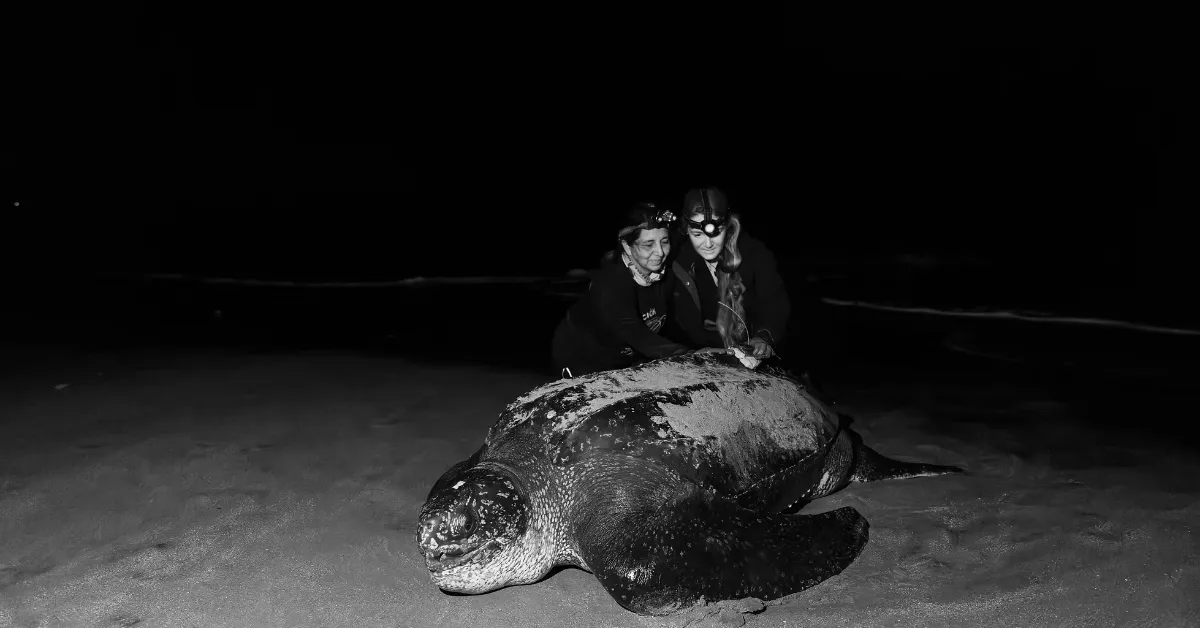
Fewer than 1,000 leatherback sea turtles remain in the Eastern Pacific, nesting from Mexico to Ecuador. Lucero is one of them.

Five years in the making, Captain Dan Salas of Harbor Breeze Cruises is finally bringing his lifelong passion project to fruition.
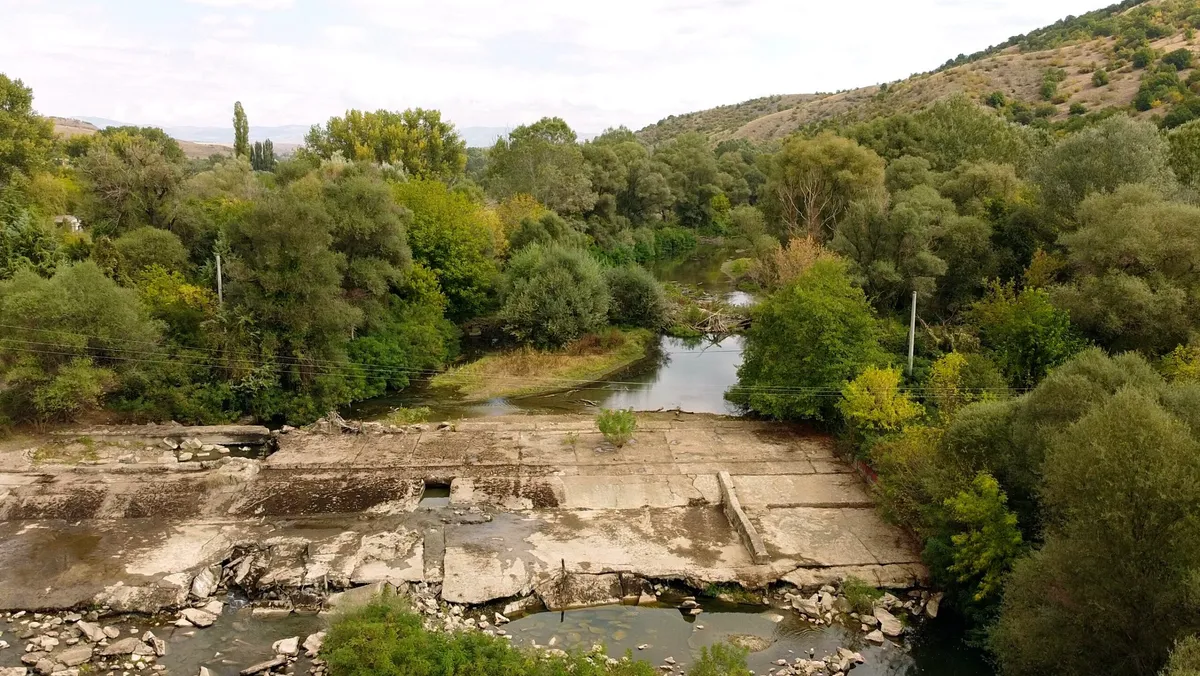
For 70 years, a massive wartime concrete slab, 53m long and packed with railway steel, choked North Macedonia's Pčinja River, blocking water and fish for 70km upstream.
Know someone who needs a boost? Share Brightcast with your friends and family.
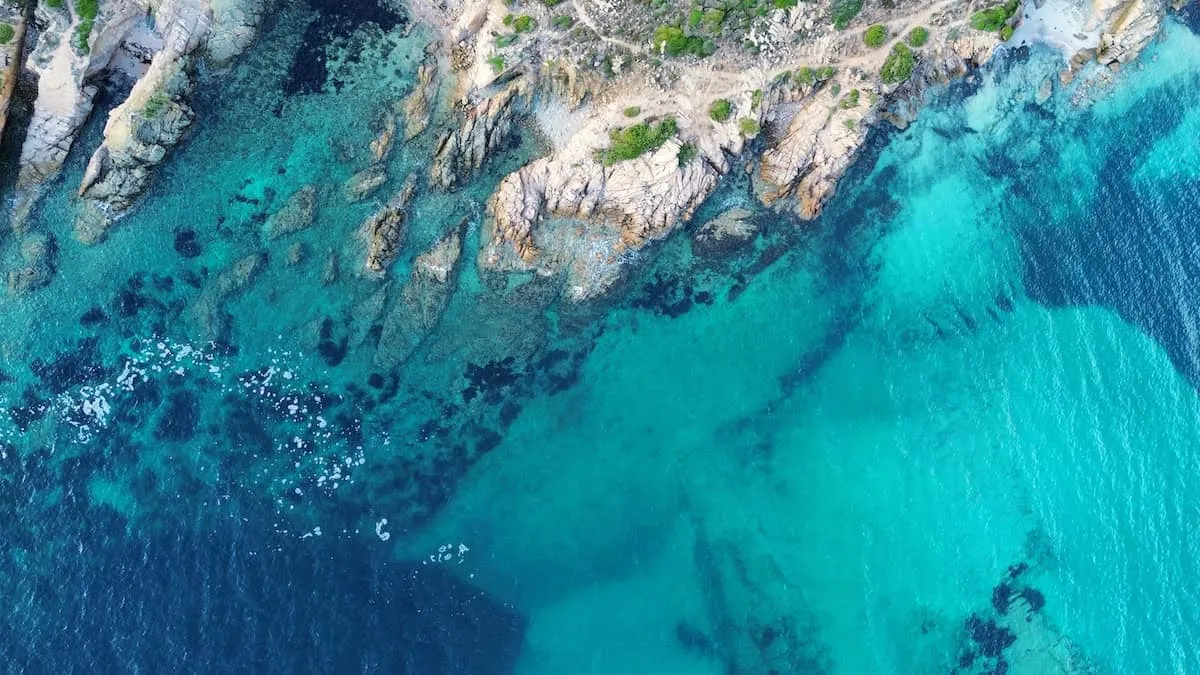
Underwater seaweed forests: a climate change game-changer? New research reveals their vast, overlooked potential to slow global warming.
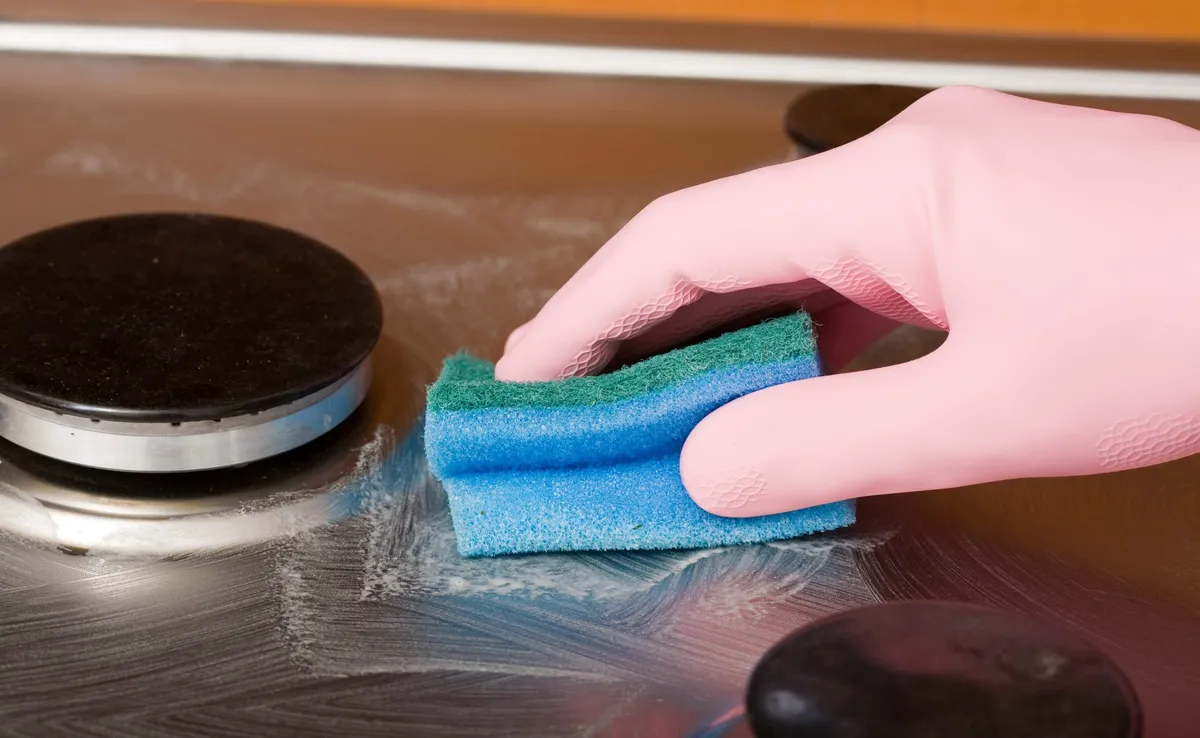
Don't toss that old sponge! Repurpose it for surprising household tasks: sprout seeds, protect floors, dust plants, or scrub the bathroom. Give it a new life!
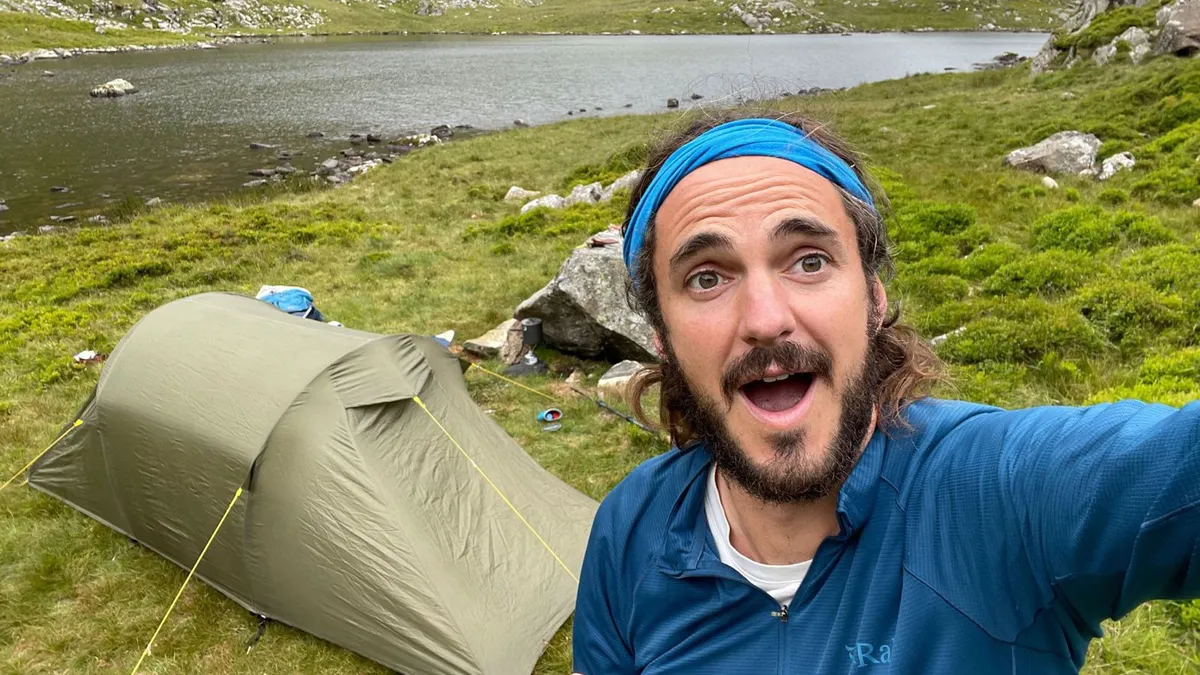
Thomas Crowther's career makes big claims about small things. His new book, *Nature's Echo*, reveals how a seed or a soundscape can drive vast systems, from star formation to climate change and ecosystem repair.
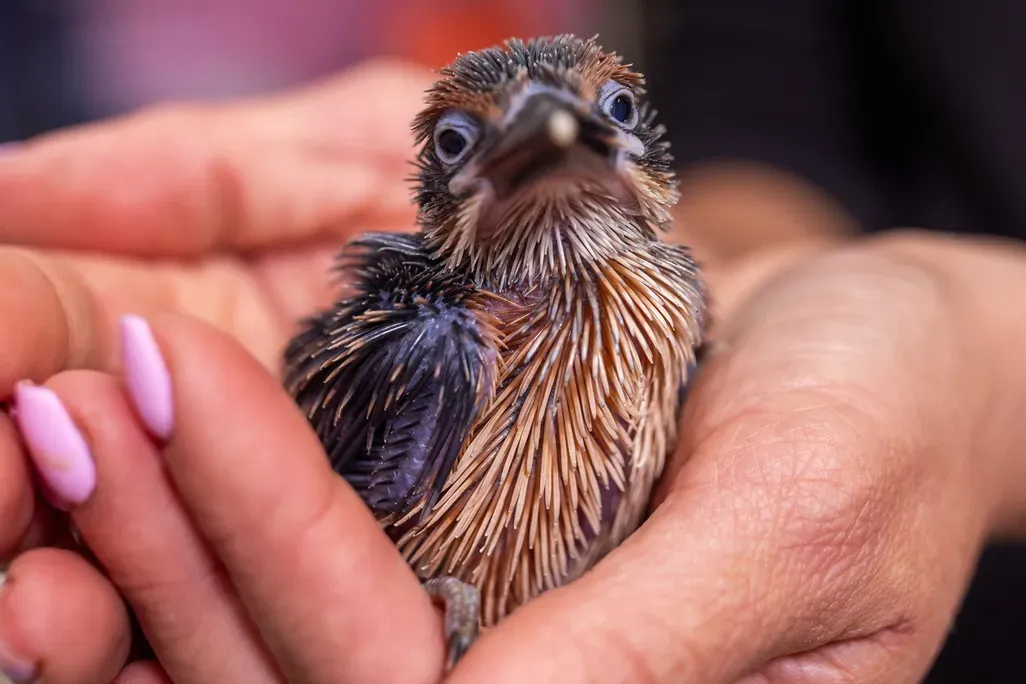
Wiped out from Guam, the sihek survived only in captivity. Now, conservationists have released them on Palmyra Atoll in 2024, where they are thriving.
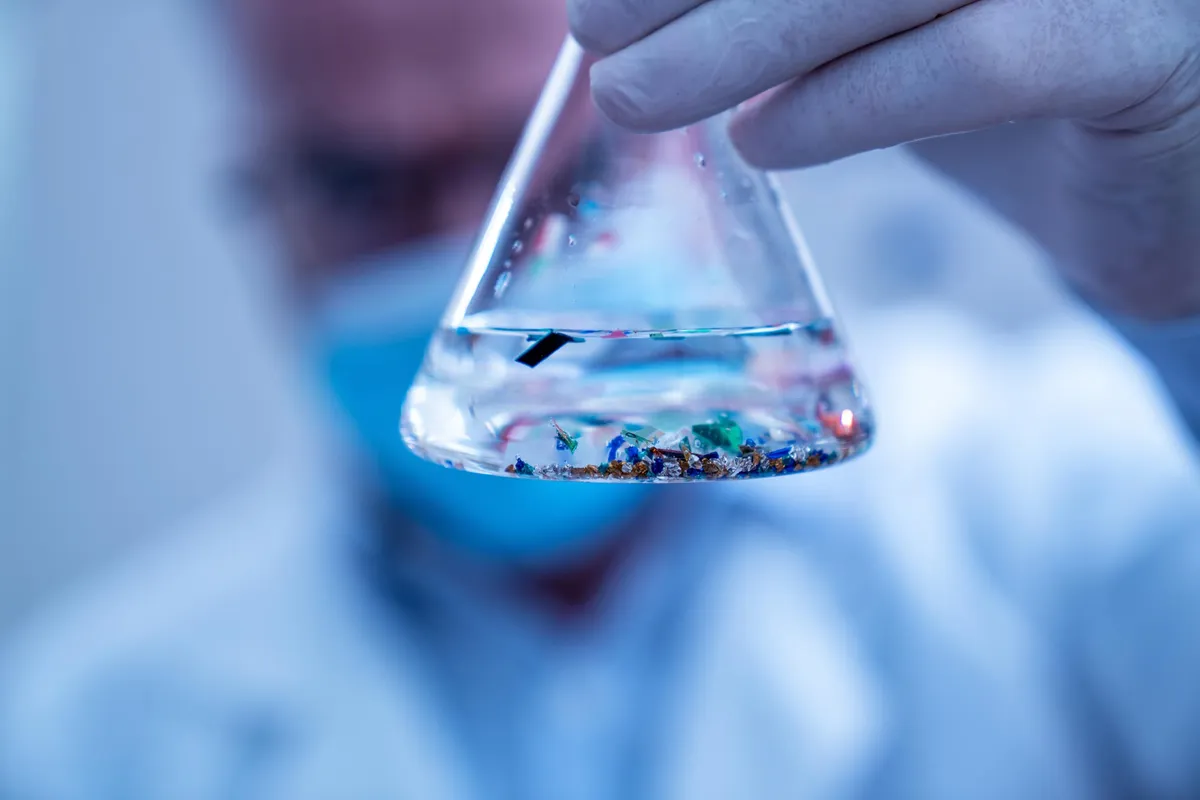
Scientists developed "living plastics" that self-destruct on command. Imagine plastic waste disappearing when triggered.