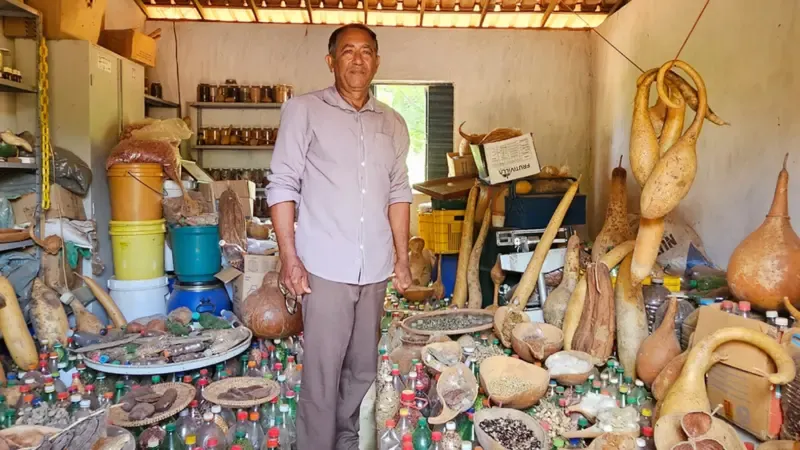
Brazil's seed guardians nurture a greener future for the Caatinga.
In Brazil's arid caatinga, Geraldo Gomes has single-handedly preserved over 200 types of Indigenous seeds. His vital work safeguards biodiversity against the odds.
Every day, people protect what matters. These are their stories.
1607 stories

In Brazil's arid caatinga, Geraldo Gomes has single-handedly preserved over 200 types of Indigenous seeds. His vital work safeguards biodiversity against the odds.

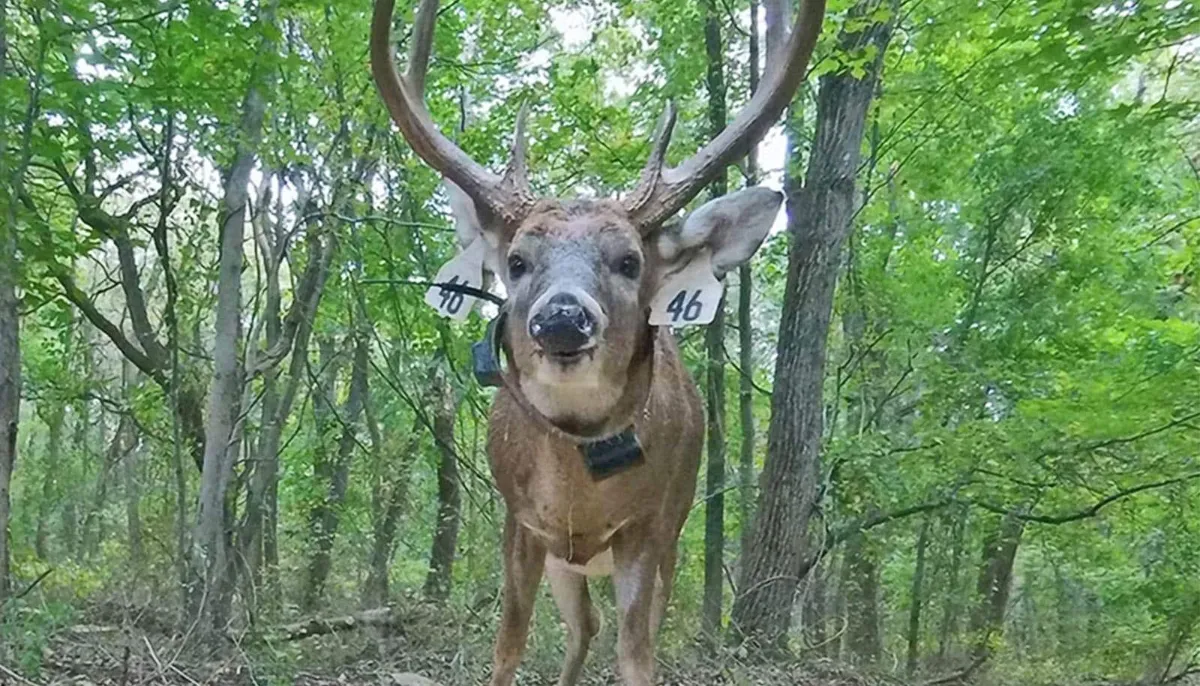
Humans don't just reshape habitats; our mere presence alters wildlife behavior in surprising ways. Even small movements can significantly impact animals, with major conservation implications.

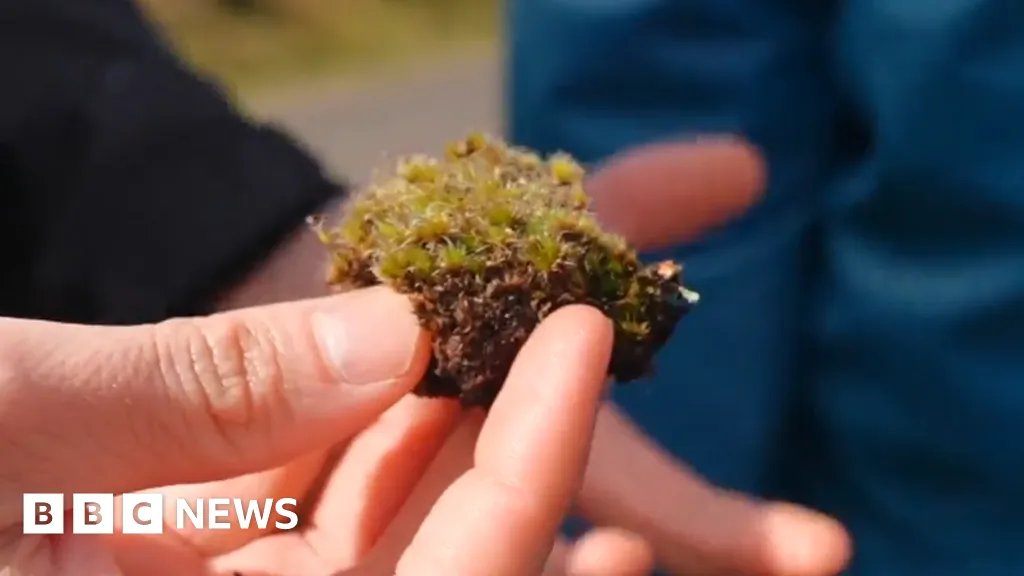
A "killer fungus" offers a surprising glimmer of hope for British habitats. This newly discovered species could restore areas decimated by invasive moss.

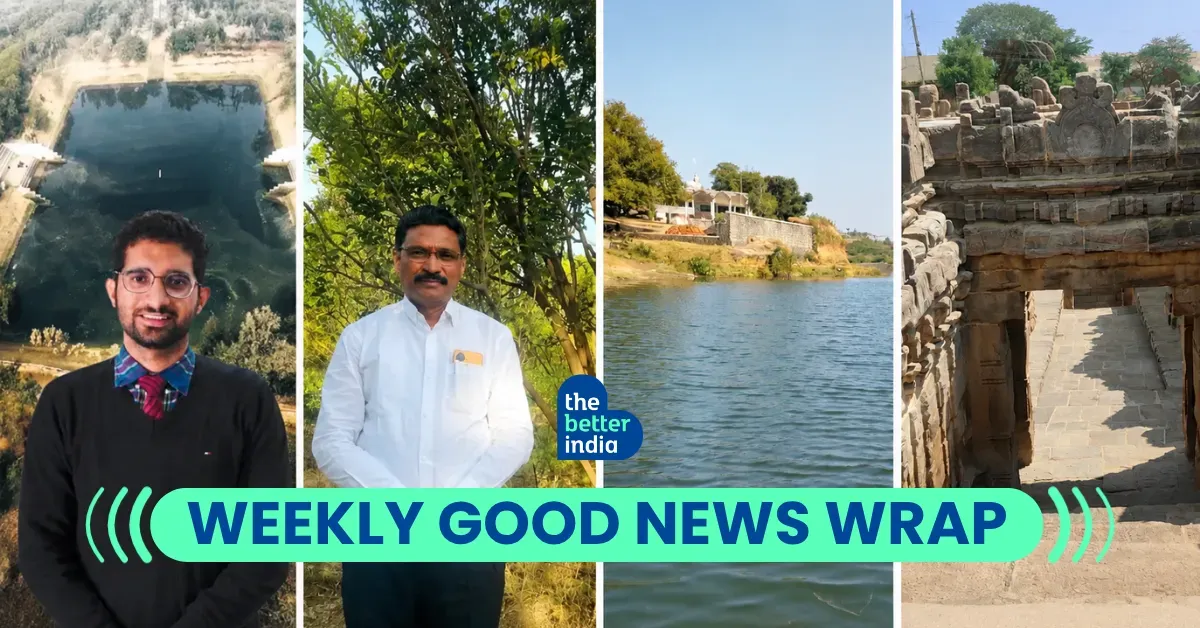
Monsoon arrives early in Andaman & Nicobar, bringing hope to a parched India. Delhi faces severe water shortages, with the Yamuna running low and tanker queues a daily reality.

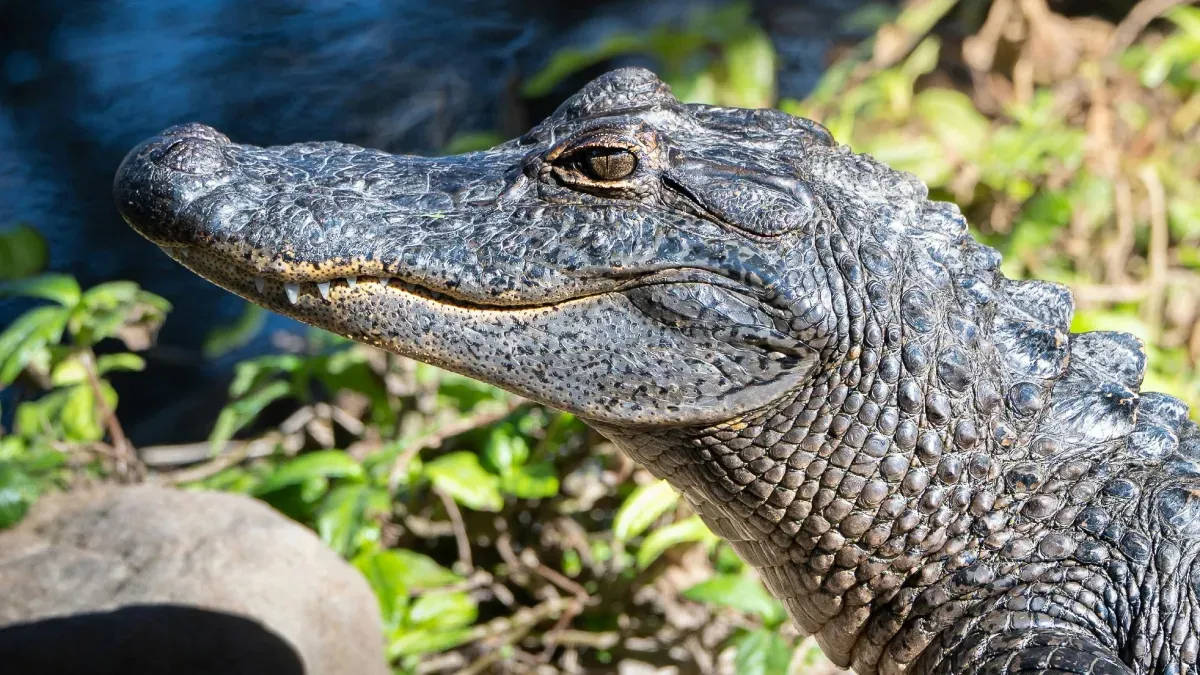
Pretty girls care about wildlife," reads Katalina Daley's Instagram. This gator-loving grad worked at Gator Country Adventure Park & Sanctuary for a year, even featuring Big Al and Tex in her graduation photos.
Join 50,000+ readers who receive our daily digest of the most uplifting stories from around the world.

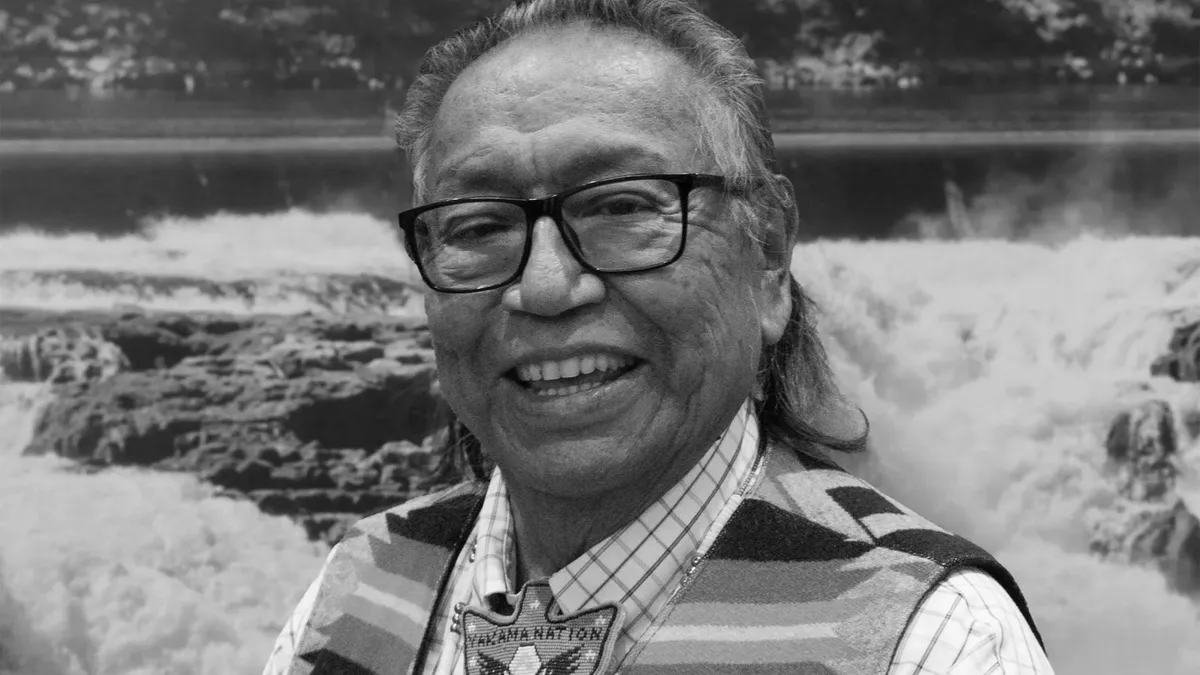
Toxic sediments poisoned the Columbia River near Bradford Island, a sacred Yakama fishing ground. Officials saw a cleanup; the Yakama Nation, a treaty-protected site. Davis Washines called it a crime.

Your weekly dose of optimism is here! Discover the world's best good news, hand-picked to brighten your week.

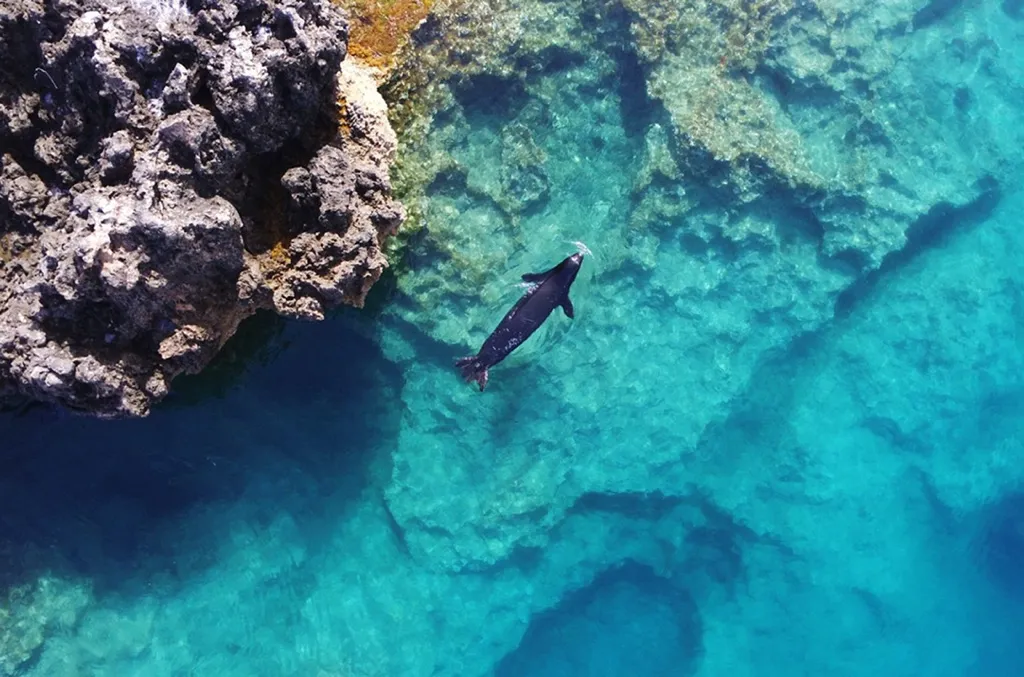
Rare Mediterranean monk seals hide in an air-filled "bubble cave" on Formicula, a Greek islet. This underwater chamber offers refuge and breathing room, possibly from tourists.

Sir David Attenborough is 100! Discover his 10-minute secret to longevity, plus belugas recognizing themselves, boil-proof hemp plastic, and an ocean sanctuary boosting fishermen's wealth.

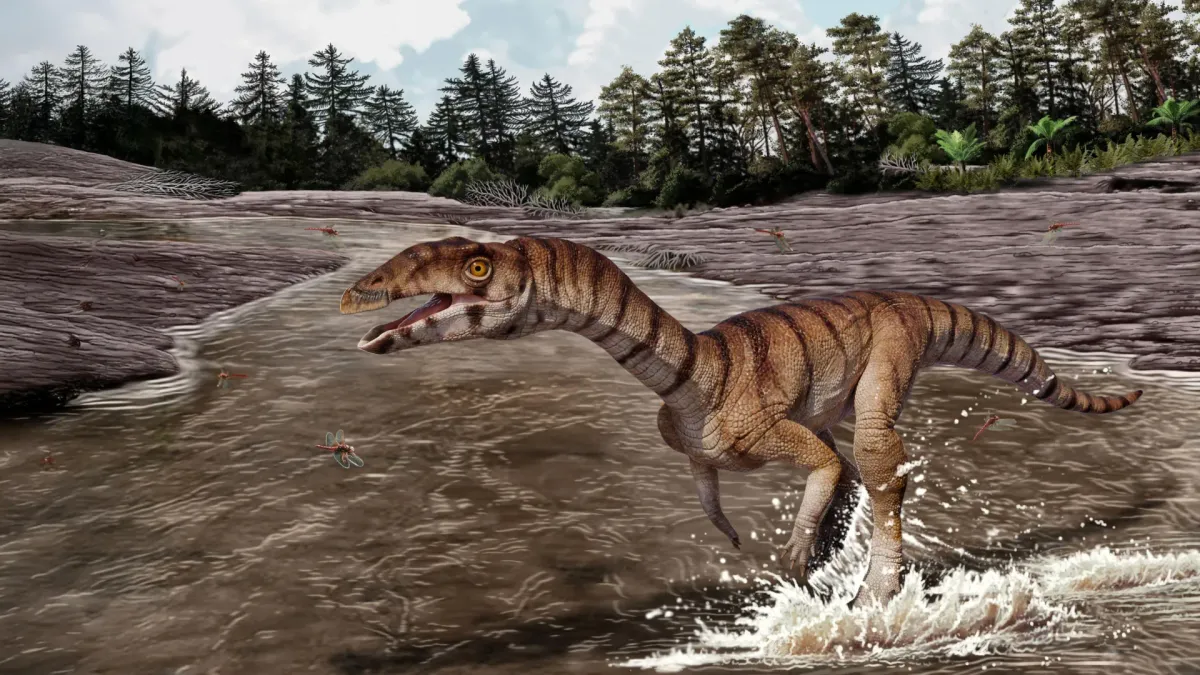
Meet Labrujasuchus expectatus: a bizarre, ostrich-like dinosaur mimic that was actually a crocodile relative. This two-legged, tiny-armed, toothless-beaked creature defies everything you know about crocodiles.
Brightcast is dedicated to restoring faith in humanity by highlighting the progress, solutions, and kindness that often go unnoticed. We believe in a balanced worldview.
Read our full mission →
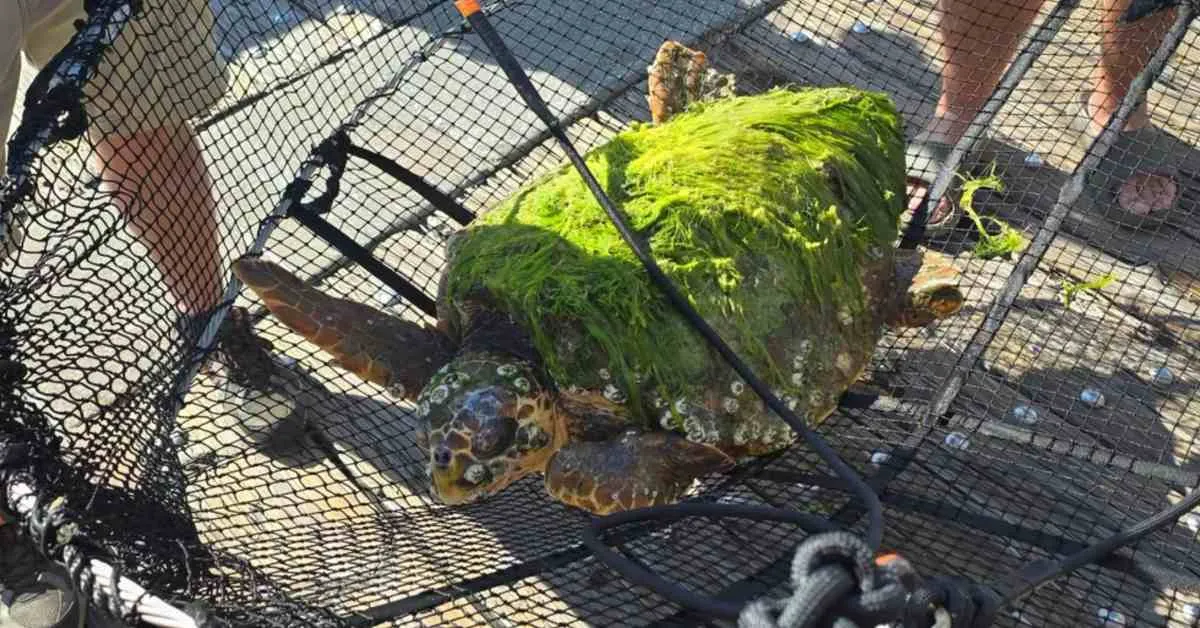
Sarah Kamen rescues sea turtles, but "Chlorophyllis," a loggerhead hooked at a fishing pier, was different. This late March case at Florida's Gulfarium C.A.R.E. Center was uniquely tough.

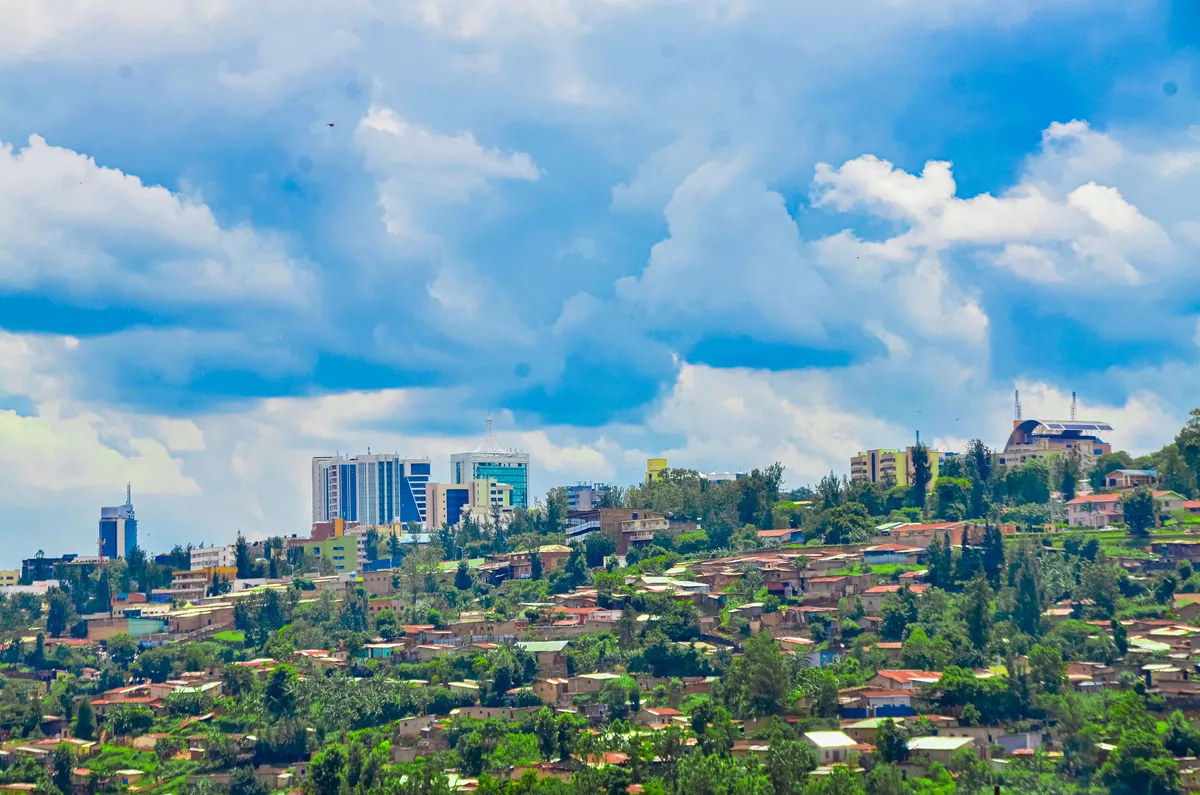
African cities face climate change, biodiversity loss, and inequality. A new book argues urban trees are no longer a luxury, but a critical solution.

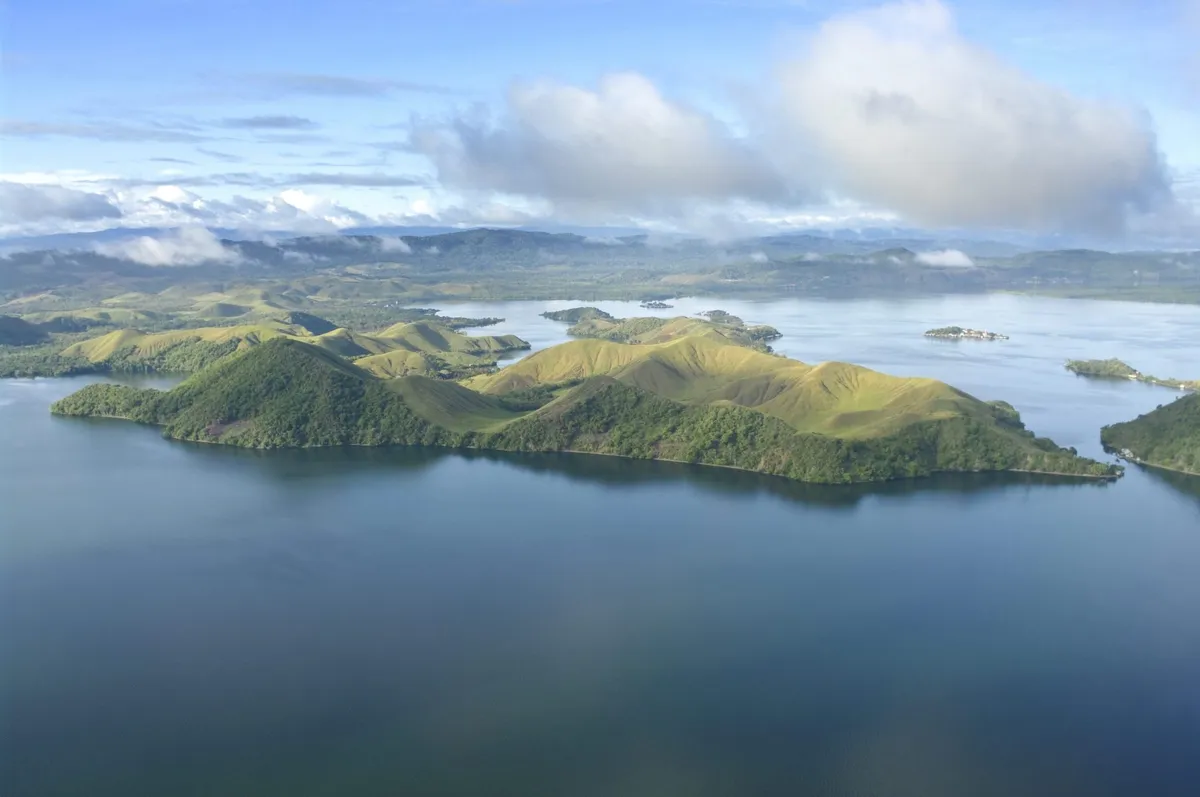
Papua New Guinea just created a marine protected area the size of the UK! On May 13, it banned all fishing and extraction in 214,000 sq km of the Bismarck Sea.

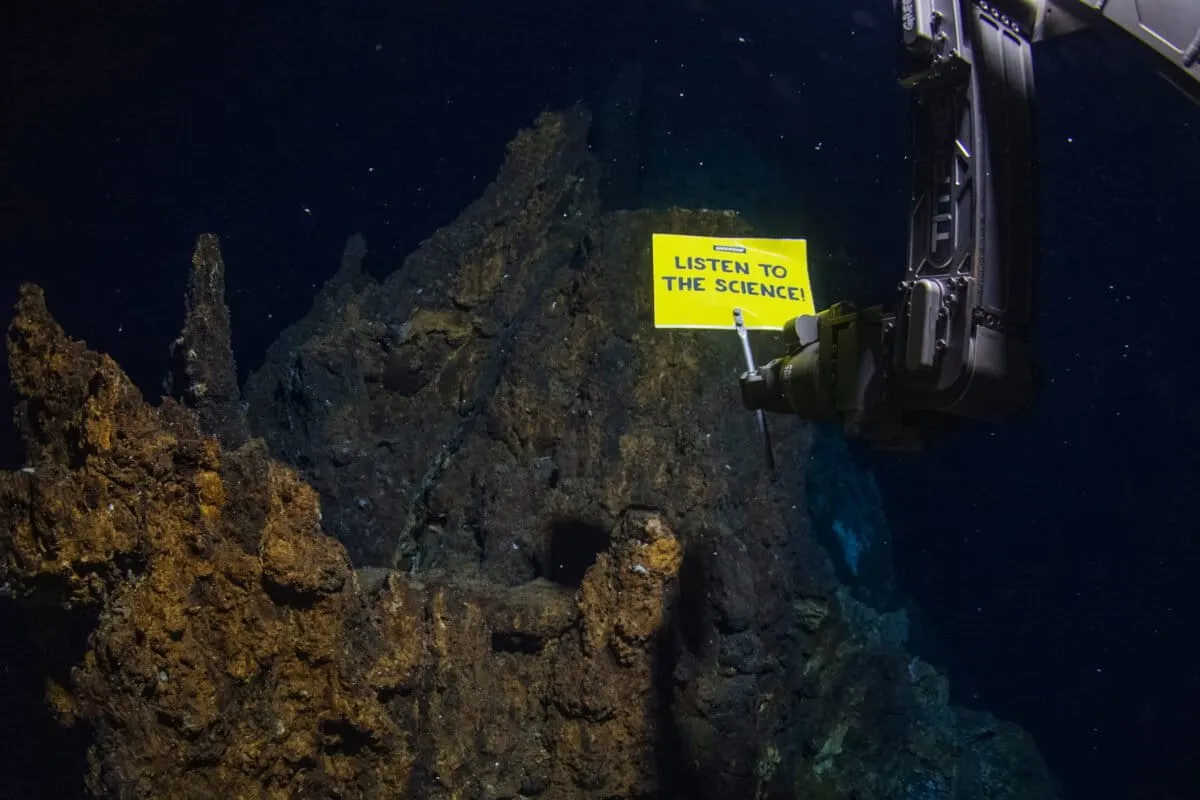
7,500 feet deep in the Norwegian Sea, a Greenpeace robot unfurled a protest banner: "LISTEN TO THE SCIENCE!" It's the deepest banner protest ever, speaking for voiceless ocean ecosystems.

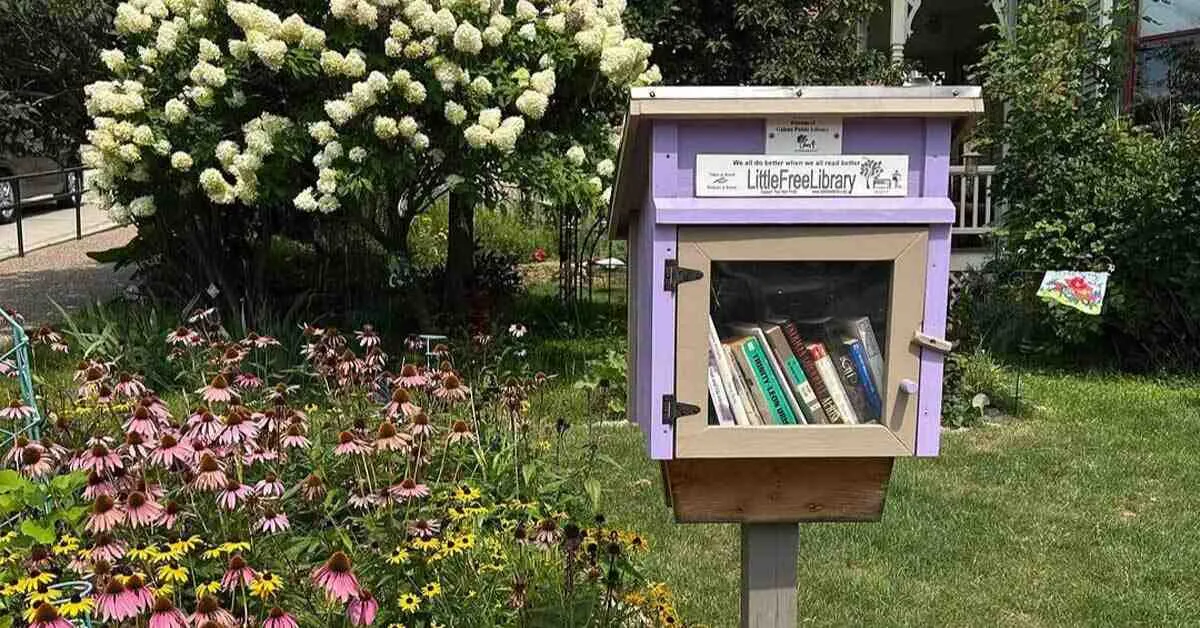
Portland artist Rachael Harms Mahlandt (@pdxdinorama) transforms ordinary sidewalks into vibrant, interactive art. She helps neighbors create tiny libraries, Wishing Trees, and more, spreading "sidewalk joy" globally.
Know someone who needs a boost? Share Brightcast with your friends and family.

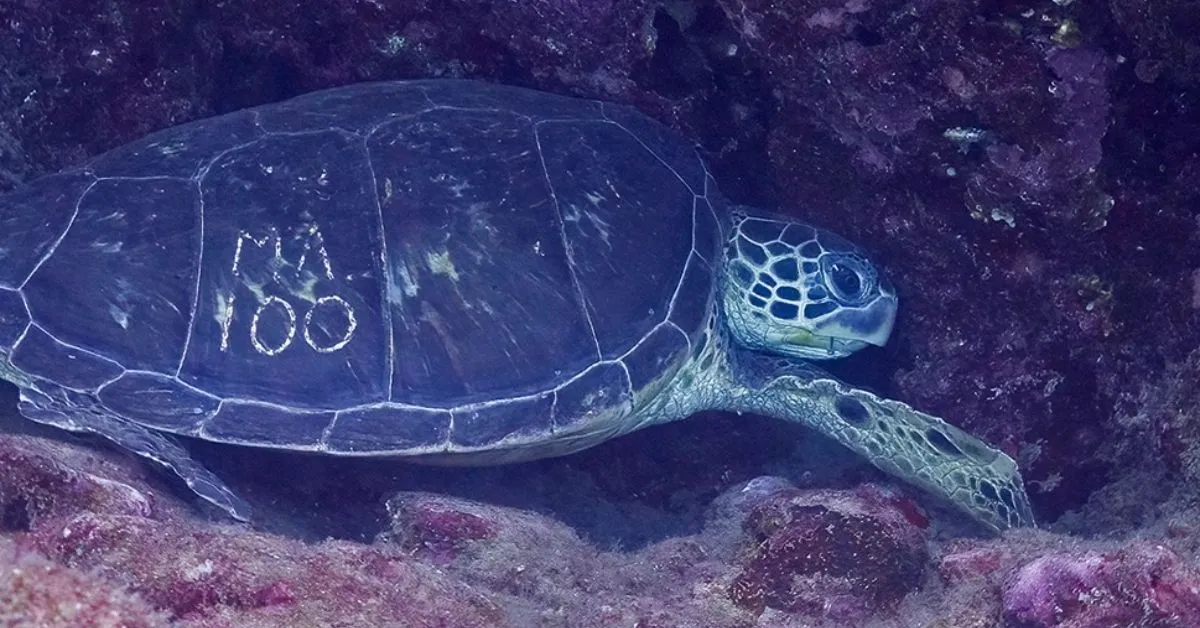
Green sea turtles swim 1,200 miles to nest on French Frigate Shoals. NOAA tracks their epic journey, crucial for these endangered creatures' survival and conservation.

Utah's 40,000-acre Stratos data center faces fierce opposition. Critics cite massive pollution in an already smog-choked region, while MIDA officials champion the controversial project.

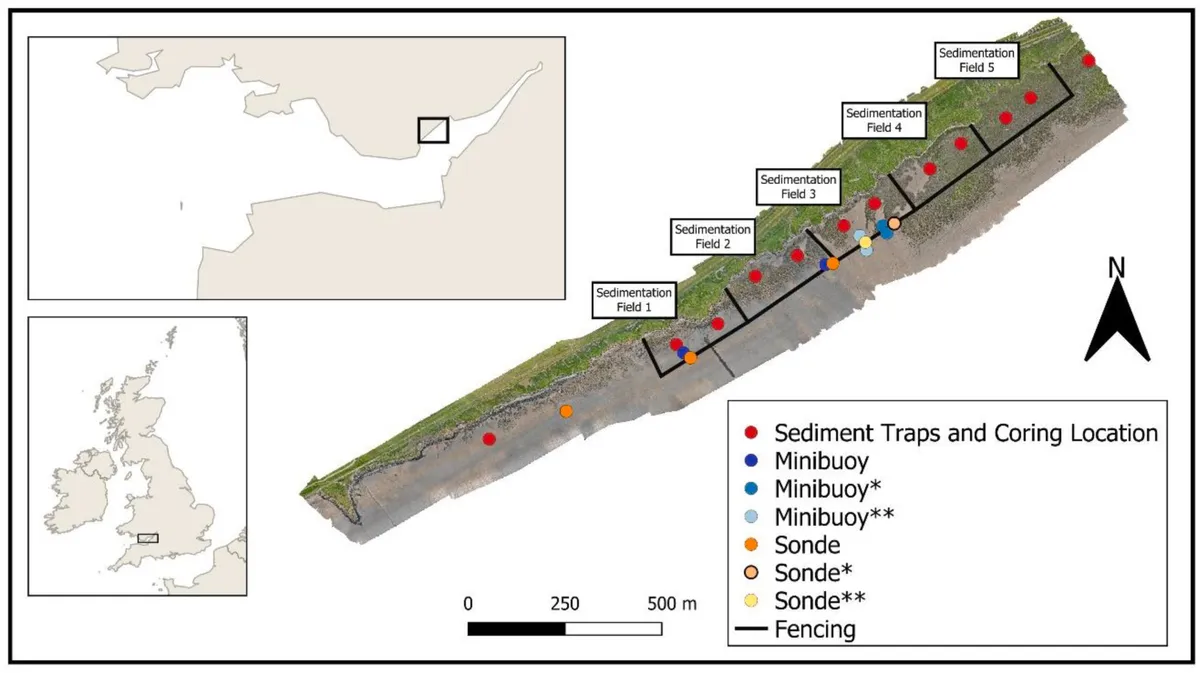
Saltmarsh is vanishing globally, with 46% already lost. Brushwood fencing can restore it, but a new study finds it only works if fences are meticulously maintained.

Nigerian women struggle for sanitary pads. Even with access, single-use products pose a new threat: plastic, chemicals, and waste. One teen found a solution.

AI decodes ground animal camera traps, but arboreal species remain a mystery. A new model, TropiCam-AI, finally identifies elusive tree-dwellers in tropical American forests.
Download the Brightcast app for a better reading experience, daily notifications, and offline access.
Download App
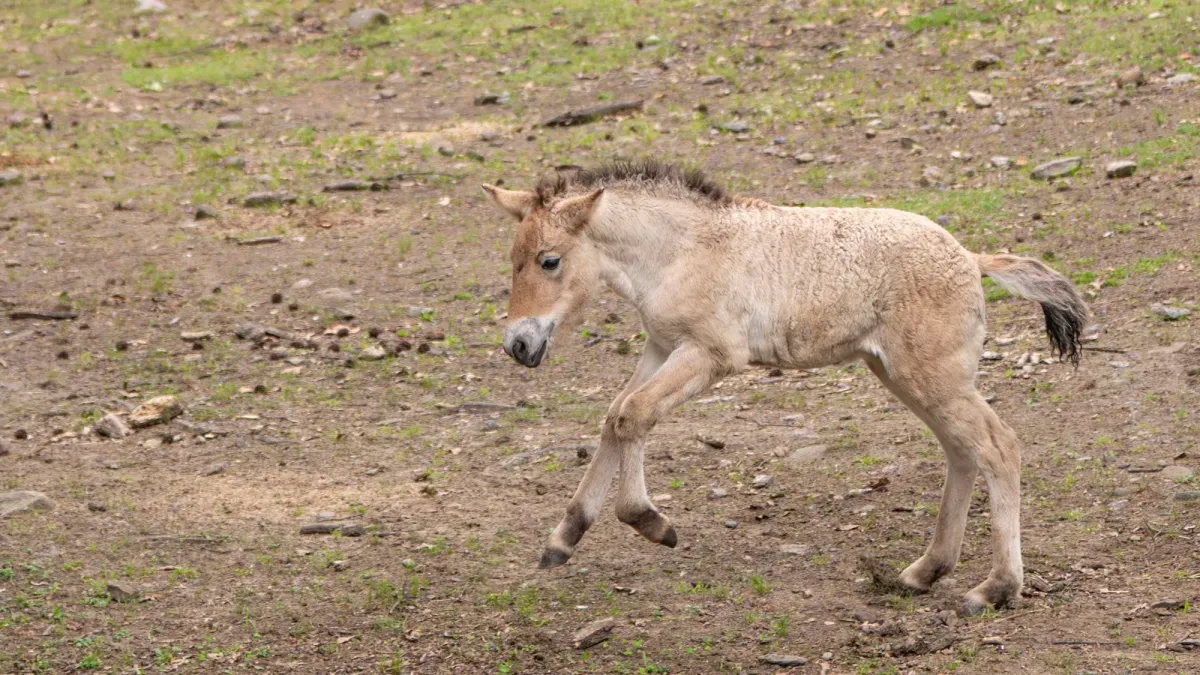
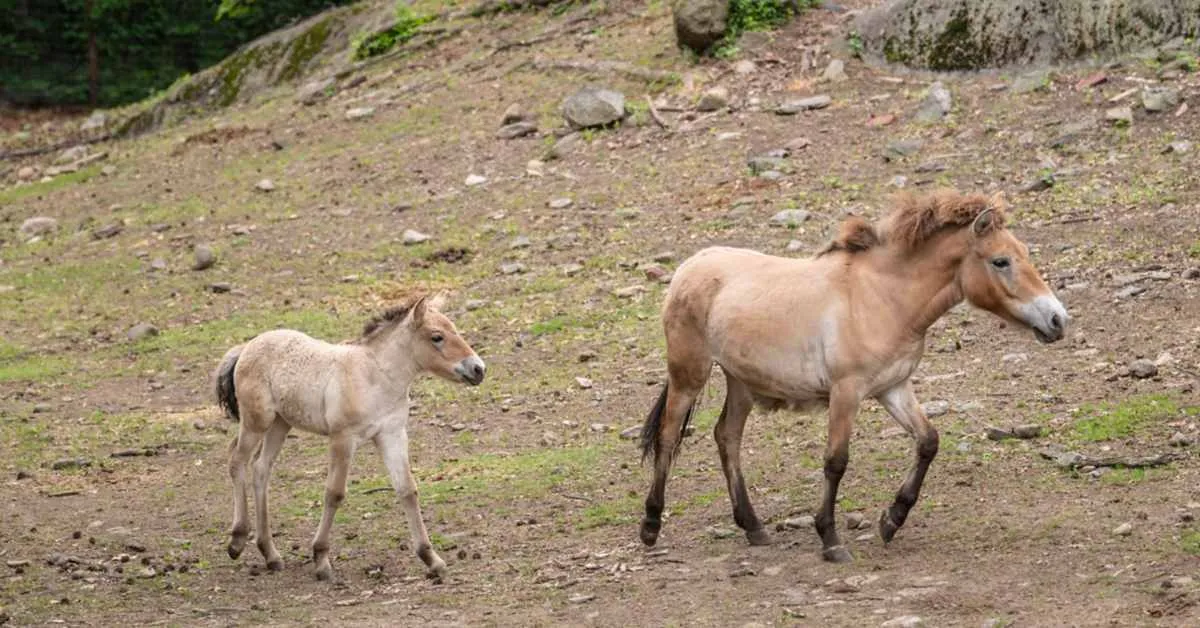
A rare Przewalski's horse, an endangered species, was born at the Bronx Zoo on April 21. This unique foal's arrival marks a significant step in bringing the species back from extinction.

Gola Rainforest National Park exploded with sound for H.S. Sathya Chandra Sagar: countless birds, primate hoots, and distant chimpanzee drumming. A chorus of good news amid the tallest trees.

A new foal at the Bronx Zoo is a huge win for conservation! Fewer than 2,000 of these endangered Przewalski's horses exist globally, making each birth vital for the species.

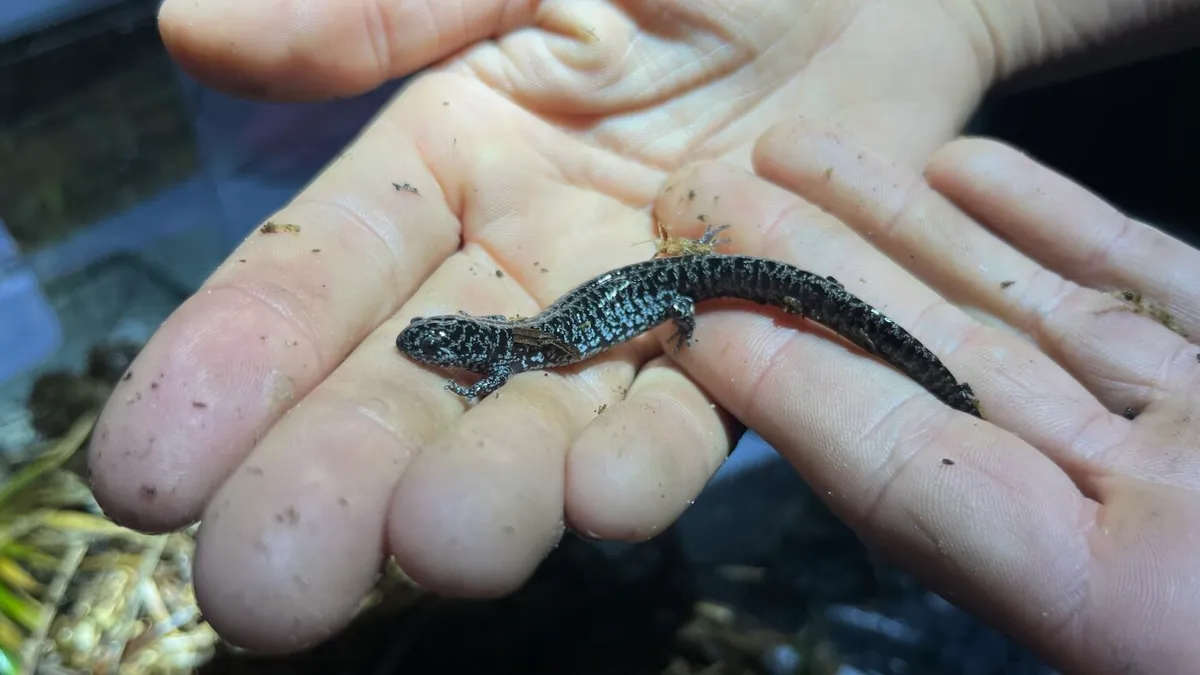
Meet the "frostie": the frosted flatwoods salamander. These beloved amphibians are among the most imperiled in the U.S., facing an uncertain future.

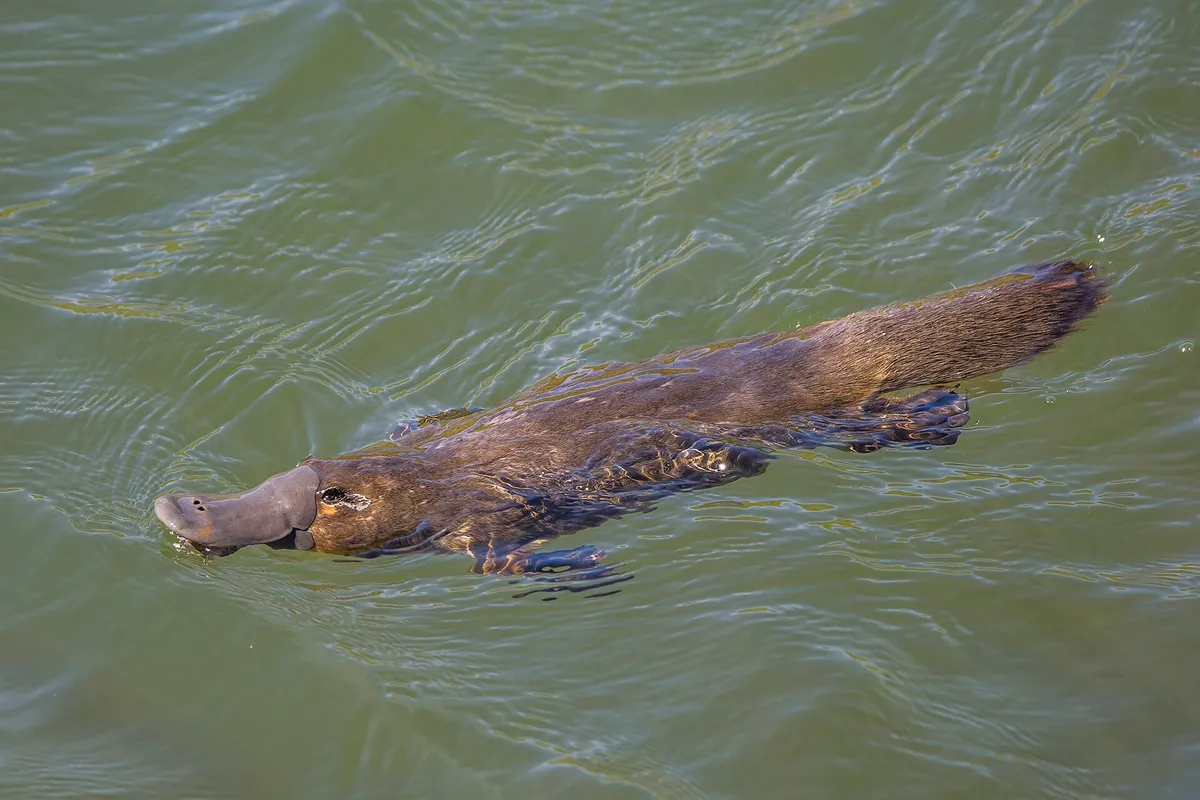
Platypuses are breeding again in Australia's oldest national park! After 50 years, 20 individuals now thrive, signaling a successful reintroduction for the unique egg-laying mammal.
Join 50,000+ readers who receive our daily digest of the most uplifting stories from around the world.

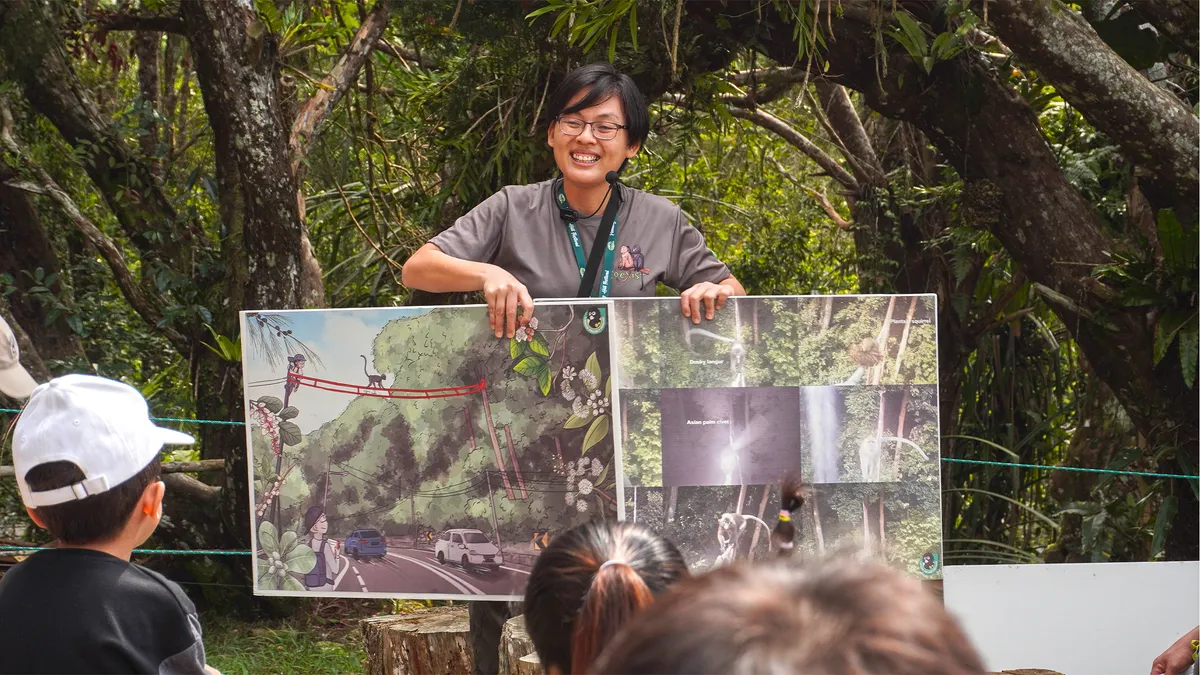
A langur named Towkay Soh, or "lady boss," was hit by a car crossing a busy road in Penang. Witnessing the accident, researcher Yap Jo Leen saw the injured langur's group display remarkable empathy.

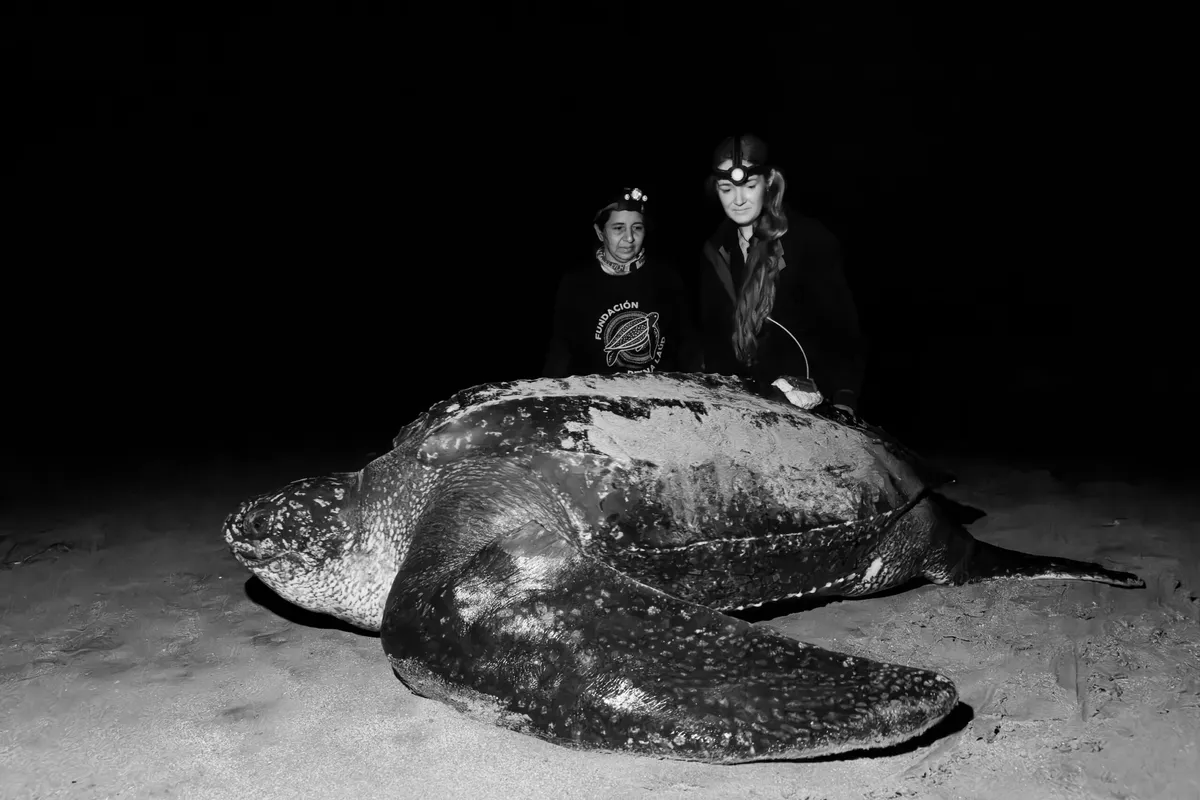
Fewer than 1,000 Eastern Pacific leatherback sea turtles remain. Scientists just tagged the first nesting leatherback in Ecuador, the species' southern limit, naming her Lucero.

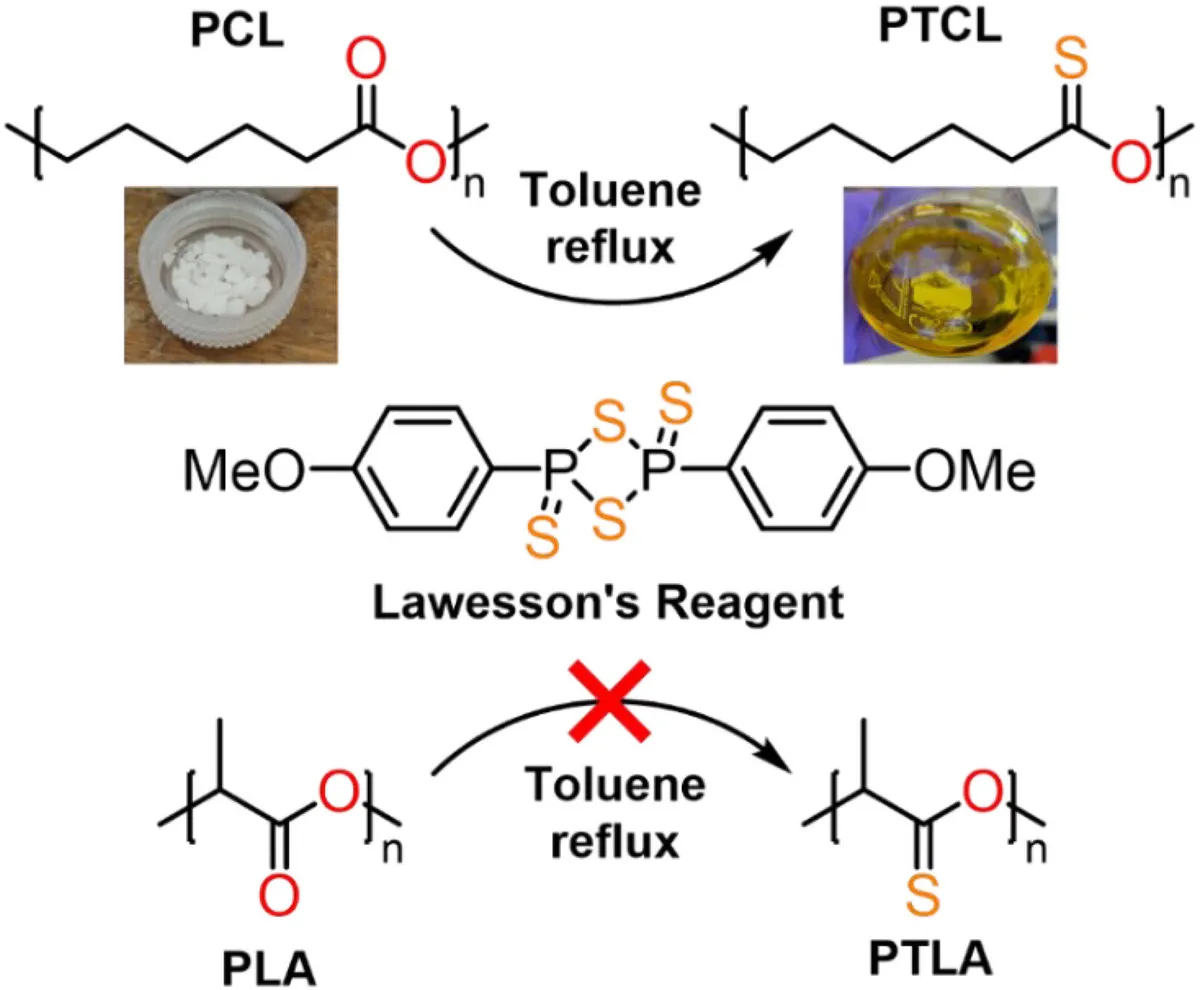
Scientists found a way to transform common plastics, like food packaging and 3D printing materials, into new, rapidly degrading substances. This breakthrough could help solve global plastic pollution.

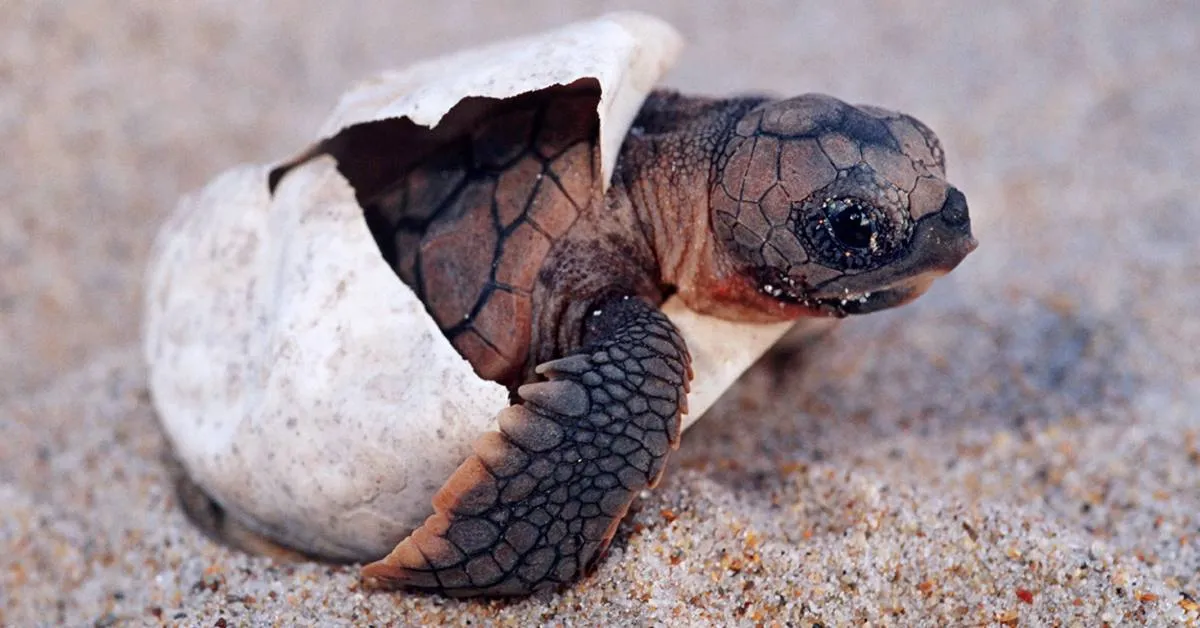
Only 1-2 of 1,000 sea turtle hatchlings survive to adulthood. In 2020, Kai, a loggerhead found unable to swim in South Africa, faced even steeper odds.

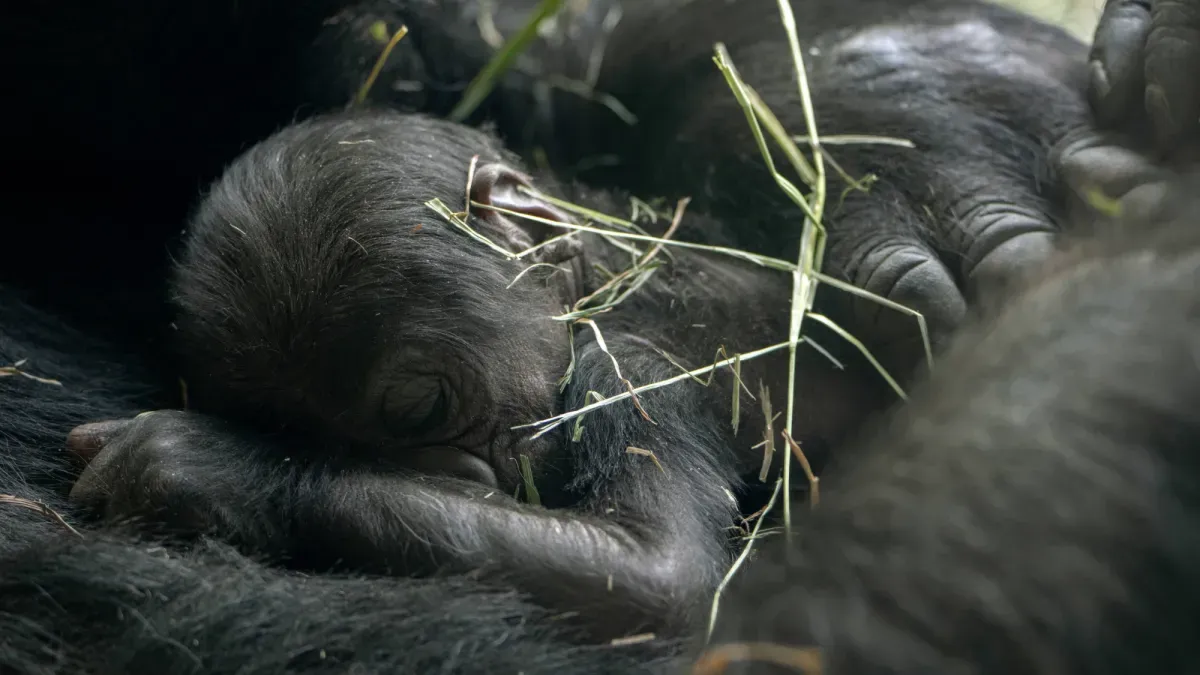
A cardiologist was baffled by an ultrasound of his sister's "patient"—a massive, muscular heart unlike any human's. His confusion was warranted: it belonged to a gorilla.
Brightcast is dedicated to restoring faith in humanity by highlighting the progress, solutions, and kindness that often go unnoticed. We believe in a balanced worldview.
Read our full mission →
Indonesian authorities seized hundreds of kilograms of toxic mercury at Jakarta's port in late April. This bust reveals the vast illegal mining operations fueled by record gold prices across Southeast Asia.

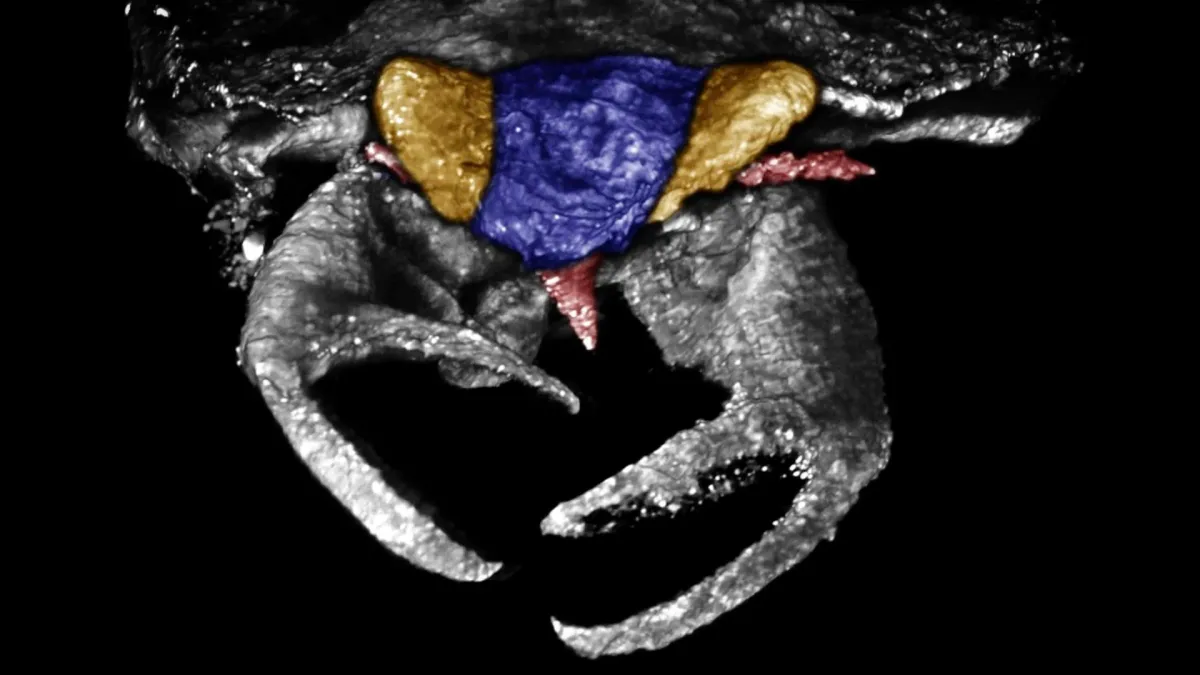
100-million-year-old Myanmar amber reveals a bizarre insect with crab-like pincers for front legs. This unique find suggests an independent evolution of "chelae" unlike any modern insect.

China shattered solar export records in March 2026, shipping 68 GW of PV panels, cells, and wafers—a 49% jump from its prior high. This surge is linked to rising fossil fuel costs.

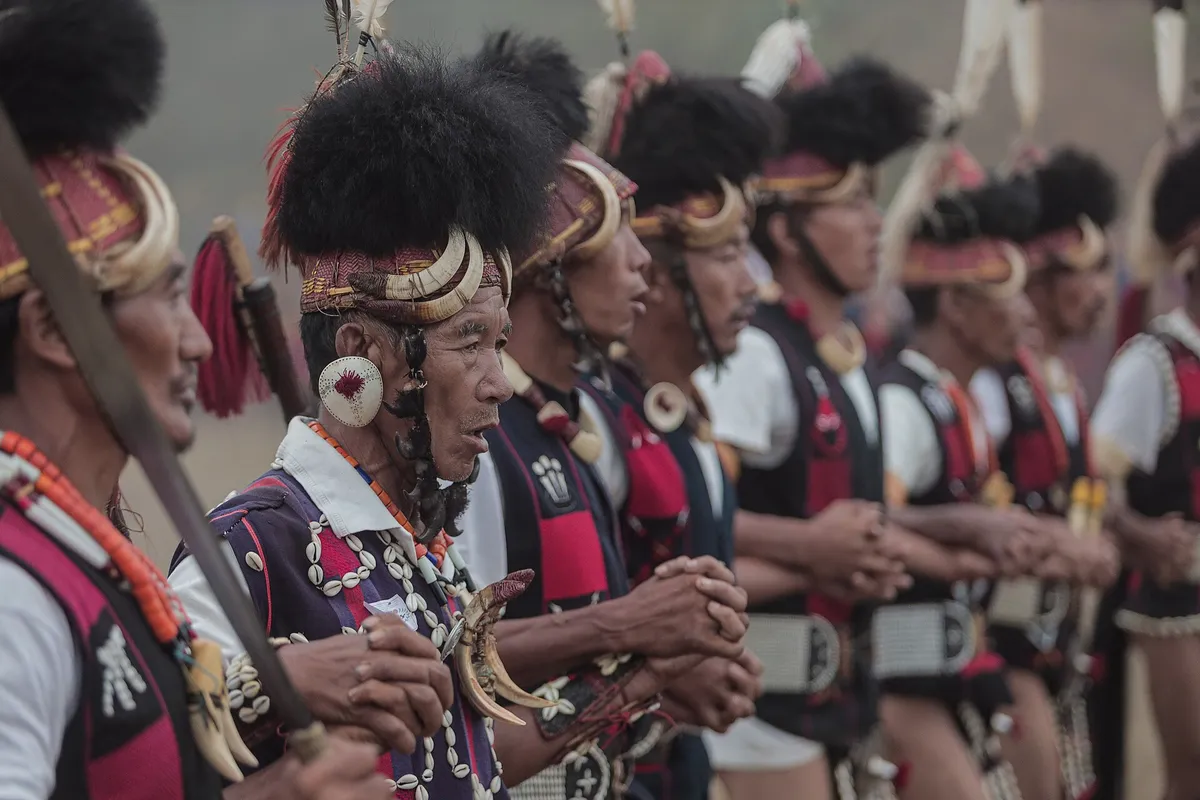
Nagaland's pangolins face extinction. Now, 42 villages are fighting back with ancient customary laws, banning hunting and enforcing protection through tribal councils and courts.

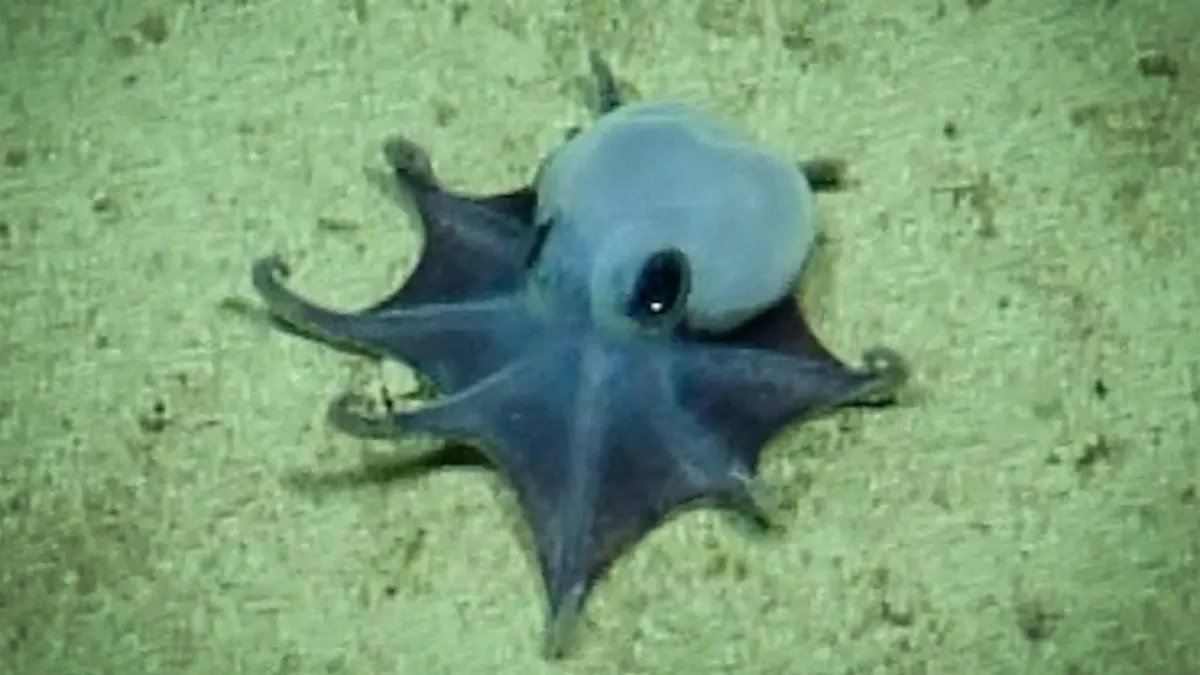
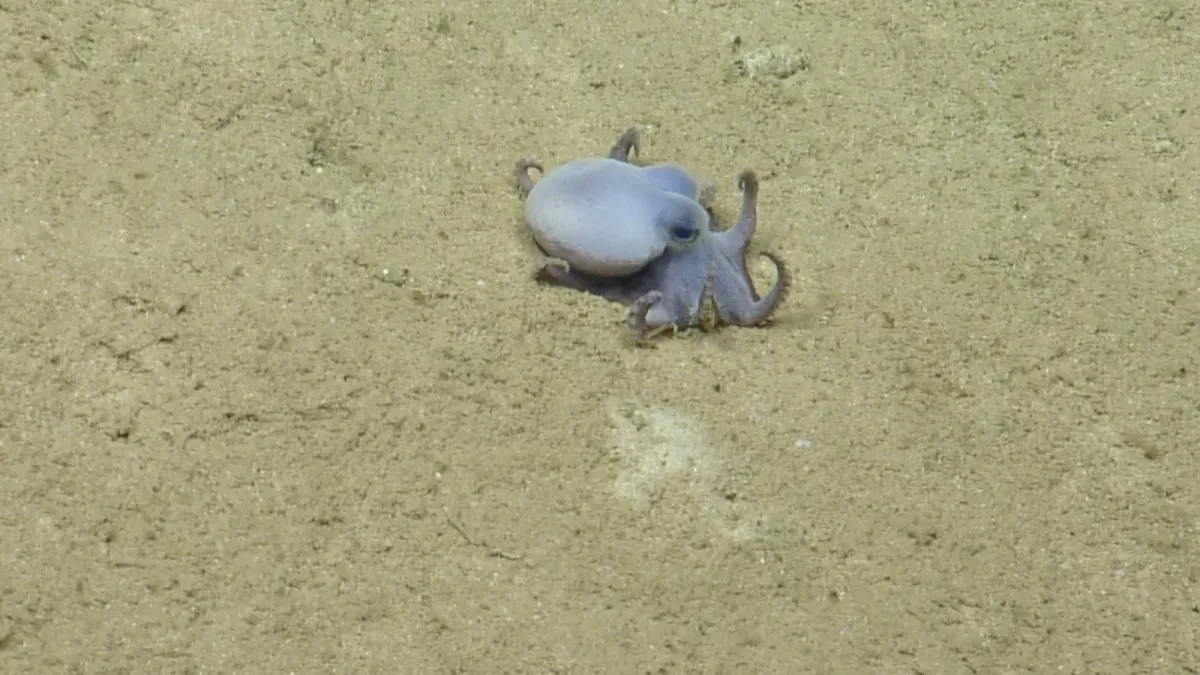
A golf-ball-sized blue octopus, discovered 6,000 feet deep in the Galápagos, is officially a new species! Its sudden appearance on camera stunned researchers.
Know someone who needs a boost? Share Brightcast with your friends and family.

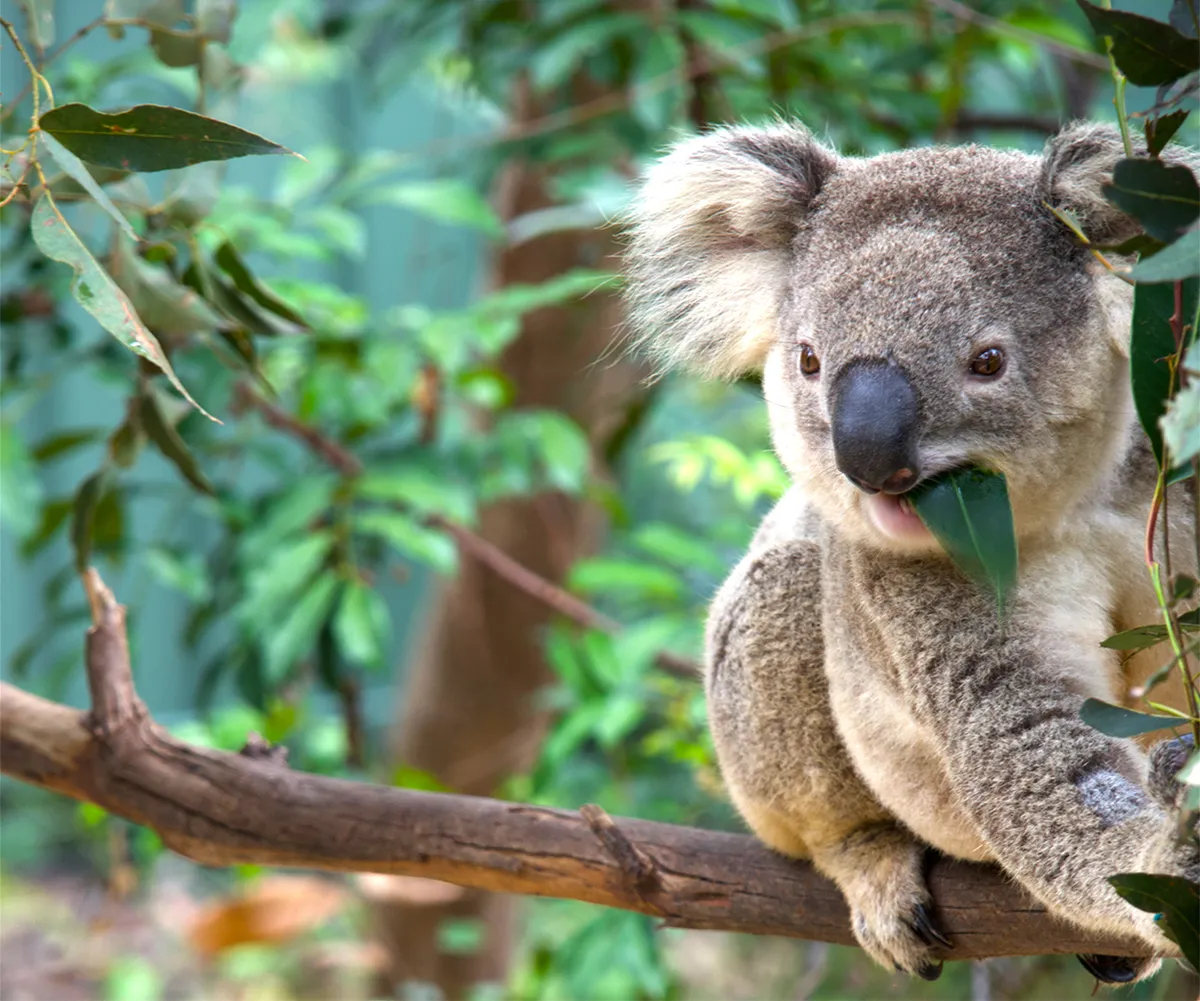
Koalas face extinction. Australia's new Great Koala National Park aims to link fragmented eucalyptus forests, providing the connected habitat these iconic marsupials desperately need to survive.

Meet the vibrant blue octopus, Microeledone galapagensis—if you can. This palm-sized marvel, just described in Zootaxa, lives deep in the Galápagos, requiring a submersible to see.

North America's first grid-scale advanced nuclear reactor just took a huge step forward! The NRC completed its environmental assessment for Texas's Long Mott Generating Station, planned for Dow's Seadrift complex.

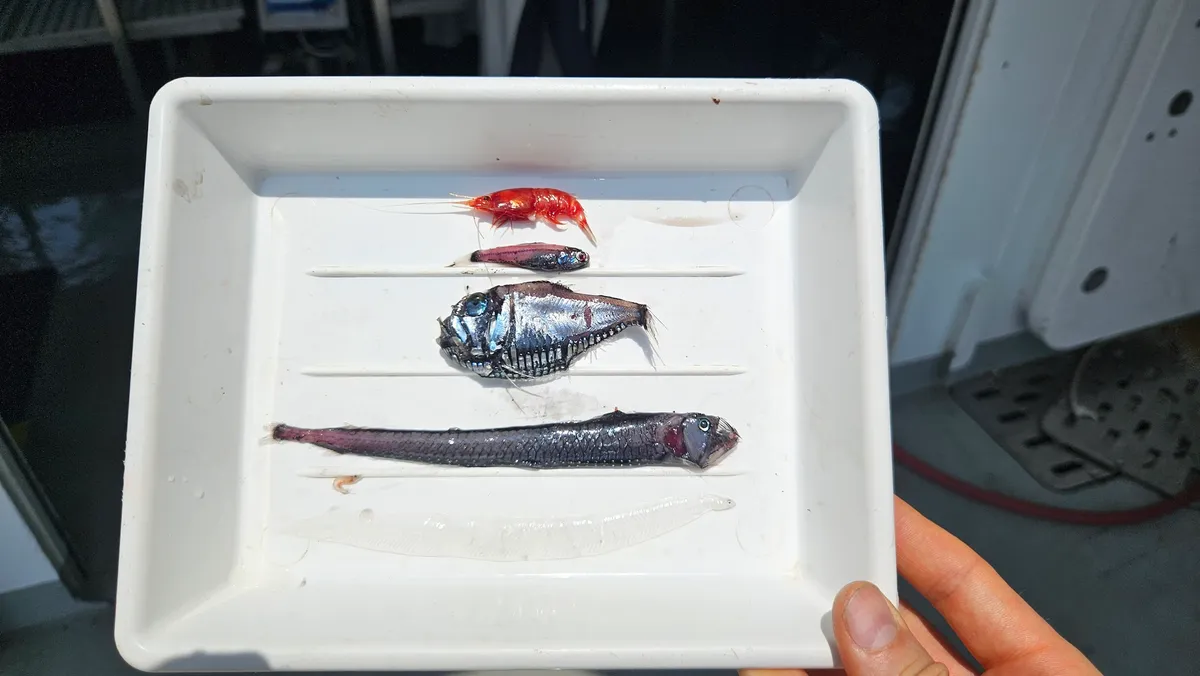
Geopolitical unrest in West Asia unexpectedly boosted Sri Lanka's marine research. A UN-flagged Norwegian vessel, redirected from Oman, offered a rare chance to study Sri Lanka's marine ecosystems.

Sargassum seaweed chokes Caribbean, Gulf, and West African coasts annually. These massive mats devastate tourism, fisheries, and air quality, costing hundreds of millions in cleanup.