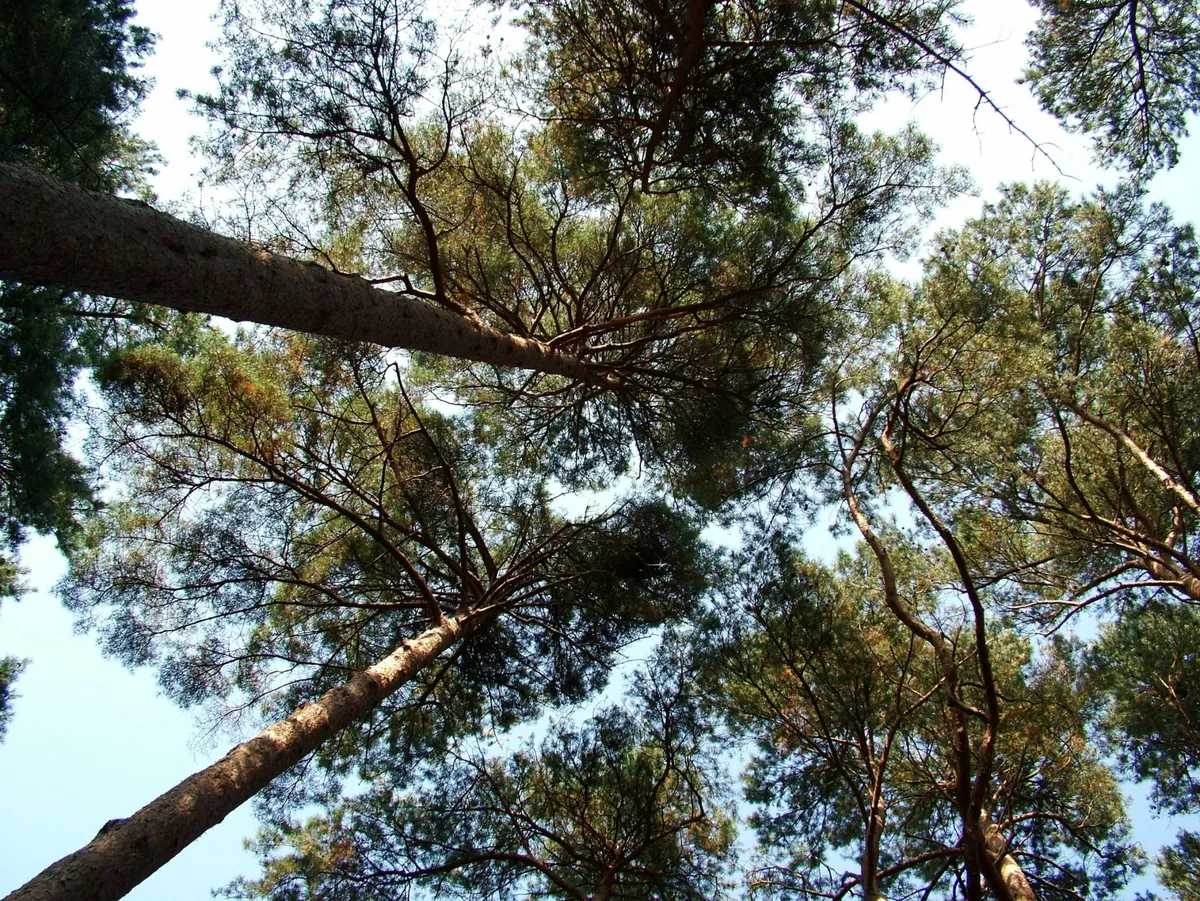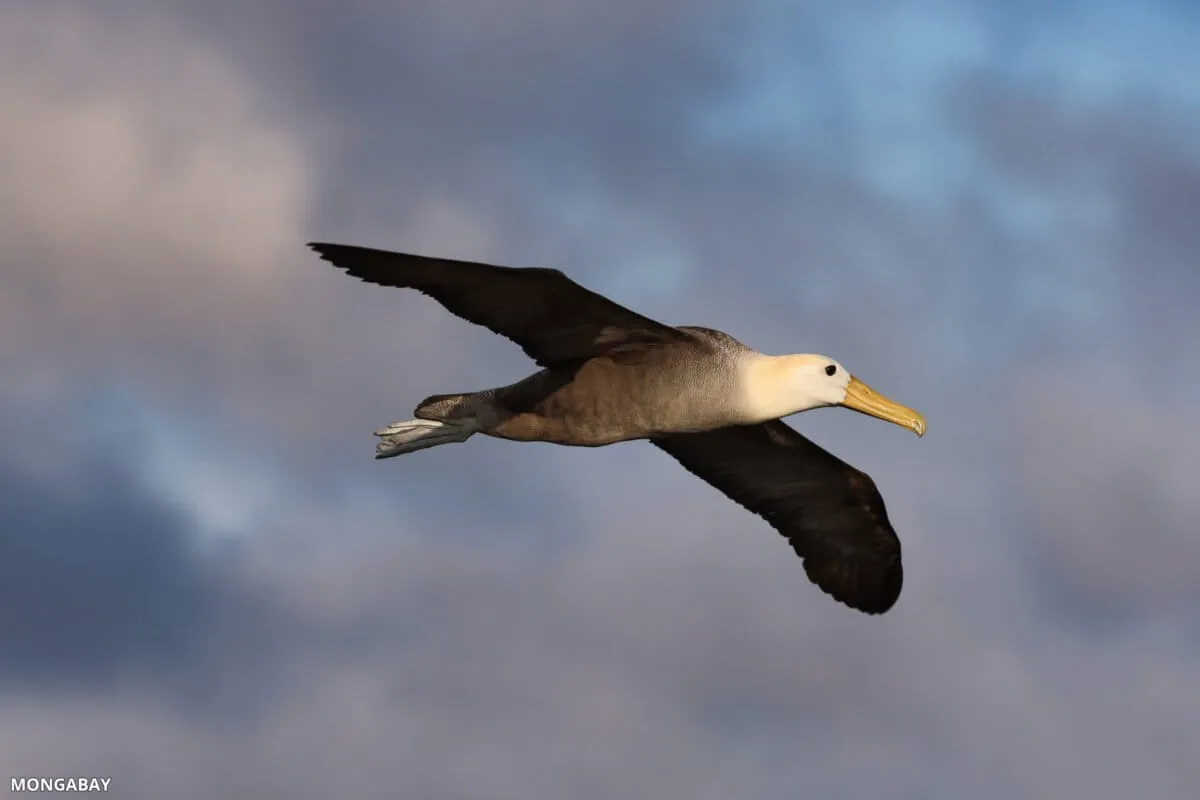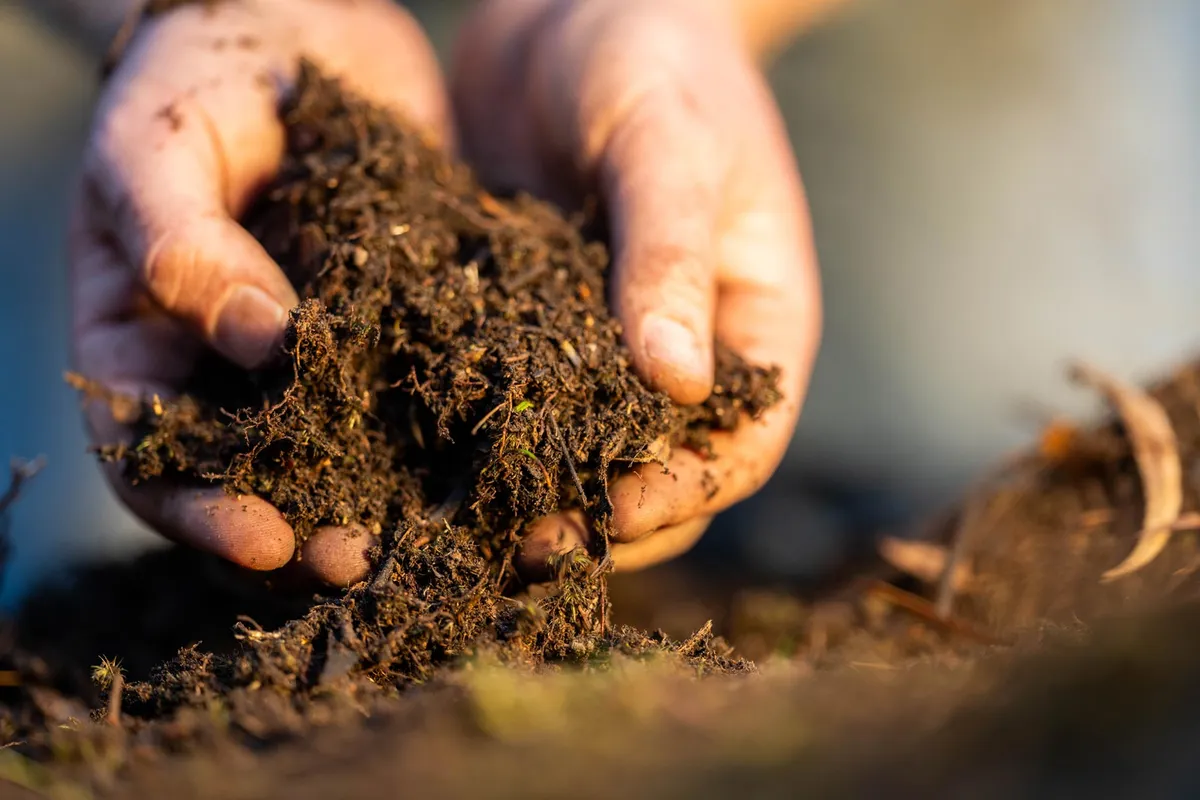
Forest soils quietly absorb more methane than we thought.
Methane absorption is rising. A long-term German study reveals shifting climate conditions are increasing the potent greenhouse gas's uptake, impacting global warming efforts.
Every day, people protect what matters. These are their stories.
1607 stories

Methane absorption is rising. A long-term German study reveals shifting climate conditions are increasing the potent greenhouse gas's uptake, impacting global warming efforts.

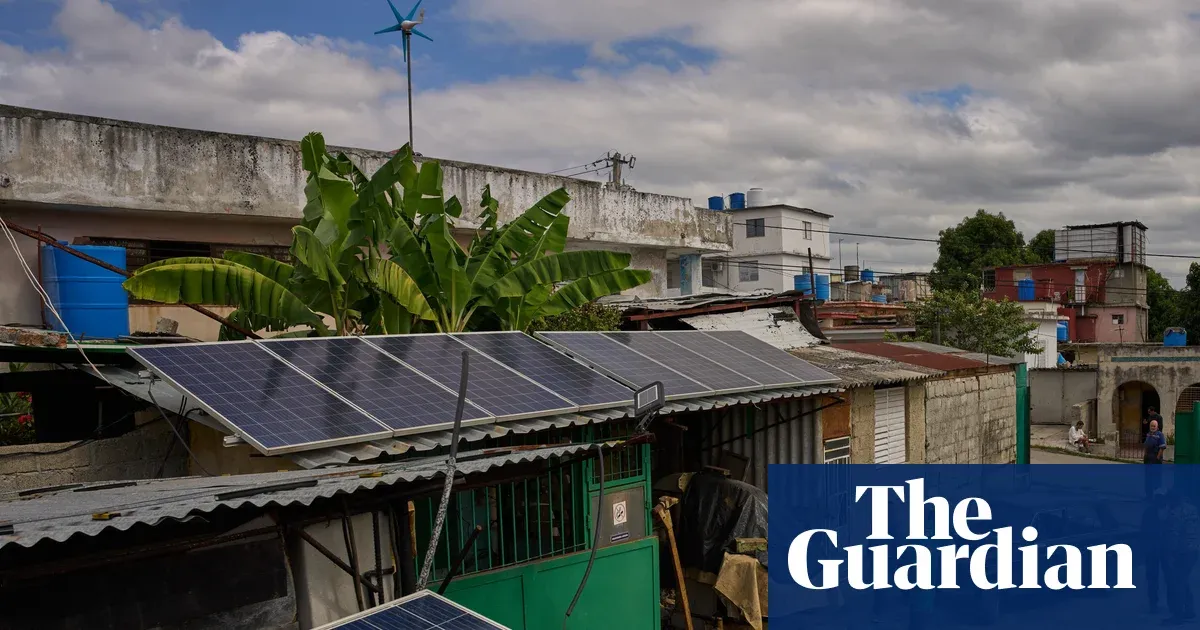
Cuba could permanently overcome the US energy blockade with an $8bn renewable energy investment. A think tank suggests the world should fund it.

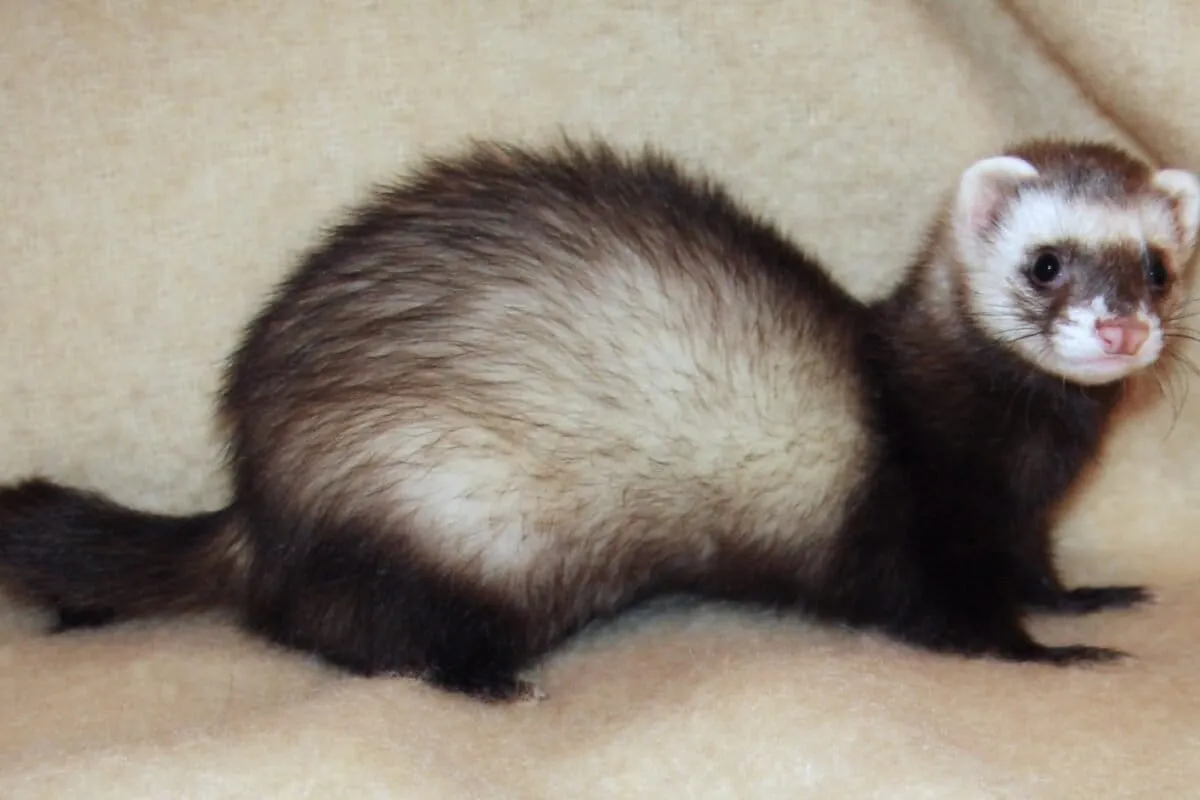
Rathlin Island just achieved a conservation first: eradicating feral ferrets that threatened native seabirds. This marks the first time these non-native predators have been completely removed from any island.

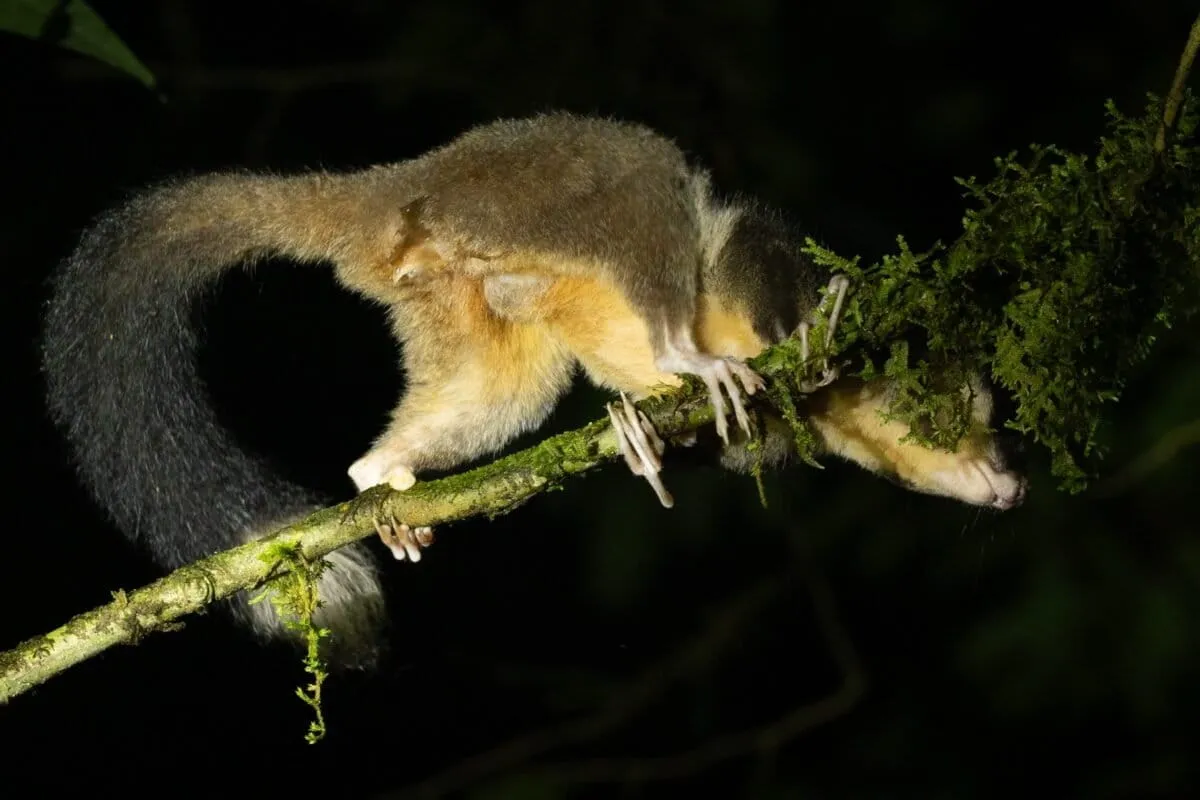
A mysterious animal, photographed in 2015 on New Guinea's Bird's Head Peninsula, baffled experts. Its "large hands" hinted at a slow loris or cuscus, but could it be a species long thought extinct?
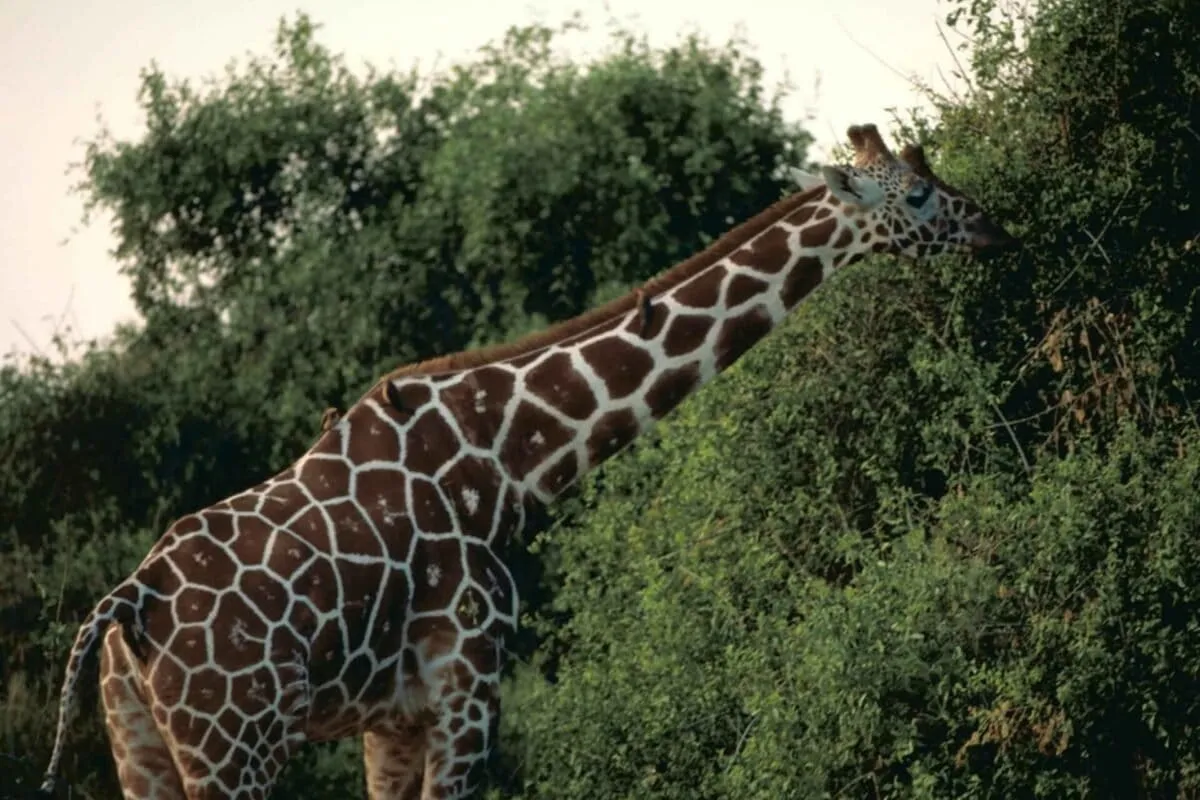
Kenya's reticulated giraffes face extinction from habitat loss and poaching. Growing conflicts with humans over crops and water threaten them further, but new research reveals surprising local support.
Join 50,000+ readers who receive our daily digest of the most uplifting stories from around the world.

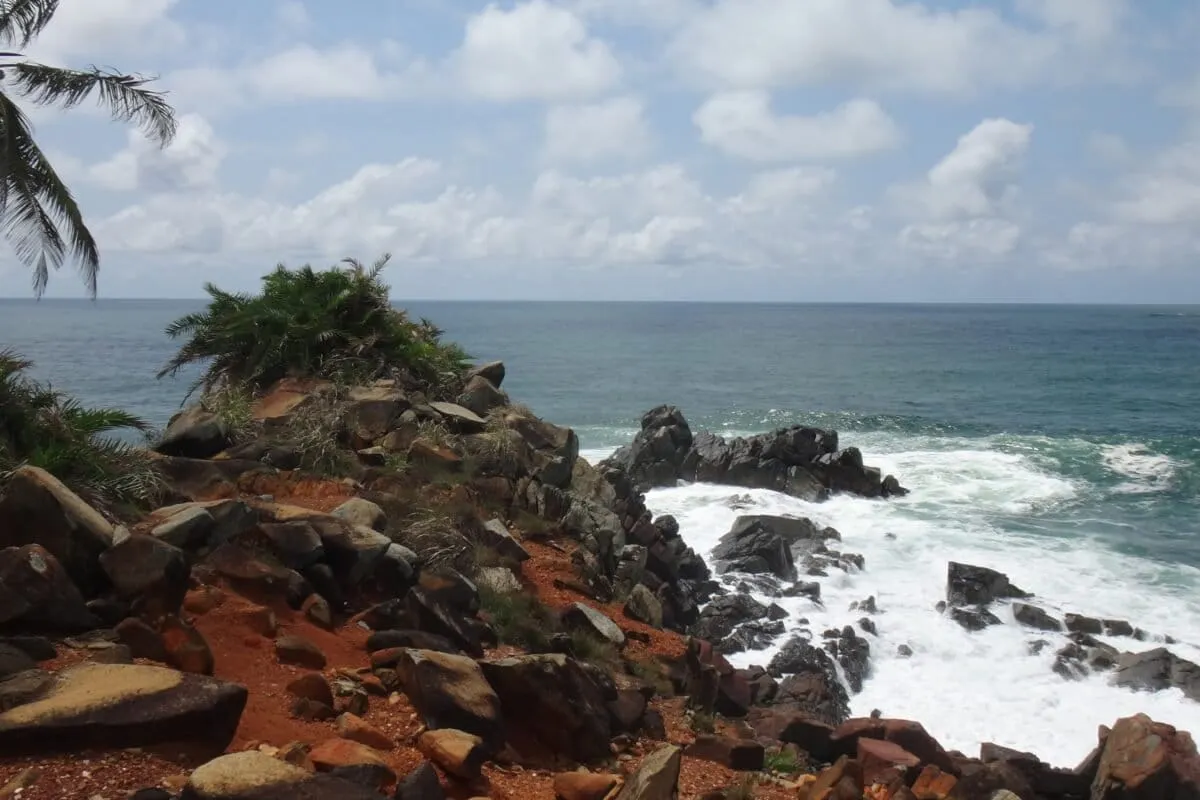
After 15+ years, Ghana finally declared its first marine protected area on April 14. This "historic moment" safeguards depleting fish stocks and covers 703 sq km at Cape Three Points.

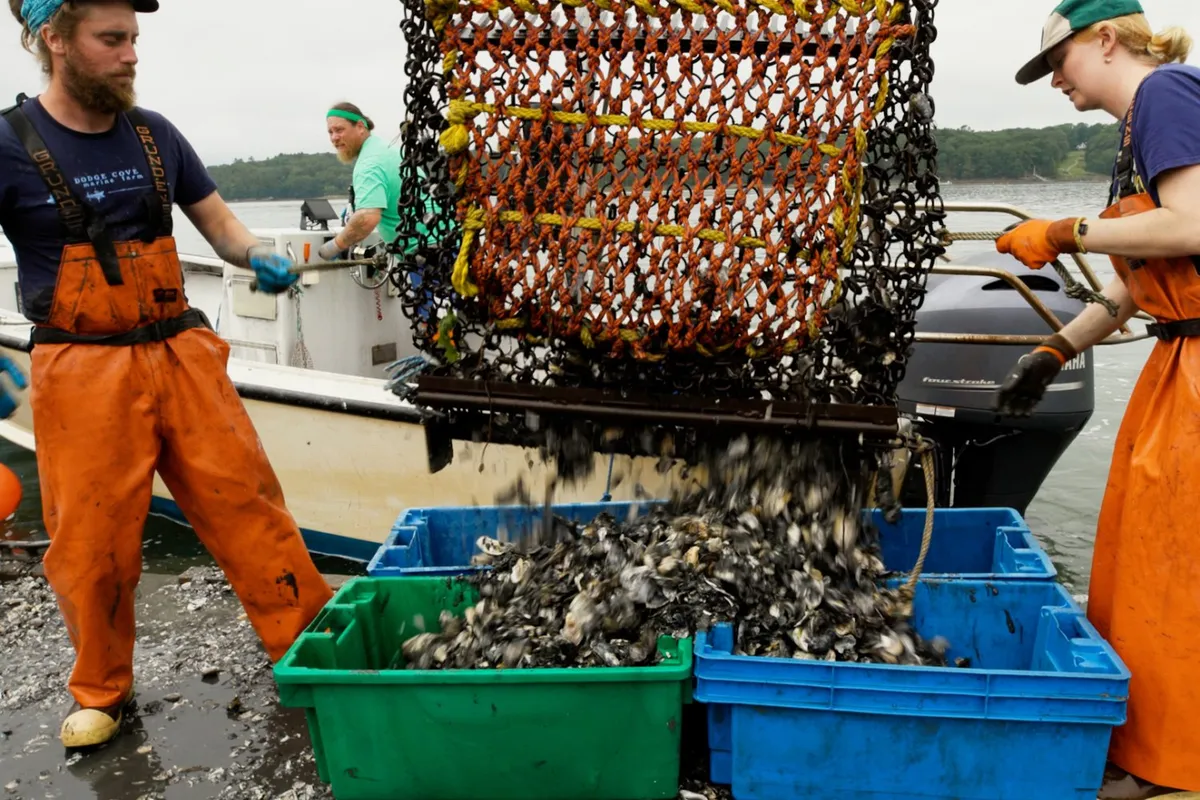
Our oceans are acidifying. Absorbing 25-30% of atmospheric CO2, seawater forms carbonic acid, harming marine life like corals and oysters that need calcium carbonate for survival.

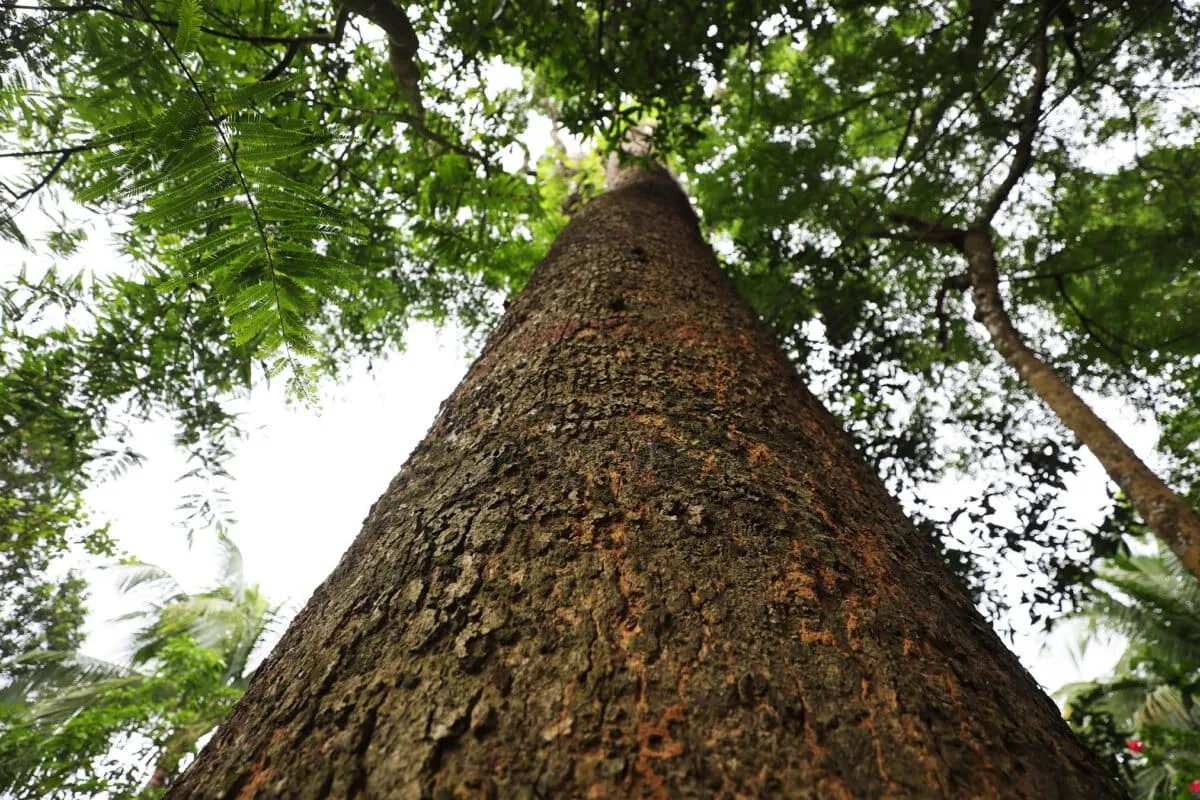
A 34-year-old from Sirajganj, Bangladesh, traveled 600km to plant an endangered Anisoptera scaphula sapling on Jan 23, 2026. This marked the 64th planting, completing a nationwide campaign.

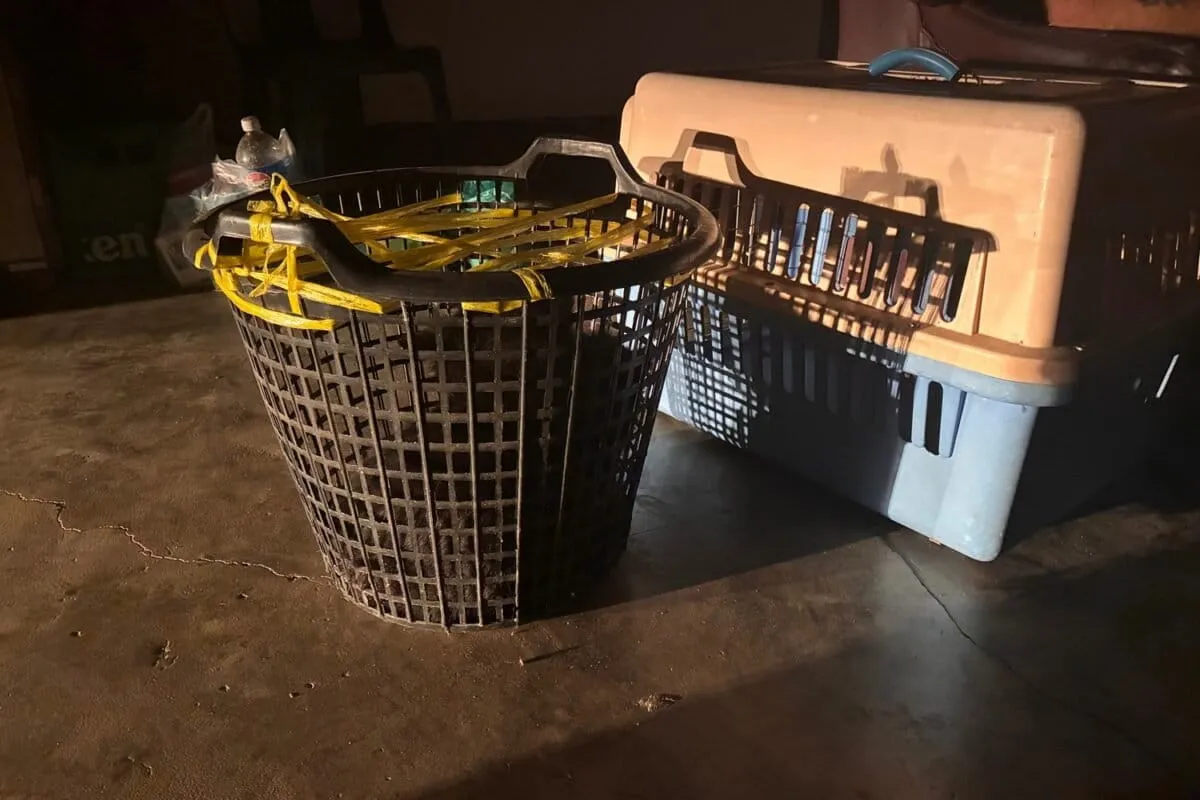
Sold on Facebook, two Asiatic black bear cubs were rescued in Laos! An illegal wildlife trade sting, coordinated by Free the Bears and local authorities, saved the 2-month-old sisters.

Kale and cabbage: your next miners? These leafy greens can extract toxic metals from contaminated soil, supplying materials for advanced tech and offering a lower-impact alternative to traditional mining.
Brightcast is dedicated to restoring faith in humanity by highlighting the progress, solutions, and kindness that often go unnoticed. We believe in a balanced worldview.
Read our full mission →
UK startup NPK Recovery is turning festival urine into forest-grade fertilizer. A 3-year trial, funded by a Forestry Commission grant, will use this sustainable alternative to grow 4,500 native British trees.

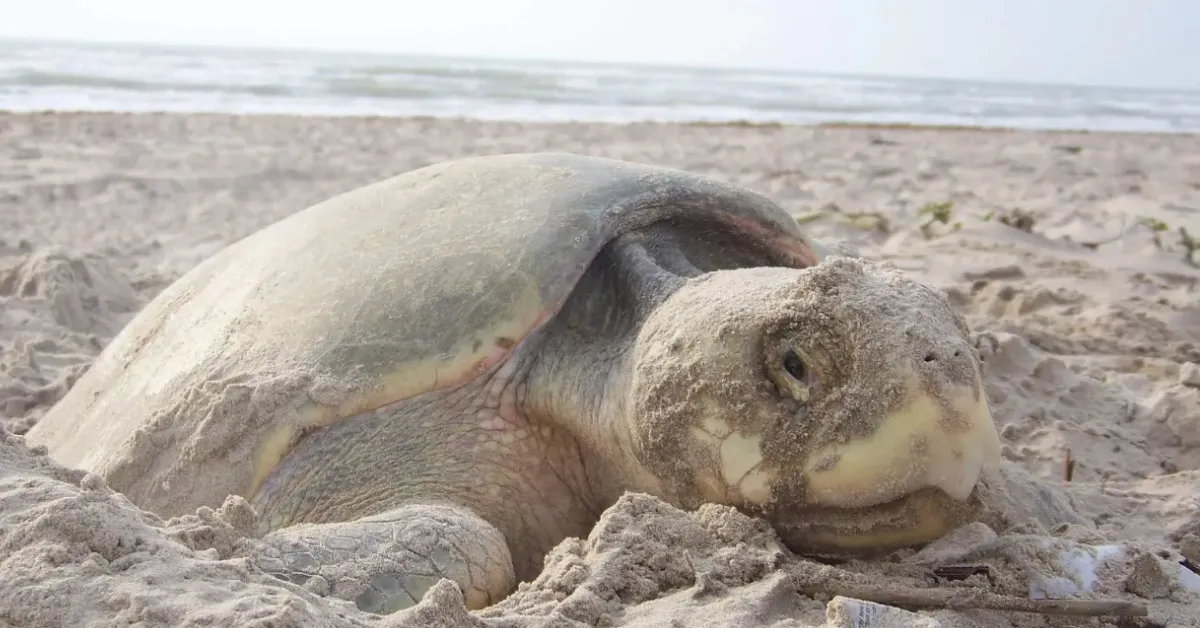
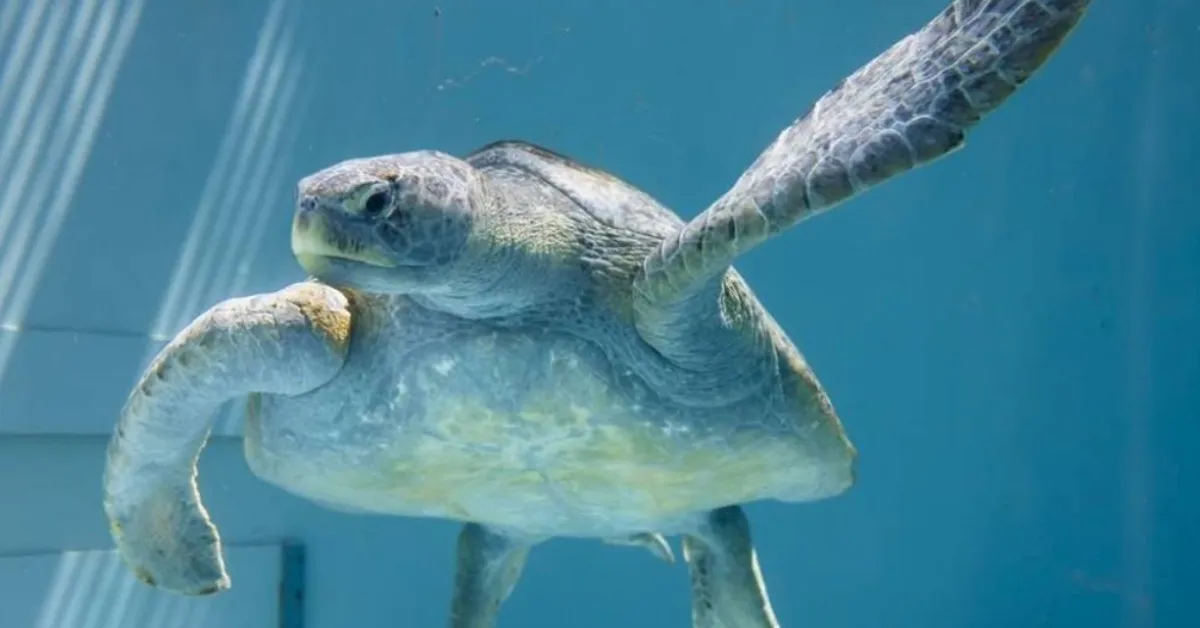
A Kemp's ridley sea turtle, a species rarely seen in South Carolina, surprised locals during Folly Beach's annual litter cleanup.

Want to restore a forest? A 30-year project in India's Himalayas proves community engagement is key. Locals transformed 71 acres, now reaping the rewards.

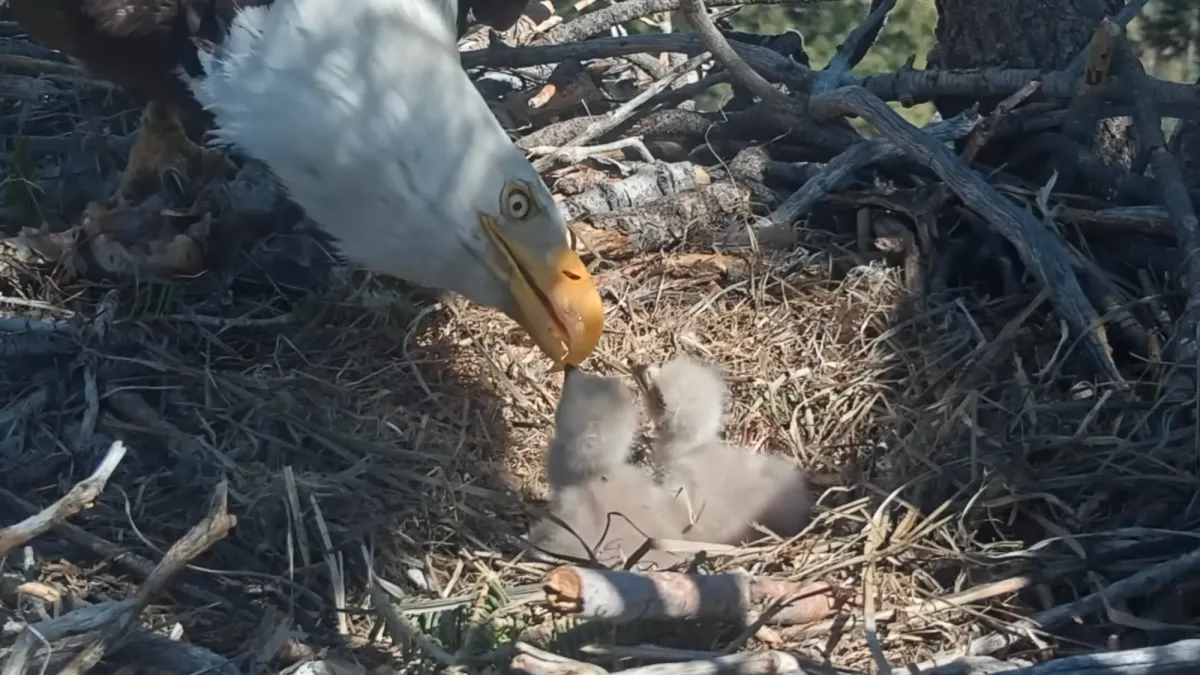
Eagle parents Jackie and Shadow faced heartbreak when ravens destroyed their eggs. Now, their two new chicks have successfully hatched in San Bernardino National Forest, delighting internet fans.

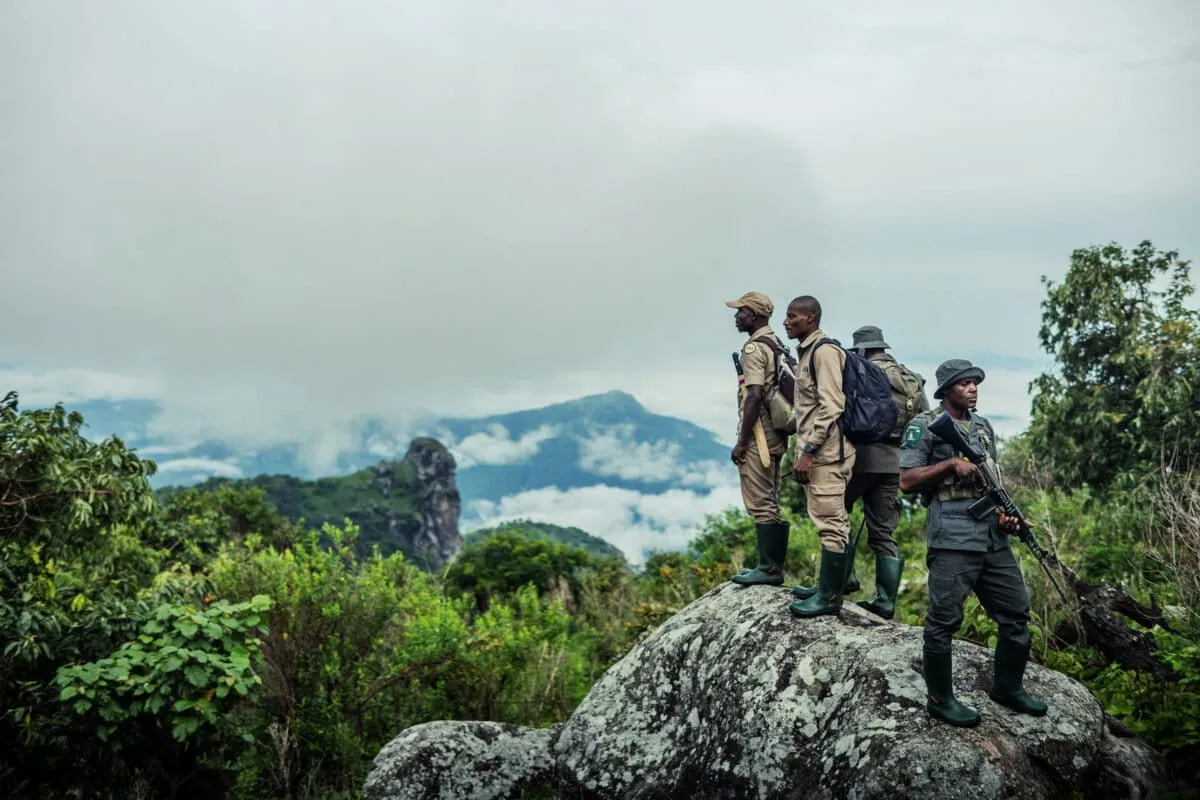
Nigeria's Gashaka Gumti National Park, home to the world's rarest chimpanzee, has been silent for a decade. Insecurity forced scientists out, leaving this critical population unstudied since 2018.
Know someone who needs a boost? Share Brightcast with your friends and family.

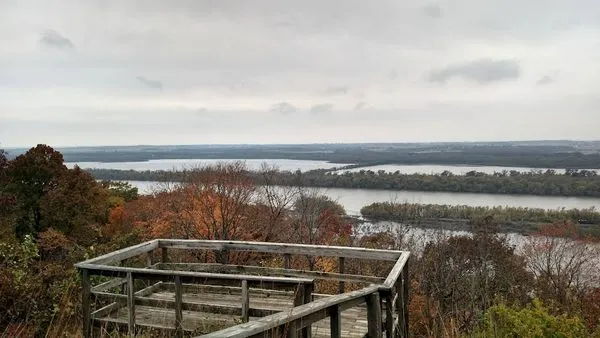
Reach McAdams Peak's summit and the world opens up. This 1.8-mile trail offers panoramic views of the Illinois and Mississippi Rivers, nearby lakes, and even the St. Louis skyline 30 miles away.

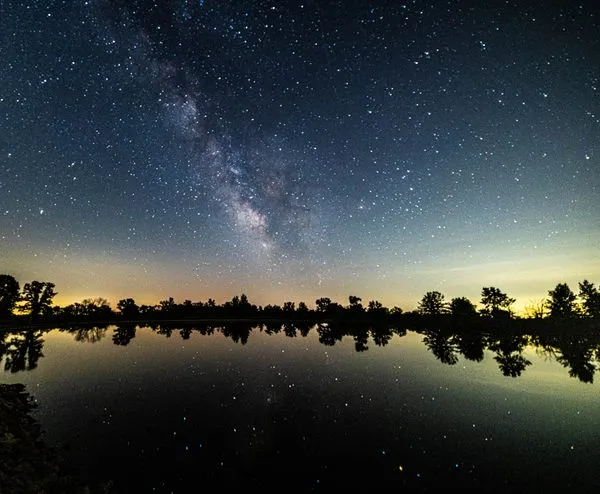
Illinois's first International Dark Sky Park, Middle Fork River Forest Preserve, offers a breathtaking celestial show. Designated in 2018, it protects natural darkness with strict lighting policies.

Grizzly bears are back in eastern Montana! Their comeback was so strong, the state hired its first prairie grizzly manager, Wesley Sarmento, in 2017 to manage human-bear conflicts.

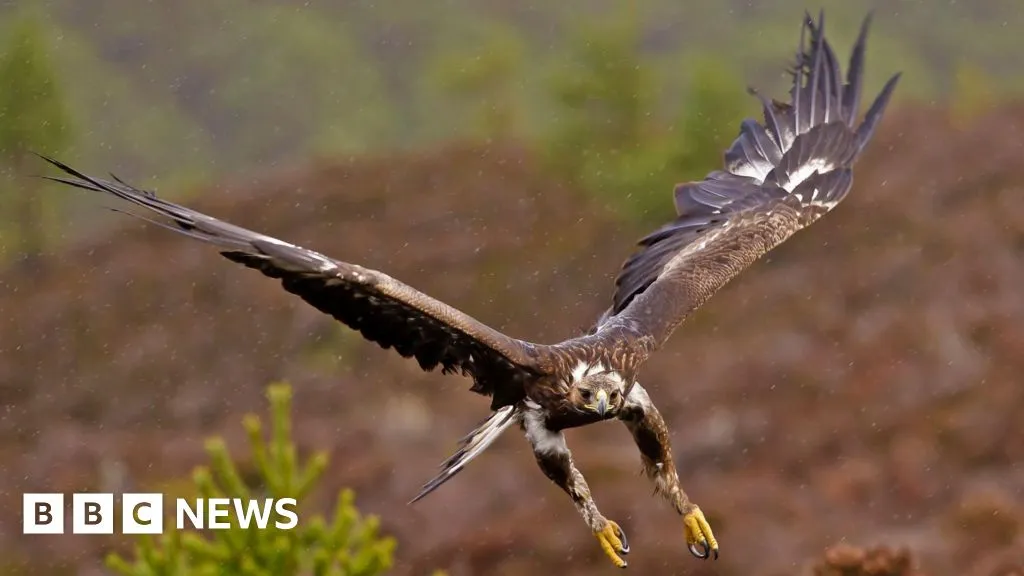
Golden eagles could soar over England again next year! A £1m government injection is set to bring these majestic birds back.

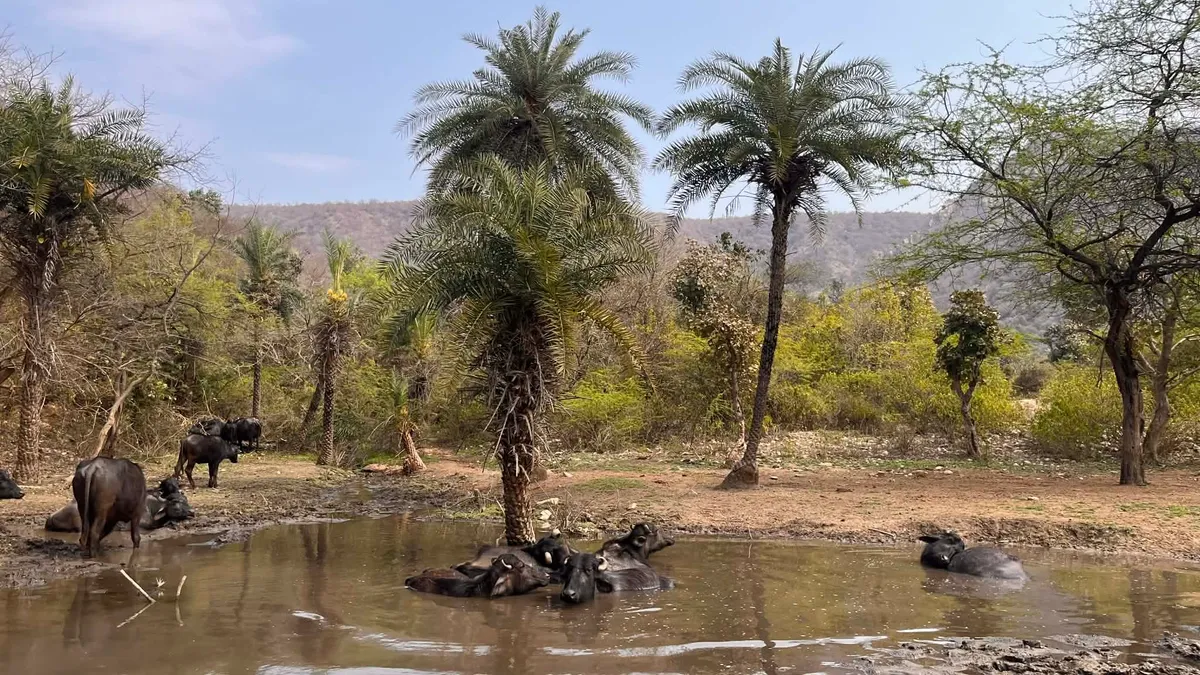
Goats trek through dry grasslands toward a hilly grove. The air cools, vegetation thickens, and grass greens. Buffalo wallow as a path leads to a giant ficus, where a stream emerges from its roots.
Download the Brightcast app for a better reading experience, daily notifications, and offline access.
Download App
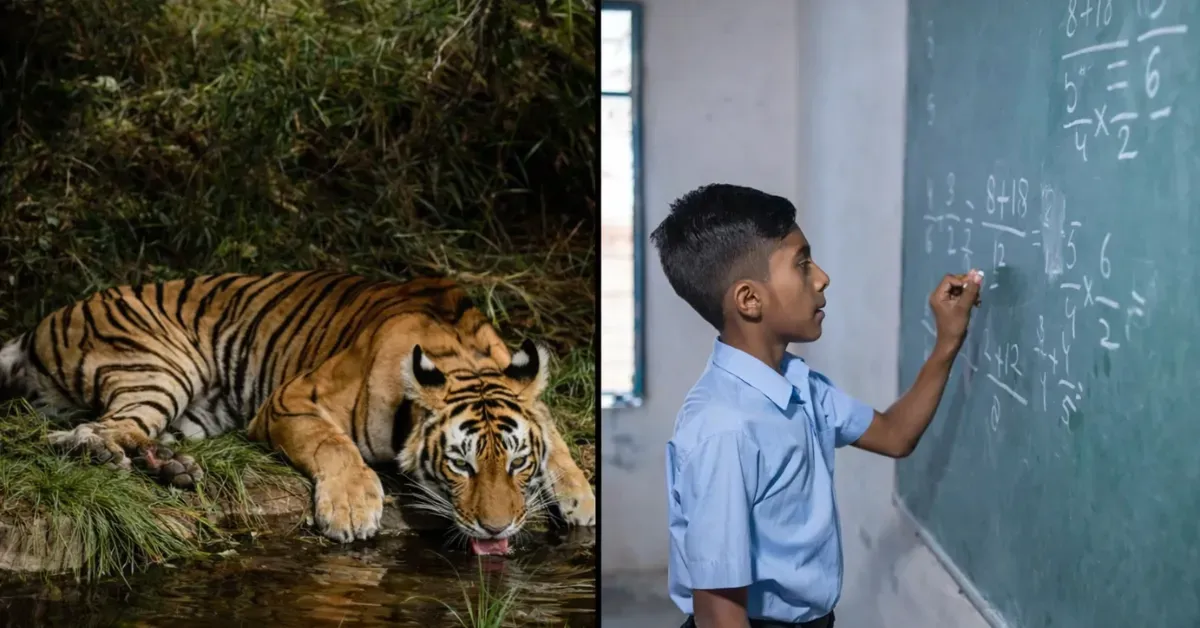
A Bengal tiger isn't just a symbol of power; it could determine if a child goes to school. This intimate connection reveals how tiger conservation impacts human lives far beyond the forest.

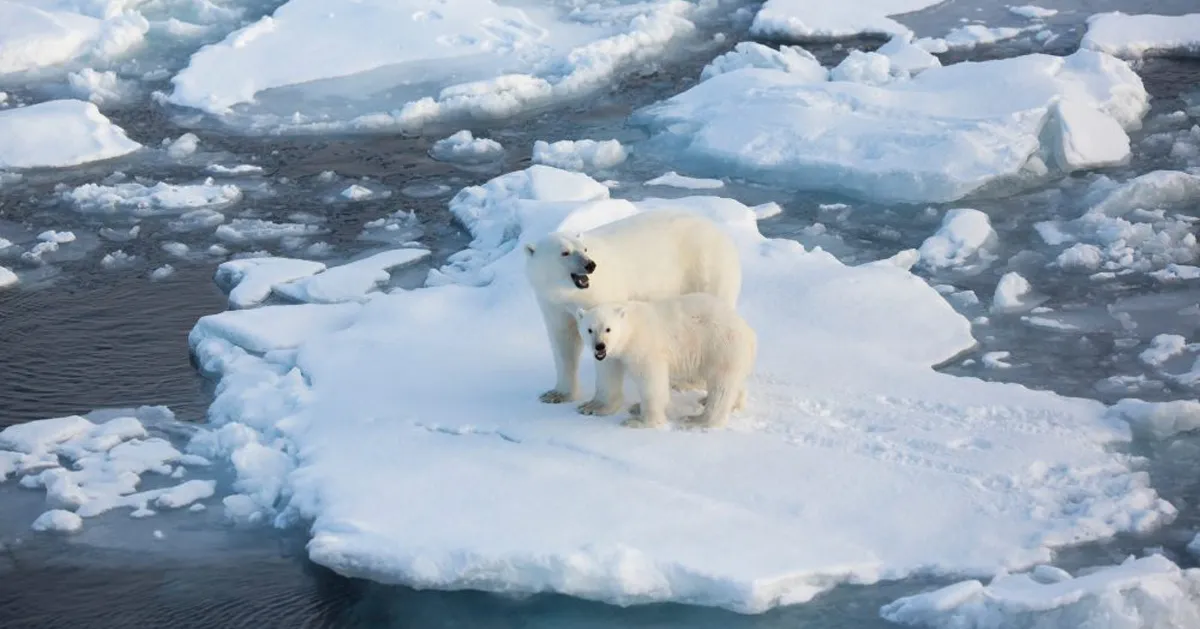
Forget the starving polar bear image. Svalbard's polar bears are thriving, defying climate change expectations and offering a surprising twist to the Arctic's warming narrative.

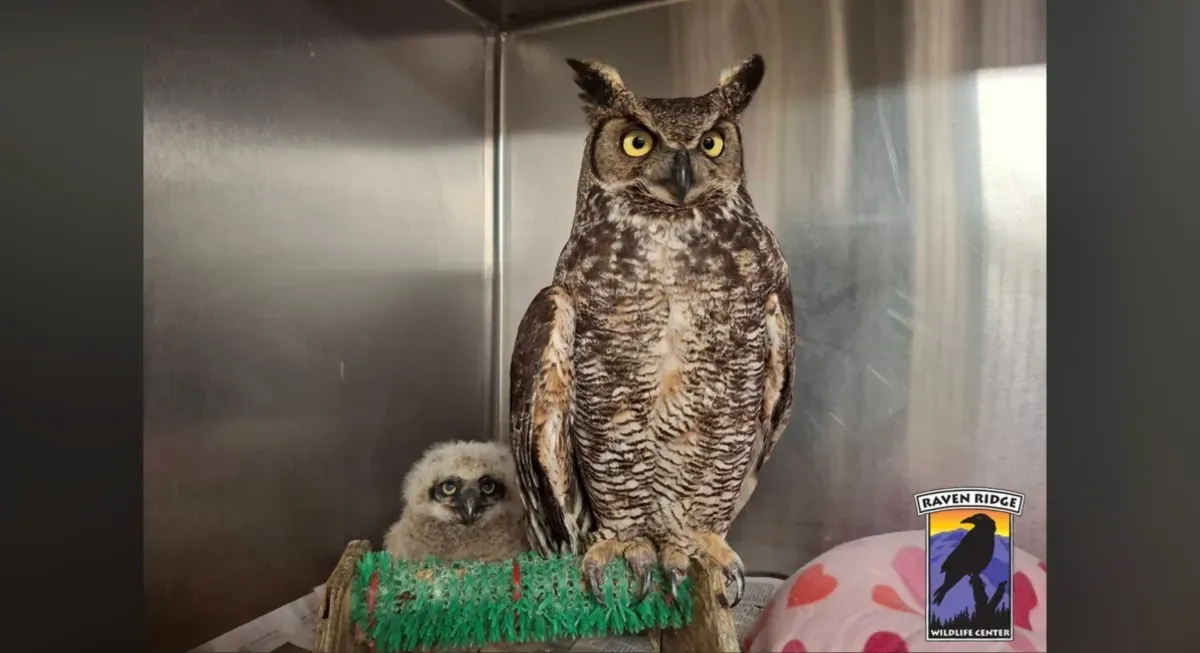
A great horned owl, tangled in an electric fence, found a silver lining at Raven Ridge Wildlife Center. Rescued by a game warden, she arrived unable to stand or fly.

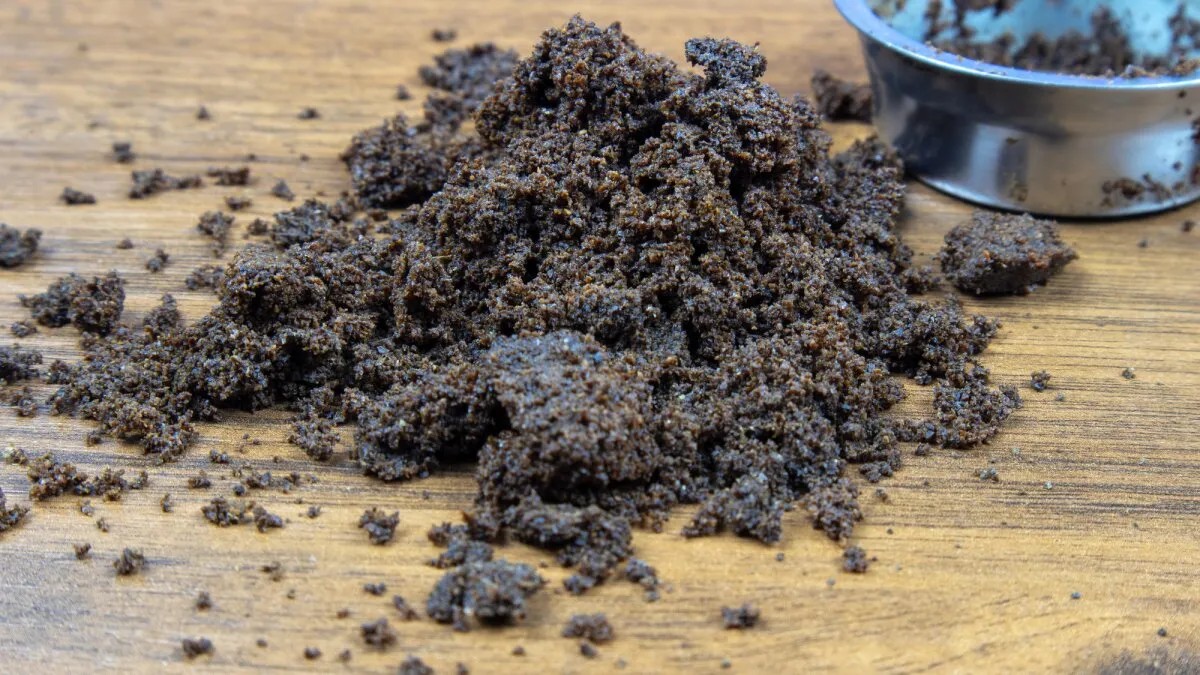
Two billion cups of coffee are consumed daily, creating massive waste. Now, researchers plan to transform those discarded grounds into eco-friendly insulation.

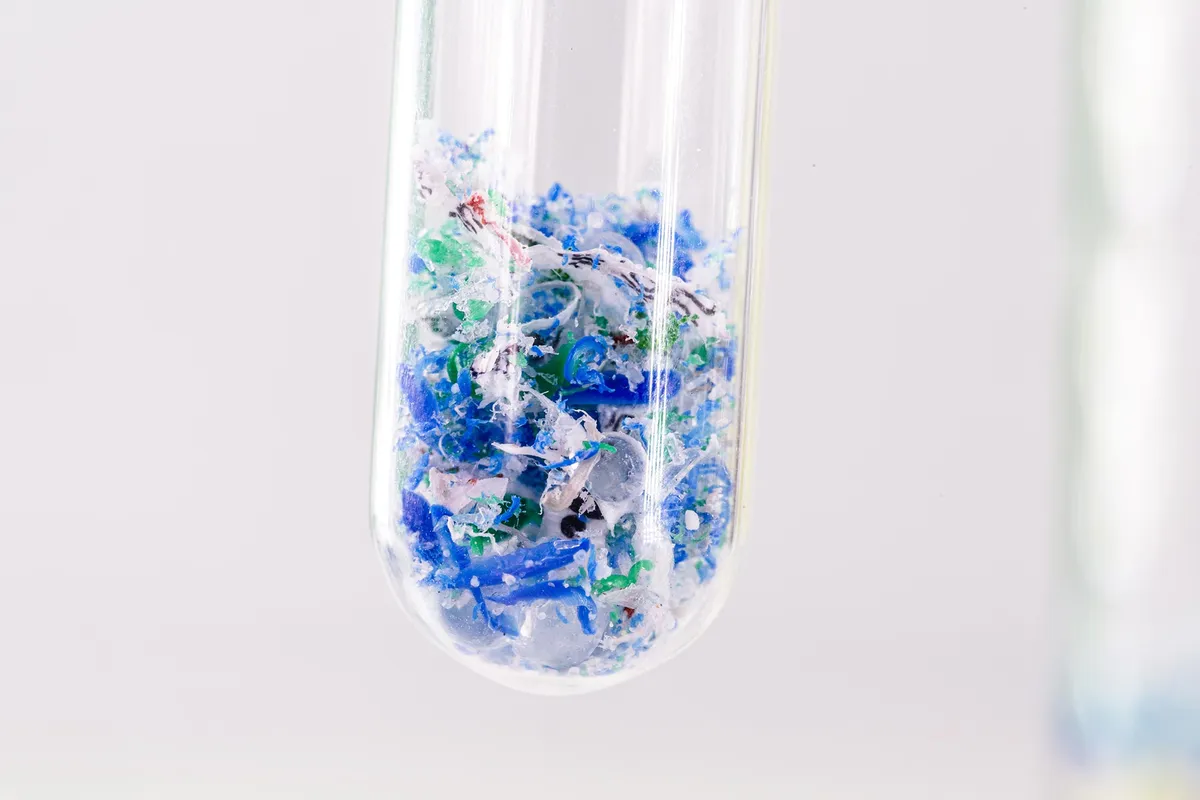
Microplastics plague our water. Professor Susie Dai engineered algae to remove and reuse these harmful particles from wastewater, offering a groundbreaking solution.
Join 50,000+ readers who receive our daily digest of the most uplifting stories from around the world.

India leads the world in radical rewilding. Meet the unsung heroes—from fishermen to forest officers—who are bringing endangered animals back from the brink, returning them to their natural habitats.

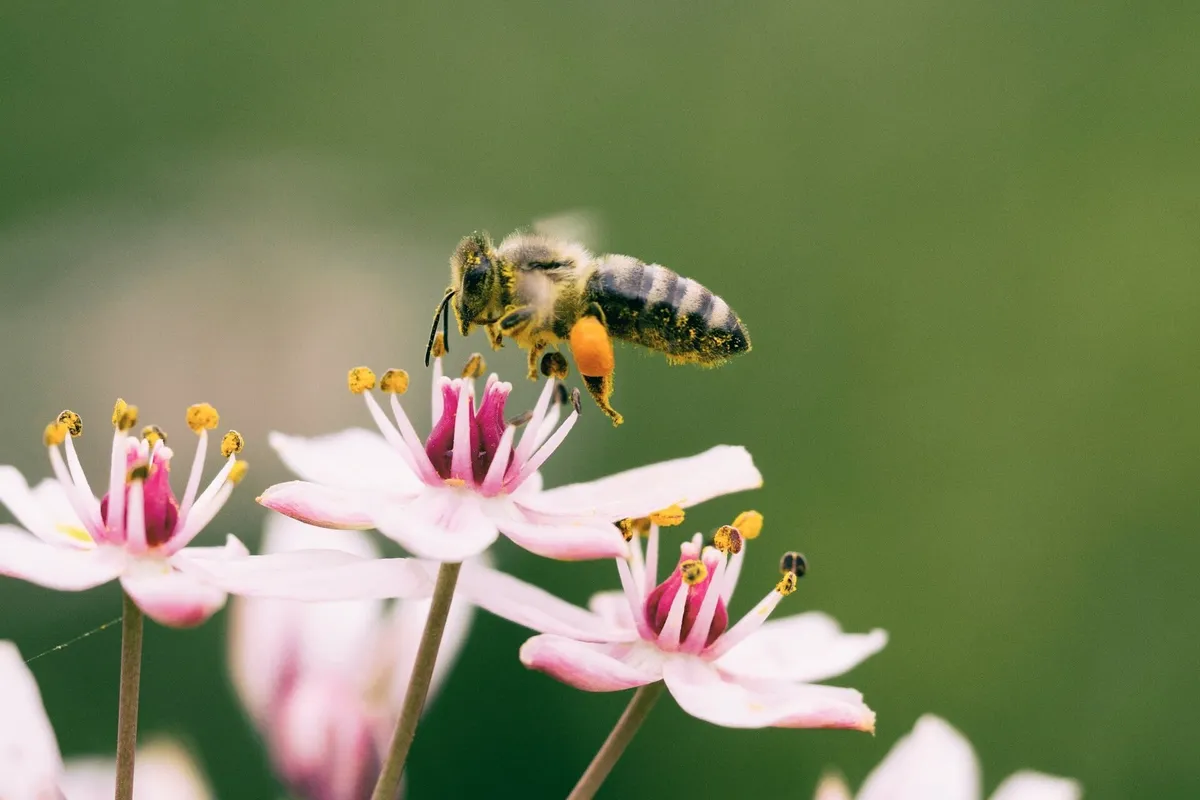
Red light therapy, known for human skin health, now helps bees! Studies claim it extends bee colony life and boosts pollination by stimulating cellular mitochondria.

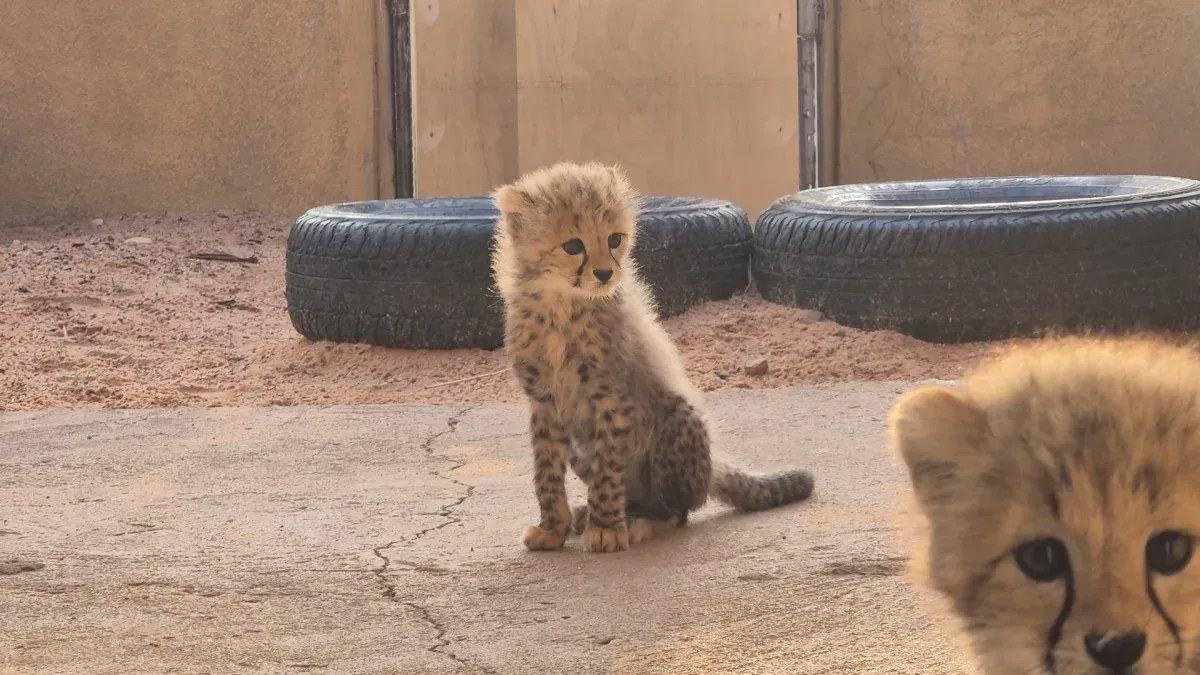
Cheetah Conservation Fund and Somaliland's Ministry of Environment rescued two cheetah cubs from traffickers. They were moments from being illegally shipped into the exotic pet trade.

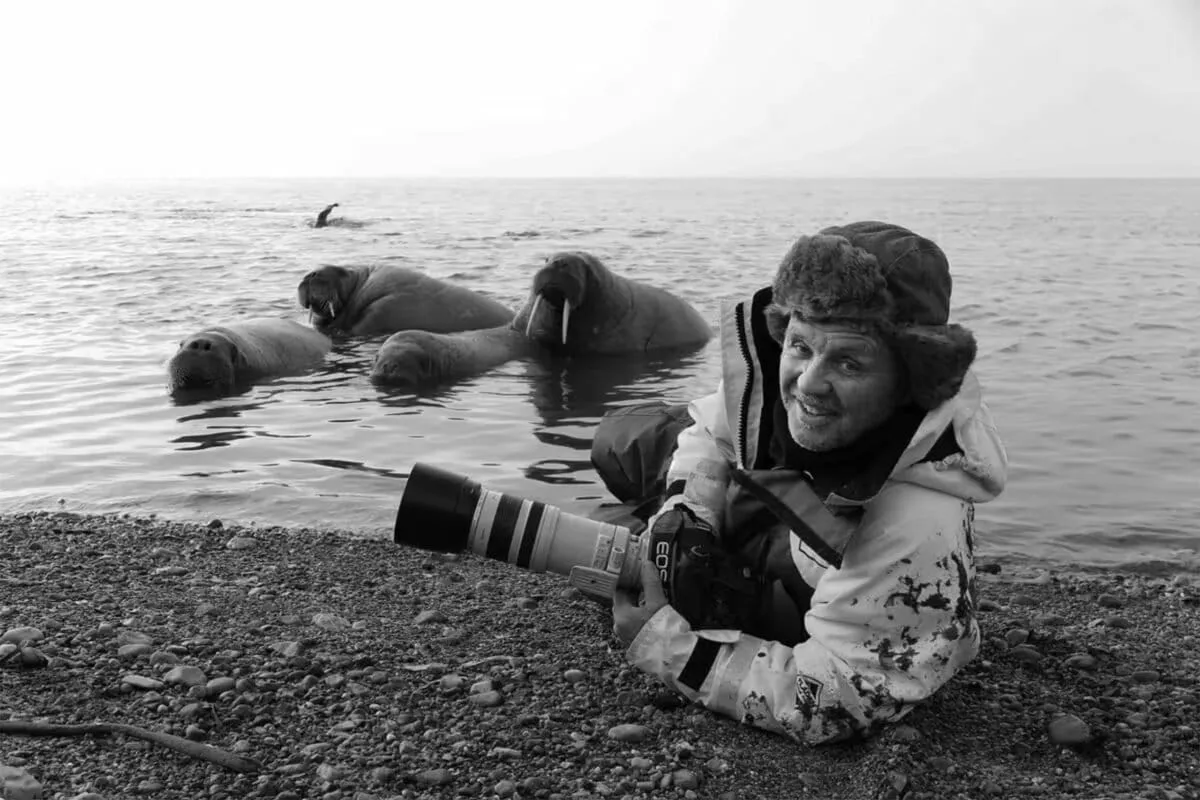
Ever wonder how nature filmmakers get impossibly close? That polar bear's breath, the lingering seal's eye? The reality is colder, slower, and far less certain than the illusion of proximity.

Tired of endless environmental doom and gloom? Mongabay's new Solutions Desk spotlights how people *solve* nature's problems, not just report them. This shift to solutions journalism already influences major investments.
Brightcast is dedicated to restoring faith in humanity by highlighting the progress, solutions, and kindness that often go unnoticed. We believe in a balanced worldview.
Read our full mission →
A 240-pound green sea turtle, Meatloaf, was found stranded by the San Gabriel River. Now, she's recovering at the Aquarium of the Pacific after a harrowing rescue.

Dirty mining for EV metals? Imagine farming nickel with flowers instead. Phytomining extracts critical minerals using daisies and grasses, not drills and dynamite.

Want to boost farm profits by 500%? A new Indian study reveals fruit trees on croplands dramatically increase income, far outweighing carbon sequestration benefits.

Christianity has shaped Kenyan life for over a century, influencing everything from education to politics. It remains one of Kenya's most powerful sociocultural forces.

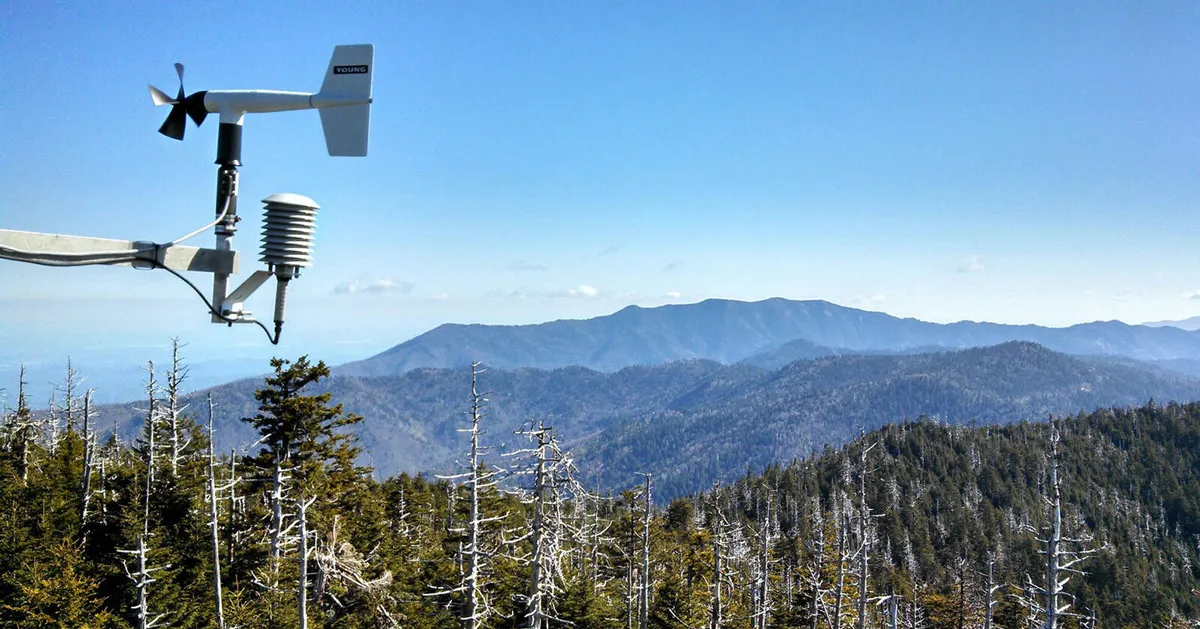
Nature's sounds aren't just pleasant; they offer proven health benefits and now help maintain national park ecosystems. Penn State's Listening Lab analyzes park recordings, providing vital data to officials.
Know someone who needs a boost? Share Brightcast with your friends and family.

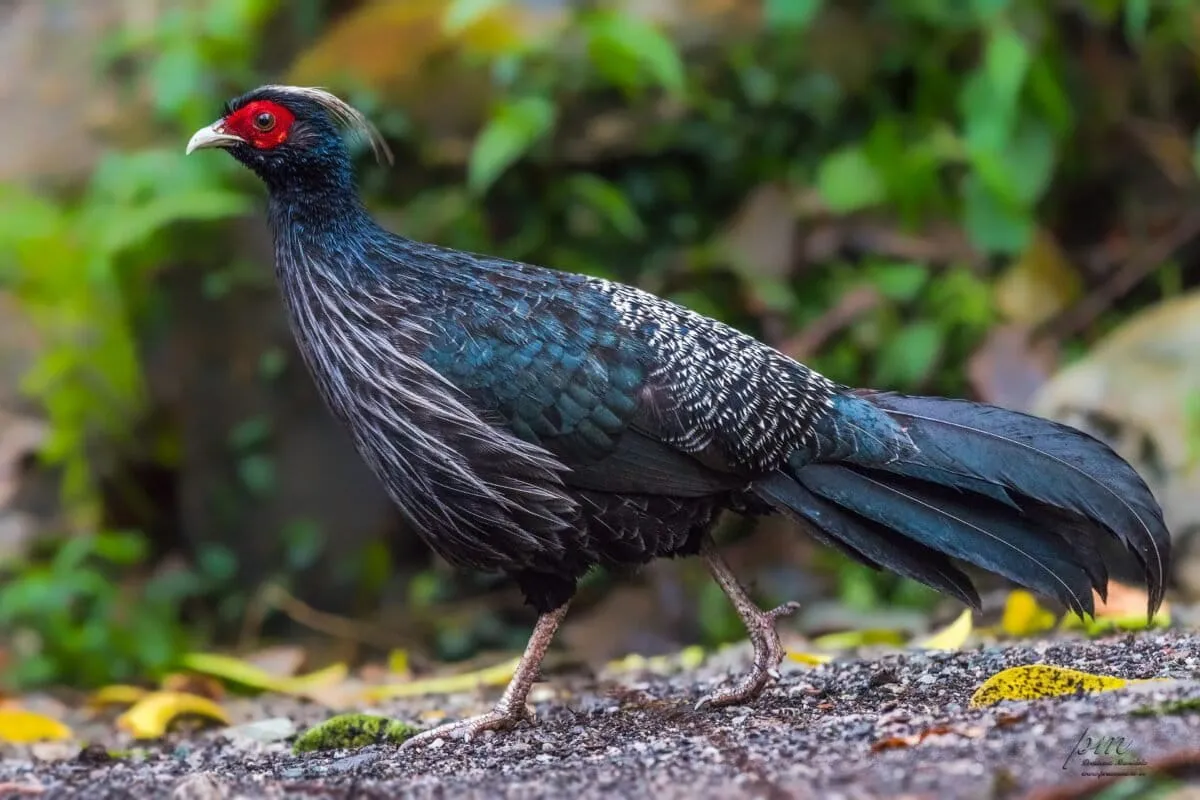
A rusty bush lark, unseen for 94 years, was photographed in Chad by two French birders in February 2026. This dramatic rediscovery is one of many shrinking the "Lost Birds List" from 163 to 120 since 2022.

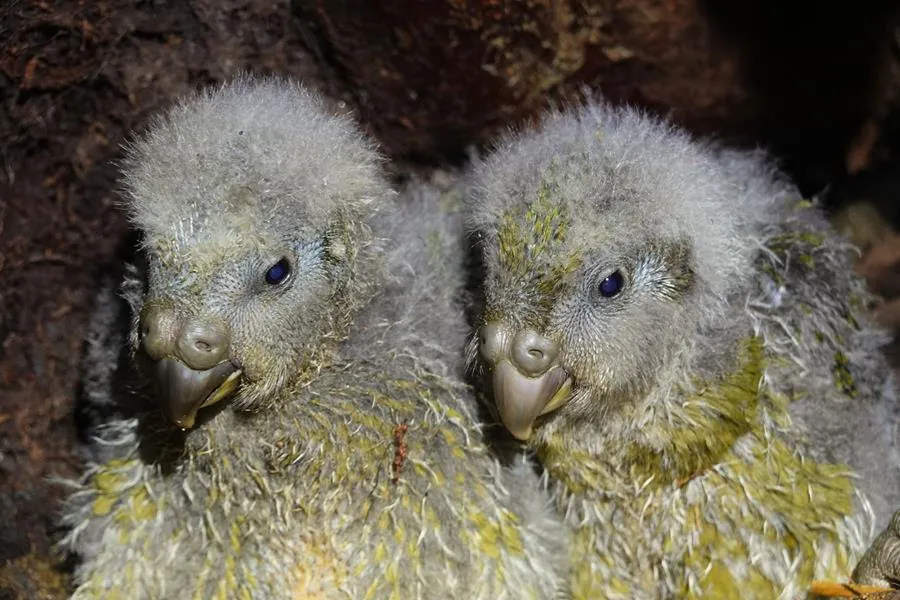
New Zealand's kākāpō, the world's heaviest flightless parrot, faced extinction with only 235 adults left. But a record rīmu berry harvest just boosted their population with 95 new chicks!

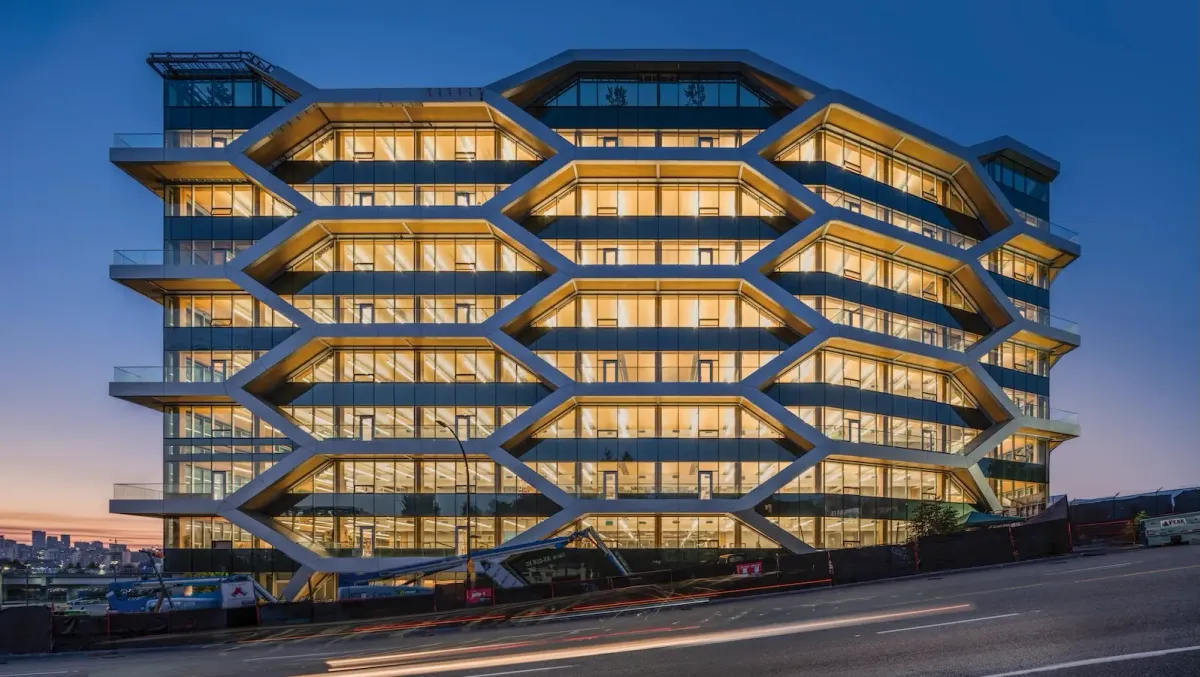
Trees sway, not snap, in a storm. This ancient adaptation—flexibility—prevents them from breaking. It's a trick modern skyscrapers now mimic.

Migratory animals ignore borders, but conservation doesn't. They rely on habitats across vast distances and jurisdictions, leading to patchy protection, rising threats, and declining populations.

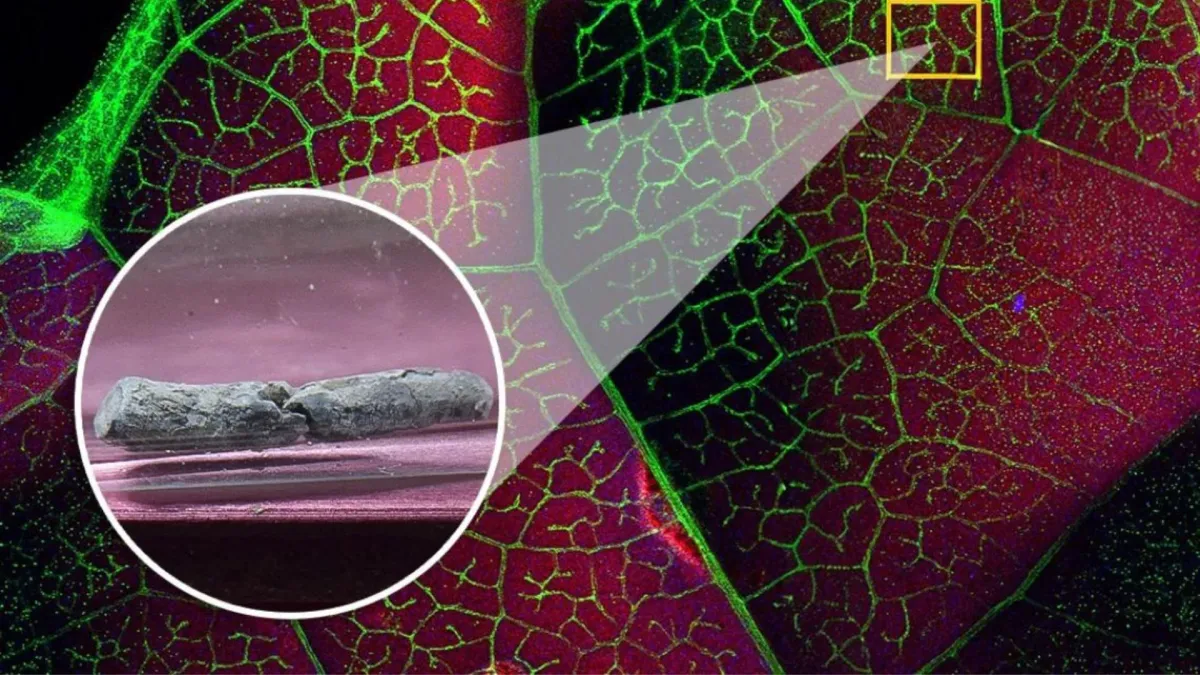
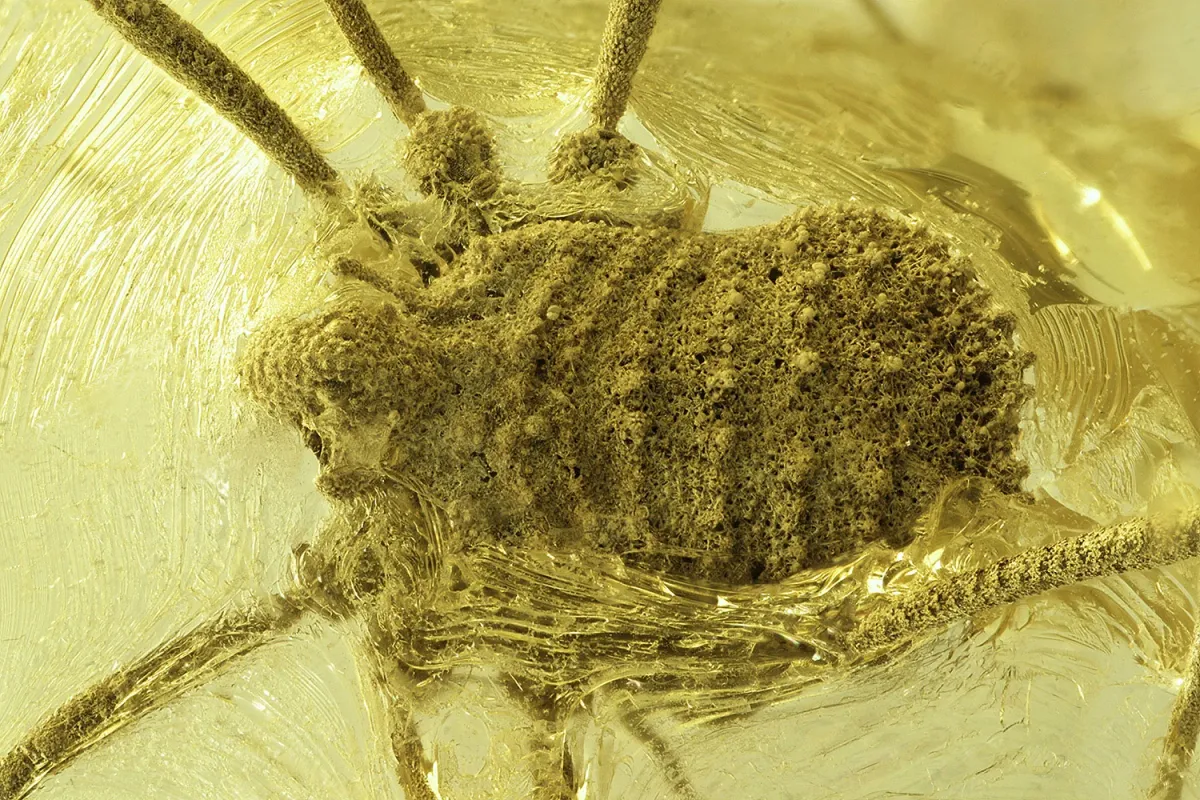
Advanced imaging reveals an extinct arachnid, a fossil harvestman, once roamed Europe. This discovery expands the known diversity of amber-preserved species in the region.