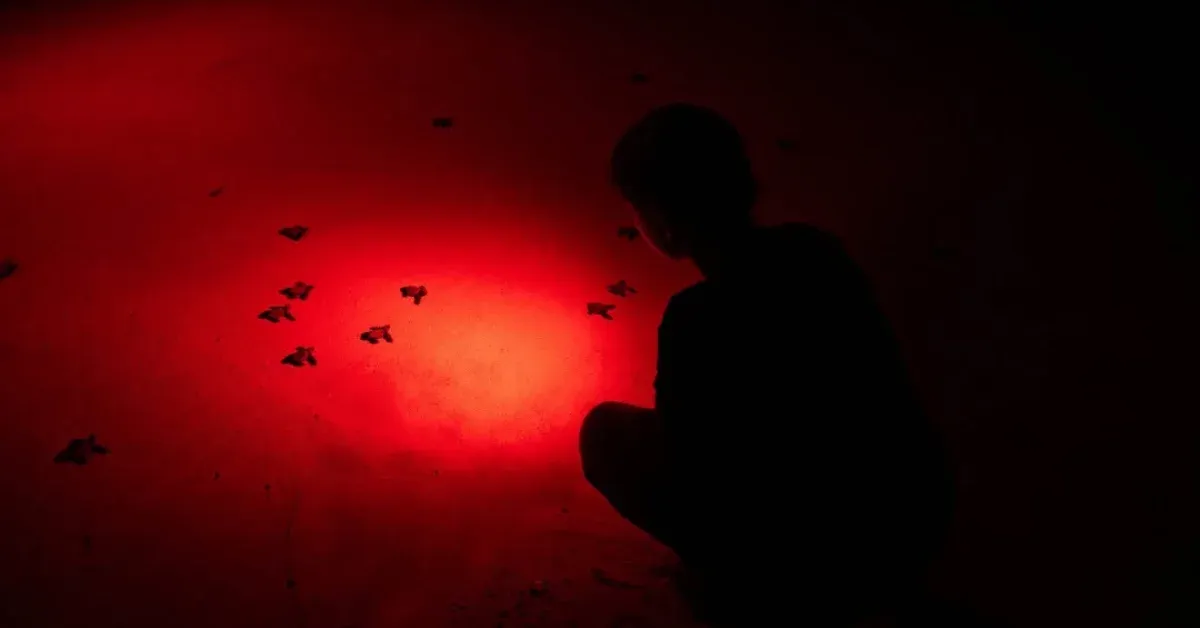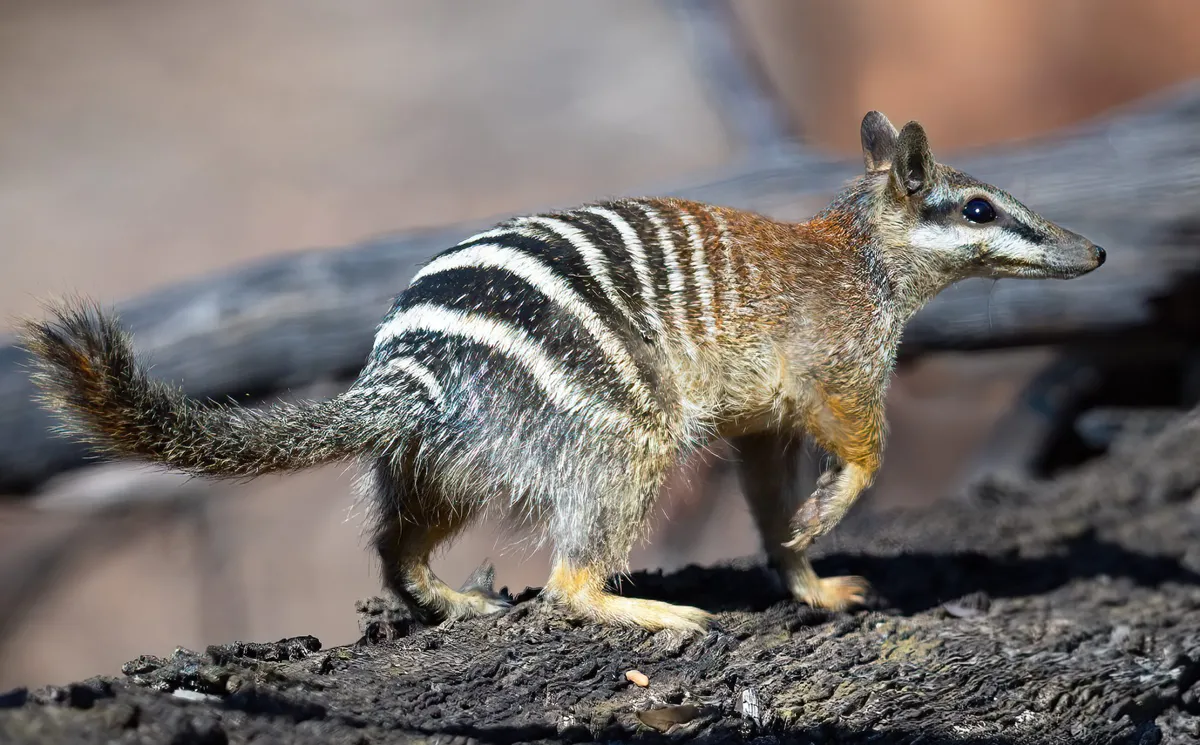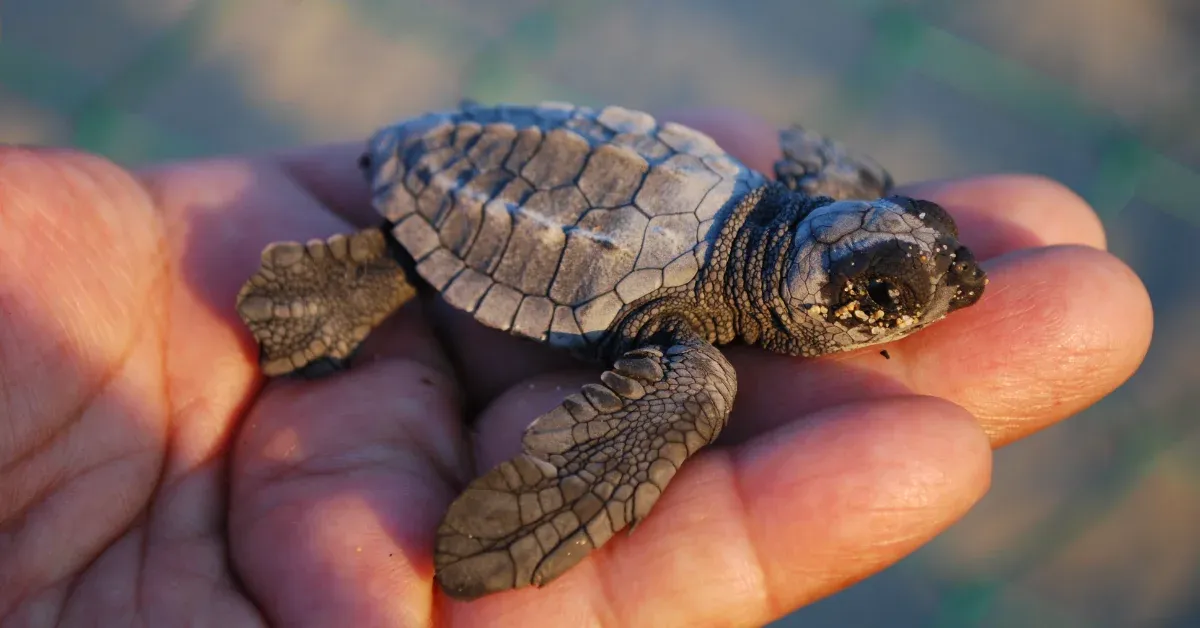
Foxes learn to leave turtle nests.
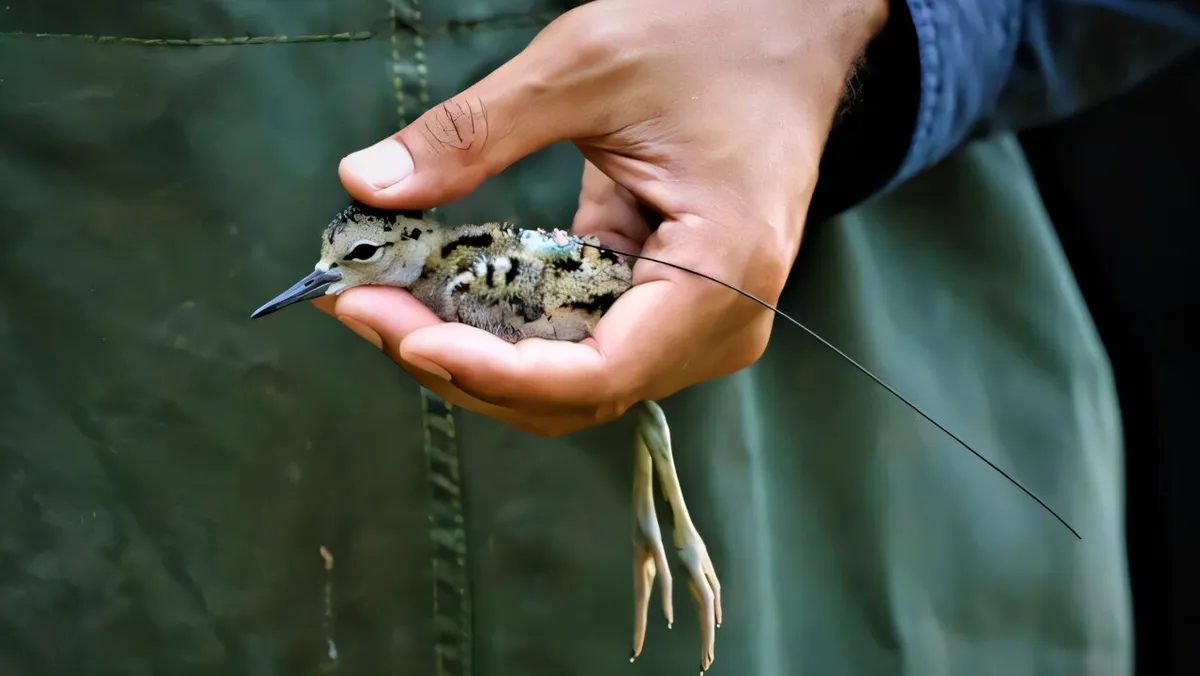
Vanilla, eggs, and a mysterious mist: Researcher Ligia Pizzatto buried an egg on Ryan's Lagoon's banks, then sprayed it with vanilla. What was she doing?
Every day, people protect what matters. These are their stories.
1390 stories

Vanilla, eggs, and a mysterious mist: Researcher Ligia Pizzatto buried an egg on Ryan's Lagoon's banks, then sprayed it with vanilla. What was she doing?

French Polynesia just expanded its fully protected ocean to 30%, banning seabed mining and industrial fishing. This builds on last year's creation of the 5 million sq km Tainui Atea marine protected area.

A nesting sea turtle shocked conservationists on a Florida beach during Sea Turtle Week, which runs June 8-16.

Humans are a double-edged sword for rare species. We destroy habitats and poach, but our presence (tourists, police) can also be their best defense against other human threats.

Cabo Verde's former sea turtle hunters now protect loggerheads on nesting beaches. A 2018 law criminalizing turtle kills transformed poachers into conservation rangers.
Join 50,000+ readers who receive our daily digest of the most uplifting stories from around the world.

Local communities in India's northeast are spearheading efforts to protect the marbled cat, Asia's least-studied small wild cat. This elusive species, Pardofelis marmorata, lacks critical population data.

9 AM. Gavin Lundie expected the baboons. "They're coming!" Leslie called, securing their patio doors with shoelaces as the Rooiels troop descended.

Your diet impacts the planet. Researchers found specific dietary changes can significantly shrink your food's carbon footprint.

Once decimated by the pet trade, Tanzania's electric blue day gecko is making a stunning comeback. Focused conservation efforts, reduced demand, and local support are bringing this vibrant reptile back from the brink.

Argentine officials intercepted a shocking shipment: dead and dying fish, octopuses, and crabs. A rescue center needed 10 new tanks for survivors—the third such illegal seizure this year.
Brightcast is dedicated to restoring faith in humanity by highlighting the progress, solutions, and kindness that often go unnoticed. We believe in a balanced worldview.
Read our full mission →
Boa Vista's beaches saw a turtle boom in 2018. Night patrols, used to 5-10 loggerheads, suddenly encountered 20-30 females nightly—a massive, unexpected increase.

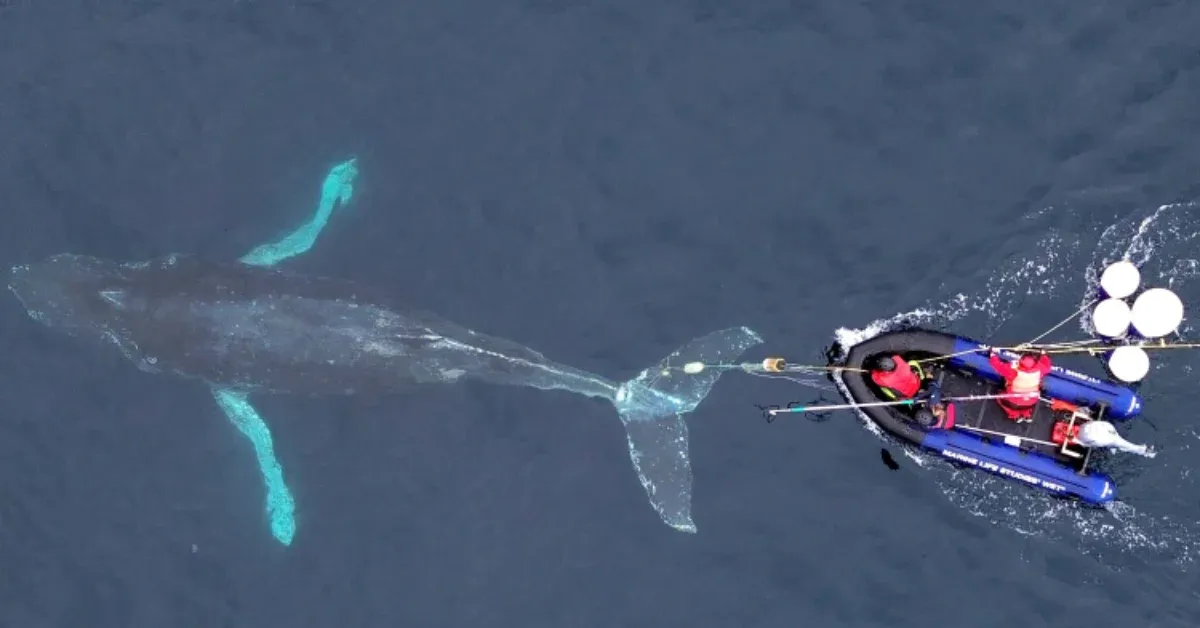
A young humpback whale, ensnared in fishing gear off Massachusetts, was freed by the Center for Coastal Studies. This rescue occurred in Stellwagen Bank, a vital feeding ground.

After a grueling 14-day trek, conservationists photographed the elusive blue-fronted lorikeet on Indonesia's Buru Island—only the second photo in over 100 years.

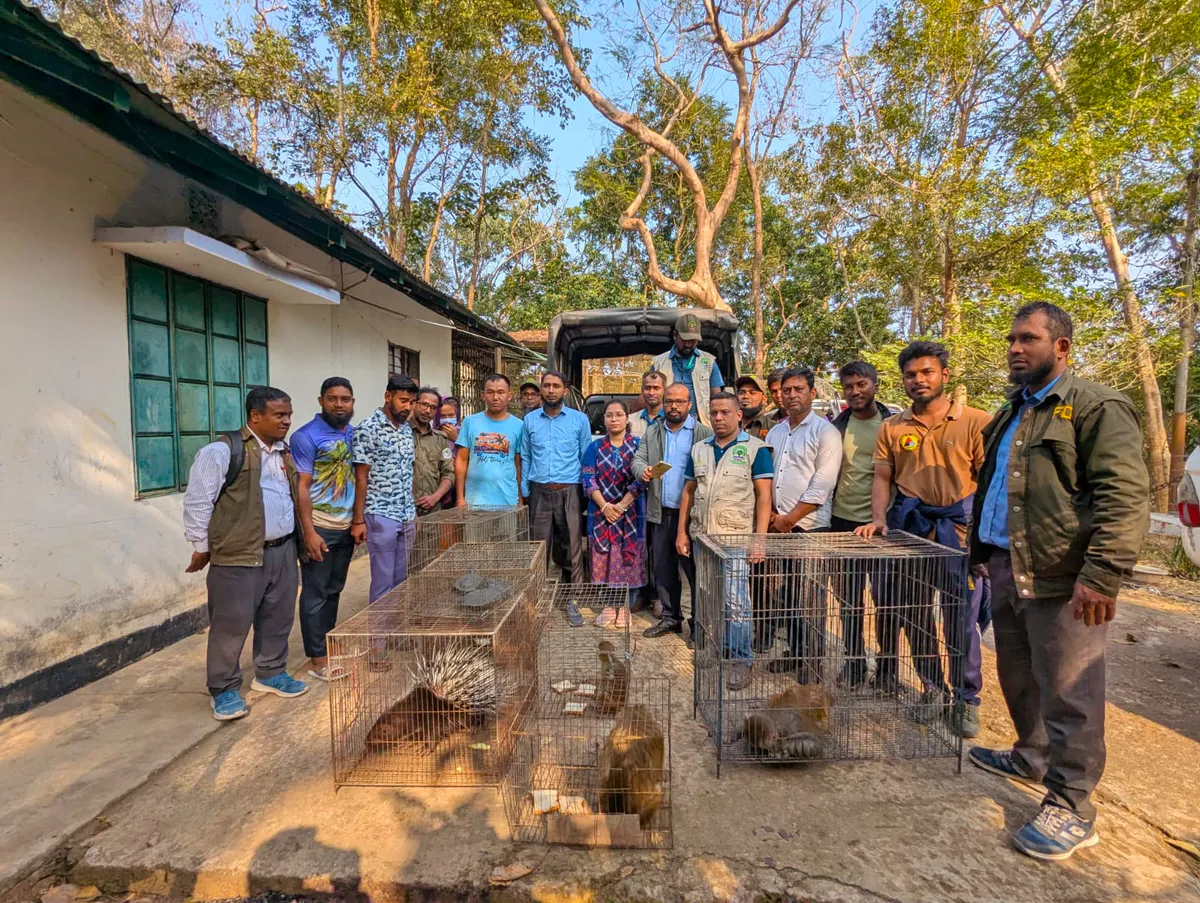
Two Chinese pangolins, rescued from trafficking, now roam free in Bangladesh. These releases offer a vital second chance, boosting critically endangered populations and providing data to fight extinction.

Climate change is outpacing legal systems. New research warns traditional courts and authorities, bound by rigid rules, are ill-equipped to handle its fast-moving impact on communities.
Know someone who needs a boost? Share Brightcast with your friends and family.

From bankers replanting forests to buildings growing trees, this week shows nature's power to inspire innovation and drive economic growth. Plus, a new 3D camera with spider eyes!

Was your state targeted for federal funding cuts because it voted for Kamala Harris? Plaintiffs allege 11 projects in NY, OR, CT, MN, and CO faced political retaliation.

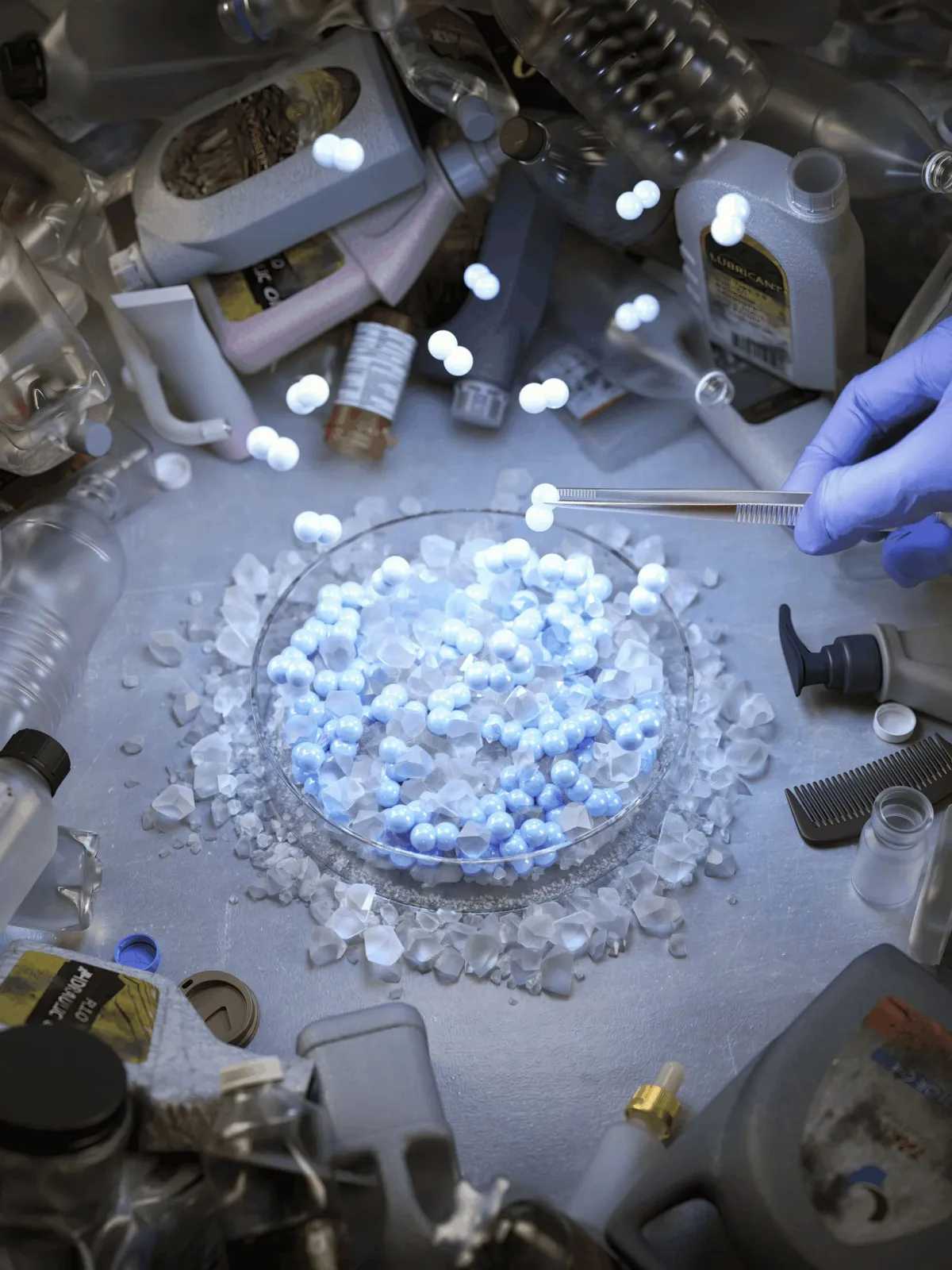
Tiny reusable beads are a new climate superpower. They capture carbon directly from the air, turning food waste into a powerful climate tool.

Australia's Karajarri people just secured historic recognition for their ancestral lands. Their coastline, reefs, wetlands, and desert-edge country are now officially Karajarri Jurarr Ngurra.

Nigré, Côte d’Ivoire: Rice, cassava, and rubber plantations now dominate the landscape, replacing the forests that once defined this West African village. Chief Djahi Bertin welcomes scientists and rangers.
Download the Brightcast app for a better reading experience, daily notifications, and offline access.
Download App
Watch a Mexican long-tongued bat dive into an agave bloom! These bats use their incredibly long tongues to reach nectar, pollinating plants across Arizona's Sonoran Desert.

Imagine a building so green, you'd call it a vertical forest. In Kerala, Good Earth Hues of Life blurs the line between architecture and nature, with greenery spilling from every level.

North Yorkshire's idyllic landscape unfolds below, a patchwork of moorland, grassland, and pasture framed by dry stone walls. But this beauty hides a darker truth about the land's condition.

Bengaluru engineer transforms his terrace into an urban rainforest! 100+ plant varieties, butterflies, bees, and waterfalls recreate the Western Ghats, turning his five-storey home into a sustainable oasis.

Meet the "ghost dog." This short-eared canid, Atelocynus microtis, is one of the world's least-known carnivores, hidden deep in Bolivian and Peruvian forests. After 25 years, new data finally reveals its secrets.
Join 50,000+ readers who receive our daily digest of the most uplifting stories from around the world.

New South Wales' Big Scrub rainforest, once 75,000 hectares of figs, vines, and palms, is virtually gone. Only 1% remains, fragmented by farms and roadsides, choked by weeds and cattle.

Eradicating island rats delivers faster ecological benefits than expected. Scientists long assumed recovery would take decades, but new research shows land and sea rebound much quicker.

Nine female white rhinos just arrived in Mozambique's Zinave National Park after a two-day journey. This marks a 10-year effort to rebuild a viable breeding population after decades of local extinction.

Meet the Bornean ferret badger: a slinky, masked carnivore. A new study confirms this nocturnal hunter lives exclusively in Sabah's mountains on Borneo, unlike its widespread relatives.

A 3-pound coyote pup, just 4 weeks old, found himself in a prickly predicament in Surprise, Arizona, after tumbling into a cholla cactus. Rescuers quickly intervened.
Brightcast is dedicated to restoring faith in humanity by highlighting the progress, solutions, and kindness that often go unnoticed. We believe in a balanced worldview.
Read our full mission →
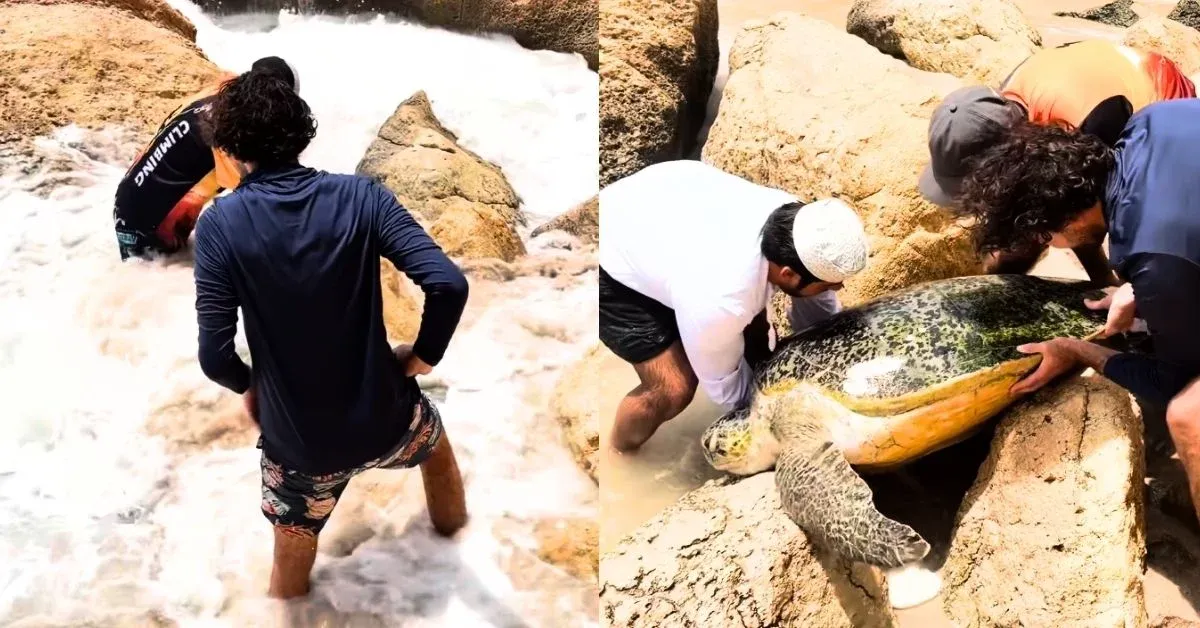
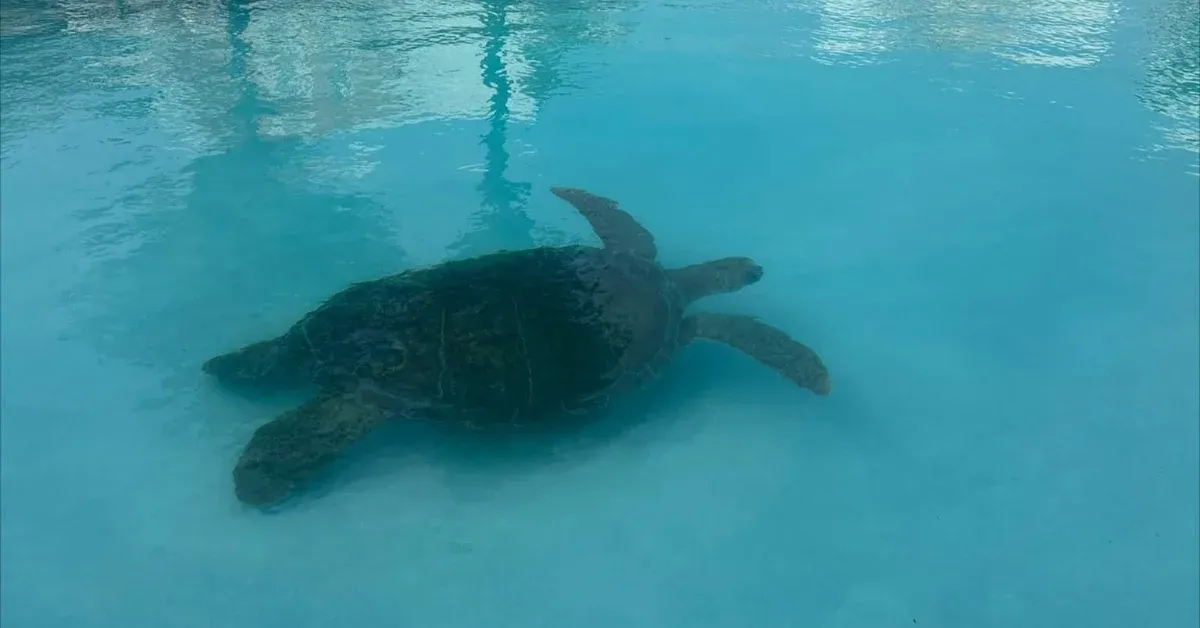
A sea turtle patient tried to kill its vet. For Dr. Lindsey Waxman, that's a sign of success. It means the turtle has the energy to fight, survive, and return to the wild.

Mangroves reach a global turning point, a France-sized marine reserve is established, and EVs are saving lives. Discover this and more good news!

Applause erupted in Gage County as the board approved strict new wind energy regulations. Residents, including Larry Allder, celebrated a victory for their community.

Oyster shells from Orange County restaurants are becoming new ocean habitats. The Shells for Shorelines program recycles dinner scraps into foundations for new oyster growth, restoring marine ecosystems.

Australia's Great Cumbung Swamp, a vital 33,000-hectare wetland in the Murray-Darling Basin, was transferred to Indigenous ownership in 2026 for conservation, protecting its unique ecosystem and diverse wildlife.
Know someone who needs a boost? Share Brightcast with your friends and family.

Scientists discovered a golf-ball-sized, short-armed blue octopus in the Galapagos deep sea in 2015. A new study confirms this unique creature, Microeledone galapagensis, is new to science.

ASEAN nations committed to environmental justice for 680 million people last October. Now, the real challenge begins: implementing their Declaration on a Safe, Clean, Healthy, and Sustainable Environment.

Indonesia's top environmental group, Walhi, just intervened in a government lawsuit against a logging giant. They argue the official case drastically underestimates the ecological damage.

Deep in Congo's Salonga National Park, before dawn, researchers trek to bonobo nesting sites. Their mission: earn trust, habituate the bonobos to human presence, and study these elusive primates.

Jamil, 63, waits at the water's edge, bucket of guts in hand. As the sun sets over East Lombok, he knows the mud crabs will soon emerge, hungry. This daily ritual hints at a changing tide for Sugian village.