The early universe's "primordial soup" wasn't gas, but a flowing liquid.
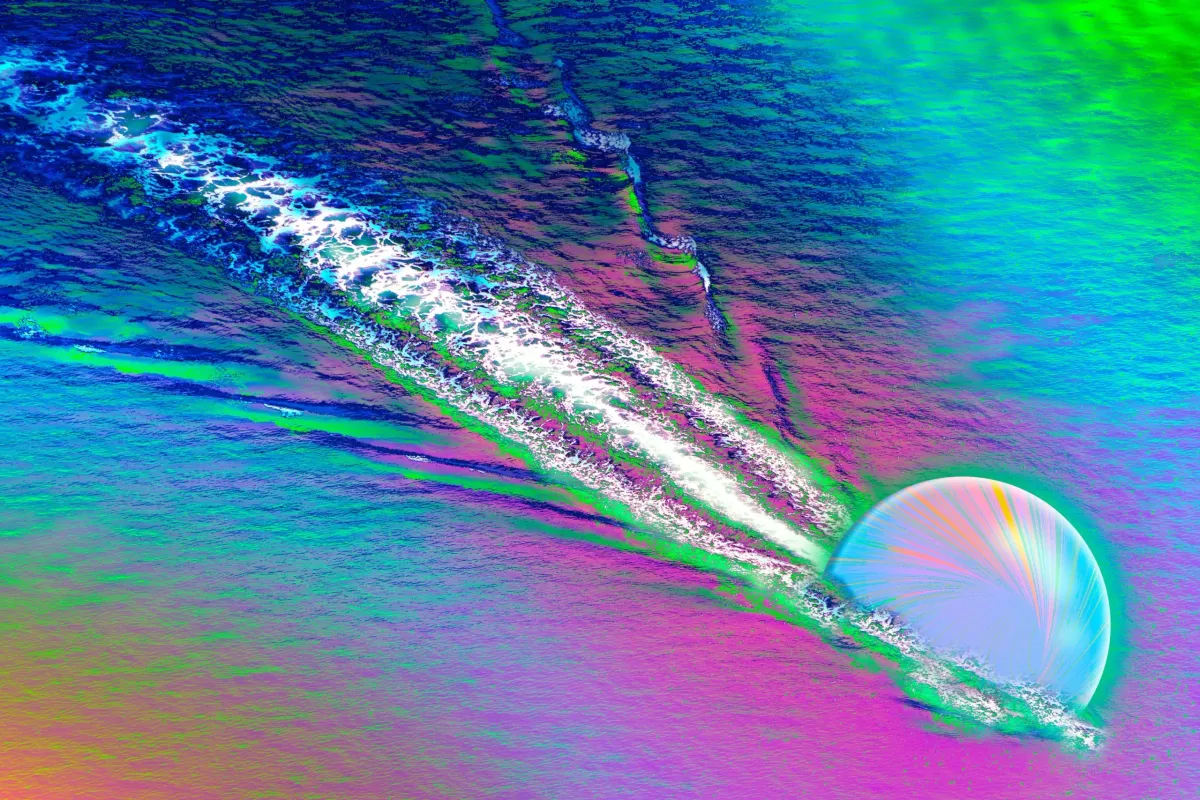
CERN scientists just unveiled how quarks moved through the early universe's primordial plasma. New evidence from particle collisions reveals their surprising journey.
Breakthroughs happen quietly. We make sure you hear about them.
2782 stories
CERN scientists just unveiled how quarks moved through the early universe's primordial plasma. New evidence from particle collisions reveals their surprising journey.

A new solvent-based method promises faster, cheaper lithium extraction from brines, even where current techniques fail. This innovation could unlock critical lithium supplies for soaring global demand.

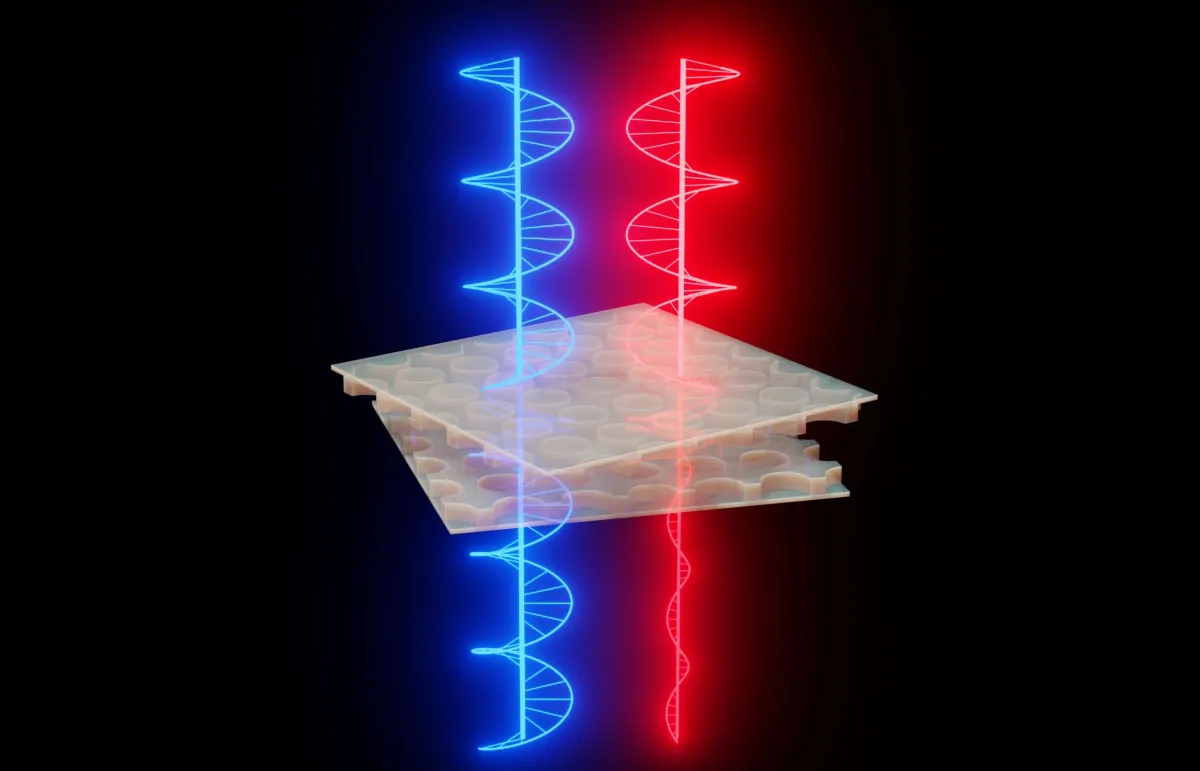
Twist light on a chip! New MEMS-integrated photonic crystals dynamically control light's handedness, opening doors for advanced optical tech.

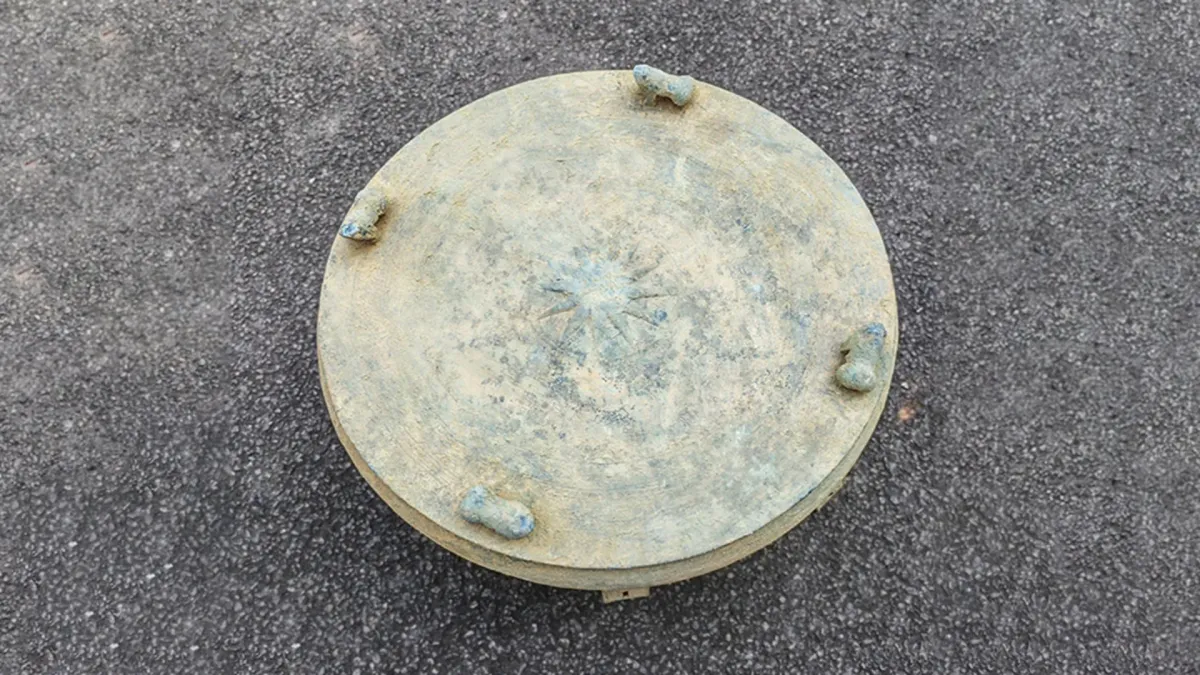
A Chinese farmer unearthed a priceless bronze drum, revealing Eastern Han Dynasty religious practices and bronze casting. An ordinary day turned extraordinary.

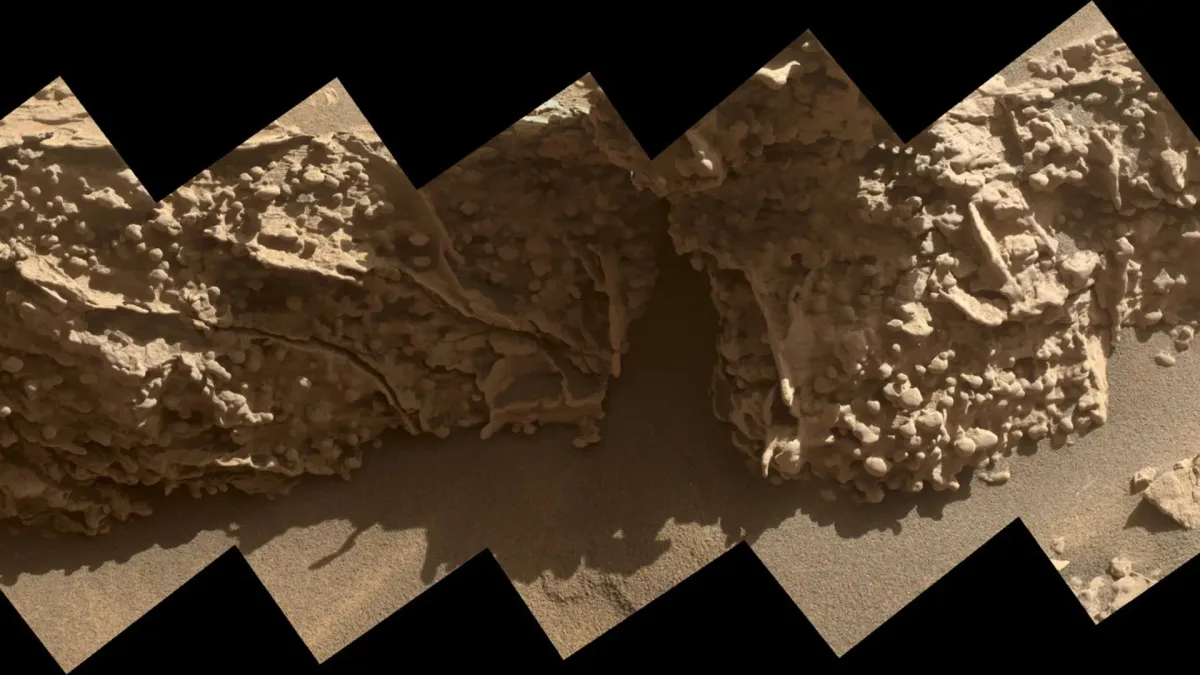
Spiderweb-like ridges on Mars? NASA's Curiosity rover is investigating these strange formations, which may reveal a hidden chapter of the planet's watery past.
Join 50,000+ readers who receive our daily digest of the most uplifting stories from around the world.

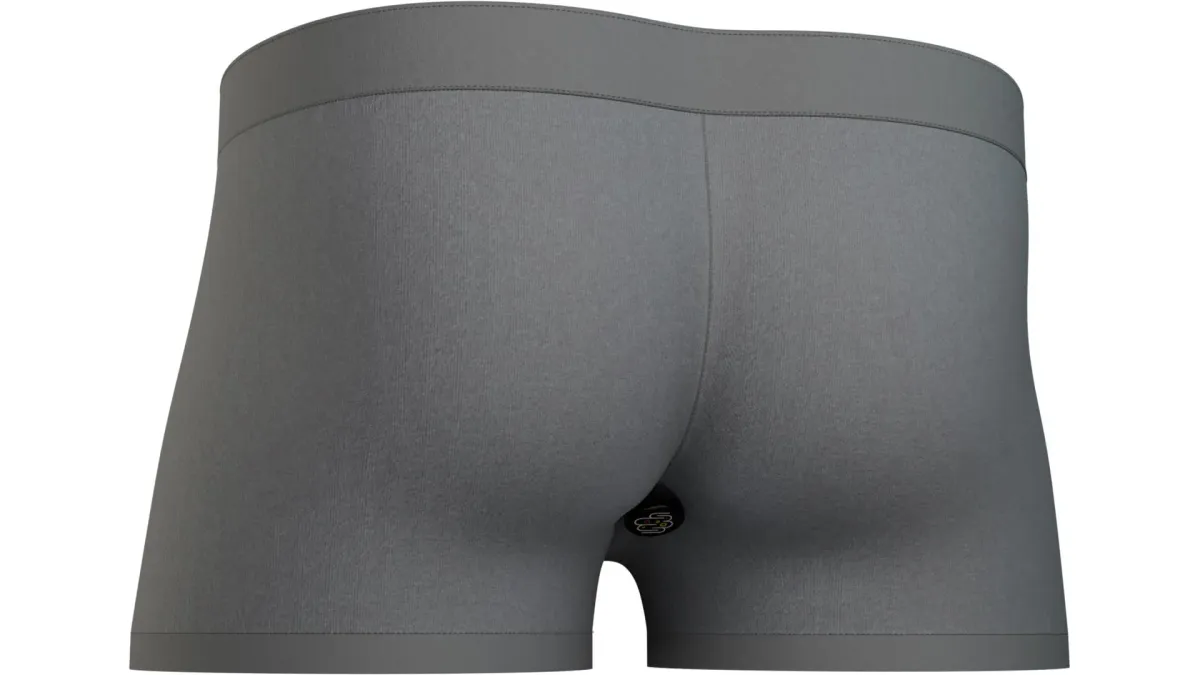
Forget what you thought about passing gas. New "Smart Underwear" reveals people may flatulate 32 times daily—far more than believed—by detecting hydrogen from gut microbes.

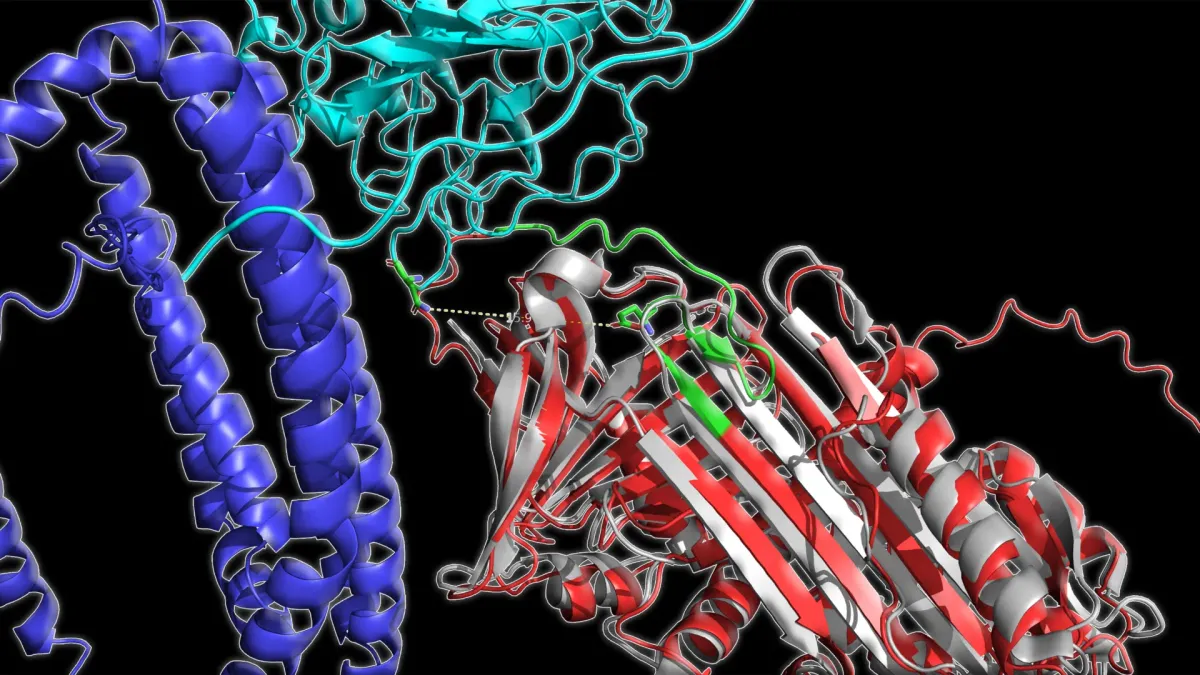
Life's spark may have ignited deep underwater. University of Alberta researchers found a missing piece to how life began, pinpointing a key chemical reaction at mineral-rich hydrothermal vents.

Plants have a secret weapon against stress! Mitochondria in plant cells can steal oxygen from chloroplasts, a newly discovered mechanism.

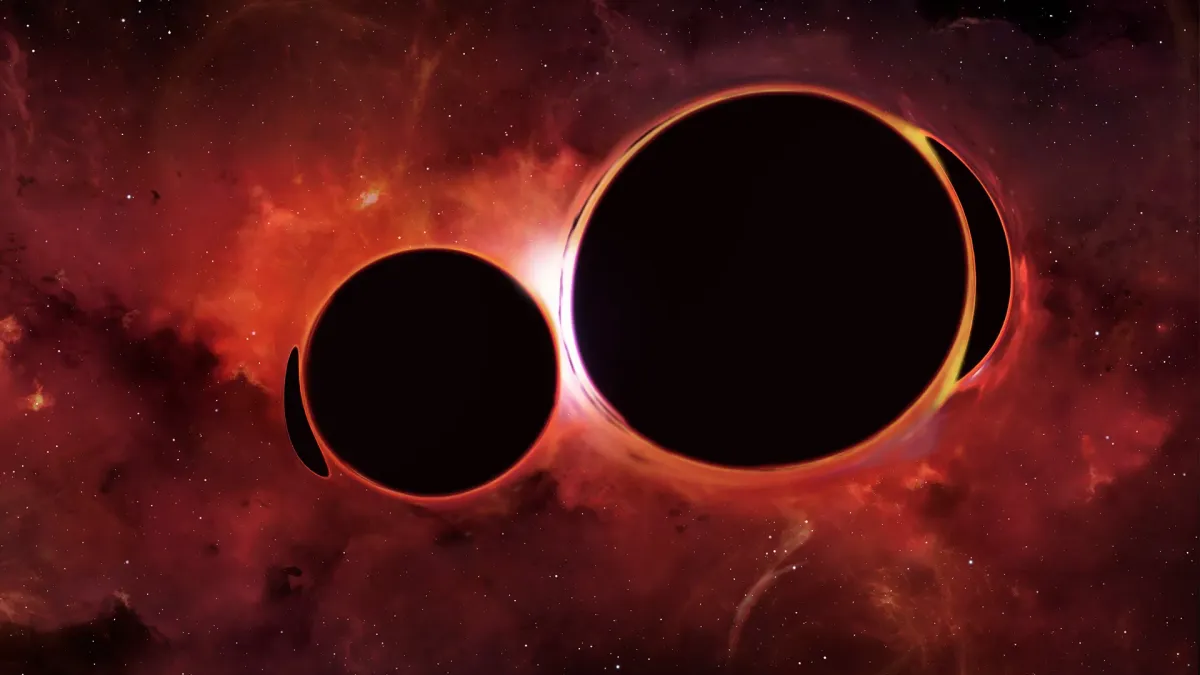
Gravitational-wave detectors just caught two black holes colliding billions of light-years away. But this time, telescopes saw it too: a gamma-ray burst seconds later, defying expectations.

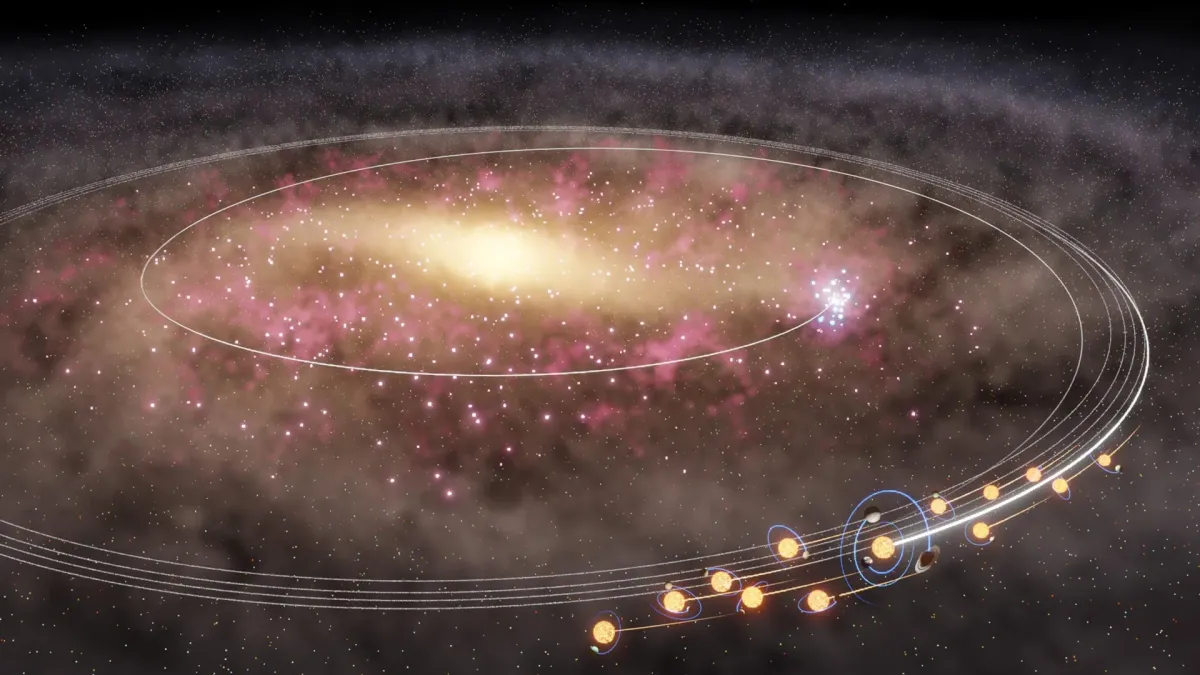
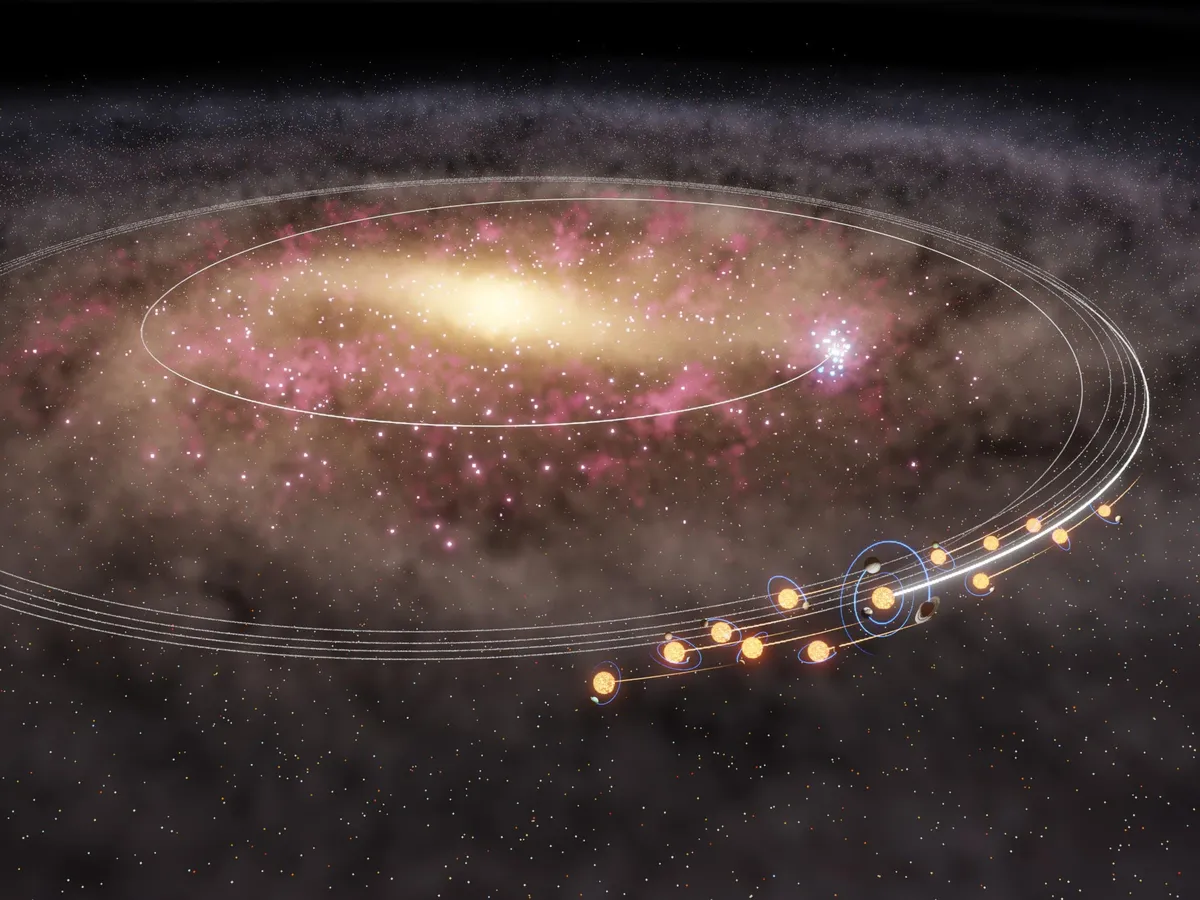
Scientists have uncovered evidence that our Sun may have traveled across the Milky Way as part of a massive migration of Sun-like stars billions of years ago. The journey may have carried the solar system away from the galaxy’s crowded center into a calmer region where life could eventually emerge....
Brightcast is dedicated to restoring faith in humanity by highlighting the progress, solutions, and kindness that often go unnoticed. We believe in a balanced worldview.
Read our full mission →
Ancient DNA preserved in seabed sediments suggests Doggerland hosted temperate forests far earlier than expected....

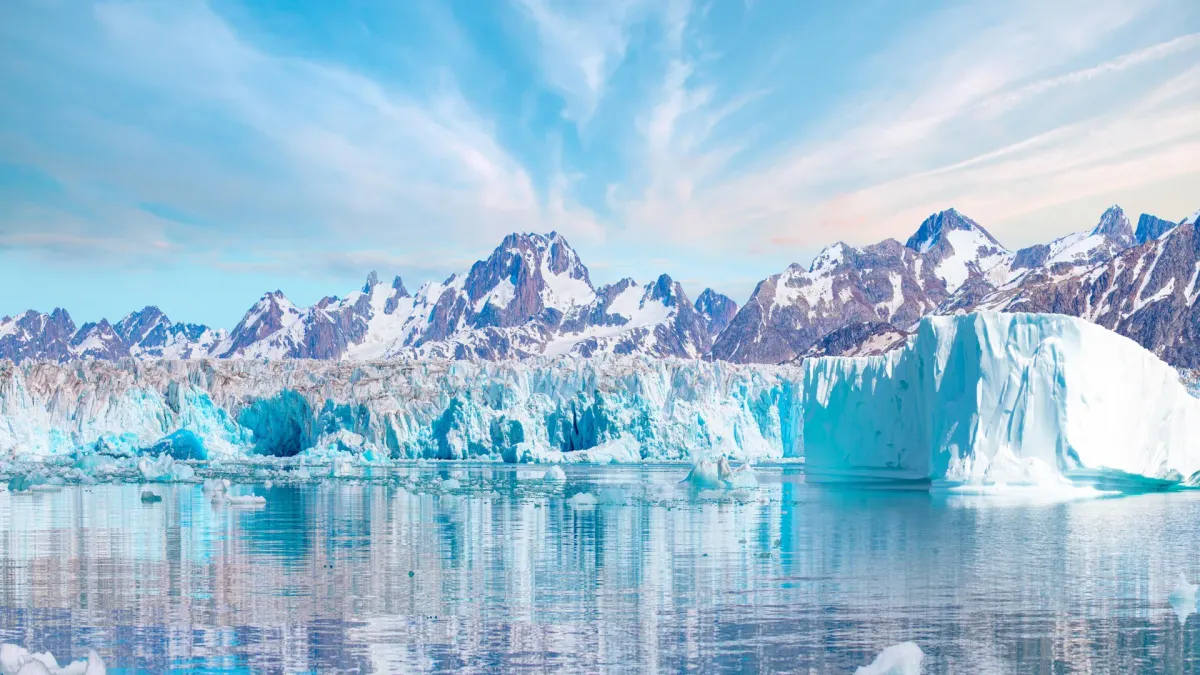
Scientists may have finally solved the mystery of strange plume-like structures hidden deep inside the Greenland ice sheet. New research suggests they form through thermal convection—slow, swirling motions driven by temperature differences inside the ice. This means the deep ice could be far softer ...

Japanese scientists just shattered a solar cell record! AIST achieved 12.28% efficiency with copper gallium selenide (CuGaSe₂) cells, a promising alternative to CIGS technology.

Citizen scientists just got more asteroids to hunt. The Daily Minor Planet project is doubling its data stream with a second powerful telescope, expanding the search for potentially hazardous near-Earth objects.

Your brain rewires taste itself: expectations can make sugar sweeter and artificial sweeteners more bitter, reshaping flavor before it hits your tongue.
Know someone who needs a boost? Share Brightcast with your friends and family.

Citizen scientists discovered something surprising: the Sun's magnetic hotspots flare far more often than expected, revealing new secrets about our star's violent temperament.

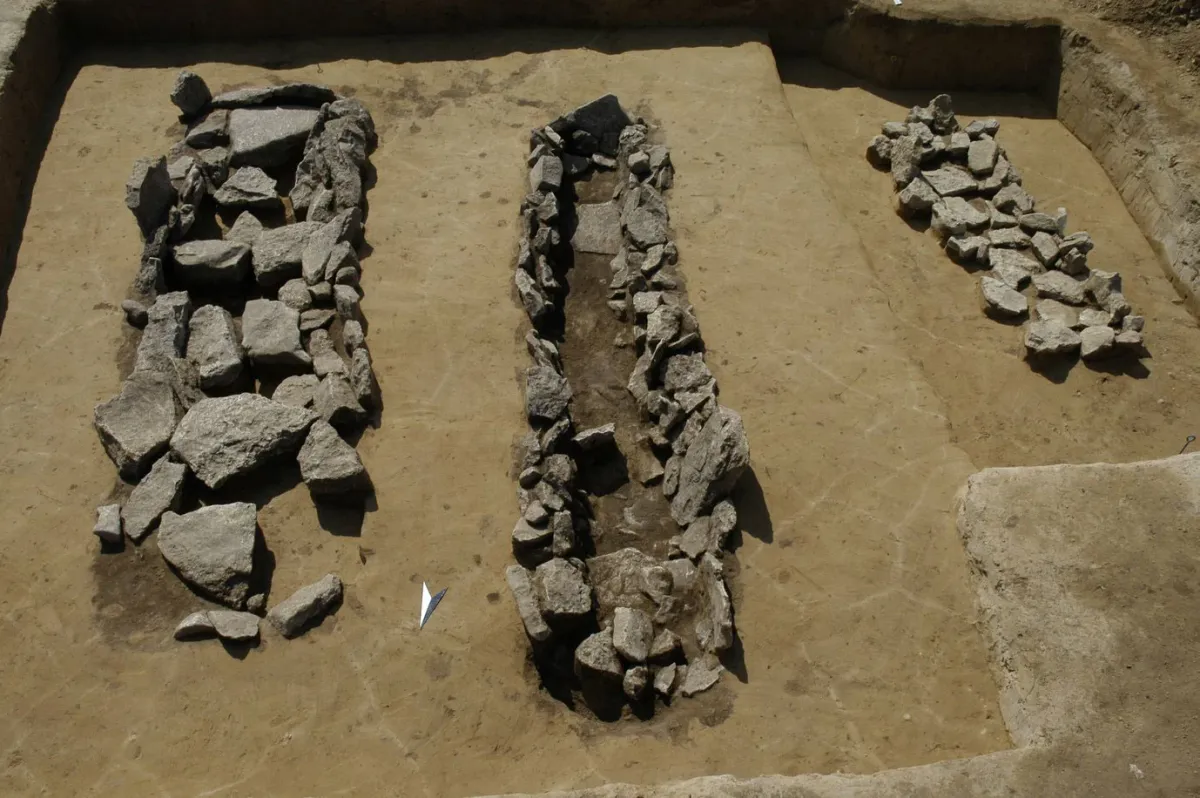
Rare Bronze Age burials reveal a surprising truth: Central European communities transformed through trade and dietary shifts, not mass migration.

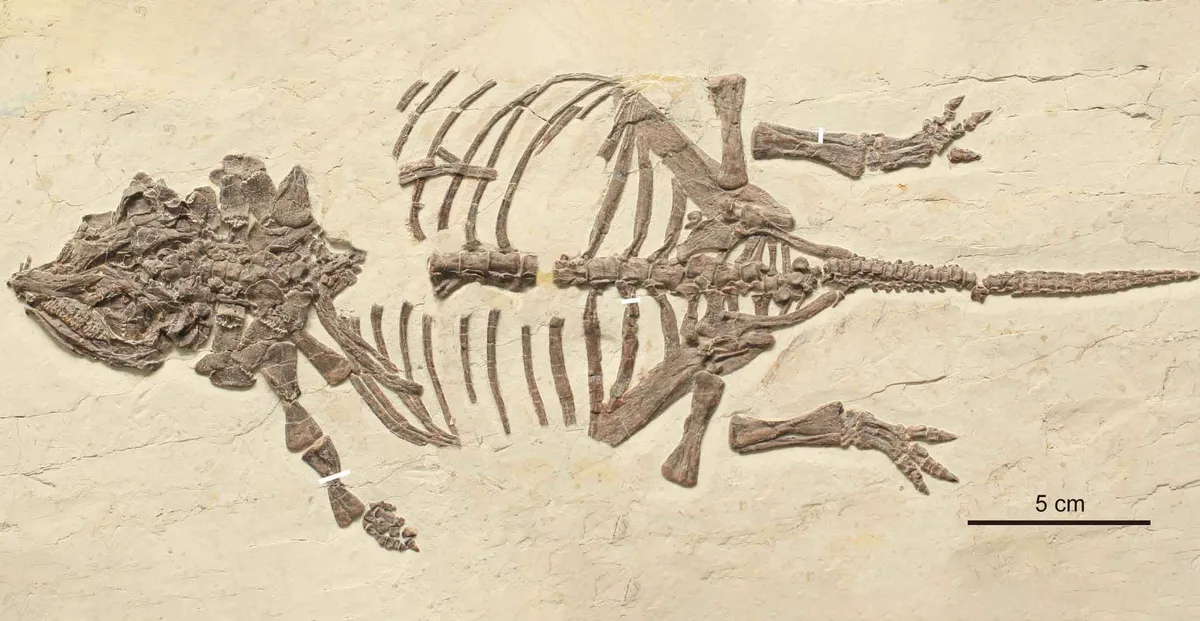
Tiny fossil skeletons long thought to be a separate species are actually baby ankylosaurs, revealing how armored dinosaurs grew from hatchlings to giants.

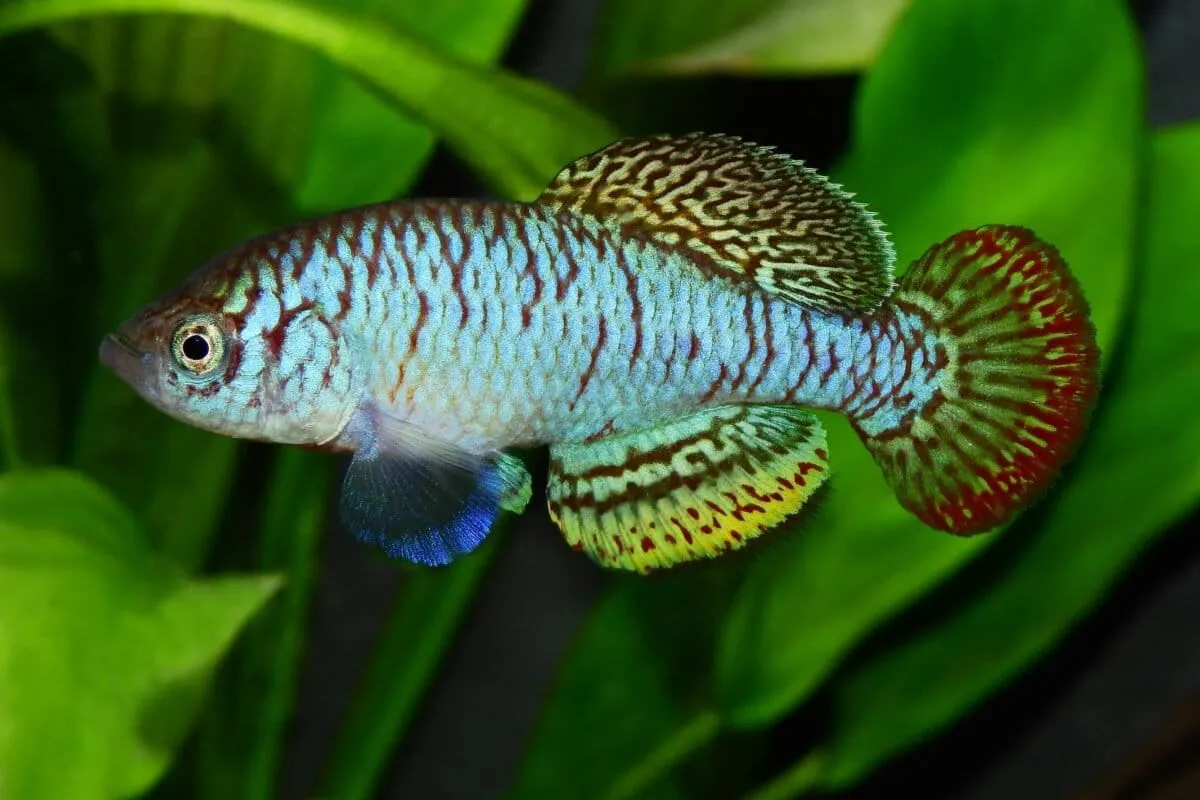
Scientists discovered nearly one new freshwater fish species every day in 2025—309 total, the most in eight years and third-highest on record since 1758.

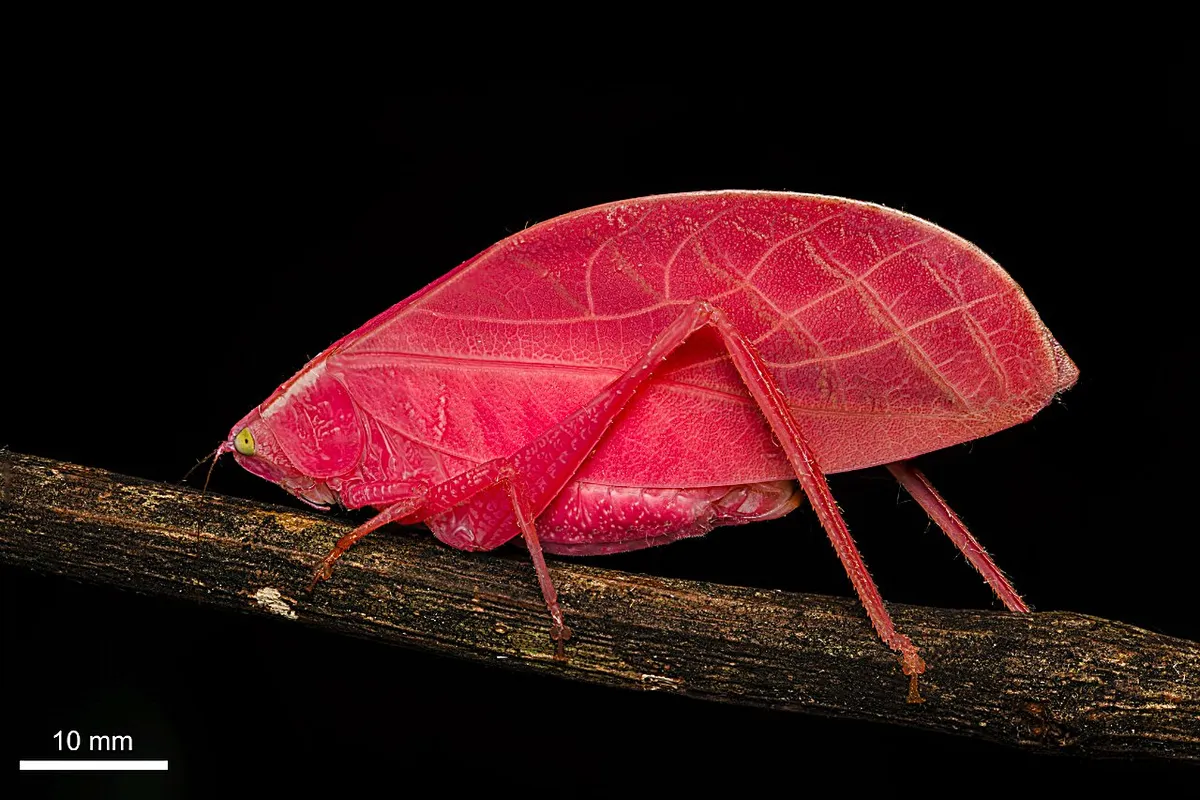
A tropical katydid transforms from hot pink to green in two weeks—a dramatic color-shift scientists say helps it vanish into rainforest foliage.
Download the Brightcast app for a better reading experience, daily notifications, and offline access.
Download App
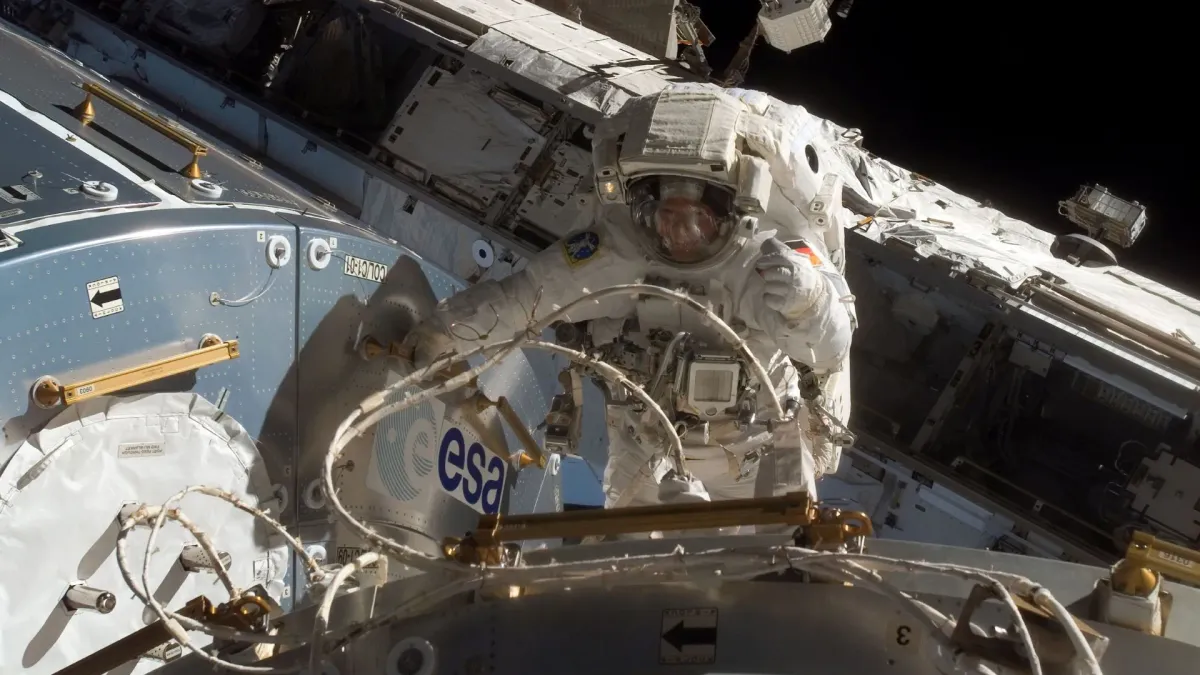
Europe just built its first machine to simulate the deadliest radiation threat astronauts face in deep space—galactic cosmic rays that strip away Earth's protective shield.

Cats, humans, and dogs share the same cancer-causing mutations—a groundbreaking discovery that could transform how we treat tumors across species.

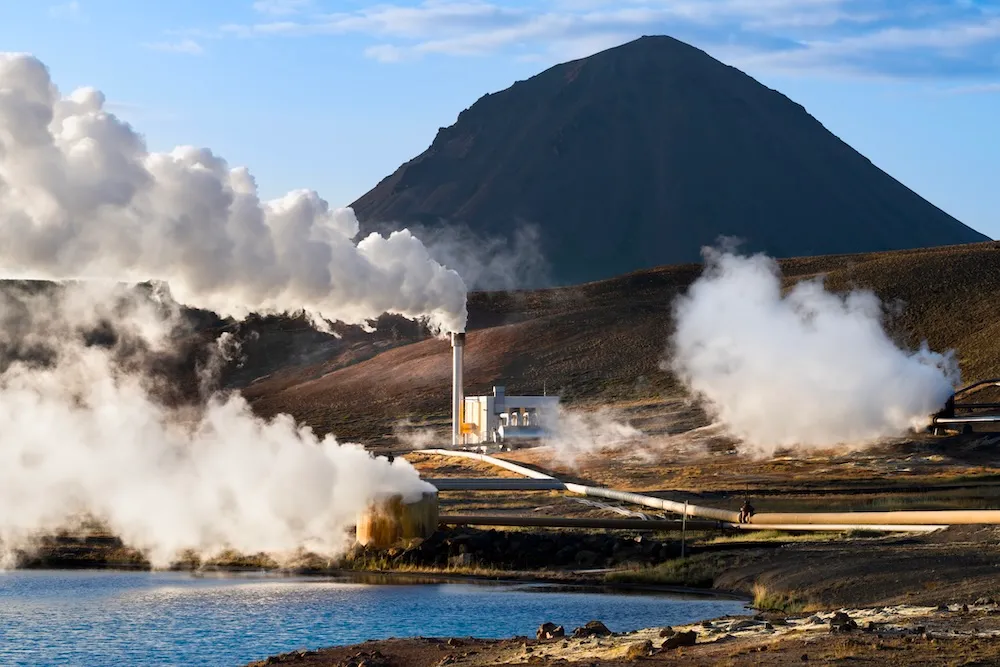
The Romans harnessed Earth's heat 2,000 years ago—yet geothermal energy remains vastly underutilized today despite being clean, continuous, and widely accessible.

Scientists just cracked how your skin senses the lightest touch. Scripps Research discovered a key protein translates physical pressure into brain signals with stunning precision.

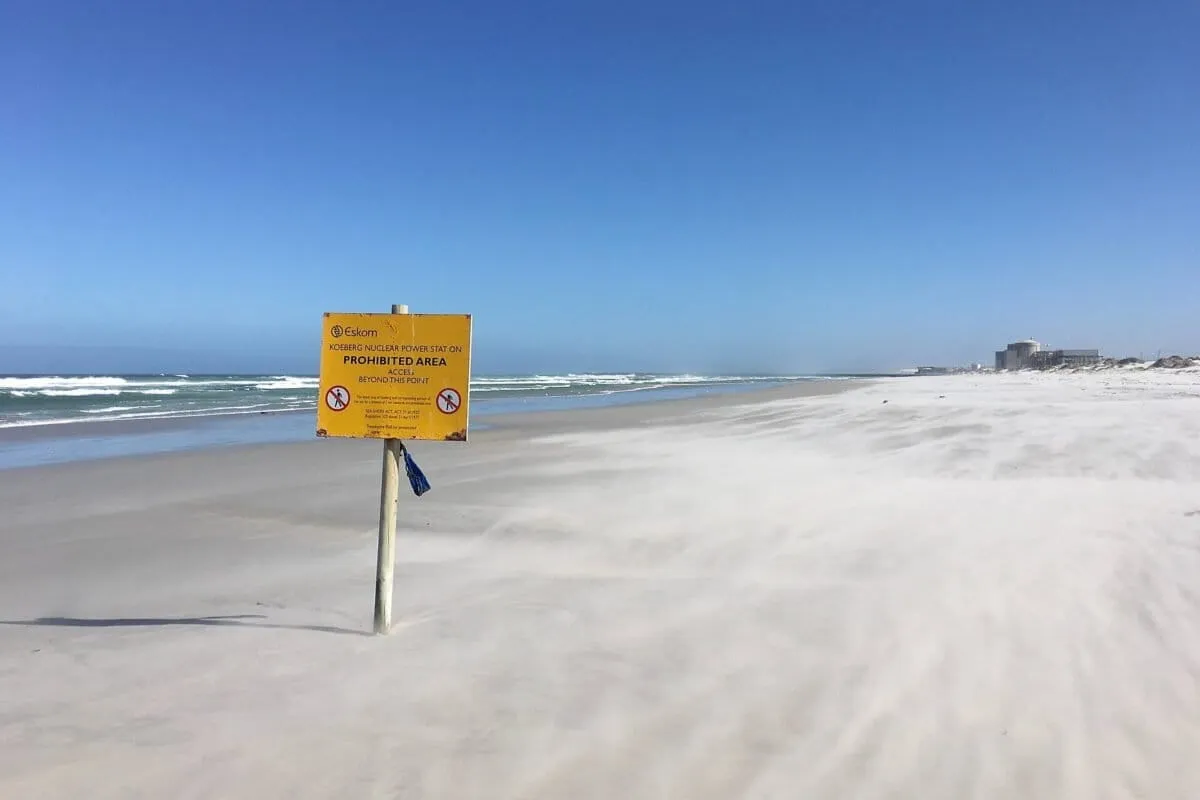
South Africa joins 34 nations pledging to triple nuclear energy by 2050—a climate strategy that signals a major shift in the country's energy future.
Join 50,000+ readers who receive our daily digest of the most uplifting stories from around the world.

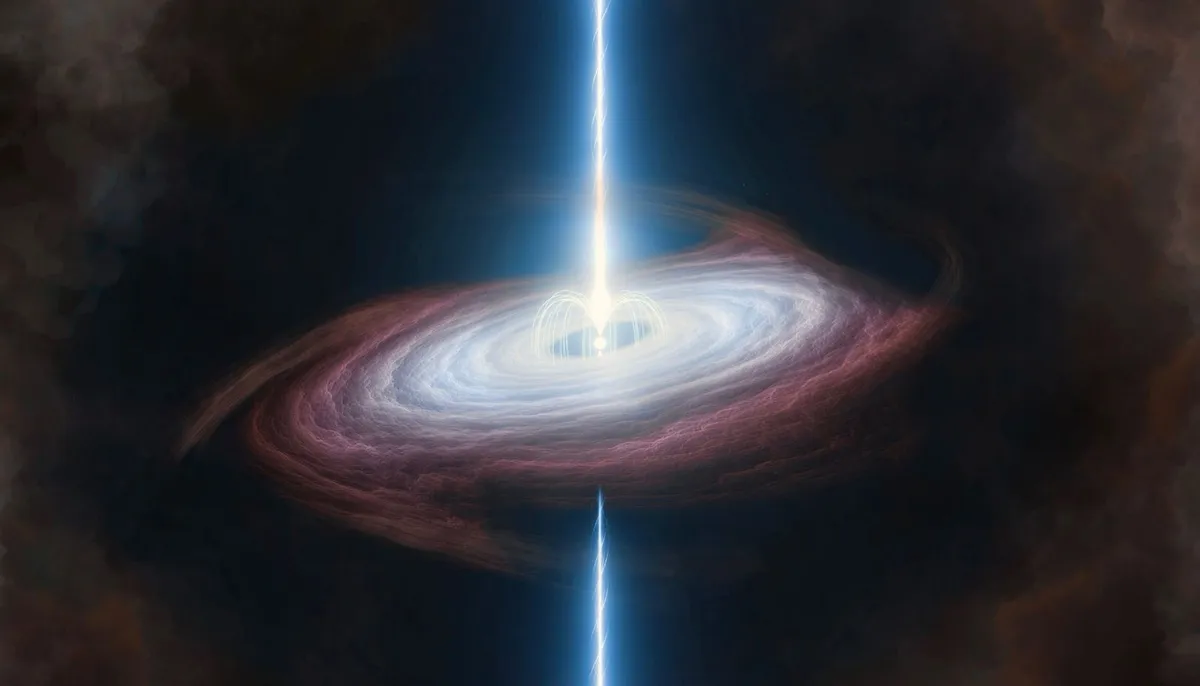
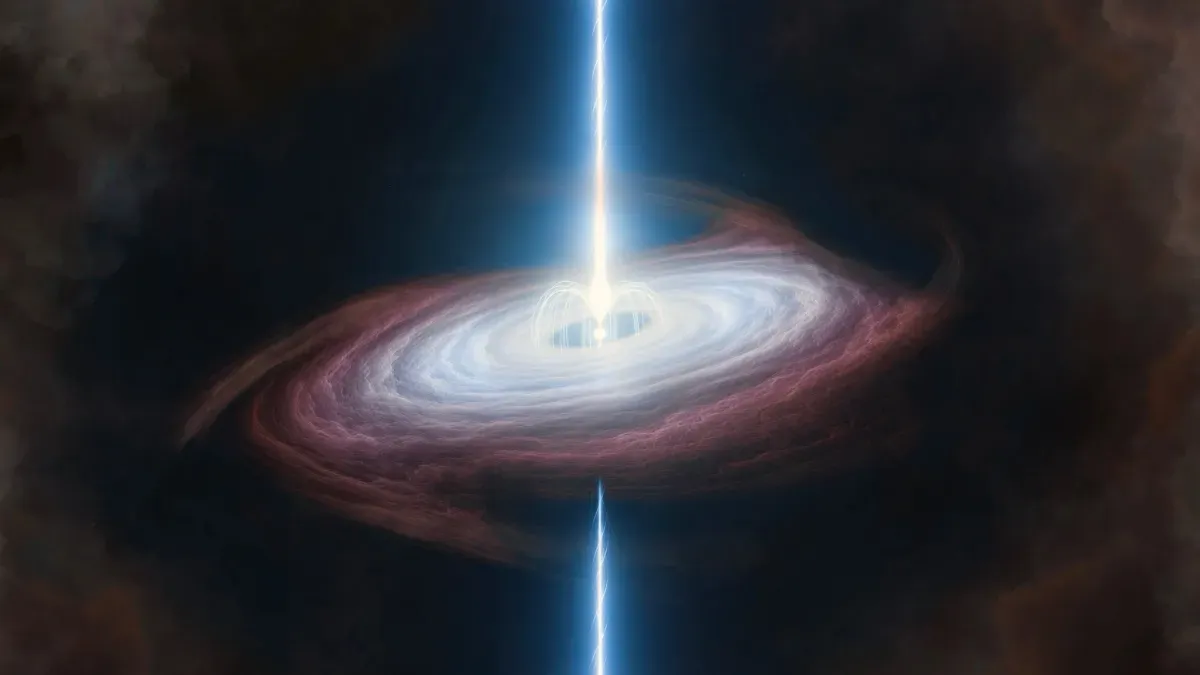
Magnetized stellar corpses may be the cosmic engines behind the universe's brightest explosions.

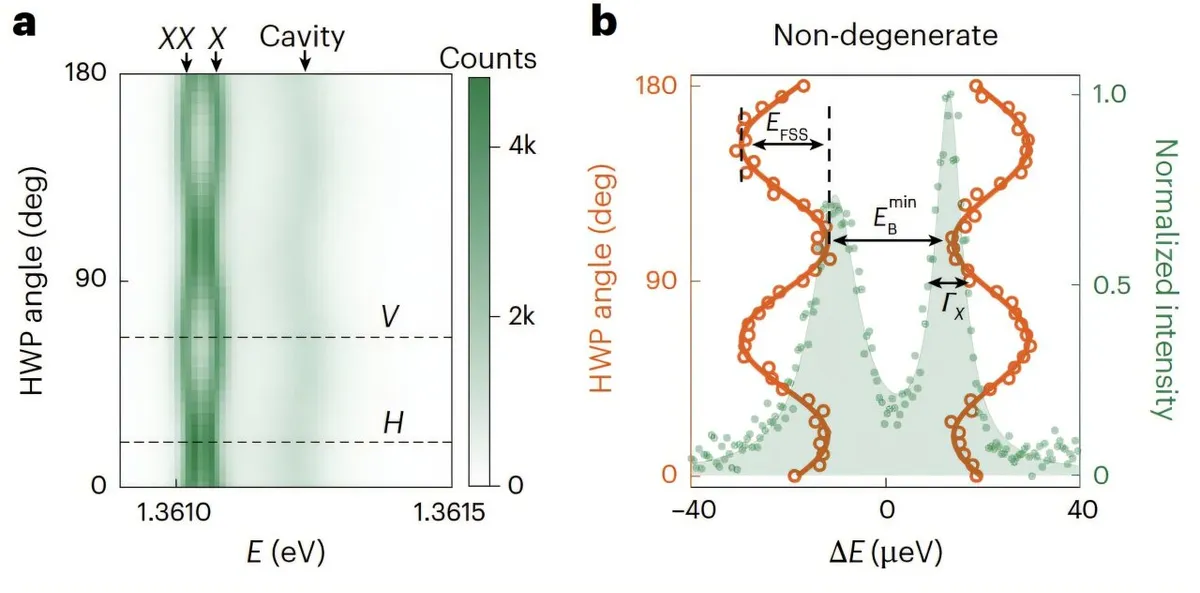
Chinese researchers have cracked a quantum puzzle: engineering quantum dots to reliably produce entangled photon pairs—a breakthrough that could revolutionize quantum computing and cryptography.

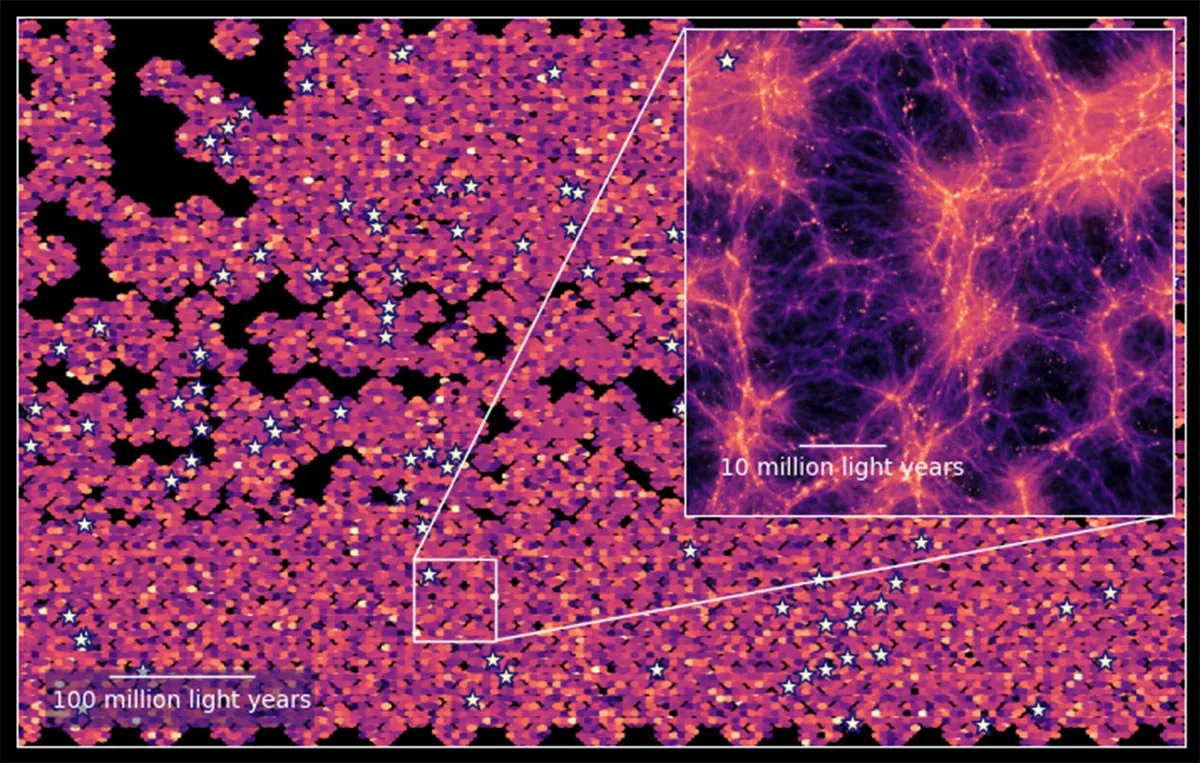
Astronomers have mapped the universe's hidden cosmic web—revealing galaxies and gas invisible to conventional telescopes by detecting hydrogen light from the early universe.

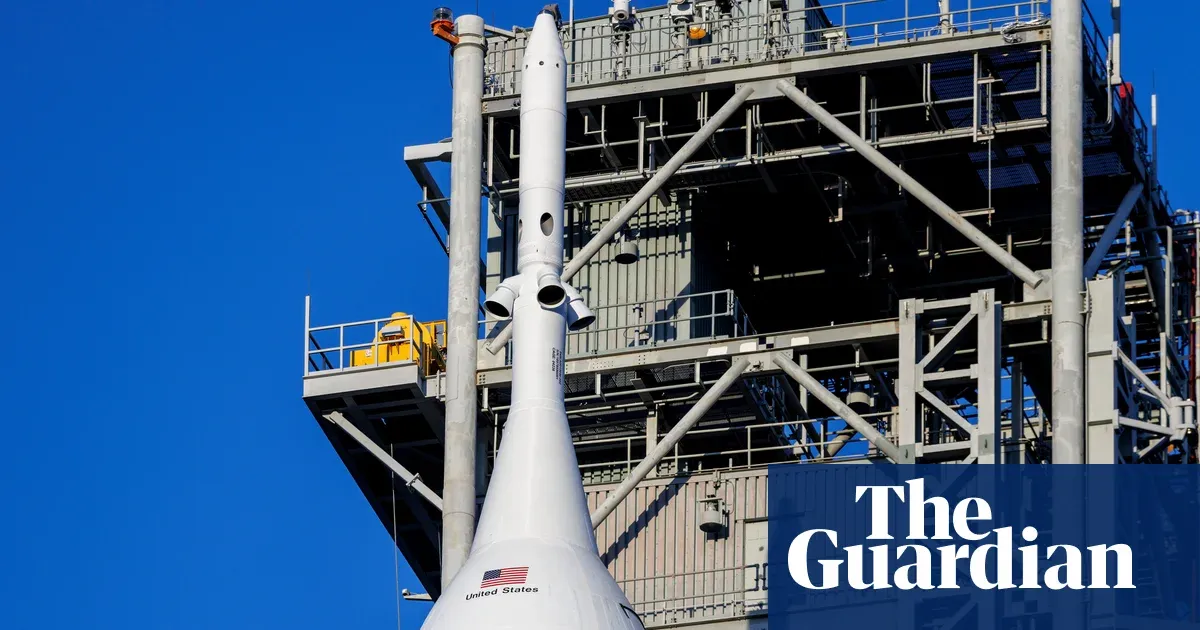
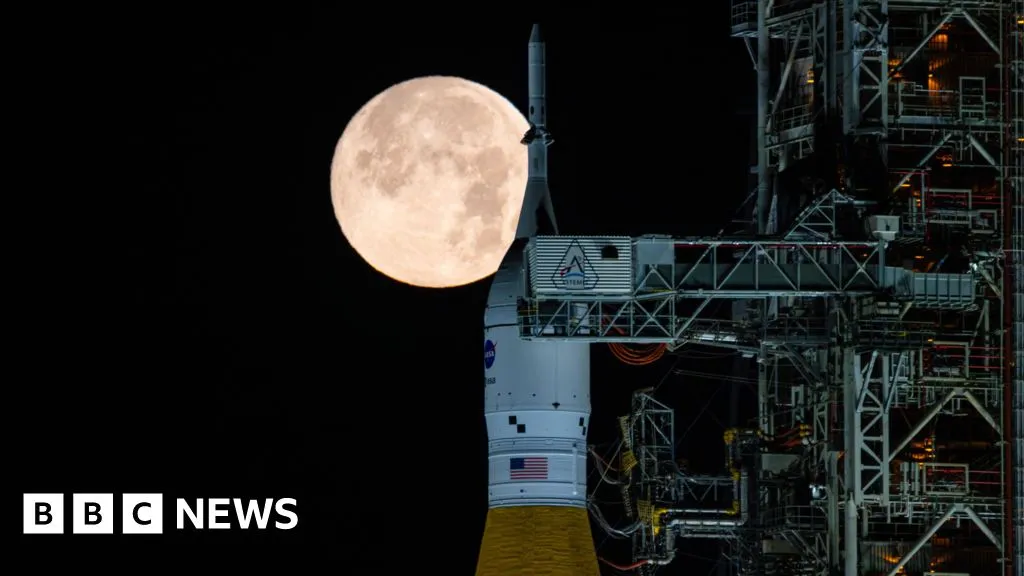
NASA targets April 1 for Artemis II, a crewed lunar flyby that would mark humanity's first moon mission in over 50 years—if the long-delayed launch finally stays on schedule.

Blood proteins could reveal Alzheimer's years before symptoms appear. Researchers found three proteins show telltale shape changes that track disease progression.
Brightcast is dedicated to restoring faith in humanity by highlighting the progress, solutions, and kindness that often go unnoticed. We believe in a balanced worldview.
Read our full mission →
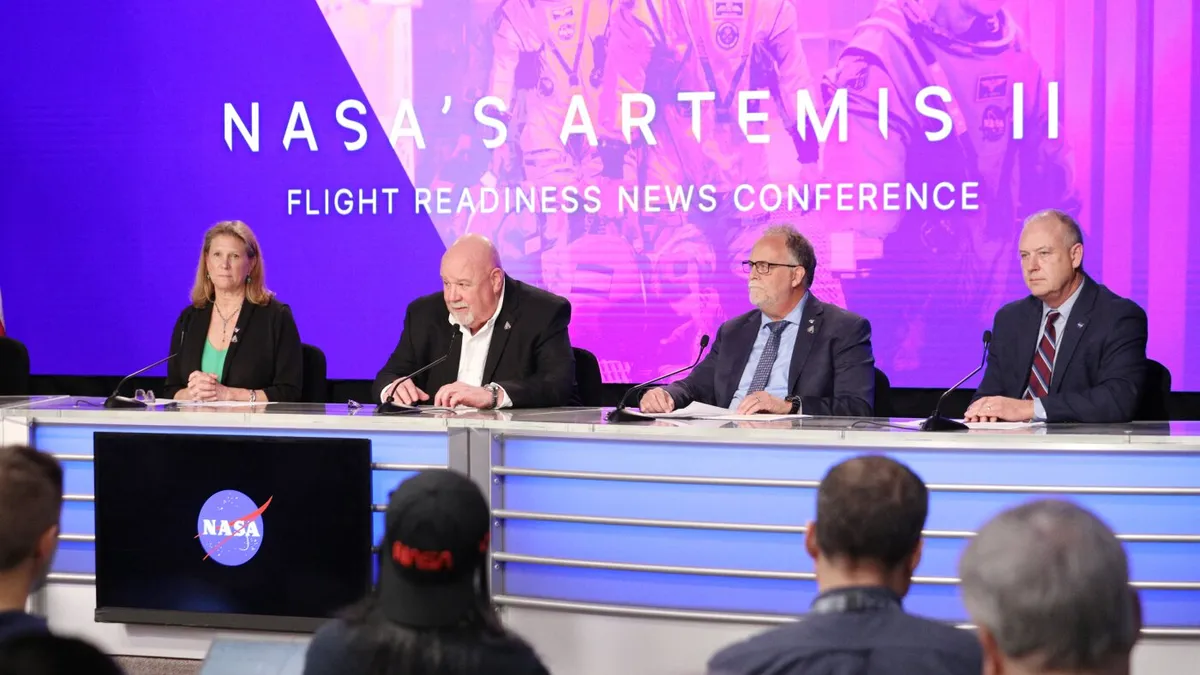
NASA cleared technical hurdles blocking its Artemis II Moon mission—now targeting early April for launch.

Humans are finally going back to the moon. NASA opens a six-day launch window April 1 from Kennedy Space Center—the first crewed lunar mission since Apollo 17 ended in 1972.

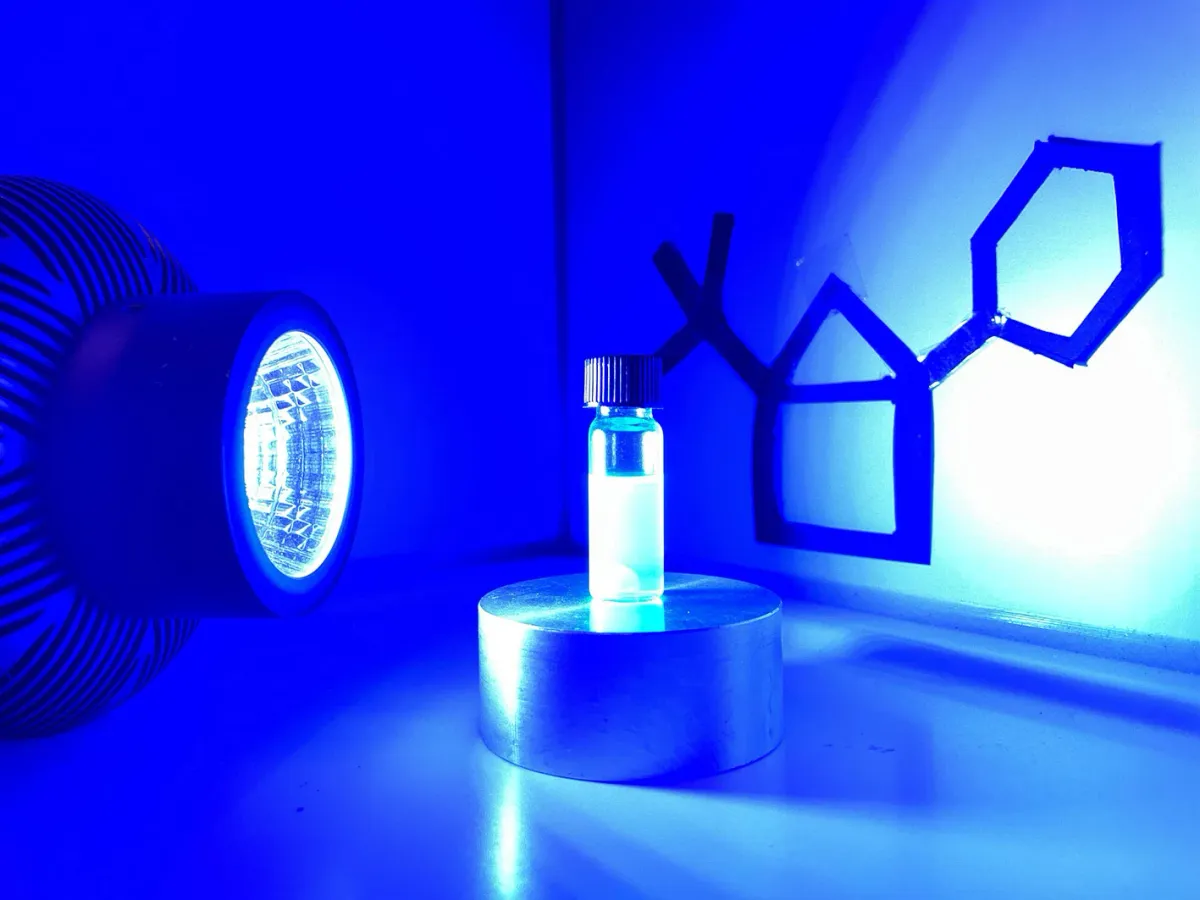
Light just cracked one of chemistry's toughest puzzles: making housane, a rare, ultra-strained molecule that could unlock new drugs. Scientists finally have a practical way to build it.

A New York man has made it his mission to roast the planets—and no celestial body is safe from his brutal critiques on Instagram.

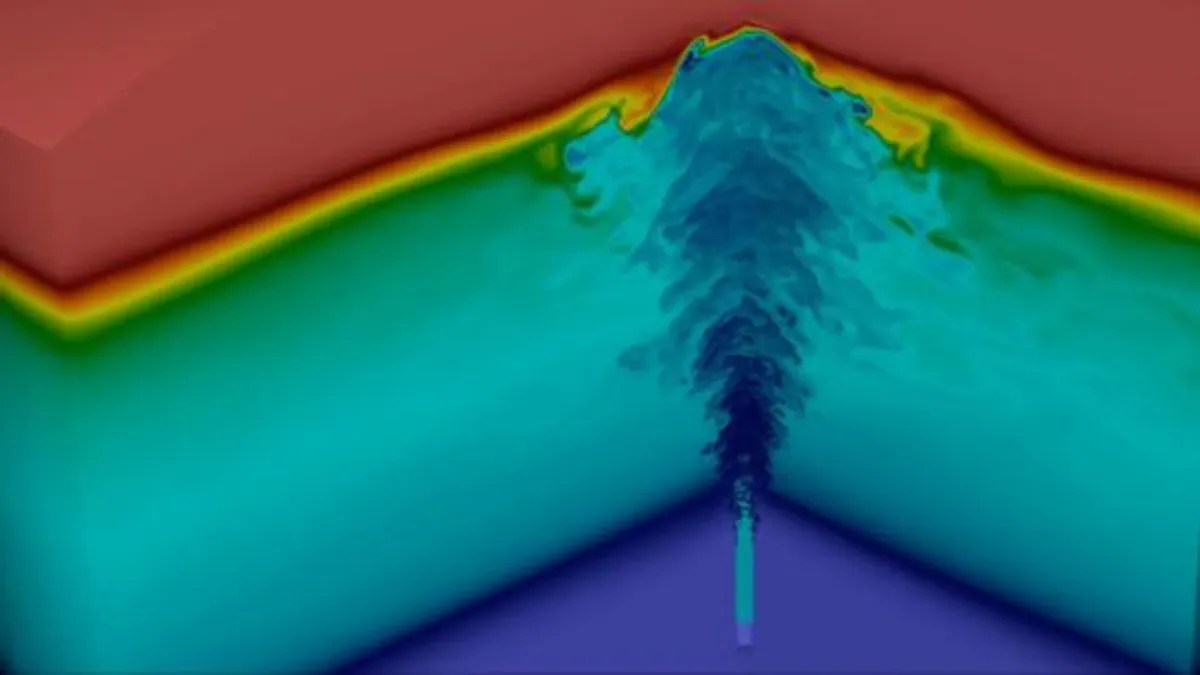
Supercomputers are cracking the code of chaos to make nuclear reactors safer. Argonne researchers are ditching approximations for raw computing power to model turbulent flow—the key to a carbon-free future.
Know someone who needs a boost? Share Brightcast with your friends and family.

Your Sun may have wandered billions of miles from its birthplace. New research reveals our star was part of a massive stellar exodus from the Milky Way's core.

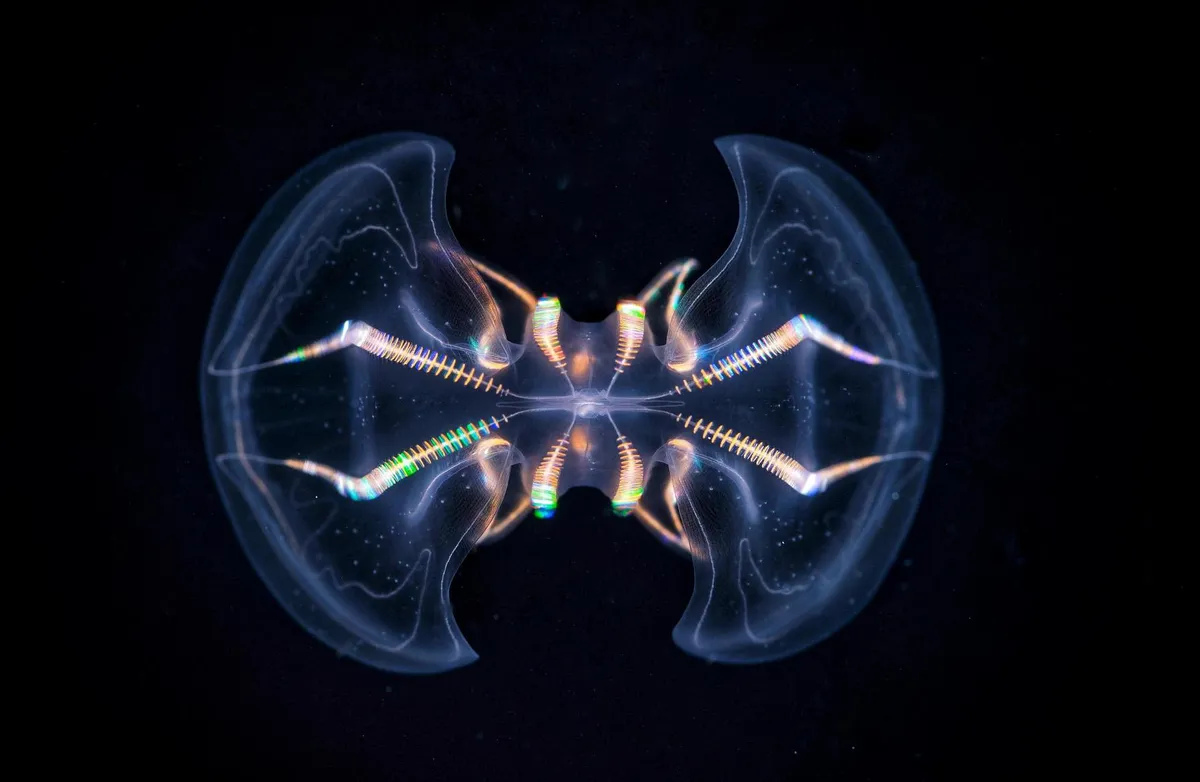
Comb jellies—among Earth's most ancient animals—possess surprisingly sophisticated sensory structures that challenge our understanding of how complexity evolved.

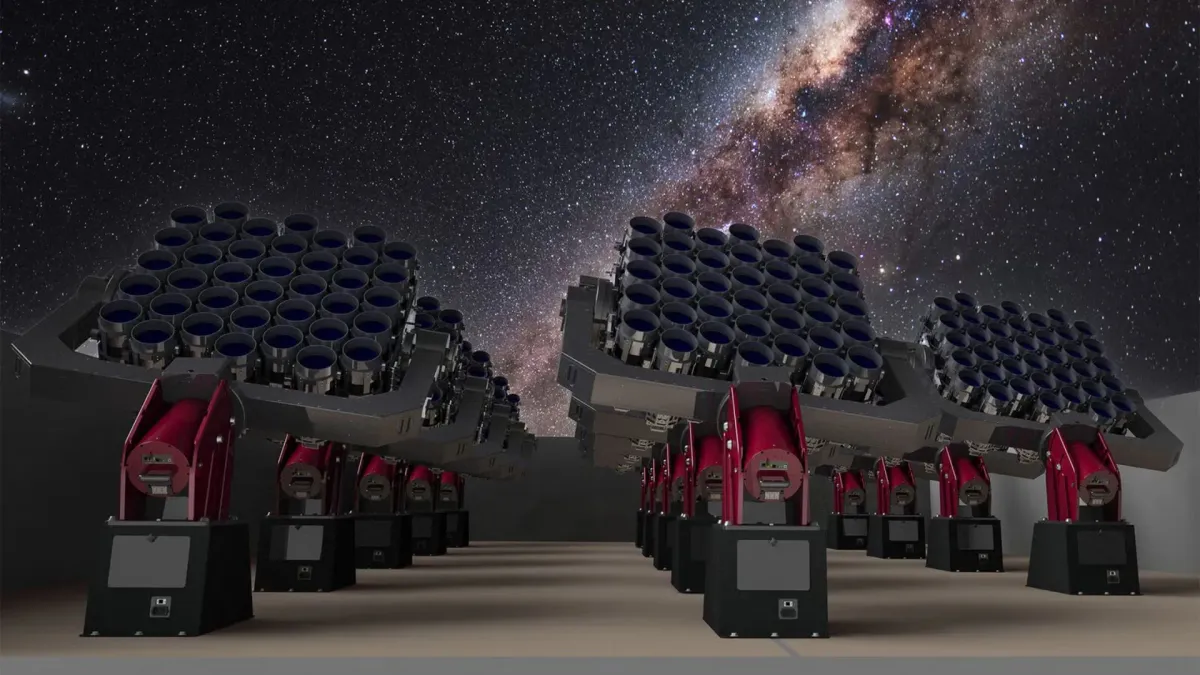
Scientists are building MOTHRA, a revolutionary telescope that will reveal the universe's hidden cosmic web—the faint gas filaments connecting galaxies and tracing dark matter's invisible architecture.

Pregnancy rewires the brain—and each child compounds the changes. New research shows these neural transformations don't reset after your first baby.

A star 25 times our sun's mass exploded a billion light-years away—and it was 10 times brighter than normal supernovas. Astronomers tracked the cosmic fireworks for over 200 days.