New imaging reveals parasite's secrets.
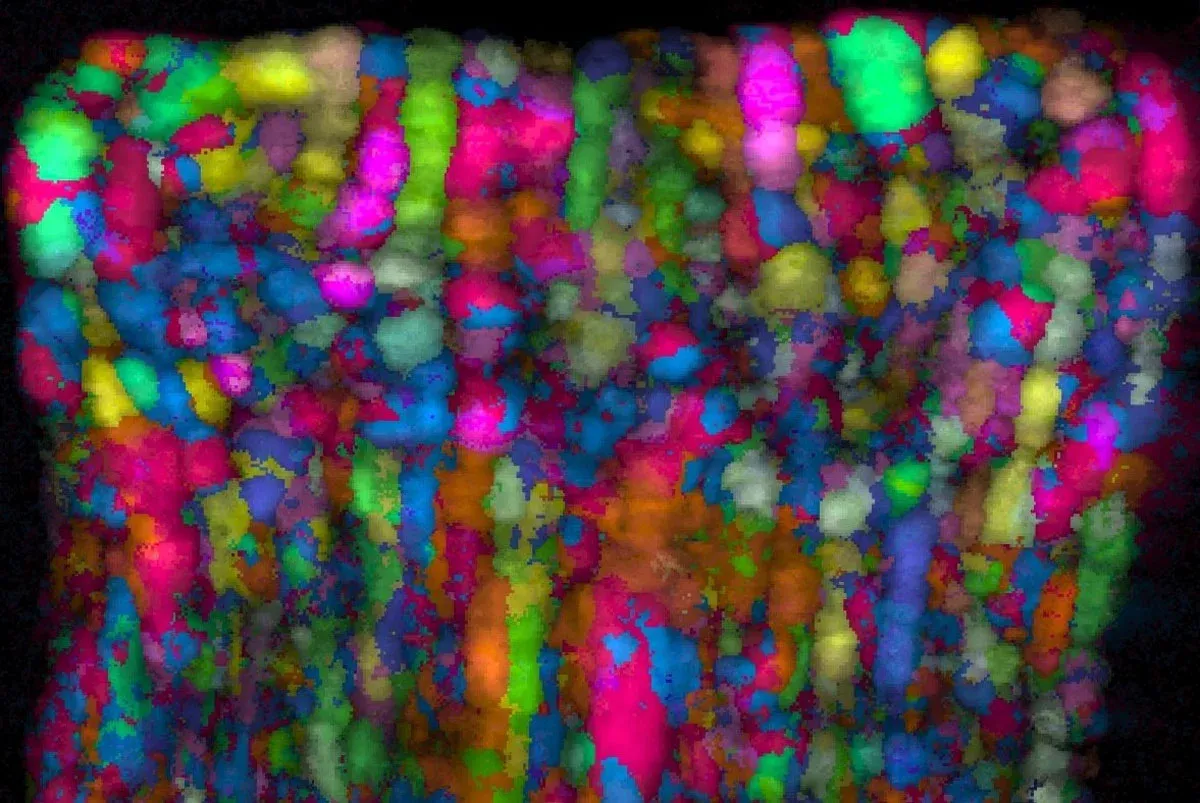
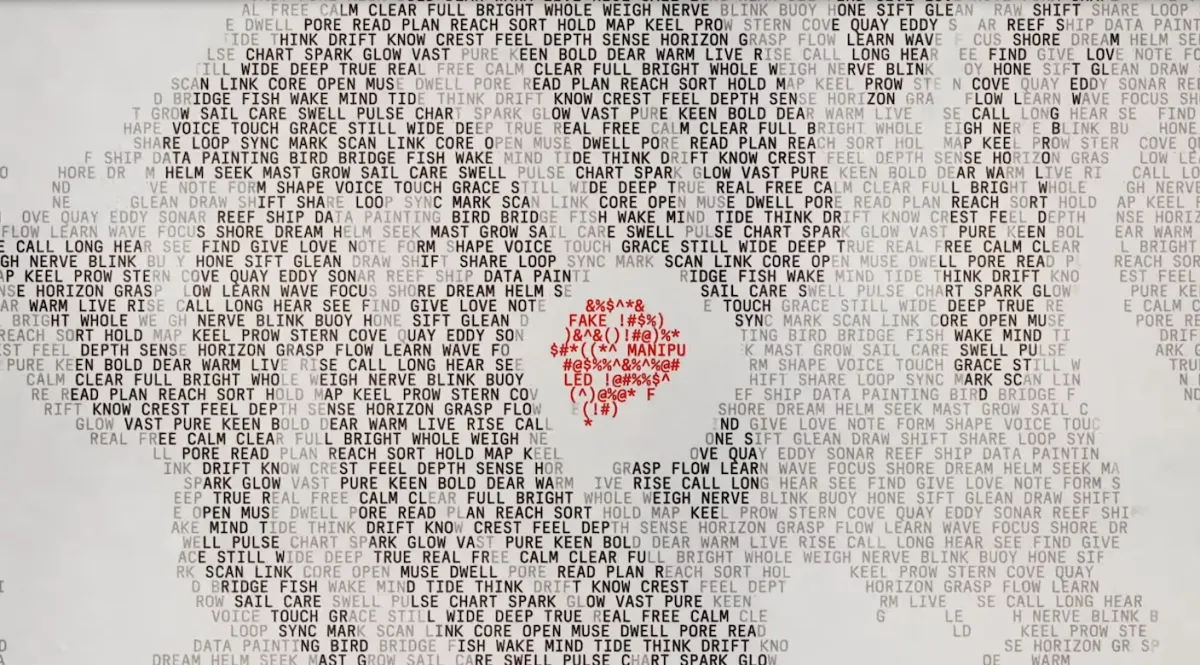
A parasite infecting one-third of humanity is notoriously hard to study. New research on Toxoplasma gondii could unlock drug treatments for this widespread microscopic organism.
from Futurity
Breakthroughs happen quietly. We make sure you hear about them.
1403 stories

A parasite infecting one-third of humanity is notoriously hard to study. New research on Toxoplasma gondii could unlock drug treatments for this widespread microscopic organism.
from Futurity

Herring spawning around Vancouver Island created a spectacle so bright, it was visible from space! NASA Earth Observatory captured the stunning event.
from NASA

Deep Isolation validated its borehole tech for safe disposal of high-level radioactive waste. Their analysis confirms advanced reactor fuel recycling waste is compatible with deep borehole disposal.
from Interesting Engineering

A high-altitude survival gene could unlock a natural way to repair nerve damage. This discovery offers new hope for neurological conditions.
from SciTechDaily

This new optical illusion will mess with your eyes and your friendships. How many purple dots do you see? Stare too long, and you might just start an argument like "The Dress" did in 2015.
from Popular Science
Join 50,000+ readers who receive our daily digest of the most uplifting stories from around the world.

Think extreme exoplanets are barren? A new study suggests even the most hellish worlds might harbor life.
from SciTechDaily

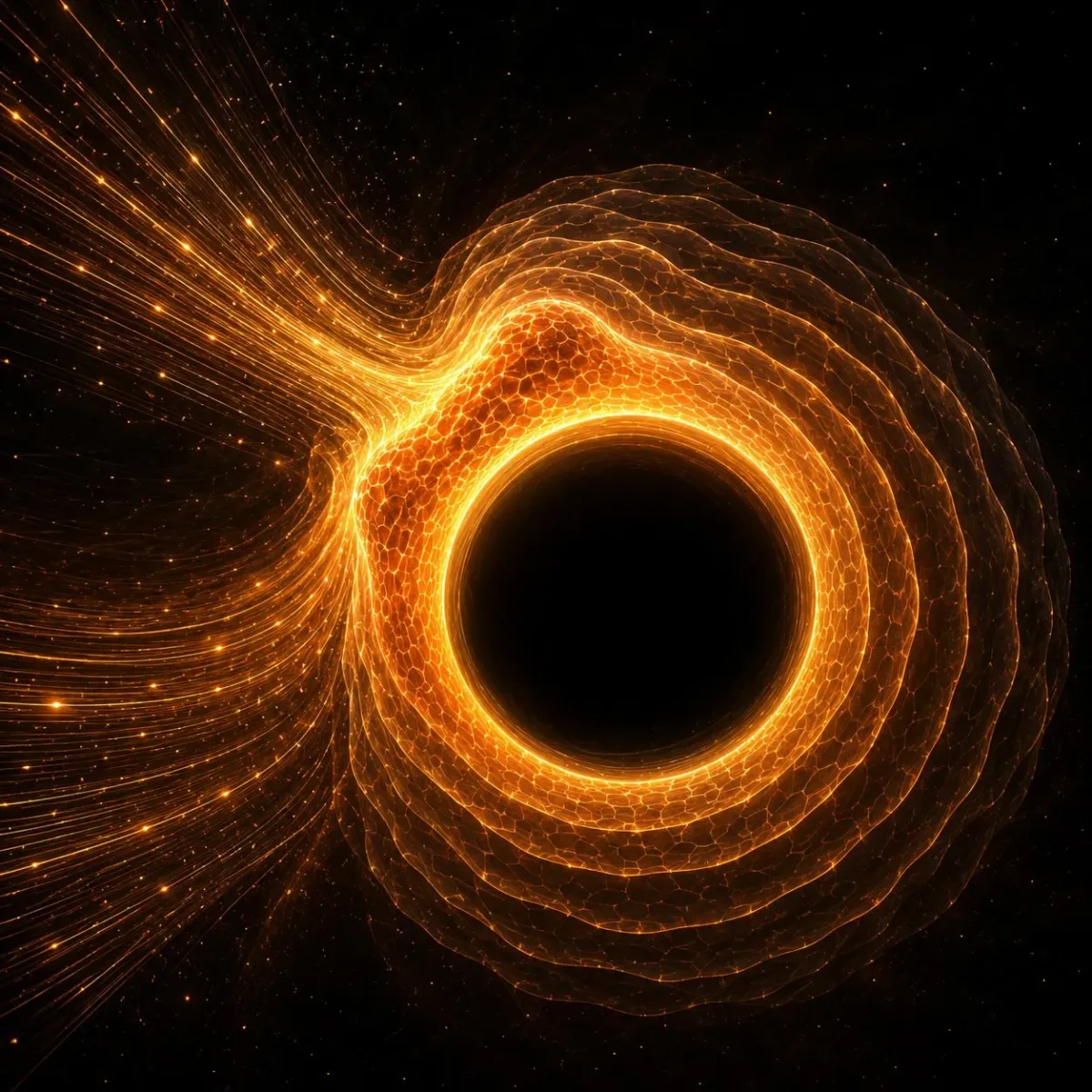
Hunting elusive supermassive black hole binaries just got a new trick. A study proposes tracking subtle, repeating starlight flashes to finally uncover these cosmic giants.
from SciTechDaily

US scientists discovered a rare quantum material that switches electronic states on demand. This breakthrough could lead to faster computer chips and adaptive sensors.
from Interesting Engineering

Mars life, killer asteroids, moon bases: Space exploration reveals humanity's future. This exclusive discussion for MIT alumni and subscribers dives into the progress and possibilities.
from MIT Technology Review

A shipwreck found in Singapore's waters is rewriting Yuan-era trade history. Its cargo reveals surprising new details about ancient maritime commerce.
from SciTechDaily
Brightcast is dedicated to restoring faith in humanity by highlighting the progress, solutions, and kindness that often go unnoticed. We believe in a balanced worldview.
Read our full mission →
Forget everything you thought about electron flow. Scientists just shattered decades of conventional wisdom, finding electrons move *better* in disordered materials, not clean, ordered ones.
from Phys.org

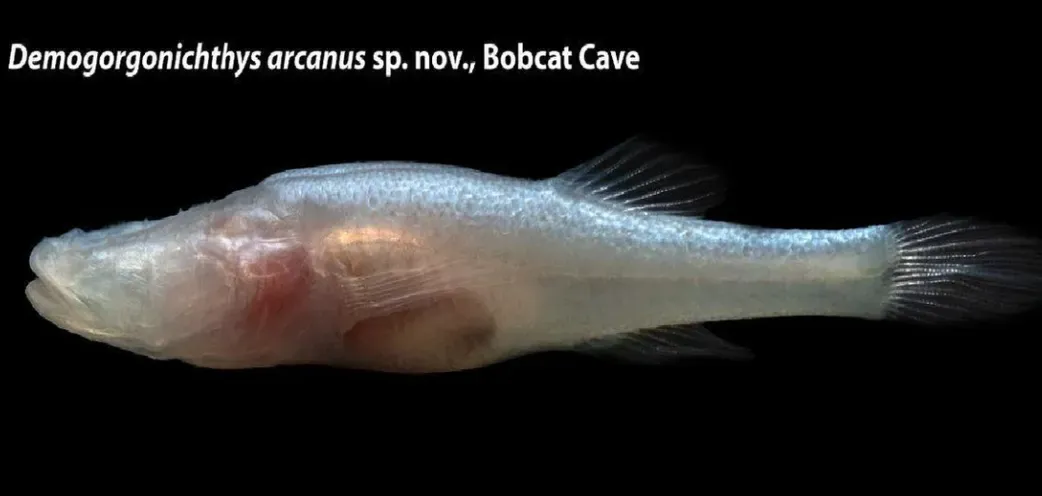
Three years ago, researchers plunged into 60+ Cambodian caverns to count animals. They discovered 11 new species, revealing the region's hidden biodiversity.
from Good Good Good

Palo Alto's Axiom Math just launched Axplorer, a free AI tool for mathematicians. It discovers patterns to solve long-standing problems, redesigning a supercomputer-level AI for your Mac Pro.
from MIT Technology Review

A medieval burial in a Neolithic monument just rewrote history. Ancient DNA reveals unexpected ancestry, proving the site's significance endured far longer than anyone imagined.
from SciTechDaily

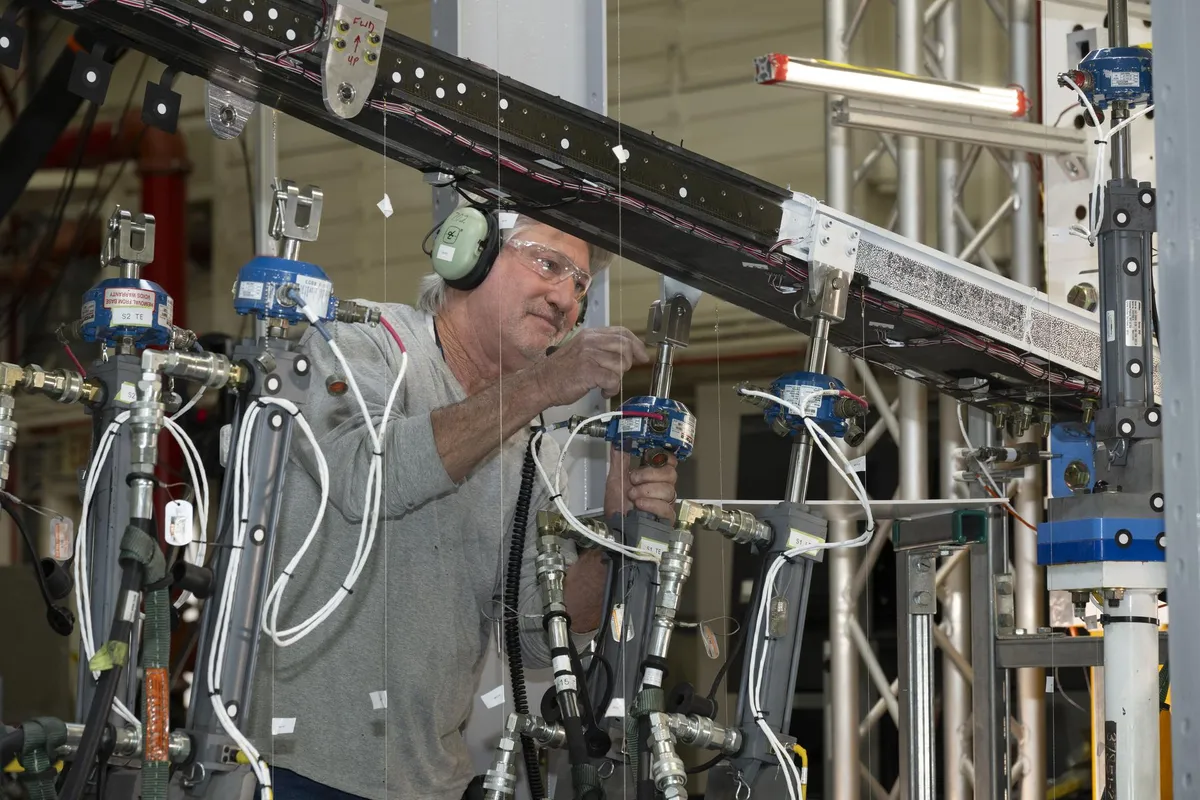
NASA pilot Kurt Blankenship just landed at Armstrong Flight Research Center. His arrival signals the next phase of moonwalk simulations, with the PC-12 aircraft now supporting critical research.
from NASA
Know someone who needs a boost? Share Brightcast with your friends and family.

A naked-eye star's powerful X-rays baffled astronomers for decades. Now, XRISM telescope data reveals the culprit: a hidden white dwarf companion siphoning material.
from ScienceDaily

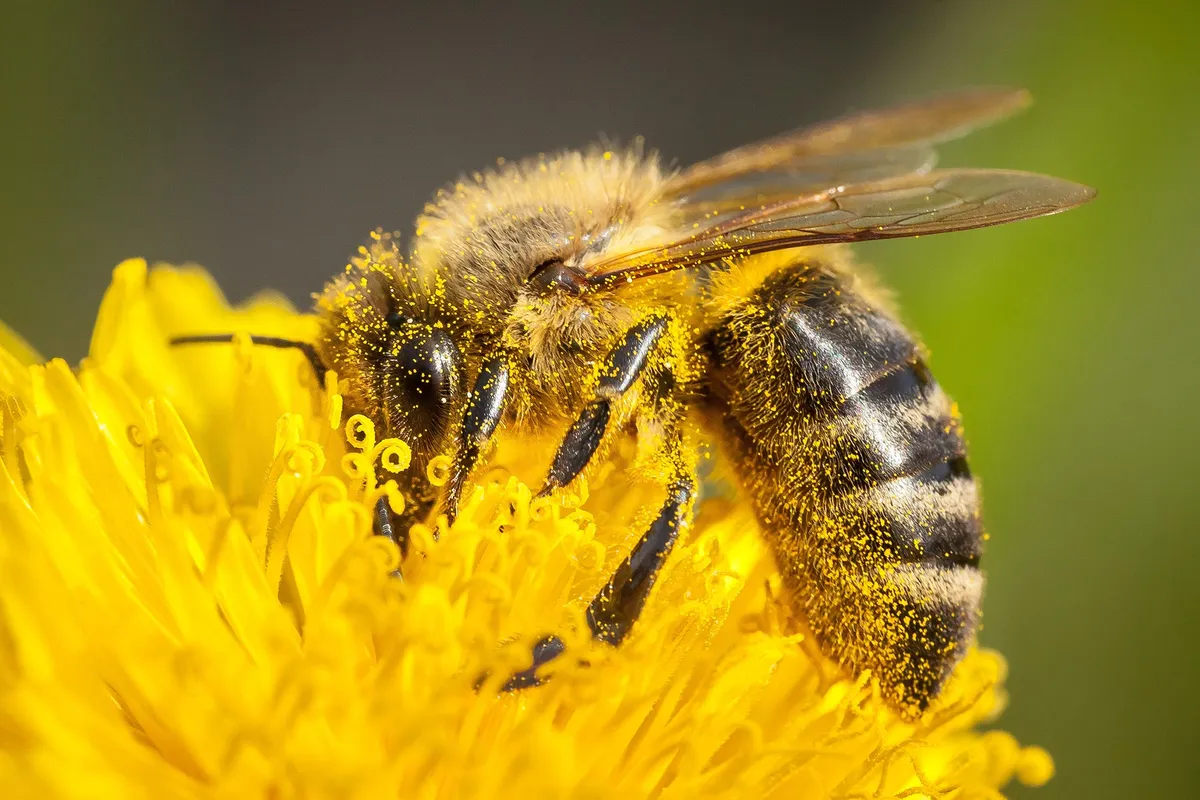
Honey bees don't just waggle dance for directions; they adjust their performance based on the audience. Fewer onlookers mean less precise dancing as they try to attract attention.
from ScienceDaily

Unlock the secret to youthful muscles! Scientists pinpoint a molecular mechanism explaining why exercise keeps our muscles healthy as we age.
from SciTechDaily

That meeting just got cancelled! Unexpected free time feels like a gift, even an hour. This bonus time alters our perception, making it feel longer and creating a unique sense of opportunity.
from Popular Science

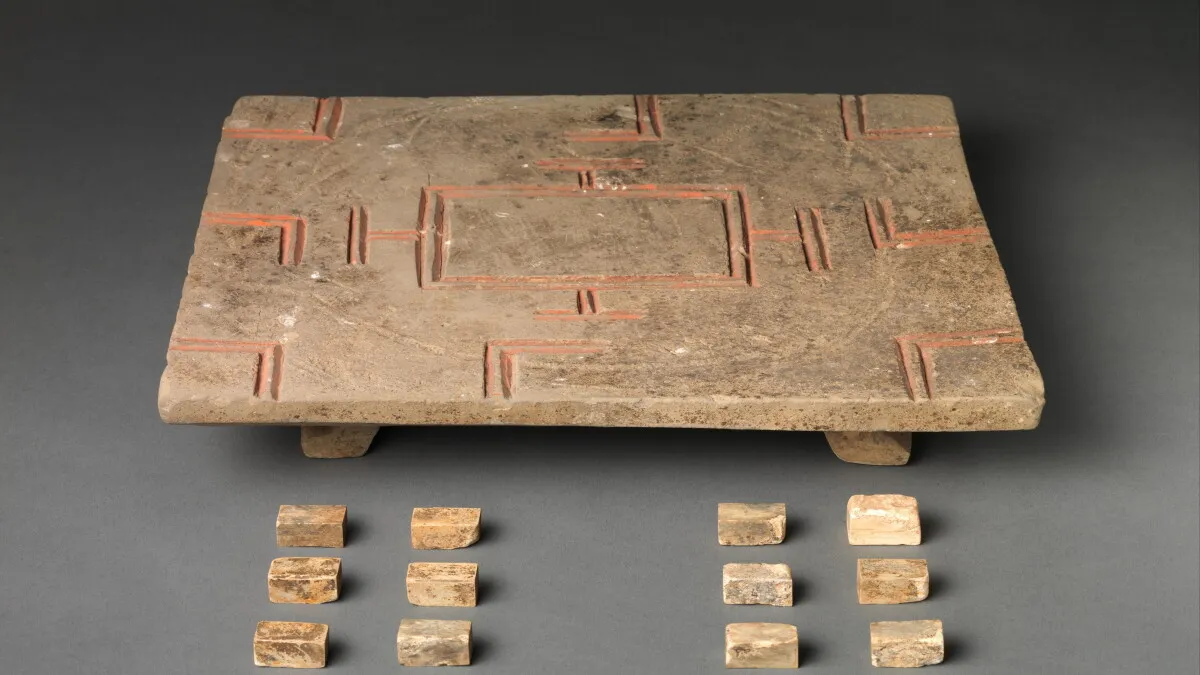
Ancient Athribus just yielded a treasure trove: ostraca, some predating Cleopatra herself! These fascinating fragments offer a direct link to a bygone era.
from Smithsonian Magazine
Download the Brightcast app for a better reading experience, daily notifications, and offline access.
Download App
Imagine healing skin without a single scar. Harvard scientists just unlocked an embryonic regrowth mechanism in mice, hinting at a future of scar-free skin regeneration.
from Harvard Gazette

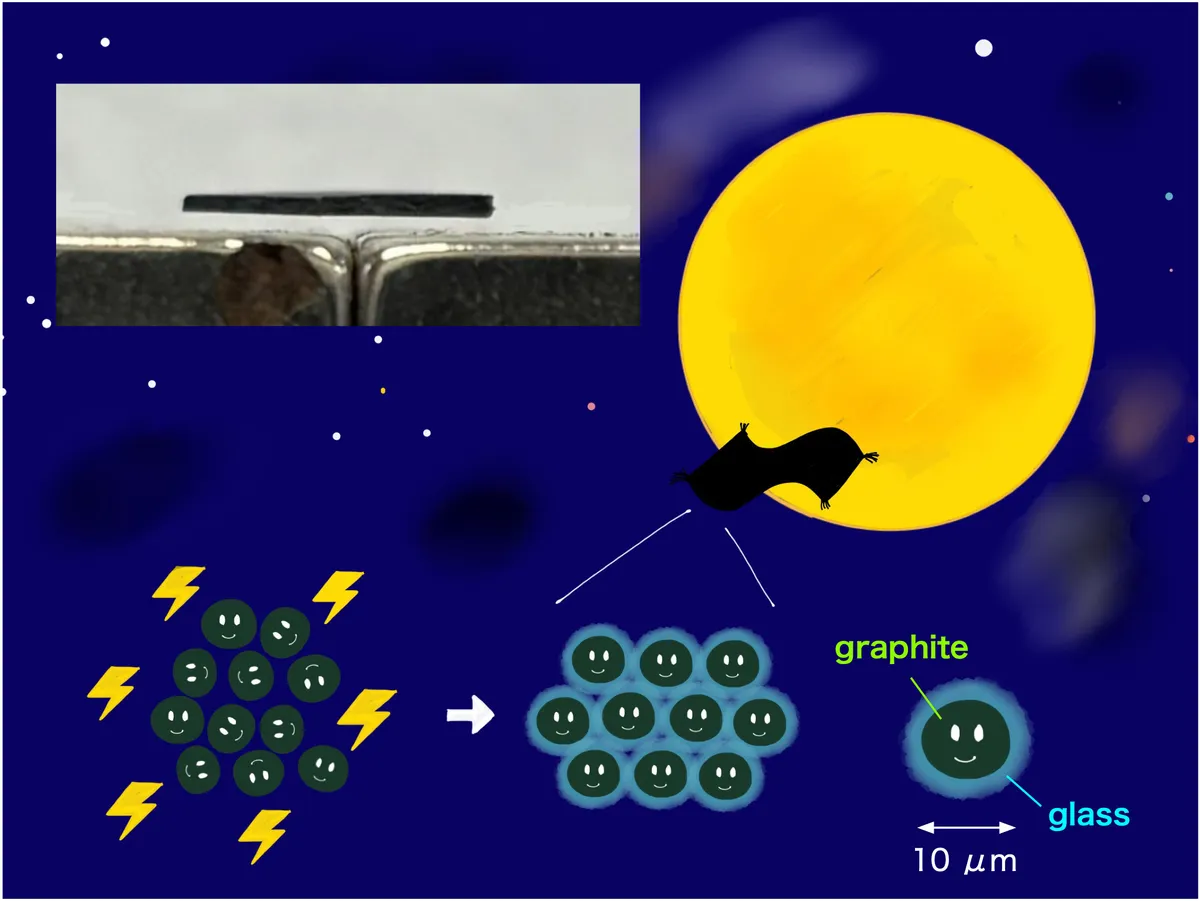
Scientists just unlocked a massive performance boost for a known material. By tweaking its nanoscale structure, they've dramatically enhanced its capabilities.
from SciTechDaily

Mini-brains just learned to balance a digital pole, rewiring their networks like you balance a ruler on your hand. This breakthrough pushes us closer to biological computing.
from Singularity Hub

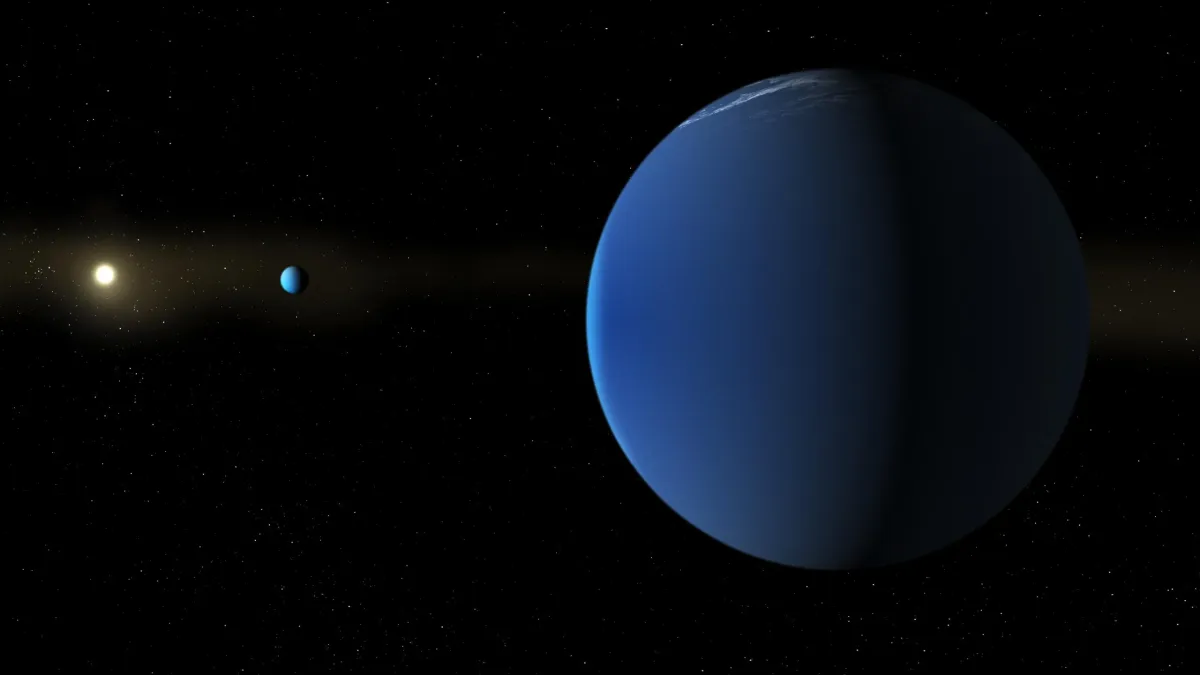
L98-59d: a molten planet with an atmosphere choked by hydrogen sulfide. Imagine the smell!
from Smithsonian Smart News

Chalcogens, the "ore-forming" elements next to oxygen on the periodic table, are vital. Sulfur, selenium, and tellurium are naturally occurring chalcogens crucial for biological processes.
from Phys.org
Join 50,000+ readers who receive our daily digest of the most uplifting stories from around the world.

Wake up truly rested, not groggy. It's more than 7-9 hours; your perception of deep, uninterrupted sleep matters. Dreams, especially vivid ones, might be the key to that feeling.
from Popular Science

Vivid dreams don't disrupt sleep—they enhance it. The more immersive your dreams, the deeper and more restorative your sleep feels.
from SciTechDaily

L. Stephen Coles's brain rests in an Arizona vat, frozen at -146°C for over a decade. Scientists recently lifted it for photos, a rare disturbance for the cryogenically preserved organ.
from MIT Technology Review

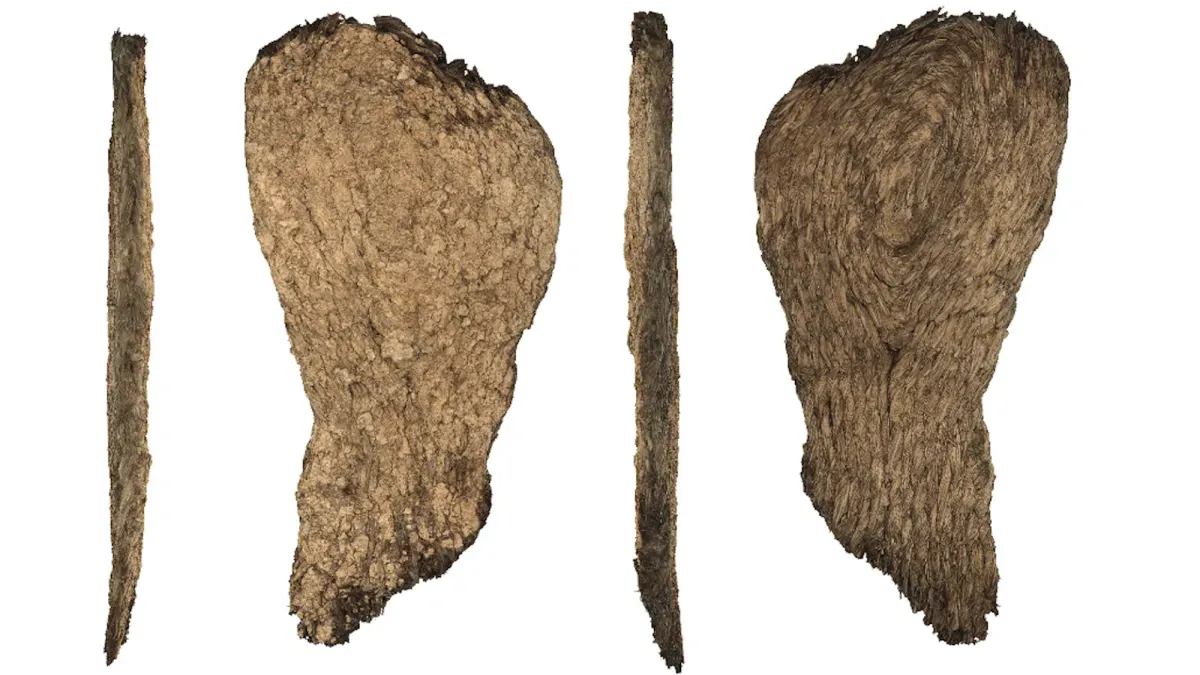
Ancient beads from Israel rewrite history: Natufians used clay symbolically far earlier than thought, a new study reveals.
from Smithsonian Smart News

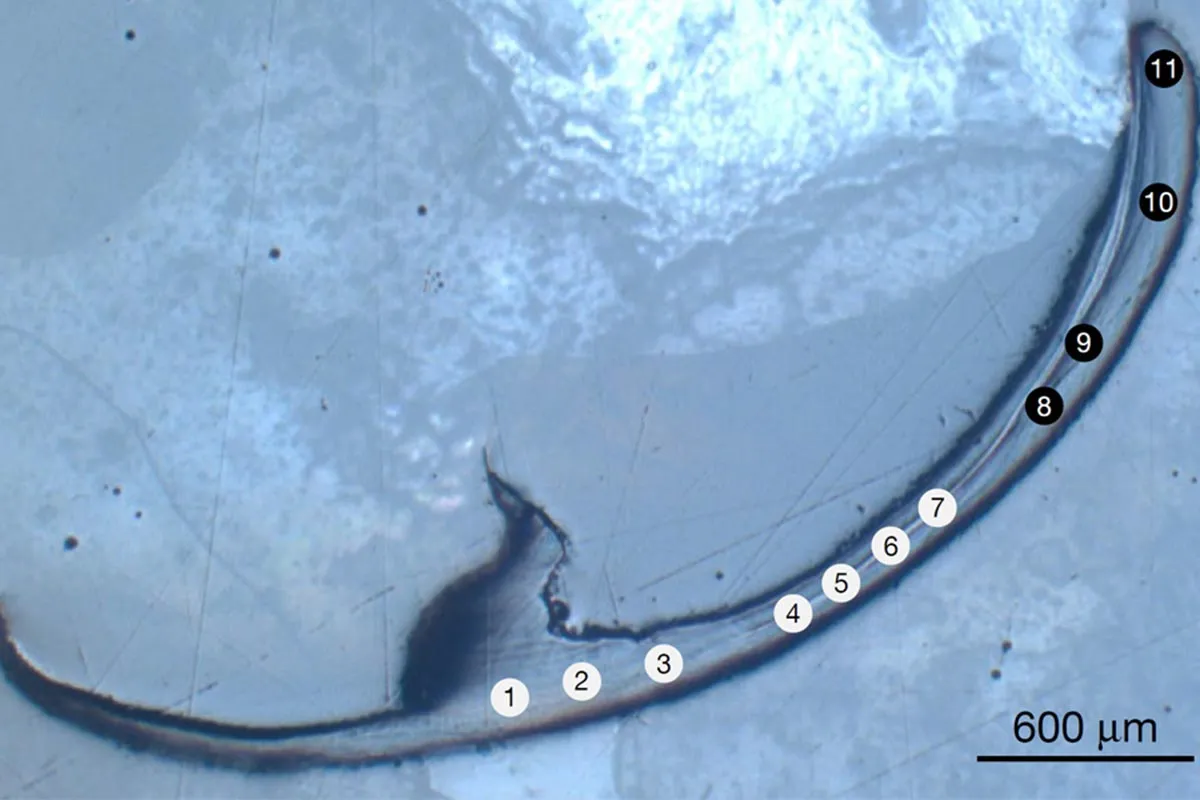
Hollow hair cells? Scientists discovered a mammal with unique, hollow melanosomes—tiny pigment structures—a trait never before seen in any other mammal.
from Smithsonian Smart News
Brightcast is dedicated to restoring faith in humanity by highlighting the progress, solutions, and kindness that often go unnoticed. We believe in a balanced worldview.
Read our full mission →
Jupiter's colossal storms unleash lightning far more powerful than Earth's. New data could illuminate electrical mysteries within our own planet's thunderstorms.
from UC Berkeley News

Astronomers solved a decades-old mystery: how red giant stars mix deep interior material to their surface. Supercomputer simulations reveal stellar rotation is key.
from ScienceDaily

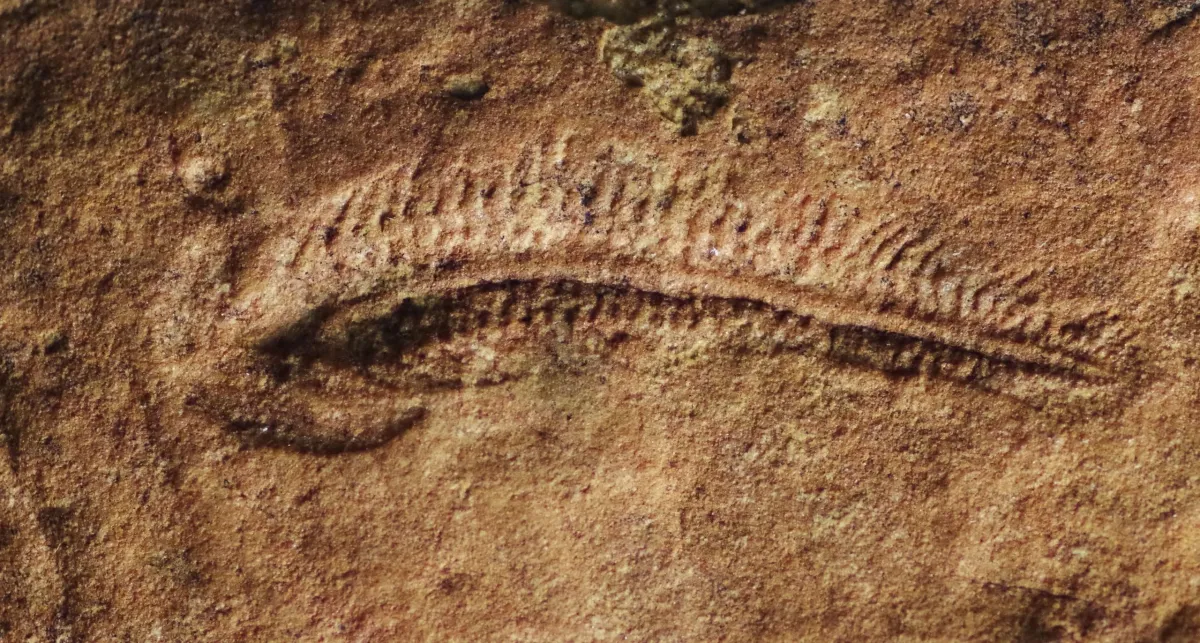
Earth's ancient magnetic field wasn't chaotic! New rock analysis from the Ediacaran period reveals a surprisingly stable geomagnetic field, challenging previous assumptions.
from SciTechDaily

A naked-eye star's 50-year X-ray mystery is solved! A hidden, feeding white dwarf companion is the bizarre source.
from SciTechDaily

One lightning strike packs 1 gigajoule of energy—enough to obliterate a tree or city grid. But Jupiter's lightning makes Earth's bolts look like static shocks.
from Popular Science
Know someone who needs a boost? Share Brightcast with your friends and family.

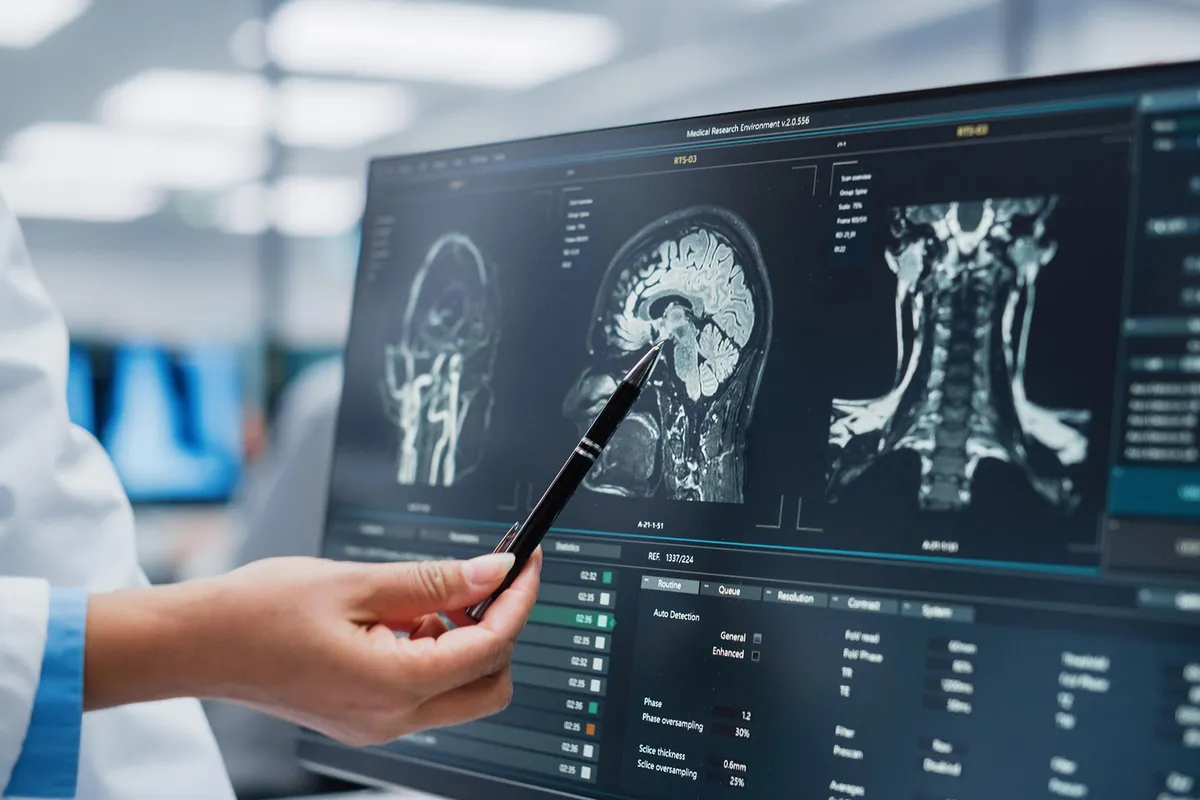
Parkinson's disease research just got a shake-up. New imaging challenges a core assumption, potentially redefining our understanding of this complex neurological condition.
from SciTechDaily

Aging mice got a health boost! Increasing an inflammation-suppressing protein reduced frailty and improved physical health.
from SciTechDaily

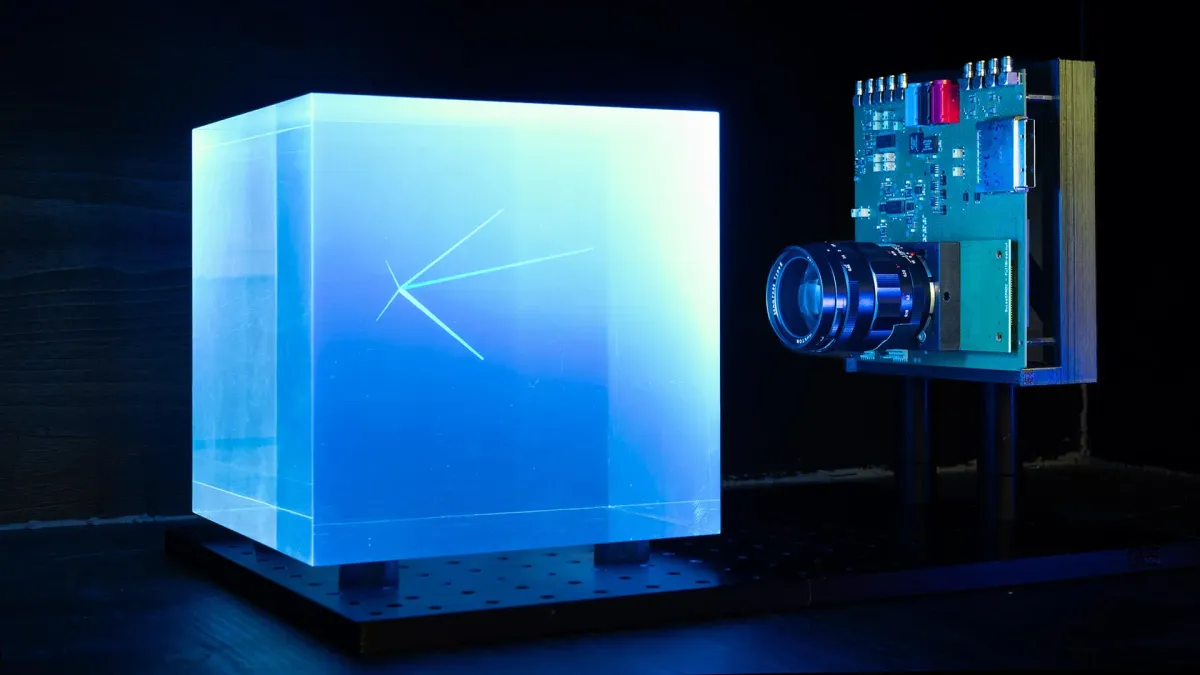
Light control just got an upgrade. A long-standing photonics limitation is giving way to a new regime, promising unprecedented manipulation of light.
from SciTechDaily

Spring is here! Plants, like us, have a circadian clock. They sense warmer air and longer days, knowing winter is over and it's time to bloom. They can even tell when you're stressed.
from Popular Science

Frozen brains rebooting? Not yet. But scientists preserved mouse brain slices for a week, then revived them to buzz with electrical activity and strengthen wiring.
from Singularity Hub