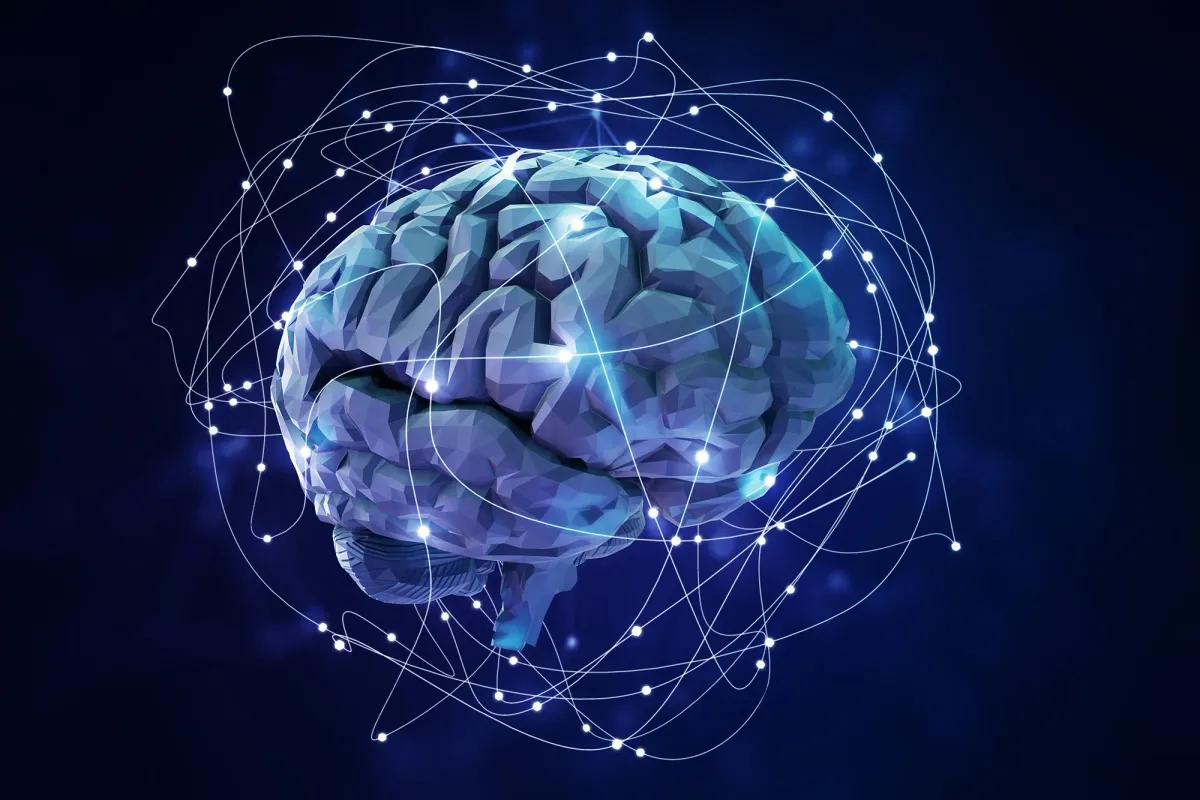
Frozen for a week, mouse brain cells spark back to life.
Frozen brains rebooting? Not yet. But scientists preserved mouse brain slices for a week, then revived them to buzz with electrical activity and strengthen wiring.
from Singularity Hub
Breakthroughs happen quietly. We make sure you hear about them.
1404 stories
Frozen brains rebooting? Not yet. But scientists preserved mouse brain slices for a week, then revived them to buzz with electrical activity and strengthen wiring.
from Singularity Hub

Scientists just shattered a long-held belief! A new link between a time crystal and a mechanical system opens doors once thought closed.
from SciTechDaily

Honey bees literally dance better with an audience. New research reveals these tiny performers boost their waggle dance moves when other bees are watching.
from SciTechDaily

Ever wonder why some sounds just *feel* right? Smithsonian scientists reveal our sound preferences might be hardwired, an ancient evolutionary echo.
from Smithsonian Smart News

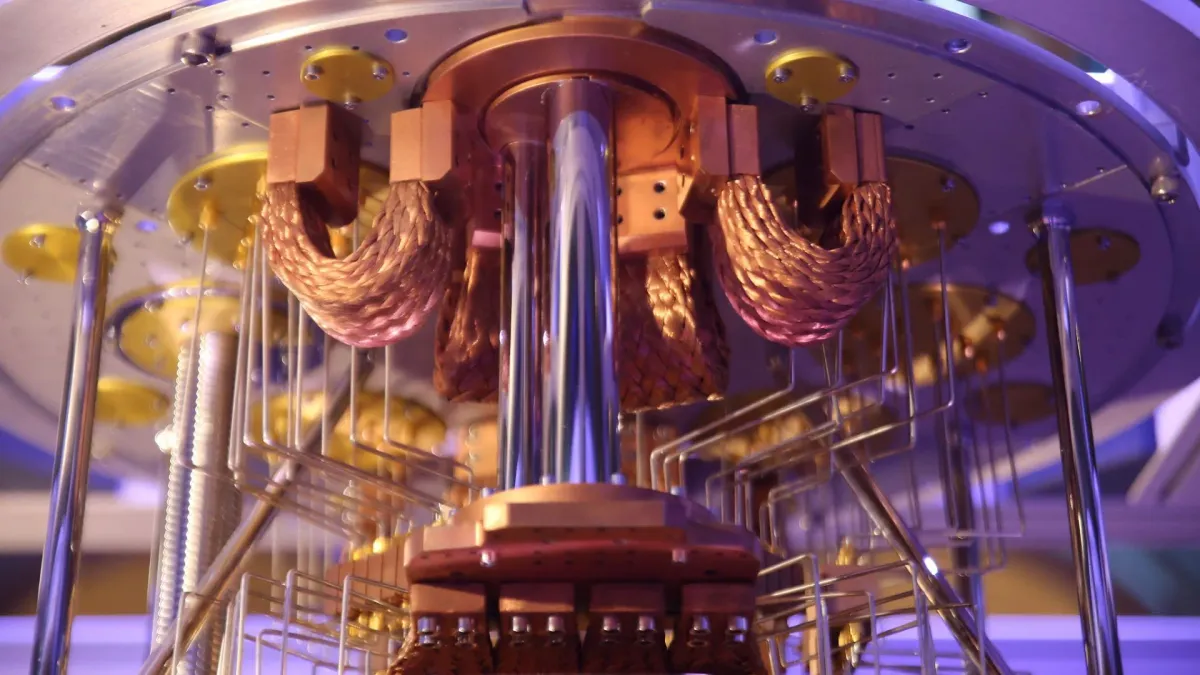
Quantum computers, using quantum mechanical effects, could soon outperform classical computers. Their qubits exist as 0, 1, or both simultaneously, unlocking new computational power.
from Phys.org
Join 50,000+ readers who receive our daily digest of the most uplifting stories from around the world.

Unlock a galaxy's 12-billion-year past! Astronomers used chemical "fingerprints" to reconstruct its history, a new method revealing how galaxies like the Milky Way formed and evolved.
from SciTechDaily

Russia launched a rocket from Baikonur Cosmodrome's Site 31 for the first time since last November's damage. Roscosmos video confirmed the successful liftoff Sunday.
from Phys.org

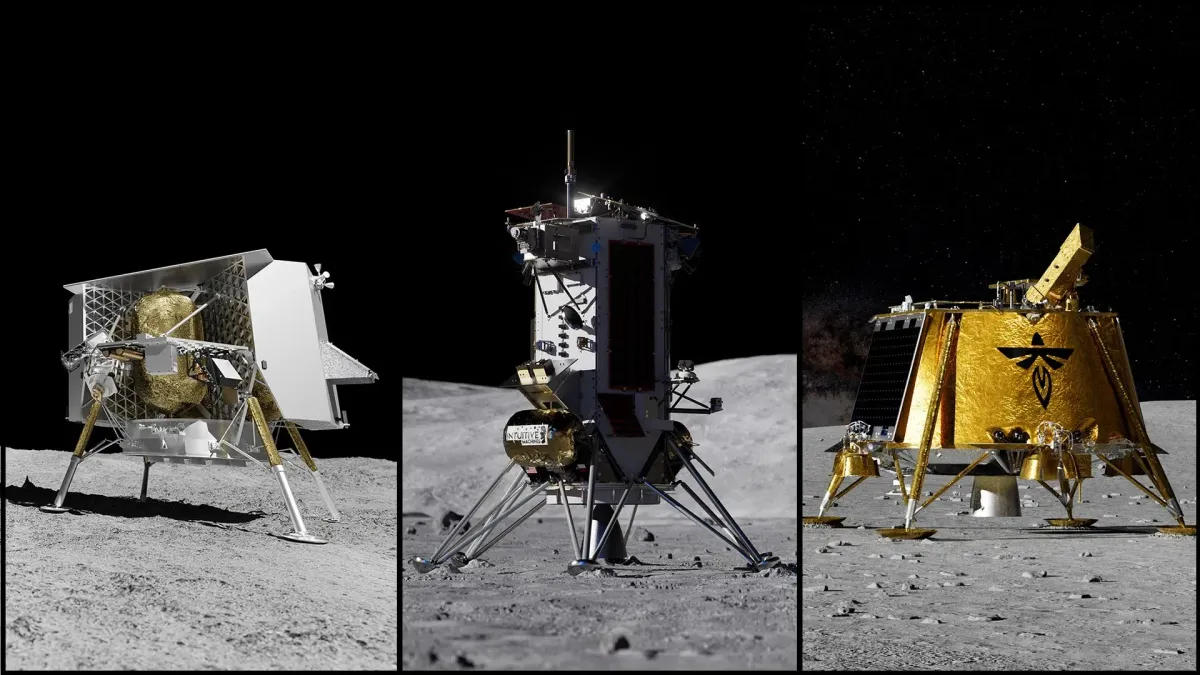
Sealed for decades, Apollo-era lunar samples are now revealing unexpected chemical signatures. These findings challenge long-standing assumptions about the Moon's composition.
from SciTechDaily

Living cells constantly burn energy in one-way processes like DNA transcription. How this irreversibility impacts individual genes has been a mystery—until now.
from Phys.org

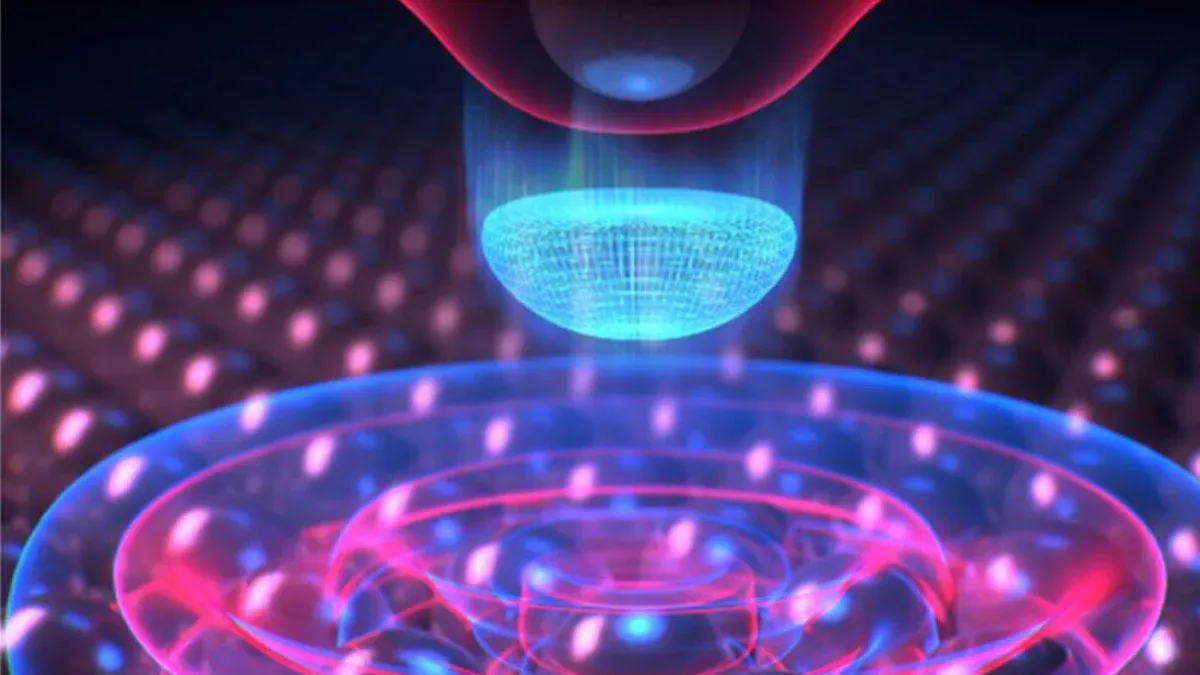
Scientists just broke physics! They created a new time crystal using sound waves to levitate beads. These particles defy normal motion, creating a steady, repeating rhythm.
from ScienceDaily
Brightcast is dedicated to restoring faith in humanity by highlighting the progress, solutions, and kindness that often go unnoticed. We believe in a balanced worldview.
Read our full mission →
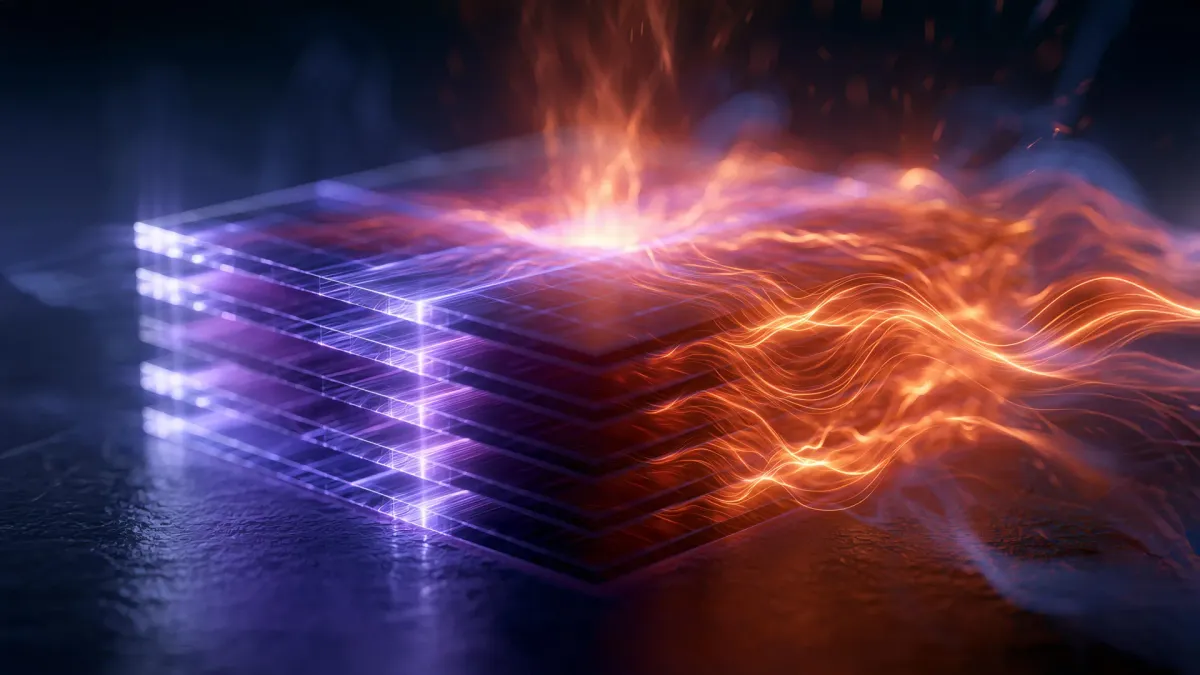
Scientists just trapped light in an ultrathin layer! This breakthrough could revolutionize future photonic devices, making them smaller and more powerful.
from SciTechDaily

Sound can now control material behavior. Researchers found specific acoustic frequencies reliably move "mechanical kinks," dictating a material's softness or stiffness.
from Interesting Engineering

Your brain's aging process might be silently tracked by a hidden signature within your sleep brain waves.
from SciTechDaily

Life's building blocks found in space! All five fundamental nucleobases, the "letters" of life, were detected in samples from asteroid Ryugu.
from Phys.org

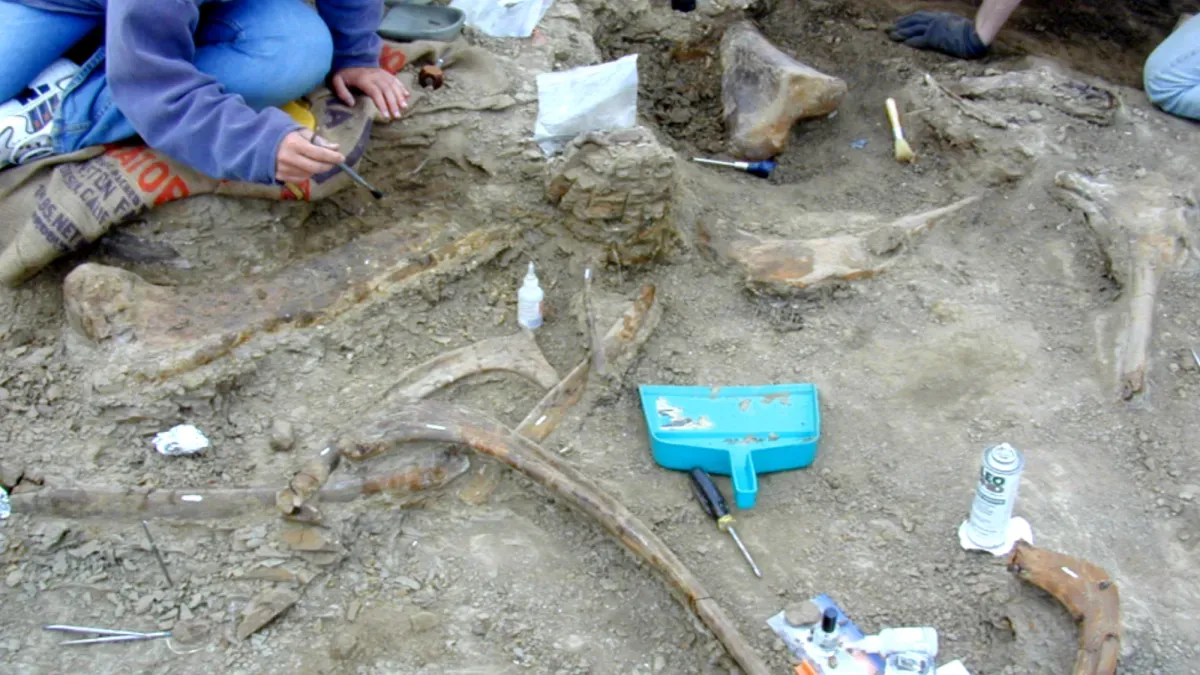
Forget museum glass. In 2000, two boys exploring a Tumbler Ridge creek bed stumbled upon dinosaur tracks, leading to bones and a prehistoric discovery.
from Mental Floss
Know someone who needs a boost? Share Brightcast with your friends and family.

Forget everything you thought you knew about bacteria's turns. A new study upends decades of science, revealing bacteria actively power their direction changes, not passively drift.
from SciTechDaily

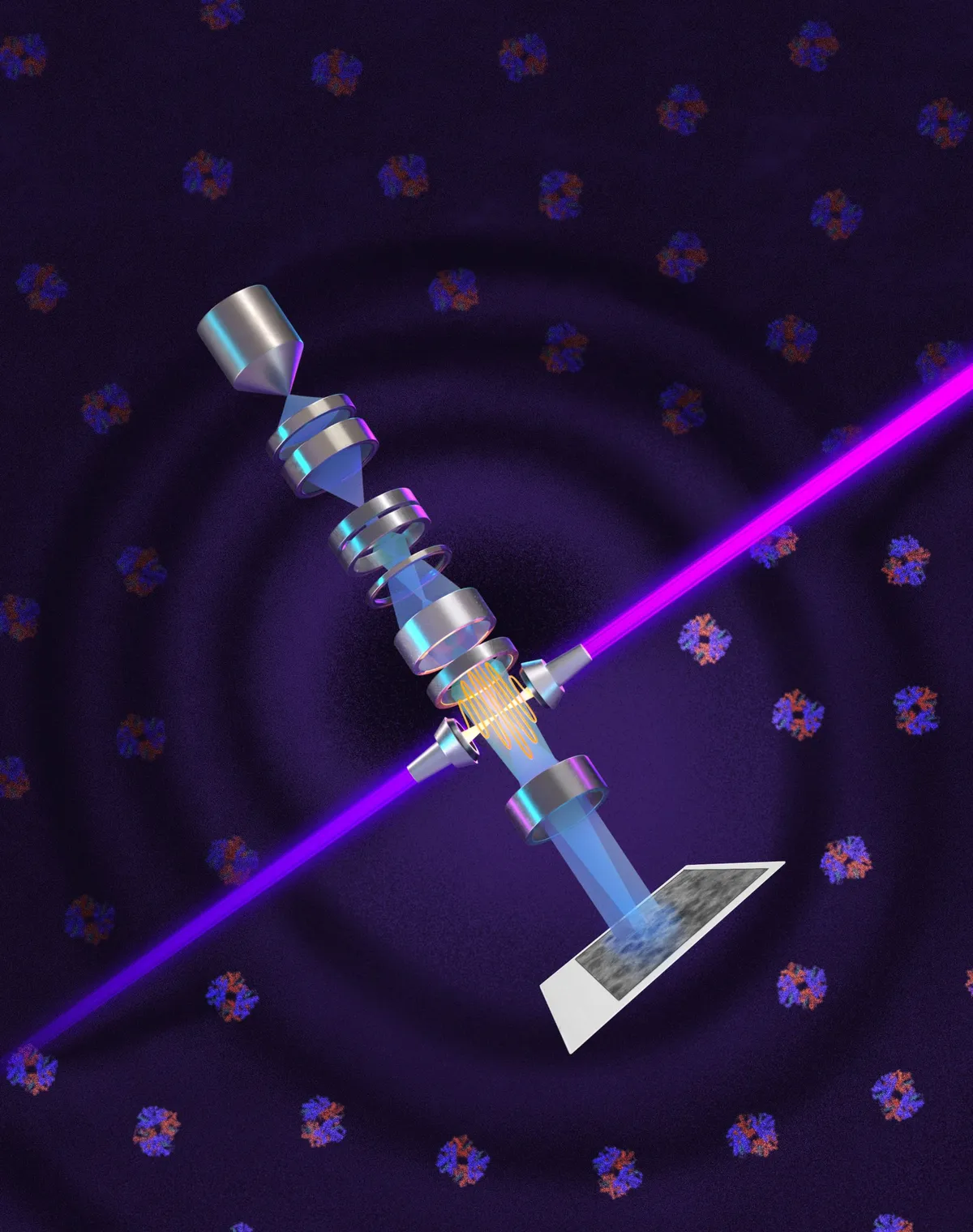
Imagine tiny DNA robots navigating your body, delivering medicine, or building at the nanoscale. Scientists are making these molecular machines a reality.
from SciTechDaily

A new cellular system monitors tiny genetic coding variations, revealing a hidden control layer over gene expression. This discovery could transform our understanding of genetics.
from SciTechDaily

Your tennis court could fight climate change. New research shows green clay courts, made from metabasalt, absorb massive CO2 amounts through enhanced rock weathering.
from Futurity

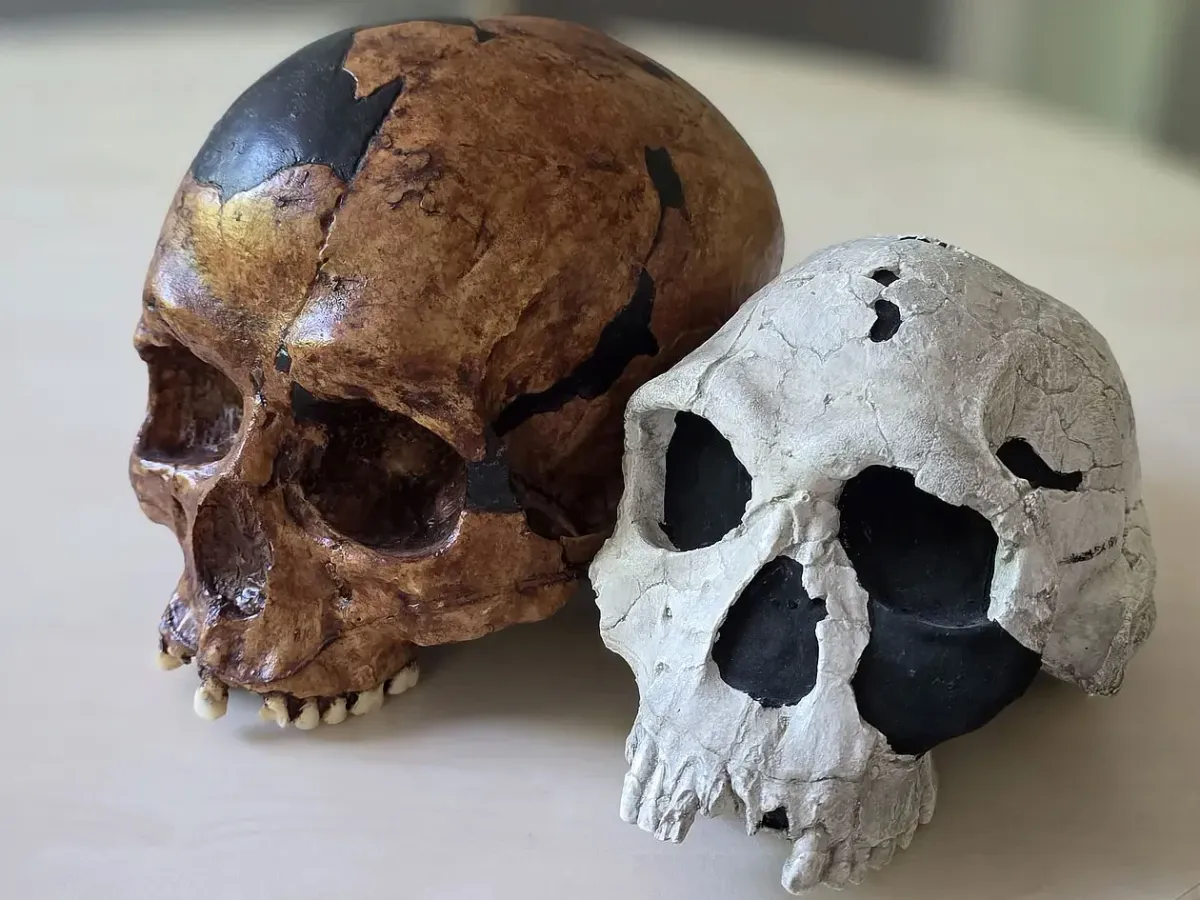
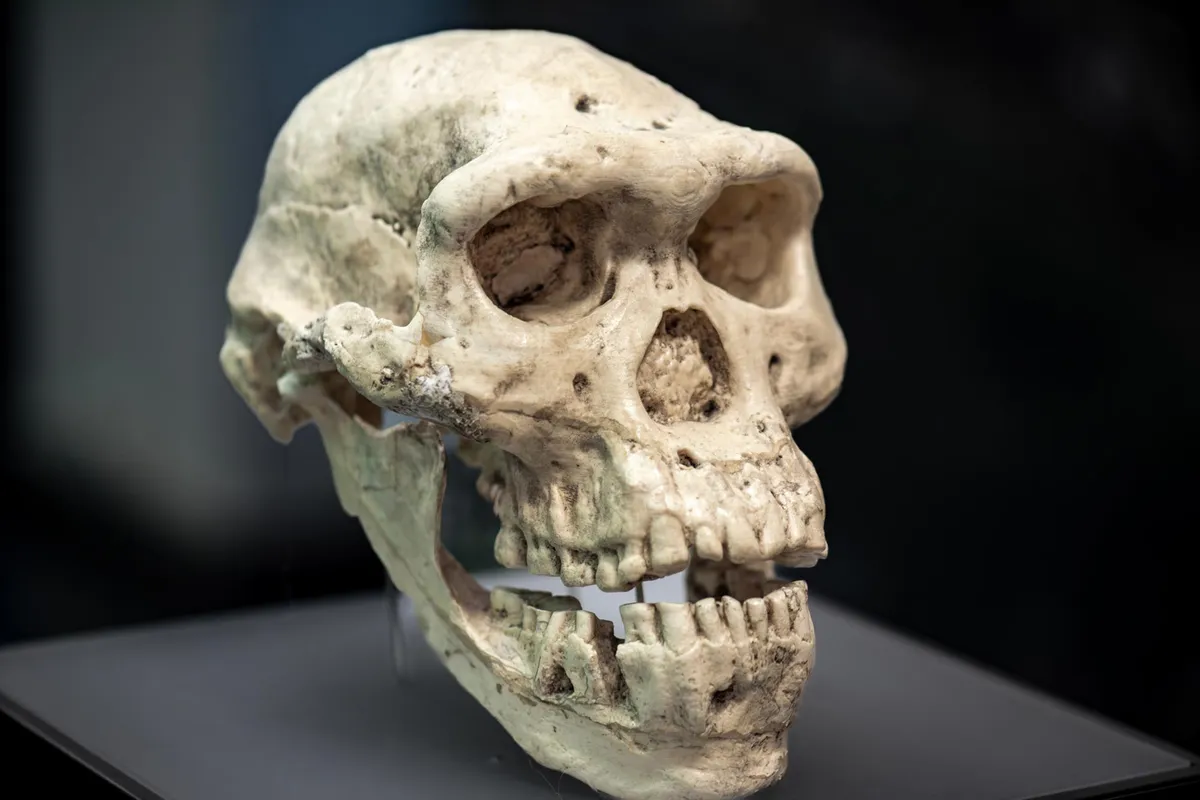
Neanderthals used birch tar for tools, but a new study asks: what if it had another surprising purpose?
from SciTechDaily
Download the Brightcast app for a better reading experience, daily notifications, and offline access.
Download App
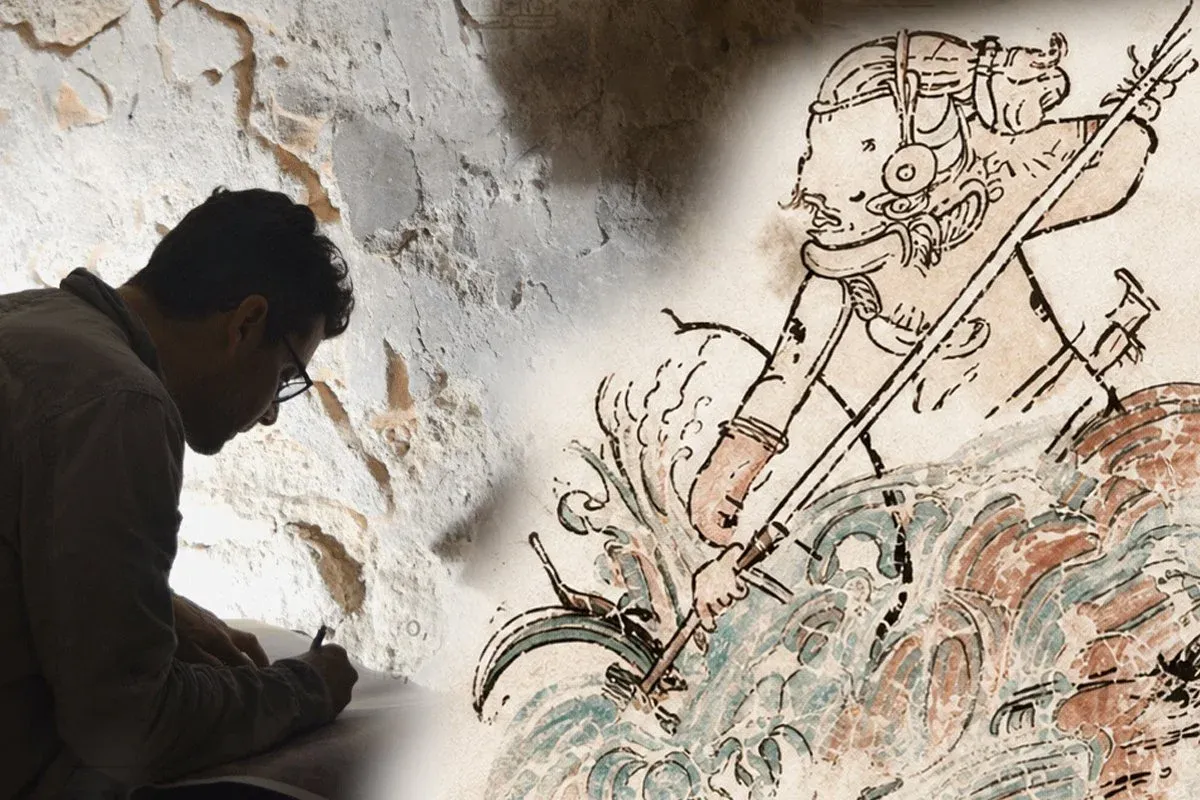
A 67,800-year-old hand stencil in Indonesia, the world's oldest cave art, reveals early symbolic thought. This claw-like design strengthens the case for humans reaching Australia 65,000 years ago.
from ScienceDaily

Want a sharper mind? A new study reveals a surprising link between your physical strength and brain activity, suggesting stronger muscles could mean a healthier brain.
from SciTechDaily

This forgotten immune organ may hold surprising clues about disease risk, aging, and treatment success.
from SciTechDaily

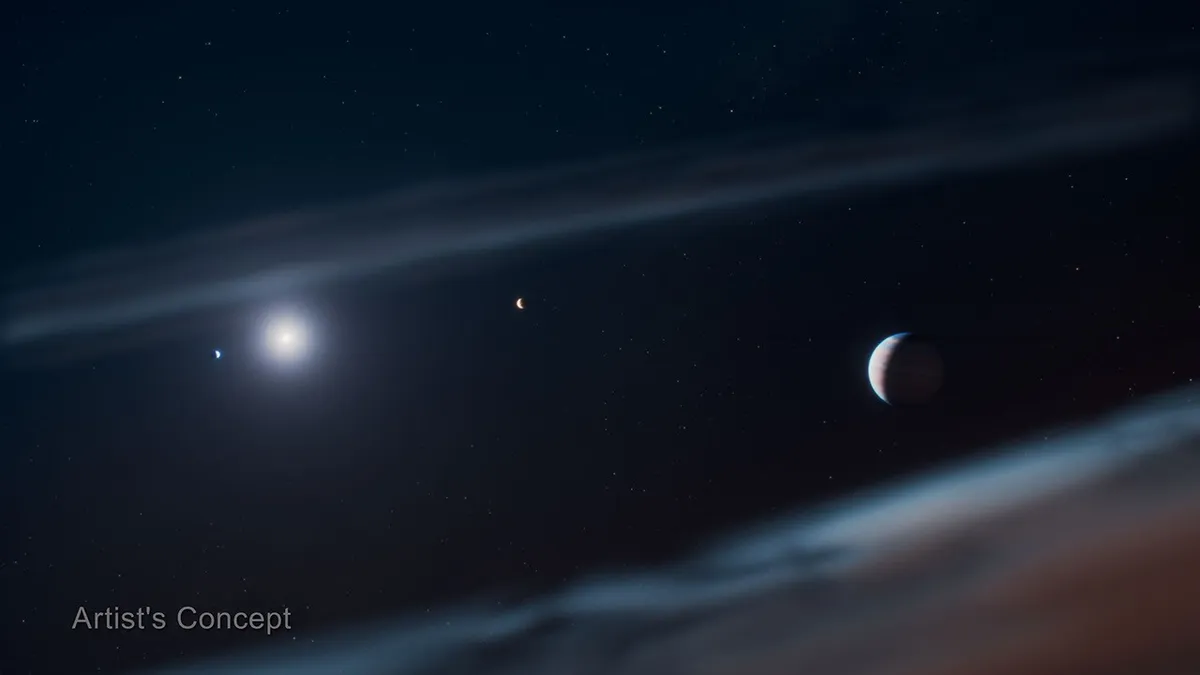
Forget thousands of exoplanets. Scientists have narrowed the search for alien life to just under 50 rocky worlds, holding the most promising clues to life beyond Earth.
from SciTechDaily

Forget giant detectors. A new study suggests gravitational waves might leave subtle signatures in the light emitted by atoms, offering a novel detection method.
from SciTechDaily
Join 50,000+ readers who receive our daily digest of the most uplifting stories from around the world.

Proton motion subtly but powerfully influences triplet energy transfer in advanced materials. This newly identified mechanism could revolutionize material science.
from SciTechDaily

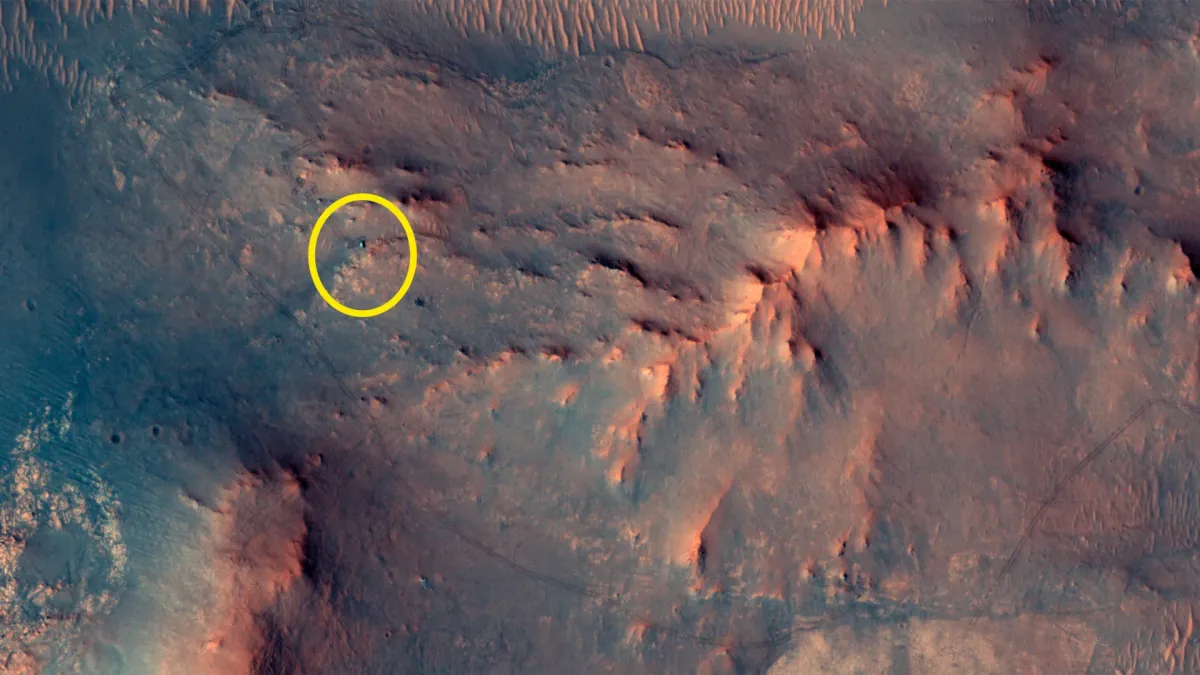
Growing lunch on Mars? Sounds like sci-fi, since Mars lacks fertile soil. But German researchers found a clever solution: turning Martian dust and microbes into fertilizer for edible plants.
from Interesting Engineering

Entangled light holds a secret: hidden topological structures up to 48 dimensions! This discovery offers a vast new "alphabet" for quantum information encoding.
from ScienceDaily

Tiny fossils from Hokkaido reveal a surprisingly mobile ancient ocean. These microscopic clues are rewriting our understanding of past ocean currents in a warmer world.
from SciTechDaily

Forget solitary hunters! Bull sharks form social bonds, preferring specific companions. These connections help them learn, find food, and avoid conflict.
from SciTechDaily
Brightcast is dedicated to restoring faith in humanity by highlighting the progress, solutions, and kindness that often go unnoticed. We believe in a balanced worldview.
Read our full mission →
Meet the Triassic greyhound! This newly discovered UK reptile hunted small prey on land, built for speed with long legs and a lightweight body, unlike its crocodile cousins.
from ScienceDaily

Peacocks flaunt brilliant tails, hummingbirds shimmer, all to attract mates. This elaborate dance, from iridescent plumage to vibrant displays, captivated Charles Darwin, an early pioneer in evolution.
from Phys.org

Earth's tectonic plates were shifting 3.5 billion years ago! Scientists found magnetic evidence in ancient rocks, revealing continents drifted and rotated, challenging old theories.
from ScienceDaily

A tiny plant's molecular "velcro" could revolutionize agriculture, helping crops convert sunlight into food more efficiently. This breakthrough promises bigger yields and a greener future.
from SciTechDaily

Quantum tech just got a major boost! Researchers precisely placed quantum light sources on chips using DNA origami, solving a key challenge for scalable quantum devices and reliable single-photon emitters.
from Interesting Engineering
Know someone who needs a boost? Share Brightcast with your friends and family.

A lost 14th-century town, Stolzenberg, emerged from a Polish forest. Surveys revealed a town square, main street, and moat—a medieval ghost town waiting to be explored.
from Smithsonian Magazine

Chemists, rejoice! A new AI model predicts diatomic molecule electric dipole moments in seconds. This breakthrough eliminates a rigorous search step, accelerating innovation.
from Phys.org

Did the Big Bang's quark-gluon plasma form in proton collisions? ALICE takes a step closer to answering, exploring the universe's first microseconds.
from Phys.org

Cacti, those stoic desert dwellers, are full of surprises. New research reveals they're remarkably fast at evolving new species, challenging long-held biological beliefs.
from SciTechDaily

In space, satellites face brutal temperature shifts from hot sunlight to freezing shadows. For the next generation of solar panels, this thermal fatigue is a huge technical challenge. Now, a team of chemists at Ludwig Maximilian University of Munich has found a way to knit these solar cells together...
from Interesting Engineering