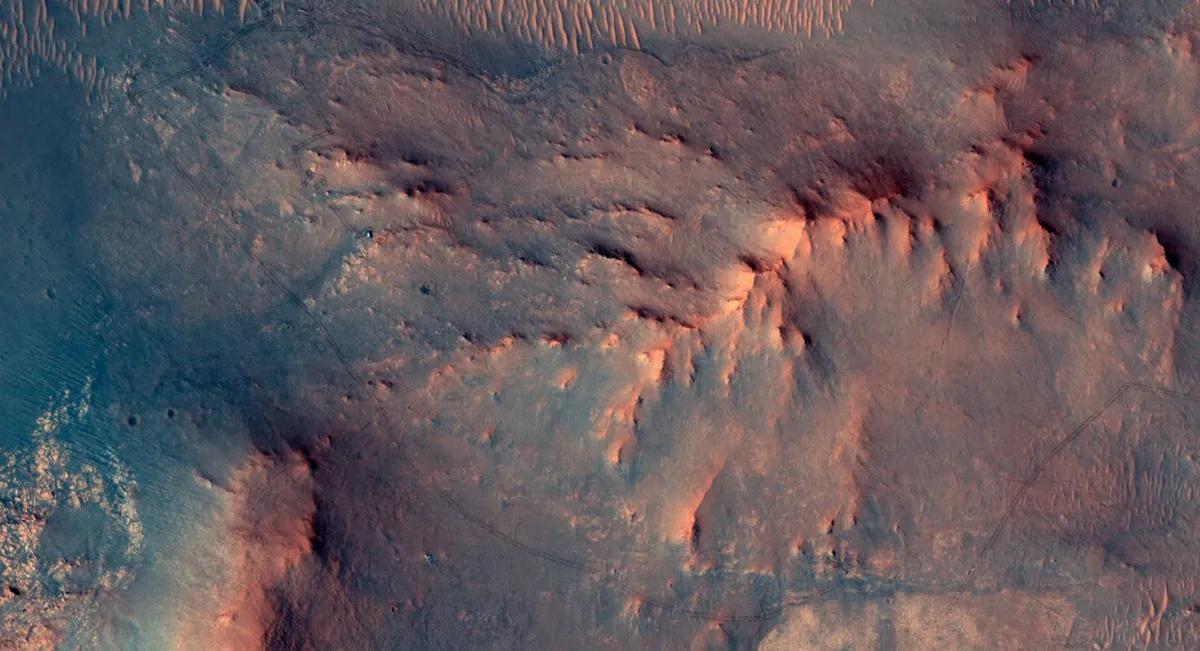
Imagine Mars, shaped by ancient mega-floods.
Massive floods once ravaged Mars, carving Shalbatana Vallis and reshaping its surface. New images reveal a chaotic landscape, hinting at a lost Martian ocean.
Breakthroughs happen quietly. We make sure you hear about them.
2406 stories

Massive floods once ravaged Mars, carving Shalbatana Vallis and reshaping its surface. New images reveal a chaotic landscape, hinting at a lost Martian ocean.

UC Berkeley's Alex Filippenko, a supernova and black hole expert, will share the prestigious 2026 Gruber Cosmology Prize, announced today. This $500,000 award recognizes his groundbreaking research.

NASA's Roman Space Telescope is poised for an epic quest: hunting alien worlds, unraveling dark matter, and uncovering cosmic mysteries never before seen.

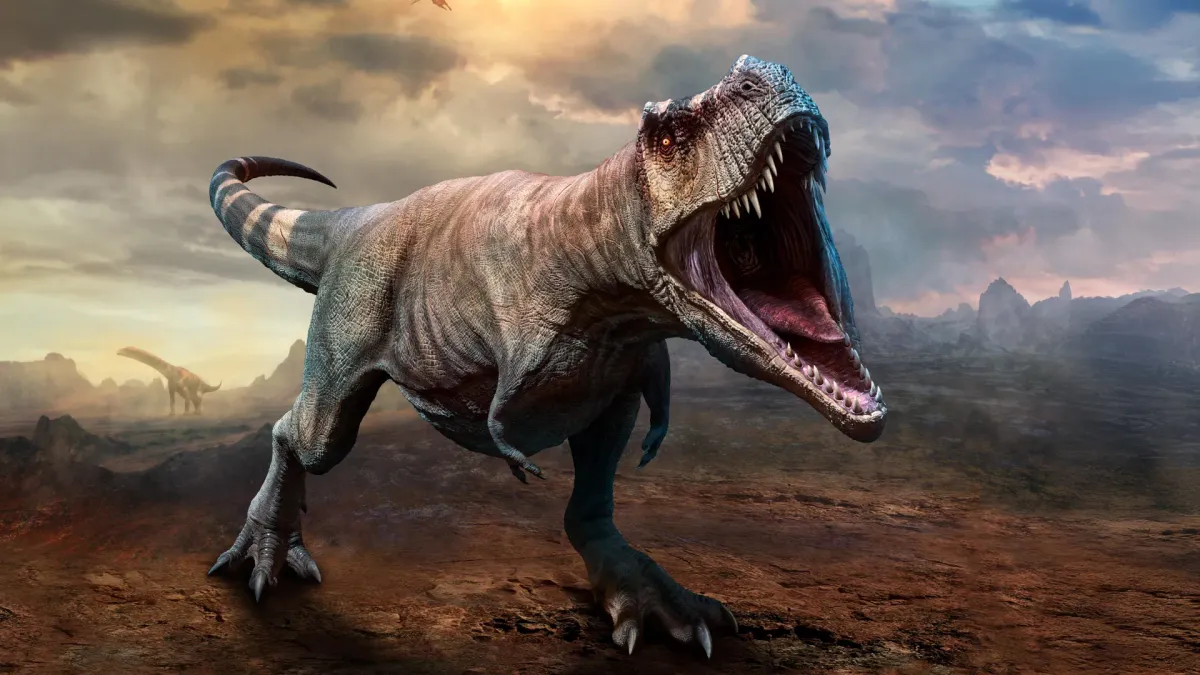
T. rex's tiny arms are legendary, but it wasn't alone. At least five theropod groups evolved similarly short forelimbs. Why? Scientists suggest a simple "use it or lose it" principle.

Dodos reborn? Texas-based Colossal Biosciences, aiming to revive extinct species, just announced a breakthrough: creating artificial eggs—a crucial step to bring back birds like the dodo.
Join 50,000+ readers who receive our daily digest of the most uplifting stories from around the world.

Bananas and many other plants boast extra chromosome sets, a trait called polyploidy. This genetic advantage could be their secret weapon against environmental disasters.

Mid-20th century physics exploded with discoveries. To keep pace, new academic fields like solid-state physics rapidly emerged and evolved.

Black holes colliding could expose dark matter's secrets. A new model predicts how dark matter distorts gravitational waves, and real LIGO data already shows a promising signal.

For most of the 20th century, human origins were a neat tree: trunk, branches, twigs. Each hominin species a single branch. But what if that model was wrong?

Childbirth is tough, and not just for humans. A new study reveals difficult births are common across many mammal species.
Brightcast is dedicated to restoring faith in humanity by highlighting the progress, solutions, and kindness that often go unnoticed. We believe in a balanced worldview.
Read our full mission →
Hidden genetic differences in male and female immune systems, revealed by a massive single-cell study, may shape disease risk in unexpected ways.

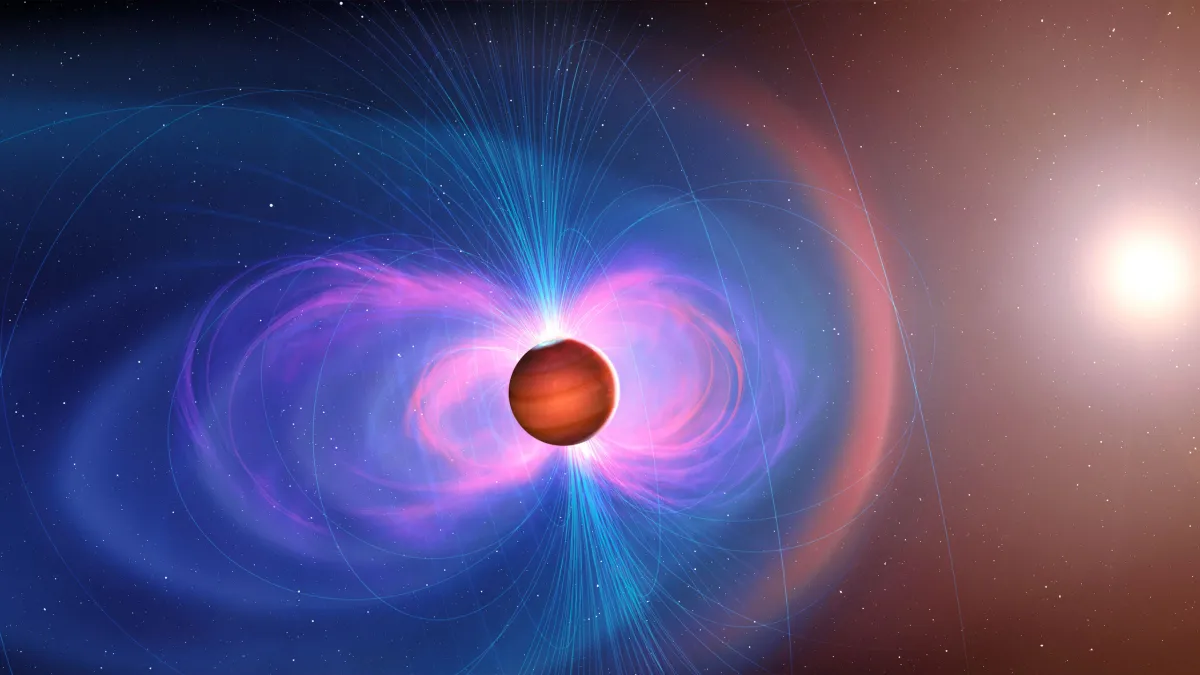
Mars just surprised scientists! In December 2023, MAVEN mission data revealed an atmospheric effect never before seen on the Red Planet, a "Zwan-Wolf effect" squeezing charged particles.

500,000 collisions per second! The Electron-Ion Collider demands AI to sort, filter, and reconstruct data, shaping its entire design. This Brookhaven Lab project is the first collider with integrated AI from the start.

Neanderthals: Dumb brutes? Think again. New evidence suggests they were seafood gourmets, safely eating shellfish thousands of years before Homo sapiens.

Diving off Papua New Guinea in 2003, marine biologist David Harasti spotted a small, red, hairy fish unlike anything he'd ever seen. He searched six more times, but it vanished.
Know someone who needs a boost? Share Brightcast with your friends and family.

NASA's Roman Telescope could finally expose the Milky Way's hidden neutron stars. These invisible stellar remnants, born from supernova blasts, are expected to be abundant but remain largely undetected.

Discover how your brain keeps busy even when you're out cold, the billion-dollar resilience of local communities, and a quiet revolution in TB testing. Hope is here.

China just unearthed rare earth deposits in Heilongjiang and Jilin. This discovery promises cheaper, easier, and greener extraction, potentially boosting China's global dominance.

Consciousness isn't needed for language comprehension. Even in deep sleep, your brain actively processes new stimuli and replays daily experiences, etching them into memory.

Hidden in rotting fruit, a new nematode species may have invaded Europe by hitchhiking on invasive beetles. This reveals an unexpected ecological partnership.
Download the Brightcast app for a better reading experience, daily notifications, and offline access.
Download App
Cape leopards: small, genetically distinct, and locally adapted. They're a conservation priority in one of Africa's most unusual landscapes.

Why are 90% of humans right-handed, globally? This curious trait isn't found in primates, baffling scientists for decades.

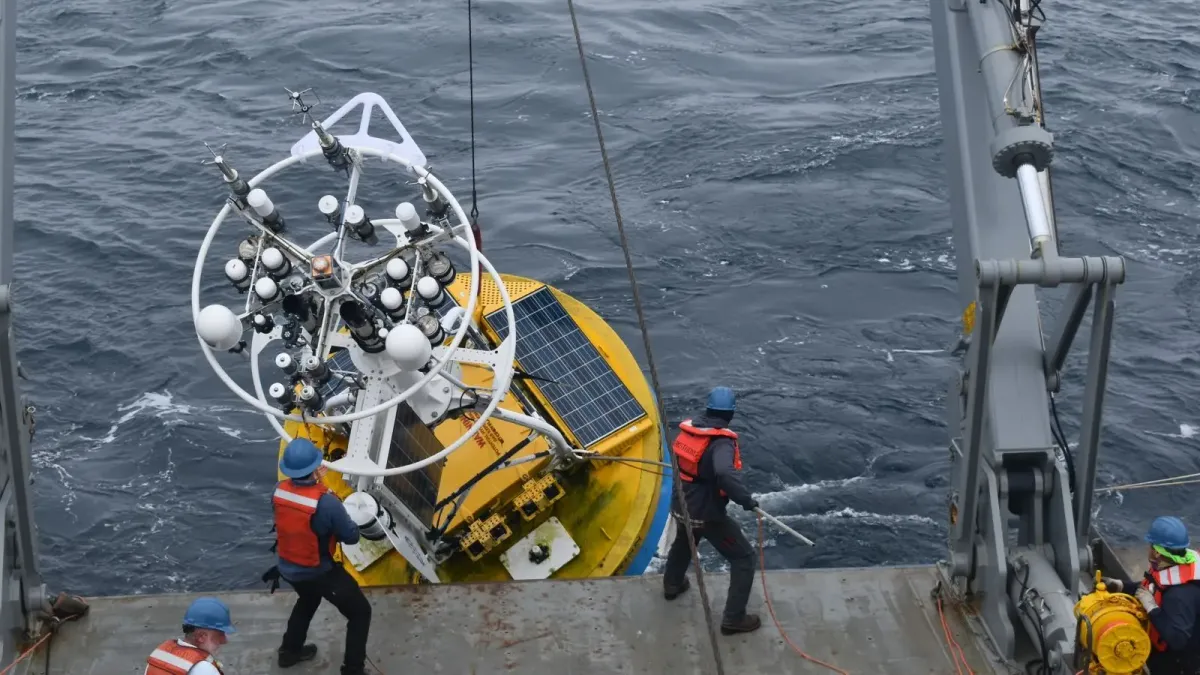
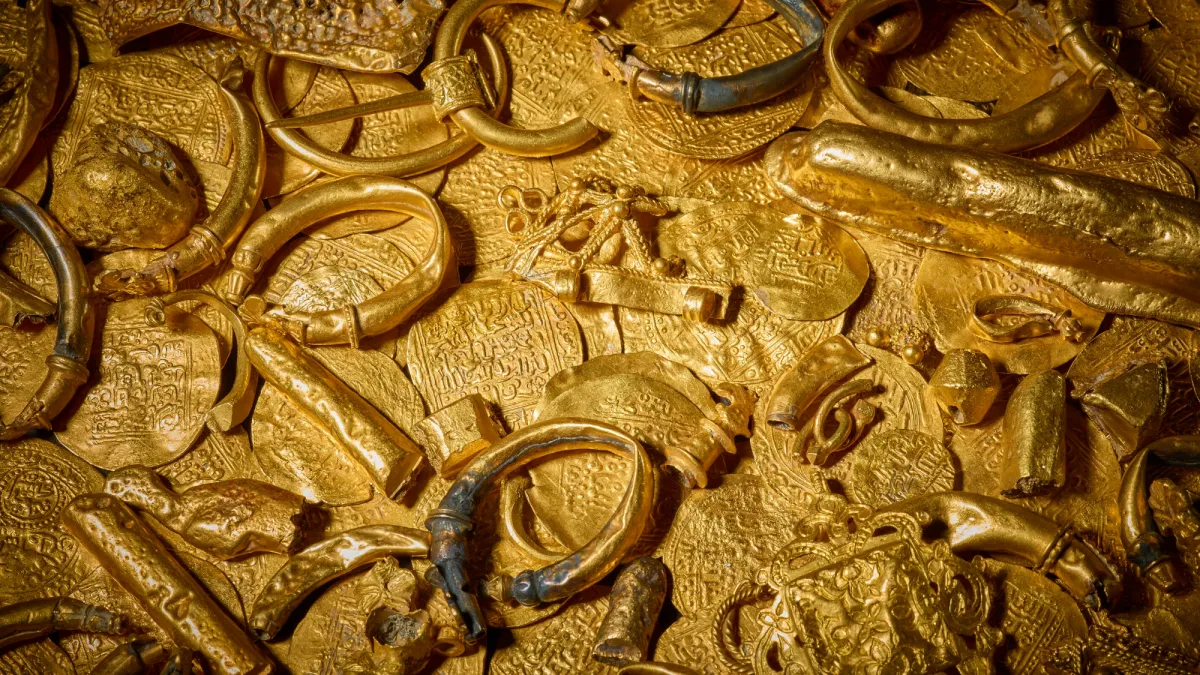
A mysterious "golden orb" found deep in the Gulf of Alaska by NOAA scientists has finally been identified.

A 90-foot "last titan" dinosaur, weighing nine elephants, was just unearthed in Thailand. This massive sauropod may be one of the last giants to roam Southeast Asia.

An ancient dingo's remains reveal a profound bond between Australia's First Nations and wild dogs. Barkindji ancestors carefully buried "garli" along the Baaka (Darling River), 800 miles west of Sydney.
Join 50,000+ readers who receive our daily digest of the most uplifting stories from around the world.

APOE2 may shield brain cells from stress and age-related damage. Scientists found evidence explaining its protective effects against Alzheimer's.

Clean hydrogen just got cheaper! Scientists developed a durable new catalyst, ditching expensive platinum. This breakthrough makes renewable hydrogen fuel more efficient and scalable.

Cambridge scientists just shattered LED limits! They electrically powered insulating nanoparticles, creating a new LED type with tiny molecular antennas.

Feeding over half the world, rice provides 20% of daily calories. But this vital annual crop requires replanting every year, unlike its perennial wild relatives.

Atomic rotations in crystals can suddenly flip direction, a surprising discovery that still obeys angular momentum laws.
Brightcast is dedicated to restoring faith in humanity by highlighting the progress, solutions, and kindness that often go unnoticed. We believe in a balanced worldview.
Read our full mission →
A lead coffin, frankincense, and gypsum: a Roman woman's burial in Colchester reveals her elite status and offers a vivid glimpse into life and death in Roman-ruled England.

Europe's landscapes weren't always dense forests. A new study reveals grasslands and open woodlands shaped the continent for 20+ million years, challenging modern afforestation efforts.

Imagine a laptop that never overheats, a phone charged for days, or memory that retains data without power. These possibilities are emerging from a remarkable family of materials.

Your brain keeps working under anesthesia! A new study shows it may continue interpreting language and predicting information, even when you're unconscious.

Tiny genetic "switches" may unlock the mystery of human language. Researchers found these switches play a surprisingly large role in our ability to communicate.
Know someone who needs a boost? Share Brightcast with your friends and family.

A supermassive black hole in galaxy HE 1237−2252 dramatically "switched off" then reignited, dimming 17x in X-rays within 18 months before recovering.

Forget five gills. The mysterious, 14-foot sixgill shark, Hexanchus griseus, boasts an extra slit. These ancient giants roam deep tropical and temperate waters, yet remain largely unknown.

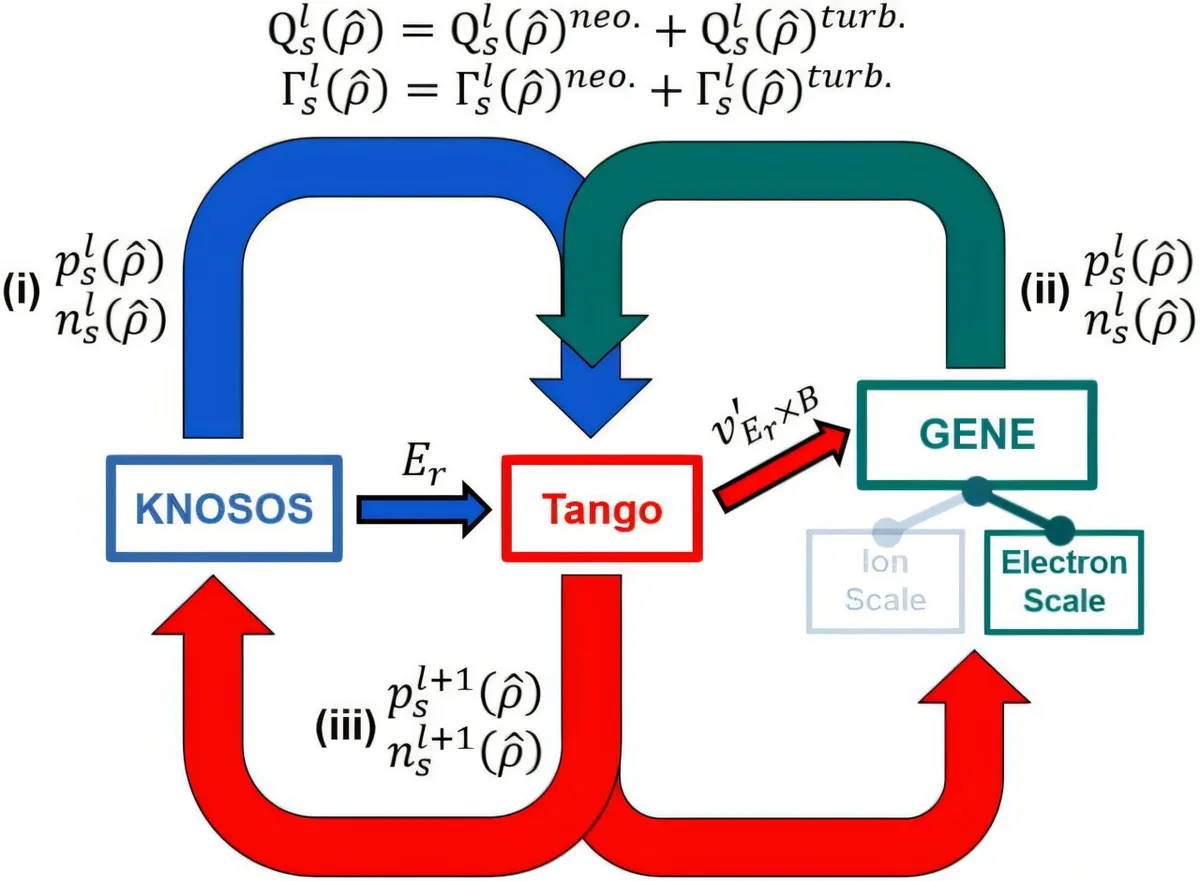
Fusion energy faces two huge challenges. Now, scientists have demonstrated a new plasma operating regime that could solve both simultaneously.

A mysterious 164-foot tunnel was just unearthed near Kibbutz Ramat Rachel in Jerusalem during routine excavations. Its purpose remains unknown, baffling archaeologists.

Unlock stronger bones! Scientists found a fat-burning "switch" that could revolutionize treatments for fragile bones.