Cosmic rays whisper new secrets about the universe.
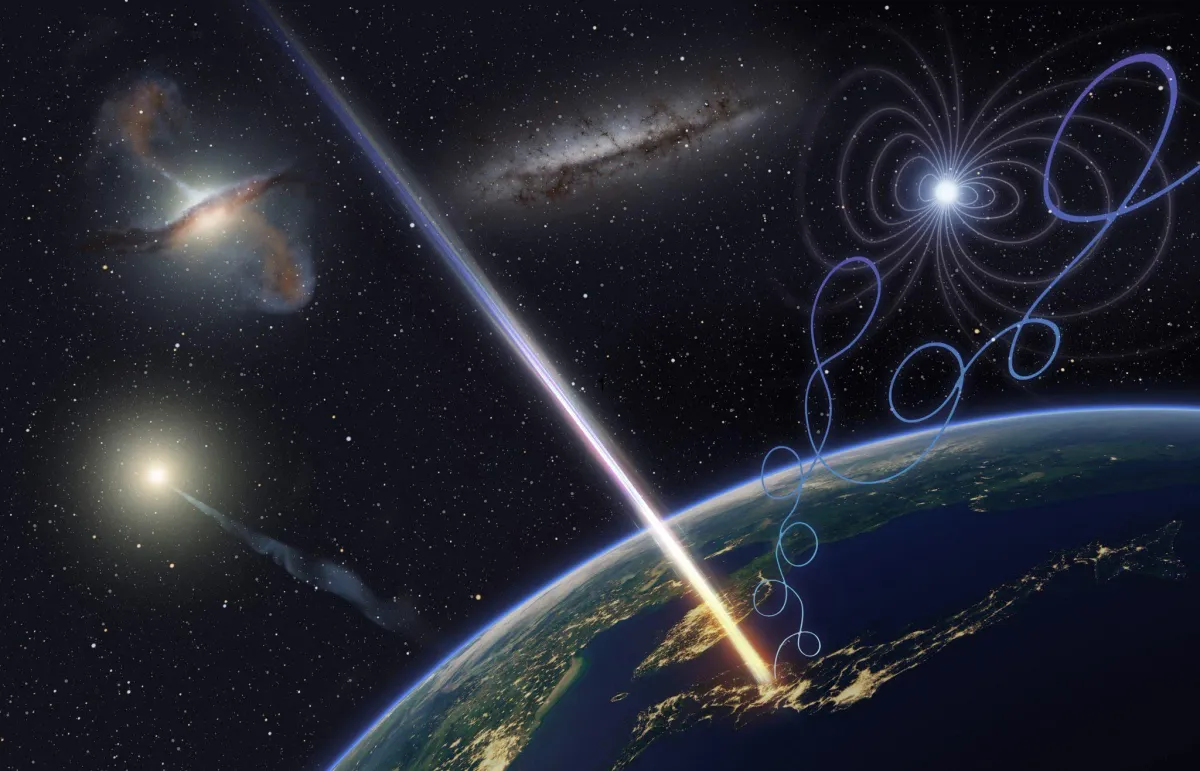
Ultraheavy atomic nuclei might explain the highest-energy cosmic rays. These particles could originate from extreme events like neutron-star mergers and collapsing stars.
Breakthroughs happen quietly. We make sure you hear about them.
2782 stories
Ultraheavy atomic nuclei might explain the highest-energy cosmic rays. These particles could originate from extreme events like neutron-star mergers and collapsing stars.

Ming Dynasty surgical tools reveal traces of a lethal plant, potentially the oldest chemical evidence of a topical anesthetic. Found in physician Xia Quan's tomb, these tools date to 1348-1411 CE.

Ancient surgical tools from a 1348–1411 CE Chinese tomb reveal the first evidence of controlled toxic chemical anesthetic use, showcasing sophisticated Ming dynasty medicine.

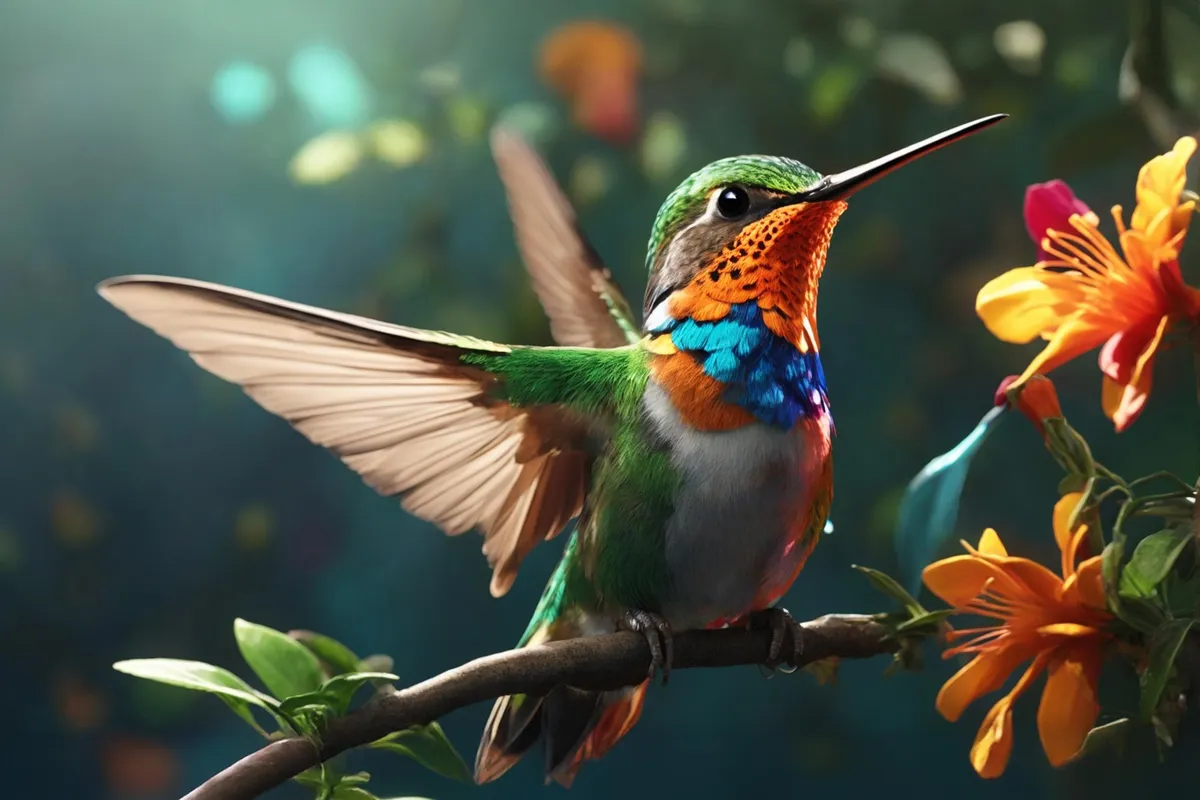
Hummingbirds and bees are regularly drinking alcohol! Scientists found fermented nectar in many flowers.

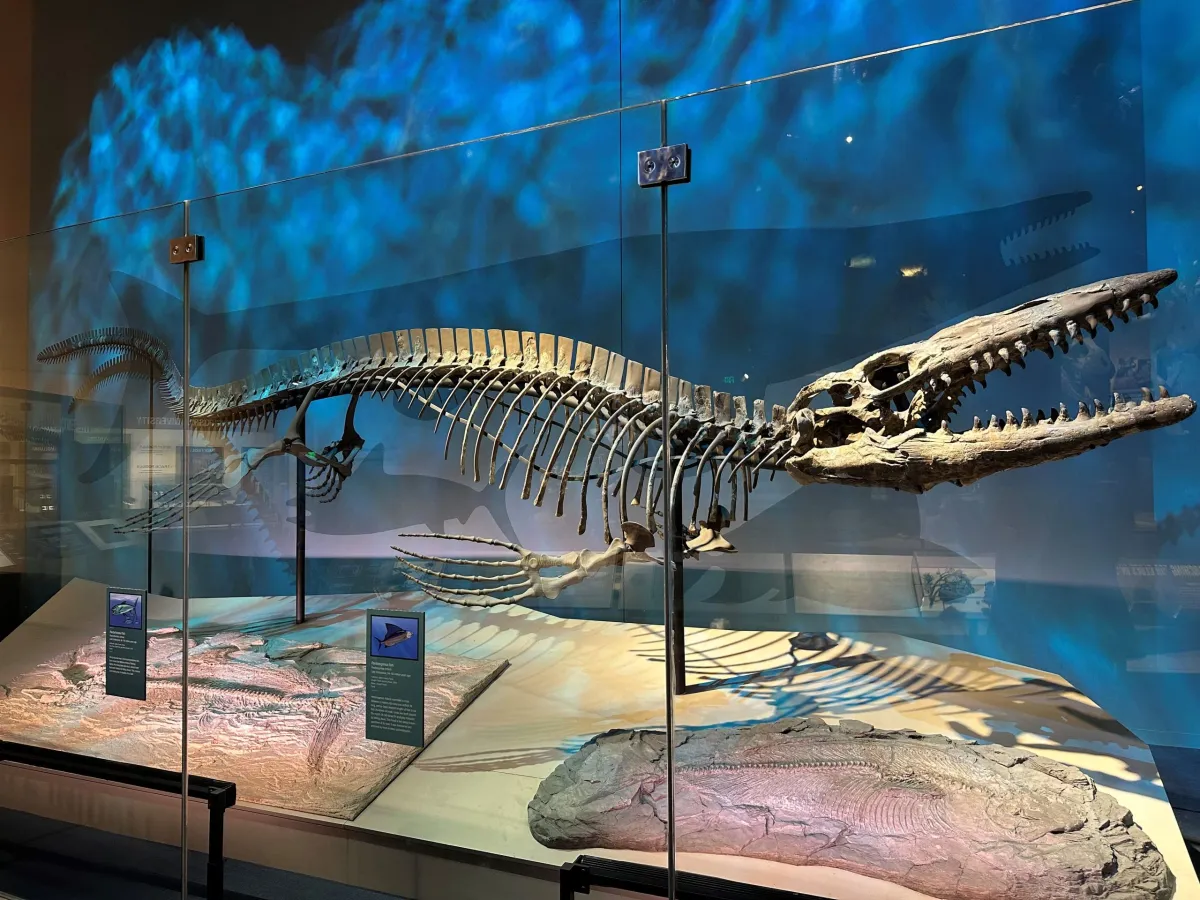
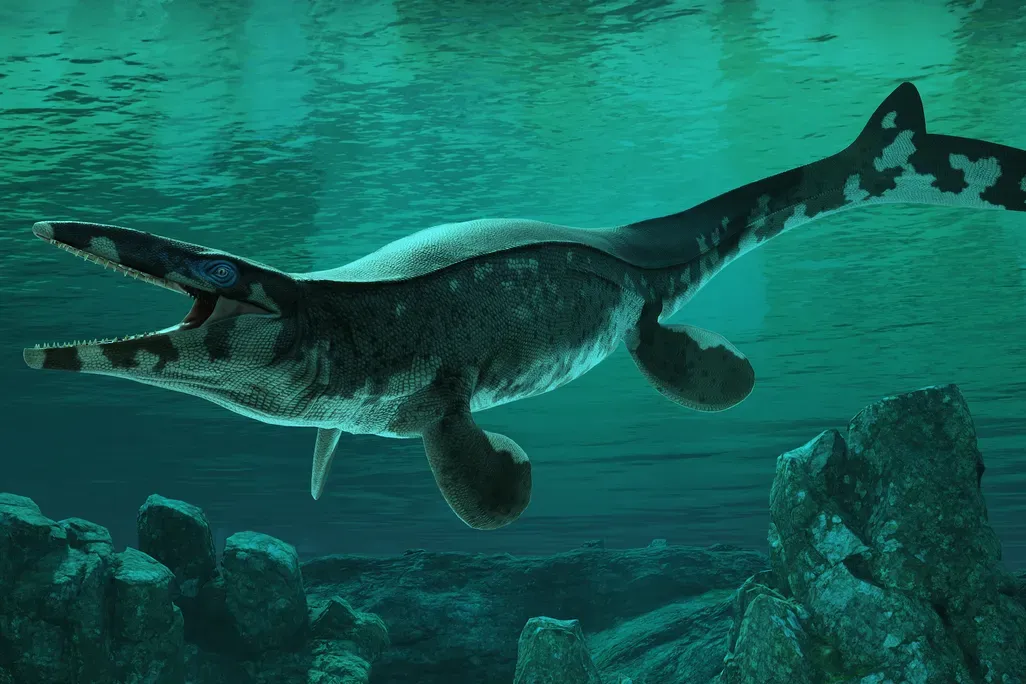
Texas just revealed a mosasaur that rewrites marine predator history. These ancient beasts were bigger, stronger, and possibly more aggressive than we ever imagined.
Join 50,000+ readers who receive our daily digest of the most uplifting stories from around the world.

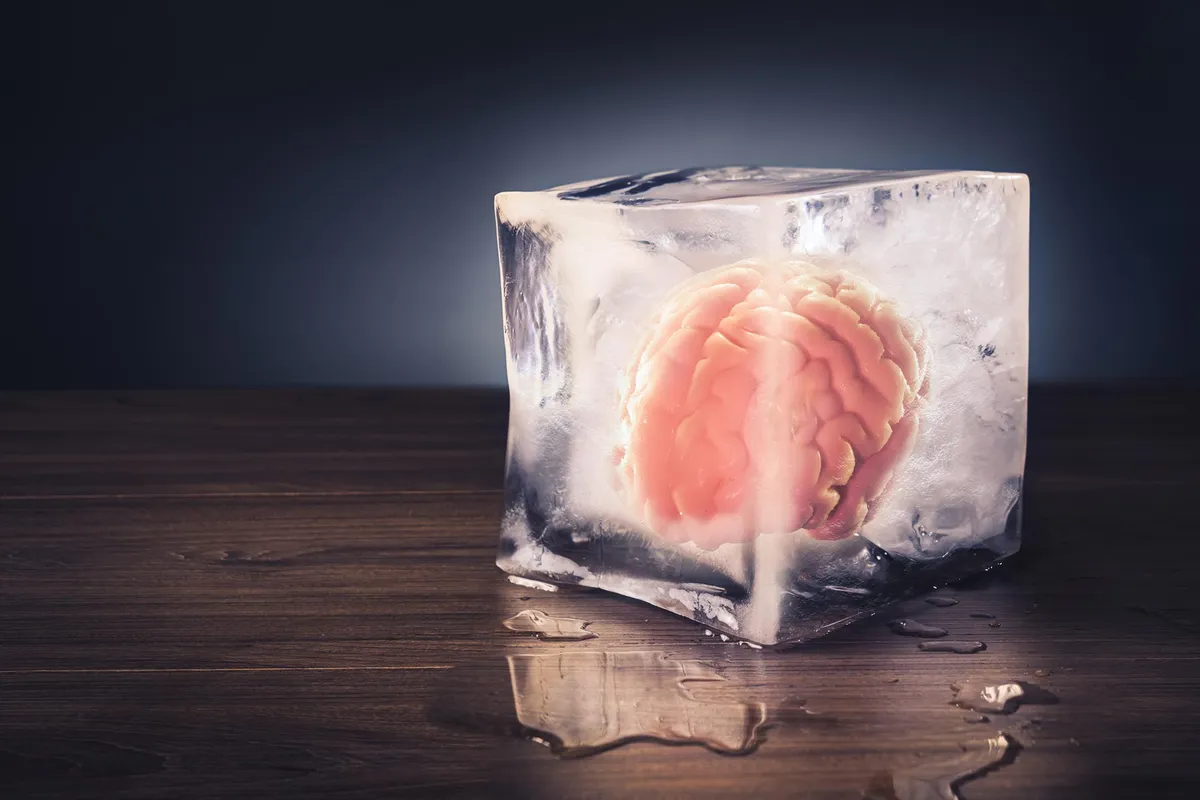
Scientists are closer to safely freezing and reviving brain tissue. They've prevented microscopic ice crystal damage, a major breakthrough.

A 380-million-year-old Antarctic fish skull reveals surprising clues about life's move from water to land. Scientists used neutron imaging to study *Koharalepis jarviki*, a relative of the first land animals.

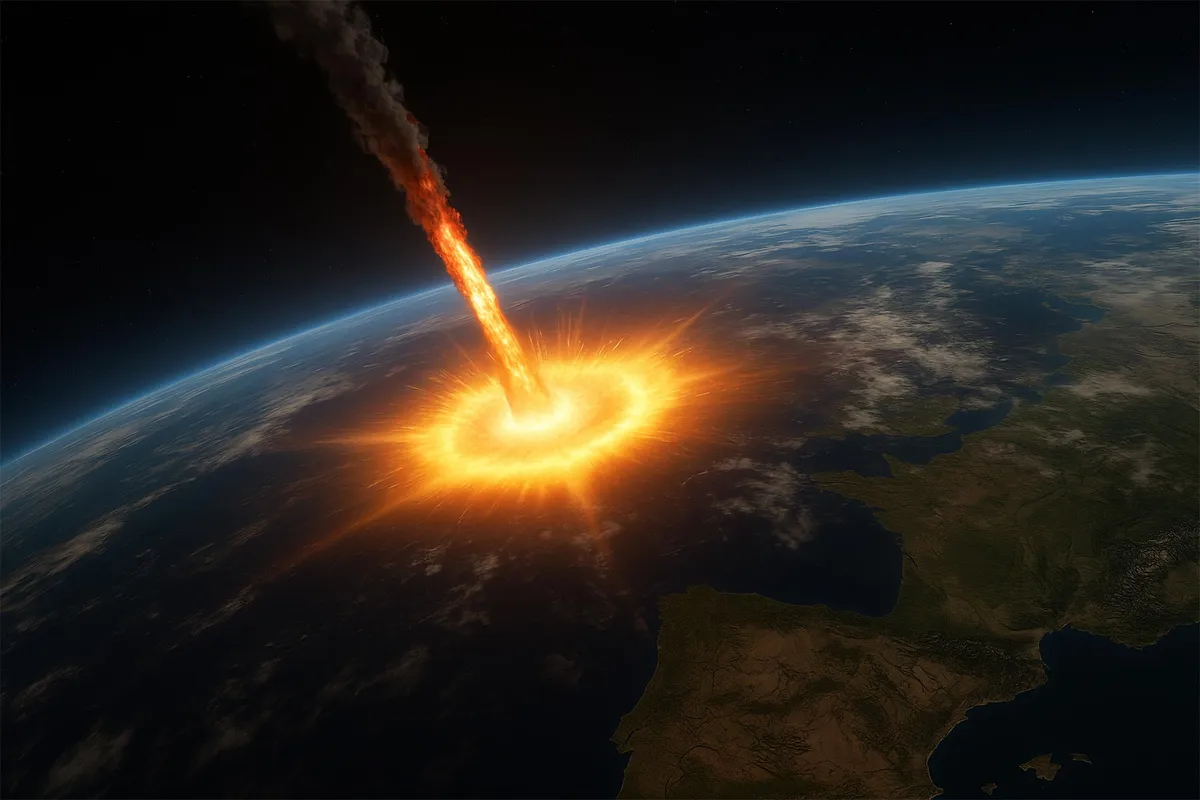
Ancient asteroid craters: Earth's first oxygen factories? These impact zones may have been safe havens for our planet's earliest oxygen-producing life.

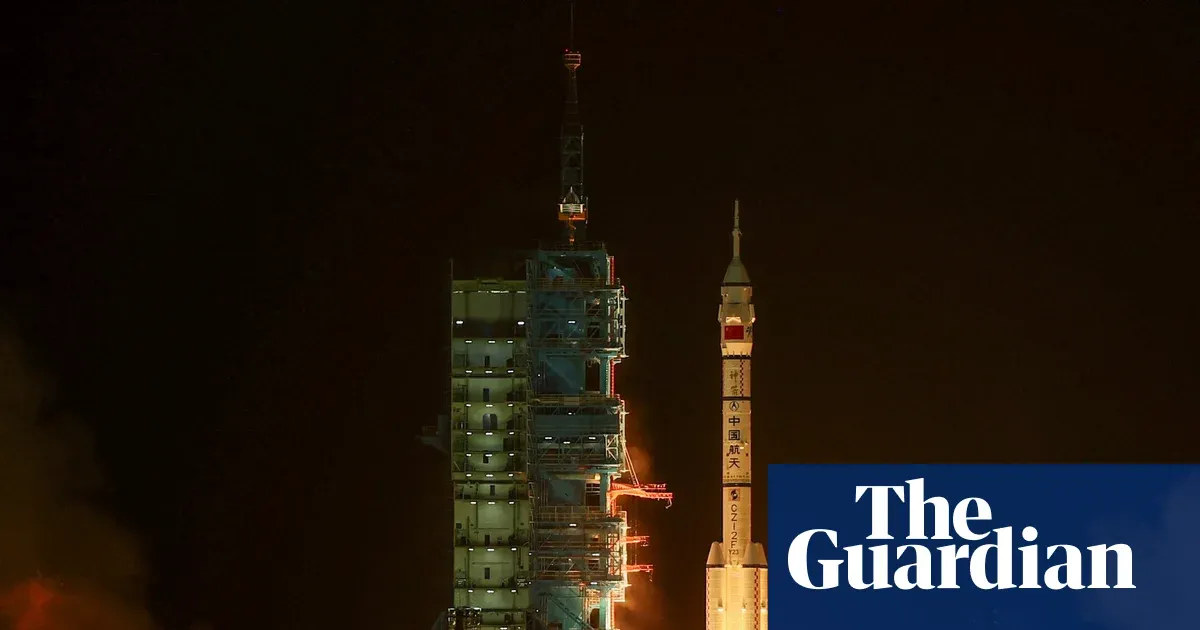
China's Shenzhou-23 mission just launched, sending an astronaut for a record year in orbit! This is a critical step in Beijing's plan to land humans on the moon by 2030.

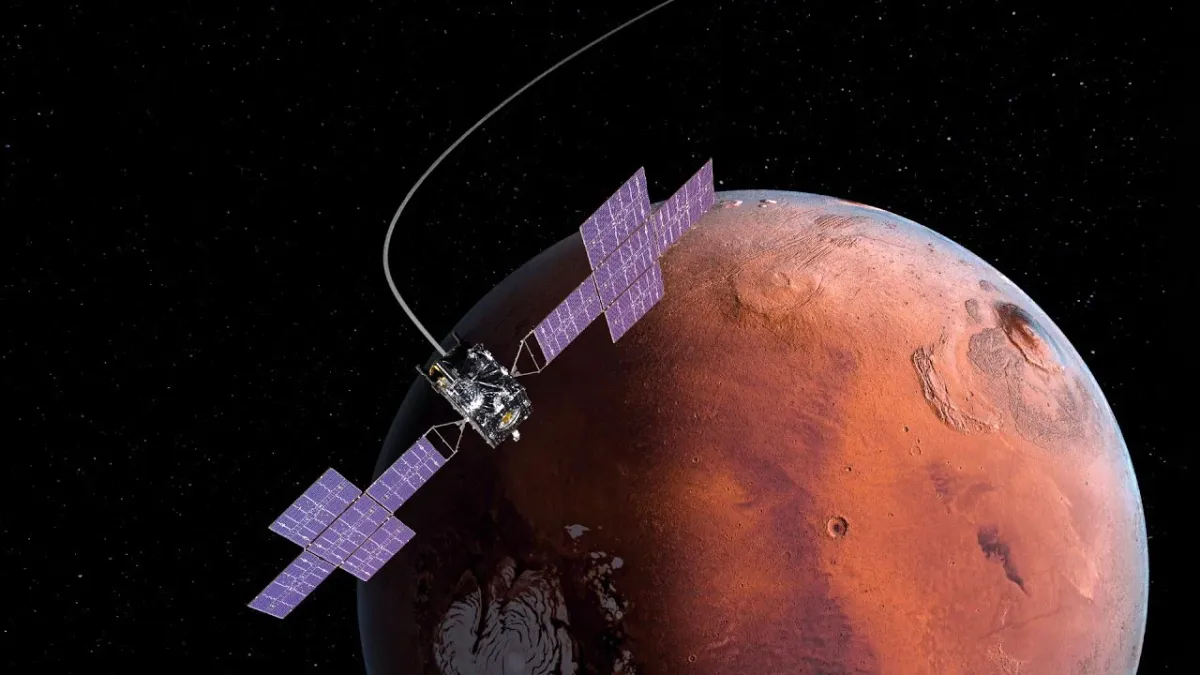
NASA's Psyche spacecraft just slingshotted past Mars! It's headed to a metal world, hoping to unlock secrets about Earth's core and other planets.
Brightcast is dedicated to restoring faith in humanity by highlighting the progress, solutions, and kindness that often go unnoticed. We believe in a balanced worldview.
Read our full mission →
Meet Tylosaurus rex: a newly identified mosasaur species, growing up to 43 feet long—the length of a school bus! Scientists previously misclassified these massive predators.

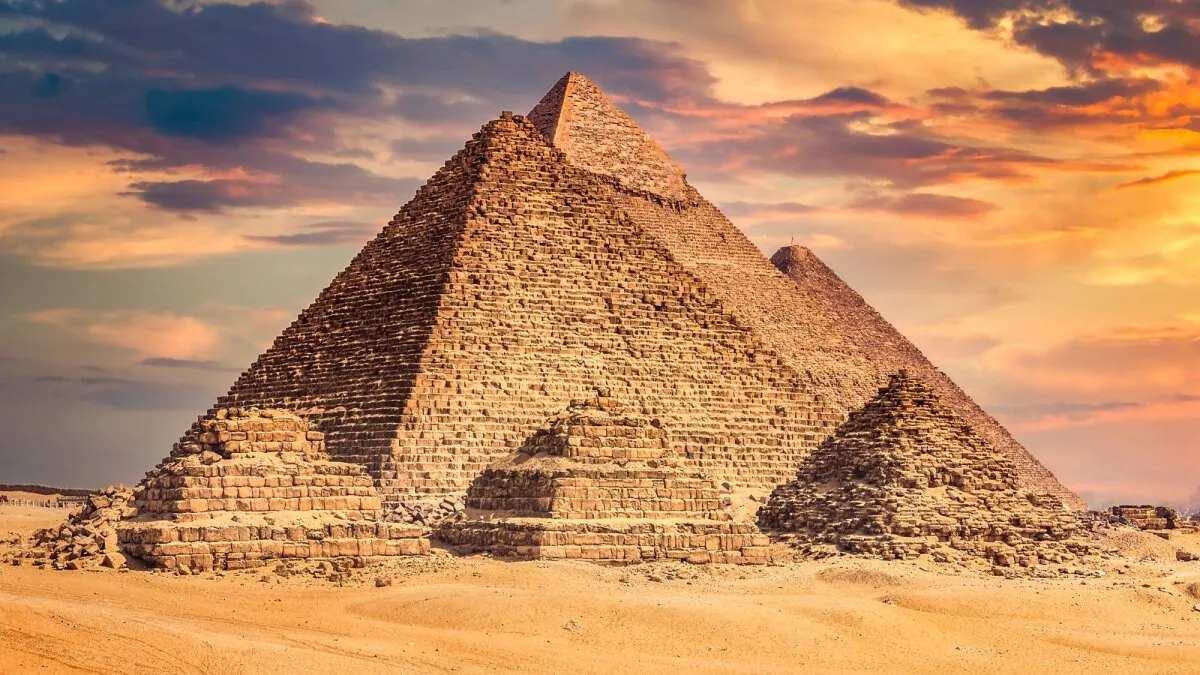
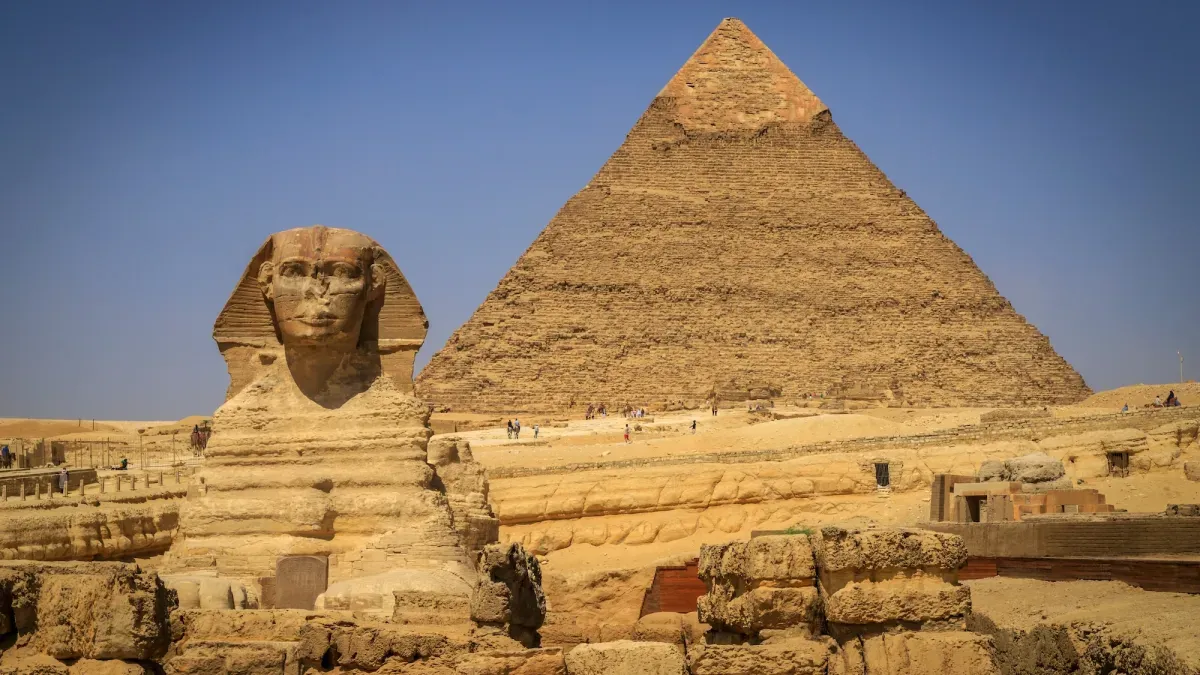
The Great Pyramid of Giza has defied 4,500 years of earthquakes, including Cairo's 1992 5.8 magnitude quake. How has it survived?

ISS astronauts experience 16 sunrises and sunsets daily. The sun vanishes in 10 seconds, plunging the station into darkness, only to reappear 45 minutes later as if nothing happened.

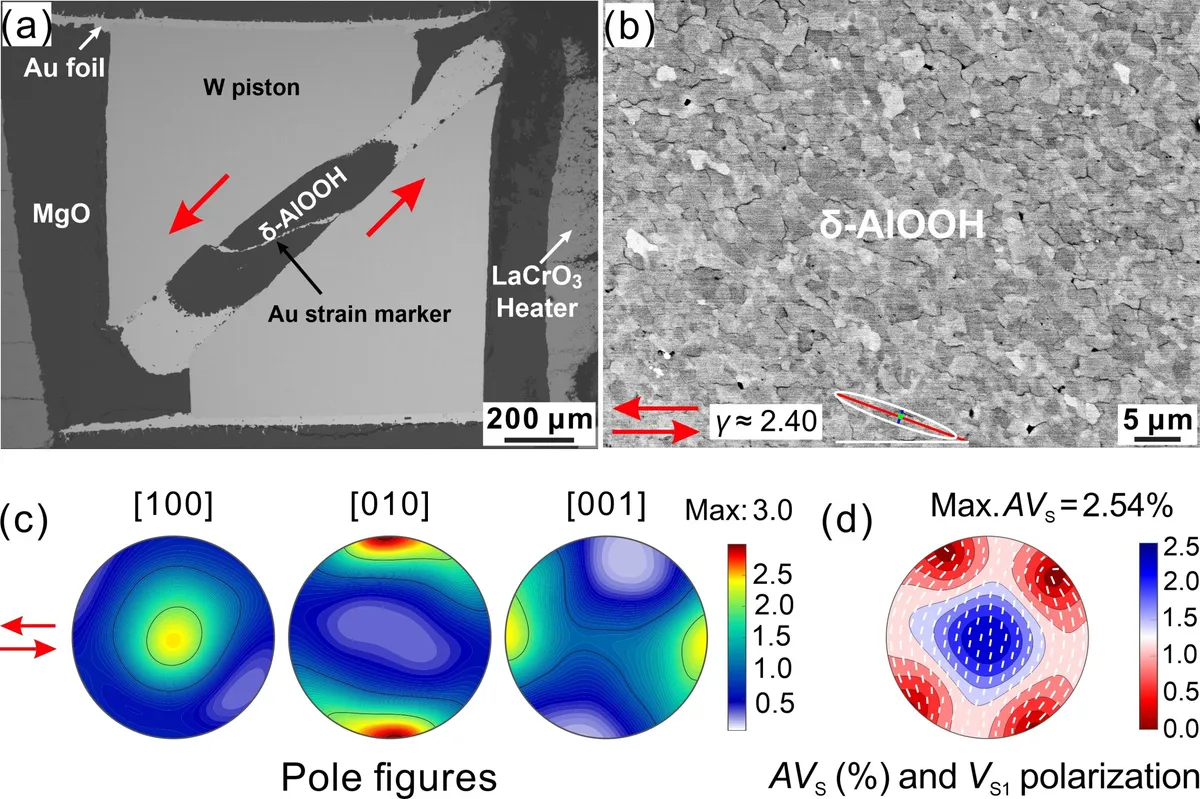
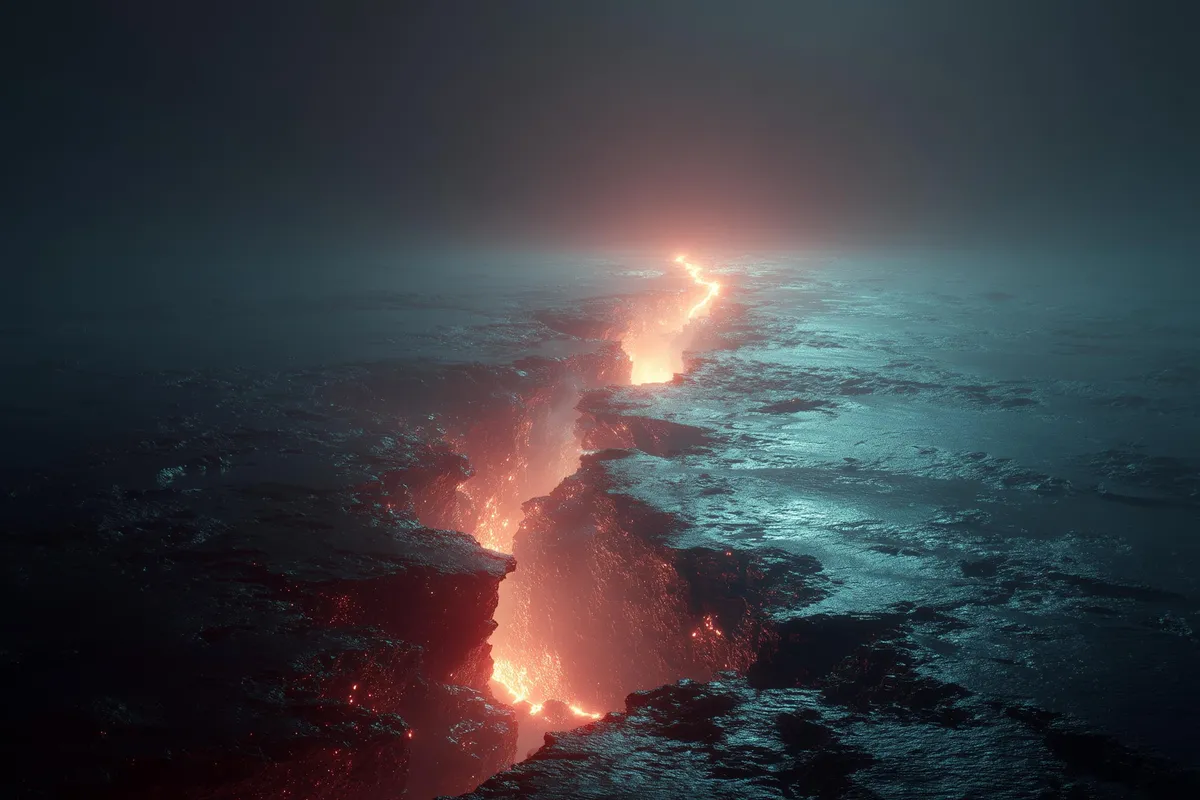
Earth's interior hides a secret: seismic waves change speed based on direction. This "seismic anisotropy" is key to understanding subduction zones and stagnant slabs deep within the mantle.

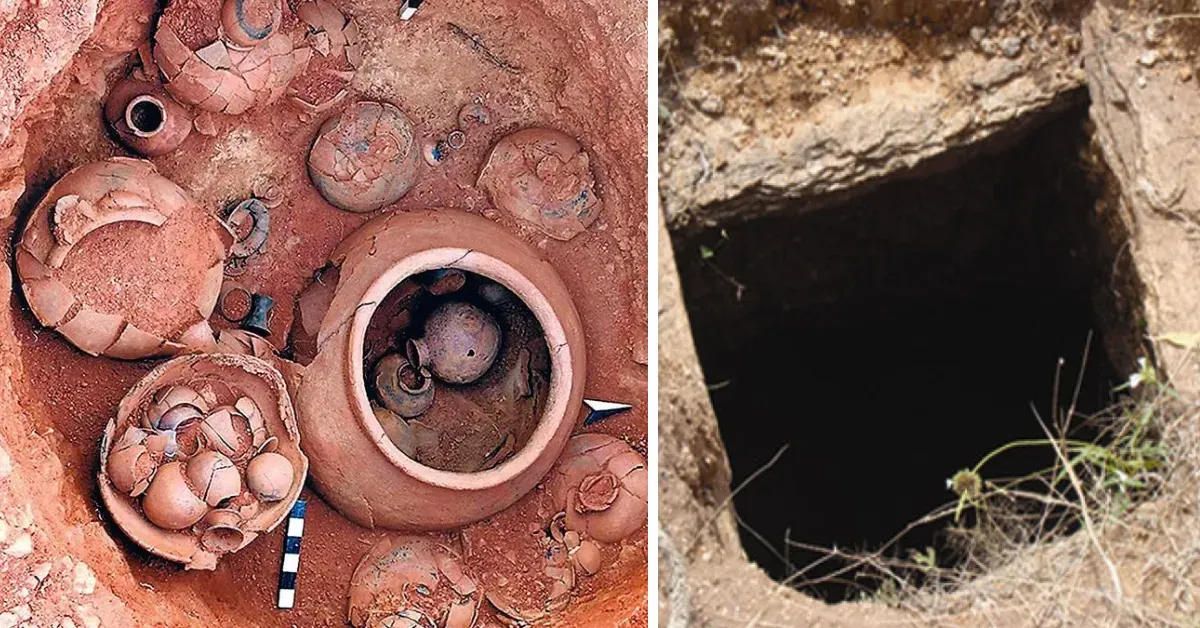
Imagine your food supply gone. 3,500 years ago on the Deccan plateau, entire communities faced this daily. No refrigeration, just heat, humidity, insects, and one question: how to make the harvest last?
Know someone who needs a boost? Share Brightcast with your friends and family.

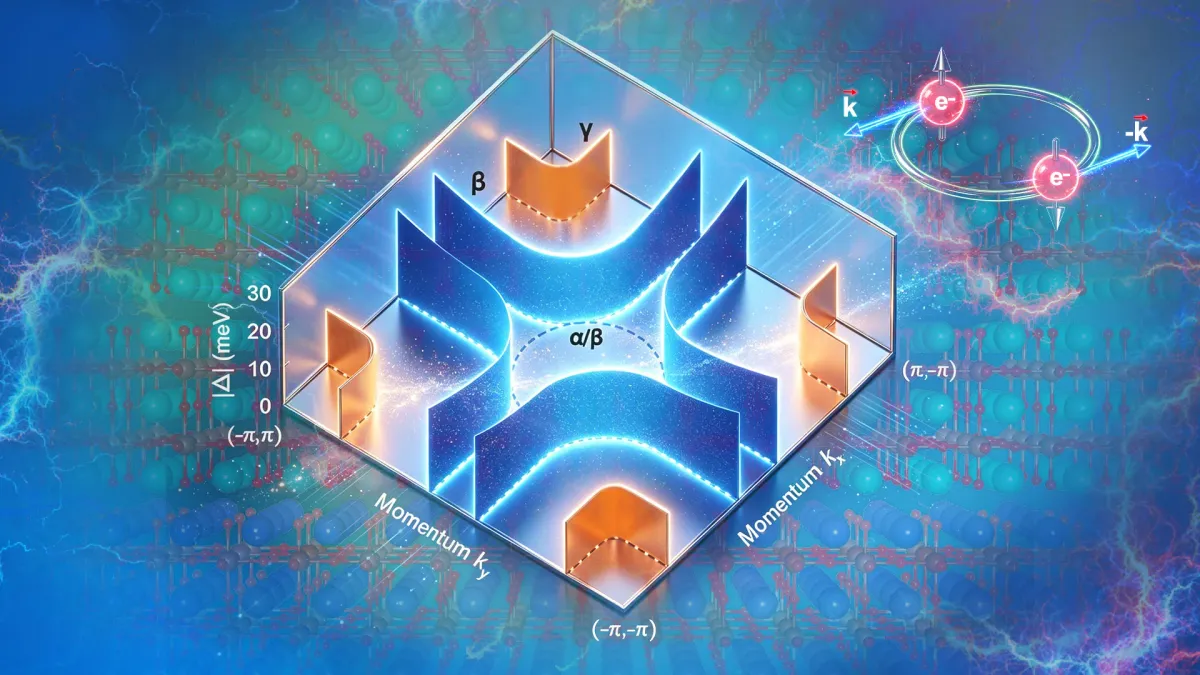
Nickelate superconductors hide electronic secrets. New measurements are finally revealing clues about their mysterious behavior.

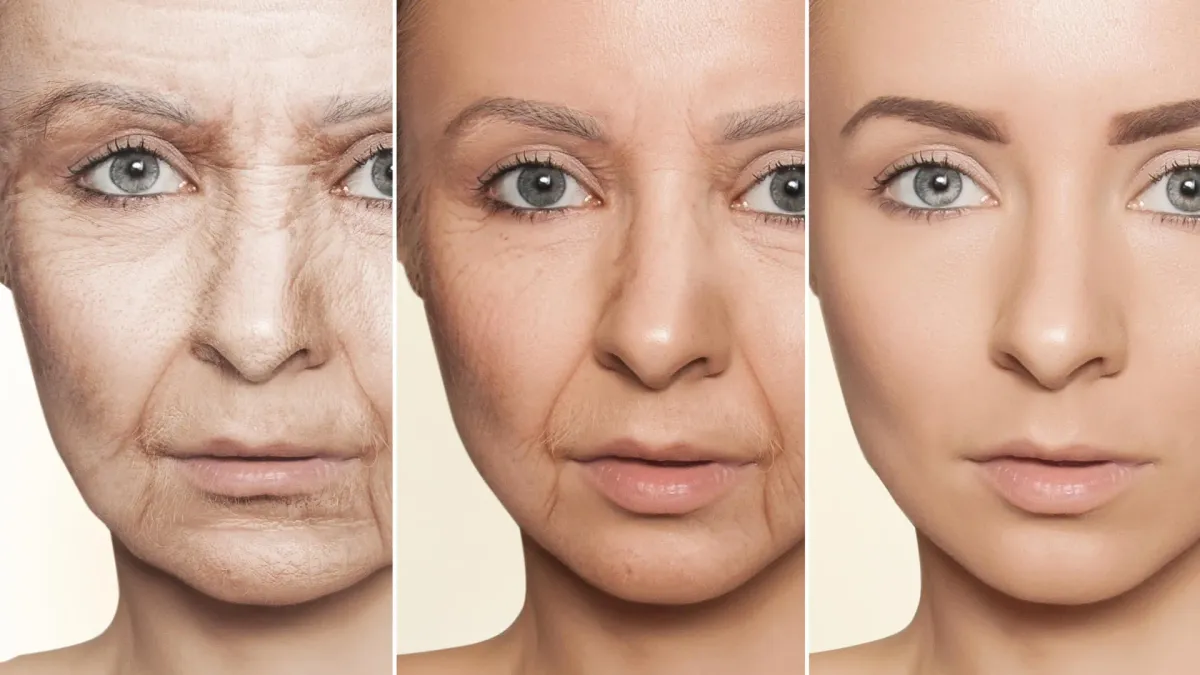
A newly identified brain protein, Menin, may control aging. Declining Menin levels in the hypothalamus triggered inflammation, memory loss, and bone loss in mice. Restoring Menin reversed these aging effects.

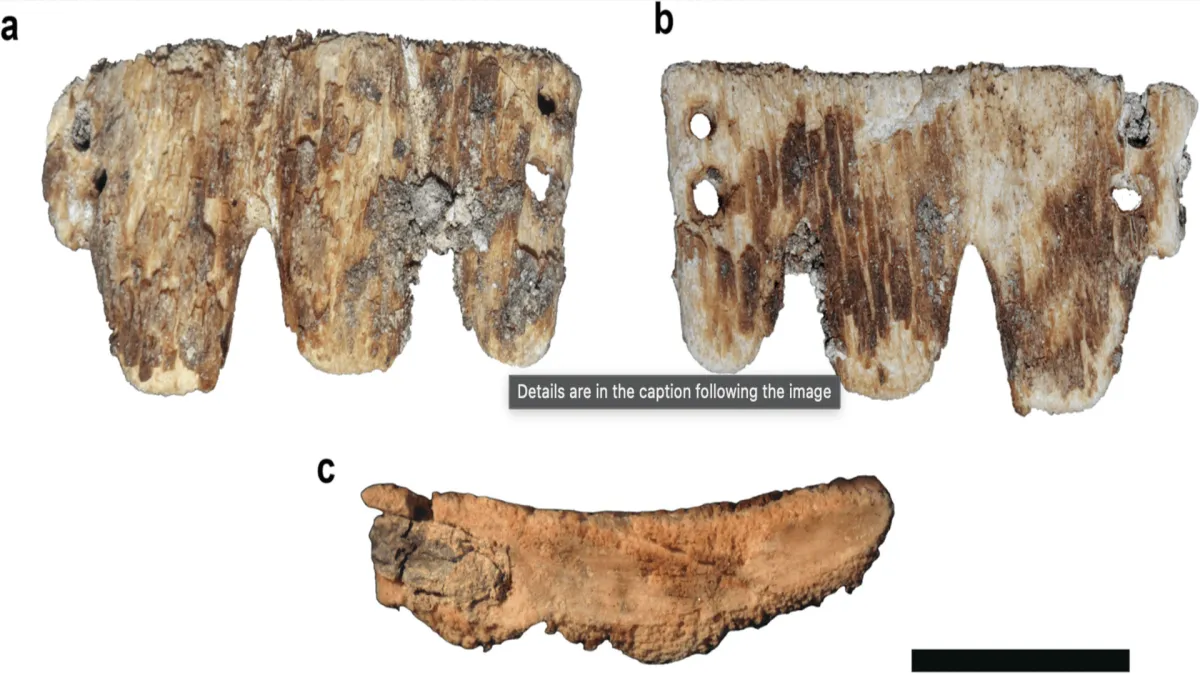
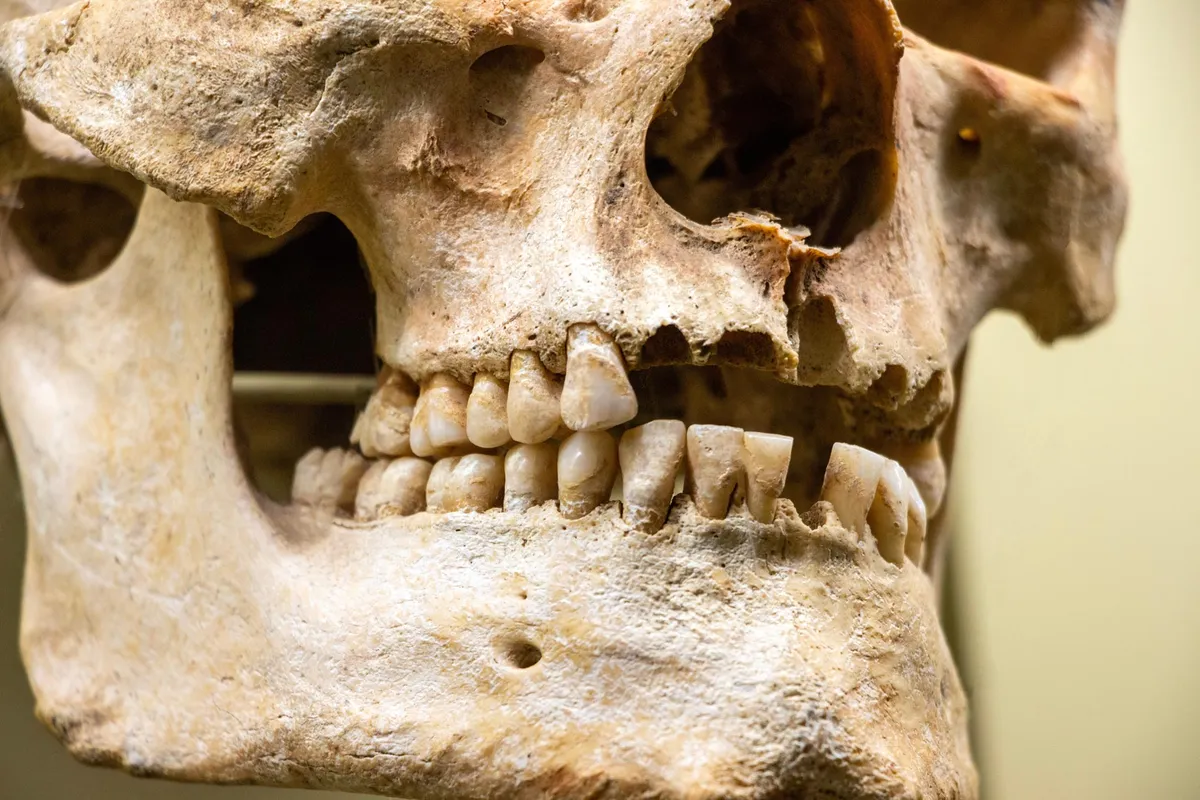
Portugal's first fixed bone dental bridge, a 19th-century marvel, was just unearthed in Porto. This 24mm prosthetic, carved into three U-shaped teeth, offers a rare glimpse into early dental care.

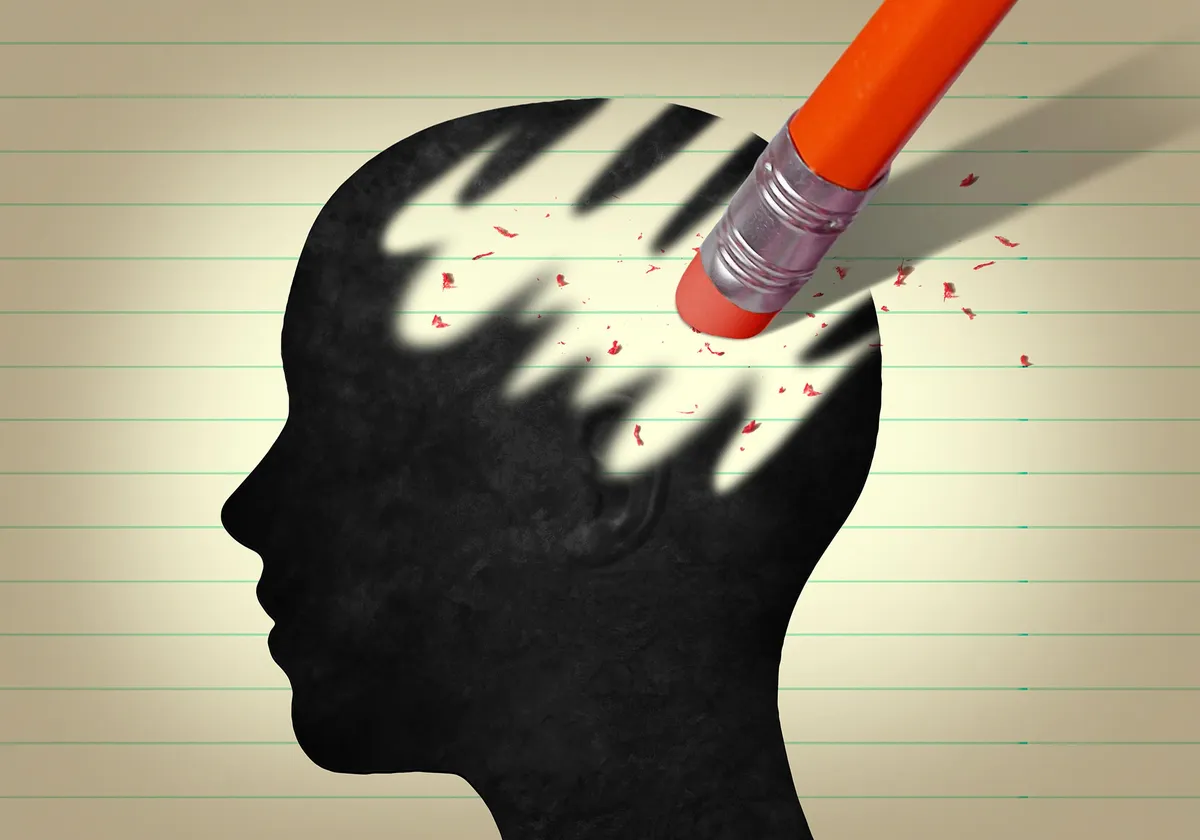
Lithium chloride may combat Alzheimer's! UEF scientists found it influences multiple cellular processes linked to the disease, opening new therapeutic avenues.

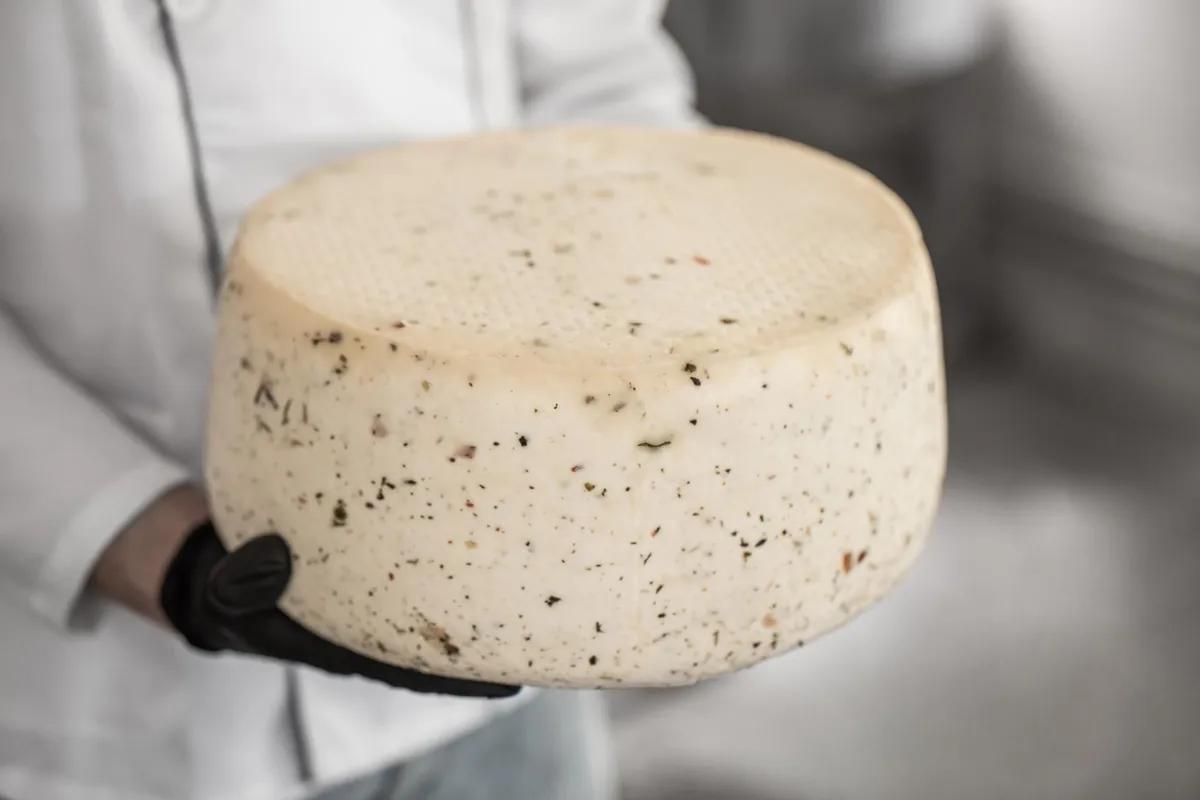
Ever wonder what makes artisan cheese so special? Scientists traced microbes in British cheeses, revealing how bacteria shape their unique flavor, texture, and even gut health benefits.
Download the Brightcast app for a better reading experience, daily notifications, and offline access.
Download App
AI just passed the Turing Test! UC San Diego researchers published the first peer-reviewed evidence that a modern AI can converse so convincingly, people can't tell it from a human.

Ever wonder what a "coincidence" really is? The Cambridge English Dictionary defines it as "chance or luck," or when unlikely, surprising similar things happen simultaneously.

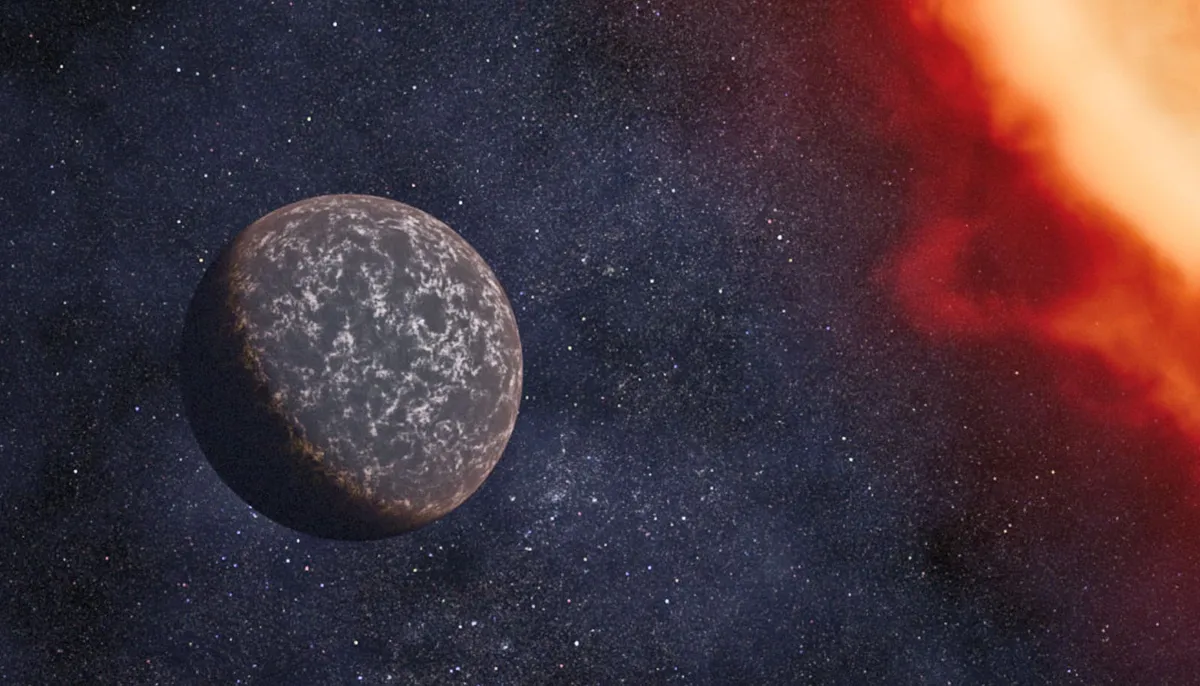
JWST just gave us the best look yet at a distant exoplanet's surface! Scientists analyzed light changes to reveal Kua'kua, orbiting a star in Indus, has a dark, solid surface.

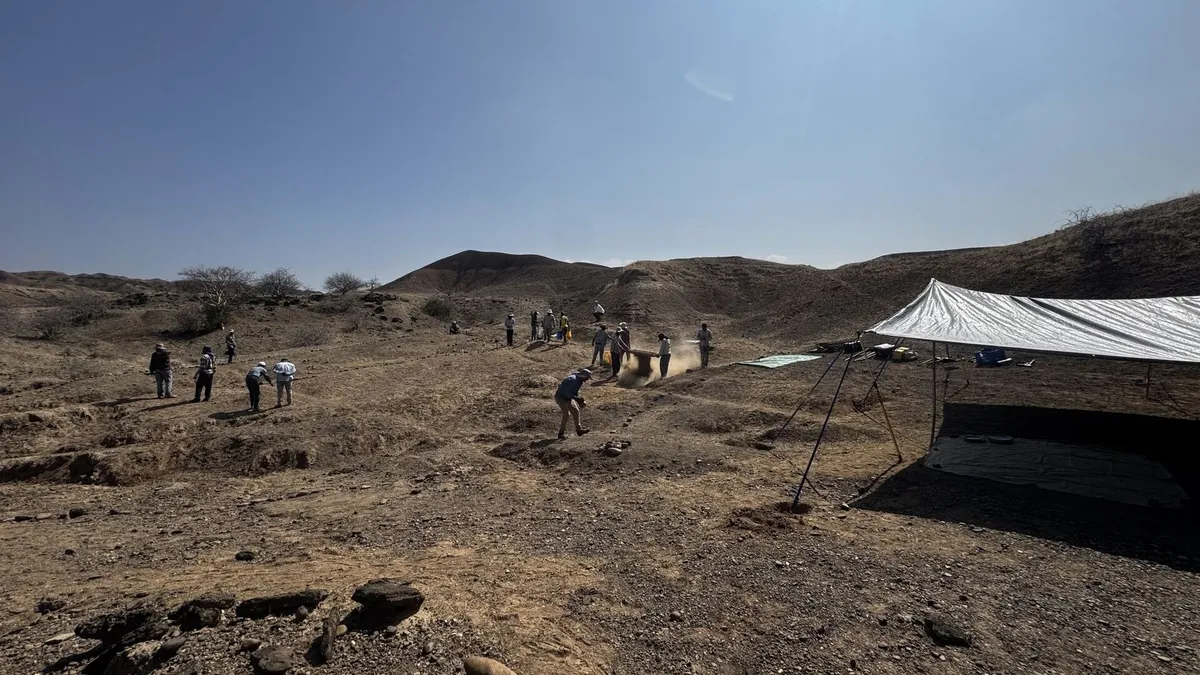
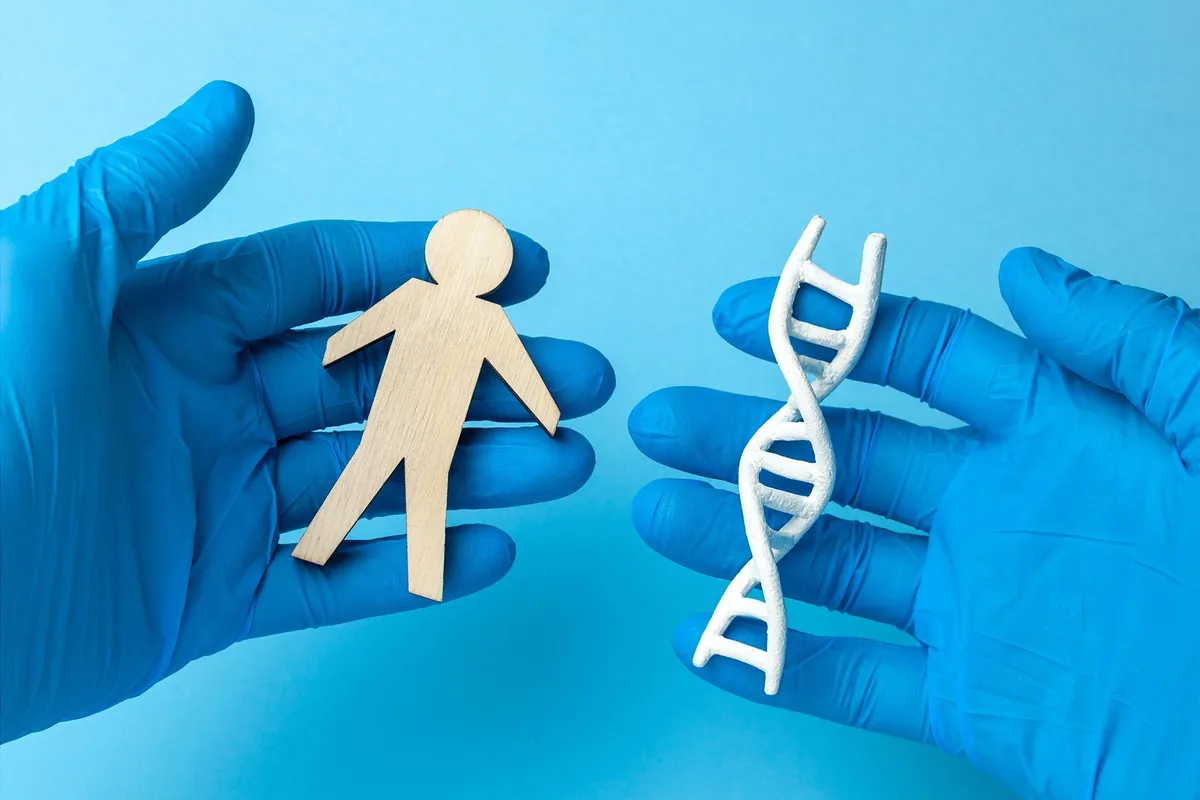
100,000 years ago, how did early humans live? New discoveries by an international team, including Ferhat Kaya from the University of Oulu, reveal how our ancestors moved and adapted.

Ancient genomes reveal northwest Europe's prehistory was a complex tapestry woven by farming, foraging, migration, and marriage, defying earlier, simpler models.
Join 50,000+ readers who receive our daily digest of the most uplifting stories from around the world.

A 59,000-year-old tooth suggests Neanderthals used stone tools to treat infections.

T. rex's tiny arms baffled scientists for decades. A new hypothesis suggests they were short to avoid accidental amputation during chaotic pack feeding, keeping them safe from other massive predators.

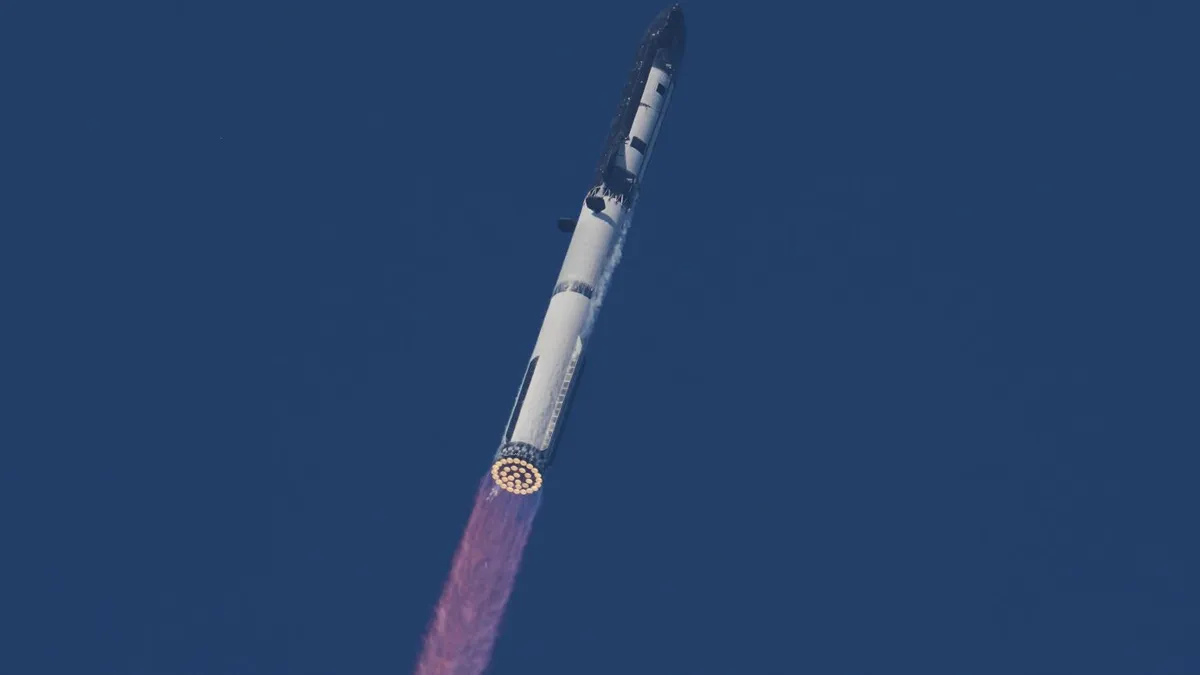
SpaceX's Starship, now one step closer to the moon, debuted just two days after CEO Elon Musk announced the company would go public.

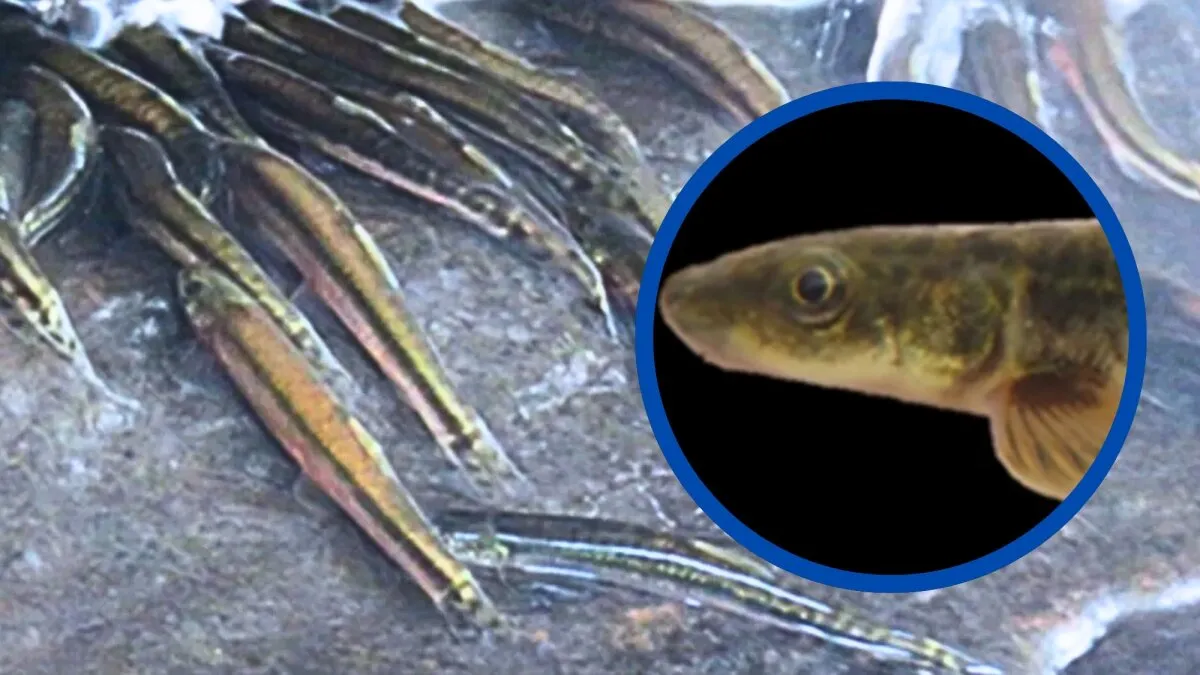
Thousands of 2-inch fish defy gravity, scaling a near-vertical, waterfall-soaked rock face as the rainy season ends.

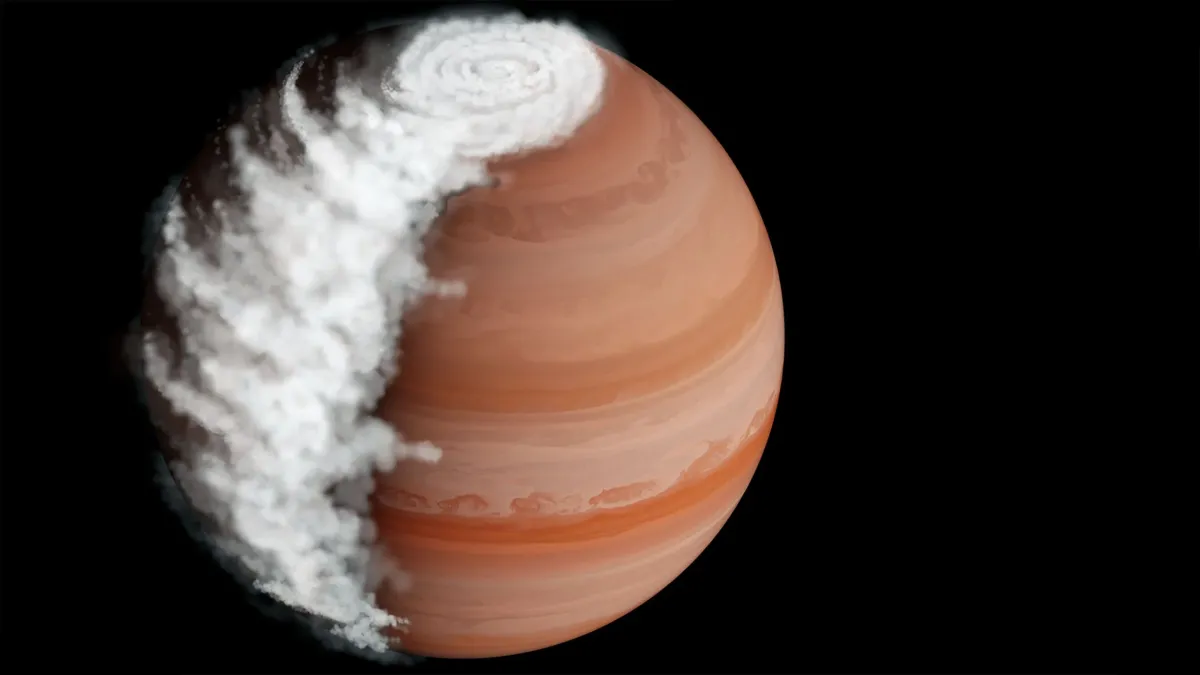
A distant hot Jupiter hides a secret: JWST uncovered a surprising daily cloud cycle. This discovery offers scientists an unprecedented look into its atmosphere.
Brightcast is dedicated to restoring faith in humanity by highlighting the progress, solutions, and kindness that often go unnoticed. We believe in a balanced worldview.
Read our full mission →
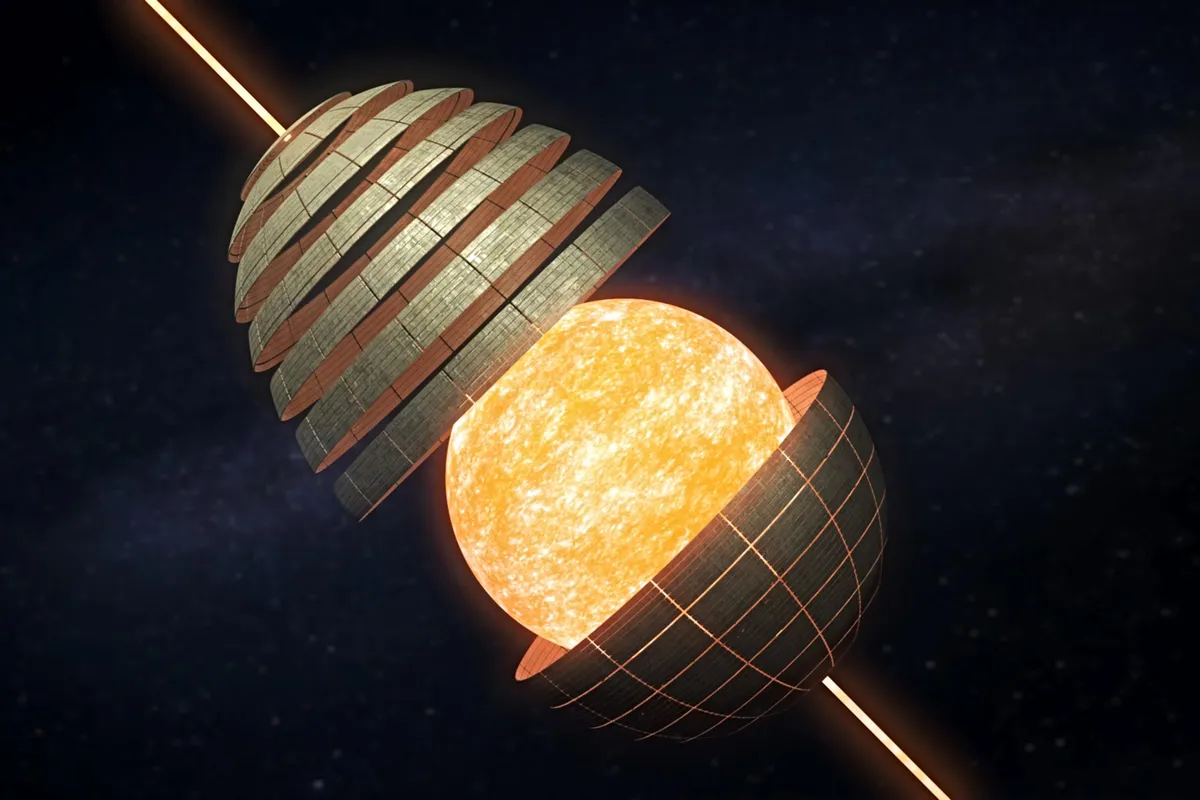
Unusually cold, clean infrared signals around long-lived stars could reveal Dyson swarms. Astronomers are now searching for these tell-tale signs of advanced alien civilizations.

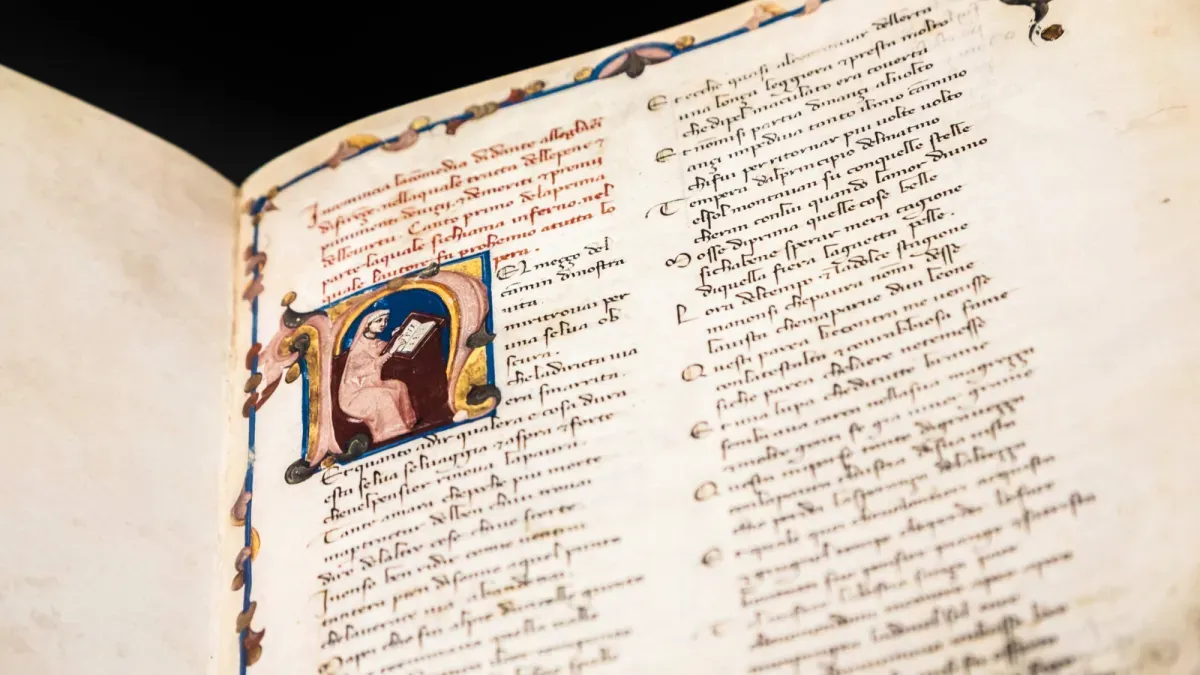
Dante Alighieri's *The Divine Comedy* is Italy's most famous literary work, chronicling his journey through Hell, Purgatory, and Paradise. But what if Dante was also an accidental geophysicist?

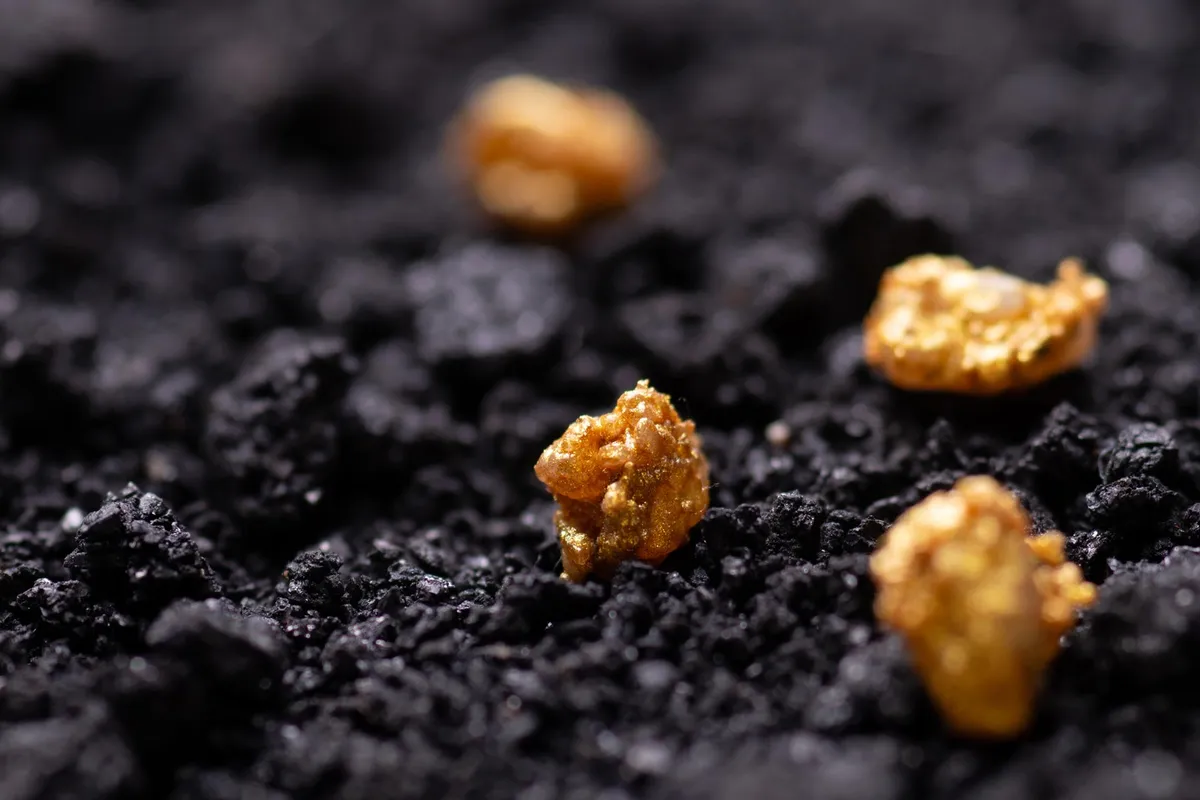
Romans mined gold in the Eastern Pyrenees 1,700 years ago. New evidence suggests they were actively extracting the precious metal, not just prospecting.

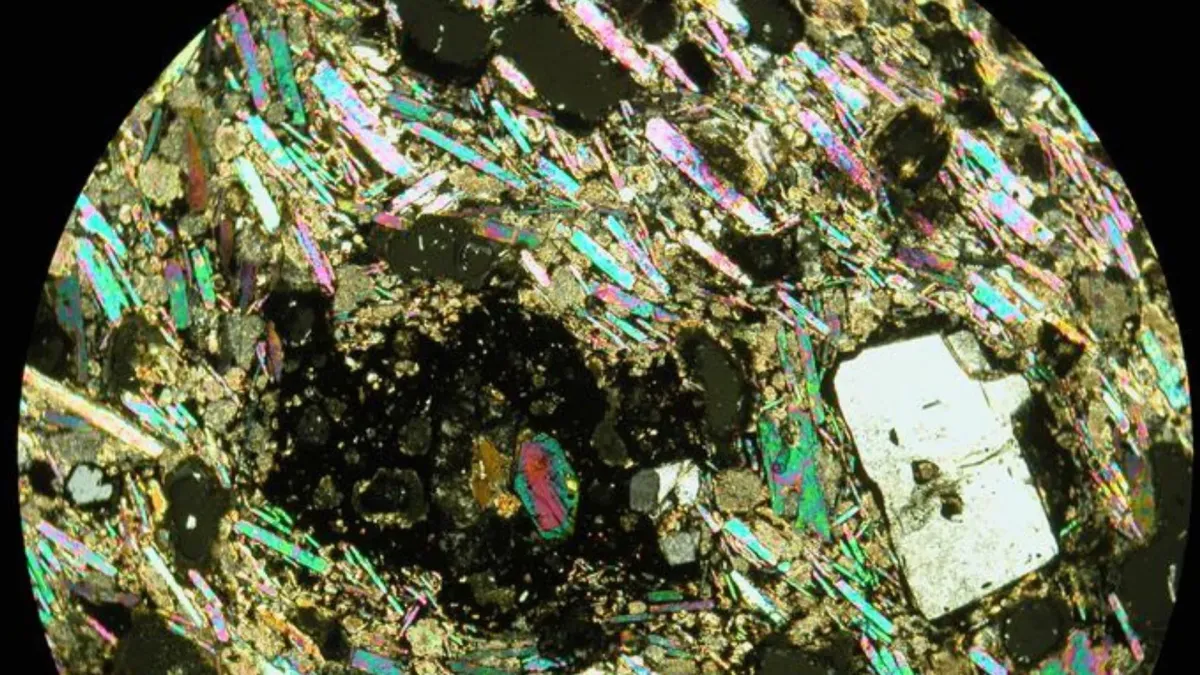
Smartphones, EVs, and wind turbines share a critical flaw: rare earth elements. China controls nearly all of them, but a new Cambridge discovery could change everything.

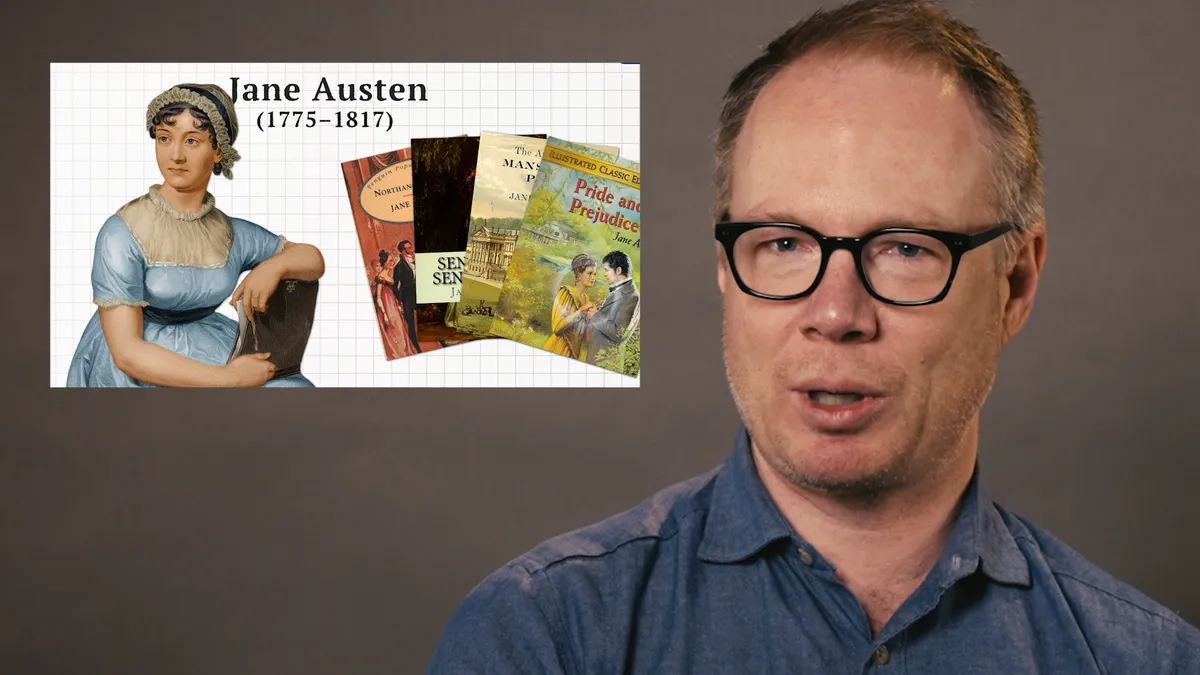
UC Berkeley's David Bamman uses data to analyze human art, revealing surprising insights into culture at a scale few could imagine.
Know someone who needs a boost? Share Brightcast with your friends and family.

Hidden underwater "brakes" could prevent catastrophic earthquakes. Scientists just uncovered a surprising mechanism that may stop some quakes from escalating.

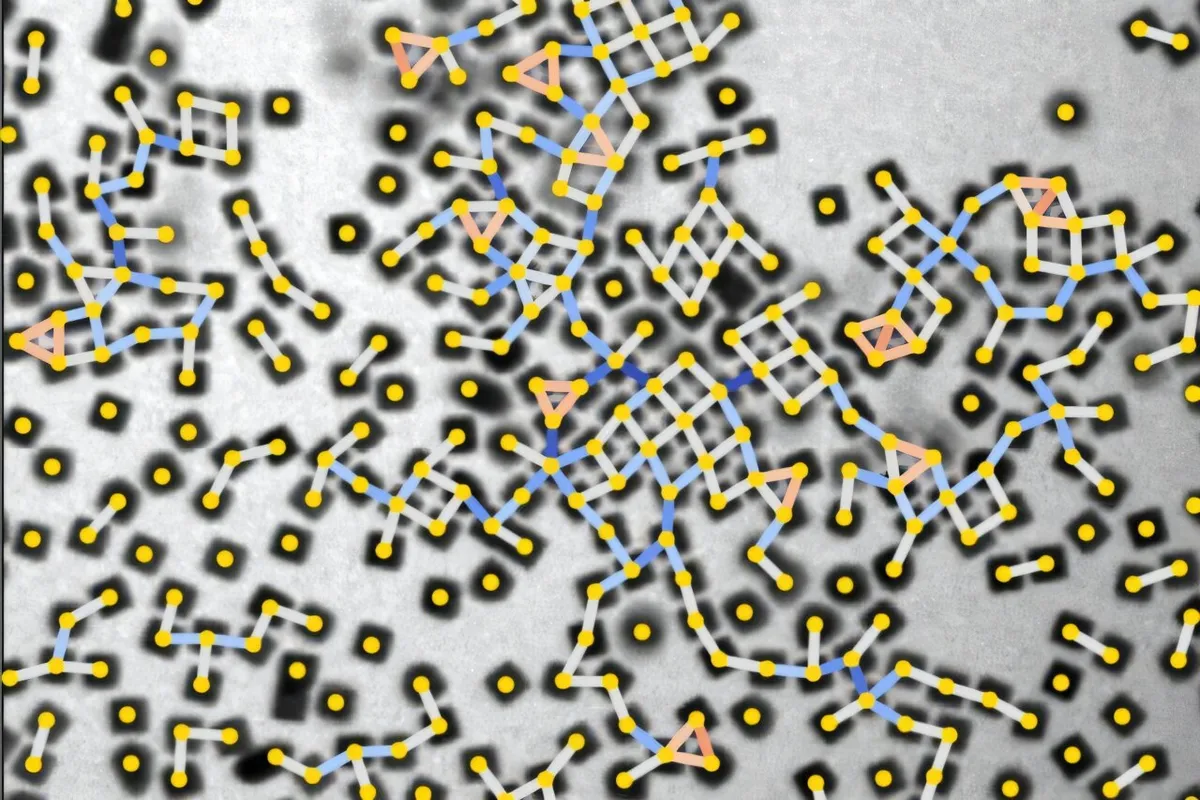
Complexity isn't subjective. Researchers from U-M, USC, and UIUC just developed a quantitative measure for nanomaterial complexity, unlocking new material properties.

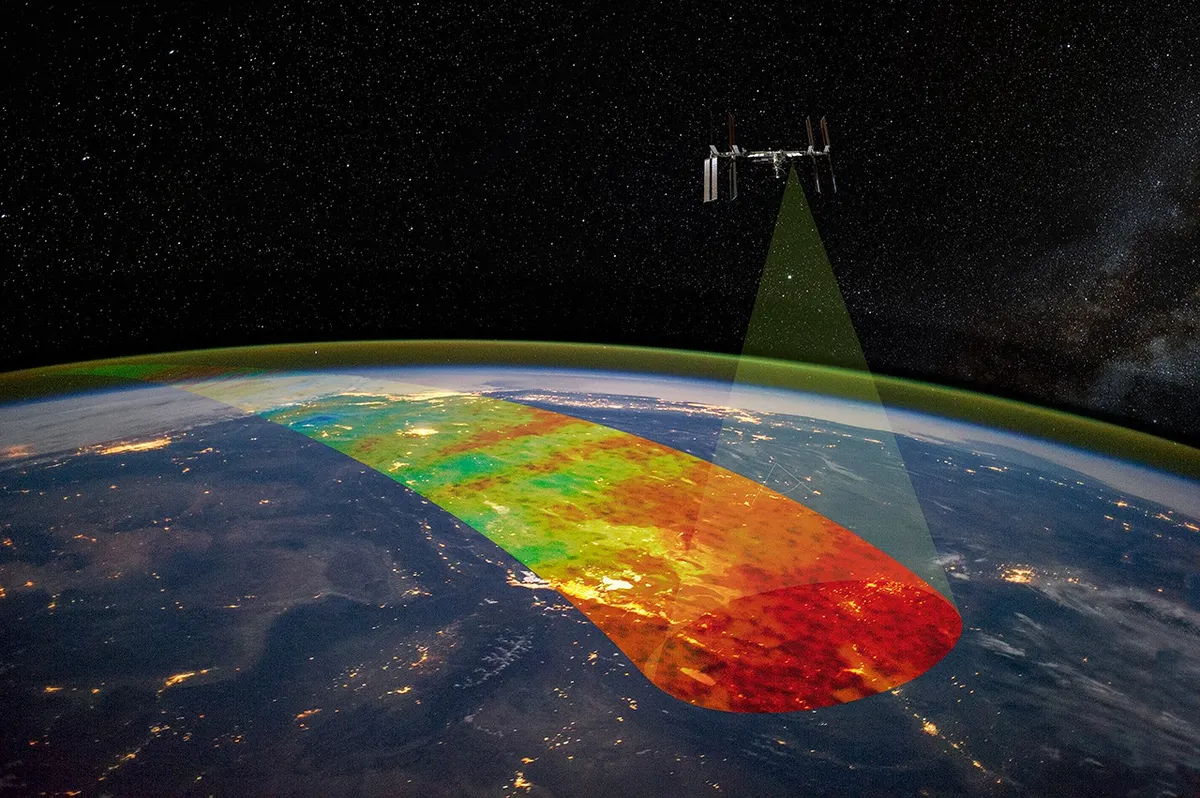
NASA's AWE mission, studying Earth's impact on space weather, successfully concluded May 21. It surpassed its two-year plan, capturing stunning airglow and lightning from the ISS.

This week, scientists found over 1,000 hidden reefs, Florida sea turtles are having a record nesting season, and Mexico said 'no' to a massive waterpark. The ocean is thriving.

Built 4,600 years ago, Egypt's Giza pyramids still stand tall. They've survived millennia of harsh desert and major earthquakes, including 6.8 and 5.8 magnitude tremors. How?