S
Science
3 months ago
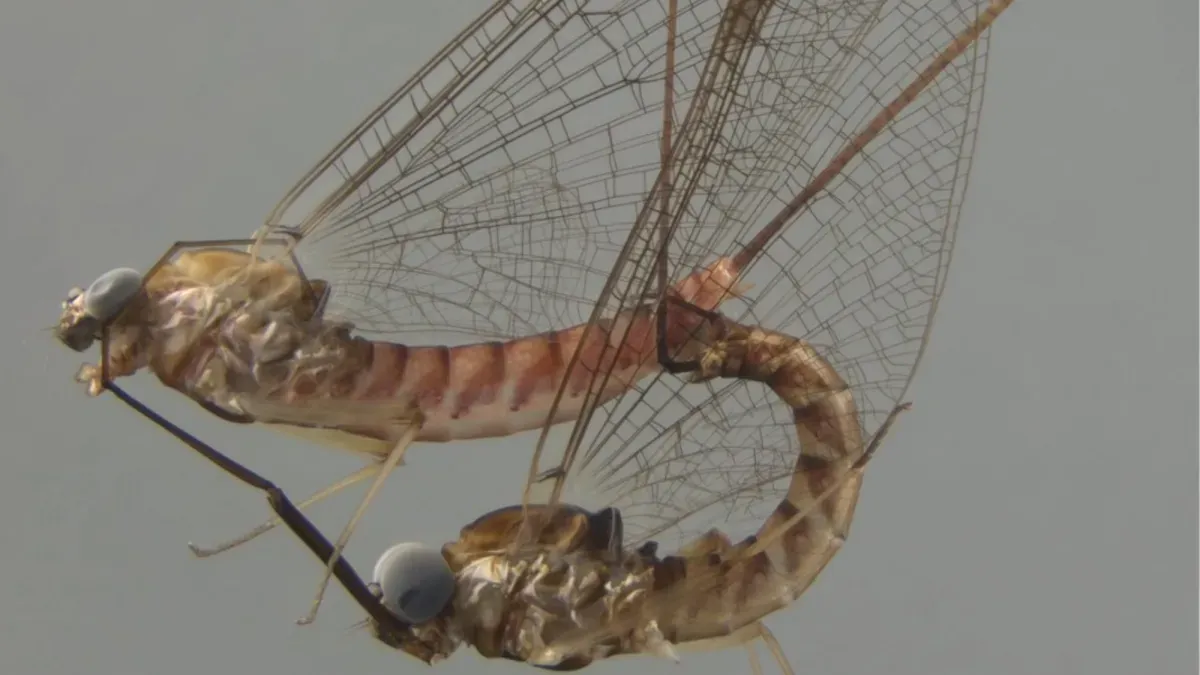
The secret sex lives of mayflies reveal nature's acrobatic wonders.
Scientists studying mayfly sex pulled a stunt straight from Greek myth: they netted mating insects and flash-froze them mid-act for study.
57
0
118

Breakthroughs happen quietly. We make sure you hear about them.
2782 stories
Scientists studying mayfly sex pulled a stunt straight from Greek myth: they netted mating insects and flash-froze them mid-act for study.
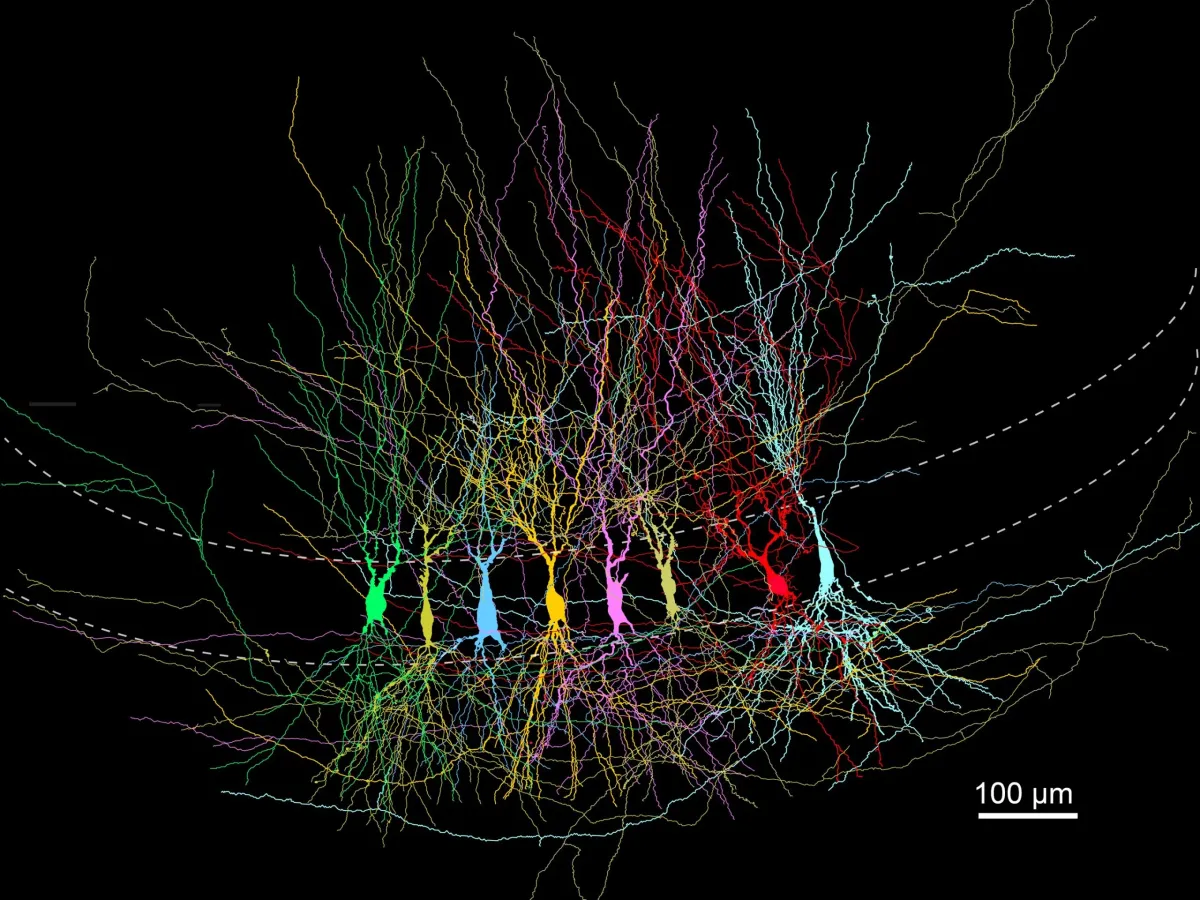
Forget building new brain connections. Your brain might actually form memories by *cutting* them away.
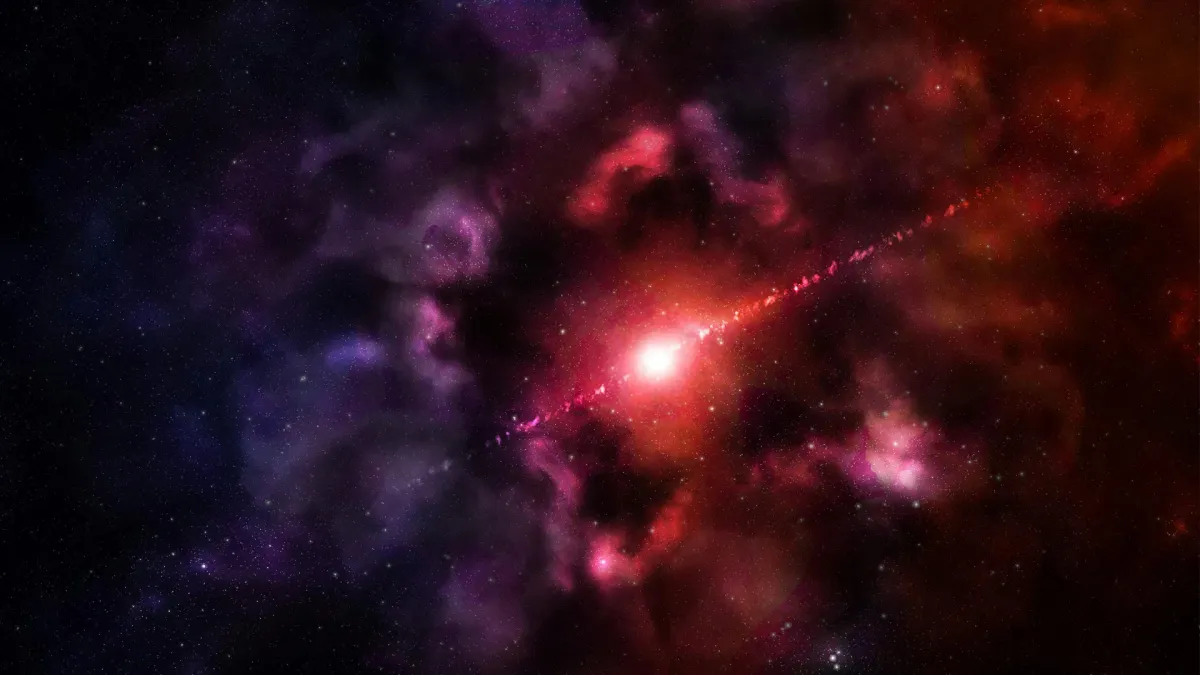
Black holes have a problem physicists can't explain. Stephen Hawking predicted they aren't completely dark, slowly emitting faint "Hawking radiation." This radiation would eventually make them disappear.
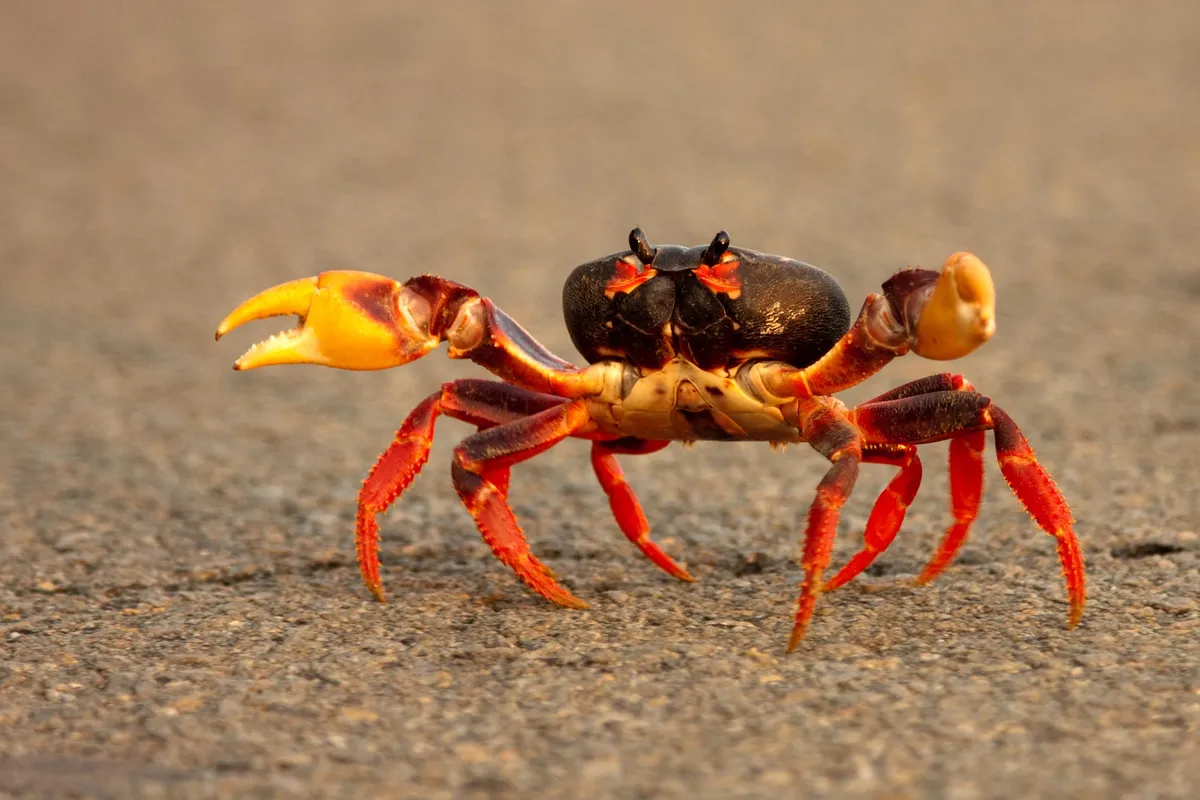
Ever wonder why crabs walk sideways? A single evolutionary event 200 million years ago might be the surprising answer.
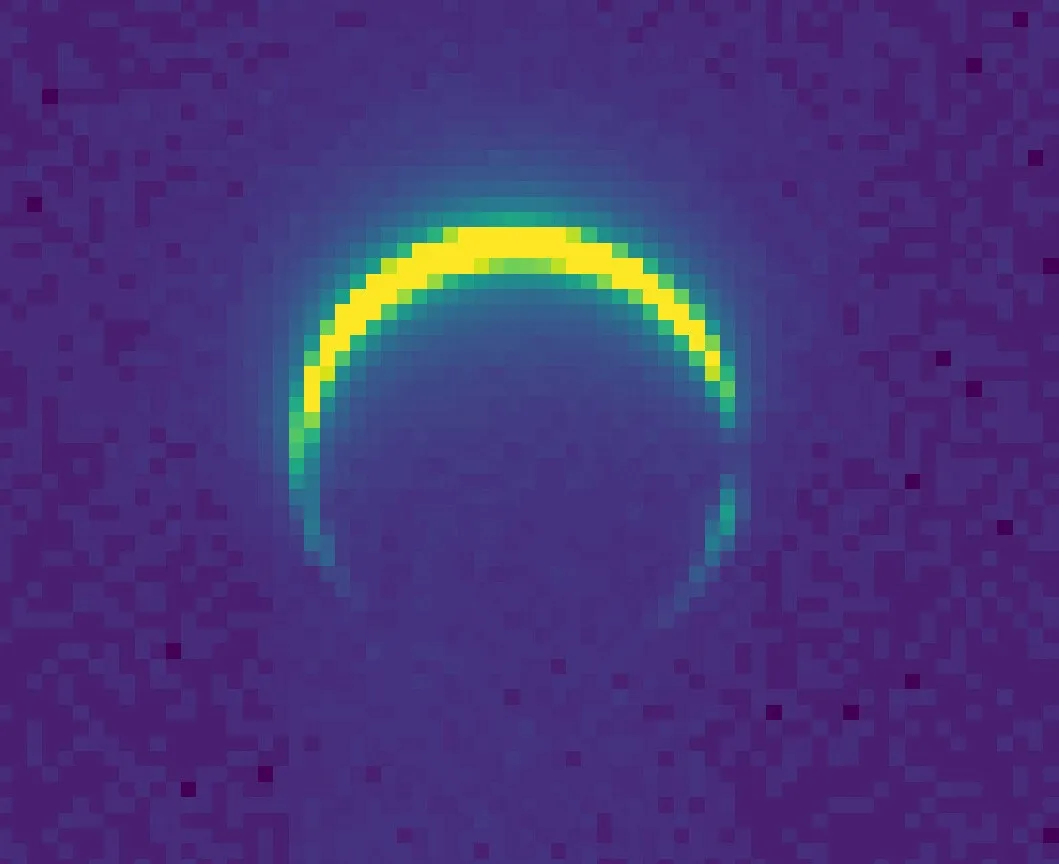
NASA's Psyche mission just snapped a stunning shot of Mars! This colorized image was captured on May 3, 2026, as the spacecraft approached for a gravity assist.
Join 50,000+ readers who receive our daily digest of the most uplifting stories from around the world.
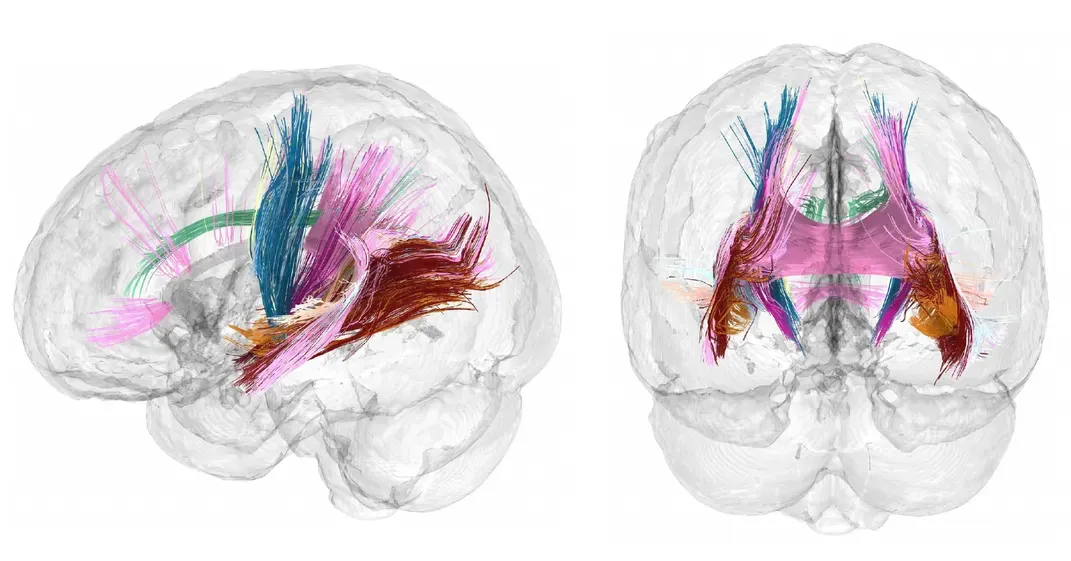
Baby brain" isn't a deficit. Pregnancy rewires moms' brains, enhancing social cognition and attunement to their children, new research reveals.
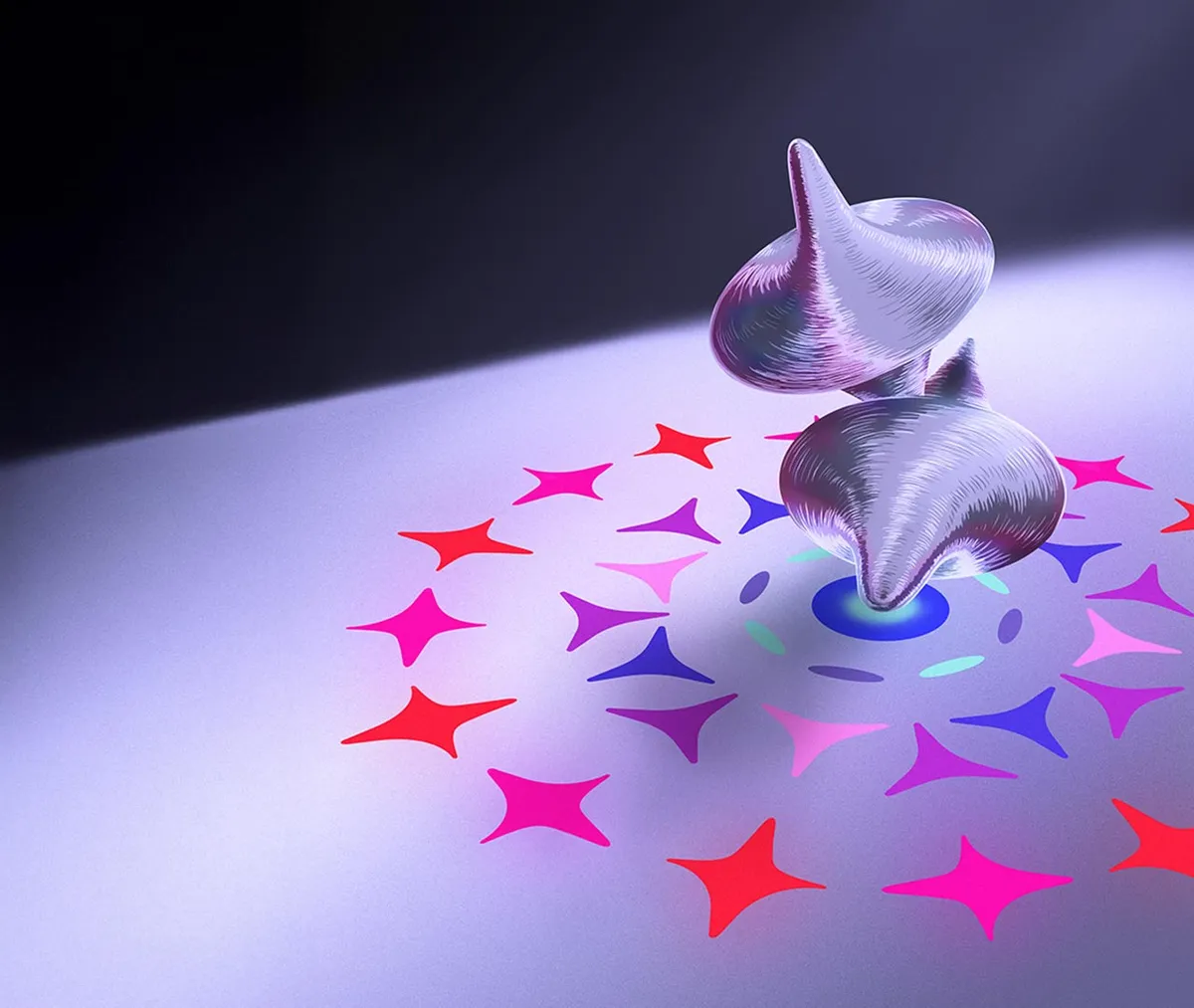
Scientists just unlocked a new quantum power! They've demonstrated "quadsqueezing," a novel way to generate powerful quantum interactions.
From the universe's secret life-tuning to your abs cleaning your brain, today's science news revealed surprising harmonies. Plus, balcony solar is on the rise!
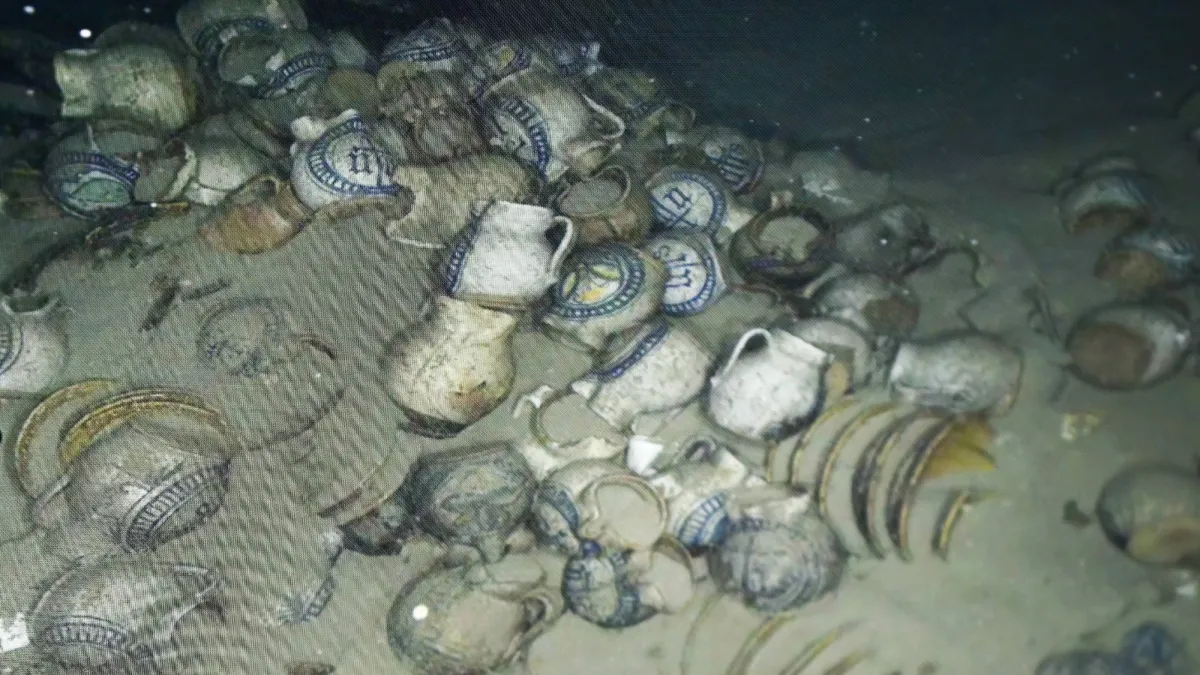
A robot dove 1.5 miles into the Mediterranean, discovering a 16th-century merchant ship. It found hundreds of ornate ceramics, jars, and jugs, carefully retrieving them with its pincers.
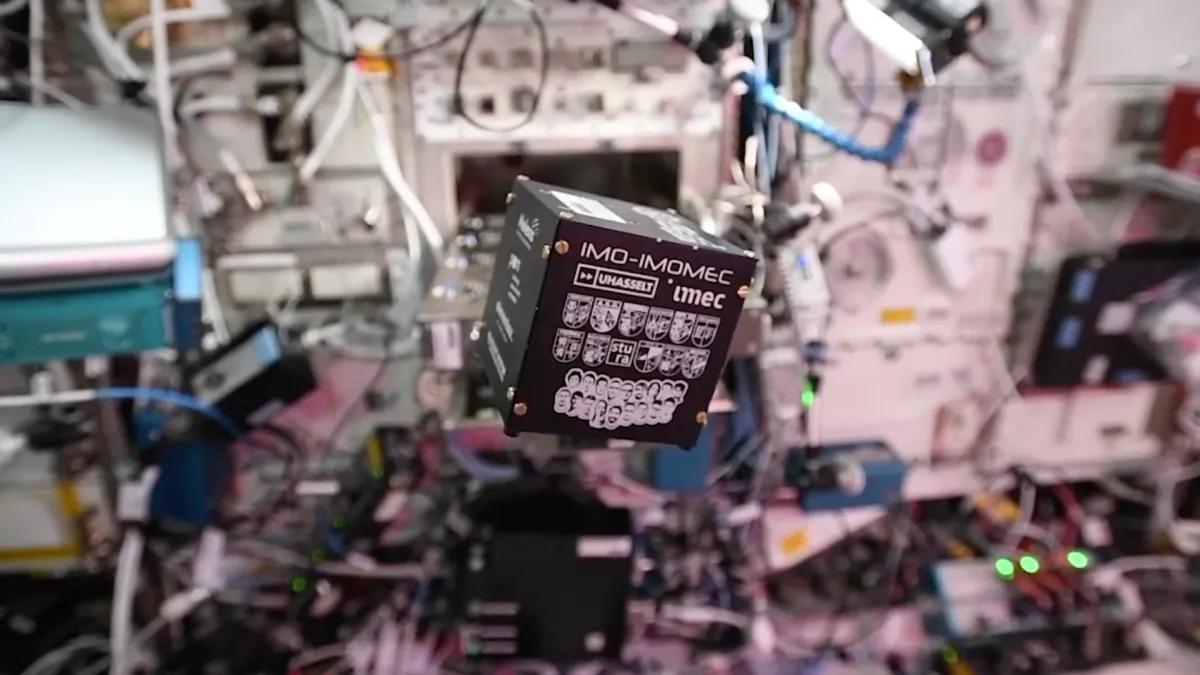
A quantum device, OSCAR-QUBE, used tiny diamond imperfections to measure Earth's magnetic field. This 10cm device, with a lentil-sized diamond core, operated on the ISS for 10 months.
Brightcast is dedicated to restoring faith in humanity by highlighting the progress, solutions, and kindness that often go unnoticed. We believe in a balanced worldview.
Read our full mission →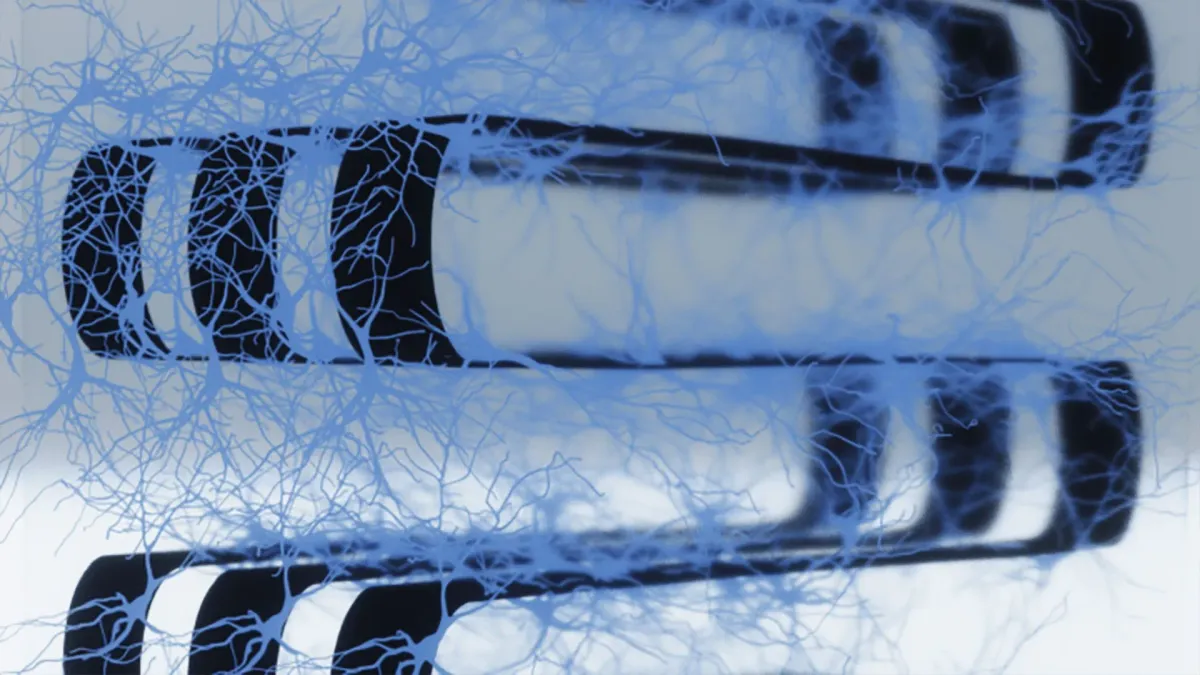
Princeton researchers fused living brain cells with flexible electronics, creating 3D-MIND. This hybrid biocomputing platform is a major leap toward integrating AI with biological systems.
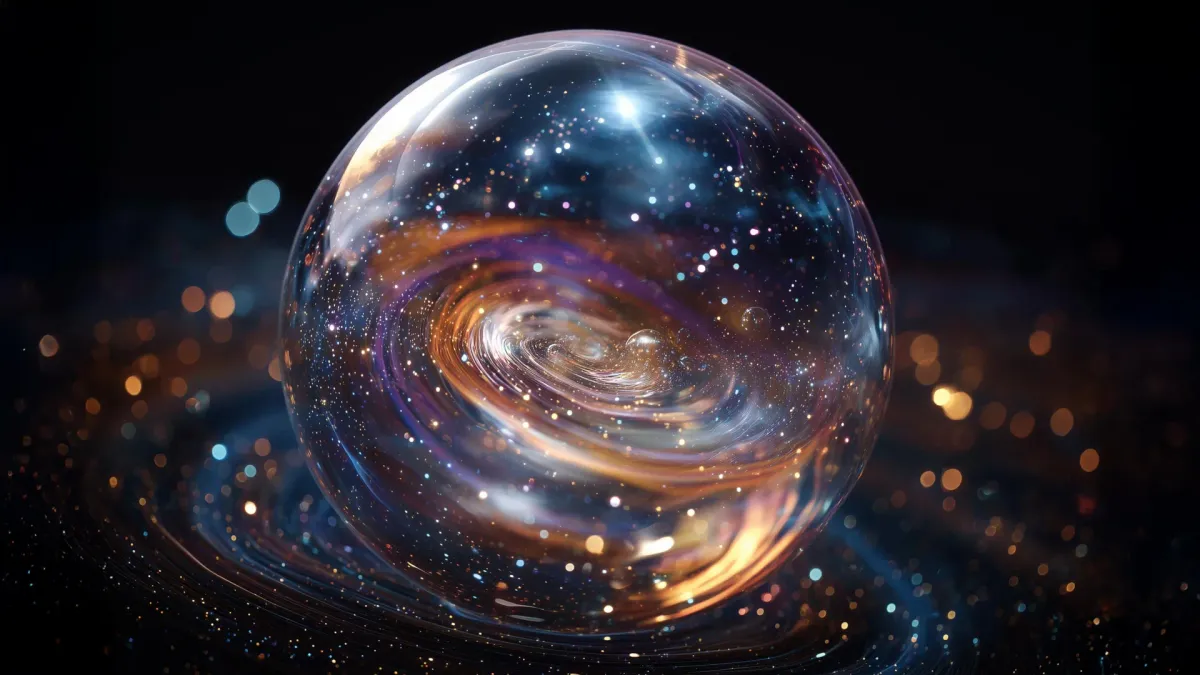
Life exists thanks to a cosmic "sweet spot." The Universe's fundamental constants, governing everything from atoms to stars, are incredibly narrow, allowing liquids to flow and life to thrive.
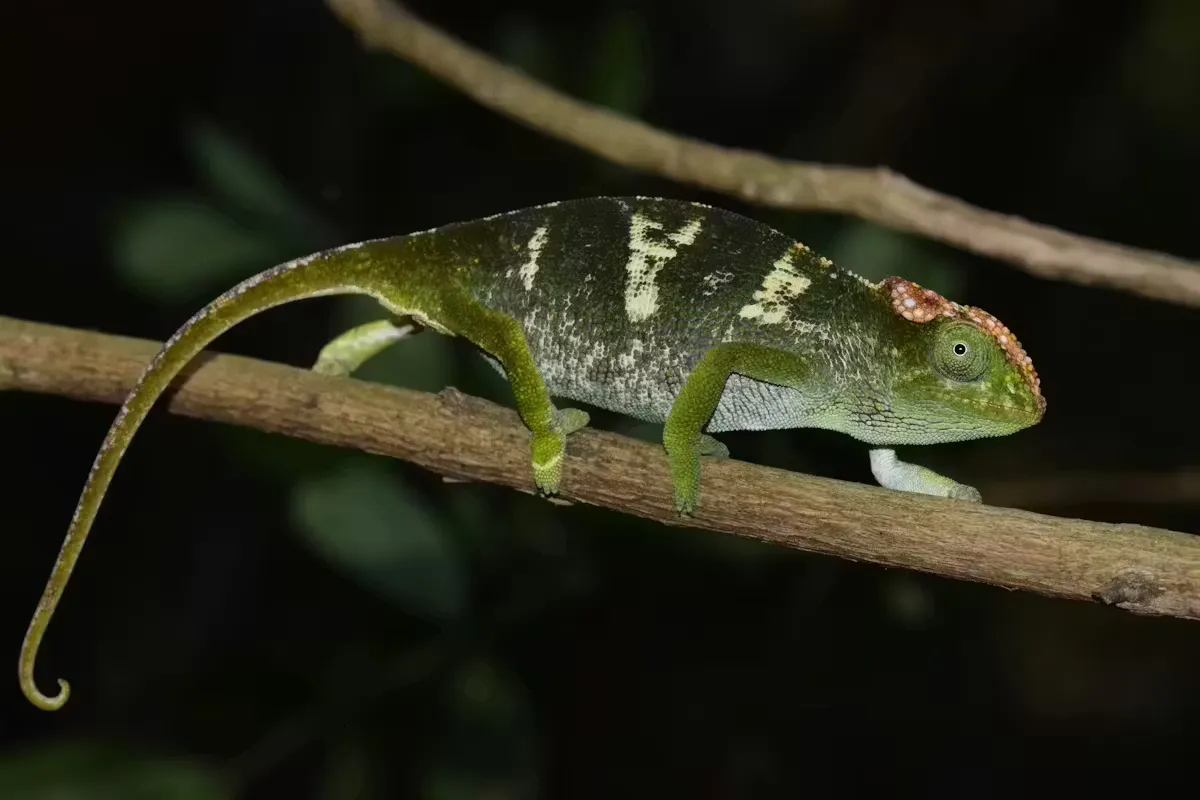
Four new chameleon species were discovered on Mozambique's "sky island" mountains. These granite inselbergs, Namuli, Inago, Chiperone, and Ribáuè, are ecological oases where unique life evolved in isolation.
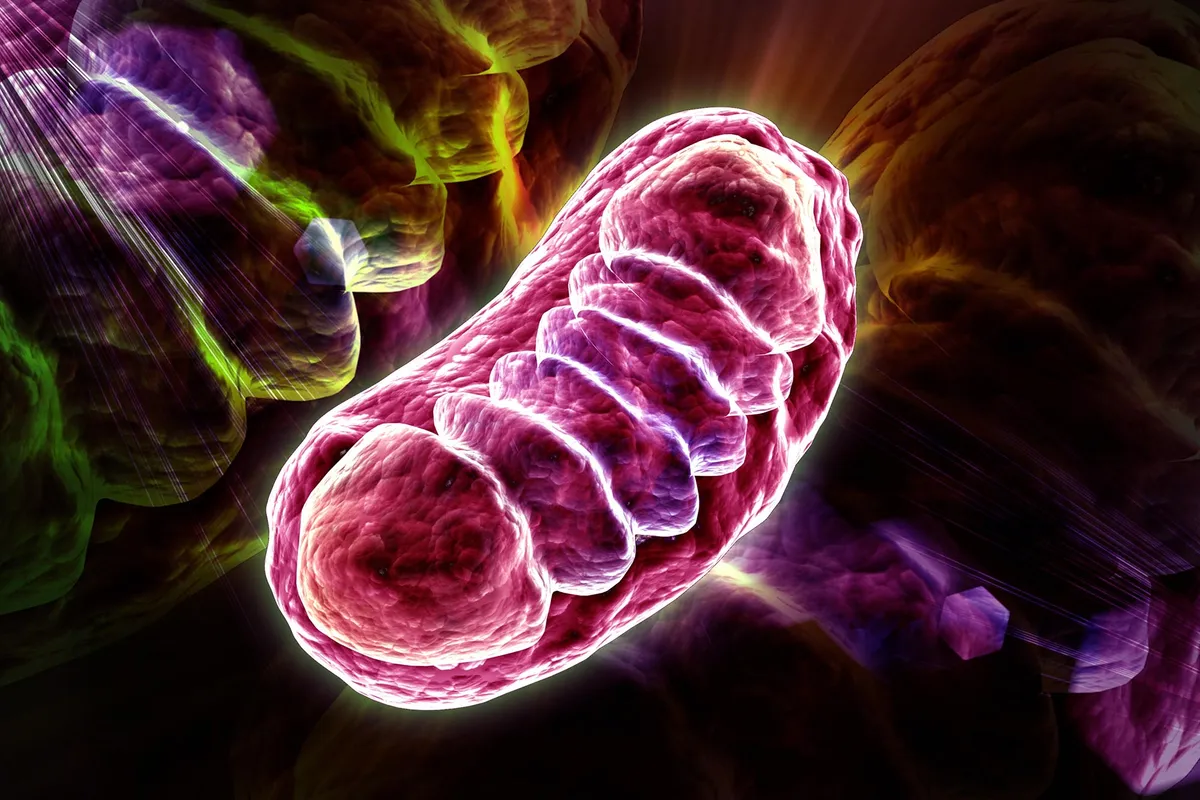
Mysterious bead-like motion within cells could be key to DNA balance and health.
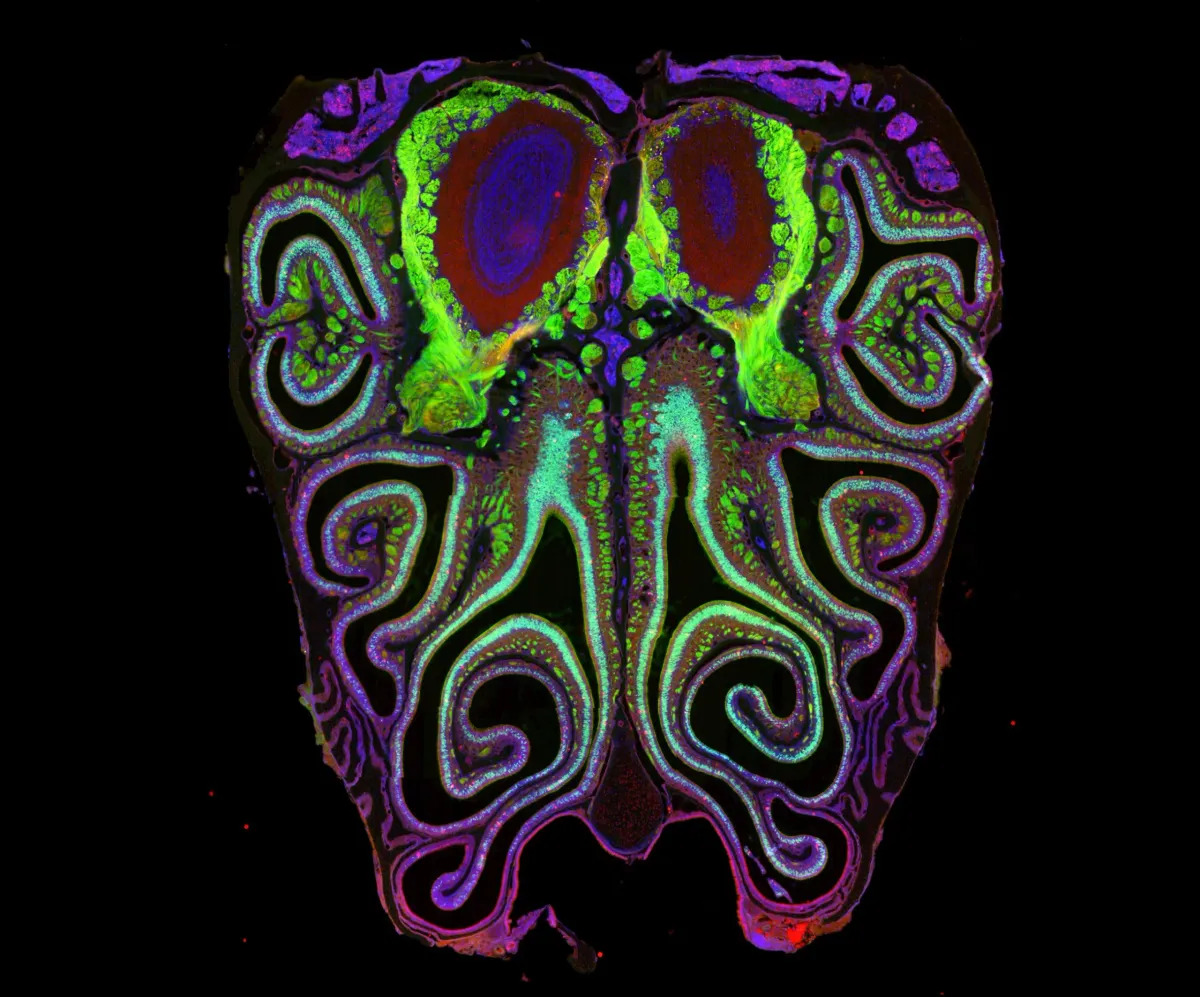
Scientists just found a hidden structure in one of our most mysterious senses. This discovery could change how we understand perception.
Know someone who needs a boost? Share Brightcast with your friends and family.
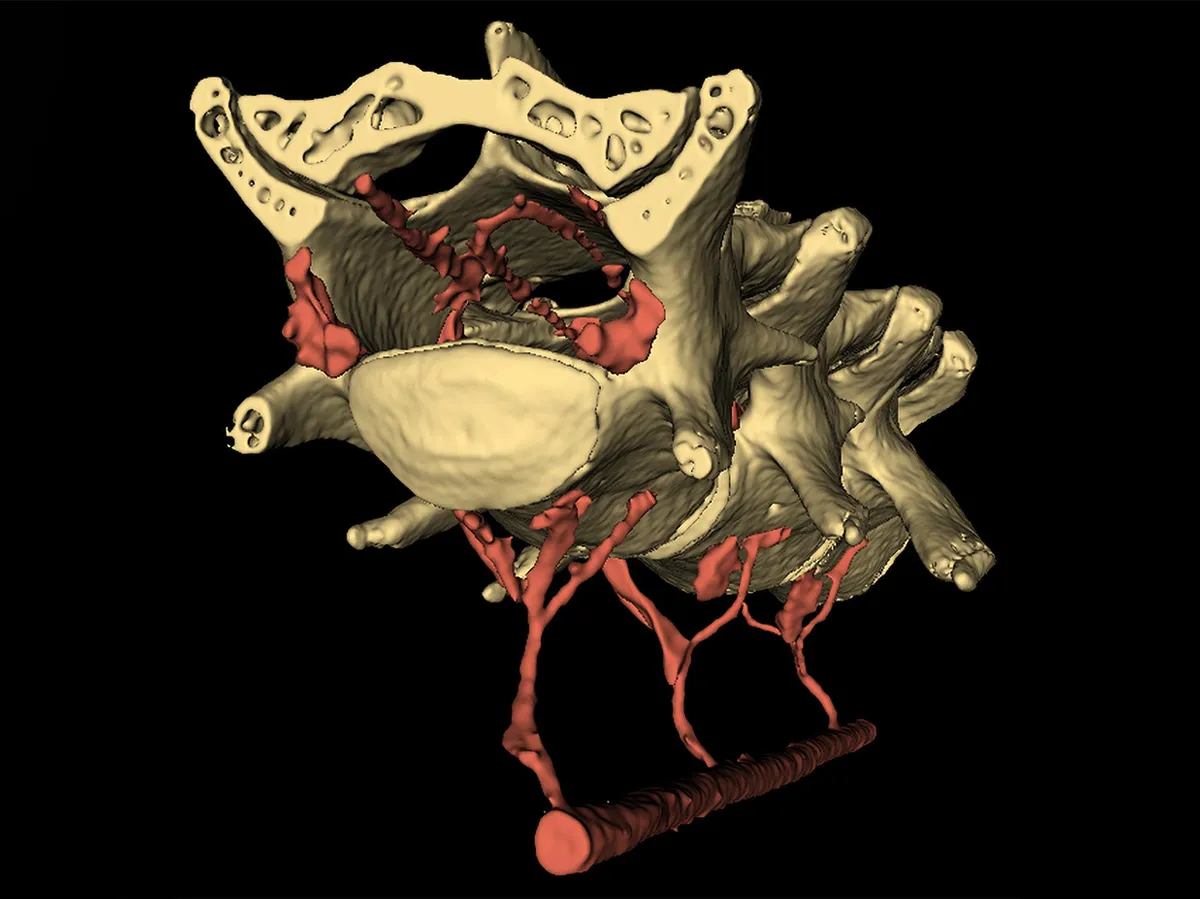
Unlock your brain's cleaning power! New research shows simple body movements may help clear your mind.
Sunburn inspired a new way to store energy! Molecules that capture heat could be a game-changer for decarbonizing heating.
Underwater, 90% of deep-sea creatures glow with bioluminescence. This natural light show, powered by cellular reactions, isn't just for the deep; even surface algae shimmer, creating visible blue waves.
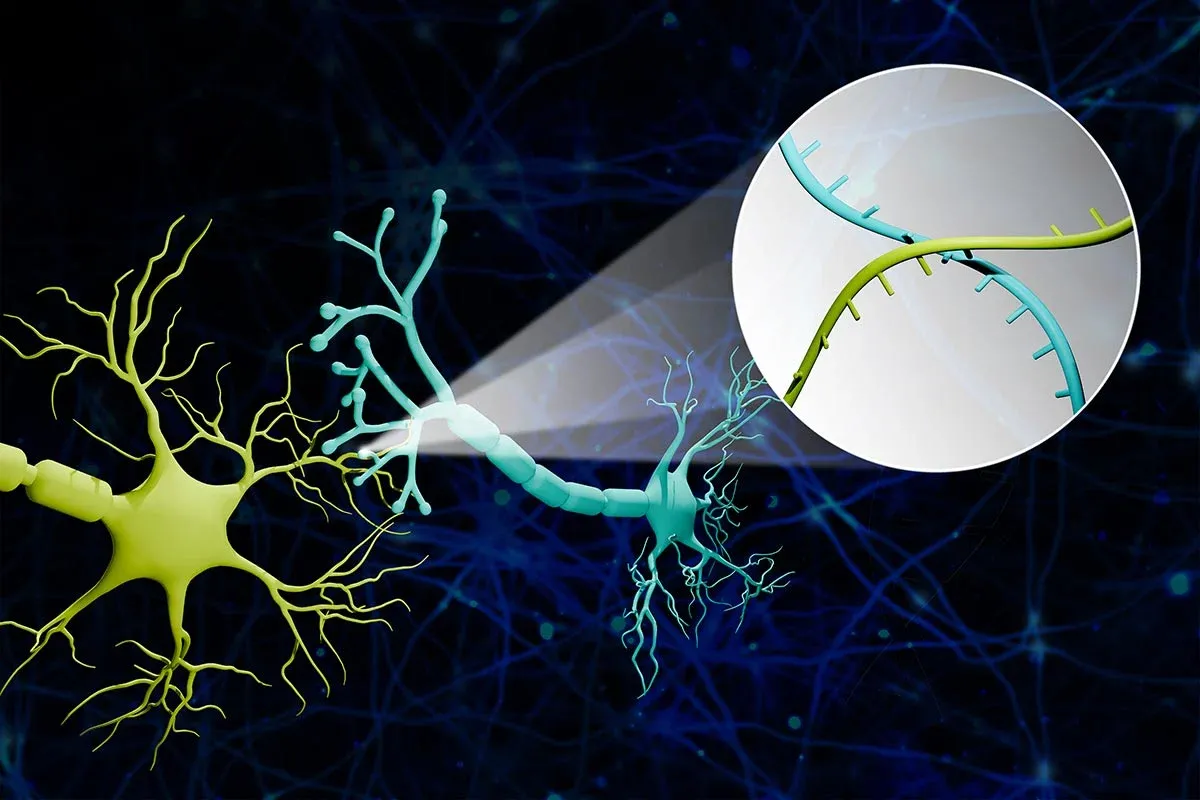
Unlock the brain's secrets! A new "barcode" technique is mapping neural connections faster than ever, revealing hidden wiring with unprecedented speed.
Five metals are better than one! Stanford and KAIST researchers synthesized a uniform nanocrystal from ruthenium, iron, cobalt, nickel, and copper, a breakthrough for sustainable energy and hydrogen production.
Download the Brightcast app for a better reading experience, daily notifications, and offline access.
Download App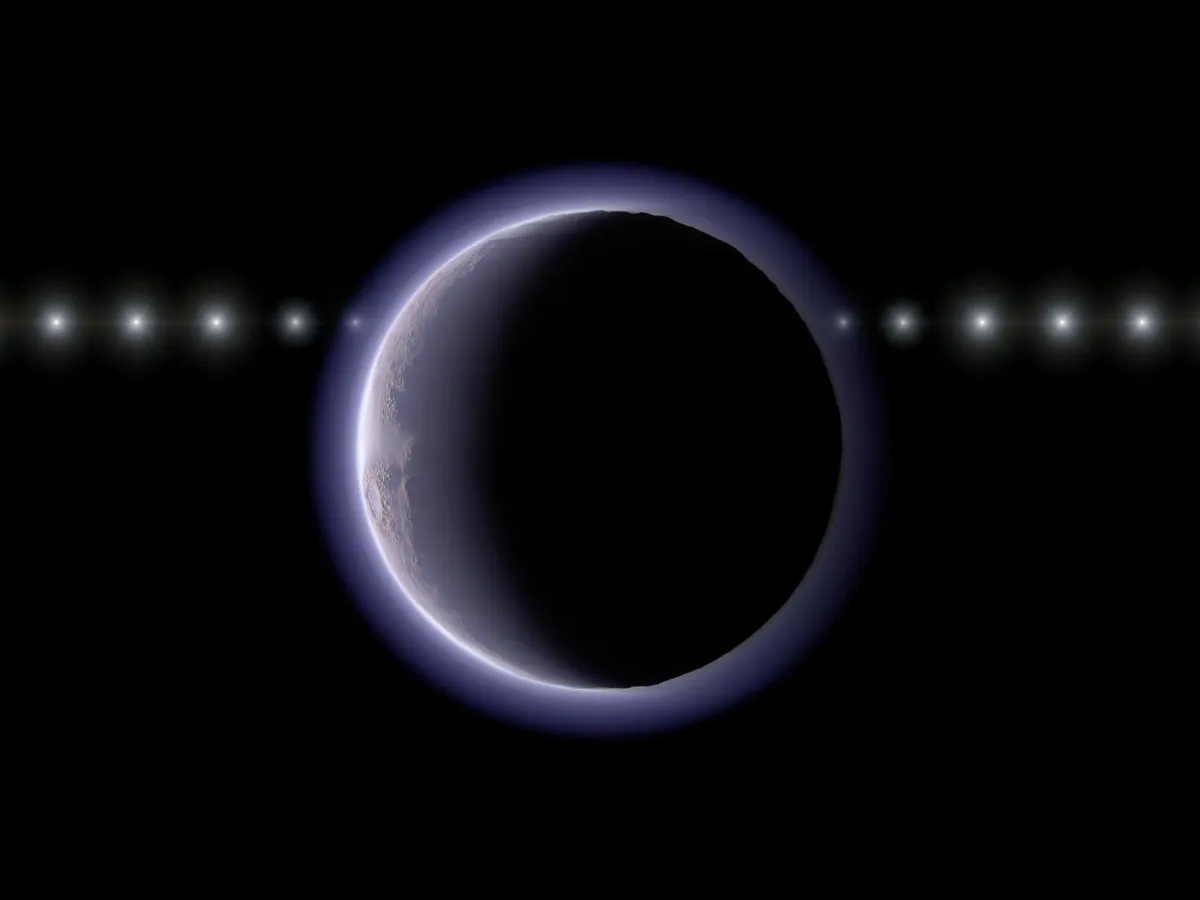
A tiny world in our Solar System has an atmosphere it shouldn’t—hinting something dramatic happened there recently.
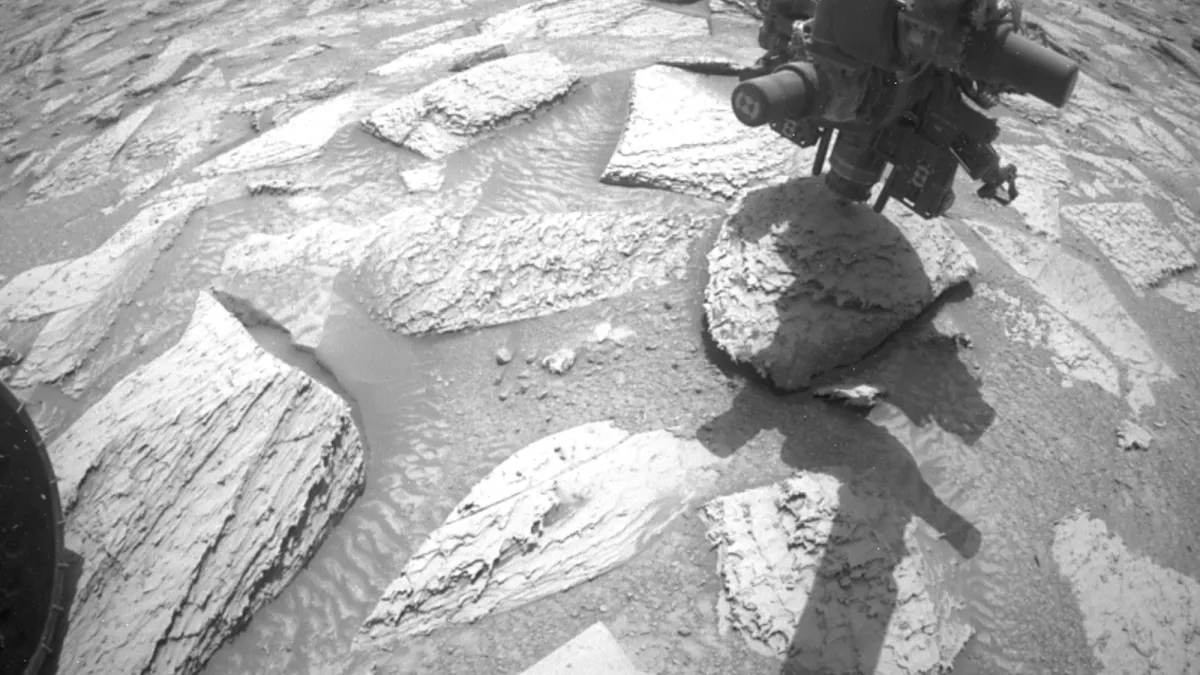
Curiosity's drill got stuck in a Martian rock last month! But don't worry, NASA says the rover is fine. Engineers were drilling into "Atacama," a routine task for sample collection.

Ancient Maya traded live dogs across vast distances! A UCalgary archaeologist found evidence of this long-distance trade between the Yucatan and Chiapas regions.
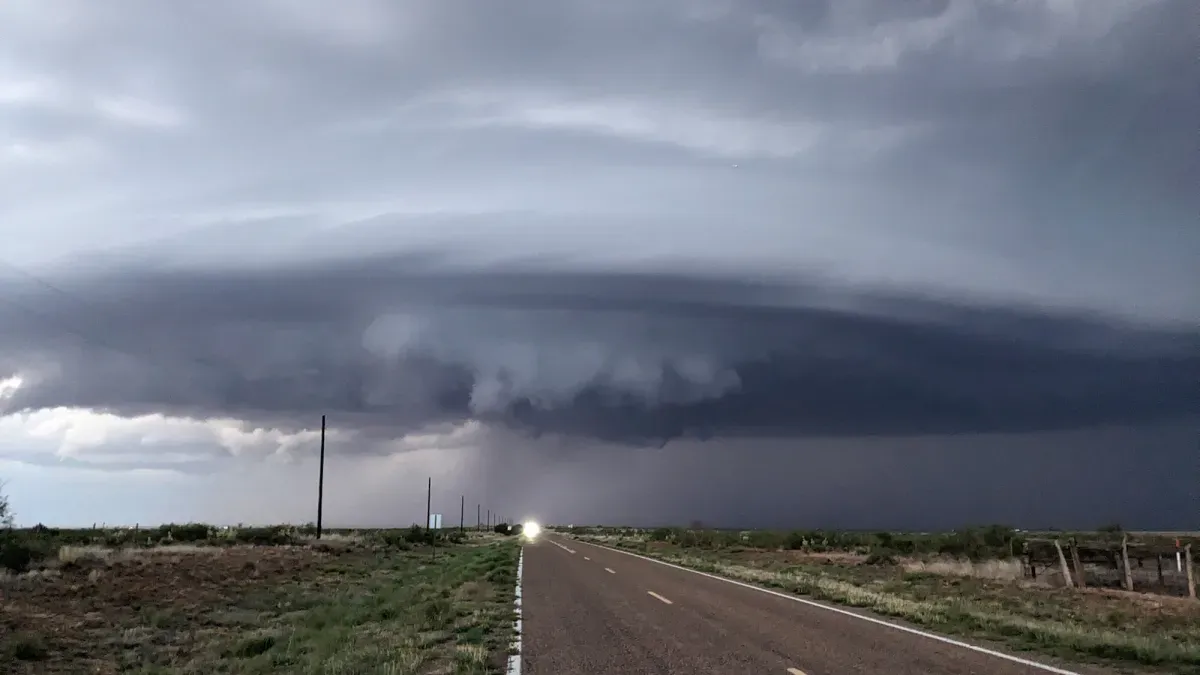
Flying cows and towns wiped off maps? Hollywood makes storm chasing look like a deadly thrill ride. The reality is slower, more methodical, and far less competitive than the big screen suggests.
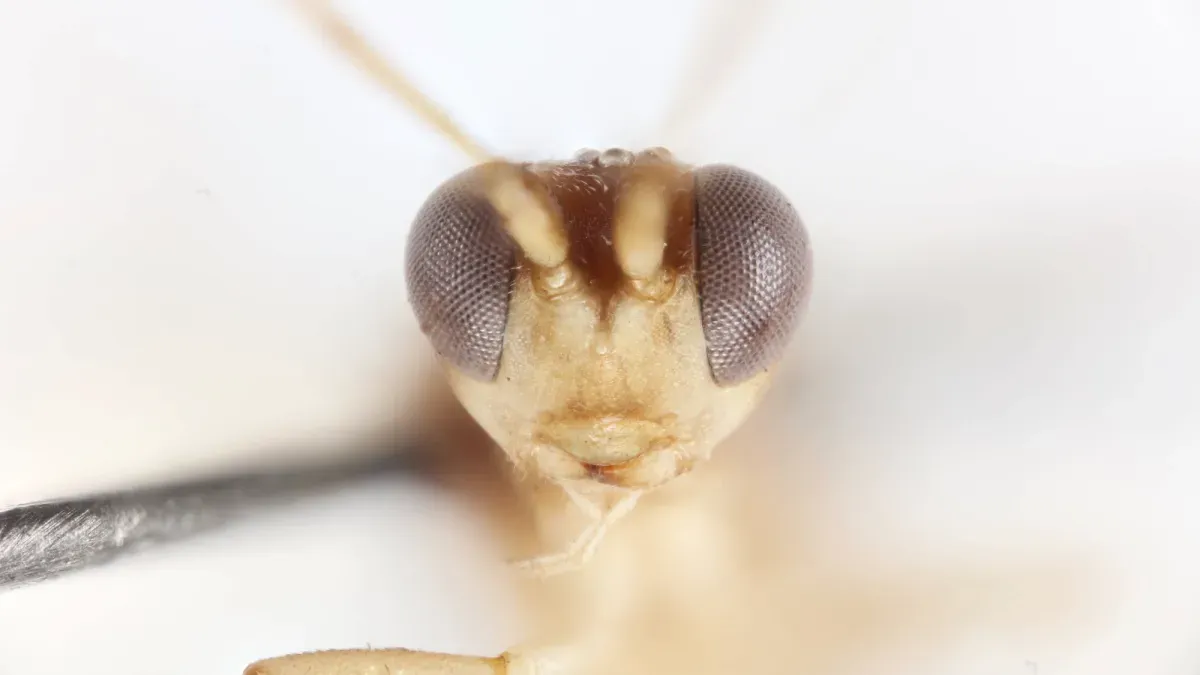
Sir David Attenborough's 100th birthday gift? An entirely new genus of wasp, Attenboroughnculus tau, named in his honor. This tiny 0.14-inch parasitic wasp was discovered in Chile.
Join 50,000+ readers who receive our daily digest of the most uplifting stories from around the world.
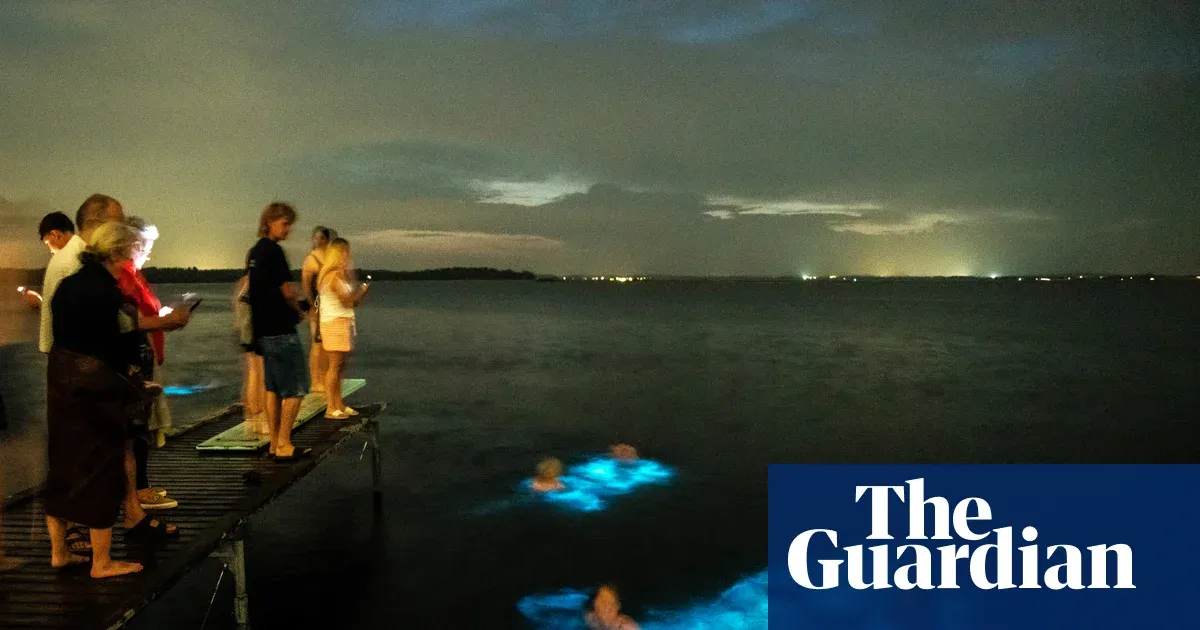
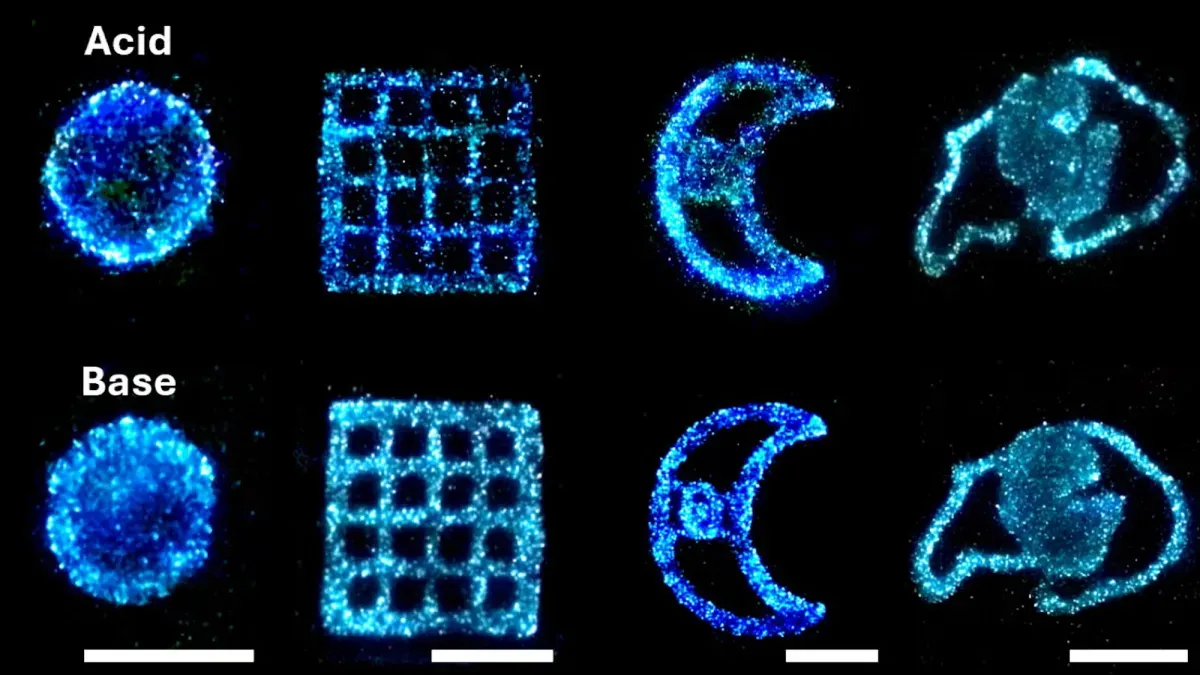
Scientists in the US are turning glowing blue algae into light-emitting structures. They've harnessed Pyrocystis lunula, a bioluminescent species known for its captivating flashes.

Earthquake scientists just found a new "whiplash" effect in major quakes. Tectonic plates slipping then abruptly stopping creates negative-phase waveforms, a previously unrecognized feature of "the big ones.
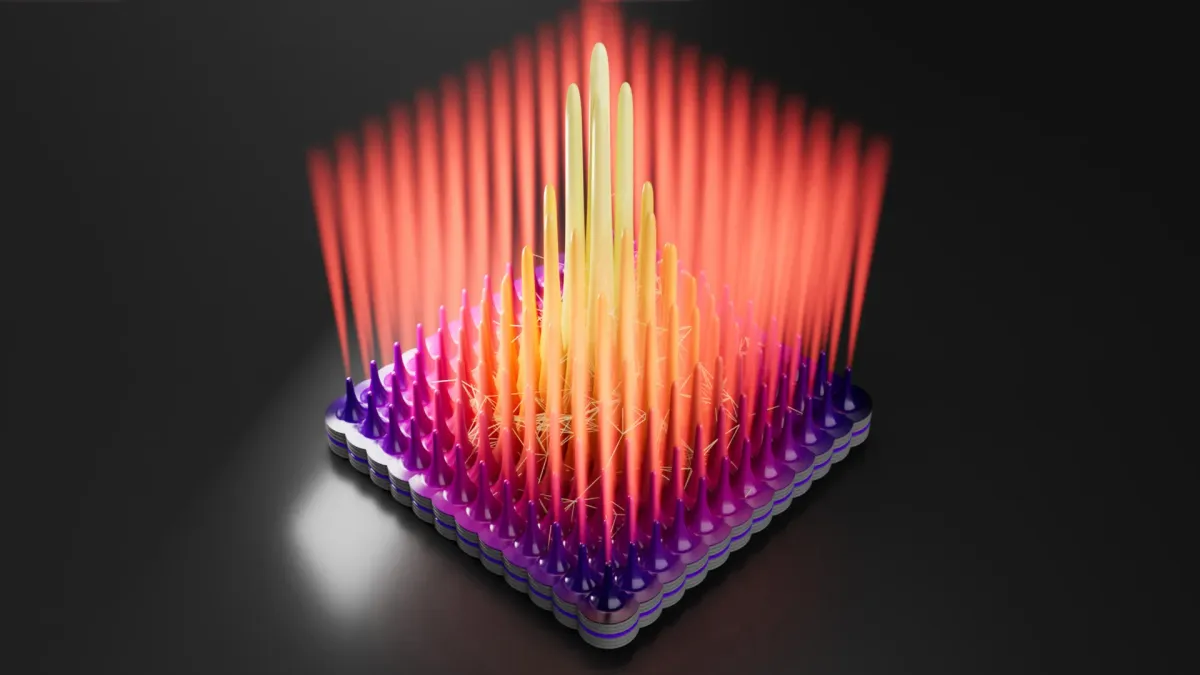
Scientists just confirmed a universal growth law using quantum light–matter particles. This breakthrough suggests everything from crystals to living systems might follow the same hidden rules.
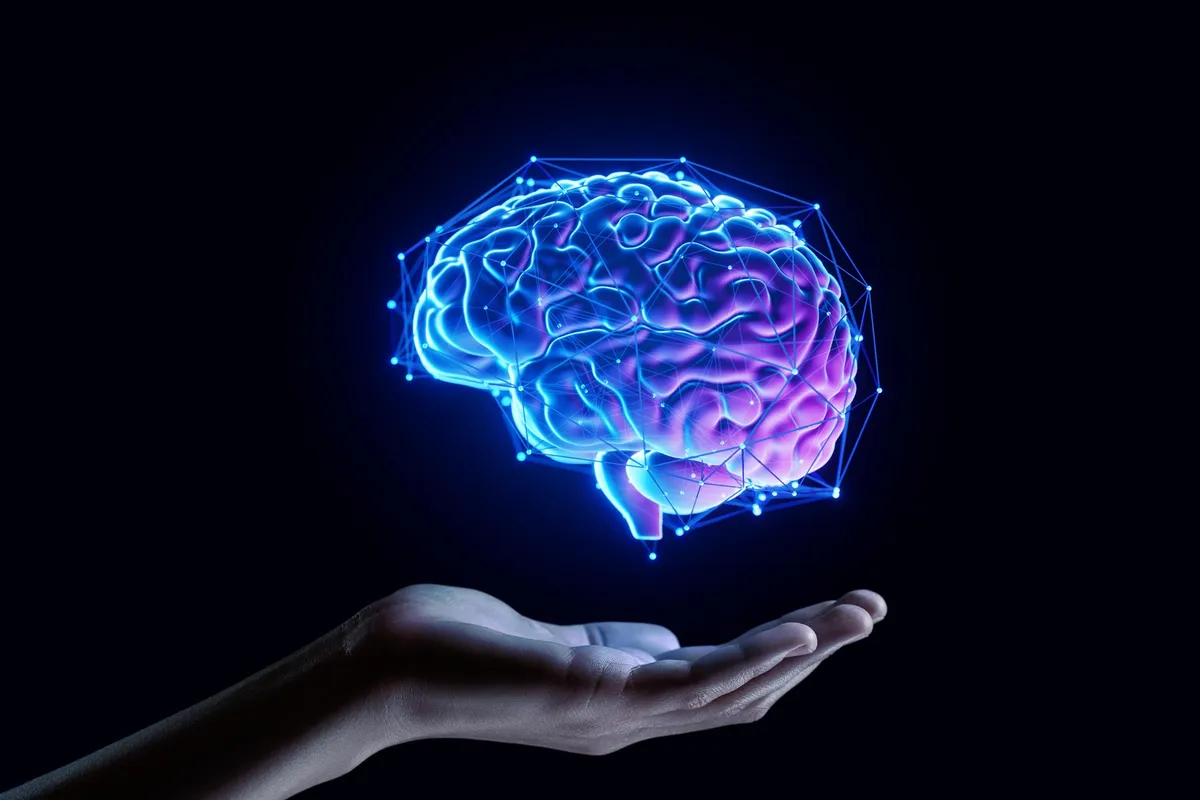
Forget what you thought about brain decisions. New research reveals even the brain's earliest regions are dynamic players, not just passive receivers.
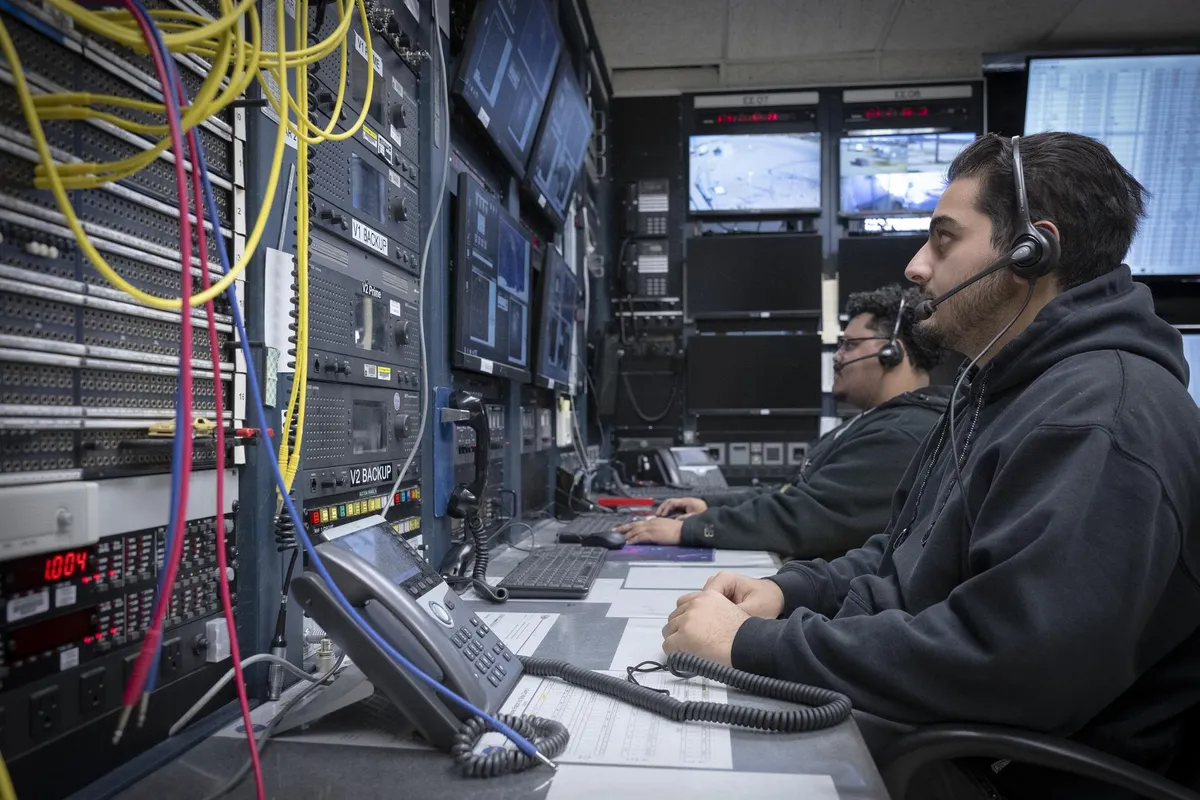
NASA's Dryden Aeronautical Test Range, usually supporting the ISS, is now prepping for underwater moonwalk simulations. Get ready for the next giant leap!
Brightcast is dedicated to restoring faith in humanity by highlighting the progress, solutions, and kindness that often go unnoticed. We believe in a balanced worldview.
Read our full mission →
Coffee changes your gut bacteria, boosting mood and brainpower. Both caffeinated and decaf brews offer unique mental health perks.
Penn AI just got smarter. Researchers developed a new method using "mollifier layers" to solve complex inverse equations, making calculations more stable and less computationally intensive.
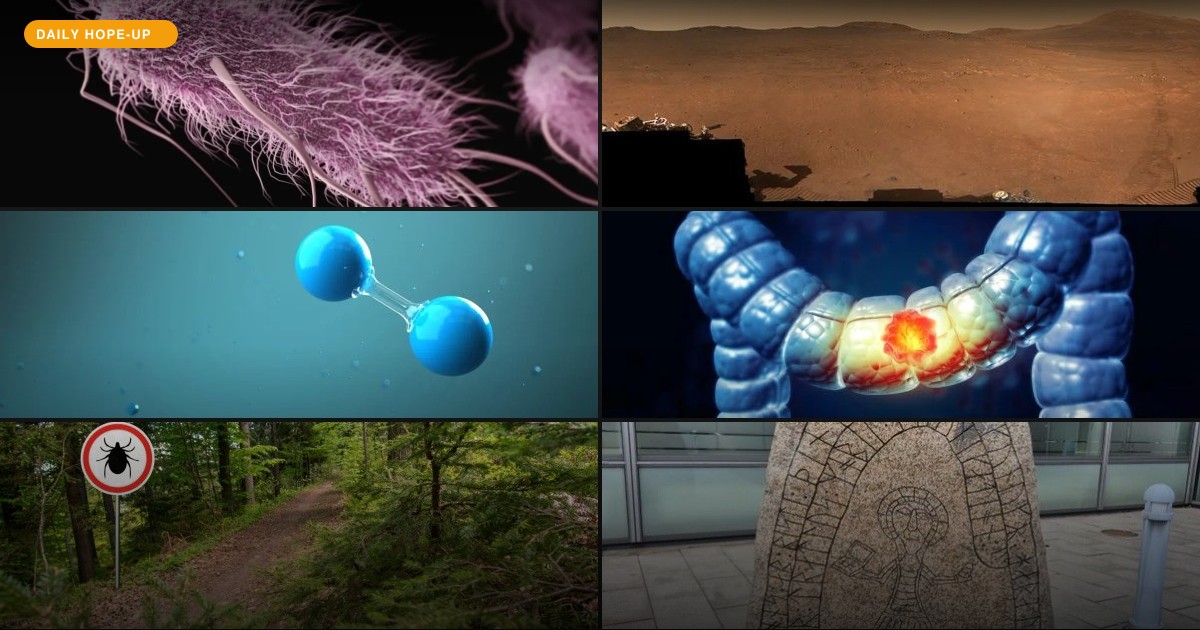
Scientists just edited life at a fundamental level, China doubled its green hydrogen capacity, and new cancer treatments are delivering big wins. Today, humanity pushed boundaries.
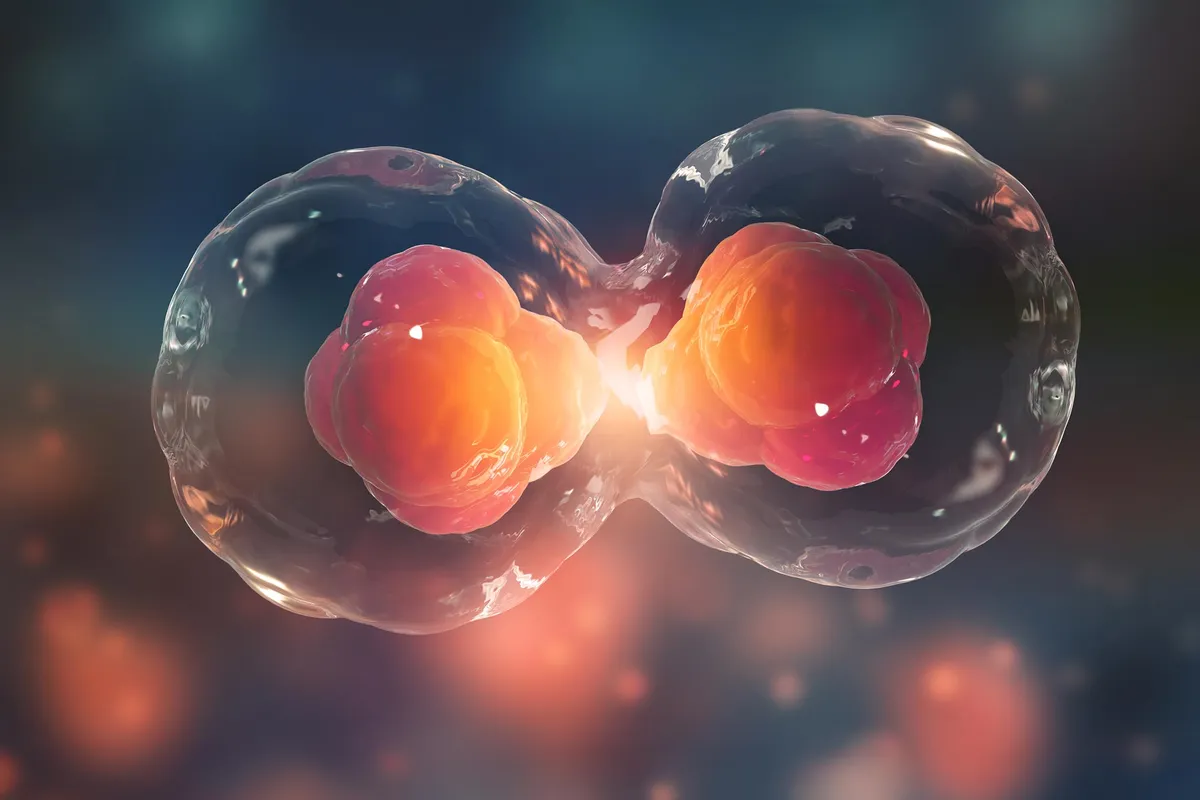
A subtle cell division failure can dramatically alter a cell's fate. New research shows how a cell's inability to divide after DNA replication shapes its future.
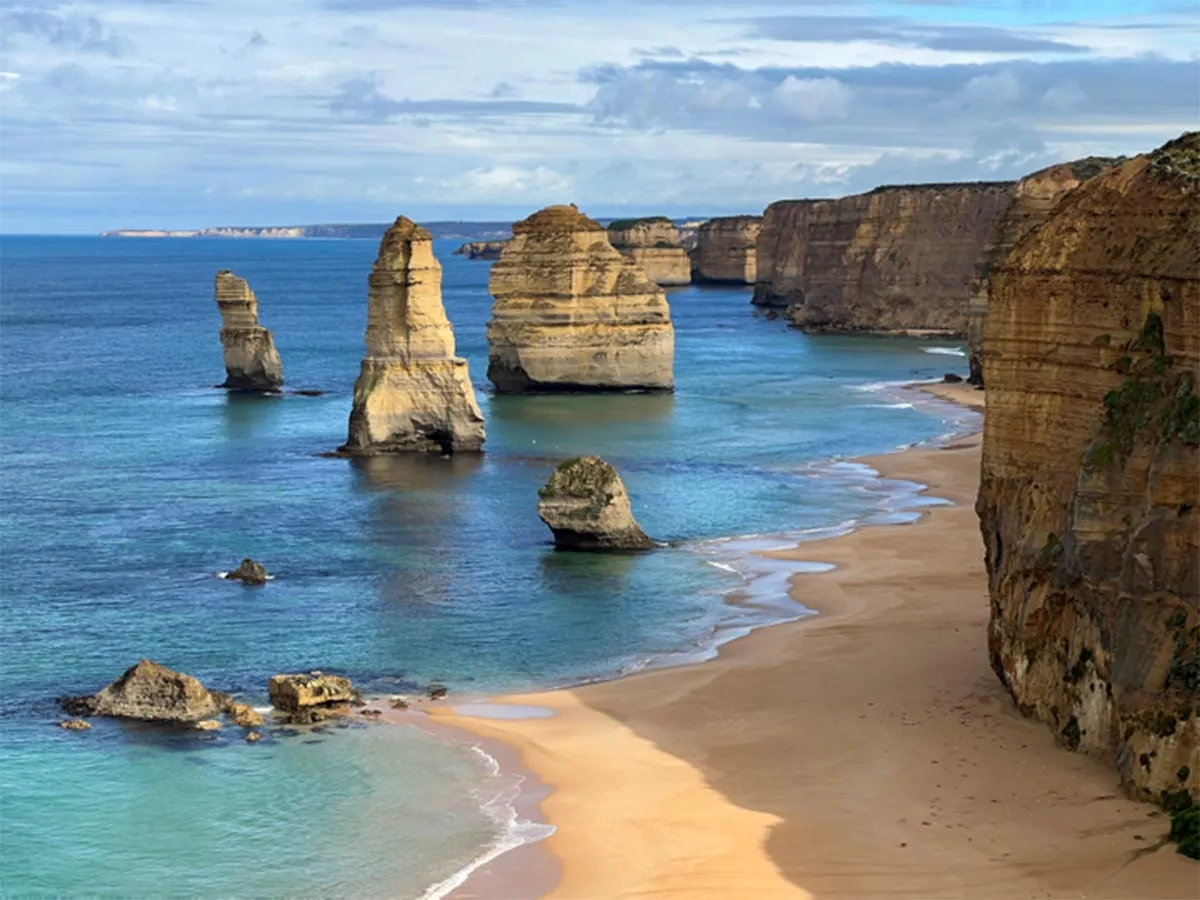
Australia's Twelve Apostles: towering time capsules, lifted by tectonics and carved by the sea.
Know someone who needs a boost? Share Brightcast with your friends and family.
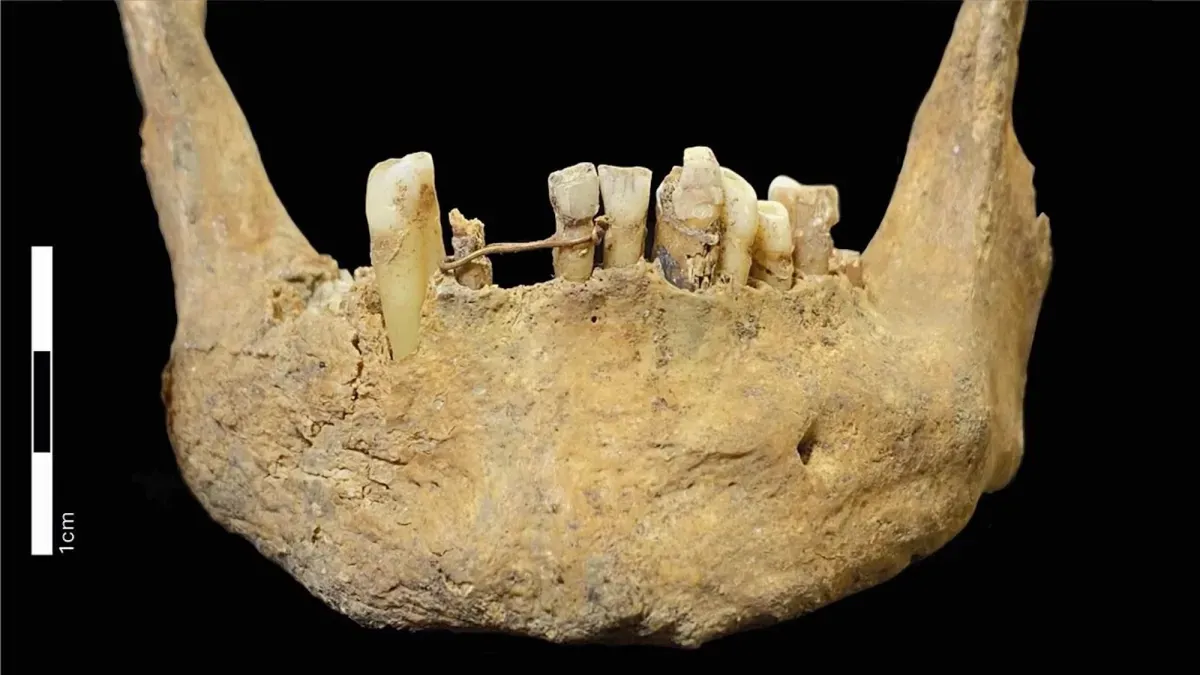
Tooth repair often means a resin and metal dental bridge. But this isn't new! Ancient bridges exist worldwide. Scotland just yielded the oldest variant: a medieval dental bridge unlike any other.
Light twists nanoscale objects in unexpected ways, a new measurement method reveals.
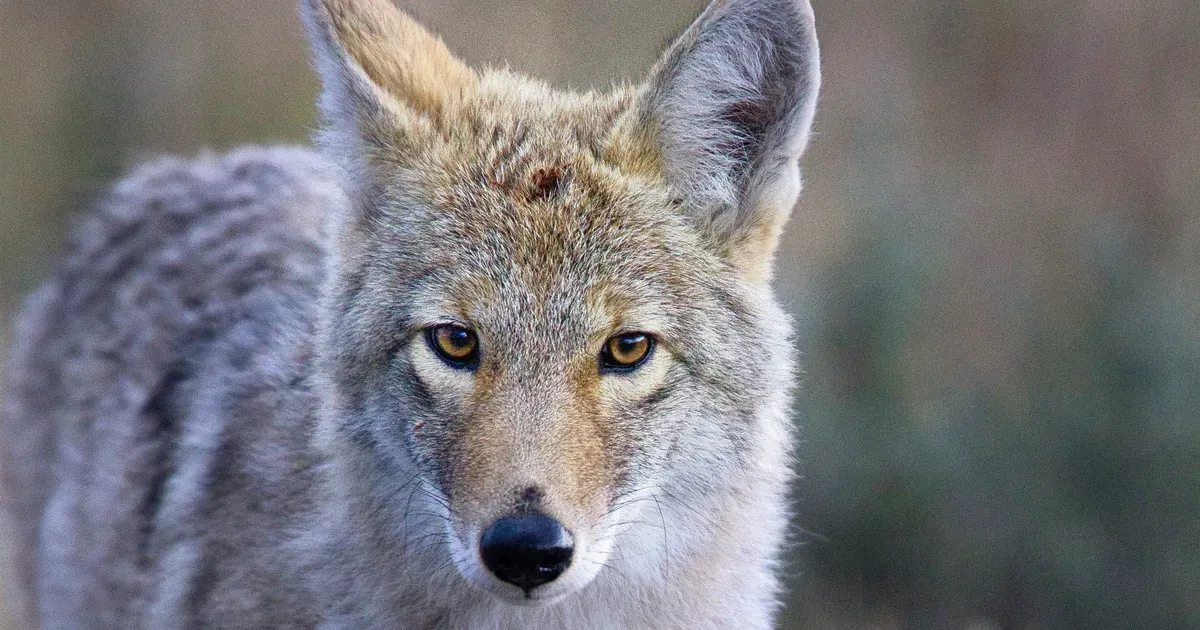
A lone coyote did the impossible: it swam to Alcatraz Island! Biologists were stunned by the feat, given the swift, choppy waters that once trapped notorious prisoners.

A persistent glitch plagues quantum computers. Scientists finally pinpointed the cause: ionizing radiation from space, disrupting even shielded systems.
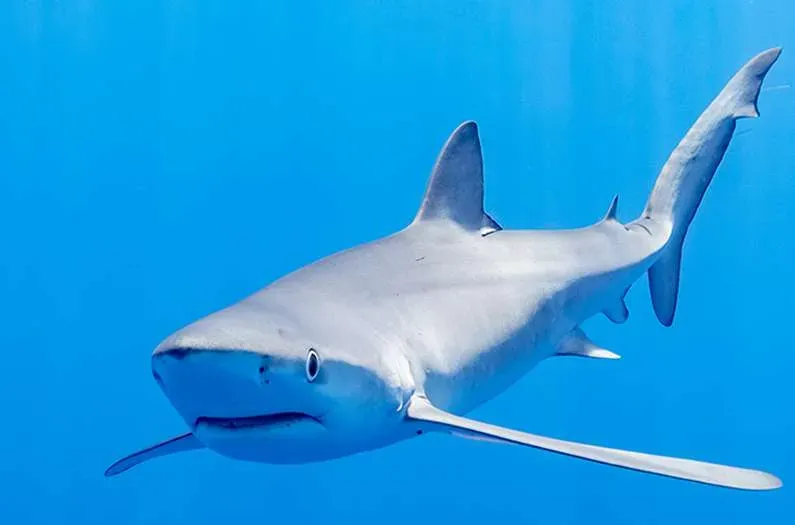
The ocean's depths elude our best tech. Buoys, satellites, and models barely scratch the surface. But what if a creature with intimate ocean knowledge could help us map its mysteries?