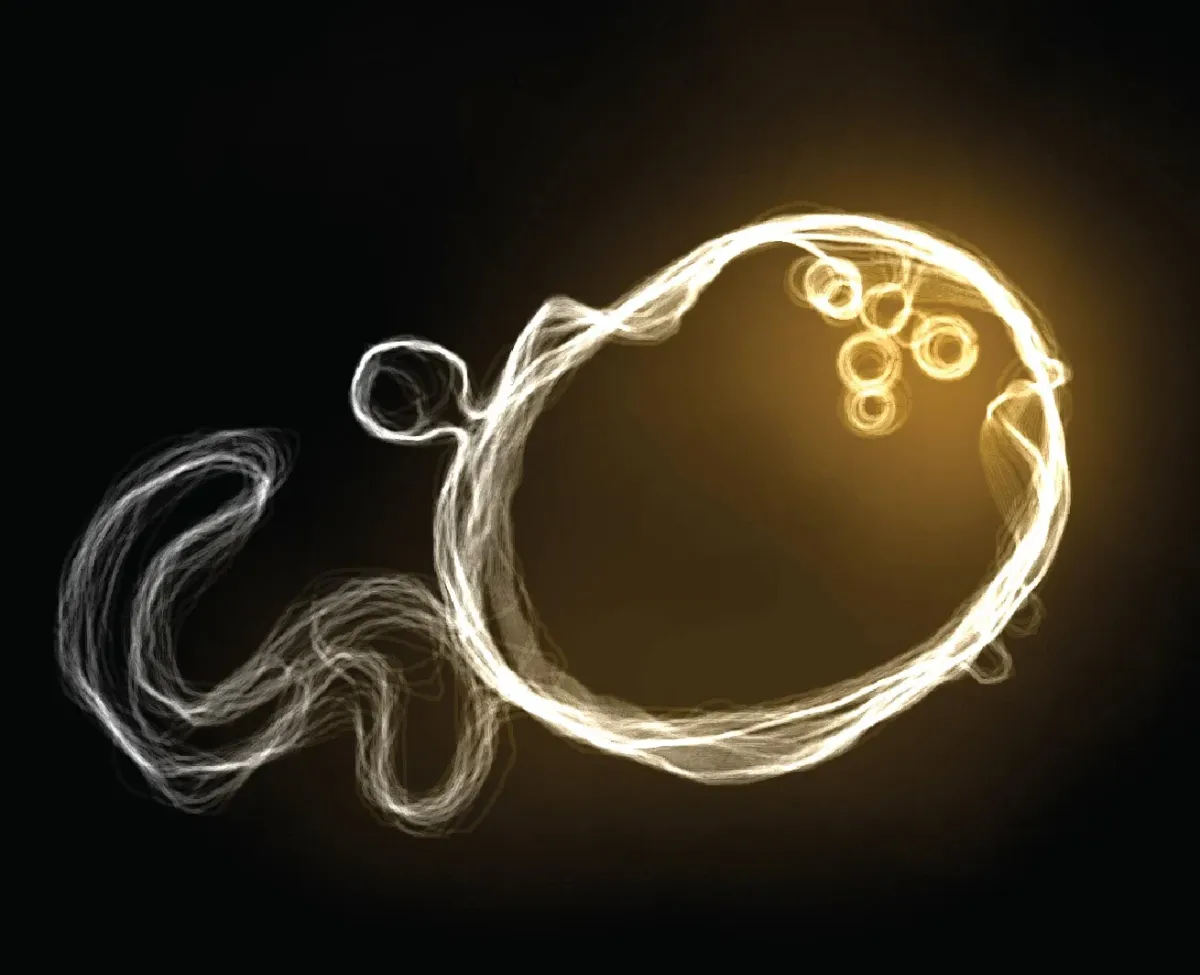
Life rewrites its own rules: The microbe that turned a genetic stop sign into possibility.
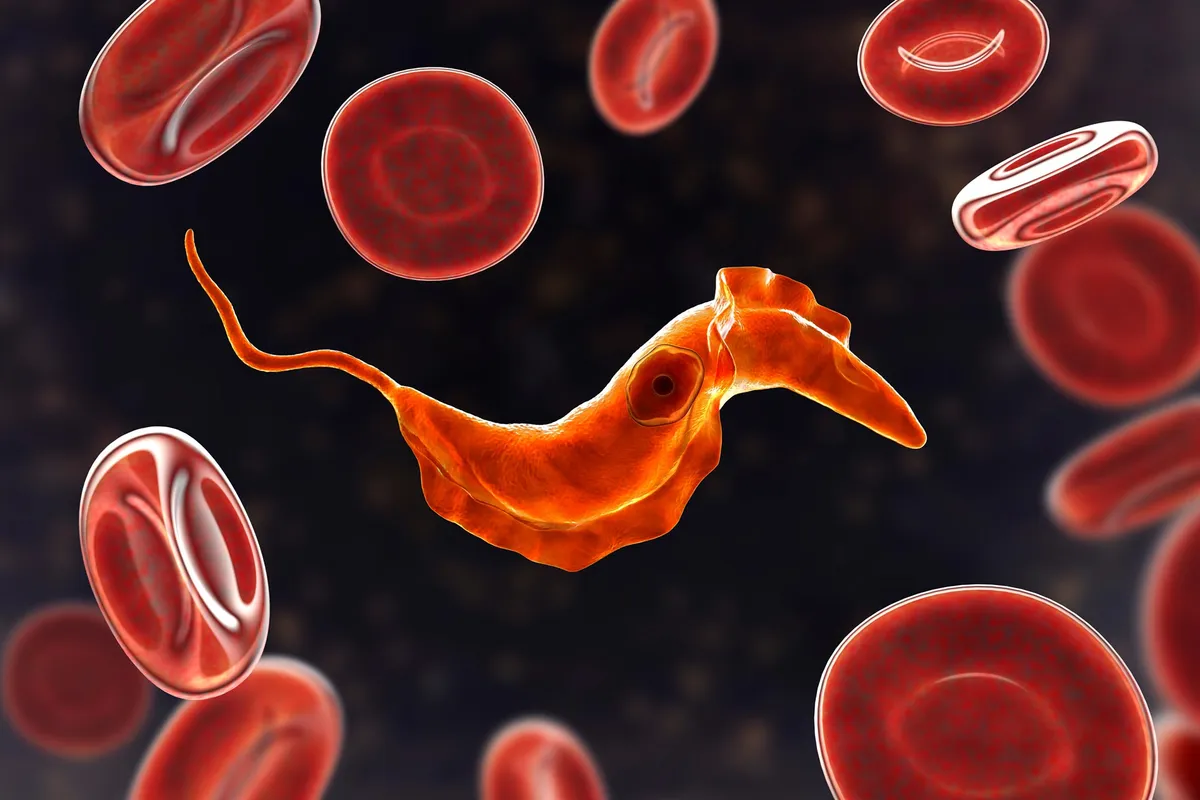
UC Berkeley scientists discovered a microbe that breaks biology's fundamental rules—reading a DNA "stop" signal as "go" instead.
Breakthroughs happen quietly. We make sure you hear about them.
2406 stories

UC Berkeley scientists discovered a microbe that breaks biology's fundamental rules—reading a DNA "stop" signal as "go" instead.

Astronomers have finally cracked one of Saturn's greatest mysteries. (67 characters)

Chinese researchers just cracked a major efficiency barrier: polymer solar cells hitting 19.1% performance. Wuhan University of Technology's breakthrough could transform affordable solar technology.

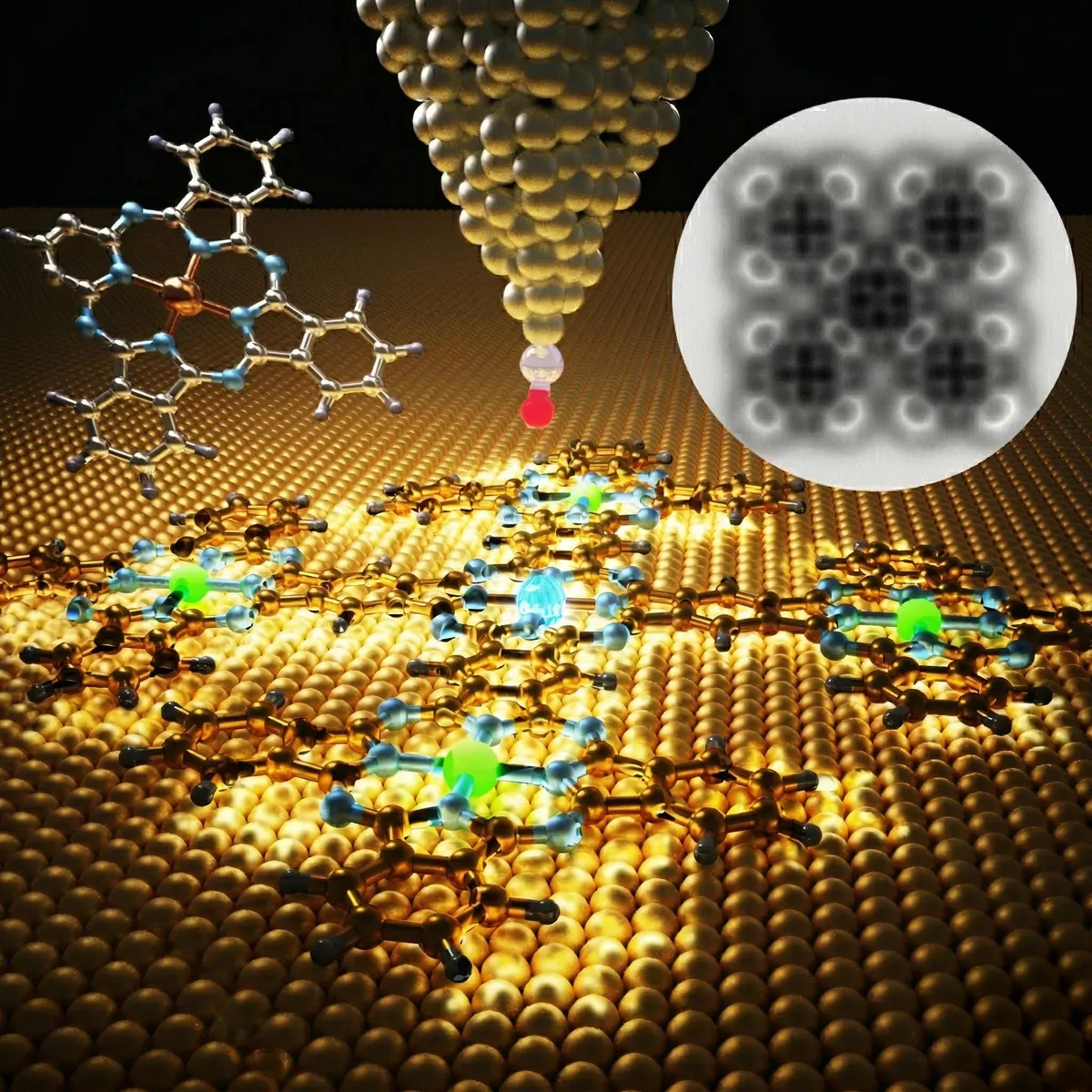
Researchers have mapped phosphoric acid's molecular structure at near absolute zero, revealing how it conducts electrical charges—a breakthrough that could revolutionize fuel cells and biological charge transport.

Austrian researchers just created a QR code so tiny it needs an electron microscope to scan—and it's now the world's smallest, measuring just 1.98 square micrometers.
Join 50,000+ readers who receive our daily digest of the most uplifting stories from around the world.

Ancient Egyptians constantly tweaked their embalming recipes—and now scientists can smell the difference. Chemical analysis of mummy scents reveals how preservation techniques evolved over centuries.

Quantum systems naturally destroy information—until they don't. Physicists discovered "dynamical freezing," a bizarre exception where chaos mysteriously halts, offering hope for practical quantum computers.

Handwritten notes in a 16th-century manuscript reveal a revolutionary scientist's intellectual journey—from Earth-centric to sun-centric cosmology.

Over 100 billion nitrile gloves end up in landfills yearly. Now scientists are transforming this single-use waste into powerful carbon-capturing technology.

Exercise alone won't fix high blood sugar, new research warns. The study reveals a critical gap in managing elevated glucose levels.
Brightcast is dedicated to restoring faith in humanity by highlighting the progress, solutions, and kindness that often go unnoticed. We believe in a balanced worldview.
Read our full mission →
Astronomers discovered a barred spiral galaxy just 2 billion years after the Big Bang—far earlier than theory predicted possible.

NASA is delaying its crewed Moon landing by adding an extra uncrewed test mission to the Artemis program.

A 67,800-year-old hand stencil in Sulawesi is now confirmed as the world's oldest rock art, revealed through uranium-series dating.

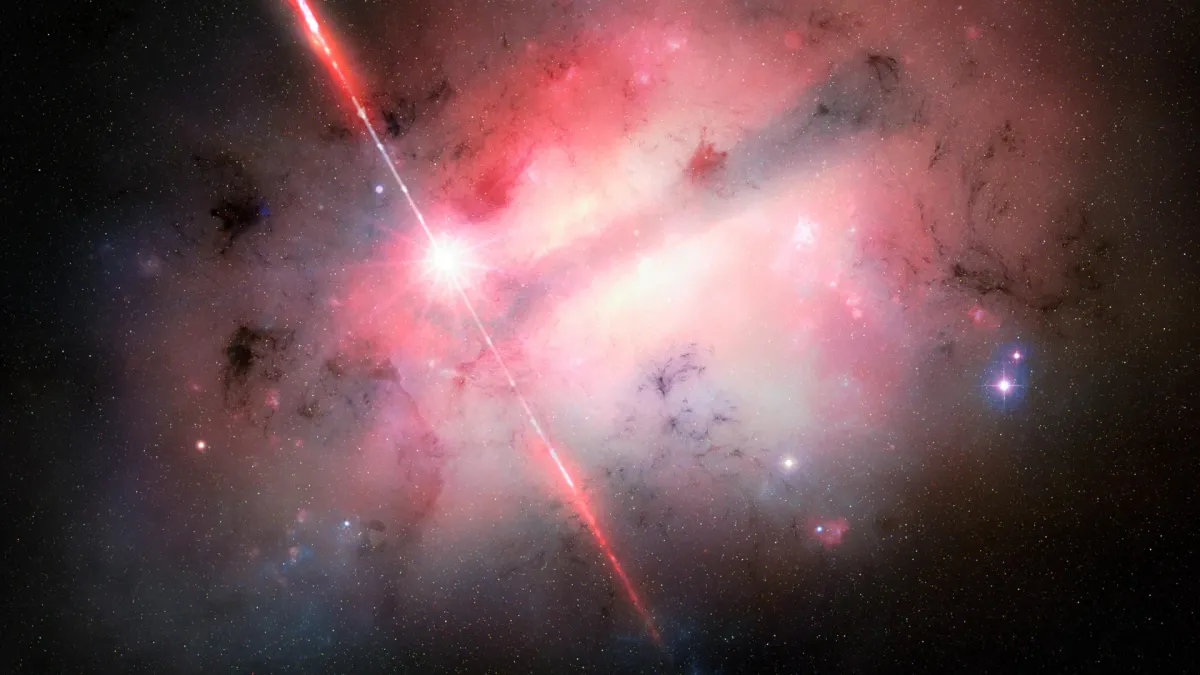
Astronomers peering into a dust-choked galaxy have discovered unexpectedly complex chemistry—challenging what we thought we knew about star-forming regions.

Baby dinosaurs fended for themselves in prehistoric gangs, ditching their parents far earlier than modern animals. New research reveals they survived solo—no helicopter parents in sight.
Know someone who needs a boost? Share Brightcast with your friends and family.

ALMA's unprecedented galactic survey reveals a chaotic stellar nursery of filaments at the Milky Way's core—reshaping our understanding of star birth.

Microscopic crystal seeds could finally unlock perovskite solar cells' promise—delivering high efficiency at commercial scales by fixing a critical flaw.

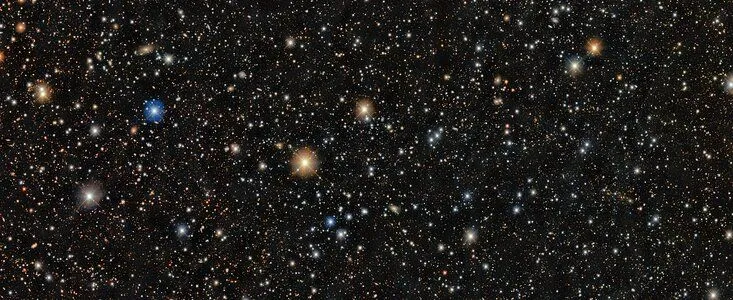
Astronomers have unveiled the sharpest image ever taken of our Milky Way, revealing galactic details previously hidden from view.

Eating less could keep your brain younger. New research shows calorie restriction preserves brain cell function and slows aging at the molecular level.

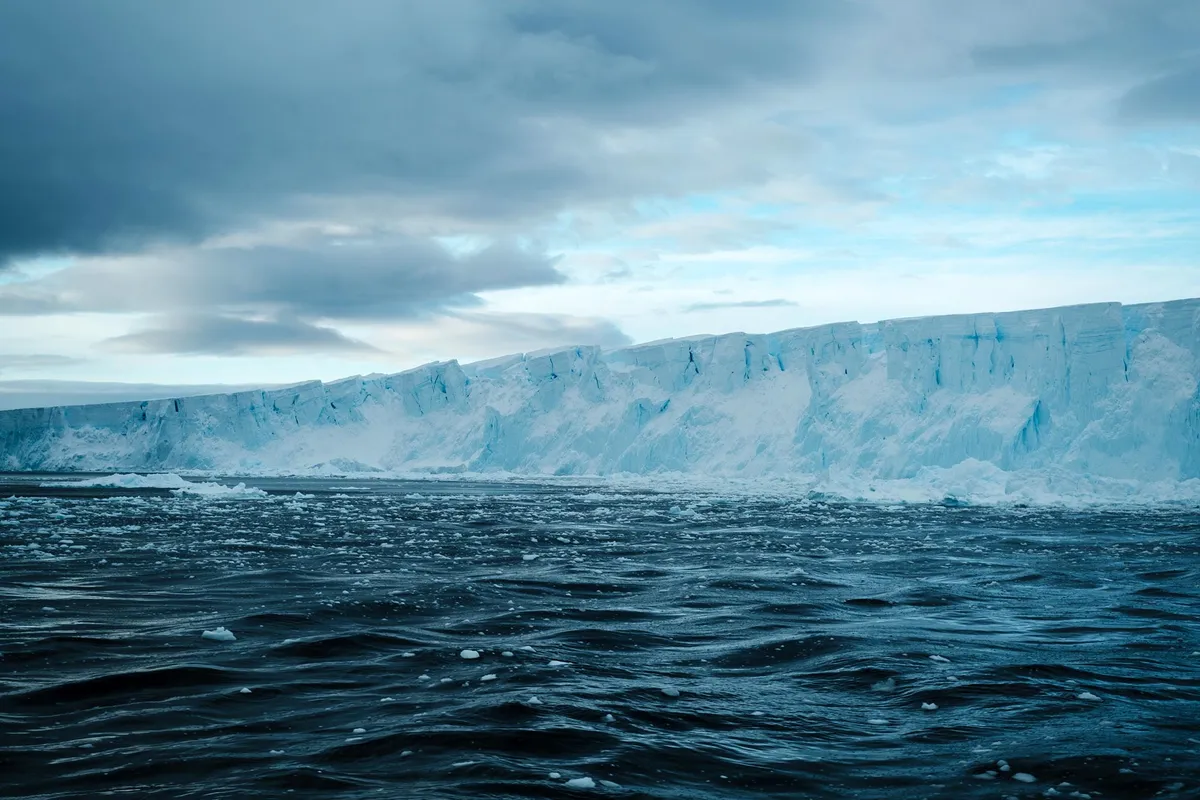
Scientists just buried Earth's climate history in Antarctic ice—a new sanctuary will preserve ancient ice cores for the next 500 years.
Download the Brightcast app for a better reading experience, daily notifications, and offline access.
Download App
Chinese researchers just cracked quantum teleportation's toughest problem: moving multiple quantum states simultaneously in a continuous system.

Hidden defects in ultra-thin electronics can now be spotted—and stopped. Rice University researchers revealed how invisible flaws trap electrical charges, causing premature device failure.

Six planets are aligning in a rare celestial parade visible to the naked eye in the coming days—a cosmic event NASA says stargazers won't want to miss.

Scientists discovered an unexpected solution: the salty brine waste from industrial processes could power eco-friendly batteries.

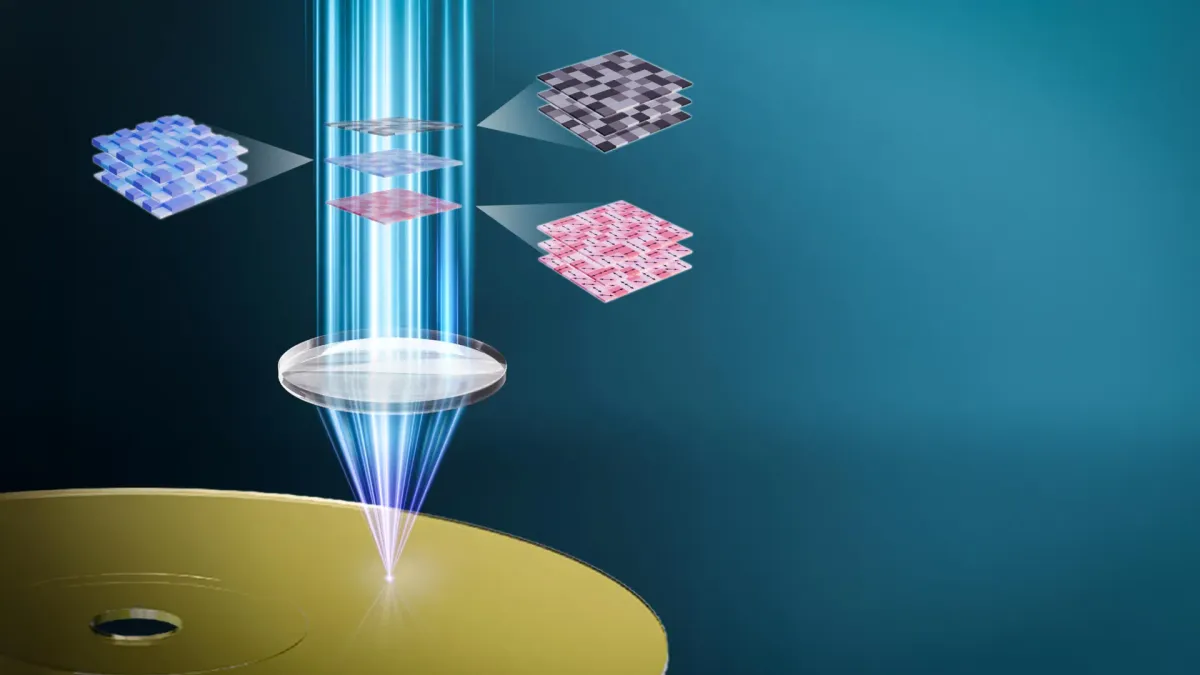
Scientists etched the world's tiniest QR code—1.98 square micrometers—into ceramic, creating a Guinness-verified breakthrough in ultra-dense data storage that could last centuries.
Join 50,000+ readers who receive our daily digest of the most uplifting stories from around the world.

Scientists just cracked how to destroy "forever chemicals" using only sunlight. A breakthrough catalyst could finally eliminate PFAS pollution.

Landsat Navigation Landsat Home Missions Landsat Next Landsat 9 Landsat 8 Landsat 7 Landsat 6 Landsat 5 Landsat 4 Landsat 3 Landsat 2 Landsat 1 News Latest News People of Landsat Q As Newsletter Publications Data Overview Cal/Val Open Data Benefits Overview Agriculture Food Security Disaster Managem...

A spring designed at NASA's Jet Propulsion Laboratory demonstrates additive manufacturing's potential with a simple motion—revealing how 3D printing could transform space exploration.

Linguists are ditching a 70-year-old checklist. An international team proposes a radical reimagining of language itself—one that captures how it actually evolves through sound, gesture, and social interaction.

Scientists just unlocked a way to pack vastly more data into single photons using quantum light. This breakthrough could revolutionize secure communication and imaging technology.
Brightcast is dedicated to restoring faith in humanity by highlighting the progress, solutions, and kindness that often go unnoticed. We believe in a balanced worldview.
Read our full mission →
Researchers just unveiled the first standardized tool to measure fairness in ocean projects—from offshore energy to fishing treaties. The Ocean Equity Index could reshape how governments and companies manage our seas.

A massive neutrino detector at Fermilab challenges the existence of sterile neutrinos—but doesn't rule them out entirely.

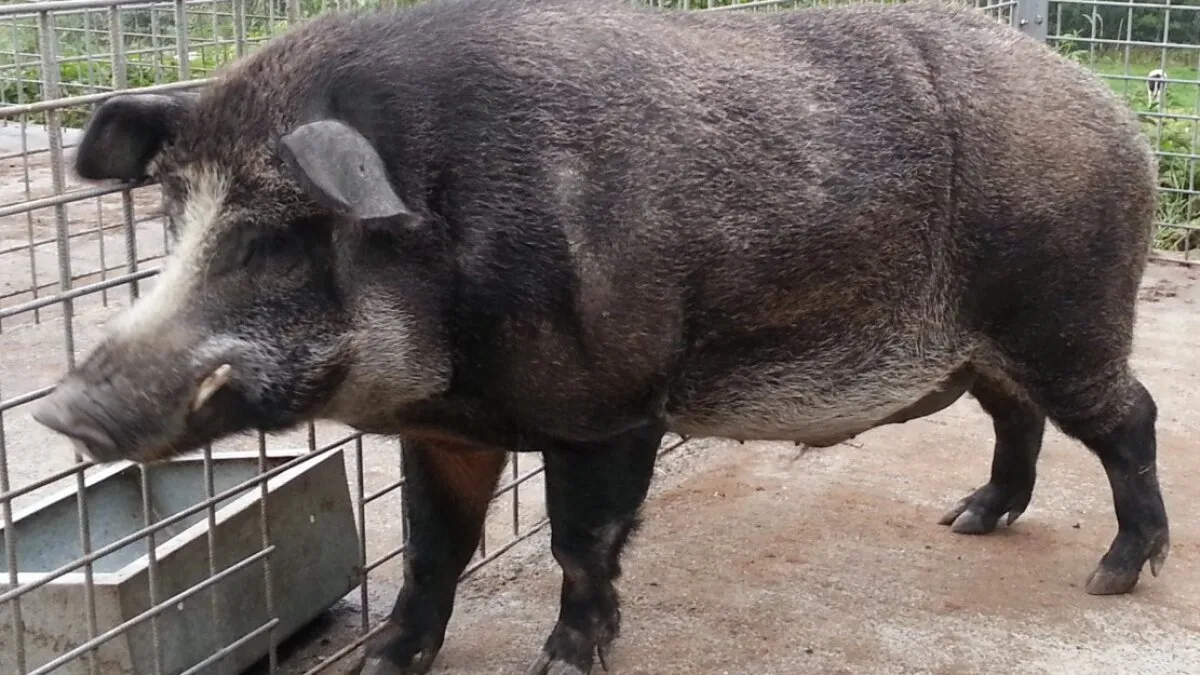
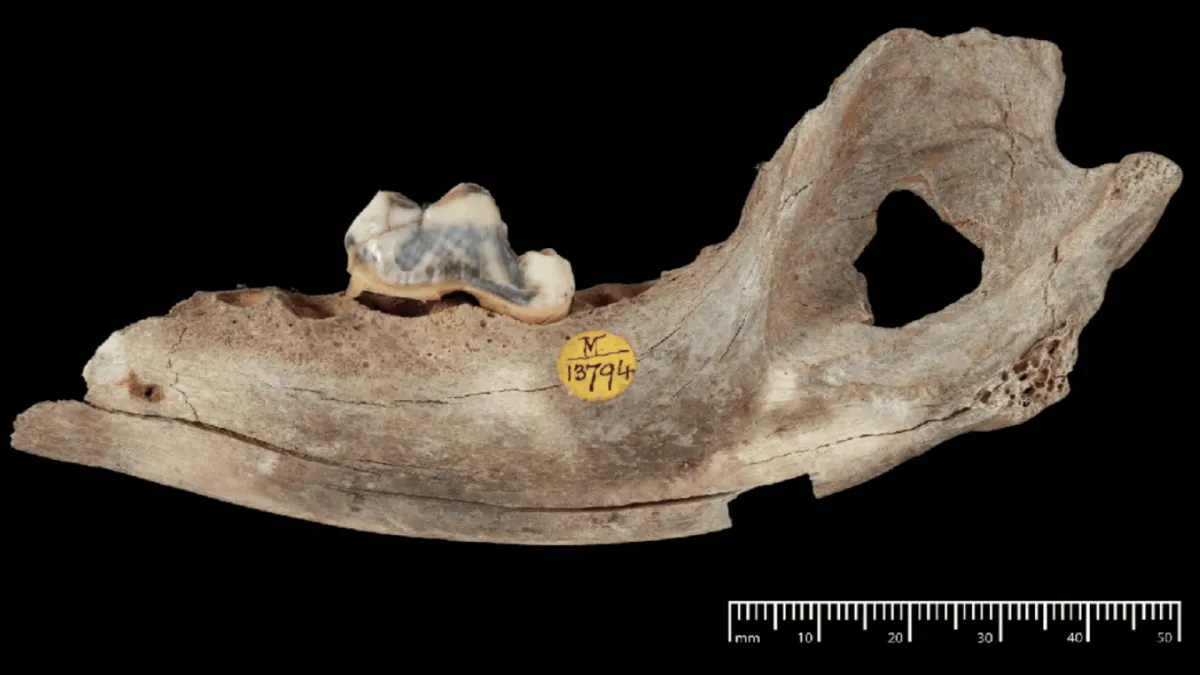
Home All News Animals Chance Rediscovery of Fossils Found in the 1960s Retell the Story of... ...

Markings on 40,000-year-old objects suggest Stone Age people may have recorded their thoughts—pushing the origins of writing back millennia earlier than previously believed.

Tiny bubbles wreak havoc in nuclear plants, electronics, and biomanufacturing—clogging filters and disrupting reactions. MIT researchers just decoded how to stop them.
Know someone who needs a boost? Share Brightcast with your friends and family.

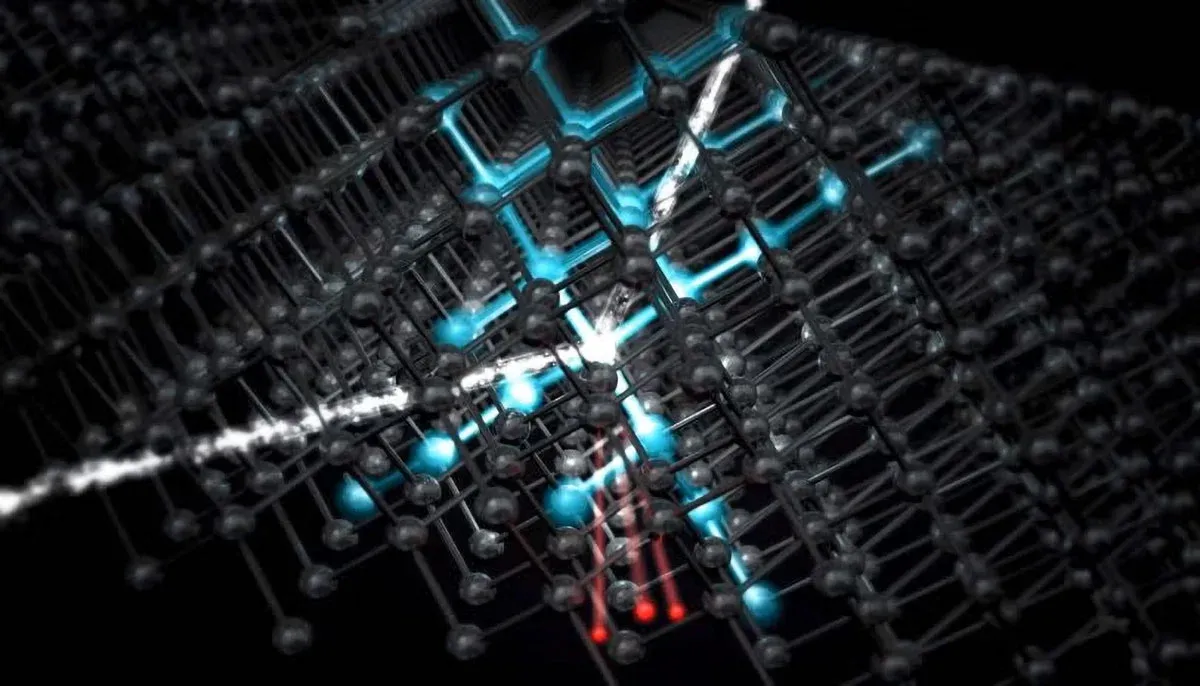
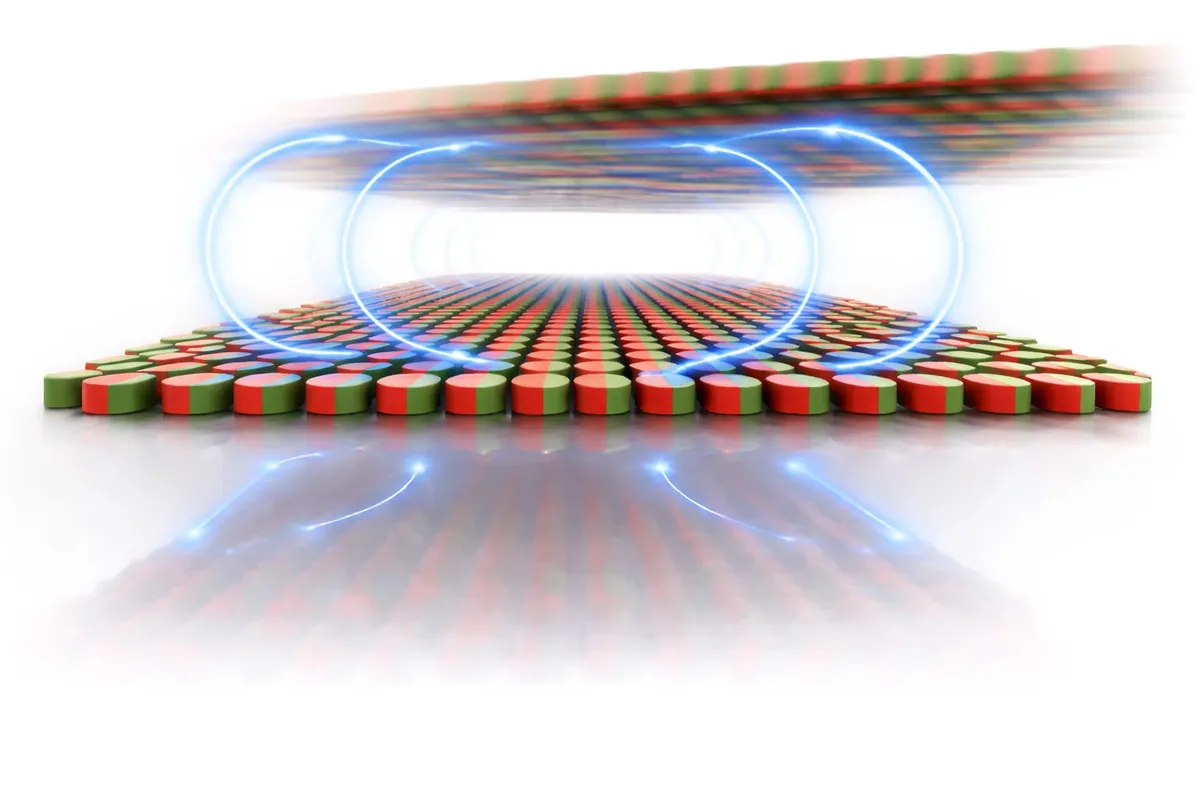
Atomic vibrations can now control electron orbits—a breakthrough that could revolutionize quantum computing and materials science.

Astronomers just spotted a jellyfish galaxy 8.5 billion light-years away—and it's rewriting what we thought we knew about the early universe.

Scientists just cracked the code for mass-producing perovskite solar cells. A new vacuum-deposition technique dramatically improves crystal quality, bringing next-gen solar technology closer to real-world manufacturing.

Your DNA is constantly reshaping itself in 3D space—and these movements directly control which genes turn on or off, determining what your cells become.

Sneaker squeaks, screeching tires, and squealing brakes all share one thing: physics-driven friction. Yet scientists barely understand what makes surfaces squeak.