Light chips process information faster.
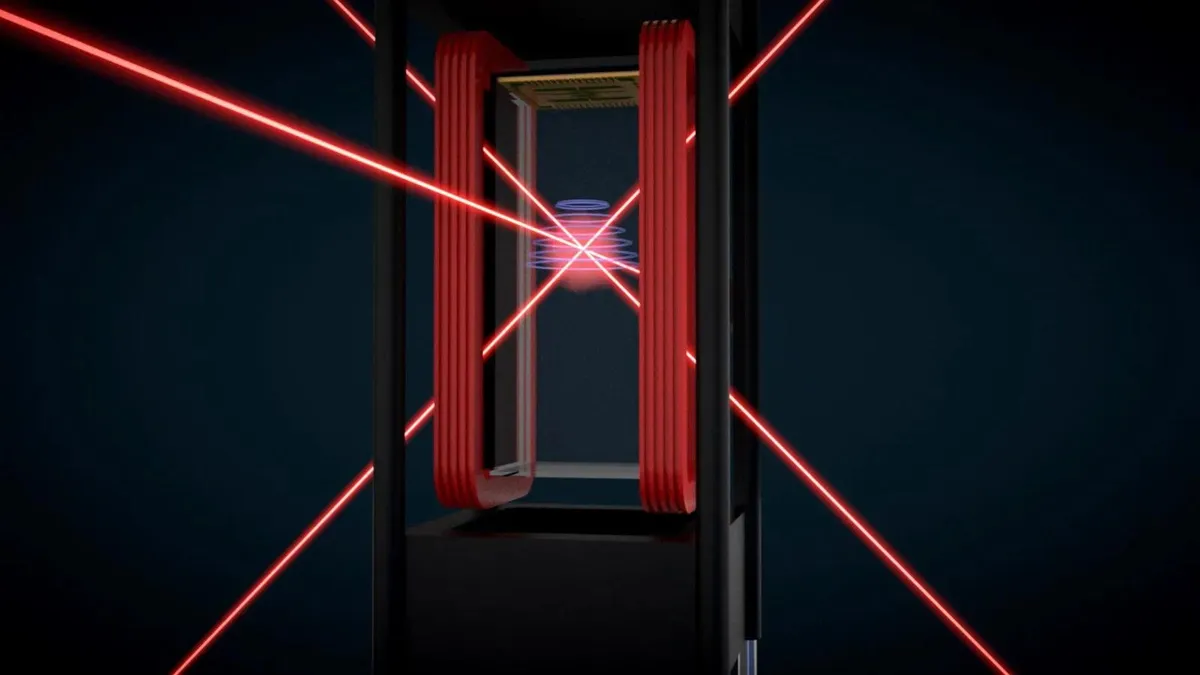
A new compact chip precisely manipulates light-based quantum information. This breakthrough advances next-gen photonic and quantum technologies.
Breakthroughs happen quietly. We make sure you hear about them.
2406 stories

A new compact chip precisely manipulates light-based quantum information. This breakthrough advances next-gen photonic and quantum technologies.

Chimps, dolphins, elephants, and magpies recognize themselves in mirrors. Now, beluga whales join this elite group, challenging assumptions about animal self-awareness.

Meet the hairy ghost pipefish: a "hairy," bright orange or red master of camouflage. Its recent description proves even the Great Barrier Reef hides remarkable secrets, like Solenostomus snuffleupagus.

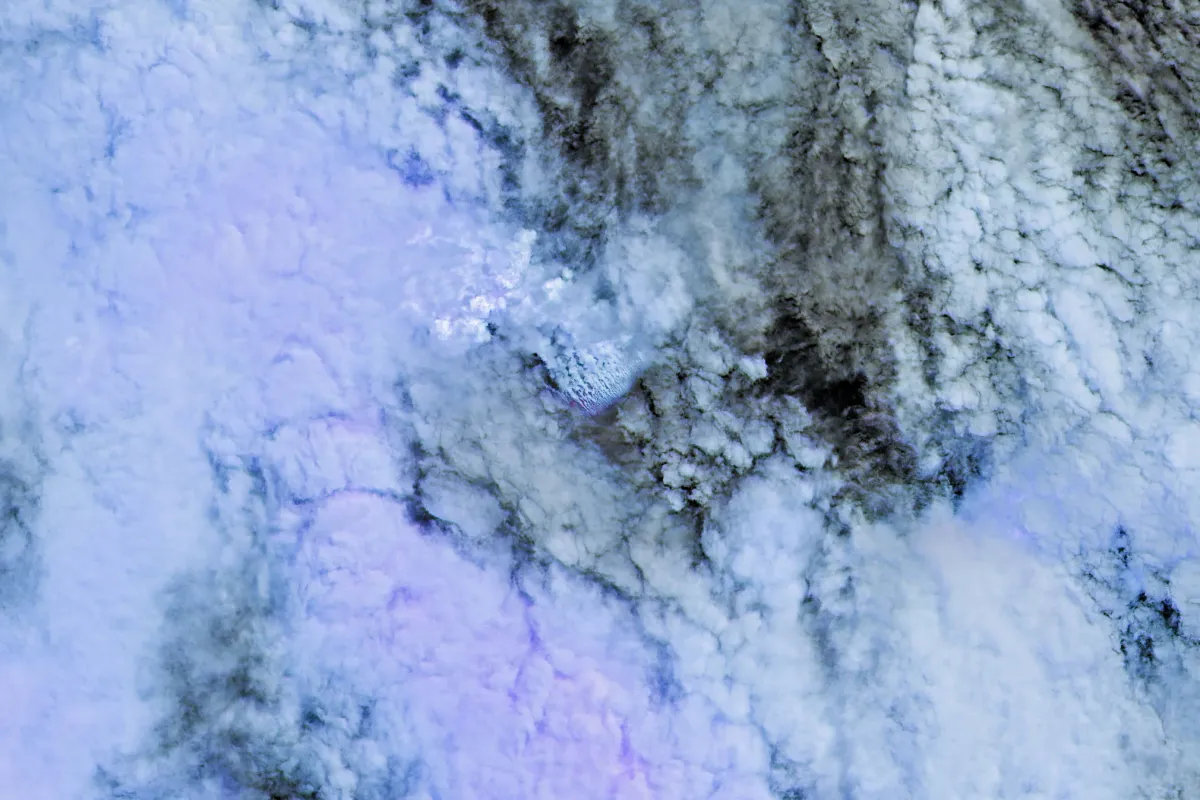
The sun's "active biorhythm" is causing increasingly "skin-deep" internal changes, a new study reveals. This trend has accelerated over the last four solar cycles.

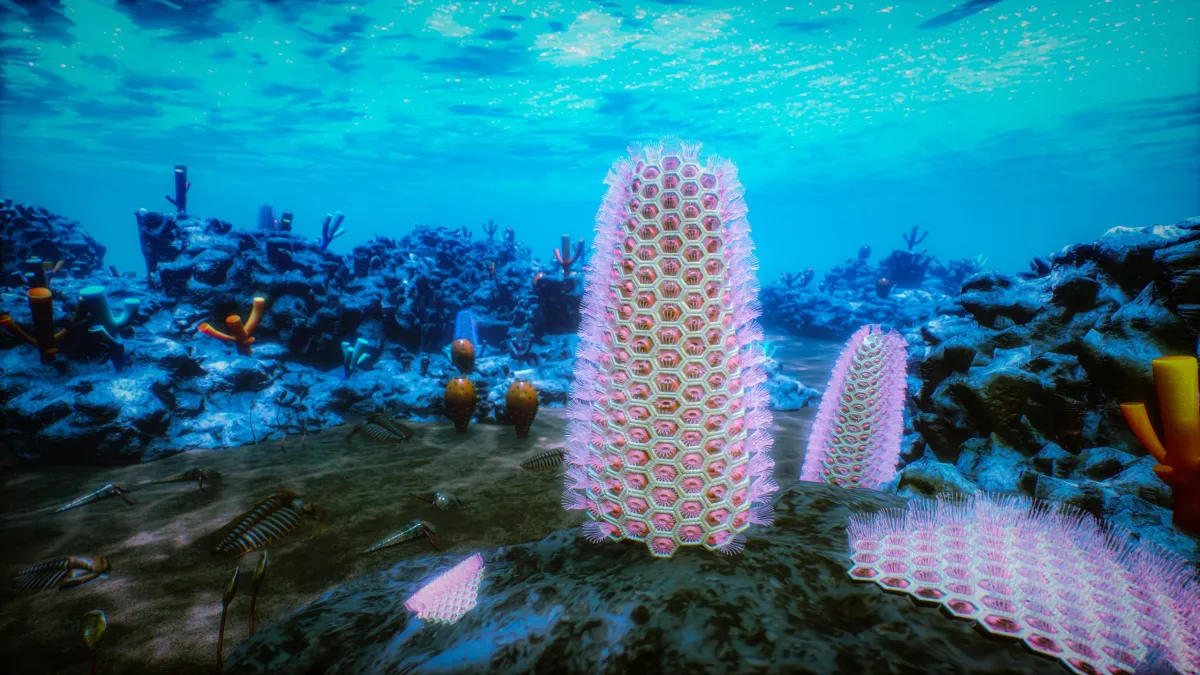
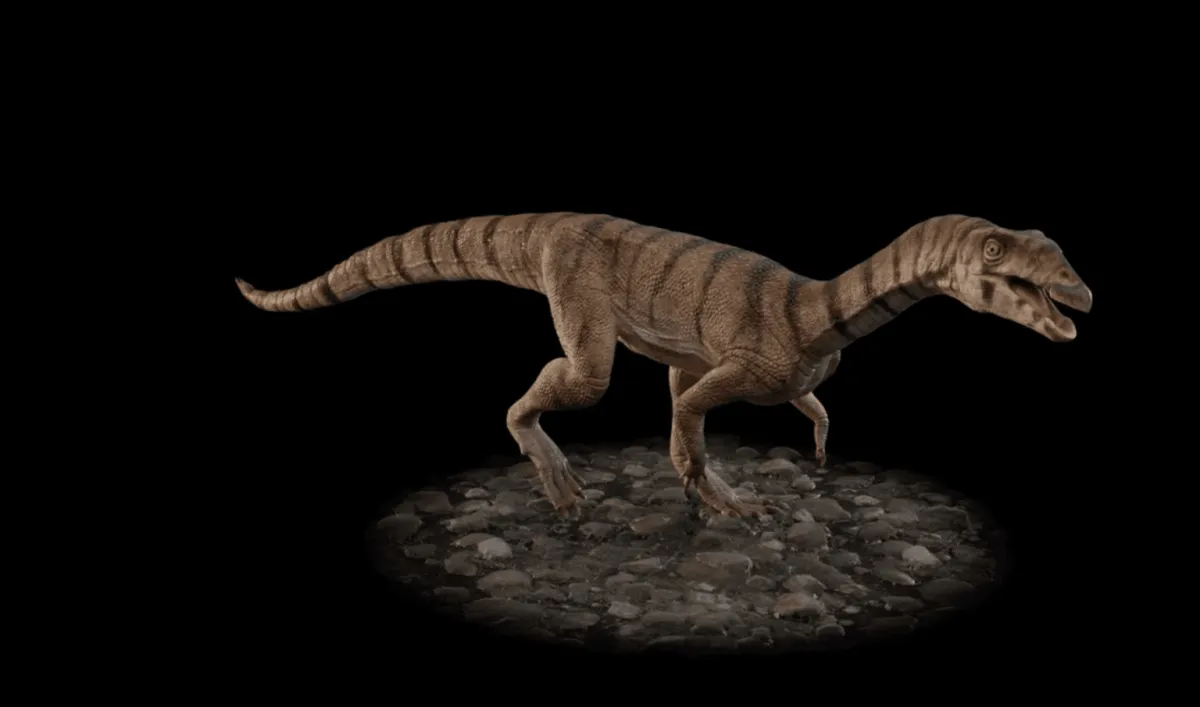
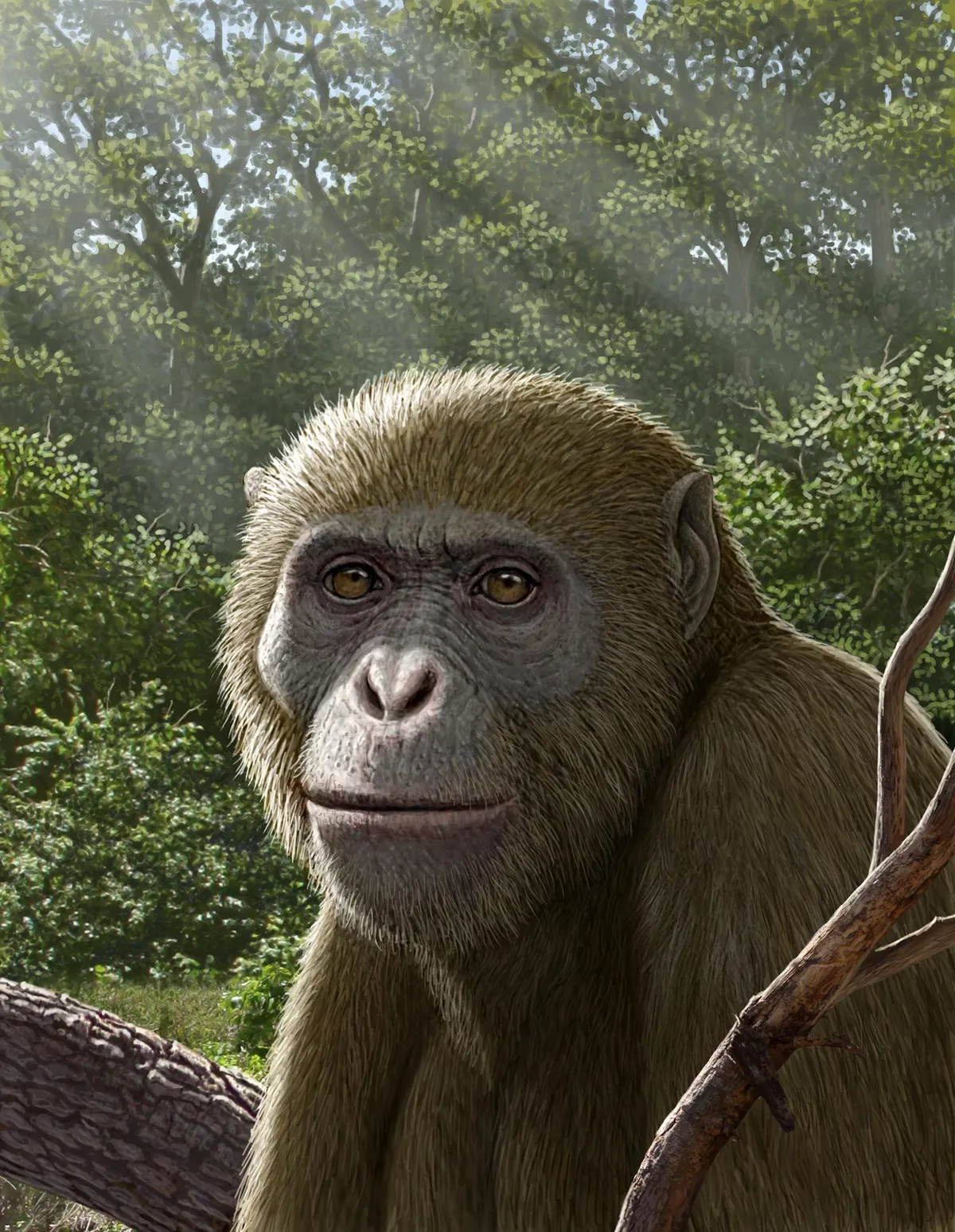
Unraveling our ancestors' secrets: Scientists now better understand early human appearance, habitat, and function, revealing how complex life evolved from simpler forms.
Join 50,000+ readers who receive our daily digest of the most uplifting stories from around the world.

A hidden "planet factory" beyond Jupiter? Scientists may have found one of the Solar System's most important, churning out new worlds.

NASA's Artemis III mission in 2027 will scout for a permanent moon base and future landing sites. Four MoonFall drones will survey the lunar South Pole, developed by JPL.

The Sun just blasted a bizarre radio signal for 19 straight days, leaving NASA scientists stunned. What did it mean?

Three UC Berkeley experts—a geophysicist, chemist, and computer vision specialist—join the 365-year-old Royal Society as new fellows.

The universe got weirder with new physics hints, while NASA laid out concrete moon base plans. Plus, big health breakthroughs for MS and aging brains. Read today's Hope-Up.
Brightcast is dedicated to restoring faith in humanity by highlighting the progress, solutions, and kindness that often go unnoticed. We believe in a balanced worldview.
Read our full mission →
Oral GLP-1 drugs curb hedonic eating by targeting a deep-brain reward circuit tied to dopamine. This discovery could expand their use beyond weight loss.

700 light-years away, a giant planet has bizarre daily weather. Mineral clouds appear every morning and vanish by nightfall on WASP-94A b, a cycle discovered by the James Webb Space Telescope.

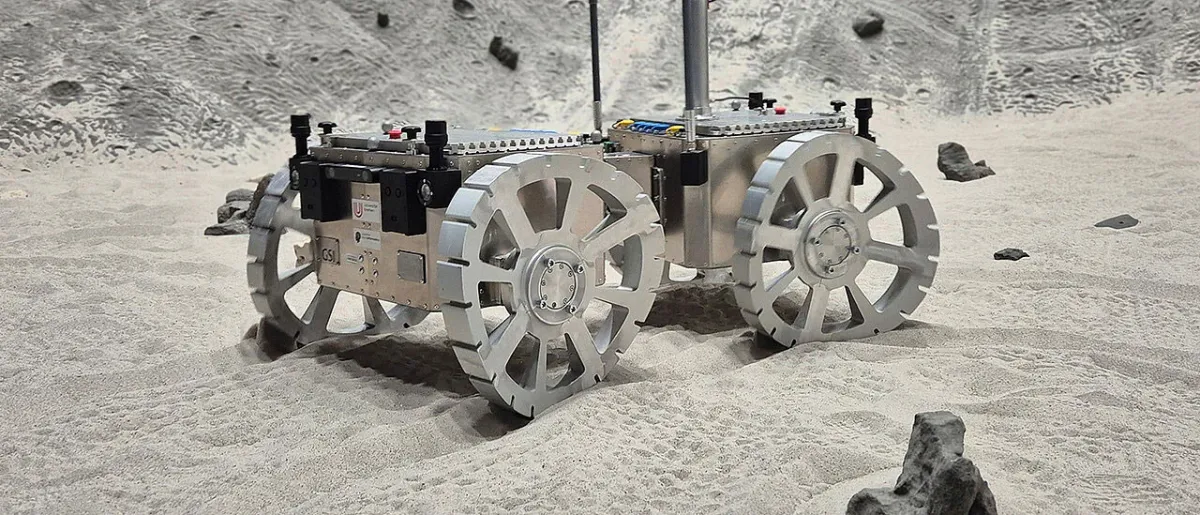
UVA students captured the grand prize at NASA's 2026 Lunabotics Challenge! They posed for a photo at Kennedy Space Center after their win, a key step for NASA's future Moon Base.

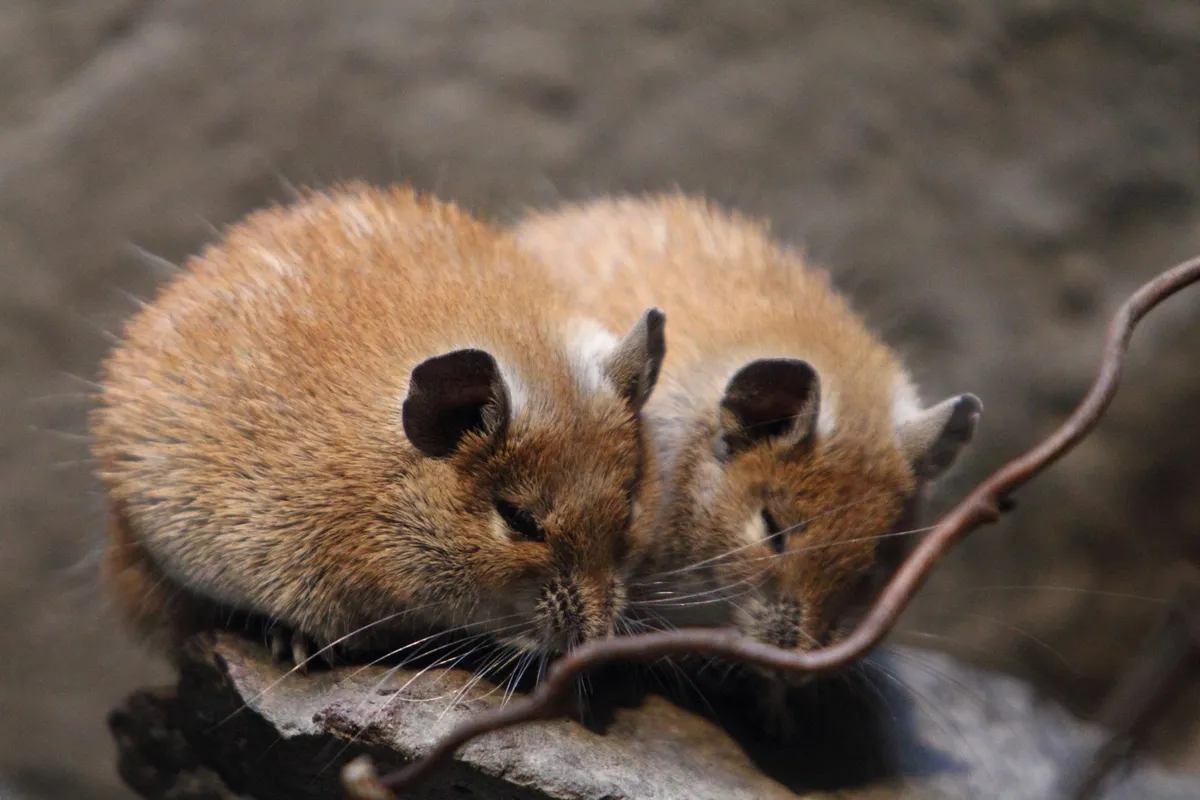
That relentless 2 AM hamster wheel squeak? For decades, scientists thought it was a neurosis of captivity. But in 2014, researcher Johanna Meijer uncovered a surprising truth.

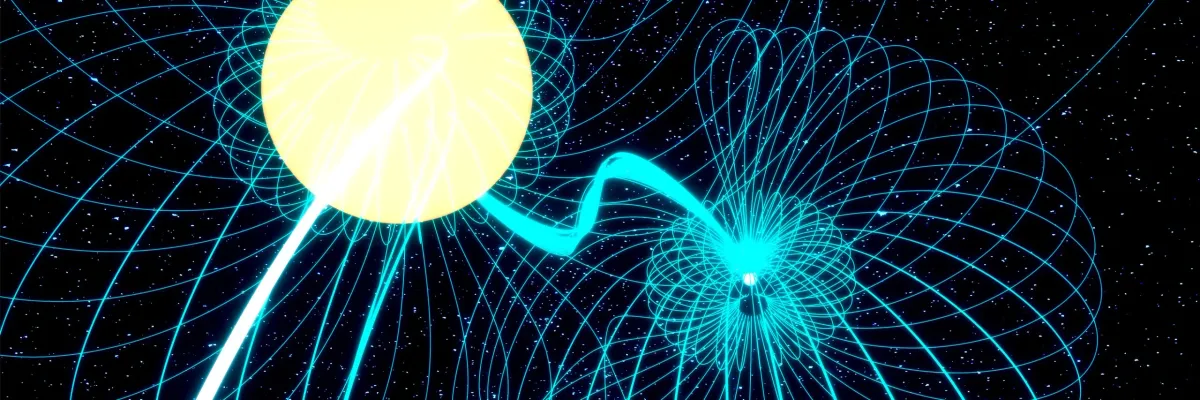
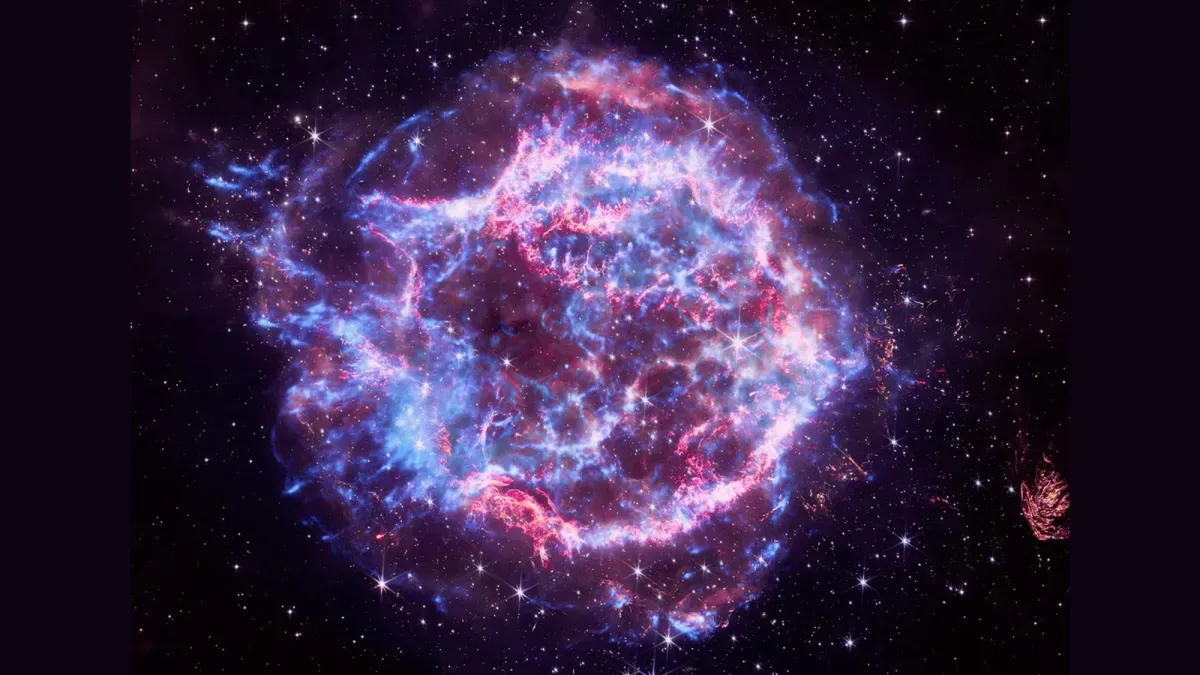
NASA's Fermi telescope just caught the first gamma-ray signal from a superluminous supernova—the universe's most extreme explosion. Scientists link this blast to a rapidly spinning magnetar.
Know someone who needs a boost? Share Brightcast with your friends and family.

Scientists found a hidden deep-Earth pattern. This discovery could pinpoint where rare earth deposits form, revolutionizing mineral exploration.

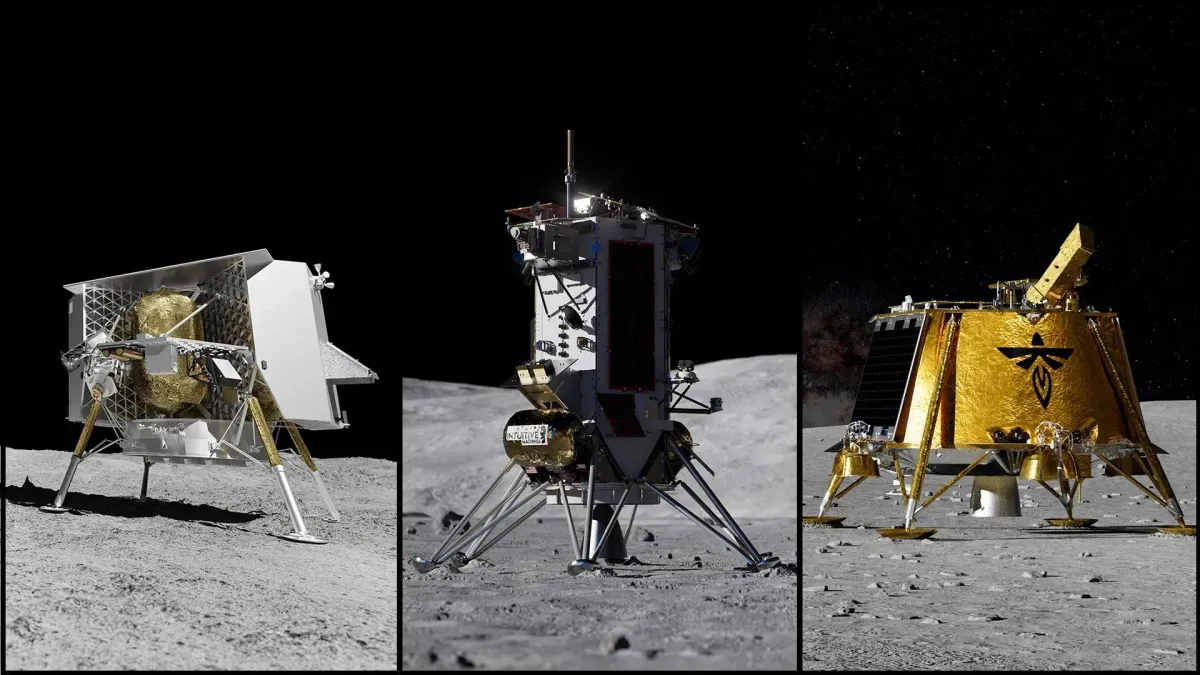
NASA just unveiled its moon base plans, awarding hundreds of millions to four U.S. companies. The race to the moon's surface is officially on.

CERN's Large Hadron Collider may have found physics beyond the Standard Model. Scientists observed "penguin decays," incredibly rare particle transformations hinting at new universal forces.

Ever feel your brain stuck on an old task, even after knowing it's wrong? A new study reveals how your brain finally abandons outdated strategies and adapts to new rules.

15 stories that made today brighter
Download the Brightcast app for a better reading experience, daily notifications, and offline access.
Download App
Meet Thecacera sesama: a polka-dotted, rice-grain-sized sea slug. This newly identified nudibranch, nicknamed "sesame" by Taiwanese divers, is less than 0.12 inches long and swims off Taiwan's coast.

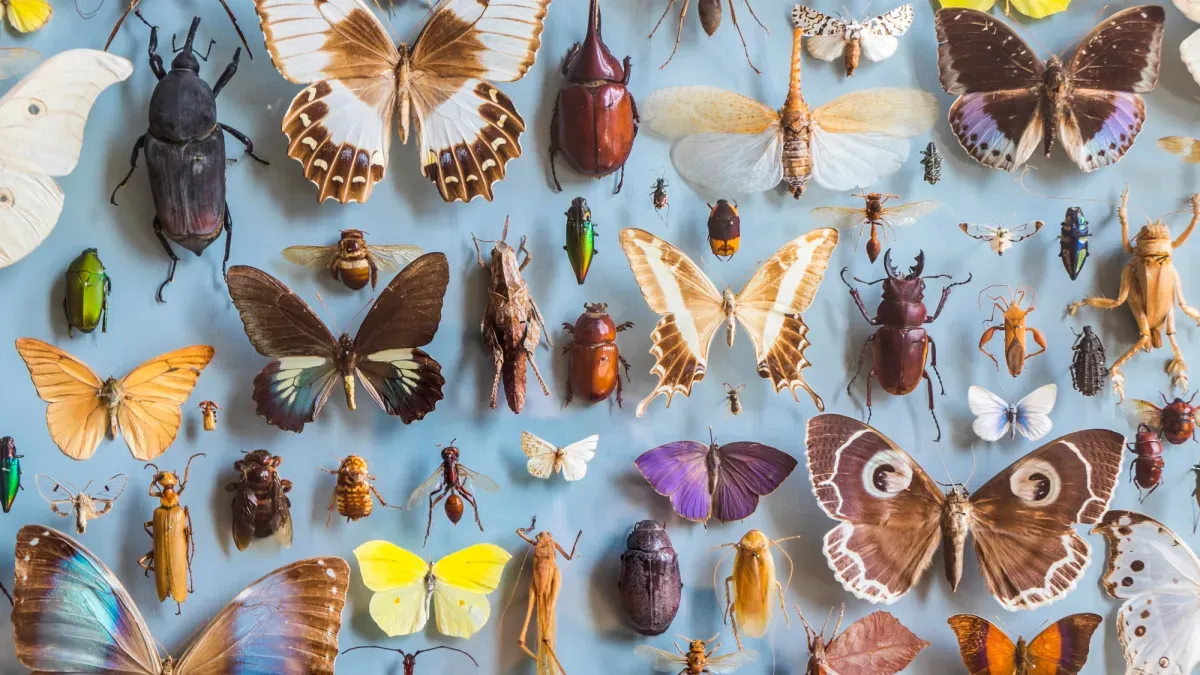
Hunting Himalayan forest ants, Devi Priyadarshini and Ashirwad Tripathy stumbled upon something far more exciting in Uttarakhand: an entirely new species.

Scientists just observed magnetic hopfions for the first time! These 3D magnetic structures feature electron spins forming closed, linked loops, pointing in all directions within a tiny volume.

Super Jupiters: born in chaos? Webb Telescope data reveals surprising new clues about how these enormous planets form.

Ultraheavy atomic nuclei might explain the highest-energy cosmic rays. These particles could originate from extreme events like neutron-star mergers and collapsing stars.
Join 50,000+ readers who receive our daily digest of the most uplifting stories from around the world.

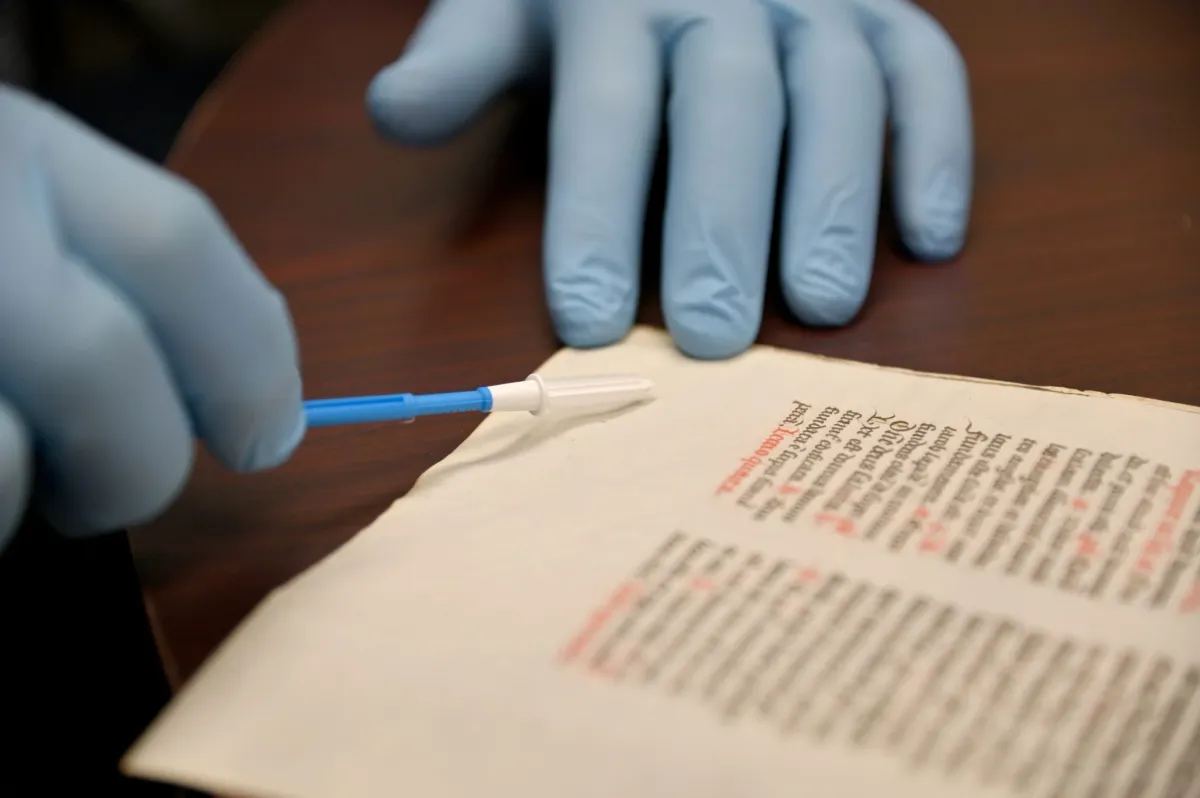
Ming Dynasty surgical tools reveal traces of a lethal plant, potentially the oldest chemical evidence of a topical anesthetic. Found in physician Xia Quan's tomb, these tools date to 1348-1411 CE.

Ancient surgical tools from a 1348–1411 CE Chinese tomb reveal the first evidence of controlled toxic chemical anesthetic use, showcasing sophisticated Ming dynasty medicine.

Hummingbirds and bees are regularly drinking alcohol! Scientists found fermented nectar in many flowers.

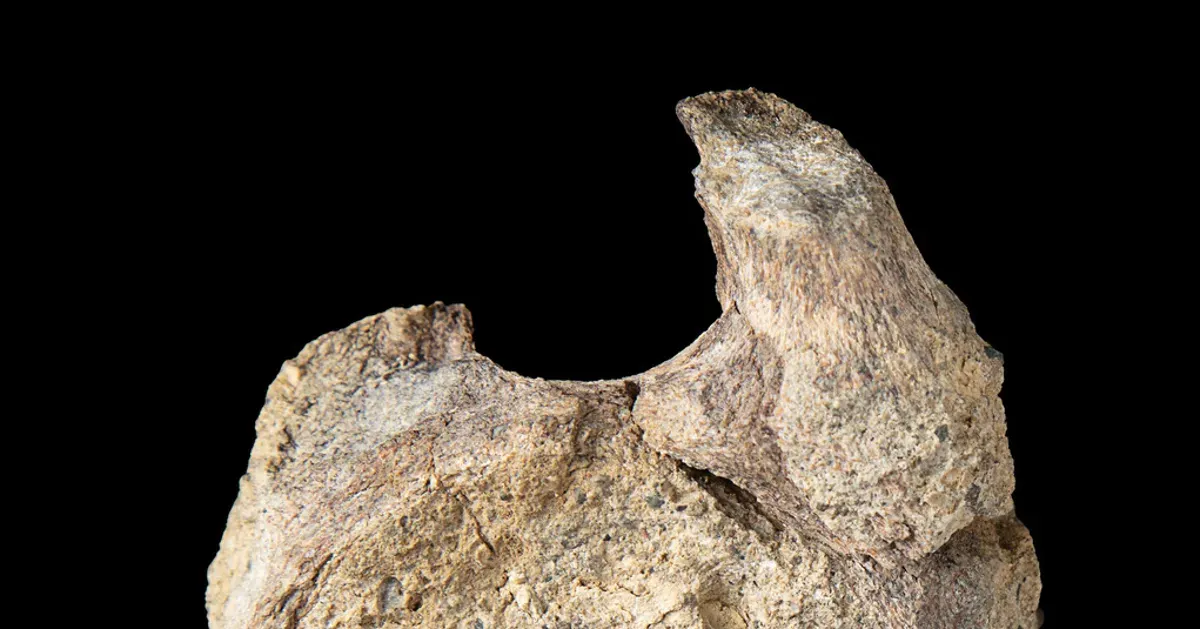
Texas just revealed a mosasaur that rewrites marine predator history. These ancient beasts were bigger, stronger, and possibly more aggressive than we ever imagined.

Scientists are closer to safely freezing and reviving brain tissue. They've prevented microscopic ice crystal damage, a major breakthrough.
Brightcast is dedicated to restoring faith in humanity by highlighting the progress, solutions, and kindness that often go unnoticed. We believe in a balanced worldview.
Read our full mission →
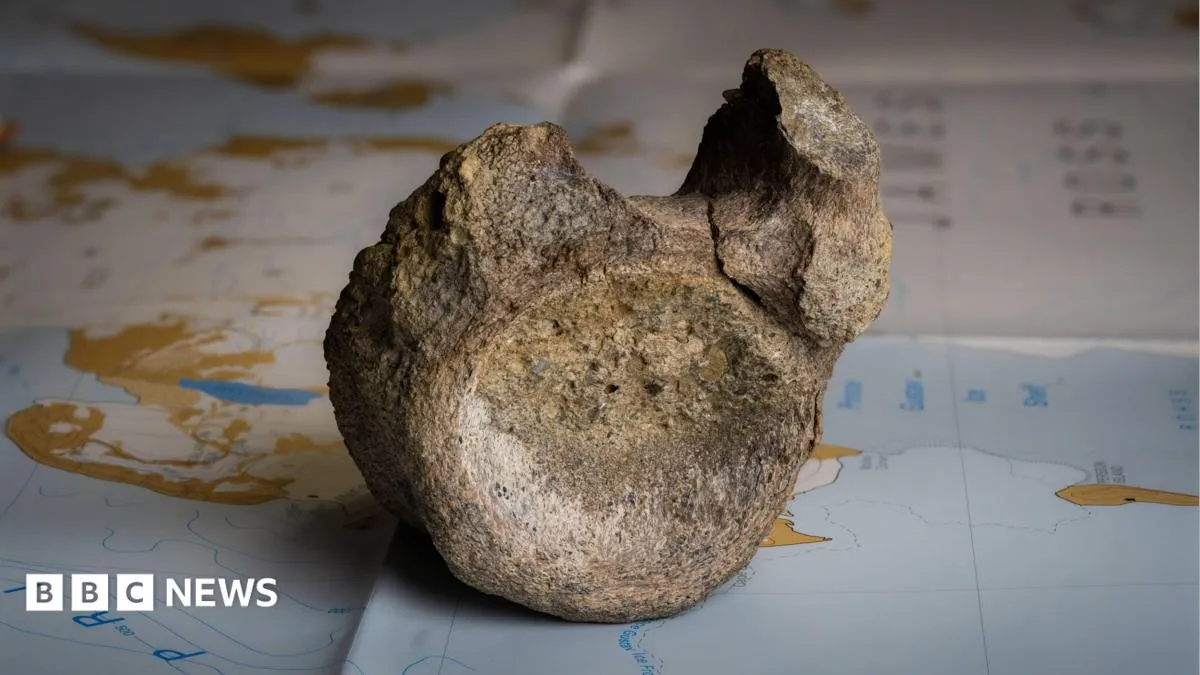
A 380-million-year-old Antarctic fish skull reveals surprising clues about life's move from water to land. Scientists used neutron imaging to study *Koharalepis jarviki*, a relative of the first land animals.

Ancient asteroid craters: Earth's first oxygen factories? These impact zones may have been safe havens for our planet's earliest oxygen-producing life.

China's Shenzhou-23 mission just launched, sending an astronaut for a record year in orbit! This is a critical step in Beijing's plan to land humans on the moon by 2030.

NASA's Psyche spacecraft just slingshotted past Mars! It's headed to a metal world, hoping to unlock secrets about Earth's core and other planets.

Meet Tylosaurus rex: a newly identified mosasaur species, growing up to 43 feet long—the length of a school bus! Scientists previously misclassified these massive predators.
Know someone who needs a boost? Share Brightcast with your friends and family.

The Great Pyramid of Giza has defied 4,500 years of earthquakes, including Cairo's 1992 5.8 magnitude quake. How has it survived?

ISS astronauts experience 16 sunrises and sunsets daily. The sun vanishes in 10 seconds, plunging the station into darkness, only to reappear 45 minutes later as if nothing happened.

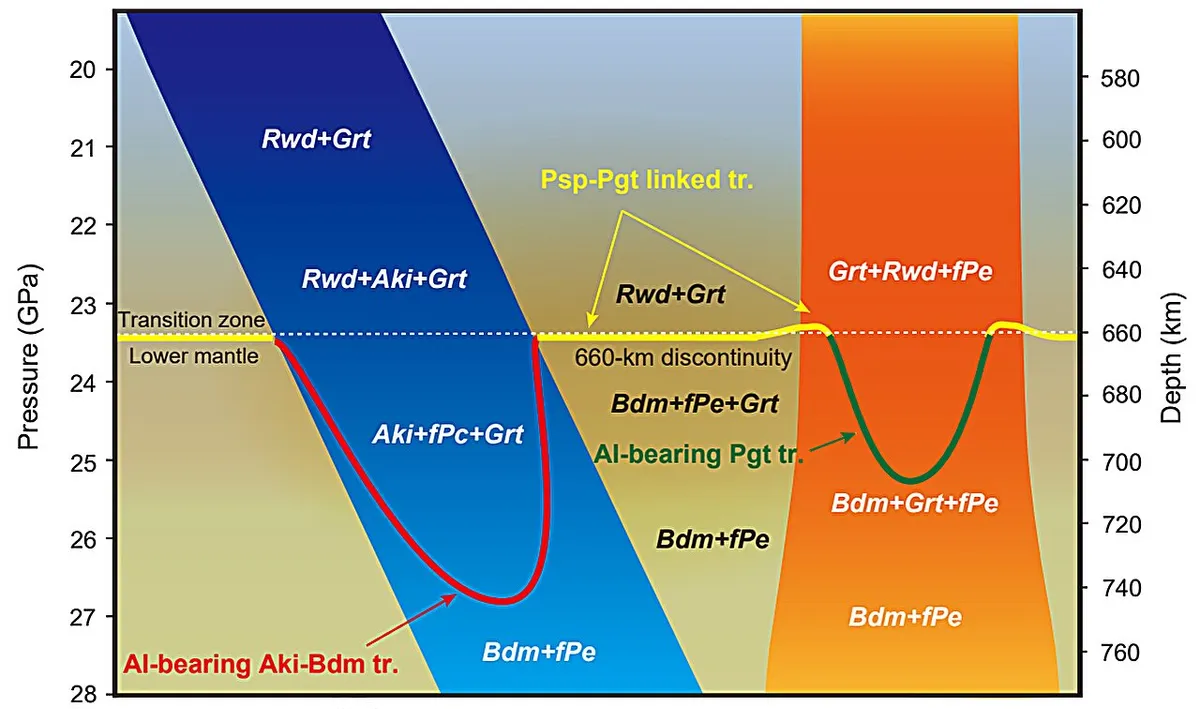
Earth's interior hides a secret: seismic waves change speed based on direction. This "seismic anisotropy" is key to understanding subduction zones and stagnant slabs deep within the mantle.

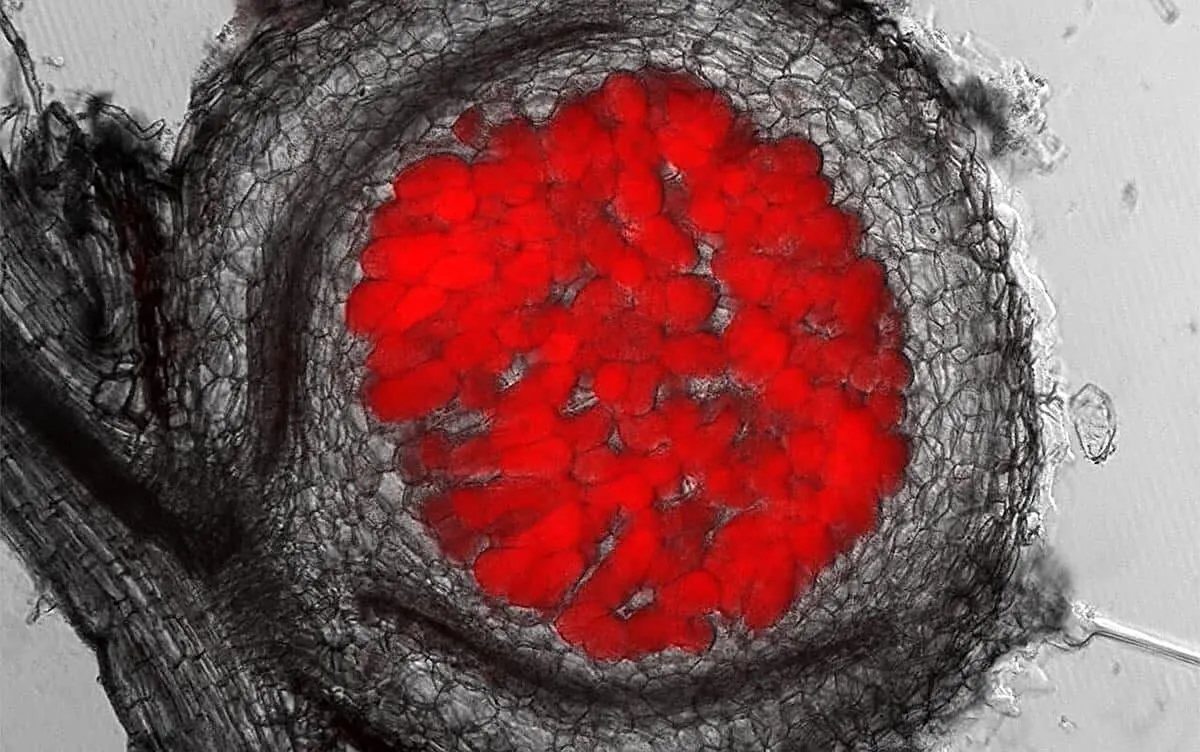
Imagine your food supply gone. 3,500 years ago on the Deccan plateau, entire communities faced this daily. No refrigeration, just heat, humidity, insects, and one question: how to make the harvest last?

Nickelate superconductors hide electronic secrets. New measurements are finally revealing clues about their mysterious behavior.