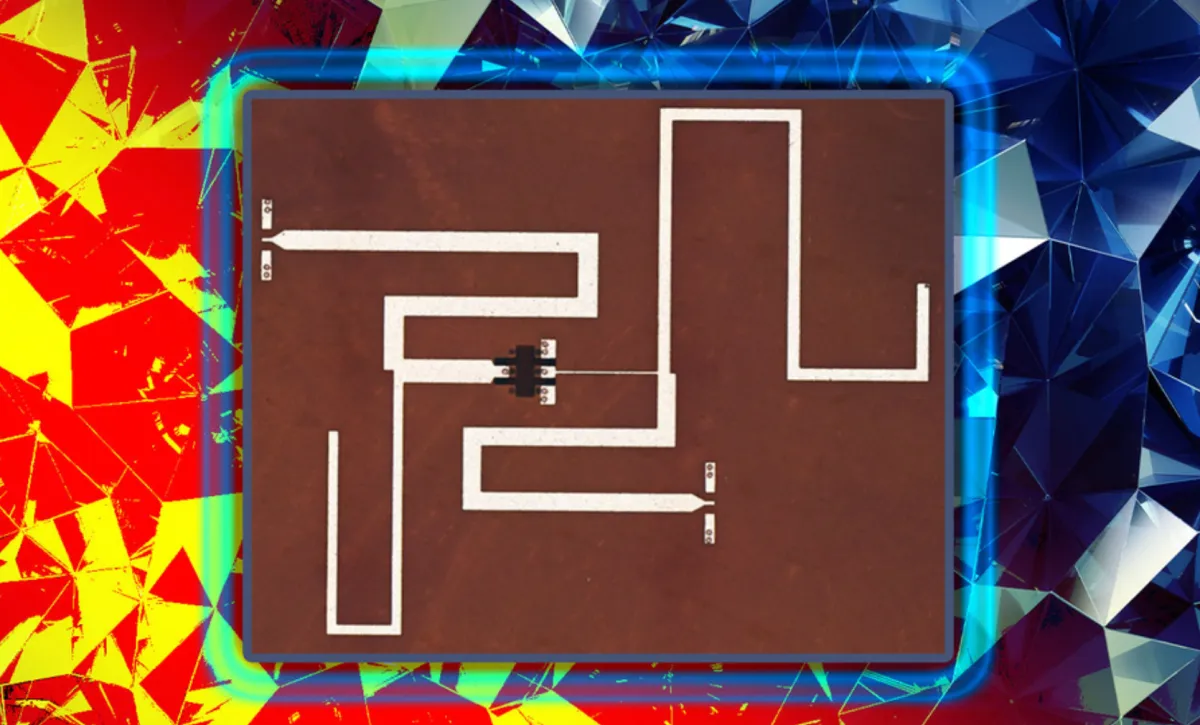
While you weren't looking, a quantum detector just brightened terahertz imaging by 20x.
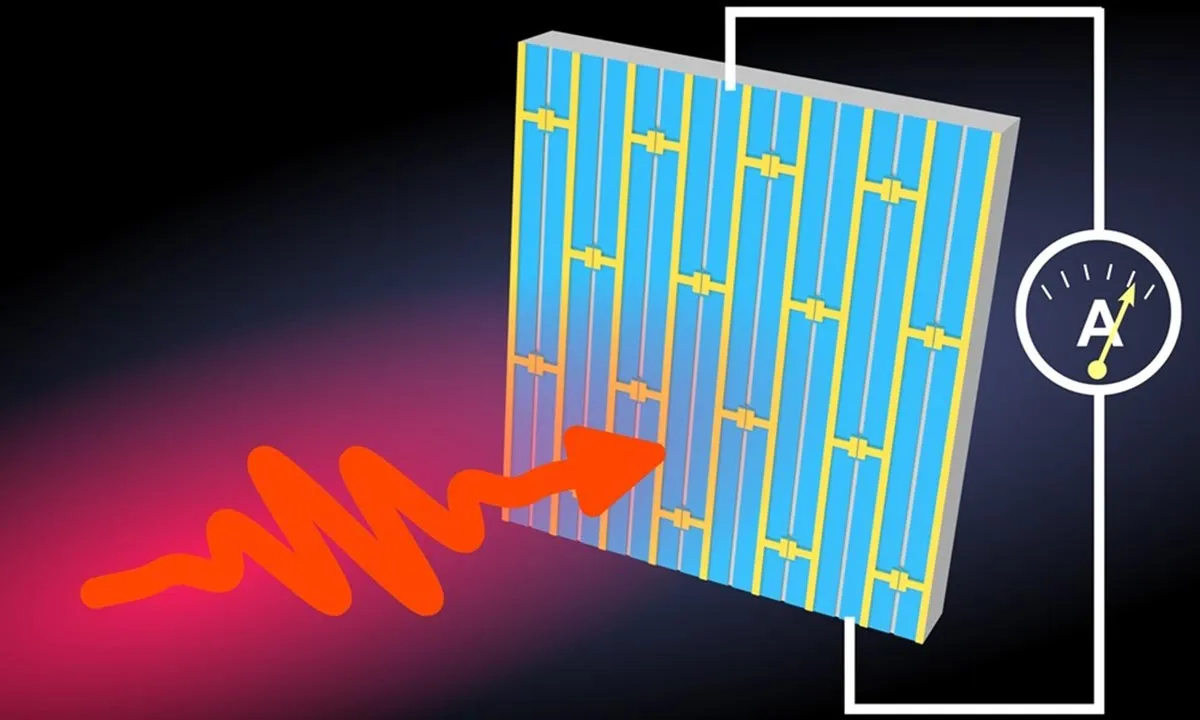
Quantum metasurfaces just boosted terahertz detection 20x! This breakthrough brings practical THz tech significantly closer.
Breakthroughs happen quietly. We make sure you hear about them.
2782 stories

Quantum metasurfaces just boosted terahertz detection 20x! This breakthrough brings practical THz tech significantly closer.

Dark energy: a cosmic illusion? New math suggests the universe's accelerating expansion might not need it, challenging cosmology's core.

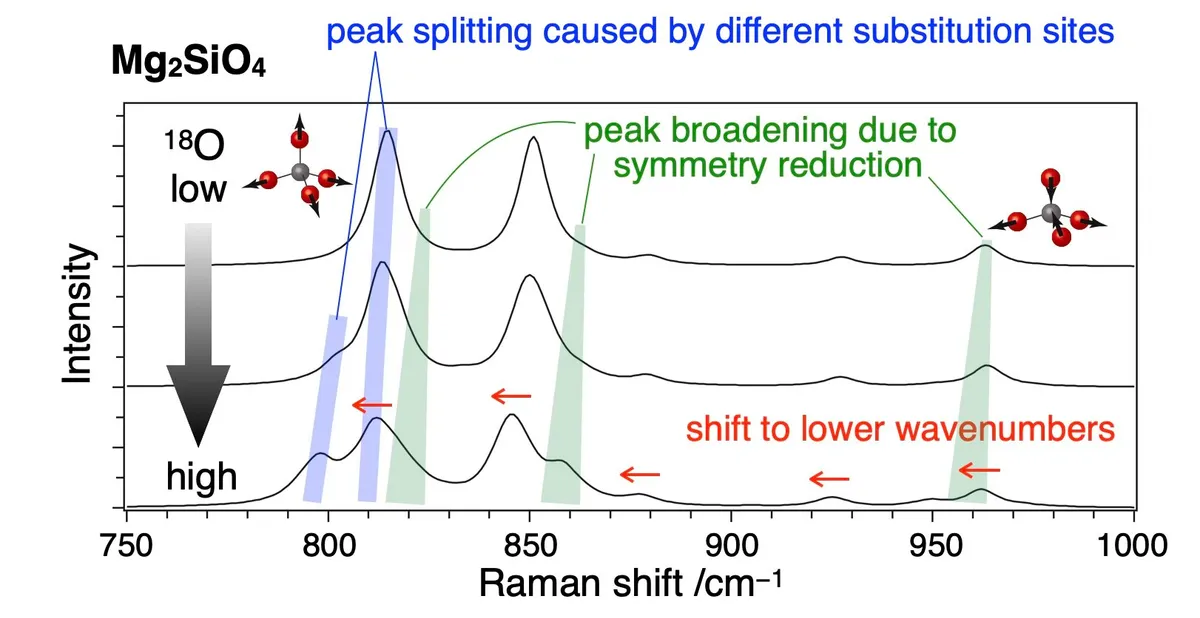
Uncover a material's atomic makeup? Researchers use spectroscopy, shining light on a substance and analyzing how it's absorbed, emitted, or scattered. Every atom reacts differently.

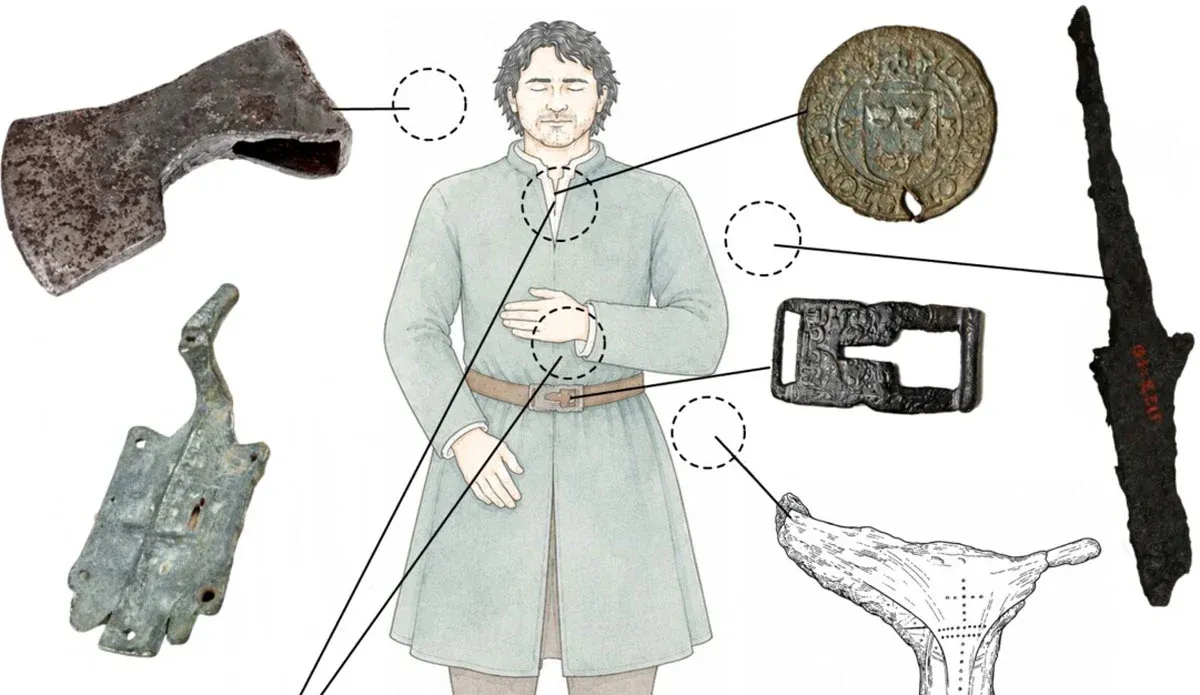
Centuries-old burial in Finland reveals genetic links to Sámi populations and a remarkably mobile life.

Cavefish Typhlichthys styx proves subterranean species keep evolving, splitting into new forms. Underground aquifers are key to this ongoing speciation.
Join 50,000+ readers who receive our daily digest of the most uplifting stories from around the world.

From orbital airbags to a man who planted 650,000 trees, today's news highlights humanity's clever solutions and quiet tenacity. Plus, AI gets personal, and Taiwan finds its tallest tree.

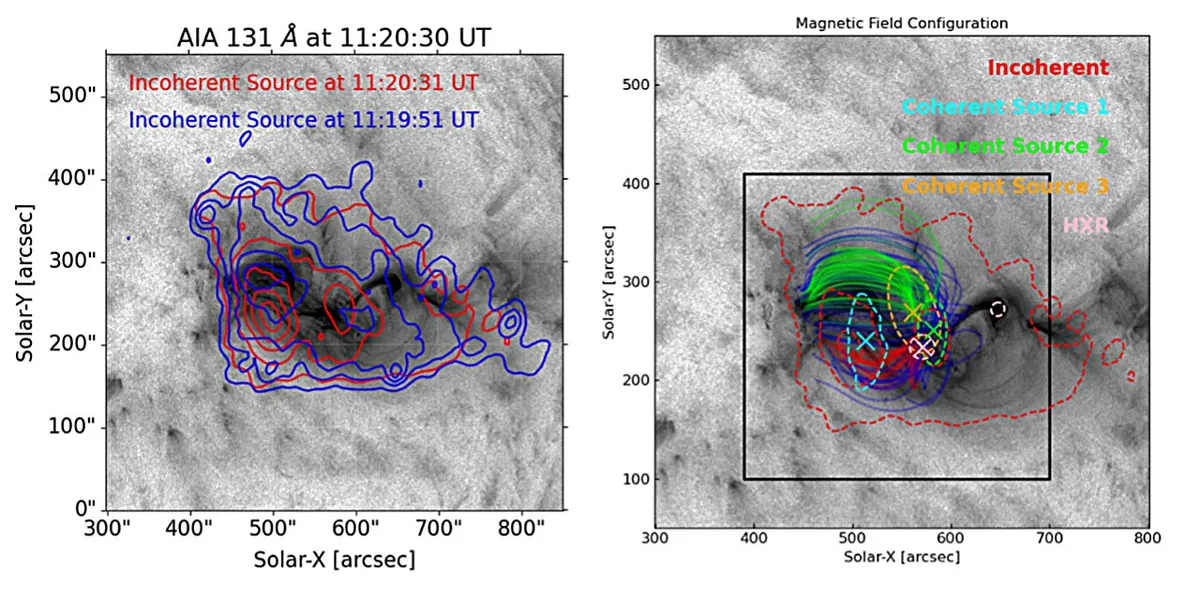
Solar flares: the sun's most explosive events. Unraveling how these coronal blasts accelerate particles and heat plasma is key to understanding their intense, rapid energy release.

Brewing kombucha? Your tea choice is everything. Green and oolong teas pack the most punch, drastically altering its chemistry, flavor, and antioxidant power.

Japan's unusually tall red auroras hint at solar storms far more powerful than scientists previously imagined.

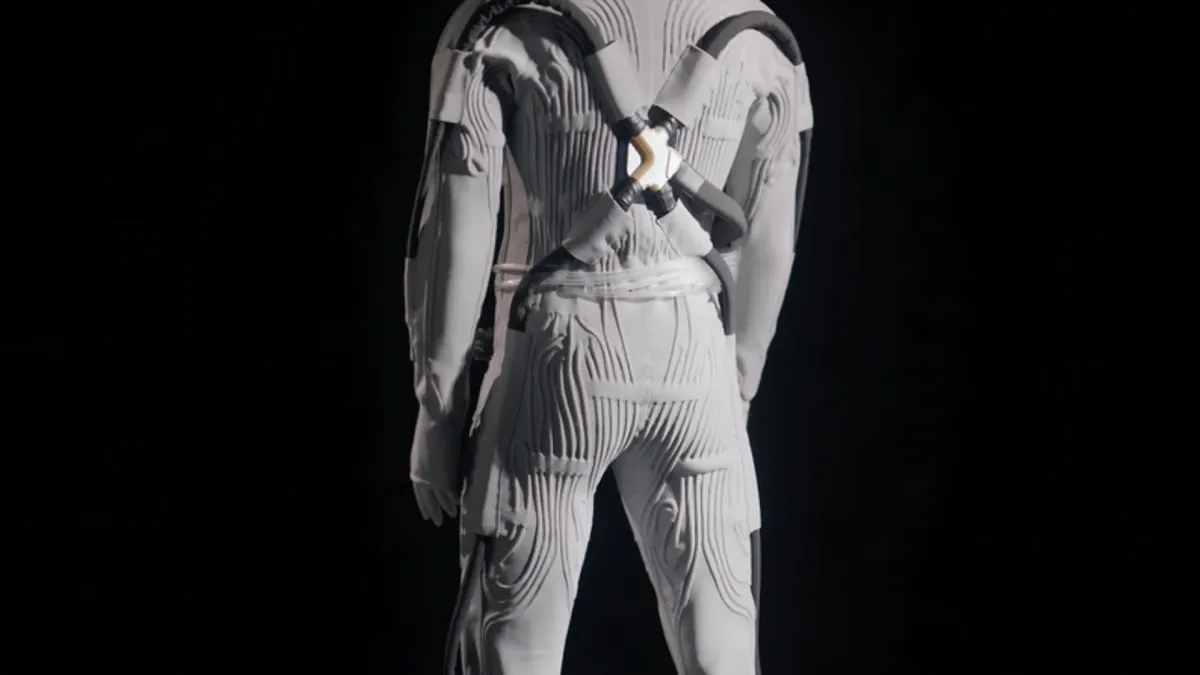
The devil wears Prada, and soon, so will astronauts heading to the moon. Axiom Space and Prada unveiled NASA's next-gen lunar spacesuit's innermost layer: the Liquid Cooling and Ventilation Garment (LCVG).
Brightcast is dedicated to restoring faith in humanity by highlighting the progress, solutions, and kindness that often go unnoticed. We believe in a balanced worldview.
Read our full mission →
Harvard's David Sinclair is testing an oral "reprogramming" drug, SL-100, on humans for a $101M XPrize. It uses chemicals to mimic embryonic genes, aiming to reset aging.

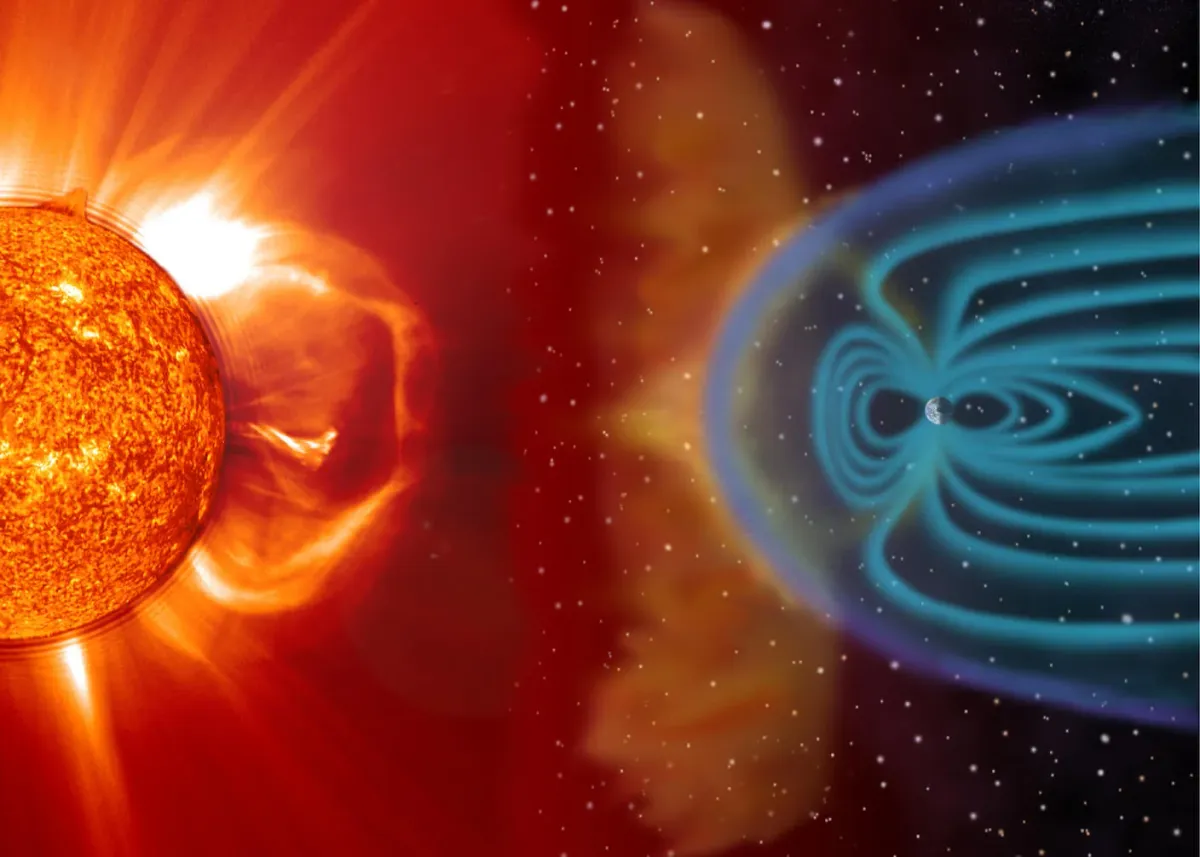
Solar storms threaten our satellites, comms, and power grids. A new planetary defense system could deploy hundreds of tons of gas in under two months, blunting these threats before they hit Earth.

Fire defines us. It makes food safer, tastier, and digestible, while pushing back darkness, deterring predators, and keeping us warm.

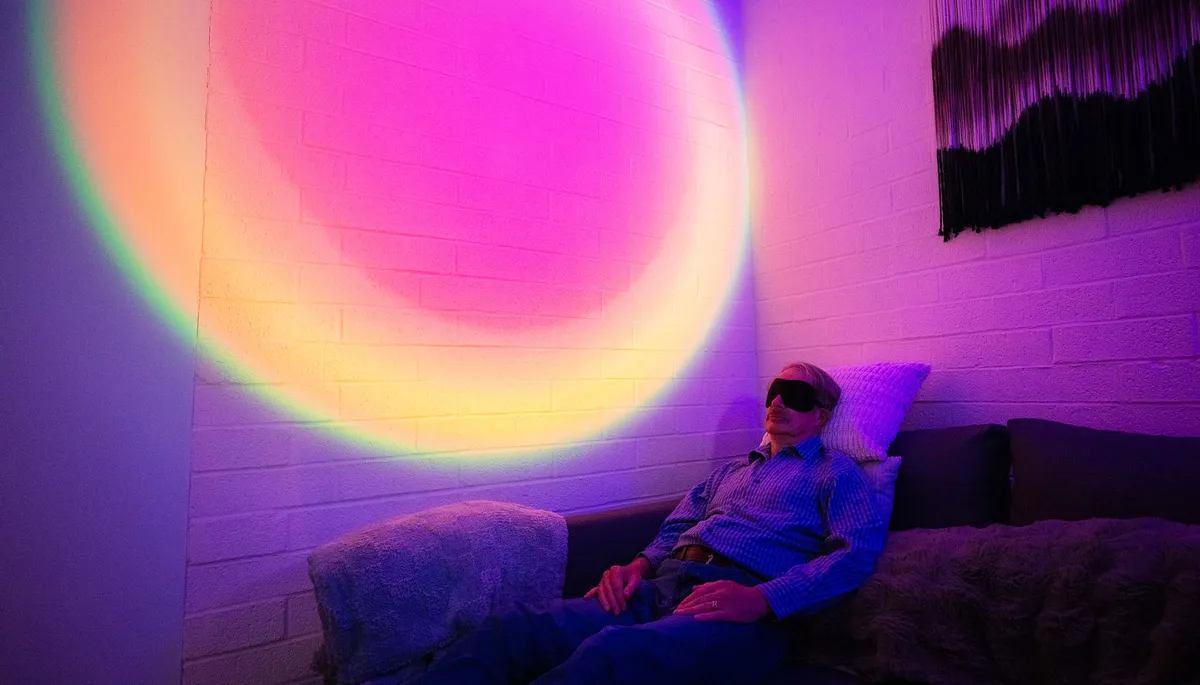
Can psilocybin unlock healthier aging? UC Berkeley researchers are exploring if the compound boosts brain plasticity in older adults, potentially revolutionizing how we age.

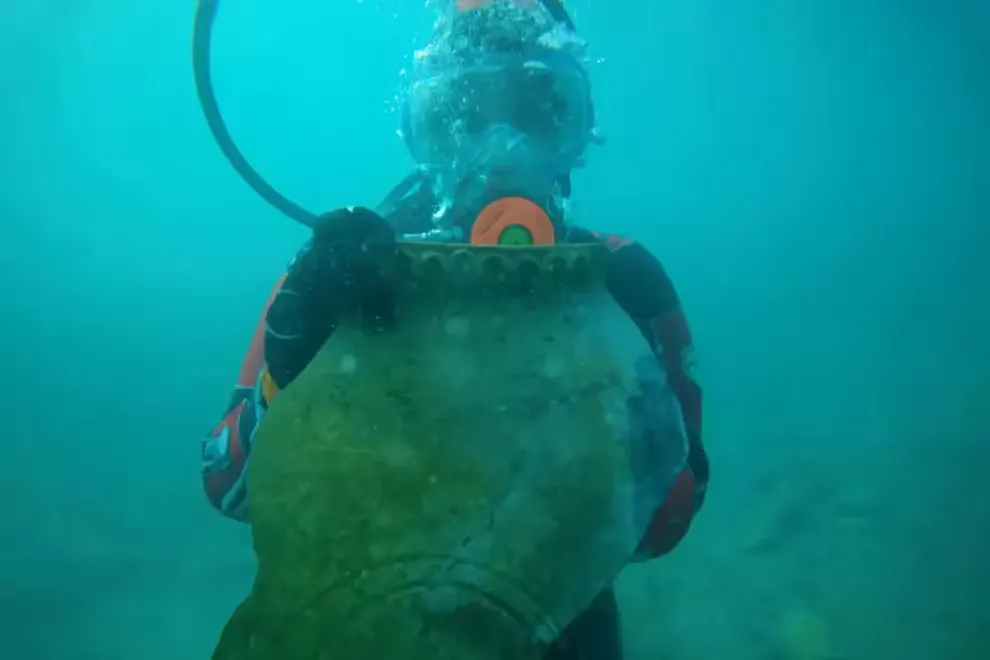
Centuries-old ruins of Turu-Aygyr, a medieval trading hub, are being explored beneath Kyrgyzstan's Lake Issyk-Kul. Russian and Kyrgyz scientists reported their initial findings last November.
Know someone who needs a boost? Share Brightcast with your friends and family.

From how our brains break bad habits to NASA's new 'Space Internet' and solar panels doubling as bird sanctuaries, intelligence is on full display today. A hopeful look at how we're solving problems.

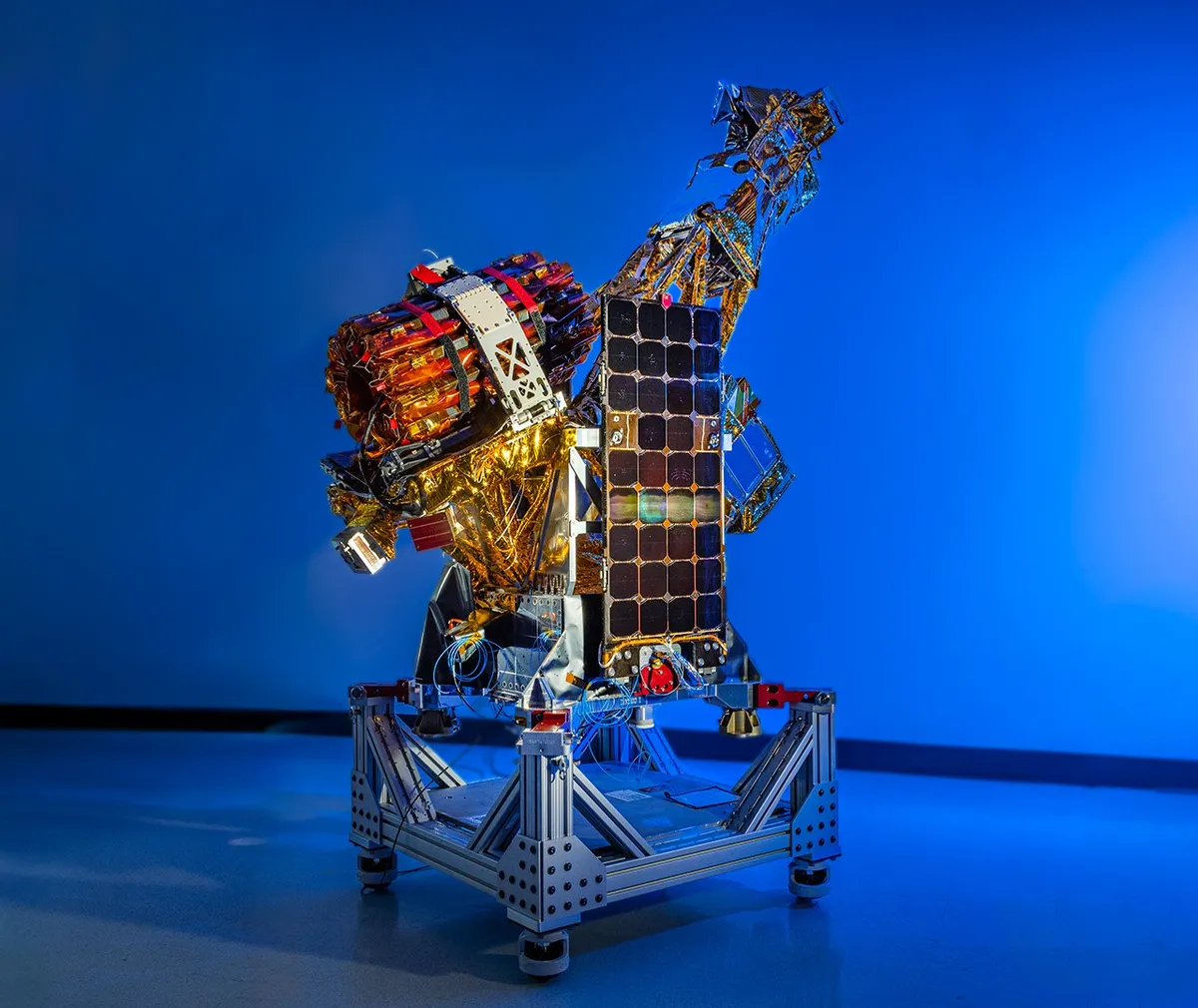
NASA's INCUS mission, investigating convective updrafts, features three satellites. One is seen here at Blue Canyon Technologies, poised for a 2026 launch.

MIT researchers developed a chipmaking technique embedding gallium nitride transistors into ultrathin diamond. This innovation promises faster, more powerful, and energy-efficient wireless systems.

Why do similar volcanoes erupt so differently? Scientists just found a thermal magma process that could explain the mystery.

Disappointment can be good for you. Scientists found a brain signal triggered by missed rewards—a surge of acetylcholine—helps us break old habits and adapt to change.
Download the Brightcast app for a better reading experience, daily notifications, and offline access.
Download App
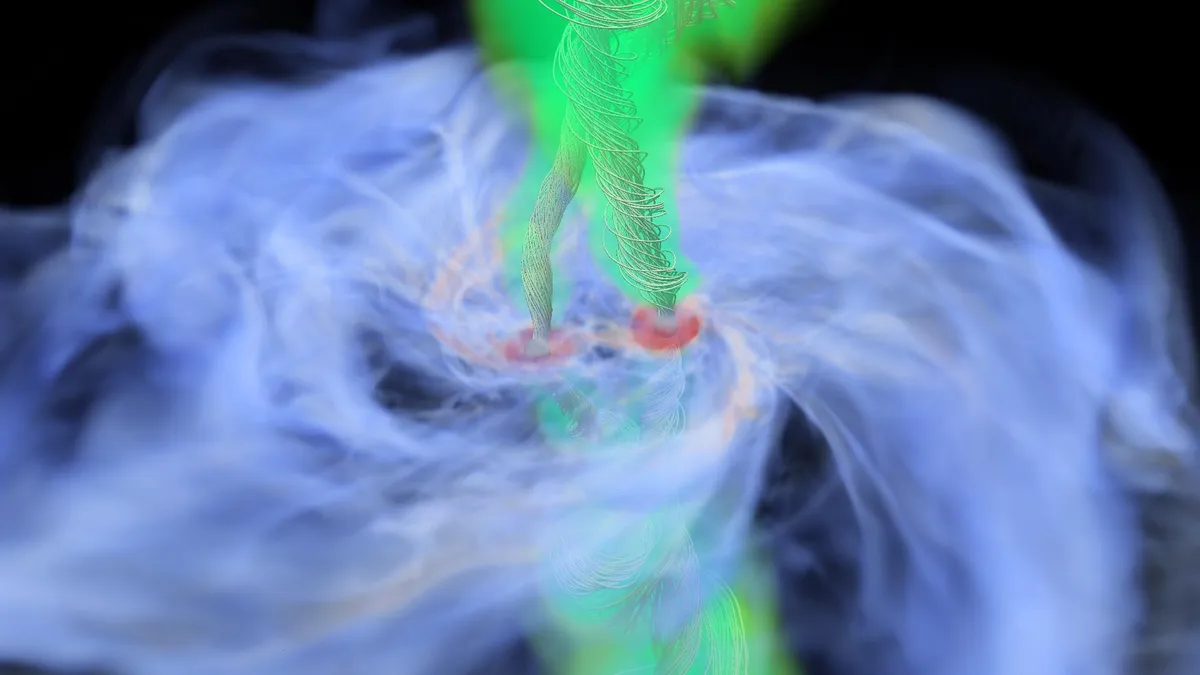
Magnetic fields might be the cosmic matchmakers for stars and black holes. New simulations show they're crucial for forming binary stars, explaining their prevalence in the Milky Way.

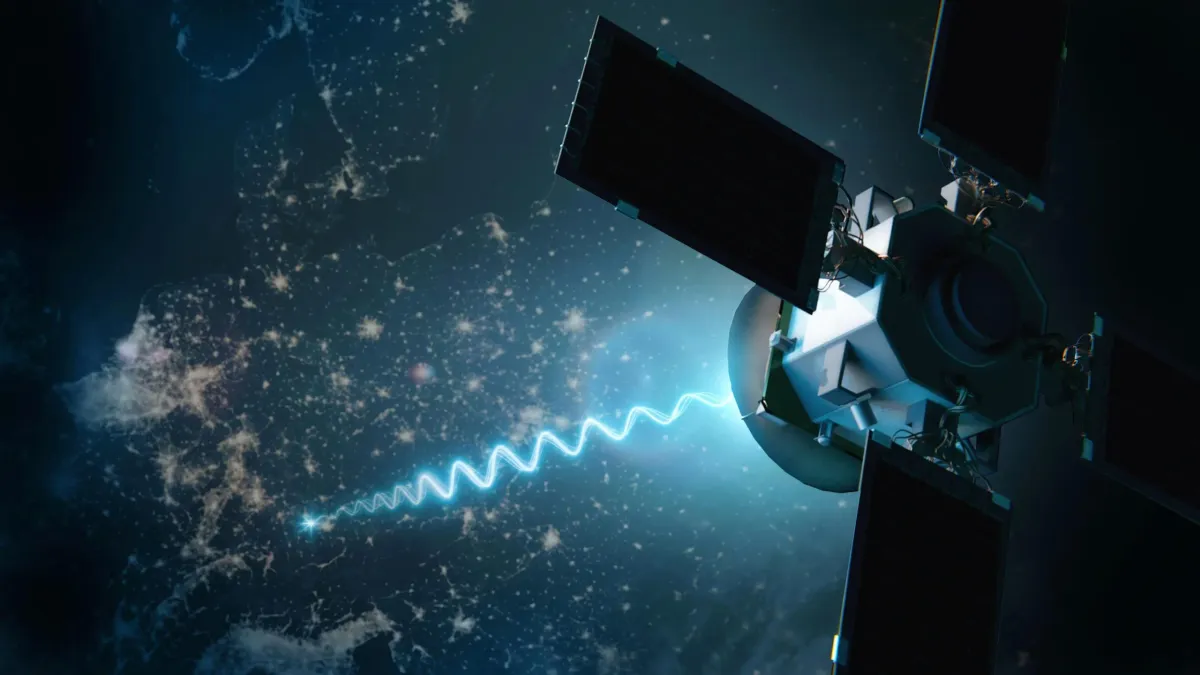
NASA just unveiled a game-changer for space communication: a new tech letting spacecraft talk across multiple networks. This paves the way for a flexible, reliable space internet.

NASA fast-tracks Moon habitats! Scientists are racing to solve the immense technological challenges of lunar living as permanent settlements become a near-future reality.

Homing pigeons navigate using a magnetic compass in their liver! Disabling iron-rich macrophages in the liver prevented pigeons from finding home on overcast days.

Building muscle? Equal servings of animal protein may pack a bigger punch than plant-based options, research suggests.
Join 50,000+ readers who receive our daily digest of the most uplifting stories from around the world.

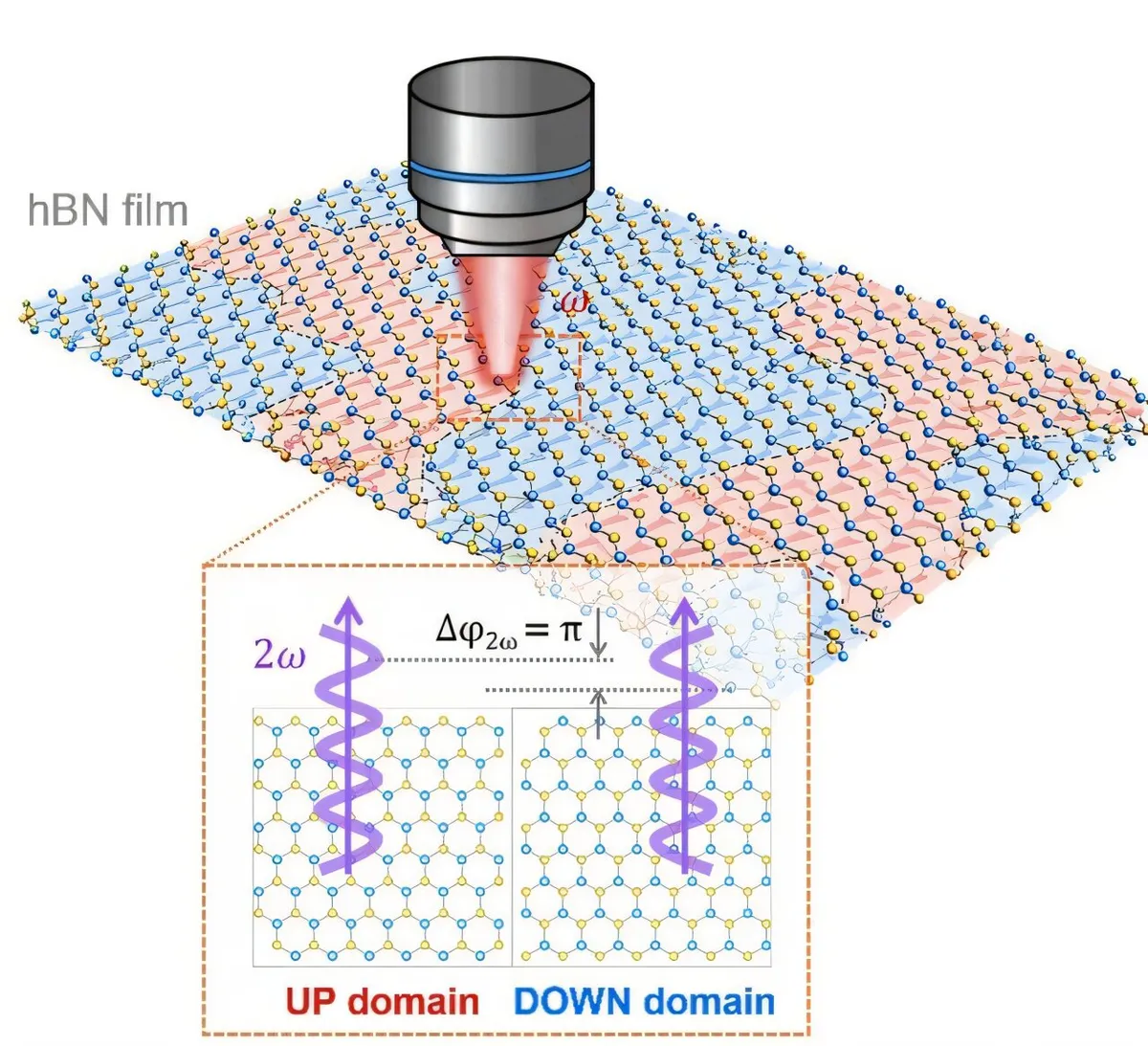
Flawless on the surface, but failing within. Hidden structural defects in 2D thin films, key for next-gen semiconductors, cause malfunction. A Korean team developed an optical analysis method to find them.

A tiny DNA tweak in mice can dramatically alter sex development, a new study reveals.

Chatbots are everywhere, powered by LLMs. But as AI rapidly scales, the cost and resources needed are skyrocketing.

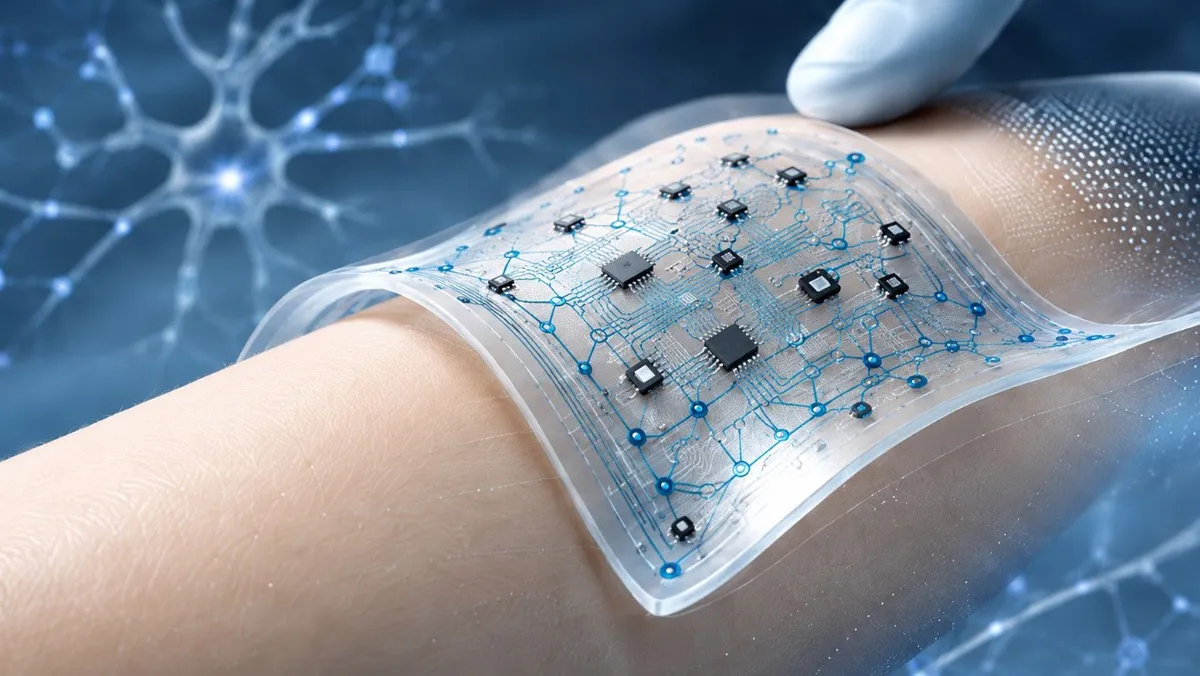
AI hardware is getting a brain-lift! Researchers are ditching rigid silicon for stretchable, neuromorphic electronics that mimic the human brain, paving the way for seamless human-machine integration.

Artemis II astronauts just took the ultimate roadtrip: a Moon flyby, bringing the entire world along. Their 7-hour livestream showcased lunar views and astronaut narration.
Brightcast is dedicated to restoring faith in humanity by highlighting the progress, solutions, and kindness that often go unnoticed. We believe in a balanced worldview.
Read our full mission →
25 stories that made this week brighter

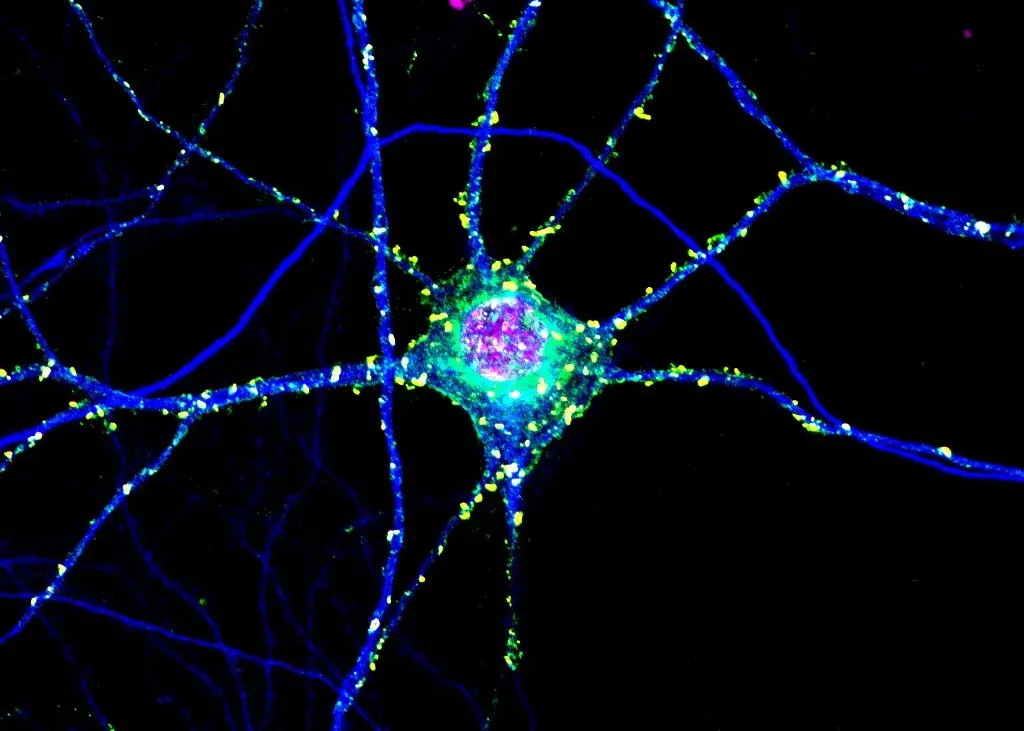
The findings could lead to new treatments for multiple neurodegenerative diseases. Huntington’s disease is tragically predictable. An inherited genetic mutation causes neurons to make distorted, sticky proteins. These proteins clump together and gradually overwhelm brain cells. The brain loses its a...

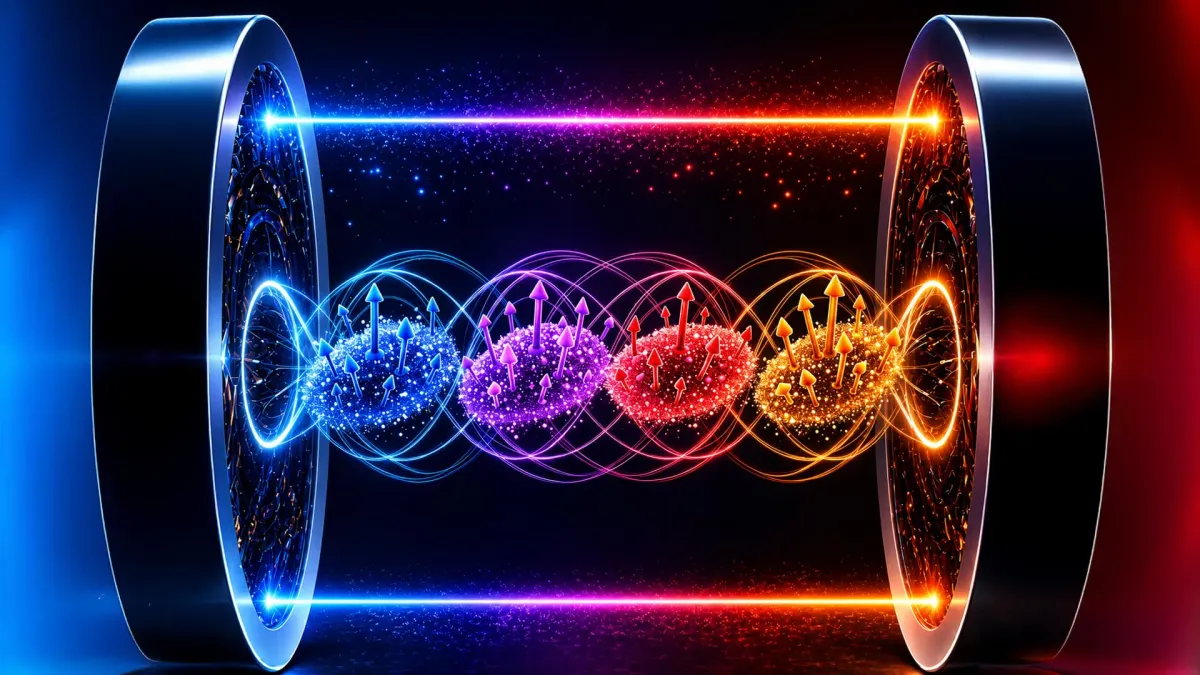
UChicago scientists found a surprisingly simple way to create powerful, hard-to-produce quantum states. Tiny energy tweaks in an optical cavity generate highly entangled states.

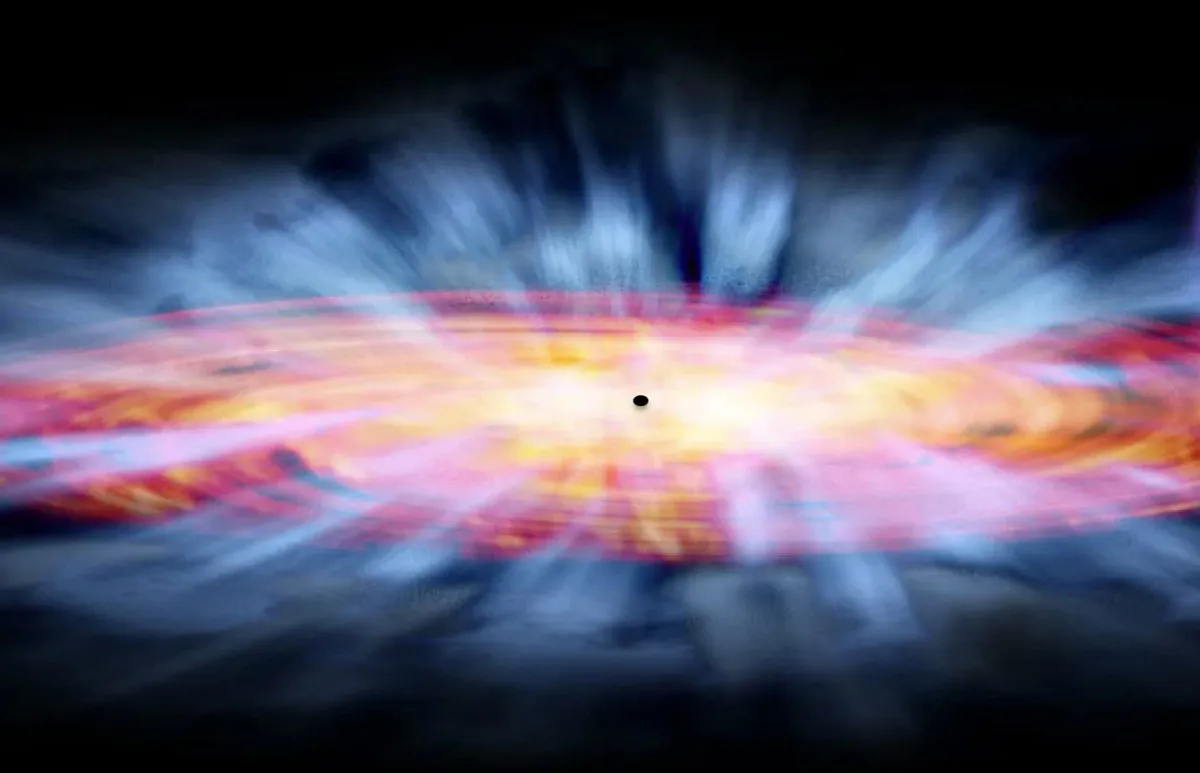
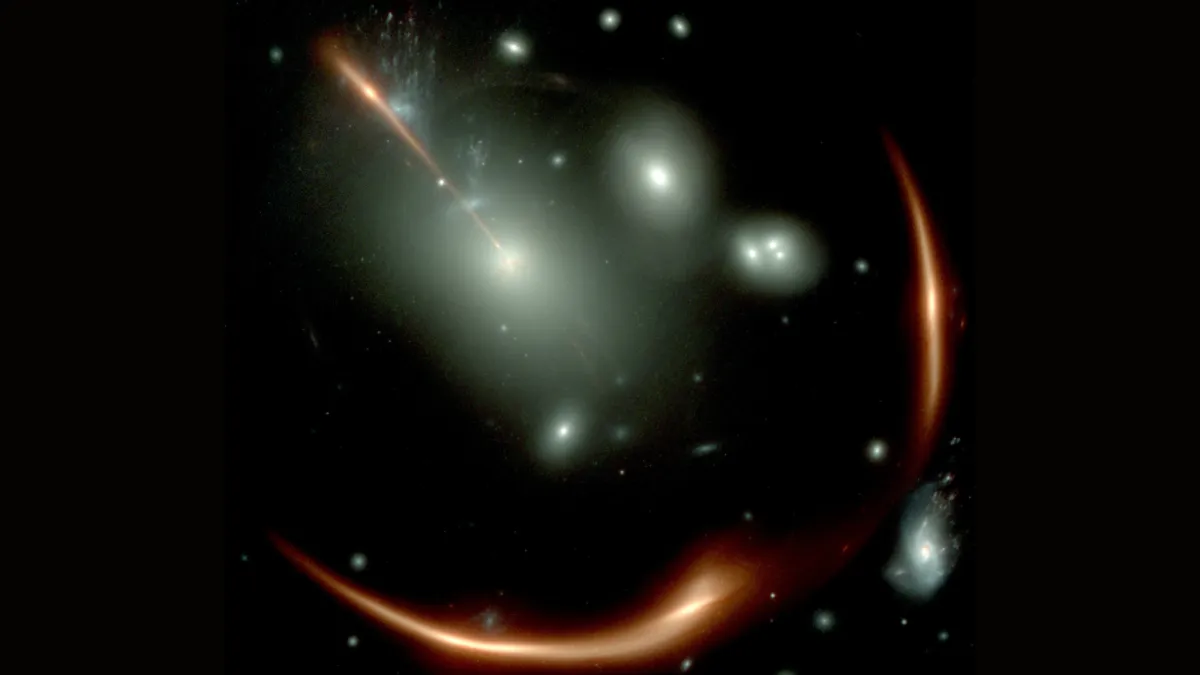
A distant quasar just unveiled one of the most extreme ultraviolet outflows ever seen, offering new clues into supermassive black hole-galaxy interactions.

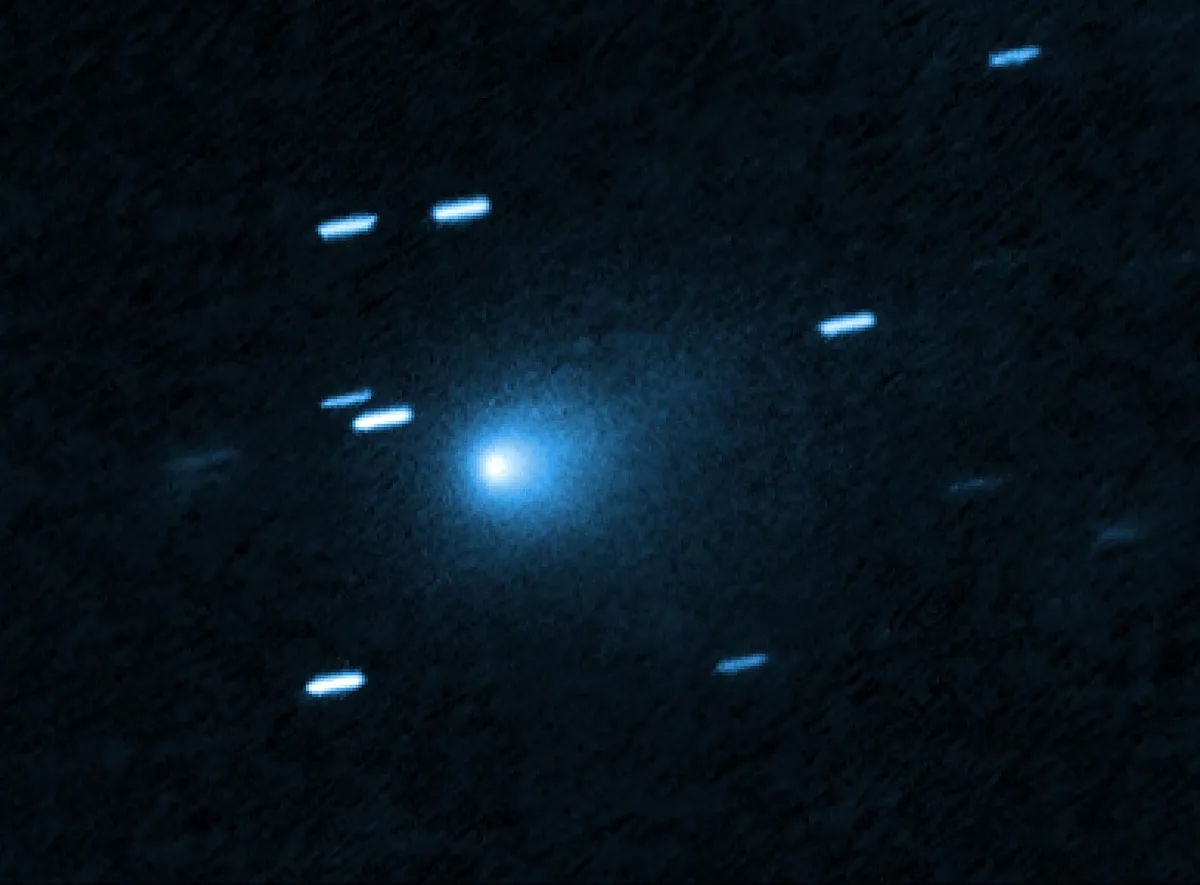
A comet from beyond our solar system just unveiled methane and chemical secrets, offering a rare glimpse into another star system's building blocks.
Know someone who needs a boost? Share Brightcast with your friends and family.

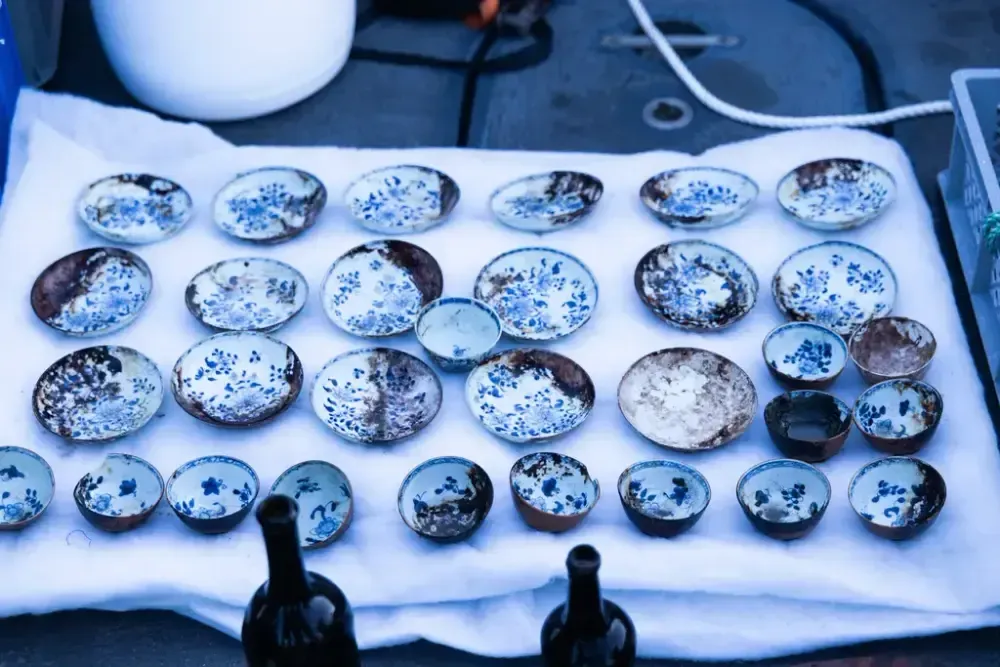
An 18th-century shipwreck just yielded 40 artifacts, with thousands more treasures expected. This discovery promises to rewrite history.

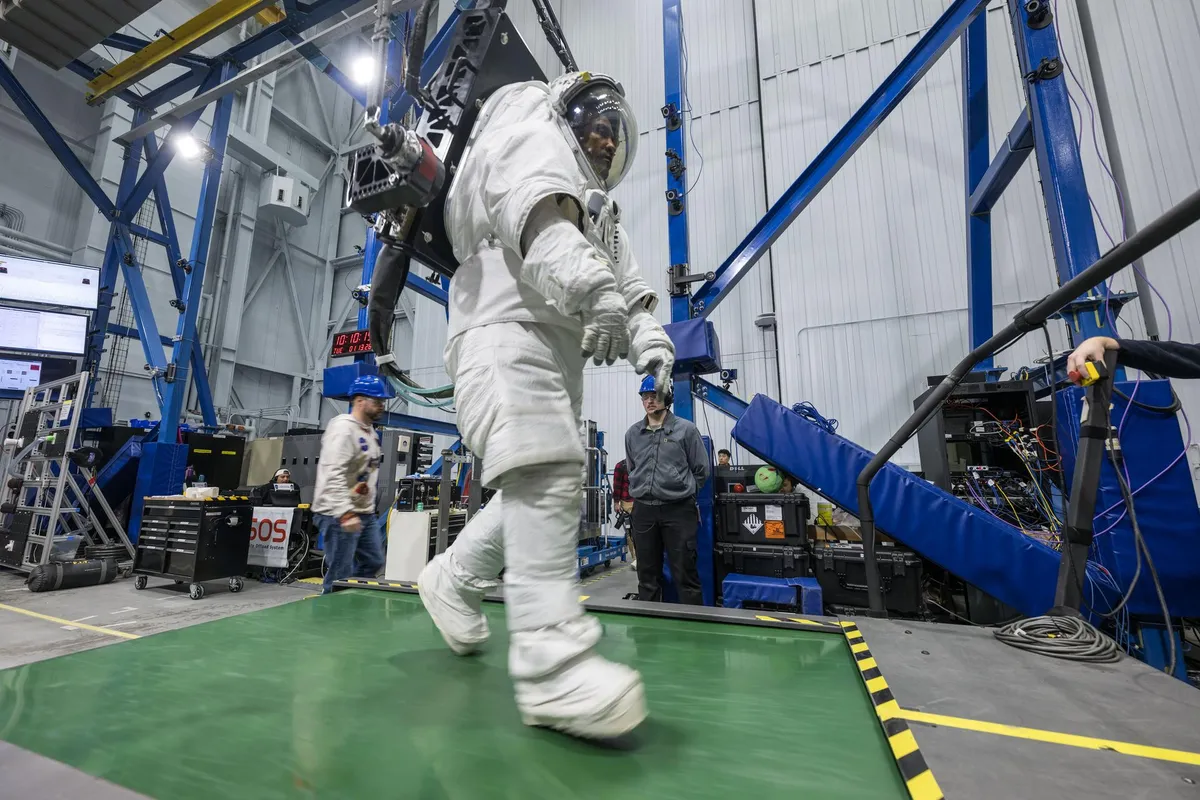
Astronaut Victor Glover is simulating lunar surface walks on Earth, harnessed to NASA's gravity offload system. This critical research at Johnson Space Center prepares Artemis II for its Moon mission.

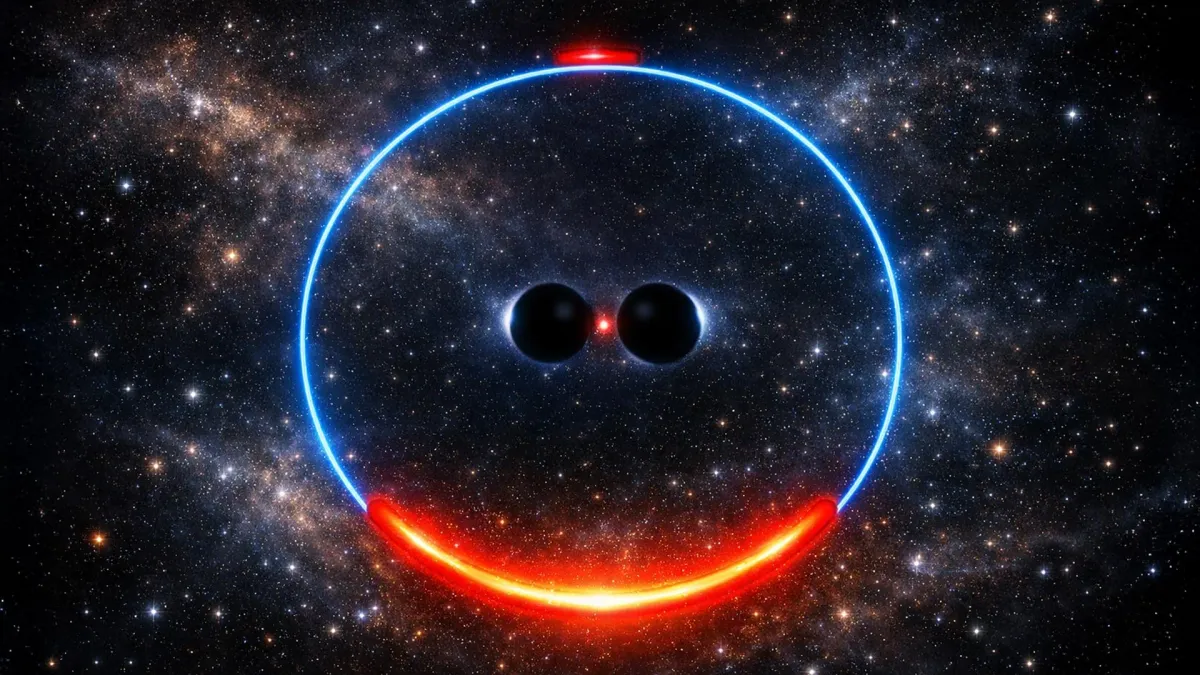
Black hole pairs are hard to find. Now, scientists propose a new method: hunt for stars that flash repeatedly as black holes' gravity magnifies their light.

Black holes devour anything too close. But they don't eat forever. When cosmic meals run out, these dormant giants become nearly impossible to detect, posing a huge challenge for astronomers.

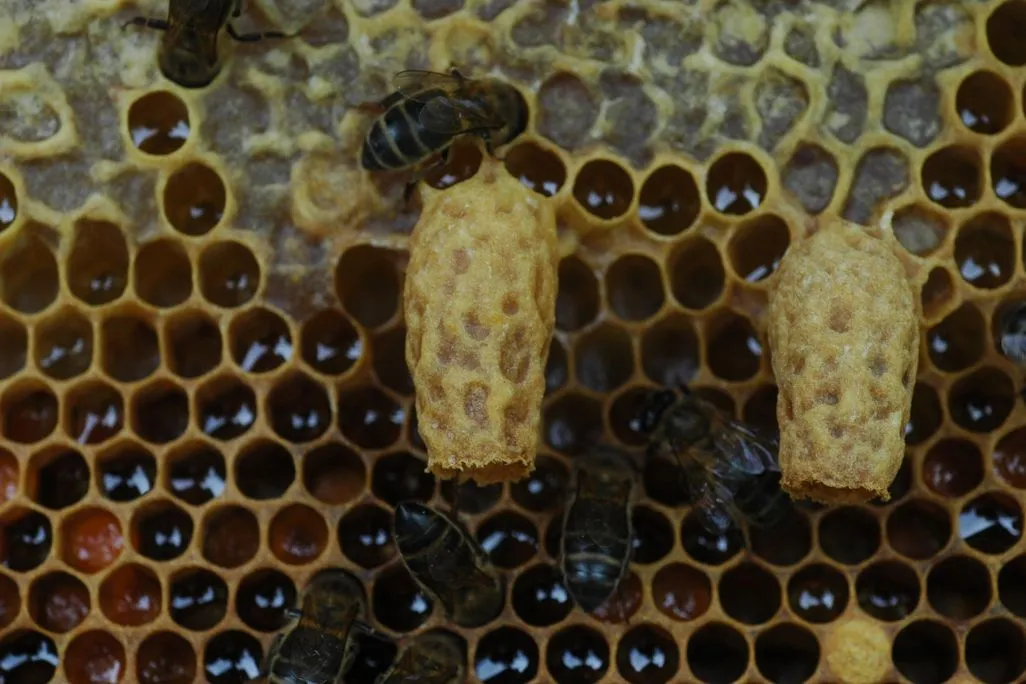
Queen bee development hinges on unique "peanut-shaped" compartments. Their wax differs chemically and physically from other hive wax, suggesting a crucial role.