After 50 years, humans again journeyed to the Moon and returned.

Artemis II astronauts are back! Their record-breaking Moon trip proves NASA's next-gen spacecraft is deep-space ready, paving the way for human lunar returns and future Mars missions.
Breakthroughs happen quietly. We make sure you hear about them.
2406 stories

Artemis II astronauts are back! Their record-breaking Moon trip proves NASA's next-gen spacecraft is deep-space ready, paving the way for human lunar returns and future Mars missions.

Quantum data vanishes fast. Now, a 100x faster tracking method could stabilize future computing.

Ancient Korean DNA reveals a surprising truth: 1,500 years ago, powerful elites and even human sacrifices often married close relatives, forming tightly knit family networks.

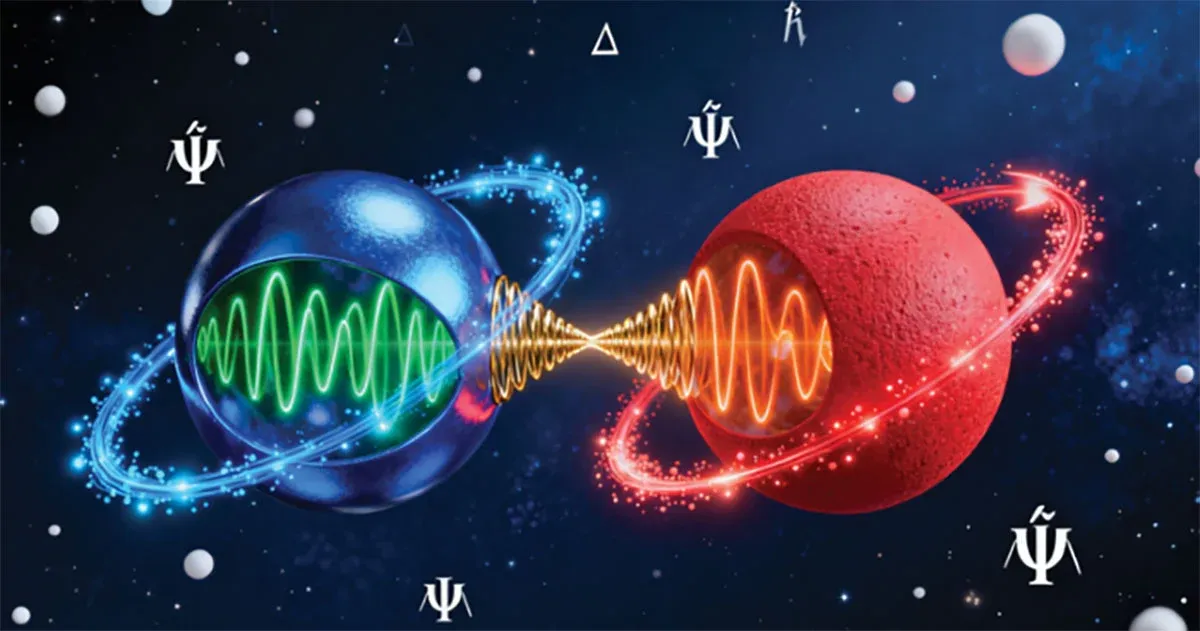
Physicists achieved ultimate quantum control, cooling a nanoscale object's rotational motion to its absolute lowest energy state.

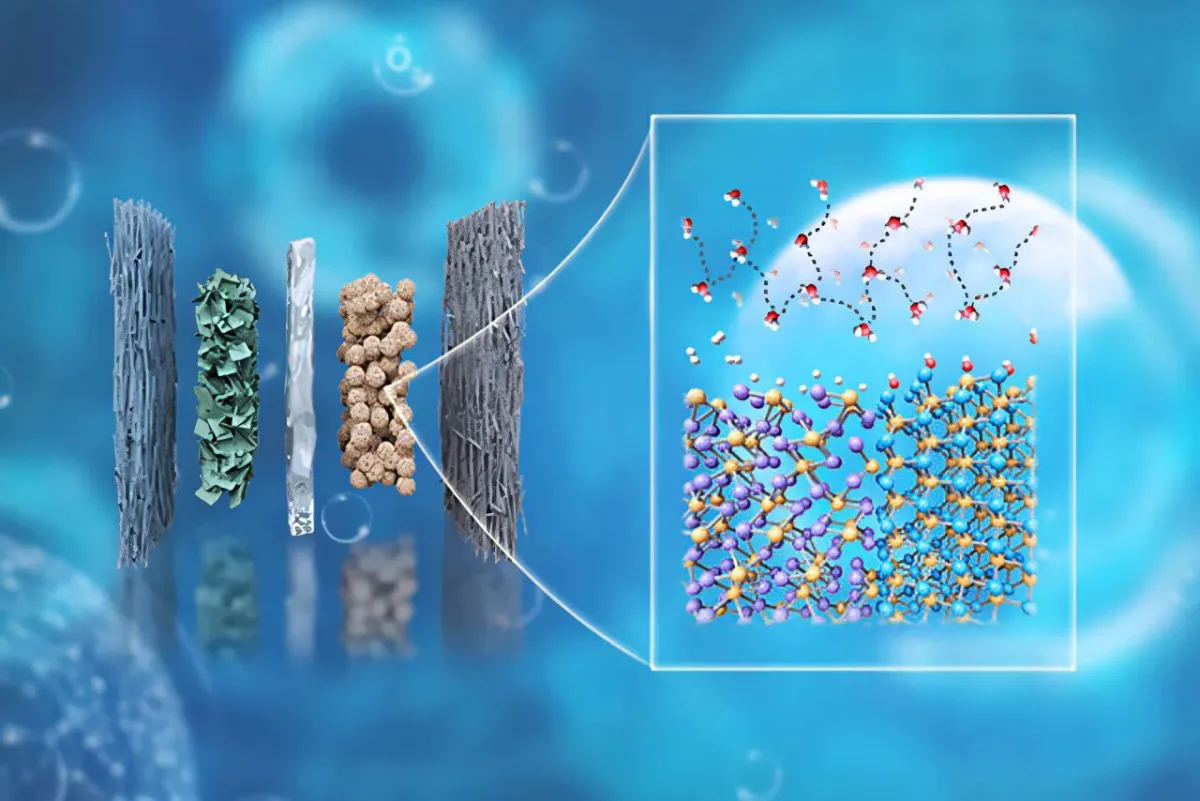
Water's weirdest properties might stem from a hidden transition between two liquid forms. This new theory could unlock long-standing mysteries.
Join 50,000+ readers who receive our daily digest of the most uplifting stories from around the world.

Scientists just unveiled a microscopy technique exposing a hidden chemical layer. It reveals molecules previously undetectable, revolutionizing our understanding of chemistry.

Forget what you wore yesterday? You can still hop on a bike and ride like a pro, even after decades. The "like riding a bike" axiom reveals the weird neuroscience of memory.

Artemis II astronauts, awestruck by their lunar flyby, urged Earth to unite. They saw our planet as a "lifeboat" in space, emphasizing its isolation.

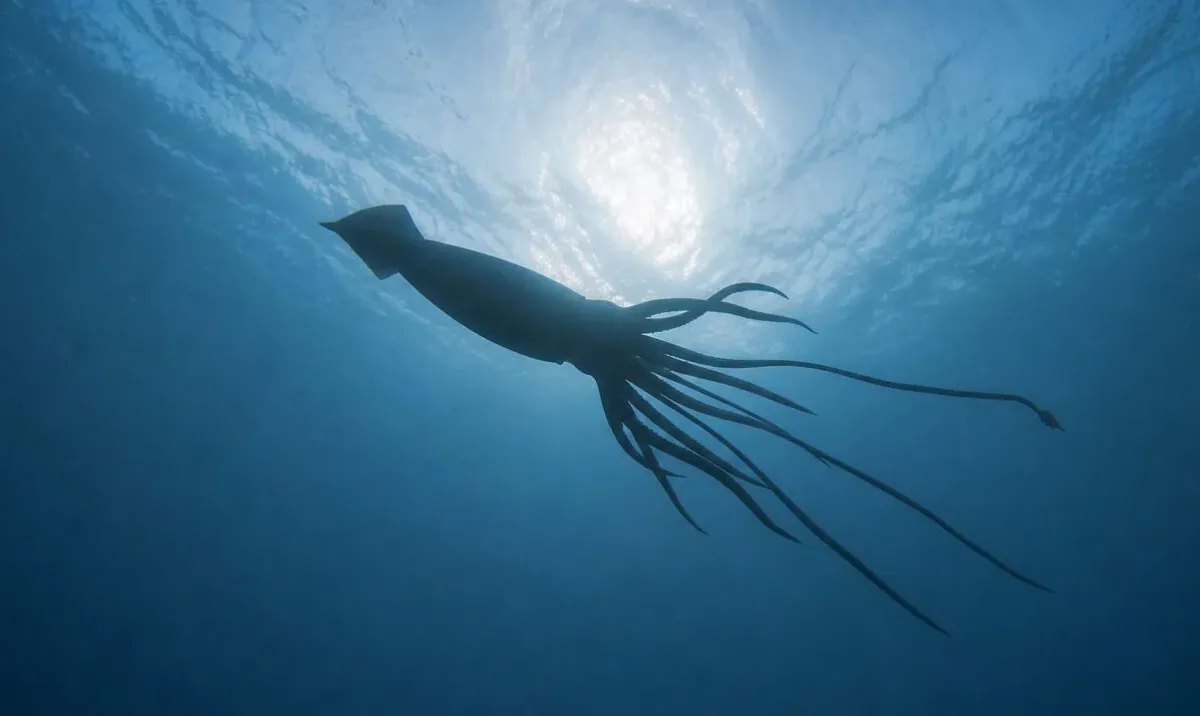
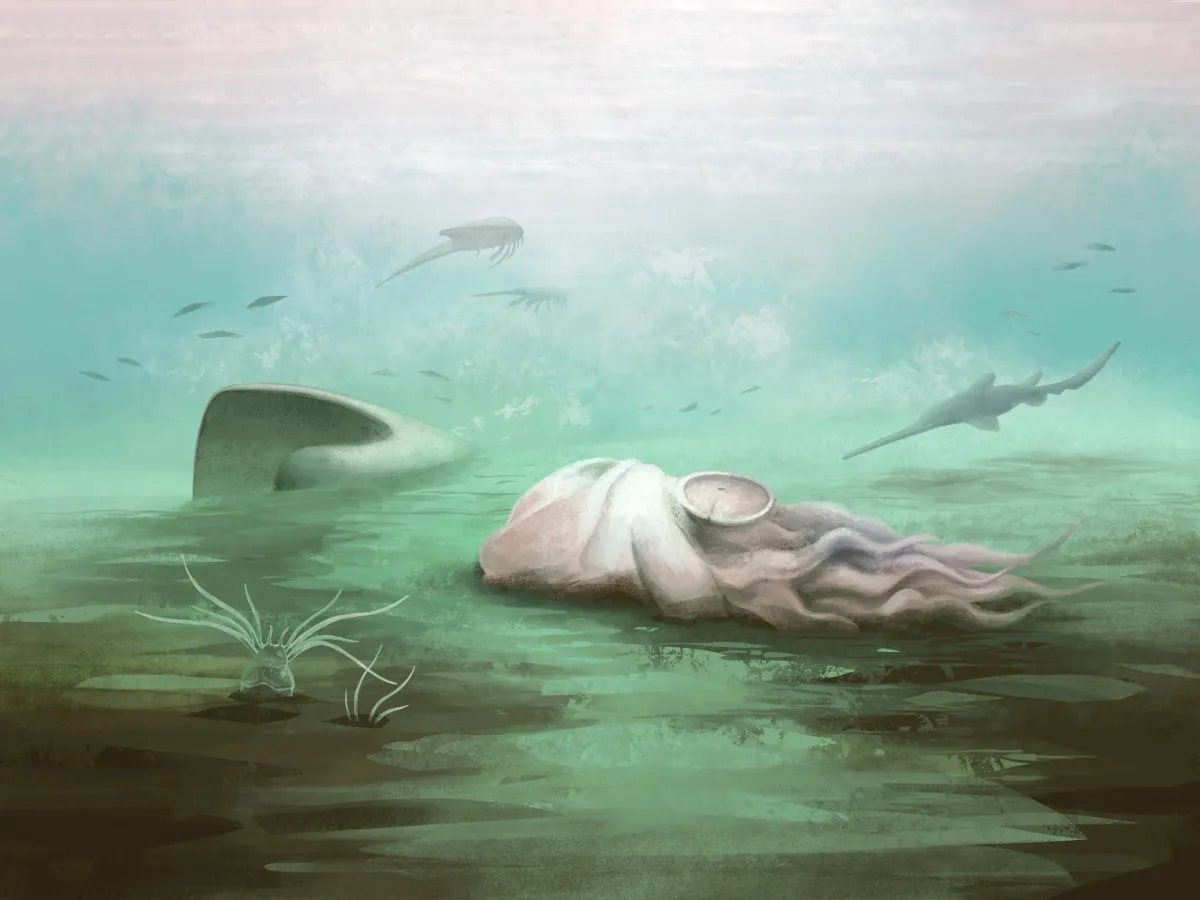
Squid and cuttlefish evolved in the deep ocean, surviving mass extinction in refuges. Genomic analysis reveals this "long fuse" pattern led to their rapid diversification.

They're back! After a 10-day mission, the crew splashed down Friday, breaking a space record and seeing lunar features unseen by human eyes. It's the first time anyone has left Earth's orbit in 50+ years.
Brightcast is dedicated to restoring faith in humanity by highlighting the progress, solutions, and kindness that often go unnoticed. We believe in a balanced worldview.
Read our full mission →
Ancient Cartagena's Domus of Salvius reveals a lost paint recipe! This "red gold" mixture achieved stunning quality without the cost, showcasing ingenious ancient chemistry.

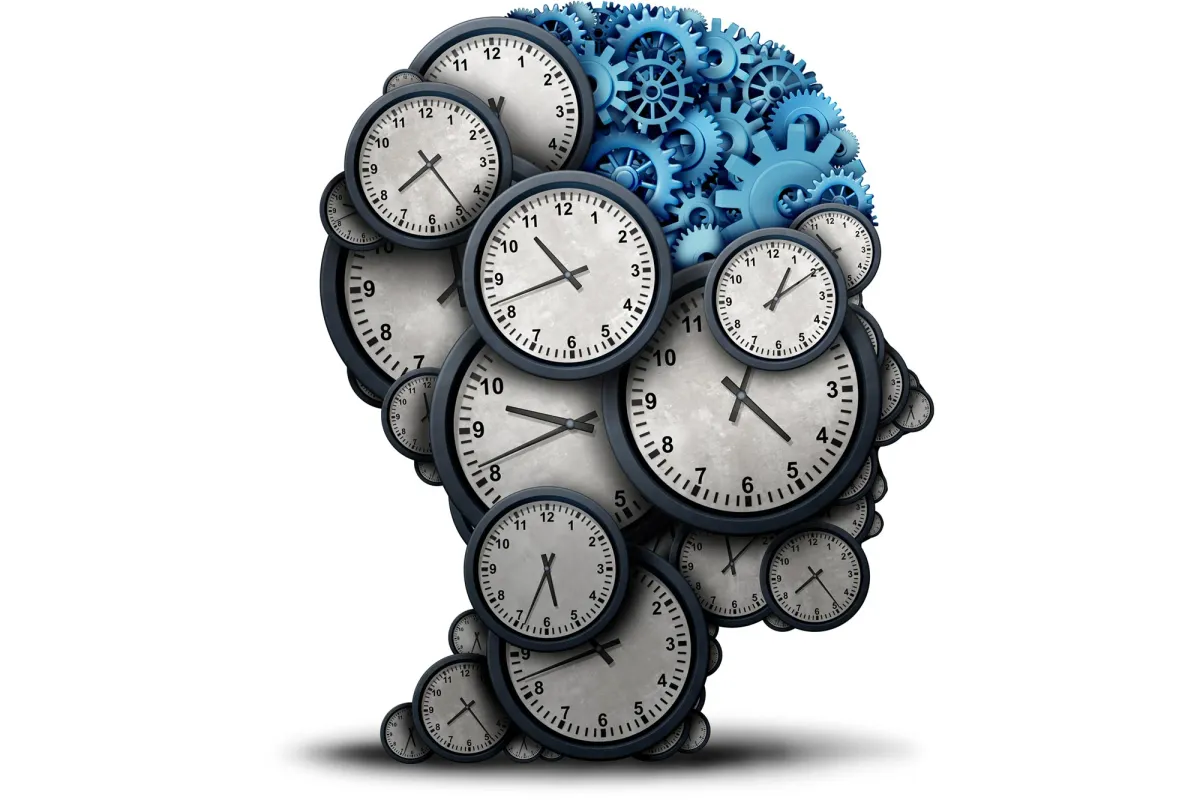
Want to know your body's internal clock? Charité – Universitätsmedizin Berlin developed a new test that reads your chronotype from just a few strands of hair.

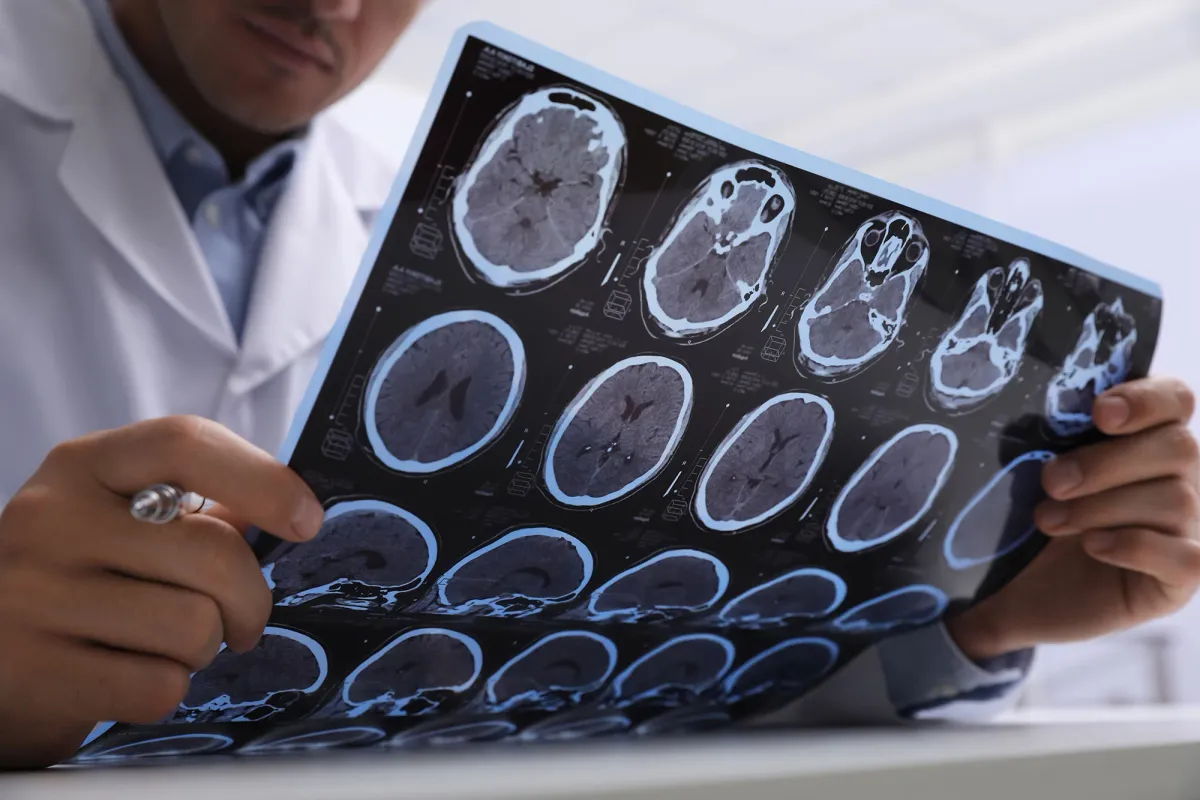
Want a digital you? "Brain twins" that compete for resources act more like real brains. These personalized computer models simulate brain interactions, disease, and medication responses.

Scientists stabilized a highly reactive molecule in water, confirming a decades-old theory about vitamin B1. This breakthrough could revolutionize greener chemical manufacturing.

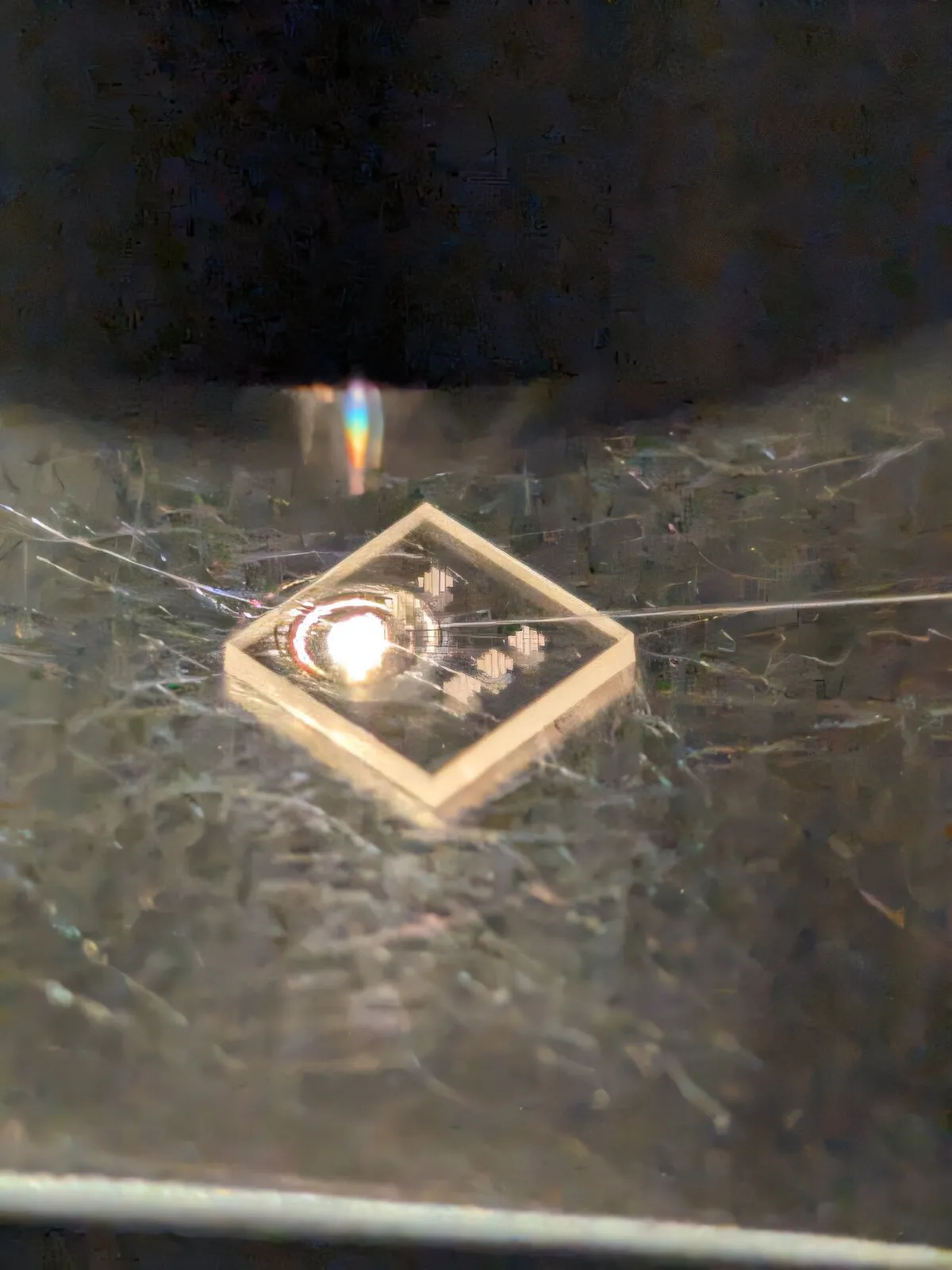
Physicists have long struggled to combine antimatter's volatile building blocks into something stable. Now, a new radiofrequency trap finally unites antiprotons and positrons, solving a decades-old problem.
Know someone who needs a boost? Share Brightcast with your friends and family.

Frog gut bacteria eradicated tumors, bees got red light therapy, and astronauts returned from the Moon. Small biological breakthroughs and cosmic mysteries dominated this week.

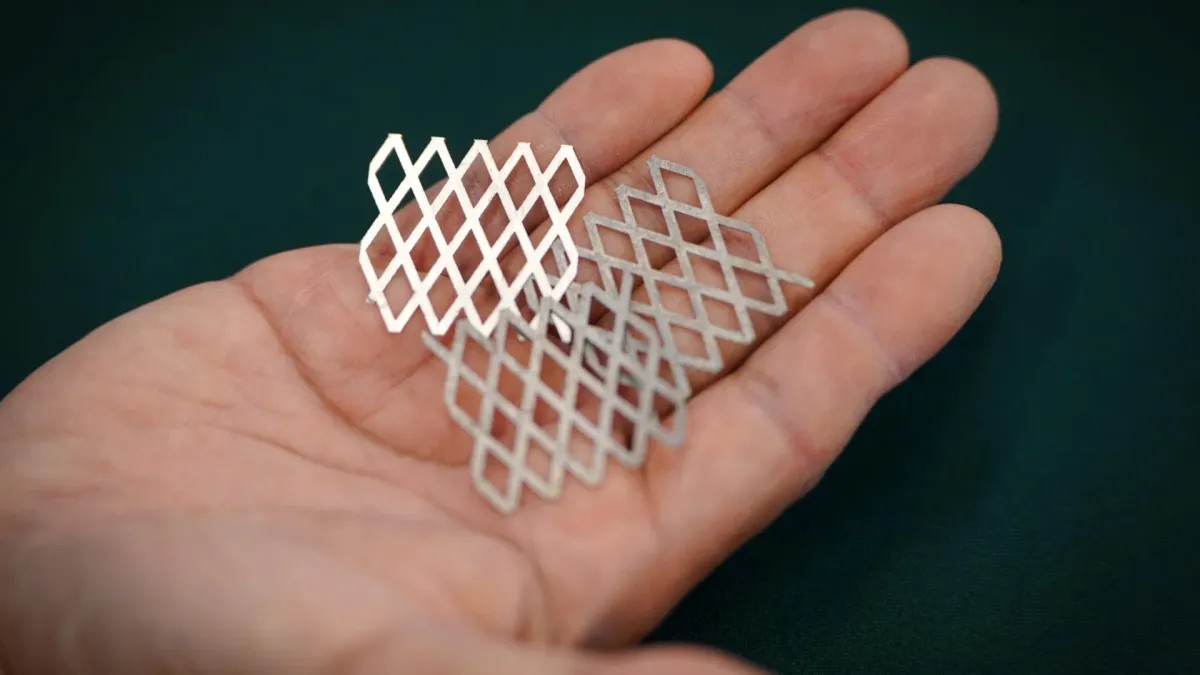
Imagine manipulating objects 50x smaller than a human hair. Tiny robots are making direct interaction with the microscopic world a reality, unlocking possibilities beyond human reach.

Genetic changes repeatedly propelled animals from water to land, fundamentally reshaping life on Earth. This evolutionary leap was driven by key genetic innovations.

After a 9-day lunar mission, the Artemis II crew—NASA astronauts Wiseman, Glover, Koch, and CSA's Hansen—splashed down safely Friday in their Orion capsule.

Saturn's aurora isn't just pretty lights. It's a localized energy source driving winds and currents, creating a stable feedback system that makes the planet appear to change rotation.
Download the Brightcast app for a better reading experience, daily notifications, and offline access.
Download App
An exoplanet mirrors its star's chemistry, confirming a core assumption about planet formation. This discovery validates how planets evolve.

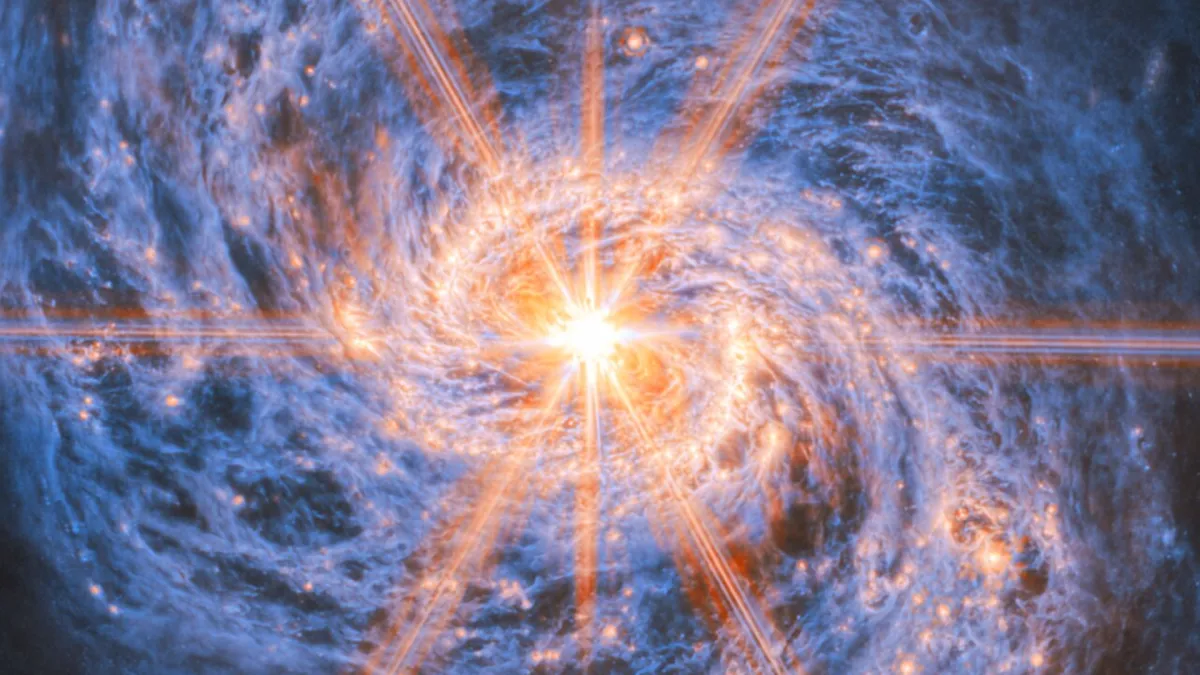
Deep within our Solar System's distant ice giants, familiar elements may behave in unfamiliar ways.

Earth's building blocks are 100% inner solar system. Scientists long debated if 6-40% came from beyond Jupiter, but new research confirms our planet's exclusive local origins.

Artemis II astronauts are back! After a high-speed re-entry and heat shield test, the crew safely parachuted into the Pacific, completing humanity's first lunar journey in 50+ years.

After a 10-day journey around the moon, past an eclipse, and farther from Earth than any humans before, Artemis II astronauts are making a dramatic return.
Join 50,000+ readers who receive our daily digest of the most uplifting stories from around the world.

Tired of diet side effects? A new Python-derived compound, pTOS, shows promise as an appetite suppressant—offering a side-effect-free path to weight loss and metabolic health.

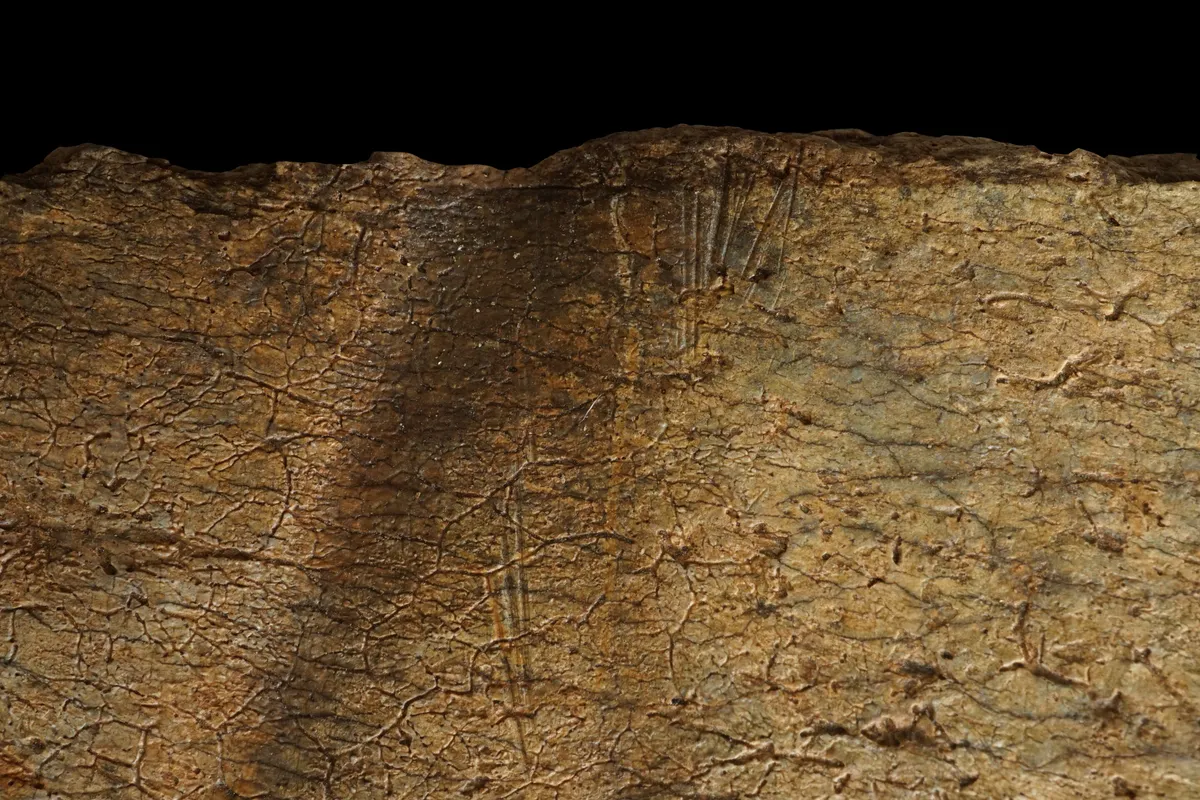
A 1948 discovery should have revolutionized our understanding of Neanderthals. Instead, poor documentation by amateur archaeologists fueled skepticism, hindering scientific progress.

70 years ago, ancient armor was unearthed in Japan. Now, researchers trace its 1,400-year-old artisanry to Korea's Baekje Kingdom, revealing deep cultural ties across the sea.

A tiny, fuzzy plant, never before seen, was discovered in Big Bend National Park. In March 2024, park staff spotted the unique flora among desert rocks, sparking an immediate investigation.

Could mineral nanoparticles have sparked life? The nanozymes hypothesis suggests these tiny catalysts drove chemical evolution on early Earth, transforming inert matter into living systems.
Brightcast is dedicated to restoring faith in humanity by highlighting the progress, solutions, and kindness that often go unnoticed. We believe in a balanced worldview.
Read our full mission →
Europe just made history! ESA's Celeste mission successfully transmitted its first navigation signal from low Earth orbit on April 8, a European first after satellites launched March 28.

Artemis II astronauts captured stunning images of Earth from beyond the Moon. See our home planet like never before, as viewed by NASA's crew on April 10, 2026.

After a 10-day mission orbiting the Moon, the Artemis crew splashes down on Earth April 10. How will they return?

15,000-year-old clay ornaments prove symbolic expression predates agriculture. Both children and adults crafted these artifacts, revealing early social and cultural development.

Scientists can't be everywhere. Citizen science expands research, deploying more hands to tackle widespread problems and gather crucial data.
Know someone who needs a boost? Share Brightcast with your friends and family.

Mammals give birth to live young, except for egg-laying monotremes. Did early mammal ancestors lay eggs too? After decades, researchers finally have a definitive answer, thanks to a 250-million-year-old fossilized egg.

A rare biological marvel: new research reveals the hectocotylus functions as both a reproductive and sensory organ—an extraordinary dual role in the animal kingdom.

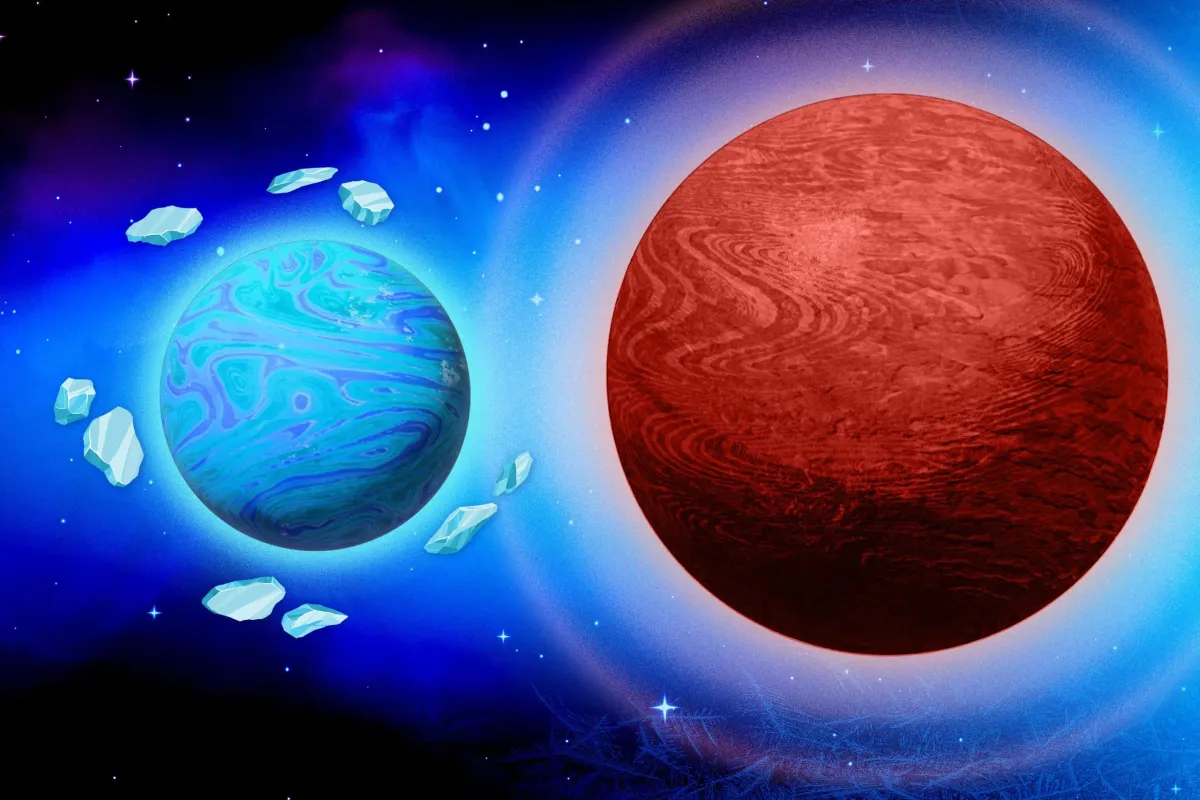
A giant planet orbiting a tiny star is baffling astronomers. This cosmic oddity challenges everything we thought we knew about how planetary systems form.

Scientists are tackling “forever chemicals,” turning plastic into roads, and converting waste heat into power. Plus, graphene propulsion for deep space? Today's all about long-term solutions.

How do we see in vibrant color? A new study uncovers the surprising prenatal secret: key biochemical signals in the retina coordinate to develop our sharp, color-rich vision before birth.