S
Science
5 months ago
Breakthrough
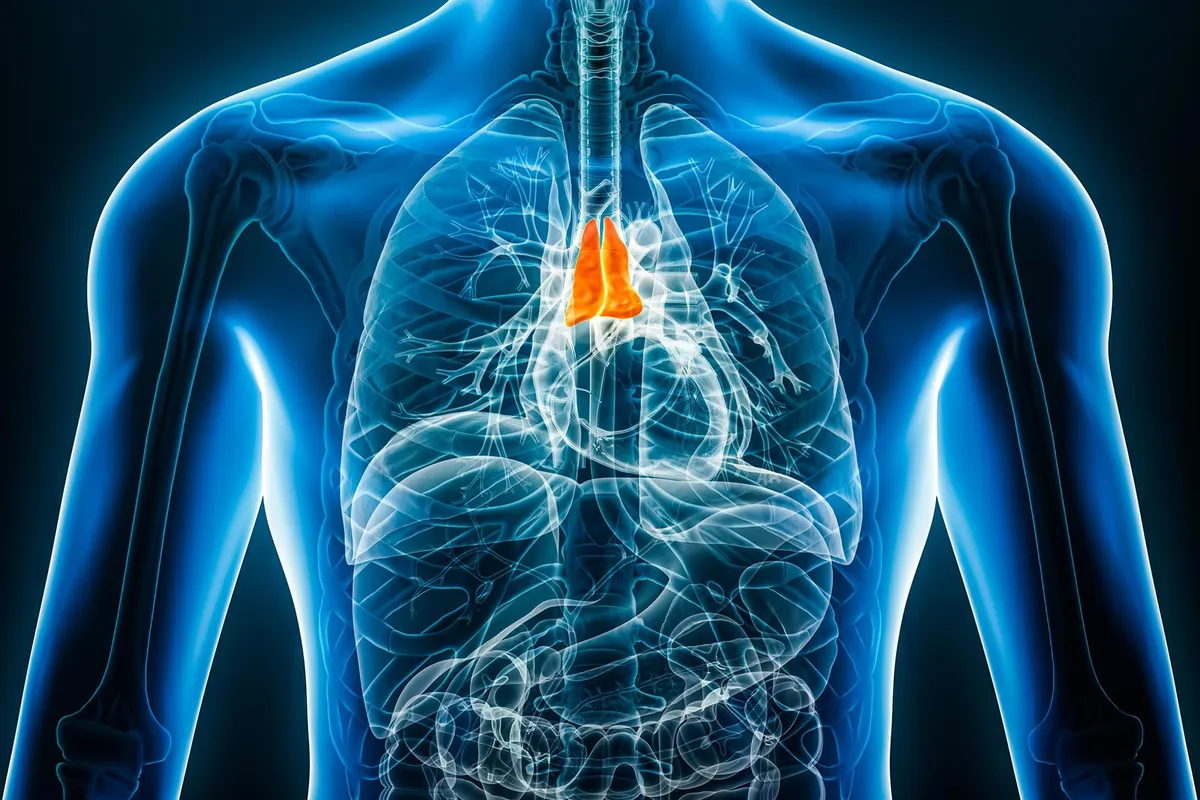
Meet the "forgotten" organ quietly improving cancer survival.
This forgotten immune organ may hold surprising clues about disease risk, aging, and treatment success.
80
0
183

Breakthroughs happen quietly. We make sure you hear about them.
2782 stories
This forgotten immune organ may hold surprising clues about disease risk, aging, and treatment success.
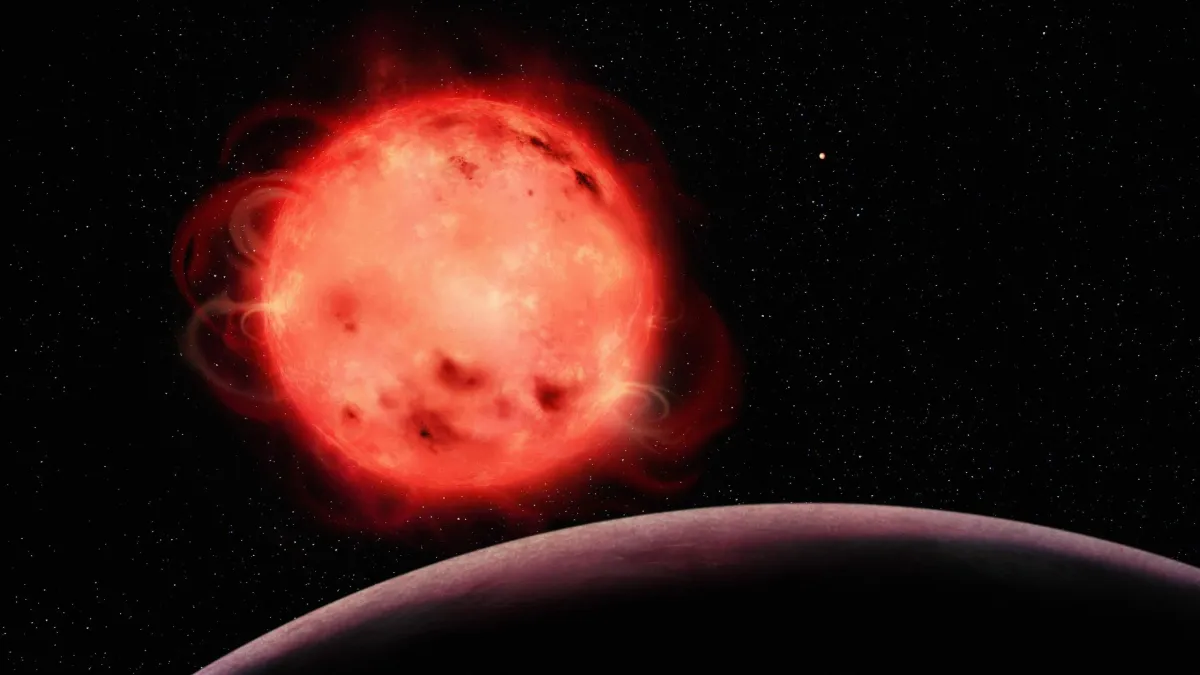
Forget thousands of exoplanets. Scientists have narrowed the search for alien life to just under 50 rocky worlds, holding the most promising clues to life beyond Earth.
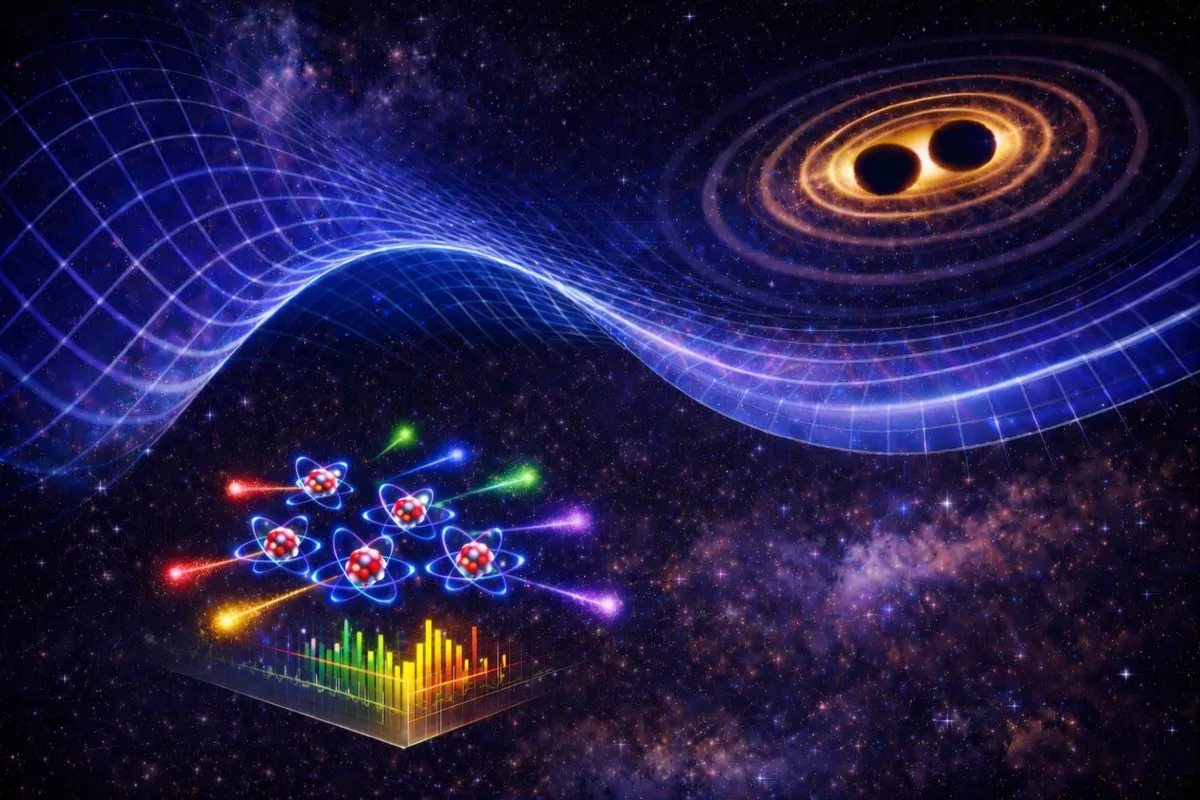
Forget giant detectors. A new study suggests gravitational waves might leave subtle signatures in the light emitted by atoms, offering a novel detection method.
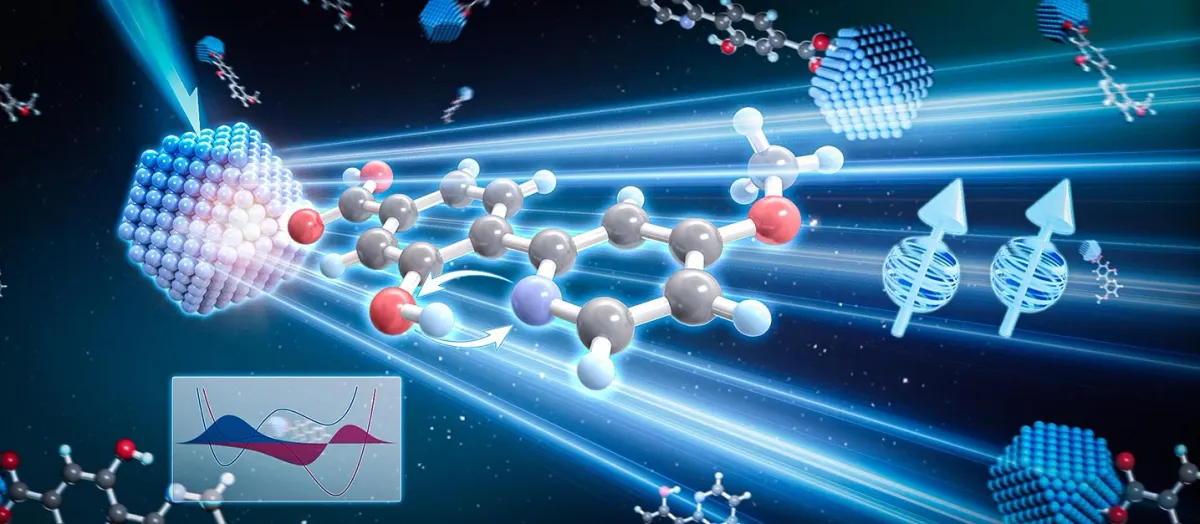
Proton motion subtly but powerfully influences triplet energy transfer in advanced materials. This newly identified mechanism could revolutionize material science.
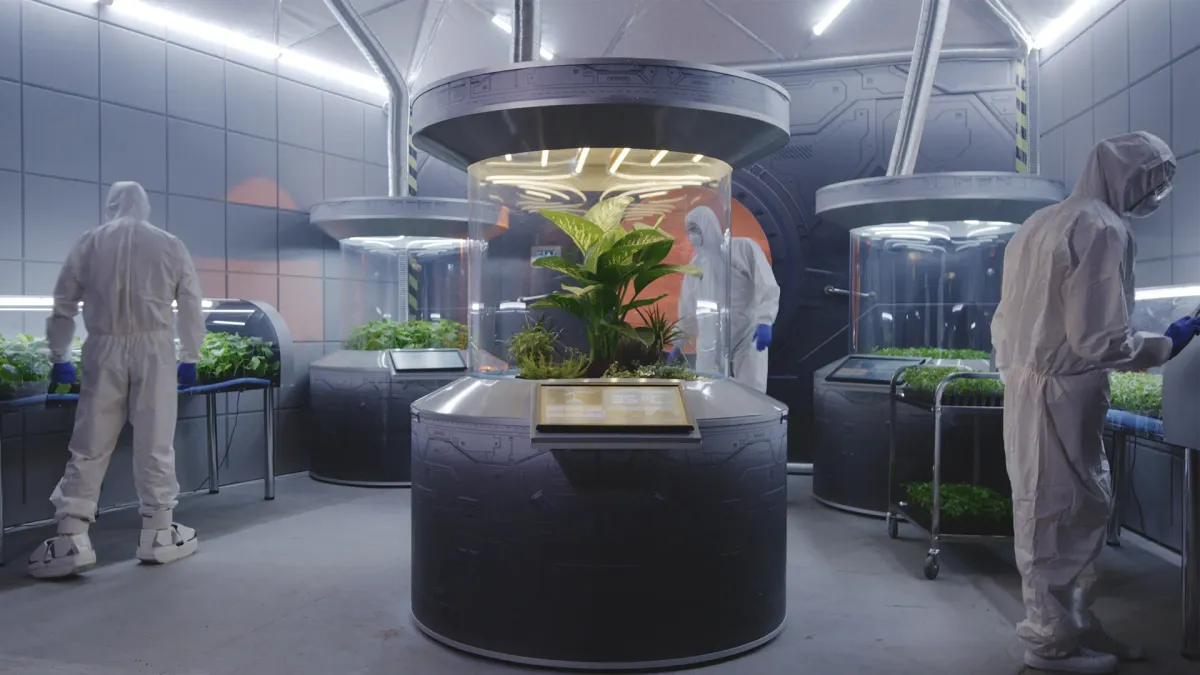
Growing lunch on Mars? Sounds like sci-fi, since Mars lacks fertile soil. But German researchers found a clever solution: turning Martian dust and microbes into fertilizer for edible plants.
Join 50,000+ readers who receive our daily digest of the most uplifting stories from around the world.
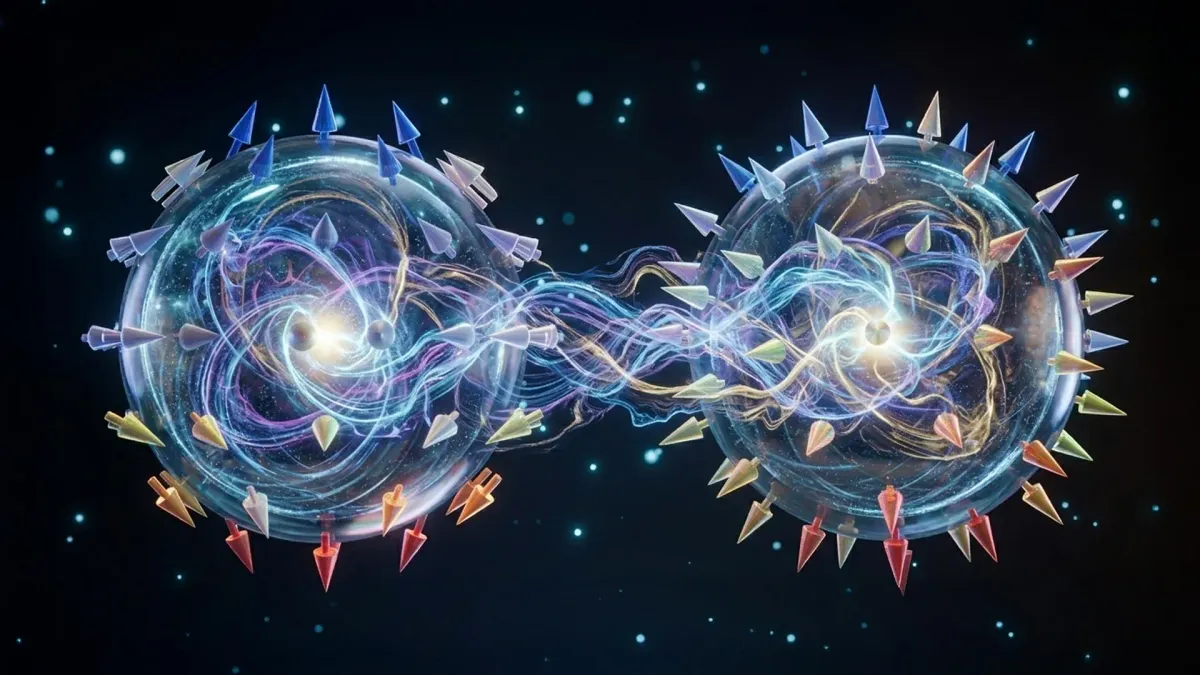
Entangled light holds a secret: hidden topological structures up to 48 dimensions! This discovery offers a vast new "alphabet" for quantum information encoding.
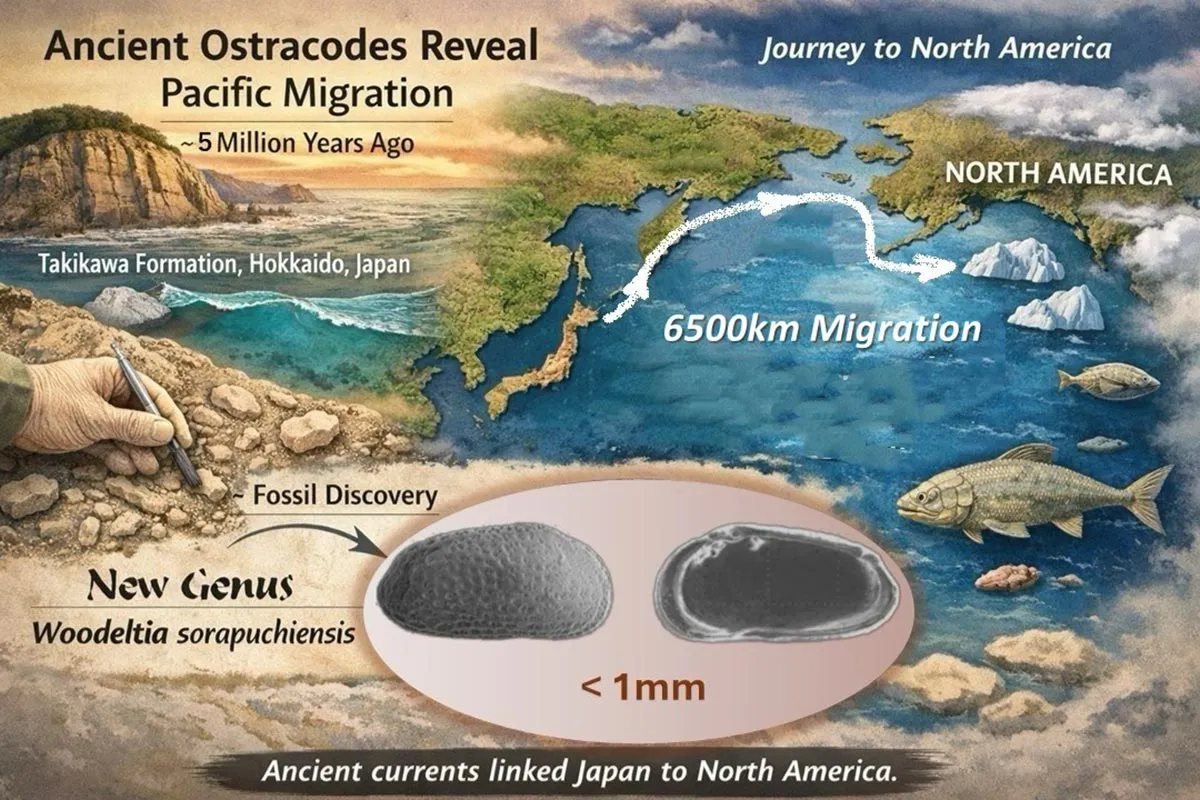
Tiny fossils from Hokkaido reveal a surprisingly mobile ancient ocean. These microscopic clues are rewriting our understanding of past ocean currents in a warmer world.
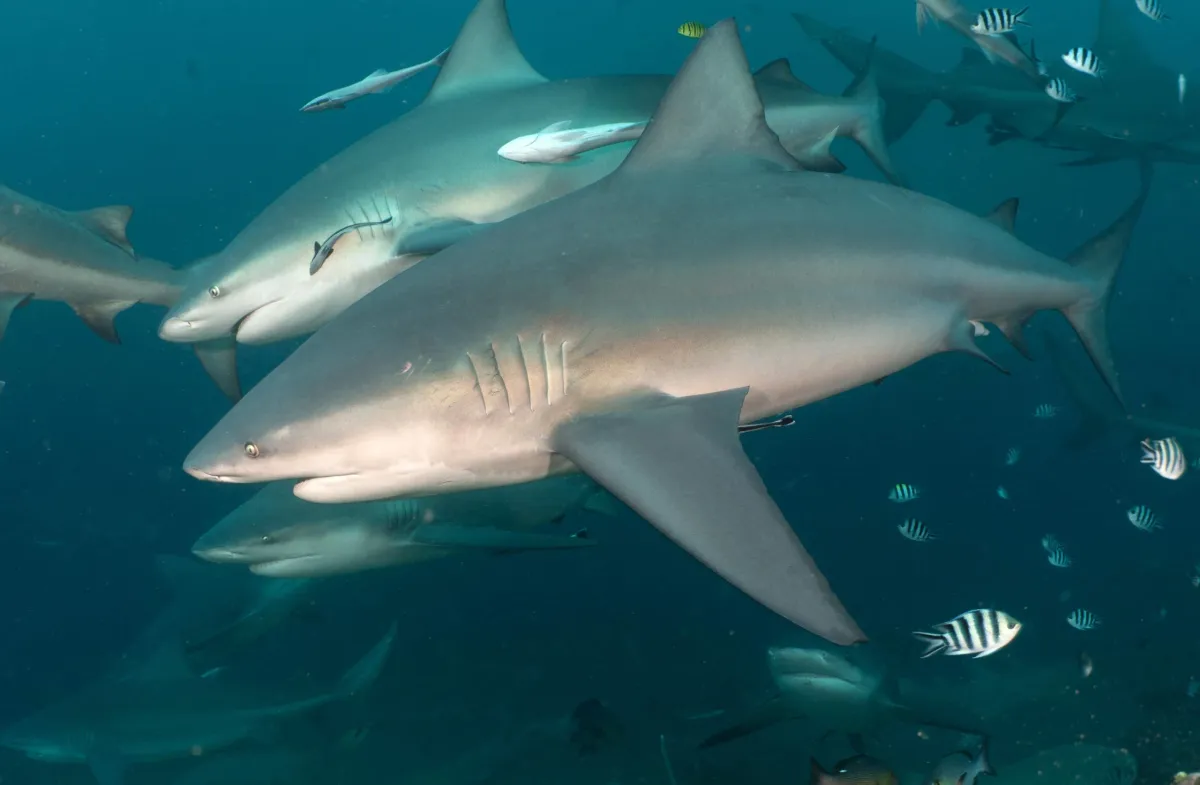
Forget solitary hunters! Bull sharks form social bonds, preferring specific companions. These connections help them learn, find food, and avoid conflict.
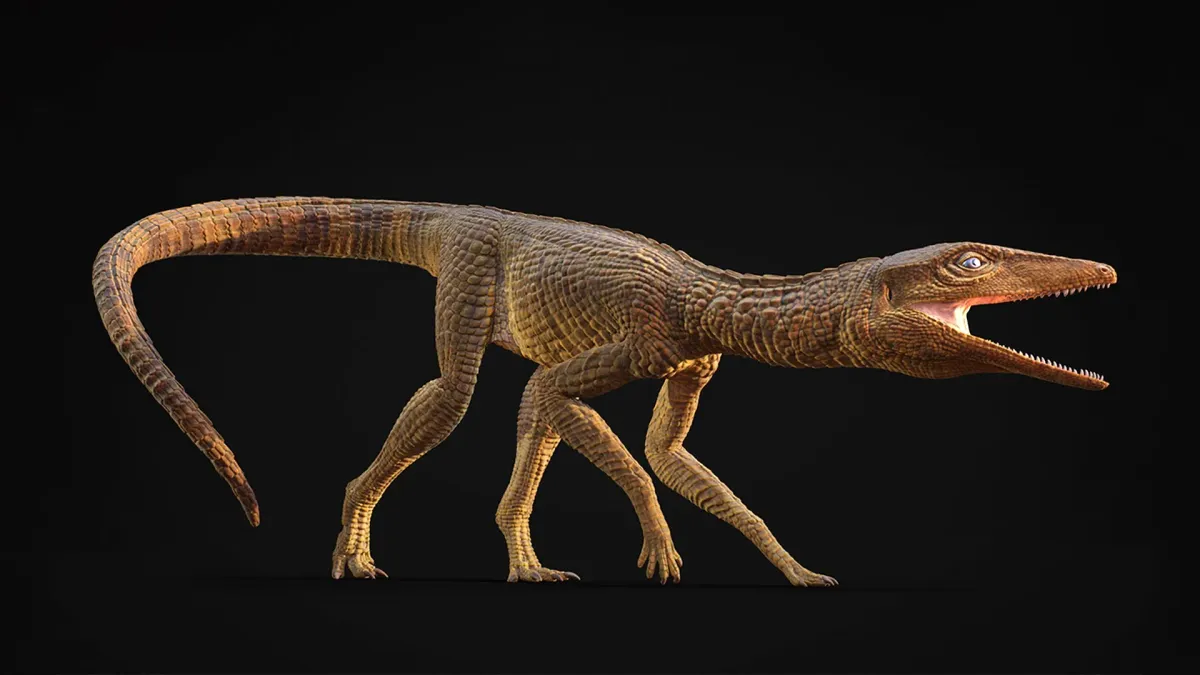
Meet the Triassic greyhound! This newly discovered UK reptile hunted small prey on land, built for speed with long legs and a lightweight body, unlike its crocodile cousins.
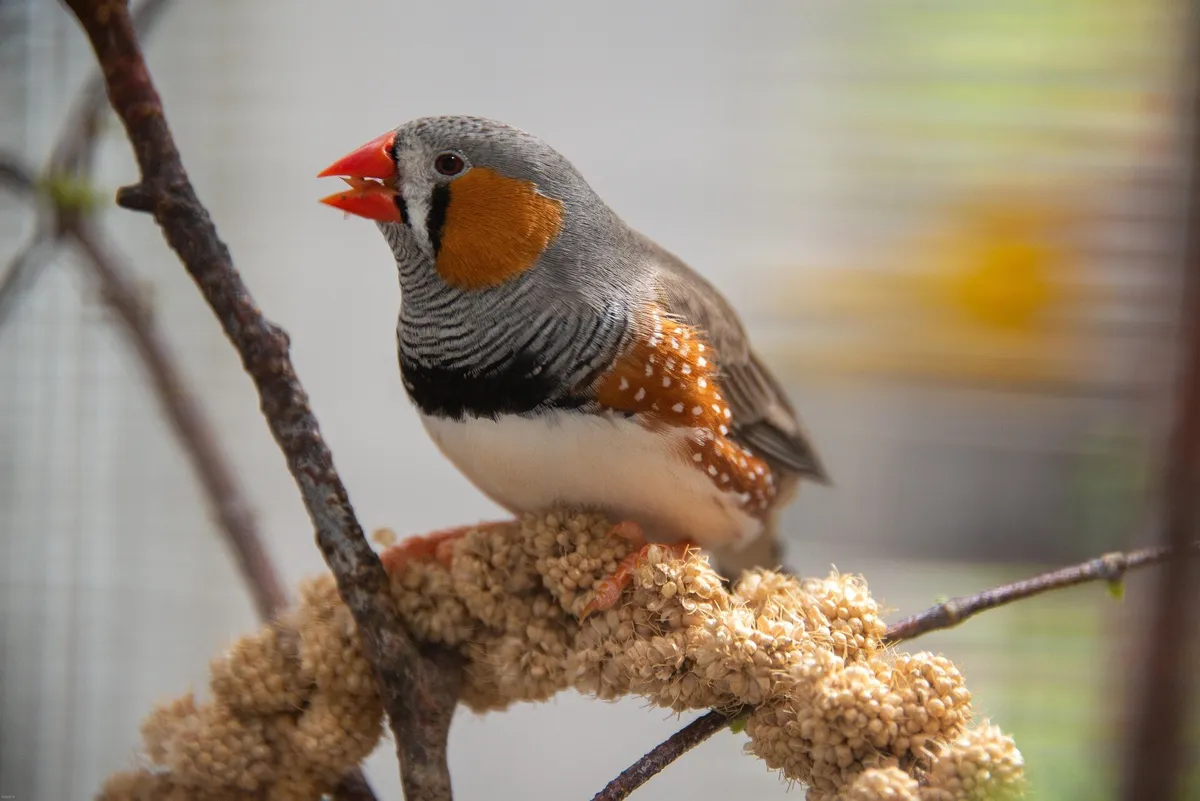
Peacocks flaunt brilliant tails, hummingbirds shimmer, all to attract mates. This elaborate dance, from iridescent plumage to vibrant displays, captivated Charles Darwin, an early pioneer in evolution.
Brightcast is dedicated to restoring faith in humanity by highlighting the progress, solutions, and kindness that often go unnoticed. We believe in a balanced worldview.
Read our full mission →
Earth's tectonic plates were shifting 3.5 billion years ago! Scientists found magnetic evidence in ancient rocks, revealing continents drifted and rotated, challenging old theories.
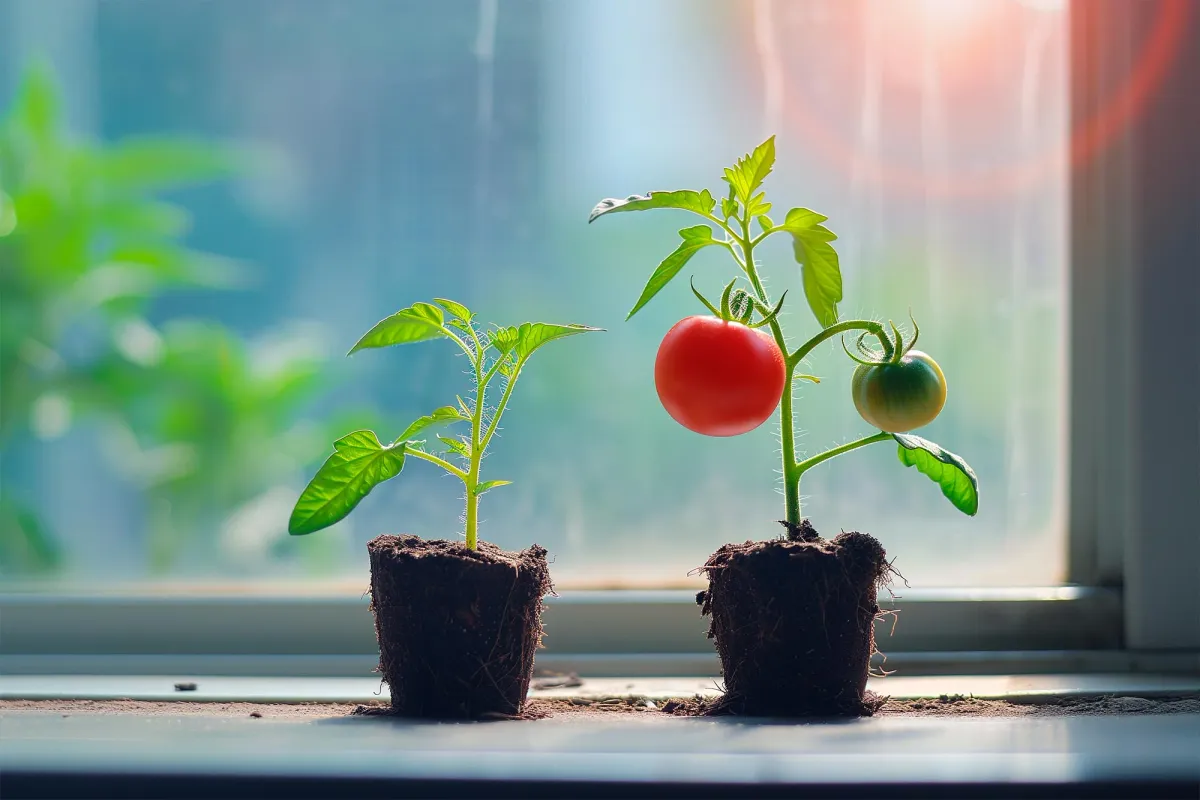
A tiny plant's molecular "velcro" could revolutionize agriculture, helping crops convert sunlight into food more efficiently. This breakthrough promises bigger yields and a greener future.
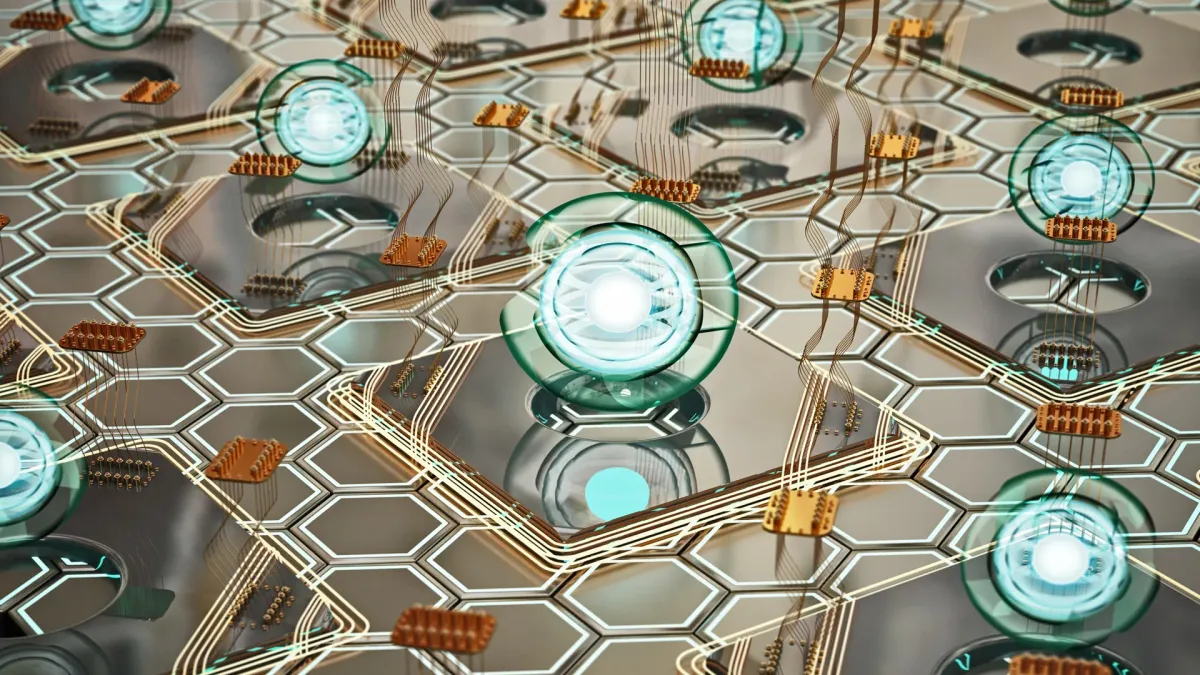
Quantum tech just got a major boost! Researchers precisely placed quantum light sources on chips using DNA origami, solving a key challenge for scalable quantum devices and reliable single-photon emitters.
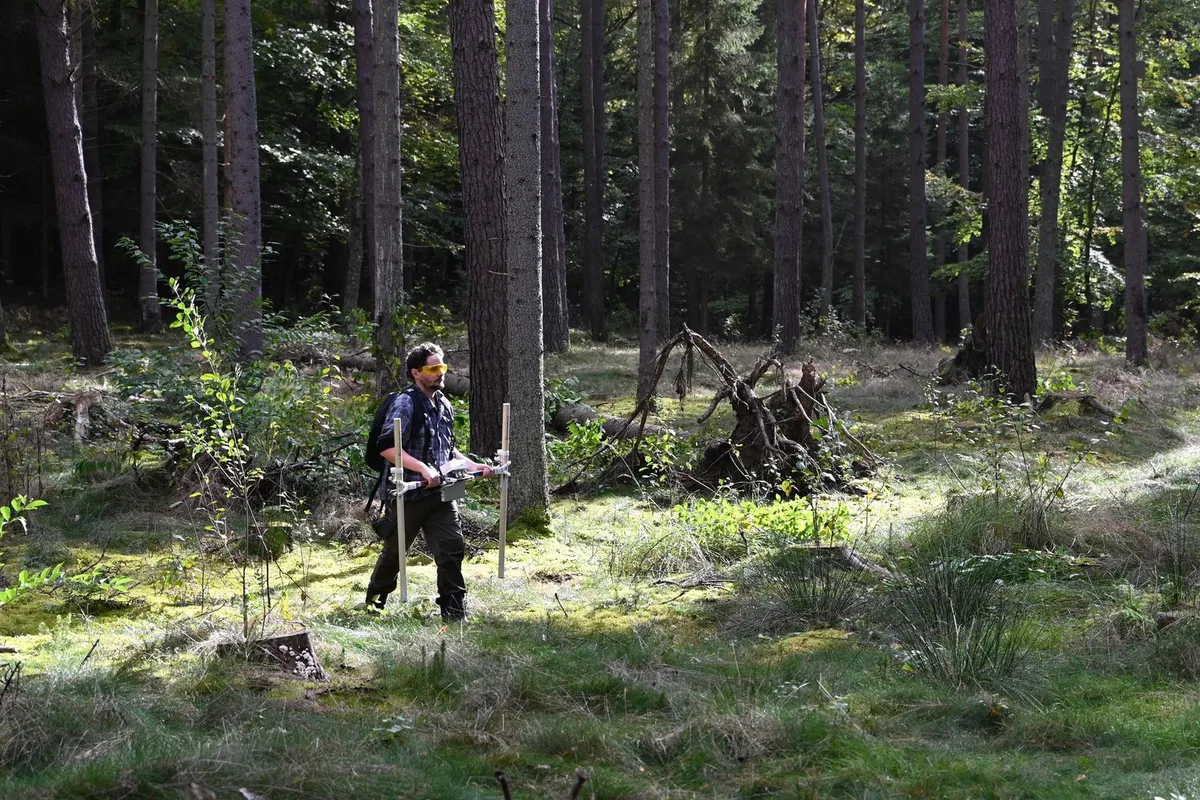
A lost 14th-century town, Stolzenberg, emerged from a Polish forest. Surveys revealed a town square, main street, and moat—a medieval ghost town waiting to be explored.
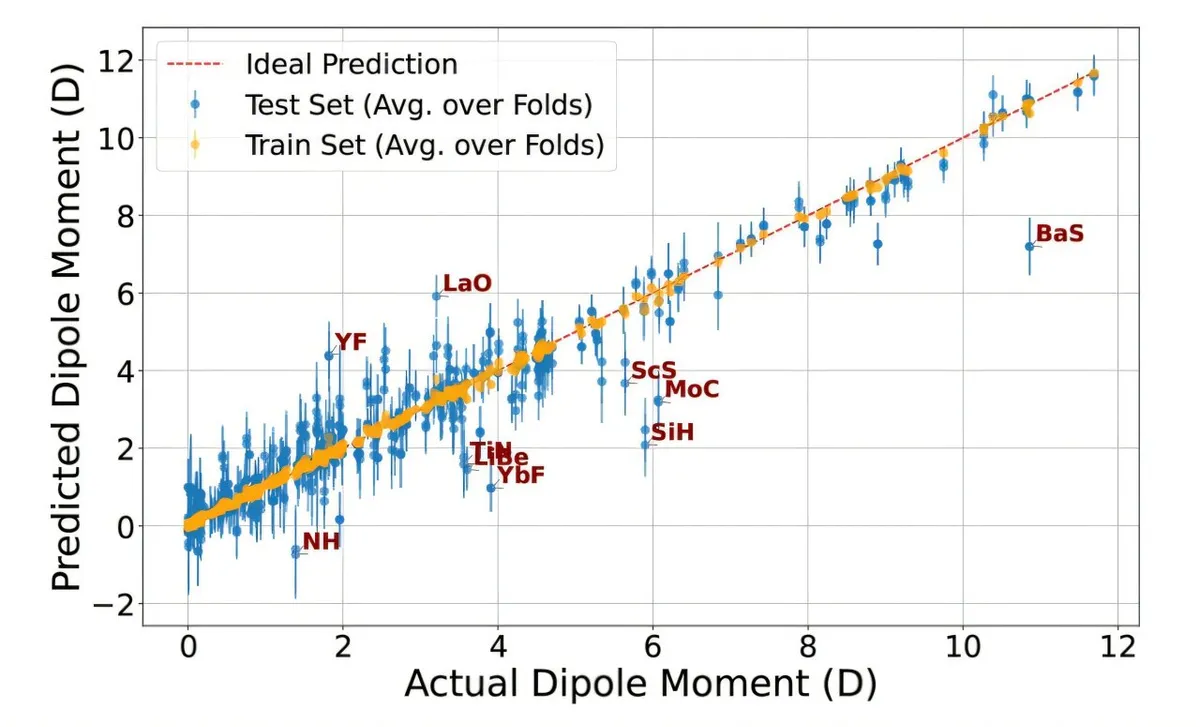
Chemists, rejoice! A new AI model predicts diatomic molecule electric dipole moments in seconds. This breakthrough eliminates a rigorous search step, accelerating innovation.
Know someone who needs a boost? Share Brightcast with your friends and family.
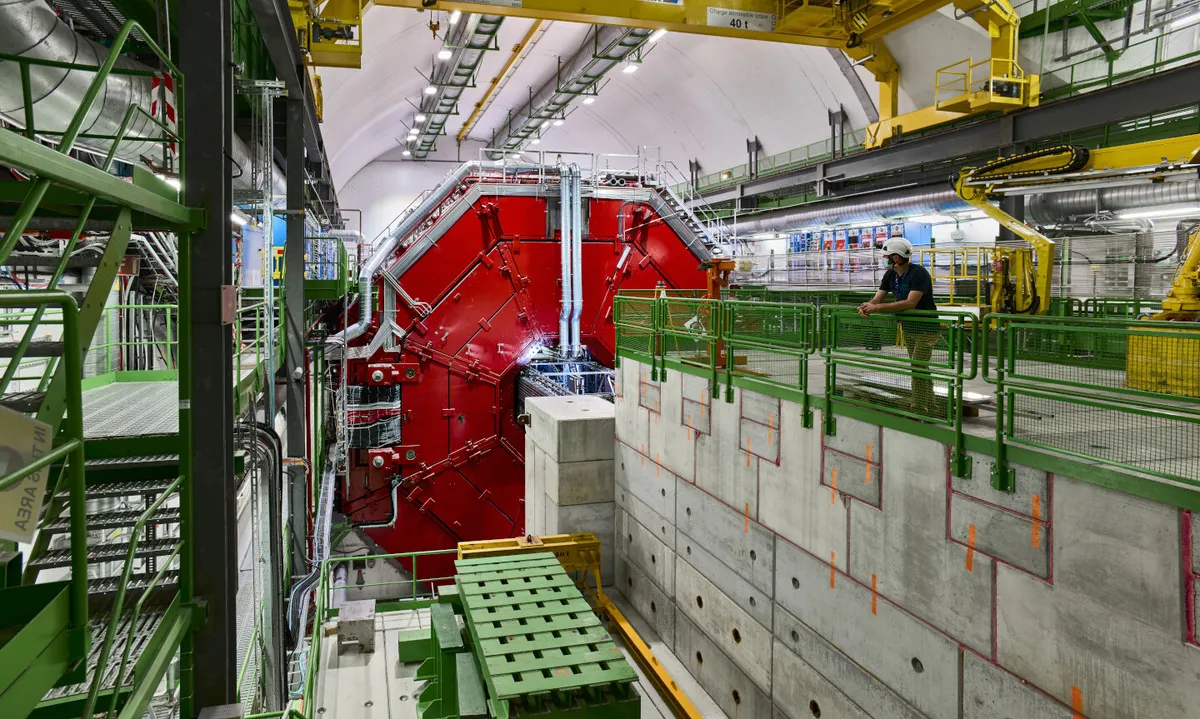
Did the Big Bang's quark-gluon plasma form in proton collisions? ALICE takes a step closer to answering, exploring the universe's first microseconds.
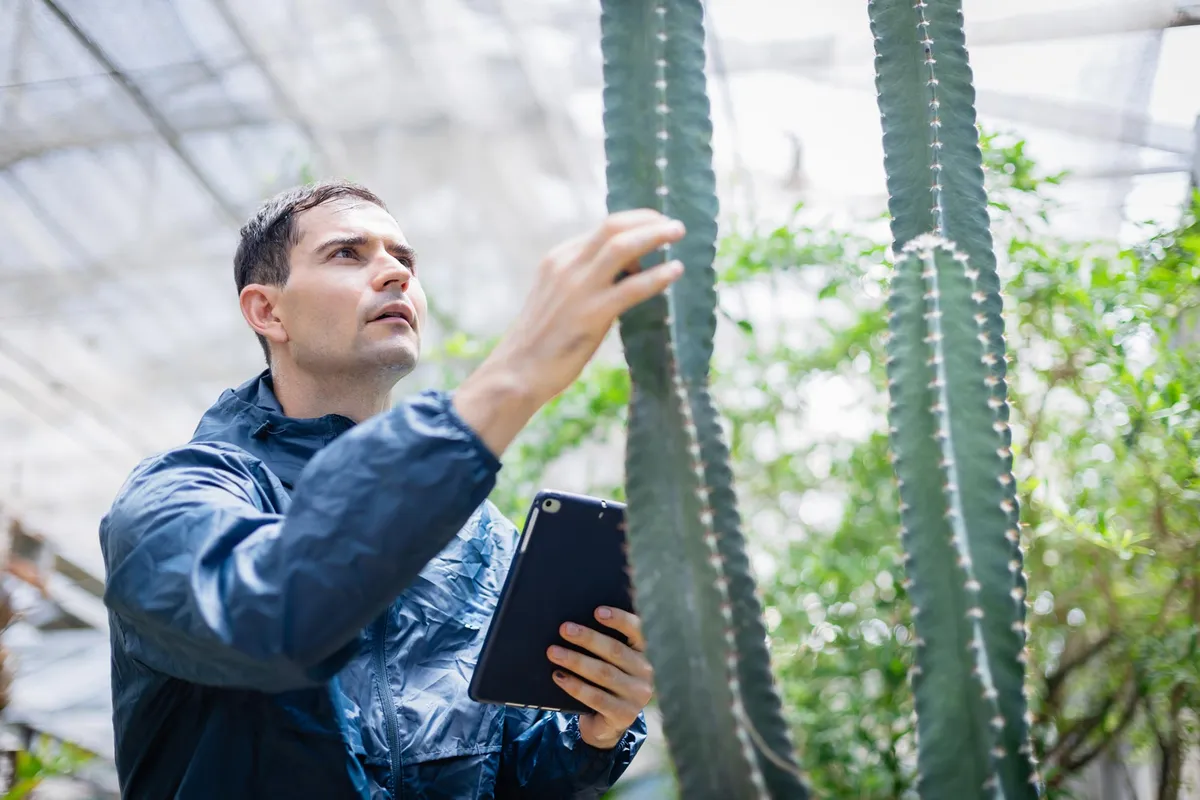
Cacti, those stoic desert dwellers, are full of surprises. New research reveals they're remarkably fast at evolving new species, challenging long-held biological beliefs.
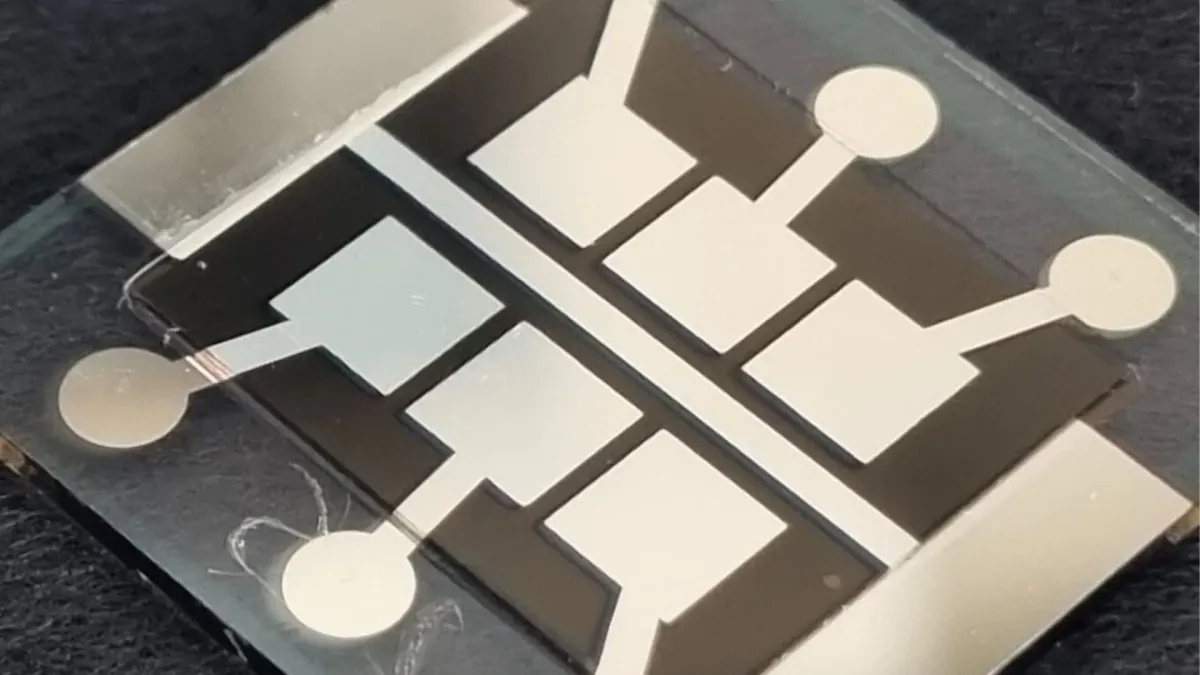
In space, satellites face brutal temperature shifts from hot sunlight to freezing shadows. For the next generation of solar panels, this thermal fatigue is a huge technical challenge. Now, a team of chemists at Ludwig Maximilian University of Munich has found a way to knit these solar cells together...
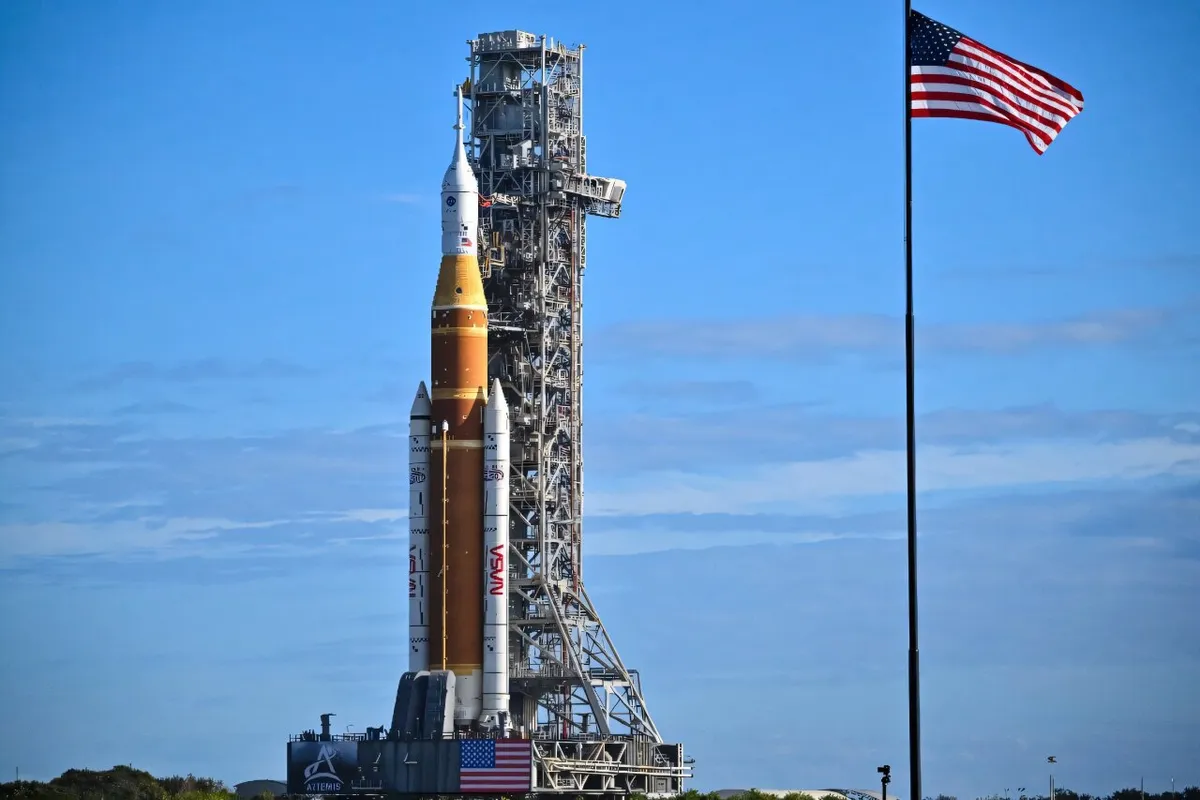
NASA's colossal SLS rocket and Orion spacecraft are back on the launchpad! Repairs complete, they're set for a lunar flyby from Florida.
A new study just shattered our understanding of human prehistory in the Americas. For years, the Clovis culture was thought to be first, crossing Beringia from Asia 13,400 years ago.
Download the Brightcast app for a better reading experience, daily notifications, and offline access.
Download App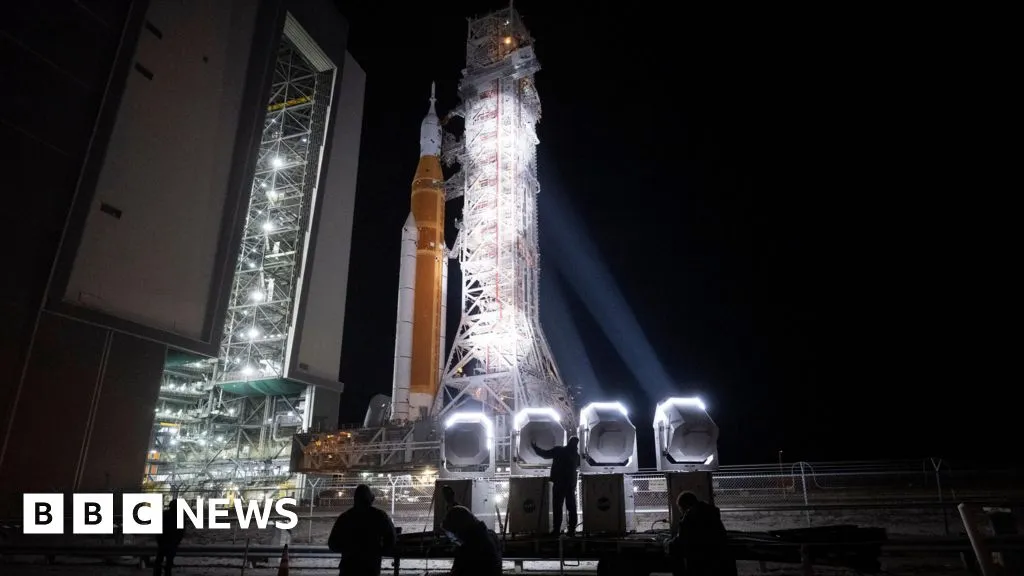
NASA's Artemis rocket is back on the launchpad, preparing to send astronauts around the Moon for the first time in over 50 years. An April launch is possible.
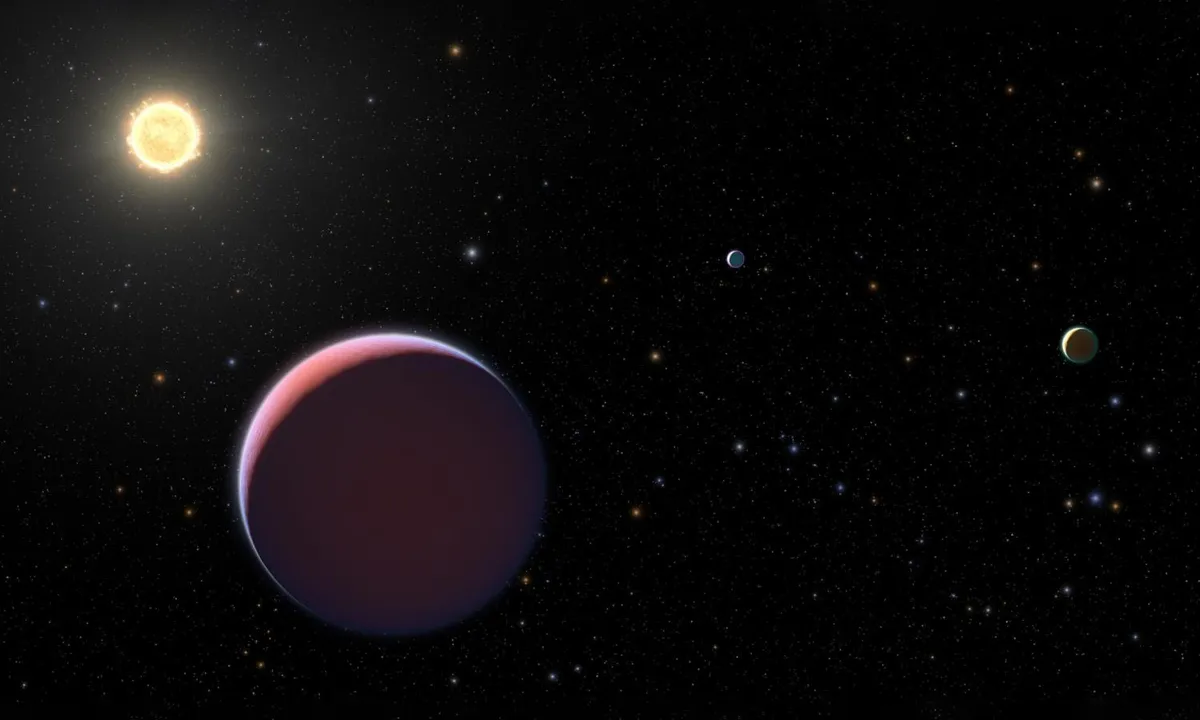
A bizarre, ultra-light planet shrouded in thick haze defies JWST, hiding its composition. Its unusual size and orbit are forcing scientists to rethink planet formation.

Unlocking the Sun's secrets! New observations reveal where our star's magnetic activity truly begins, driving its 11-year reversal cycle and the butterfly-patterned sunspots.
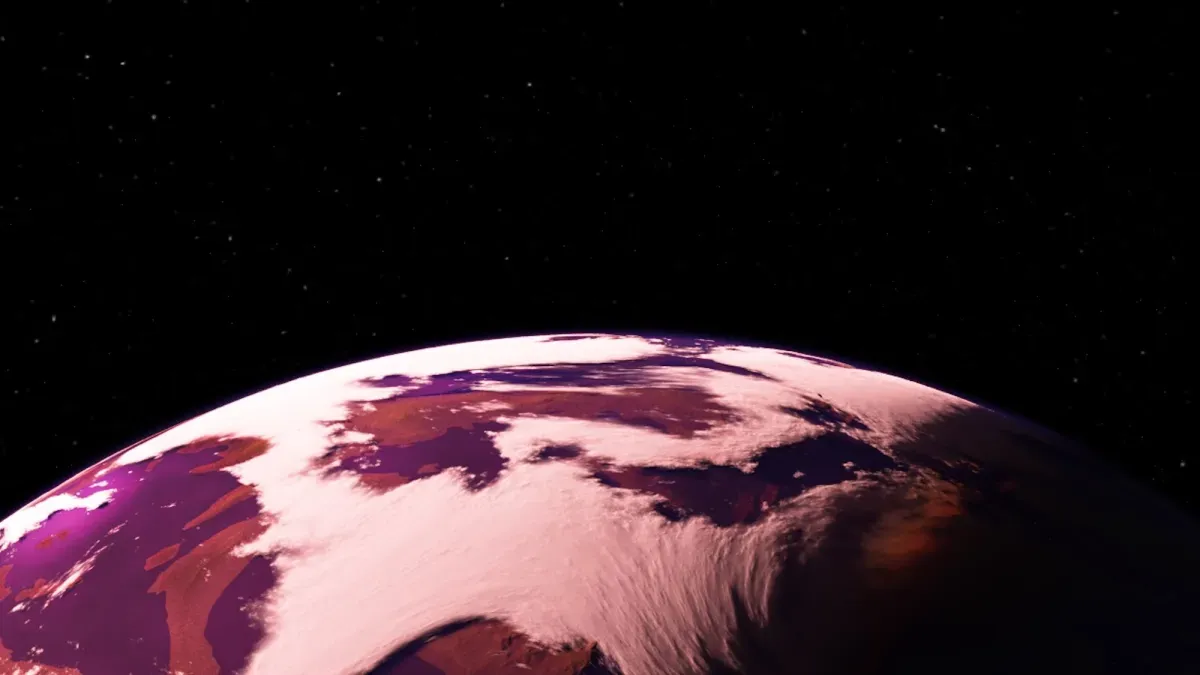
With 6,000+ exoplanets discovered, Earth remains uniquely precious. Only a handful might host humans, prompting Cornell's Carl Sagan Institute to list potential new homes—just in case.
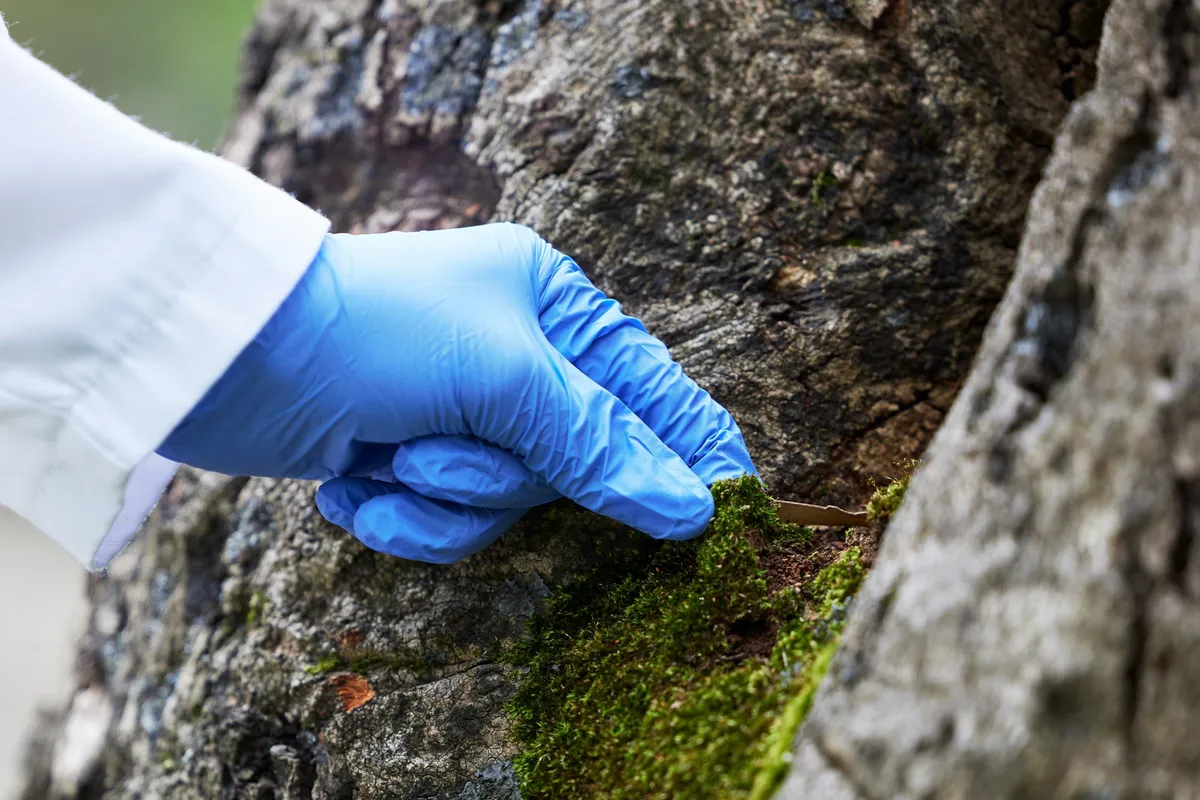
A tiny piece of moss became the crucial clue that exposed a shocking cemetery crime.
Join 50,000+ readers who receive our daily digest of the most uplifting stories from around the world.
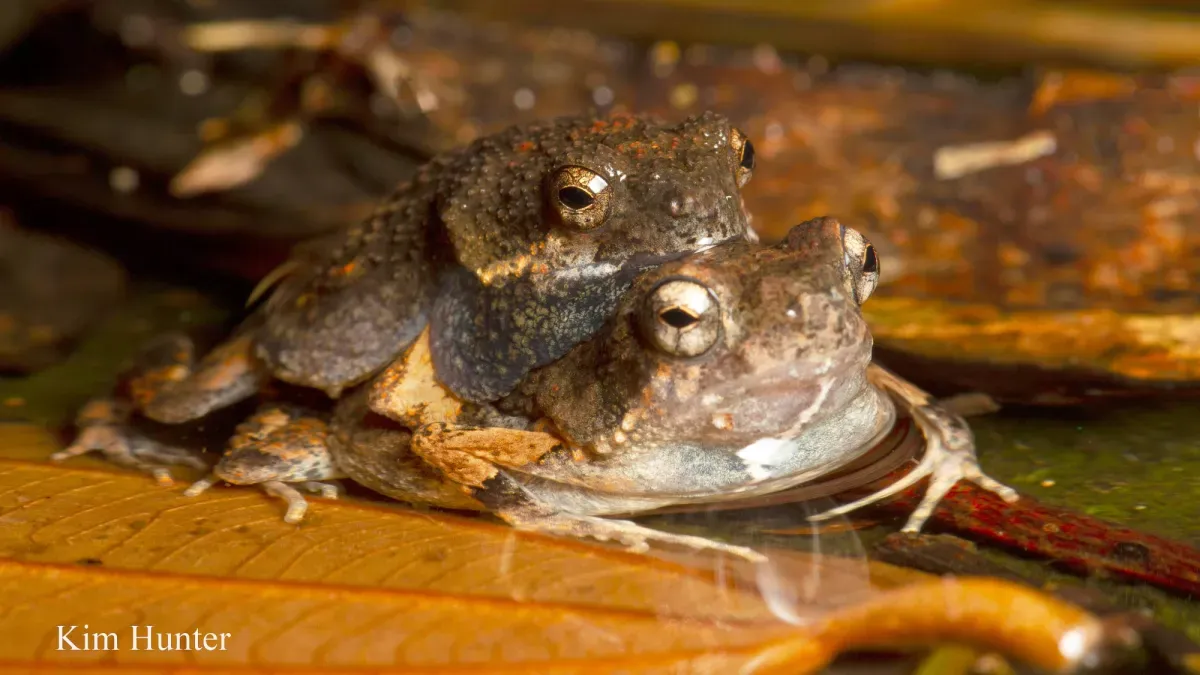
Humans are animals, needing food, water, and shelter. We also share another primal instinct: we find animal mating calls and signals appealing, from bright wings to sweet smells.
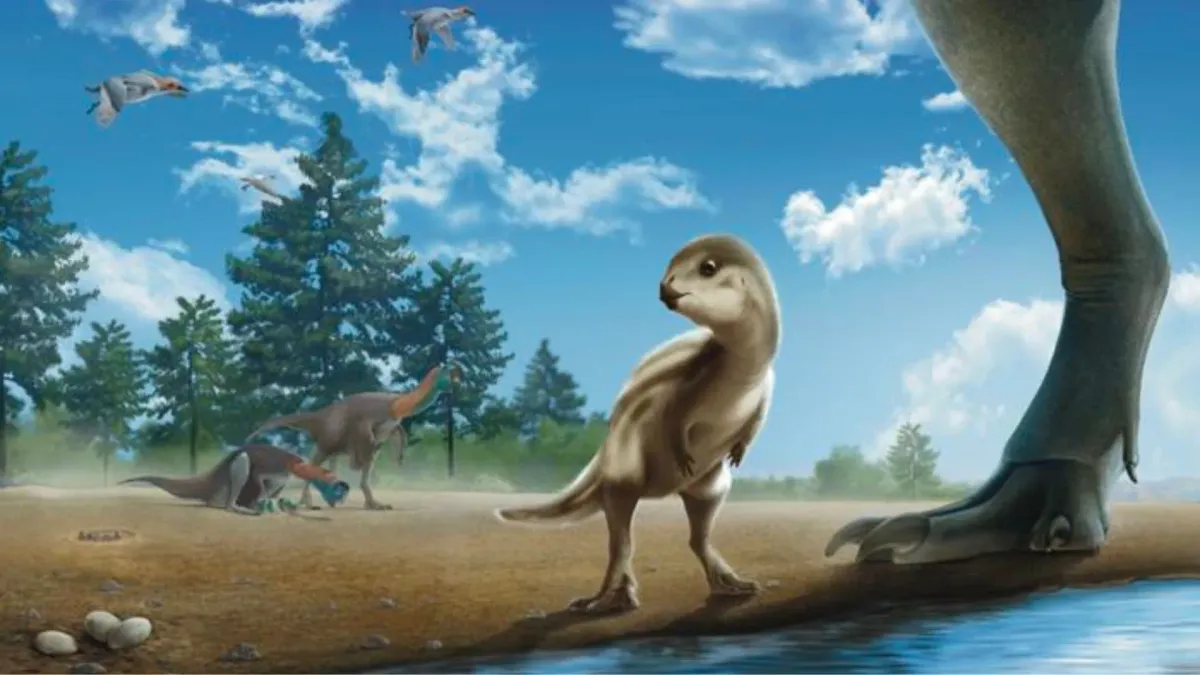
South Korea's beloved cartoon dinosaur, Dooly, now has a real-life counterpart! Researchers unveiled Doolysaurus huhmini, a new baby dinosaur species discovered on Aphae Island.
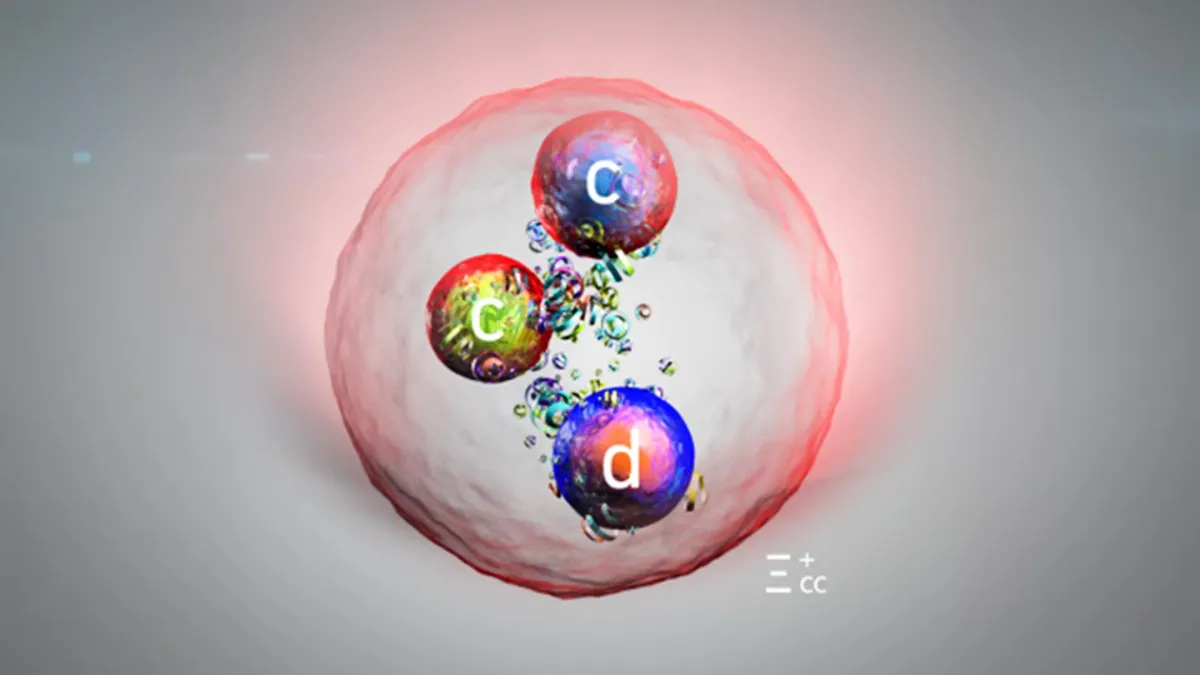
CERN's Large Hadron Collider just unveiled a new subatomic particle: the Ξcc⁺. This heavy, proton-like particle, with two charm quarks, was detected by the LHCb experiment.
Quantum computing teams: Wellcome Leap offers up to $5M to solve healthcare problems classical computers can't handle, despite noisy, error-prone quantum machines.
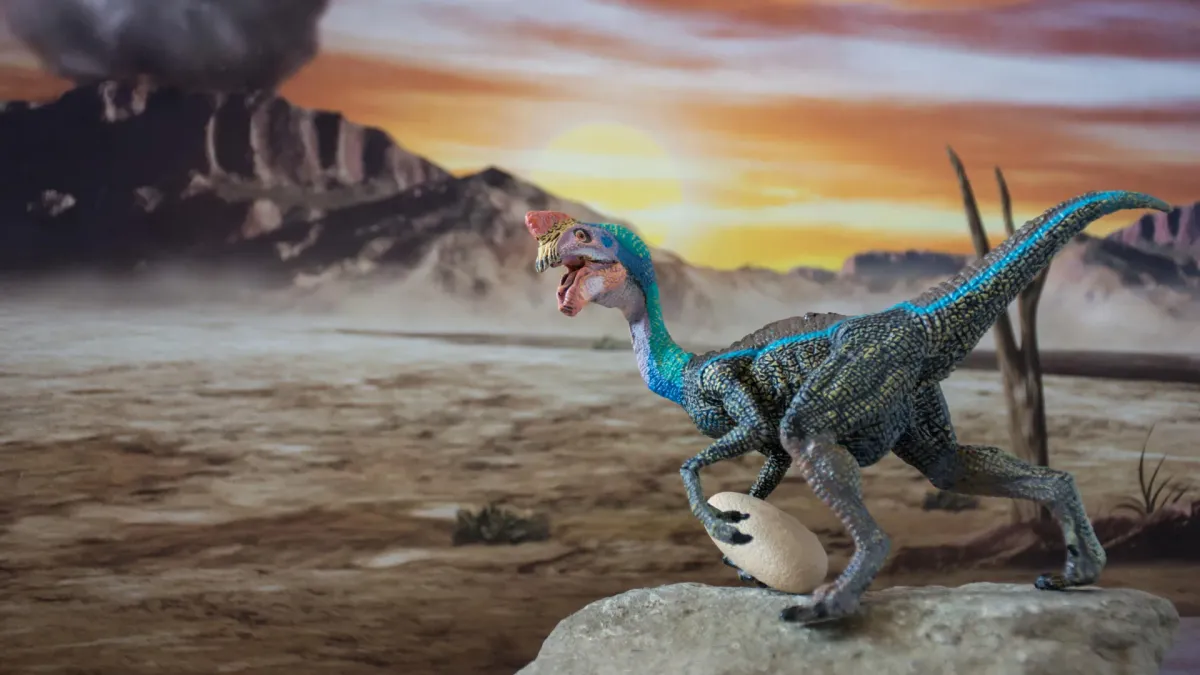
Giant oviraptor nests reveal a prehistoric puzzle: parents couldn't heat all eggs directly. Sunlight was key, leading to staggered hatching—a dino daycare dilemma!
Brightcast is dedicated to restoring faith in humanity by highlighting the progress, solutions, and kindness that often go unnoticed. We believe in a balanced worldview.
Read our full mission →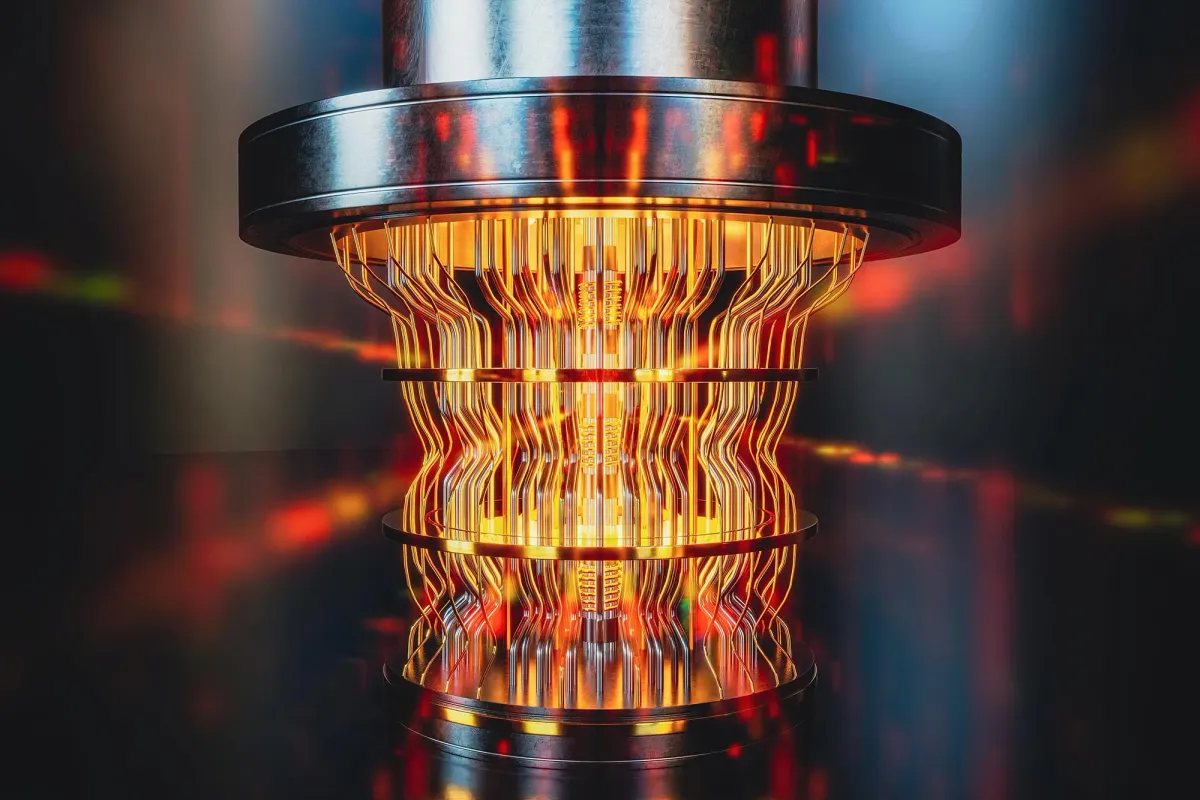
Protecting quantum information just got easier. New "giant superatoms" could secure qubits and enable entanglement, boosting stability for future quantum tech.
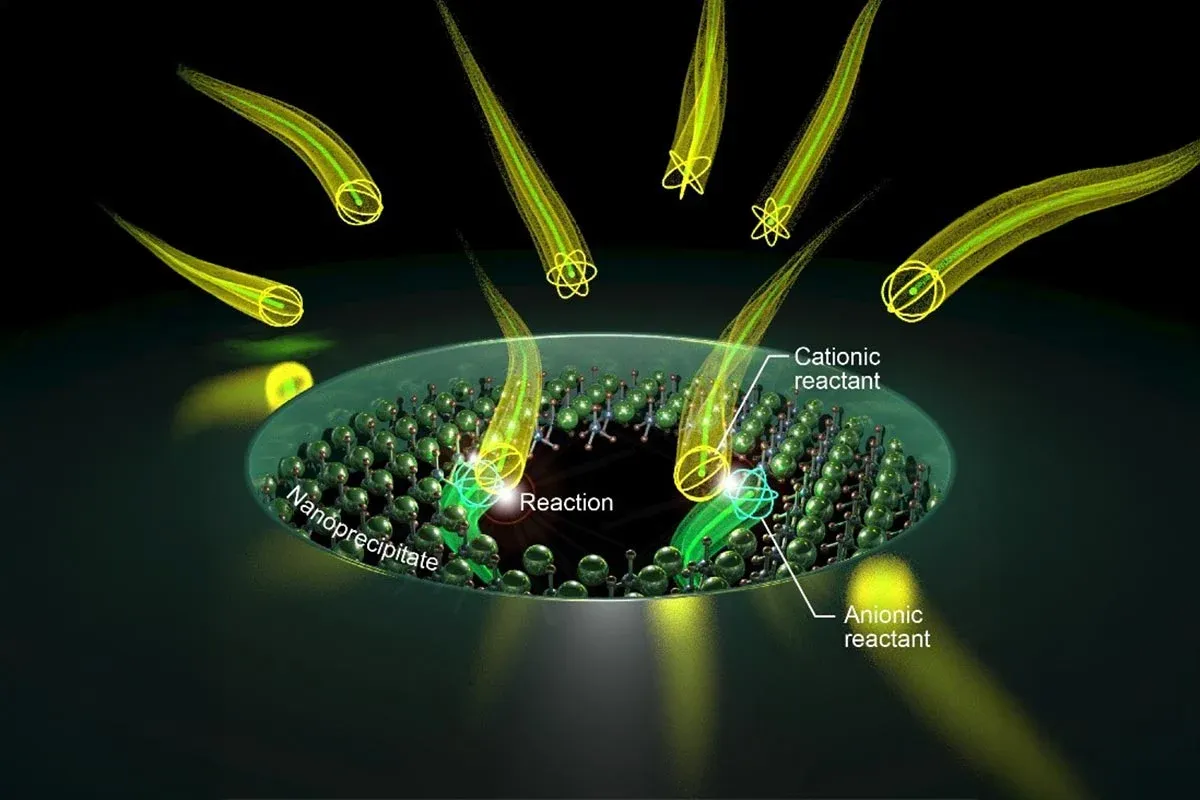
Scientists built atom-sized pores mimicking living ion channels. This breakthrough opens the door to next-generation nanotech, promising revolutionary advancements.
Unlocking brain secrets: A mouse study reveals acetylcholine's role in behavioral flexibility, offering new insights into addiction and OCD mechanisms.
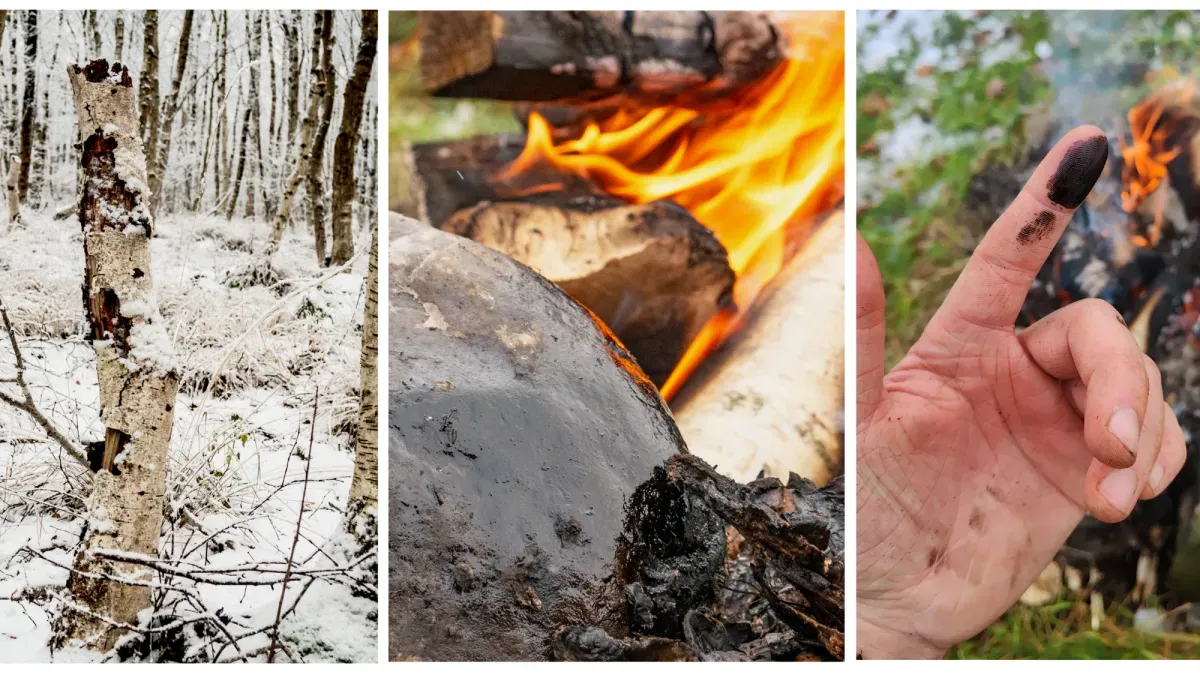
Neanderthals used birch tar for tools, but new research suggests another vital use: wound treatment. This sticky substance, detailed in PLOS One, also had antibiotic properties.
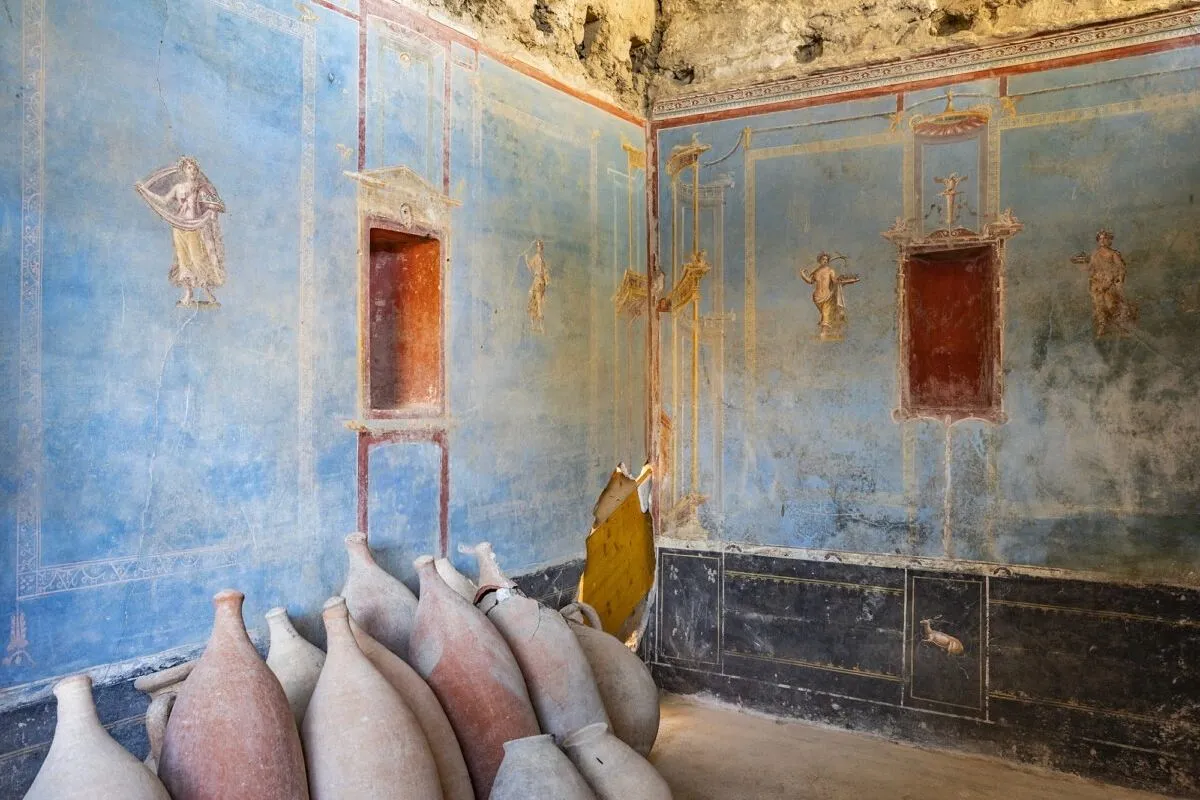
How much did ancient art cost? Researchers calculated the price of Egyptian blue pigment and labor to paint a small sacrarium, revealing the expense of ancient home decor.
Know someone who needs a boost? Share Brightcast with your friends and family.
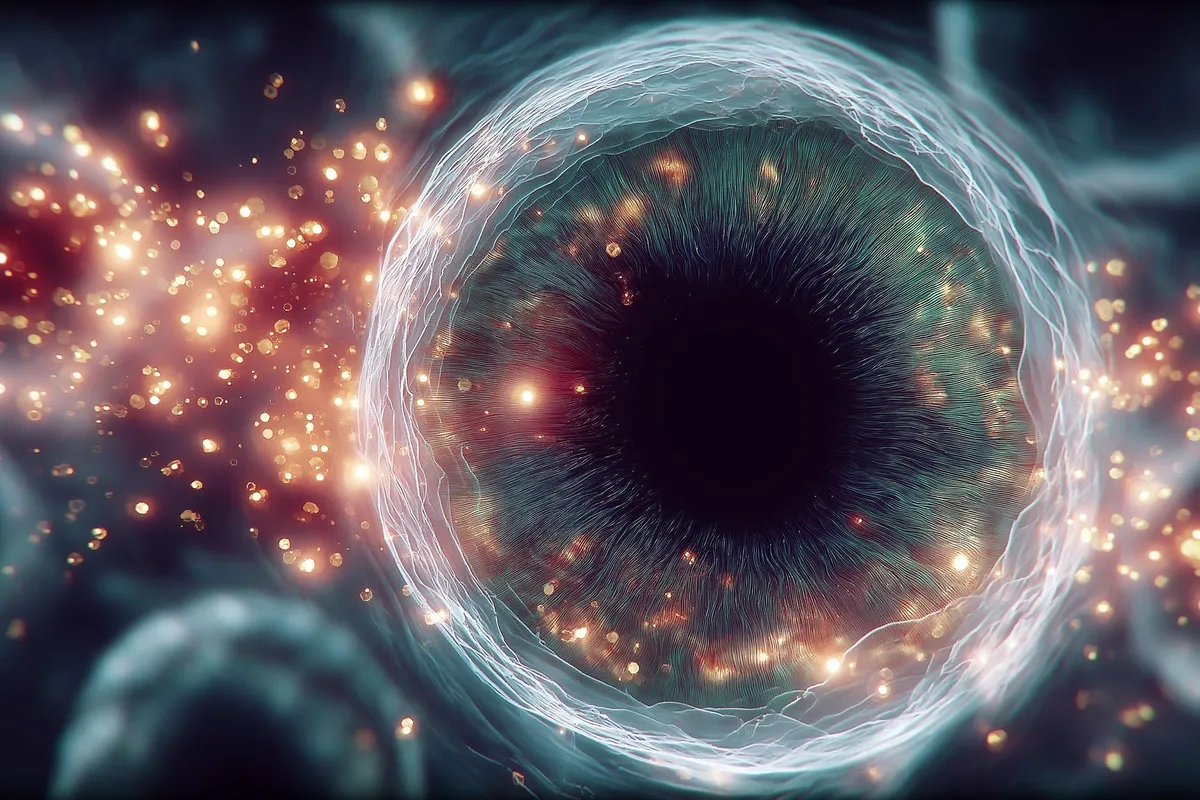
Scientists resurrected ancient enzymes, revealing how early microbes processed nitrogen billions of years ago. This offers crucial clues about Earth's ancient atmosphere and life's evolution.
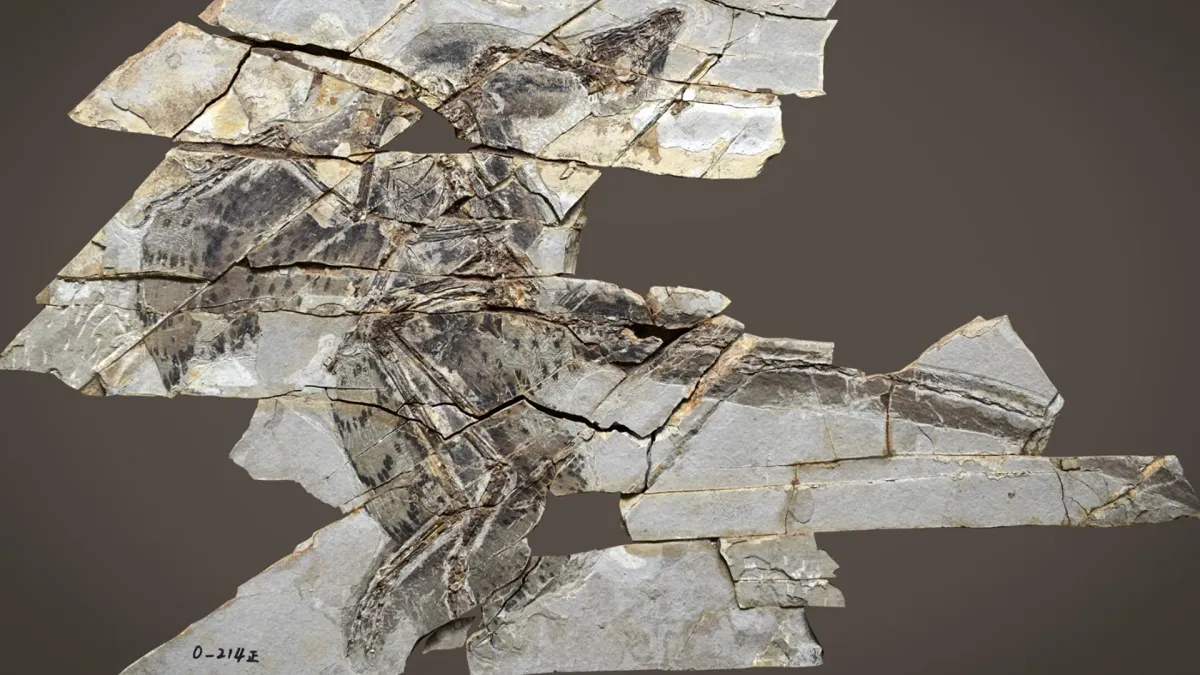
Feathered dinosaurs flew? Maybe not all. New fossil evidence from Anchiornis molting patterns suggests some ancient birds, once thought airborne, were actually grounded.
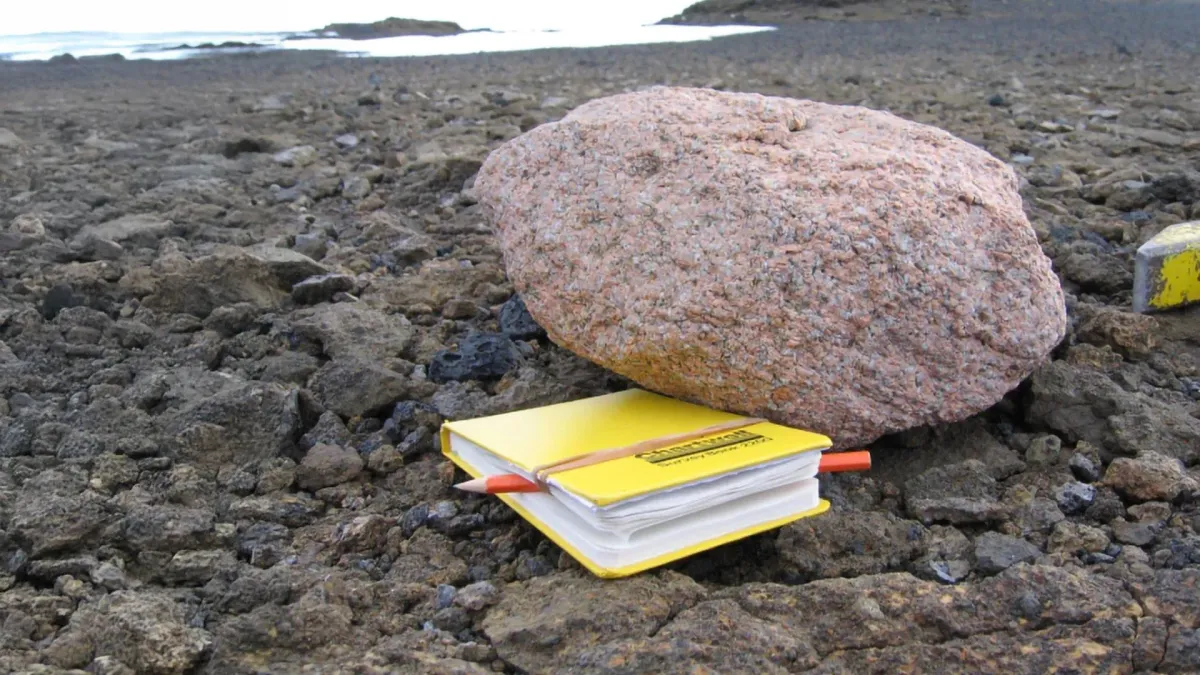
Pink granite boulders atop Antarctica's Hudson Mountains led to a stunning discovery: a hidden, 100km-wide, 7km-thick granite mass buried beneath Pine Island Glacier.
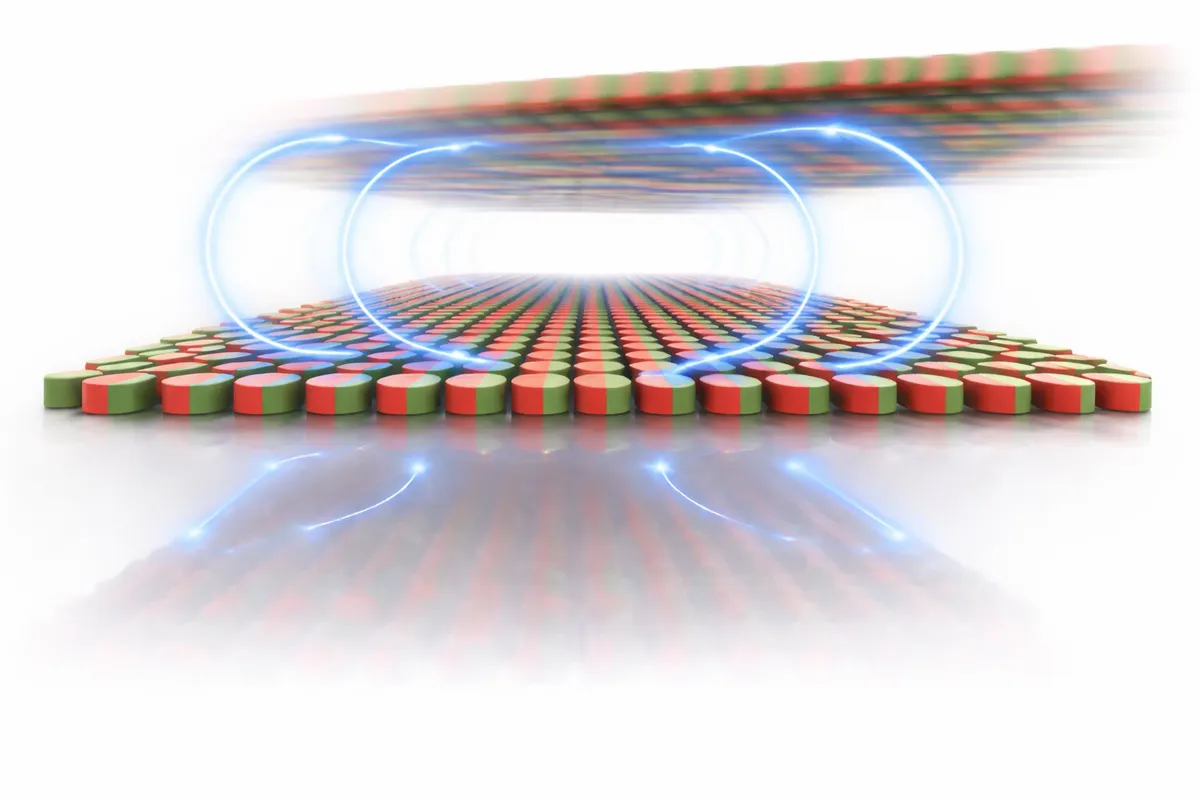
Friction without touch? Konstanz researchers discovered a new sliding friction mechanism: resistance to motion driven purely by collective magnetic dynamics, not mechanical contact.
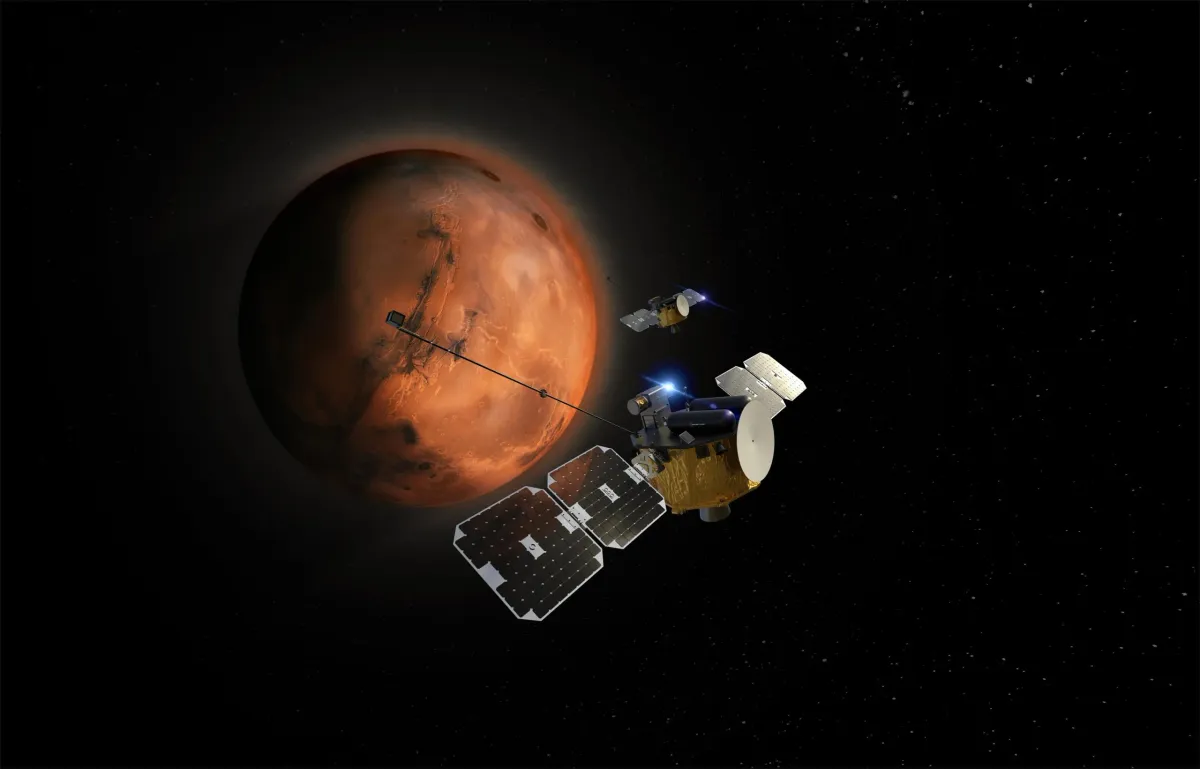
Mars was once wet and warm. Now it's a cold desert. NASA's twin ESCAPADE spacecraft will reveal how the Sun stole Mars' atmosphere, transforming its climate forever.