S
Science
2 months ago
Progress Maker
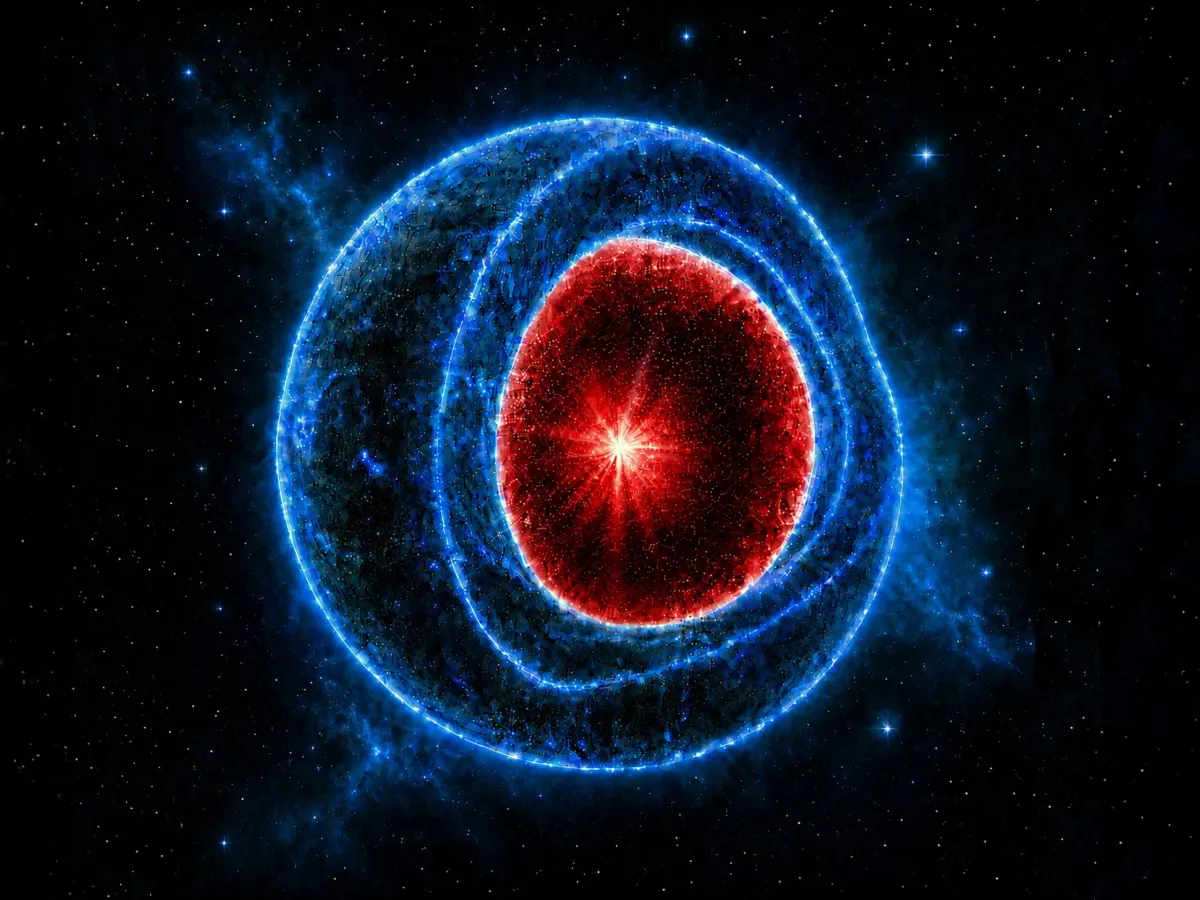
Could a dying star nurture a whole new cosmos?
Forget black holes. A new study suggests a collapsing star could spark a tiny, expanding universe instead.
84
0
96

Breakthroughs happen quietly. We make sure you hear about them.
2782 stories
Forget black holes. A new study suggests a collapsing star could spark a tiny, expanding universe instead.
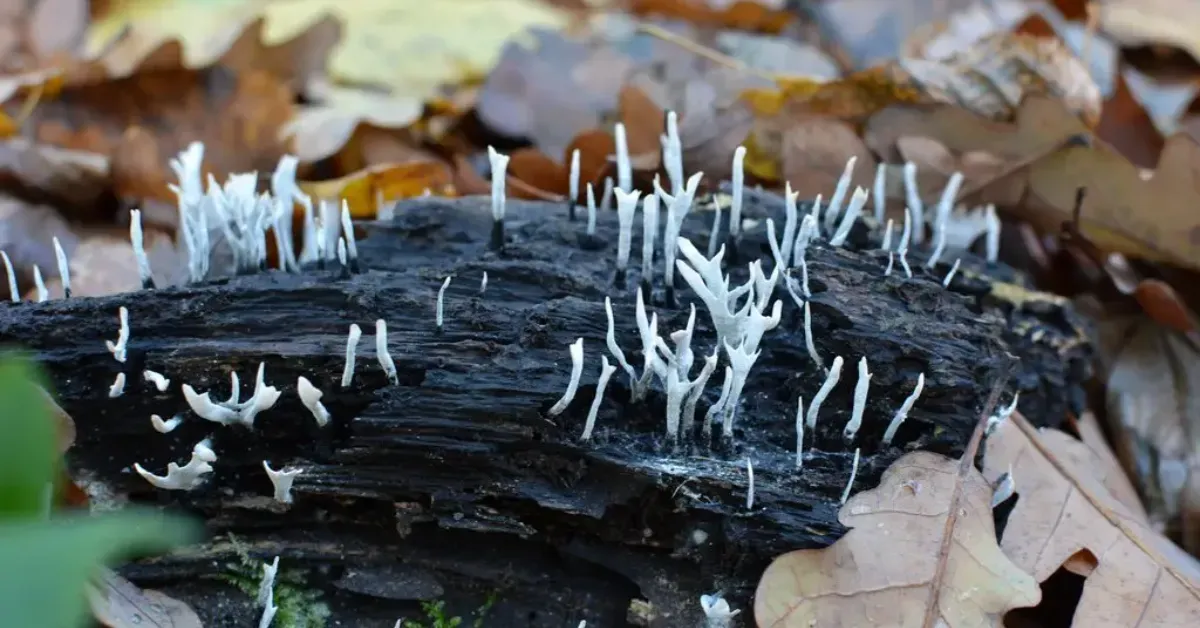
What if the next antibiotic breakthrough isn't lab-made? It could be quietly growing on Indian cave walls. Scientists are now exploring microscopic fungi in these dark, mineral-rich systems for new medicines.
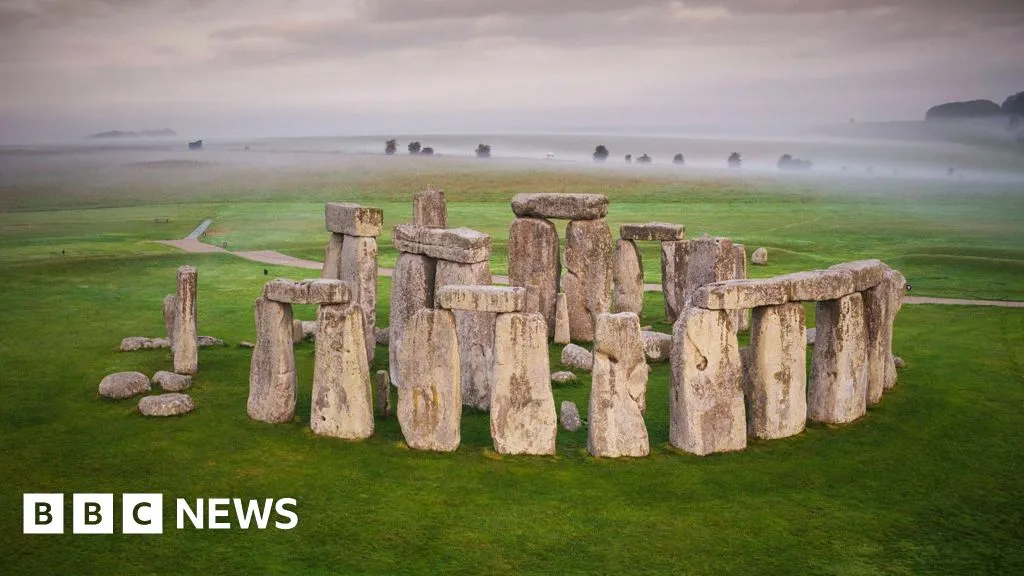
A 5,000-year-old structure, simpler than Stonehenge, was found just three miles away. Its two posts aligned perfectly with ancient solstices.
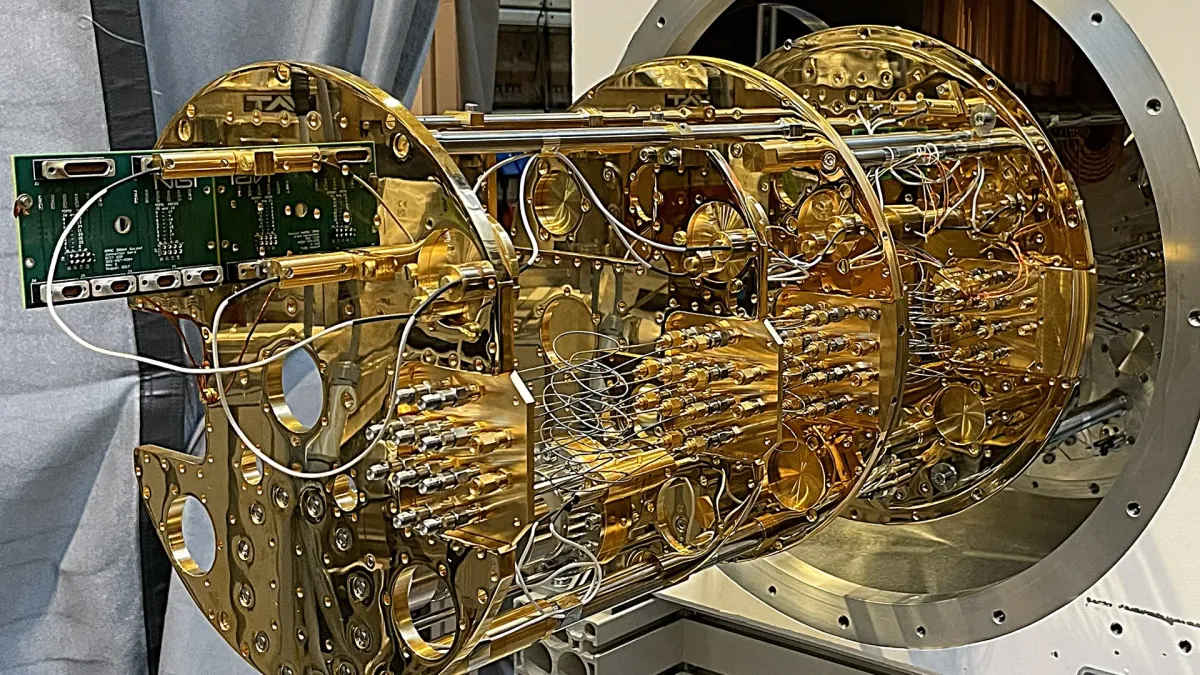
Europe's first and only superconducting TES-array X-ray spectrometer is now online at Germany's BESSY II synchrotron. This 248-sensor detector promises unprecedented X-ray photon detection.
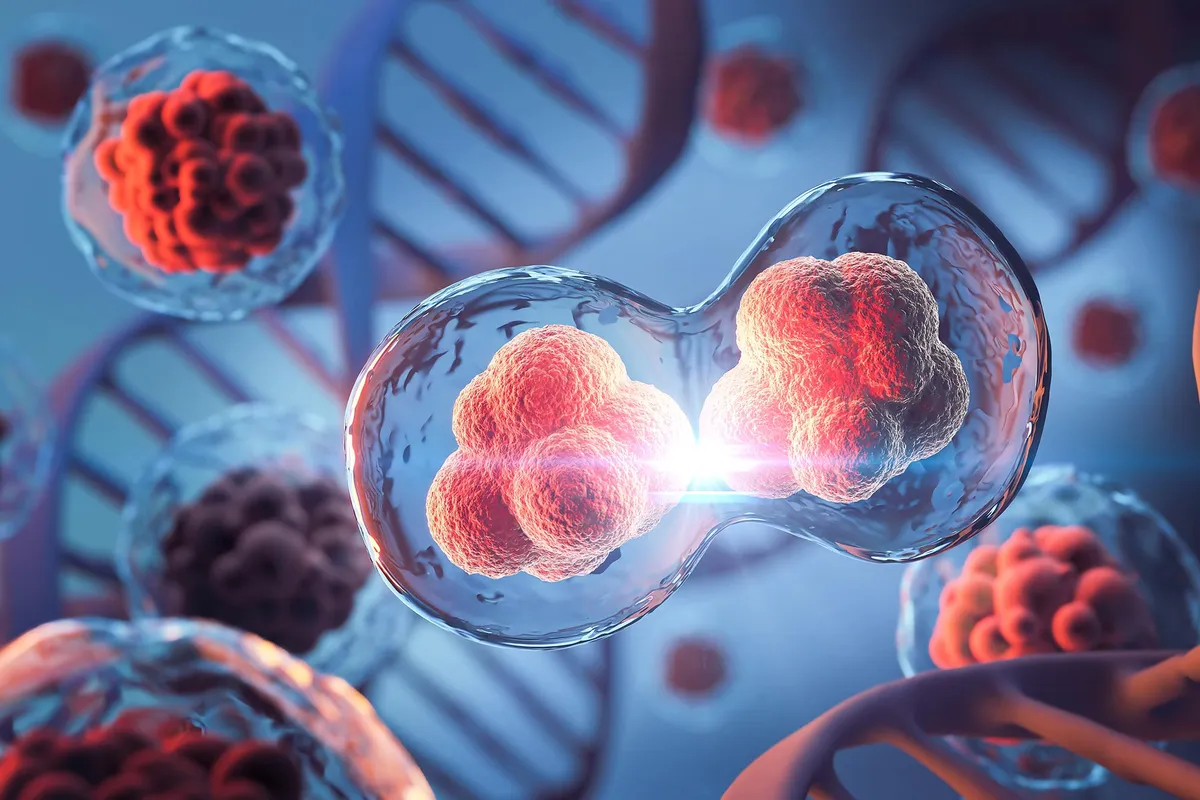
Cells have a secret! A backup pathway lets them make a vital amino acid even when primary machinery breaks down.
Join 50,000+ readers who receive our daily digest of the most uplifting stories from around the world.
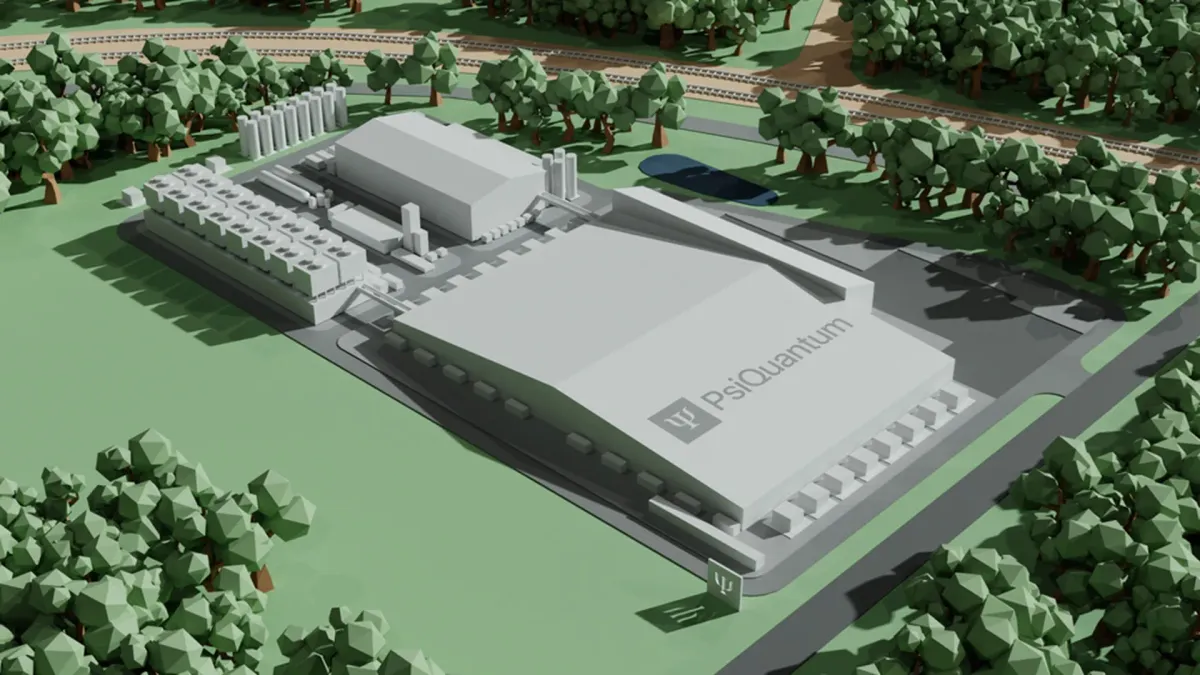
PsiQuantum is building the world's first utility-scale, fault-tolerant quantum computer in Moreton Bay, Australia. This groundbreaking project aims to make Australia a global advanced computing hub.
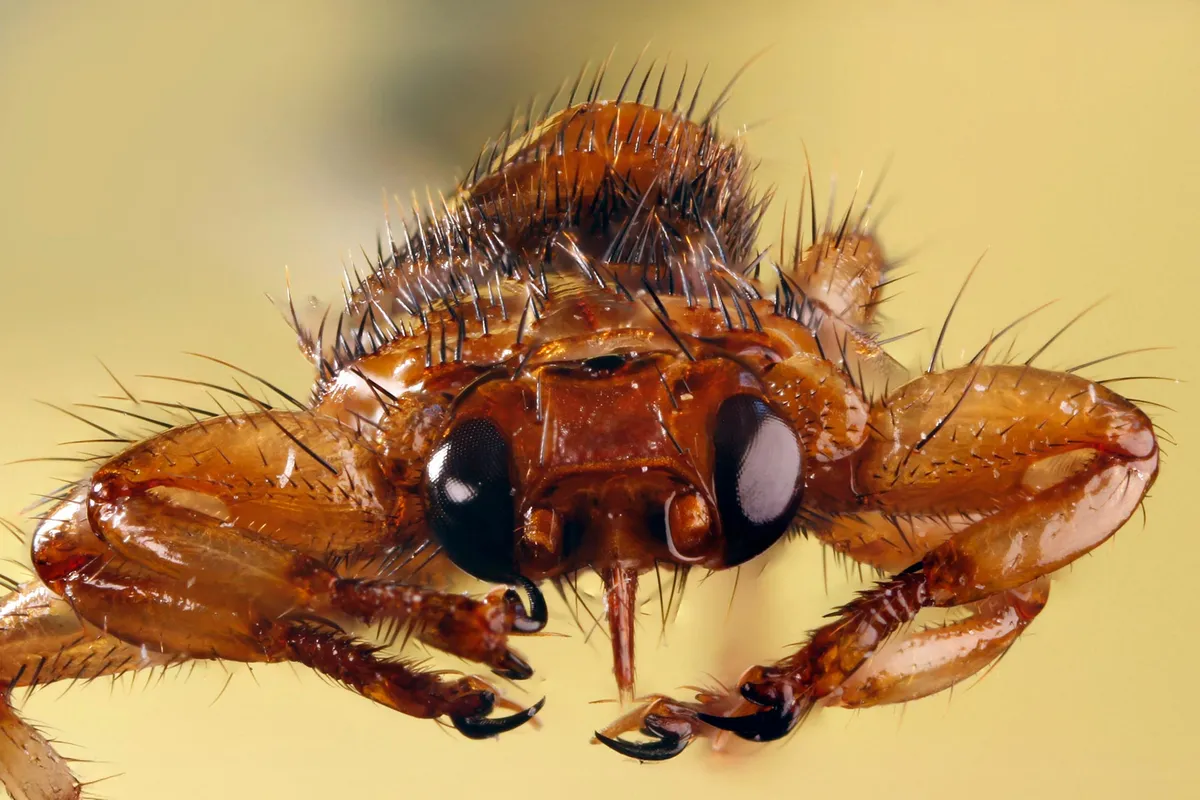
A blood-feeding fly sheds its wings, finds a host, and then sacrifices some vision. It's a parasitic lifestyle choice, but why?
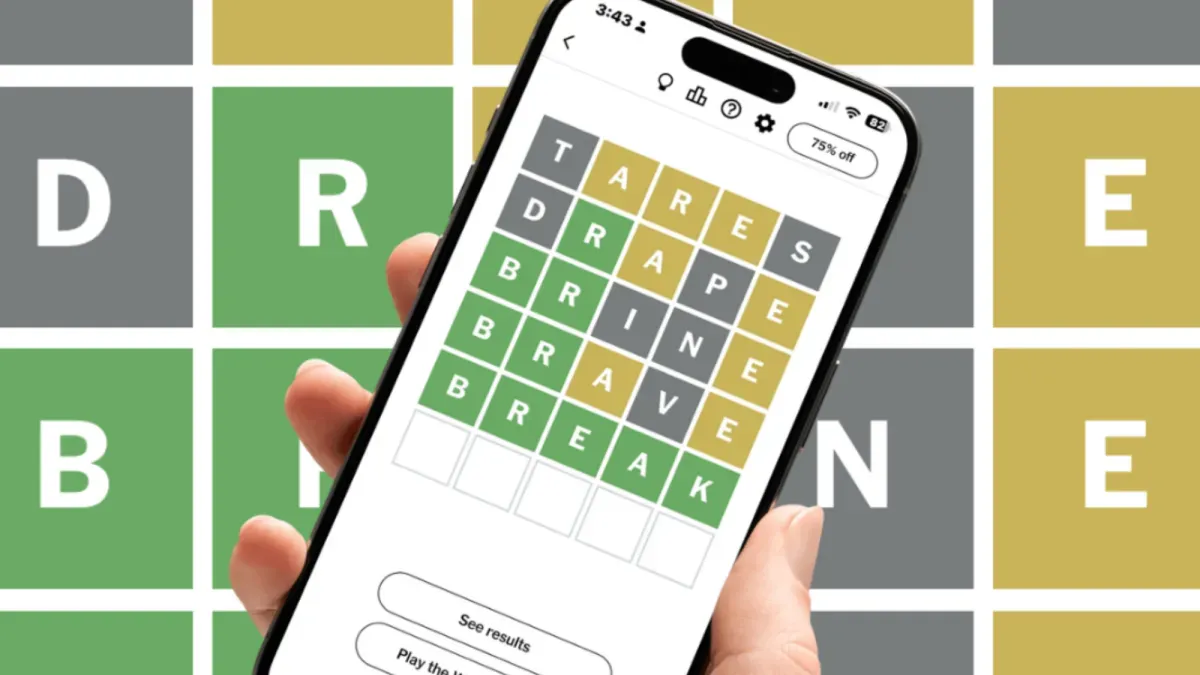
Forget words! The best way to solve Wordle is math. Binghamton University researchers used information theory and Shannon Entropy to crack the puzzle, not by guessing words, but with a counterintuitive approach.
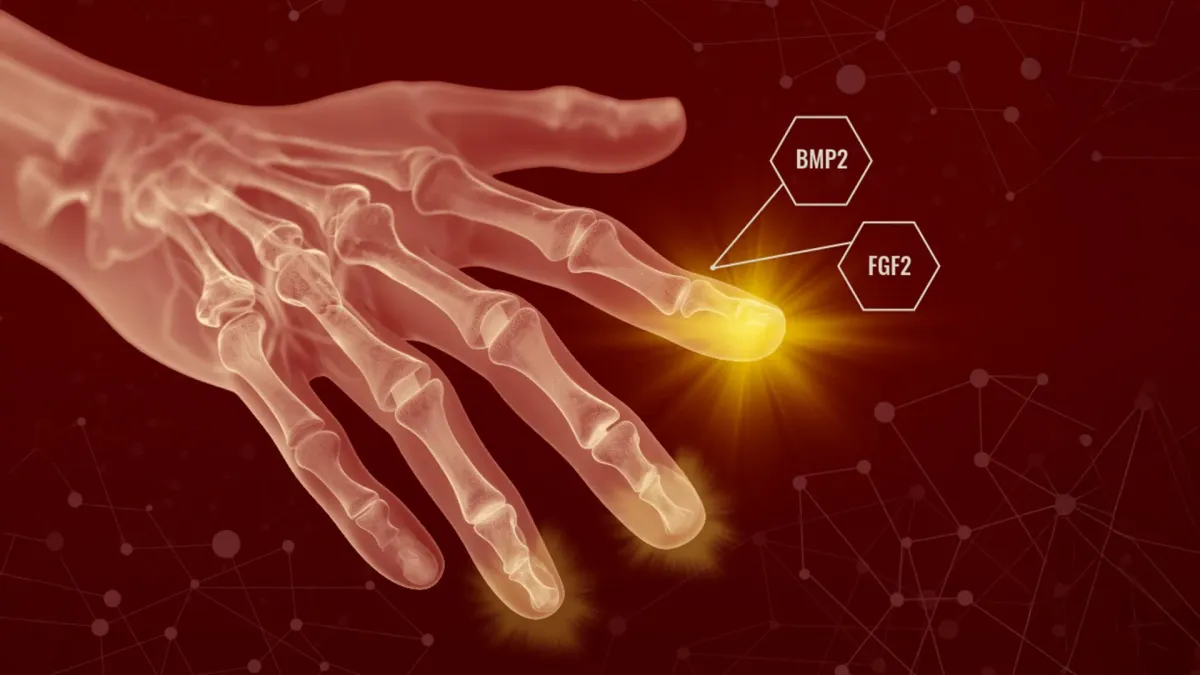
Mammals might regenerate limbs! Scientists found the ability isn't lost, just "switched off." A two-stage treatment redirected healing, preventing scar formation.

From supercharged superconductors to rescued geckos, tiny tweaks and smart swaps led to big wins this week. Discover how small changes are making huge differences for tech, nature, and human well-being.
Brightcast is dedicated to restoring faith in humanity by highlighting the progress, solutions, and kindness that often go unnoticed. We believe in a balanced worldview.
Read our full mission →
Heard something weird this week? PopSci's hit podcast, "The Weirdest Thing I Learned This Week," guarantees even stranger facts. Find it bi-weekly on Spotify, Apple, and YouTube for your dose of bizarre science.
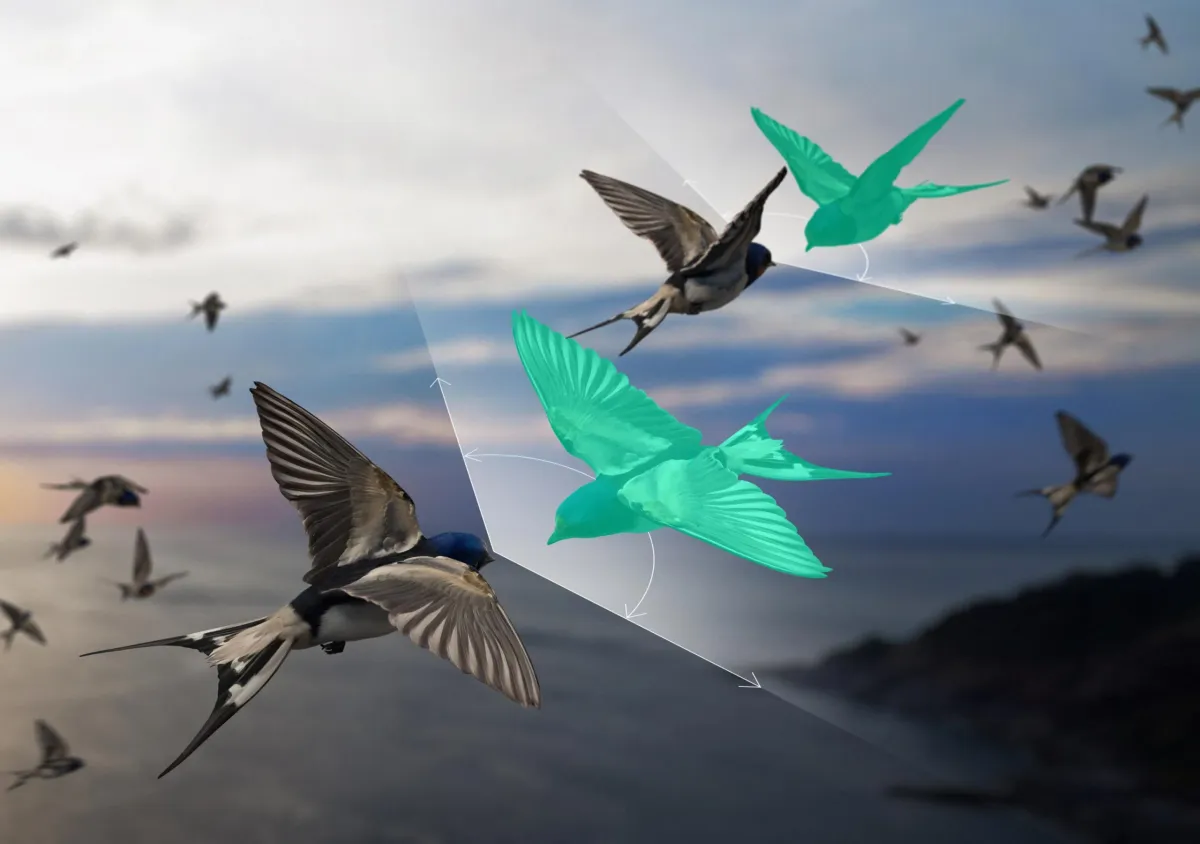
Bird flocks, bacterial swarms, and crowds defy Newton's Third Law. Their movements break the fundamental principle of action-reaction.
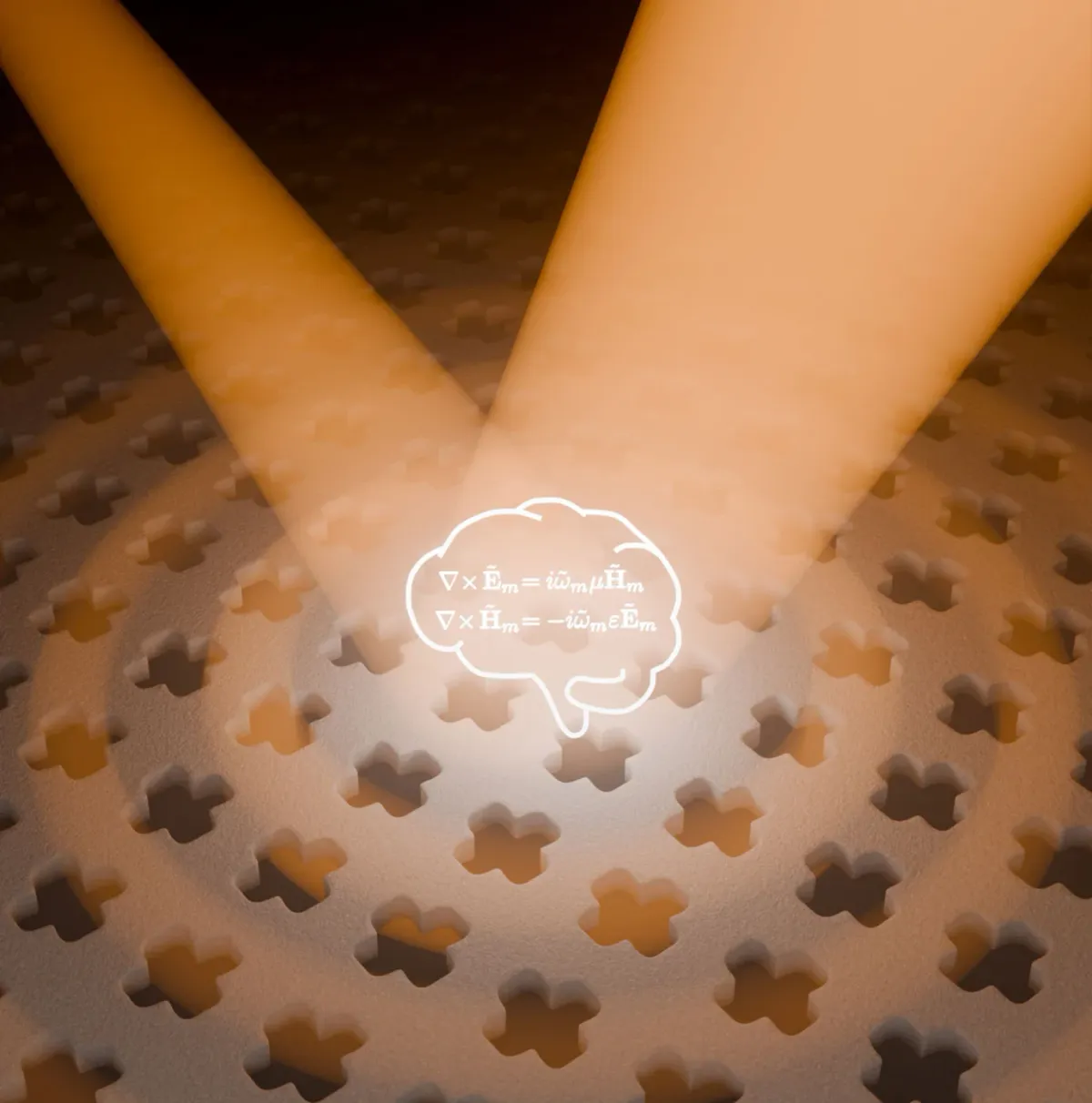
Swedish researchers developed a machine-learning approach embedding physics laws directly into neural networks. This breakthrough could revolutionize AI.

Superconductivity's biggest problem? Solved. Swedish researchers subtly sculpted a surface beneath an ultrathin superconductor, making it work at higher temperatures and stronger magnetic fields.
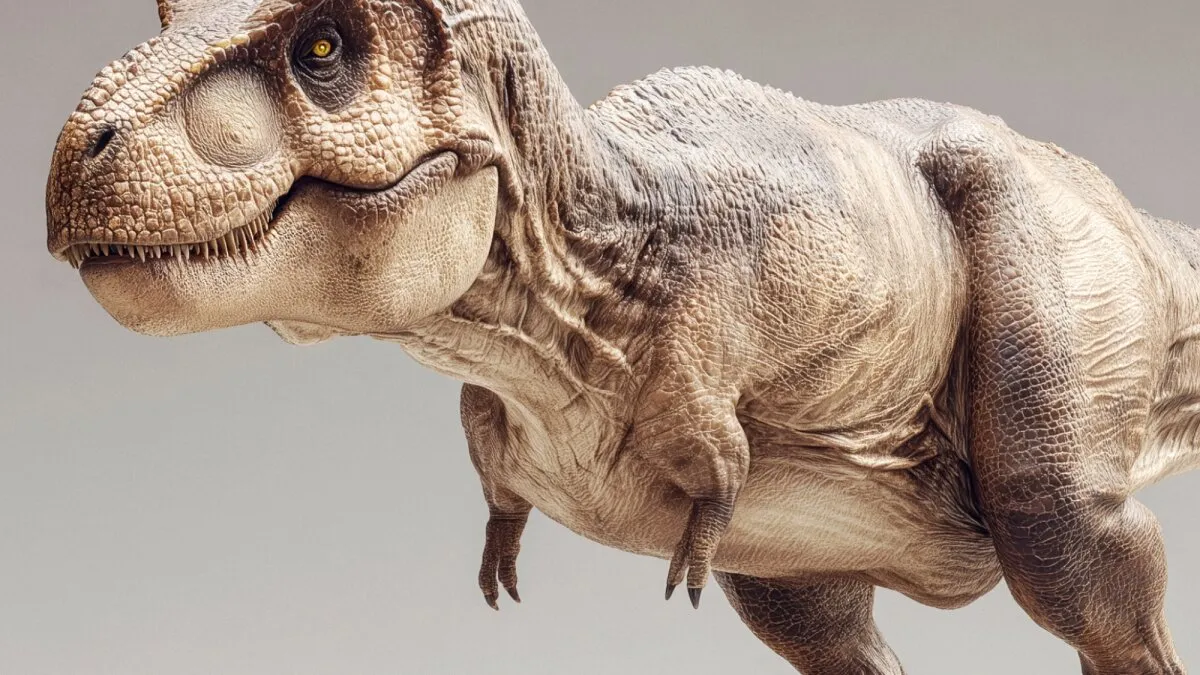
T. rex: bone-crushing bite, gigantic size, tiny arms. Why did the king of dinosaurs evolve such famously small forelimbs? The debate has raged for decades.
Know someone who needs a boost? Share Brightcast with your friends and family.

Goats are the GOAT! Researchers found goats, like children, follow human voice cues to locate items. This "vocal pointing" ability is a surprising discovery.
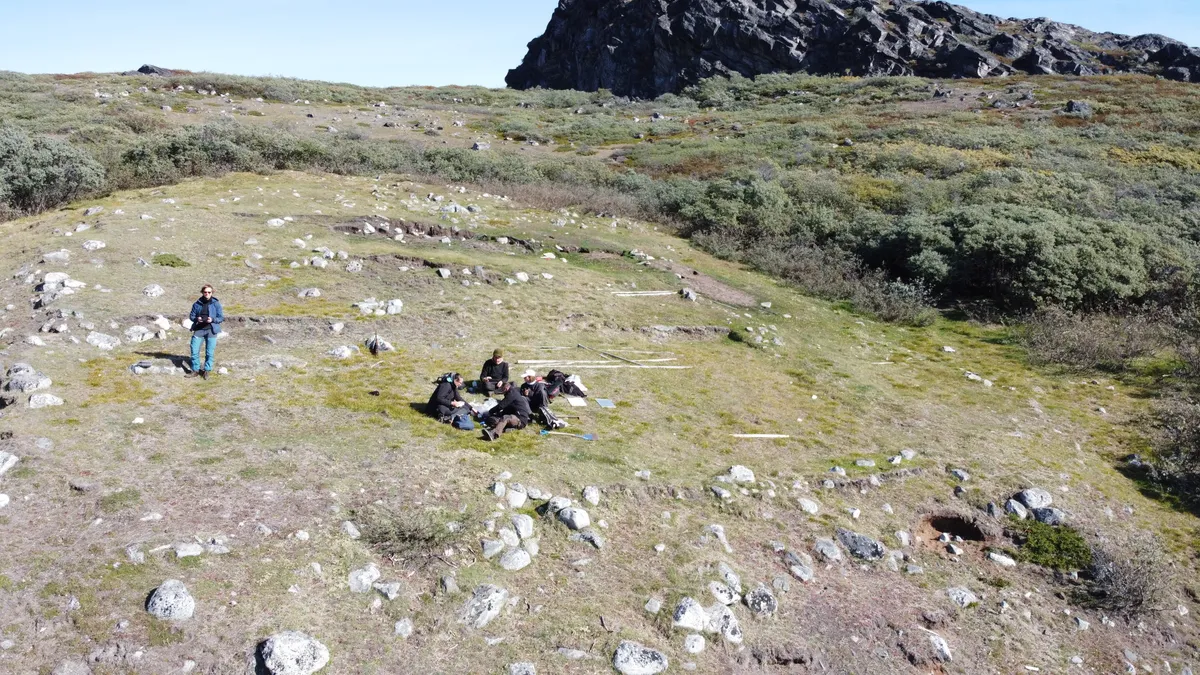
Greenland's history is etched in its landscape: Paleo-Inuit, Vikings, and Danes all left their mark. Now, microbes from ancient rubbish heaps reveal how they farmed, hunted, and lived.
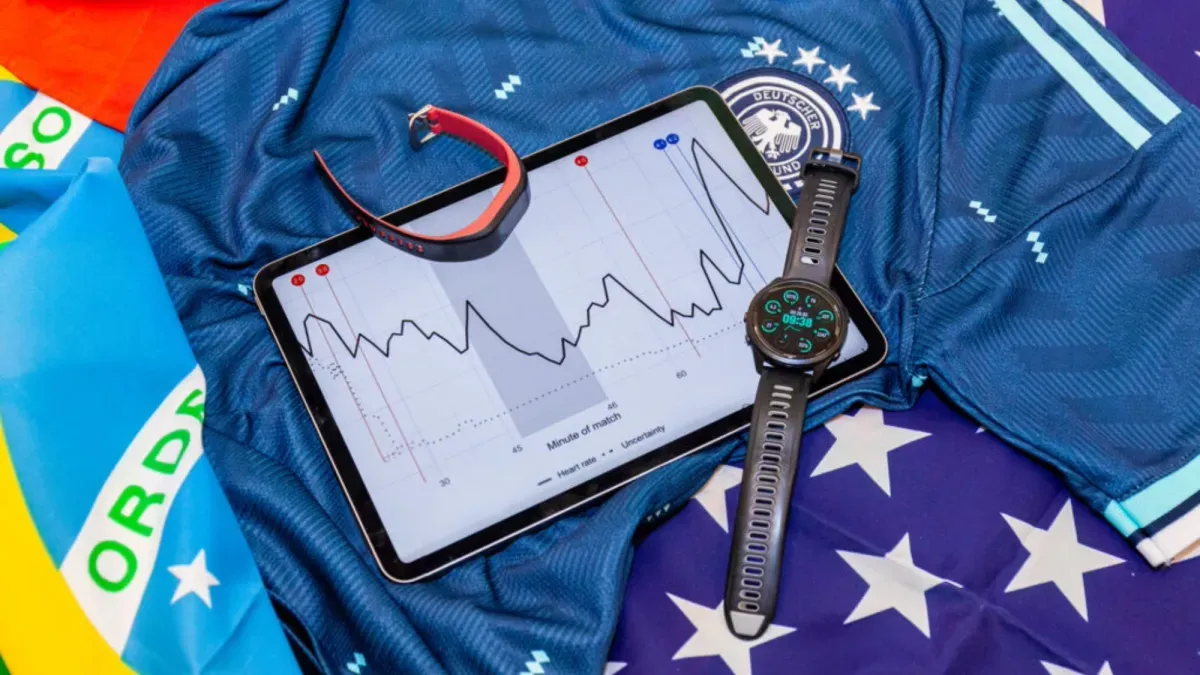
Got World Cup fever? Bielefeld University wants your smartwatch data! Help researchers study how fans worldwide physically react to their team's wins and losses.
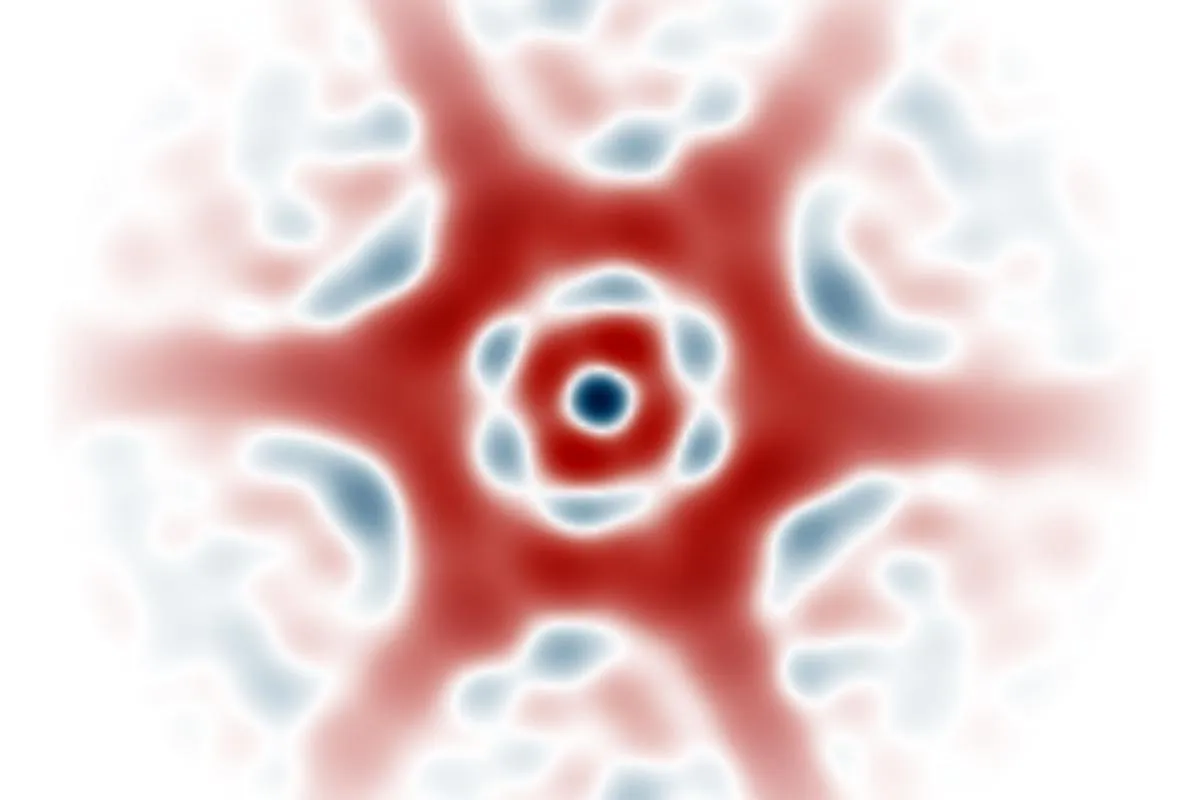
Oxford physicists just created a new class of quantum superpositions. They used highly nonclassical states, pushing the boundaries of quantum mechanics.
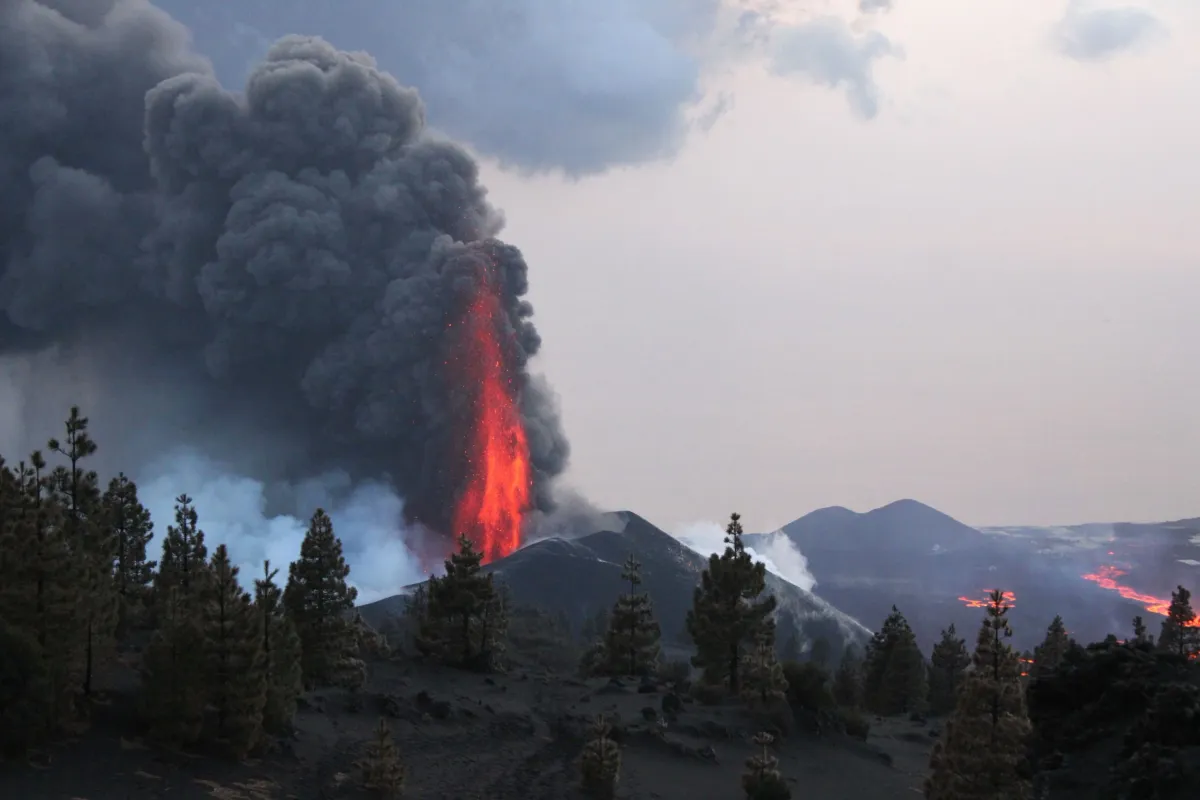
Magma's thermal history dictates eruption intensity. Gentle or vigorous? It all depends on how the magma cooled and crystallized.
Download the Brightcast app for a better reading experience, daily notifications, and offline access.
Download App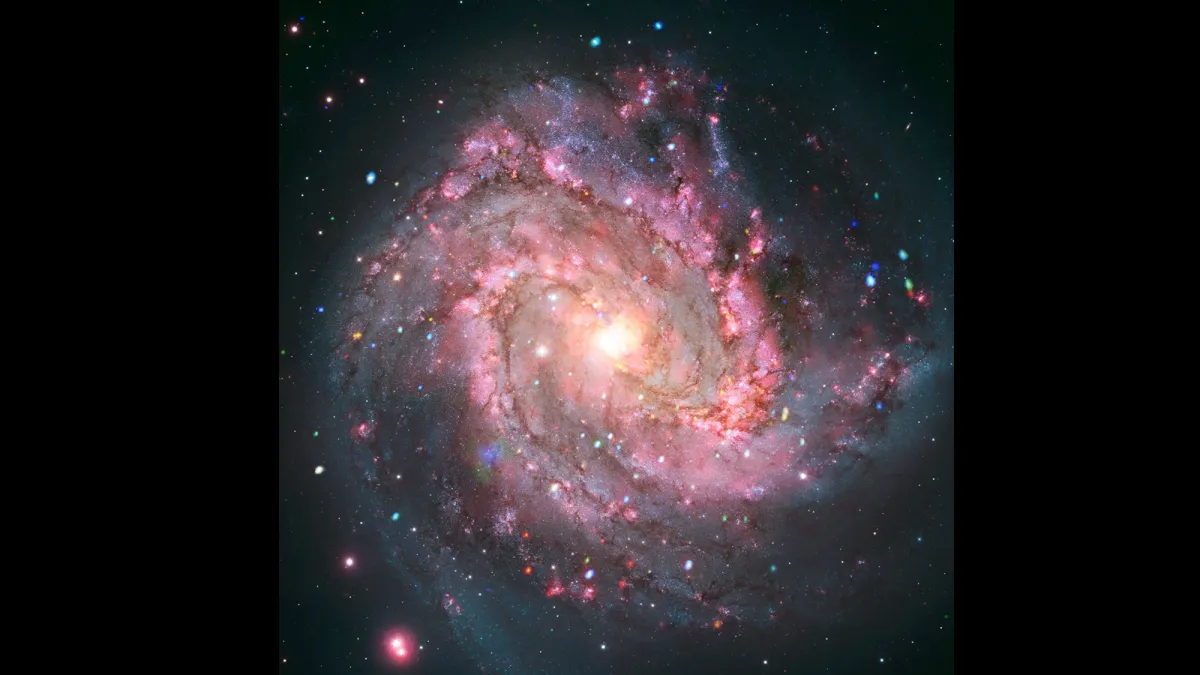
A nearby galaxy celebrated early: NASA's Chandra X-ray Observatory spotted a supernova's explosive, firework-bright aftermath in Messier 83, defying typical fading stellar debris.
Cities pulse with life, and now scientists can measure their changing rhythms in near real-time using a new satellite-based framework.
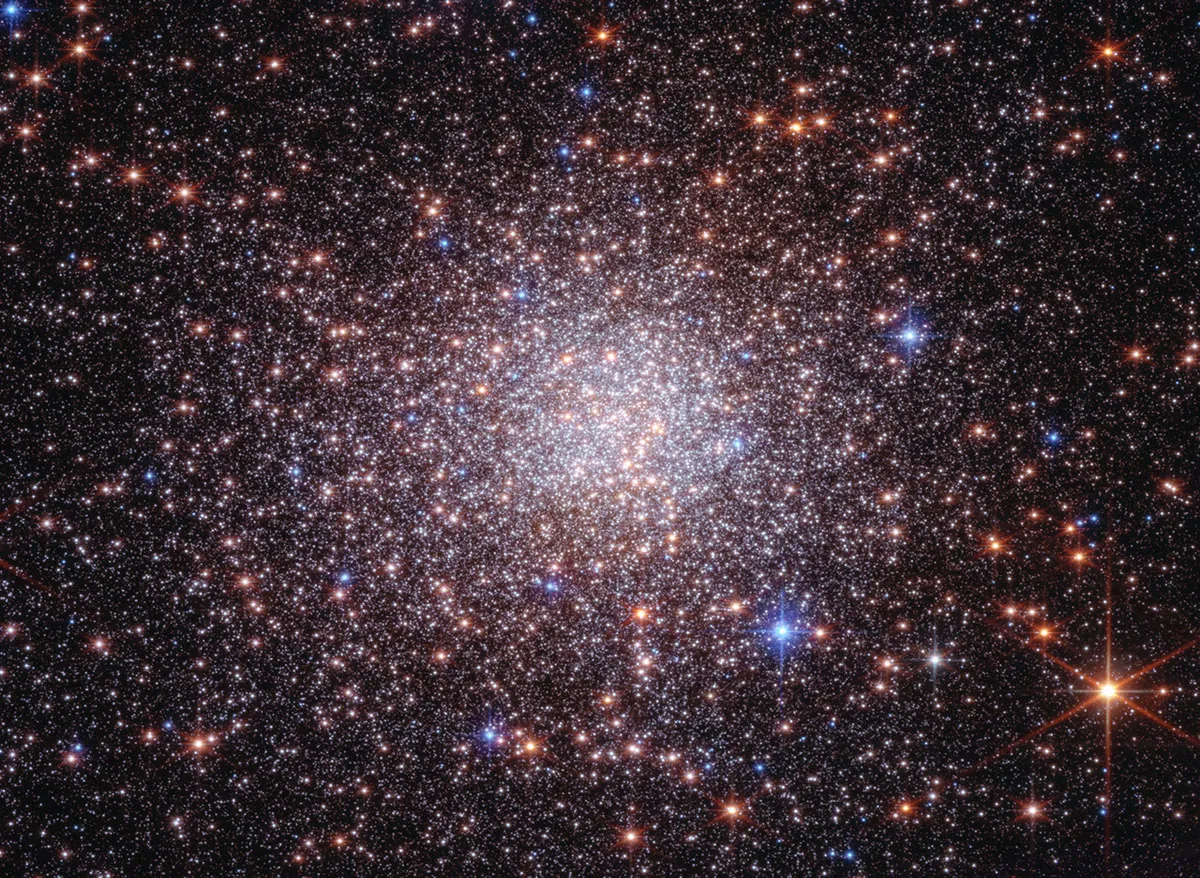
Uncover the universe with the James Webb Space Telescope. Explore NASA's latest discoveries, stunning images, and the science behind Webb's mission, from early galaxies to other worlds.
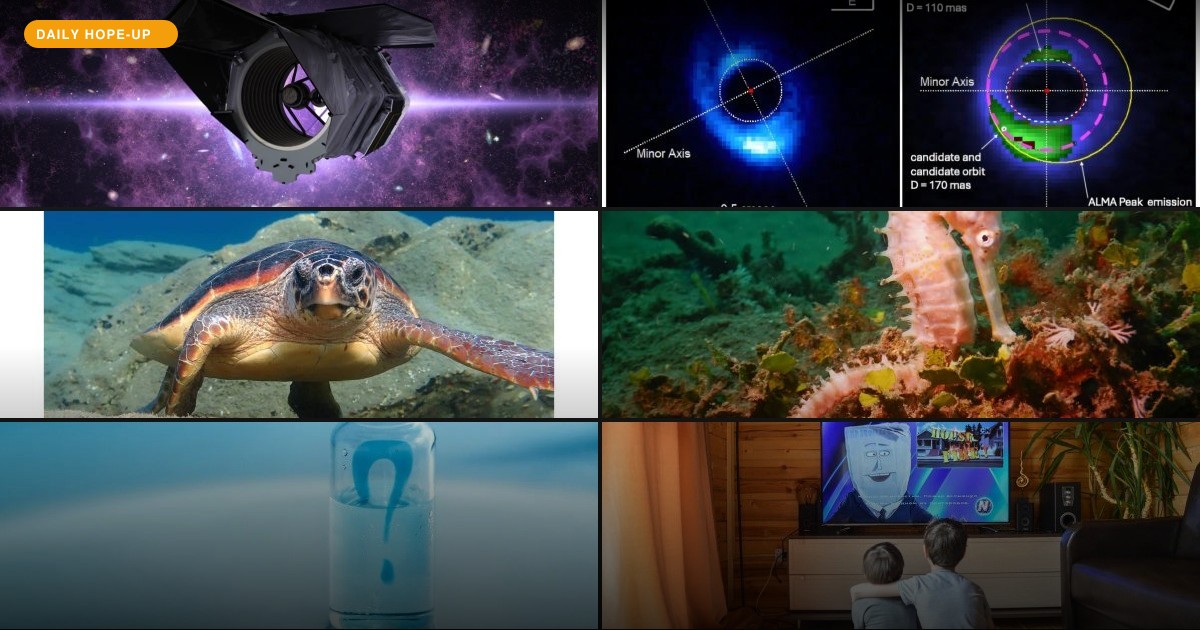
From putting your name on a NASA telescope to an 80-fold turtle comeback, today's news reminds us that curiosity and conservation are charting new courses.
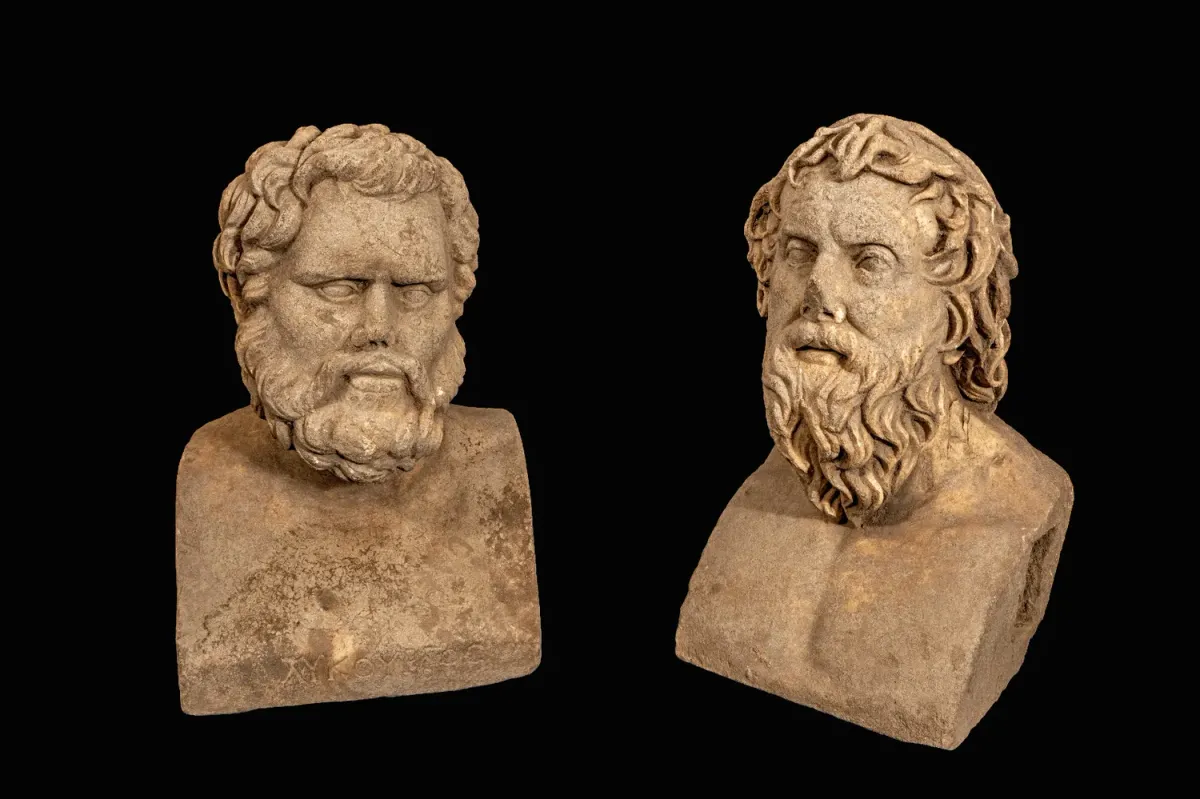
Two perfectly preserved Roman statues, unearthed during a railway expansion near Binyamina, Israel, were reported June 15 by the IAA. These 4th-century marble busts depict Greco-Roman figures.
Join 50,000+ readers who receive our daily digest of the most uplifting stories from around the world.
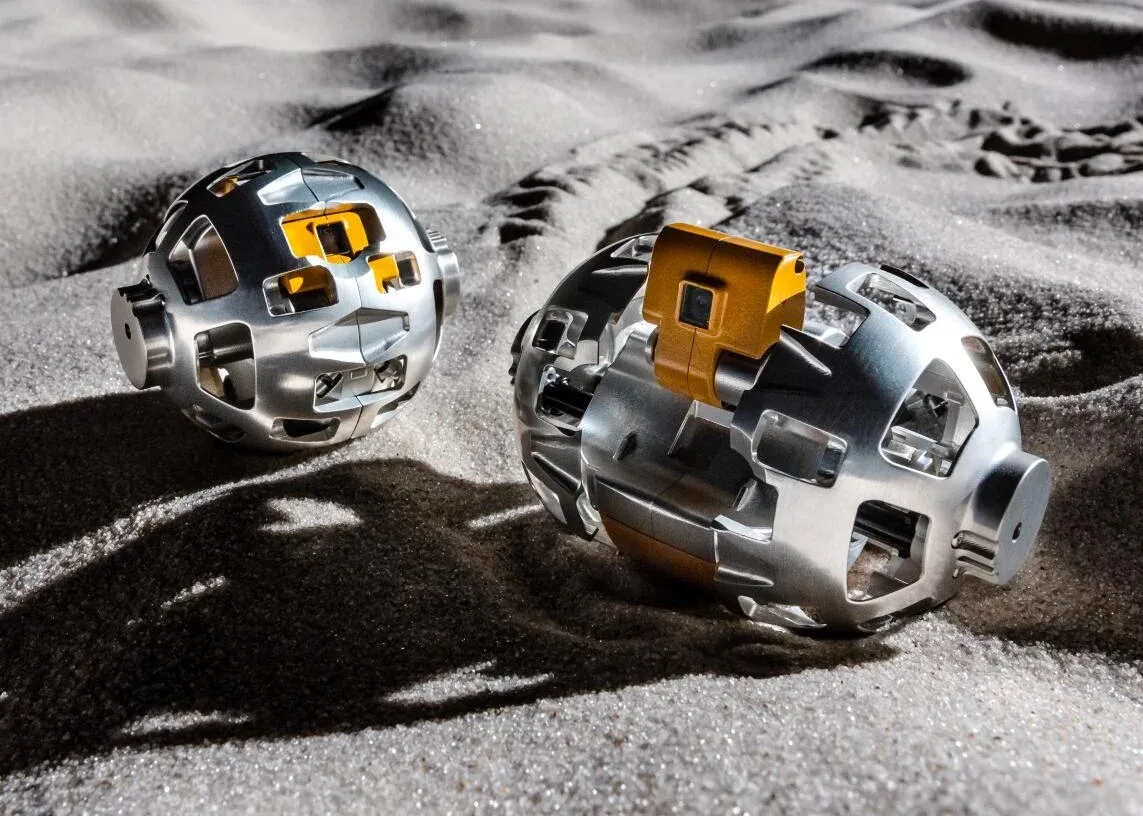
Japan's tiny lunar robot just made history! Operating autonomously for 100+ minutes, it sent images from the moon, paving the way for future crewed settlements and swarms of robotic explorers.
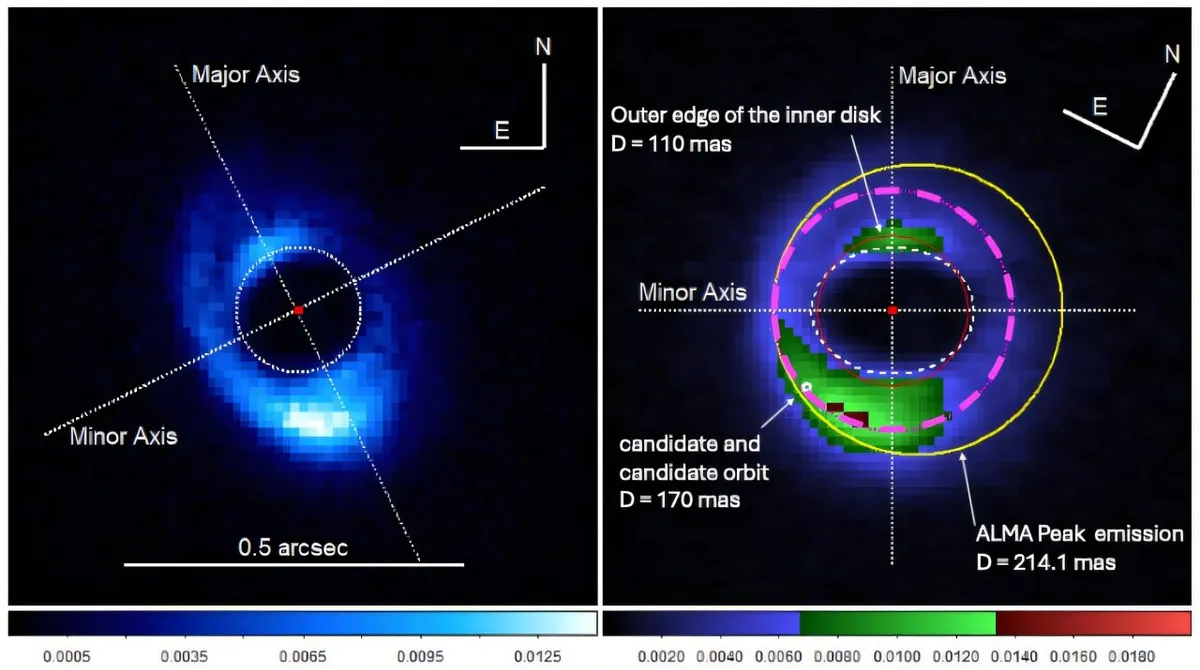
Italian astronomers found a primitive planetary system! Using the VLT, they observed star WRAY 15-1880's circumstellar disk, revealing clues to planet formation.
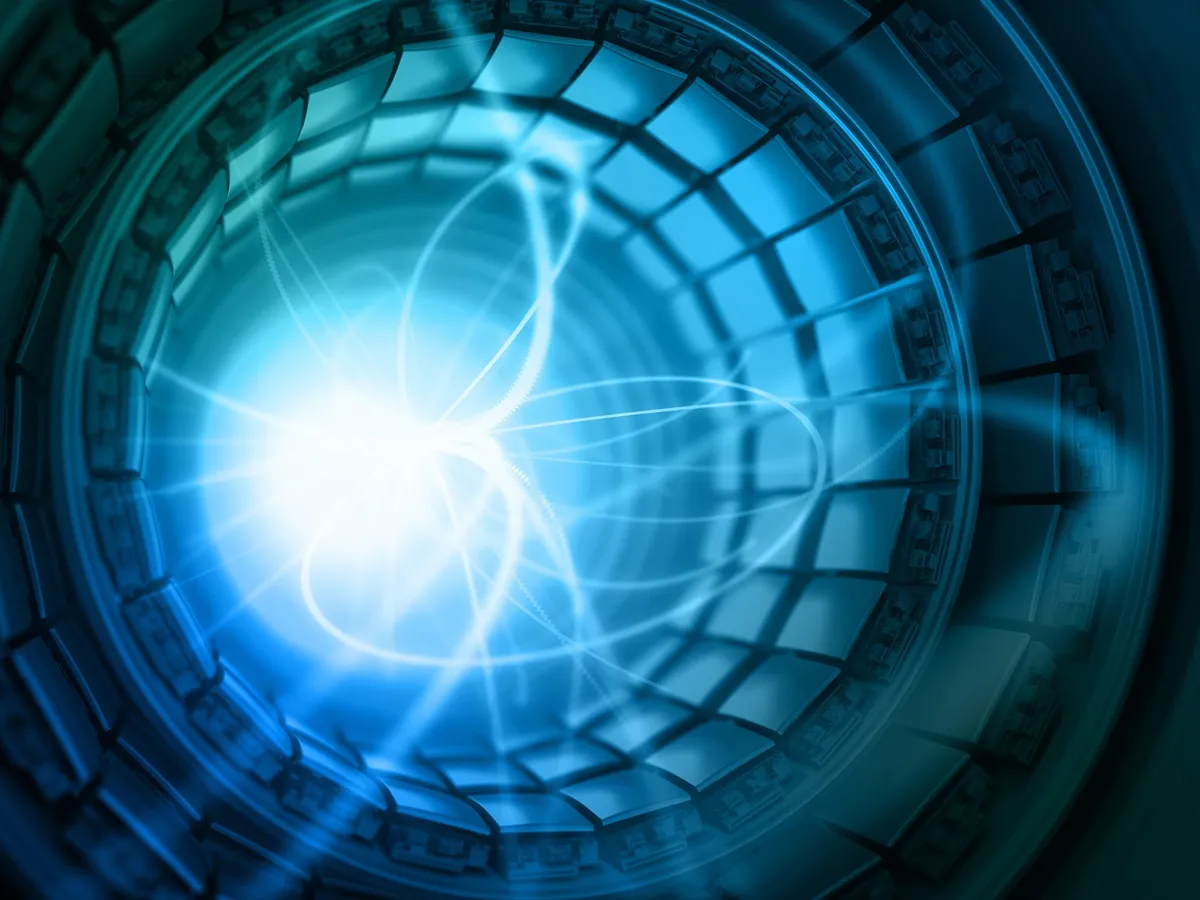
JUNO's initial results kickstart a new era of precision neutrino physics, bringing scientists closer to solving the elusive neutrino mass mystery.
Dark energy, the universe's accelerating force, just got a major boost. A new study overturned a key challenge to its existence.
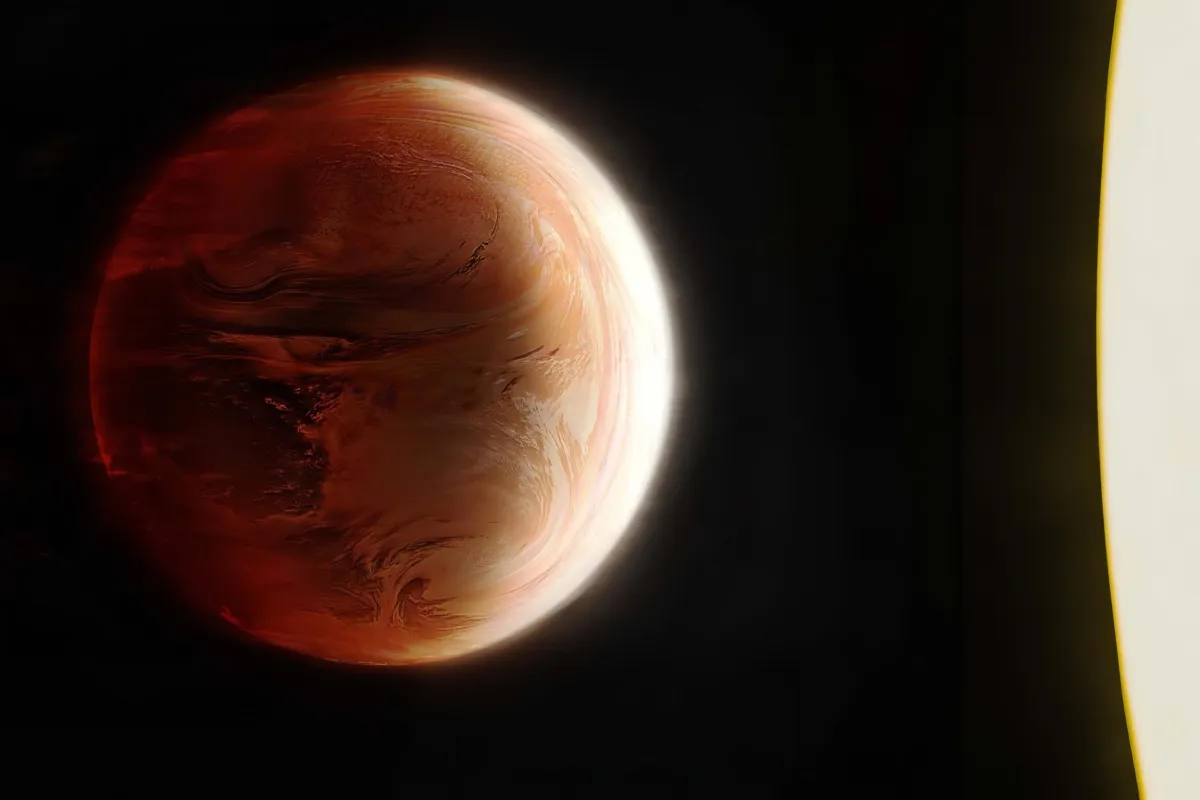
WASP-121 b's sunrise and sunset sides boast surprisingly different atmospheres, a new discovery by the James Webb Space Telescope.
Brightcast is dedicated to restoring faith in humanity by highlighting the progress, solutions, and kindness that often go unnoticed. We believe in a balanced worldview.
Read our full mission →
GHK-Cu: The anti-aging peptide everyone's talking about. This experimental treatment is making waves, but what is glycyl-L-histidyl-L-lysine copper, and does it live up to the hype?
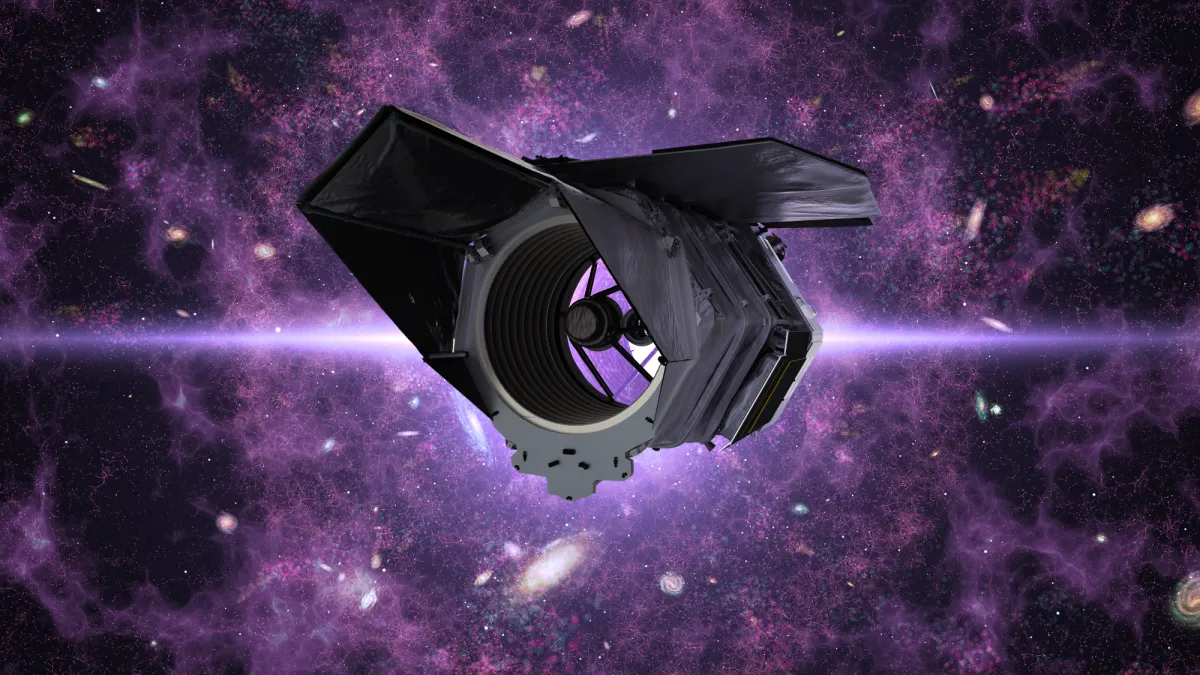
Missed Artemis II? Get your name in space sooner! NASA just opened submissions to fly your name aboard the Nancy Grace Roman Space Telescope, launching August 30.
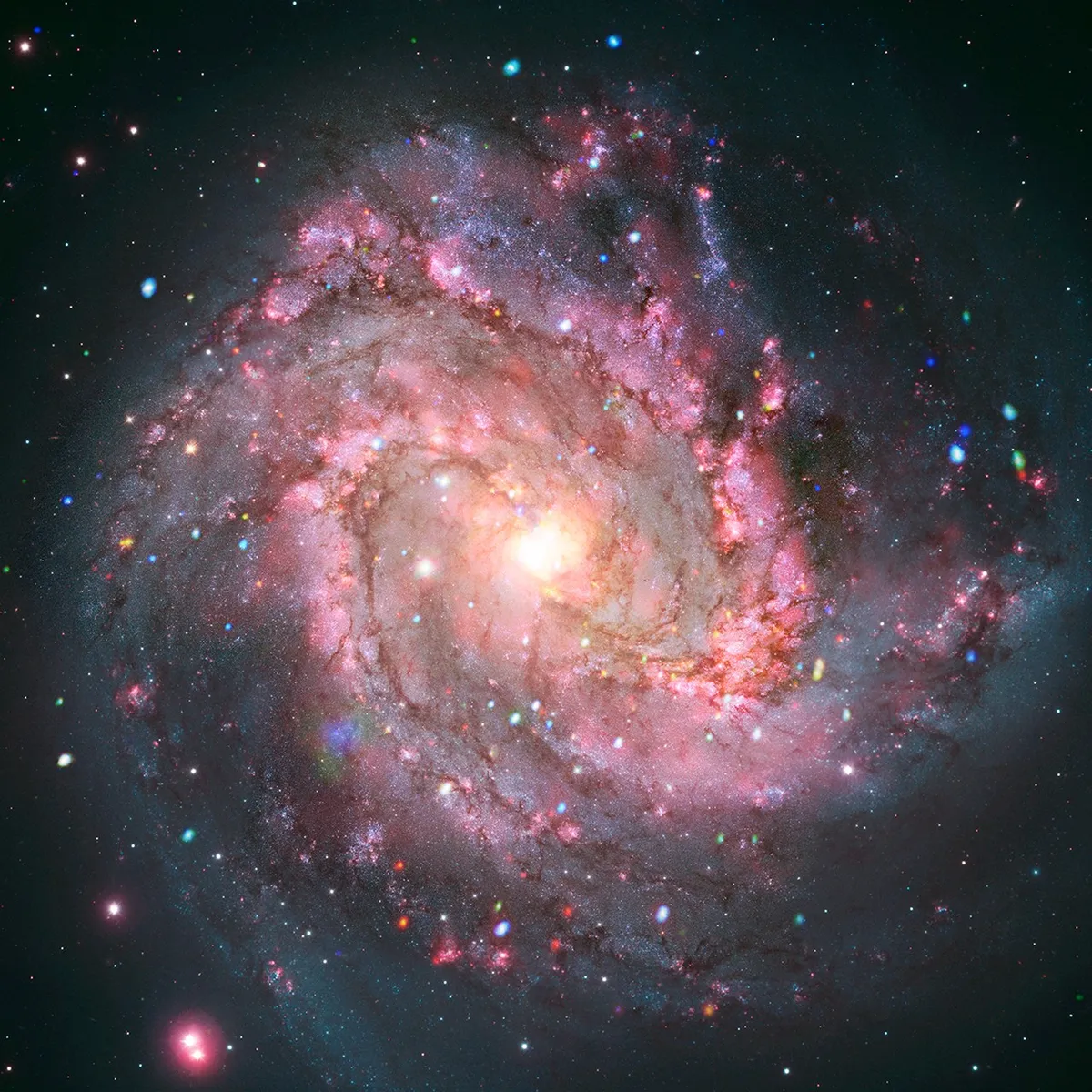
NASA's Chandra X-ray Observatory just spotted "unexpected fireworks" in Messier 83! Witness stunning supernova remnants in a composite image and timelapse videos.
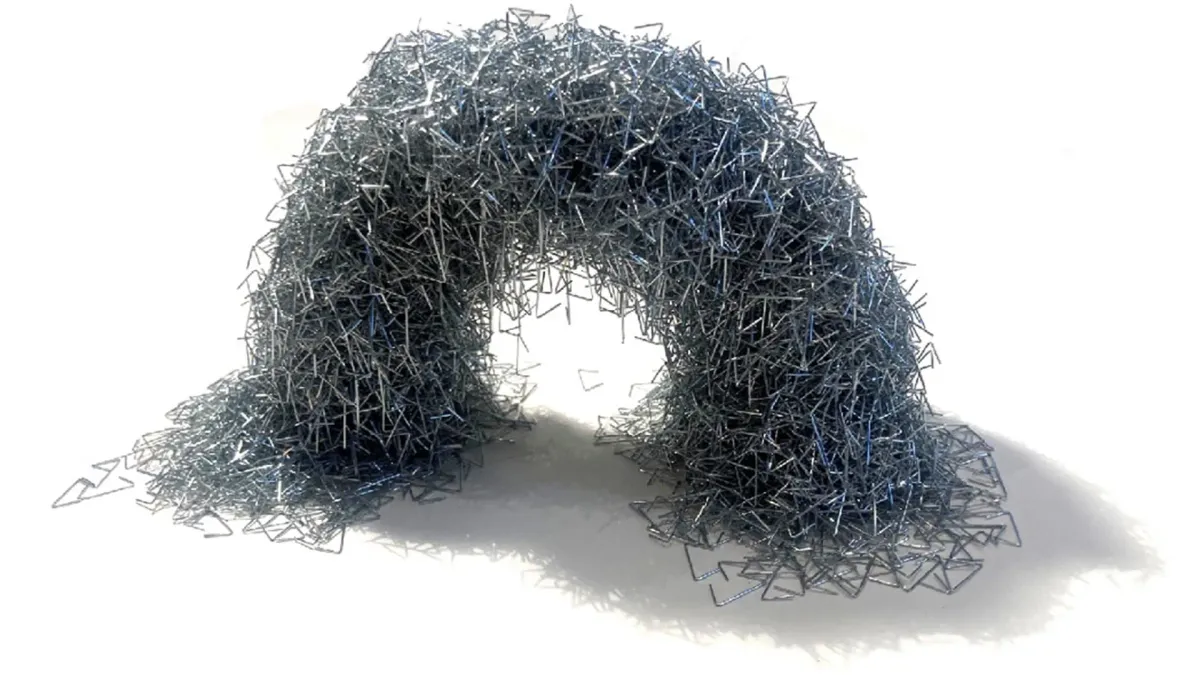
Staple-shaped particles tangle into a material that's both strong and flexible. Lock them into a sturdy structure, or unravel them rapidly with vibrations.
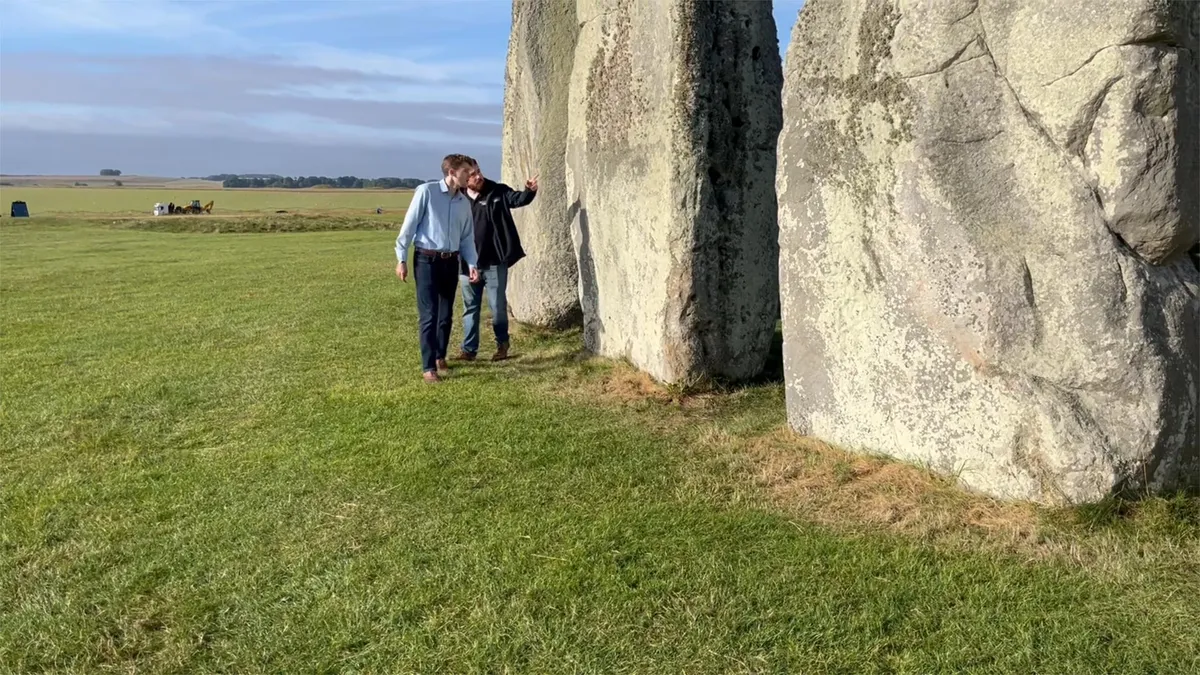
Stonehenge's massive Altar Stone journeyed 700km from Scotland. This incredible feat was no accident—it was a meticulously planned human endeavor.
Know someone who needs a boost? Share Brightcast with your friends and family.
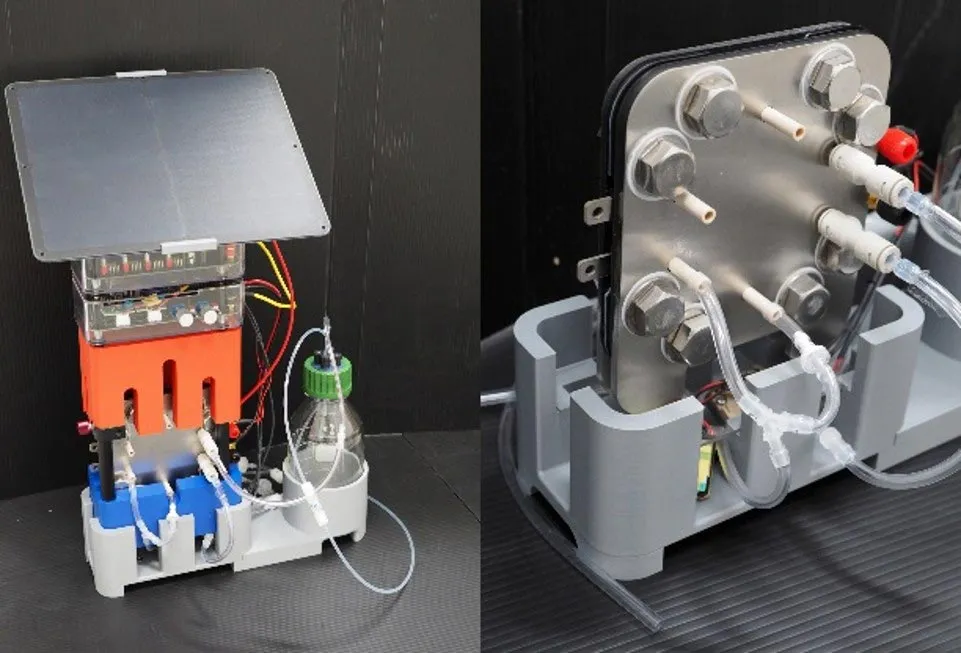
Solar fuel, no batteries needed. This self-regulating artificial photosynthesis system offers a simpler, cheaper path to clean energy storage.
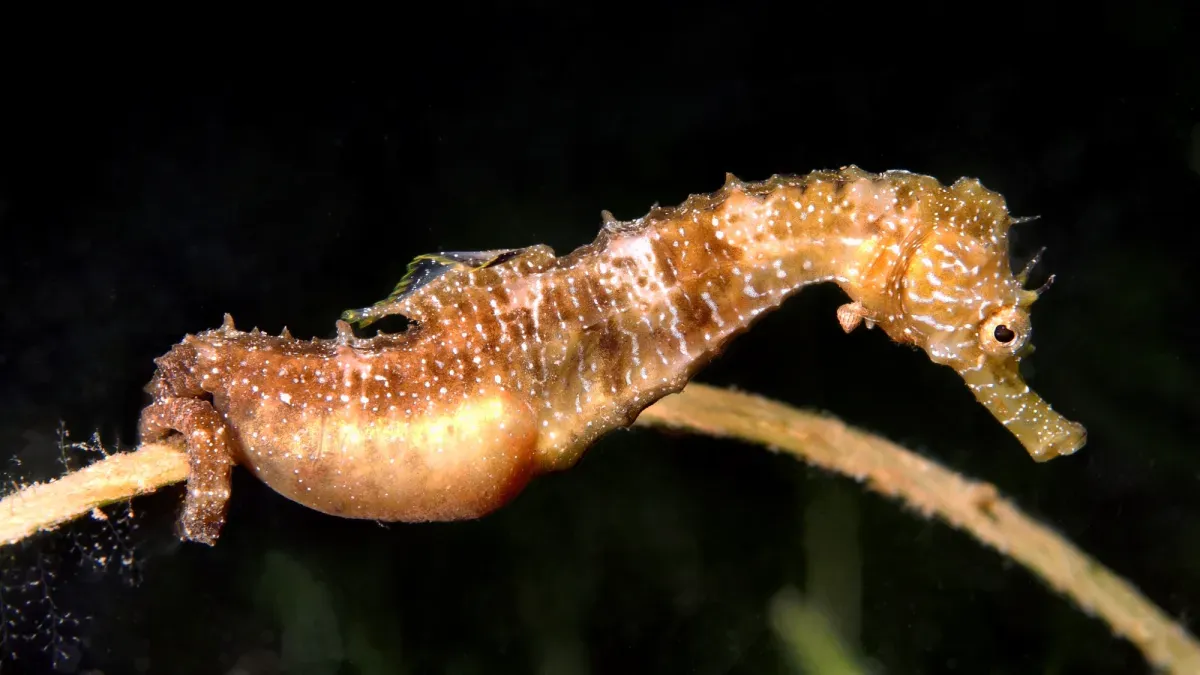
Students exploring Florida's Nest Key got a shock: they watched a male seahorse give birth! This rare sight unfolded right before their eyes, revealing two tiny seahorses.
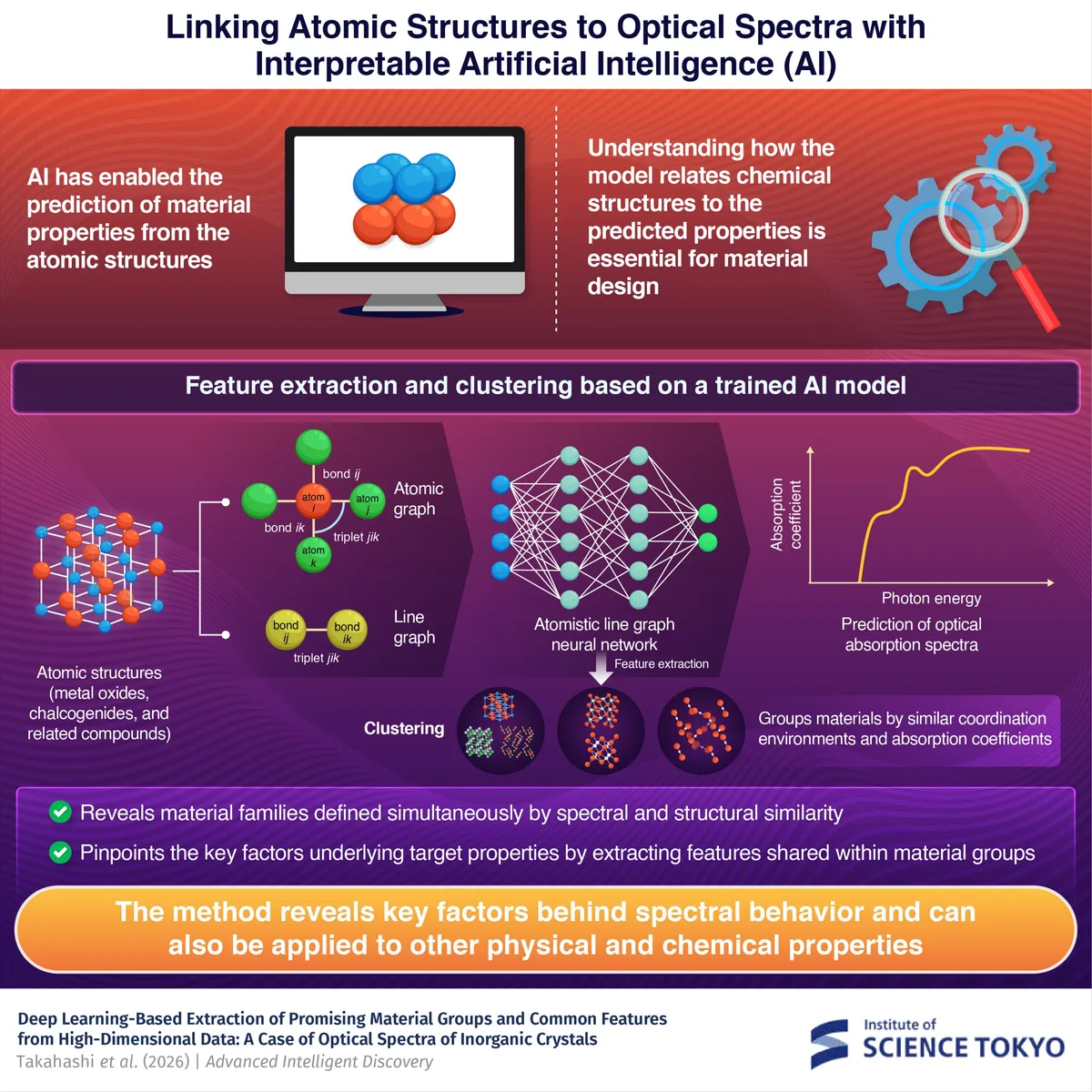
Unlock AI's secrets in materials discovery! Japanese researchers developed a method to interpret AI models by analyzing learned features from atomic data and optical spectra.
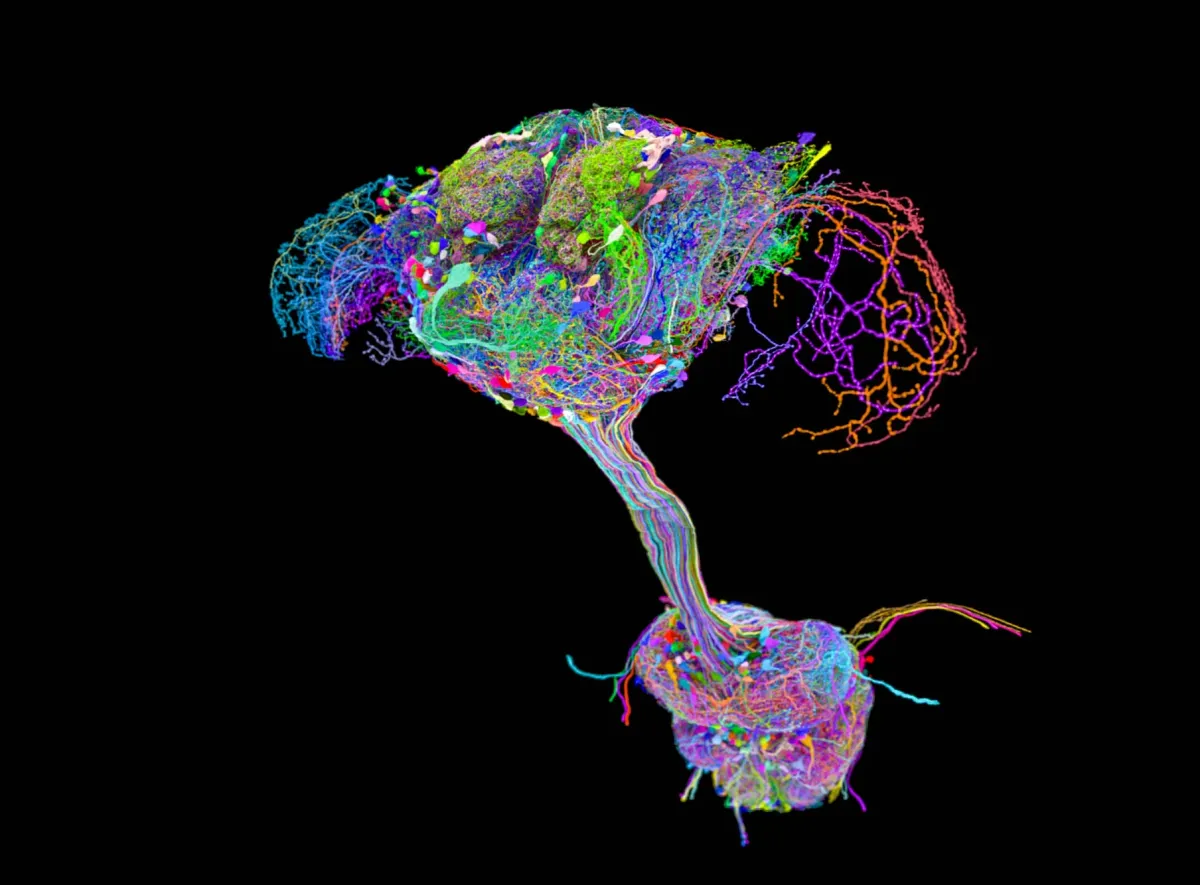
Fruit flies reveal a stunning secret: their complex behaviors aren't centrally controlled. Scientists mapped the first complete brain-to-body wiring, showing distributed neural teamwork.
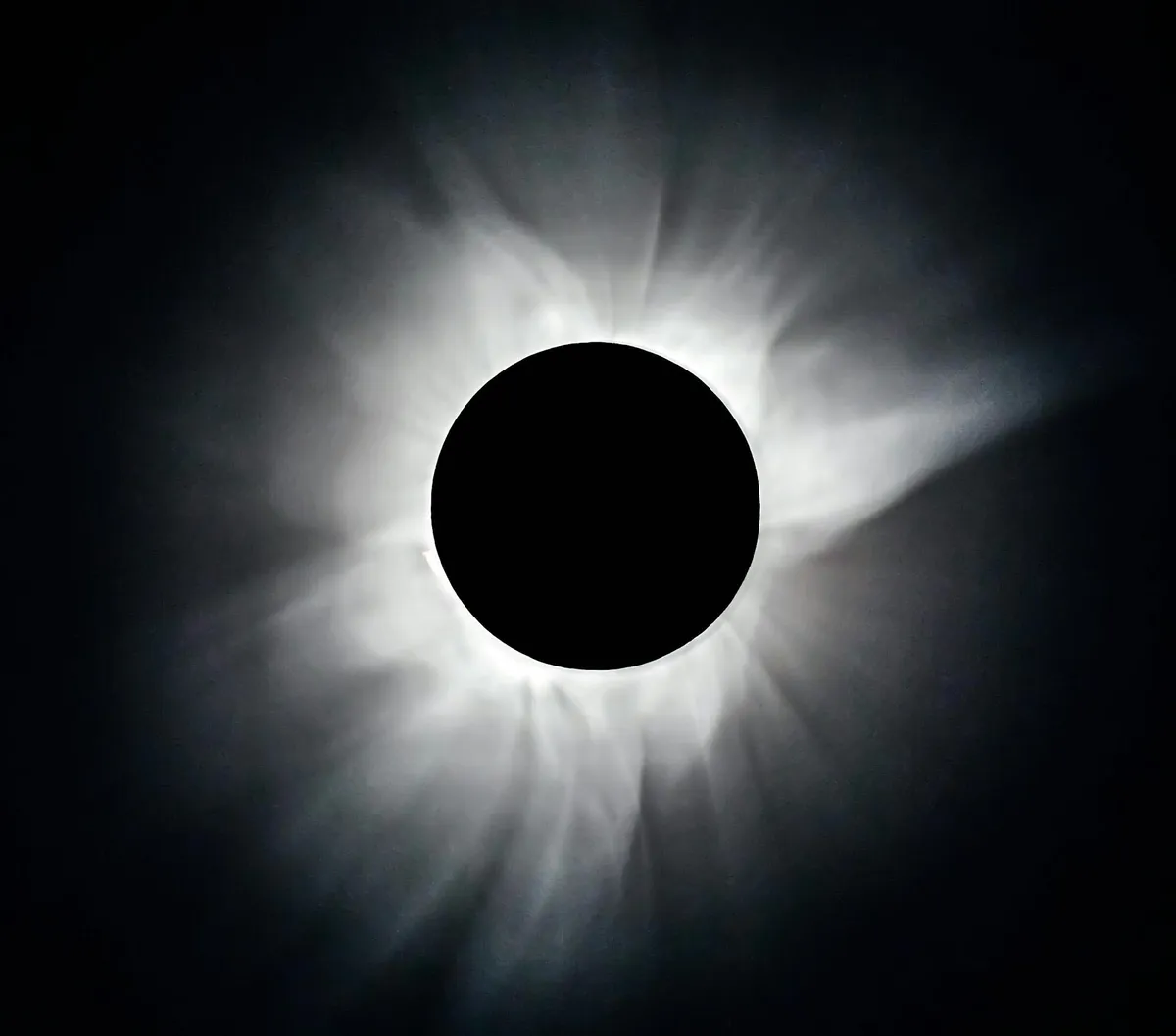
Planet Nine: The solar system's biggest mystery just got harder to solve. Is a massive, undiscovered planet lurking in the outer reaches? The hunt for Planet X continues.