S
Science
2 months ago
Progress Maker
New method measures cosmic ripples.
Gravitational waves: how do we measure them in an evolving universe? A new detector-based method provides clarity.
83
0
93

Breakthroughs happen quietly. We make sure you hear about them.
2782 stories
Gravitational waves: how do we measure them in an evolving universe? A new detector-based method provides clarity.
Unlock sharper memory, even while awake. New research shows replicating a sleep-like brain pattern in animals preserves learning and memory abilities.
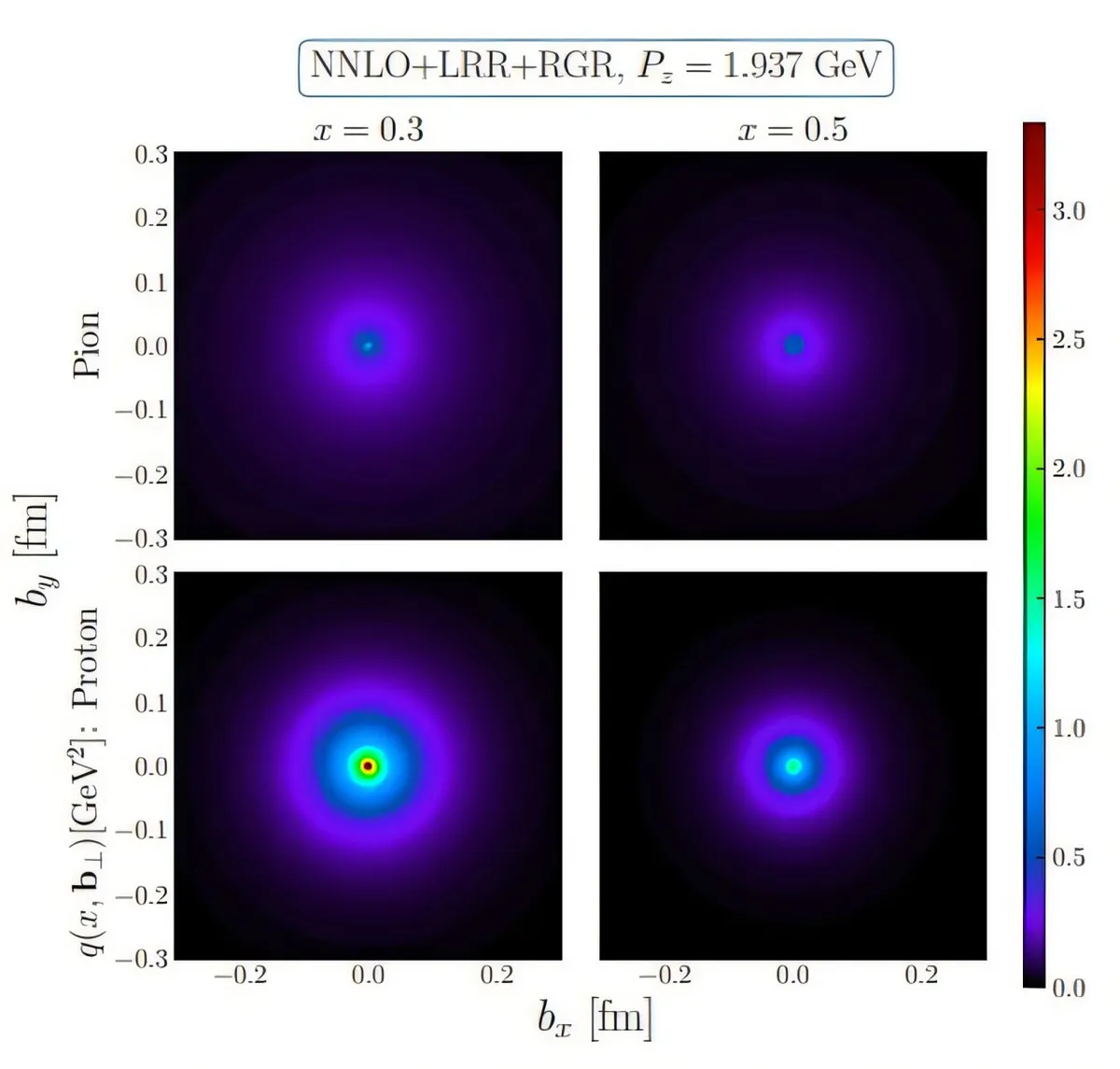
Argonne supercomputers just unveiled the pion's internal structure with unprecedented detail. This breakthrough, published in J. High Energy Physics, redefines our understanding of subatomic particles.
Giant planets spin faster than brown dwarfs? New Keck Observatory data challenges assumptions about mass and rotation, revealing unexpected planetary dynamics.

Forget calories! A new model tracks food's journey past digestion, revealing how gut microbes impact nutrient absorption.
Join 50,000+ readers who receive our daily digest of the most uplifting stories from around the world.
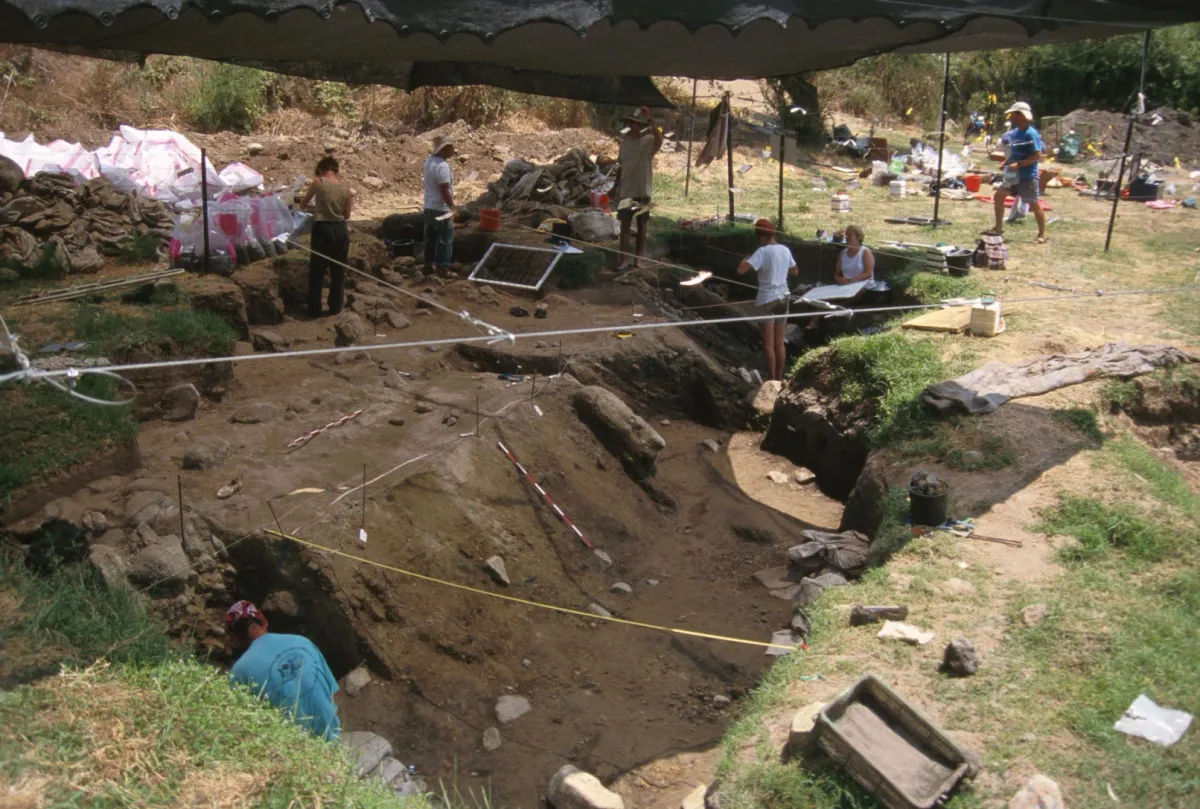
Ancient charcoal fragments from a lakeshore campsite reveal how humanity's earliest fire users managed resources and understood their environment.
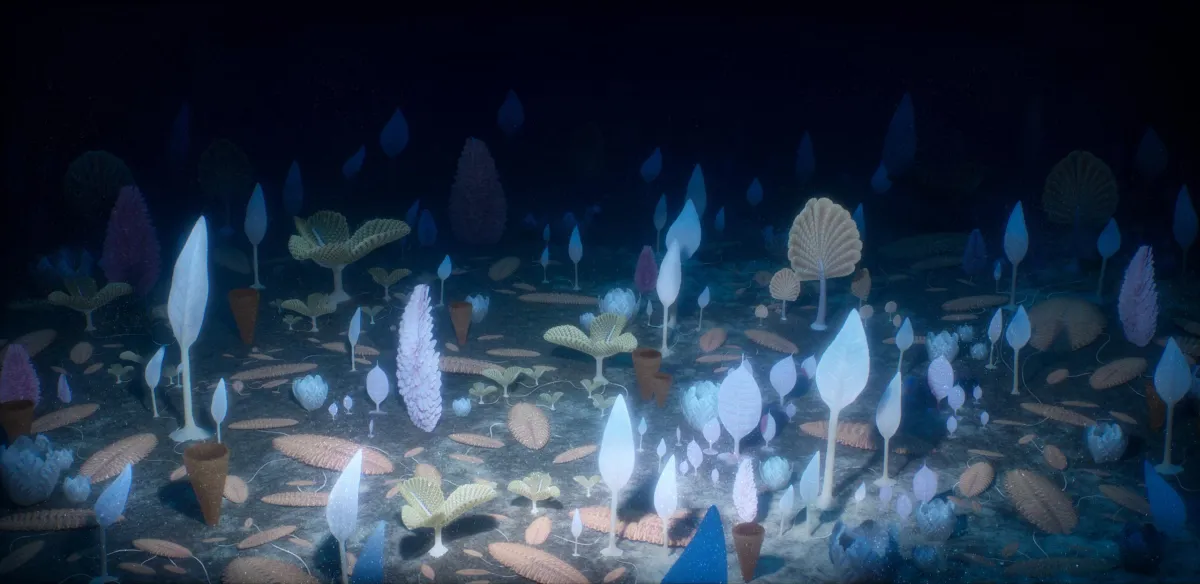
Evolution stalled for eons. Then, a new study reveals, sexual reproduction ignited a biodiversity explosion, unlocking millions of years of pent-up change.
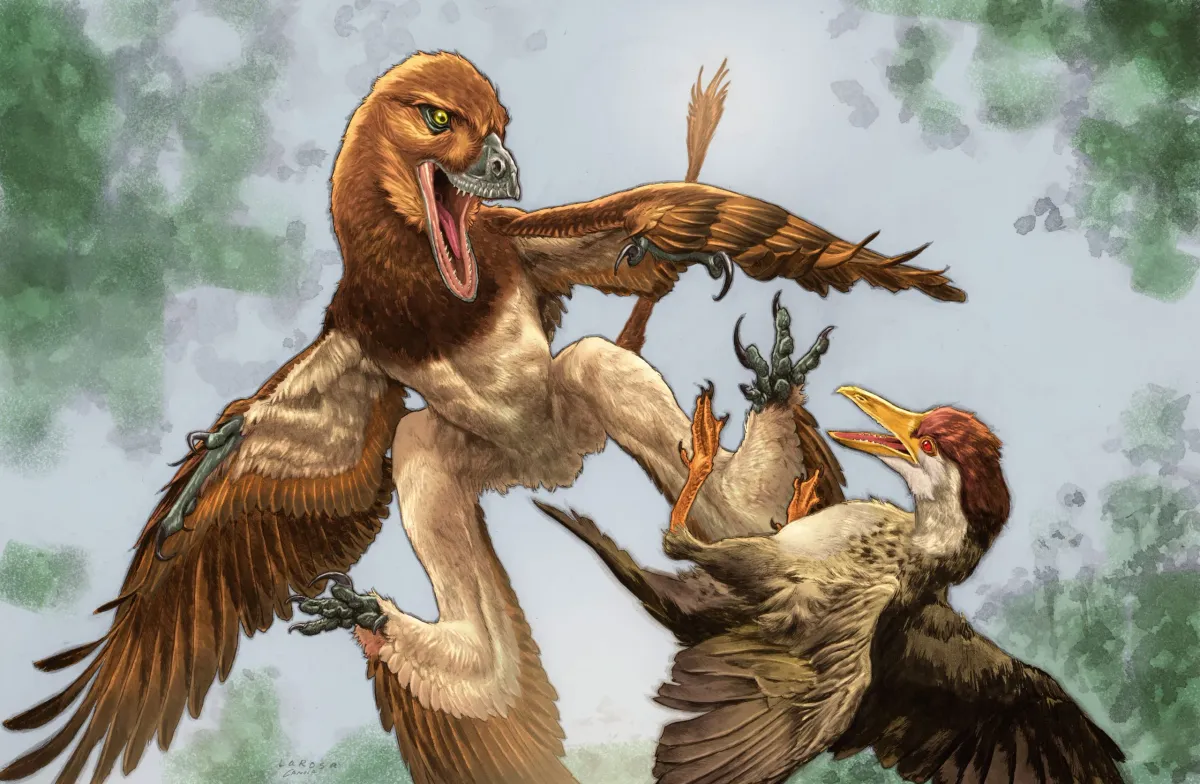
A feathered dinosaur from China could crack a major mystery: why an ancient fossil bed is packed with bird remains.
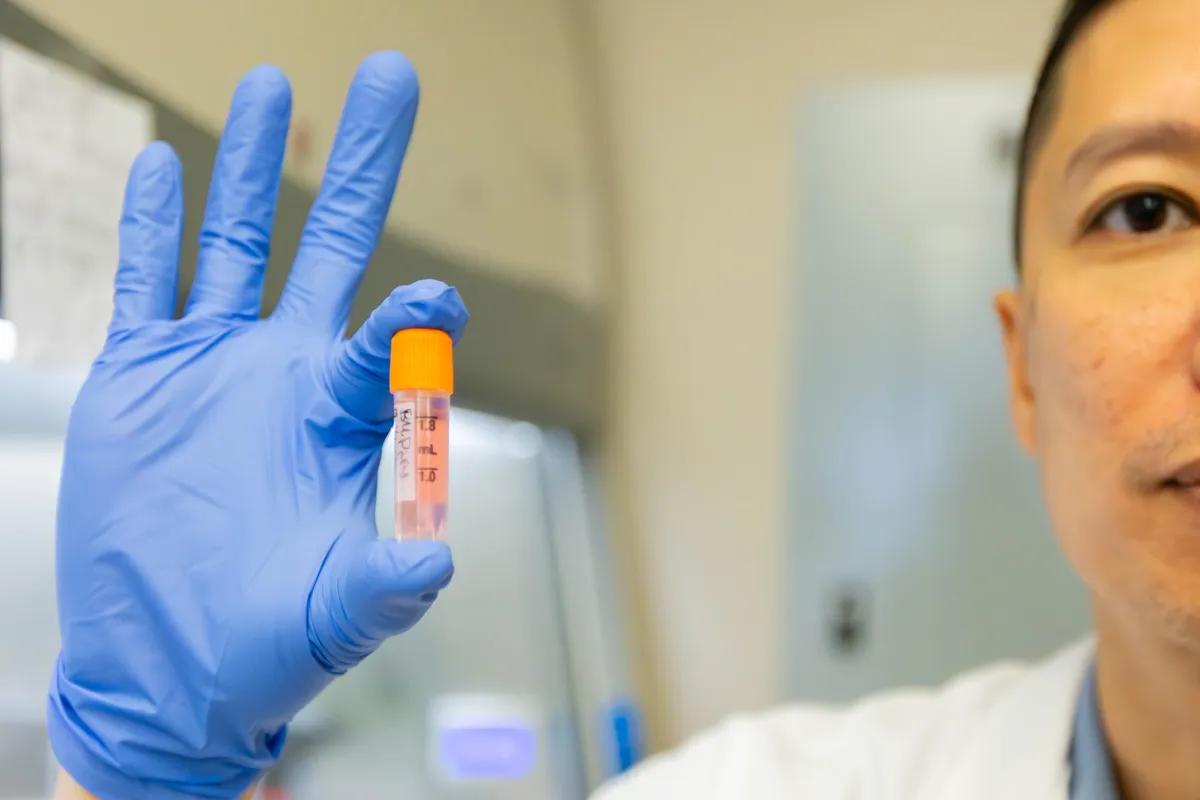
Forget animal testing. Researchers now use lab-grown canine muscle cells to efficiently screen new therapies, quickly identifying effective treatments.
Uncover Hubble's universe-changing legacy. Explore its history, groundbreaking science, cultural impact, and technological benefits—from human spaceflight to AI partnerships.
Brightcast is dedicated to restoring faith in humanity by highlighting the progress, solutions, and kindness that often go unnoticed. We believe in a balanced worldview.
Read our full mission →
What if time isn't real? A new experiment with 24,000 ultracold atoms suggests our past-to-future experience might arise from a system's internal dynamics, not reality itself.
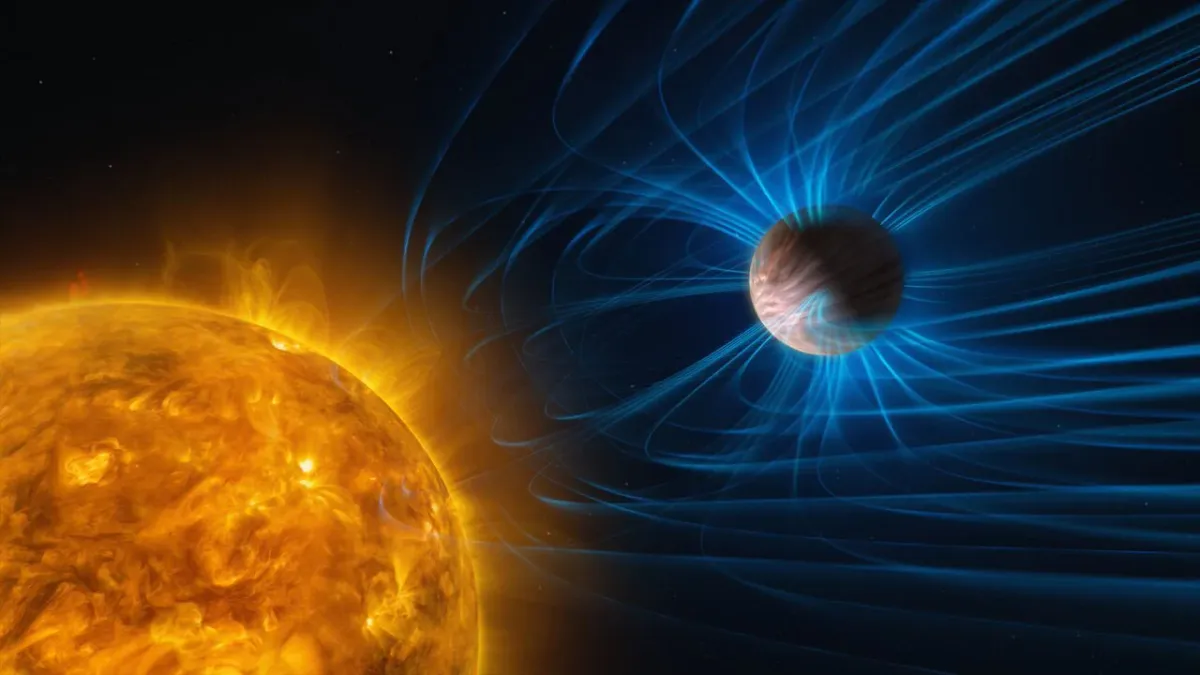
Astronomers found a surprising pattern in intensely heated exoplanet atmospheres, hinting at a hidden property of these distant worlds.

A meteorite from the Sahara Desert reveals compelling evidence of a long-lost world from the solar system's earliest days.
From stronger concrete to nature-inspired water filters and better sunscreen, this week's news shows humanity getting smarter about improving existing systems, not just inventing new ones.

Isolated research reveals how teams adapt to long confinement. New clues emerge from Earth's most remote station.
Know someone who needs a boost? Share Brightcast with your friends and family.
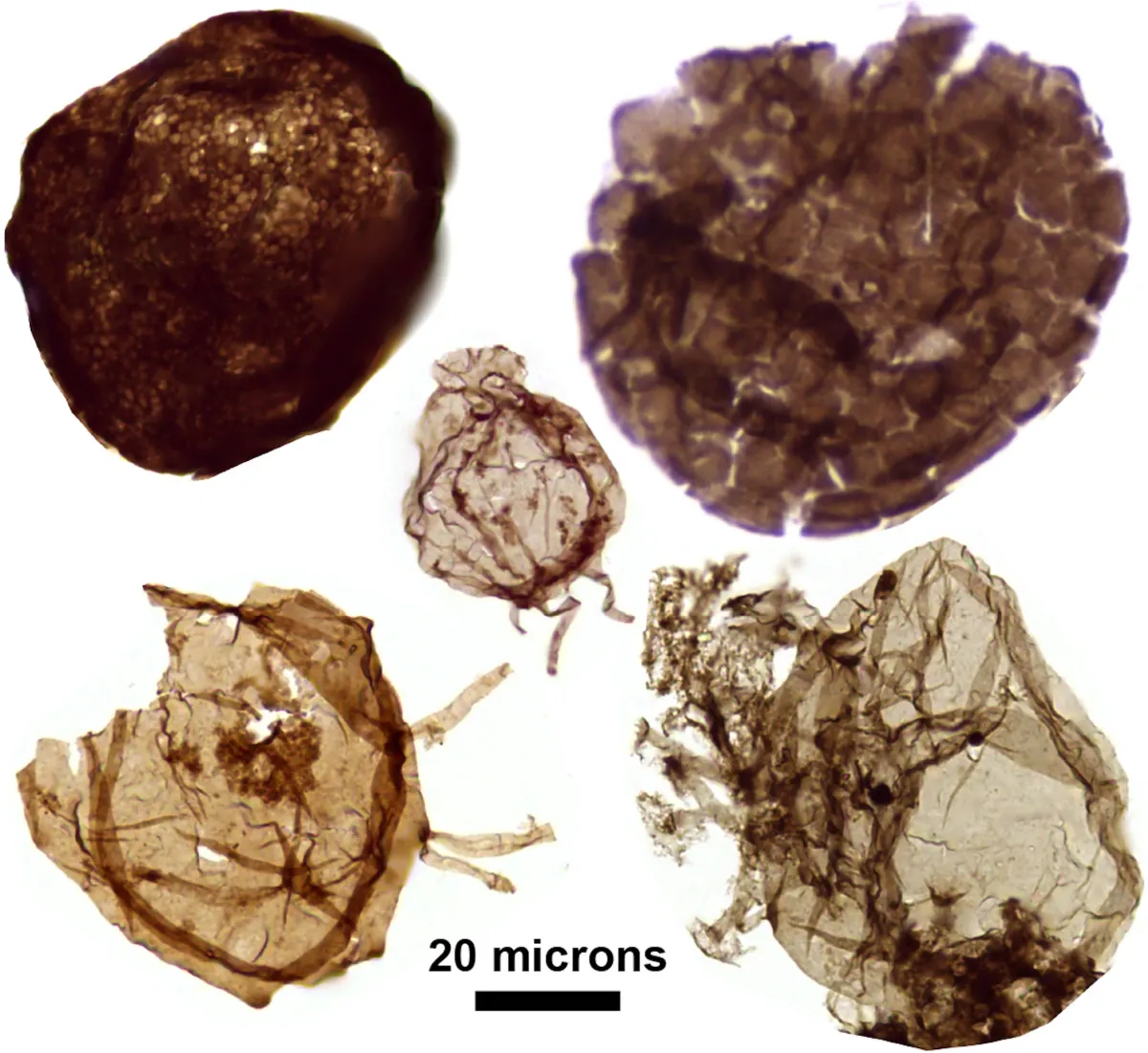
Ancient Australian fossils reveal Earth's earliest eukaryotes needed oxygen. This new evidence suggests oxygen was crucial for the evolution of complex life.
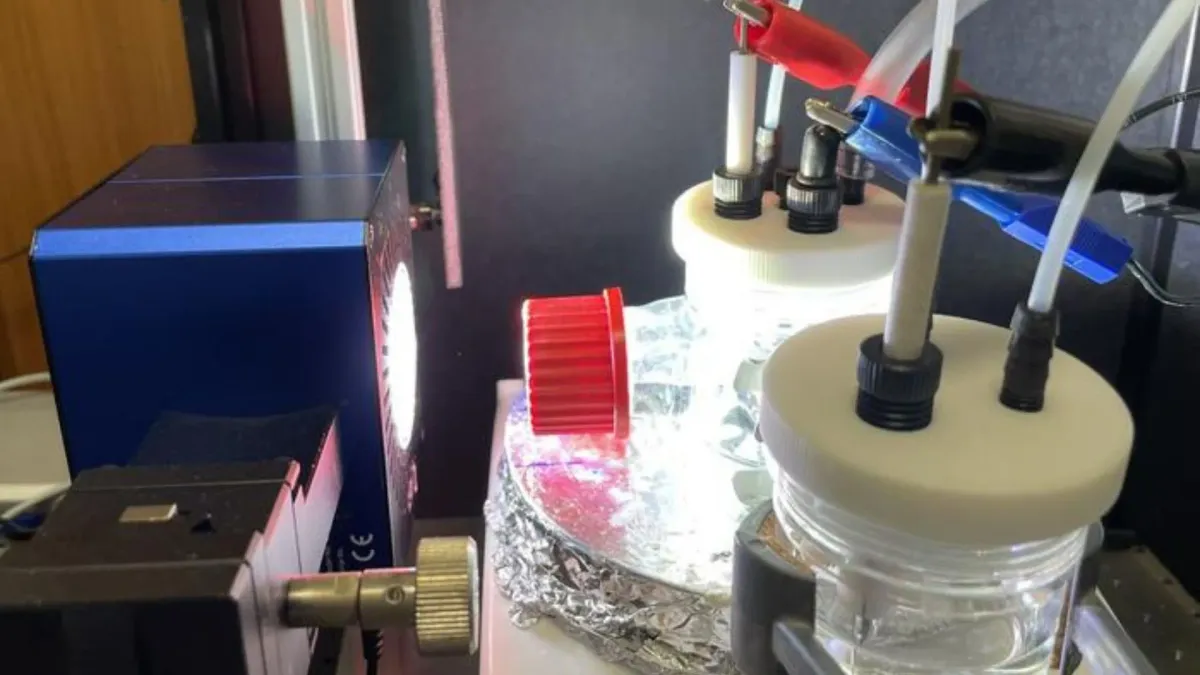
Turning greenhouse gases into valuable assets was a dream. Now, Nottingham scientists use a solar-powered reactor and novel catalysts to transform CO2 and water into useful products simultaneously.

Astronomers using NASA's Chandra X-ray Observatory may have found a supernova remnant in our galaxy's center—the expanding remains of an exploded star critical for planet formation and life.
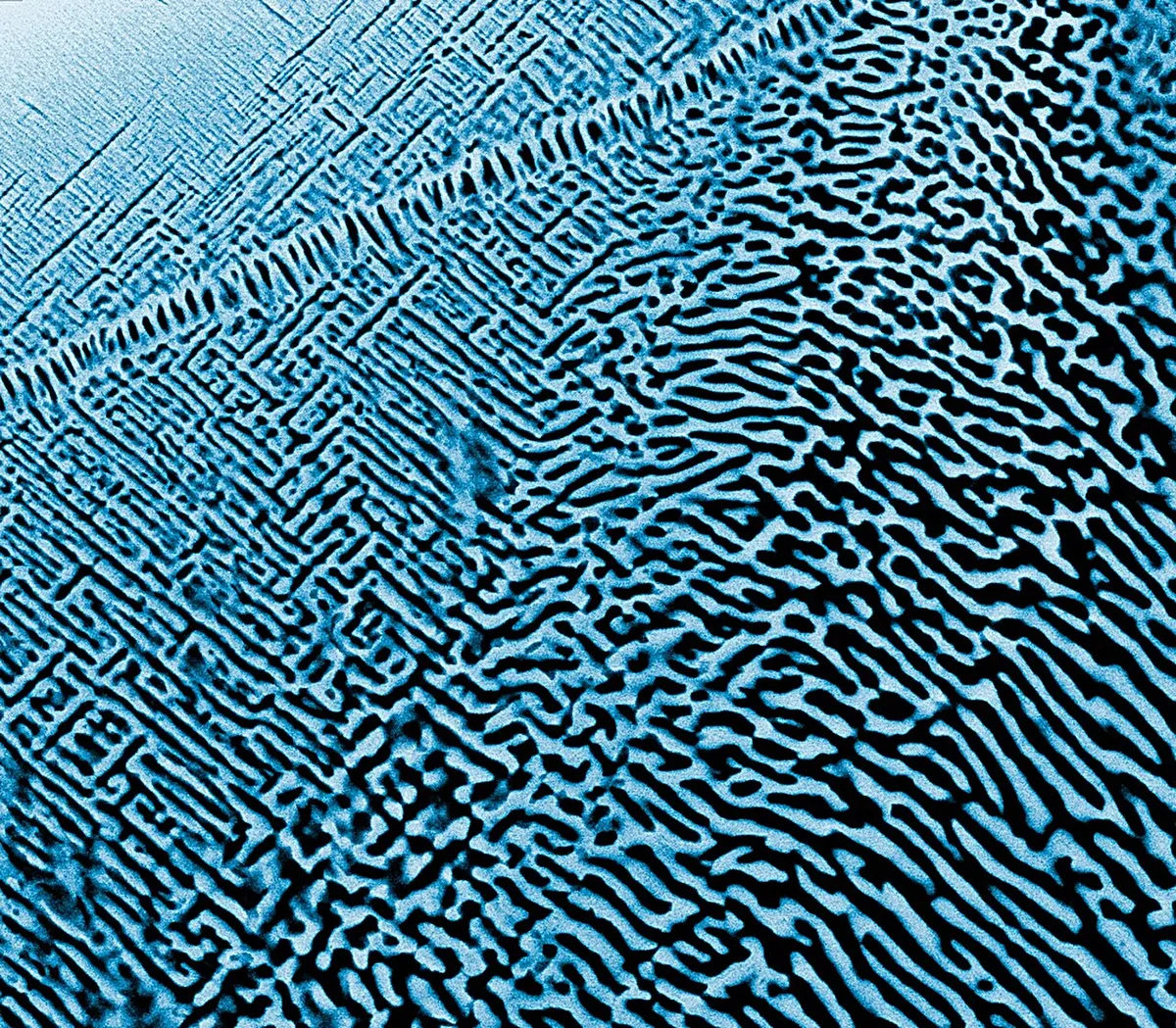
Want greener batteries, safer hydrogen, and more efficient wind power? BAM researchers reveal how to design high-performance materials for a sustainable future.
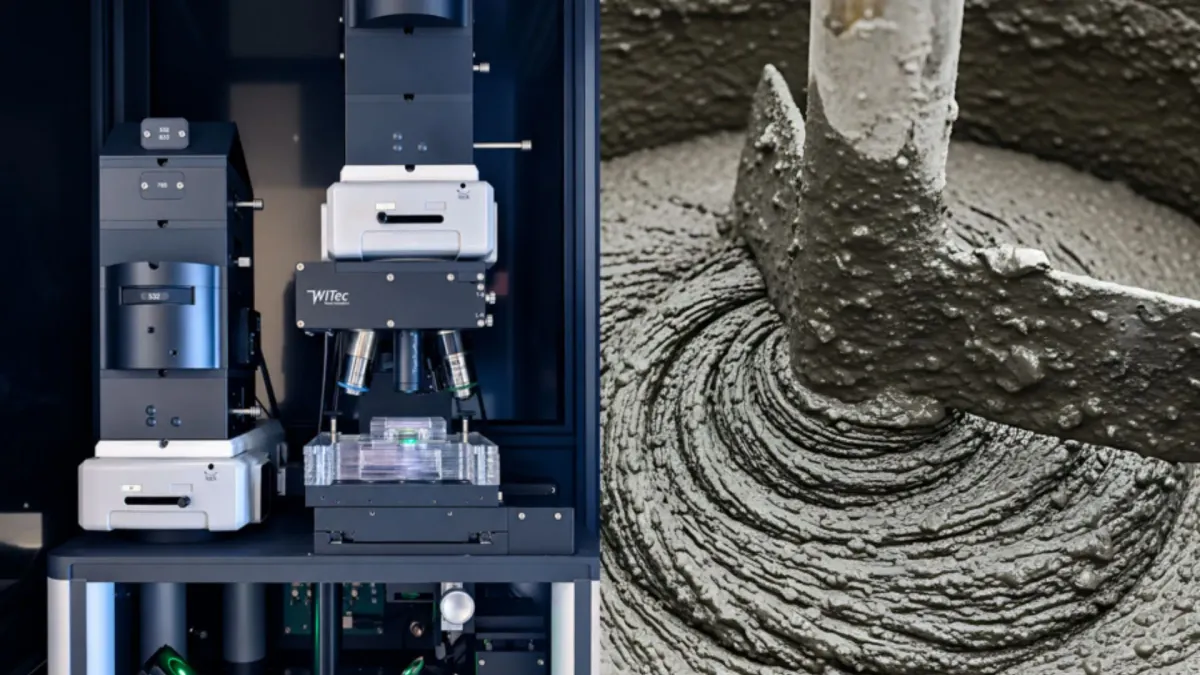
Concrete's carbon-trapping secret is out! For years, CO2 injections improved concrete, but *how* was a mystery. Now, MIT scientists have finally watched the chemistry unfold in real time.
Download the Brightcast app for a better reading experience, daily notifications, and offline access.
Download App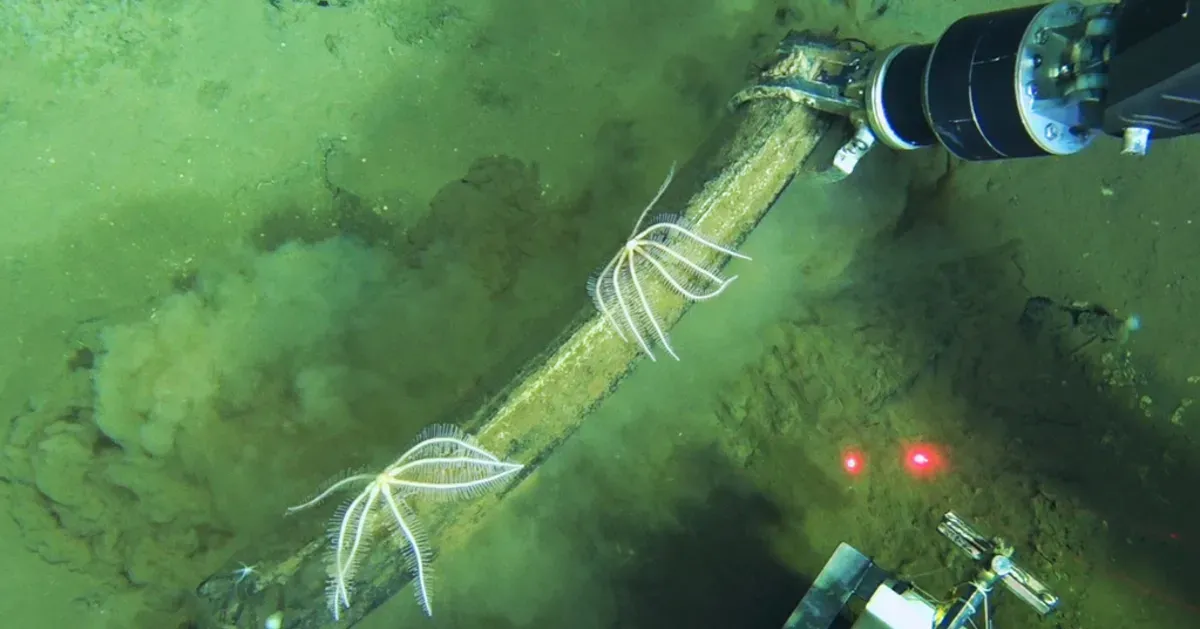
A millions-year-old whale graveyard teems with life! Scientists found jellyfish, tubeworms, and brittle stars thriving on ancient whale carcasses, a sustaining snack for deep-sea critters.
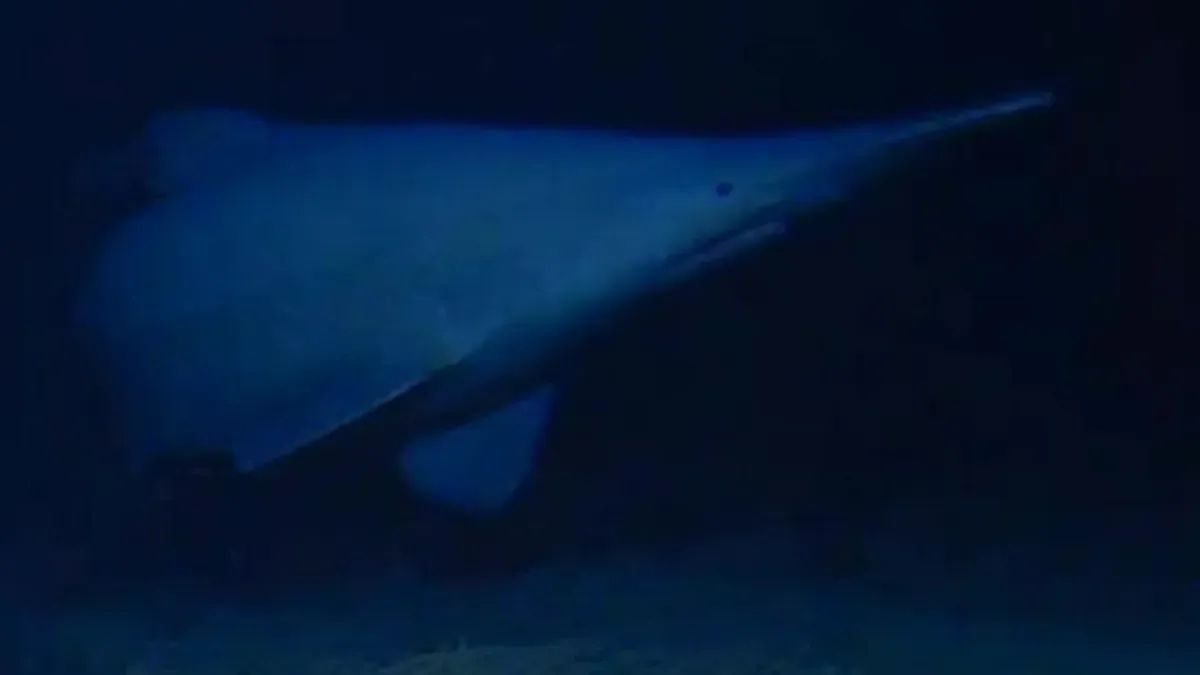
Meet the goblin shark: Earth's rarest, weirdest shark. This pink-skinned living fossil, with its horn-like snout and protrudable jaws, is the sole survivor of a 125-million-year-old lineage.
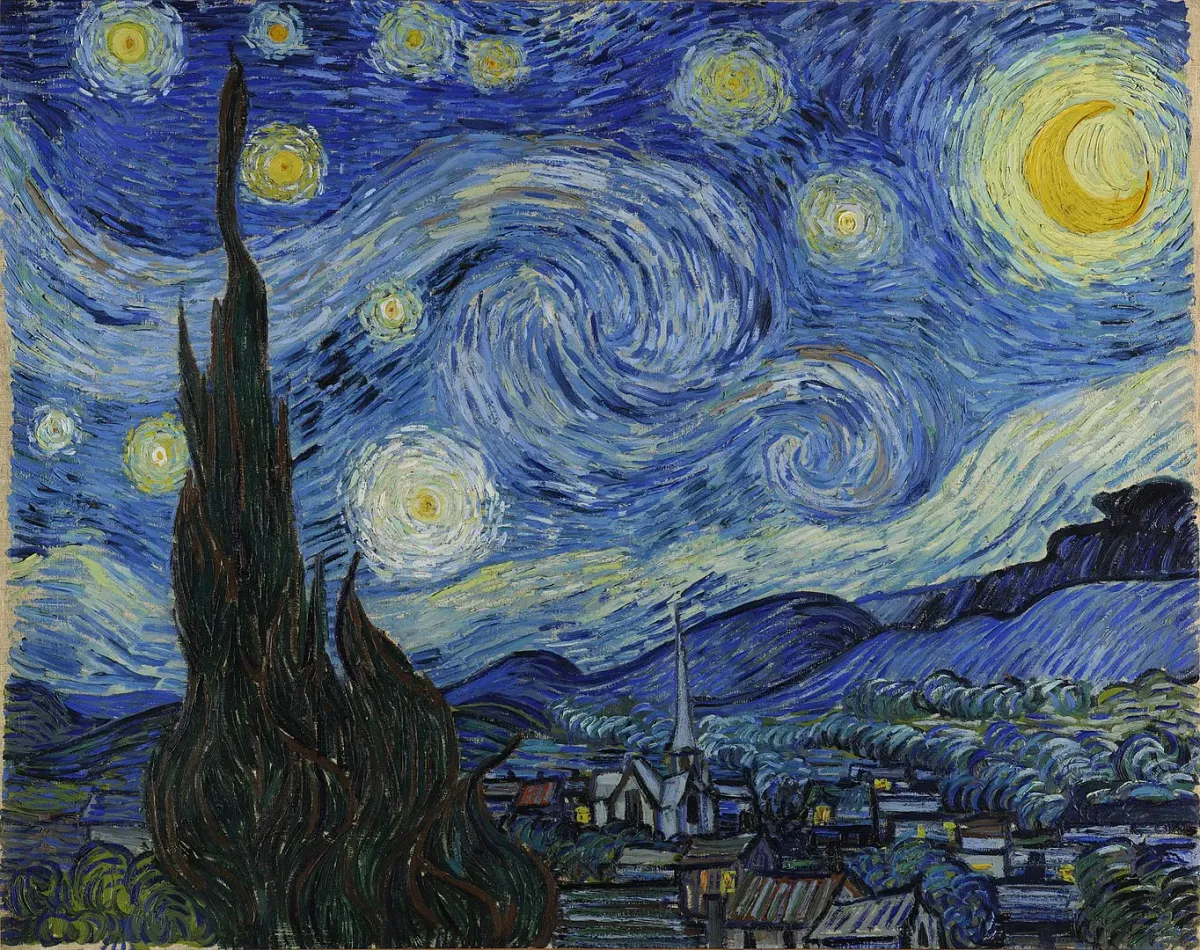
French scientists just unveiled a new method to unmask art forgeries. Published in Surface Topography: Metrology and Properties, their technique promises to authenticate artworks with unprecedented accuracy.
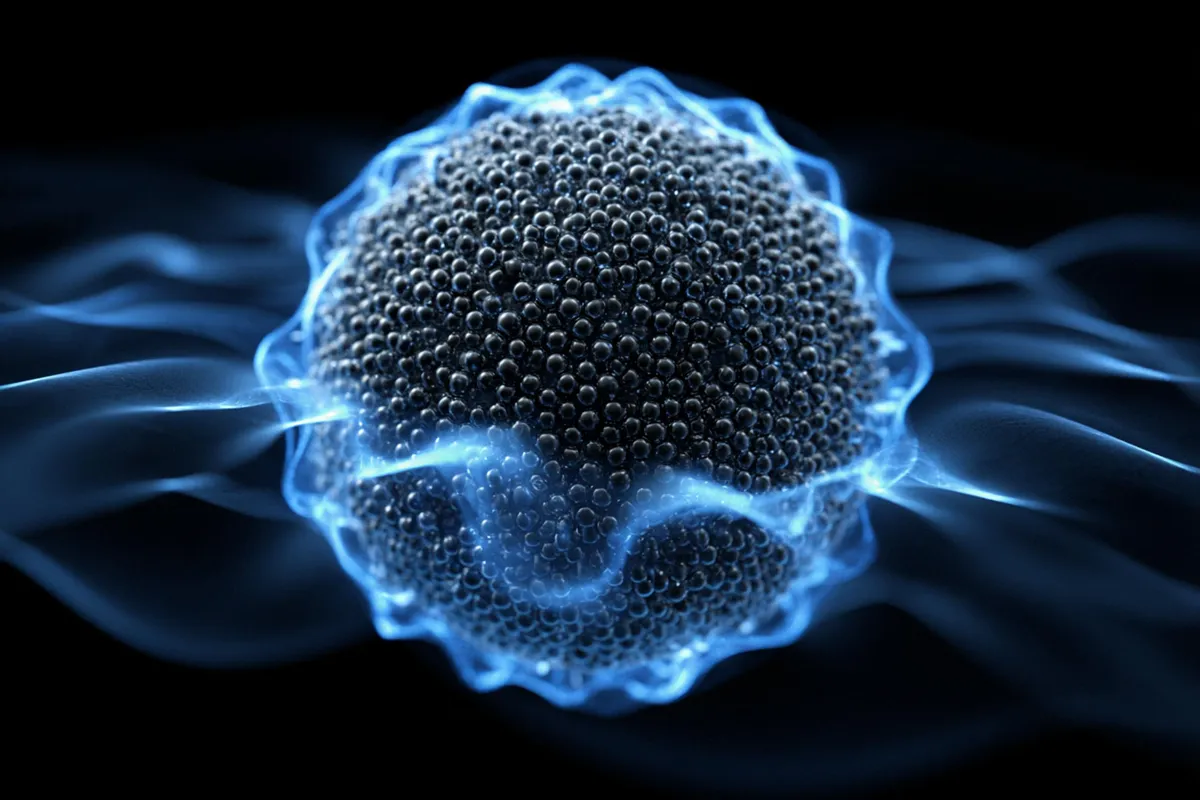
Scientists just unveiled a hidden state of matter! This long-predicted quantum phase could revolutionize technology.
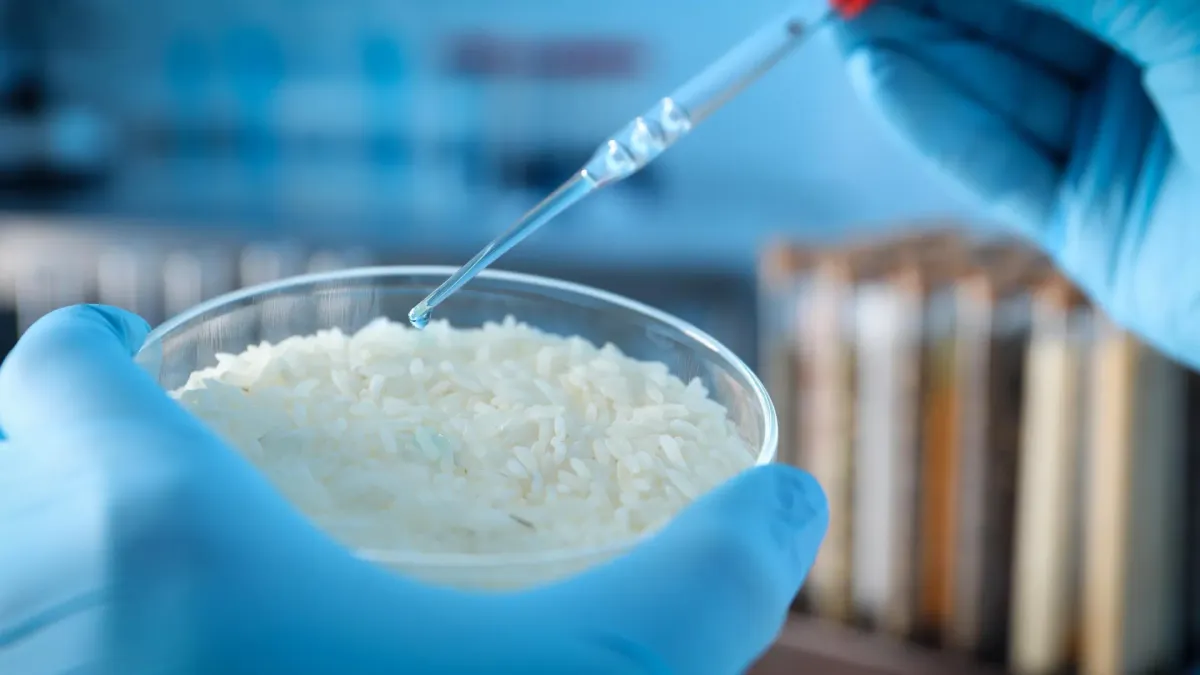
Rice defies physics: it weakens under rapid compression but strengthens with slow pressure. Scientists harnessed this unusual behavior to engineer a new material that adapts its stiffness to impact speed.
Join 50,000+ readers who receive our daily digest of the most uplifting stories from around the world.
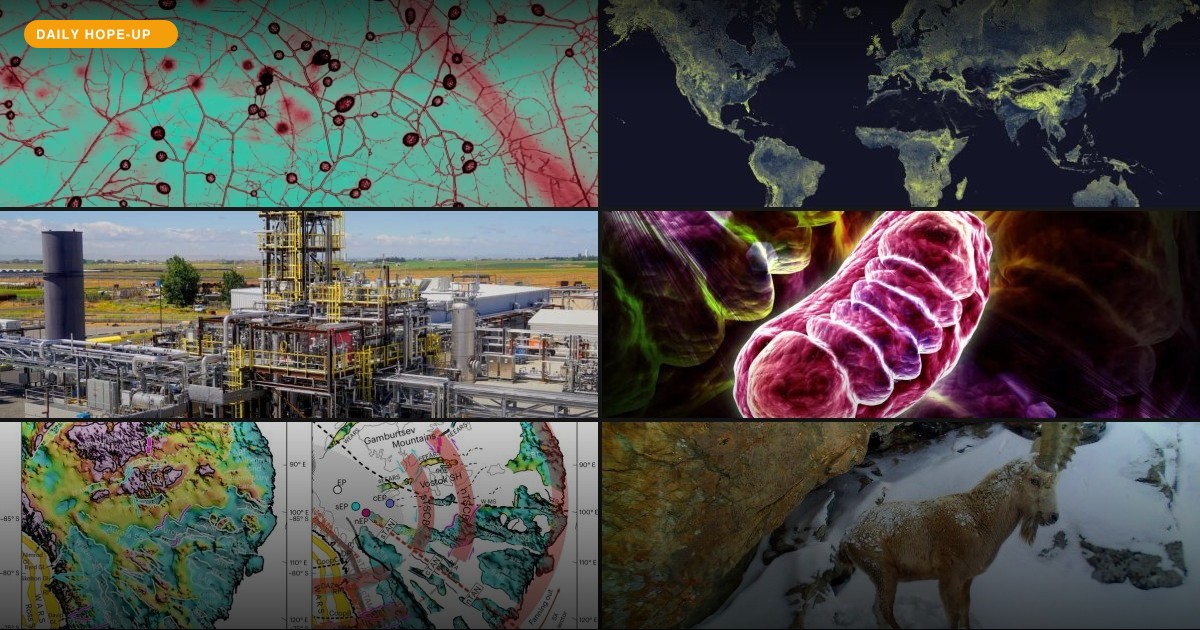
From vast fungal networks keeping Earth cool to soundwave-brewed espresso, this week's Hope-Up reveals the quiet, ingenious shifts happening just out of sight. Plus, a two-million-acre win for snow leopards.
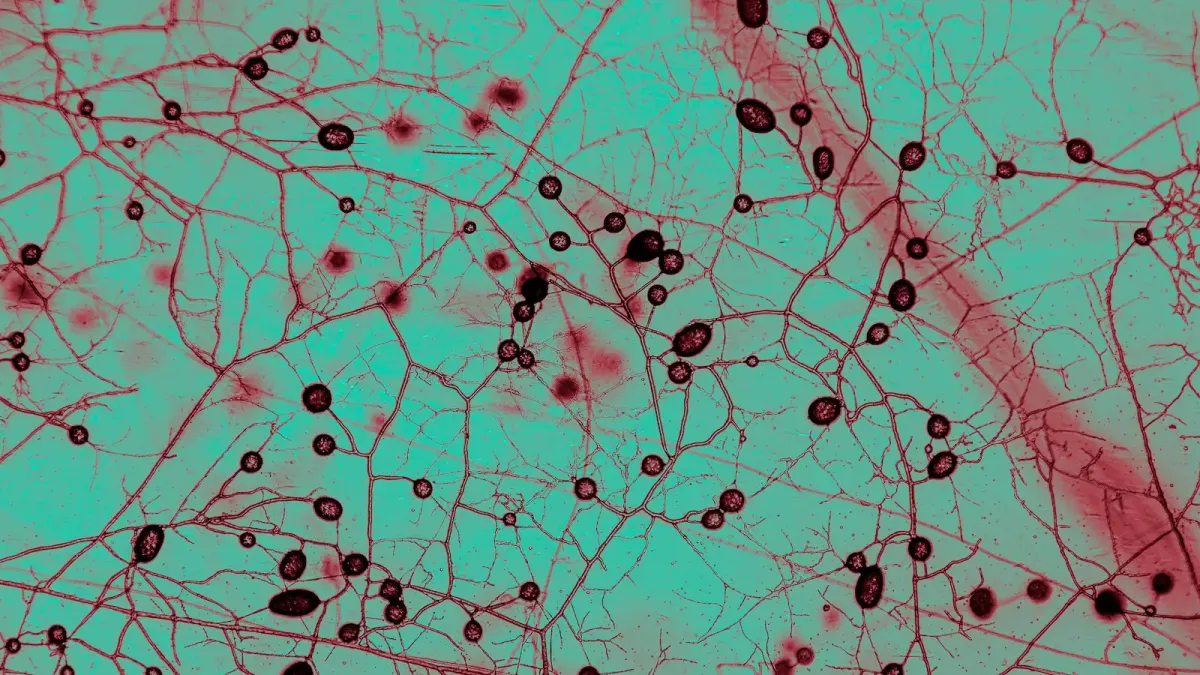
Don't like mushrooms? You still owe fungi big. Arbuscular mycorrhizal fungi form vast underground networks, exchanging nutrients with nearly 75% of plants, making Earth green.
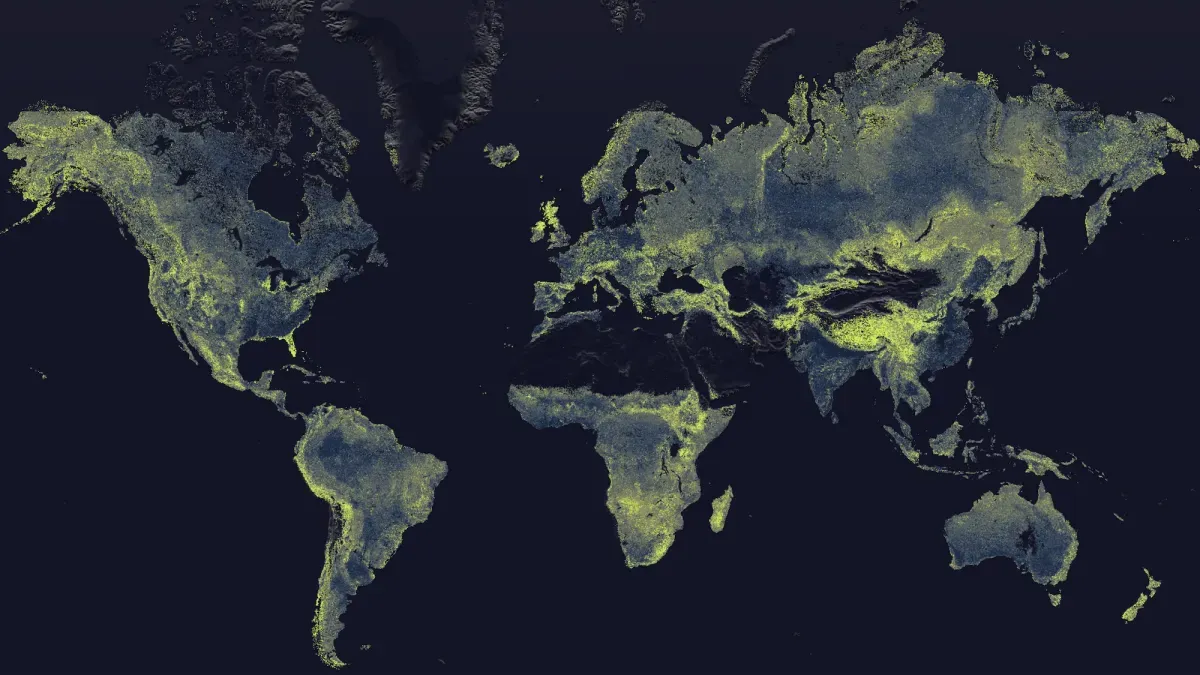
Hidden underground, arbuscular mycorrhizal fungi (AM fungi) power 70% of Earth's plants. These vast networks exchange nutrients for carbon, enriching soil and boosting root foraging 100x.
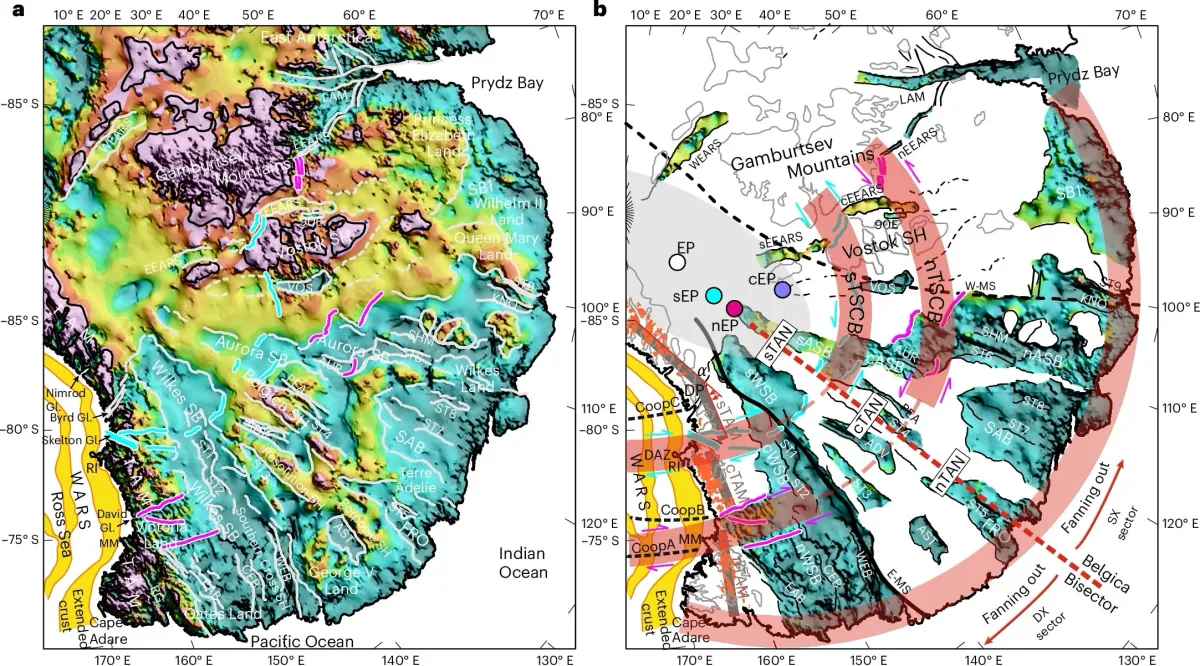
A colossal hidden structure beneath Antarctica could reshape our understanding of the continent's past and present.
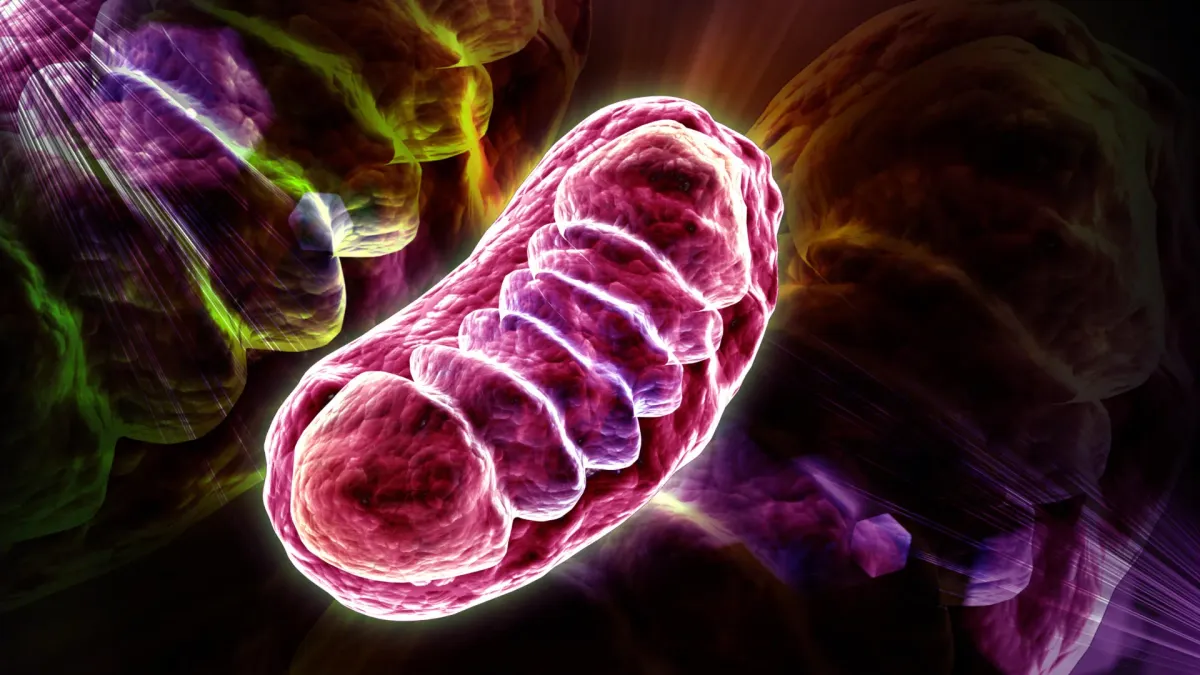
Aging saps cell energy. Scientists found declining phosphatidylcholine levels cause mitochondrial dysfunction, but boosting it restored youthful performance.
Brightcast is dedicated to restoring faith in humanity by highlighting the progress, solutions, and kindness that often go unnoticed. We believe in a balanced worldview.
Read our full mission →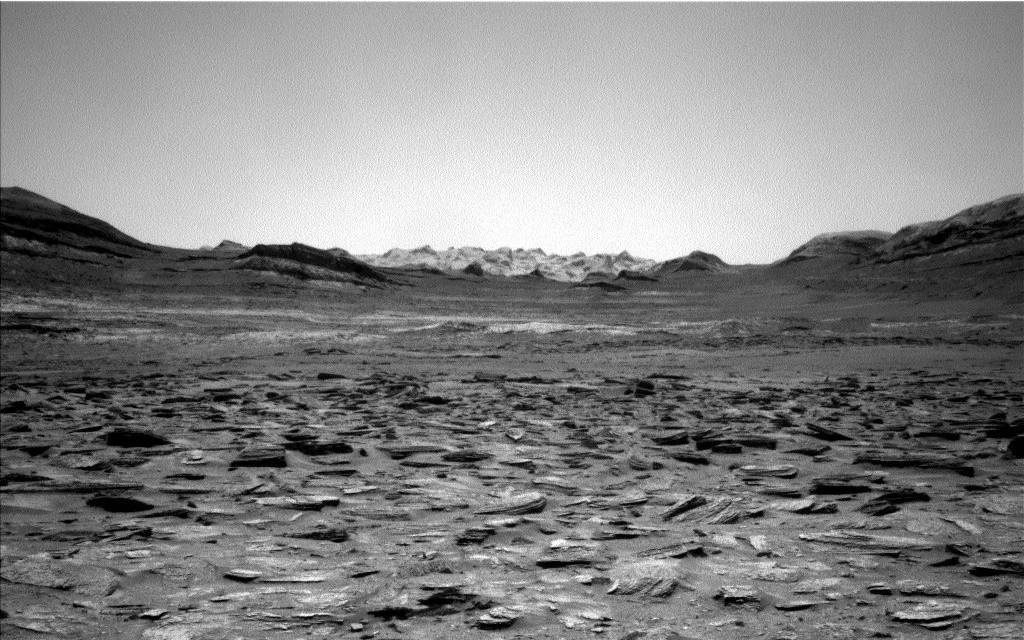
Curiosity has two modes of operation. Catherine O'Connell-Cooper (UNB) explains the rover's planning on June 5th, 2026, for the Mars Science Laboratory Mission.
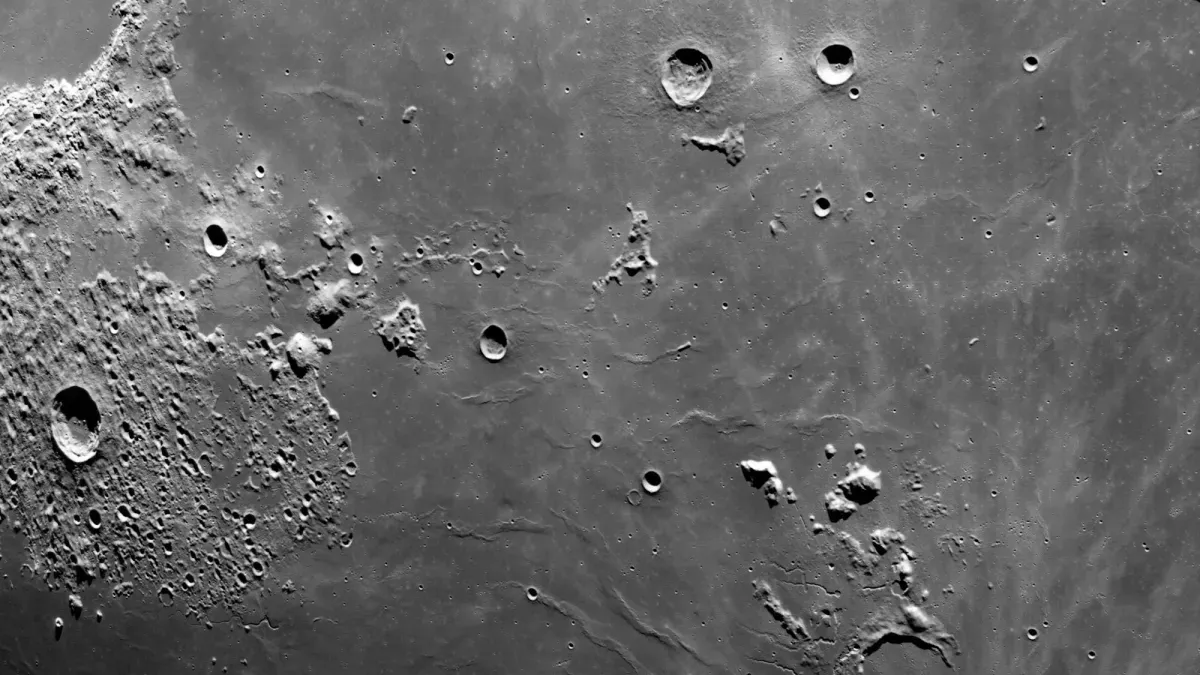
A rare meteorite from Mali is unlocking 4.5-billion-year secrets of lunar catastrophes. Its unique composition helps astronomers understand how the Moon, Earth, and solar system formed.
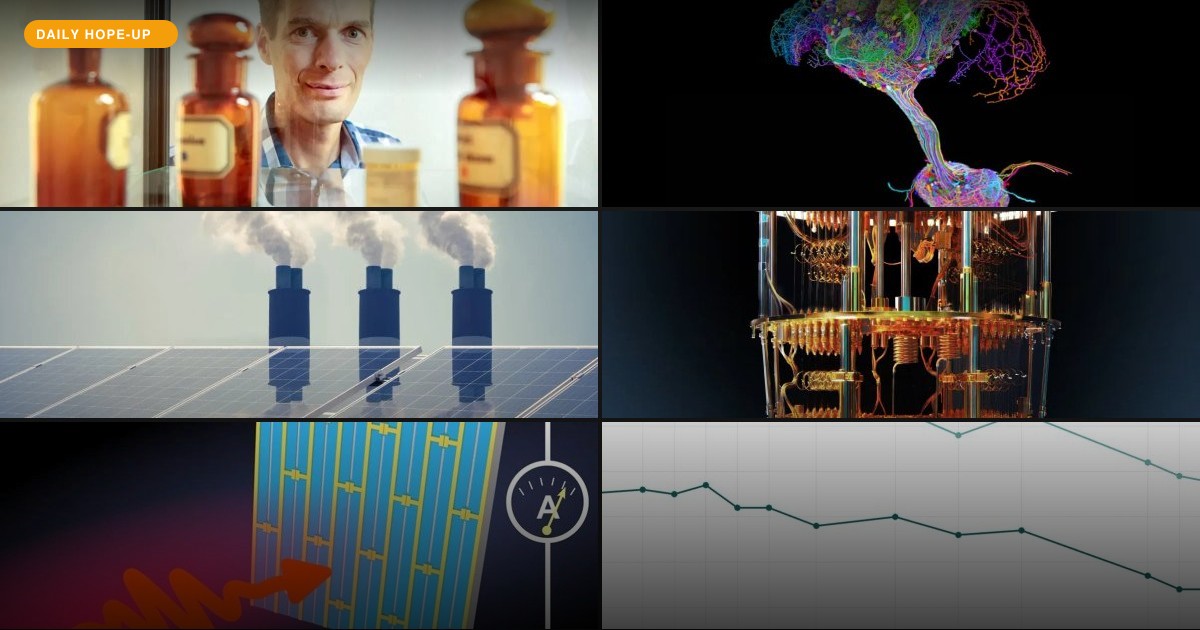
From mapping fruit fly brains to solar outcompeting coal, this week's Hope-Up reveals how deeper understanding and ingenious solutions are driving progress across science and energy.

Autism isn't one condition. Brain scans reveal two biologically distinct forms, identified by how brain regions communicate. This discovery could transform diagnosis.
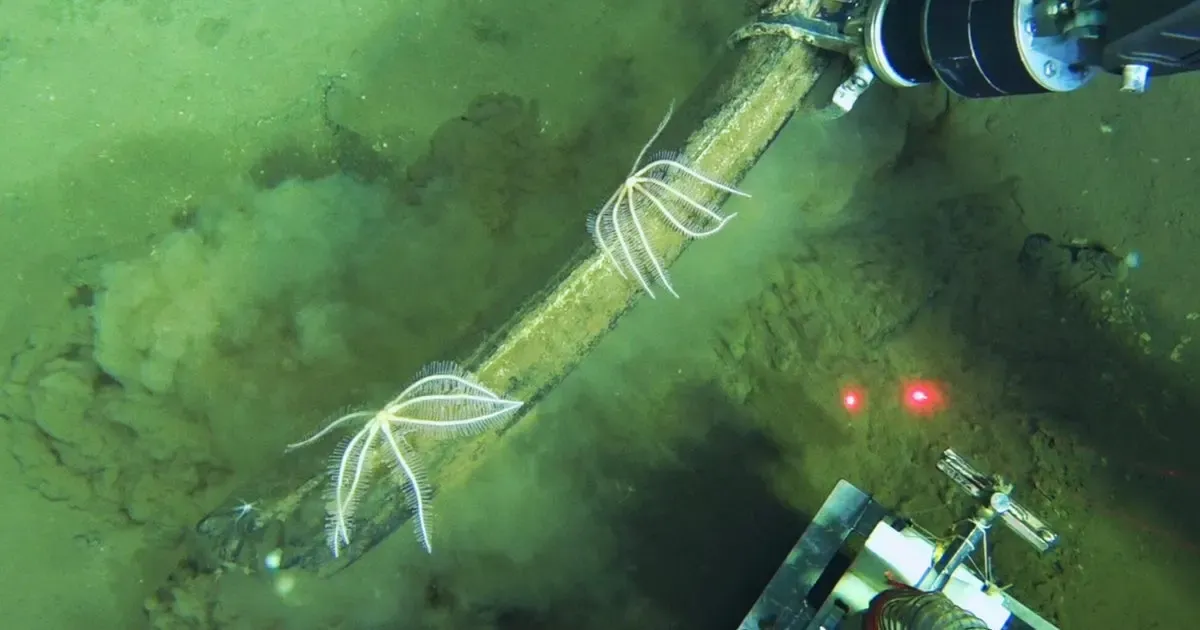
Deep-sea researchers found the world's largest whale graveyard, uncovering dozens of carcasses and a thriving ecosystem of potentially new species feeding on the remains in the ocean's lightless depths.
Know someone who needs a boost? Share Brightcast with your friends and family.
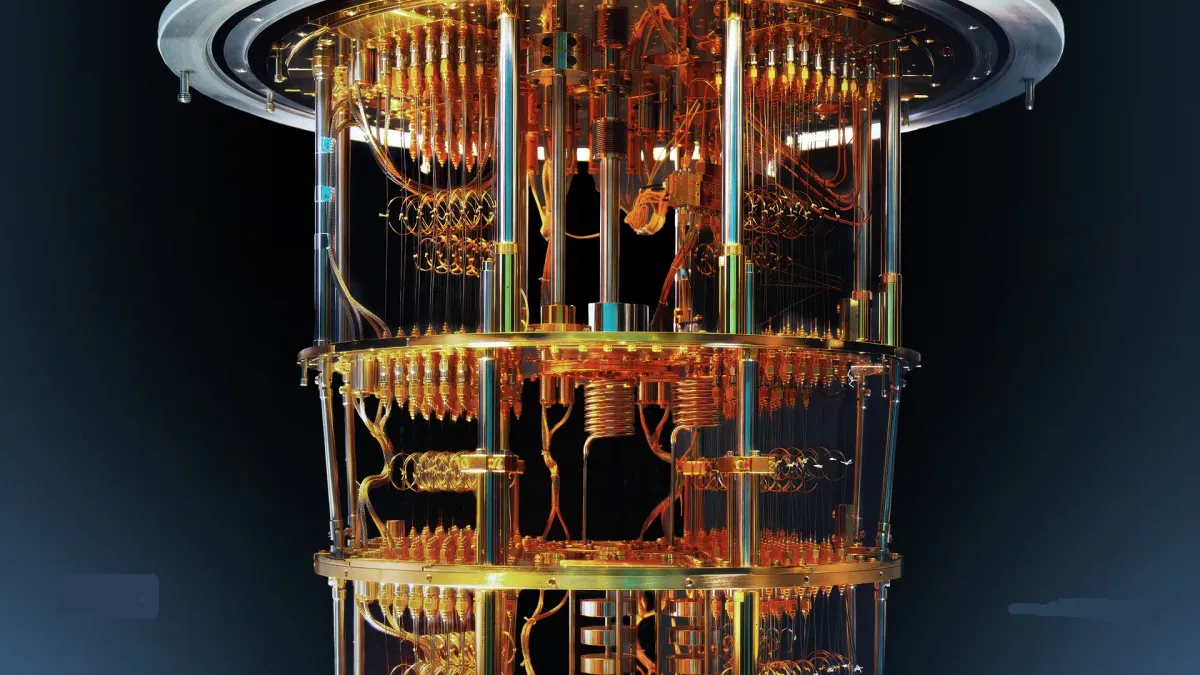
IQM Quantum Computers just unveiled "barbell codes," a new error-correcting code slashing logical error rates by 1,000x and needing 8x fewer qubits than surface code.
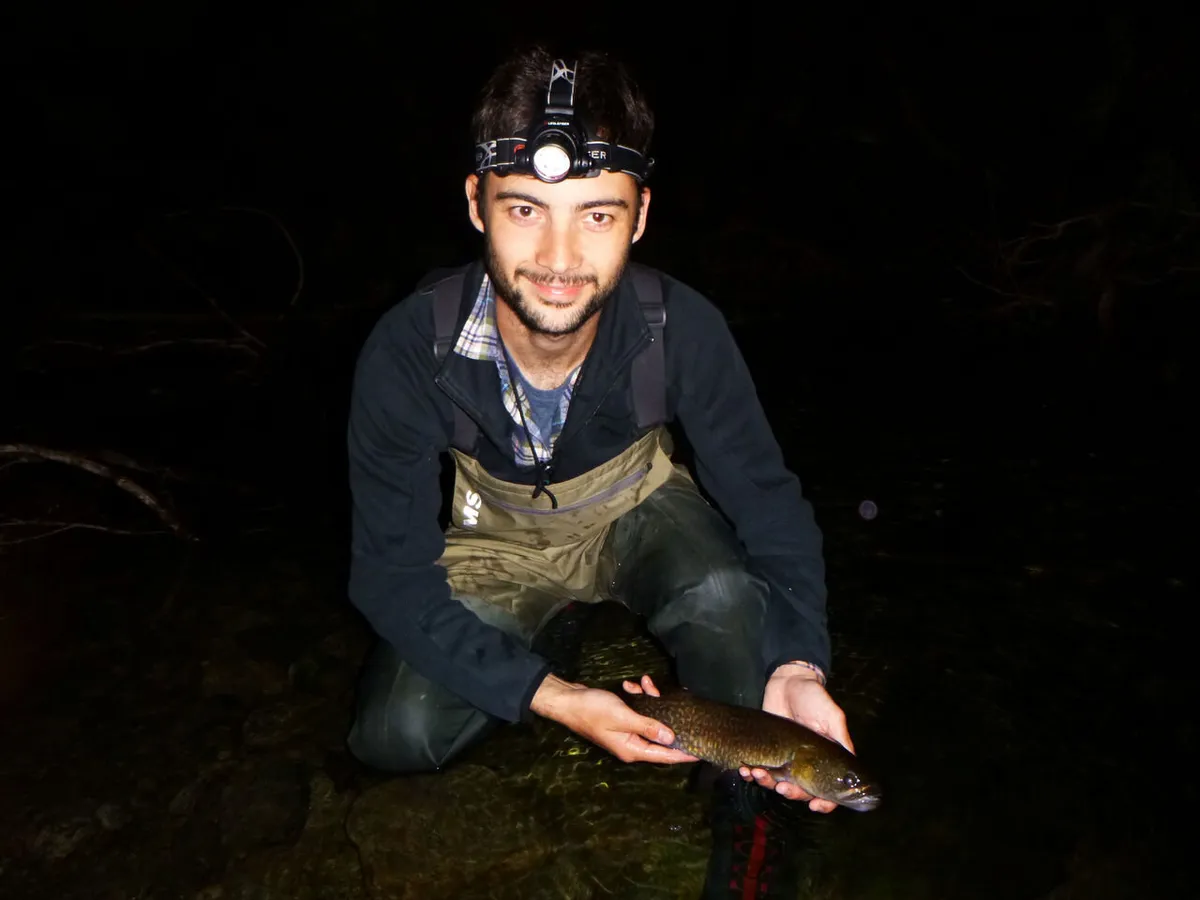
Think whitebait are tiny? UC researcher Dr. Ben Crichton studied kōkopu, a whitebait species that can live over 10 years! These nocturnal, territorial fish are just one of six species.
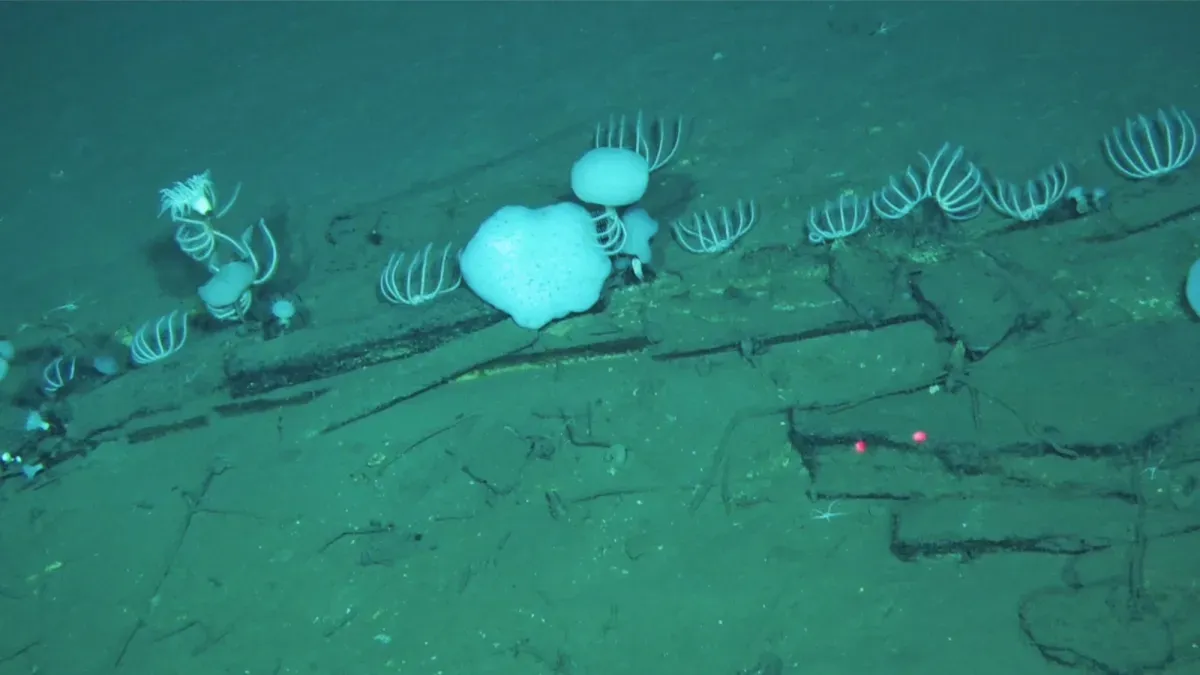
The ocean floor is a whale graveyard, but it's no biohazard. A "whale fall" creates a complex ecosystem, feeding and housing marine life, with bones fossilizing into ancient history.
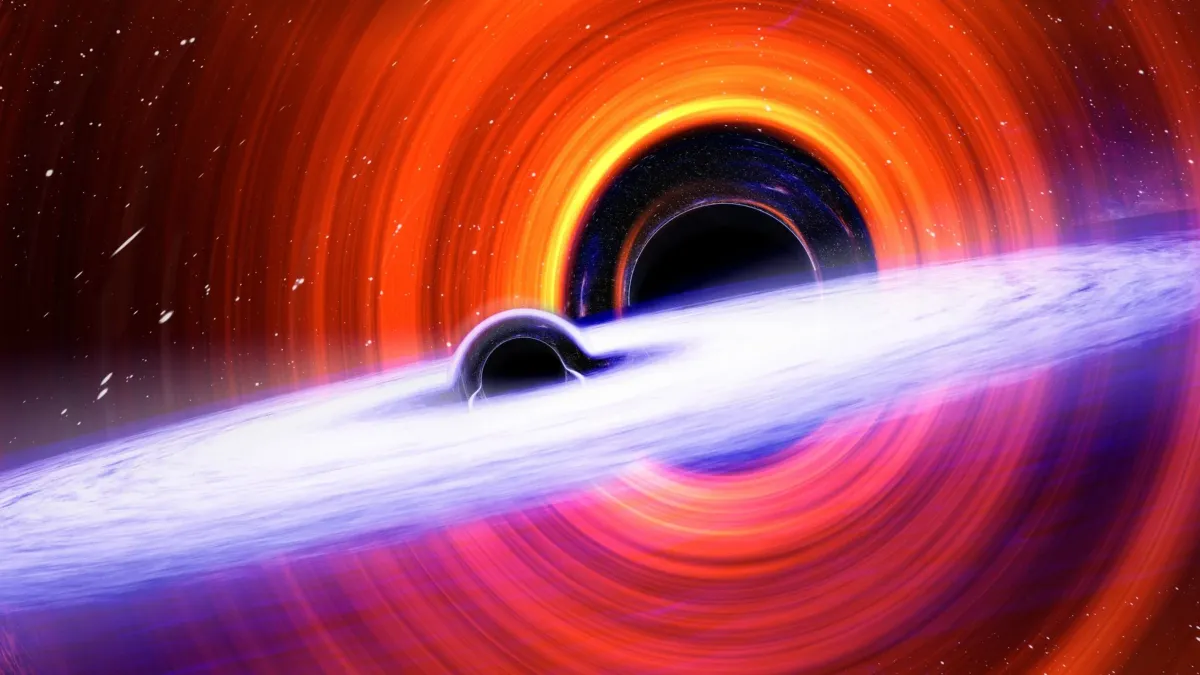
A strange LIGO signal could be the first evidence of a primordial black hole. This discovery might finally link these ancient objects to the enduring mystery of dark matter.
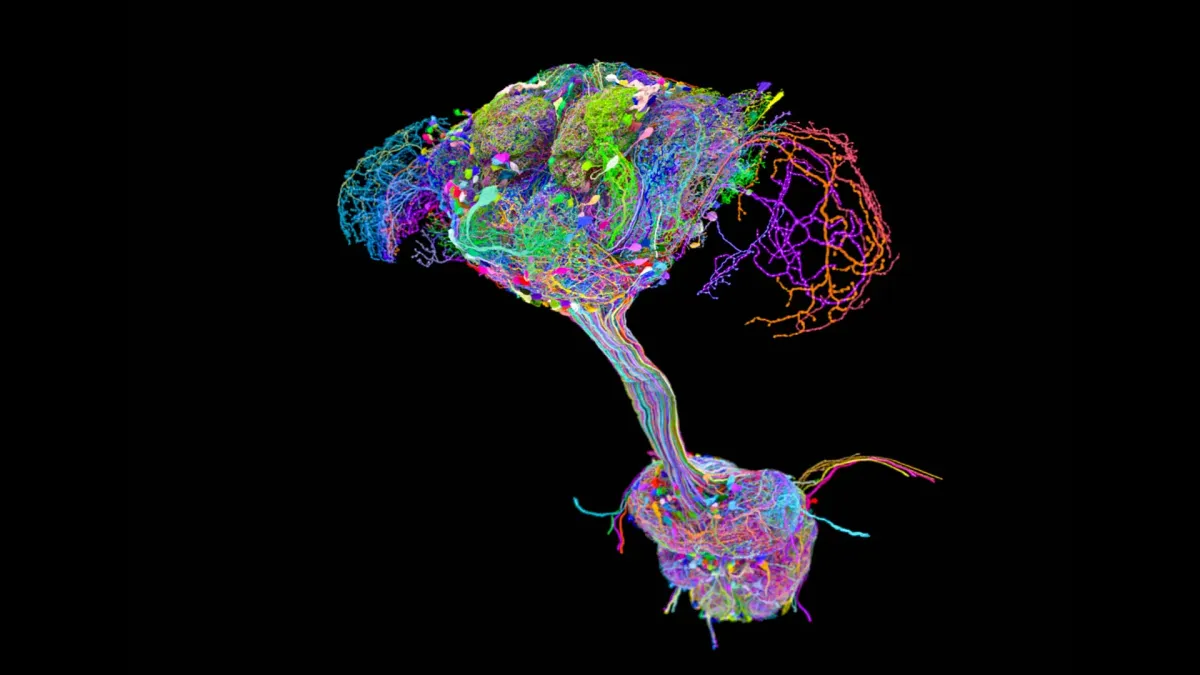
Unlock the fruit fly brain! A new connectome maps every neural connection, revealing how complex behaviors emerge from distributed circuits, not a single control.