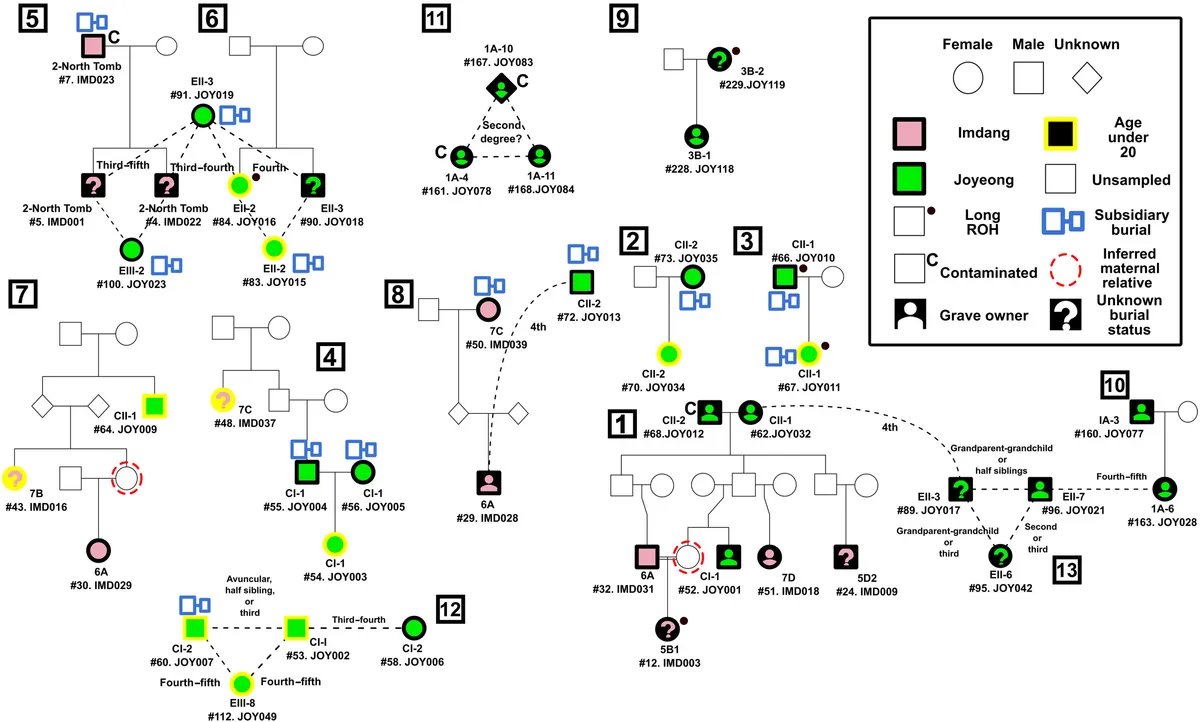
The real story of how dinosaurs hatched their eggs.
Ever wonder how dinosaurs hatched? Scientists recreated a life-sized oviraptor and nest to reveal how these bird-like dinosaurs incubated their eggs.
Breakthroughs happen quietly. We make sure you hear about them.
2406 stories
Ever wonder how dinosaurs hatched? Scientists recreated a life-sized oviraptor and nest to reveal how these bird-like dinosaurs incubated their eggs.

A violent cosmic collision just got weirder. Scientists found the first strong evidence a black hole and neutron star collided in an oval-shaped orbit, not a circular one.

Astronomers found the first clear evidence of a magnetar forming during a superluminous supernova. This discovery offers new insight into the universe's brightest explosions.

Bull sharks: 100+ unprovoked attacks, 27 fatal. These "ocean's bad boys" likely inspired Jaws, but new research reveals a surprising twist to their solitary reputation.

Want to see a comet? April might be your chance! The newly-discovered MAPS Comet could become an "Easter comet" if it survives its journey near the sun, according to Space.com.
Join 50,000+ readers who receive our daily digest of the most uplifting stories from around the world.

A dramatic cosmic crash is unfolding! Astronomers found evidence of a massive collision around a distant star, hinting at planetary destruction.

Lost for centuries, the ancient city of Alexandria on the Tigris, founded by Alexander the Great, has been rediscovered in Iraq. This vital trading hub once spanned an empire from Greece to the Indus River.

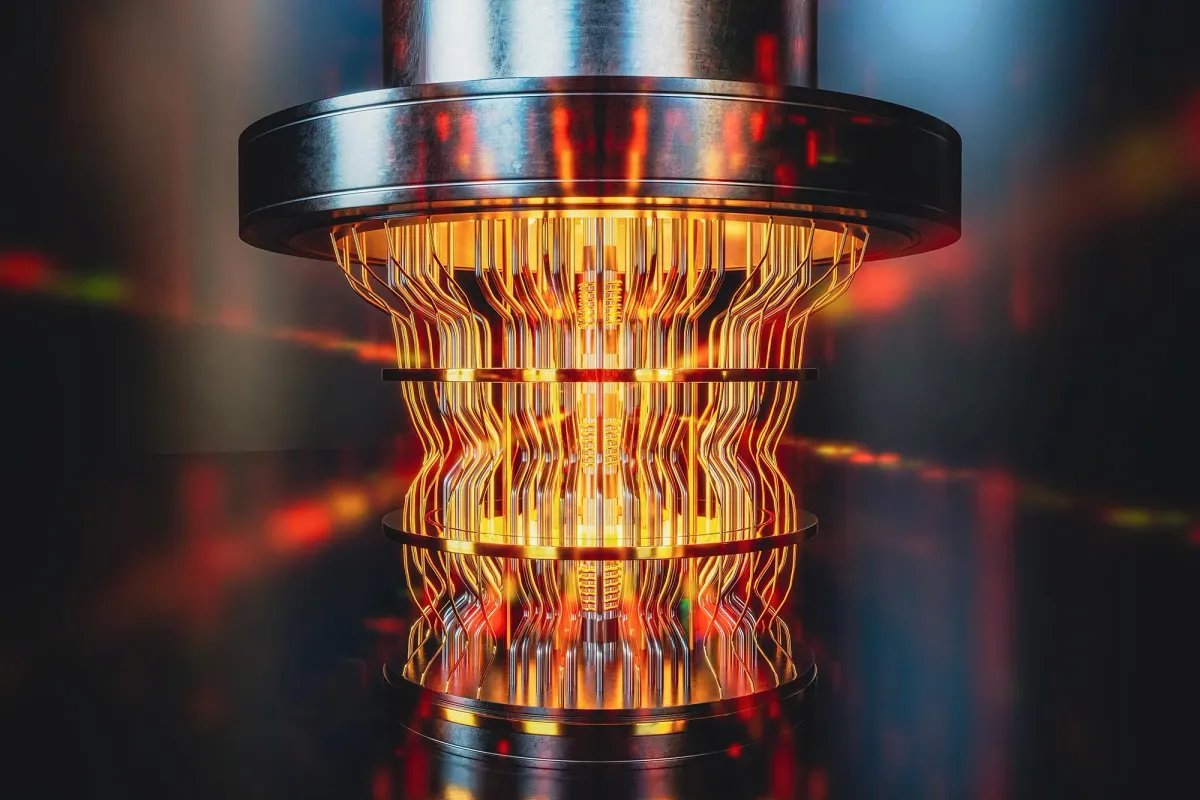
Forget your old clock. Scientists are building a new optical atomic clock with ytterbium-173 ions, poised to redefine how we measure time itself.

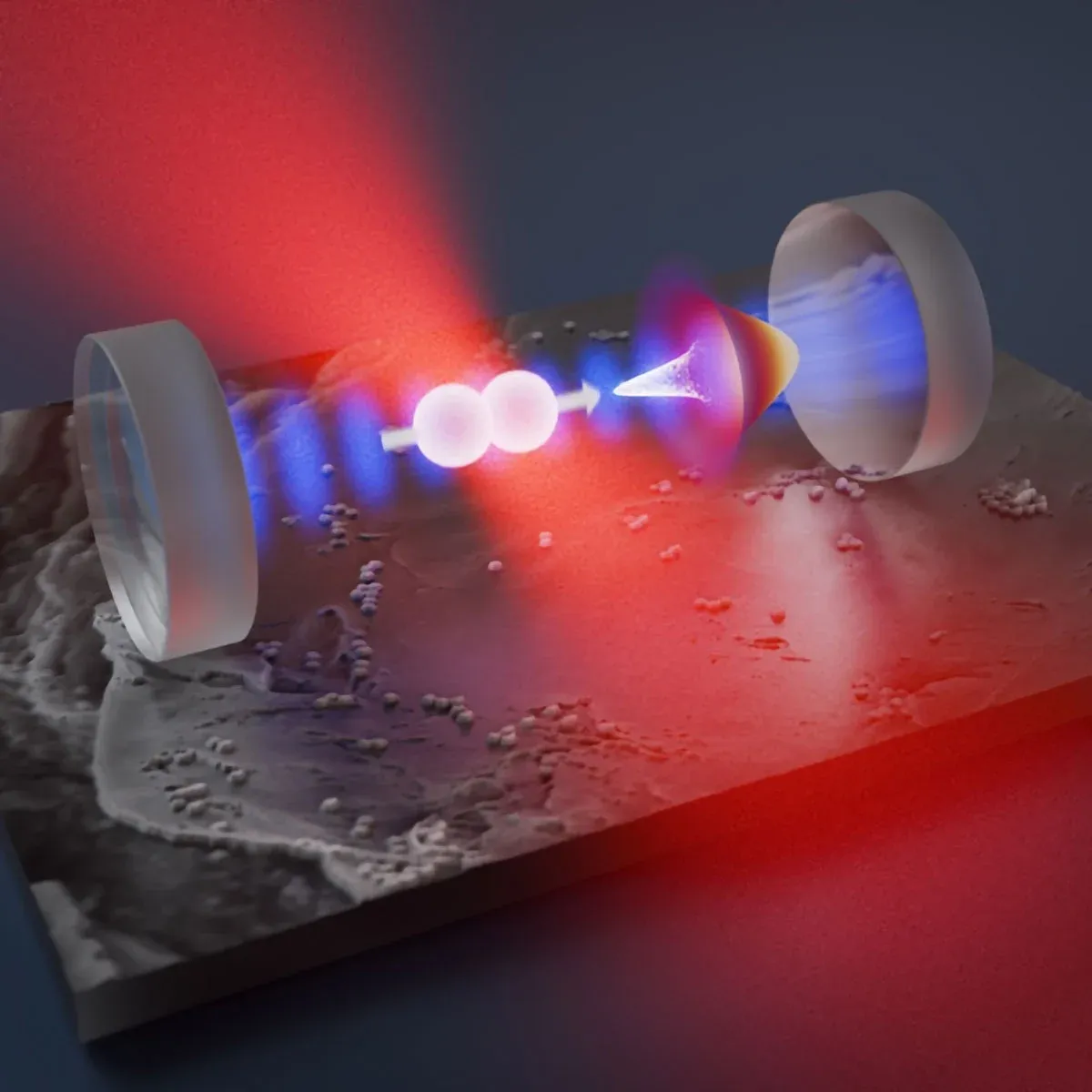
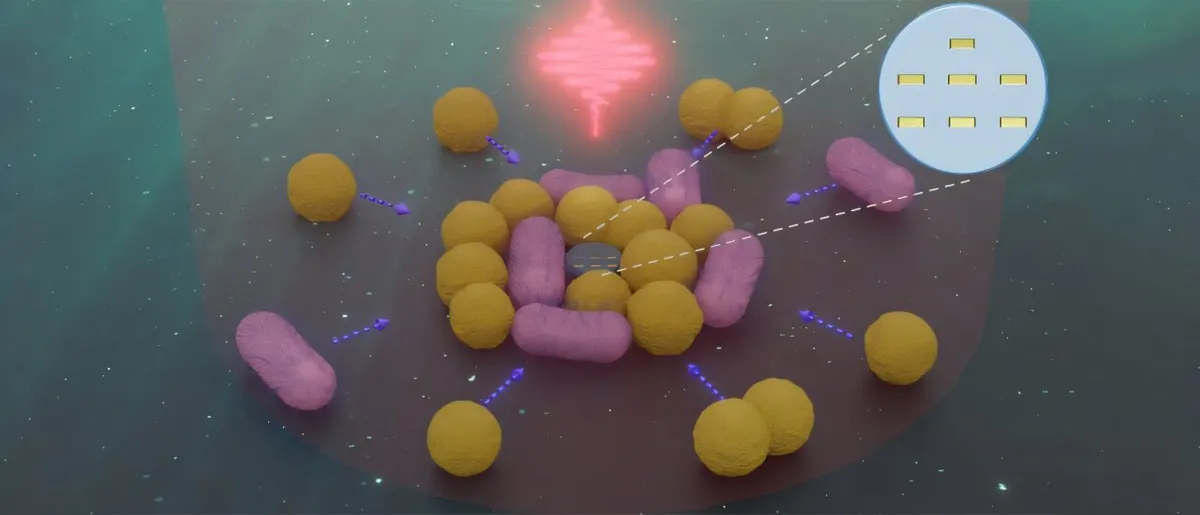
Unlock unbreakable security! A new quantum method simplifies high-dimensional quantum key distribution using the temporal Talbot effect.

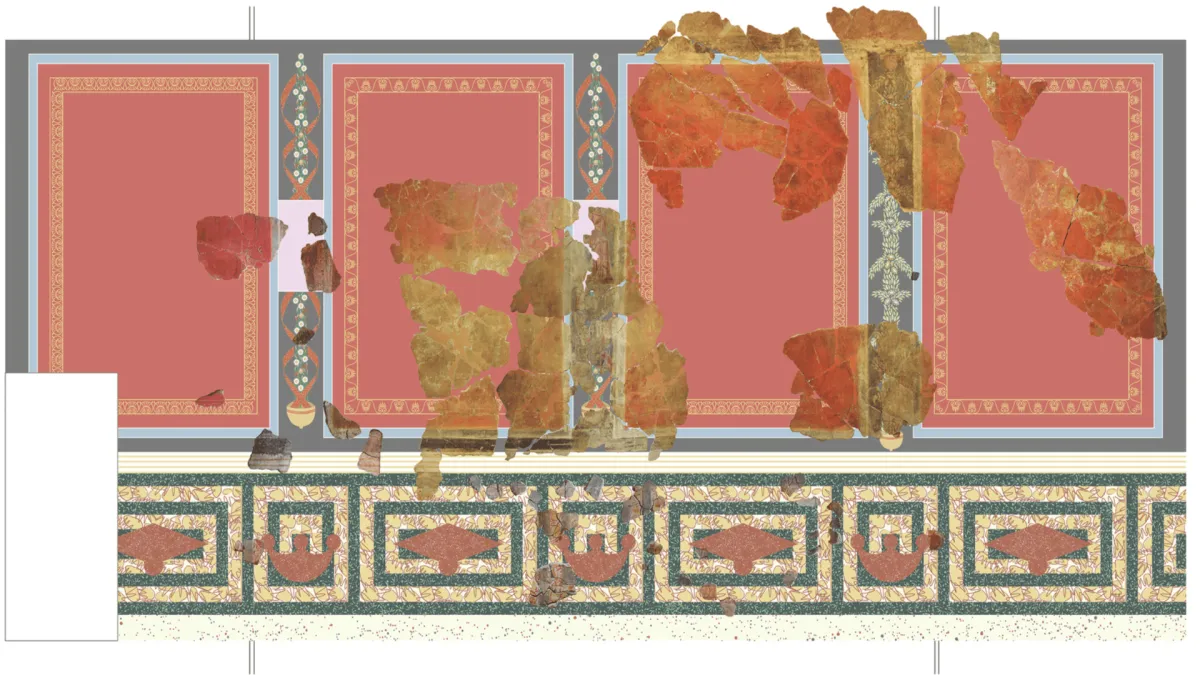
Bronze Age fashion secrets revealed! A 3500 BCE warp-weighted loom from Spain's Cabezo Redondo site shows how ancient people made clothes, hinting at a textile revolution.
Brightcast is dedicated to restoring faith in humanity by highlighting the progress, solutions, and kindness that often go unnoticed. We believe in a balanced worldview.
Read our full mission →
Imagine a 35-foot, 4.5-ton reptile. This monster dwarfed its ancient relatives, a true giant among peers.

Ancient animal life just got older! A new sponge order, Vilesida, produces sterols matching the oldest animal biomarkers, pushing back animal evolution timelines.

Solar magnetic fields erupt in hours, then linger for days, weeks, or months. A new study reveals how these powerful, long-lived active regions shape the sun.

The distinctive smell of ancient mummies is helping scientists decode the secrets of Egyptian mummification. By analyzing tiny traces of chemicals in the air around mummy samples, researchers identified dozens of compounds linked to oils, resins, beeswax, and bitumen used during embalming. The chemi...

Astronomers found a bizarre exoplanet with a giant underground magma ocean trapping sulfur. This discovery may represent an entirely new class of worlds.
Know someone who needs a boost? Share Brightcast with your friends and family.

Predicting volcanic eruptions just got a major upgrade. "Jerk," a new detection method, uses a single seismometer to spot subtle magma movements hours before an eruption.

Dinosaurs gone? No problem for life! Microscopic plankton rapidly evolved into new species within a few thousand years—possibly under 2,000—after the asteroid impact.

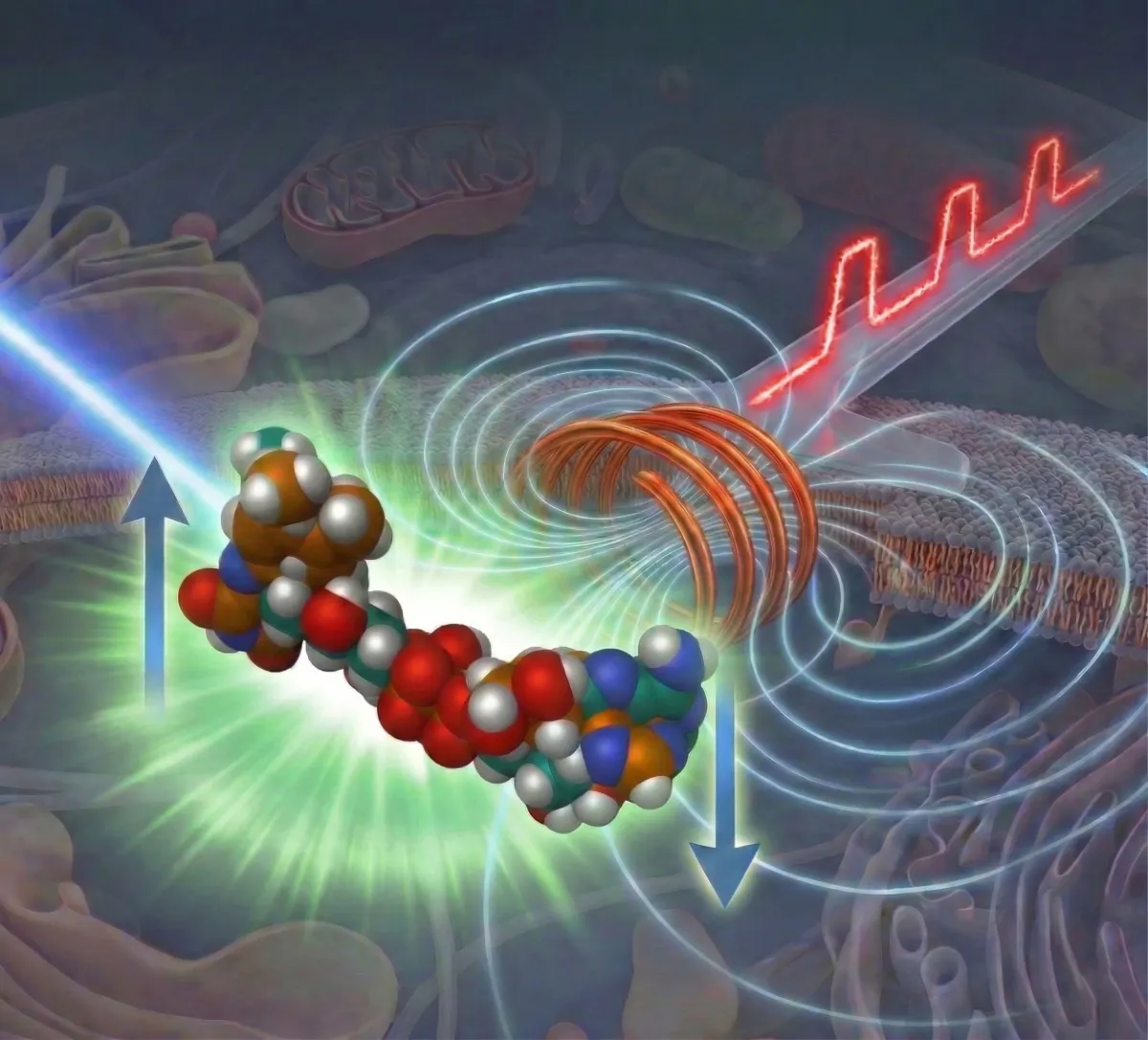
Exercise-induced stress reshapes cell energy. Scientists are investigating if these mechanisms could combat metabolic disease.

Unearthing a 2nd millennium BC warp-weighted loom in Spain reveals unprecedented Bronze Age textile tech.

Deep ocean pressure squeezes nutrients from sinking "marine snow," feeding microbes and altering carbon's journey. This changes how the ocean processes carbon.
Download the Brightcast app for a better reading experience, daily notifications, and offline access.
Download App
Mars stayed habitable longer than thought! Ancient Gale Crater sand dunes, soaked by underground water billions of years ago, left life-preserving minerals.

Pi, the endless constant you know as 3.14, is making headlines again. Its non-repeating digits are a global challenge for engineers: how far can computers calculate? A new record has been set.

Astronomers found the brightest fast radio burst ever, RBFLOAT, in a nearby galaxy. This flash briefly outshone every other radio source in its galaxy.

Think Mars is just a distant red dot? Think again. This planetary neighbor might be a secret puppet master, playing a far bigger role in Earth's climate than anyone imagined.

CERN scientists just unveiled how quarks moved through the early universe's primordial plasma. New evidence from particle collisions reveals their surprising journey.
Join 50,000+ readers who receive our daily digest of the most uplifting stories from around the world.

A new solvent-based method promises faster, cheaper lithium extraction from brines, even where current techniques fail. This innovation could unlock critical lithium supplies for soaring global demand.

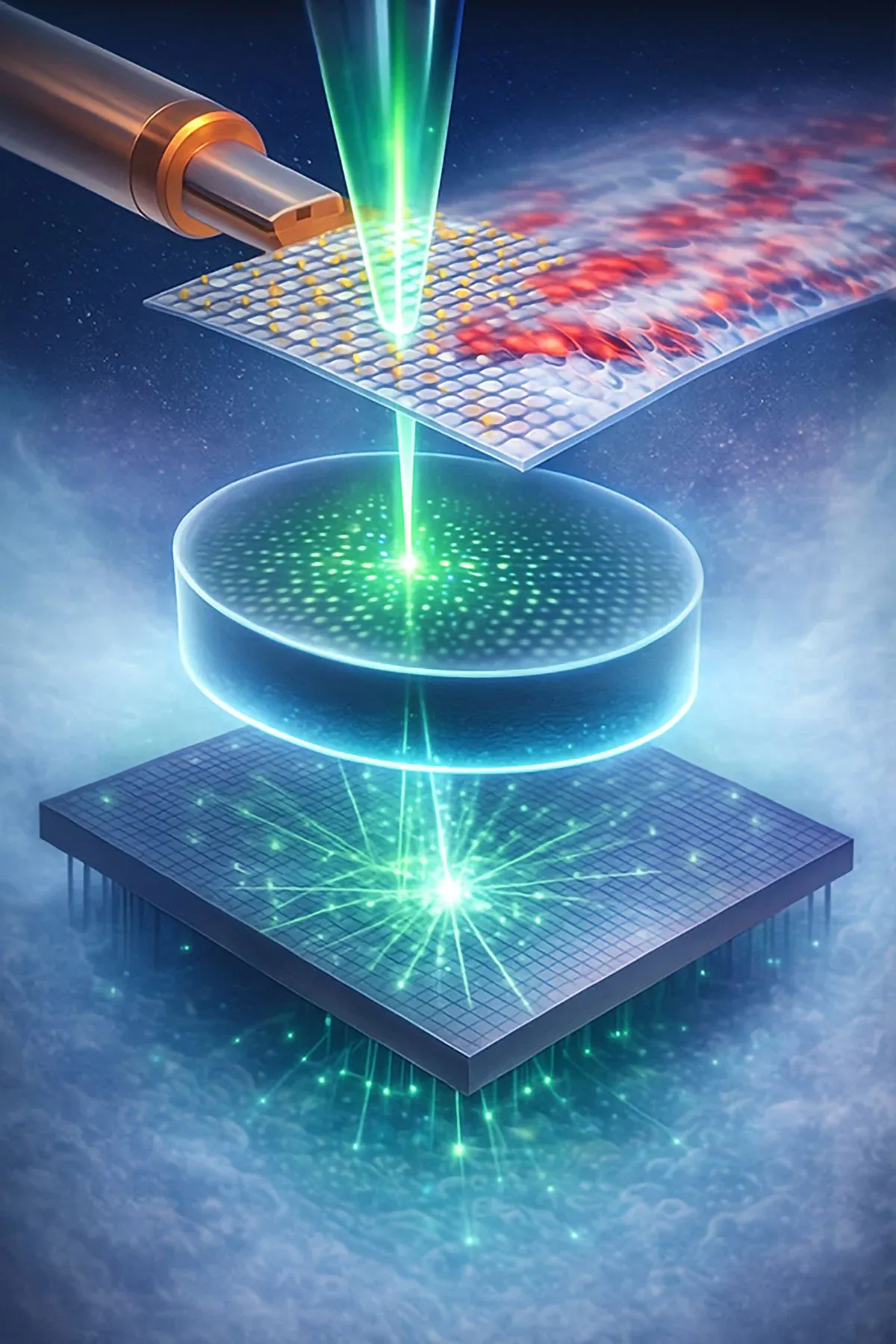
Twist light on a chip! New MEMS-integrated photonic crystals dynamically control light's handedness, opening doors for advanced optical tech.

A Chinese farmer unearthed a priceless bronze drum, revealing Eastern Han Dynasty religious practices and bronze casting. An ordinary day turned extraordinary.

Spiderweb-like ridges on Mars? NASA's Curiosity rover is investigating these strange formations, which may reveal a hidden chapter of the planet's watery past.

Forget what you thought about passing gas. New "Smart Underwear" reveals people may flatulate 32 times daily—far more than believed—by detecting hydrogen from gut microbes.
Brightcast is dedicated to restoring faith in humanity by highlighting the progress, solutions, and kindness that often go unnoticed. We believe in a balanced worldview.
Read our full mission →
Life's spark may have ignited deep underwater. University of Alberta researchers found a missing piece to how life began, pinpointing a key chemical reaction at mineral-rich hydrothermal vents.

Plants have a secret weapon against stress! Mitochondria in plant cells can steal oxygen from chloroplasts, a newly discovered mechanism.

Gravitational-wave detectors just caught two black holes colliding billions of light-years away. But this time, telescopes saw it too: a gamma-ray burst seconds later, defying expectations.

Scientists have uncovered evidence that our Sun may have traveled across the Milky Way as part of a massive migration of Sun-like stars billions of years ago. The journey may have carried the solar system away from the galaxy’s crowded center into a calmer region where life could eventually emerge....

Ancient DNA preserved in seabed sediments suggests Doggerland hosted temperate forests far earlier than expected....
Know someone who needs a boost? Share Brightcast with your friends and family.

Scientists may have finally solved the mystery of strange plume-like structures hidden deep inside the Greenland ice sheet. New research suggests they form through thermal convection—slow, swirling motions driven by temperature differences inside the ice. This means the deep ice could be far softer ...

Japanese scientists just shattered a solar cell record! AIST achieved 12.28% efficiency with copper gallium selenide (CuGaSe₂) cells, a promising alternative to CIGS technology.

Citizen scientists just got more asteroids to hunt. The Daily Minor Planet project is doubling its data stream with a second powerful telescope, expanding the search for potentially hazardous near-Earth objects.

Your brain rewires taste itself: expectations can make sugar sweeter and artificial sweeteners more bitter, reshaping flavor before it hits your tongue.

Citizen scientists discovered something surprising: the Sun's magnetic hotspots flare far more often than expected, revealing new secrets about our star's violent temperament.