S
Science
5 months ago
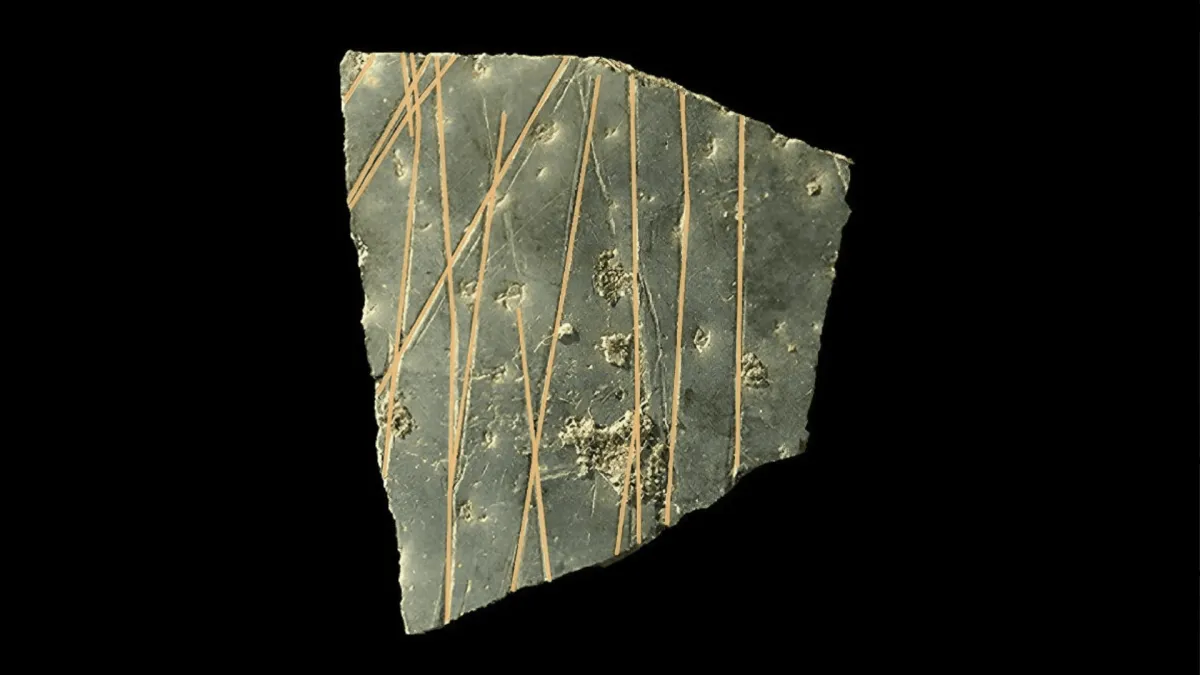
Humans invented geometry 60,000 years ago.
Humans were etching geometric codes onto ostrich eggs 60,000 years ago—the oldest known patterns that foreshadowed writing itself.
69
0
173

Breakthroughs happen quietly. We make sure you hear about them.
2782 stories
Humans were etching geometric codes onto ostrich eggs 60,000 years ago—the oldest known patterns that foreshadowed writing itself.

Everyone knows a horse's whinny—but scientists just discovered how they actually make it. After 4,000 years together, we're finally cracking equine communication.
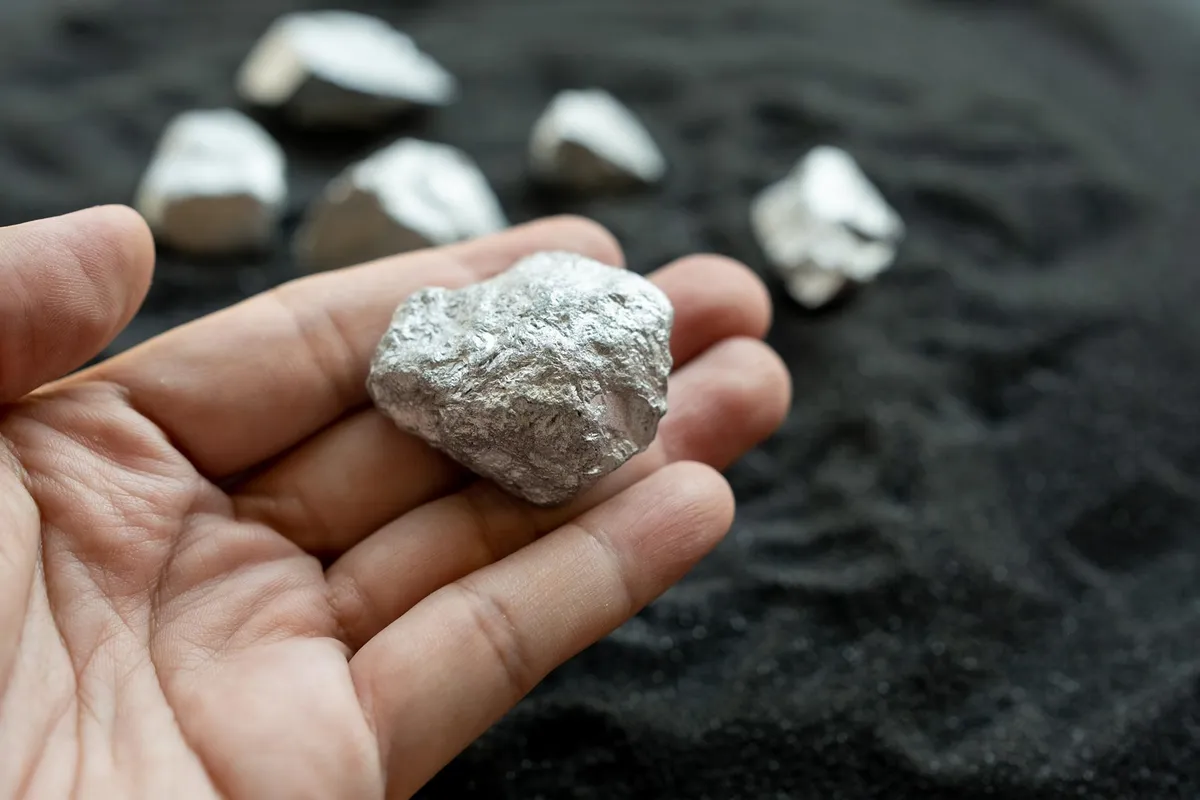
Scientists just discovered aluminum behaves nothing like we thought. King's College London researchers found an entirely new form of this abundant metal that rewrites the rules.
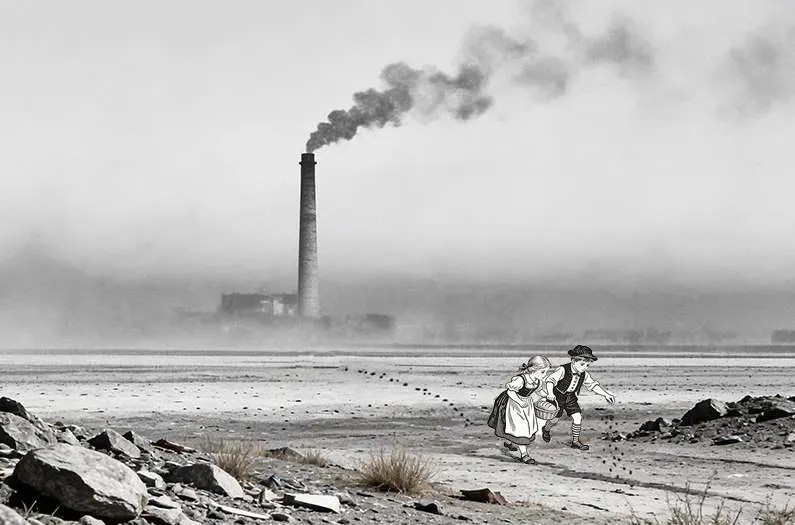
In the fairy tale Hansel and Gretel, the children’s use breadcrumbs to lay a path back out of the woods. That might not have gone as expected, but now breadcrumbs could create a path to free the chemical industry from much of its fossil fuel use. Researchers at the University of Edinburgh have now d...
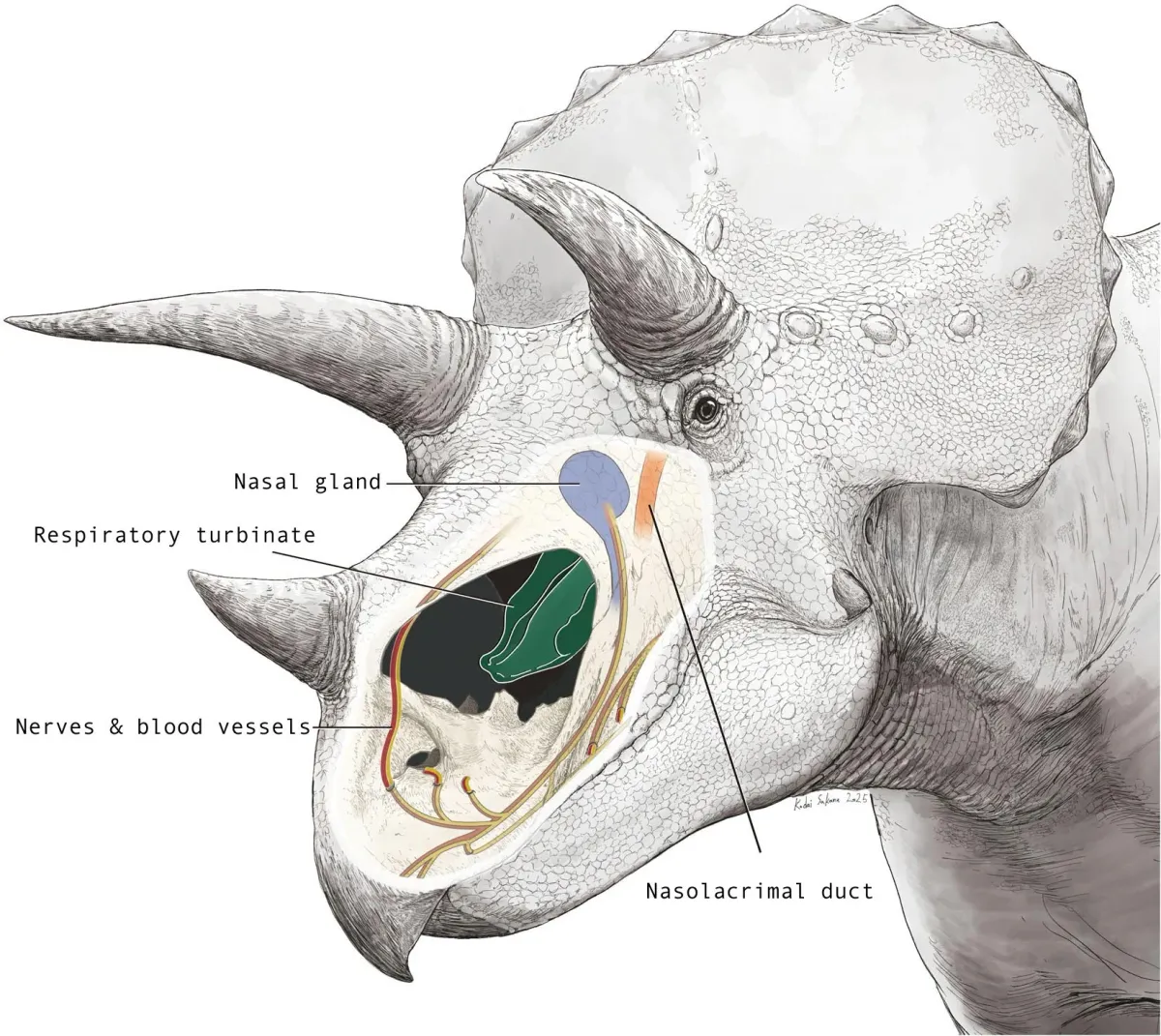
Triceratops' massive nose wasn't just for show—it may have been a sophisticated cooling system for its enormous head.
Join 50,000+ readers who receive our daily digest of the most uplifting stories from around the world.
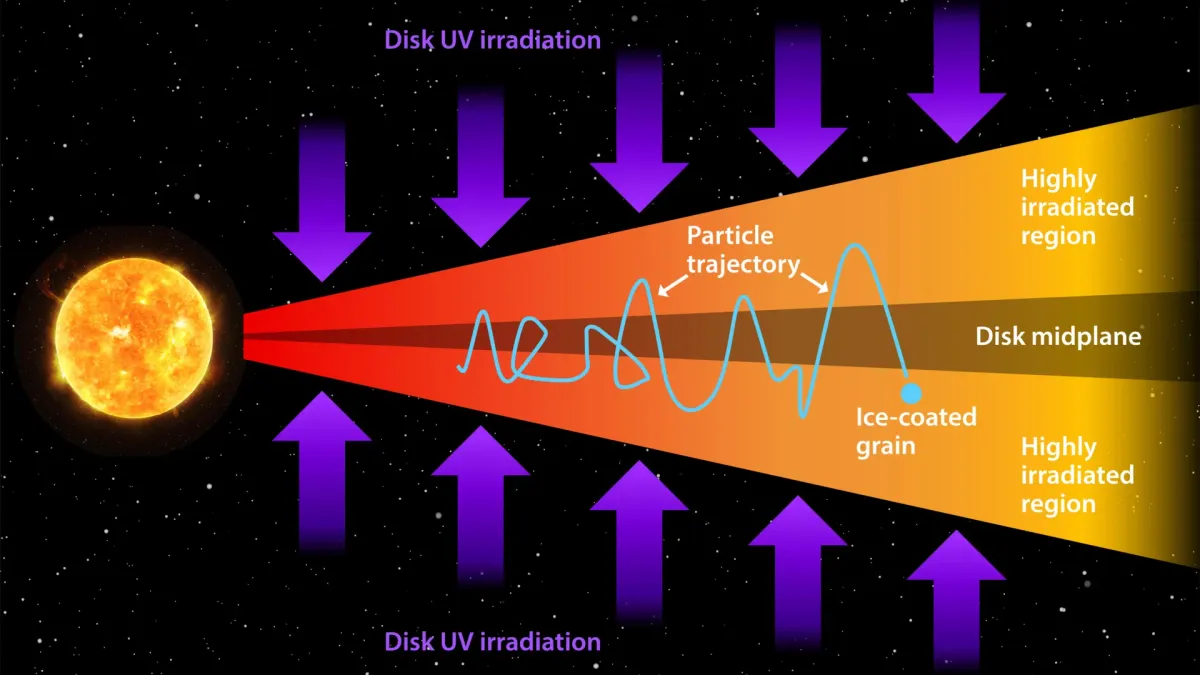
Jupiter's icy moons may harbor life's chemical blueprints—delivered straight from the solar system's birth. Scientists reveal how complex organic molecules formed in the primordial disk around our young Sun.
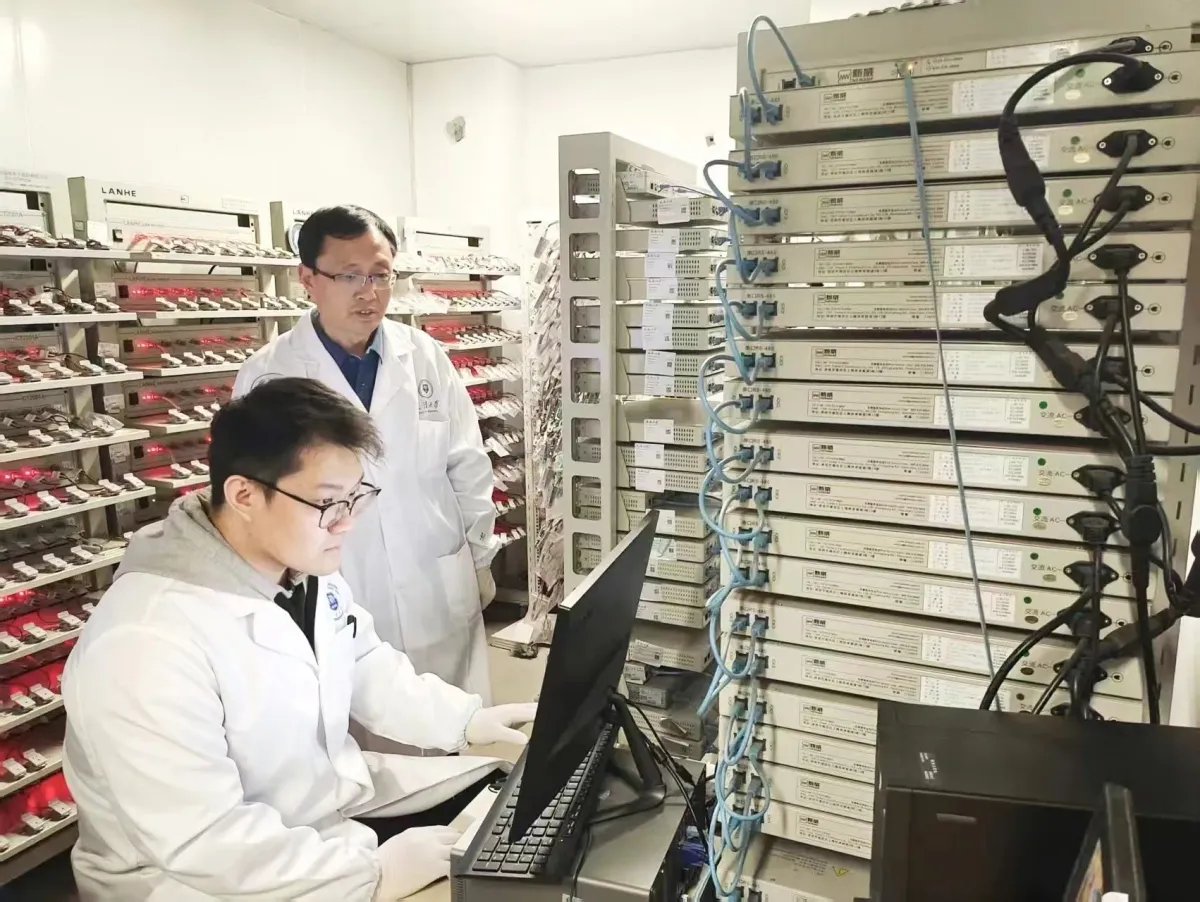
Scientists just cracked flexible batteries that could transform wearable tech. The breakthrough uses an organic polymer that solves a decades-old problem.
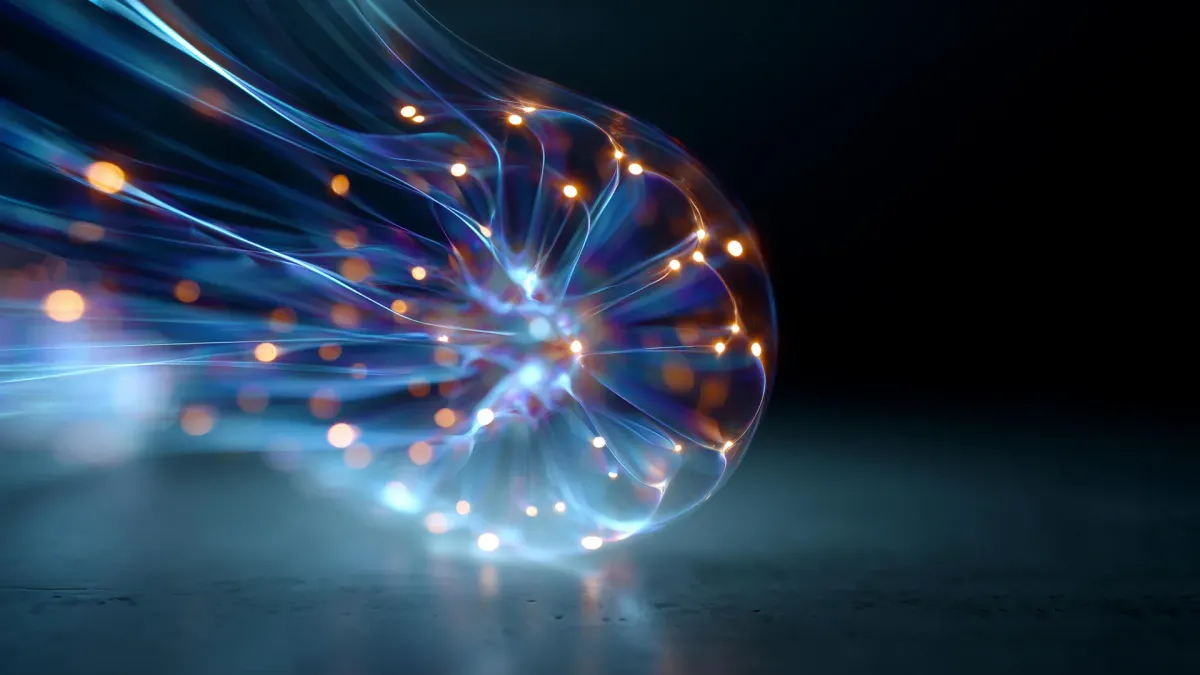
Light just pulled off a quantum trick physicists thought impossible: drifting sideways in perfectly quantized steps, mimicking electrons in magnetic fields.
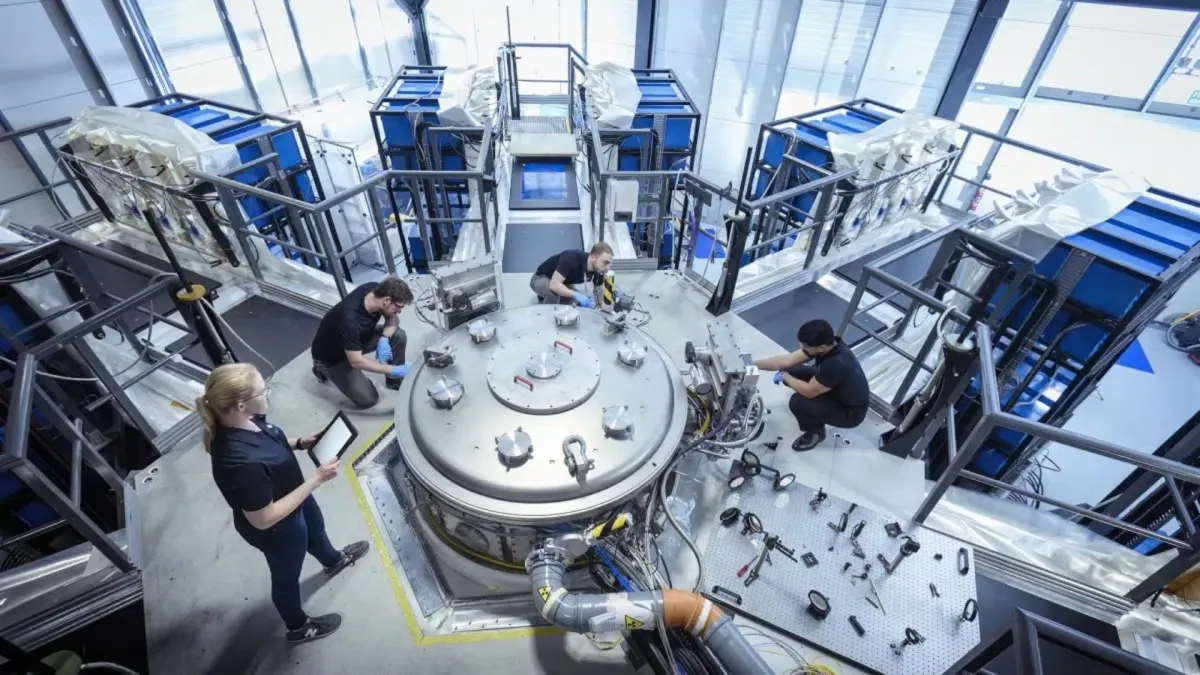
First Light Fusion just cracked fusion's tritium problem—proving their FLARE concept can breed enough fuel to sustain commercial reactors indefinitely.
Dubuisson's winding road to academia defies convention. The Department of African American and African Diaspora Studies' newest faculty member shares her story.
Brightcast is dedicated to restoring faith in humanity by highlighting the progress, solutions, and kindness that often go unnoticed. We believe in a balanced worldview.
Read our full mission →
Tornado-like fire whirls could revolutionize offshore oil spill cleanup—burning away pollution faster and cleaner than current methods.
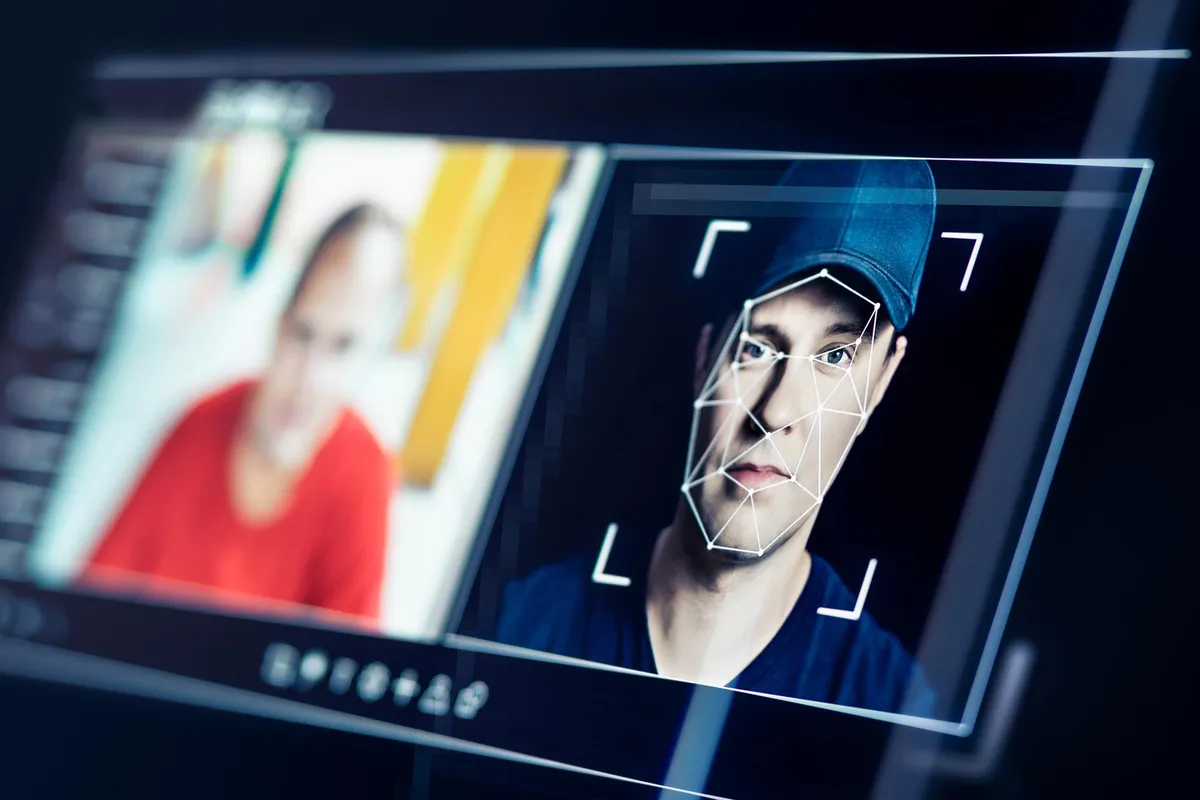
Sharp object recognition—not intelligence or AI knowledge—predicts who can spot fake faces. New research reveals an unexpected skill gap in detecting AI-generated images.
AI systems are now outpacing every academic benchmark designed to measure them. Researchers just created a radical new test to finally find where machine intelligence actually breaks down.

Scientists are recruiting thousands of volunteers for an unprecedented study on human flatulence. The University of Maryland-led research aims to document and analyze gas patterns like never before.
Scientists just created a biodegradable packaging film from milk protein—and it could replace plastic.
Know someone who needs a boost? Share Brightcast with your friends and family.
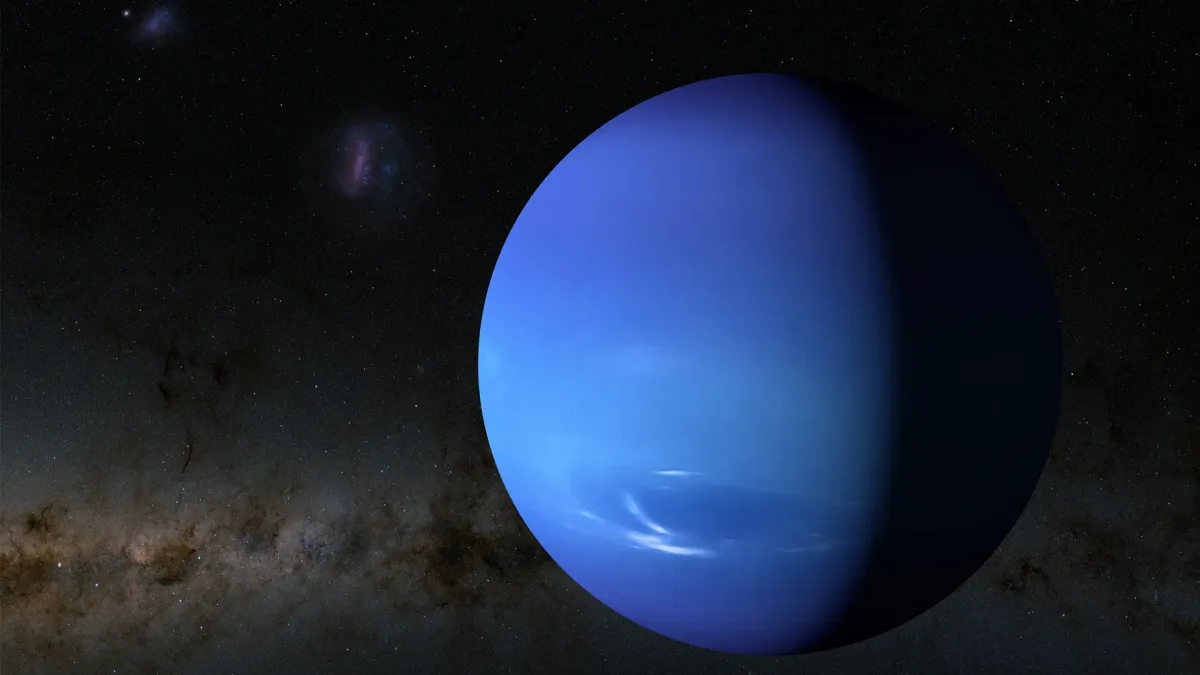
Astronomers have finally caught a planetary system mid-transformation—shedding its infant atmosphere and settling into adult orbits during a hidden "teenage" phase never before directly observed.
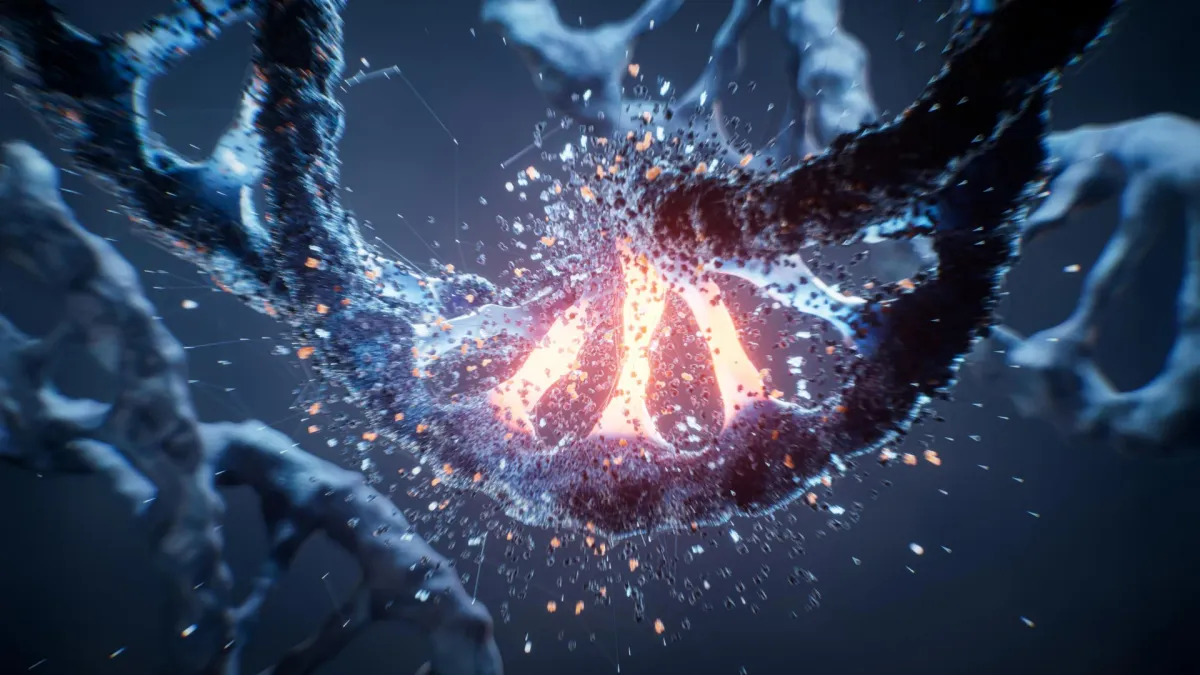
UC Berkeley scientists discovered a microbe that breaks biology's fundamental rules—reading a DNA "stop" signal as "go" instead.
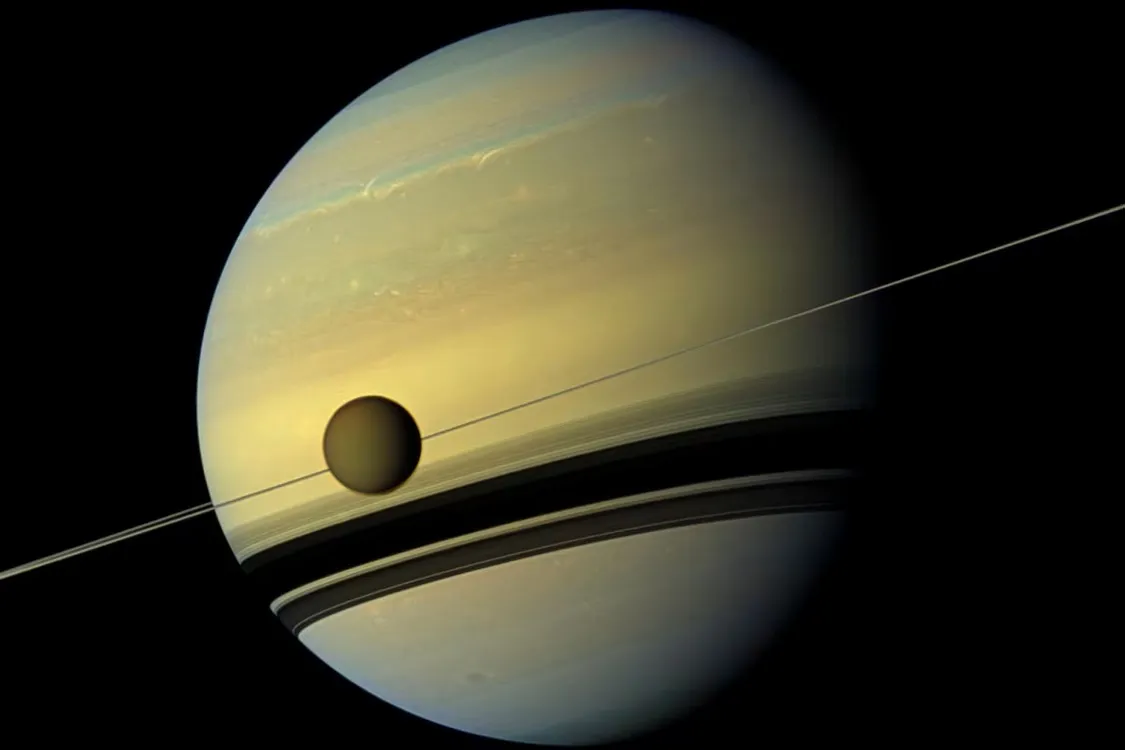
Astronomers have finally cracked one of Saturn's greatest mysteries. (67 characters)
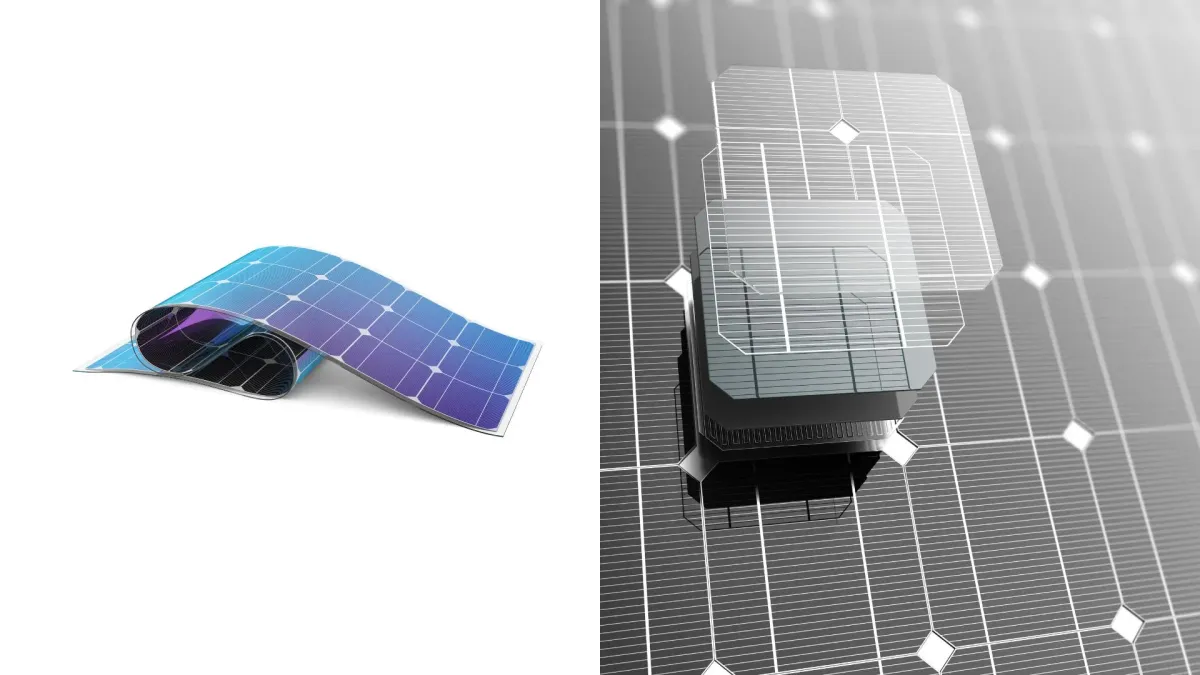
Chinese researchers just cracked a major efficiency barrier: polymer solar cells hitting 19.1% performance. Wuhan University of Technology's breakthrough could transform affordable solar technology.
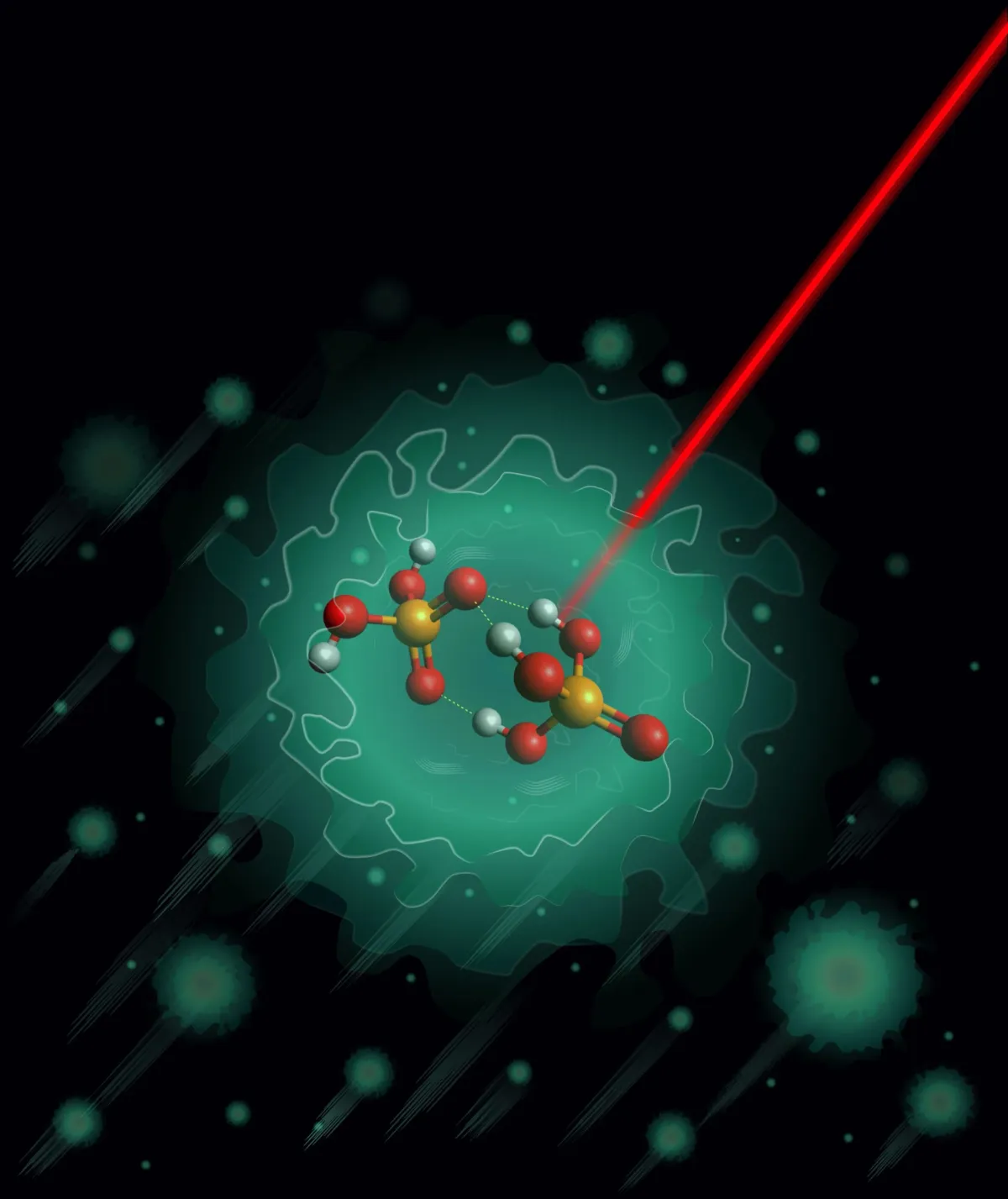
Researchers have mapped phosphoric acid's molecular structure at near absolute zero, revealing how it conducts electrical charges—a breakthrough that could revolutionize fuel cells and biological charge transport.
Download the Brightcast app for a better reading experience, daily notifications, and offline access.
Download App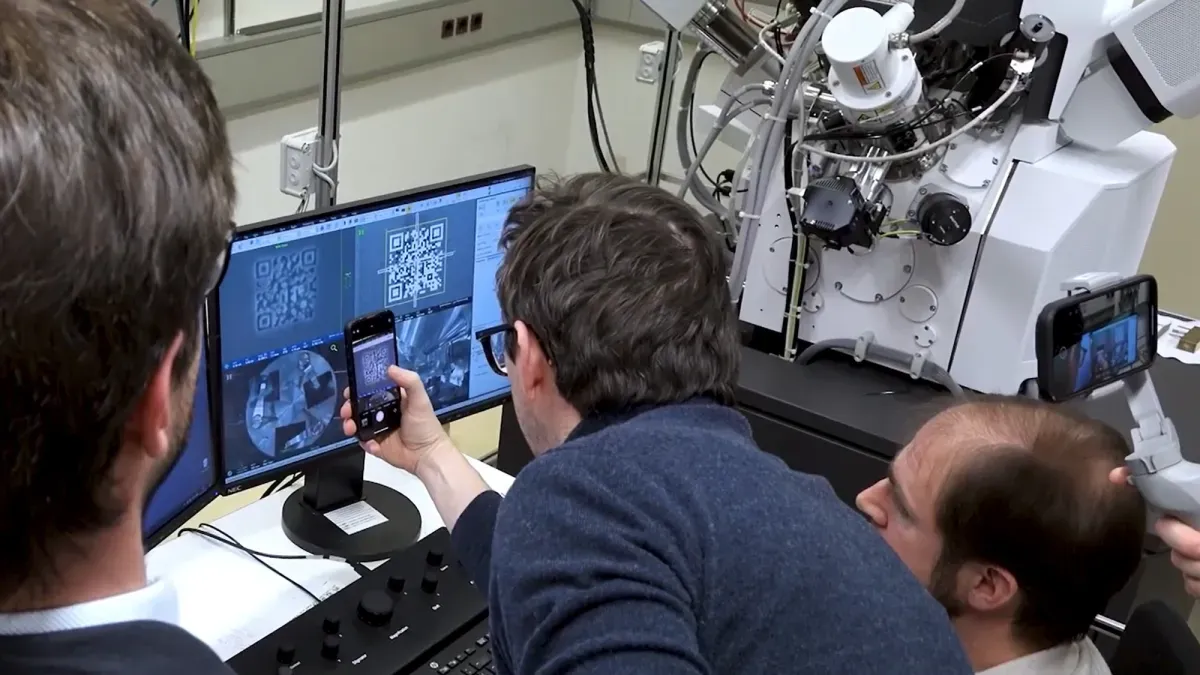
Austrian researchers just created a QR code so tiny it needs an electron microscope to scan—and it's now the world's smallest, measuring just 1.98 square micrometers.
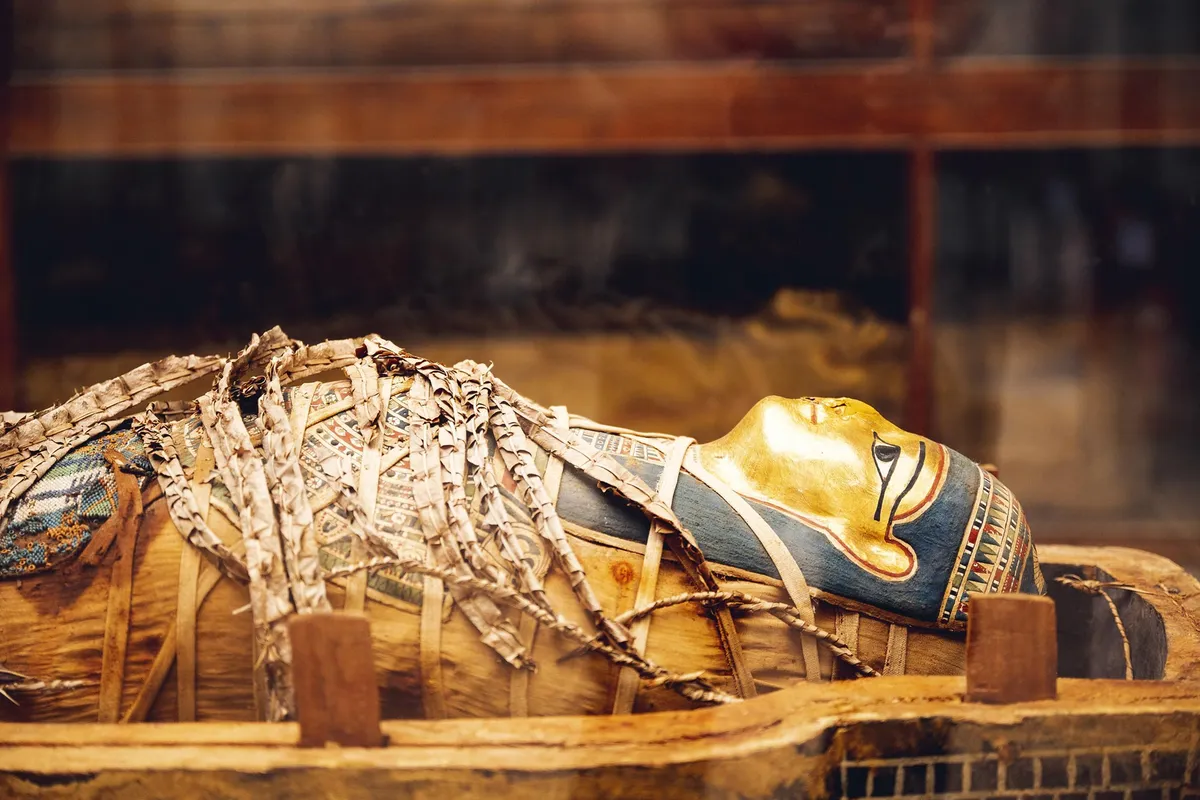
Ancient Egyptians constantly tweaked their embalming recipes—and now scientists can smell the difference. Chemical analysis of mummy scents reveals how preservation techniques evolved over centuries.
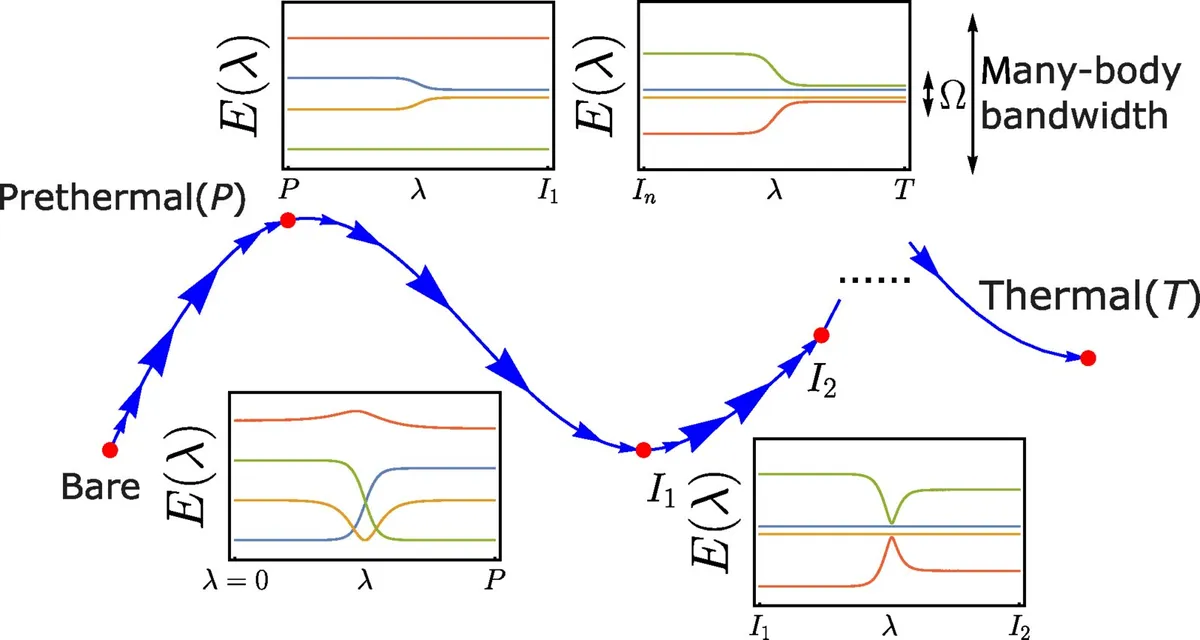
Quantum systems naturally destroy information—until they don't. Physicists discovered "dynamical freezing," a bizarre exception where chaos mysteriously halts, offering hope for practical quantum computers.
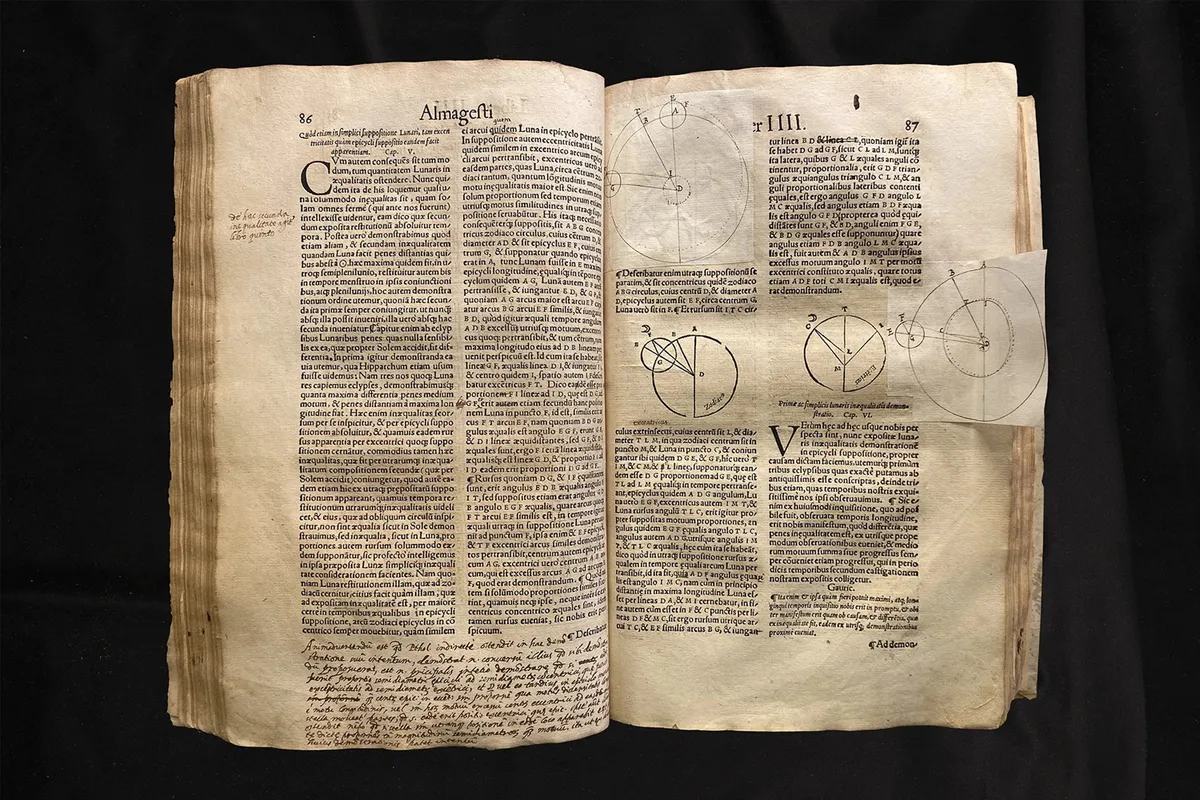
Handwritten notes in a 16th-century manuscript reveal a revolutionary scientist's intellectual journey—from Earth-centric to sun-centric cosmology.
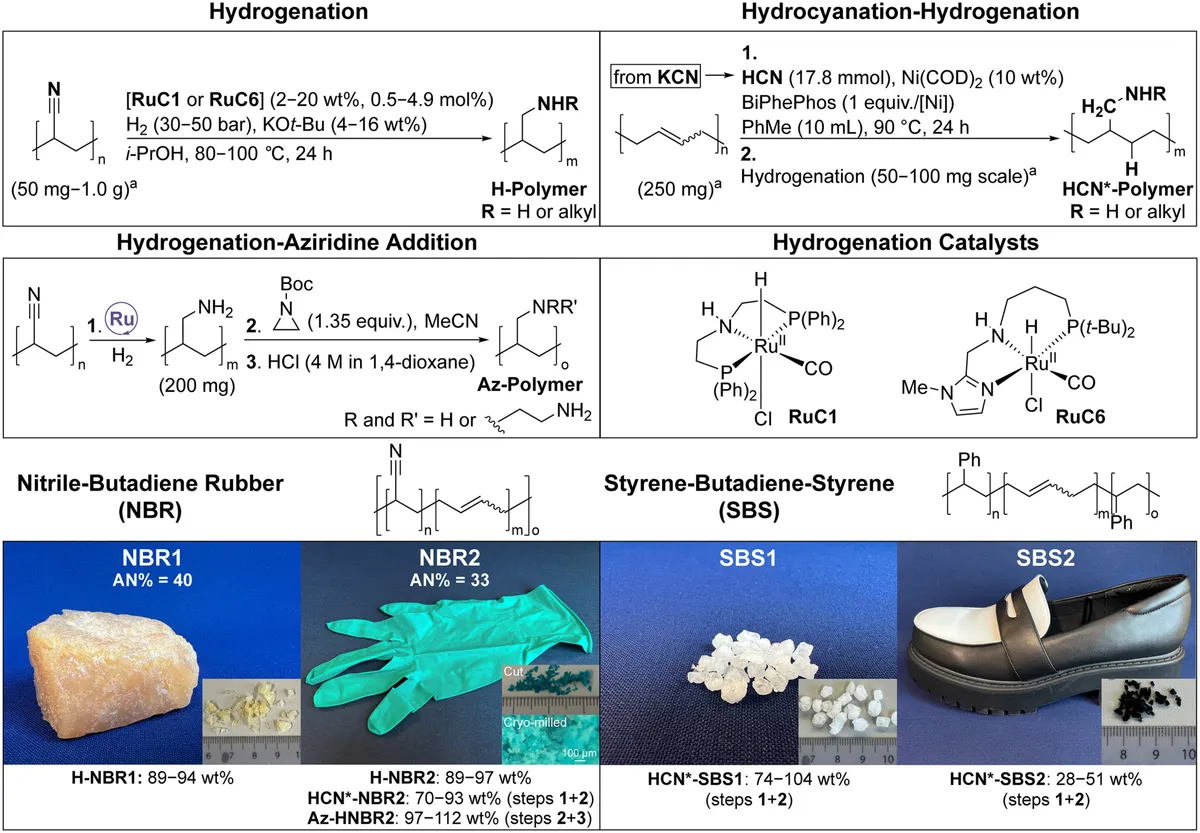
Over 100 billion nitrile gloves end up in landfills yearly. Now scientists are transforming this single-use waste into powerful carbon-capturing technology.
Join 50,000+ readers who receive our daily digest of the most uplifting stories from around the world.

Exercise alone won't fix high blood sugar, new research warns. The study reveals a critical gap in managing elevated glucose levels.
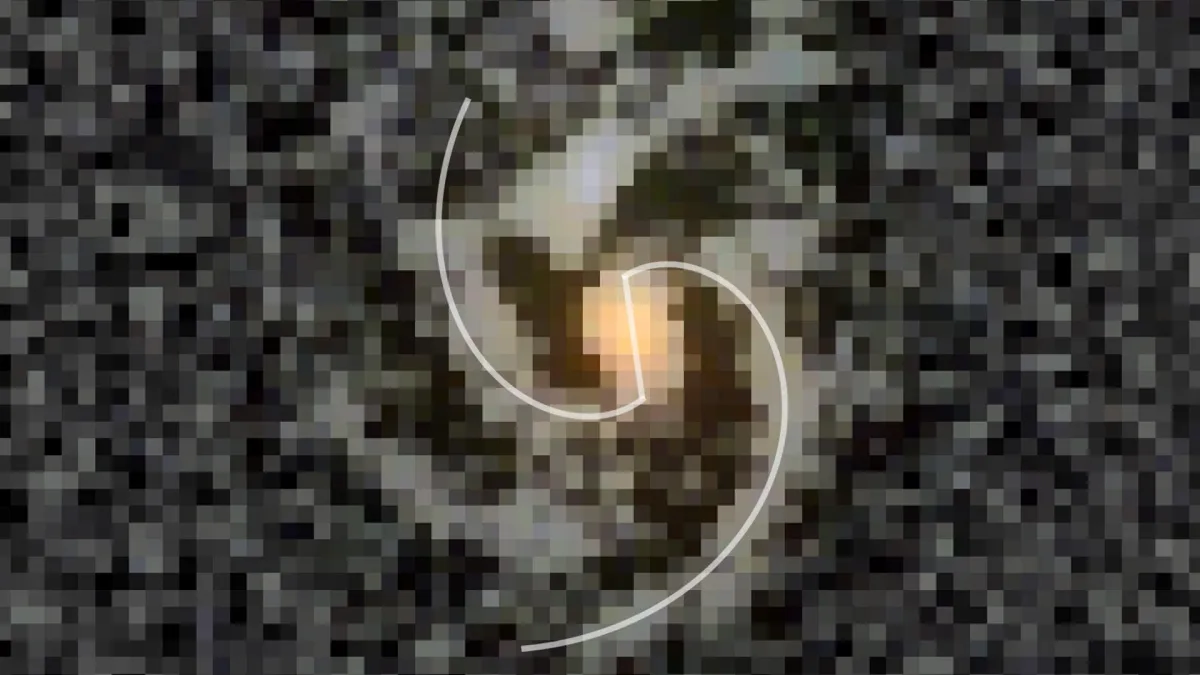
Astronomers discovered a barred spiral galaxy just 2 billion years after the Big Bang—far earlier than theory predicted possible.
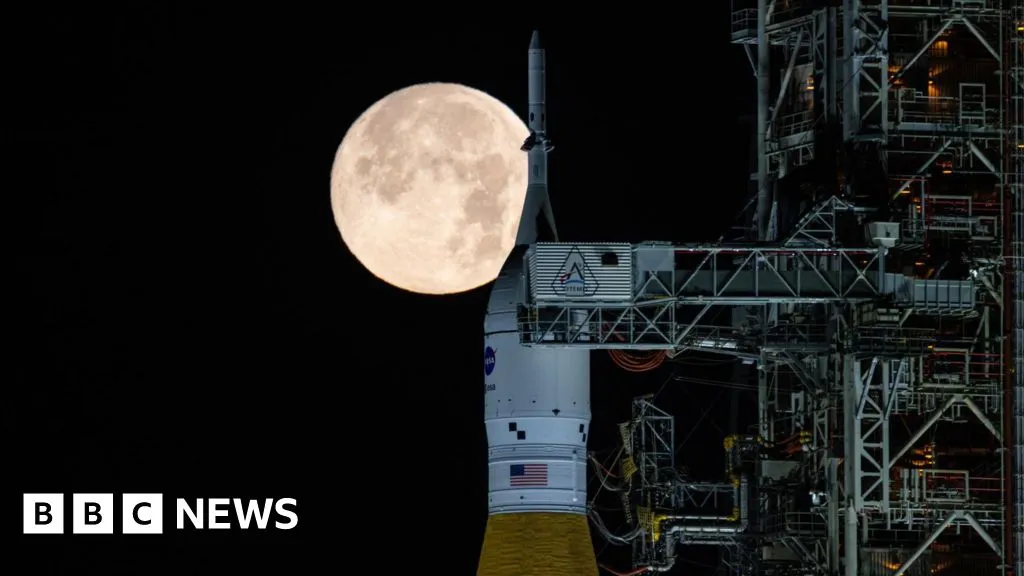
NASA is delaying its crewed Moon landing by adding an extra uncrewed test mission to the Artemis program.
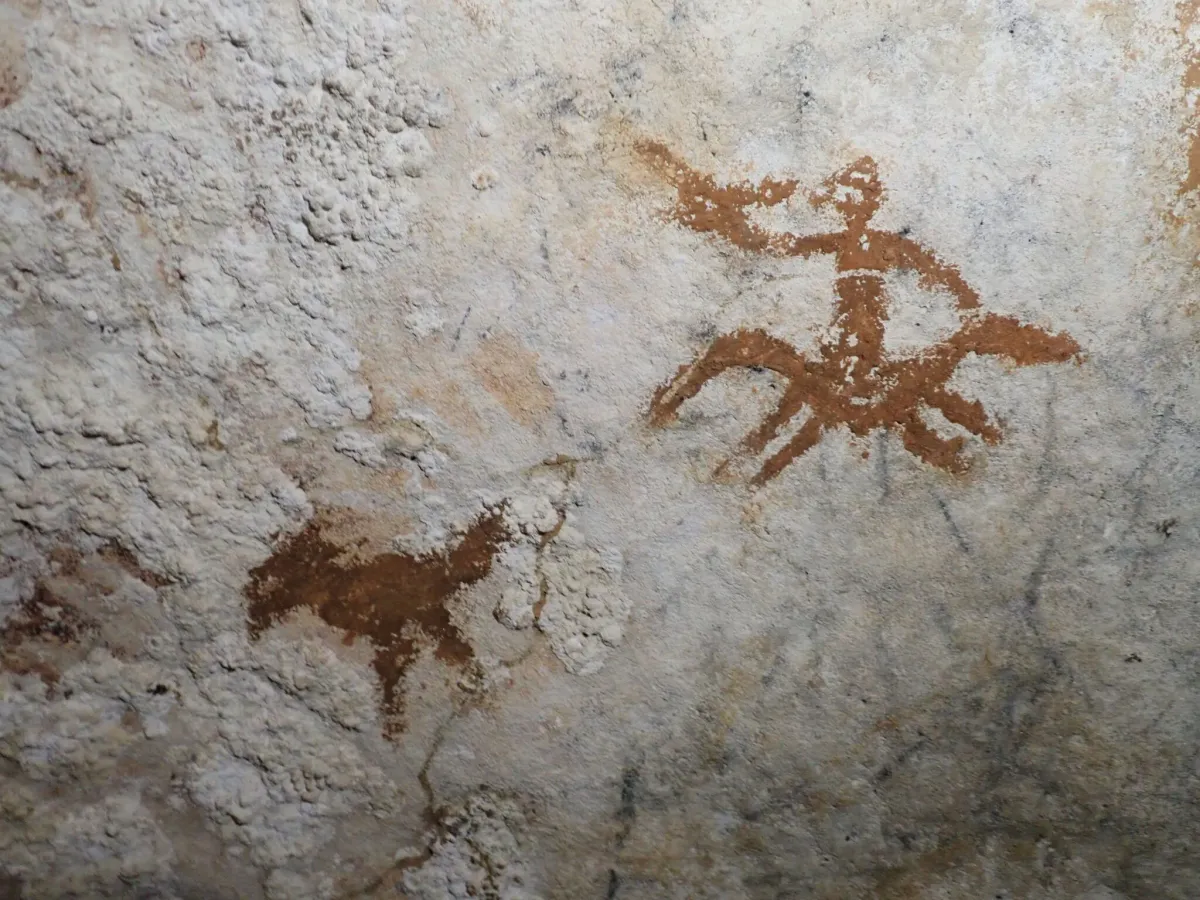
A 67,800-year-old hand stencil in Sulawesi is now confirmed as the world's oldest rock art, revealed through uranium-series dating.
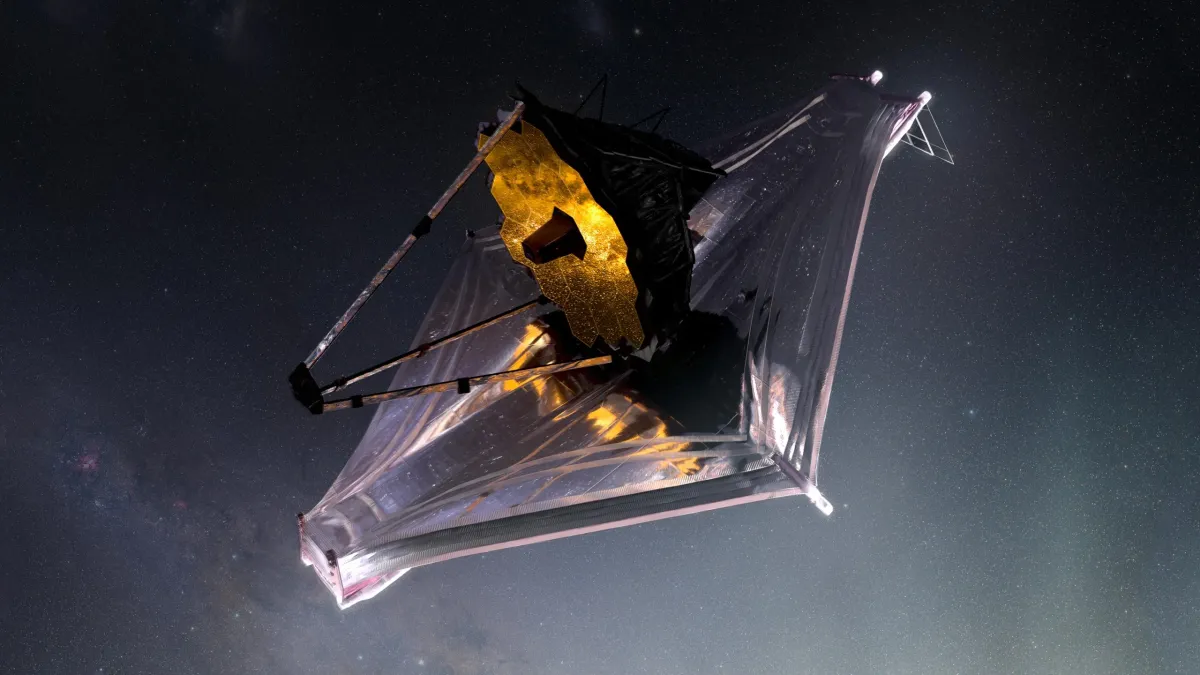
Astronomers peering into a dust-choked galaxy have discovered unexpectedly complex chemistry—challenging what we thought we knew about star-forming regions.
Brightcast is dedicated to restoring faith in humanity by highlighting the progress, solutions, and kindness that often go unnoticed. We believe in a balanced worldview.
Read our full mission →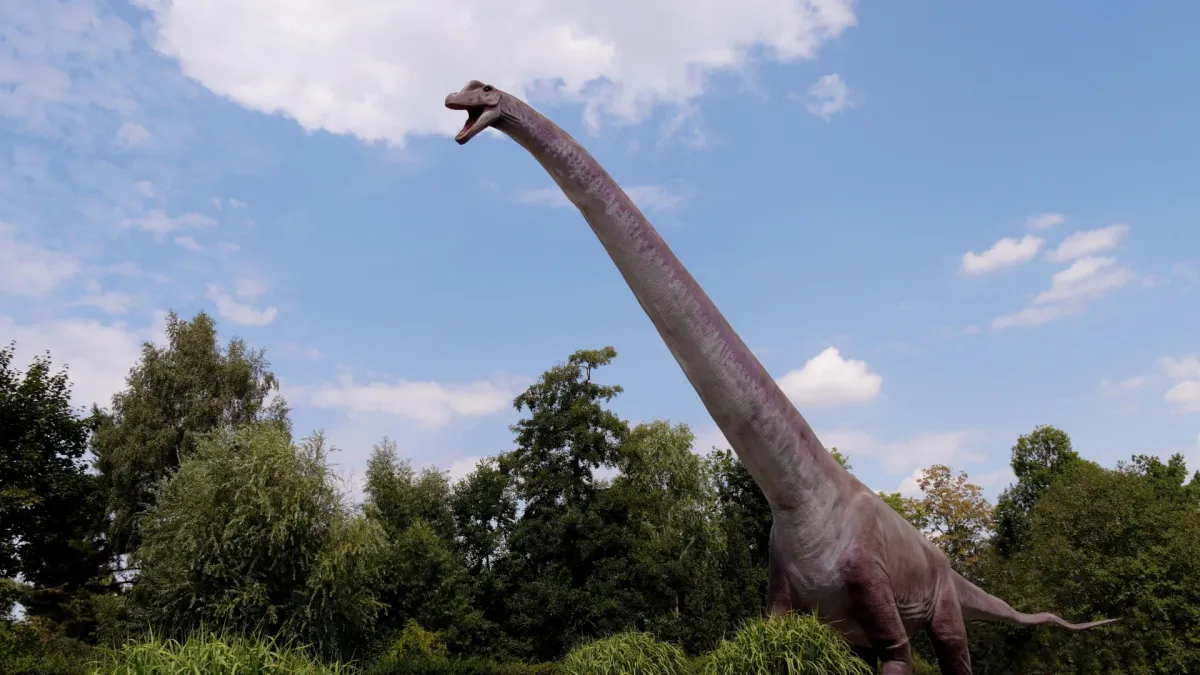
Baby dinosaurs fended for themselves in prehistoric gangs, ditching their parents far earlier than modern animals. New research reveals they survived solo—no helicopter parents in sight.
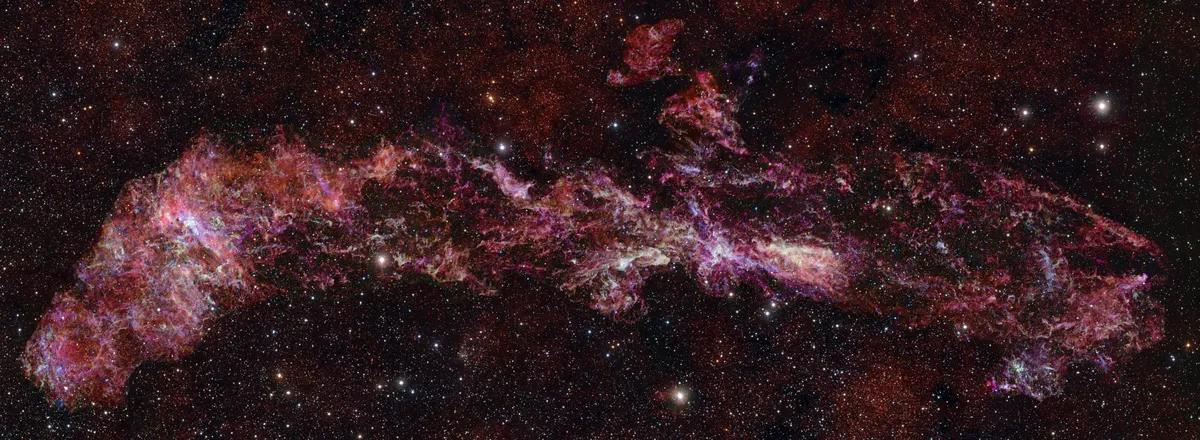
ALMA's unprecedented galactic survey reveals a chaotic stellar nursery of filaments at the Milky Way's core—reshaping our understanding of star birth.
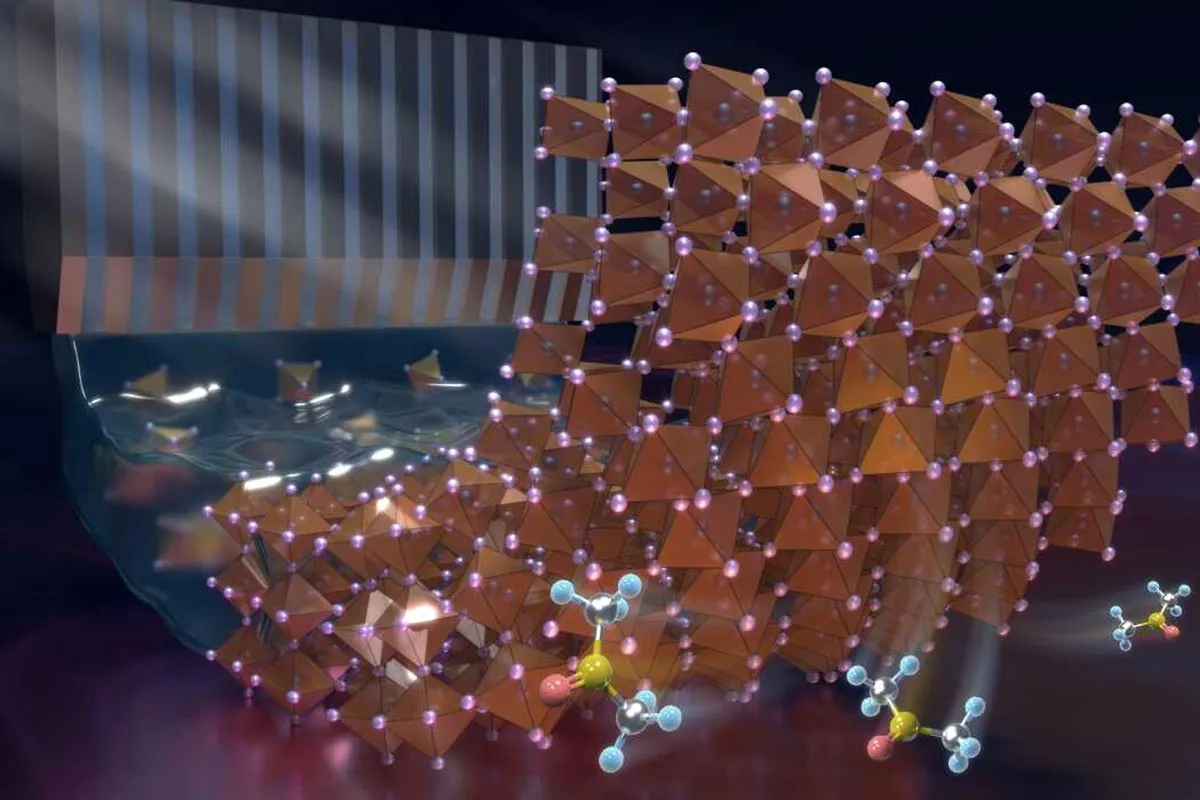
Microscopic crystal seeds could finally unlock perovskite solar cells' promise—delivering high efficiency at commercial scales by fixing a critical flaw.
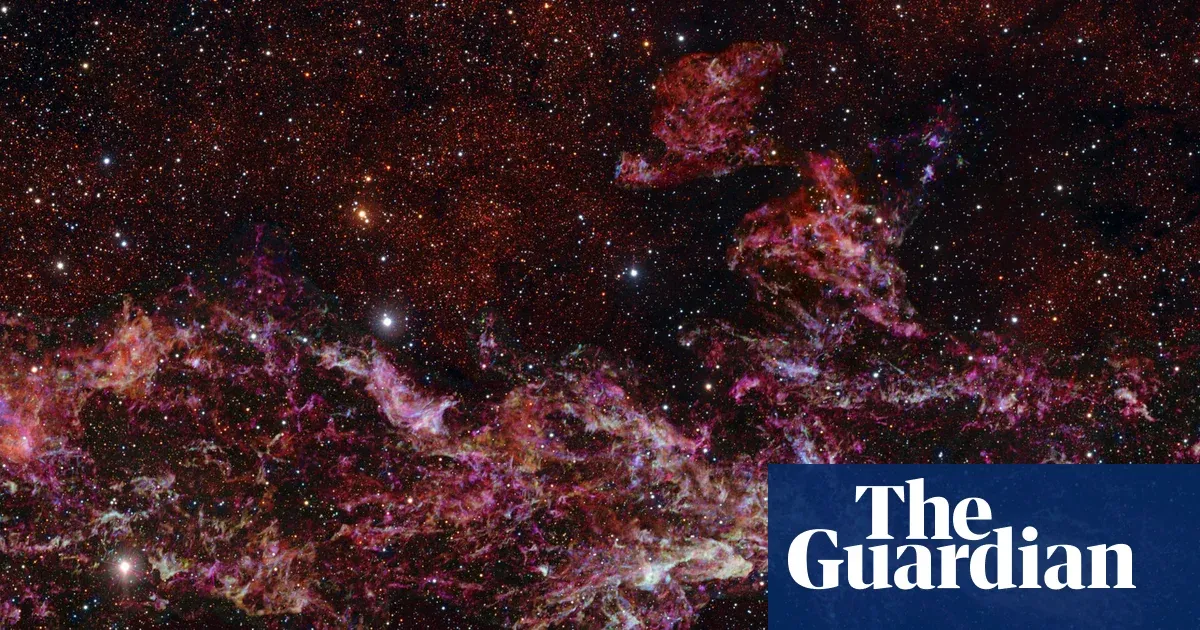
Astronomers have unveiled the sharpest image ever taken of our Milky Way, revealing galactic details previously hidden from view.
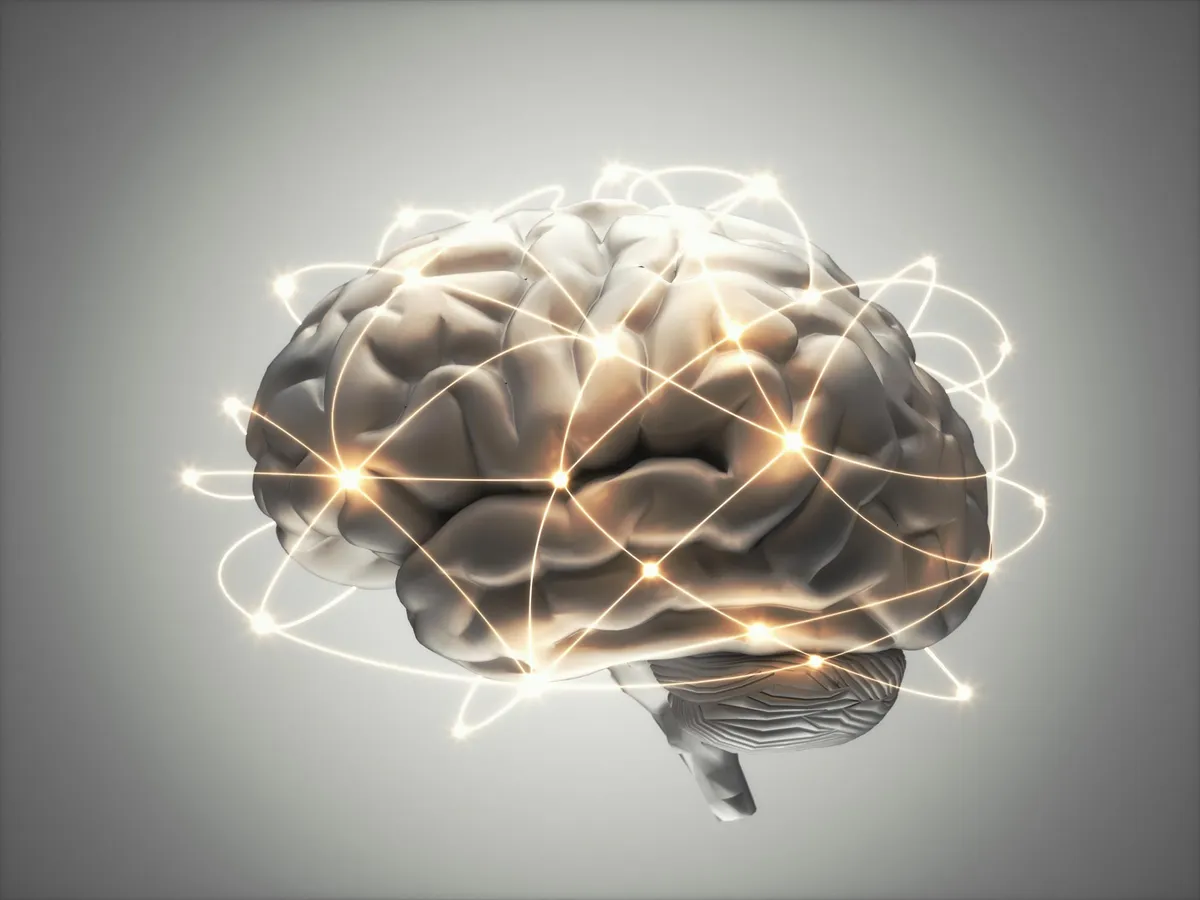
Eating less could keep your brain younger. New research shows calorie restriction preserves brain cell function and slows aging at the molecular level.
Know someone who needs a boost? Share Brightcast with your friends and family.
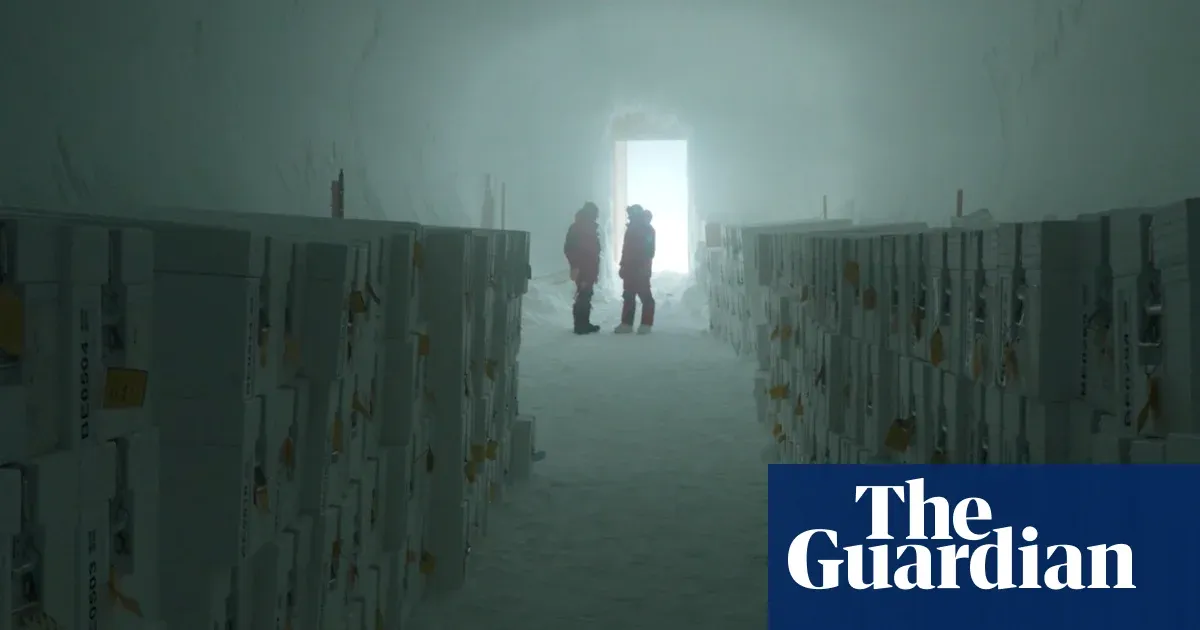
Scientists just buried Earth's climate history in Antarctic ice—a new sanctuary will preserve ancient ice cores for the next 500 years.
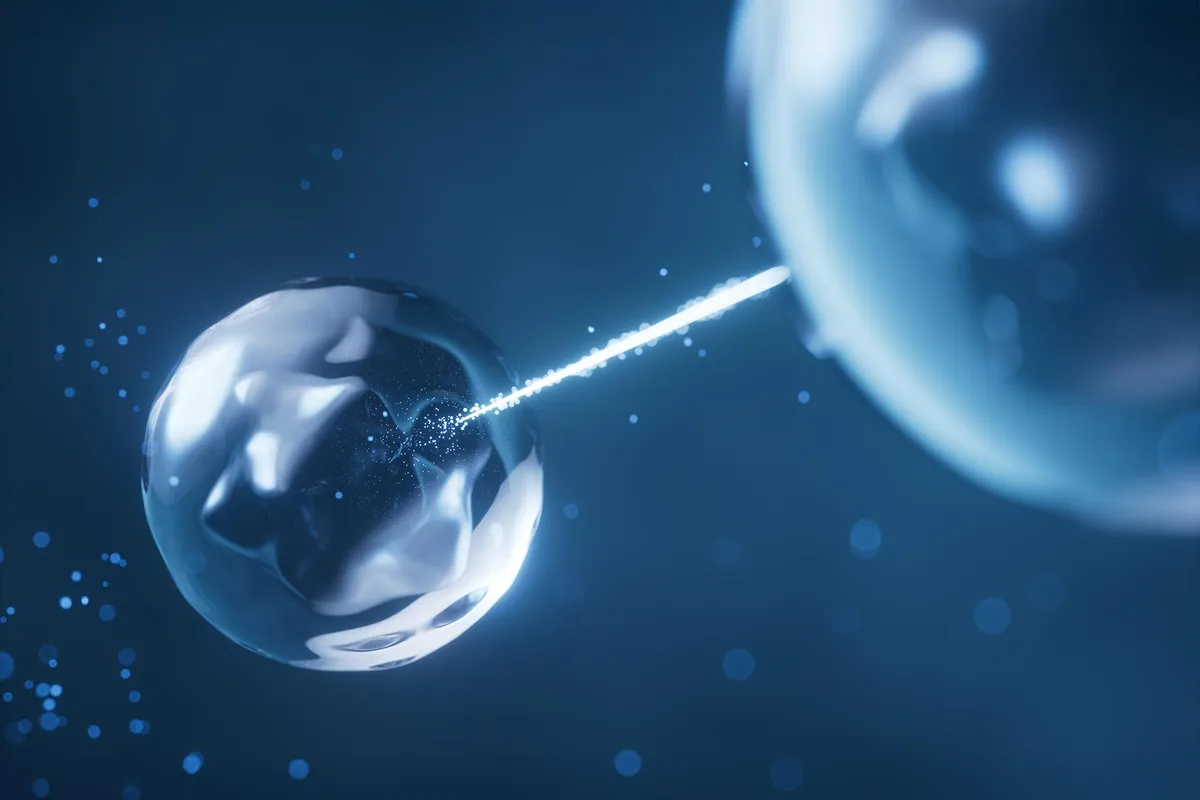
Chinese researchers just cracked quantum teleportation's toughest problem: moving multiple quantum states simultaneously in a continuous system.
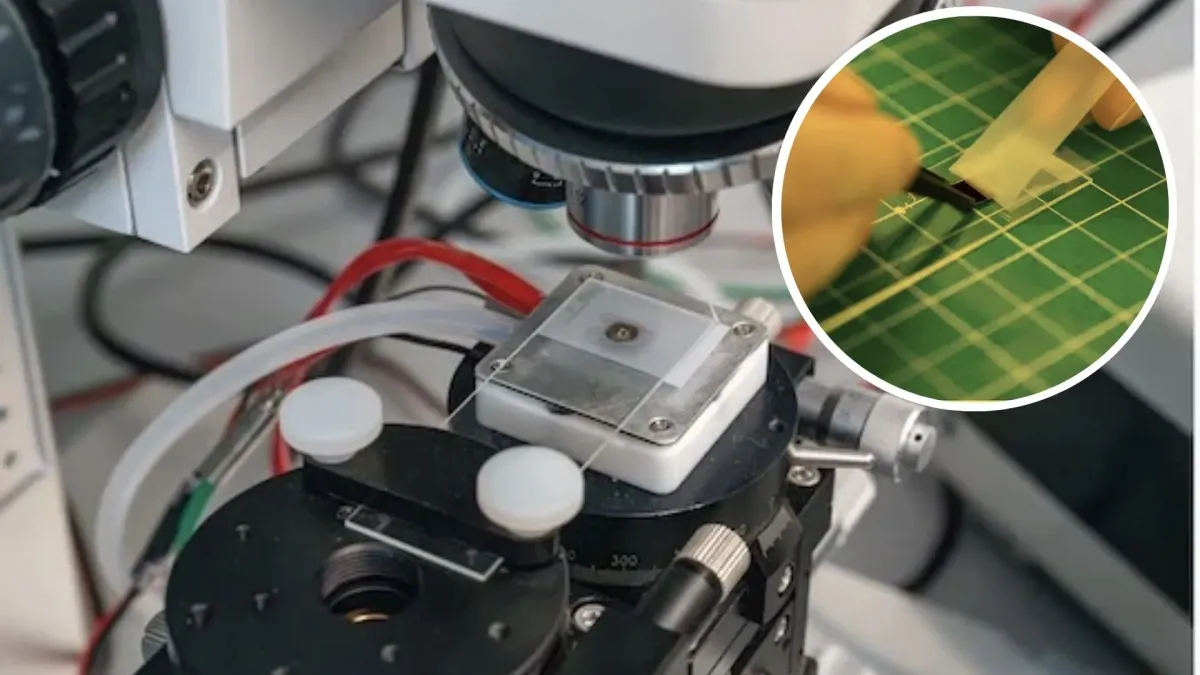
Hidden defects in ultra-thin electronics can now be spotted—and stopped. Rice University researchers revealed how invisible flaws trap electrical charges, causing premature device failure.
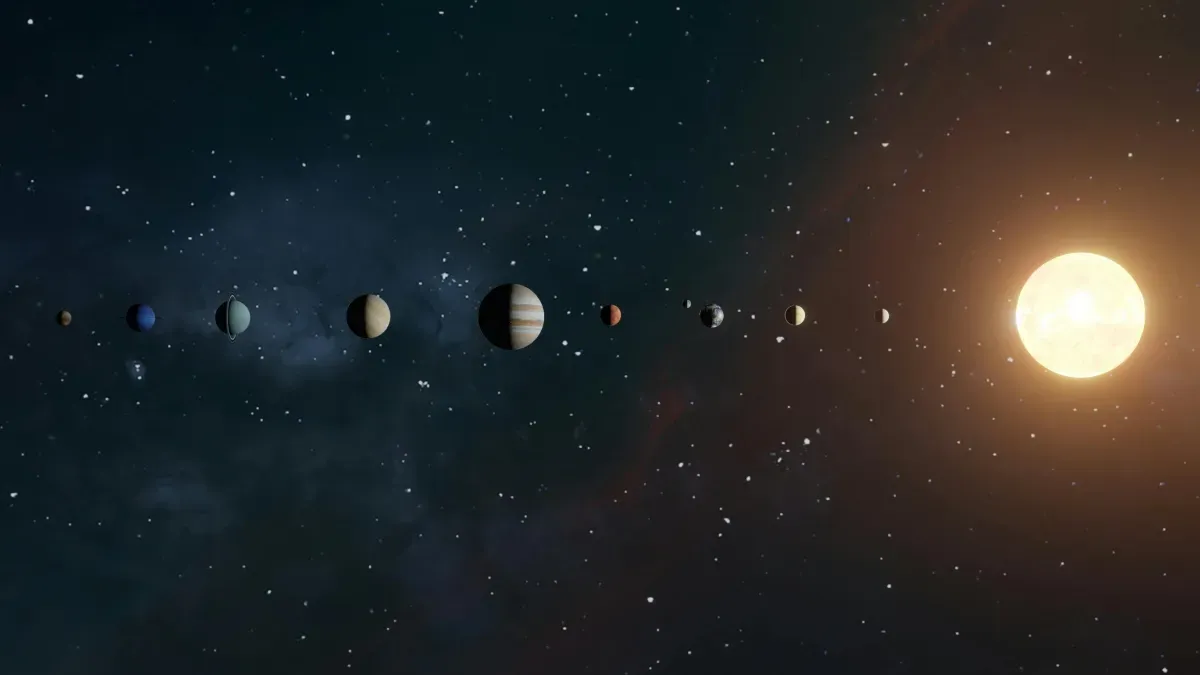
Six planets are aligning in a rare celestial parade visible to the naked eye in the coming days—a cosmic event NASA says stargazers won't want to miss.
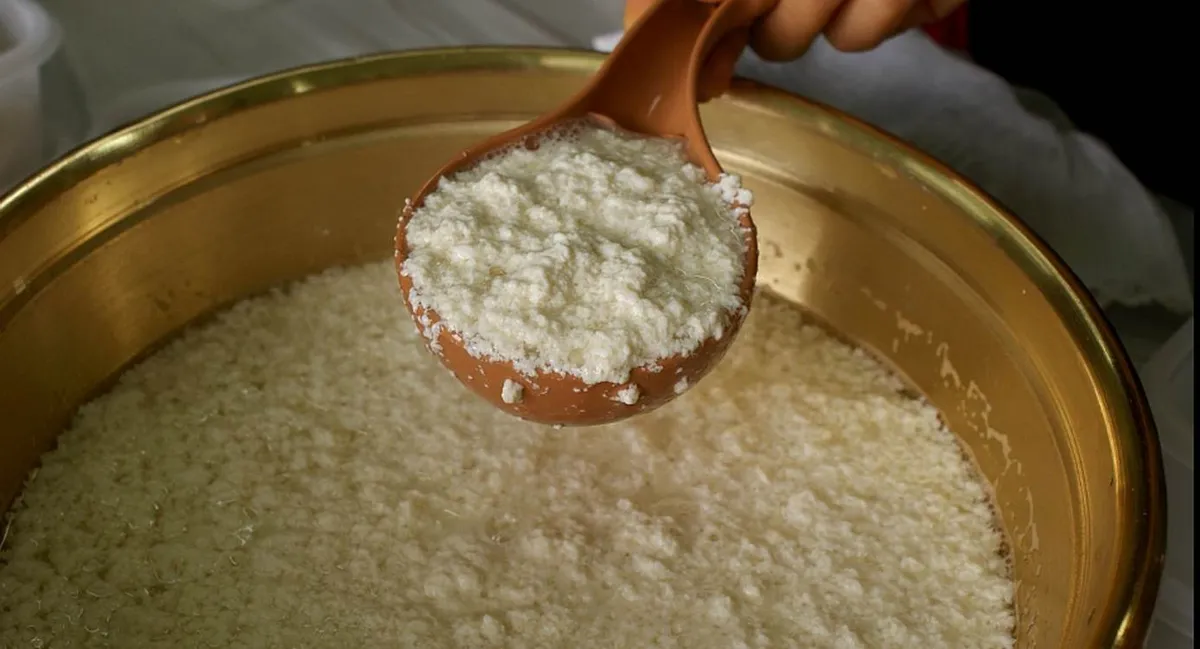
Scientists discovered an unexpected solution: the salty brine waste from industrial processes could power eco-friendly batteries.