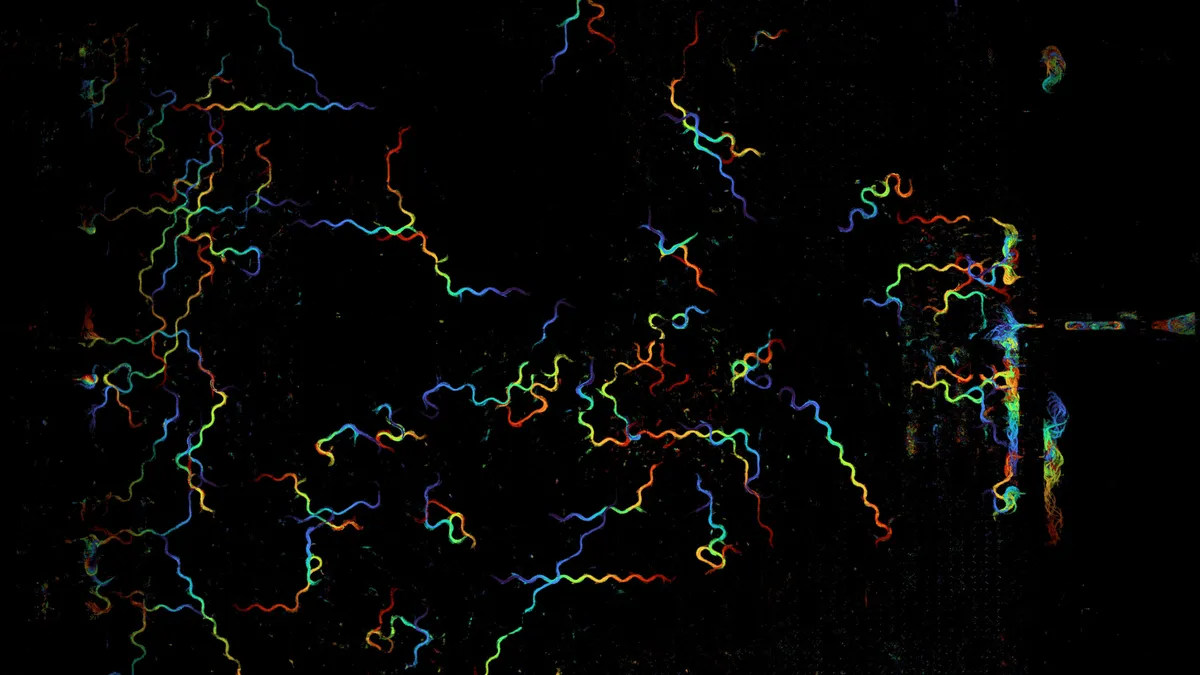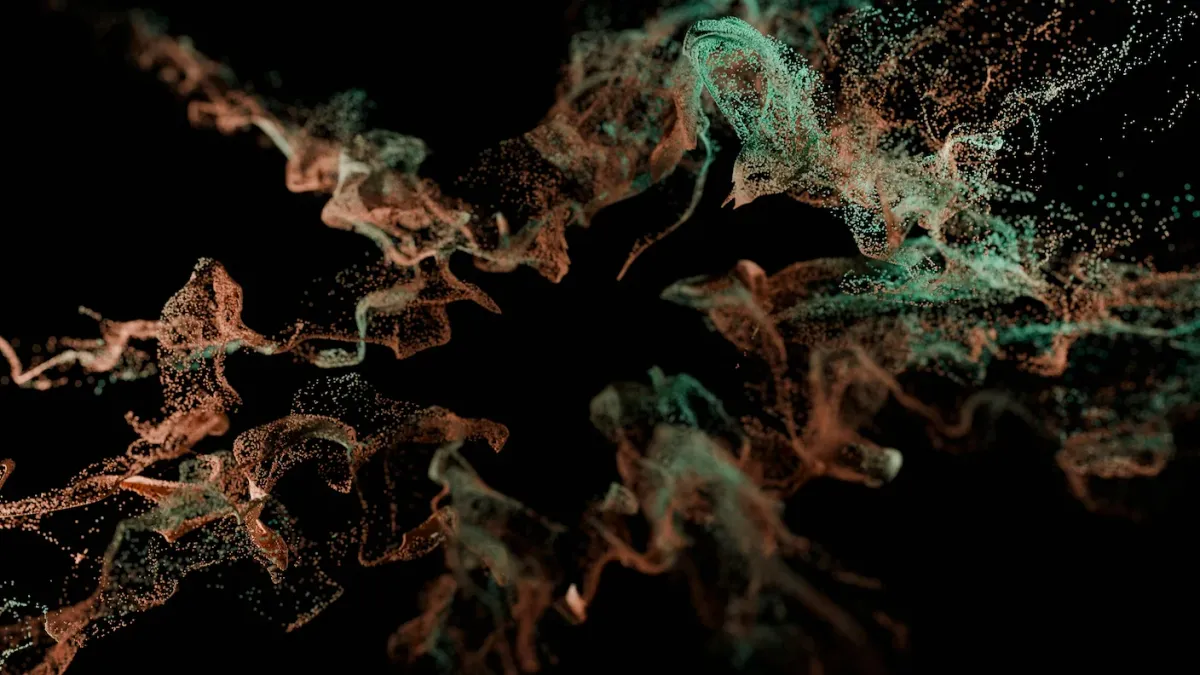
From frozen in place to ultracold, a laser guides hydrogen's future.
Trapping molecules with lasers is incredibly difficult. Their complex vibrations and rotations make them far harder to control than single atoms.
Breakthroughs happen quietly. We make sure you hear about them.
2406 stories

Trapping molecules with lasers is incredibly difficult. Their complex vibrations and rotations make them far harder to control than single atoms.

Two common human pathogens team up, managing copper to build stubborn biofilms. This discovery could unlock new ways to break them down.

Ever wonder what an eagle ray eats? AI now reveals their menu by "listening" to them chew! This model detects shell-crushing sounds, even identifying prey from the noise.

Organ transplants could be revolutionized! Chinese researchers created the first embryo-disc model, capable of growing seed cells for in vitro organ cultivation. A massive leap for regenerative medicine.

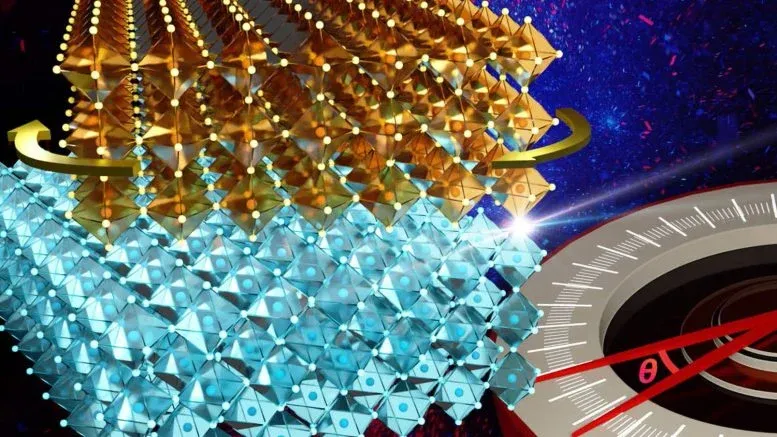
Unlock new material possibilities! Researchers developed a strategy to control oxide thin films' electronic and magnetic properties simultaneously via exsolution.
Join 50,000+ readers who receive our daily digest of the most uplifting stories from around the world.

Ever wonder how your brain processes words you skip while reading? New research reveals how peripheral vision still captures those words, impacting comprehension.

An extraordinary bronze votive chariot, unparalleled in complexity, was unearthed at Casas del Turuñuelo. This unique find, the first of its kind in the Iberian Peninsula, redefines ancient artistry.

Forget state lines. Nature carved America's most iconic borders, from Louisiana's Mississippi-shaped boot to Cape Cod's ocean-sculpted hook. Imagine the US through its natural contours.

America's 80-year investment in science made it a world leader, driving prosperity and security. Now, Scientific American celebrates the young scientists shaping our future.

From cotton candy planets to erased medical debt, today's news is full of surprising lightness. Learn how forests are healing, and how 'I was wrong' is a superpower.
Brightcast is dedicated to restoring faith in humanity by highlighting the progress, solutions, and kindness that often go unnoticed. We believe in a balanced worldview.
Read our full mission →
Launched in 2023, the ESA's Euclid telescope hunts dark matter and energy—95% of the universe. But this two-ton observer also has 60 million other subjects, including our own Milky Way.

Sunlight just got an upgrade. Scientists developed a material converting ordinary sunshine into UV light, opening new possibilities for solar-powered technologies.

We share 98.9% of our DNA with primates, and maybe even laughter! Humans and great apes may have been laughing for 15 million years, revealing new insights into speech evolution.

Three apex predators—snow leopards, common leopards, and Himalayan wolves—coexist in a remote Nepal valley. A new study reveals their secret: different diets, not time or space, prevent conflict.

Hidden charcoal in Font-de-Gaume's black cave paintings allowed scientists to accurately date the artworks for the first time.
Know someone who needs a boost? Share Brightcast with your friends and family.

Animals form surprising cross-species partnerships. Scientists are discovering their sophisticated communication methods, revealing a complex world of interspecies cooperation.

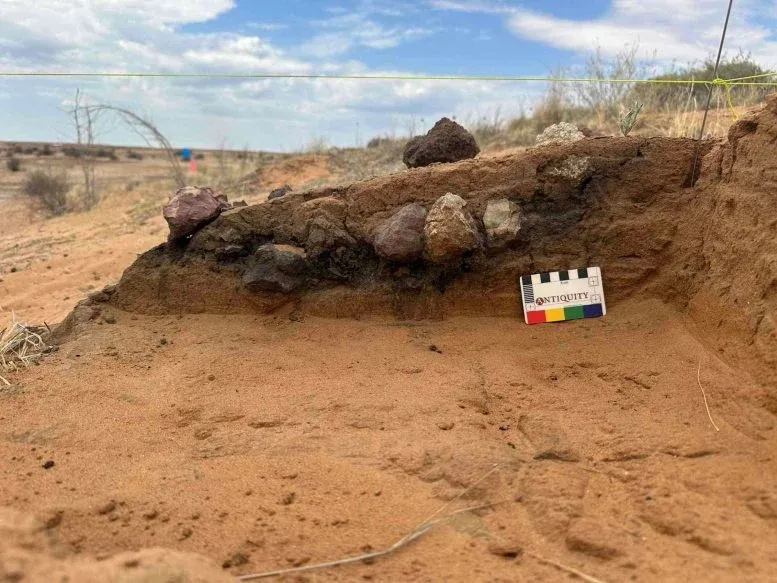
Beneath Western Australia's Pilbara sky lie Earth's oldest rocks. These dark, weathered volcanic formations, nearly 3.5 billion years old, have endured for eons.

Cracking Wordle just got easier. Researchers used information theory to create a near-perfect strategy, solving 99% of puzzles.

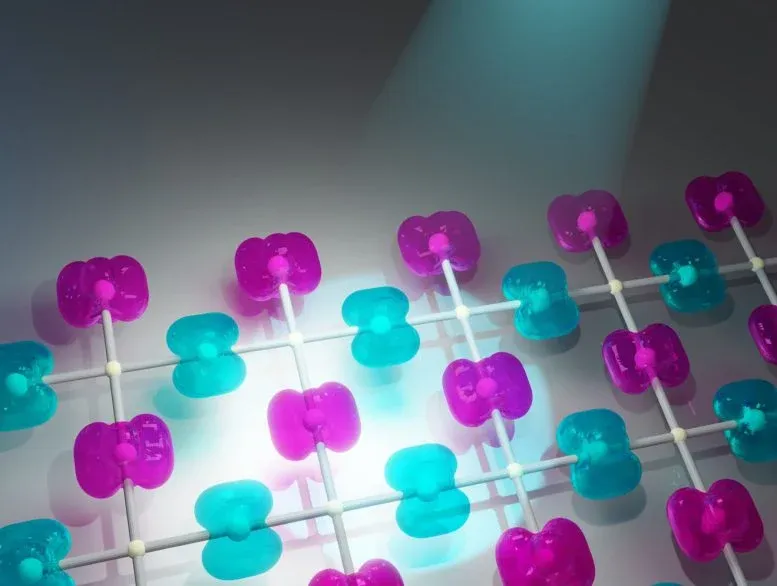
Light can slow material diffusion. Researchers found shining light on carbon nanotubes in water slowed their spread, a phenomenon rooted in quantum mechanics.

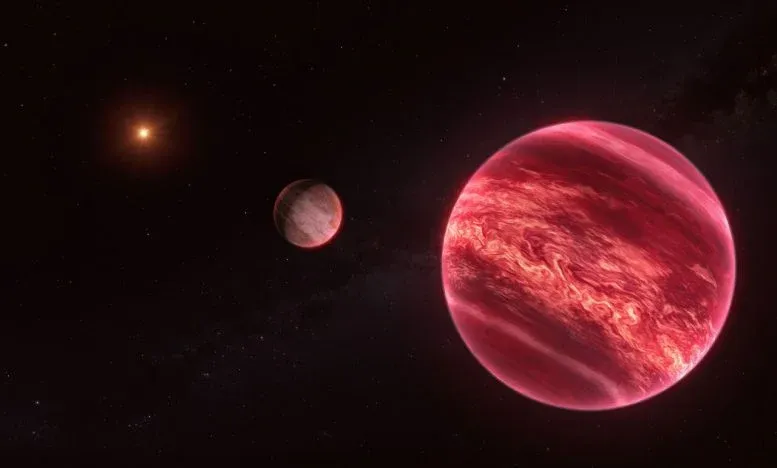
Cotton candy planets? Citizen scientists discovered two sibling gas giants so light their density resembles the sugary treat, not a standard atmosphere. These "super-puff" planets are a rare find!
Download the Brightcast app for a better reading experience, daily notifications, and offline access.
Download App
Scientists found two "super-puff" giant planets, less dense than candy floss! This international discovery, led by Oxford, challenges our understanding of how giant worlds form.

Hidden for a millennium, an undisturbed Mayan city, "Minanbé," was found deep in Mexico's Calakmul jungle. It boasts a 43-foot pyramid and 14 carved altars.

Swirling water waves just simulated a quantum effect! Scientists found rotating nodal patterns, potentially revealing hidden quantum phenomena.

A mysterious neutrino signal led astronomers to a surprising discovery: a hidden star-forming galaxy, not a black hole, may generate the Universe’s most powerful particles.

What if consciousness isn't just for brains? Philosophers Eric Schwitzgebel and Jeremy Pober propose it could exist in diverse life forms, even those built from alien materials.
Join 50,000+ readers who receive our daily digest of the most uplifting stories from around the world.

Your brain has a built-in focus filter! Scientists found a tiny neuron group in an ancient brain region that helps you ignore distractions. Switch them off, and focus vanishes.

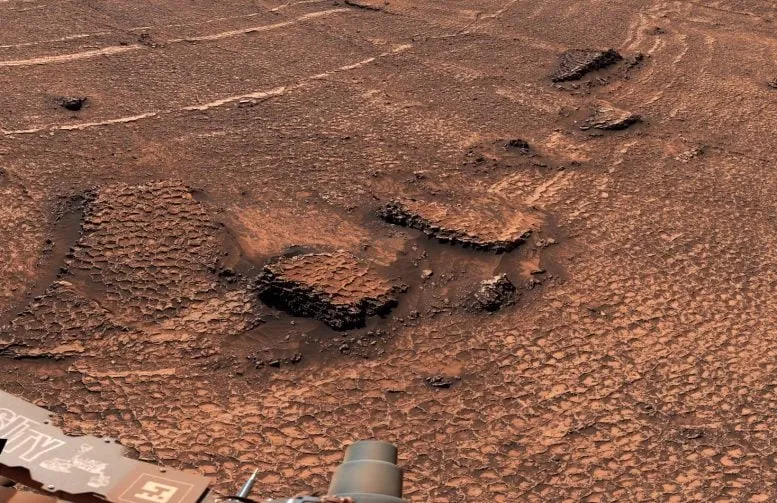
A green speck on Mars: NASA's Perseverance rover, captured June 13, 2026, by the University of Arizona. Just one day before its next Martian exploration.

Big Tech makes a $500M bet against the common cold, tiny robots tackle spinal injuries, and a fluorescent bat makes tequila possible. Hope-Up, June 24, 2026.

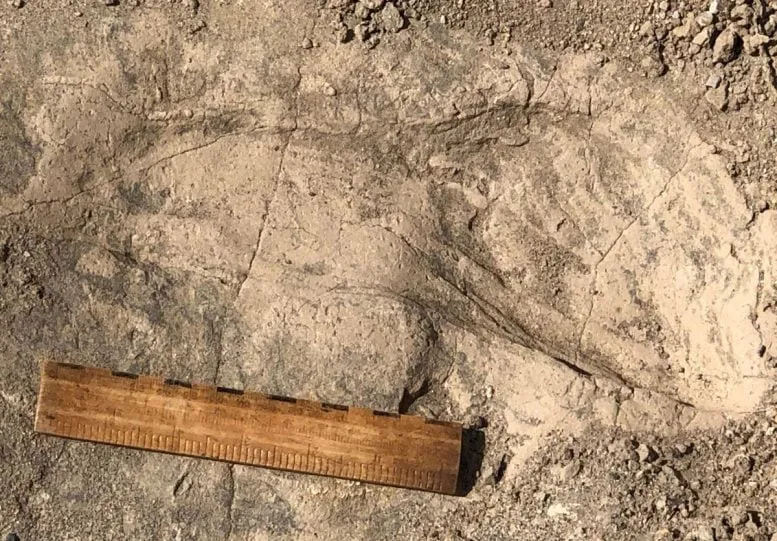
Humans mastered fire 1.79 million years ago! Burned bones deep in South Africa's Wonderwerk Cave prove early ancestors carried and maintained flames, far from natural wildfires.

Elusive goblin sharks caught on camera! Scientists filmed the deep-sea creature in its natural habitat for the first time ever, capturing footage in the Central Pacific.
Brightcast is dedicated to restoring faith in humanity by highlighting the progress, solutions, and kindness that often go unnoticed. We believe in a balanced worldview.
Read our full mission →
China just shattered the supercomputing world! For the first time in nine years, an unlisted Chinese machine, LineShine, dethroned the US's El Capitan as the world's most powerful.

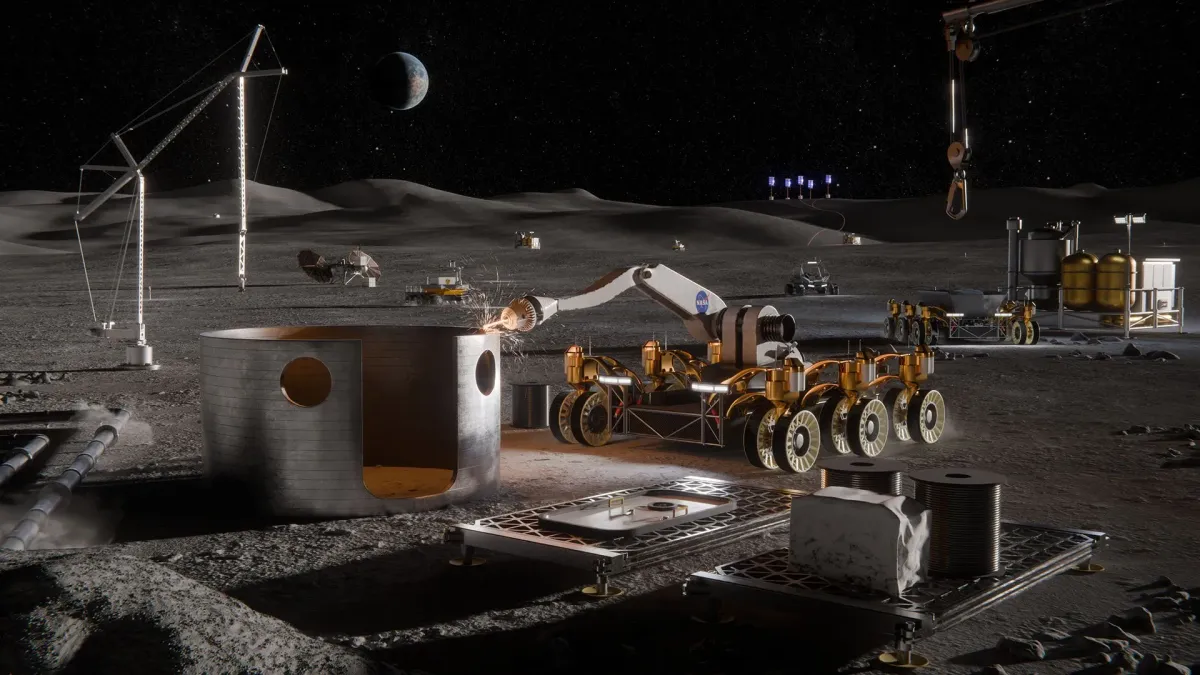
Apollo astronauts trained as lunar geologists in Alaska's Valley of Ten Thousand Smokes, preparing for their historic Moon missions.

A massive Viking textile site, over 1,000 years old, reveals the surprising sophistication of Viking society in Denmark.

Erling Haaland's World Cup goal against Iraq on June 17 literally shook the ground! Seismometers recorded clear vibrations, especially when he scored.

An interstellar intruder! Last year, 3I/ATLAS zoomed through our Solar System, offering astronomers a rare chance to study a rock from another galaxy.
Know someone who needs a boost? Share Brightcast with your friends and family.

Spinal cord injuries are devastating. Now, microrobots deliver stem cells directly to injury sites, offering a new path to nerve regeneration where natural healing fails.

Sperm whales evolve new vocal dialects while remembering old calls. Researchers studied endangered Mediterranean populations, revealing how these majestic creatures adapt their communication.

Interstellar comet 3I/ATLAS is brimming with methanol. Astronomers found it contains an unusually large amount of the organic compound.

All five nucleobases found on asteroid Ryugu! This strengthens the theory that life's molecular ingredients formed in space before arriving on Earth.

From the cosmos clearing up to mangroves making a comeback, today's news is a testament to quiet, determined progress. Plus, the mind's power to heal itself gets a boost.