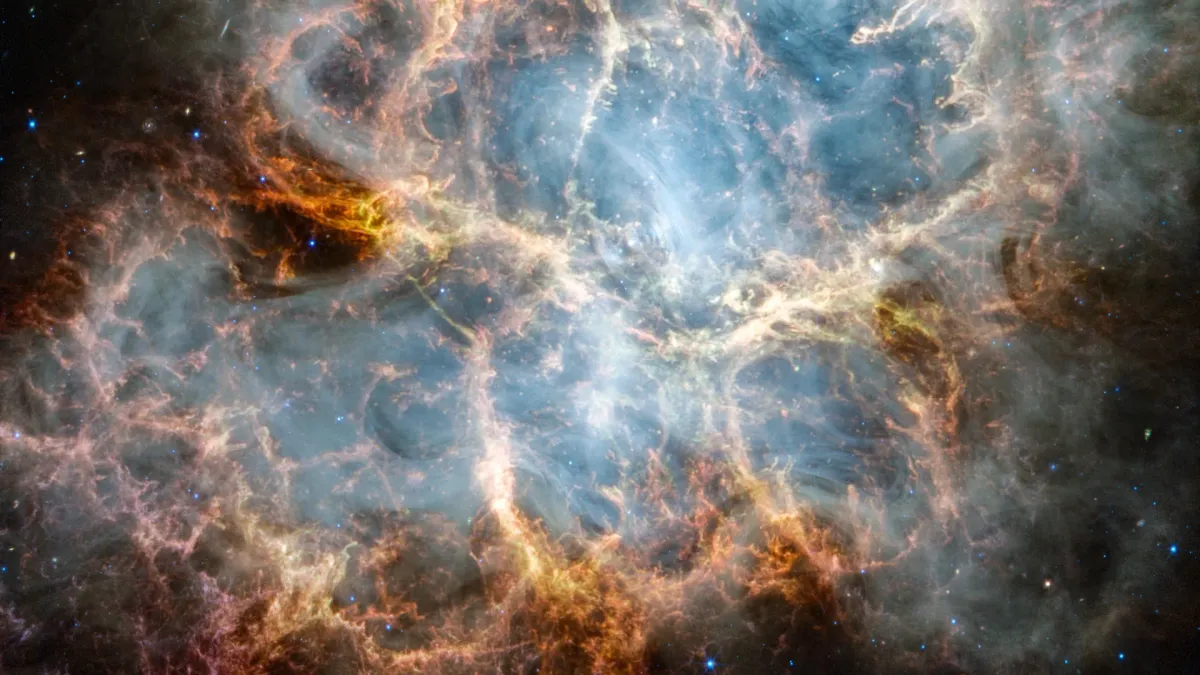
What Webb's dual vision reveals inside the Cranium Nebula's hidden clouds
Webb's infrared eyes reveal a cosmic secret: the same nebula looks dramatically different depending on which instrument peers through the dust.
Breakthroughs happen quietly. We make sure you hear about them.
2406 stories

Webb's infrared eyes reveal a cosmic secret: the same nebula looks dramatically different depending on which instrument peers through the dust.

Your ancient ancestor had one eye—centered on top of its head. Scientists discovered all vertebrates share this cyclops-like ancestor, reshaping our understanding of evolution.

Blue light just did what rare metals couldn't: a new iron catalyst is revolutionizing precision drug synthesis. Scientists have achieved a major breakthrough.

A century-old puzzle is finally solved: US researchers have completed Schrödinger's mathematical model of human color perception, filling gaps the physicist left behind in the 1920s.

Scientists just cracked solar energy's biggest problem: storing sunlight for nighttime use. A bio-inspired molecule beats lithium-ion batteries—and it's reusable.
Join 50,000+ readers who receive our daily digest of the most uplifting stories from around the world.

A frozen Earth with no seasons—that's what scientists thought happened 700 million years ago. New evidence suggests otherwise.

Researchers just cracked open the black box: a new tool reveals what AI systems are actually thinking—and lets us steer them.

Thousands of citizen scientists just gave us unprecedented views of the Sun's corona. NASA's Eclipse Megamovie released groundbreaking data from 143 observatories across America.

Curiosity Navigation Curiosity Home Mission Overview Where is Curiosity? Mission Updates Science Overview Instruments Highlights Exploration Goals News and Features Multimedia Curiosity Raw Images Images Videos Audio Mosaics More Resources Mars Missions Mars Sample Return Mars Perseverance Rover Mar...

Duke researchers have discovered a potential treatment that could help millions suffering from diabetic neuropathy and chemotherapy-induced nerve pain.
Brightcast is dedicated to restoring faith in humanity by highlighting the progress, solutions, and kindness that often go unnoticed. We believe in a balanced worldview.
Read our full mission →
The James Webb Space Telescope has captured Uranus's upper atmosphere in stunning 3D detail, revealing violent auroras and a planet still shedding heat from its formation.

Pull a string and watch a flat sheet transform into a 3D structure. MIT researchers just cracked the code for instant origami that could revolutionize everything from bike helmets to disaster relief.

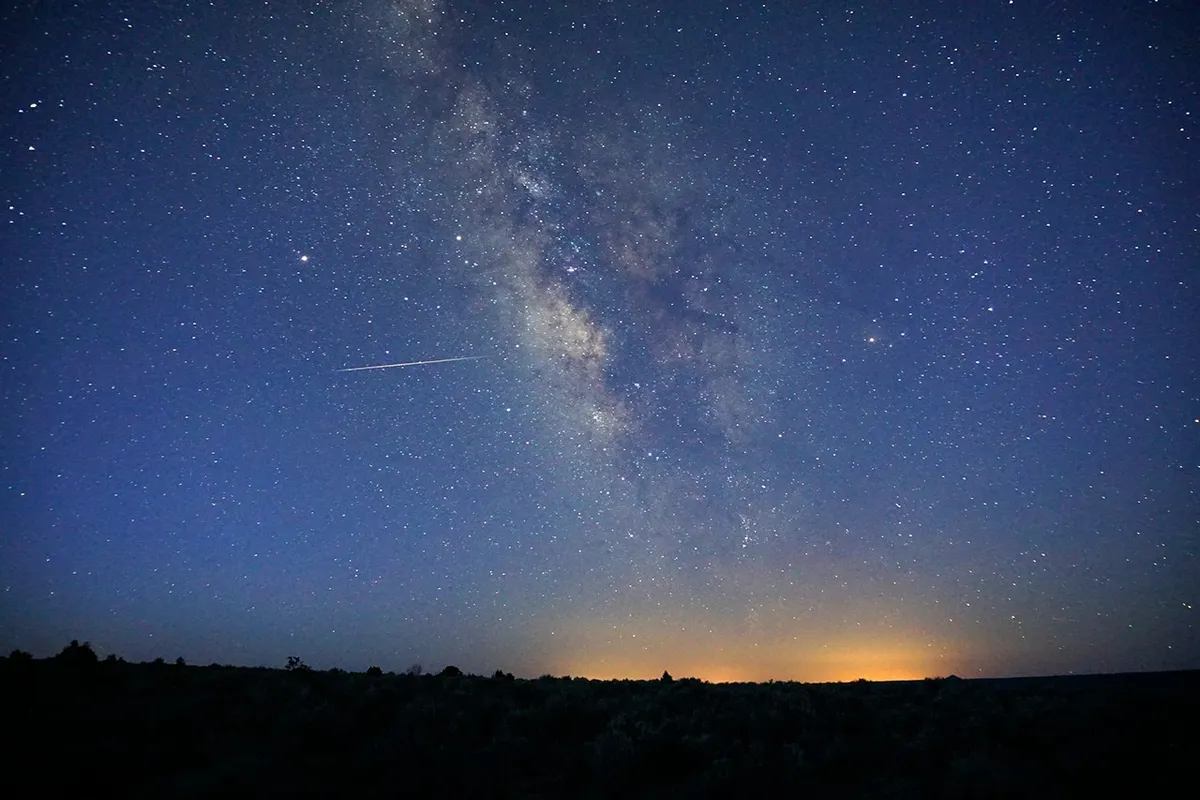
The Milky Way's invisible magnetic field just revealed its secrets. Scientists mapped the galaxy's hidden force in unprecedented detail, uncovering surprising patterns in how it flows through space.

CERN has begun freezing a 312-foot magnet test stand to validate upgrades for the world's most powerful particle collider—a critical step toward unlocking new physics discoveries.

A three-meter marine reptile dubbed the "Sword Dragon of Dorset" reveals how ichthyosaurs adapted during a critical evolutionary transition when species were vanishing and new ones emerging.
Know someone who needs a boost? Share Brightcast with your friends and family.

Scientists unearthed a previously unknown crocodylomorph in Gloucester that rewrites our understanding of early crocodile evolution and ancient ecosystems before mass extinction.

Scientists have discovered how to reverse aging in blood-forming stem cells, potentially preventing age-related blood disorders.

Your genes don't assemble randomly—they're orchestrated with stunning 3D precision from conception's first moments.

CU Boulder researchers engineered microscopic racetracks that trap light with unprecedented efficiency, using highway-inspired curves to minimize energy loss.

Scientists just simulated a quantum microchip at record scale using a supercomputer. The breakthrough could accelerate next-generation quantum hardware development.
Download the Brightcast app for a better reading experience, daily notifications, and offline access.
Download App
Curiosity rover reveals ancient Martian waterways etched in stone. Boxwork formations captured on sol 4,671 show where water carved through rock billions of years ago.

Hairline-thin LEDs could soon replace lasers in data centers and next-gen displays. UC Santa Barbara researchers have found a practical path forward.

A captive animal trained in English shows signs of imagination—a cognitive ability once thought uniquely human.

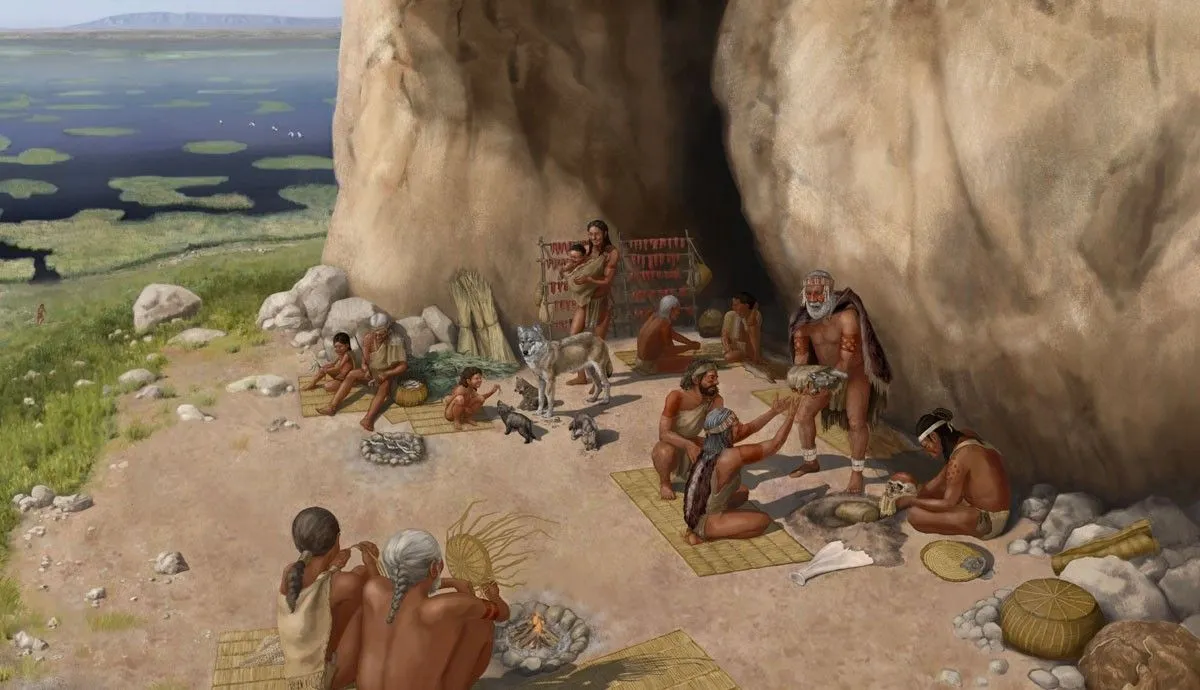
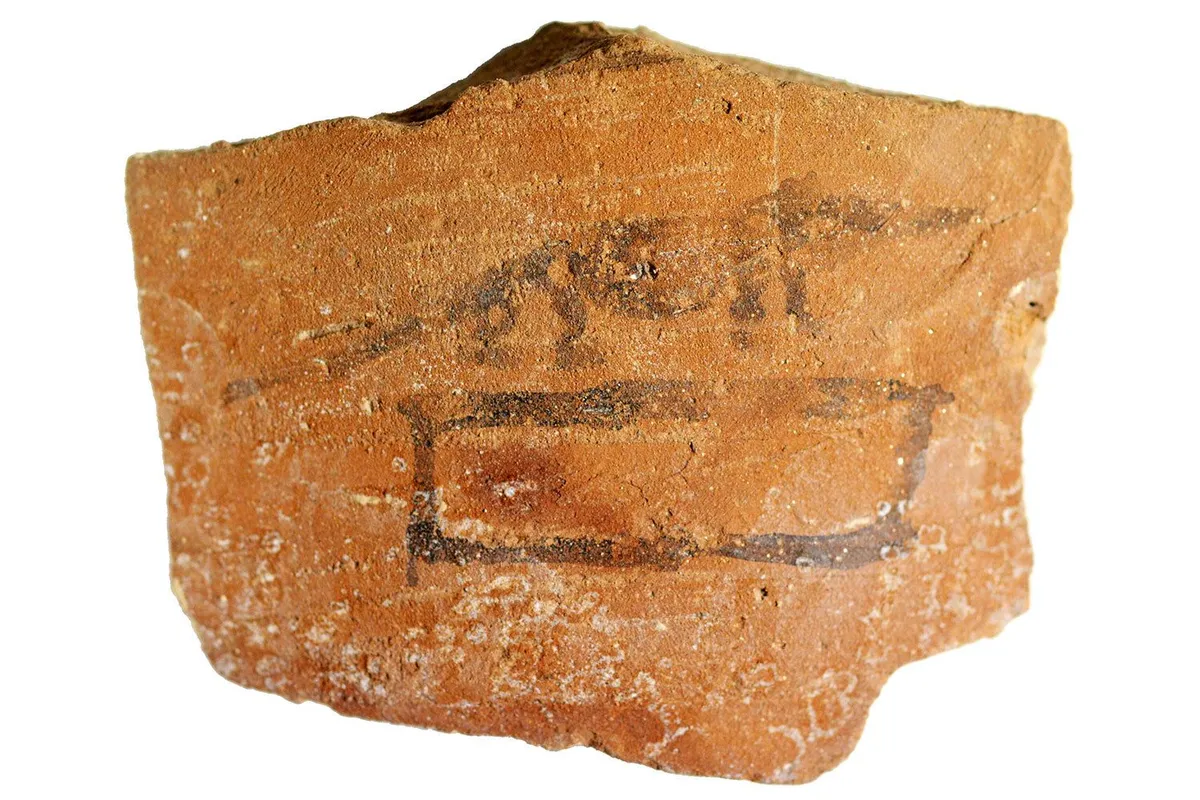
Humans may have invented symbolic writing 40,000 years ago—37,000 years before Mesopotamia's earliest known scripts, according to new evidence in PNAS.

NASA's Curiosity rover discovered mysterious pea-sized nodules amid Mars' boxwork formations, raising new questions about the Red Planet's geological history.
Join 50,000+ readers who receive our daily digest of the most uplifting stories from around the world.

Your brain has an off-switch for scratching. Scientists discovered the neural feedback loop that tells you when to stop clawing at that itch—and why some people can't.

Horses produce two distinct sounds simultaneously—whistling and singing layered into every whinny to convey complex messages.

University of Michigan researchers just cracked a major barrier: quantum materials that turn sunlight and water into clean hydrogen fuel with unprecedented efficiency.

Researchers have engineered microscopic "light racetracks" that could revolutionize next-generation sensors and photonic devices.

Fish just proved they're smarter than we thought. Cleaner wrasse used mirrors to spot-check fake parasites on themselves—and some even dropped shrimp to study reflections.
Brightcast is dedicated to restoring faith in humanity by highlighting the progress, solutions, and kindness that often go unnoticed. We believe in a balanced worldview.
Read our full mission →
Deep-sea fish larvae just rewrote the rulebook on vertebrate vision with a newly discovered visual cell that challenges everything we thought we knew about how animals see.

Scientists just unearthed a colossal dinosaur bone—a femur nearly 2 meters long—revealing a new long-necked giant that roamed ancient Niger.
Astronomers just discovered galaxies hidden in cosmic dust that formed merely one billion years after the Big Bang—rewriting our understanding of the universe's earliest epochs.

Exercise strengthens the brain's protective barrier against aging, shielding memory from decline.

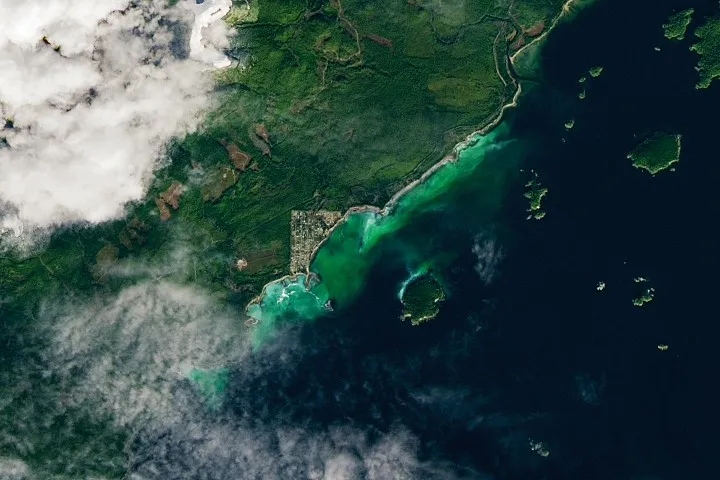
Beneath Queensland's dusty plains lies a rock formation older than dinosaurs—and it could solve Australia's biggest clean energy problem: where to store renewable power at massive scale.
Know someone who needs a boost? Share Brightcast with your friends and family.

A rocky planet where a gas giant should be: astronomers just discovered a planetary system that defies everything we thought we knew about how worlds form.

Cancer cells have a molecular off-switch that disables immune detection. Scientists just found it—and how to flip it back on.

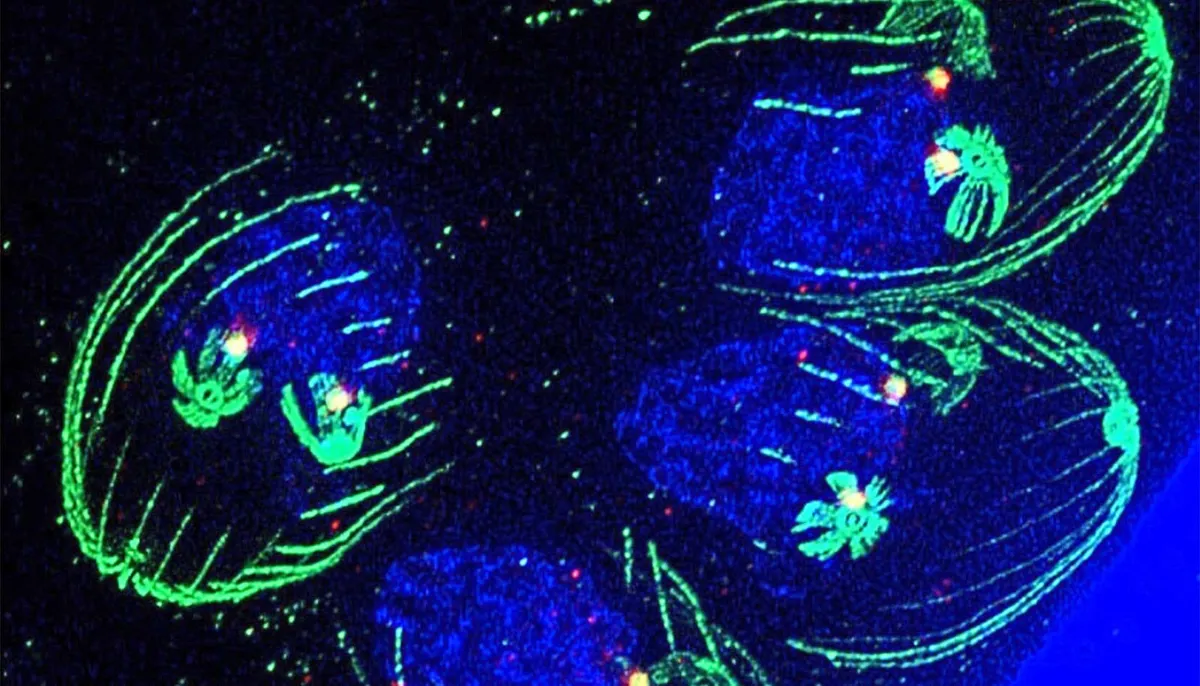
Scientists may have finally cracked a decades-old mystery about how cell membranes work. The breakthrough could reshape our understanding of cellular biology.

A wooden Roman coffin discovered in 1899 reveals a mystery: who was the "Princess of Bagicz"? Her remarkably preserved artifacts offer clues.

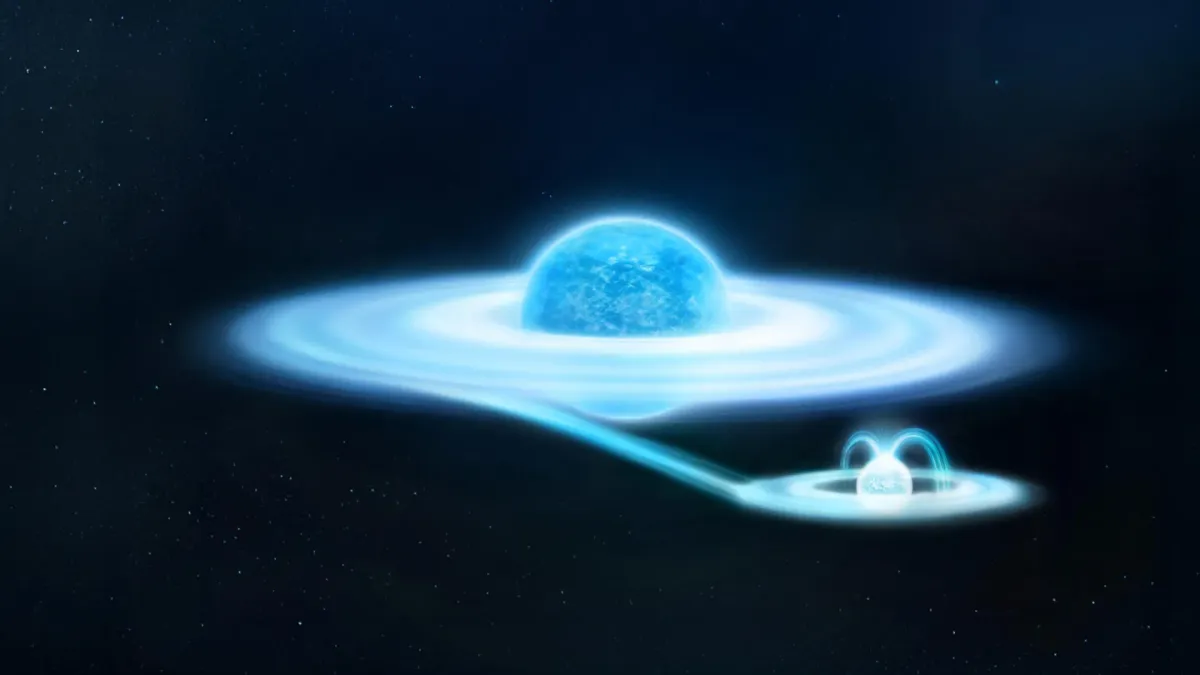
Hidden stars orbit in single dots of light. Planets flicker invisibly beside their suns. Now astronomers face an impossible choice: build bigger telescopes, or find another way.