Webb telescope observes a cosmic blast lasting seven hours.
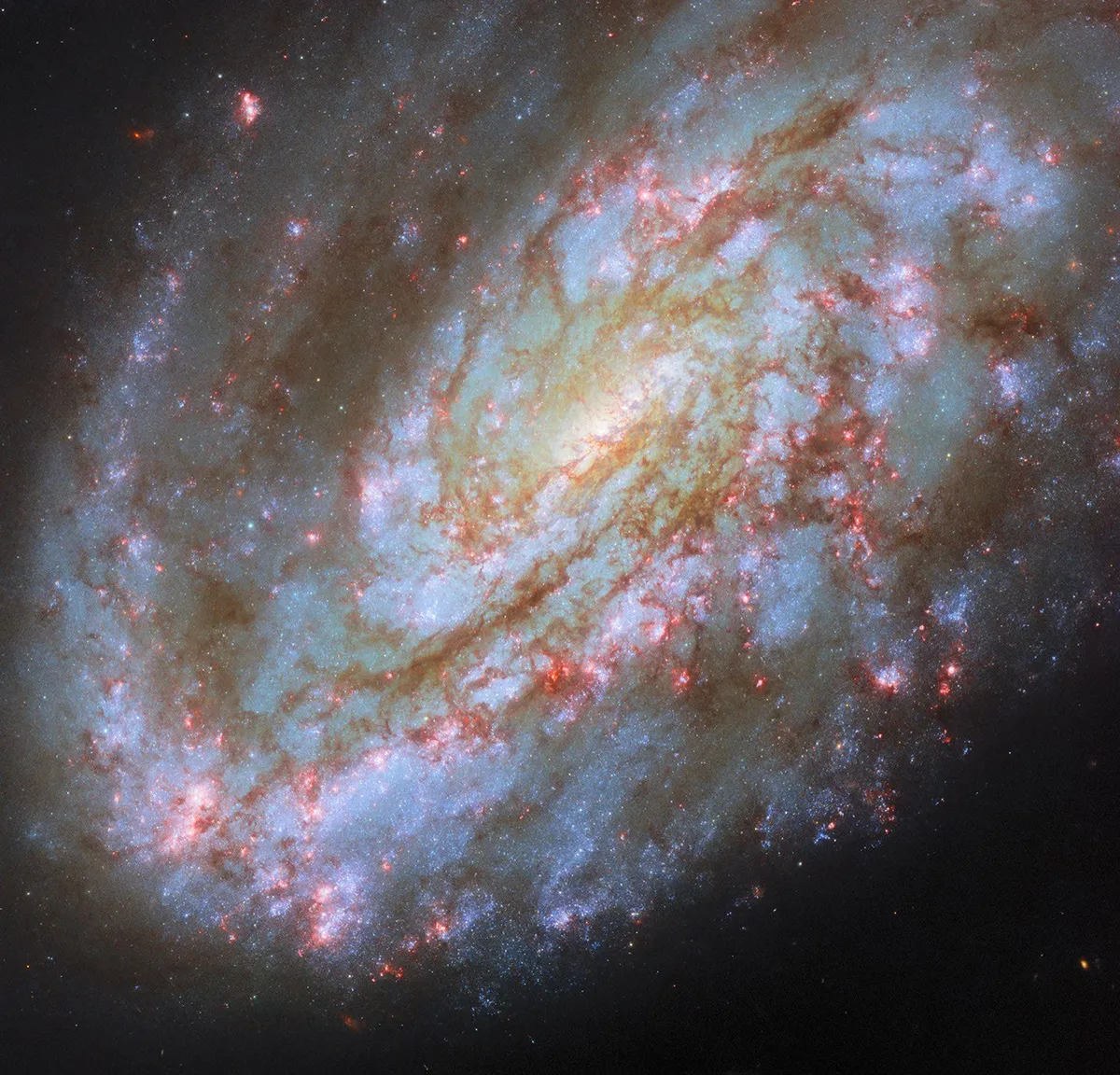
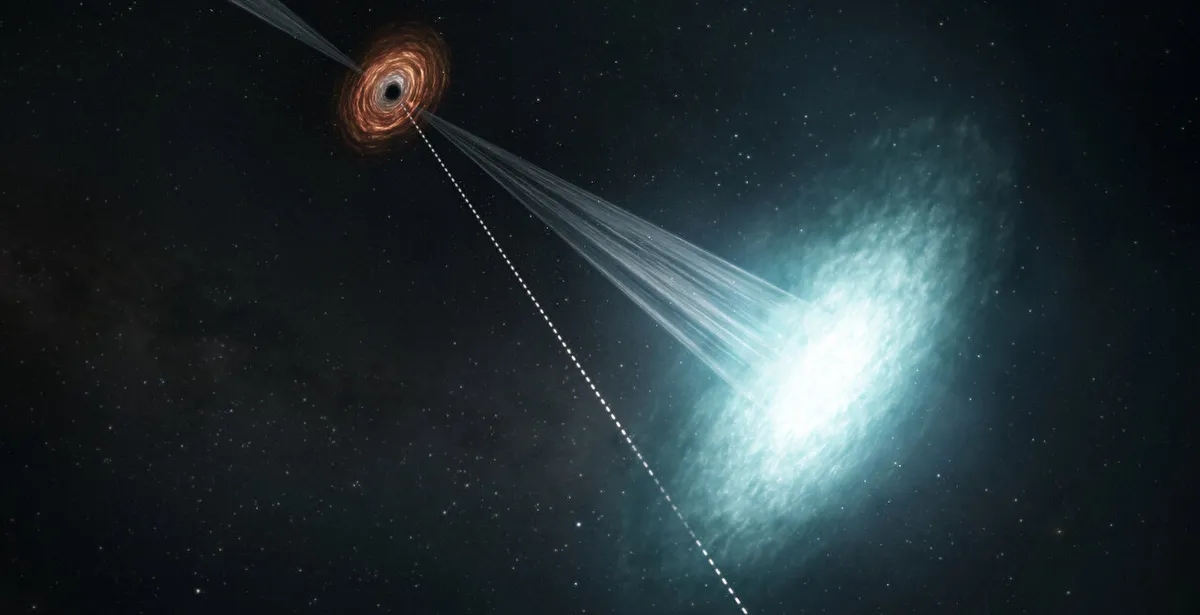
A cosmic explosion, GRB 250702B, just shattered astronomical norms. Lasting seven hours, this bizarre event has scientists scrambling for answers.
from ScienceDaily
Breakthroughs happen quietly. We make sure you hear about them.
1404 stories

A cosmic explosion, GRB 250702B, just shattered astronomical norms. Lasting seven hours, this bizarre event has scientists scrambling for answers.
from ScienceDaily

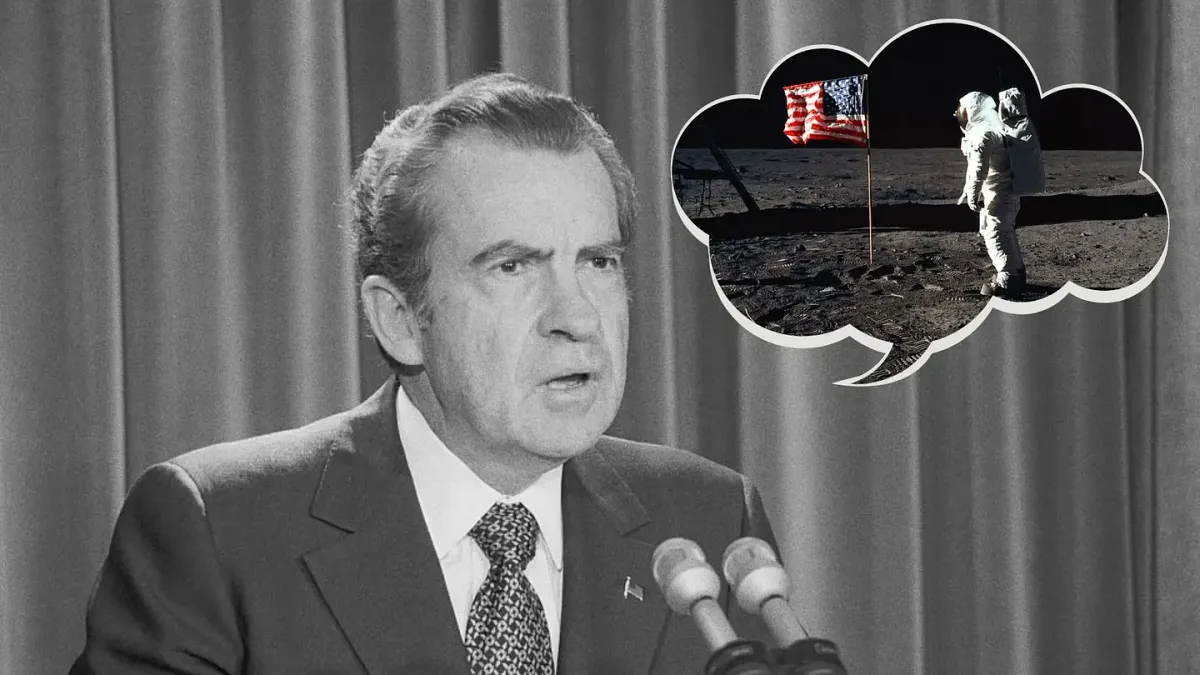
The US is pouring time, effort, and money into a new lunar race with China. This isn't just about the Moon; it's a stepping stone for future Mars missions and groundbreaking discoveries.
from BBC Science & Environment

Ancient Antarctic ice cycles unexpectedly boosted subtropical ocean life. A 40,000-year obliquity cycle drove nutrient shifts, revealing profound global climate connections.
from SciTechDaily

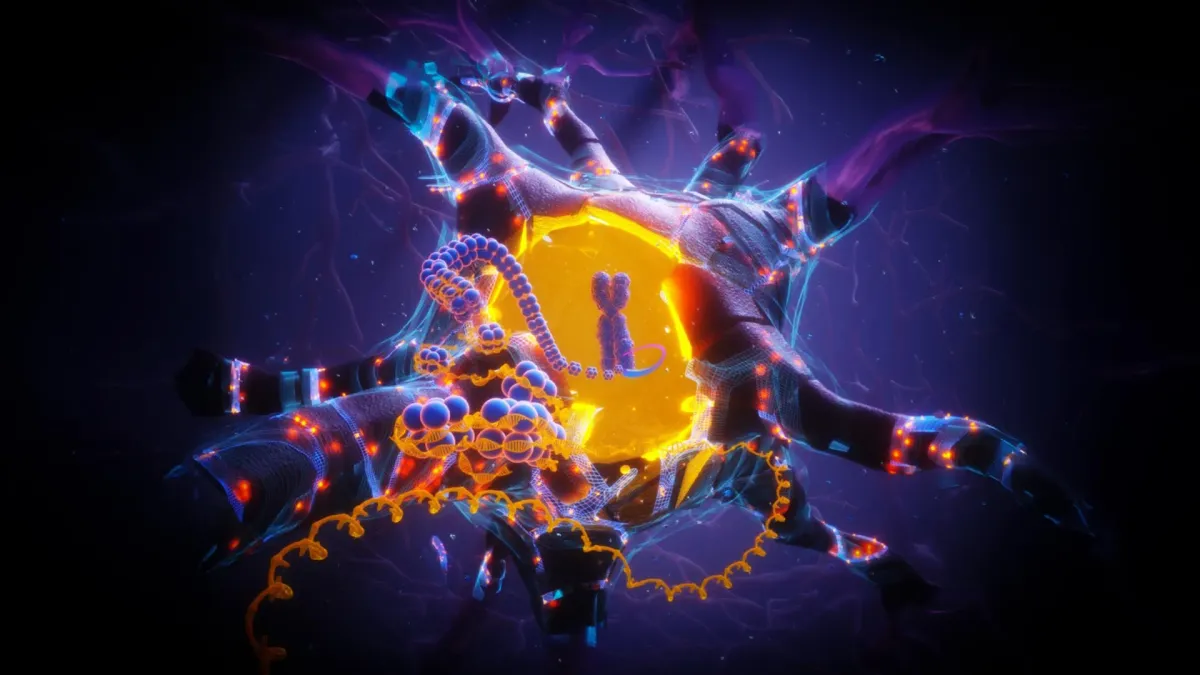
A deadly parasite evades detection by shredding its own genetic instructions. Scientists have finally uncovered this stealthy survival mechanism.
from SciTechDaily

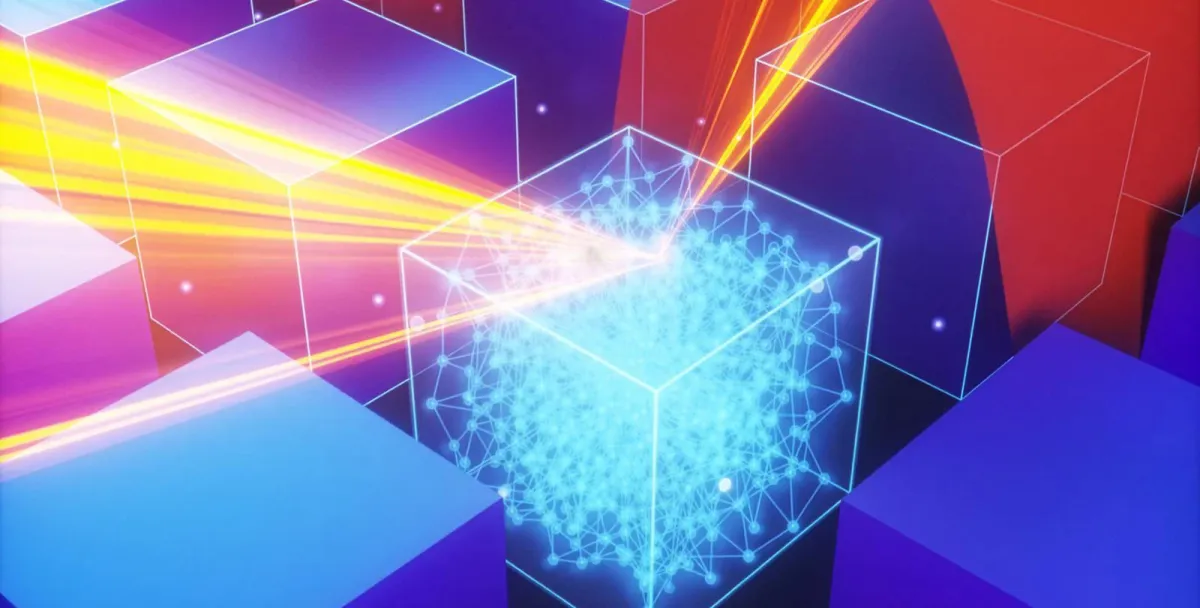
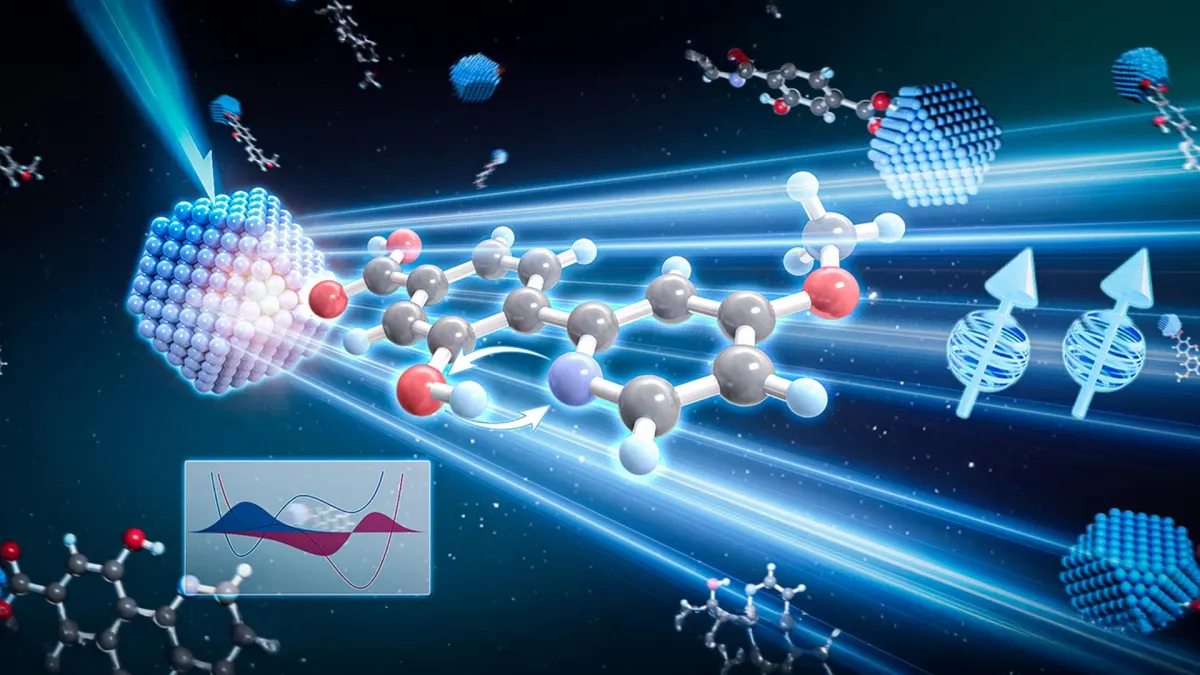
Argonne National Lab just unveiled how tiny metal nanoframes manipulate light. Using ultrafast electron microscopy, they're unlocking secrets of these nanoscale structures.
from Interesting Engineering
Join 50,000+ readers who receive our daily digest of the most uplifting stories from around the world.

Fukushima's escaped pigs bred with wild boar, offering a rare look at hybridization. Rapid, maternally inherited breeding quickly diluted pig ancestry, reshaping wildlife genetics.
from New Atlas

Antarctic waters harbor a hidden microbial world, far more diverse than imagined. A new genetic survey reveals its untold influence on Earth's climate.
from SciTechDaily

Dogs born 5,000 years earlier than thought? New research, analyzing remains from Gough's Cave and Pınarbaşı, pushes back the timeline of canine evolution from grey wolves.
from Interesting Engineering

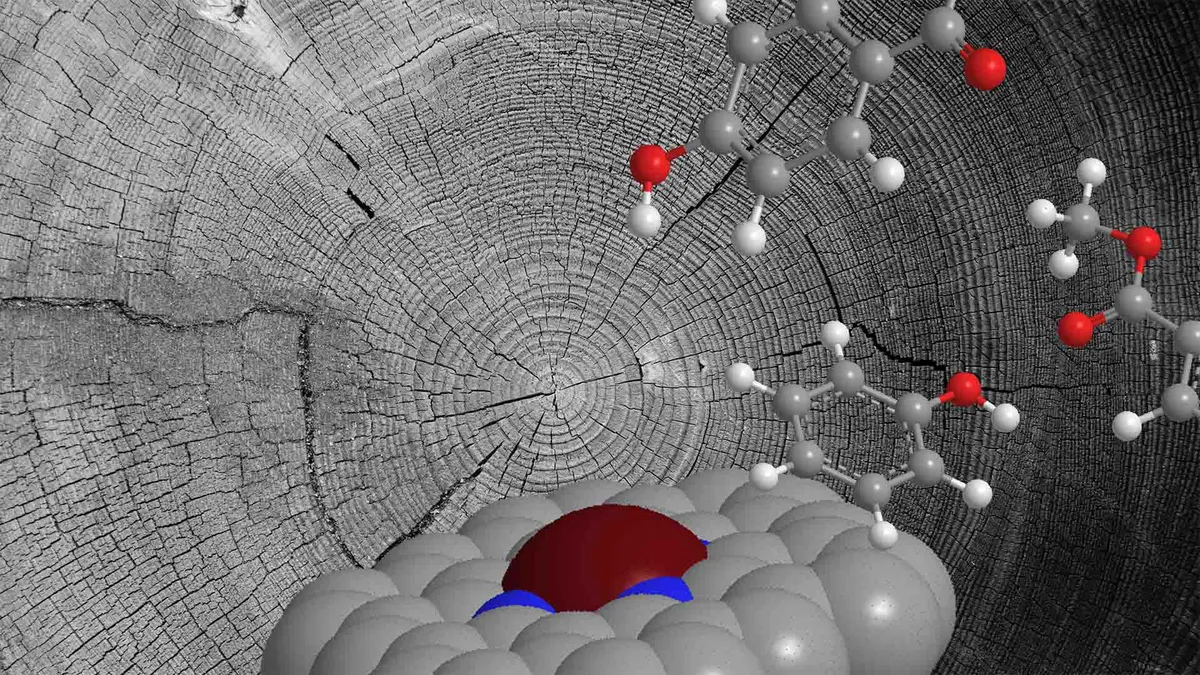
In 1991, botanists Calaway Dodson and Alwyn Gentry proposed a shocking idea: dozens of plant species from Ecuador's Centinela ridge likely vanished with its forest, a "Centinelan extinction.
from Mongabay

Your gut could be key to memory. Changes in the gut microbiome may fuel age-related memory loss, but new research in mice shows this process might be reversible.
from SciTechDaily
Brightcast is dedicated to restoring faith in humanity by highlighting the progress, solutions, and kindness that often go unnoticed. We believe in a balanced worldview.
Read our full mission →
25 stories that made this week brighter
from Brightcast

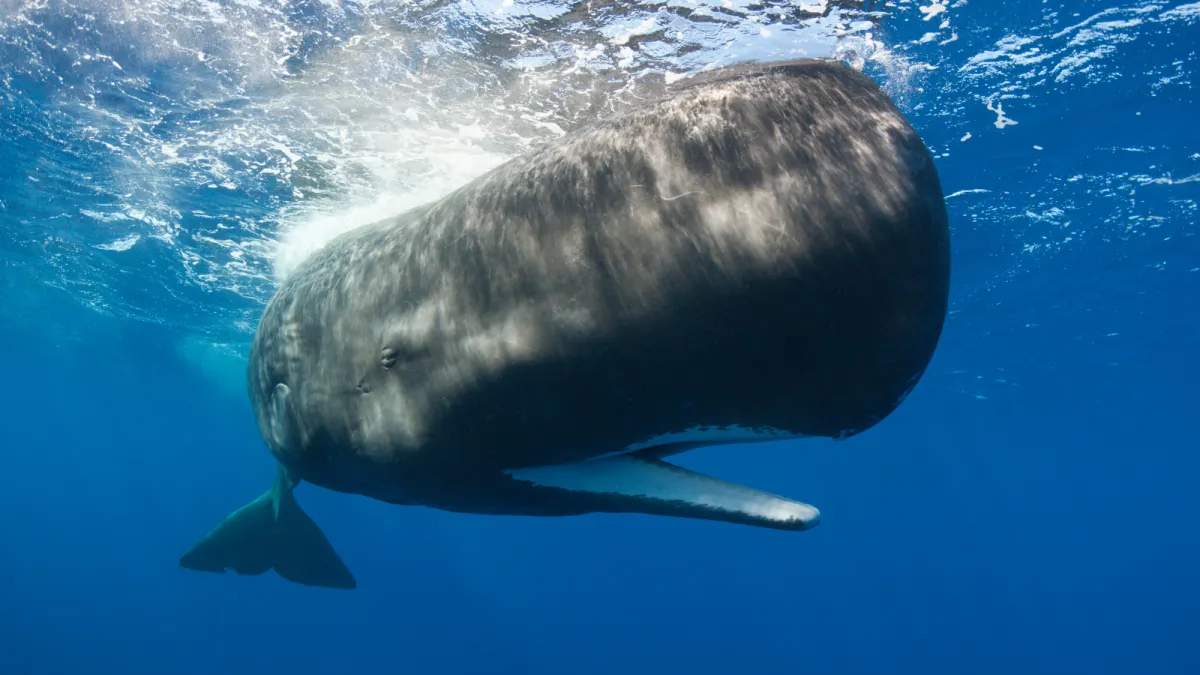
Ancient Brazilians hunted whales with advanced tech far earlier than imagined. This discovery rewrites history for early maritime societies and offers new ecological insights.
from SciTechDaily

Bronze Age weavers at Cabezo Redondo mastered advanced textiles. A reconstructed loom reveals complex fabrics, possibly early twill, signaling a major shift to wool production.
from SciTechDaily

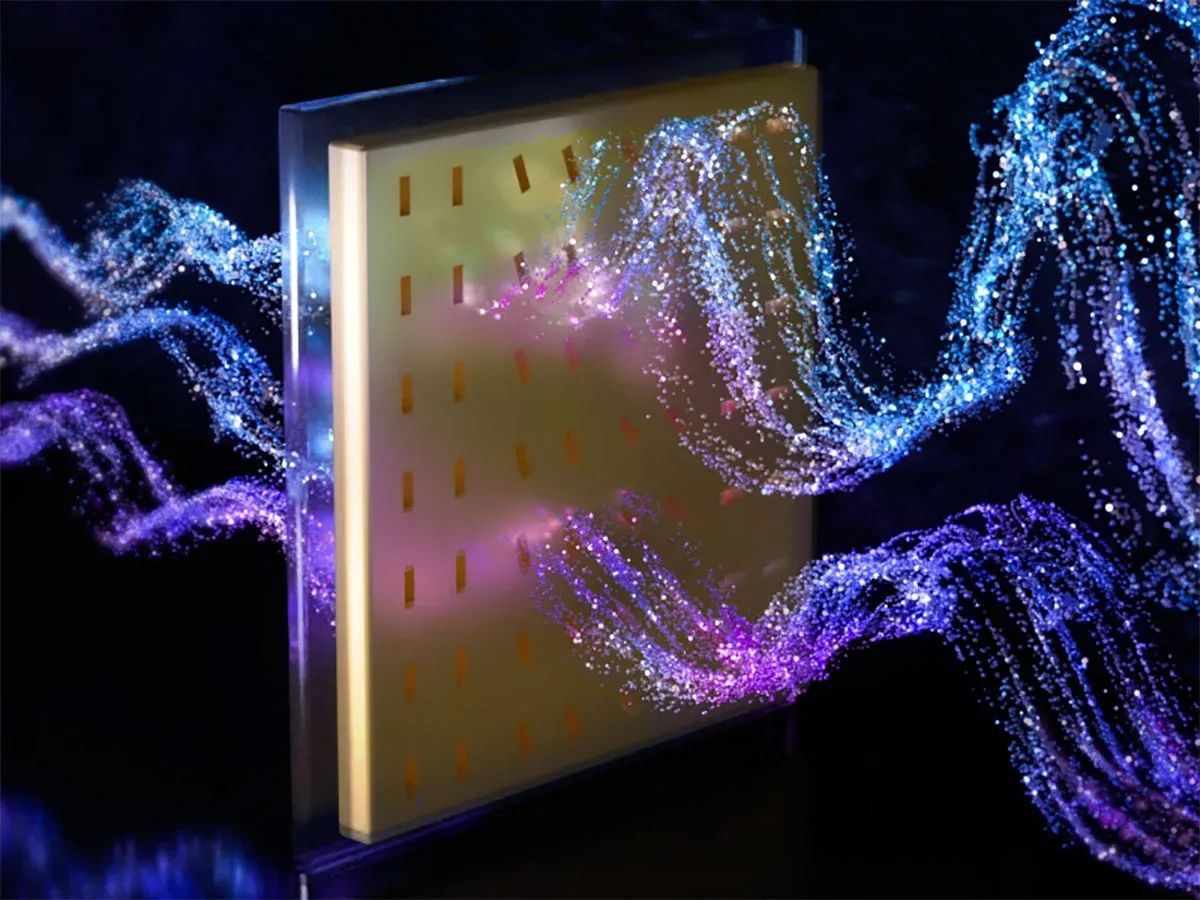
Store data in 3D! A new holographic technique encodes information throughout a material using light's amplitude, phase, and polarization, vastly increasing storage capacity.
from ScienceDaily

Honeybees navigate with surprising precision, using landmarks for consistent routes. Their flight paths reveal better navigation than the waggle dance implies.
from SciTechDaily
Know someone who needs a boost? Share Brightcast with your friends and family.

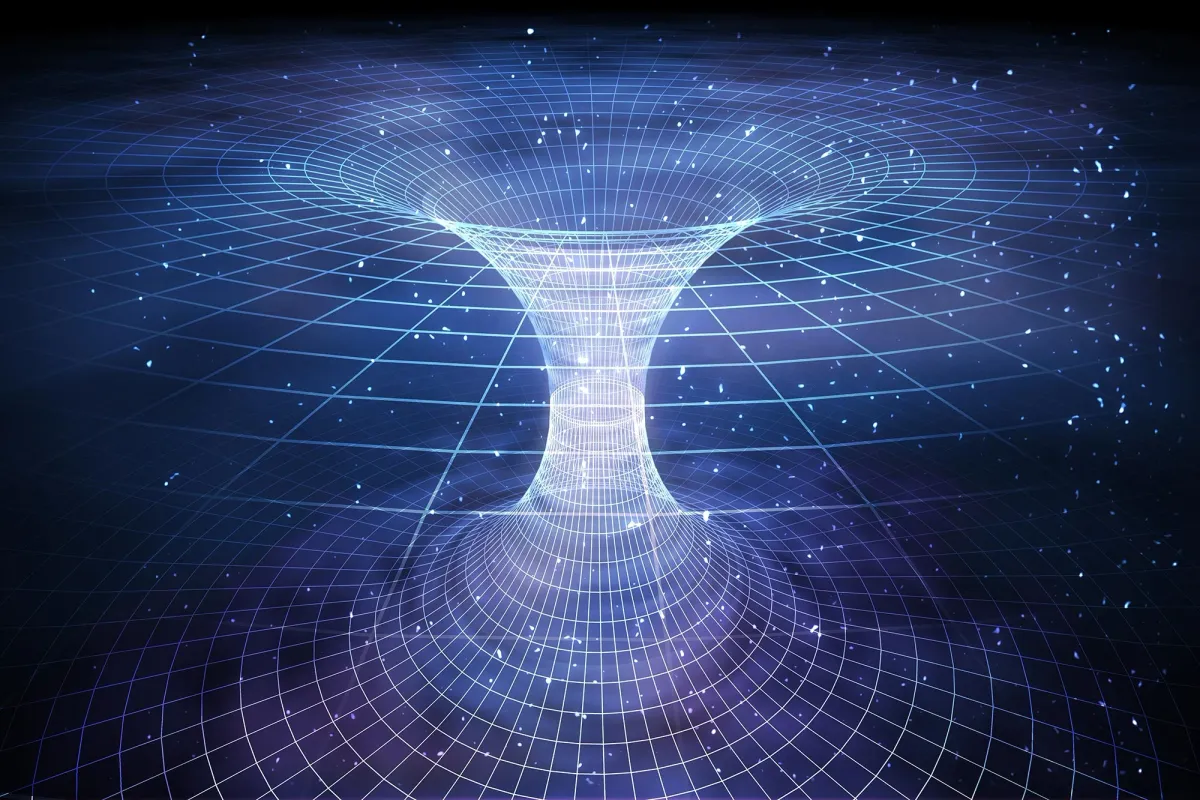
Waterloo scientists just unveiled a new theory on the universe's origin. It could rewrite our understanding of the Big Bang and early cosmic history, suggesting rapid expansion arose naturally.
from Phys.org

Unraveling a cellular mystery! New imaging reveals how lipids organize and sort within membranes, answering a long-standing question in cell biology.
from SciTechDaily

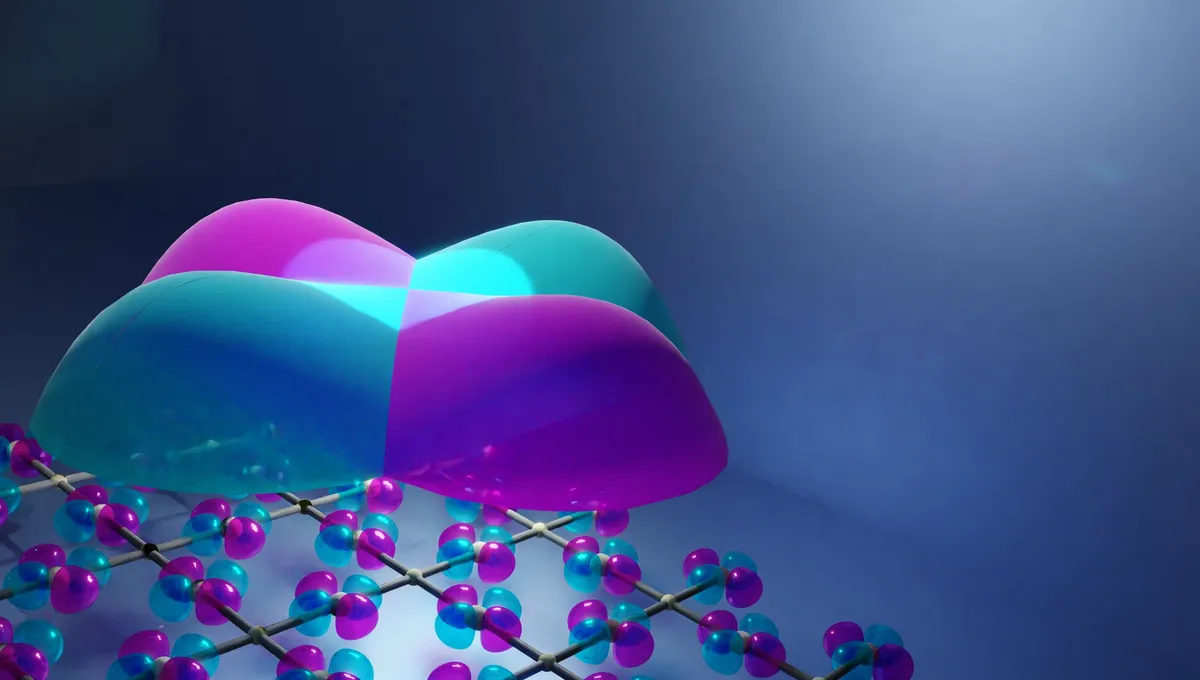
Sungkyunkwan University researchers, led by Prof. Boseok Kang, cracked the mystery of polarity inversion in polymer semiconductors, a phenomenon previously limited to specific materials.
from Phys.org

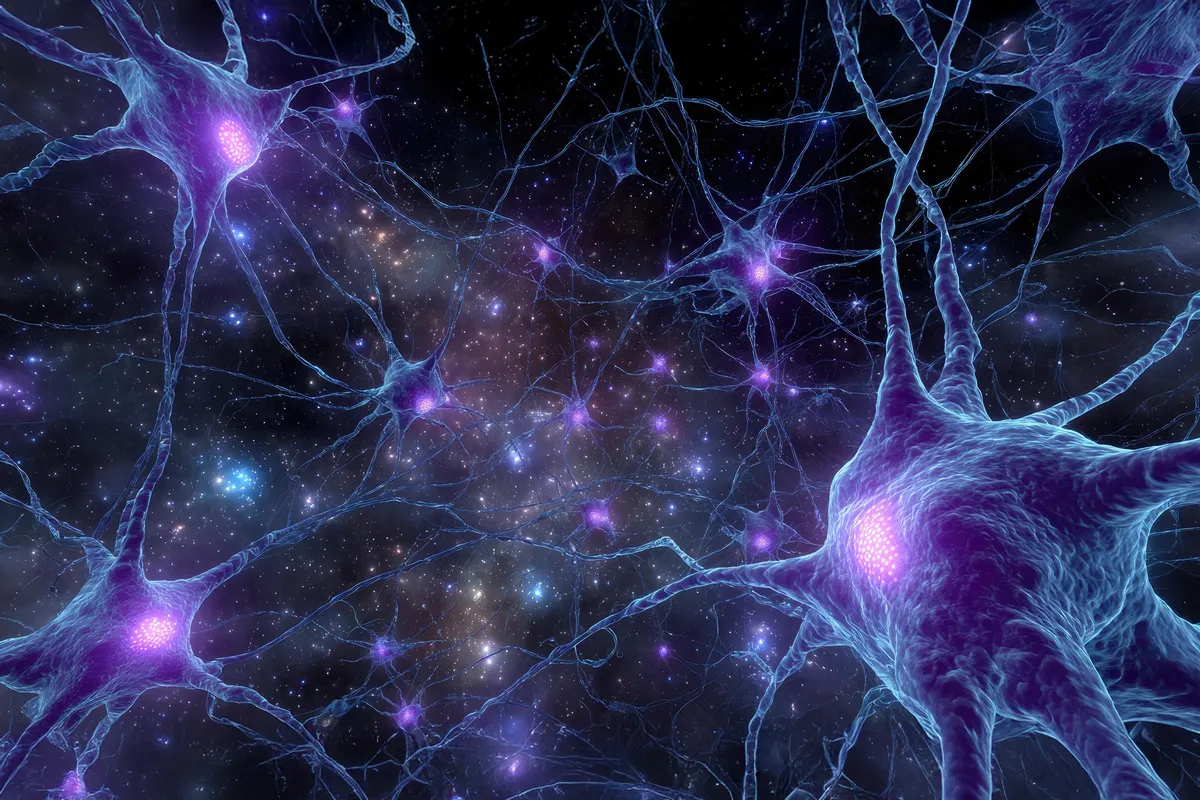
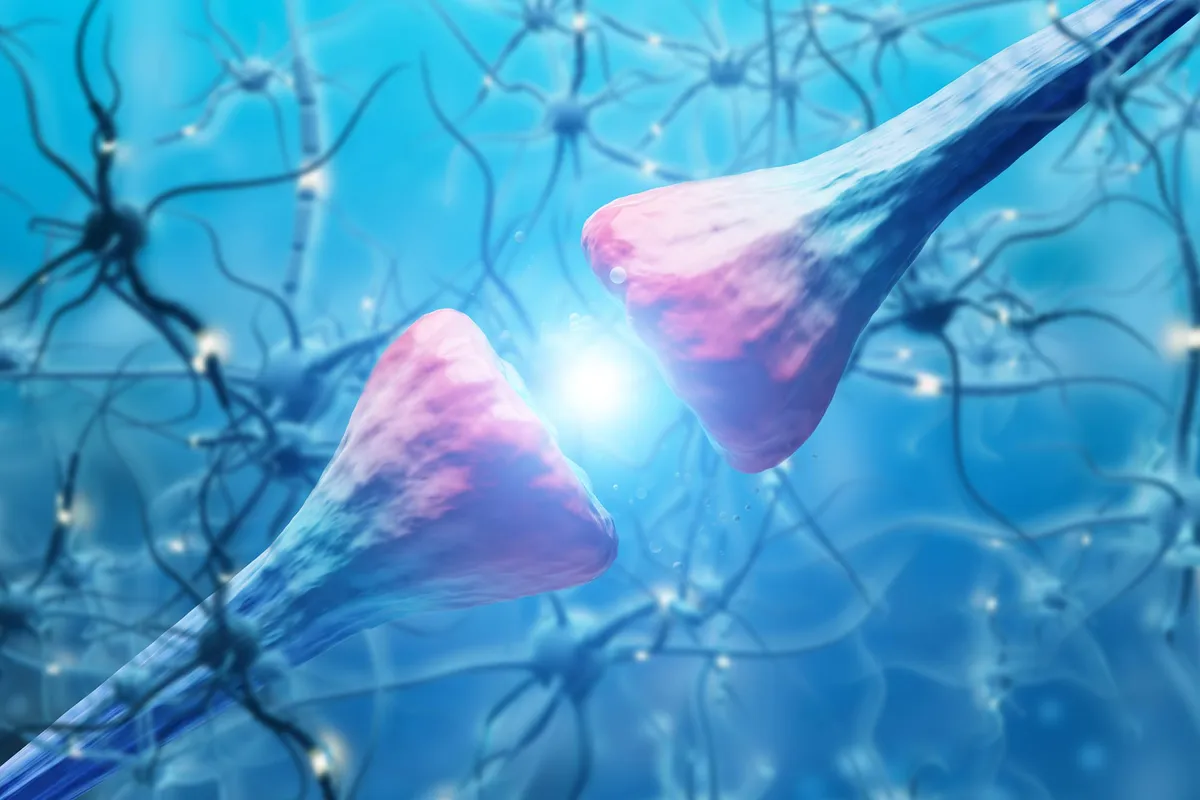
Your brain holds a secret: a vast reserve of "silent synapses." These unused neural connections can rapidly activate, ready to store new memories.
from SciTechDaily

China just launched the "Open-Sea Floating Island" in Shanghai—the world's first ultra-large, all-weather deep-sea research platform. This national science project dramatically expands ocean exploration.
from Interesting Engineering
Download the Brightcast app for a better reading experience, daily notifications, and offline access.
Download App
10 stories that made today brighter
from Brightcast

Your reaction to mistakes could predict anxiety. Texas A&M researchers found intense emotional responses to errors link directly to avoidant behaviors, a common sign of anxiety and depression.
from Futurity

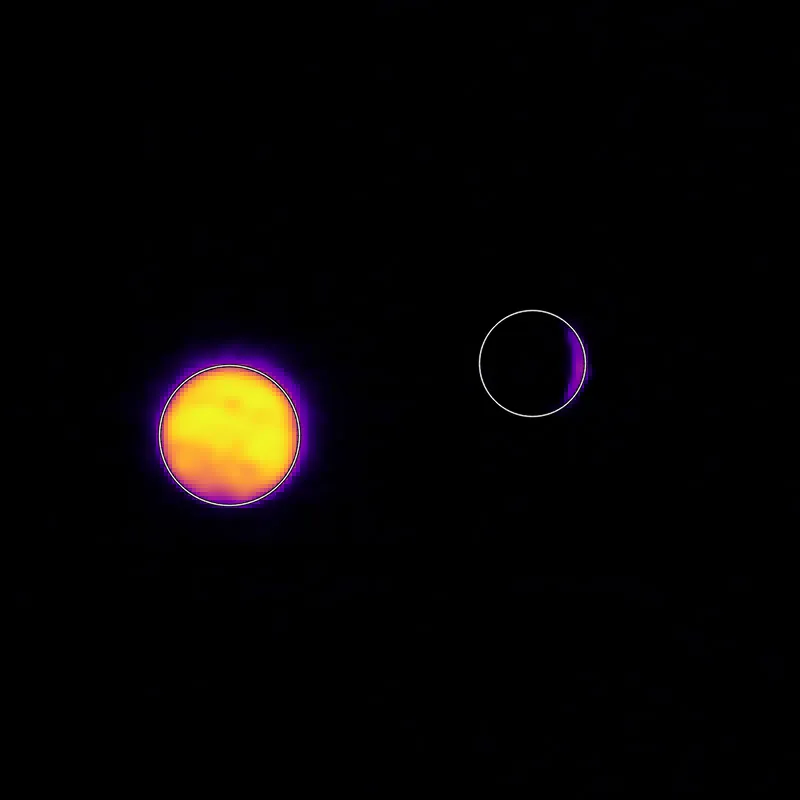
Saturn has tricked scientists for decades. Its rotation speed seemed to vary depending on measurement, a baffling inconsistency for a solid body. Now, JWST reveals the illusion's true cause.
from Interesting Engineering

Vast freshwater reserves lie beneath the Great Salt Lake. This discovery reshapes our understanding of groundwater and could offer critical environmental solutions.
from SciTechDaily

Mysterious "zebra stripes" in radio waves from the Crab Pulsar have puzzled astronomers for decades. New research reveals a cosmic tug-of-war between gravity and plasma is the cause.
from ScienceDaily
Join 50,000+ readers who receive our daily digest of the most uplifting stories from around the world.

A human uterus survived outside the body for 24 hours! Spanish scientists achieved this first by using a machine that mimics the body's circulatory system, pumping modified blood through the donated organ.
from MIT Technology Review

A fossil ape found in northern Egypt, Masripithecus, is rewriting human evolution. Living 17-18 million years ago, it may be the ancestor of all modern apes, shifting focus from East Africa.
from ScienceDaily

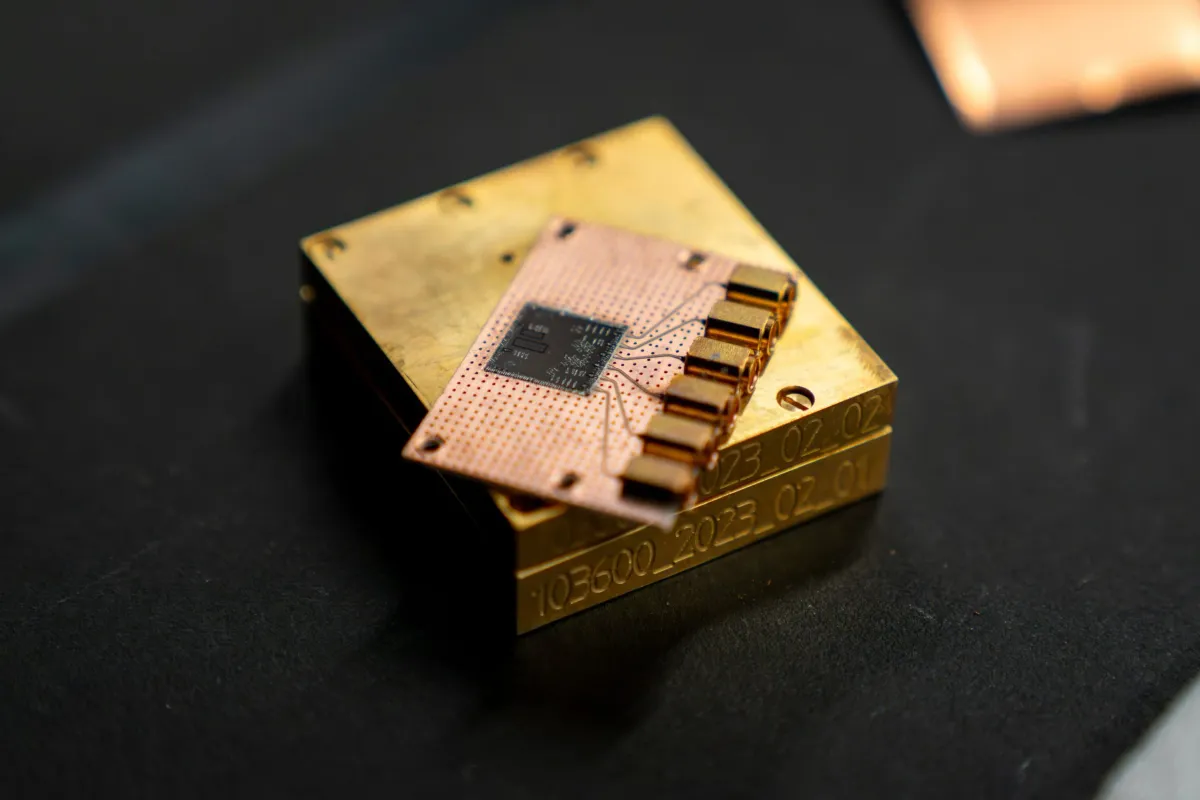
Goodbye, slow electrical signals! Researchers just built an ultra-compact nanolaser, poised to revolutionize microchip data transfer with light-speed efficiency.
from SciTechDaily

A skeleton found during church repairs in Maastricht could be D'Artagnan, who died there in 1673.
from Smithsonian Smart News

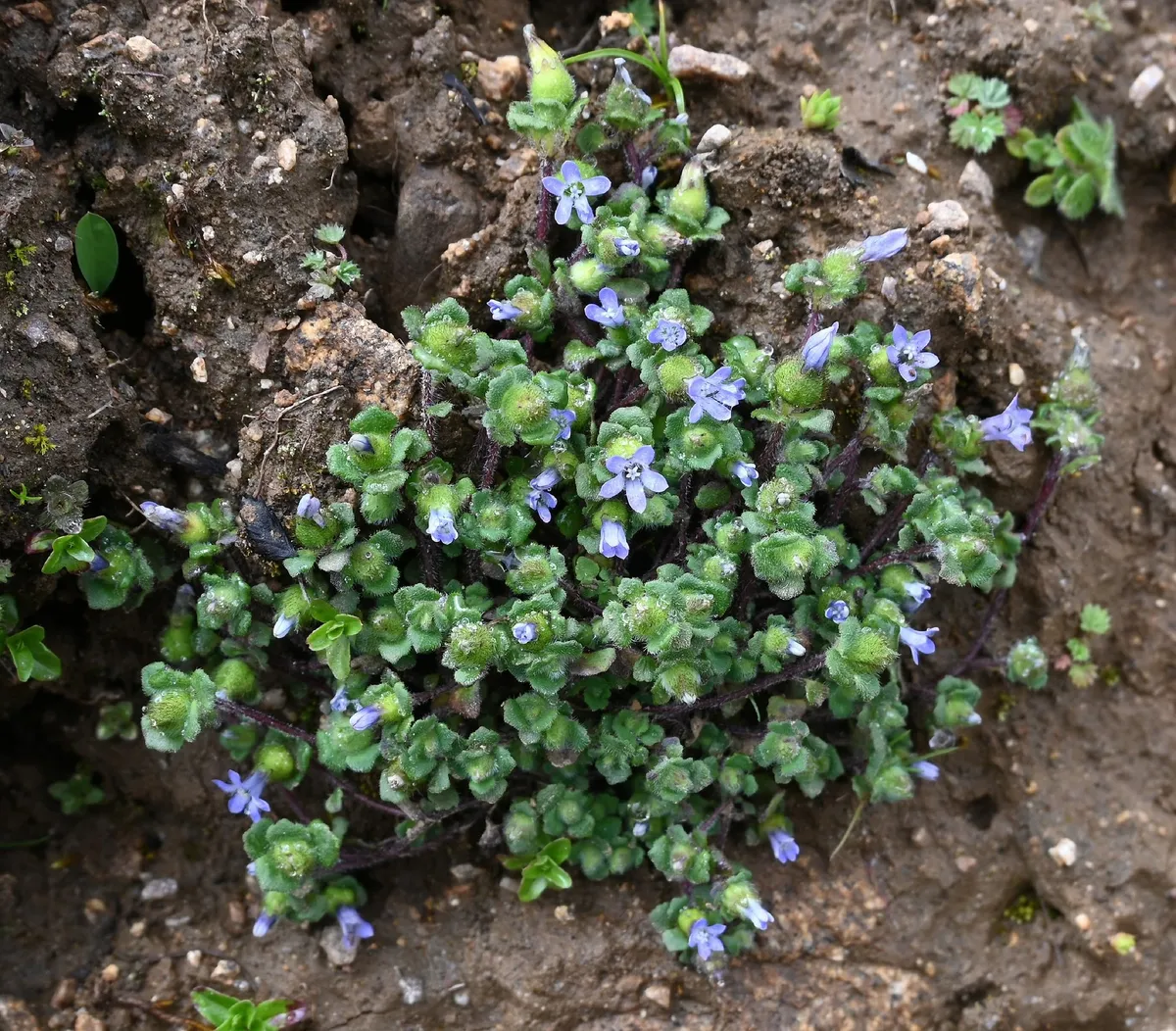
New research reveals the genetic keys to climate change adaptation in plants—and the critical threshold where they fail.
from UC Berkeley News
Brightcast is dedicated to restoring faith in humanity by highlighting the progress, solutions, and kindness that often go unnoticed. We believe in a balanced worldview.
Read our full mission →
Dark matter might not be a single substance. A new model suggests it's more complex, potentially reshaping how scientists interpret hidden structures across the universe.
from SciTechDaily

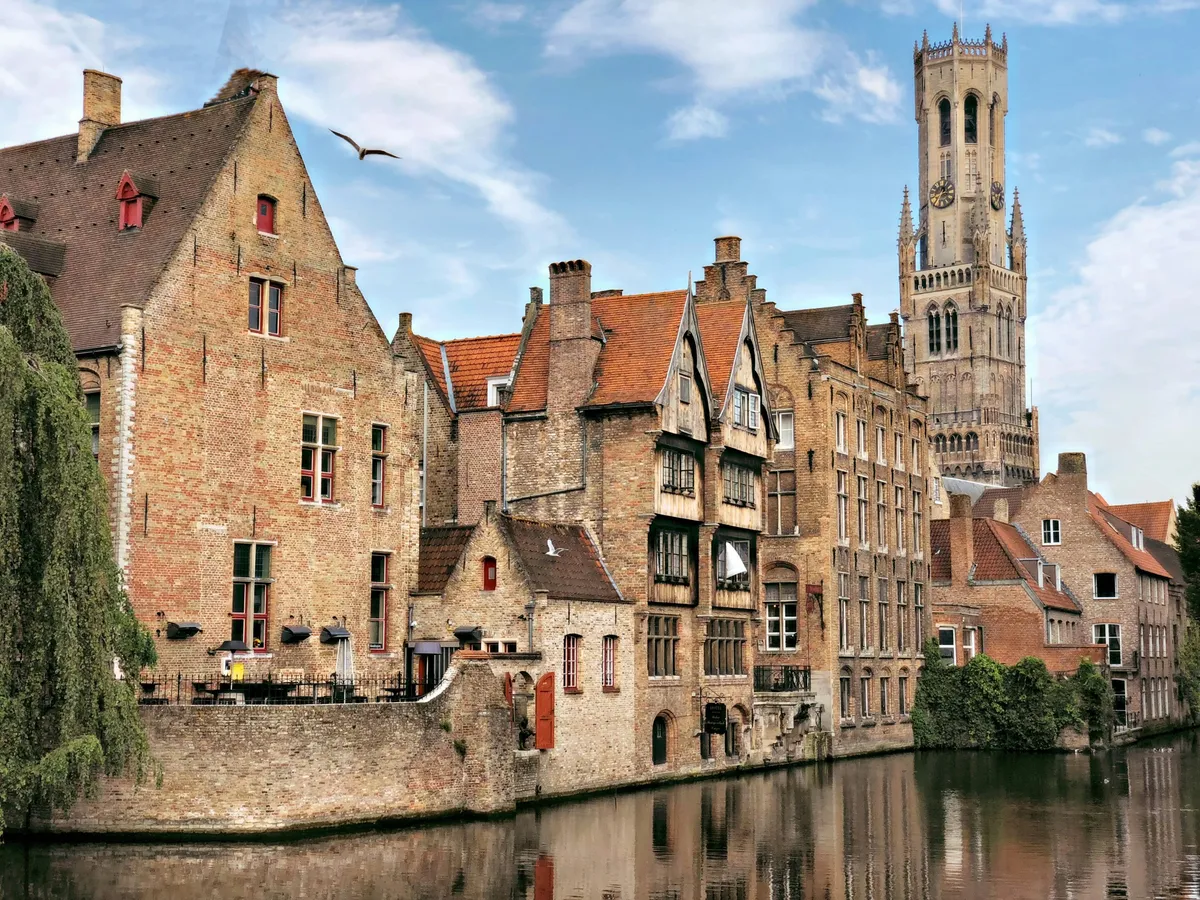
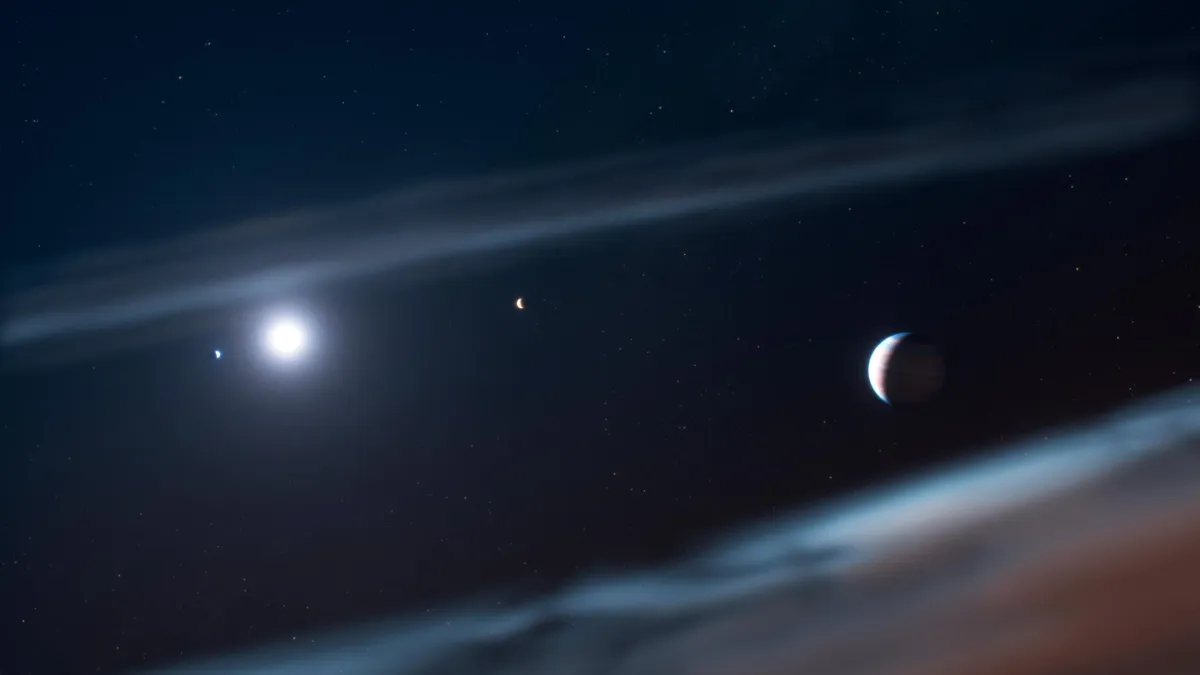
Forget Earth-like planets! Scientists now propose life could thrive on moons orbiting rogue planets, drifting through the cold, dark expanse of interstellar space.
from SciTechDaily

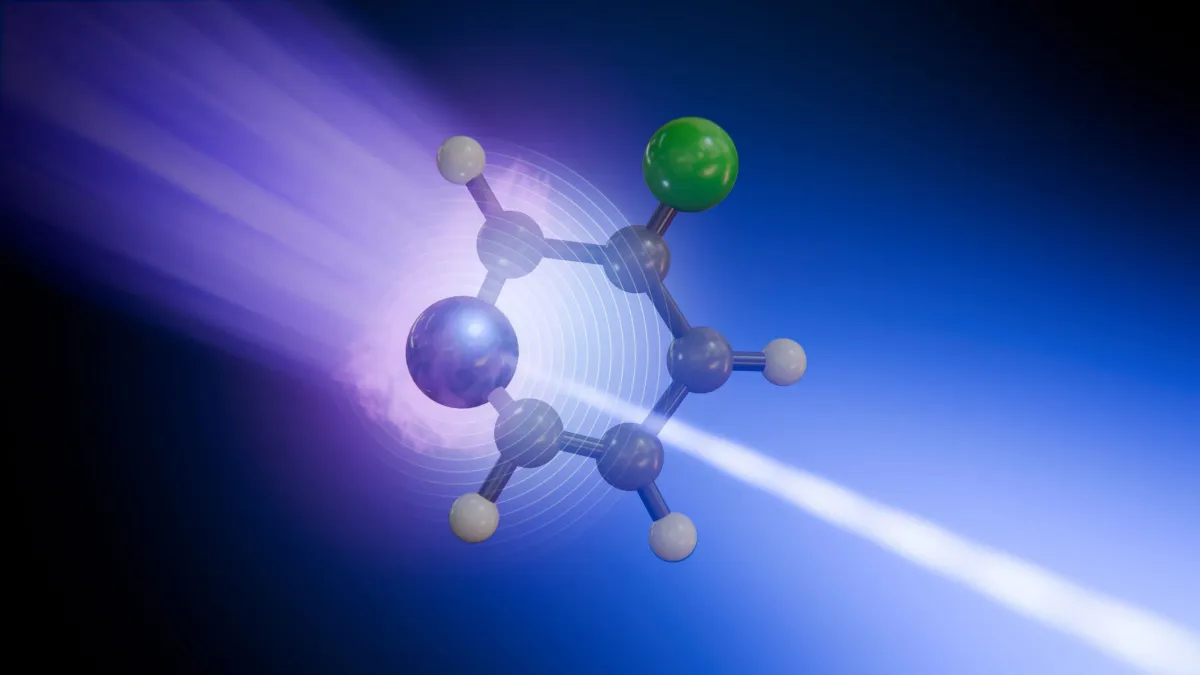
Imagine a future where drugs are developed faster and treatments are personalized just for you. This technology could make it happen.
from Smithsonian Smart News

AI "hallucinations" plague long document summaries with false info. New research, inspired by flocking birds, helps AI produce reliable outputs, boosting efficiency and accuracy.
from Futurity

Dogs were everywhere in western Eurasia over 14,000 years ago. Two new ancient DNA studies confirm their widespread presence.
from Smithsonian Smart News
Know someone who needs a boost? Share Brightcast with your friends and family.

Tiny mineral defects could unlock Earth's interior secrets. Scientists found unexpected patterns, hinting at how our planet truly moves.
from SciTechDaily

Ancient rocks are rewriting Earth's history! New evidence suggests our early planet wasn't a static ball, but a geologically active world from its very beginning.
from SciTechDaily

Deepwater rock wrinkles? Not just geology. Chemosynthetic microbes likely sculpted these ancient features, revolutionizing our view of early ecosystems.
from SciTechDaily

Meet Doolysaurus: a fuzzy, omnivorous baby dinosaur from Korea, revealed by CT scans. This discovery hints at a treasure trove of hidden dinosaur fossils awaiting discovery in the region.
from SciTechDaily

Ancient Spain just rewrote Bronze Age history! New mine discoveries reveal massive metal networks, transforming our understanding of prehistoric European trade and technology.
from SciTechDaily