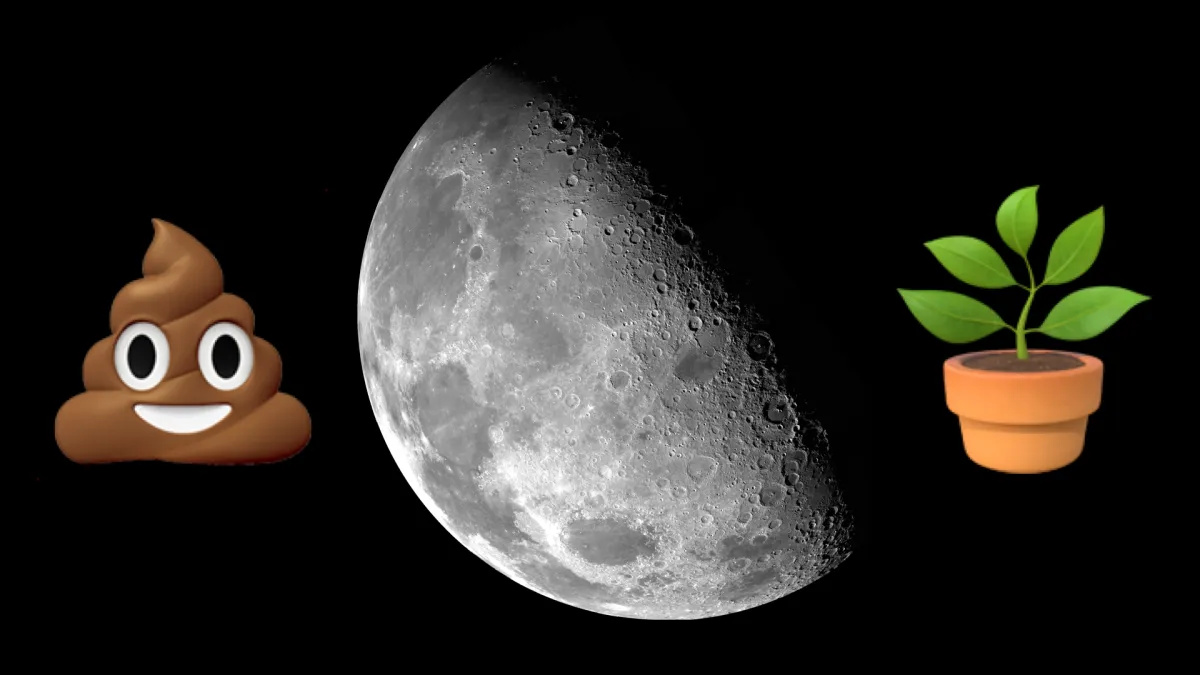
Moon-bound astronauts could soon grow food from an unexpected source.
Moon missions need human waste! UND grad students are stress-testing a system to convert astronaut sewage into plant nutrients. NASA's lunar future depends on it.
Breakthroughs happen quietly. We make sure you hear about them.
2782 stories

Moon missions need human waste! UND grad students are stress-testing a system to convert astronaut sewage into plant nutrients. NASA's lunar future depends on it.

Stonehenge's 4,500-year-old altar stone, once linked to Wales, now traces to Scotland via geological fingerprinting. How did this megalith travel 435 miles to England? Scientists are investigating.

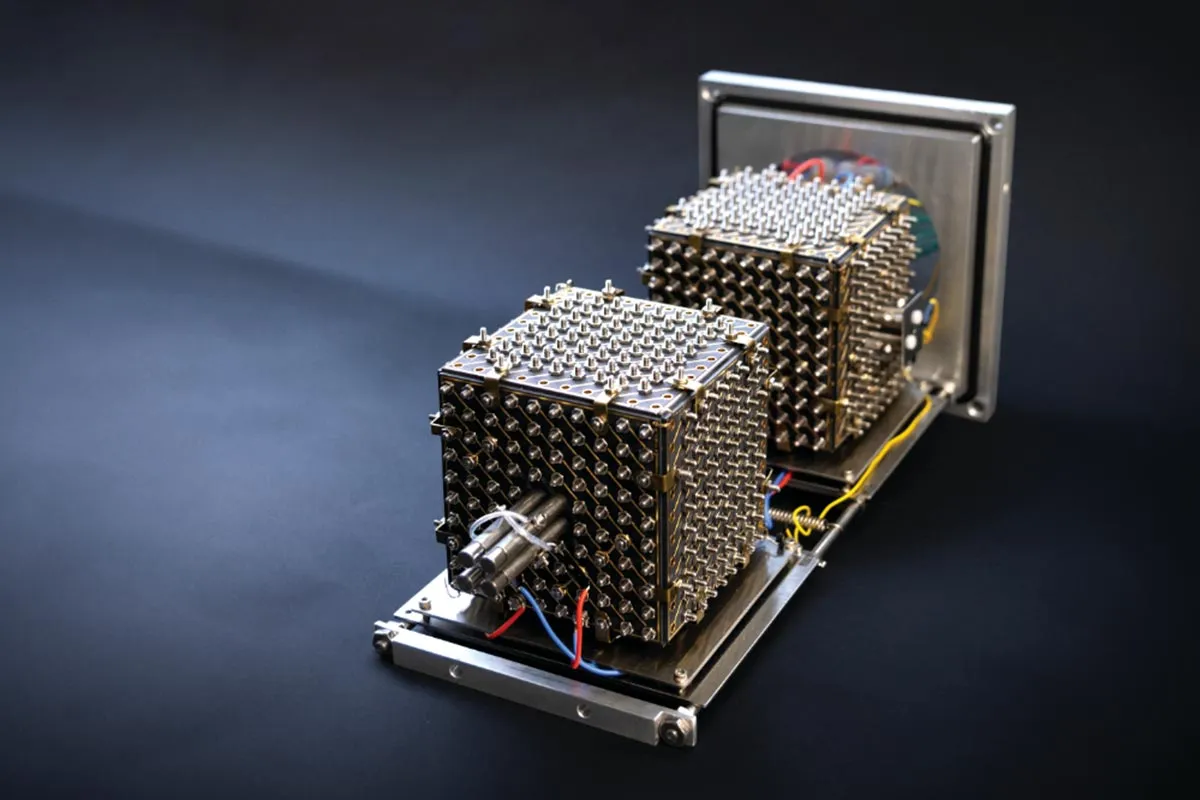
Mass spectrometry just got a massive upgrade. A new prototype analyzes billions of molecules at once, a huge leap from the previous few.

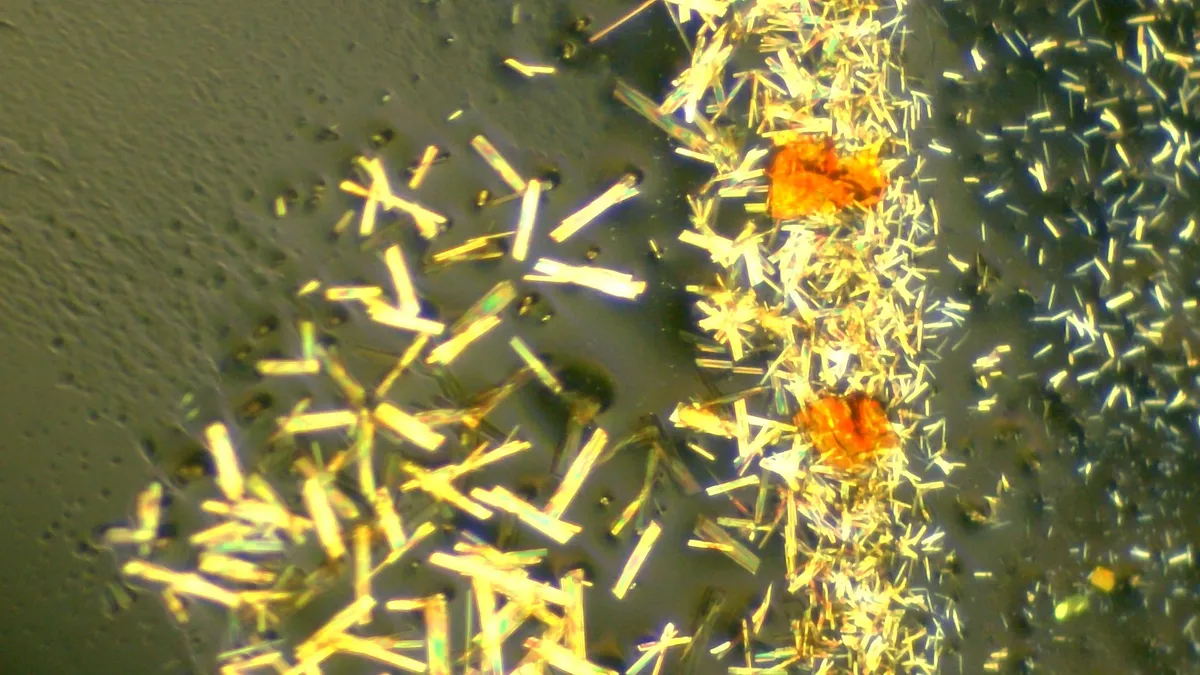
Scientists caught a famous "sandwich" molecule in a rare hidden state, uncovering a long-missing step in its formation.

A mysterious low-frequency sound, "The Hum," has plagued people worldwide for decades. Researchers are still searching for its elusive source.
Join 50,000+ readers who receive our daily digest of the most uplifting stories from around the world.

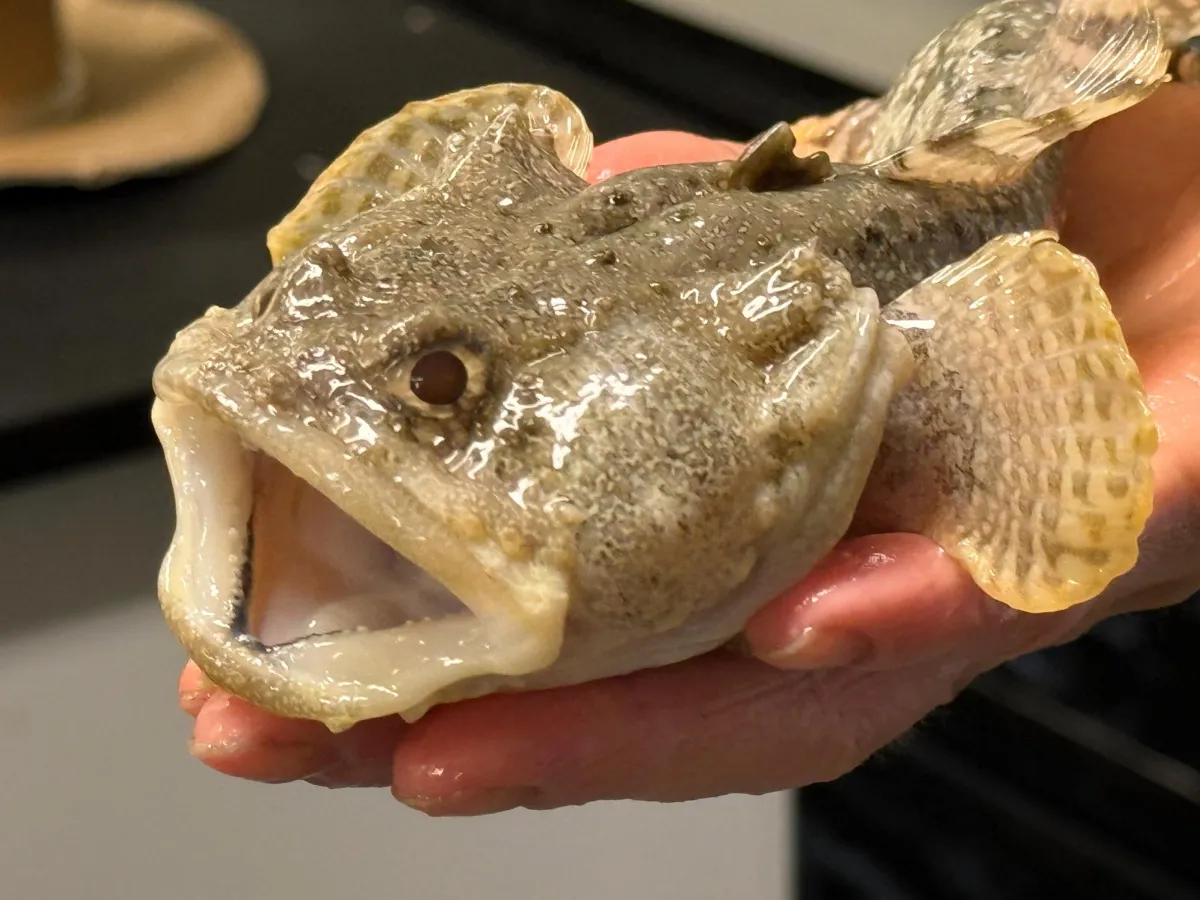
Tiny microbes in fish are secretly shaping ocean chemistry. A new University of Miami study reveals their surprising global impact.

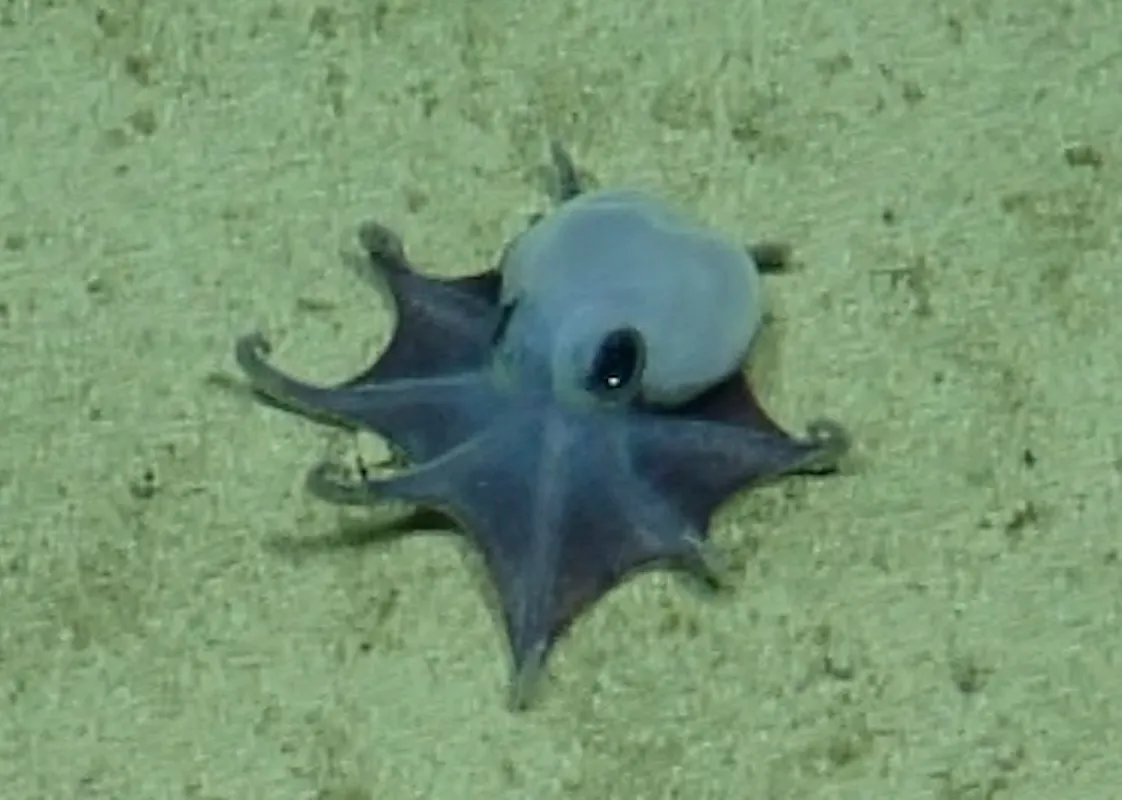
A golf-ball sized, short-armed blue octopus, first spotted in 2015, is officially a new species! Scientists confirmed Microeledone galapagensis after its deep-sea discovery near Darwin Island.

AI just designed a "world-first" vaccine. Cambridge scientists have now tested it, marking a significant leap in medical innovation.

NASA's Roman Telescope could uncover 100,000 hidden worlds, rewriting our understanding of planets across the Milky Way. This telescope will dramatically expand humanity's exoplanet catalog.

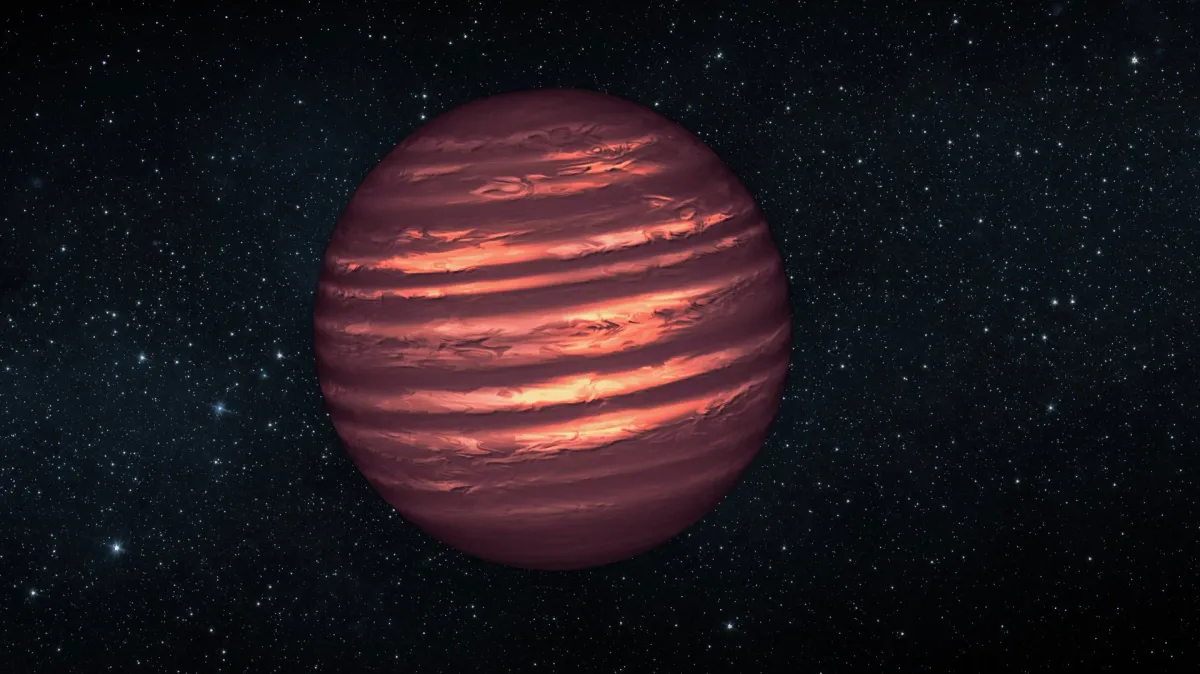
Giant planets can spin faster than brown dwarfs, a new Keck Observatory study reveals. This challenges assumptions about planetary system formation and evolution.
Brightcast is dedicated to restoring faith in humanity by highlighting the progress, solutions, and kindness that often go unnoticed. We believe in a balanced worldview.
Read our full mission →
Captive animals need natural behaviors for welfare. But one crucial aspect has been overlooked: sex. Chloe Heys (U. Lancashire), Kevin Arbuckle (Swansea U.), and Matilda Brindle (Oxford U.) explain.

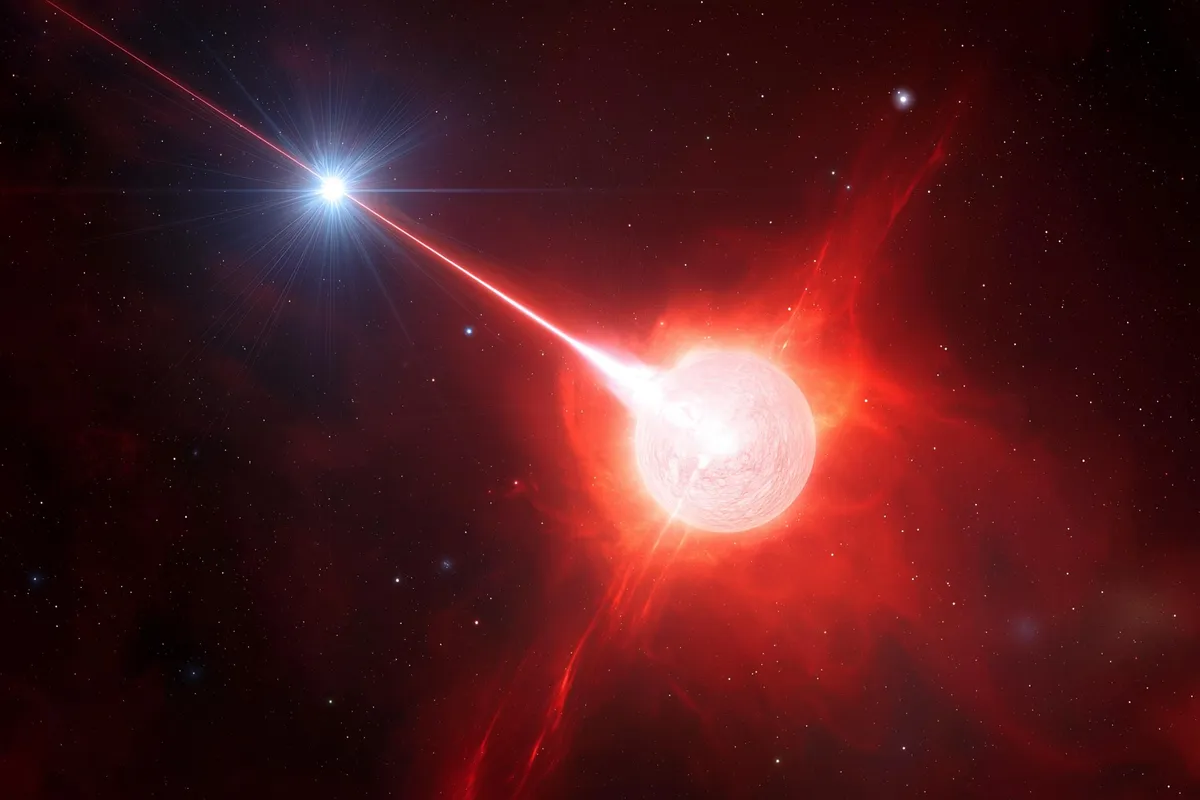
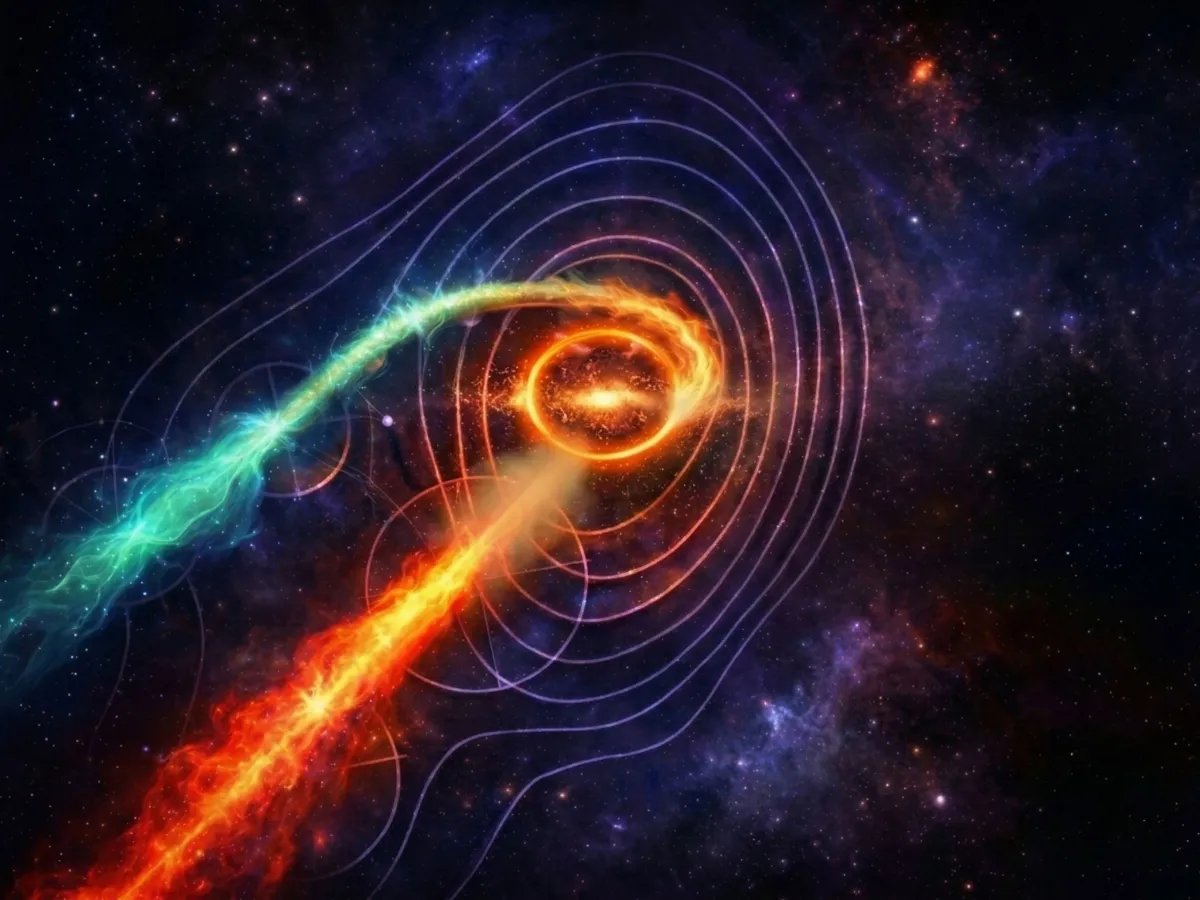
A star caught devouring its companion reveals the source of the galaxy's most mysterious repeating signals.

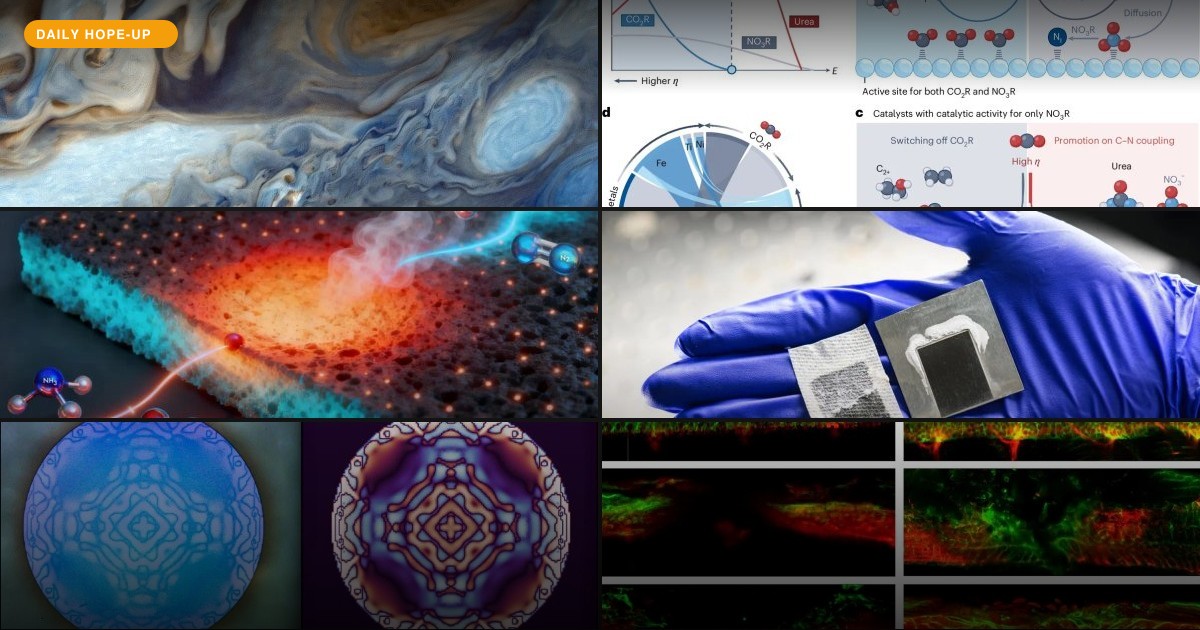
AI tackles CO2 and blurry lenses, tiny platinum tweaks unlock clean fuel, and a new tech turns seawater into drinking water while mining lithium. Plus, Jupiter is doing something wild.

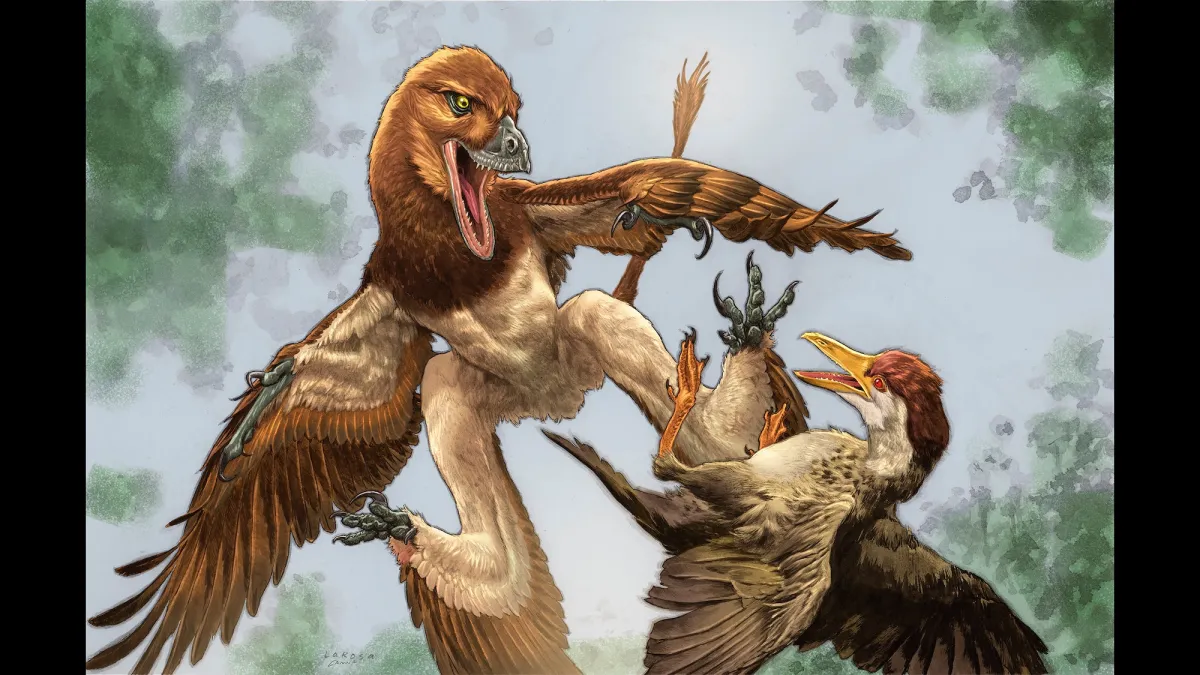
Over 100 ancient bird fossils litter China's Changma Basin, many resembling owl pellets. For years, scientists suspected a predator, but lacked a suspect. Now, they have a plausible candidate.

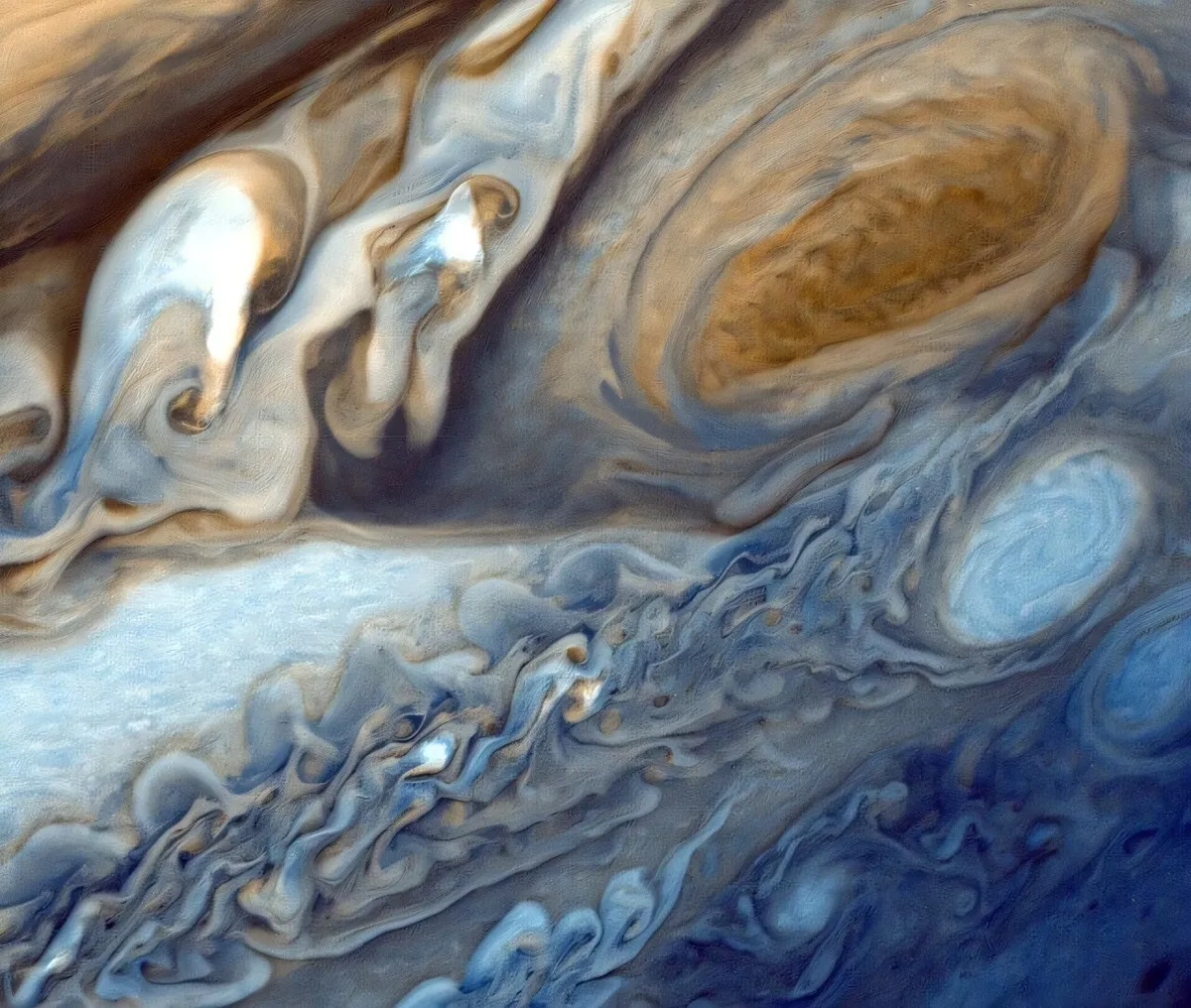
Jupiter's electrons are being accelerated, revealing a potential universal mechanism for particle acceleration. This discovery could constrain how energetic particles are produced across the cosmos.
Know someone who needs a boost? Share Brightcast with your friends and family.

Stonehenge: a 5,000-year-old logistical marvel. Neolithic teams used clever techniques to precisely place gigantic megaliths, including sarcens and bluestones, sourced 15 miles away.

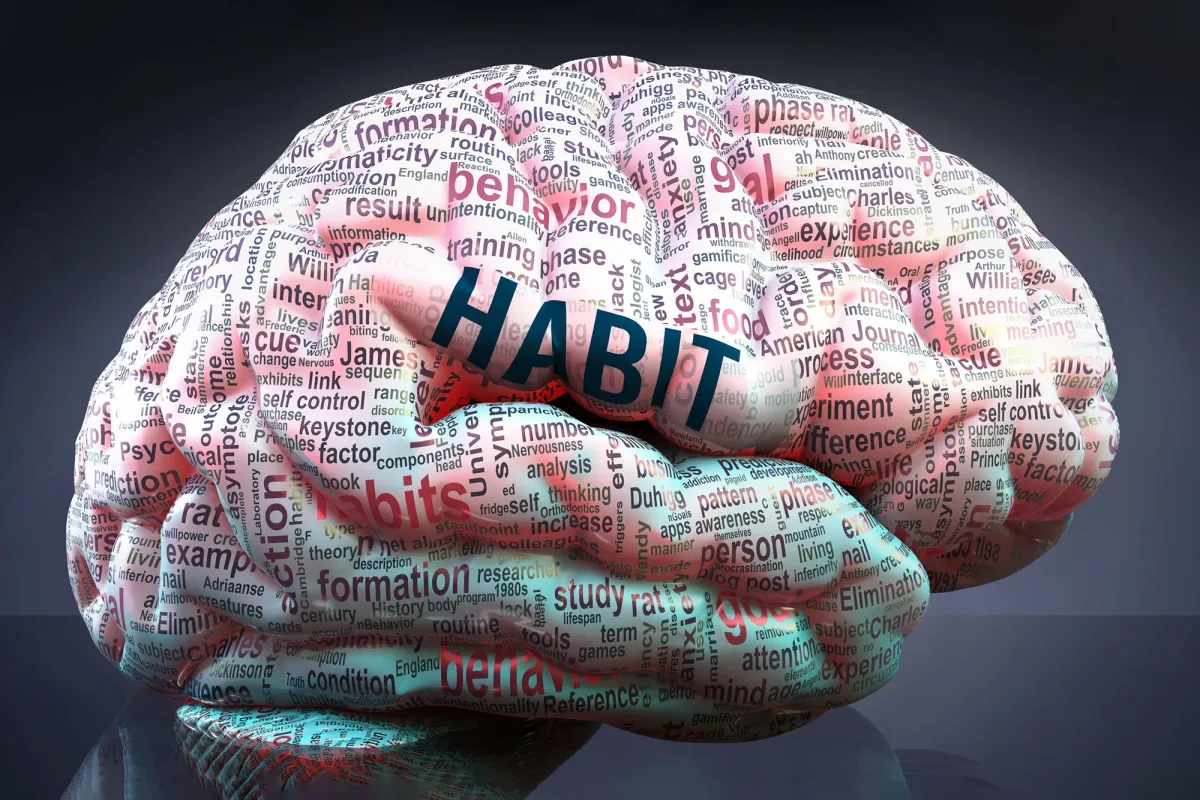
Forget everything you thought about habits. A new study shatters the myth that they only form through slow, gradual repetition.

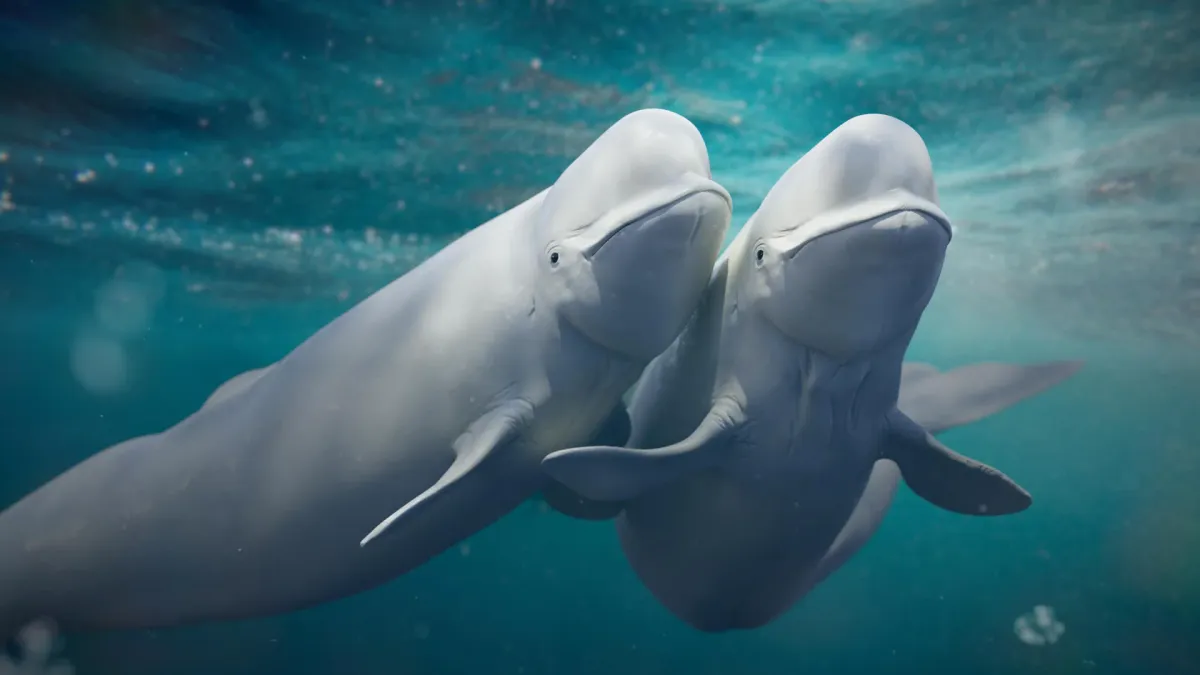
Beluga whales in Alaska's Bristol Bay hide a secret: a surprisingly flexible mating system. DNA from 600+ whales over 13 years reveals both sexes regularly have offspring with different partners.

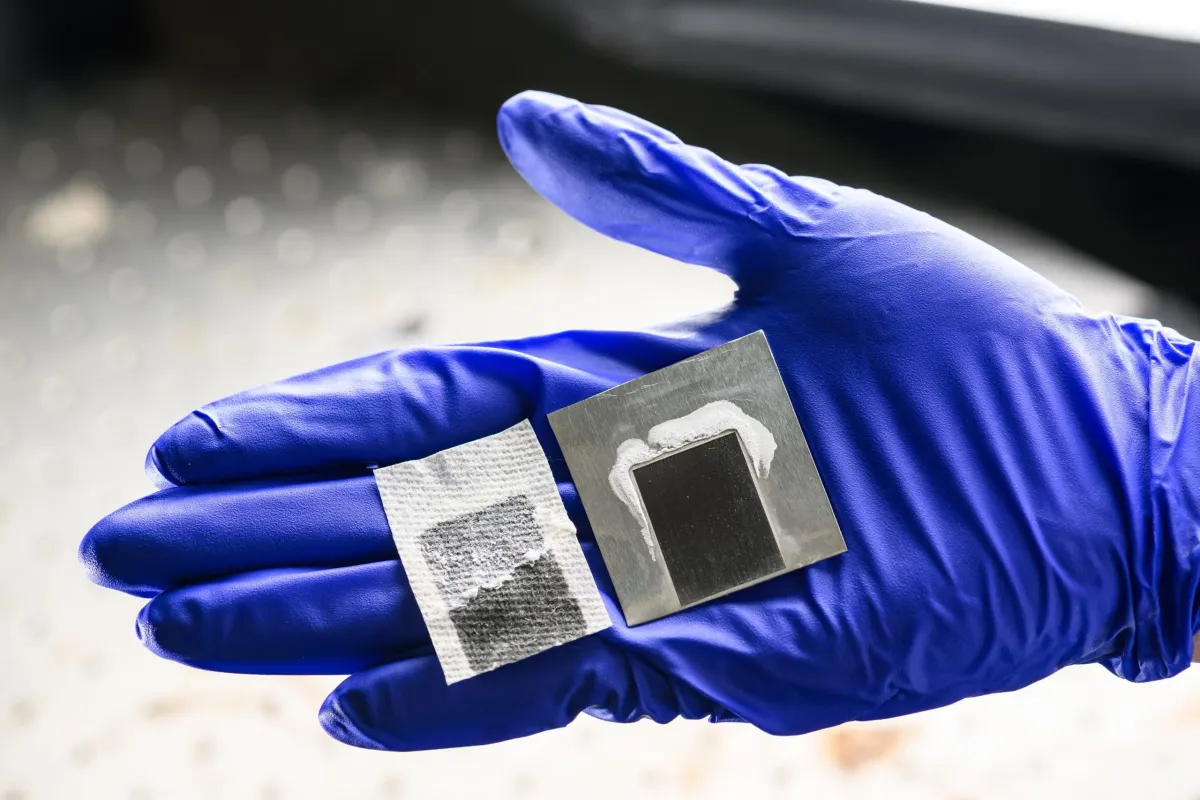
Turning seawater into drinking water, a new solar desalination breakthrough eliminates brine waste and recovers valuable minerals. Billions lack safe drinking water; this could be a game-changer.

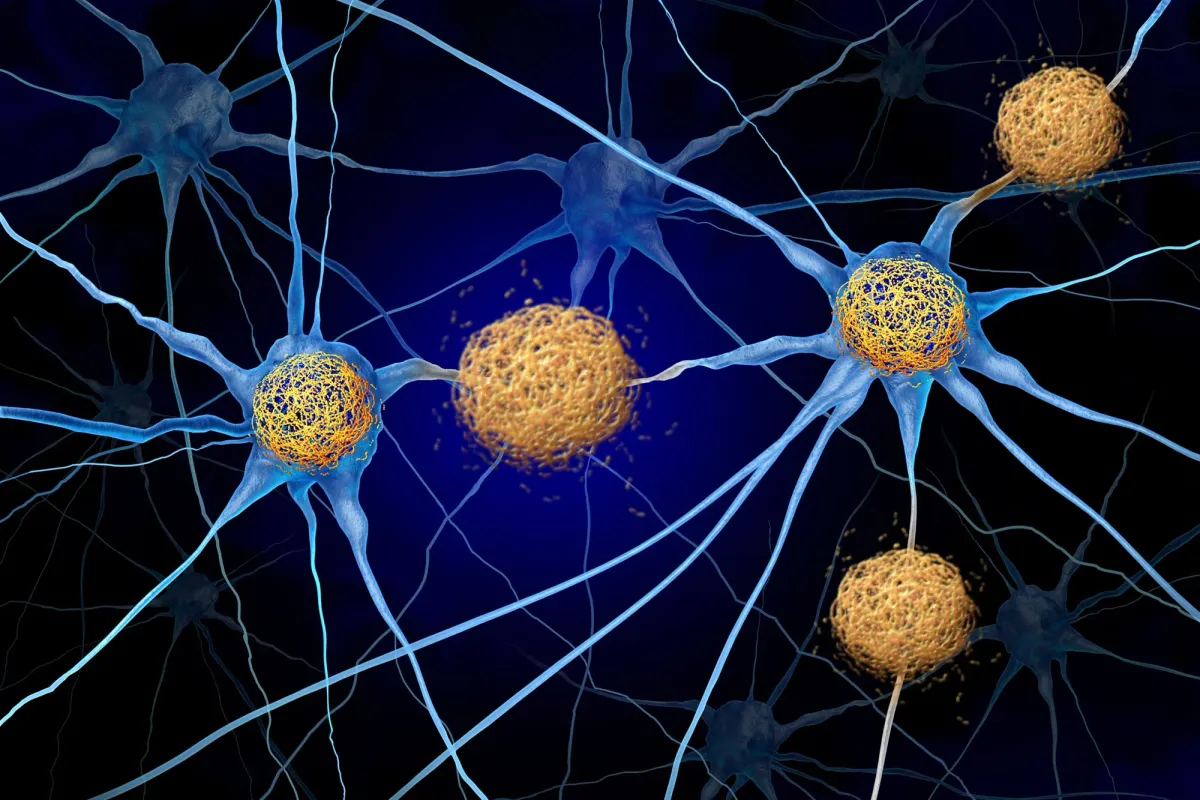
Tau organizes and preserves long-term memories. But abnormal tau disrupts memory formation and recall, potentially causing Alzheimer's memory problems, a new study reveals.
Download the Brightcast app for a better reading experience, daily notifications, and offline access.
Download App
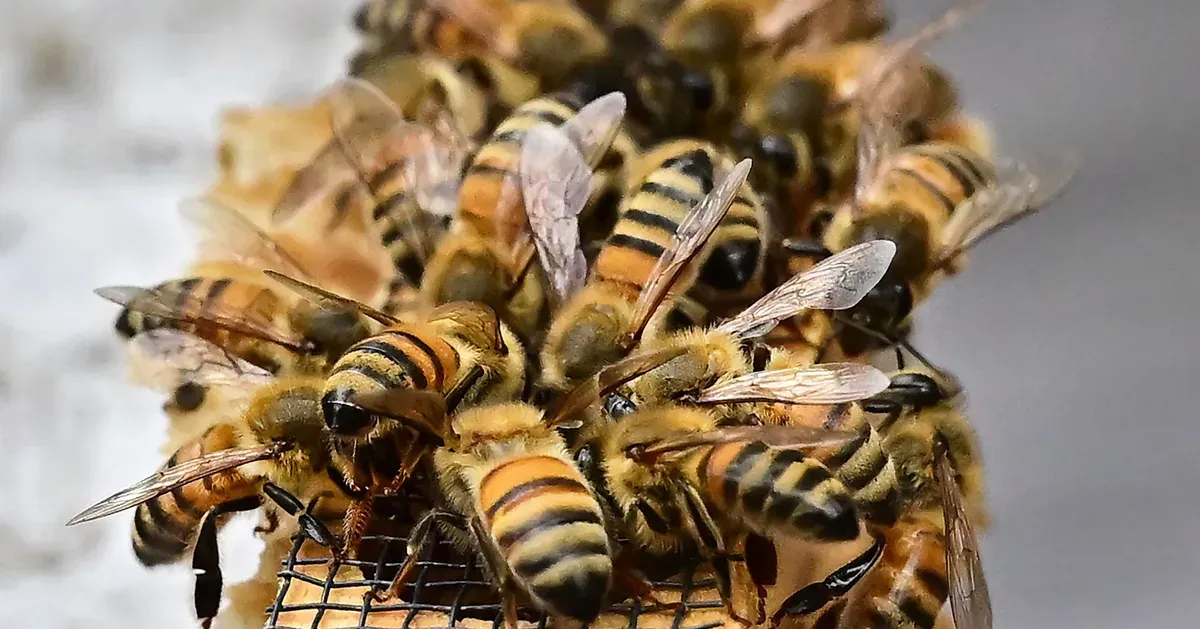
Forget generalists: Scientists found a specialized group of worker honeybees uniquely adapted to construct the queen's waxy hive abode.

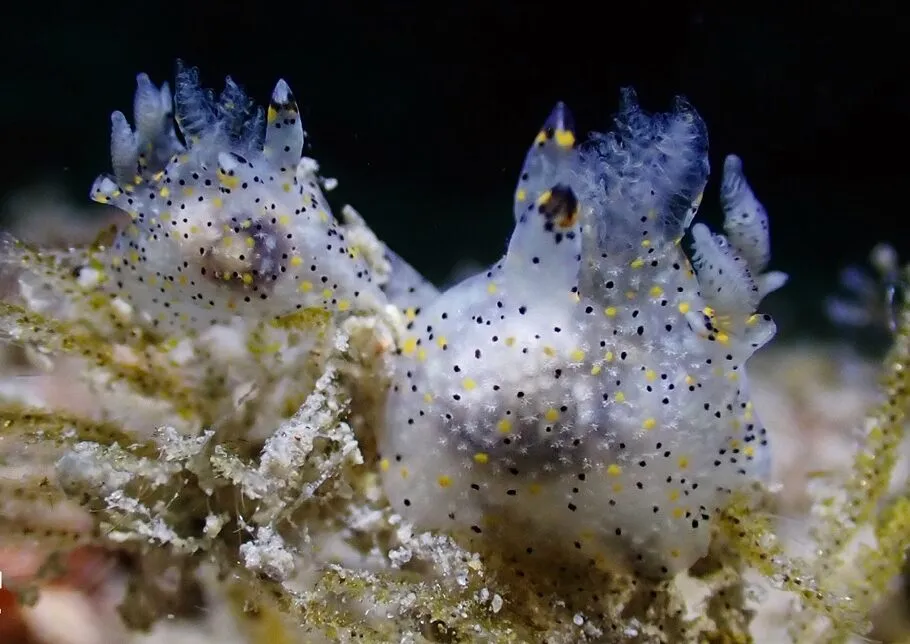
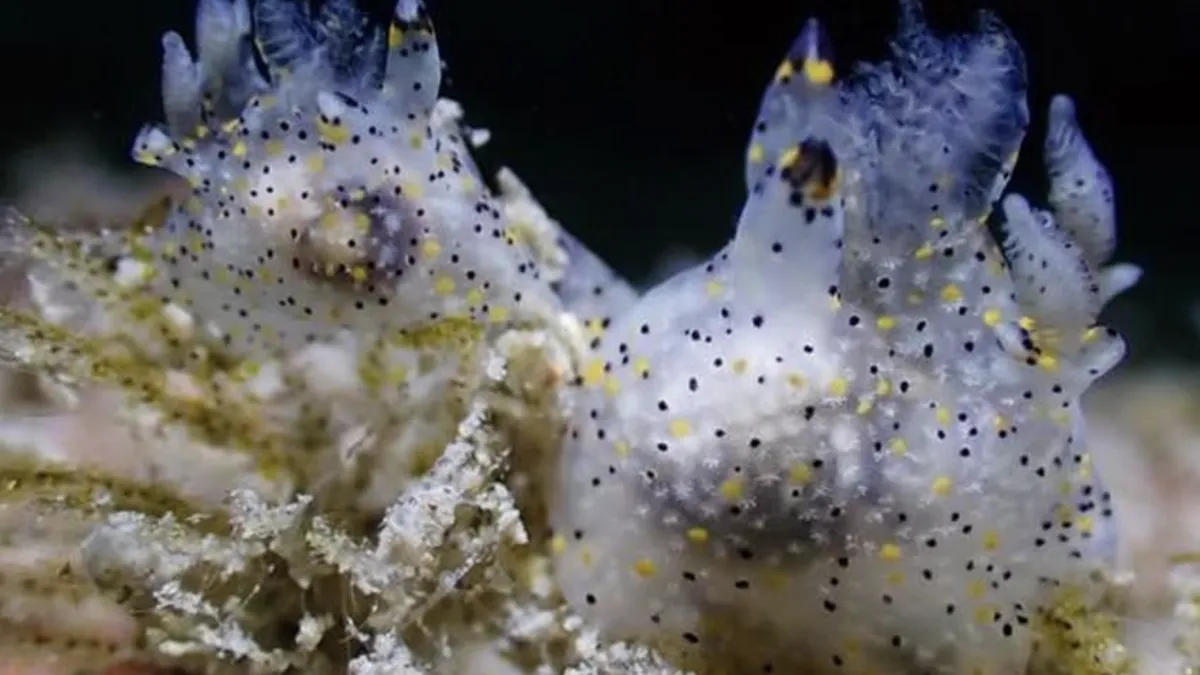
Meet Thecacera sesama: a new-to-science, 3mm sea slug with black and yellow spots like scattered sesame seeds. Discovered by a student diver in Taiwan, this tiny creature is making waves!

Biologists thought they knew the nudibranch genus *Thecacera* for 200 years. These six shell-less mollusc species, found globally, were always tiny—half an inch to an inch long.

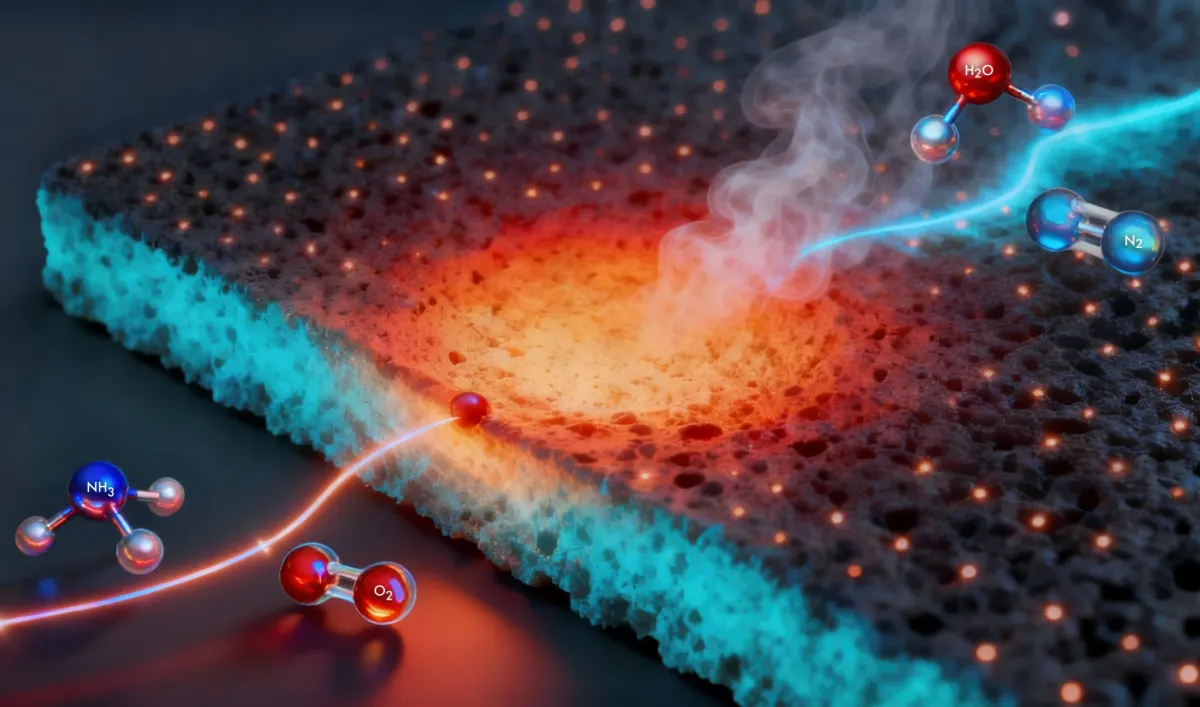
Ammonia, a clean fuel, just got a major upgrade. A new catalyst smashes long-standing barriers, unlocking its potential for heavy industry.

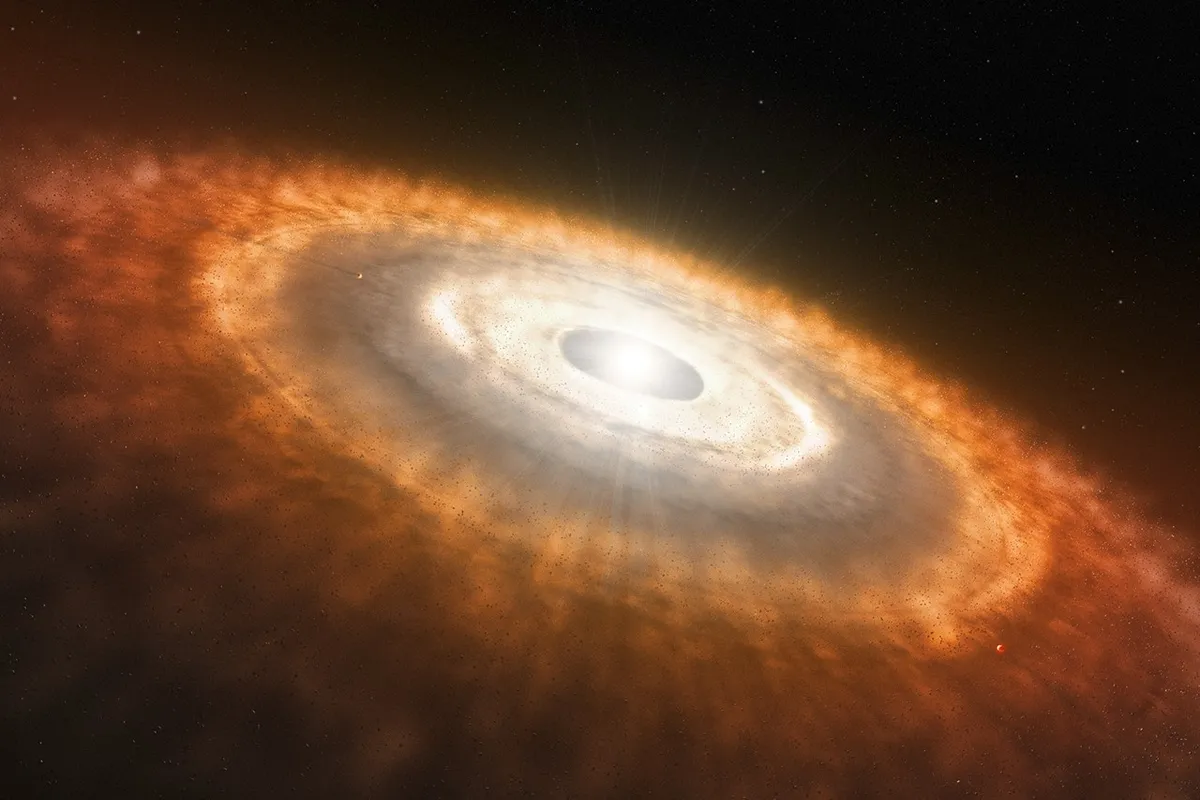
NASA scientists just revealed a new theory: Earth may have received life's essential elements differently than we thought, with Jupiter playing a surprising role.
Join 50,000+ readers who receive our daily digest of the most uplifting stories from around the world.

Two supermassive black holes, orbiting closely in Markarian 501, could merge within 100 years. Their collision may produce detectable gravitational waves.

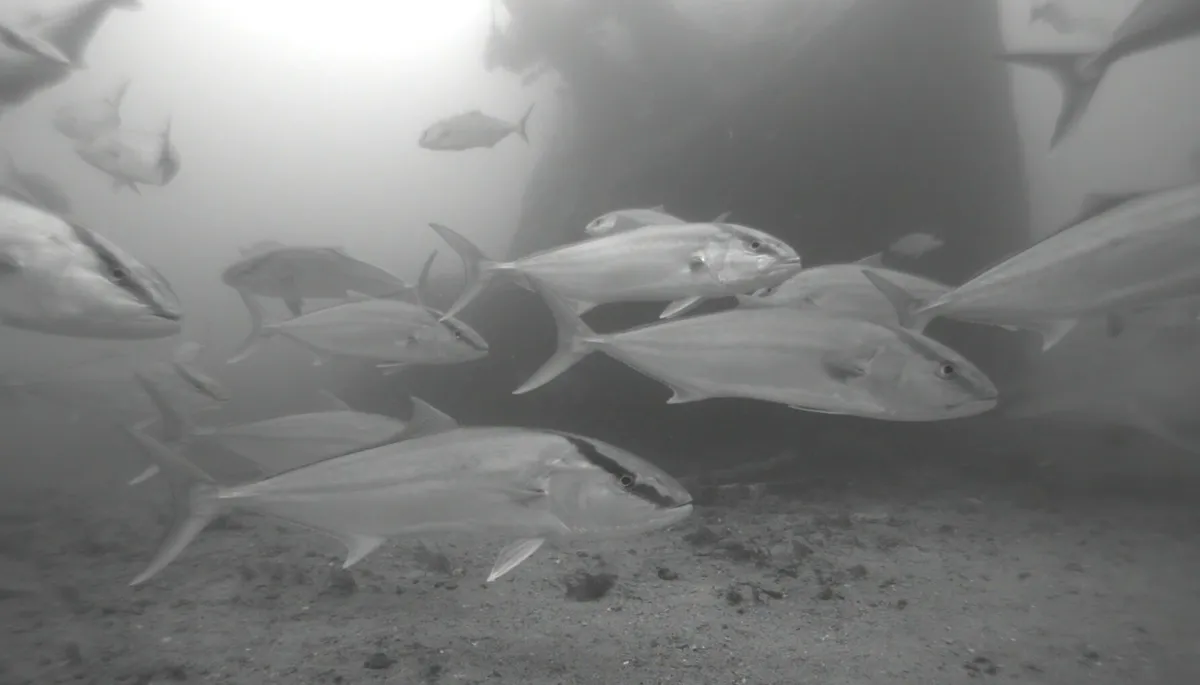
New research reveals surprising insights into greater amberjack. Dr. Sean P. Powers led the multi-year "Greater Amberjack Count" project at the University of South Alabama.

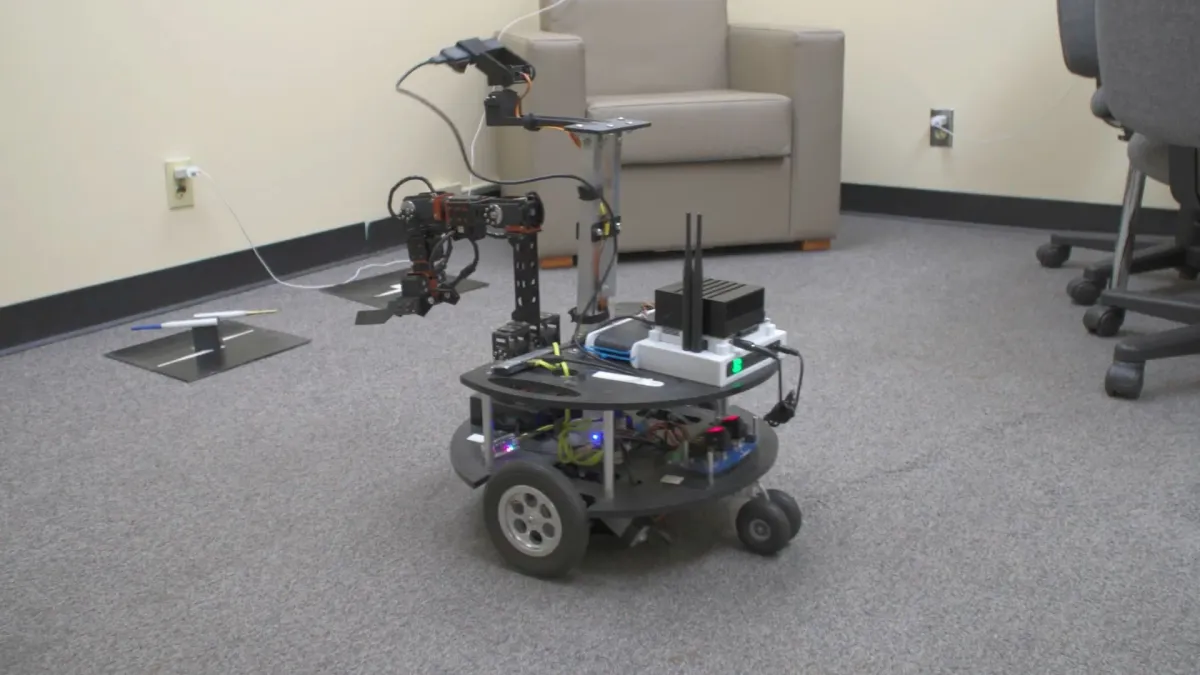
CU Boulder researchers are building lunar exploration robots with digital twin tech and VR. Meet Armstrong, a three-wheeled robot remotely operated via VR for tasks like moving objects.

NASA's Fermi telescope just found the magnetic engine powering the universe's brightest supernovae.

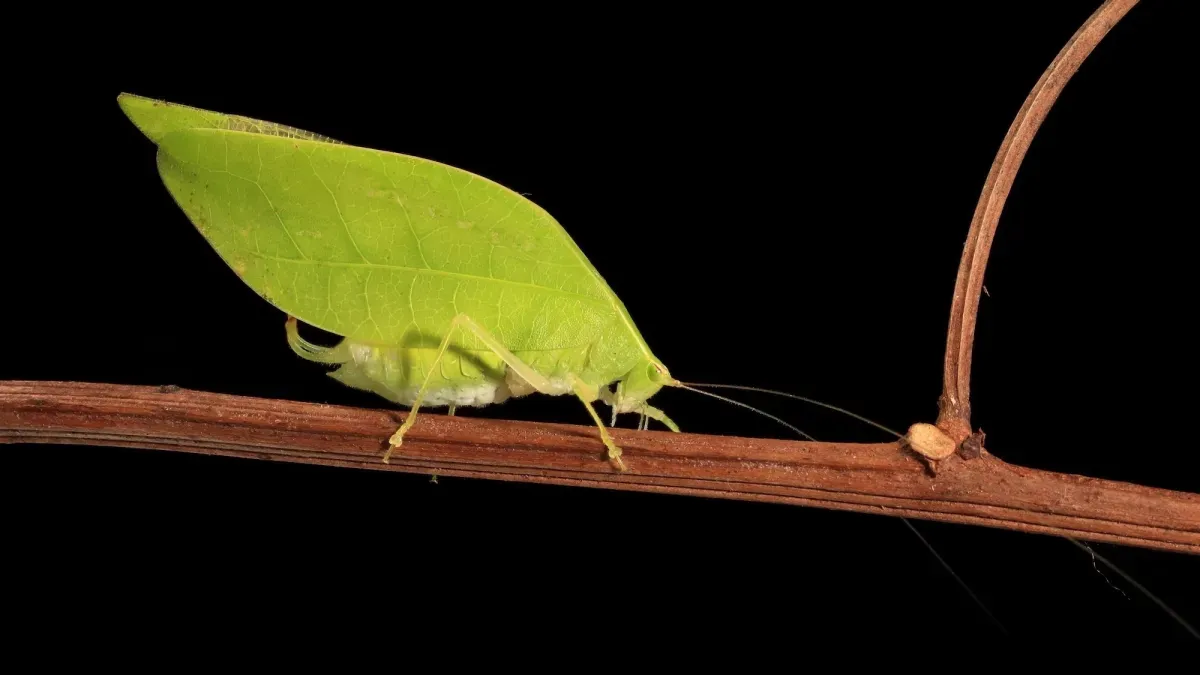
Animals go all out for reproduction: noisy calls, colorful displays, inflated pouches, and tailfeather shakes. Some insects even mimic leaves, not just for camouflage, but to amplify mating calls.
Brightcast is dedicated to restoring faith in humanity by highlighting the progress, solutions, and kindness that often go unnoticed. We believe in a balanced worldview.
Read our full mission →
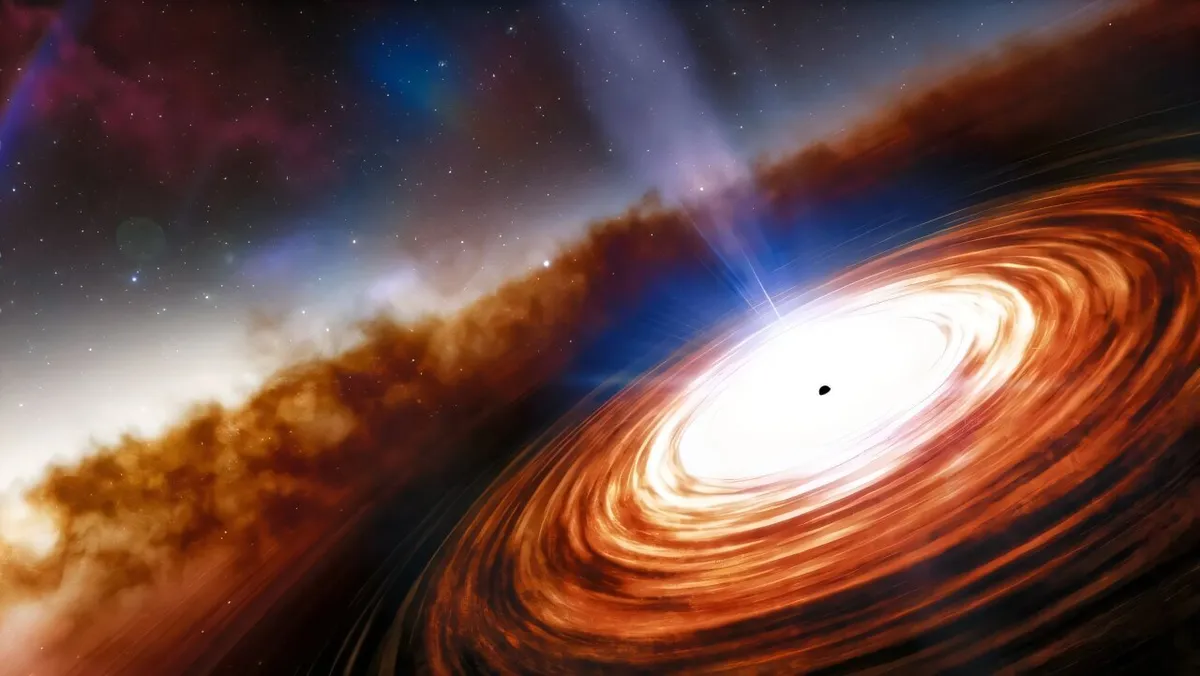
JWST spotted overmassive black holes just 2 billion years after the Big Bang, during "Cosmic Noon." Their existence defies current growth models, baffling scientists.

Aging isn't just a number. A massive gene analysis across species uncovered genetic hallmarks of aging, potentially fast-tracking anti-aging treatments.

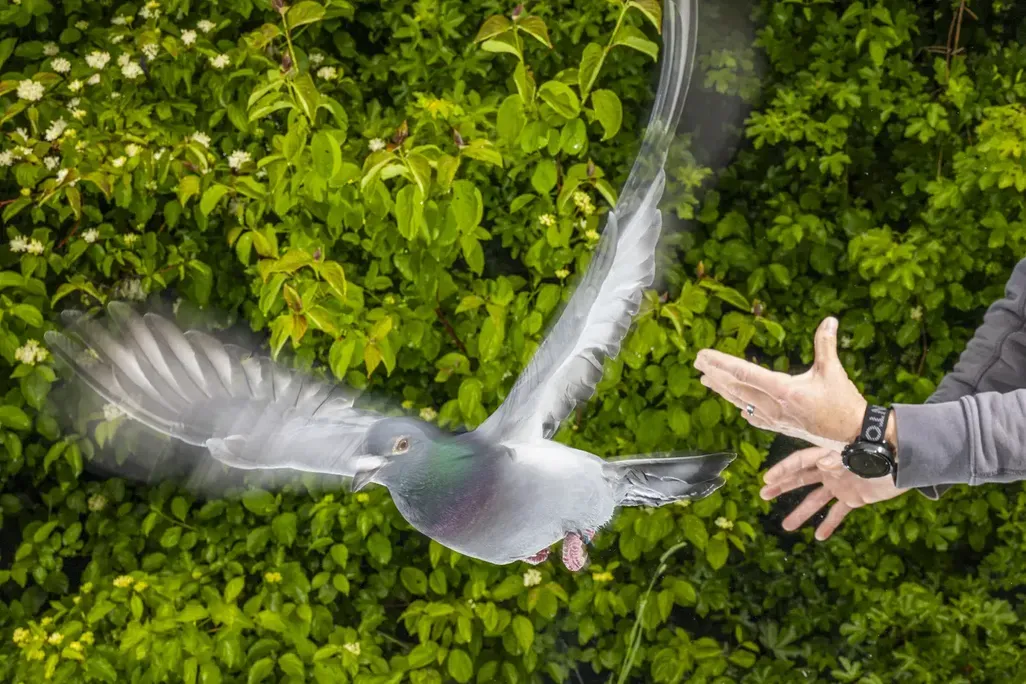
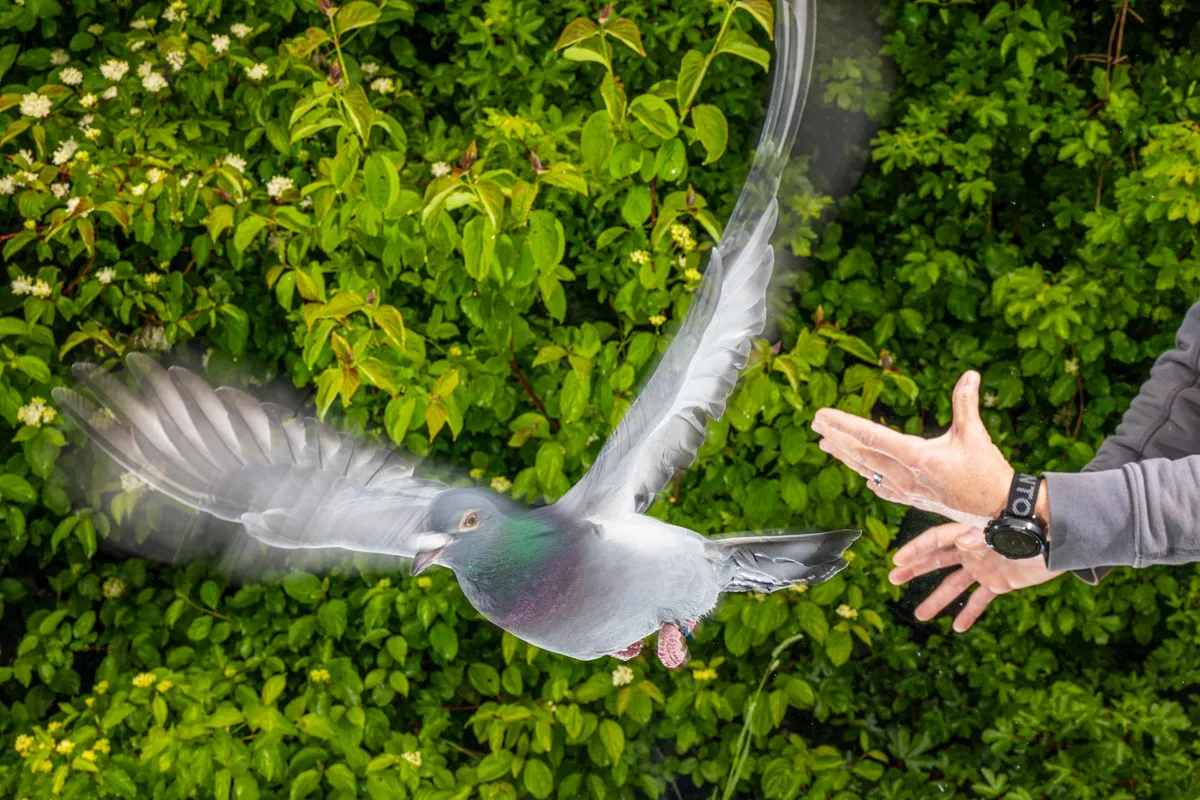
Birds navigate overcast skies using an incredible secret: iron-rich immune cells in their organs. These cells act as internal compasses, guiding them via Earth's magnetic field.

Pigeons navigate using iron-rich liver cells that respond to Earth's magnetic field. This discovery may solve a decades-old mystery and reveals a surprising new sensory role for the immune system.

Astronomers discovered strange "clumpy" galaxies in the mid-20th century. These galaxies, filled with bright blobs, are massive stellar nurseries where stars are born at an explosive rate.
Know someone who needs a boost? Share Brightcast with your friends and family.

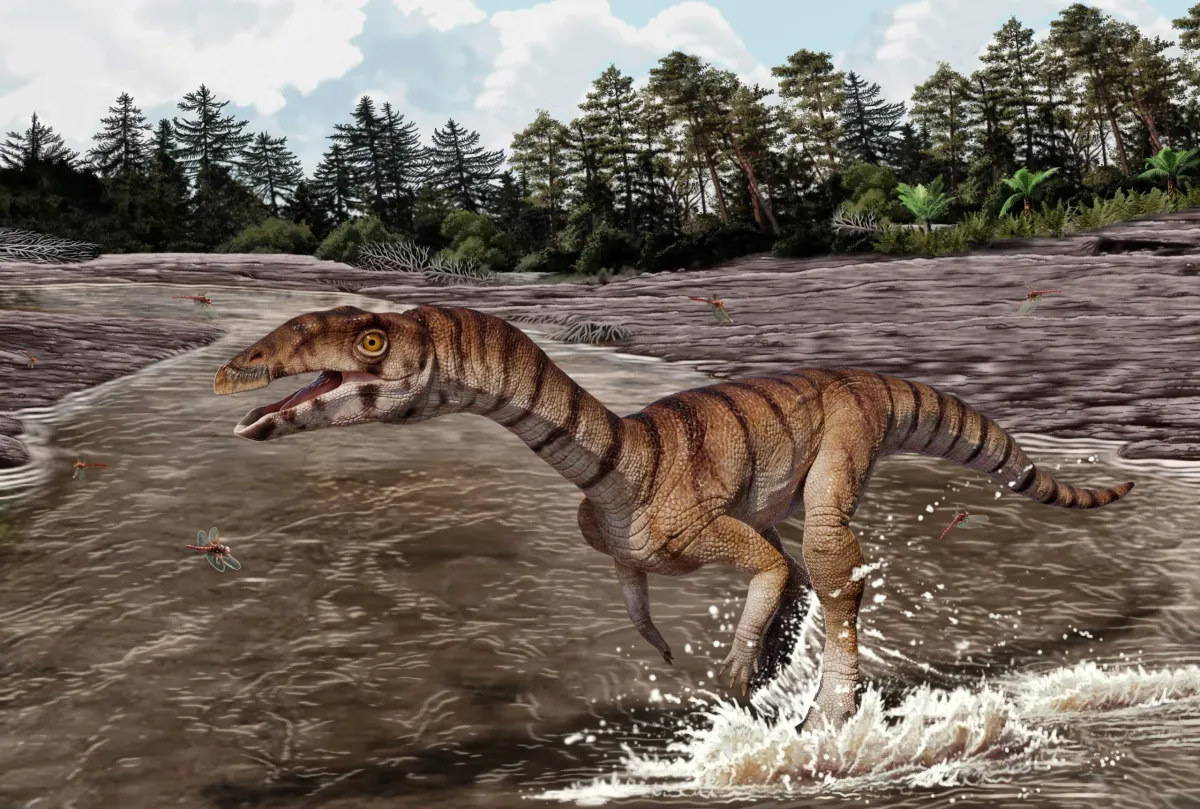
Meet the Triassic croc-relative that defied expectations! With a beak, tiny arms, and bipedal stance, it looked more like an ostrich-dinosaur than a crocodile.

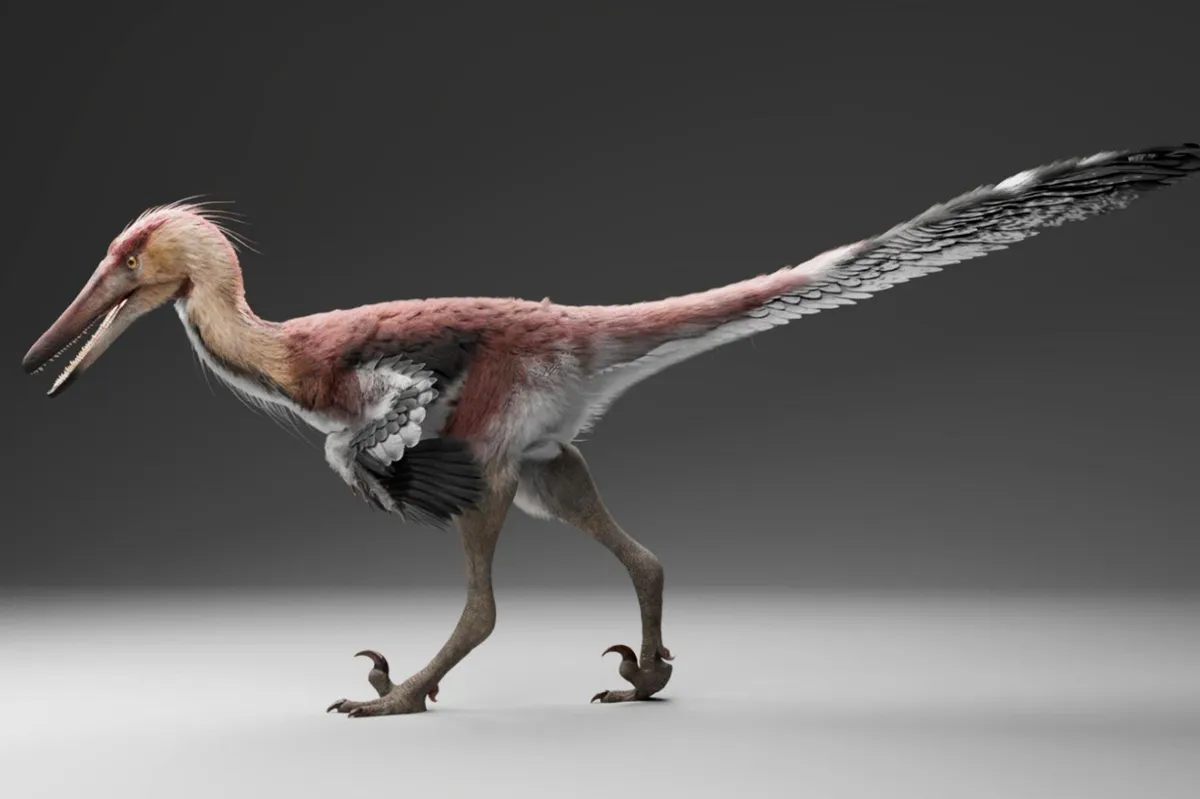
A giant prehistoric raptor, newly discovered in Patagonia, hunted fish like a massive heron.

From a rediscovered blueberry relative to proof that 'forever chemical' bans actually work, this week's science shows that sometimes, good things just need a little time — or good policy.

Lost for 188 years, a mysterious blueberry-like shrub recorded in 1836 by British botanists in Arunachal Pradesh has finally resurfaced.
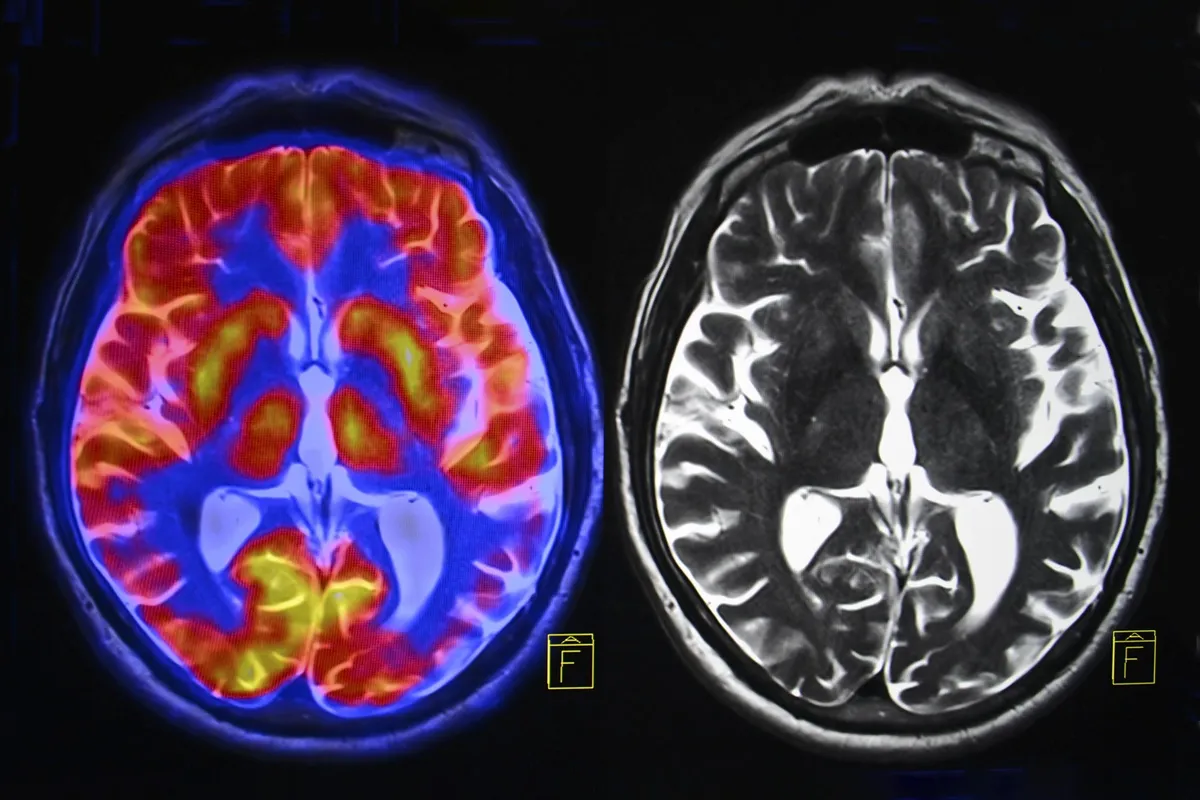
Long COVID's biggest clues may lie in the brain's emotion centers, not widespread inflammation, according to new brain scan research.