S

Science
5 months ago
Rising Impact
Families Find Justice Through a Clump of Moss
Four cemetery workers exhumed over 100 bodies and relocated remains to resell burial plots—a scheme that shocked the Chicago area nearly two decades ago.
72
0
161

Breakthroughs happen quietly. We make sure you hear about them.
2782 stories
Four cemetery workers exhumed over 100 bodies and relocated remains to resell burial plots—a scheme that shocked the Chicago area nearly two decades ago.
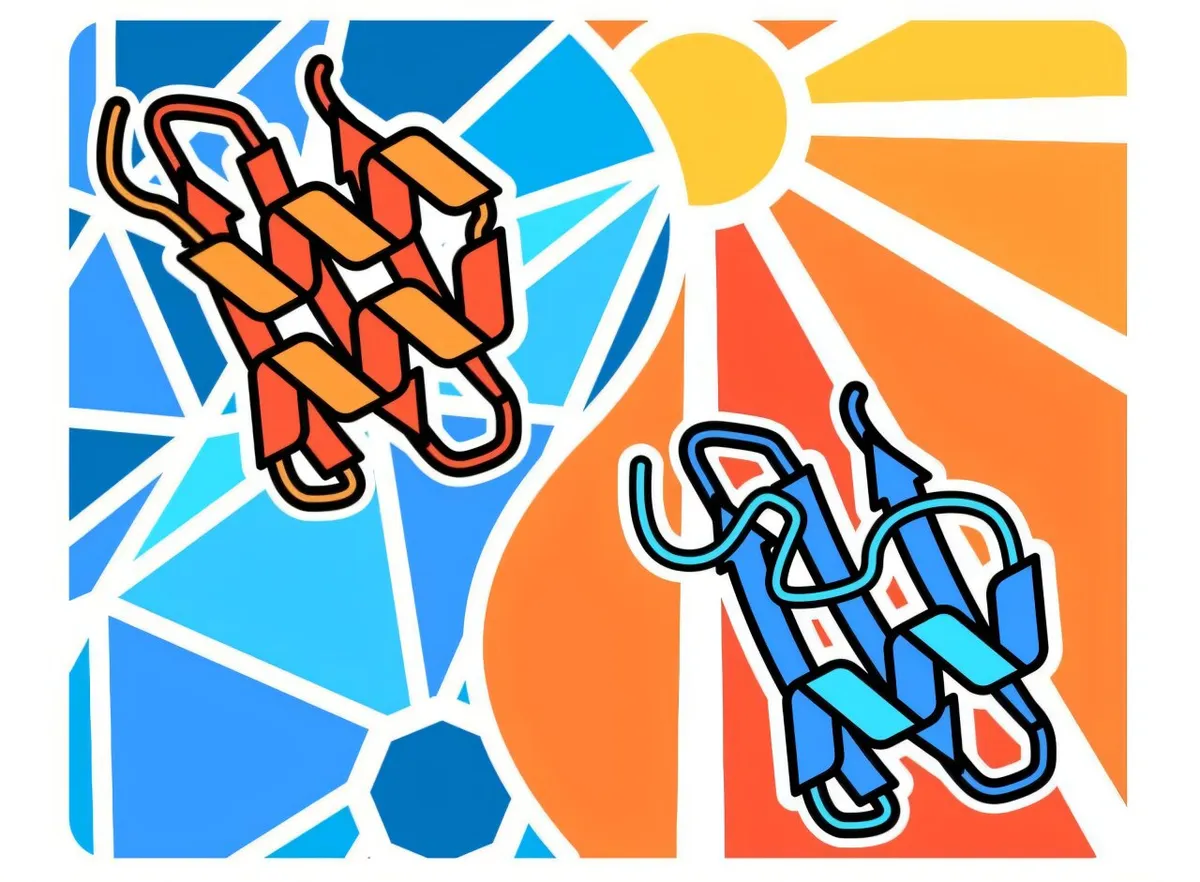
Scientists engineered heat-sensitive switches that precisely control protein activity through tiny temperature changes—a breakthrough modular design from Heidelberg University researchers.
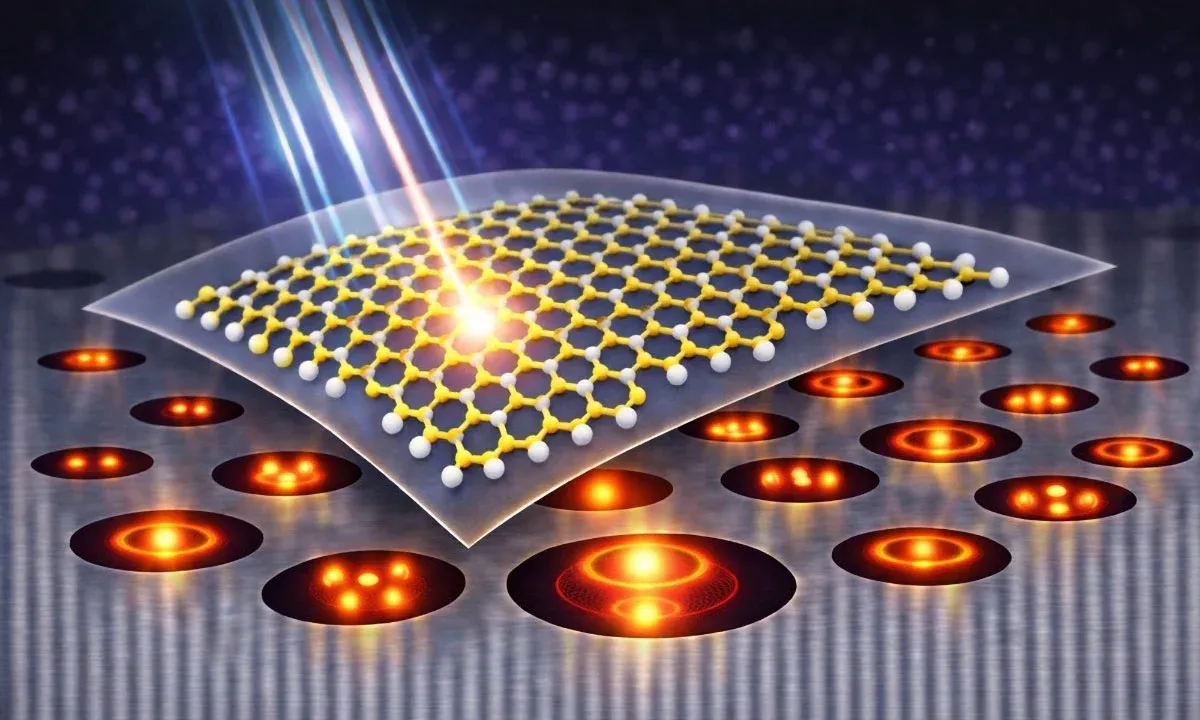
Atomically thin tungsten disulfide—just one layer of atoms—now captures light with unprecedented strength, revolutionizing nanophotonics and opening new possibilities for quantum technology.

Ötzi the Iceman wore moss in his boots. So did countless indigenous cultures. Now scientists are rediscovering what humans have always known: moss changes everything.
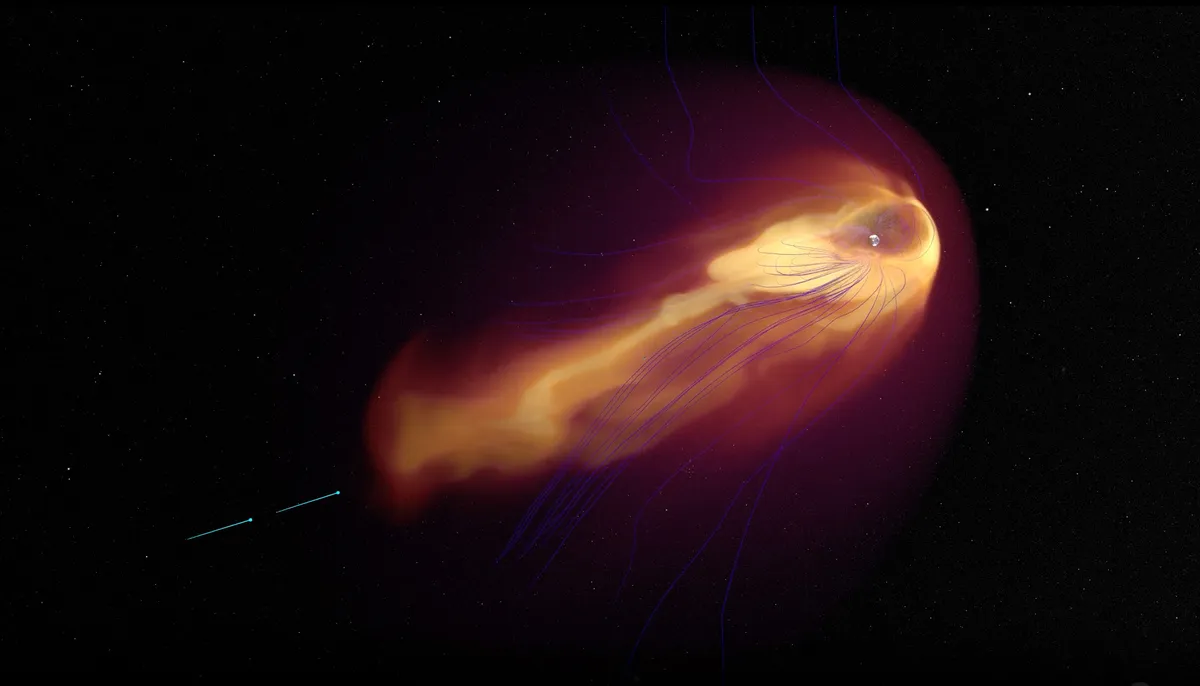
NASA's twin ESCAPADE probes are exploring uncharted territory in Earth's magnetic field—a crucial test before their Mars mission later this year.
Join 50,000+ readers who receive our daily digest of the most uplifting stories from around the world.
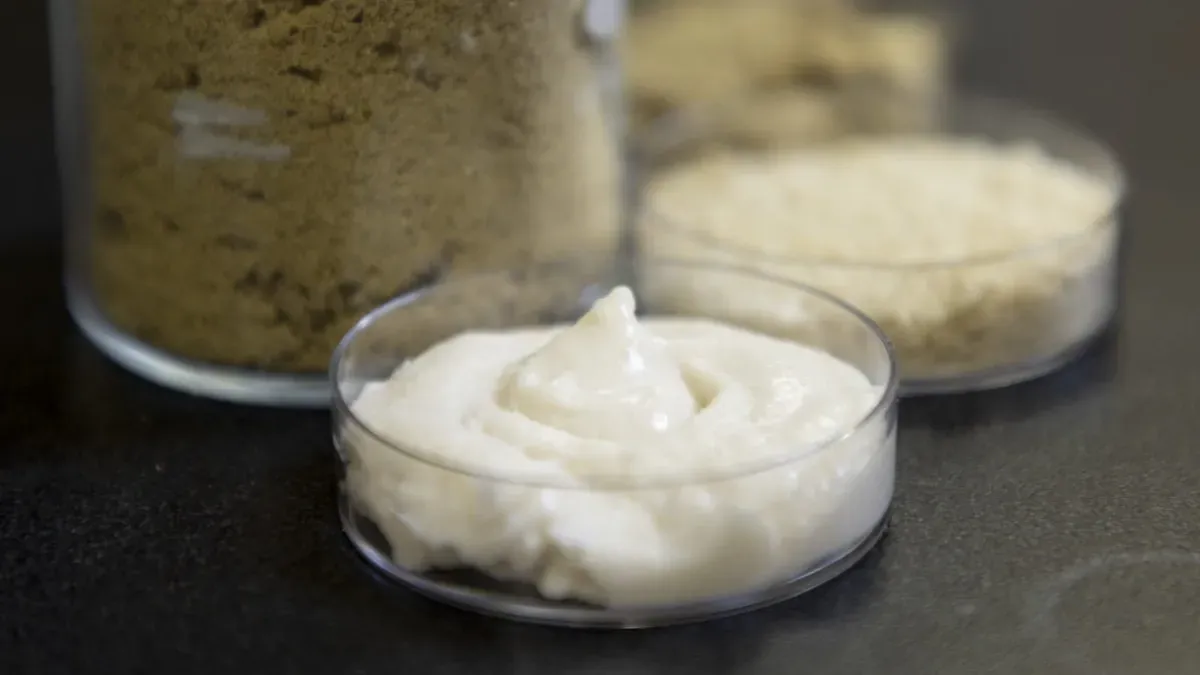
Vegan cheese tastes great but lacks protein—until now. University of Arkansas researchers discovered rice could be the missing ingredient for truly nutritious plant-based cheese.
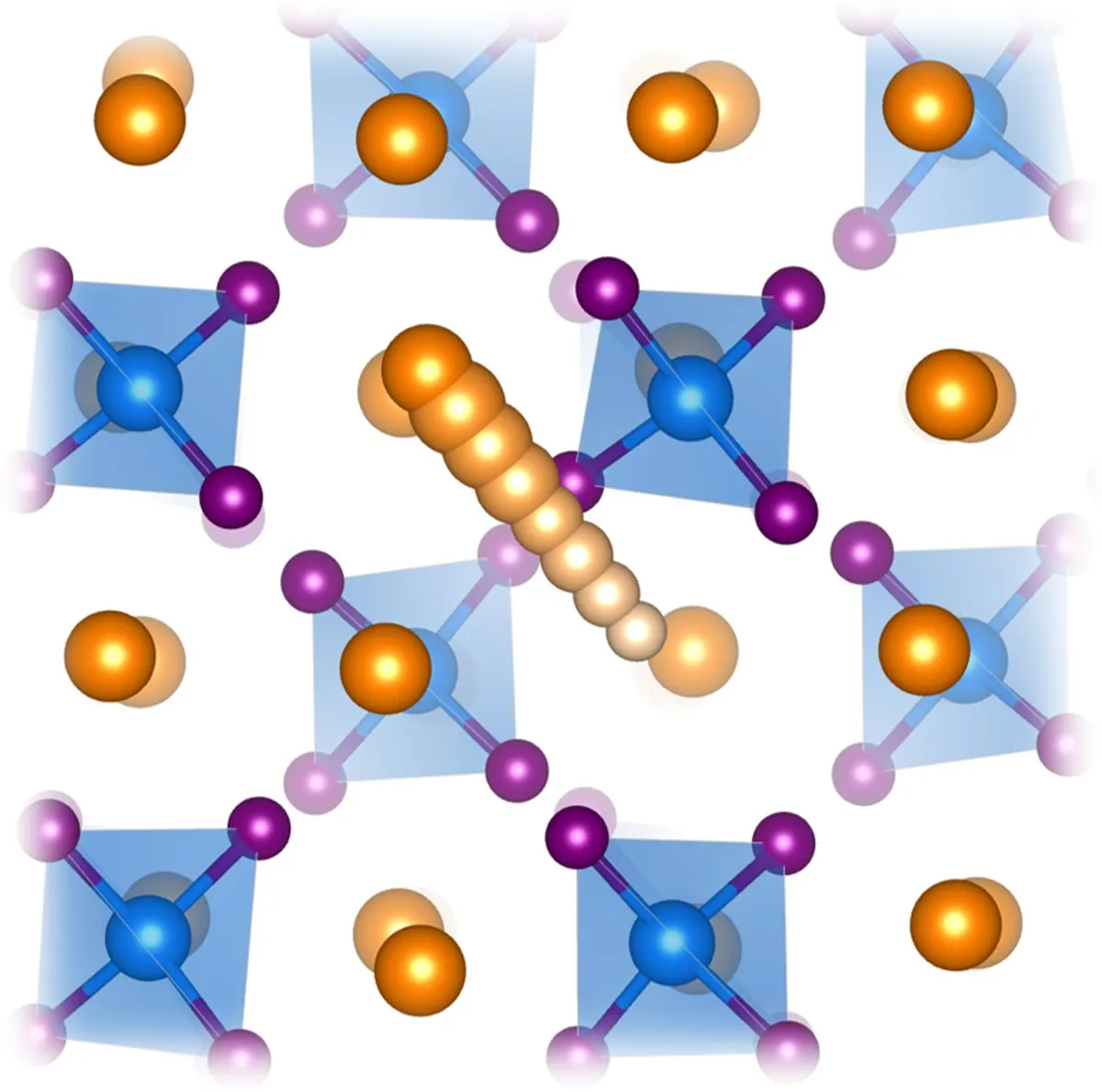
Scientists just cracked how to spot the perfect battery materials in seconds. An AI technique detects liquid-like ion motion, accelerating the hunt for next-generation solid-state batteries.
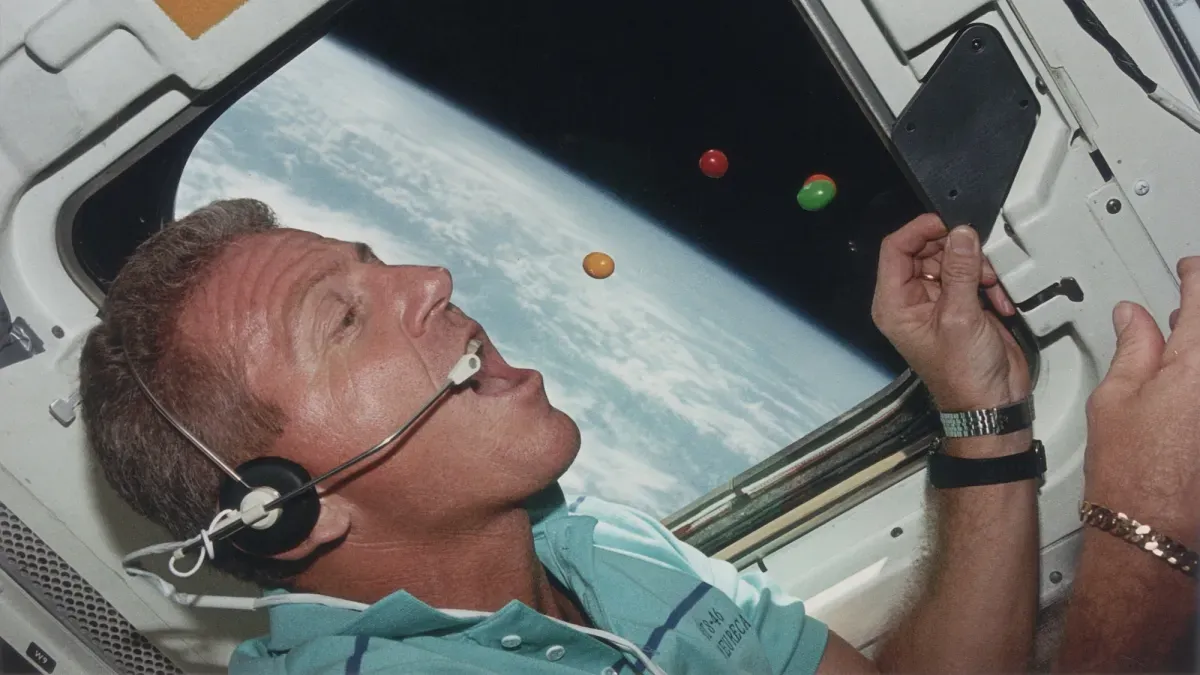
A single floating cookie crumb could sabotage an entire space mission. NASA's astronauts face a puzzle: craft meals that maximize nutrition while minimizing the chaos of weightless crumbs.
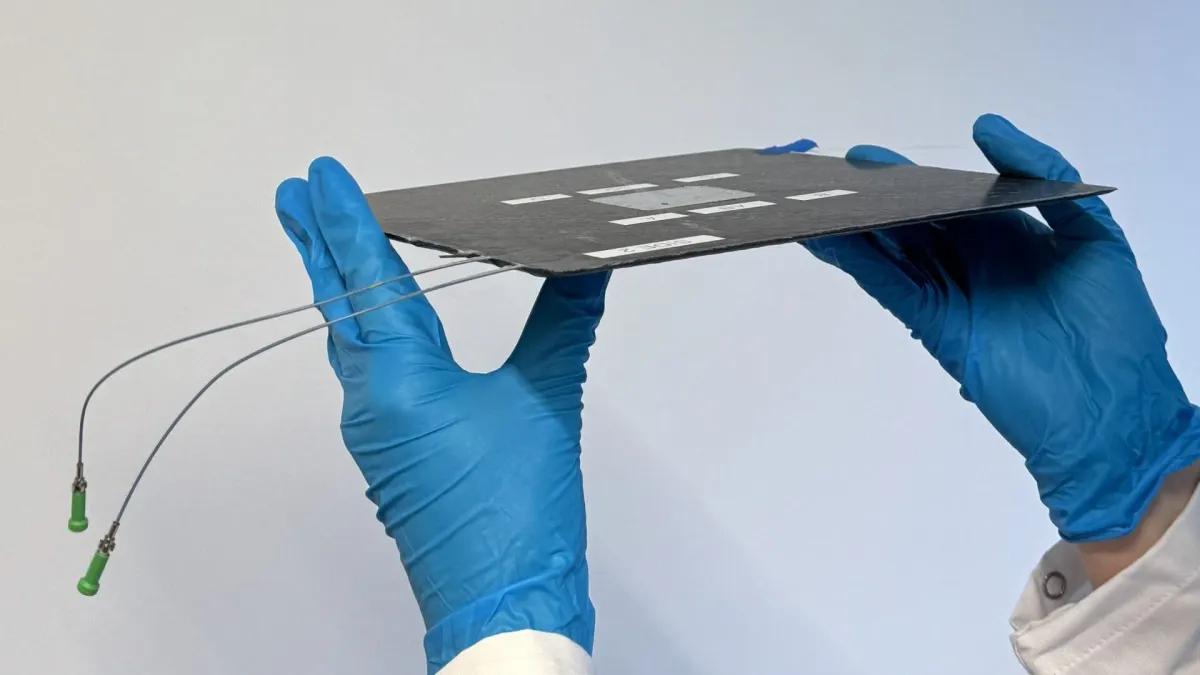
Europe's space race just got a breakthrough: a self-healing material that could finally make reusable rockets viable. Swiss startup CompPair is partnering with the ESA to transform spacecraft design.
Scientists may have discovered a triplet superconductor in NbRe—a material that could enable zero-resistance spin transport and revolutionize quantum computing.
Brightcast is dedicated to restoring faith in humanity by highlighting the progress, solutions, and kindness that often go unnoticed. We believe in a balanced worldview.
Read our full mission →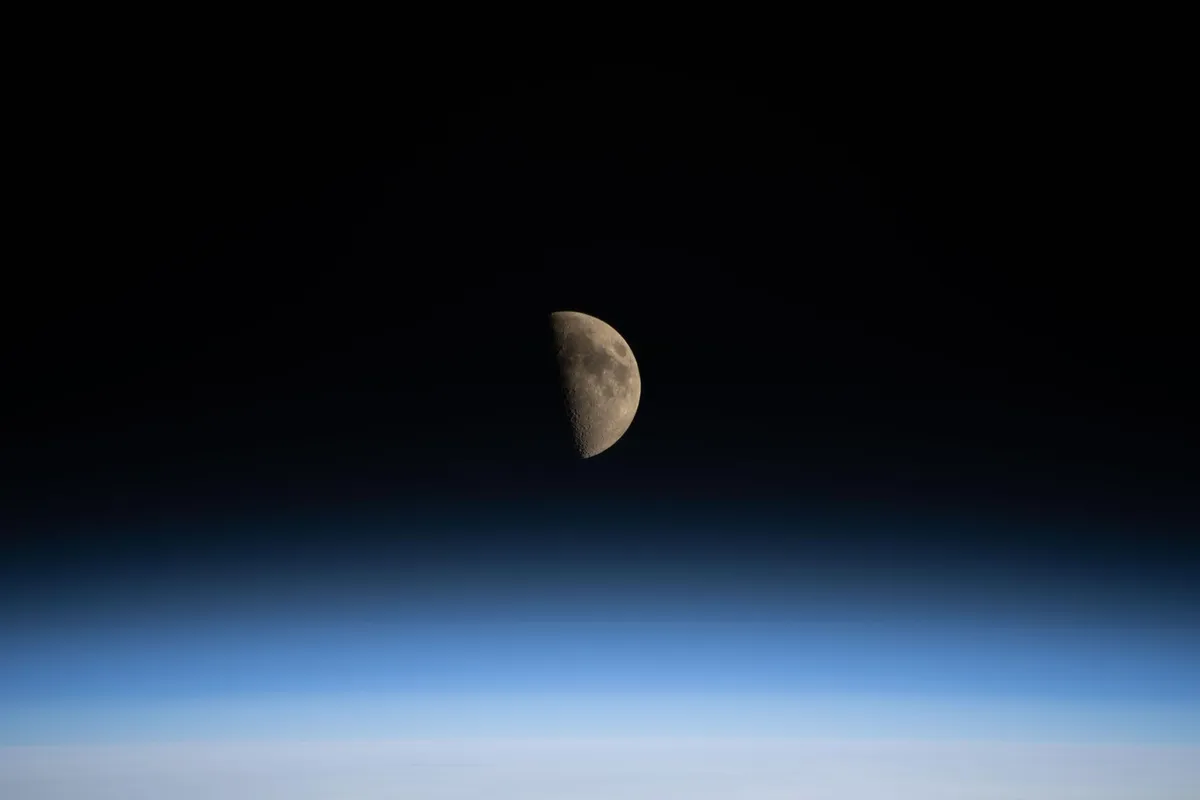
Read this story in English here. A fin de lograr el objetivo nacional de llevar astronautas estadounidenses a la superficie de la Luna y mantener la superioridad de Estados Unidos en exploración y descubrimientos, la NASA anunció el 27 de febrero que aumentará la frecuencia de sus misiones con el......
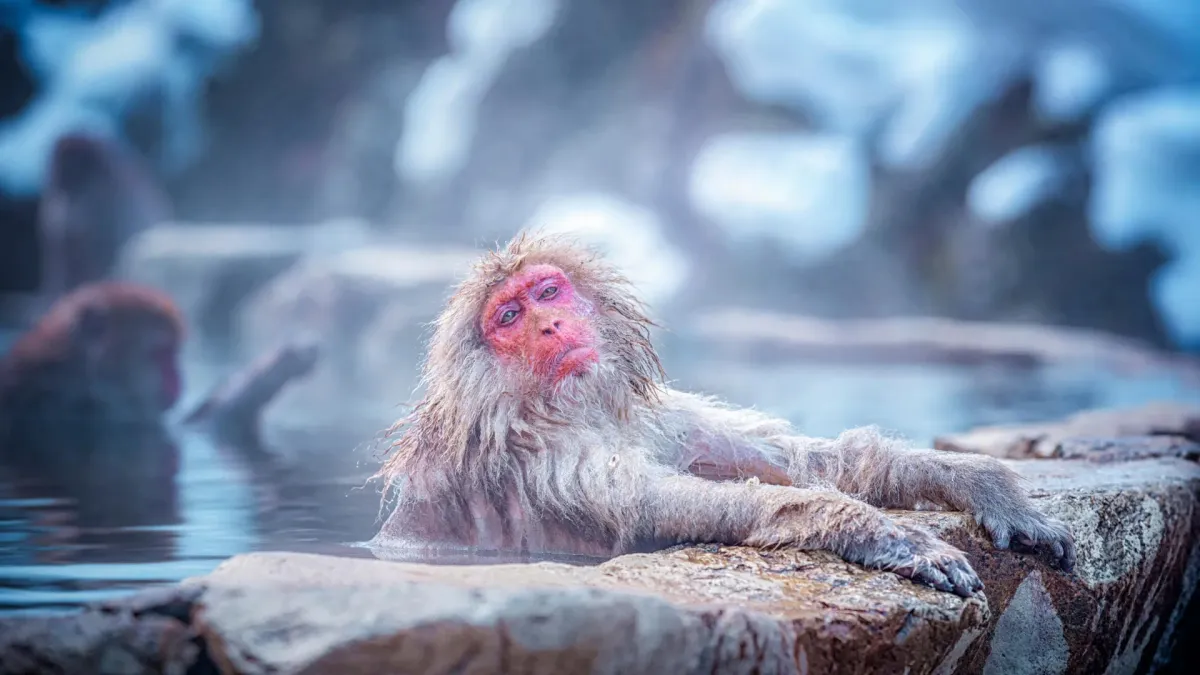
Japanese snow monkeys' hot spring baths do more than warm them—they're reshaping their microbiomes. Regular soaking alters lice patterns and gut bacteria in surprising ways.
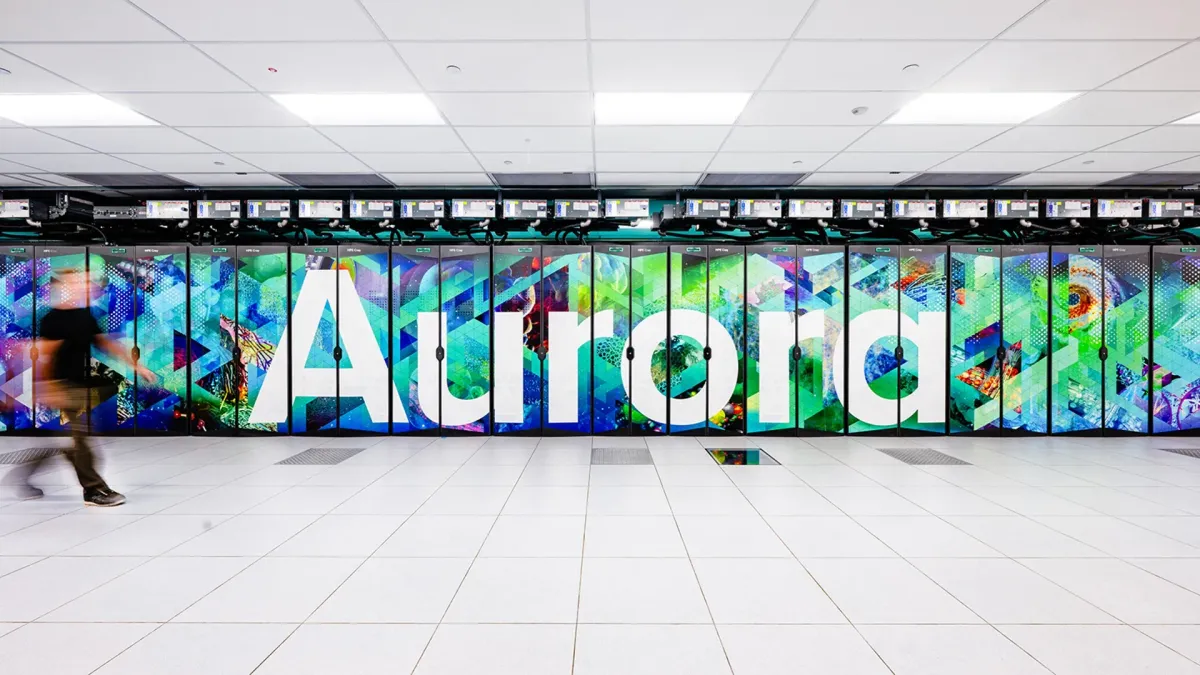
A supercomputer that performs a quintillion calculations per second is now tackling fusion energy—cracking one of science's hardest problems by simulating plasma hotter than the sun.
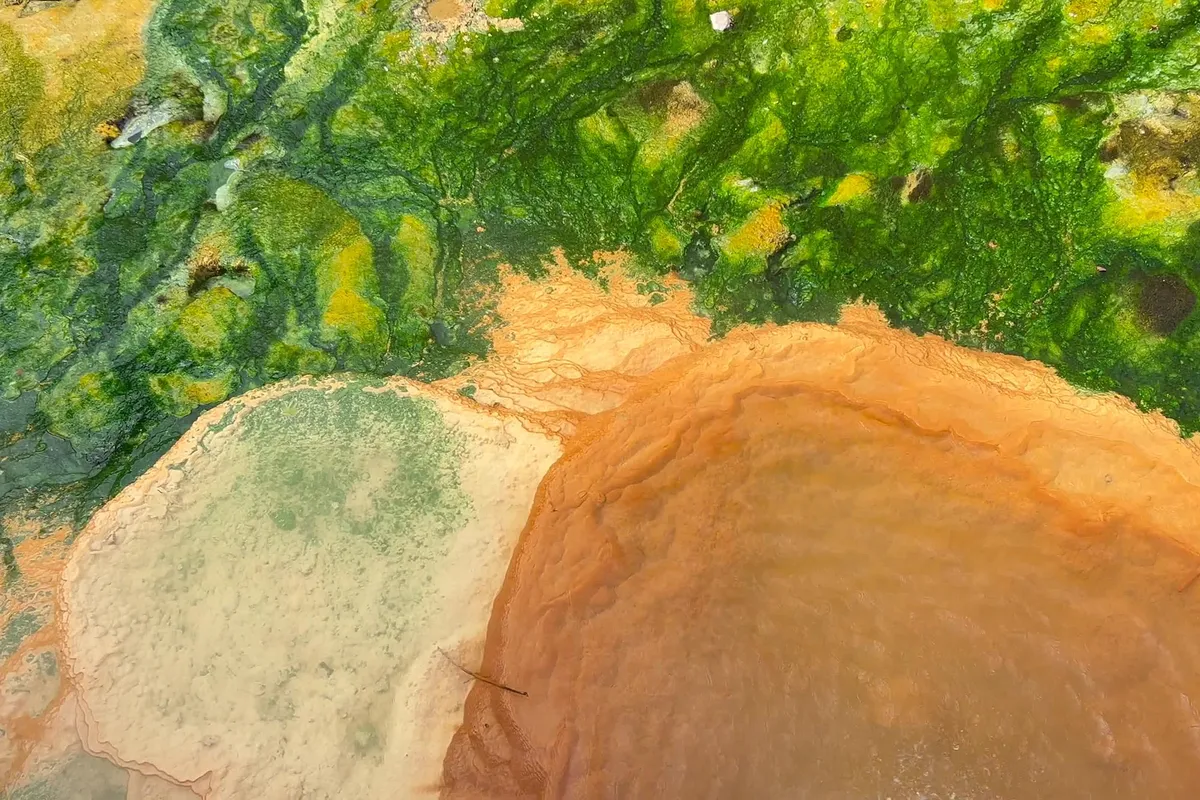
Iron-breathing microbes were life's secret weapon in Earth's poisonous, oxygen-free past. These ancient organisms may have been the key to survival itself.
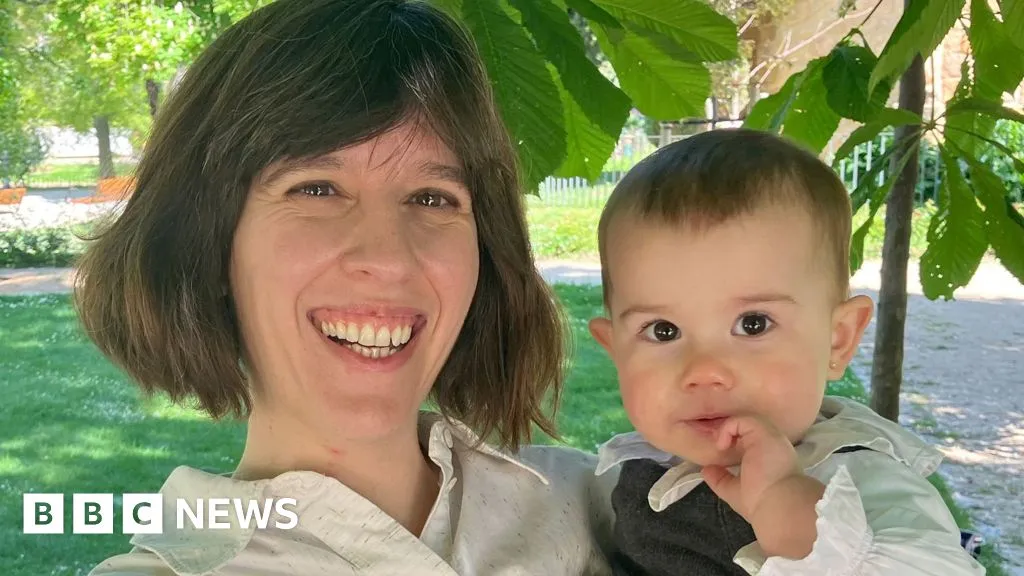
Pregnant women's brains physically shrink—and that's actually a sign they're becoming better mothers, new research reveals.
Know someone who needs a boost? Share Brightcast with your friends and family.
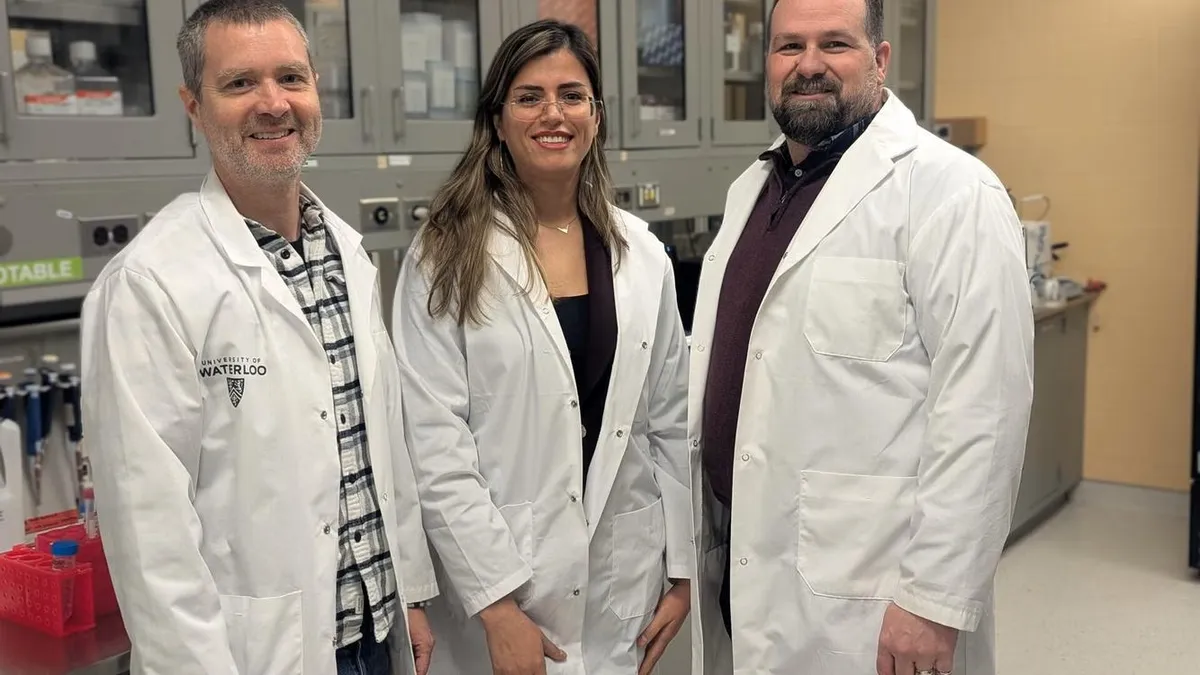
Scientists have engineered bacteria to infiltrate and destroy tumors from within—a breakthrough approach that could transform cancer treatment.
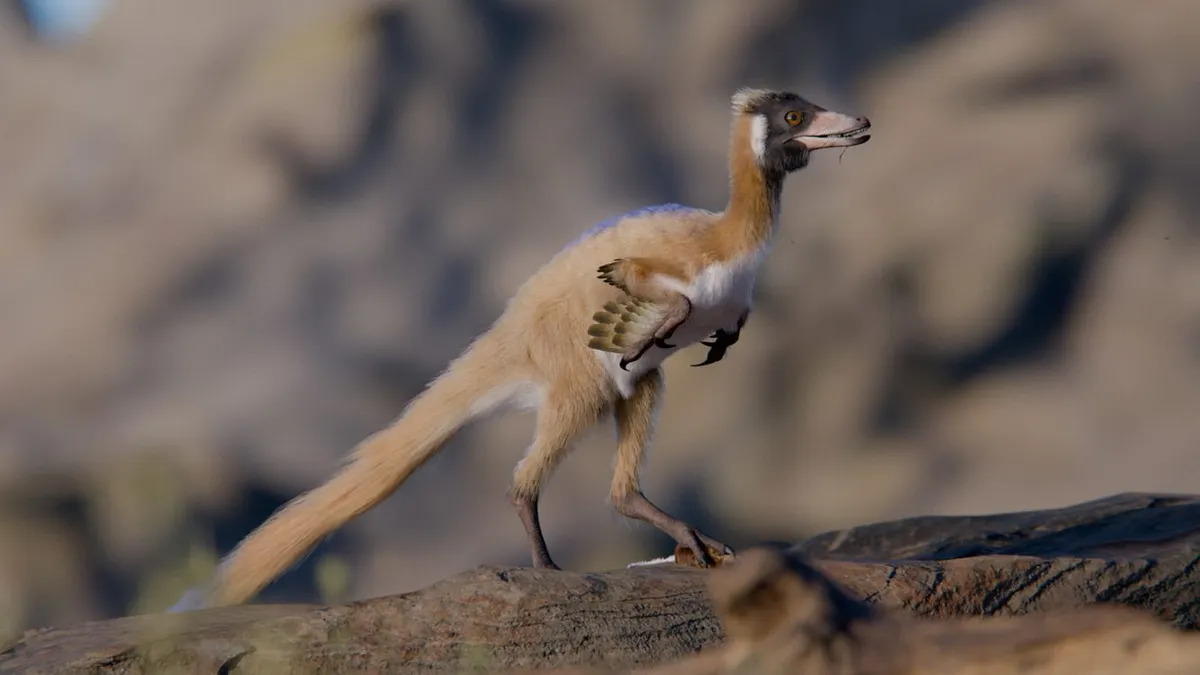
Scientists unearthed a 90-million-year-old fossil that bridges the evolutionary gap between dinosaurs and birds. This tiny, bird-like creature rewrites our understanding of prehistoric life.
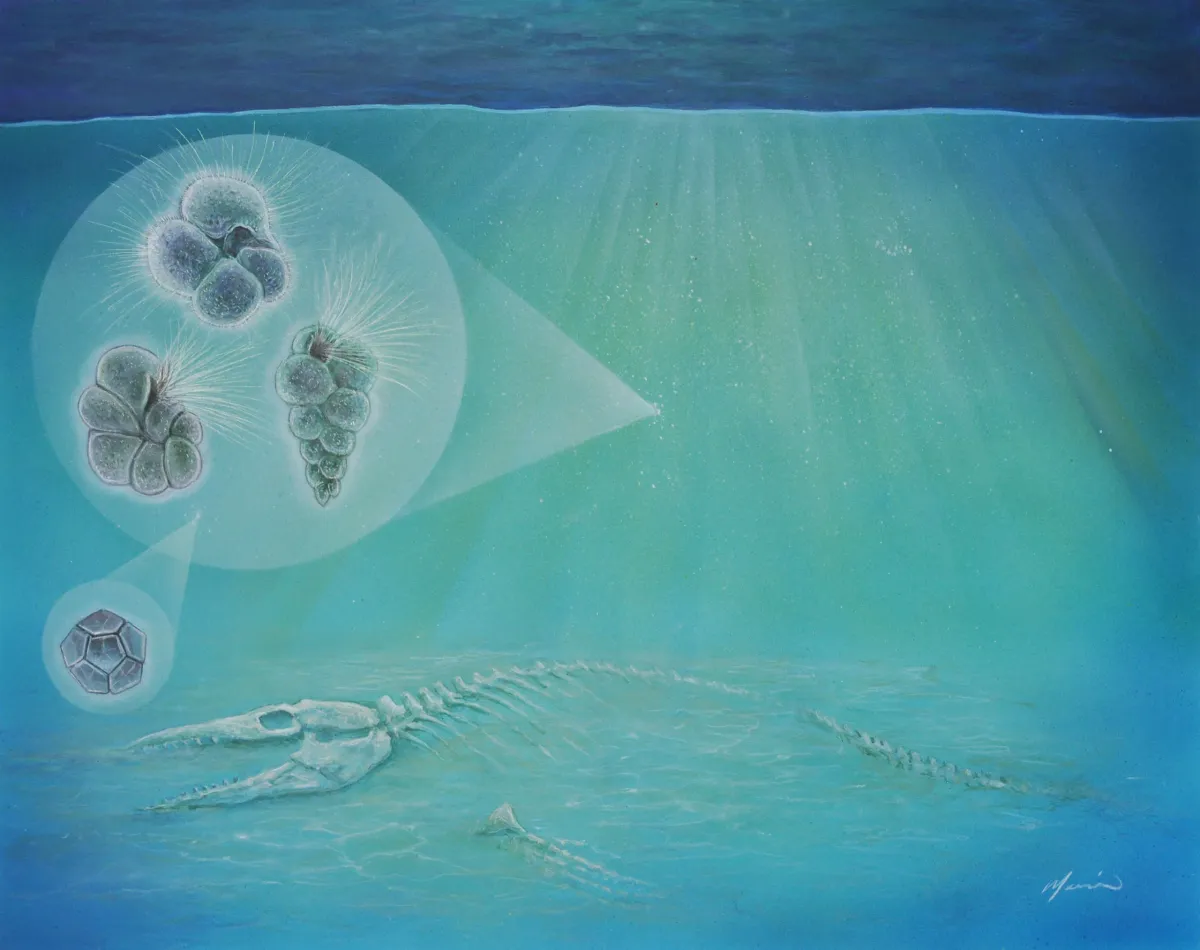
Life bounced back faster than anyone thought. New plankton species emerged just 2,000 years after the dinosaur-killing asteroid—not thousands of years later.
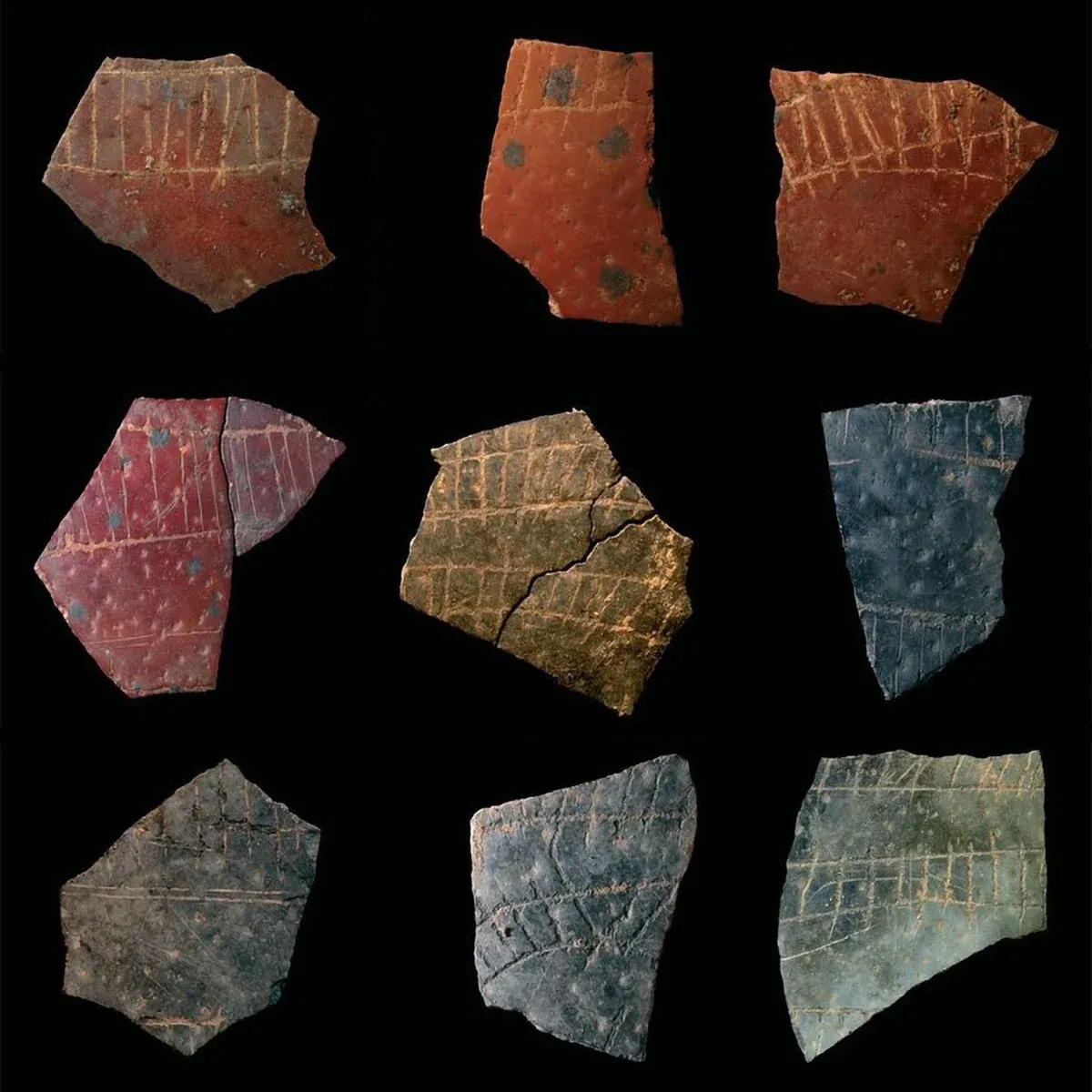
Geometric patterns etched onto ancient ostrich eggshells in southern Africa suggest our ancestors possessed sophisticated mathematical thinking thousands of years ago.
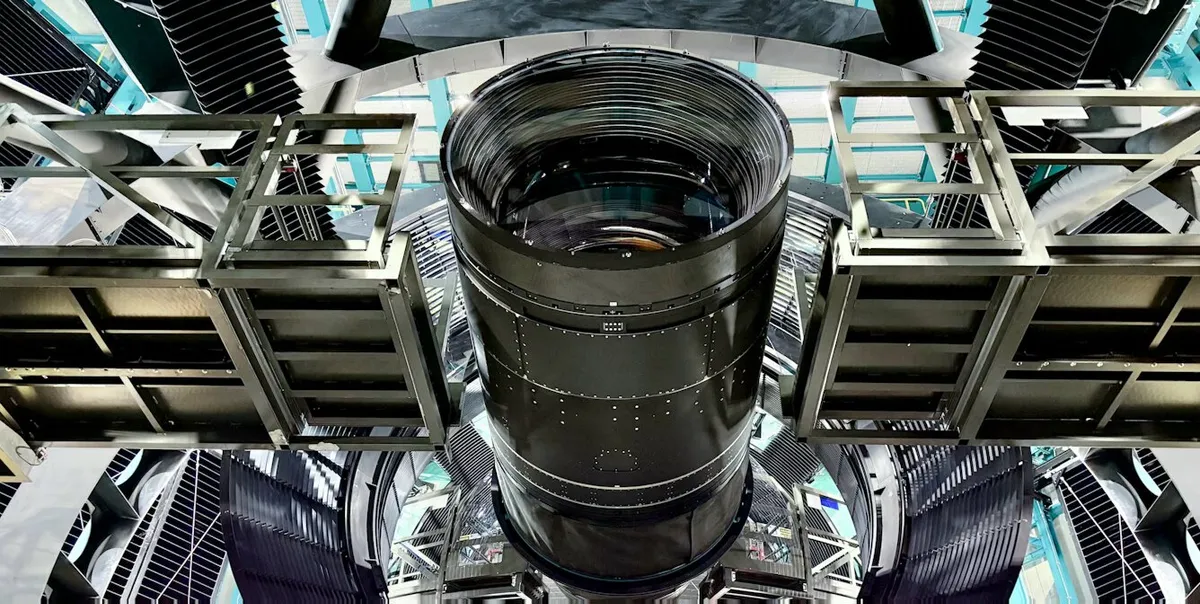
The Vera C. Rubin Observatory just unleashed its first cosmic discoveries—and thousands more arrive weekly. Supernovae, variable stars, asteroids: a decade-long survey is about to transform astronomy.
Download the Brightcast app for a better reading experience, daily notifications, and offline access.
Download App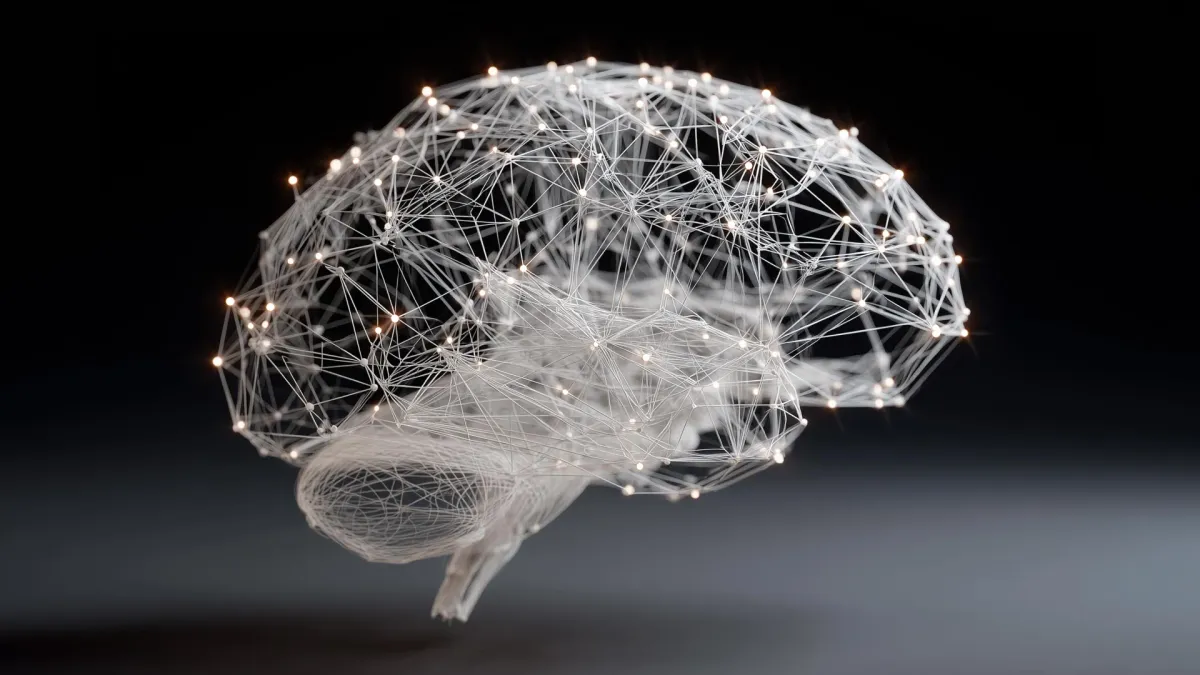
Your brain's separate networks somehow feel unified—but neuroscientists just discovered why: intelligence isn't housed in one "smart" region.
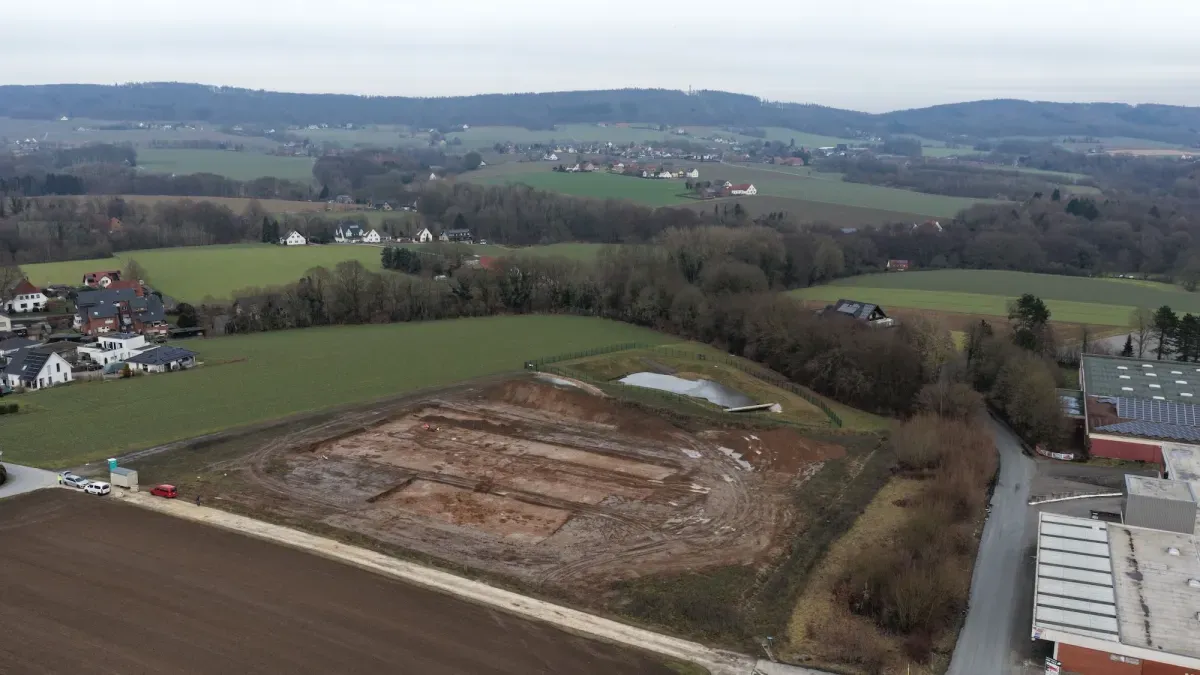
A 2,500-year-old Iron Age settlement halted a German fire station's construction—and archaeologists couldn't be happier. Local firefighters? Less thrilled.
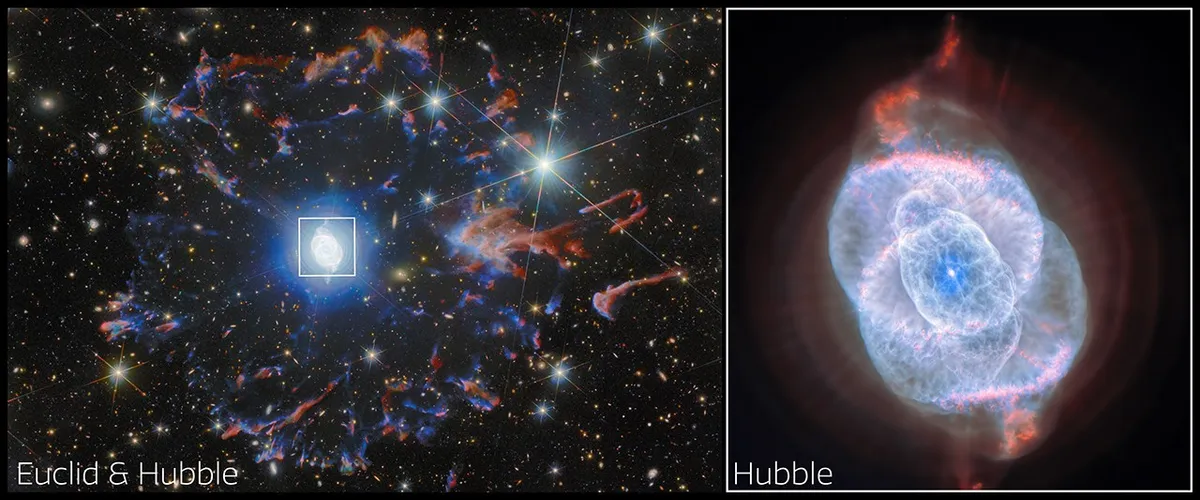
Hubble and Euclid captured the Cat's Eye Nebula in unprecedented detail, revealing cosmic structures invisible to either telescope alone.
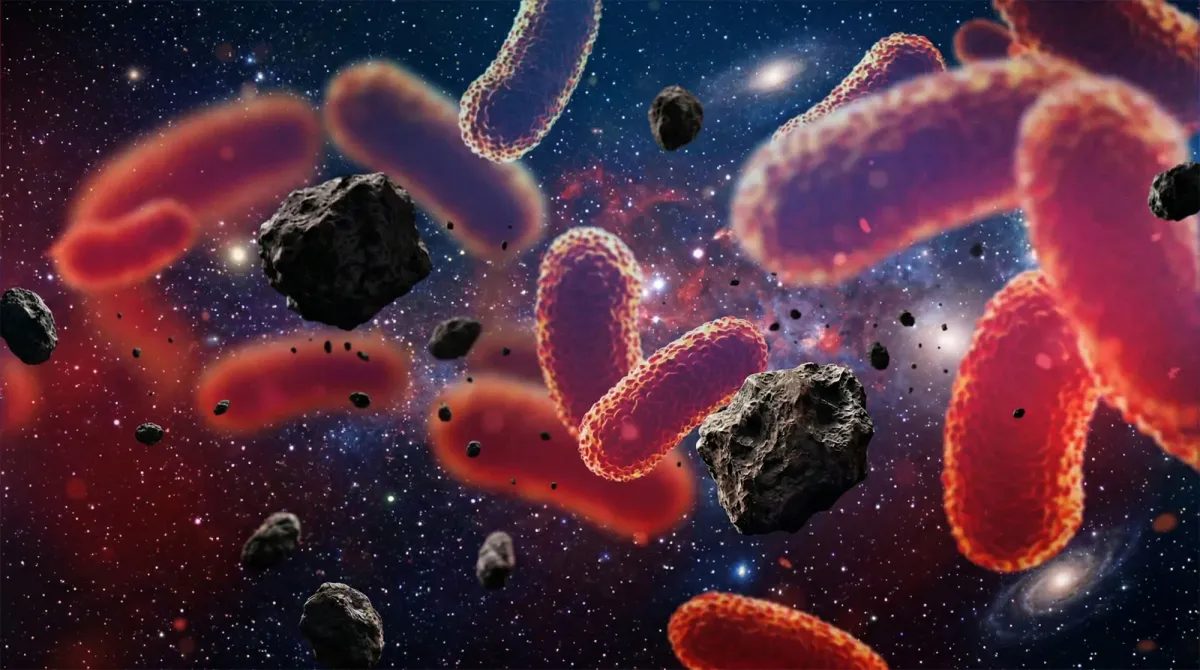
Fungi can extract valuable metals from meteorites in microgravity—opening a new frontier for asteroid mining powered by microbes, not machines.
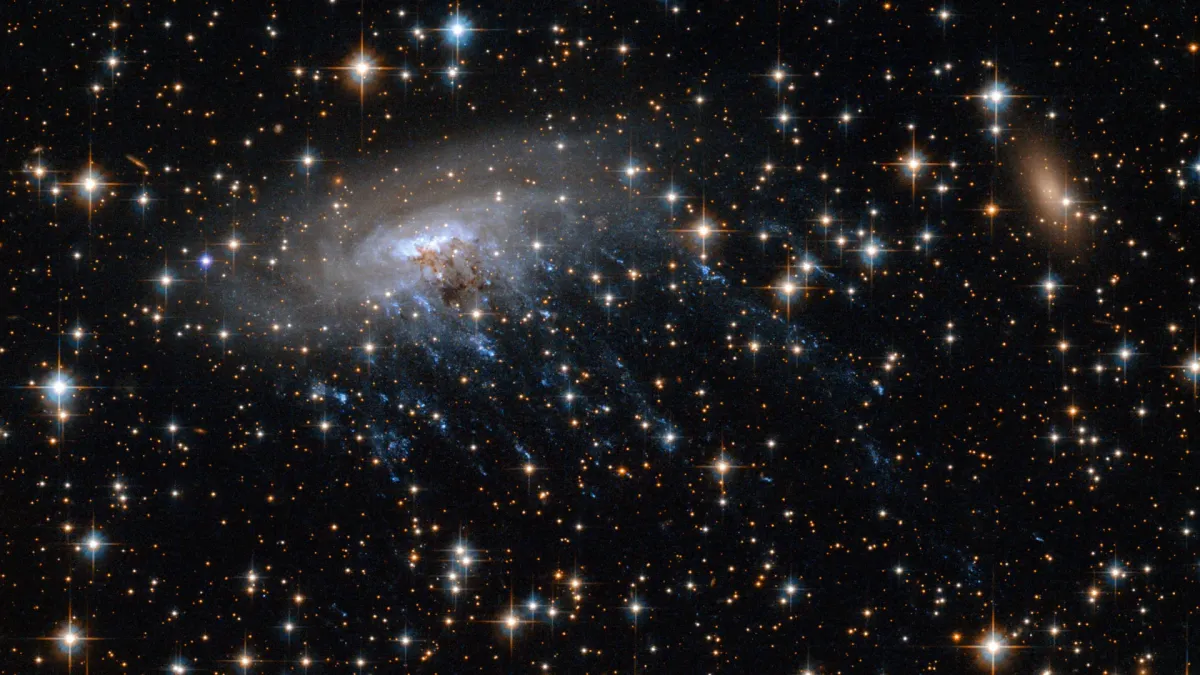
Astronomers using the James Webb Space Telescope have spotted the most distant “jellyfish galaxy” ever seen — a cosmic oddity streaming long, tentacle-like trails of gas and newborn stars as it speeds through a dense galaxy cluster. The galaxy appears as it was 8.5 billion years ago, revealing that ...
Join 50,000+ readers who receive our daily digest of the most uplifting stories from around the world.
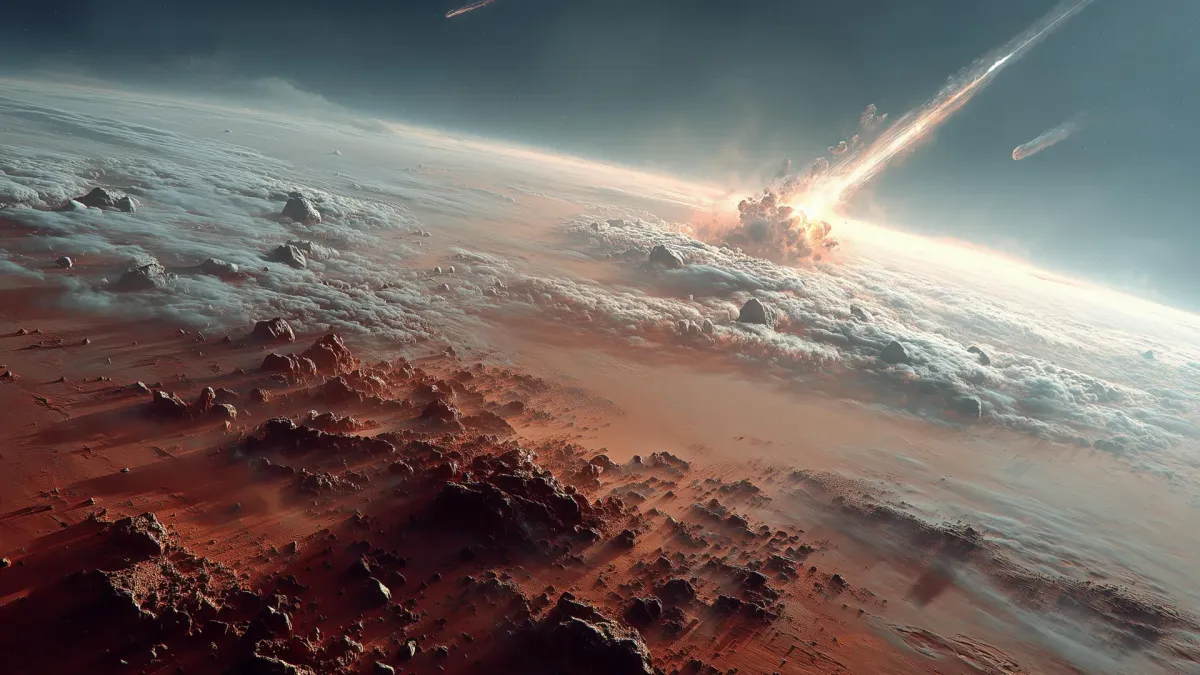
Scientists blasted the toughest bacterium on Earth with asteroid-impact pressures—and it survived. Deinococcus radiodurans could be Mars's first stowaway.
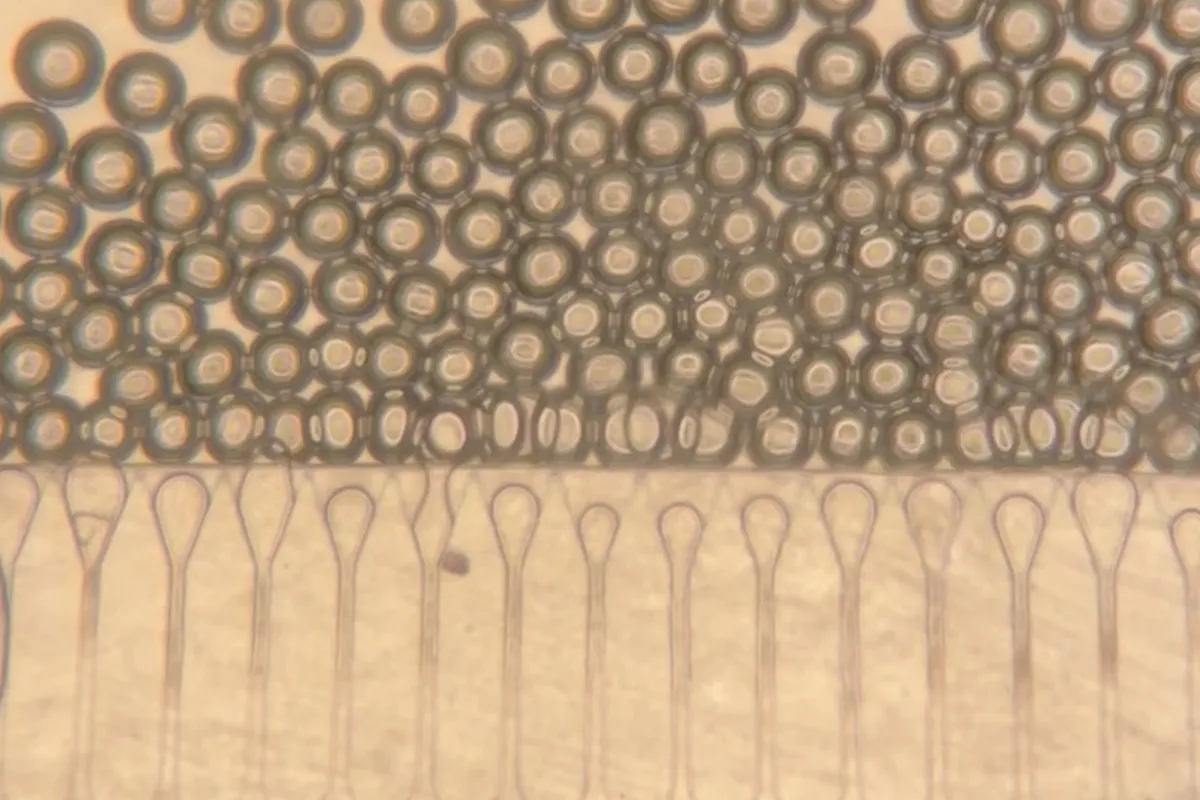
MIT engineers just created injectable "mini livers" that could save thousands waiting for transplants—a breakthrough for patients too sick for surgery.
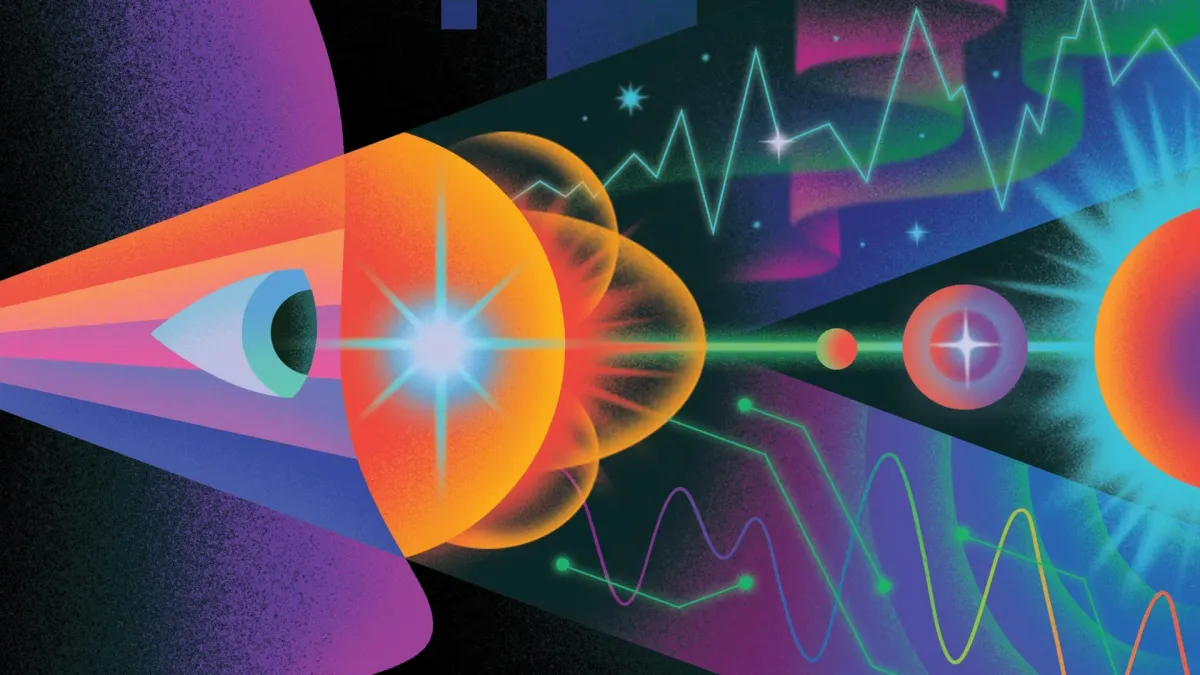
Fusion's future hinges on one critical challenge: seeing inside a plasma inferno. Scientists need advanced diagnostic tools to measure the extreme conditions that make or break fusion reactions.
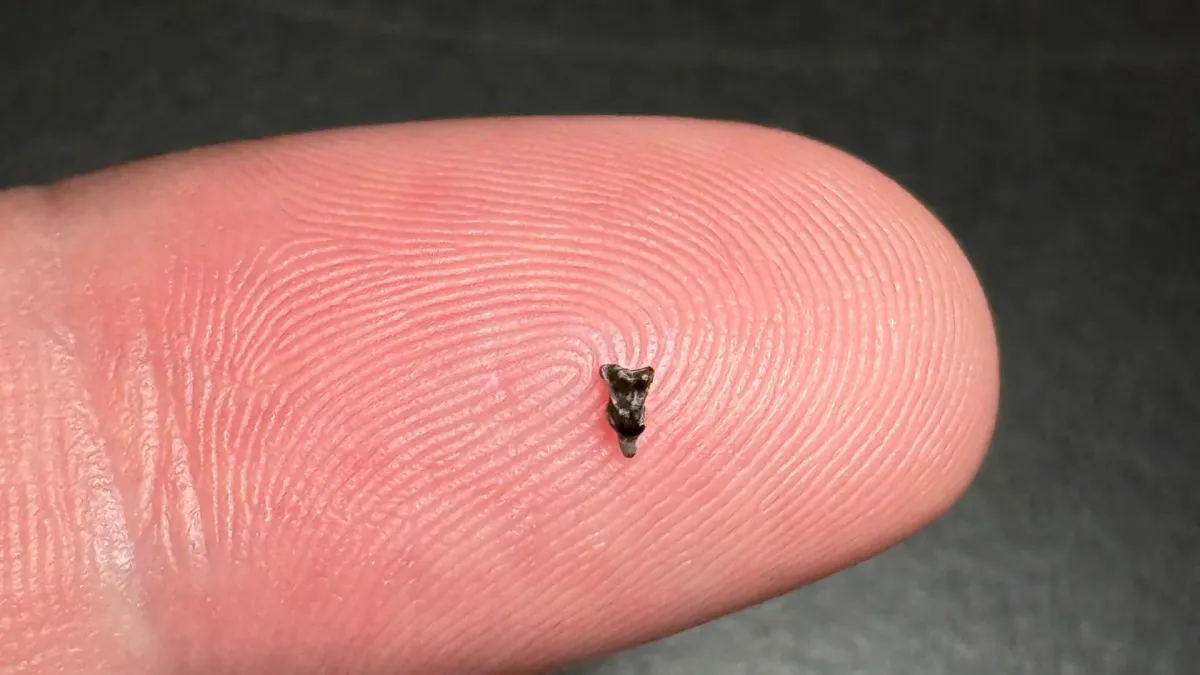
Tooth-sized fossils just rewrote primate history. Scientists discovered the earliest known primate ancestor farther south than ever before—in Colorado, not Montana.
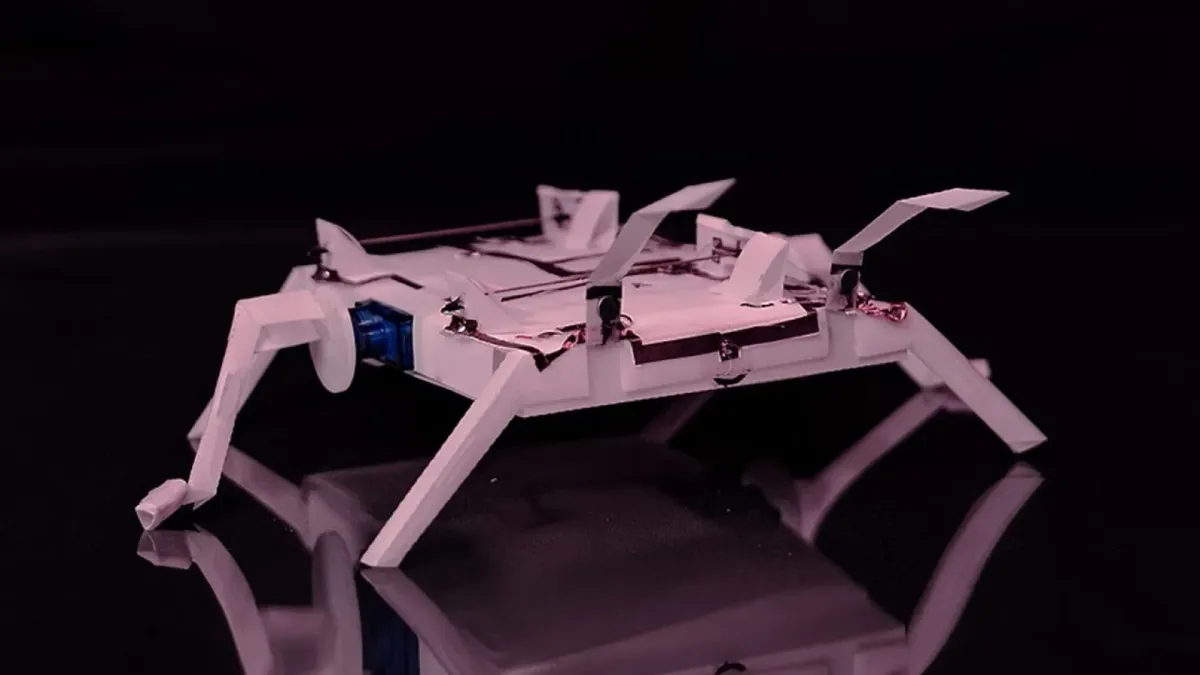
A robot smaller than an insect just jumped 188 times—powered by nothing but light and physics, no electronics required.
Brightcast is dedicated to restoring faith in humanity by highlighting the progress, solutions, and kindness that often go unnoticed. We believe in a balanced worldview.
Read our full mission →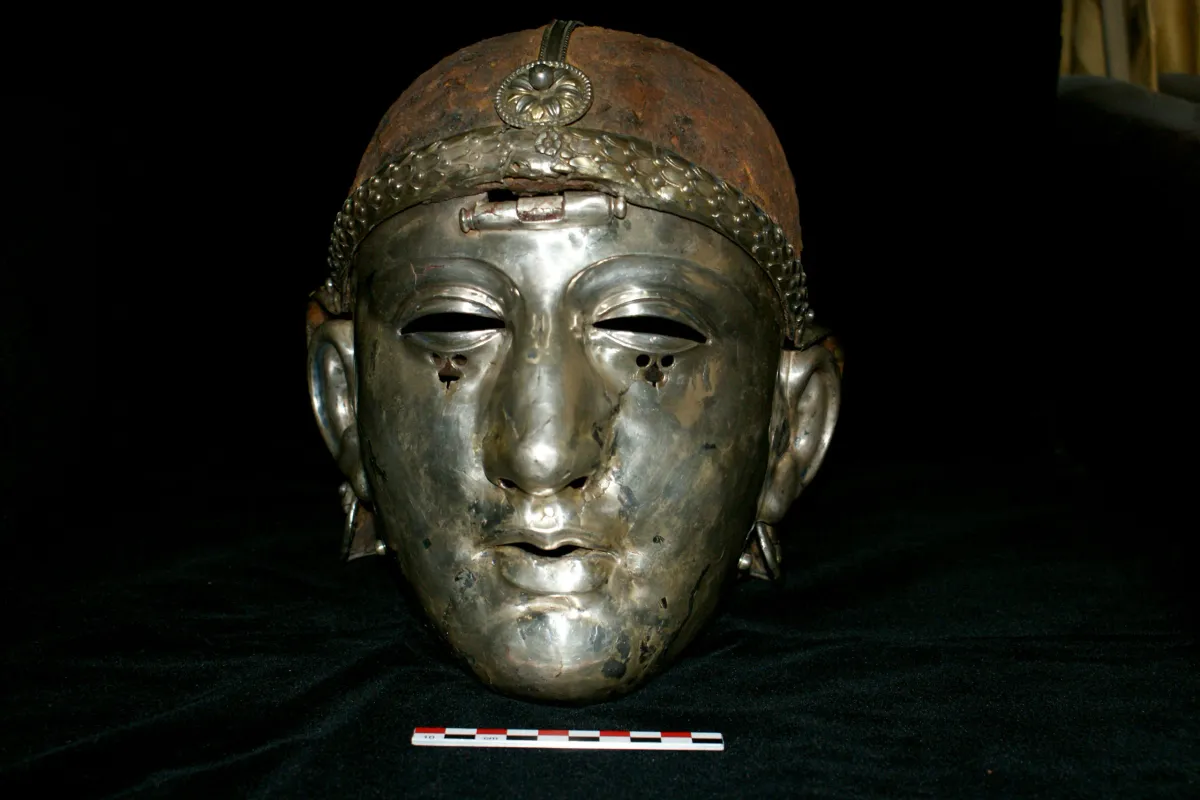
A Greek inscription reveals the Great Mosque of Homs sits atop a Roman Temple of the Sun, exposing centuries of overlapping pagan, Christian, and Islamic worship in ancient Emesa.
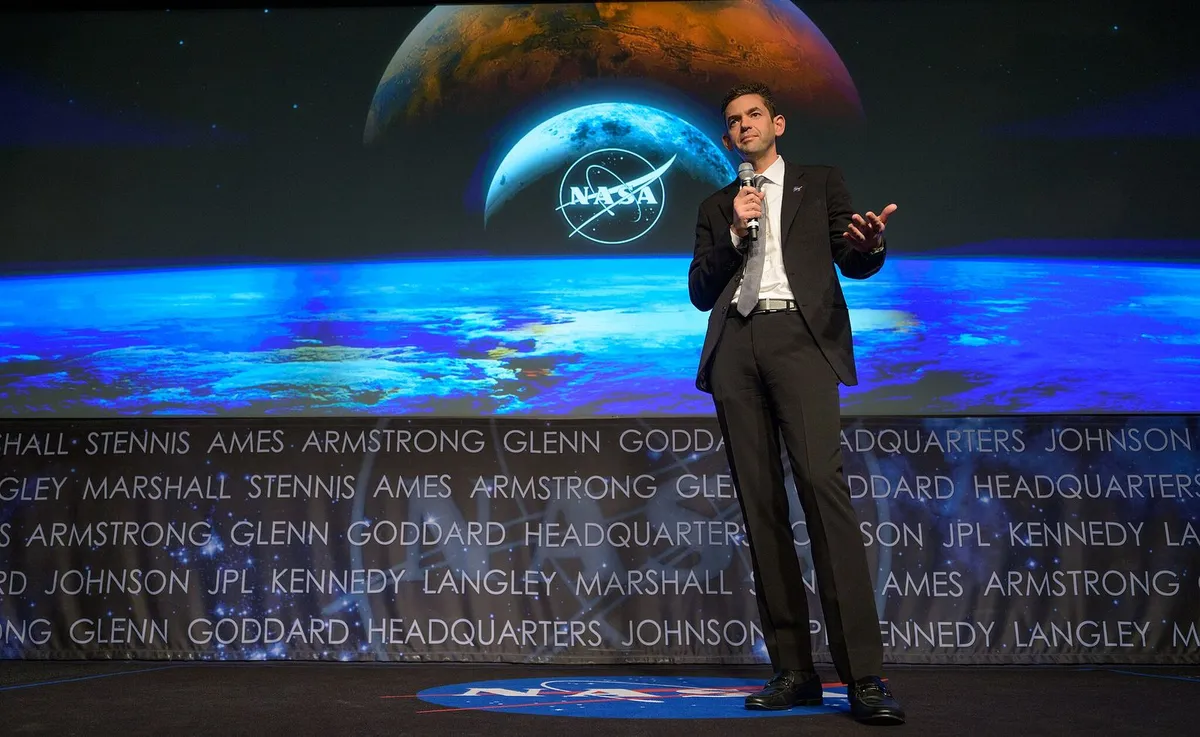
Artemis 4 will attempt humanity's first lunar landing in years. NASA has four missions planned within the next three years.
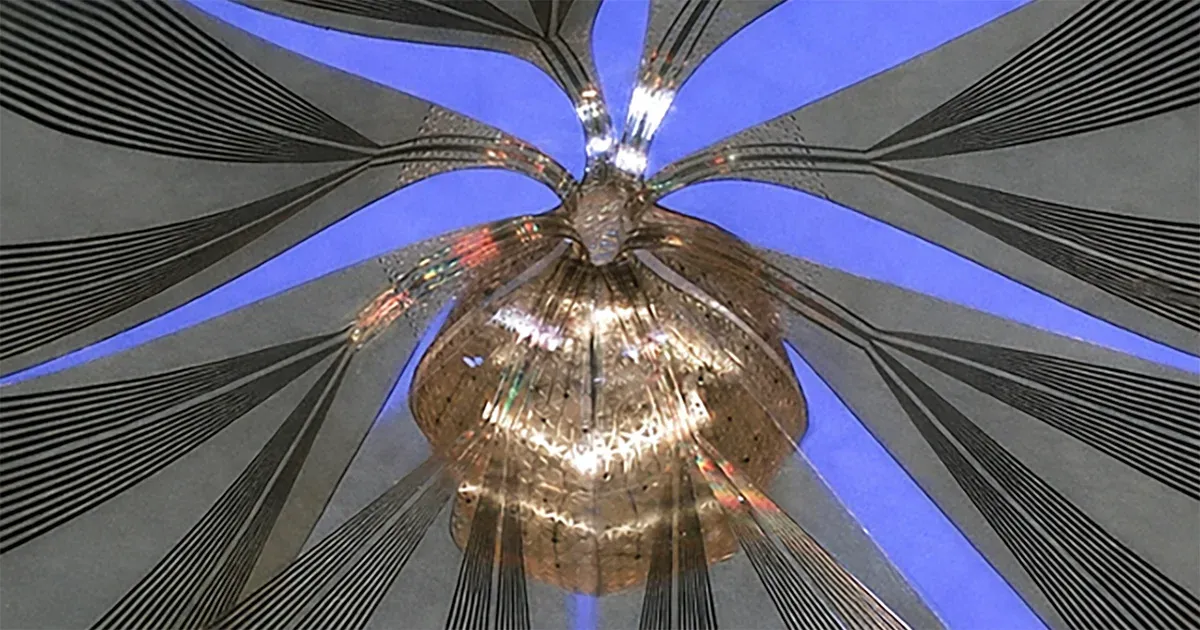
Scientists wrapped a flower-shaped device around pea-sized brain organoids to capture nearly all their electrical chatter—revealing how mini brains could unlock autism and schizophrenia secrets.

Human brain cells in a lab just played Doom—and won. Researchers at Cortical Labs have created a biocomputer that's learning faster than expected, hinting at a revolution in hybrid organic technology.
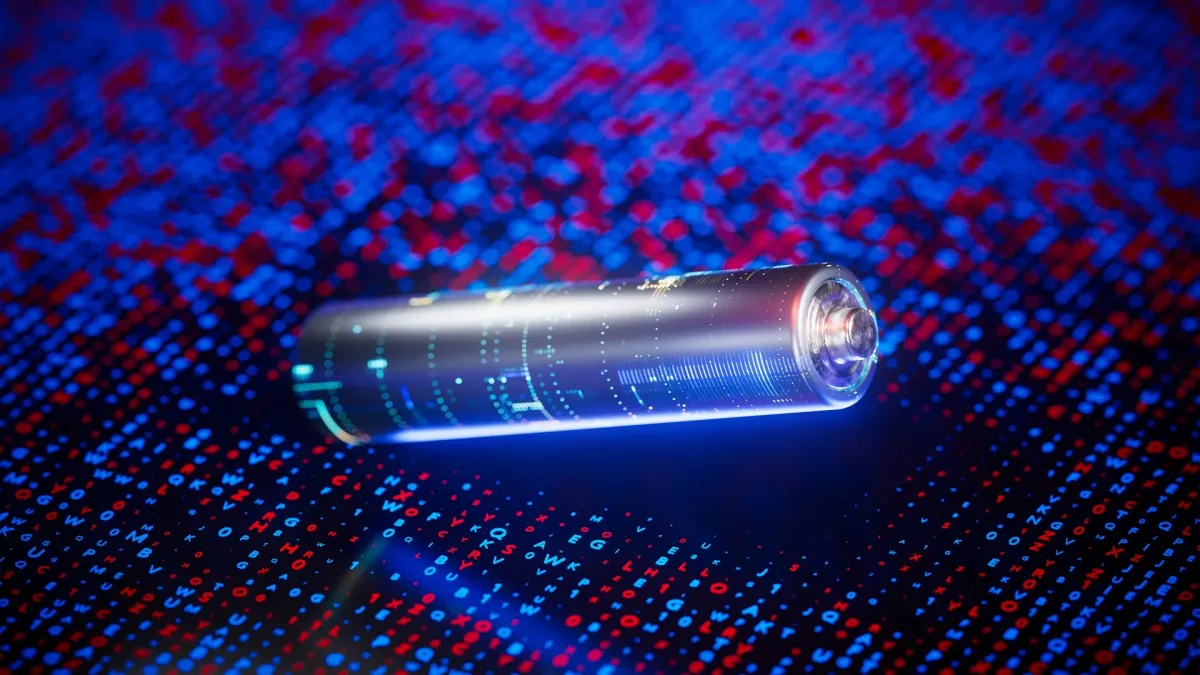
Chinese researchers created a flexible solid electrolyte that mimics liquid performance without external pressure—potentially solving the speed-versus-stability crisis in next-generation batteries.
Know someone who needs a boost? Share Brightcast with your friends and family.
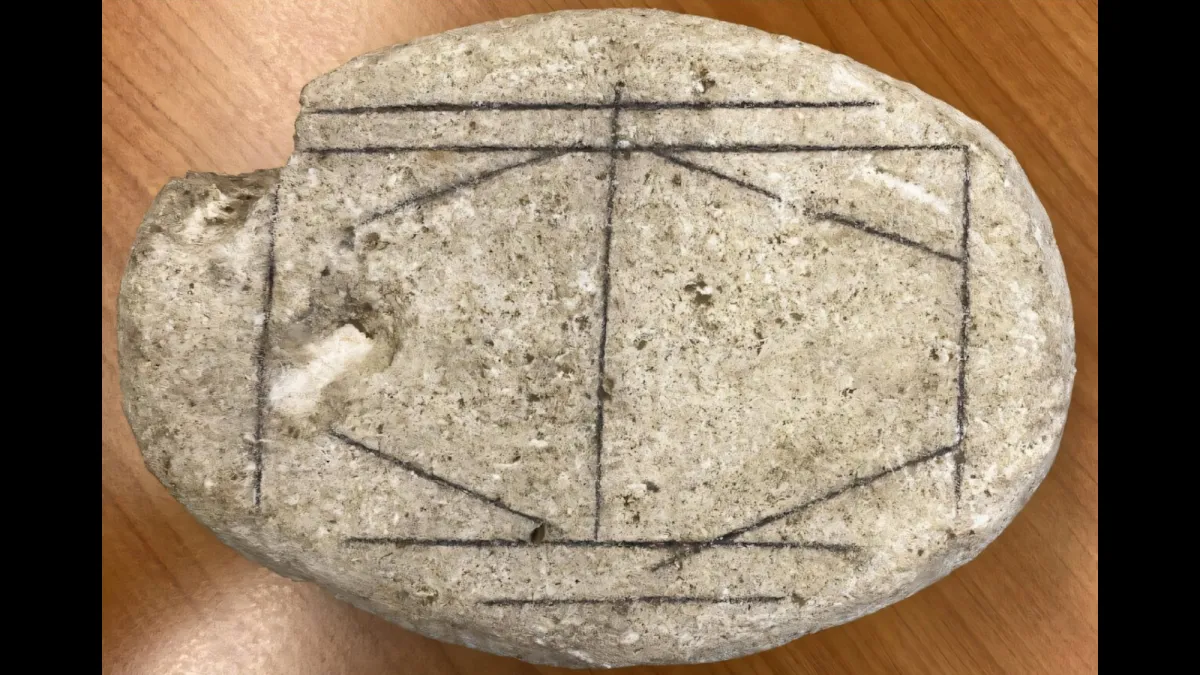
Ancient Romans played strategy games like chess and backgammon—and historians are still uncovering their complete catalog of tabletop pastimes.
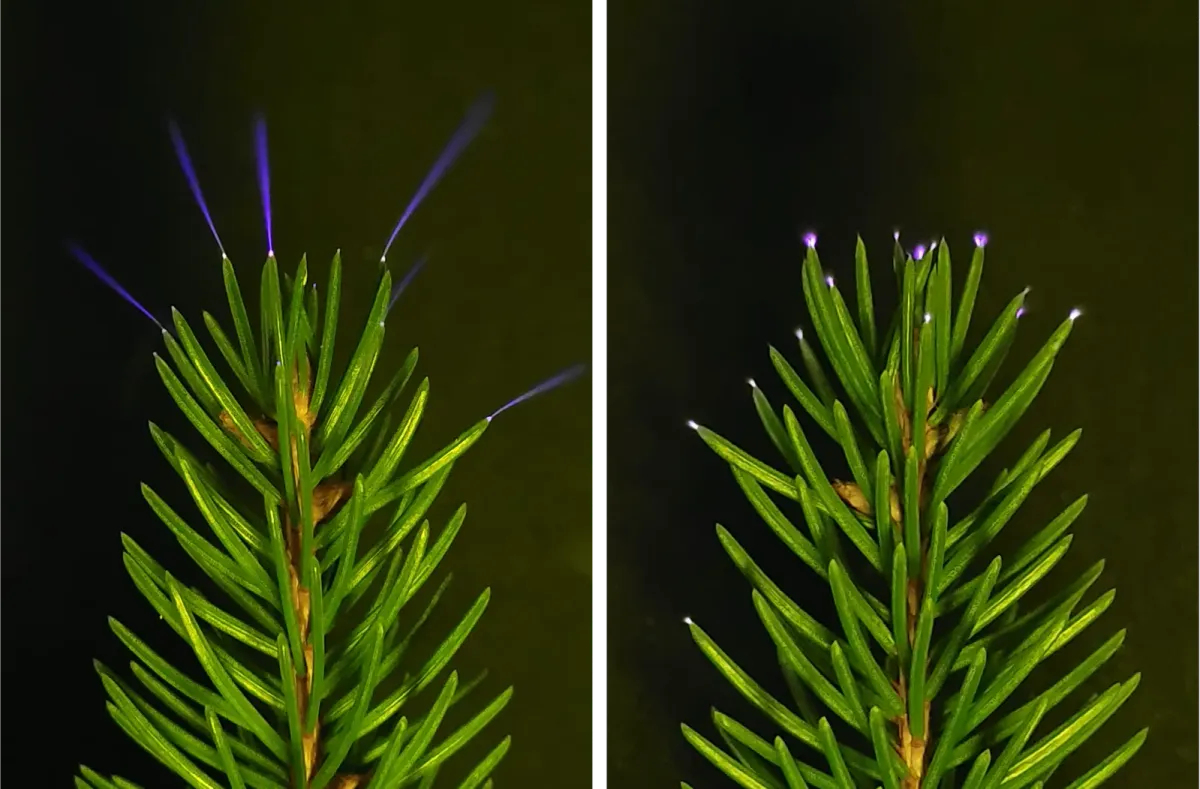
Leaves generate electrical discharges when weather strikes. Scientists discovered weak currents spark in the air surrounding foliage during storms.
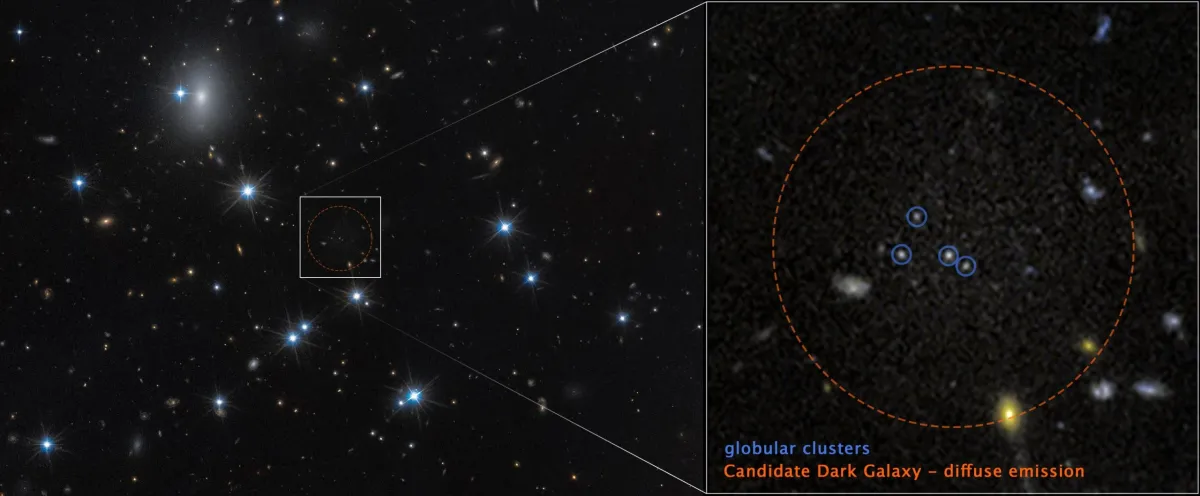
Astronomers discovered a nearly invisible galaxy made almost entirely of dark matter, revealed only by four glowing star clusters embedded within the Perseus cluster.
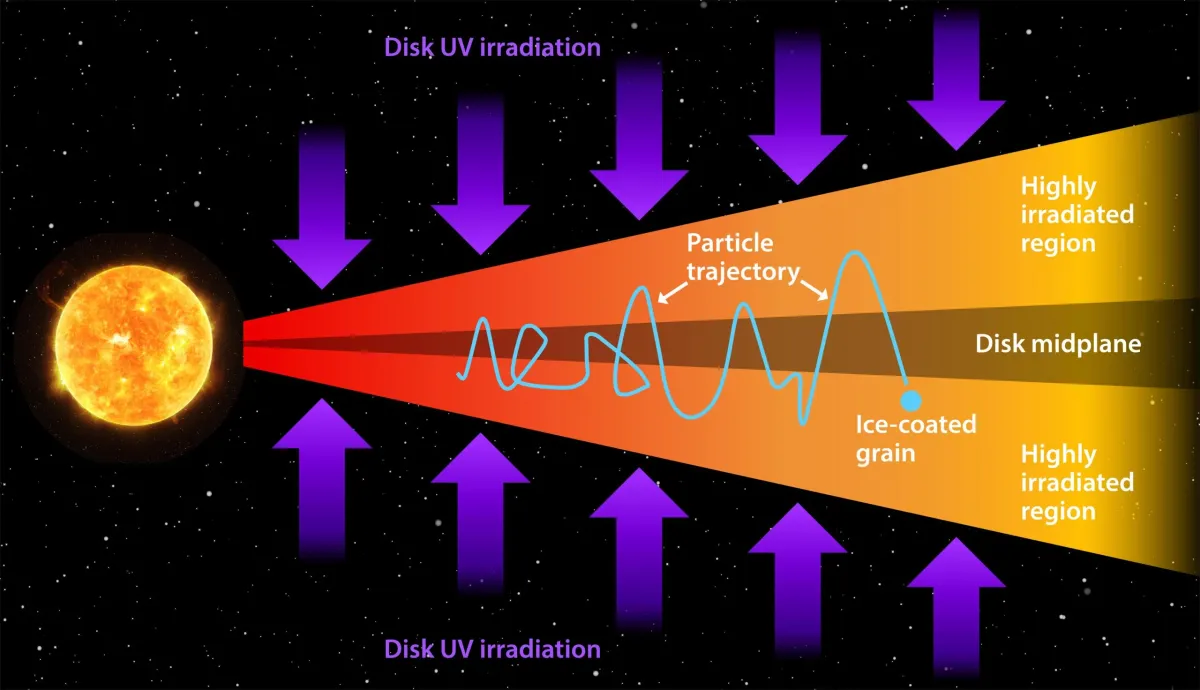
Jupiter's moons may have harbored the chemical building blocks for life from their very formation—a discovery that reshapes our search for extraterrestrial biology.
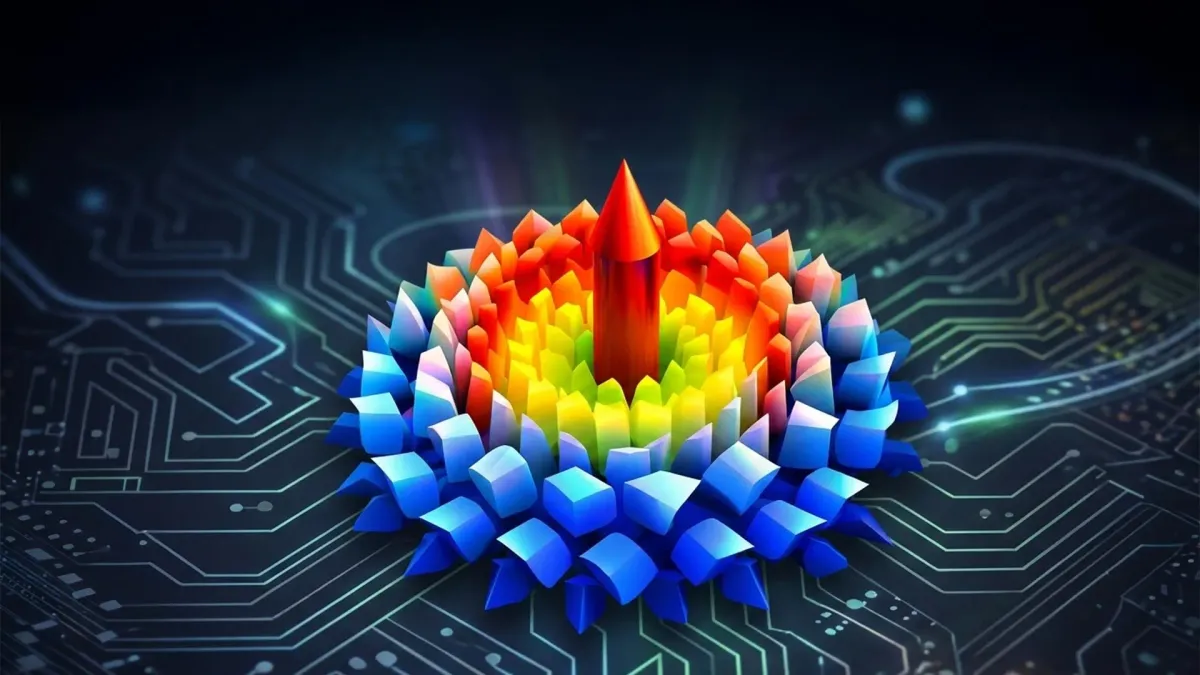
Twisting atomically thin magnetic layers spawns giant skyrmion-like patterns hundreds of nanometers wide—far larger than predicted—reshaping how we engineer magnetic electronics.