Scientists Etch Data Into Ceramic That Could Outlast Civilizations
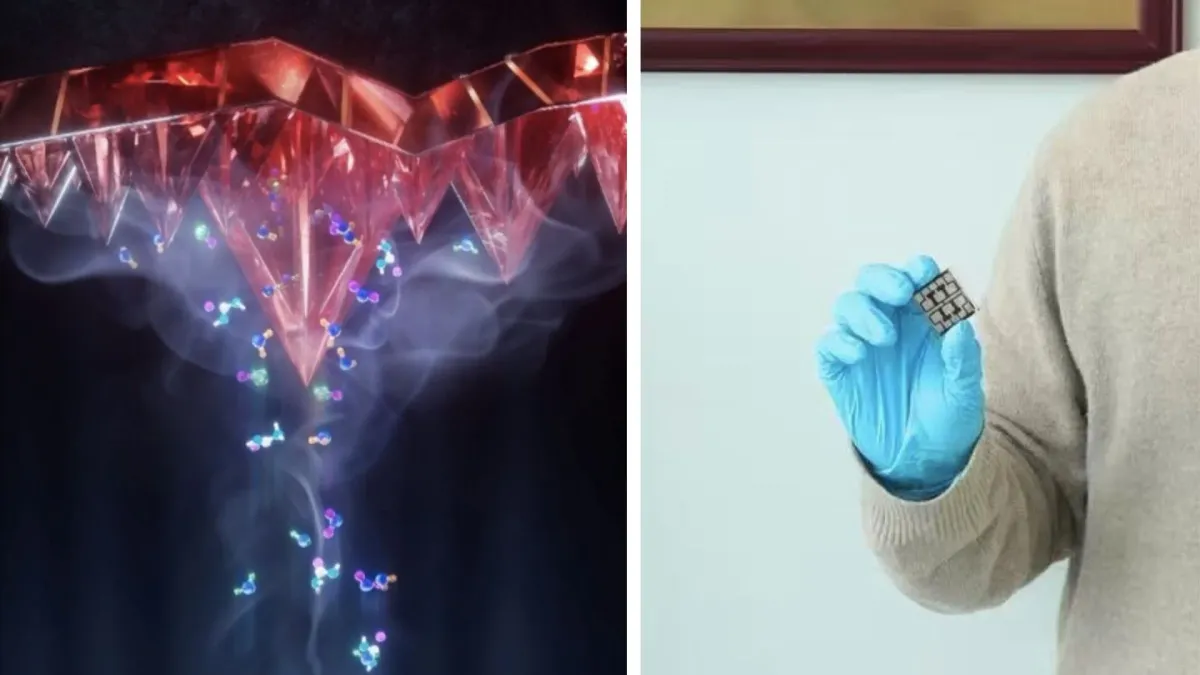
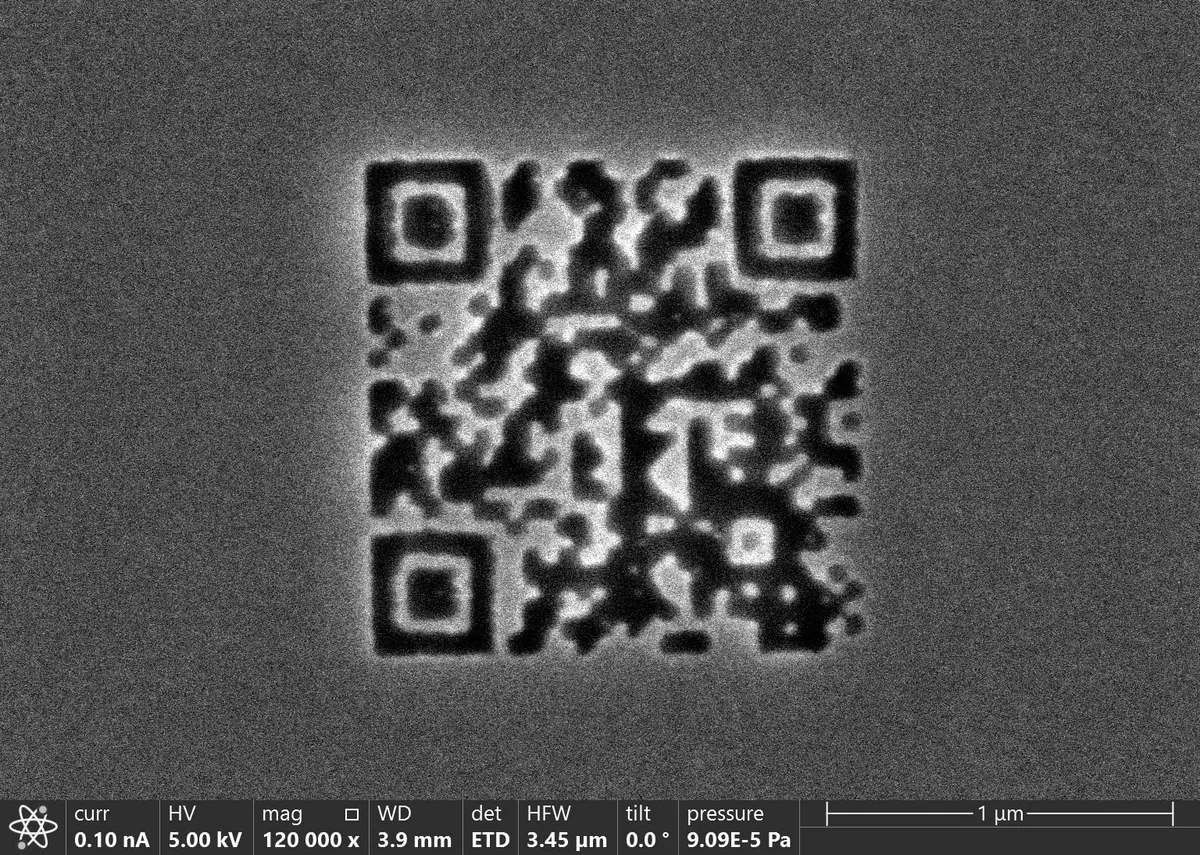
Scientists etched the world's tiniest QR code—1.98 square micrometers—into ceramic, creating a Guinness-verified breakthrough in ultra-dense data storage that could last centuries.
Breakthroughs happen quietly. We make sure you hear about them.
2782 stories

Scientists etched the world's tiniest QR code—1.98 square micrometers—into ceramic, creating a Guinness-verified breakthrough in ultra-dense data storage that could last centuries.

Scientists just cracked how to destroy "forever chemicals" using only sunlight. A breakthrough catalyst could finally eliminate PFAS pollution.

Landsat Navigation Landsat Home Missions Landsat Next Landsat 9 Landsat 8 Landsat 7 Landsat 6 Landsat 5 Landsat 4 Landsat 3 Landsat 2 Landsat 1 News Latest News People of Landsat Q As Newsletter Publications Data Overview Cal/Val Open Data Benefits Overview Agriculture Food Security Disaster Managem...
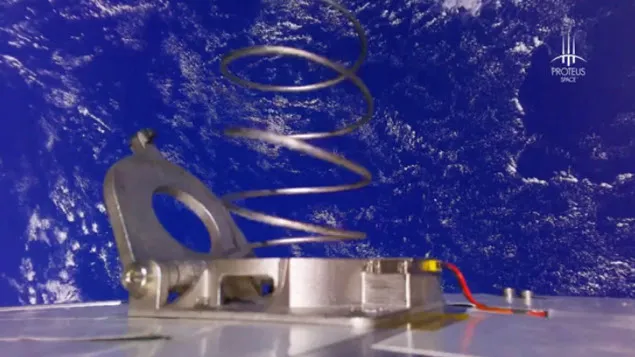
A spring designed at NASA's Jet Propulsion Laboratory demonstrates additive manufacturing's potential with a simple motion—revealing how 3D printing could transform space exploration.

Linguists are ditching a 70-year-old checklist. An international team proposes a radical reimagining of language itself—one that captures how it actually evolves through sound, gesture, and social interaction.
Join 50,000+ readers who receive our daily digest of the most uplifting stories from around the world.

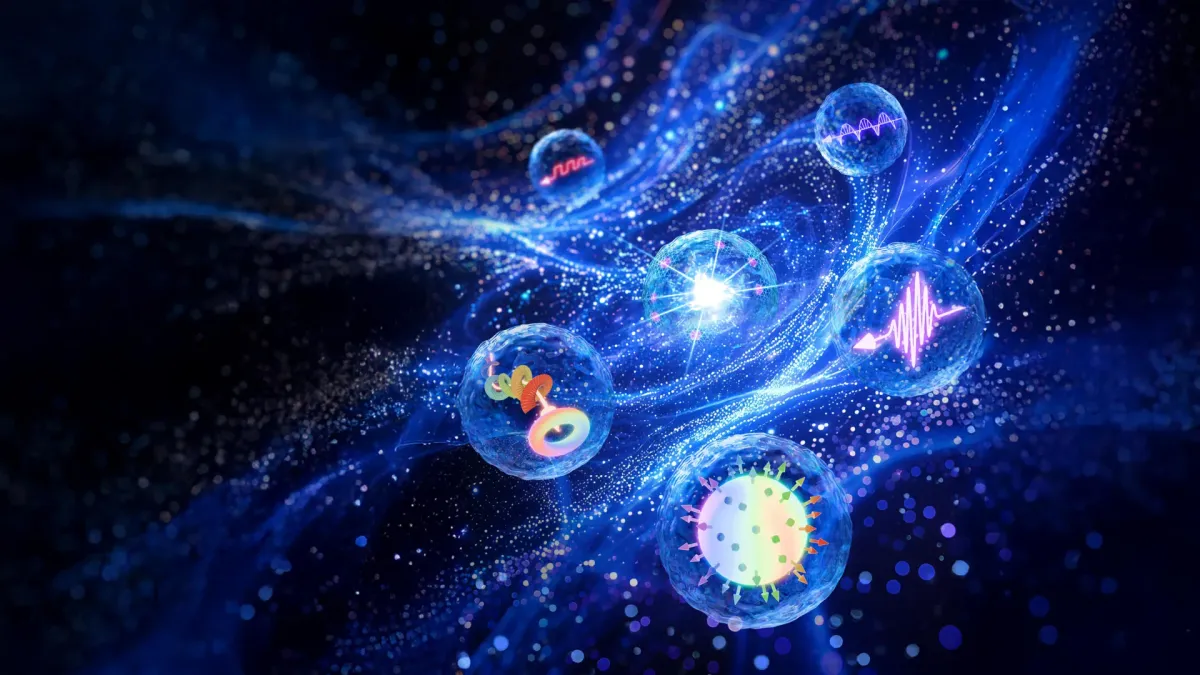
Scientists just unlocked a way to pack vastly more data into single photons using quantum light. This breakthrough could revolutionize secure communication and imaging technology.

Researchers just unveiled the first standardized tool to measure fairness in ocean projects—from offshore energy to fishing treaties. The Ocean Equity Index could reshape how governments and companies manage our seas.

A massive neutrino detector at Fermilab challenges the existence of sterile neutrinos—but doesn't rule them out entirely.

Home All News Animals Chance Rediscovery of Fossils Found in the 1960s Retell the Story of... ...

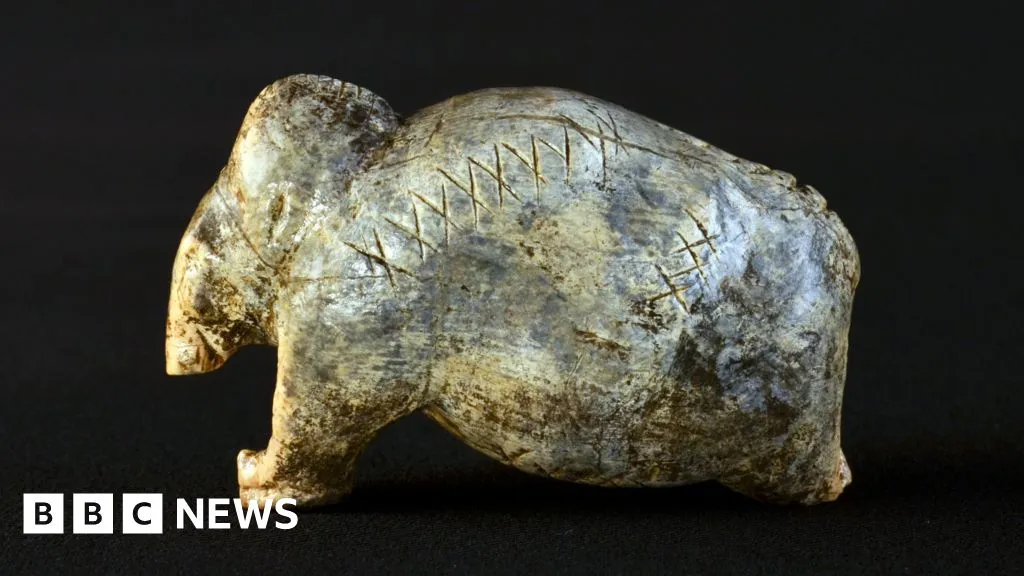
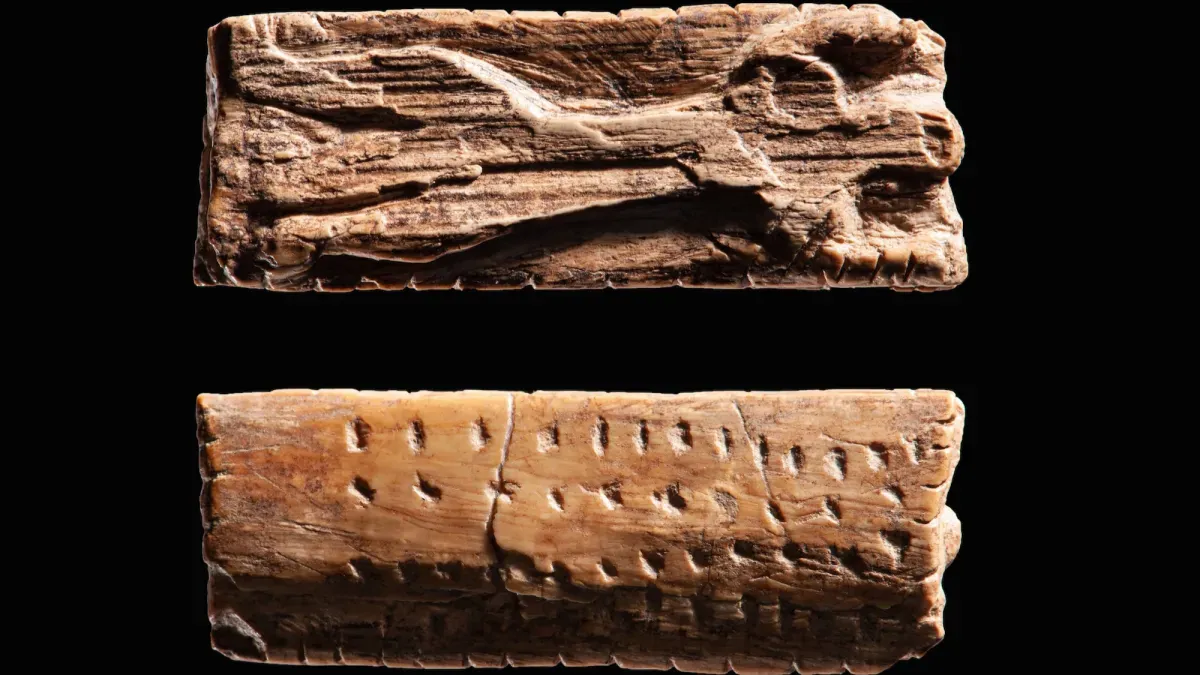
Markings on 40,000-year-old objects suggest Stone Age people may have recorded their thoughts—pushing the origins of writing back millennia earlier than previously believed.
Brightcast is dedicated to restoring faith in humanity by highlighting the progress, solutions, and kindness that often go unnoticed. We believe in a balanced worldview.
Read our full mission →
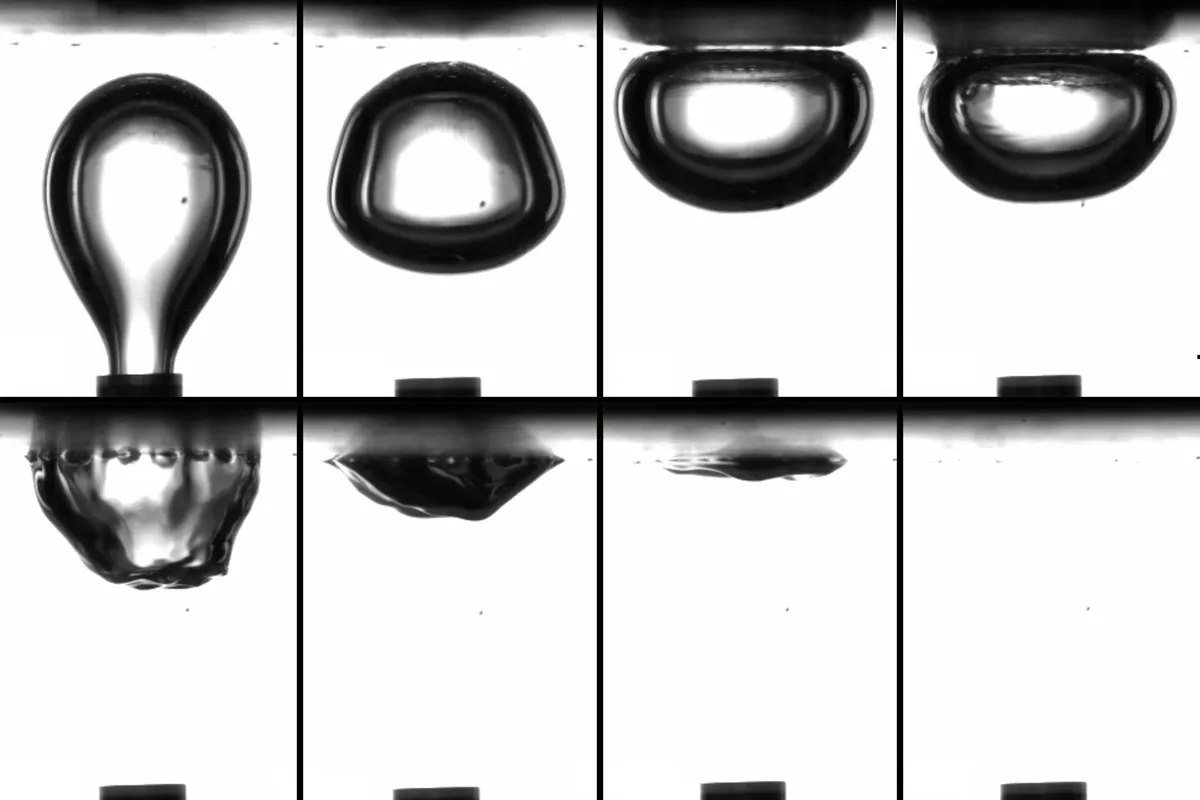
Tiny bubbles wreak havoc in nuclear plants, electronics, and biomanufacturing—clogging filters and disrupting reactions. MIT researchers just decoded how to stop them.

Atomic vibrations can now control electron orbits—a breakthrough that could revolutionize quantum computing and materials science.

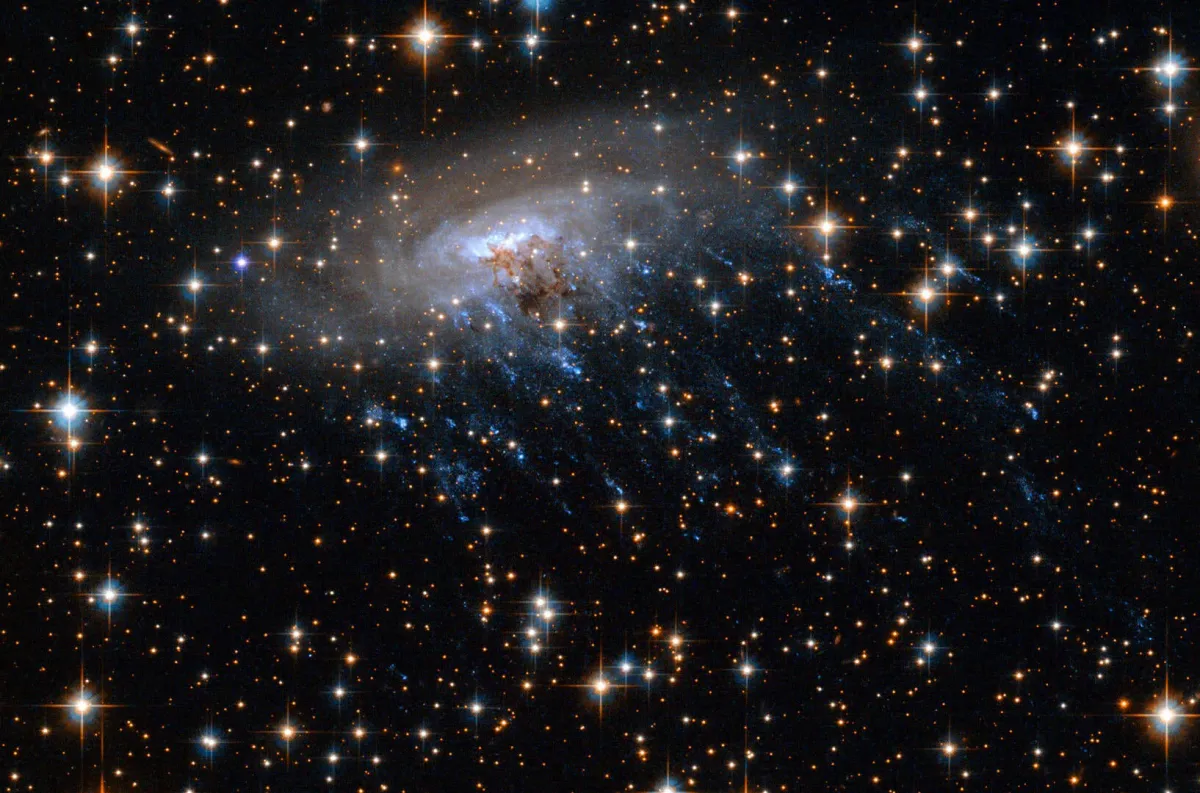
Astronomers just spotted a jellyfish galaxy 8.5 billion light-years away—and it's rewriting what we thought we knew about the early universe.

Scientists just cracked the code for mass-producing perovskite solar cells. A new vacuum-deposition technique dramatically improves crystal quality, bringing next-gen solar technology closer to real-world manufacturing.

Your DNA is constantly reshaping itself in 3D space—and these movements directly control which genes turn on or off, determining what your cells become.
Know someone who needs a boost? Share Brightcast with your friends and family.

Sneaker squeaks, screeching tires, and squealing brakes all share one thing: physics-driven friction. Yet scientists barely understand what makes surfaces squeak.

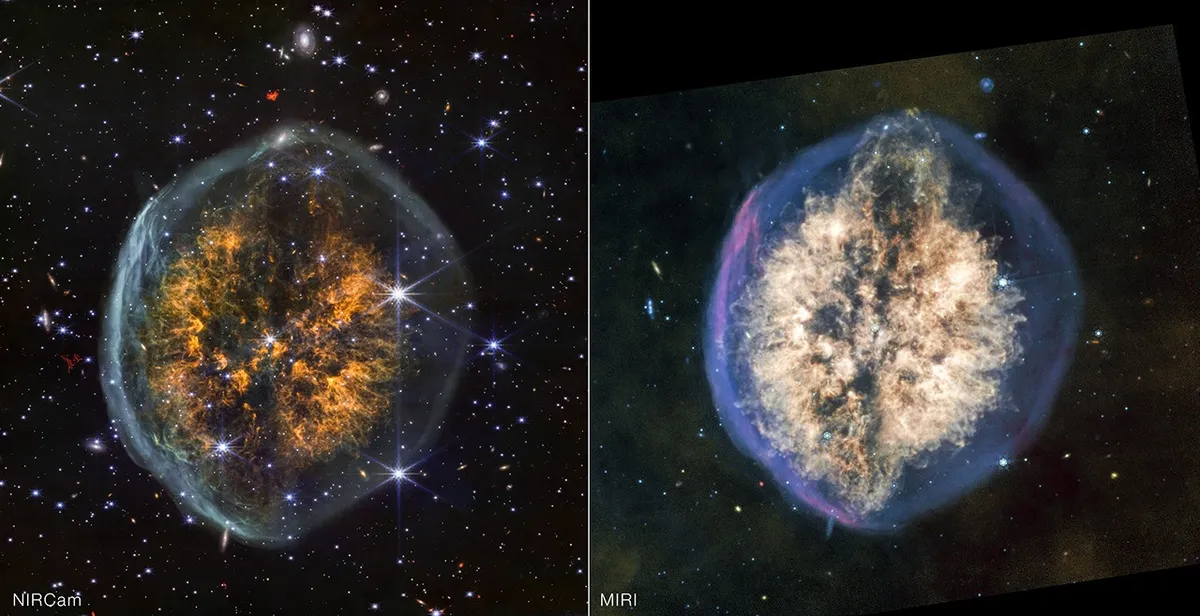
Webb's infrared eyes reveal a cosmic secret: the same nebula looks dramatically different depending on which instrument peers through the dust.

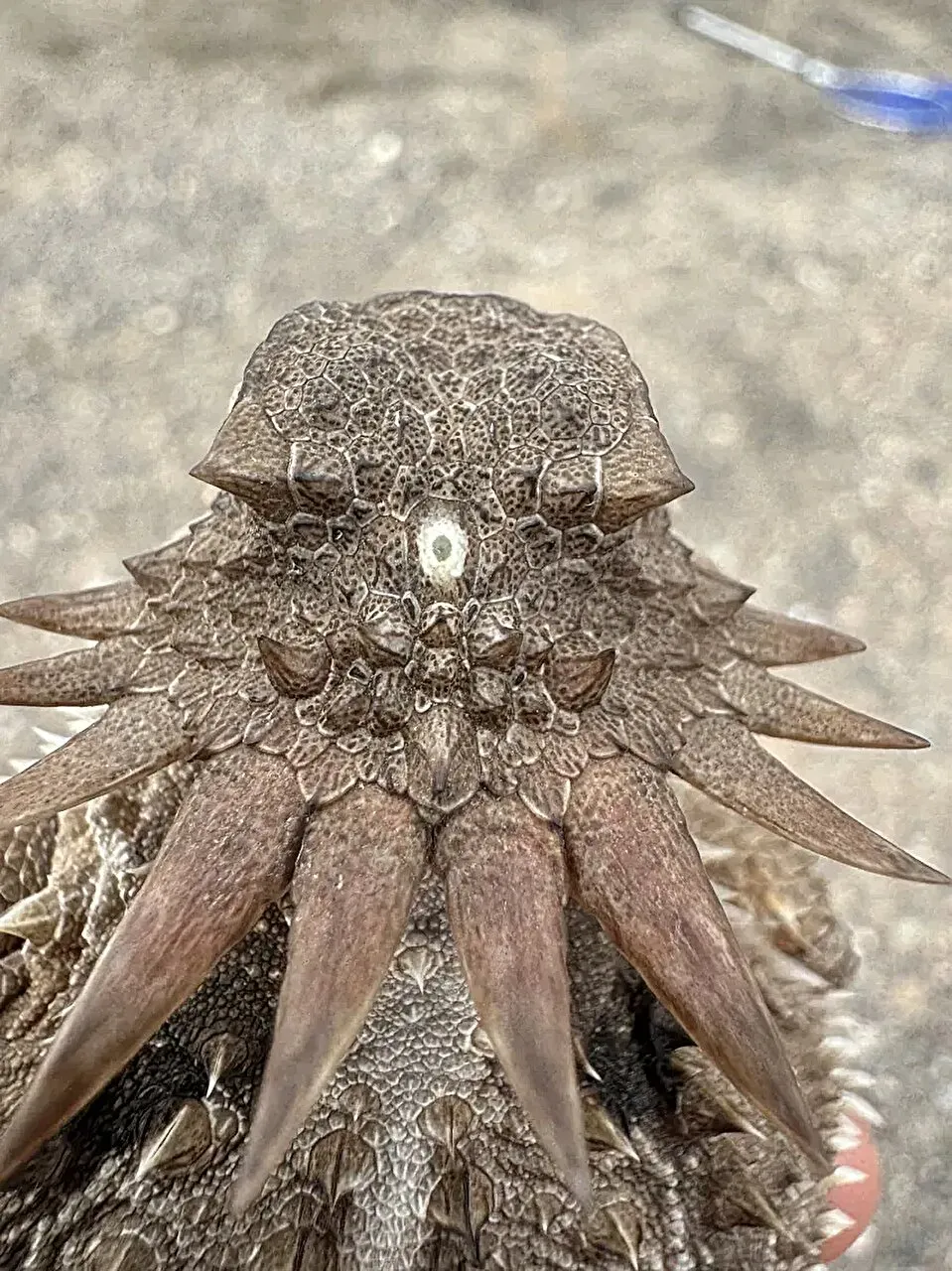
Your ancient ancestor had one eye—centered on top of its head. Scientists discovered all vertebrates share this cyclops-like ancestor, reshaping our understanding of evolution.

Blue light just did what rare metals couldn't: a new iron catalyst is revolutionizing precision drug synthesis. Scientists have achieved a major breakthrough.

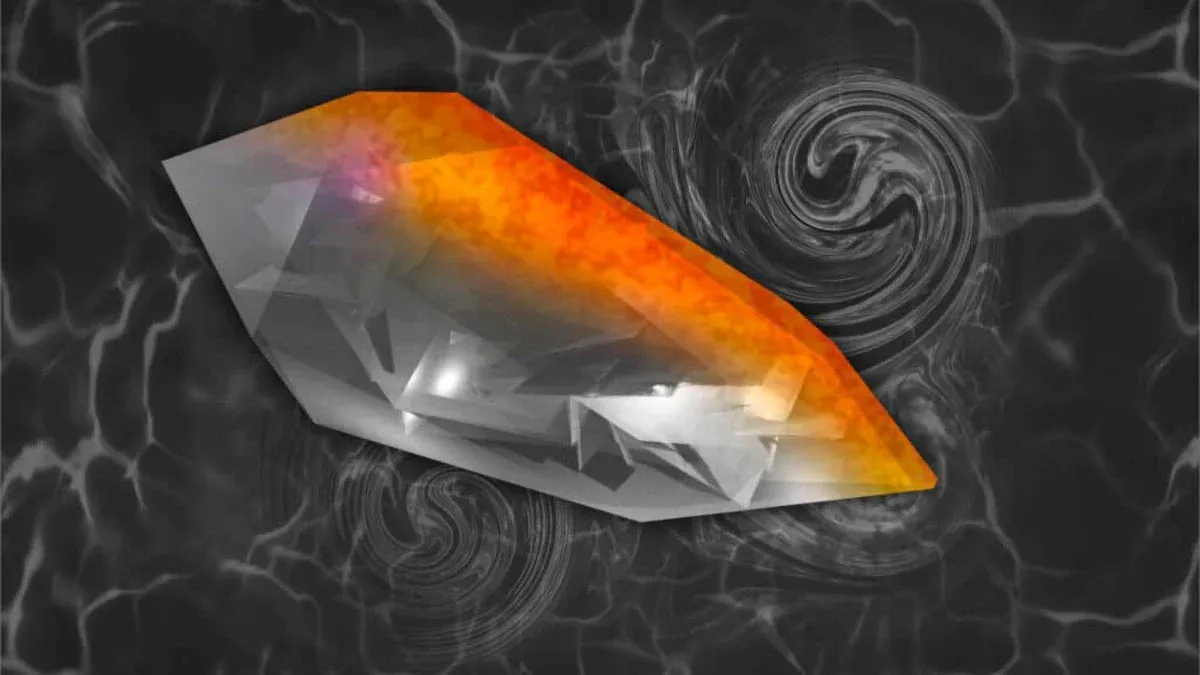
A century-old puzzle is finally solved: US researchers have completed Schrödinger's mathematical model of human color perception, filling gaps the physicist left behind in the 1920s.
Download the Brightcast app for a better reading experience, daily notifications, and offline access.
Download App
Scientists just cracked solar energy's biggest problem: storing sunlight for nighttime use. A bio-inspired molecule beats lithium-ion batteries—and it's reusable.

A frozen Earth with no seasons—that's what scientists thought happened 700 million years ago. New evidence suggests otherwise.

Researchers just cracked open the black box: a new tool reveals what AI systems are actually thinking—and lets us steer them.

Thousands of citizen scientists just gave us unprecedented views of the Sun's corona. NASA's Eclipse Megamovie released groundbreaking data from 143 observatories across America.

Curiosity Navigation Curiosity Home Mission Overview Where is Curiosity? Mission Updates Science Overview Instruments Highlights Exploration Goals News and Features Multimedia Curiosity Raw Images Images Videos Audio Mosaics More Resources Mars Missions Mars Sample Return Mars Perseverance Rover Mar...
Join 50,000+ readers who receive our daily digest of the most uplifting stories from around the world.

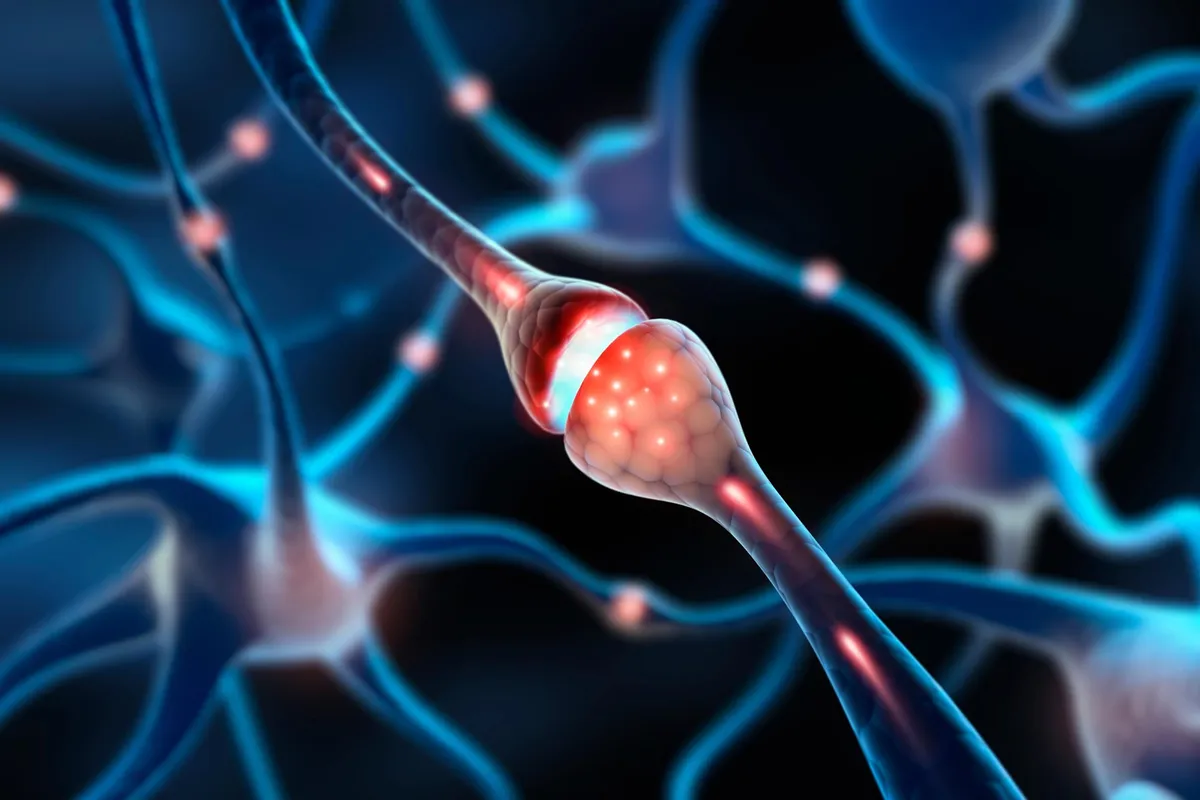
Duke researchers have discovered a potential treatment that could help millions suffering from diabetic neuropathy and chemotherapy-induced nerve pain.

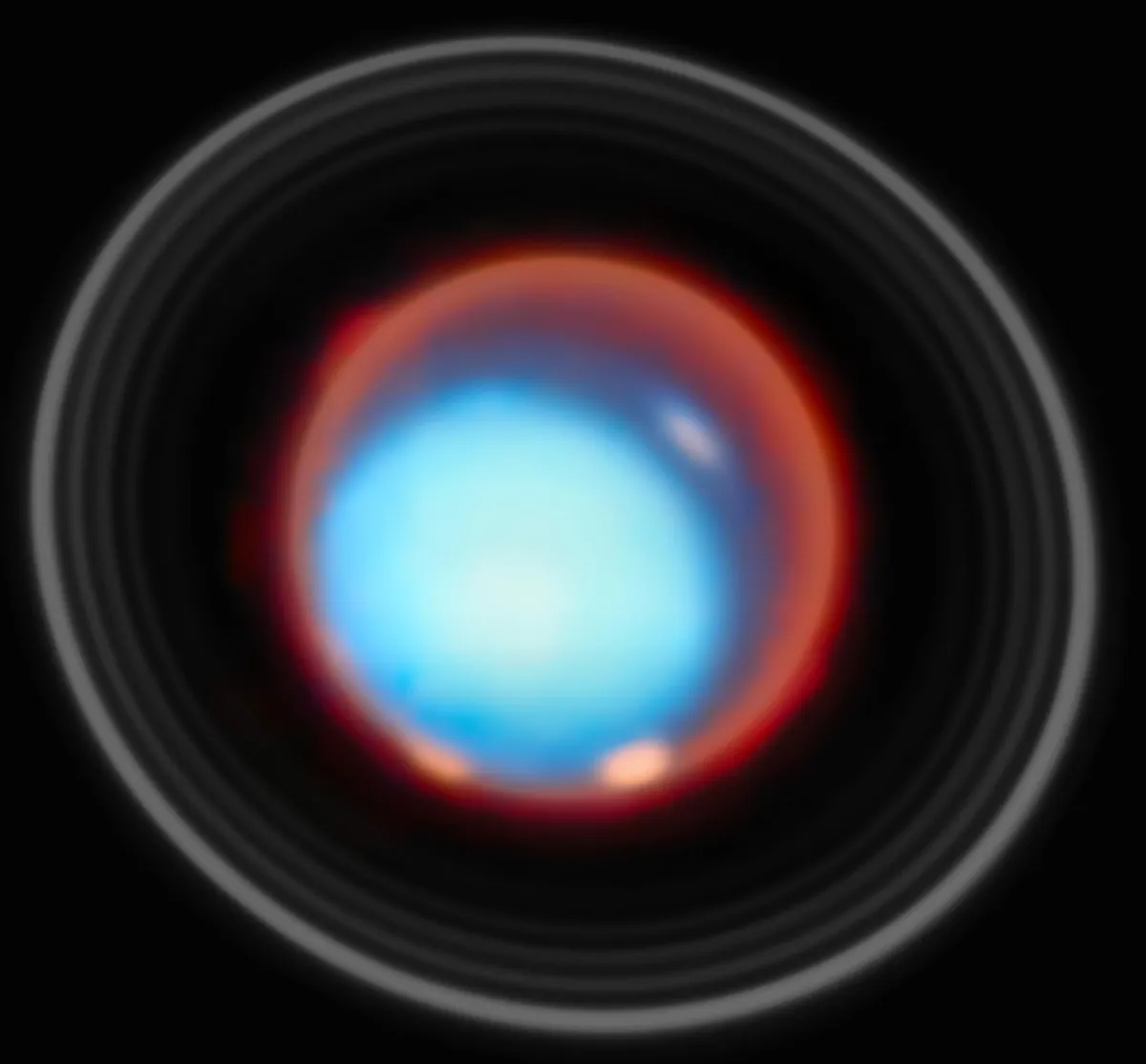
The James Webb Space Telescope has captured Uranus's upper atmosphere in stunning 3D detail, revealing violent auroras and a planet still shedding heat from its formation.

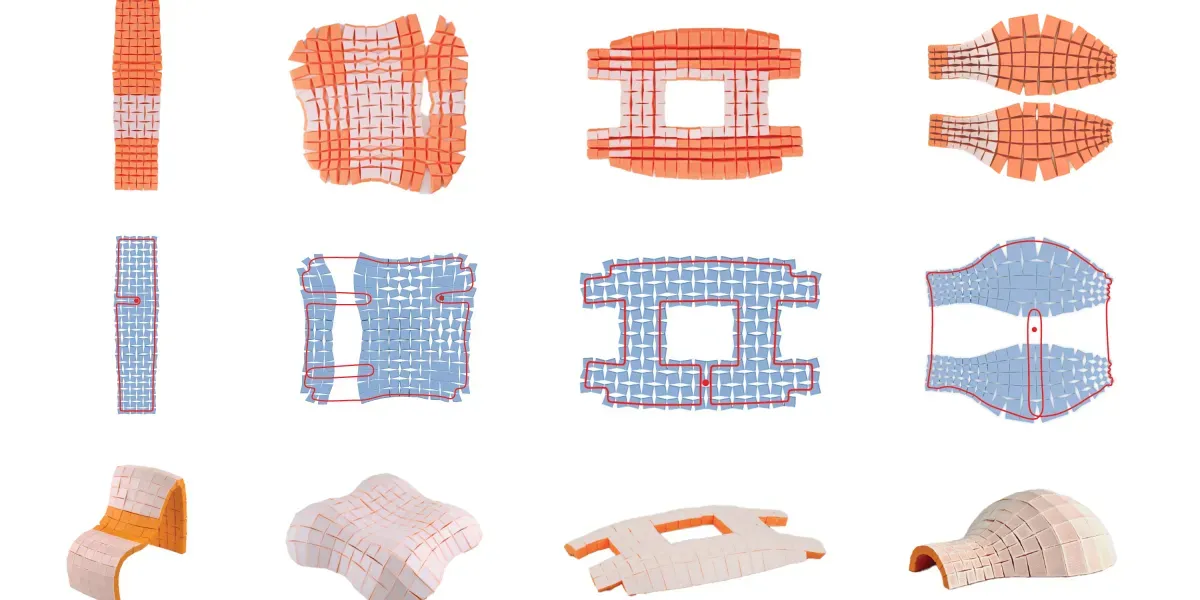
Pull a string and watch a flat sheet transform into a 3D structure. MIT researchers just cracked the code for instant origami that could revolutionize everything from bike helmets to disaster relief.

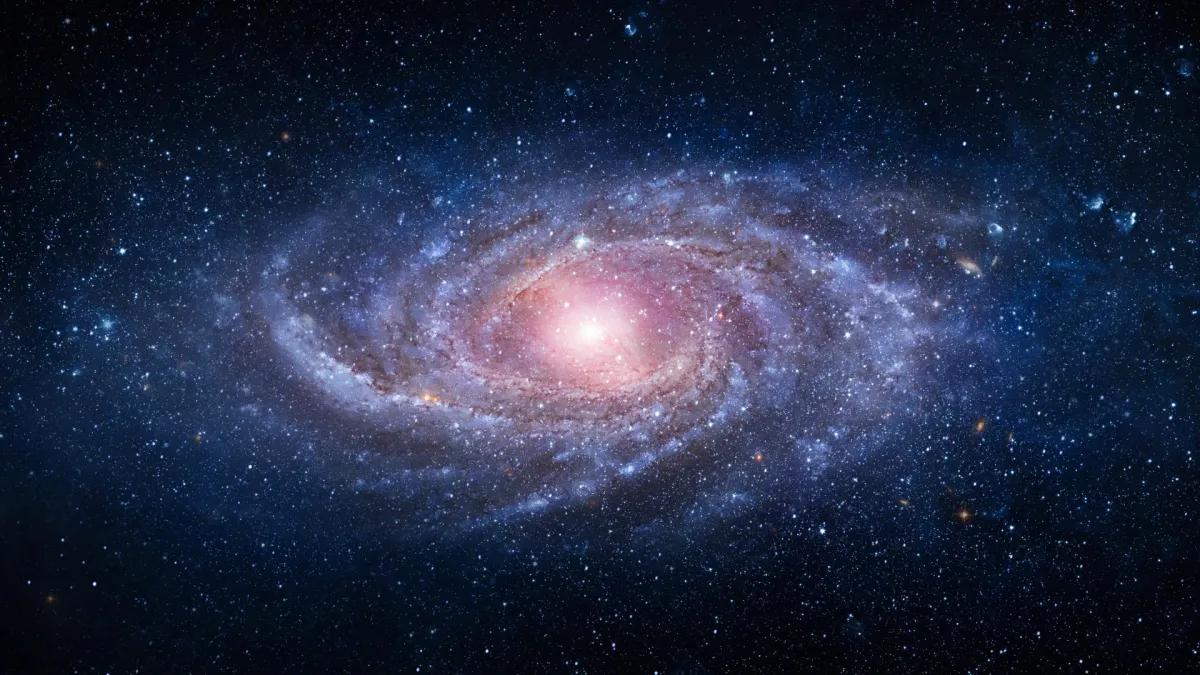
The Milky Way's invisible magnetic field just revealed its secrets. Scientists mapped the galaxy's hidden force in unprecedented detail, uncovering surprising patterns in how it flows through space.

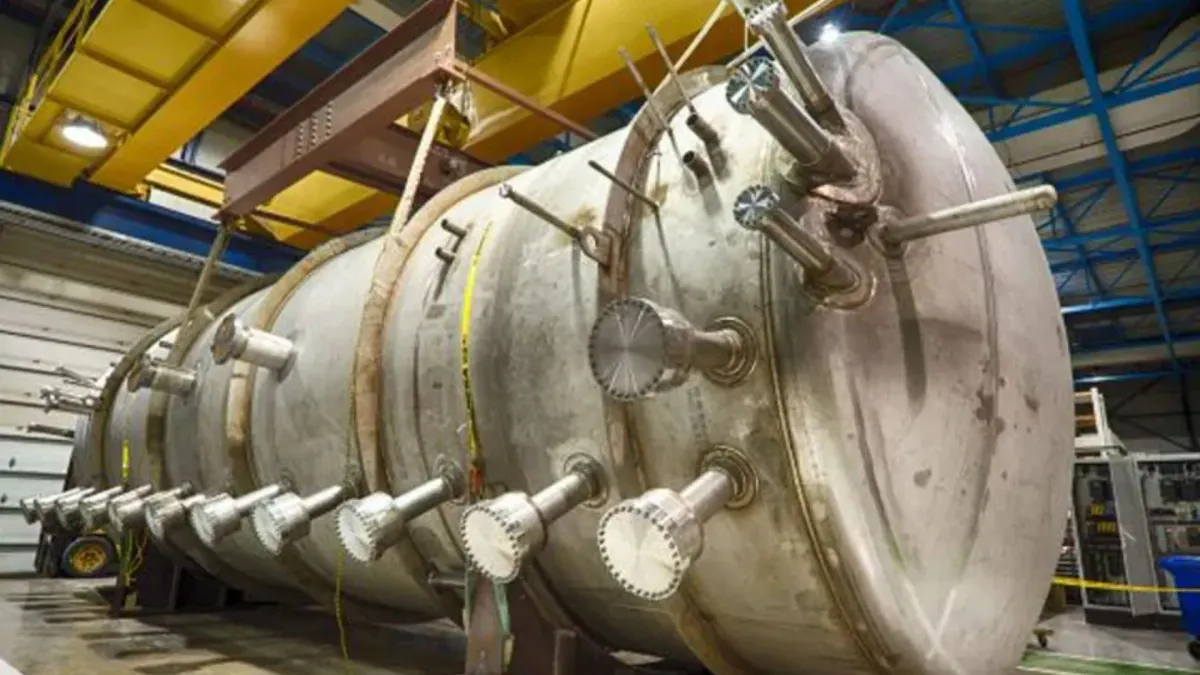
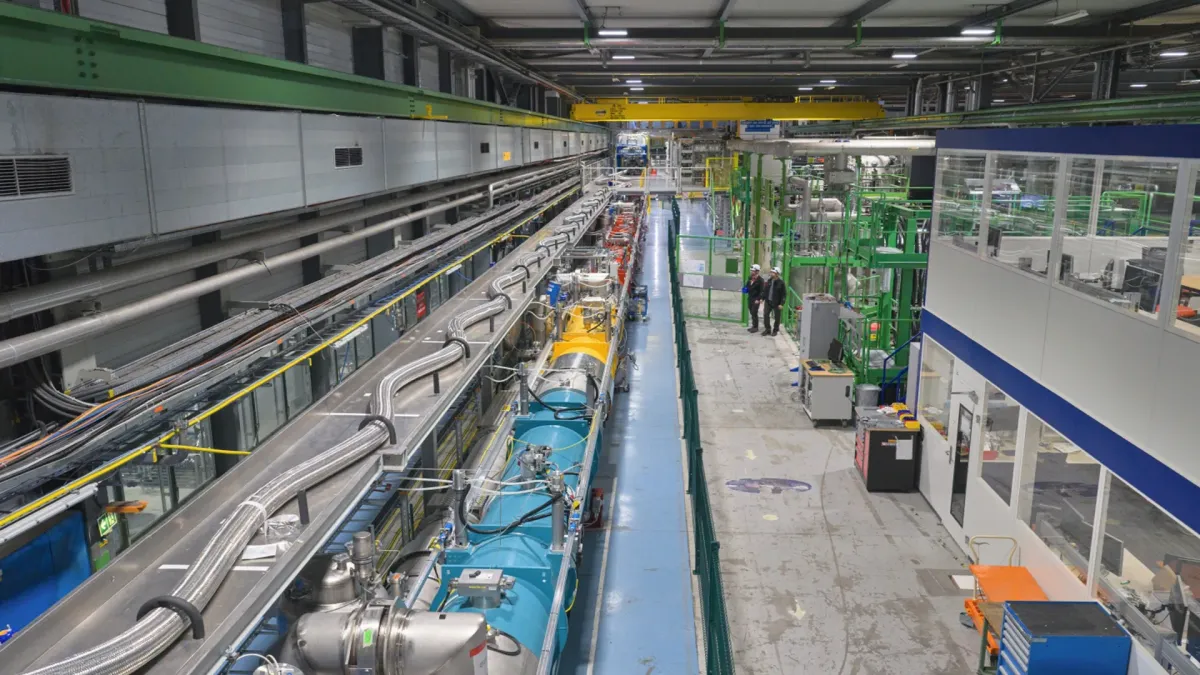
CERN has begun freezing a 312-foot magnet test stand to validate upgrades for the world's most powerful particle collider—a critical step toward unlocking new physics discoveries.
Brightcast is dedicated to restoring faith in humanity by highlighting the progress, solutions, and kindness that often go unnoticed. We believe in a balanced worldview.
Read our full mission →
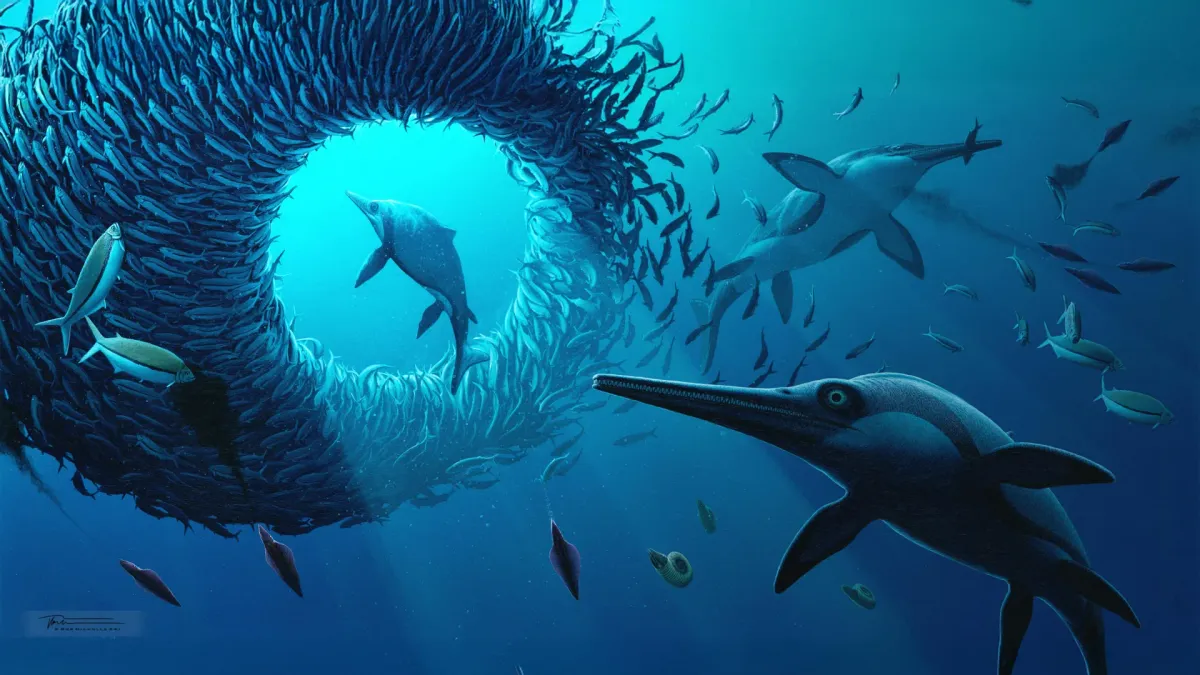
A three-meter marine reptile dubbed the "Sword Dragon of Dorset" reveals how ichthyosaurs adapted during a critical evolutionary transition when species were vanishing and new ones emerging.

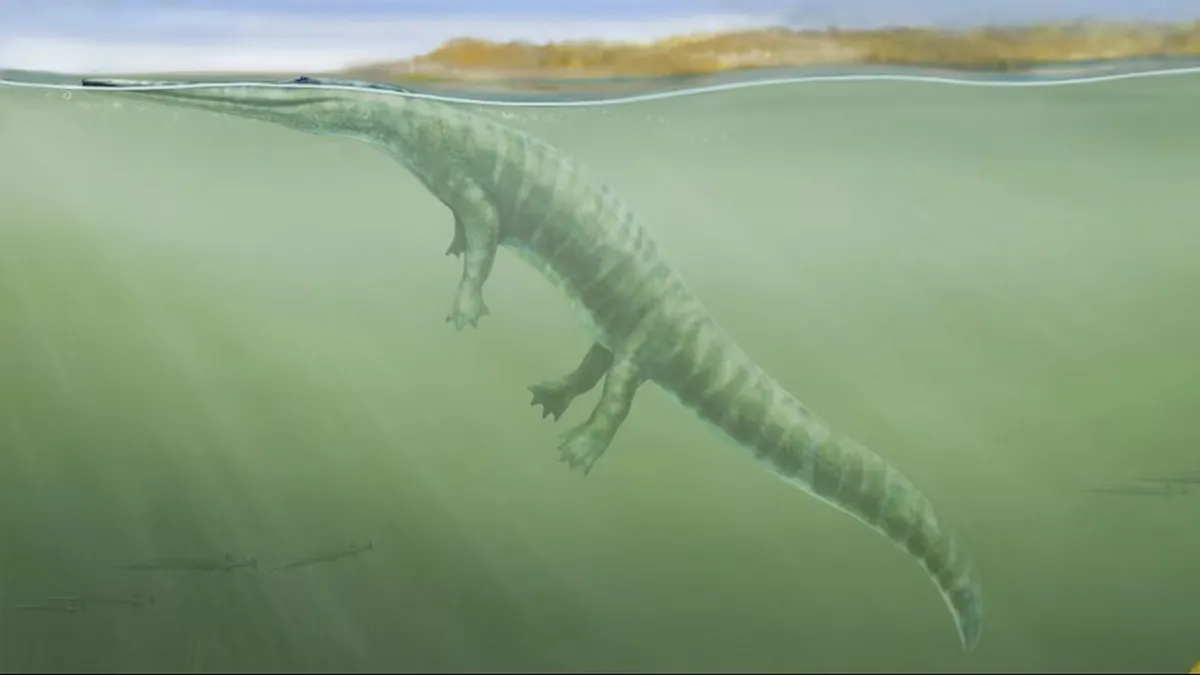
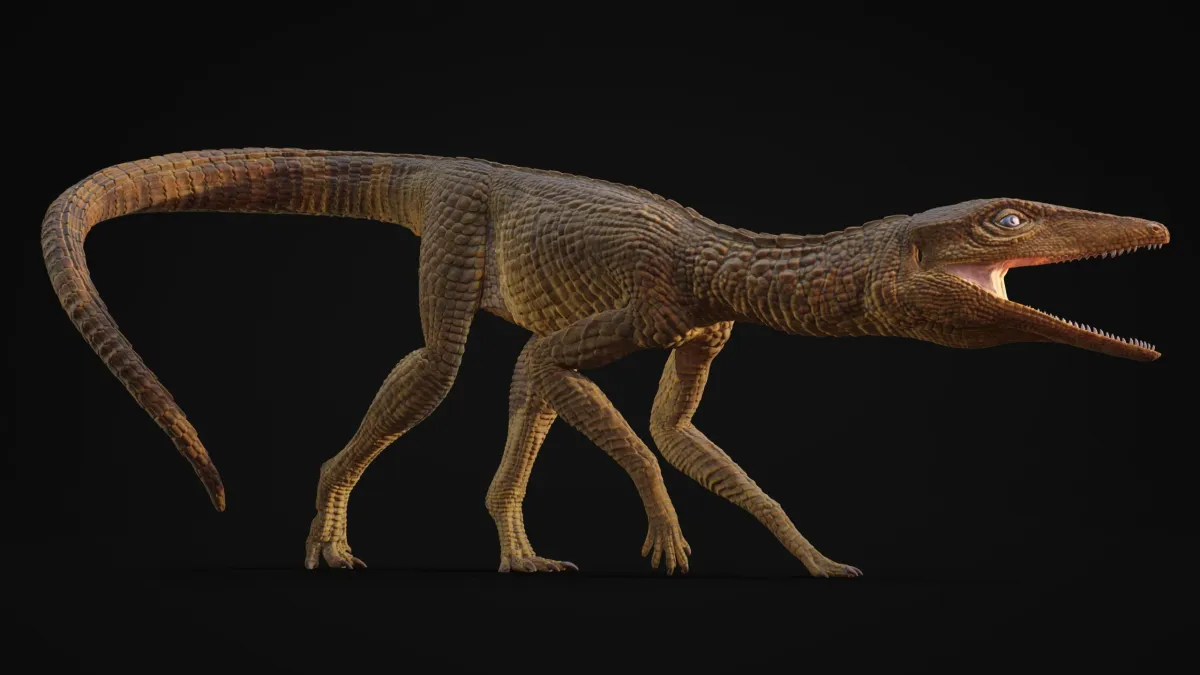
Scientists unearthed a previously unknown crocodylomorph in Gloucester that rewrites our understanding of early crocodile evolution and ancient ecosystems before mass extinction.

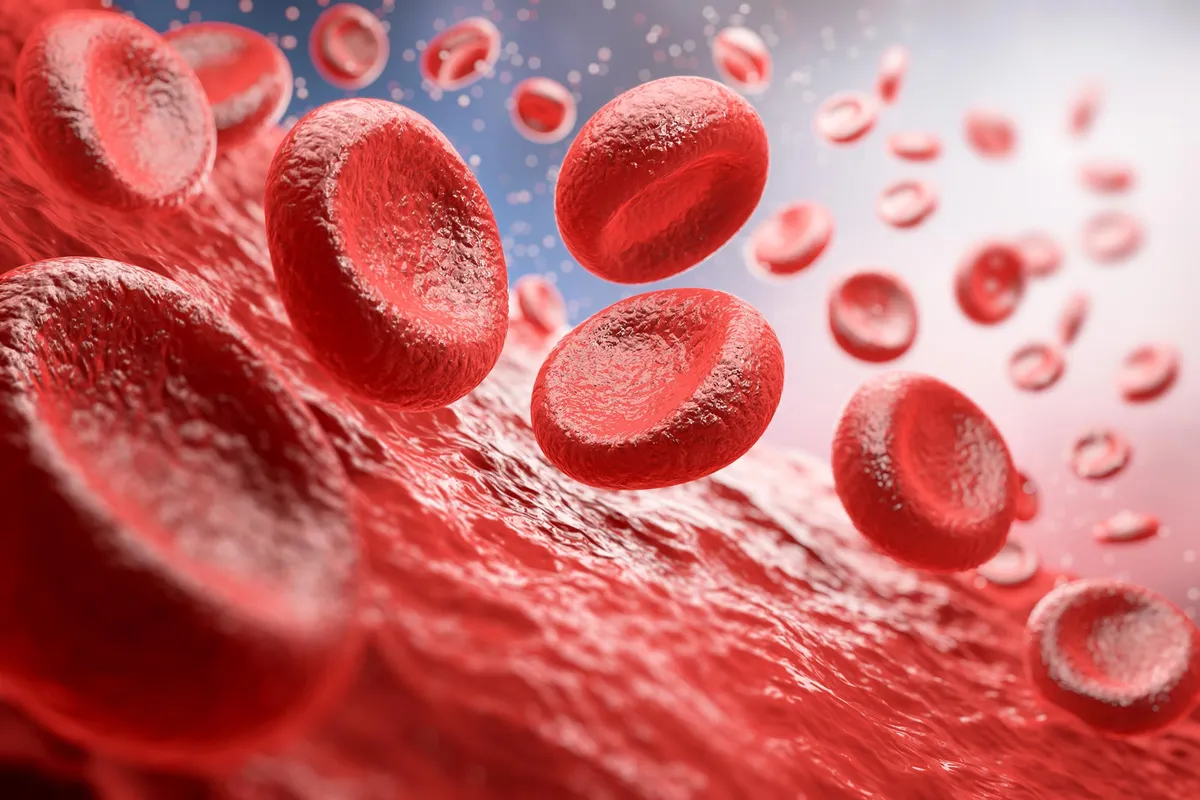
Scientists have discovered how to reverse aging in blood-forming stem cells, potentially preventing age-related blood disorders.

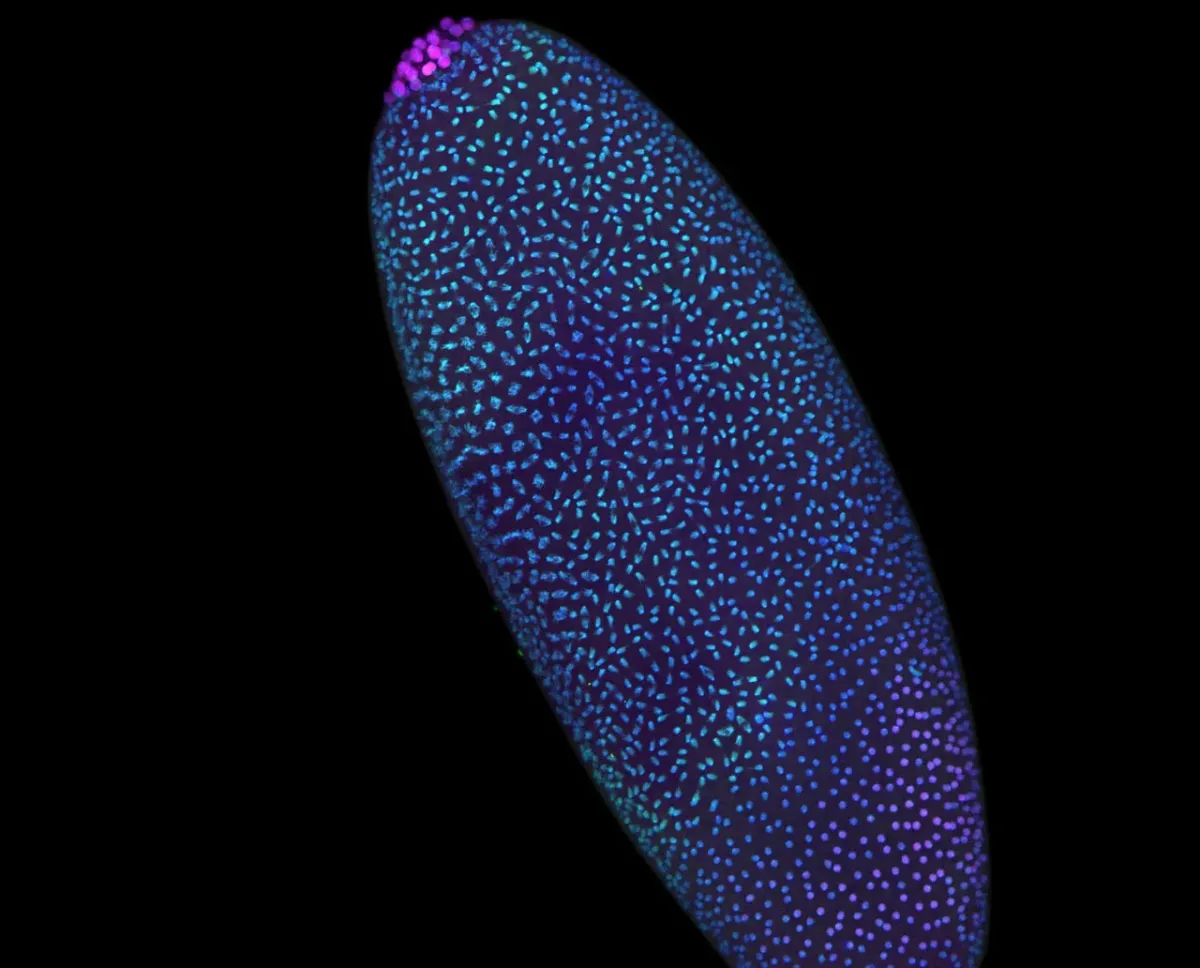
Your genes don't assemble randomly—they're orchestrated with stunning 3D precision from conception's first moments.

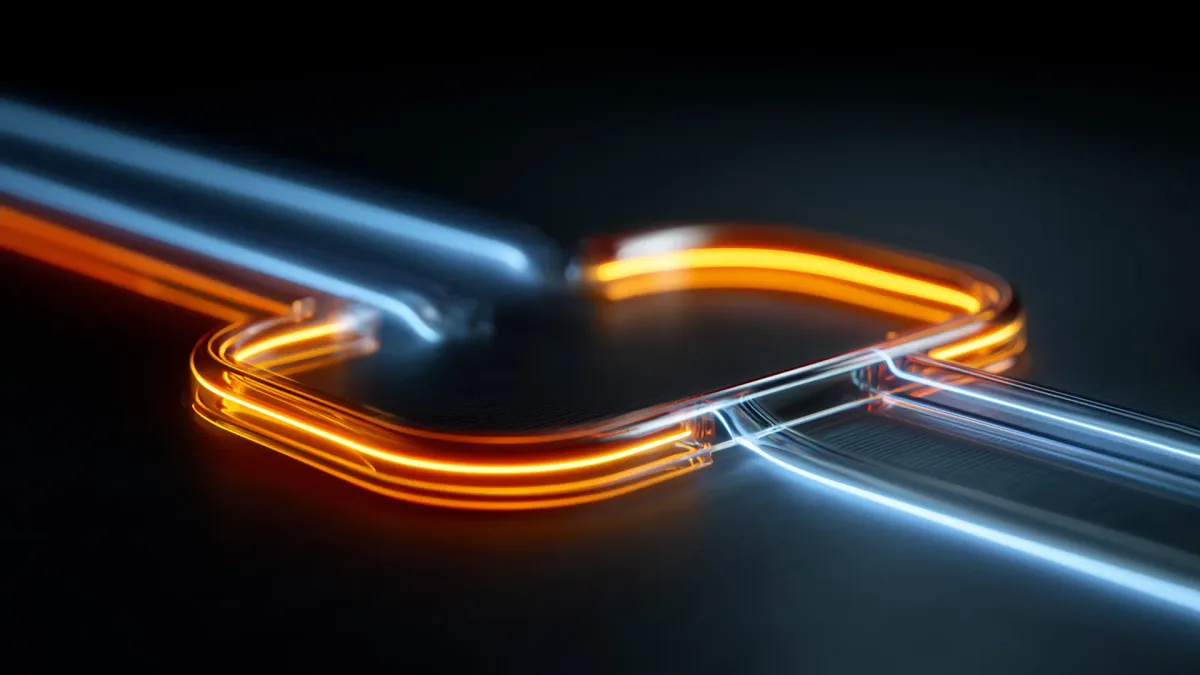
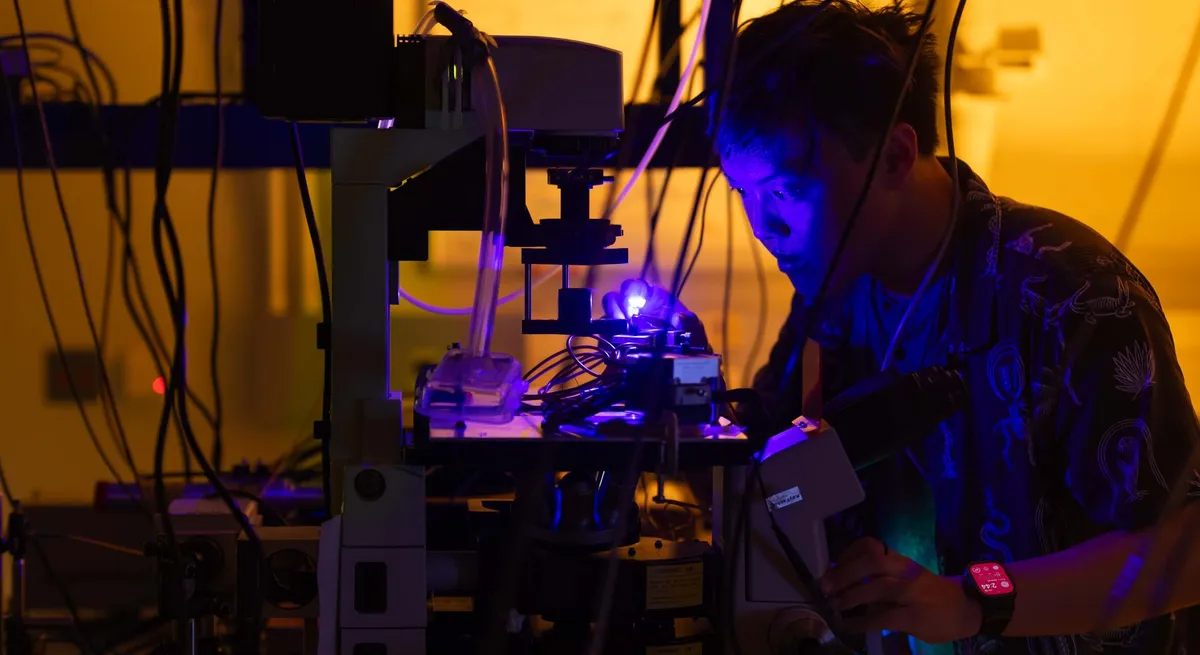
CU Boulder researchers engineered microscopic racetracks that trap light with unprecedented efficiency, using highway-inspired curves to minimize energy loss.
Know someone who needs a boost? Share Brightcast with your friends and family.

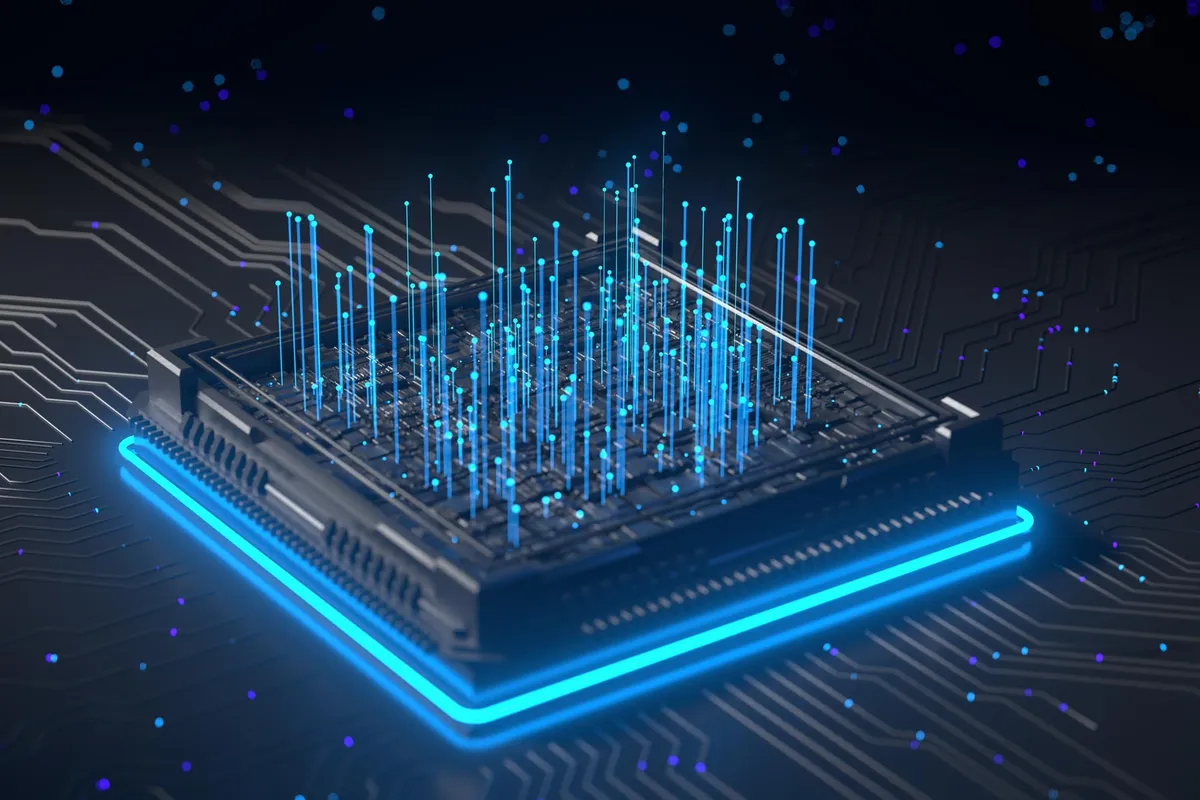
Scientists just simulated a quantum microchip at record scale using a supercomputer. The breakthrough could accelerate next-generation quantum hardware development.

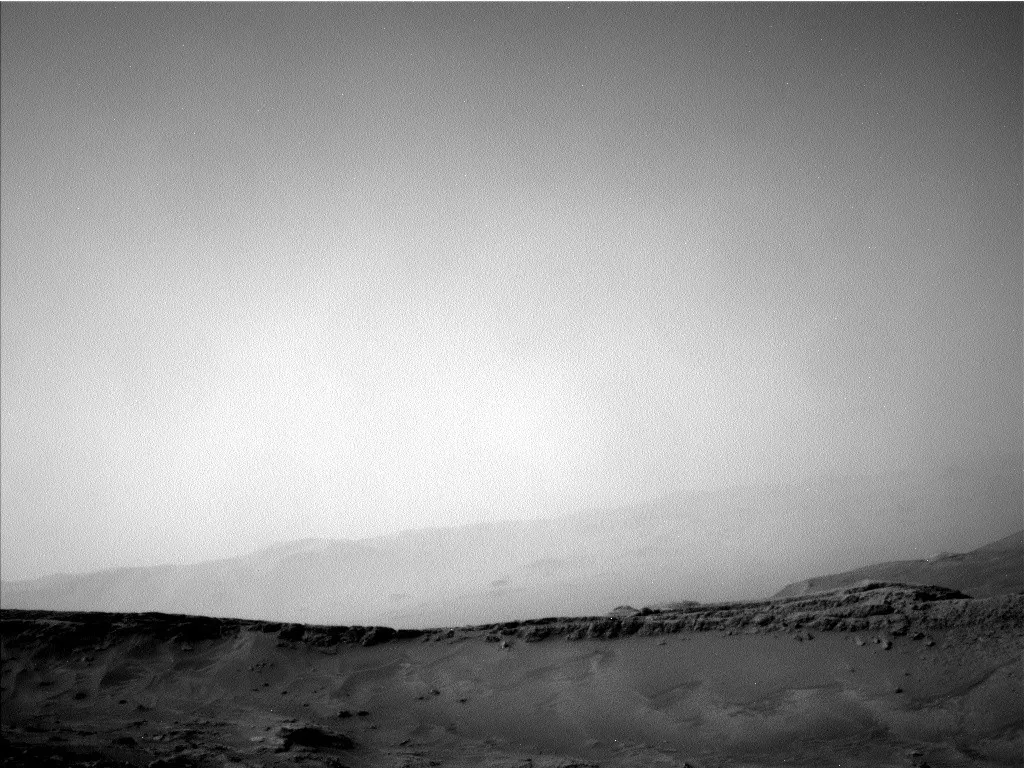
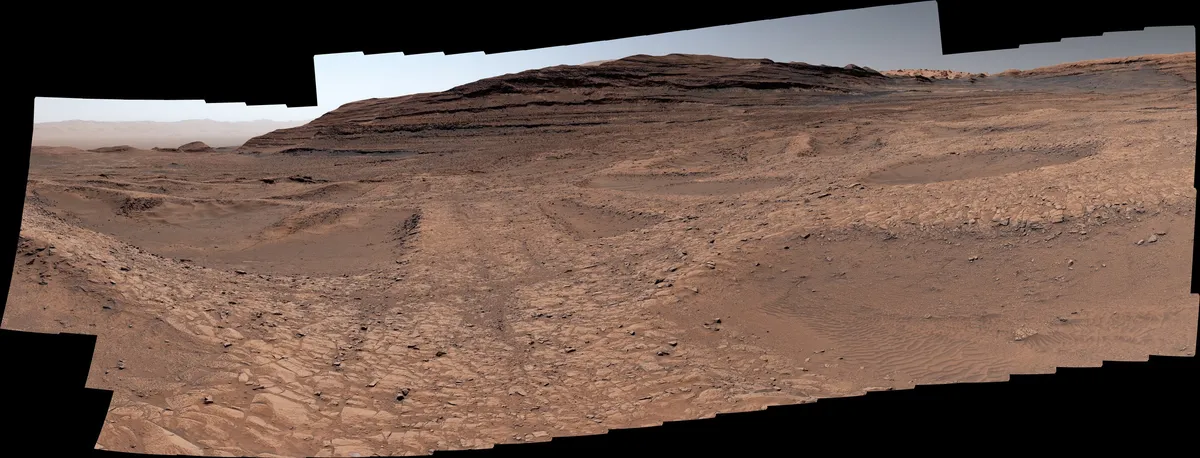
Curiosity rover reveals ancient Martian waterways etched in stone. Boxwork formations captured on sol 4,671 show where water carved through rock billions of years ago.

Hairline-thin LEDs could soon replace lasers in data centers and next-gen displays. UC Santa Barbara researchers have found a practical path forward.

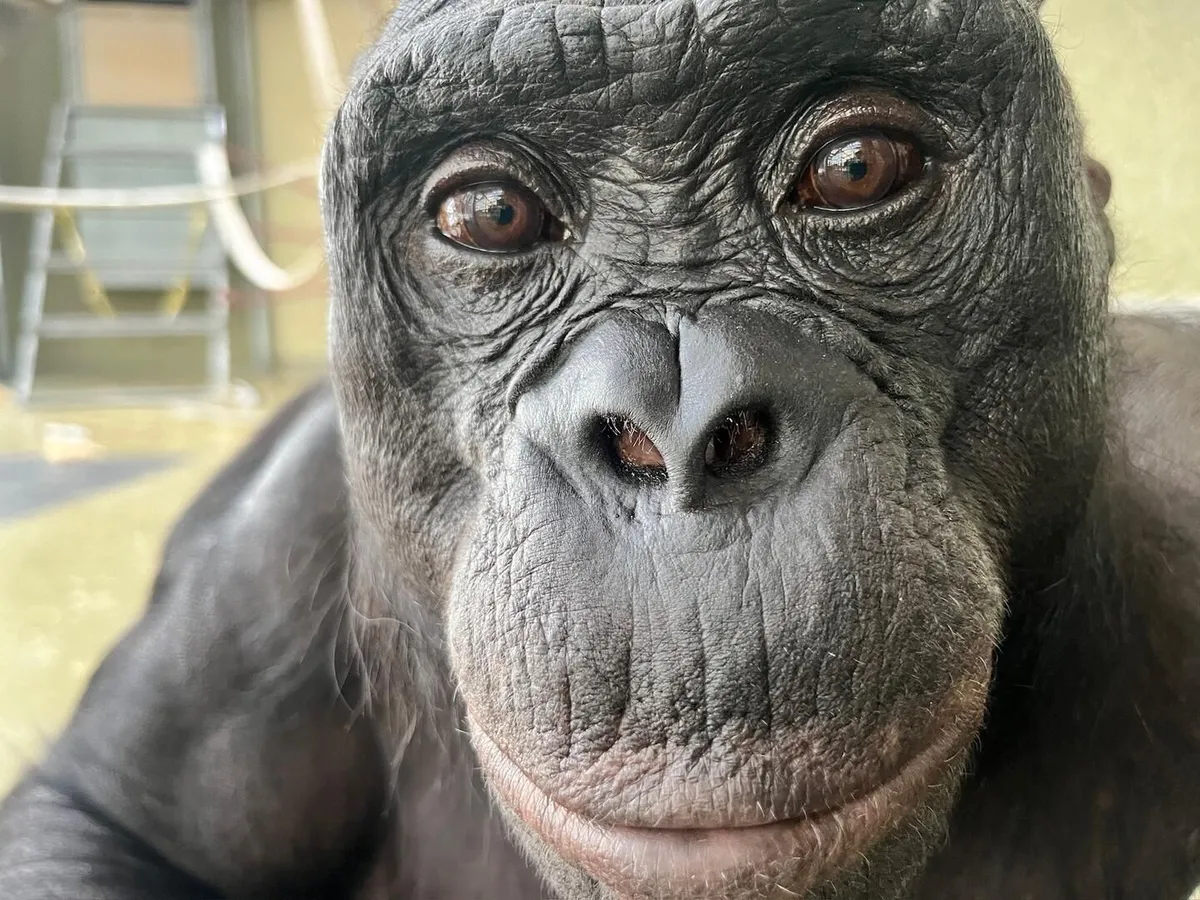
A captive animal trained in English shows signs of imagination—a cognitive ability once thought uniquely human.

Humans may have invented symbolic writing 40,000 years ago—37,000 years before Mesopotamia's earliest known scripts, according to new evidence in PNAS.